Body Chains: The Complete Jewellery Guide for 2026
Introduction: the piece that goes where no necklace goes
A chain drops from the collarbone, runs between the shoulder blades, wraps the waist. Or it crosses the ribcage without touching the neck at all. Or it sits low on the hips beneath a midi skirt and catches the light only when you move.
Body chains are one of the oldest categories of jewellery on earth, documented across India, Egypt and sub-Saharan Africa for thousands of years. In western fashion they were largely absent for most of the twentieth century. That has changed sharply. Y2K nostalgia, the Glastonbury effect, Notting Hill Carnival summer style and a generation that came of age watching early-2000s pop have pushed body chains from niche to mainstream. You will find them now in every market from fast fashion to fine jewellery.
This guide covers what body chains actually are, the full range of types, how to wear each, sizing (which matters more than with most jewellery), materials, body type considerations, care instructions and who this category genuinely suits.
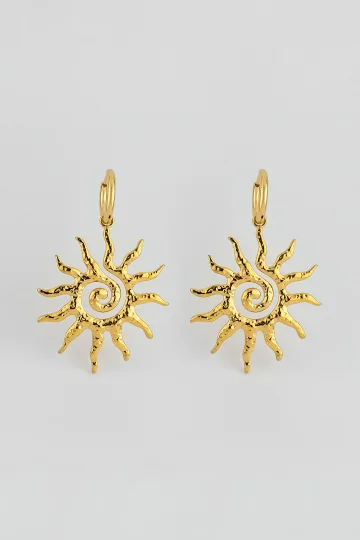
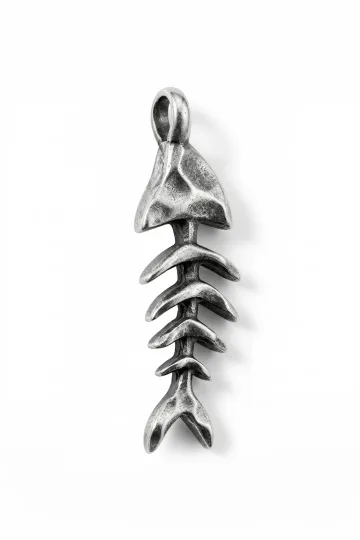
Wear the symbol, don't just read about it. These are in stock:





What is a body chain
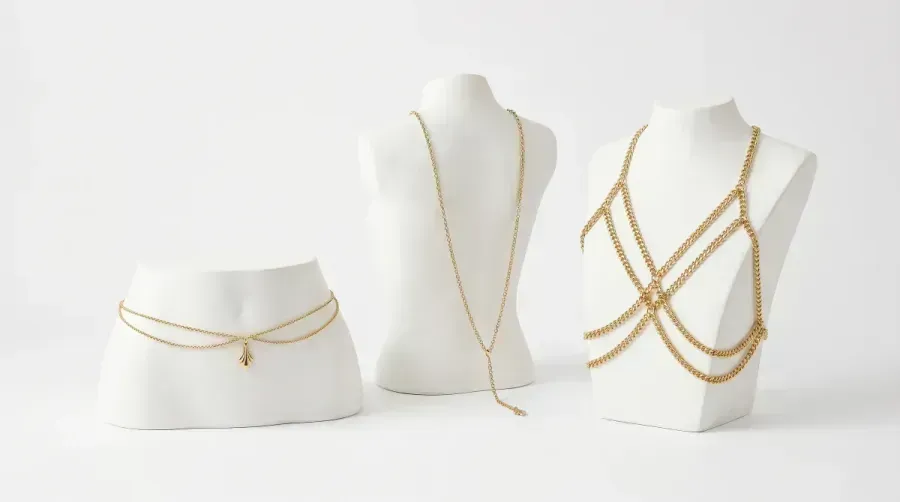
Technically: a chain or system of chains worn on the torso, hips, feet or back rather than on the wrist, neck or fingers. The main types are:
Belly chain (waist chain). Encircles the waist. Can sit directly on skin under clothing or visible above a crop top. The most common and accessible entry point to the category. A thin version (1.5 to 2 mm) is barely noticeable under a t-shirt; a chunkier version with drops is a deliberate statement.
Back chain. Runs from a necklace clasp down the spine. Most impactful with open-back dresses or deep-cut tops. Turns the back into a decorated surface. Attaches at the lower point with a second clasp or to a waist chain.
Hip chain. Sits lower than the waist, across the hip bones, often with drops or pendants. Classic beach jewellery, also strong with tailored trousers cut low. Worn high on the hip or low across the bikini line.
Chest chain or bra chain. Mimics the shape of a bra across the chest. Worn over a bodysuit, under a sheer top, or as the top itself on the right occasion. Over a bikini top at the beach it reads as resort style; under a translucent blouse it reads as editorial.
Shoulder chain. Crosses over the shoulder, connecting front to back. A less common type but very strong for shoots, stage looks and dressed-up occasions.
Harness. A system of multiple chains forming a geometric pattern across the torso. The boldest option. Very editorial, powerful in fashion contexts. Under an open blazer it crosses into wearable territory without becoming costume.
Foot chain. An oversized anklet with a connector running to a toe ring. Beach, resort, barefoot sandal territory.
A body chain lives on bare skin, not over a turtleneck. Hide it under wool and you may as well leave it in the drawer.
How to wear a body chain
I have styled body chains across dozens of shoots, from beach to evening. Here is what actually holds a look together, sorted by occasion.
How do I wear a body chain every day? For daytime I recommend a thin belly chain under a white tee or an oversized shirt. Nobody sees it, it only surfaces as a line above the waistband when you lean over. I suggest matching the metal to your wardrobe: silver for a cool palette, gold for warm, sand and earth tones. With high-waisted jeans this is the calmest way into the category.
Does a body chain work for the office? Only the hidden version. I recommend a fine chain under a blouse or a knit as a private detail that only you know about. If you want it to show, save that for Friday: a waist chain above a pencil skirt, barely visible under a cropped jacket.
How do I build an evening look? For evenings I choose a back chain with an open-back dress. A deep back neckline plus a thin line down the spine reads richer than a heavy necklace. I suggest a plain, quiet fabric so it does not compete with the metal. Keep the earrings small and skip the bracelets this time: there should be one focal point.
And for the beach or a festival? Here I recommend a hip chain over a swimsuit and a foot chain running to a toe ring for bare feet. Under linen and a knit top, boho layers with turquoise and moonstone sit beautifully. You can stack: a waist chain plus a hip chain, two or three fine links instead of one thick one.
How do I avoid overdoing the layers? Two rules that never fail. First, I do not mix metals on the body and on the hands without a reason, silver pulls silver along with it. Second, the bolder the placement of the chain, the quieter the clothing around it. Context decides everything.

Turn on your camera, pick earrings, a pendant or a ring, and see the piece on yourself in real time.
Switch items in one tap.
Everything runs in your browser: no photo or video is ever uploaded.
History of body chains: from the Nile to Glastonbury
These are not a new invention. They are among the oldest forms of decoration found anywhere. Understanding where they come from explains why they keep returning.
Ancient India: the kamarbandh
The kamarbandh (waist chain) has been documented in Indian art and literature for over two thousand years. It was part of bridal jewellery across regions, often made in gold with hanging bells and coins. Every element carried meaning: the coins spoke to prosperity, the bells were thought to deflect harm, the gold announced family standing.
In south Indian tradition a waist chain was worn from childhood through old age and removed only in mourning. It was not an accessory but a mark of being alive in the world. Kamarbandhs passed from mother to daughter, accumulating family history in each link.
Ancient Egypt: pectorals and pharaonic belts
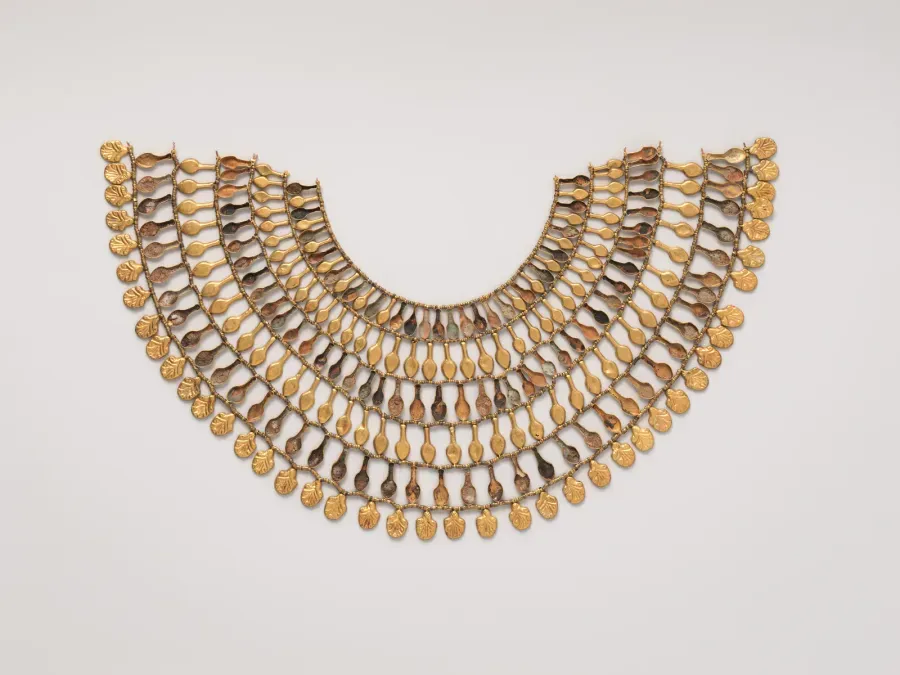
Egyptian tomb findings include body chains worn by noblewomen and royal figures. Pectoral chains covering the chest were among the most elaborate pieces found, incorporating scarab amulets, the ankh, and inlaid turquoise, carnelian and lapis lazuli. These were not only decorative objects but protective ones.
Waist chains from the royal period show heavy gold link construction, central clasps and lateral drops, often marked with cartouches identifying the wearer. Museum holdings from Egyptian digs include waist pieces that read as immediately contemporary.
Greece and Rome: the zone of Aphrodite
Greek dress had a word for the ritual girdle worn at the waist: the zona. It fastened the tunic, but it also carried meaning far beyond function. In myth the girdle of Aphrodite could stir desire in anything that touched it, and the goddess lent it out so that others might borrow her power for an evening. A waist ornament was therefore written into the mythology of attraction long before fashion ever called it seductive.
Roman practice was more sober. Matrons wore fine gold waist chains as a marker of virtue and social rank, and the piece read to any Roman viewer as a statement of standing rather than an invitation. The same object could mean two very different things on two sides of the Mediterranean, which is a useful reminder that body jewellery has never had one fixed meaning.
Sub-Saharan Africa: status encoded in metal and bead
Across Bantu, Zulu and Hausa traditions, body chains and bead waist pieces have marked social status for centuries: girl, unmarried woman, wife, mother. The pieces passed through generations carrying encoded information about identity and belonging. Knowing how to read them was knowing who someone was.
A girl received her first strand young, and every subsequent change in the set recorded a change in her life. Anyone raised inside that visual language could read a woman's position without a word being spoken. The chains functioned as a wearable record, which is a very different job from the one a fashion accessory does.
European Renaissance and Baroque periods
From roughly the sixteenth century, elaborate body chains appeared in Italian and French aristocratic dress: chains worn over gowns, often pearl-studded, as much about displaying wealth as decorating the body. Venetian portraiture of this era shows women wearing layered body chains over brocade. These were signals of position as much as ornament.
The twentieth century gap
Body chains effectively disappeared from mainstream western fashion through most of the twentieth century. They were associated with belly dance, burlesque or "exotic" costume, which kept them on the margins of respectability.
1960s: the psychedelic revival
The first flicker of return came with the counterculture of the 1960s, when the hippie movement embraced jewellery from Indian, African and Middle Eastern traditions as symbols of freedom from mainstream conformity. Indian kamarbandhs and African bead waist pieces became part of the psychedelic visual vocabulary.
1970s: disco and the club floor
Disco produced the next wave. The big New York clubs of the decade turned maximalist dressing into a nightly display, and fine gold waist chains and chain harnesses over open tops were ordinary club wear rather than costume. Disco asked the body to shine, to move and to be seen, and a chain answered all three demands at once: it caught the lights, it followed the movement rather than fighting it, and it drew a line exactly where the wearer wanted attention.
British club culture picked up the same vocabulary a little later and rather more cheaply, in plated metal rather than gold. The look faded with the decade, but the association between a chain on the torso and a night out survived it.
1990s to early 2000s: hip-hop and Y2K
Hip-hop culture and the R&B aesthetic of the 1990s brought the belly chain back at scale. Thin gold waist chains became an icon of Y2K fashion, part of the low-rise trouser moment that defined that decade's silhouette. The chain was everywhere from roughly 2000 to 2003, then receded again as silhouettes changed.
2010s: Glastonbury and the festival circuit
The festival fashion boom of the early 2010s normalised body chains for outdoor music culture. Glastonbury provided the definitive British context: maximum decoration, minimum clothing, maximum personal expression. Notting Hill Carnival added its own aesthetic, where full body decoration is part of the tradition. In the United States, Burning Man's harness imagery crossed into fashion editorial. Body chains moved from niche to expected.
2018 to 2026: permanent category
The shift from trend to standard. Major retailers now carry body chain sections. The Y2K revival made the belly chain a genuine staple. Burning Man's visual aesthetic seeded the harness into fashion editorial. Body chains are now a persistent category rather than a cyclical moment.
Types in detail
Belly chain
The most accessible type. Encircles the narrowest point of the torso. A fine chain (1.5 to 2 mm) worn under clothing is invisible and purely personal. A thicker chain (3 to 5 mm) with drops worn over a crop top is an overt statement. Both are valid uses of the same category.
For correct positioning the chain should sit horizontally, not angling down at the sides. An adjustable extender allows precise fit across the day as the body changes.
Bralette chain
Crosses the chest in the shape of a bralette. Worn over a swimsuit, bikini top or bodysuit. Under a sheer blouse it creates a visible-lingerie effect. Worn alone over bare skin it requires confidence but produces a strong visual.
Back chain
Runs from the necklace clasp at the front down the spine. Works best with garments that expose the back. Attaches at a lower point via a second clasp, or connects to a belly chain to form a full loop.
Shoulder chain
Crosses over one or both shoulders, linking the front and back of a look. Less common than the other types, used more often in editorial, on stage or as a distinctive occasion piece.
Harness
Multiple chains forming a geometric structure across the torso. Under an open blazer it is wearable for evenings and events. Worn alone as an upper body piece it is full editorial territory. Context does most of the work here: in a club the harness reads as ordinary dress, in a lift at nine in the morning it does not.
Low-slung belly chain
Sits below the traditional waist position, across the lower abdomen, above sports shorts or through the gap of a cropped top. This is the version that grew fastest in the early 2020s. Usually light, usually without drops, just a line of metal following the curve of the hip bones. It suits people who find a chain at the natural waist too close to the ribs, and it photographs particularly well because the line sits at an angle rather than straight across.
Anklet-to-toe chain
An anklet joined to a toe ring by a fine connecting chain. The form comes from the south Indian tradition sometimes written as punjal pazham, reworked by beach and resort styling. It only works barefoot or in open sandals, and it needs to be sized properly: too tight across the instep and it digs in when you walk, too loose and the connector drags. Silver and steel handle sand and salt water better than plated brass here, because this is the piece most likely to be worn in the sea.
Waist chain with a central pendant
A subtype of the belly chain where the whole composition hangs on one central element: a coin, a medallion, a stone drop or a small figure. The pendant sits on or just above the navel and works as a focal point. Indian bridal versions often used a navel stone set with nine gems, one for each planet in the traditional system. Contemporary versions are usually a single stone or a geometric plate. This variant reads more formally than the plain chain, because the pendant gives it a front and turns the piece into something closer to a belt.
Double and multi-strand chain
Instead of one line of metal there are two, three or more parallel strands of different lengths fanning down over the hip or stomach. The layering effect is not something you get by simply stacking separate chains, because the spacing stays even as you move. A multi-strand chain visually widens a narrow area and sits particularly well on the hips. One drawback: the more strands, the higher the chance of tangling, which is why good versions always include spacer bars holding the strands at fixed intervals.
Arm chain
Runs from the upper arm down to the forearm, sometimes ending in a loop over the middle finger. It descends from the Indian bajuband, an armlet worn above the elbow by both men and women at princely courts. The modern version is lighter and finer, and it reads as jewellery for a sleeveless dress. Technically this is no longer a torso piece, but the logic is identical: the ornament is fixed to the body rather than to a single joint.
Styles
Minimalist
A single fine chain in silver or gold with no pendants or decoration. The chain itself is the statement. Works in professional contexts, day-to-night, anywhere that heavier jewellery would be too much. The entry-level choice for someone new to the category.
Boho
Layered chains with semi-precious stones (turquoise, lapis, coral as historical accent stones; labradorite and moonstone as contemporary alternatives), small pendants, wooden or shell beads. Festival-adjacent. Strong with linen, crochet, loose-fit summer dressing.
Y2K
A thin silver chain sitting low on the hip or waist, with small drop pendants: stars, crescent moons, small crystals. The defining aesthetic of early-2000s pop, back with force.
Gothic and alternative
Dark metal or blackened silver chains, harnesses with geometric hardware, padlocks, spike elements. Associated with Burning Man's darker visual vocabulary and with alternative subculture more broadly.
Eastern
Gold chains with hanging coins, small bells (ghungroo), granulation and filigree. Drawn from Indian and Middle Eastern jewellery traditions. Formal, ceremonial, sometimes wedding-specific.
Glamour
Crystal-set chains, freshwater pearl drops, heavy link designs. Red carpet, evening events, occasions where maximum impact is appropriate.
Customer reviews
Zevira is a real jewellery shop. Genuine payments, deliveries and customer thank-yous.
🥰🥰🥰 gracias
Ok, ¡gracias! 🙂
Materials
Sterling silver 925. The quality standard for everyday body jewellery. Hypoallergenic for most wearers, durable, takes detail well. Will oxidise with exposure to water and sweat but cleans easily with a soft brush and mild soap.
Heavy gold plating on stainless steel (gold-fill). A practical mid-range option. A real gold layer over steel base makes it more resistant to wear than brass plating. Check the micron count: anything above 2.5 microns holds well.
14K or 18K solid gold. Premium. For pieces intended to be worn long-term or passed on. The price reflects the material and the craftsmanship.
316L stainless steel (PVD finish). Everyday and athletic use. Fully waterproof, hypoallergenic, does not tarnish. The PVD coating holds colour without peeling if quality is good. The most practical material for active wear or beach use.
Brass with plating. Mass-market baseline. Wears through faster, especially with body contact and sweat. Fine for occasional use. Not the right choice for daily or beach wear.
Leather cord with metal hardware. Boho and alternative styles. Comfortable against skin, not waterproof.
With stones. Turquoise, lapis and coral were the historical accent stones in Indian and Egyptian pieces. Contemporary alternatives: labradorite, moonstone, freshwater pearl. Any of these add colour and texture to a base chain, and the link patterns of the chain itself carry as much weight as the stones.
Stones in body chains: tradition and today
Not every body chain is bare metal. Stones have a long history in this category, and knowing which ones were used where explains most of what you see on the market now.
The Mughal era
Indian waist chains from the treasuries of the ruling houses between the sixteenth and nineteenth centuries were set with rubies and emeralds in gold link work. These were serious pieces of goldsmithing rather than accessories. The kundan technique, which sets stones in pure gold foil with no visible claws or bezels, let a maker run colour along the body in an unbroken flow, so the belt looked less like a row of settings and more like a poured ribbon of stone.
Egyptian belts
Turquoise and lapis lazuli in waist pieces of the pharaonic period carried specific meaning. Turquoise was protective, lapis was the colour of the Nile and the night sky, and carnelian stood for blood and vitality. The stones were chosen for what they were believed to do as much as for how they looked, which is why the same three colours recur across centuries of Egyptian work with very little variation.
Contemporary accent stones
Today the field has narrowed to a handful of stones that suit skin contact and summer wear. Turquoise anchors the boho end of the category and reads immediately as warm weather. Labradorite gives a cold flash of blue and green that suits the darker, witchier styling. Moonstone brings a soft pearly sheen that works with minimal romantic pieces. Freshwater pearl belongs to the resort and seaside register. Amber, garnet and carnelian appear less often but hold up better against warm skin tones than any of the pale stones.
Choosing a stone that survives being worn
A body chain sits against skin all day, which is harder on a stone than a pendant that hangs clear of the body. Anything soft or porous is a poor choice here. Turquoise and pearl both dislike sweat, sun cream and perfume, so they want rinsing after wear. Labradorite, moonstone and quartz cope better. Stones set in closed bezels survive far longer than claw settings, which snag on fabric and lose stones quietly. If you plan to wear the chain to the beach, choose either bare metal or a bezel-set hard stone and keep the delicate ones for evenings.
Upload a photo of your pet, someone you love, or an object. We'll build a 3D model and hand-cast it in pewter.



Sizing
This is where body chain shopping goes wrong more often than any other category. A ring can be resized. A belly chain that is 10 cm too short cannot be worn. The basic logic is the same as in a regular necklace length guide: a few centimetres change how the piece sits on the body.
Before the numbers, it helps to understand the three adjustment systems you will meet, because the right one removes most of the sizing risk.
Adjustable extender
A short run of five to eight extra links at the clasp end of the main chain. It lets you move the fit across a range of several centimetres, so the same piece works snug over bare skin and looser over a swimsuit. Any decent waist chain should come with one. Check that the extender links are the same gauge as the chain itself: a flimsy extender on a heavy chain is where the piece will eventually fail.
Slide clasp
A sliding bead or lock that grips the chain anywhere along its length, giving continuous adjustment rather than fixed steps. This is the best option if you want an exact fit, or if you plan to wear the same chain in different positions, at the natural waist one day and low across the hips the next. The mechanism should hold under a firm tug; if it slips in the shop it will slip on the body.
Multi-position fittings
Harnesses and bra chains use several adjustment points at once: shoulders, underbust, back. That sounds fiddly and it is, the first time. The payoff is that a multi-point piece can be fitted to a much wider range of body shapes than a single-length one, and once you have set it you rarely need to touch it again. Take ten minutes with a mirror on the first wear rather than adjusting it in a changing room later.
Belly chain:
- XS/S: 65 to 75 cm
- M: 75 to 85 cm
- L: 85 to 95 cm
- XL/Plus: 95 to 110+ cm
Hip chain: measure your hip circumference (not waist) and add 5 to 10 cm. Hip chains sit looser than belly chains.
Back chain: most are adjustable through the necklace clasp system. Measure from your collar to where you want the chain to end on your back.
Chest chain or harness: usually sold with multiple adjustment points. Measure from shoulder to shoulder and from collarbone to underbust.
General rule: always choose adjustable where possible. The body changes across the day (swelling in heat, in the evening, across the cycle) and a fixed-length chain that fits at 10 am may feel tight by 8 pm.
Sterling silver, gold, symbolic jewellery and paired sets.
Body type and body chains
Body chains work on all body types, but what you choose to emphasise changes the approach.
Defined waist. A horizontal belly chain at the narrowest point reads clearly as a waist accent. The chain acts like a belt, underlining the silhouette.
Softer waist. If you want to wear the chain as a personal piece rather than an accent, position it slightly lower toward the hips. It sits around the body without emphasising any particular point.
High-rise versus low-rise. With high-waisted trousers the chain appears only above the waistband, which creates a minimal appearance. With low-rise trousers the chain below the navel becomes the central point of the look.
Bralette chain across all types. Over a swimsuit the bralette chain works on every body type as long as the size is right. A soft adjustable bralette chain adapts without pulling.
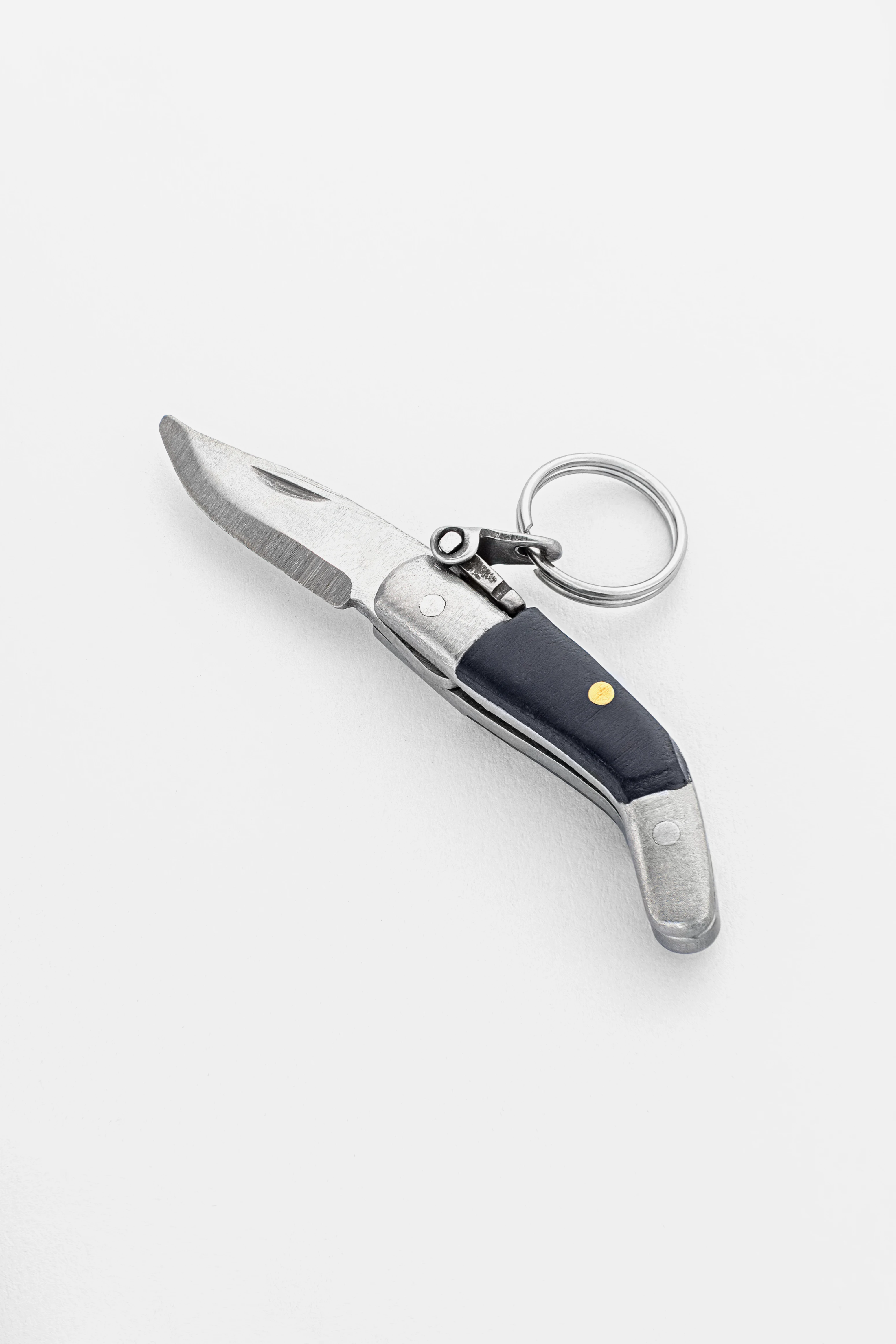
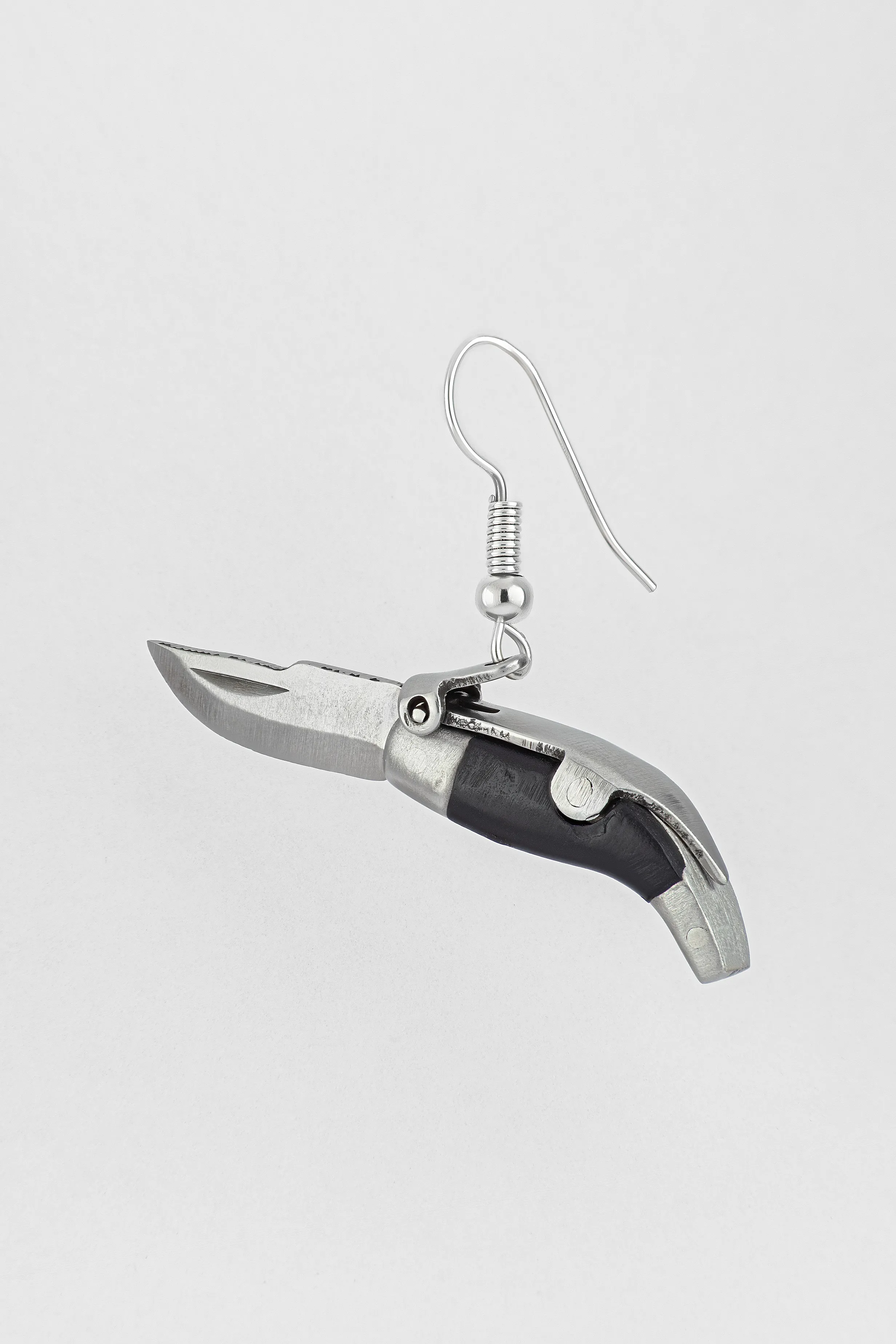
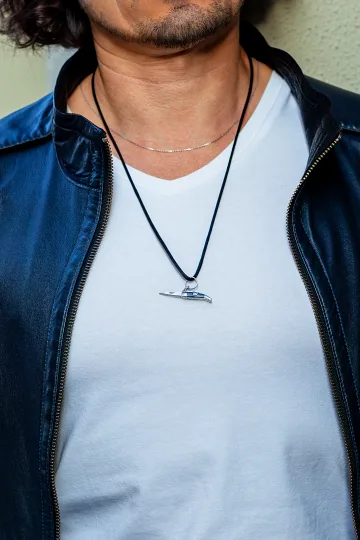
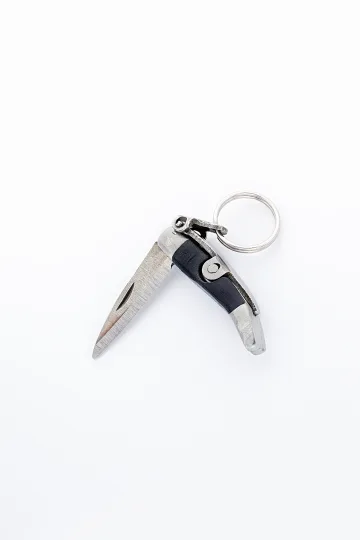
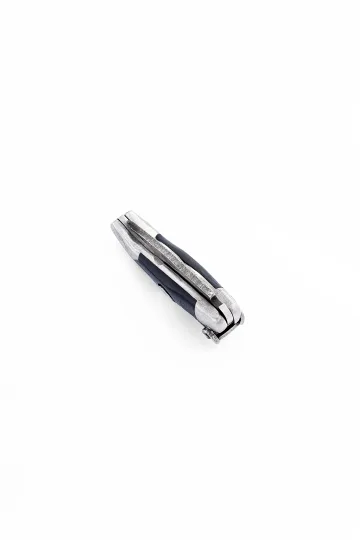
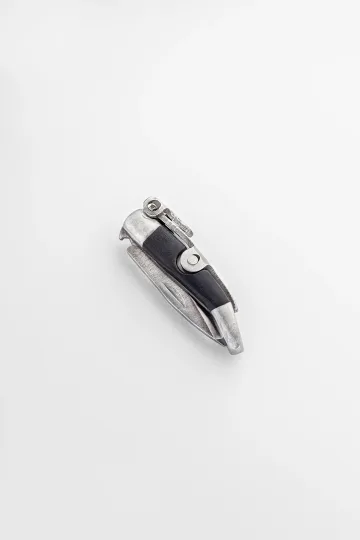
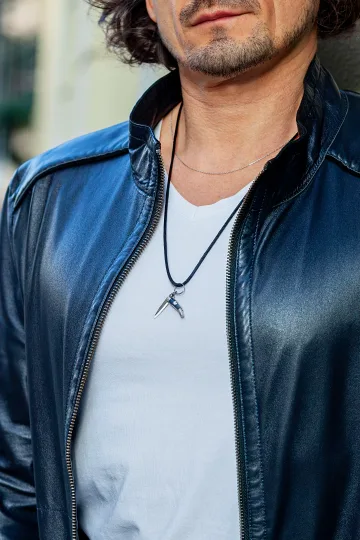
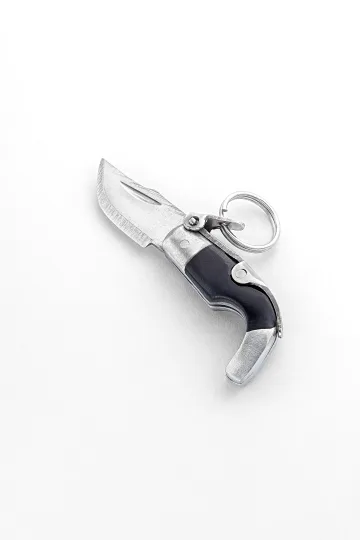
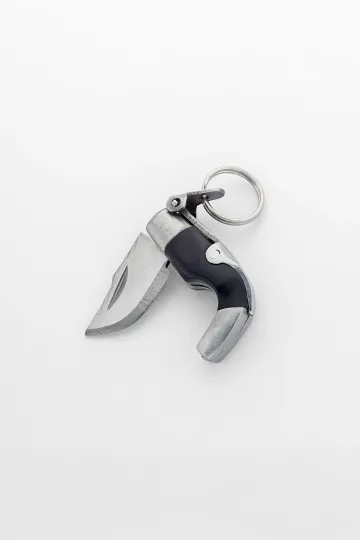
CAPAORA mini knife pendant
The 18th-century Spanish navaja in miniature: 40 mm of stainless steel, a real folding mechanism and a Palanquilla lock that clicks. An affordable gift to remember.
Authentic · Ships from Spain · 14-day returns
Who body chains suit
Women who follow fashion actively. The trend is current and accelerating.
Festival-goers. Glastonbury, Notting Hill Carnival, Burning Man, Tomorrowland: contexts where body jewellery is not just accepted but expected.
Open-back wardrobe owners. If you own open-back dresses and never have a back chain, you are missing the obvious pairing.
Belly dance and burlesque performers. Professional context, professional accessory.
Yoga practitioners. A fine belly chain under yoga clothing is a common choice among those for whom body decoration is part of their practice.
Anyone who wants jewellery for themselves. The hidden belly chain is a purely personal pleasure. No one else needs to see it for it to be meaningful.
Honeymoons and romantic trips. The surprise element of a chain appearing beneath a dress is not accidental.
Beach and resort holidays, festival attendance, photoshoots. Standard equipment for all three.
Leave your email, we'll send your discount code. No spam, unsubscribe anytime.
The code arrives by email, valid on your first order.
Who should think carefully
Formal office environments. Body chains read as personal style or fashion. They do not read as professional in conservative settings.
During pregnancy. The waist changes continuously. A chain that fits at one stage will not fit at another.
Those with metal allergies. Many body chains use lower-grade alloys containing nickel. Look for 925 silver, solid gold or surgical steel.
Active sport periods. Chains can tangle with equipment, catch on fabric during runs, or be a hazard in water with others nearby.
Psychology: why a chain on the body appeals
A body chain has one property that a ring or a pair of earrings does not. It can be worn entirely hidden, in which case the jewellery exists only for the person wearing it. Everyone sees a ring. Nobody sees a chain under a shirt. That changes the motive: the piece goes on for an internal feeling rather than for an external impression, and people who wear one daily describe the experience quite differently from the way they talk about their other jewellery.
The hidden piece and the sense of control
Researchers who study how people relate to clothing have long described the effect of the concealed accessory: something only you know about acts as a private anchor for confidence. A waist chain under a business suit follows the same logic as good underwear beneath a severe outfit. Nothing changes on the outside, but the inside feels different. This explains why so many people wear a fine chain for years and half forget to take it off. It stops being an object and becomes part of the background sense of their own body.
Touch as the reason
The chain rests against skin constantly and shifts slightly with movement. Many wearers describe that soft tactile signal as settling, comparable to the habit of turning a ring on a finger. The light pressure and the coolness of metal give the body feedback it reads without conscious attention. For some people it becomes a way of returning to the body after a long day in front of a screen, which is a modest claim but a real one.
The line between private and public
The decision to show the chain or hide it is itself an act of style. Choosing the position, the visibility and the setting turns a simple length of metal into a tool for managing how open you are being. That ability to switch between hidden and declared is what keeps the category alive: the same object serves as a private secret on Tuesday and a deliberate statement on Saturday, without needing to be replaced.
Body chains in art
Images of the decorated body are older than most written records. Waist chains and pectorals entered art long before they became a retail product, and the way artists rendered them tells you what the pieces meant to the people who wore them.
Indian sculpture and temple relief
On the temple reliefs of Khajuraho and on figures of the yakshi, the ancient female spirits associated with fertility and abundance, the waist is wrapped in a layered chain belt hung with drops. Sculptors carved each link individually in stone because the ornament was read as a sign of plenty and vital force. A yakshi without a waist belt is almost unknown: for early Indian sculpture it was a required part of the female figure rather than an optional detail, which tells you how deeply the object was embedded in the culture.
Classical vase painting and fresco
Greek vases and wall paintings show figures wearing the fine girdle that marked the line of the waist. In Roman fresco a matron's waist chain worked as a marker of position, and a viewer of the period would have read her status from it at a glance. The artist was not adding ornament at random. The chain carried information everyone in the room understood, in the same way a particular collar or badge would today.
Renaissance painting
Venetian and Florentine painters rendered heavy chains over brocade with something close to a jeweller's accuracy, because the client was paying for a demonstration of wealth. A chain in a portrait was evidence of a family's standing, and the painter was expected to convey the weight of the gold and the play of light in the stones. Those canvases still work as a precise catalogue of how jewellery was worn over clothing, and modern reconstructions of period dress lean on them heavily.
Body chains across cultures
Beyond India and Egypt, decorating the body with chain appears on every continent, and almost everywhere it carried meaning beyond decoration.
The Middle East and dance
In Arab and Turkish tradition a belt hung with coins and drops became part of festival and dance costume. The sound of the coins in movement was a deliberate element, a music made by the body. That tradition is what gave western culture its image of the waist chain as something festive and rhythmic, though the western version usually kept the look and dropped the sound.
Southeast Asia
In Thailand, Indonesia and Bali, waist ornaments belonged to temple and wedding dress. Chased gold belts were worn for ceremonies, and the patterns on them often repeated motifs found in local architecture and textiles. The jewellery read as a continuation of the region's wider ornamental language rather than as a separate craft, which is why a belt from one island is recognisably different from one made two hundred miles away.
The Caribbean and the diaspora
On the islands, where African, Indian and European traditions mixed, the body chain entered carnival culture. At the large carnivals a body decorated from head to foot became part of the festival image, and chains at the waist and hips came to stand for freedom of movement and physical joy. Notting Hill Carnival brought that aesthetic to London and gave British summer styling one of its strongest reference points.
Returning to roots
For many people with African and South Asian heritage, wearing a waist chain today is a deliberate gesture of connection to that history. An ornament that western fashion treated as exotic for a long time was never exotic to them. This layer of meaning is rarely visible in a shop window, but it is what gives the category real depth, and it is worth knowing before describing a waist chain as a new trend.
Send a friend a discount code, they save on their first order.
Famous historical examples
Belts from the Indus Valley
Waist ornaments from Mohenjo-daro and Harappa are among the oldest surviving examples of decorating the body with chain. Carnelian beads and metal links assembled more than four thousand years ago show that the idea of wrapping the waist in a row of drops appeared at the very start of urban civilisation, alongside the first planned streets and drainage systems.
Mughal waist belts
The treasuries of the Indian ruling houses held waist chains covered in rubies and emeralds set by the kundan method. These were not daily accessories but ceremonial regalia, inherited along with a title. A single belt took a workshop of specialists months to assemble, and the stones were often recut from older pieces, so one belt could carry material with a history of its own.
Pectorals from Egyptian tombs
The chest ornaments found in royal burials survived because of dry air and sealed chambers. Complex pectoral chains with scarab figures and inlays of turquoise and lapis now sit in museum collections and serve as the benchmark for what body ornament looked like at the height of Egyptian goldsmithing. What strikes most visitors is the scale: these were substantial objects, heavy on the shoulders, not the light pieces the modern category tends to produce.
Venetian portrait chains
The layered chains worn over brocade in sixteenth century Venetian portraits of women are documentary evidence of aristocratic dress. Historians use them to reconstruct exactly how ornament was assembled over ornament, and how much metal a woman of a given position was expected to carry. The paintings also record which combinations were considered acceptable, which is information that survives nowhere else.
Care
Chains with many links collect dirt between them. A few rules:
Clean with a soft toothbrush, warm water and a small amount of mild soap. Work gently through all the links.
Avoid contact with sea salt and chlorinated water. Sterling silver 925 survives but will darken more quickly. Surgical steel handles this better.
Remove before swimming, showering (if the chain is plated), and intense training.
Store in a soft pouch or separately to prevent tangling with other pieces.
After swimming in the sea or a pool, rinse the chain in clean fresh water straight away. This single habit does more to extend the life of a body chain than anything else you can do.
Wipe with a soft cloth after every wear. Sweat, sun cream and body lotion all accelerate the darkening of silver and the wearing through of plating.
Store the chain flat rather than coiled tightly. A chain kept in a tight ball develops kinks that eventually become weak points at the links.
Do not use abrasive cloths on plated chains. Soft cloth only.
Surprising facts
The waist chain is older than the pyramids at Giza
Waist ornaments from the Indus Valley are dated to roughly 2500 BC, which puts them ahead of most of the classical symbols of the ancient world. The thing sitting in a high street accessories section outlasts almost every other category of jewellery in age, and the basic construction has barely changed.
The belt was worn as protection against the evil eye
In Indian and Middle Eastern tradition the small bells on a waist chain were not hung there for the sound alone. The noise was believed to drive off harmful forces, while the coins were thought to draw prosperity. The ornament worked as a portable charm, and its jingle was the function rather than a side effect.
The Greeks had a mythical girdle that caused love
The girdle of Aphrodite, in the myth, could stir desire in anyone who touched it, and the goddess lent it to others so that they might become irresistible for a while. The waist chain was therefore woven into the mythology of desire itself long before fashion writers ever called it seductive.
In south India the belt came off only in mourning
In a tradition where a gold waist chain went on in childhood, it was almost never removed. It marked belonging among the living, and taking it off announced grief. The ornament worked closer to a wedding ring than to an accessory, and it accumulated repairs and additions across a lifetime.
The hip chain has vanished from fashion twice
In western culture the body chain has come and gone in waves: a flicker in the sixties, disco in the seventies, the turn of the millennium, the festival decade of the 2010s. Between the peaks it disappeared almost entirely, and every return was presented as new, although the object is older than the idea of a trend.
The toe ring chain linked a ring to an anklet
The south Indian tradition joined an anklet at the ankle to a ring on the toe with a fine chain. The result was a single ornament running from ankle to toes, which modern beach fashion rediscovered as a styling detail with no idea of its original meaning. The old versions were usually silver, because gold below the waist was avoided in much of India.
An African jewellery set could be read as a document
Among a number of peoples a change in the set of body ornaments recorded a change in status: girl, betrothed, wife, mother. Anyone who knew the code could read a woman's marital position and role without a word being spoken. The body chain was a wearable identification system, maintained and updated over a lifetime.
FAQ
Is a body chain too revealing?
It depends entirely on the type and how it is worn. A thin belly chain under a t-shirt is invisible and conservative. A full harness over a sheer top is bold. The same category covers both.
Can I sleep in a belly chain?
A very fine chain with no pendants is usually comfortable. Chains with heavy drops can leave marks or tangle in bedding. Better to remove before sleep.
Can I put clothing through the wash while wearing the chain?
No. The chain will tangle, stretch or damage the fabric.
Can I wear a body chain every day?
A fine belly chain on good skin: yes. Many people do, for years. Heavier harnesses and statement pieces work better for specific occasions.
Will it show through clothing?
Chains of 1 to 2 mm are not visible through regular cotton or jersey. They can show through silk, chiffon or very fine knits.
How do I measure for a belly chain?
Measure your natural waist (the narrowest point), then add 5 to 10 cm for the fit you want: snug adds 3 to 5 cm, mid-comfortable adds 5 to 8 cm, loose adds 8 to 12 cm.
Can I wear it in the pool?
Chlorine damages plating faster than almost anything else. Sterling silver 925 survives but will darken. Take it off before swimming.
How do I combine a belly chain with a belly piercing?
They work well together. The chain does not interfere with a navel piercing and often frames it. Position the chain above or below the piercing, not through it.
Can men wear body chains?
Yes. The category spans gender. Minimalist chest chains and waist chains appear in menswear editorial and have a specific following in festival fashion spaces.
What is the difference between a harness and a chest chain?
A chest chain is typically one or two chains crossing the upper chest. A harness is a multi-chain system covering more of the torso and creating a structural geometric shape. The harness is the bolder, more complex version.
How does a bralette chain work with a bra?
A bralette chain on straps competes with a bra's straps and clasps. It works best over a strapless bodysuit or bikini top, or worn alone on bare skin. With a regular bra the combination is awkward.
Can I wear one during pregnancy?
A fixed-length waist chain is a poor idea, because the measurement changes continuously and a chain that fits comfortably one month will press the next. If you want to keep wearing one, move it down to the hips, choose a slide clasp with a generous range, and check the fit regularly rather than assuming it still sits where it did. Anything that leaves a mark on skin has already become too tight.
I react to metal. What should I look for?
Reactions to costume jewellery are usually a response to nickel released by the alloy or the plating base. Under the nickel rules that sit within the EU REACH framework, and the equivalent retained rules in the UK, items in prolonged contact with skin have a strict limit on how much nickel they may release. A body chain is about as prolonged as contact gets. Sterling silver 925, solid gold and 316L surgical steel are the safe options. Unmarked plated brass is the usual culprit, and once the plating wears through at the clasp the reaction tends to start there.
Does it work under a swimsuit at the beach?
Very well, and this is one of the settings the category was made for. Choose surgical steel or solid gold if the chain is going into the sea, keep plated pieces for the sun lounger, and rinse everything in fresh water afterwards. A hip chain over a one-piece and a fine waist chain under a bikini bottom are the two arrangements that read as considered rather than accidental.
Do I need to take it off with my underwear?
No, and most daily wearers do not. A fine chain sits above or below the waistband and comes off only for showering, swimming and sleep if you follow the care advice above. Chains with drops are a different matter, because the pendants catch on elastic and eventually pull. If a piece has to be untangled every time you get dressed, it is the wrong piece for daily wear.
Buying it as a gift? Each one arrives ready to give.
 A branded Zevira box and a little card come with every order.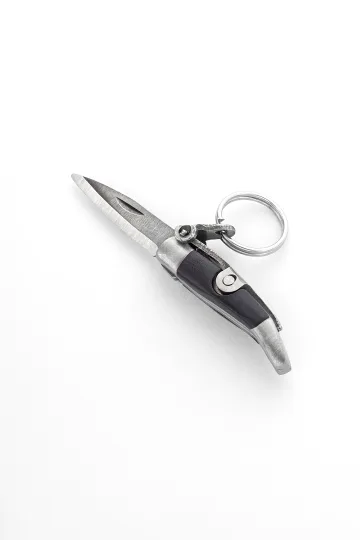






Conclusion
Body chains occupy a genuinely distinct position in jewellery: they decorate parts of the body that most categories ignore, they work hidden or visible, they reference traditions reaching back thousands of years and aesthetics that are urgently contemporary. The belly chain that sits under a daily outfit shares a category with the full harness worn at a festival, which is part of what makes body chains interesting rather than narrow.
If you are new to the category, a fine adjustable belly chain is the right starting point. Wear it under clothing first. Decide whether you want the chain for yourself or as something others see. Then move further in whichever direction makes sense.
About Zevira
Zevira works in the metalworking tradition of Albacete, Spain, with sterling silver 925 and solid gold 14K to 18K. Body chains are one of our made-to-order categories: belly chains in multiple lengths and link patterns, back chains for open-back dresses, bra chains, hip chains, and paired sets. Each piece can be personalised with an engraving.