How to Choose an Engagement Ring: The Ultimate Guide
An engagement ring carries more than its metal and stone. It is a symbol of a promise, a declaration of intent, an object that will be worn every single day for decades. Making a mistake in this choice can become a source of disappointment, even if your intentions were the most sincere.
This article is not about fleeting trends or marketing tricks. Gathered here are practical criteria, proven by time and real-world experience. Facts instead of excessive romanticism; concrete details instead of empty words.
Where to Start the Selection
The first step is not searching for a design on Instagram or walking into the first jewellery store you see at the mall. First, you need to establish boundaries and understand the context.
Three Key Questions
1. Who is this ring for?
Not an abstract "for my girlfriend," but specific characteristics:
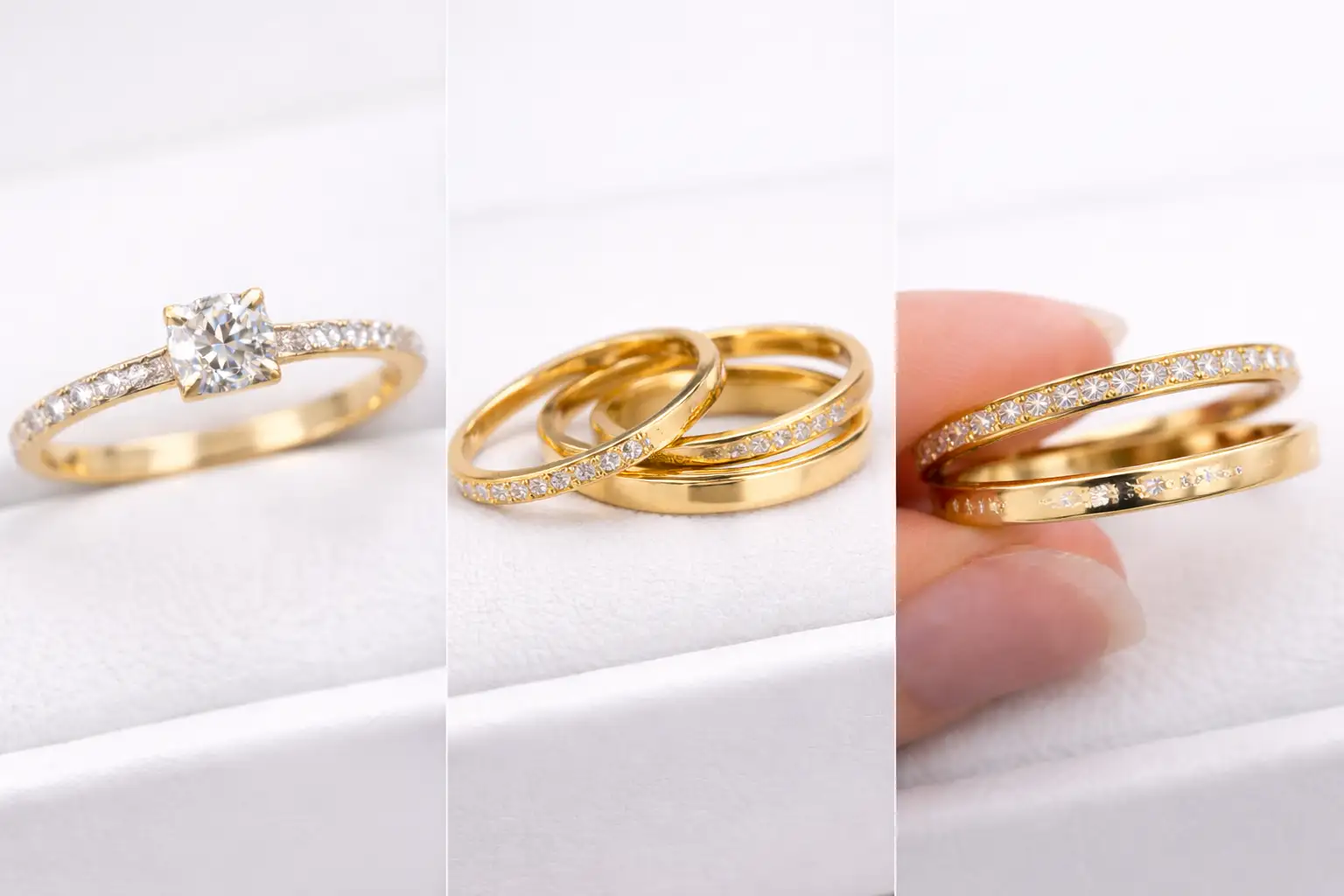
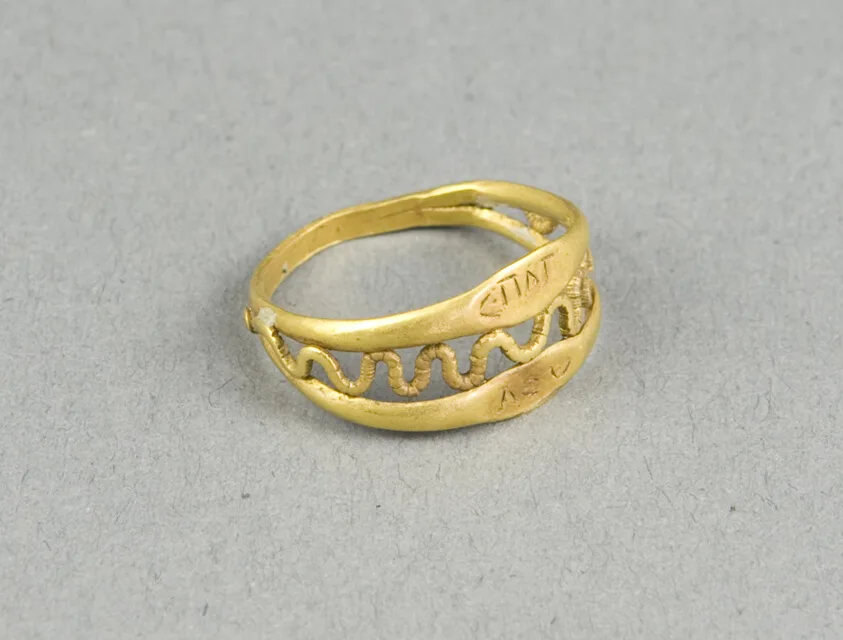
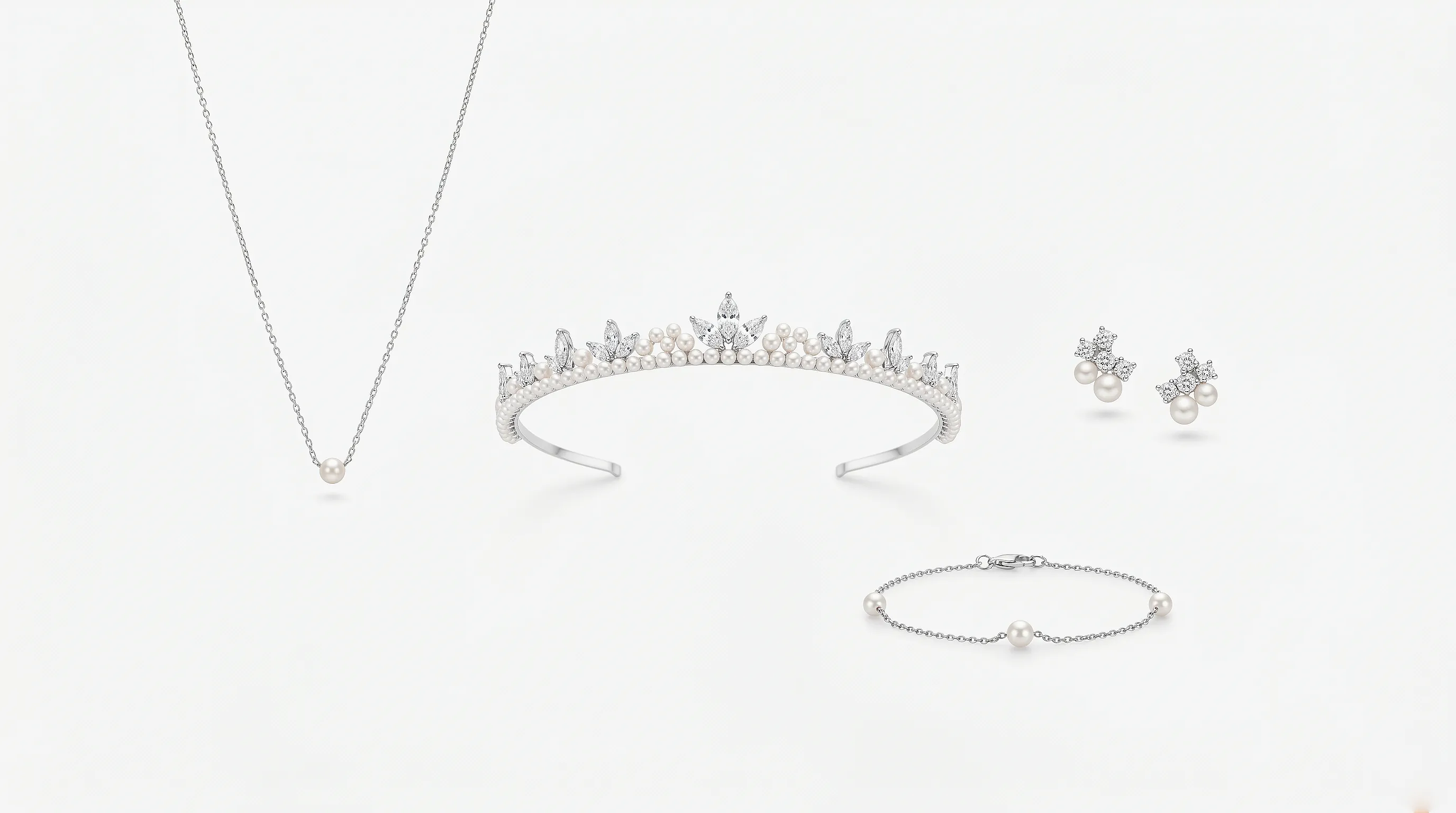
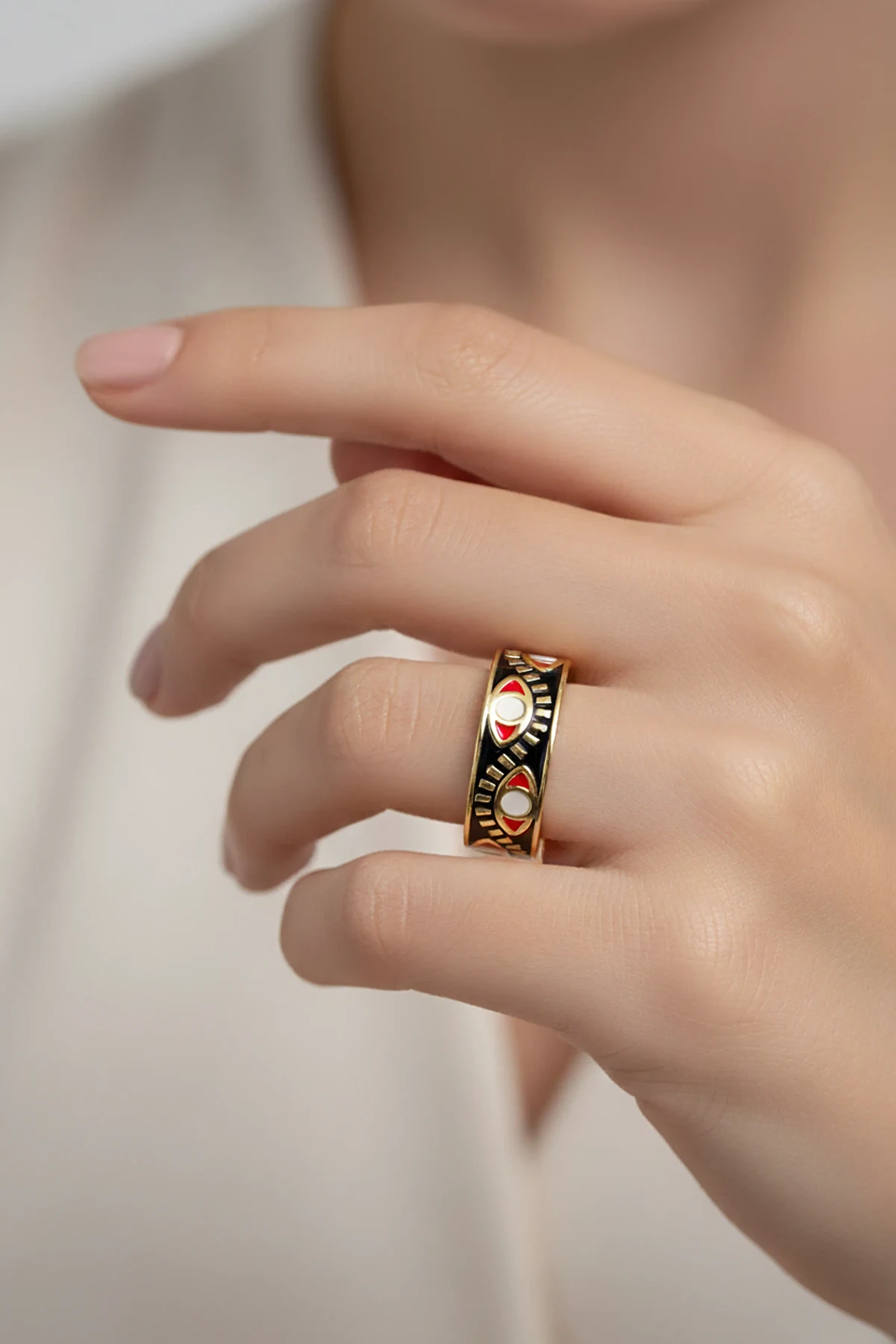
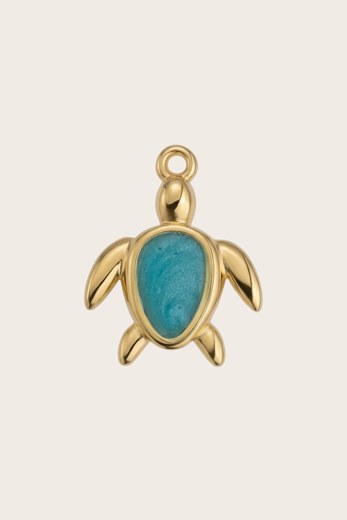
Wear the symbol, don't just read about it. These are in stock:


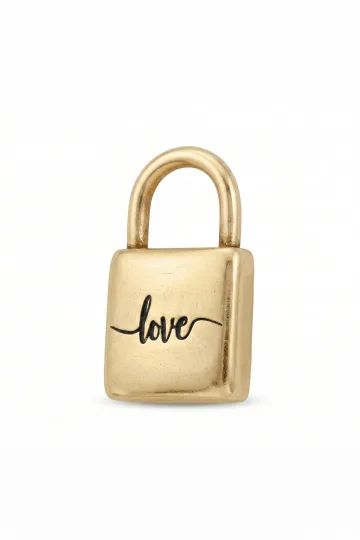
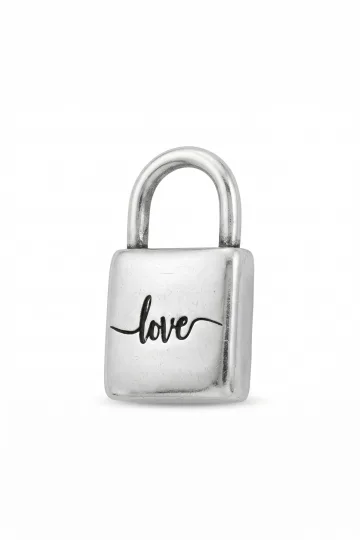
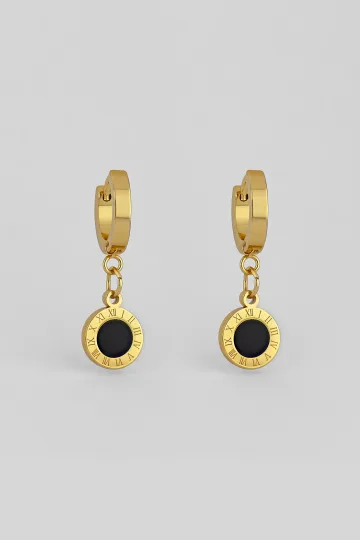

- What jewellery does she currently wear? (If she wears none at all, that’s an important signal).
- What metal does she prefer: yellow gold, silver, white gold?
- Does she wear chunky jewellery or prefer delicate pieces?
- What is her clothing style: classic, sporty, bohemian?
- Does she have an active or relaxed lifestyle? (Are her hands constantly in contact with water, a keyboard, or gym weights?)
2. What would she actually want?
Many fear "ruining the surprise" with direct questions. But the disappointment of an unsuitable ring is far worse than losing the element of surprise.
Ways to find out her preferences without asking directly:
- Window shopping together "just to look."
- Bringing up her friends' engagement rings in conversation.
- Asking her close friends or sister for help.
- Paying attention to what rings catch her eye in movies or TV shows.
- Pinterest boards: many women save references there.
If you have doubts, it’s better to ask directly. Modern traditions increasingly involve choosing the ring together.
3. What is a reasonable budget?
Not "how much should it cost," but how much you can spend without suffering financial stress.
The classic "2 to 3 months' salary" rule is a marketing invention by the diamond syndicate from the 1930s. Ignore it completely.
A correct budget:
- Does not create a crushing debt burden.
- Does not require giving up basic needs.
- Does not cause regret a month later.
- Aligns with your overall financial level.
In the US, engagement rings typically fall anywhere from a budget tier (simple solitaire in 14k gold with a modest stone) up to a premium tier (platinum setting with a sizable centre diamond). But this is not a rule; it is merely an observation of the market.
Realistic Timelines
Do not leave the selection for the last week. A quality ring requires time:
- 1-2 weeks to research and choose.
- 2-4 weeks for custom manufacturing or resizing (if necessary).
- 1 week of buffer time for unforeseen delays.
Total: a minimum of 1.5 months from the decision to having it in your hands.
Anatomy of an Engagement Ring
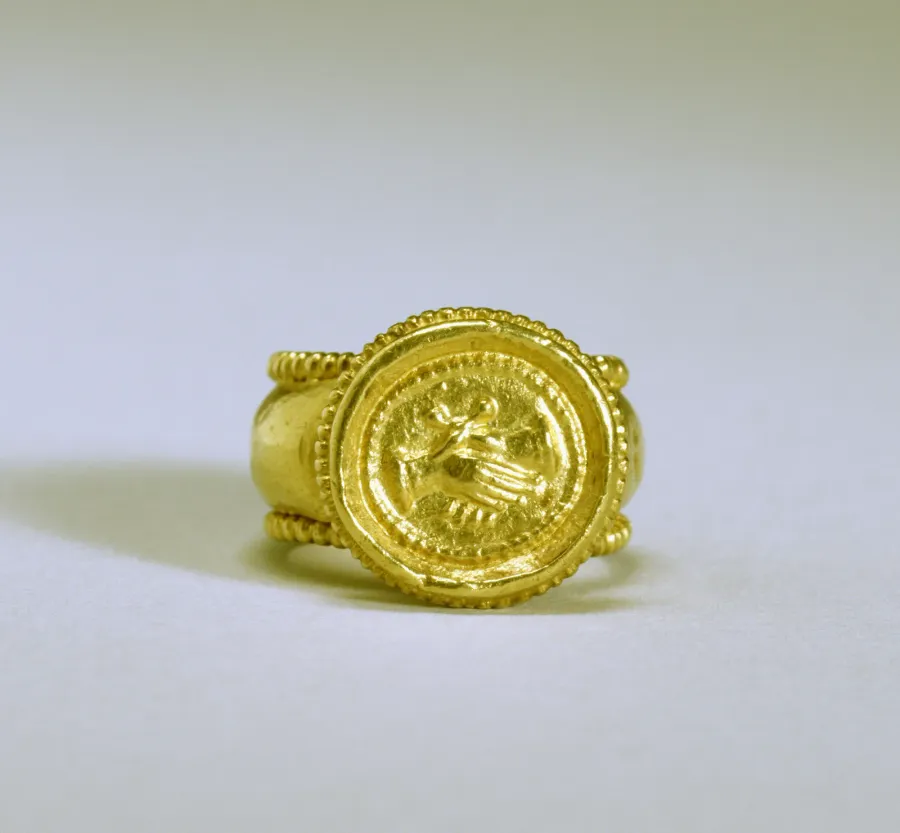
Before diving into the details, you need to understand what makes up the ring.
Main Elements
The Band (Shank): the base of the ring that wraps around the finger. It can be:
- Classic (uniform width all the way around).
- Tapered (narrows as it approaches the centre stone).
- Accented (features small side stones).
- Twisted, textured, or engraved.
The Setting (Head/Prongs): the structure that holds the centre stone. Types:
- Prong setting (4 to 6 metal claws hold the stone).
- Bezel setting (the stone is completely surrounded by a rim of metal).
- Half-bezel (a combination of the two).
The Centre Stone: usually a diamond, but not obligatorily.
Side Stones (optional): smaller stones set along the band or surrounding the centre stone.
Upload a photo of your pet, someone you love, or an object. We'll build a 3D model and hand-cast it in pewter.



A thin solitaire will outlive you both. Chasing carats to impress the room is vulgar, and I won't hear otherwise.
How to Wear an Engagement Ring
The ring stays on the hand every day for decades, so I style it as carefully as an outfit for a shoot. Here is what actually works, occasion by occasion.
How should it be worn day to day? For everyday wear I recommend a thin solitaire or a low bezel. That profile does not snag on sleeves, sits happily next to a watch or a fitness band, and slips under a sweater or coat. A light, neutral top brings out the metal, while a high-set stone under a thick sleeve is best avoided, since it catches all day long.
Is it right for the office? Yes, as long as you keep it restrained. A single clear stone reads as quiet confidence, while a full pave I suggest saving for the evening. For the working day I choose a clean solitaire in a cool metal, since it does not compete with tailored clothes.
How do you style it for the evening? For a night out I suggest an open neckline and smooth fabric in a deep tone: wine, emerald, black. Against that backdrop a halo or a ring with side stones opens up fully. I add stud earrings or a fine pendant in the same metal so the look reads as one piece.
How do you match the metal to the person? I go by skin tone and by what the wearer already owns. A cool undertone and silver jewellery lean toward white gold and platinum, while a warm undertone and a love of golden detail sit better with yellow or rose gold. Mixing metals is fine, but as a deliberate choice, not a random clash.
What about an active life and the wedding band to come? For hands that are always busy I choose a low setting and a bezel: the stone is protected and never snags. If you are unsure of the wearer's taste, I recommend a versatile classic in a cool metal and a delicate shape, which is the easiest to pair with a future wedding band.
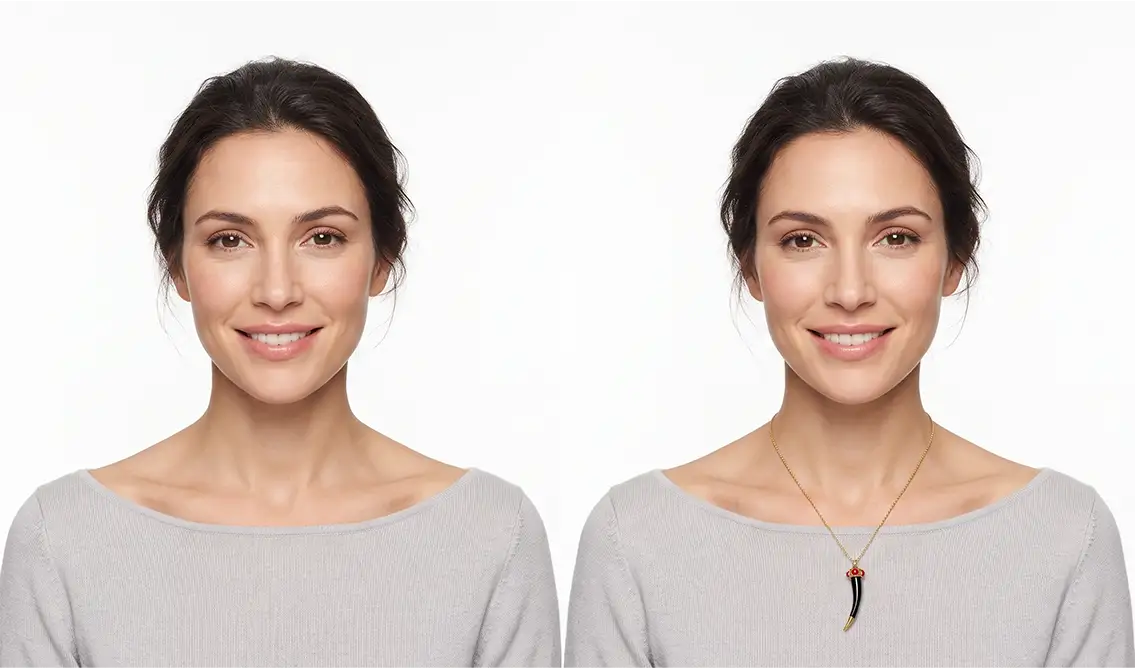
Turn on your camera, pick earrings, a pendant or a ring, and see the piece on yourself in real time.
Switch items in one tap.
Everything runs in your browser: no photo or video is ever uploaded.
The 4Cs of Diamonds: A Detailed Breakdown
The 4C system is the international standard for evaluating diamonds. It was developed by the Gemological Institute of America (GIA) in the 1950s.
The four characteristics are: Cut, Colour, Clarity, and Carat weight.
1. Carat Weight
What is a carat?
1 carat = 0.2 grams (200 milligrams).
Important: a carat is a measure of weight, not size!
How does weight affect visual size?
Approximate diameter of a round cut diamond based on its weight:
- 0.25 ct ≈ 4.1 mm
- 0.50 ct ≈ 5.1 mm
- 0.75 ct ≈ 5.9 mm
- 1.00 ct ≈ 6.5 mm
- 1.50 ct ≈ 7.4 mm
- 2.00 ct ≈ 8.2 mm
Why do two stones of the same weight look different in size?
Because weight depends on three dimensions: diameter, depth, and height. A diamond cut very deep and narrow will weigh the same as a wide and shallow one, but it will look smaller from the top.
Price Jumps
Price does not increase proportionally with weight; it jumps exponentially at "magic numbers" (round and half-carat marks):
- 0.50 ct
- 0.75 ct
- 1.00 ct
- 1.50 ct
- 2.00 ct
Hack: A 0.95-carat stone looks almost exactly like a 1.00-carat stone but costs 15-20% less. The same goes for buying a 0.45ct instead of a 0.50ct.
What weight to choose?
In the US, popular choices are:
- 0.50-0.80 ct: a classic, practical choice for everyday wear.
- 1.00-1.50 ct: the American standard, striking a balance between presence and price.
- 2.00 ct and above: a noticeable, status-symbol stone.
For reference: the average engagement ring diamond in the US is around 1.0 to 1.2 carats, while in Europe it sits closer to 0.5 carats.
2. Cut (THE MOST IMPORTANT)
Cut is the only one of the 4Cs that is entirely dependent on human skill, not nature. And it is the most critical parameter of all.
Why is cut the most important?
A diamond doesn’t sparkle just because it’s a "diamond"; it sparkles because light enters, reflects perfectly inside, and shoots back out to the eye. This is known as "brilliance" or fire.
Poor cut = a dull, lifeless stone, even if it is flawlessly pure and colourless.
Cut Parameters
Cut is evaluated based on three criteria:
- Proportions (the relationship between diameter, depth, and facet angles).
- Symmetry (how evenly aligned the facets are).
- Polish (the quality of the surface finish).
Cut Classification (GIA)
From best to worst:
- Excellent: maximum brilliance, only the top 1-2% of diamonds.
- Very Good: outstanding brilliance, almost indistinguishable from Excellent, top 15% of diamonds.
- Good: good sparkle, but there is some light leakage, top 25% of diamonds.
- Fair: average brilliance, noticeable light leakage.
- Poor: a dull, glassy-looking stone.
What to choose?
- Optimal: Excellent or Very Good.
- Acceptable: Good (only if the budget is extremely tight).
- Not recommended: Fair, Poor (it is much better to choose a smaller stone with a better cut).
Rule: If you need to save money, compromise on colour or clarity, but NEVER compromise on the cut.
Diamond Shapes
The classic round cut (Round Brilliant) has 57-58 facets. It provides the absolute maximum level of brilliance.
Fancy shapes:
- Princess (square): modern, sharp corners.
- Oval: visually elongates the finger.
- Cushion (square with rounded corners): a soft, vintage look.
- Emerald (rectangular with truncated corners): elegant, "hall of mirrors" step-cut flash.
- Marquise (elongated with pointed ends): elongates the finger but tips are fragile.
- Pear (teardrop): elongates the finger, very unique.
- Radiant (rectangular): combines the brilliance of a round cut with the silhouette of an emerald.
- Asscher (square step-cut): Art Deco style.
- Heart: rare, for very specific romantic tastes.
What to choose?
- Round: the undisputed classic, maximum sparkle, versatile.
- Princess: a modern alternative to the round.
- Oval: highly popular right now, great for elongating fingers.
- Others: depends entirely on her personal taste.
The round shape accounts for about 70-75% of all engagement rings sold.
3. Colour
For white diamonds, "colour" actually means the degree of colorlessness. The less yellowish tint it has, the more valuable it is.
Colour Scale (GIA)
Ranges from colourless to light yellow, letters D-Z:
D-E-F: Colourless
- D: absolutely colourless, extremely rare, premium price.
- E: colourless, minute traces of colour visible only to an expert gemologist.
- F: colourless, slight colour detected only when compared side-by-side with a D.
G-H-I-J: Near Colourless
- G: nearly colourless, warmth barely perceptible.
- H, the optimal choice! Looks completely white when set in a ring but costs 20-30% less than an F.
- I: slight warmth, distinguishable upon comparison.
- J: noticeable warmth, but works perfectly when set in yellow gold.
K-L-M: Faint
- Yellow tint is visible to the naked eye.
- Not recommended for engagement rings set in white metals.
N-Z: Light Yellow
- Clearly yellow.
- Not suitable for classic engagement rings unless going for a specific coloured-diamond look.
What to choose?
It depends heavily on the setting metal:
For White Gold / Platinum:
- Optimal: G-H (they look icy white, price is reasonable).
- Premium: E-F (if budget is not an issue).
- Minimum: I (starts to show a slight warm tint).
For Yellow Gold:
- Optimal: I-J (the yellow metal masks the warm tint of the stone beautifully).
- Acceptable: K-L.
For Rose Gold:
- Optimal: G-I.
Rule: Once set in a ring, a diamond usually looks 1-2 colour grades whiter than it does when loose.
Where to save?
The difference between a G and an H is only visible via direct comparison under special lighting. Choose H and save 10-15%.
The difference between F and G is even smaller: another 15-20% savings.
4. Clarity (Presence of Inclusions)
Clarity describes the amount, size, and location of internal inclusions and external blemishes.
Where do inclusions come from?
A diamond forms over millions of years under extreme pressure and heat. During this process, other minerals get trapped inside, and microscopic cracks or bubbles form. It is the diamond's natural "fingerprint."
Clarity Scale (GIA)
From the purest to the most included:
FL (Flawless)
- No inclusions or blemishes visible under 10x magnification.
- Less than 1% of all diamonds. Collector-level pricing.
IF (Internally Flawless)
- No internal inclusions, only insignificant surface blemishes.
- Around 3% of stones. Extremely expensive.
VVS1-VVS2 (Very Very Slightly Included)
- Minute inclusions that are difficult for even a skilled gemologist to find under 10x magnification.
- VVS1 has inclusions closer to the edges; VVS2 might be closer to the centre.
- Around 5% of stones. High price.
VS1-VS2 (Very Slightly Included)
- Minor inclusions visible under 10x magnification, but with some effort.
- VS1 sits closer to the edges; VS2 can be in the centre.
- Eye-clean: invisible to the naked eye.
- Around 15% of stones.
- The optimal choice for the vast majority of buyers!
SI1-SI2 (Slightly Included)
- Inclusions are easily noticeable under 10x magnification.
- SI1 is usually still "eye-clean" (invisible to the naked eye).
- SI2: inclusions might be visible to the naked eye (depending on their location).
- Around 25% of stones.
- A great budget option if chosen carefully (SI1).
I1-I2-I3 (Included)
- Inclusions are obvious to the naked eye.
- They can affect the stone's structural integrity and brilliance.
- Low price.
- Never recommended for an engagement ring.
What to choose?
Optimal: VS2 or SI1 (making sure it is eye-clean).
- The stone will look perfect without a loupe.
- The price is 30-40% lower than a VVS grade.
- 90% of smart buyers shop in this range.
If budget allows: VS1 or VVS2.
If budget is tight: SI1 (but it is mandatory to verify it is eye-clean; ask the vendor to point out the inclusions).
To avoid: SI2 (unless you are 100% sure they aren't visible to the eye), I1-I3 (never).
Rule: Clarity is the category where you can save the most money without sacrificing visual beauty. The difference between VVS2 and VS2 cannot be seen without a magnifying glass.
Types of Inclusions
For reference (no need to memorise):
- Crystal: another mineral trapped inside (if black, it is very visible).
- Cloud: a cluster of microscopic pinpoints.
- Feather: an internal fracture that looks like a feather.
- Pinpoint: a tiny white or black dot.
- Cavity: a small opening on the surface.
Black inclusions are much more noticeable than white ones. Inclusions right under the "table" (the top flat facet) are more visible than those near the girdle (edges).
Choosing the Setting Metal
The metal affects the appearance, durability, price, and how it pairs with the stone.
White Gold
What it is: An alloy of pure yellow gold with white metals (palladium, silver, nickel, or zinc). It is plated with rhodium to give it a brilliant, icy-white finish.
Karats: In the US, 14k (58.5% gold) and 18k (75% gold) are standard. 14k is harder and more scratch-resistant; 18k is softer but has a higher gold content.
Pros:
- Versatility: matches almost any style.
- Enhances the icy sparkle of a white diamond.
- Modern and elegant look.
- More affordable than platinum.
Cons:
- The rhodium plating wears off over time. It needs to be re-plated every 1-3 years (a routine service, roughly the cost of a dinner out).
- May contain nickel (though less common now due to allergies).
For whom:
- Lovers of silver-toned jewellery.
- If she already wears silver, white gold, or platinum.
- For diamonds graded D through H in colour.
Maintenance: Rhodium dipping every 1-3 years depending on wear and tear.
Yellow Gold
What it is: An alloy of pure gold mixed with copper and silver. Maintains the natural colour of gold while adding necessary strength.
Karats: 18k offers a rich, deep yellow colour. 14k is more durable for everyday wear and slightly lighter in tone.
Pros:
- Warm, classic, and timeless appearance.
- Never requires plating maintenance.
- Masks the warm tones of a diamond (ideal for I-J colours).
- Very trendy again in recent years.
Cons:
- Less versatile (not everyone loves gold tones).
- Can clash with cool-toned skin or silver jewellery.
For whom:
- Lovers of warm tones and classic styles.
- If she already wears yellow gold jewellery.
- To save money by buying an I-J colour diamond.
Pairings: Looks spectacular with vintage designs, oval, and cushion cuts.
Rose Gold
What it is: An alloy of gold with a higher proportion of copper (more copper = more pink/red).
Karats: 14k yields a stronger, more pink/coppery hue. 18k yields a softer, more subtle peach/champagne tone.
Pros:
- Very romantic, warm, and feminine look.
- Highly popular over the last decade.
- Complements absolutely all skin tones beautifully.
- Does not require rhodium plating.
Cons:
- Might be seen as a trend that could fade (though it’s held strong).
- Harder to mix and match if she doesn't usually wear rose gold.
For whom:
- Lovers of romantic, vintage, or boho styles.
- Younger women or trend-conscious individuals.
- For G-I colour stones.
Pairings: Gorgeous with morganite, pink sapphires, and white diamonds.
Platinum
What it is: A naturally white, extremely dense pure metal (usually 95% platinum, stamped 950Pt).
Pros:
- The most durable metal (it doesn't lose metal when scratched, it just displaces it).
- Never loses its white colour (no rhodium plating required).
- Hypoallergenic (perfect for sensitive skin).
- Heavy (feels very premium and substantial on the finger).
- Maximum prestige.
Cons:
- Expensive (often costs 50-100% more than white gold).
- Scratches more easily than gold, developing a matte "patina" over time (requires polishing if you want a mirror shine).
- Its weight might feel odd if she isn't used to wearing rings.
For whom:
- If budget is not an issue.
- For highly active daily wear (manual work).
- People with severe metal allergies.
- To secure very large stones (1 carat+).
Practicality: Ideal for a ring that won't be taken off for 40 years.
Mixed Metal Variations
Two-tone gold: For example, a white gold band with rose gold prongs. A visually interesting effect.
Platinum + Gold: Platinum prongs (maximum strength to protect the diamond) combined with a yellow or white gold band (to save money or add colour).
What to Choose?
The universal choice: 14k White Gold (perfect balance of price, look, and durability).
The premium choice: Platinum (if budget allows and you want zero colour maintenance).
The romantic choice: 14k or 18k Rose Gold.
The timeless classic: 18k Yellow Gold.
Decide based on:
- What is she wearing right now?
- What is her skin tone? (Warm undertones suit yellow/rose gold; cool undertones suit white gold/platinum).
- Budget?
- Activity level?
Customer reviews
Zevira is a real jewellery shop. Genuine payments, deliveries and customer thank-yous.
🥰🥰🥰 gracias
Ok, ¡gracias! 🙂
Setting Styles (The Design)
The setting determines how the stone is held and the overall personality of the ring.
Solitaire
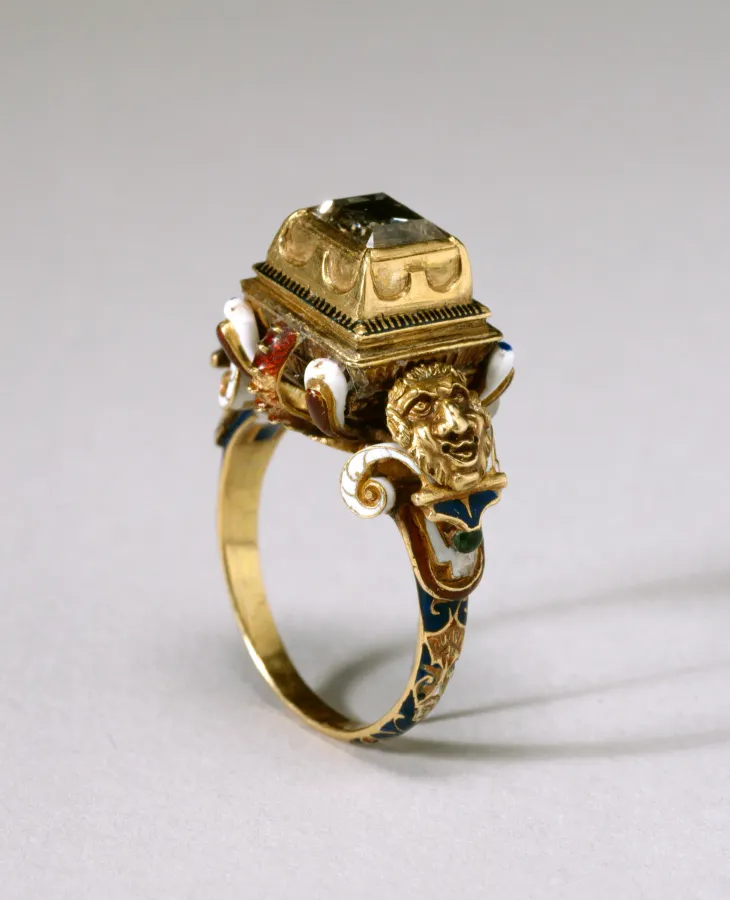
Description: A single centre stone, minimum decoration. The undisputed king of engagement rings.
Pros:
- Timeless elegance, never goes out of style.
- All the focus is on the centre diamond.
- Ultimate versatility.
- Easiest to pair with a future wedding band.
Cons:
- Might seem "too plain" for some tastes.
- Depending on the profile, the stone can sit very high and snag on things.
Types:
- Classic 6-prong solitaire (6 high prongs holding the stone): the absolute classic.
- 4-prong: more minimalist, shows off more of the diamond.
- Bezel setting (metal fully encircles the stone): the most secure and snag-free design.
For whom: Lovers of minimalism, classic elegance, and timelessness.
Pavé (pah-vay)
Description: Small diamonds are embedded along the band (paved like a cobblestone street).
Pros:
- Incredible amount of extra sparkle.
- Makes the centre stone pop through contrast.
- Very luxurious look.
Cons:
- More expensive (requires many tiny stones and intense labour).
- The tiny stones can fall out if the ring takes a hard knock.
- Harder to clean (lotions and dirt get trapped).
For whom: Lovers of luxury, sparkle, and detailed designs.
Halo
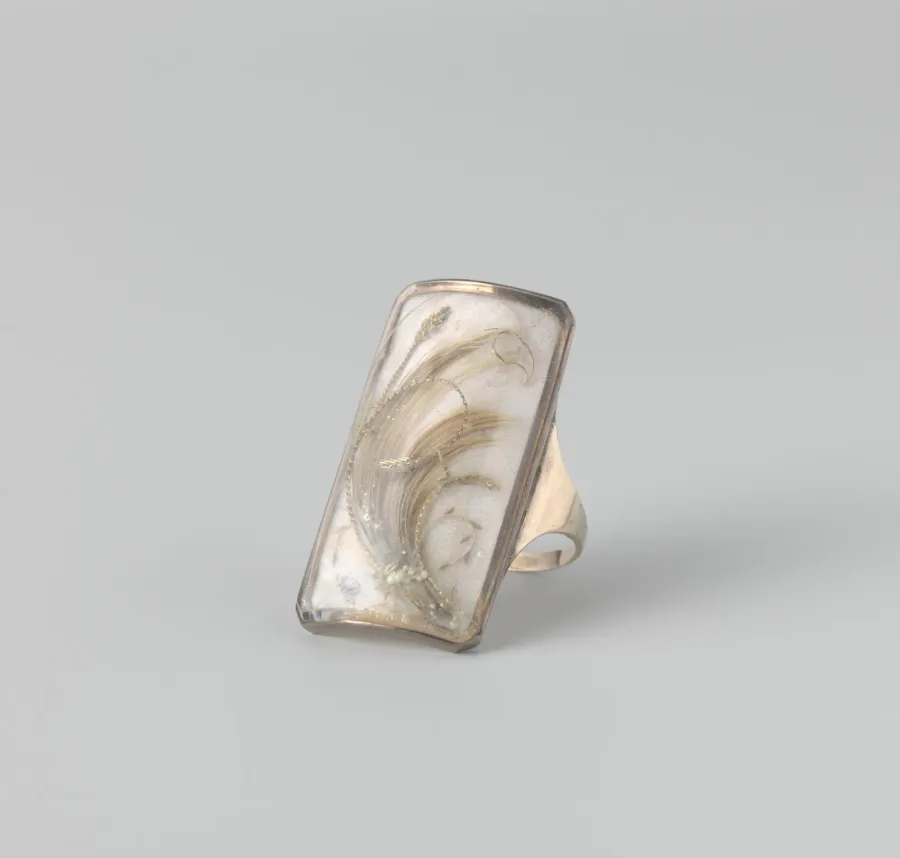
Description: The centre stone is encircled by a "halo" of tiny diamonds.
Pros:
- Makes the centre stone look up to a half-carat larger.
- High visual impact and "wow" factor.
- Very glamorous, often vintage feel.
Cons:
- Can look too bulky on very petite hands.
- More expensive.
- Harder to keep clean.
Types:
- Single halo.
- Double halo.
- Halo combined with a pavé band.
For whom: If you want massive visual impact but the budget doesn't allow for a huge centre stone. Lovers of glamour and vintage styles.
Three-Stone (Trinity)
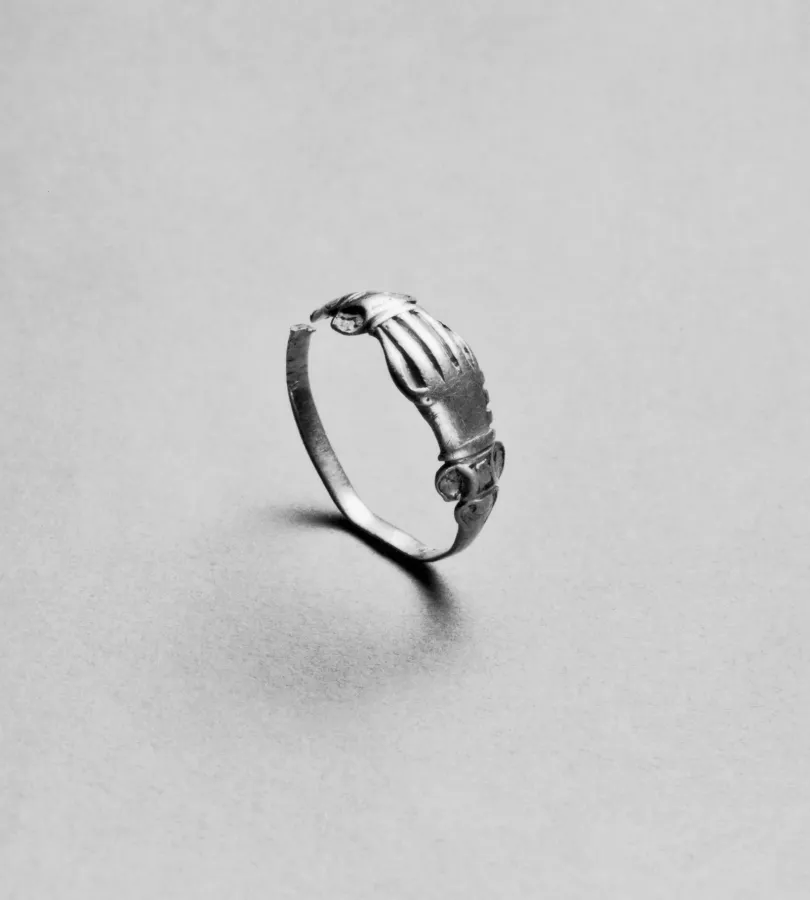
Description: Three stones: a larger centre stone flanked by two smaller side stones.
Symbolism: Represents the couple's past, present, and future.
Pros:
- High sentimental/symbolic value.
- Side stones add brilliant width and sparkle.
- Very balanced, royal design (as seen in a famous 2018 British royal engagement).
Cons:
- More expensive (you are buying three sizable diamonds).
- The ring can feel quite wide across the finger.
For whom: Romantic individuals who value symbolism in their jewellery.
Vintage / Antique
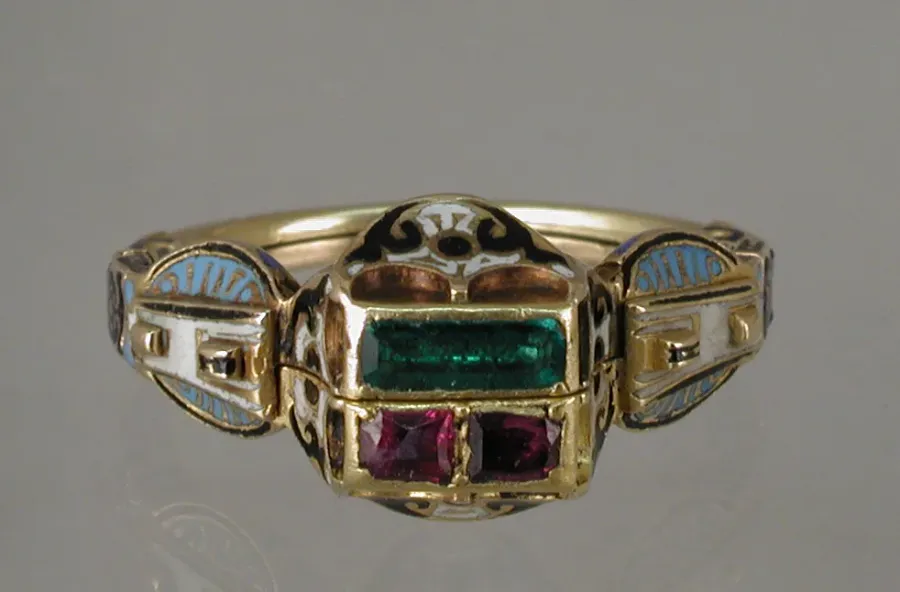
Description: Inspired by past eras (Victorian, Art Deco, Edwardian).
Characteristics:
- Filigree (intricate metal wirework).
- Milgrain (tiny metal beads along the edges).
- Use of coloured gemstones (sapphires, emeralds) alongside diamonds.
- Antique diamond shapes (Cushion, Asscher, Old European cuts).
Pros:
- Unique designs with massive personality.
- Highly artistic craftsmanship.
- Perfect for lovers of history and antiques.
Cons:
- Very difficult to clean.
- Highly specific; might not be a safe bet unless you know she loves this style.
For whom: Lovers of retro fashion, uniqueness, and history.
Modern Minimalist
Description: Clean lines, geometric shapes, zero excess.
Characteristics:
- Very thin, sleek band.
- Bezel or half-bezel settings.
- Asymmetrical designs or unusual stone orientations (e.g., "East-West" settings).
- Low profile (stone sits close to the finger).
Pros:
- Very contemporary.
- Incredibly comfortable for everyday, active wear.
- Pairs easily with modern wardrobes.
Cons:
- Might look too "casual" for a traditional proposal.
- Extreme minimalist trends might shift over time.
For whom: Modern, urban women who prioritise function, comfort, and sleek design over ostentatious luxury.
What to Choose?
Match it to her personal style:
- Classic & Elegant → Classic 6-prong Solitaire.
- Luxury & Sparkle → Pavé or Halo.
- Romance & Meaning → Three-Stone.
- Unique & Retro → Vintage style.
- Practical & Contemporary → Bezel or Minimalist.
Bezel, Tension and Cathedral Settings: A Closer Look
Beyond the classics, three settings often get overlooked, yet they solve very practical problems.
Bezel. Metal wraps completely around the diamond's perimeter, holding it flush with the rim. The most secure setting type that exists. The diamond is protected from knocks, the ring does not snag on clothing or hair, and small chips on the girdle stay hidden. The trade-off: less light enters from the sides, so brilliance is slightly quieter than in a prong setting, and the metal rim makes the stone look a touch smaller. The best choice for medical professionals, hairdressers, trainers, mothers of young children, and anyone who works with their hands.
Tension. The diamond is held between two ends of the band by metal pressure alone, appearing to float with no visible support. Dramatic, architectural, maximum light exposure. Serious drawbacks: resizing is extremely difficult or impossible, not every jeweller can work with this setting, and shape options are limited. A choice for people who understand what they are signing up for and are ready for specialist maintenance.
Cathedral. Arched metalwork rises from the band to support the centre stone, like cathedral arches. The diamond sits elevated and the side profile looks majestic. Pro: solid structural support for the stone. Cons: the higher profile snags more often, and the arches can make it harder to find a flush-fitting wedding band. A choice for people who appreciate architectural detail and want visual depth from every angle.
The Proposal Ring vs The Forever Ring
Modern couples increasingly separate the proposal moment from the final ring selection. This is not a rejection of romance, just a calmer view of how important decisions get made.
The placeholder ring. Buy an affordable but attractive ring for the proposal itself: a silver band with a cubic zirconia, or a modest gold ring. Use it for the moment. Then go ring shopping together once the engagement is happily settled. It removes the pressure of "guessing perfectly" and turns ring shopping into a shared experience.
Choosing together beforehand. Some couples shop for the ring together before the proposal. The "when" and "how" stays a surprise, but the ring becomes a mutual decision. No risk of missing on style, the size is precise, and both partners feel invested.
The upgrade path. Start with what is comfortable now, knowing the ring may be upgraded at a meaningful anniversary. No financial stress at the start of a life together, and the later upgrade becomes its own occasion to celebrate.
What to avoid. Do not go into serious debt for a ring. A ring that creates financial stress is a poor start to an engagement. Your partner wants to share a life with you, not with a monthly loan payment.



How to Determine the Budget
Generalized advice about "2-3 months' salary" is pure marketing. The reality is much simpler.
Where Did the "2-3 Salary" Rule Come From?
In the 1930s, the diamond syndicate launched the "A Diamond Is Forever" campaign. In the 1980s, they introduced the idea of spending "2 months' salary," and later bumped it up to 3.
The goal was simple: sell more expensive diamonds. It has absolutely zero basis in actual tradition.
The Realistic Approach
The right budget:
- Does not create crushing debt. Taking out a high-interest loan for a ring is a terrible idea. Starting a marriage in debt is even worse.
- Does not require sacrificing basic needs. If buying the ring means you can't pay rent or bills, it's the wrong choice.
- Does not cause regret. If a month later you think "I wish I hadn't spent that much," you overextended.
- Matches your lifestyle. Spending a year's salary on a ring creates an imbalance. Equally, spending only a day's pay when your income is substantial sends a strange message.
Budget Ranges (US Market)
Budget tier:
- 14k White or Yellow Gold.
- Diamond 0.30-0.50 ct, Colour G-H, Clarity SI1-SI2.
- Simple Solitaire setting.
Mid-range tier:
- 14k or 18k Gold.
- Diamond 0.70-1.00 ct, Colour G-H, Clarity VS2-SI1.
- Any setting style (Solitaire, Pavé, or Halo).
Upper mid-range tier:
- 18k Gold or Platinum.
- Diamond 1.00-1.50 ct, Colour F-G, Clarity VS1-VS2.
- Elaborate settings, side stones.
Premium tier:
- Platinum.
- Diamond 1.50+ ct, Colour D-F, Clarity VVS-VS1.
- Complex or bespoke designs.
How to Save Without Sacrificing Visual Quality
1. Buy just shy of the "magic numbers":
- 0.90 ct instead of 1.00 ct (saves 15-25%, looks identical).
- 1.40 ct instead of 1.50 ct.
2. Drop a colour grade:
- H instead of G (saves 10-15%, difference is invisible once set).
3. Choose VS2 or SI1 instead of VVS:
- Saves 30-40%.
- The difference cannot be seen without a jeweller's loupe.
4. Choose White Gold over Platinum:
- Massive savings on the setting itself.
- Visually identical (as long as the rhodium is maintained).
5. Buy Online:
- Saves 20-40% (they don't pay for premium mall real estate or huge sales staffs).
- Risk: You must thoroughly vet the website's reputation and return policy.
What NOT to Skimp On
- The Cut: Demand a minimum of Very Good, ideally Excellent.
- The Certificate: Mandatory GIA or AGS certification (for stones over 0.40ct).
- Craftsmanship: Badly made prongs mean you will lose the diamond.
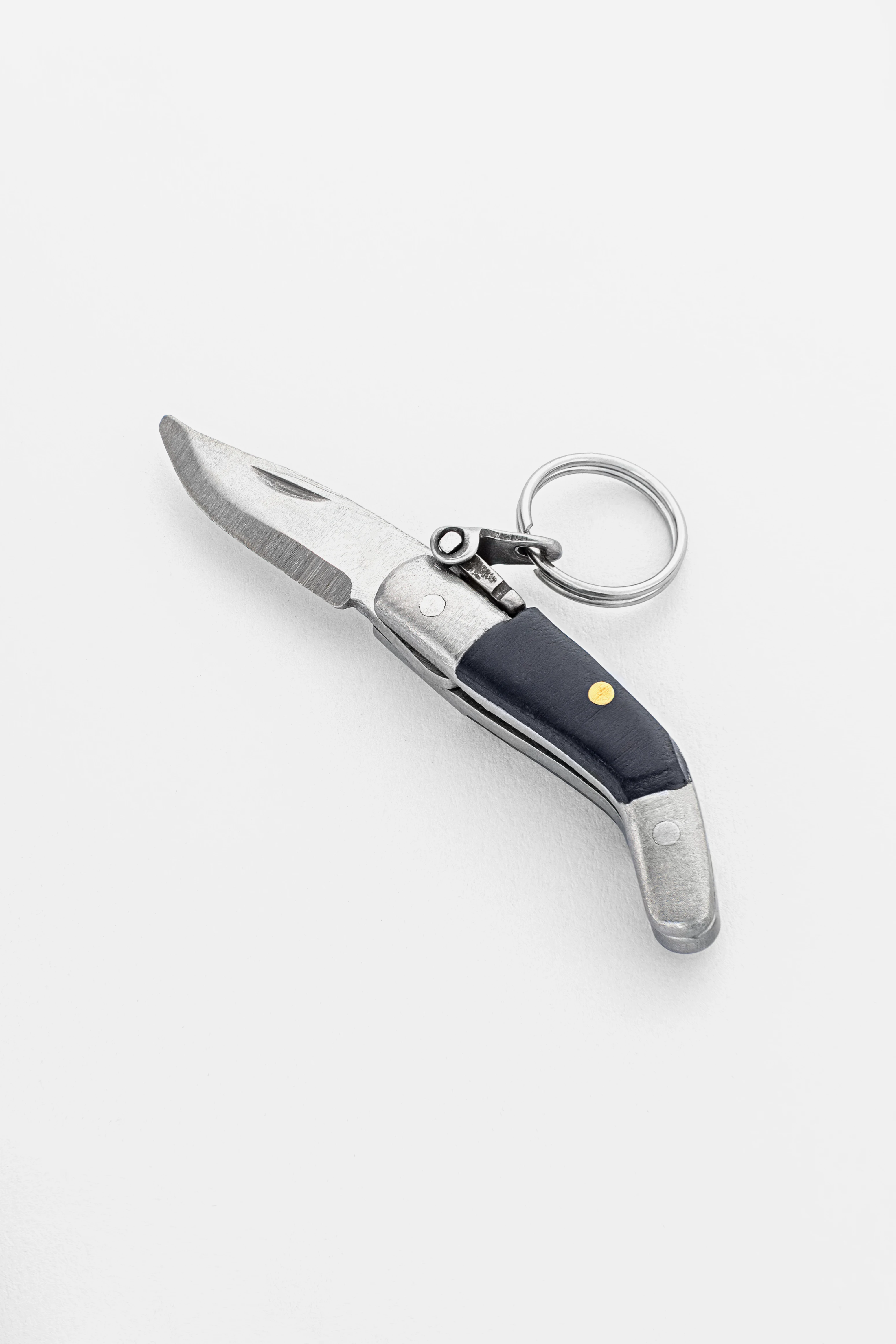
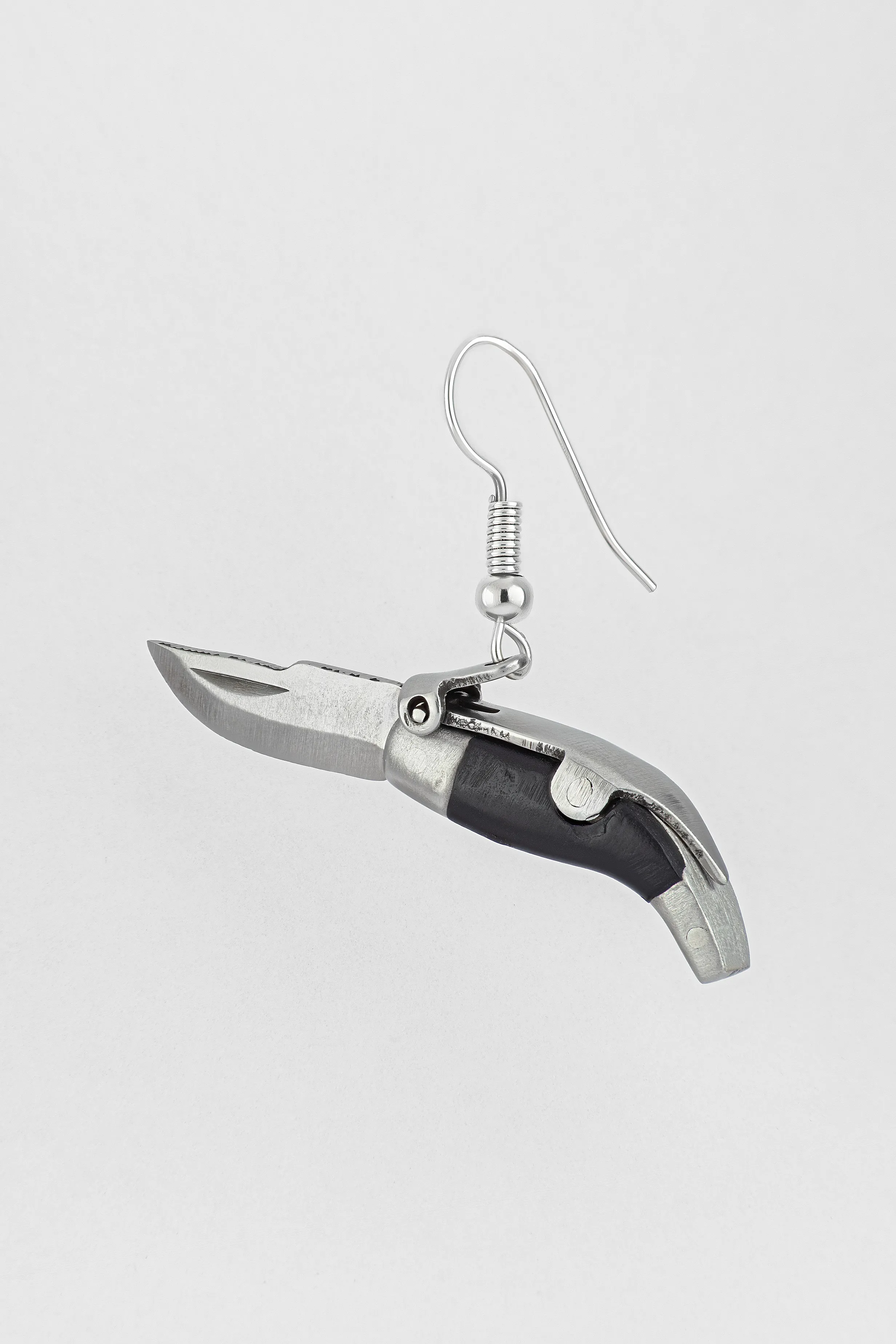
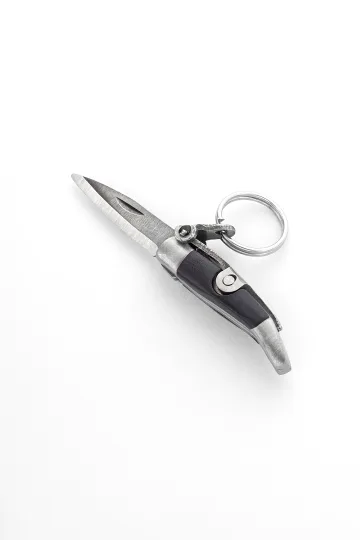
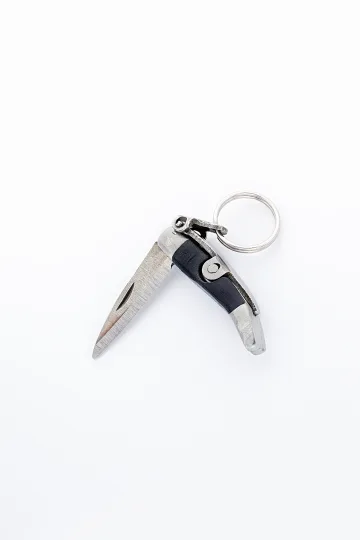
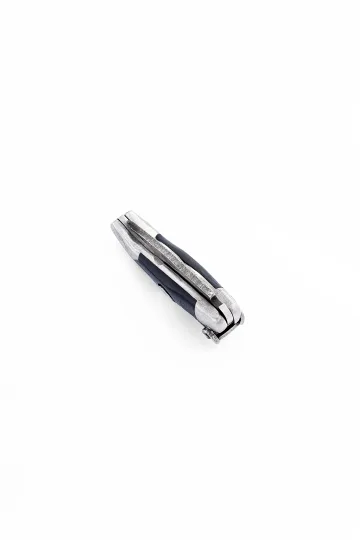
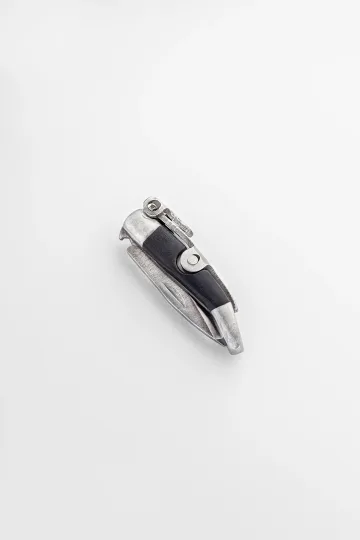
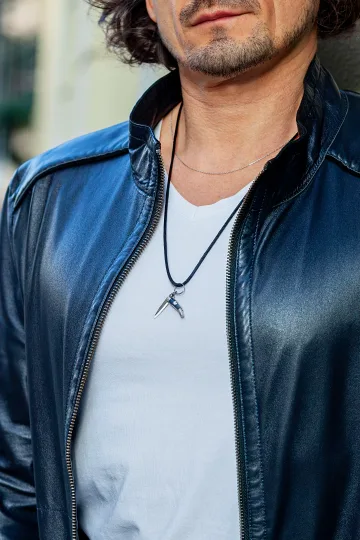
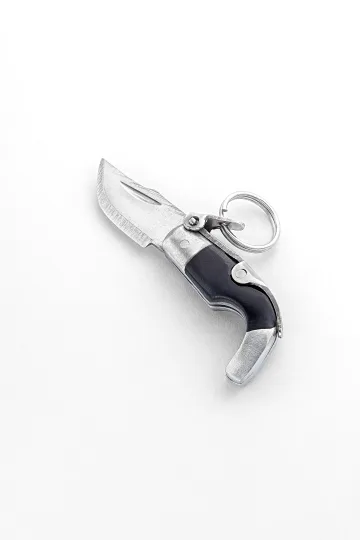
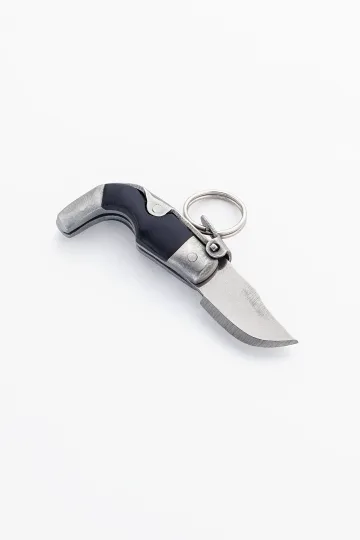
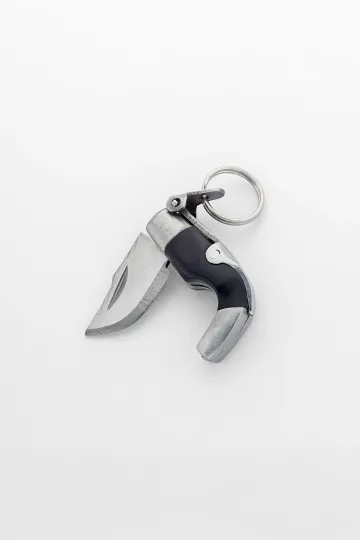
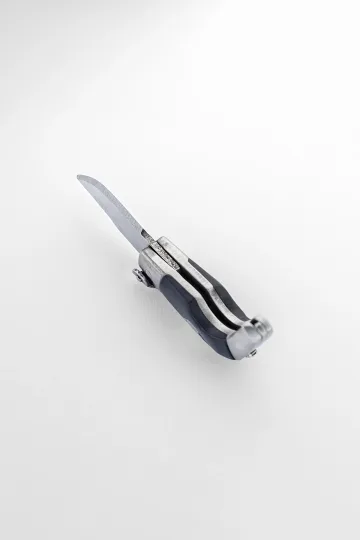
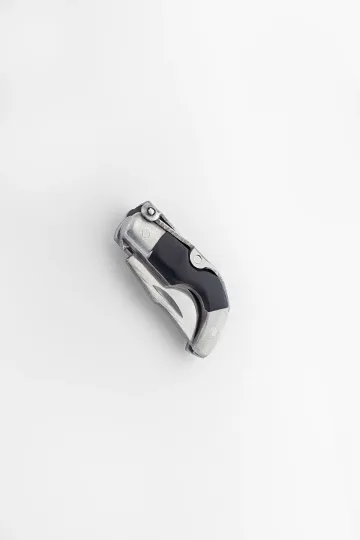
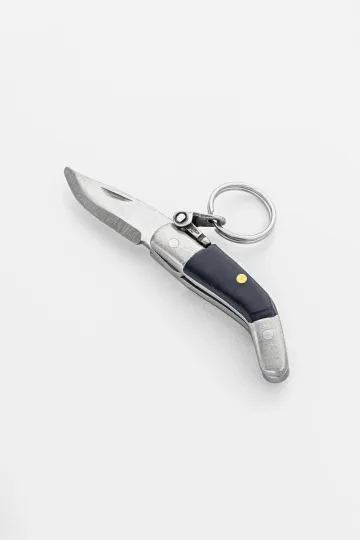
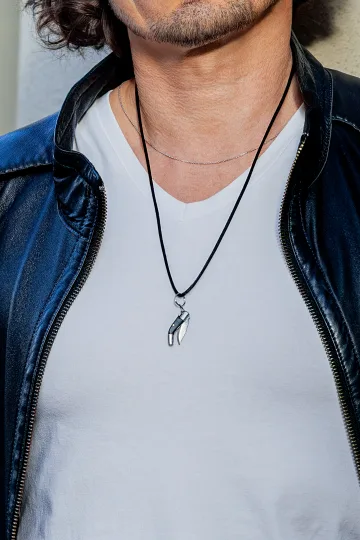
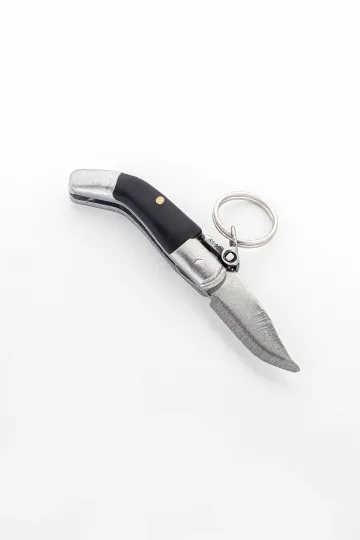
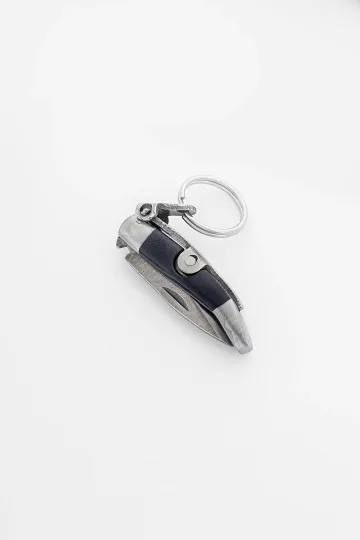
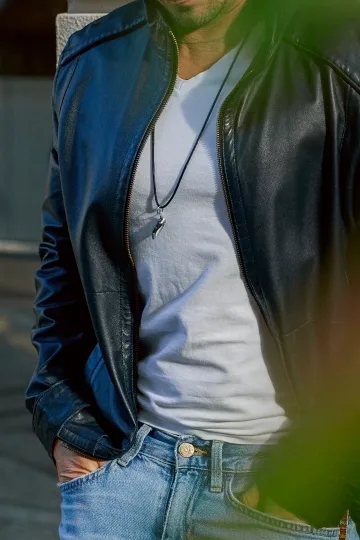
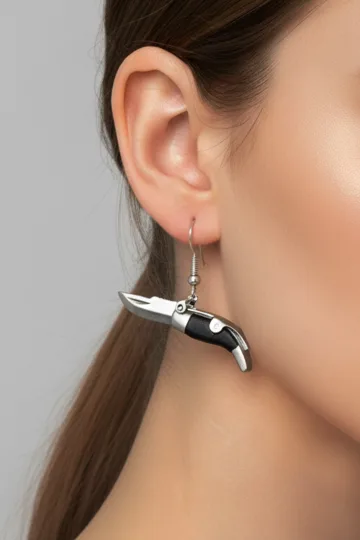
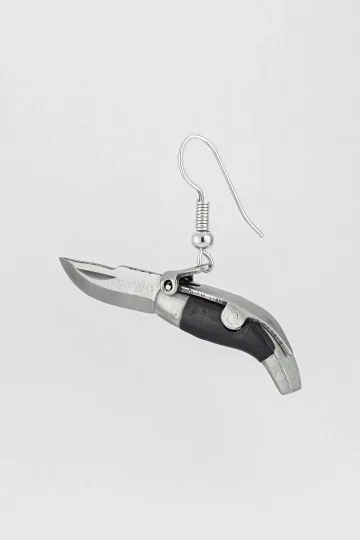
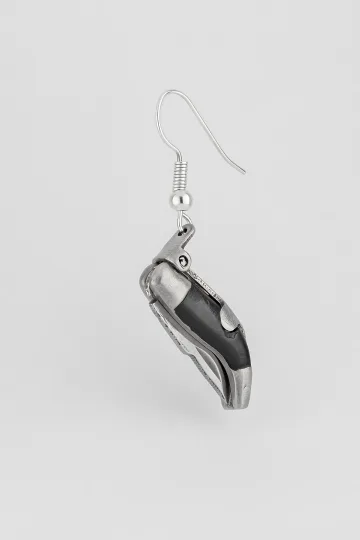
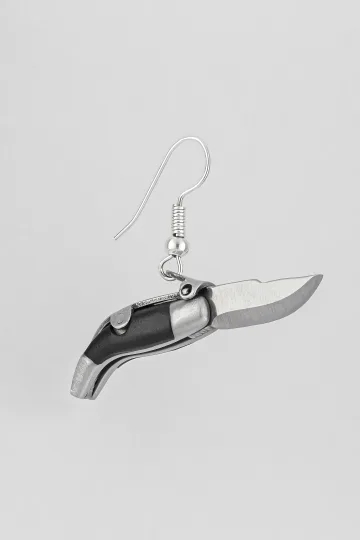
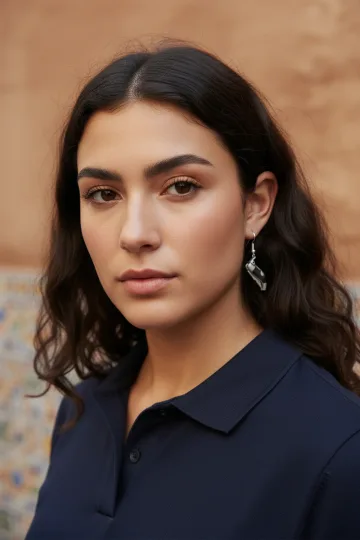
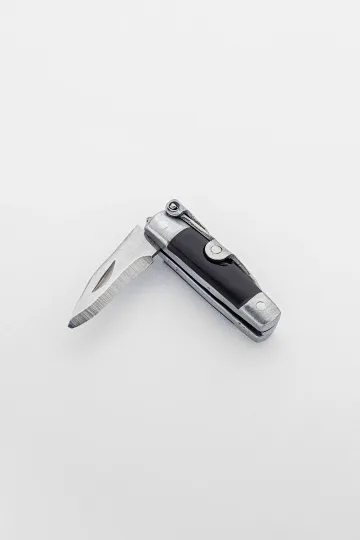
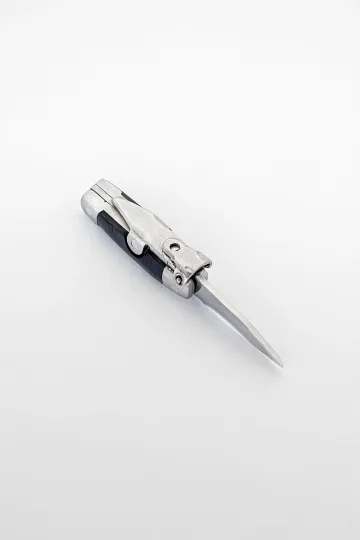
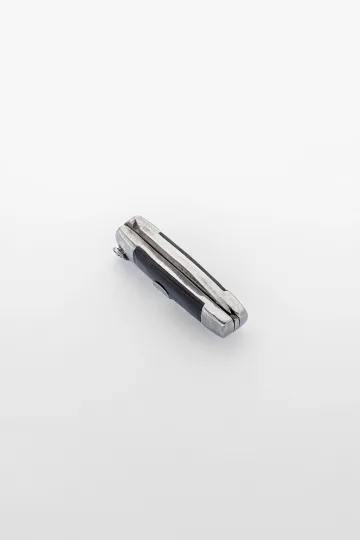
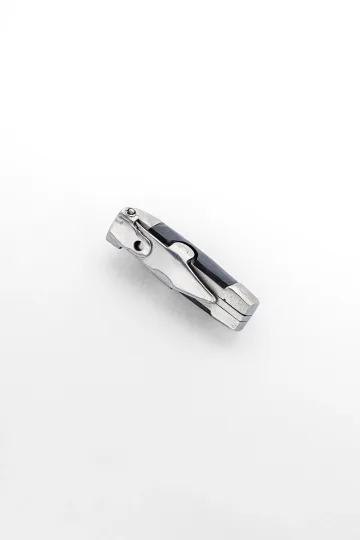
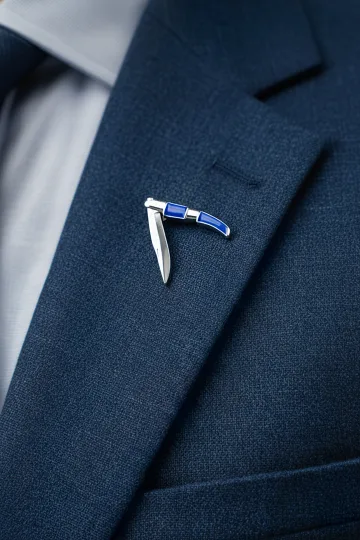
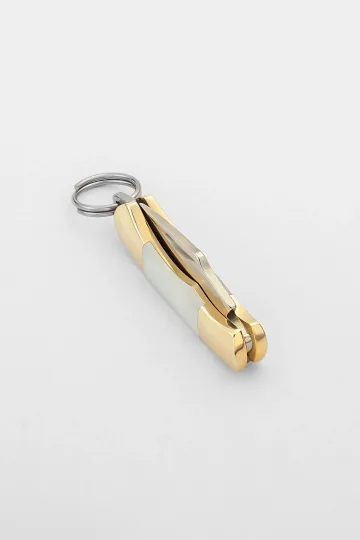
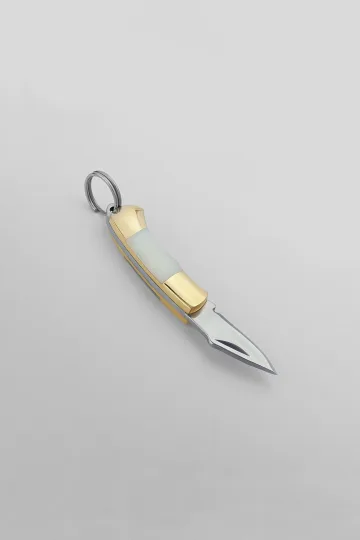
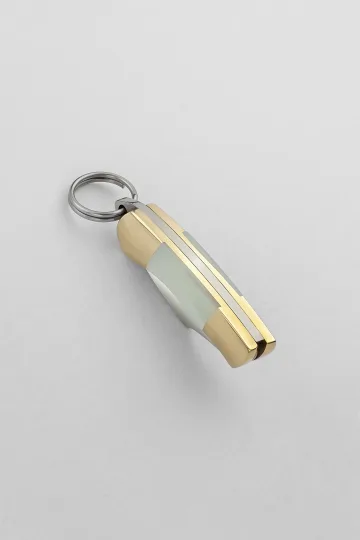
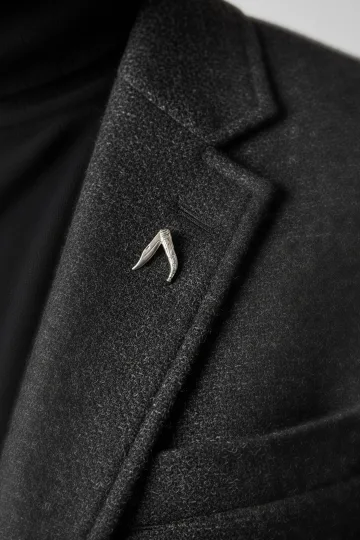
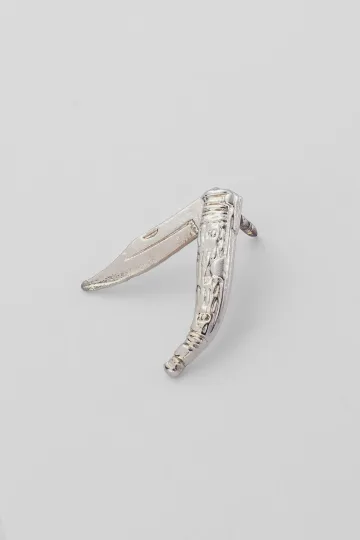
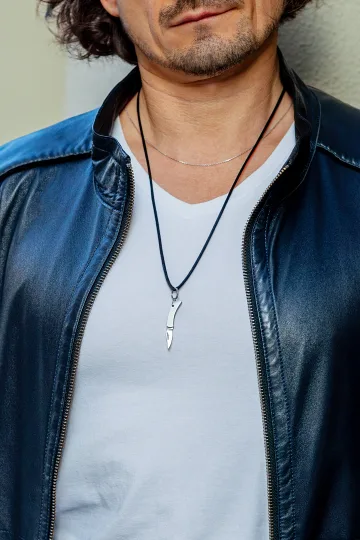
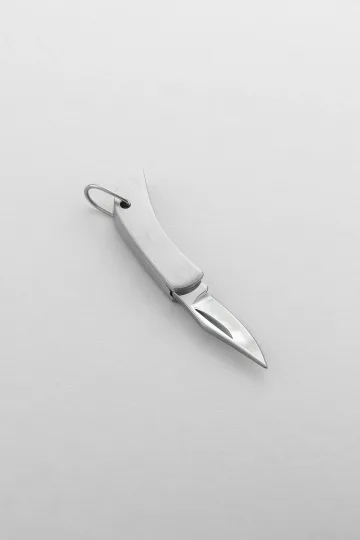
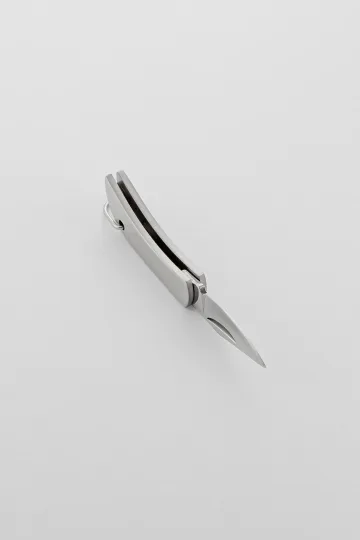
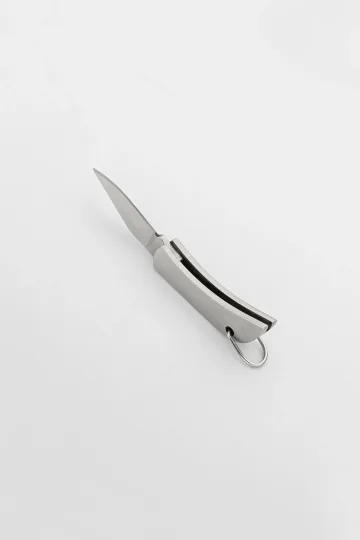
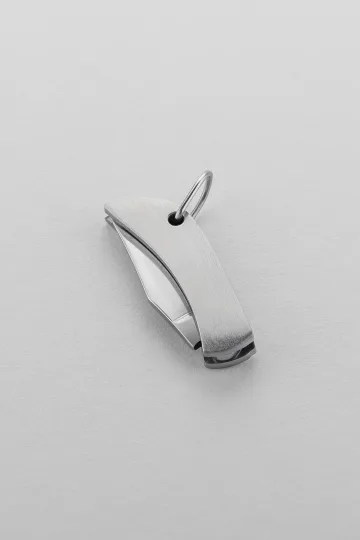
CAPAORA mini knife pendant
The 18th-century Spanish navaja in miniature: 40 mm of stainless steel, a real folding mechanism and a Palanquilla lock that clicks. An affordable gift to remember.
Authentic · Ships from Spain · 14-day returns
How to Find Out Her Ring Size
Getting the ring size drastically wrong will ruin the magic of the proposal. It's vital to get as close as possible.
Methods to Find the Size
1. Use a ring she already owns
The most accurate method:
- Take a ring you know she wears on her left ring finger (the right hand ring finger works too, though the dominant hand is usually half a size larger).
- Take it to a jeweller to measure it on a ring mandrel.
- Or use online printable charts (measure the exact inside diameter with a ruler).
The problem: How to take it without her noticing?
- Ask her sister or best friend to help.
- "Borrow" it for a day with an excuse (e.g., you're taking your watch to be cleaned and thought you'd get her ring polished too).
2. Ask her inner circle
Her mom, sister, or best friend likely know her size, or can find out naturally by taking her shopping and trying things on "for fun."
3. Go "window shopping" together
Walk into a jewellery store to look at watches or something else. As a game, have her try on a ring on her ring finger. The salesperson will note the size. Then go buy the actual ring somewhere else to keep the surprise.
4. Measure her finger (Approximate)
While she's sleeping, wrap a piece of string or a strip of paper around her ring finger. Mark where it overlaps and measure the length. This gives you the circumference. It's imprecise, but better than guessing blindly.
5. If you're completely flying blind
The average women's ring size in the US is a Size 6 to 6.5. If in doubt, aim for a 6.5 or 7. The problem: It probably won't fit perfectly on the first try.
Solution: Make sure you ask the jeweller about their resizing policy (most offer one free resize within the first 30 days).
Ring Size Chart (US)
| US Size | Inside Diameter (mm) | Circumference (mm) |
|---|---|---|
| 5 | 15.7 | 49.3 |
| 5.5 | 16.1 | 50.6 |
| 6 | 16.5 | 51.9 |
| 6.5 | 16.9 | 53.1 |
| 7 | 17.3 | 54.4 |
| 7.5 | 17.7 | 55.6 |
| 8 | 18.1 | 56.9 |
| 8.5 | 18.5 | 58.1 |
| 9 | 18.9 | 59.5 |
How to measure:
- Diameter: the straight line across the inside hole of the ring.
- Circumference: the total length around the finger.
Nuances of Ring Sizing
1. Fingers change size:
- In the morning, they are slimmer.
- In the evening, they swell (due to heat or activity).
- In winter they shrink; in summer they expand.
- During pregnancy, they increase significantly.
2. Band width matters:
- A wide band (over 3mm) will fit tighter; you may need to order a half size larger.
- A very thin band (under 2mm) will fit looser; order the exact size.
3. Knuckles: If her knuckle is noticeably wider than the base of her finger, the ring must be sized to pass over the knuckle with some effort, which means it will be slightly loose at the base. Jewellers can add "sizing beads" to the inside to keep it from spinning.
4. The perfect fit: The ring should slide on with a little push but not painfully squeeze. It should require a bit of pulling to get over the knuckle to take it off, but shouldn't fall off if she shakes her hand.
What to Do If You Get the Size Wrong?
Before buying:
- Clarify the store's resizing policy.
- Usually, the first resize is free within 30 to 60 days.
After the proposal: If it doesn't fit, it’s not a big deal! It happens all the time. Go together to the jeweller, get her sized accurately, and drop it off.
The resizing process:
- Sizing up is easy (stretching the metal or adding a piece).
- Sizing down is easy (cutting a piece out and soldering it back together).
- Usually takes 1 to 2 weeks.
- Costs a modest service fee if not covered by warranty, roughly comparable to a professional cleaning or a nice dinner out.
- Warning: Rings with diamonds completely encircling the band (Full Eternity bands) CANNOT be resized. Period.
Certificates and Documentation
Buying a diamond without a certificate is buying a used car without looking under the hood.
Why is a Certificate Mandatory?
1. Confirmation of specs You know exactly what you are paying for: carat, cut, colour, and clarity.
2. Guarantee of authenticity It proves the diamond is real, natural (or lab-grown, if stated), and not a cubic zirconia, moissanite, or glass.
3. For Insurance Any insurance company will require an appraisal or a certificate to issue a policy for the ring.
4. Resale If you ever need to sell or upgrade it, no one will pay a fair price without a recognised certificate.
5. Price comparison It allows you to compare prices accurately across different jewellers for the exact same specs.
The Major Laboratories
GIA (Gemological Institute of America)
- The supreme authority worldwide.
- Inventors of the 4C system.
- The strictest and most consistent grading criteria.
- Universally recognised.
- Highly recommended for any diamond over 0.40 ct.
AGS (American Gem Society)
- Extremely high standards.
- Famous for being obsessed with Cut quality (they use a 0-10 scale, where 0 is ideal).
- Highly respected in the US.
IGI (International Gemological Institute)
- A major global lab.
- Slightly more lenient than GIA, but still highly reliable.
- They grade the vast majority of Lab-Grown diamonds on the market today.
Store/Local Certificates
- Many jewellers issue "their own" appraisals or certificates.
- These are practically worthless internationally and almost always inflate the colour and clarity by 1-2 grades to charge you more.
- Only acceptable for very small stones (under 0.20 ct).
What Should Be in the Certificate?
Mandatory:
- Name of the laboratory.
- Unique report number.
- Date.
- Cut shape (Round, Princess, etc.).
- Carat weight (exact to the hundredth).
- Physical dimensions (length x width x depth in mm).
- Proportions (depth %, table %, angles).
- Cut grade (for round diamonds).
- Colour grade (D-Z).
- Clarity grade (FL-I3).
- Polish.
- Symmetry.
- Fluorescence (None to Very Strong).
- Clarity plot: a "map" showing exactly where the inclusions are.
Additional:
- Laser inscription on the girdle (edge) of the diamond matching the report number.
How to Verify a Certificate's Authenticity?
1. Check the number online
- GIA: www.gia.edu/report-check
- IGI: www.igi.org/verify-your-report Enter the number, and the details on the website must match your physical paper perfectly.
2. Compare the description What the jeweller tells you must 100% align with what the paper says.
3. The laser inscription Ask the jeweller for a 10x or 20x loupe and look for the tiny serial number engraved on the edge of the stone. It must match the paperwork.
Red Flags
They refuse to show the certificate: Run out of the store.
"We'll mail the certificate later": Do not buy until you physically see it.
Certificate from an unknown lab: They have likely inflated the grades to overcharge you.
No number for online verification: Highly suspicious.
Measurements don't match the certificate: Potential bait-and-switch.
Leave your email, we'll send your discount code. No spam, unsubscribe anytime.
The code arrives by email, valid on your first order.
Where to Buy
The location drastically affects the price, guarantees, and risks.
Chain Jewellery Stores (Mall Jewellers)
Examples: national jewellery chains, department store counters.
Pros:
- You can see and touch the ring in person.
- Brand prestige and trust.
- Solid warranties, return policies, and maintenance plans.
- In-person advice.
- Financing options.
Cons:
- Prices are 30% to 50% higher (you are paying for mall rent, marketing, and commissions).
- Inventory is limited to what is in the display case.
- Salespeople can be pushy.
When to choose:
- You need to see the jewellery physically before paying.
- You want the safety and convenience of a known brand.
- You need a ring today.
Online Retailers
Examples: specialised online jewellery retailers with virtual try-on and 360° views.
Pros:
- Prices are 20-40% lower.
- Massive inventory (you pick the exact loose diamond from a global database, then pick the setting).
- High-res 360° videos and photos of the actual stones.
- Easy comparison tools.
Cons:
- You don't see it in person until the FedEx guy shows up.
- You need to understand the 4Cs to make a smart choice.
- Dealing with mail-in returns can feel stressful (though most offer 30-day free returns).
When to choose:
- You know exactly what you want.
- You want to maximise your budget.
- You are willing to do a little research.
Always verify:
- Reputation (Trustpilot, Google Reviews).
- That they offer GIA/AGS/IGI certificates.
- Return policies (must be at least 30 days).
Independent/Local Jewellers
Pros:
- You can create a 100% custom, bespoke design.
- Highly personalised service.
- Usually offer better pricing than mall chains.
- Craftsmanship is often superior (hand-finished vs. mass-produced).
Cons:
- You rely entirely on their local reputation.
- Requires manufacturing time (3-6 weeks).
- Return policies on custom rings are usually very strict (final sale).
When to choose:
- You want a ring that no one else in the world has.
- You have plenty of time.
- You have great references for a local craftsman.
Secondary Market (Vintage / Pre-owned)
Where: Estate jewellers, pawn shops, specialised auctions, online marketplaces.
Pros:
- Prices can be 50-60% lower.
- You can find genuine antique pieces or designer brands for a fraction of the cost.
Cons:
- High risk of fakes or altered stones if you aren't an expert.
- No store warranties.
- The "history" of the ring (some brides dislike wearing a ring from a failed marriage).
When to choose:
- Your budget is incredibly tight but you want a natural diamond.
- You are looking for a genuine vintage aesthetic.
Mandatory:
- Appraisal by an independent gemologist before purchasing.
- Demand certification.
What to Choose?
Recommendation:
- Online + GIA/IGI Certificate: the best balance of price, quality, and options if you've read this guide.
- Local Independent Jeweller: if you value craftsmanship, personal service, and custom design.
- Chain Store: if you are terrified of buying online and budget is not a constraint.
The 10 Most Common Mistakes
Mistake 1: Buying a "Surprise" Without Knowing Her Tastes
The Problem: The ring is beautiful, but it doesn't match her style, feels uncomfortable, or she secretly hates it. The Solution: Figure out her preferences beforehand. If in doubt, involve her in the choice or propose with a "dummy ring."
Mistake 2: Spending Too Much / Spending Too Little
The Problem: Spending too much causes financial stress. Spending too little might come off as cheap or lacking durability. The Solution: Set a realistic budget based on your actual income, not invented marketing rules.
Mistake 3: Paying for Invisible Specs
The Problem: Paying double for a D / Flawless diamond when an H / VS2 looks exactly the same to the naked eye. The Solution: Understand where to cut corners: Colour G-H and Clarity VS2-SI1 are the sweet spots. Never skimp on Cut.
Mistake 4: Buying Without an Independent Certificate
The Problem: You are buying blind. It is incredibly easy to be tricked on the specs. The Solution: Always demand a GIA, AGS, or IGI certificate for the centre stone.
Mistake 5: Getting the Size Completely Wrong
The Problem: You drop to one knee, pull out the ring, and it won't go past her knuckle, or it falls right off her finger. The Solution: Use the measuring methods mentioned. When in doubt, size slightly up and ensure the store offers free resizing.
Mistake 6: Following Trends Instead of Her Style
The Problem: That ultra-modern design that went viral on Instagram will look dated in 5 years, but she has to wear it for 50. The Solution: Look for timelessness and base the choice on the classic wardrobe and jewellery she already wears.
Mistake 7: Impulse Buying
The Problem: Walking into a store and buying the first thing they show you out of pressure ("This sale ends today!"). The Solution: Educate yourself, compare across multiple stores, and sleep on the decision before swiping your card.
Mistake 8: Choosing a Fragile Design for an Active Lifestyle
The Problem: Buying a razor-thin band with a high-set diamond for a girl who rock climbs, works as a nurse, or builds things. Result: broken prongs and a lost diamond. The Solution: Match the ring to her life. Low-profile or bezel settings are best for highly active women.
Mistake 9: Forgetting About the Wedding Band
The Problem: The engagement ring has such a weird, curvy design that a straight wedding band can't sit flush against it (leaving an ugly gap). The Solution: Think long-term. Classic solitaires allow almost any wedding band to sit perfectly flush.
Mistake 10: Getting Distracted by Fluorescence Fears
The Problem: Many buyers avoid any diamond with fluorescence after reading online that it is automatically "bad." The Solution: Faint to medium fluorescence rarely affects appearance, and can actually make a lower-colour diamond look whiter on the finger. Strong fluorescence occasionally causes milkiness, but not always. Judge each stone on its actual appearance in your hand, not on a line in the certificate.
Mistake 11: Neglecting the Profile View
The Problem: Everyone focuses on how the ring looks from the top because that is how it photographs. But the wearer sees the profile constantly throughout the day. The Solution: Always look at the ring from the side before buying. A tall cathedral looks majestic, while a low bezel is more practical. The profile decides whether the ring snags on sweaters and how comfortable it feels in real life.
Mistake 12: The Bow-Tie Effect on Marquise and Oval Cuts
The Problem: Poorly cut marquise and oval diamonds show a dark shadow across the centre, the so-called bow-tie effect. Photos often hide it, but in person it jumps out immediately. The Solution: Buy marquise or oval shapes only after seeing the stone in person, or at minimum from a video showing the diamond rotated under light. If a dark band runs through the middle as the stone moves, that is the cut, not the lighting. Choose a different stone.
Mistake 13: Not Vetting the Seller
The Problem: Scams, terrible after-sales service, or refusing legitimate returns. The Solution: Read reviews on Trustpilot or Google. Check how long they've been in business.
Alternatives to Natural Diamonds
The diamond is king, but it is not the only valid or beautiful option.
Coloured Gemstones
Sapphire (Blue, Pink, Yellow) Pros:
- Hardness of 9 (second only to diamonds). Excellent for daily wear.
- Spectacular colours.
- Symbolism (fidelity, truth).
- Historically the stone of royalty (as in famous British royal engagements of the 1980s and 2010s). Cons:
- Less brilliance and "fire" than a diamond. For whom: Lovers of colour and classic/aristocratic styles.
Emerald Pros:
- A deep, hypnotic green that cannot be matched.
- Unique (every emerald has an internal "jardin" or garden of inclusions). Cons:
- Hardness of 7.5 to 8, but structurally fragile due to natural inclusions. Can chip easily if struck hard.
- Requires very careful wear. For whom: Lovers of vintage styles and women who are very careful with their hands.
Ruby Pros:
- Intense, passionate red colour ("pigeon's blood" being the most prized).
- Hardness of 9, excellent for daily wear. Cons:
- High-quality, unheated rubies are extremely rare and often more expensive than diamonds. For whom: Strong personalities, passionate individuals, and lovers of red.
Morganite (Pink Beryl) Pros:
- A gorgeous, trendy peachy-pink tone.
- Very affordable (allows for a massive centre stone on a tight budget). Cons:
- Hardness 7.5-8 (gets cloudy with lotion quickly and can scratch over the years). For whom: Romantic, boho styles, and lovers of rose gold.
Aquamarine Pros:
- Clear, calming light blue tone.
- Naturally high clarity and affordable pricing. Cons:
- The colour can feel too pale or washed out for some tastes.
Lab-Grown Diamonds
What they are: Real diamonds grown by humans in a lab by recreating the extreme conditions of the earth's mantle. They are chemically, physically, and optically identical to mined diamonds.
Pros:
- They cost 40% to 70% less than natural diamonds.
- Eco-friendly (no earth-mining required).
- No mining required to produce them.
- Certified exactly the same way by GIA or IGI. Cons:
- Lacks the "romantic/mystical" factor of wearing a billion-year-old stone.
- Very poor resale value (as manufacturing technology improves, prices drop). For whom:
- Pragmatic, rational couples.
- Those who prioritise size and visual quality over earthly origin.
- Eco-conscious and ethical shoppers.
Resale and the emotional question: The resale market for diamonds is limited, so it is best not to count on recovering what you spend. Lab diamonds in particular have very little resale value, and prices keep declining as production scales up. For some people the ancient origin of a mined stone is part of its meaning. For others the ethical and environmental advantages of lab diamonds sit closer to their values. Neither position is wrong. What matters is that both partners feel settled about the choice.
Moissanite
What it is: Silicon carbide. In nature, it comes from meteorites and is exceptionally rare, so jewelry moissanite is lab-created. Pros:
- Up to 10 times cheaper than a diamond.
- Has more brilliance than a diamond (more "fire" or rainbow flashes).
- Hardness of 9.25 (excellent for a lifetime of wear). Cons:
- An expert eye will notice it isn't a diamond (the "disco ball" rainbow effect gives it away).
- Still carries the stigma of being a "fake diamond." For whom:
- Very tight budgets who want a spectacular looking ring without going into debt.
Engagement Ring Maintenance
Jewellery worn every day requires care so it doesn't get ruined.
Daily Wear
When she should take it off:
- Showering (soap and body wash leave a dull film on the diamond).
- Working out (gold is soft; gripping heavy barbells will bend the band and loosen the prongs).
- Cleaning (bleach and harsh chemicals damage the metal alloys).
- Cooking (dough or ground meat getting stuck under a diamond is a nightmare to clean).
- Sleeping (to avoid snagging prongs on sheets and bending them).
- Swimming (cold water shrinks fingers, and rings easily slip off and sink).
Where to store it: In a dedicated jewellery box or dish, separated from other jewellery (diamonds are so hard they will scratch other gold or silver pieces they bump into).
Cleaning at Home
Frequency: Every 2-4 weeks.
The Safe Method:
- Prepare a small bowl with warm water and a few drops of mild dish soap (like Dawn).
- Soak the ring for 20-30 minutes to loosen oils (lotions, makeup).
- Use a soft-bristled baby toothbrush to gently scrub the stone, especially underneath the pavilion where dirt hides.
- Rinse thoroughly in clean water (away from an open sink drain!).
- Dry with a microfiber cloth or let air dry.
Forbidden:
- Bleach, acetone, or chlorine.
- Toothpaste (it is abrasive and will scratch the gold).
- Cheap at-home ultrasonic cleaners (they can vibrate stones loose if you don't know what you are doing).
Professional Cleaning
Frequency: Once a year. Where: At the jeweller (usually free if you bought it there). What they do: Powerful ultrasonic bath, high-pressure steam cleaning, and most importantly, the jeweller inspects the prongs under a microscope to ensure the stone is completely secure.
Rhodium Plating (For White Gold)
What it is: Re-dipping the ring in liquid rhodium to restore its icy-white colour. When to do it: When you start noticing the bottom of the band turning slightly yellowish/warm. Cost: A routine service fee, similar to a dinner out or a haircut appointment.
Insurance
Is it worth it? For anything above a budget-tier ring, absolutely yes. It is usually added as a "scheduled personal property rider" to your Homeowners or Renters insurance, or via specialised jewellery insurers (like Jewellers Mutual). It covers theft, damage, and mysterious disappearance. They will require the receipt and the lab certificate/appraisal.
Proposal Etiquette
Buying the ring is only half the job. How you present it is what she will remember forever.
Classic Tradition
1. Asking the parents for a blessing While asking for "permission" is outdated, communicating your intentions to her parents beforehand is a massive sign of respect that your future in-laws will deeply appreciate.
2. Getting down on one knee It remains the gold standard. It is the universal gesture that makes the moment official, unmistakable, and deeply romantic.
3. The Words Don't wing it completely. Have a short, sweet speech prepared about why you love her, and always end with the clear, direct question: "Will you marry me?"
4. The Location and Timing
- Meaningful places (where you met, first date spot, a special trip).
- Decide if she would prefer something intimate (alone in nature or at home) or public (in front of family or a crowd). When in doubt, intimate is always safer.
5. Which Hand Does It Go On? In the US, the UK, and Canada, tradition dictates placing the engagement ring on the ring finger of the left hand. On the wedding day, the wedding band goes on first (closest to the heart), and the engagement ring sits on top of it.
Modern Alternatives
Choosing the ring together: This is the most pragmatic and increasingly common approach.
- Propose intimately without a ring (or with a cheap placeholder).
- Go to the jeweller together.
- Ensure the design and size are 100% perfect.
The "Dummy Ring" (Placeholder): Buy a beautiful but inexpensive silver and cubic zirconia ring to drop on one knee with, maintaining the visual surprise. Then tell her: "Now we get to go pick out the real one together."
What to Do If She Says "No" or "I Need to Think About It"?
Do not pressure her. A proposal is a question, not an order. Respect her space. Communicate. Discuss why she isn't ready. Sometimes it's not a rejection of you, but a fear of marriage itself or timing. The ring. Check the store's return policy immediately. You usually have 14-30 days to return it for a full refund if it wasn't a custom bespoke piece.
Send a friend a discount code, they save on their first order.
FAQ
How much should I spend on an engagement ring? There is no universal rule. The old "two months' salary" guideline was invented by a diamond marketing campaign in the 1980s. Spend what feels comfortable for your financial situation, and remember that the meaning behind the ring matters far more than the price tag.
How do I find out my partner's ring size without them knowing? Borrow a ring they already wear on that finger and trace its inner circle on paper, or press it into a bar of soap. You can also ask a close friend or family member who might know. Most jewellers offer free resizing within the first year, so being slightly off is not a disaster.
What are the most popular diamond shapes for engagement rings? Round brilliant remains the most popular choice, accounting for roughly 60% of all engagement diamonds. Princess cut, oval, cushion and emerald shapes follow behind. Oval and elongated shapes have been trending strongly in recent years because they make the stone appear larger on the finger.
Are lab-grown diamonds a good alternative to natural diamonds? Lab-grown diamonds are chemically and optically identical to mined diamonds, and they cost 30-50% less for the same size and quality. The trade-off is that they hold less resale value. If your priority is getting the largest, highest-quality stone within budget, lab-grown is a smart option.
What is the best metal for an engagement ring? Platinum is the most durable and hypoallergenic option, but it comes at a higher price. 18ct white gold offers a similar look for less, though it needs rhodium replating every few years. 18ct yellow and rose gold are excellent if your partner prefers warmer tones. Choose based on lifestyle and preference, not trends.
Can I propose without a ring and choose one together later? Absolutely. Many couples prefer to choose the ring together after the proposal, so both people get exactly what they want. You can propose with a placeholder, a simple band, or even a handwritten note promising a ring shopping trip together.
When is the best time to buy an engagement ring? Allow at least 6-8 weeks before you plan to propose, longer if you want a custom design. Sales events around Black Friday and January can offer genuine savings on diamonds. Avoid rushing the purchase right before Valentine's Day or Christmas when demand peaks and deals are rare.
And what about the ring if the story doesn't last? It's a rare but real question. An old engagement or wedding band can be melted down, resold, donated, or reworked into a stand-alone piece. The full set of options is covered in our article on the divorce ring, meaning, trend and what to do with the old wedding ring.
How can I make a diamond look bigger on the ring? Choose a halo setting, which surrounds the centre stone with smaller diamonds for a larger visual footprint. A thinner band also makes any stone appear bigger by contrast. Oval, marquise and pear shapes look larger per carat than round cuts because they spread across more surface area.
Which engagement ring setting is most durable? Bezel offers the most protection for the diamond, followed by channel settings. Prong settings are the most common and perfectly secure for normal wear, but the prongs need a yearly check at the jeweller to make sure they have not loosened. Tension settings are secure but require specialist maintenance from a jeweller who knows how to work with them.
Is it bad luck to choose the ring together? No. A modern invention with no historical basis. In many cultures couples have always chosen rings together. Shopping together means your partner gets exactly what they want and the practical questions are sorted in advance. The proposal can still be a surprise even if the ring is not.
What is the best way to insure an engagement ring? Most home insurance policies cover jewellery, but often with low limits. For any ring in the mid-range tier or above, specialist jewellery insurance is worth the small extra cost. Get an independent appraisal, keep all certificates and receipts, and photograph the ring from several angles. Read the policy carefully: theft, loss, damage and mysterious disappearance should all be covered.
Buying it as a gift? Each one arrives ready to give.
 A branded Zevira box and a little card come with every order.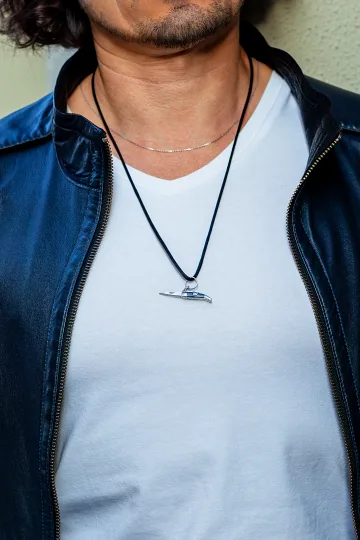




Conclusion: The Final Checklist
Before Buying
- I have set a realistic budget that does not put me in debt.
- I have researched her tastes (white/yellow gold, classic/modern).
- I have a good estimate of her ring size (or know the store resizes for free).
- I understand the 4Cs and know that I cannot skimp on Cut.
- I have selected 2 or 3 reliable jewellers (online or physical).
At the Moment of Purchase
- I have demanded to see the GIA or IGI certificate for the stone.
- I have verified the return policy (minimum 30 days).
- I have confirmed the first resizing is free.
- I have checked that the laser inscription matches the paperwork.
- I received the official receipt and original certificate.
After Buying
- I have hidden the ring somewhere she will never look.
- I have added it to my insurance policy.
- I have planned what I will say, where I will do it, and if I will hire a hidden photographer.
After the "Yes!"
- We will go to the jeweller if the size needs adjusting.
- I will explain to her how to care for it (taking it off for cleaning/gym).
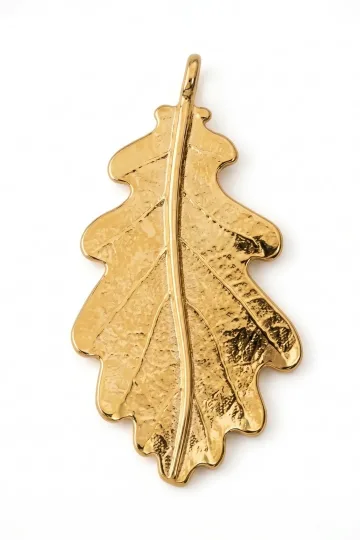
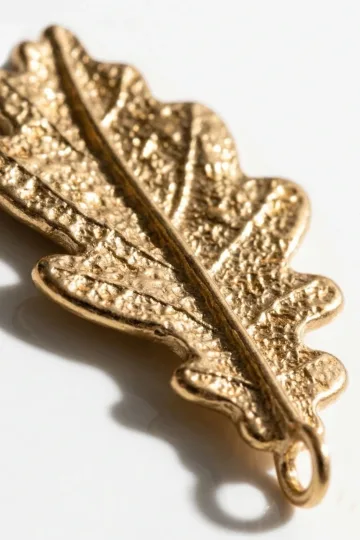
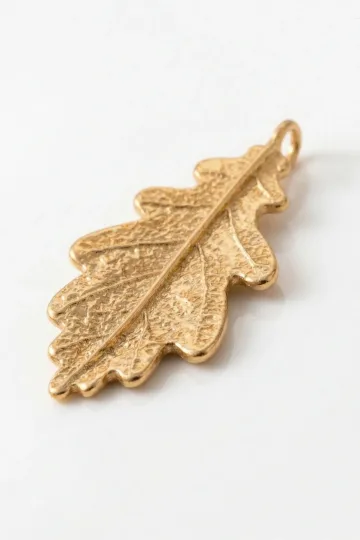
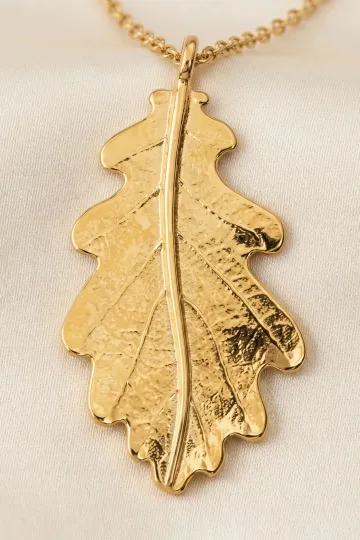
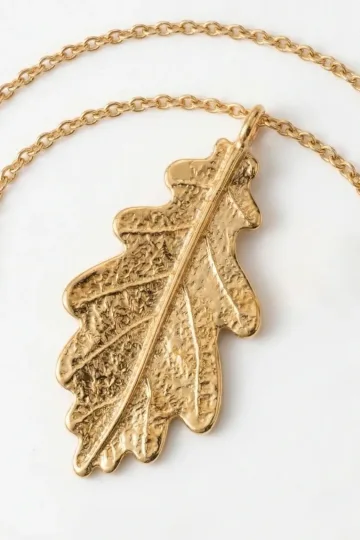
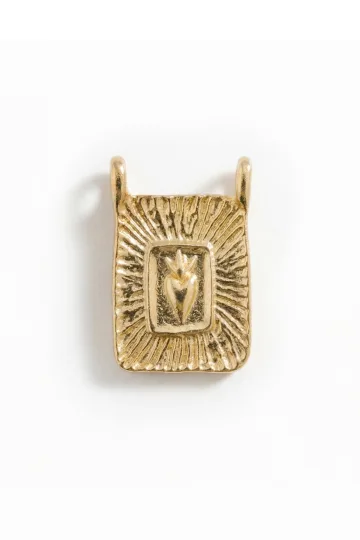
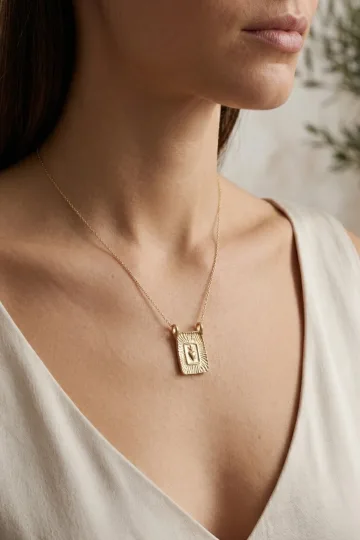
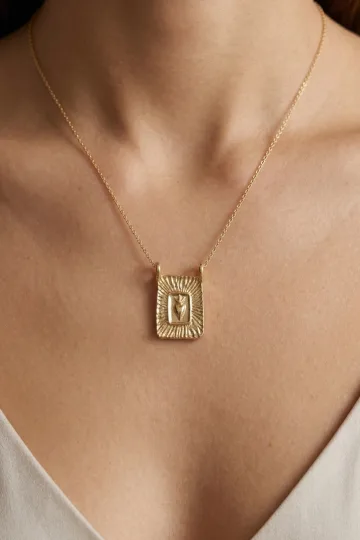
Silver and gold jewellery, wedding bands, symbolic pendants, paired sets.
Wear the symbol, don't just read about it. These are in stock:






The 8 Golden Rules Summarized
- There is no universal perfect ring. There is only the perfect ring for her.
- Cut is the only non-negotiable. A small, brilliantly cut diamond is always better than a large, dull one.
- Your eye is not a microscope. Save money by buying VS2 or SI1 clarities; they look perfect to the naked eye.
- Metal camouflages colour. If you buy yellow gold, you can save a lot by dropping the diamond colour to an I or J.
- No certificate, no deal. A diamond without GIA or IGI papers is an unnecessary and expensive risk.
- Her tastes rule. She is the one looking at her hand every single day, not you.
- Ignore the "2 months' salary" rule. Love is not measured in bank statements. Spend what is comfortable for you.
- It is a symbol. In the end, what matters isn't the crystallised carbon, but the promise it represents. Choose with your head, but give it with your heart.
Zevira creates engagement rings designed to become family heirlooms. Every piece is a story that begins with your proposal.
Discover our engagement ring collection →
Wear the symbol, don't just read about it. These are in stock:






About Zevira
Zevira makes jewellery in the artisan tradition of Albacete, Spain. An engagement ring gets worn every day for decades, so we treat it as something meant for a lifetime rather than an excuse to mark up the price: honest stone specs, a setting that actually holds, and a shape that feels right for daily wear.
What you can find with us for a proposal and engagement:
- Solitaire rings with a single centre stone, for anyone who loves clean classics and minimalism
- Halo and side-stone settings, when you want a big visual impact
- Secure bezel settings built for an active lifestyle and hands-on work
- Rings in white, yellow, and rose gold to match skin tone and the jewellery she already wears
- Matched engagement and wedding band sets that sit flush against each other with no gap
- Understated placeholder options for the proposal, leaving room to choose the final ring together
Every piece can be personalised with engraving, with personal engraving available. Sterling silver 925 and 14-18K gold.
#EngagementRing #Proposal #Diamonds #The4Cs #Zevira #BridalJewelry #WeddingPlanning #SheSaidYes