Game Symbols in Jewellery: Cards, Dice, Horseshoes and Arcade Icons
Play is older than writing. Archaeologists unearth knucklebone dice in Bronze Age burials, clay tokens in Mesopotamian houses, scored boards in Egyptian tombs. Wherever there are people, there is play. A child rolls a wooden cube across the floor. A student flips a coin. An adult deals a hand of bridge to three friends on a Thursday evening. An elder settles into a weekly chess match at the local club. Play is not merely a way to fill time. It is a way to model life in miniature: rules, chance, skill, winning, losing, the partner, the opponent, luck, and calculation. Everything that the larger world contains, compressed into a table-sized arena without lasting consequences.
It should come as no surprise that the imagery of games crossed long ago from the game itself into objects worn on the body. In the nineteenth century, London and Edinburgh gentlemen ordered cufflinks engraved with the four card suits from their silversmiths and wore them to the club evenings they spent over whist and picquet. The 1920s Art Deco movement caught card motifs and turned them into geometric ornament: the ace of spades in enamel, a dice on a watch chain, a horseshoe brooch in marcasite. The mid-twentieth century added the particular shine of the casino age. And today, when someone wears a silver dice pendant or a pair of suit earrings, they continue a tradition that is centuries old.
This article is about symbols, not about the practice of gambling. A pendant featuring the ace of spades does not make its wearer a gambler, and a horseshoe does not push anyone towards a betting window. A piece of jewellery with a game motif works as a cultural sign: it says something about a love of vintage aesthetics, about recognising chance as part of life, about a taste for the long history of card-playing in clubs and drawing rooms. We look at a dice or a four-leaf clover the same way we look at a treble clef or a nautical anchor: a sign belonging to a cultural field rather than a magical instrument.
The parallel with the Stamford Chess Club in nineteenth-century London is useful here. The members of the oldest documented chess club in England were not all chess professionals. Many were lawyers, physicians, and tradesmen who played weekly for the pleasure of concentrated thought and sociable competition. Chess jewellery worn by those men was a sign of intellectual culture, not a claim to grandmaster status. The same logic applies today.
Wear the symbol, don't just read about it. These are in stock:

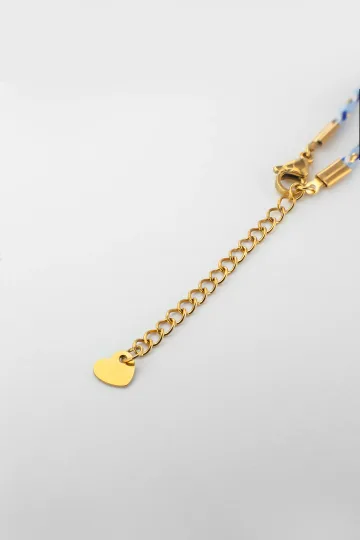
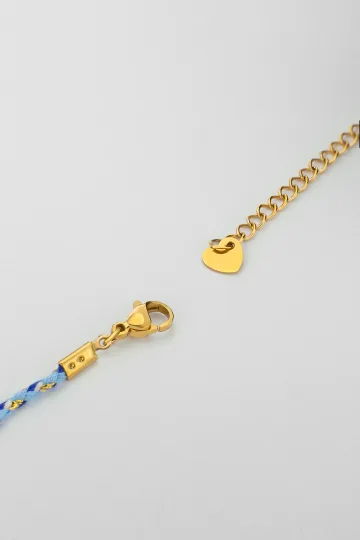

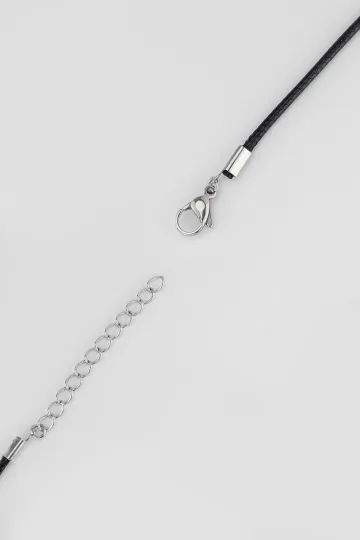
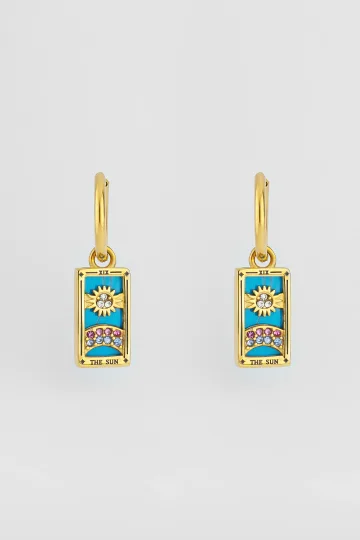

What game jewellery looks like: the Zevira range
The Zevira game jewellery line is built around several core formats. Every piece is made in our Albacete workshop in sterling silver, in limited series. Current stock and availability for specific items are always in the catalogue; below is an overview of the main formats we keep in production.
Pendants and drops
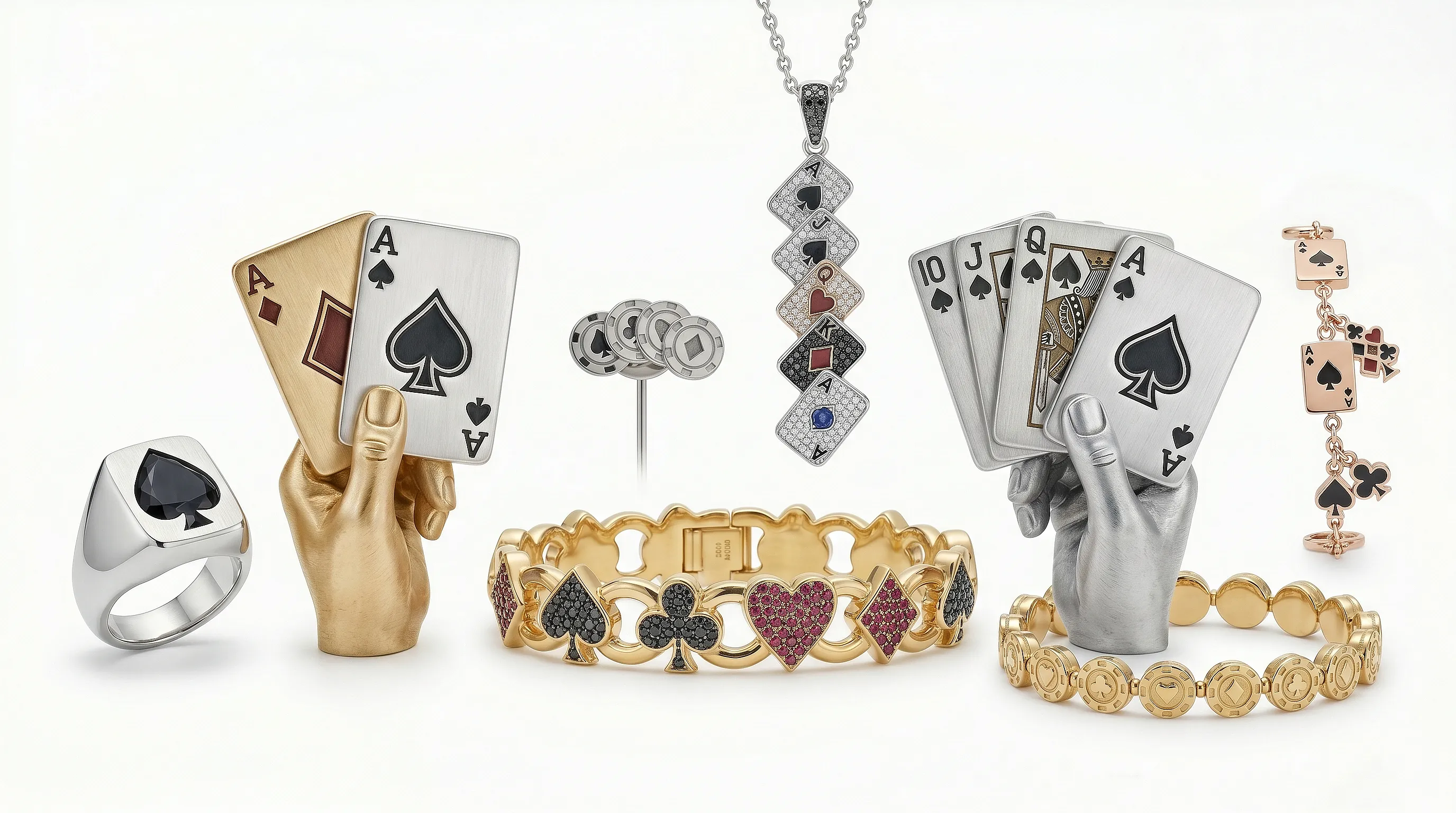
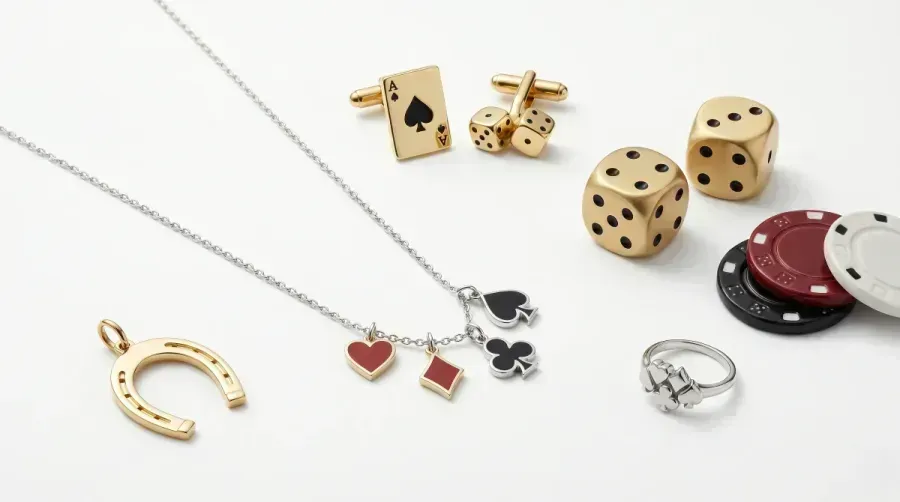
The card suit pendants are the backbone of the range. All four suits of the French deck, that is spades, hearts, diamonds and clubs, are available in sterling silver 925 with coloured enamel. Red enamel for hearts and diamonds, black enamel for spades and clubs, precise geometry, clean contour. Sizes run from 12 to 18 millimetres, chains in 45 or 50 centimetres. They can be worn as a pair on chains of different lengths.
Individual dice pendants: 8 to 10 millimetres in polished or matte sterling silver with engraved or black-enamel dots. A classic everyday piece, light enough to wear all day. Paired dice on a single pendant showing a sum of seven, the statistically most probable result of rolling two dice and a classic symbol of good fortune in gaming tradition.
The horseshoe pendant: sterling silver, 18 millimetres, with either a smooth modern profile or a version textured with micro-nails along the rim for a vintage character. A four-leaf clover pendant in sterling silver with green enamel, 12 millimetres, available also in silver with gold plating for a warmer register.
Casino chip pendants in sterling silver with coloured enamel, referencing the standard colour coding of the traditional gaming table. The Queen of Spades pendant, 18 millimetres, in sterling silver with fine engraving. A Joker pendant in oxidised silver for depth of relief.
Earrings
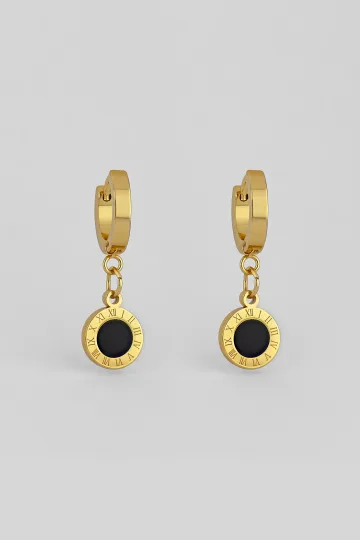
Stud sets with the four card suits: four pieces per set, two per ear, in sterling silver with enamel. Also available as matched pairs in a single suit. Drop earrings with suits, 25 millimetres, sterling silver with coloured enamel, for an evening register. Miniature dice studs, 6 millimetres, in sterling silver with engraved dots.
Rings
A signet ring with the ace of spades: sterling silver, relief design, 12 millimetres band width. Rings with an engraved single suit, your choice, in sterling silver at 10 millimetres width. A thinner enamel ring with one suit at 6 millimetres, a lighter everyday option. A narrow ring, 4 millimetres, with a continuous row of small card symbols.
Cufflinks
Cufflinks with all four suits in enamel: the classic Victorian club format, sterling silver, approximately 12 millimetres per piece. Also available as matched pairs in a single suit. Dice cufflinks in sterling silver, miniature cubes at 8 millimetres. Casino chip cufflinks in sterling silver with coloured enamel.
Brooches
A dice brooch, two cubes at roughly 8 by 8 millimetres each, arranged to suggest the moment of rolling, often showing a combined sum of seven. Approximately 35 millimetres overall. An ace of spades brooch in sterling silver with black enamel, Art Deco register, 30 millimetres. A Queen of Spades brooch with engraved figure.
Charm bracelets
A sterling silver anchor-weave bracelet base in 18 to 19 centimetres, designed for building a collection of charms. Individual charms: a dice, a horseshoe, a four-leaf clover, a casino chip, a mini roulette wheel with a moving part, a key, a small bell, and one charm per suit. Each charm is approximately 8 to 10 millimetres and can be added to the bracelet over time.
Men's formats on leather cord
A dice pendant on a black leather cord, sterling silver cube at 12 millimetres, cord at 50 centimetres with a silver clasp. A four-suit pendant on a brown leather cord. A horseshoe on a braided cord. These formats move away from the jewellery register towards a wearable accessory that sits well under an open shirt or a crew-neck.
Paired sets
Paired pendants where one partner wears the ace of hearts and the other the ace of spades, each on its own chain. A starter set combining card-suit cufflinks with an ace ring, in a gift presentation.
The range at a glance
| Type | Motif | Material | Size | Suits | Segment |
|---|---|---|---|---|---|
| Pendant | Ace of spades | Sterling silver and black enamel | 16 mm | Unisex | Entry |
| Pendant | Ace of hearts | Sterling silver and red enamel | 16 mm | A romantic gift | Entry |
| Pendant | Paired dice totalling seven | Sterling silver | 14 mm | Unisex, luck sign | Entry |
| Pendant | Classic horseshoe | Sterling silver | 18 mm | Unisex, everyday | Entry |
| Pendant | Horseshoe with micro-nails | Sterling silver | 18 mm | Vintage taste | Mid |
| Pendant | Clover in enamel | Sterling silver and green enamel | 12 mm | Universal | Entry |
| Pendant | Clover, gold-plated | Sterling silver with gilding | 12 mm | A dressed-up look | Mid |
| Pendant | Casino chip | Sterling silver and coloured enamel | 14 mm | Mid-century glamour | Entry |
| Pendant | Queen of Spades | Sterling silver, engraved | 18 mm | A literary motif | Mid |
| Stud earrings | Four suits | Sterling silver and enamel | 6 mm | Everyday | Entry |
| Ring | Signet, ace of spades | Sterling silver | 12 mm band | A strong graphic gesture | Mid |
| Ring | Enamel, single suit | Sterling silver and enamel | 6 mm band | Light, everyday | Entry |
| Cufflinks | Four suits | Sterling silver and enamel | 12 mm each | Vintage evening wear | Mid |
| Cufflinks | Dice | Sterling silver | 8 mm each | Vintage, understated | Mid |
| Brooch | Pair of dice | Sterling silver | 35 mm | Art Deco register | Mid |
| Brooch | Ace of spades | Sterling silver and black enamel | 30 mm | Graphic vintage | Mid |
| Charm bracelet | Base plus five charms | Sterling silver | 18 cm | A collecting approach | Premium |
| Cord pendant | Dice on leather | Sterling silver and leather | 12 mm | Everyday, men's | Entry |
| Cord pendant | Horseshoe on braided cord | Sterling silver and leather | 18 mm | Men's vintage | Entry |
| Set | Cufflinks and ace ring | Sterling silver and enamel | Boxed set | Gift presentation | Premium |
These pieces are produced in limited series, some held in stock and some made to order. For specific references, sizes and lead times, the catalogue is always the authority. Below we take each category in turn: what the motif means historically, how it looks in our execution, and who it suits.
The aesthetic across the whole range points back to the 1920s. It is Art Deco: geometry, crisp edges, symmetry, the contrast of black against silver and red against white. That look does not date, because it rests on proportion and clarity rather than on the fashion of any one season.
Cards: ace, king, queen, and the four suits
Playing cards arrived in Europe late, in the thirteenth or fourteenth century, most probably through Mamluk Egypt, where the idea had arrived in turn from China. The earliest European decks appeared in Italy and Spain around 1370, and they used different suits: cups, coins, swords, and batons. That system survives in Spanish and Italian decks and lives on in games such as mus, briscola, and scopa.
The four suits and their origins
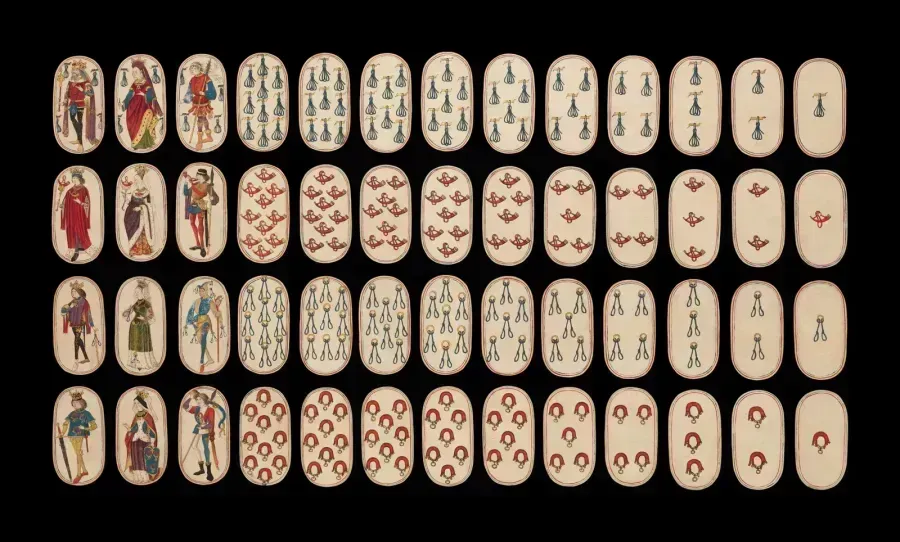
The French system that most of the world uses today consolidated by the end of the fifteenth century. Spades, hearts, diamonds, and clubs appeared in France around 1480 as a simplification of earlier, more intricate symbols. The simplification was practical: these shapes could be cut from woodblocks quickly and cheaply, which brought the cost of a deck down and made cards a commodity for the urban middle class rather than an aristocratic luxury.
Each suit in medieval and Renaissance interpretation carried a social resonance. Spades corresponded to the nobility and the sword; in the German deck the equivalent suit uses leaves or acorns. Hearts corresponded to the clergy, referencing the chalice of the Eucharist in earlier versions. Diamonds corresponded to the merchant class; in the Italian deck coins appear in this position. Clubs corresponded to peasants and labourers; in the Spanish deck the equivalent is batons, simple working tools.
This is not a rigid system but a set of symbolic parallels that varied across regional traditions. The underlying idea, however, is consistent: the four suits modelled the four estates of medieval society. When someone picks up a deck of cards, they hold a miniature model of the world.
The ace as symbol
The ace is the singular card of a suit, bearing only one pip. The English word derives from the Latin as, the name of a small Roman copper coin. Paradoxically, the smallest denomination became the highest card. This inversion is characteristic of card logic in general.
In British card culture, the ace of spades carries a particular weight. It appears prominently on the exterior of English tax-stamped decks from the eighteenth century, when Commissioners of Stamp Duties required the ace of spades to show proof of the tax levy. The stamp made it the most elaborately printed card in any deck, and it became associated with authority, consequence, and high stakes. Soldiers in certain units of the British Army carried it as a talisman. In jewellery, the ace of spades is worn for its graphic clarity and cultural weight, not for any morbid association.
The ace of hearts reads universally as a romantic or affectionate sign. The ace of diamonds connects to material confidence and clarity of purpose. The ace of clubs, with its trefoil closely resembling a three-leaf clover, carries associations of good luck in ventures.
The Queen of Spades
Of all the court cards, the Queen of Spades carries the heaviest cultural charge, and it comes from literature. Pushkin's story of 1834 turned her into a figure that travelled far beyond its country of origin: the old countess, the young officer obsessed with a winning formula, the three cards, and the final scene in which the queen appears to wink from the deck. Within a few decades the tale had been translated across Europe, set as an opera, and absorbed into the general stock of images for the theme of fate against calculation.
She had a life before that, too. In the French tradition she was sometimes identified with Pallas Athena, the armed goddess of wisdom, which is why old decks show her holding a flower in one hand and a weapon in the other. Fortune-telling practice added a darker reading, casting her as an older woman who knows more than she says. All of these layers sit in the card at once.
In jewellery the Queen of Spades is a complicated motif rather than a decorative one. It is worn by people who value the literary reference, understand its weight and accept it. A pendant with her figure, worked in graphic engraving or in enamel, functions as a signature: I know that chance is stronger than any plan, and I have made my peace with that. It is not a piece to give lightly, and that is precisely why the people who choose it tend to keep it for years.
The court cards and their historical identities
The French tradition of the sixteenth century attached each king to a specific historical or biblical figure. The king of hearts was Charlemagne, emperor of the Franks. The king of spades was the biblical David. The king of diamonds was Julius Caesar. The king of clubs was Alexander the Great.
The queens had their own associations, though they were less fixed across printings. The queen of hearts was sometimes identified with Judith, the queen of spades with Athena, the queen of diamonds with the biblical Rachel.
For jewellery, this layering of identity gives each card a depth beyond decoration. A pendant featuring the king of spades becomes a quiet reference to the biblical poet-warrior. A ring with the queen of hearts carries a literary dimension.
The Joker
The Joker appeared in American decks around 1870 for the card game euchre, which required an additional high card. The word joker derives from the German Juker, the name for a player of that same game among Pennsylvania German communities. From there it settled into the standard fifty-two-card deck as the fifty-third and fifty-fourth cards.
Symbolically the Joker sits outside the hierarchy of suits and court cards. It belongs to no rank, can stand in for any other card, and can overturn the structure of a game entirely. In jewellery the Joker works for those who feel at home outside established hierarchies: a pendant in oxidised silver with a detailed engraved figure, characterful and slightly irreverent.
One suit, worn well. Hang the whole deck round your neck and you read as a gift-shop till, not a card player.
What to wear game motifs with
Over years on shoots and in the atelier fitting room I have run these signs through dozens of looks. Here is what actually works, by occasion and by type of piece.
What do you wear a horseshoe or clover with day to day? For everyday I recommend a light silver pendant, 12 to 15 millimetres, on a fine chain over a plain top: a grey jumper, a white shirt, a black roll-neck. An open or V-neck gives the sign a free field, and that is where it reads best. With jeans and knitwear a pendant like this needs no special occasion.
And what suits the office? Keep it restrained. A narrow enamel ring with a single suit, or a band with a row of small card signs, works as a precise accent on the hand and does not argue with tailoring. Stud earrings with the suits add meaning while staying quiet in a meeting. Silver reads calmer here than gilding.
How do you build an evening look? For the evening I choose four-suit cufflinks: a dark suit, a white double-cuff shirt, a bow tie, a palette of black, silver and a burgundy accent. A woman's evening look holds well on drop earrings with the suits or a brooch on a plain jacket in a deep colour.
What if I want a strong graphic sign? Then I recommend the ace of spades in monochrome: a black dress or jumper, a silver chain of 50 to 55 centimetres, and nothing to compete. A signet ring with an ace keeps the same line on the hand. An oxidised joker suits anyone who likes character and irony.
How do you avoid overdoing it? One rule that never fails: a single strong game sign per outfit. If the suits are on your cuffs, an ace pendant and a king ring are already too much. I do not mix metals: silver with silver, gilding with a warm palette. The charm bracelet is the one exception, where the whole point is the set.

Turn on your camera, pick earrings, a pendant or a ring, and see the piece on yourself in real time.
Switch items in one tap.
Everything runs in your browser: no photo or video is ever uploaded.
Customer reviews
Zevira is a real jewellery shop. Genuine payments, deliveries and customer thank-yous.
🥰🥰🥰 gracias
Ok, ¡gracias! 🙂
Dice and gaming chips
Dice are among the oldest objects in human material culture. Archaeologists find cuboid astragalus bones, the knucklebones of sheep and goats, at sites in Sumer dating to around 3000 BCE. Cubic dice with numbered faces appear in the Indus Valley civilisation at Harappa around 2500 BCE. In ancient Rome, gambling with dice was so widespread that it was periodically forbidden by law, a sign less of the law's authority than of how thoroughly the practice had embedded itself in daily life. Roman legionaries carried dice in a leather pouch as a matter of course.
The six-sided die with pips from one to six standardised in antiquity. Opposite faces sum to seven: one and six, two and five, three and four. This rule has remained constant for several thousand years. A Roman-era die recovered from an excavation shows the same pip arrangement as a counter in a modern board game.
In jewellery, the silver dice works in several formats. A single cube at 8 to 10 millimetres on a chain is a light everyday pendant. The surface can be matte or polished, the dots engraved or filled with black enamel. Two dice on a single pendant, showing a combined total of seven, read as an active luck sign. Seven is the most statistically probable result when rolling two six-sided dice, and in the Western gaming tradition it carries the weight of the ideal throw.
A rarer composition puts two cubes together with both upper faces reading seven in combination, a doubled statement of the same idea, and collectors of game-motif pieces tend to seek it out. In the English-speaking gaming tradition the phrases lucky dice and seven come eleven, the latter borrowed from craps where seven and eleven win on the opening roll, fixed the pair of cubes as a sign of luck in motion. It is not a static amulet like a horseshoe over a door. It is the sign of a throw already made.
There is a practical note worth adding for anyone buying a dice pendant. Look at how the pips are finished. Deeply struck and enamel-filled dots stay legible for years, while shallow laser-etched ones fade under the polishing cloth and turn the cube into a plain block. Check, too, that the bail comes off a corner or an edge rather than the centre of a face, since a bail soldered into the middle of a face ruins the geometry the whole motif depends on.
Gaming chips in jewellery reference the aesthetic of mid-twentieth-century casino culture rather than any specific game. The chip itself is a disc of composite or ceramic carrying a denomination, and its colour coding is partly standardised across the trade: white for the lowest unit, then red, blue, green and black climbing in value. Those colours are what get reproduced in enamel on a chip pendant, 12 to 20 millimetres across, with the denomination sometimes engraved or picked out in a contrasting enamel.
Worn as jewellery, the chip is a reference to the visual language of mid-century Nevada and to the whole genre of films built around the gaming table: the black dinner jacket, the red felt, the particular quality of artificial light in a room with no windows and no clocks. It belongs to people who love that look rather than to people who gamble, in the same way a nautical anchor belongs to people who love the sea.
Poker and its own culture of chips, tournament rituals and collecting we treat separately in a full guide to poker jewellery and card symbols. Here the chip appears as one element in a wider family of game signs, and for accessories in a similar spirit of wit and character there are also office and humorous jewellery pieces.
Upload a photo of your pet, someone you love, or an object. We'll build a 3D model and hand-cast it in pewter.



The horseshoe and other luck symbols
The horseshoe
The horseshoe is one of the most persistent luck symbols in European and North American tradition. The legend most often attached to it involves Saint Dunstan, Archbishop of Canterbury in the tenth century and, before that, a skilled metalworker. According to the story, a figure the saint recognised as the devil came to his forge requesting that his hoof be shod. Dunstan agreed, did the work with deliberate roughness, and released the visitor only after extracting a promise: the devil would never enter a house above whose door a horseshoe hung. The story gave the horseshoe its role as a protective sign over thresholds across much of northern Europe.
The question of orientation, whether the horseshoe hangs with its open end up or down, has been debated in folk tradition for centuries. In the British and American tradition, open end up is dominant: the horseshoe as a cup that holds luck in. In Mediterranean countries, including Spain and Italy, open end down is more common: the horseshoe pours its luck out over the house and those inside. Both traditions are alive and neither is universally correct. The choice is one of cultural affiliation and personal preference.
The material of the horseshoe also carried symbolic significance. Iron was considered a protective metal in ancient and medieval belief. A horseshoe found on a road, rather than bought, was held to be especially powerful because it came as a gift from chance.
In jewellery, the horseshoe pendant is one of the most versatile everyday motifs. Sterling silver, 12 to 25 millimetres, on a fine chain at 40 to 50 centimetres. It pairs with almost anything: a T-shirt, a crew-neck, a linen dress.
The four-leaf clover
The four-leaf clover is a genetic rarity. In a standard population of white clover, roughly one plant in ten thousand produces a four-lobed leaf rather than the standard three. That statistical unlikeliness is the foundation of its symbolic meaning: finding one is a small piece of luck in itself.
Celtic tradition associated the four leaves with the four elements. Christian European interpretation read them as the four Evangelists. Irish folk memory retained the clover as a sign of protection against the evil eye. Saint Patrick, according to tradition, used the three-leaf shamrock to explain the Trinity; the four-leaf version was a rarer, additionally blessed variant of the same plant.
In jewellery, the clover pendant in sterling silver with green enamel is one of the most approachable pieces in any luck-symbol range. Twelve to fifteen millimetres, round in form, it works for everyday wear and for gifts. It pairs naturally with the horseshoe for a combined luck-symbol set.
The rabbit's foot
The rabbit's foot belongs to the folk magic of the American South, where the hoodoo tradition treated it as a charm tied to fertility and protection against the evil eye. The practice traces back to the nineteenth century and to the meeting of West African and European beliefs on the plantations. The lore was oddly specific: the left hind foot, taken in a graveyard at a particular phase of the moon, was held to carry the real power, and anything less was considered a poor imitation.
There is an older European strand behind it as well. The hare and the rabbit had long been read as animals of the boundary, creatures that live between the field and the wood and that were credited in British folk belief with an uncanny relationship to luck. A charm made from the animal that outruns everything was, in that reading, a charm for escaping trouble.
Today a real rabbit's foot is ethically indefensible and is not made at any scale. In jewellery the motif survives purely as a graphic sign: a stylised silver outline, a contour rather than a literal object. It is a reference to a cultural layer, to old America and to the folk magic of the last century, and not a reproduction of the thing itself. Pendants of this kind are uncommon and are valued mainly by collectors of vintage aesthetics.
The acorn
The acorn as a jewellery motif has a strong Victorian English layer. In nineteenth-century Britain, an acorn on a watch chain or a fob was a reference to the oak's symbolic weight among the Druids and later in English national consciousness: the small seed that carries the full potential of the great tree. The Royal Navy's connection to the oak, the ship's timber that built the British fleet, gave the motif an additional layer of meaning.
In jewellery, the acorn is a subtler sign than the horseshoe or the clover. It does not shout about luck; it refers to growth, patience, and potential. Sterling silver, 8 to 12 millimetres, it works for both men and women as a quiet, well-considered piece.
The evil eye and the nazar
The blue eye, known as the nazar in Turkey, as the eye set into the hamsa in Arabic tradition, and as the mati in Greece, is a protective symbol rather than a luck symbol in the strict sense. The distinction matters. A horseshoe is meant to attract something good; the eye is meant to deflect something bad, specifically the envious glance of another person.
It travels with game symbols all the same, because it works in the same cultural territory: the territory of chance, and of shielding yourself from chance going the wrong way. Anyone who has watched a Mediterranean taxi driver hang a blue glass eye from the mirror has seen a game player's logic in action, whether or not the driver would describe it that way. We give the sign a full treatment in a separate piece on the nazar and the meaning of the evil eye; here it appears as a neighbouring motif that combines easily with a horseshoe or a clover on the same chain.
Paired dice as a doubled sign
Paired dice were covered above in the section on cubes, but the symbolic point deserves its own heading, because it is the one game sign that reads as active rather than passive. A horseshoe hangs over a door and waits. A clover is found. A pair of dice, caught in mid-roll on a brooch or fixed at a total of seven on a pendant, shows a decision already taken and a result still in the air.
That is why the motif suits people who prefer to move first and see what happens, and why it works so well as a gift for a new venture, a move abroad or a change of career. Two cubes in silver linked by a small bar, upper faces reading six and one or five and two, carry that meaning without a word of explanation to anyone who knows the game. Worn as a brooch on a lapel, angled to suggest the throw, it is one of the liveliest small compositions in the whole vintage repertoire.
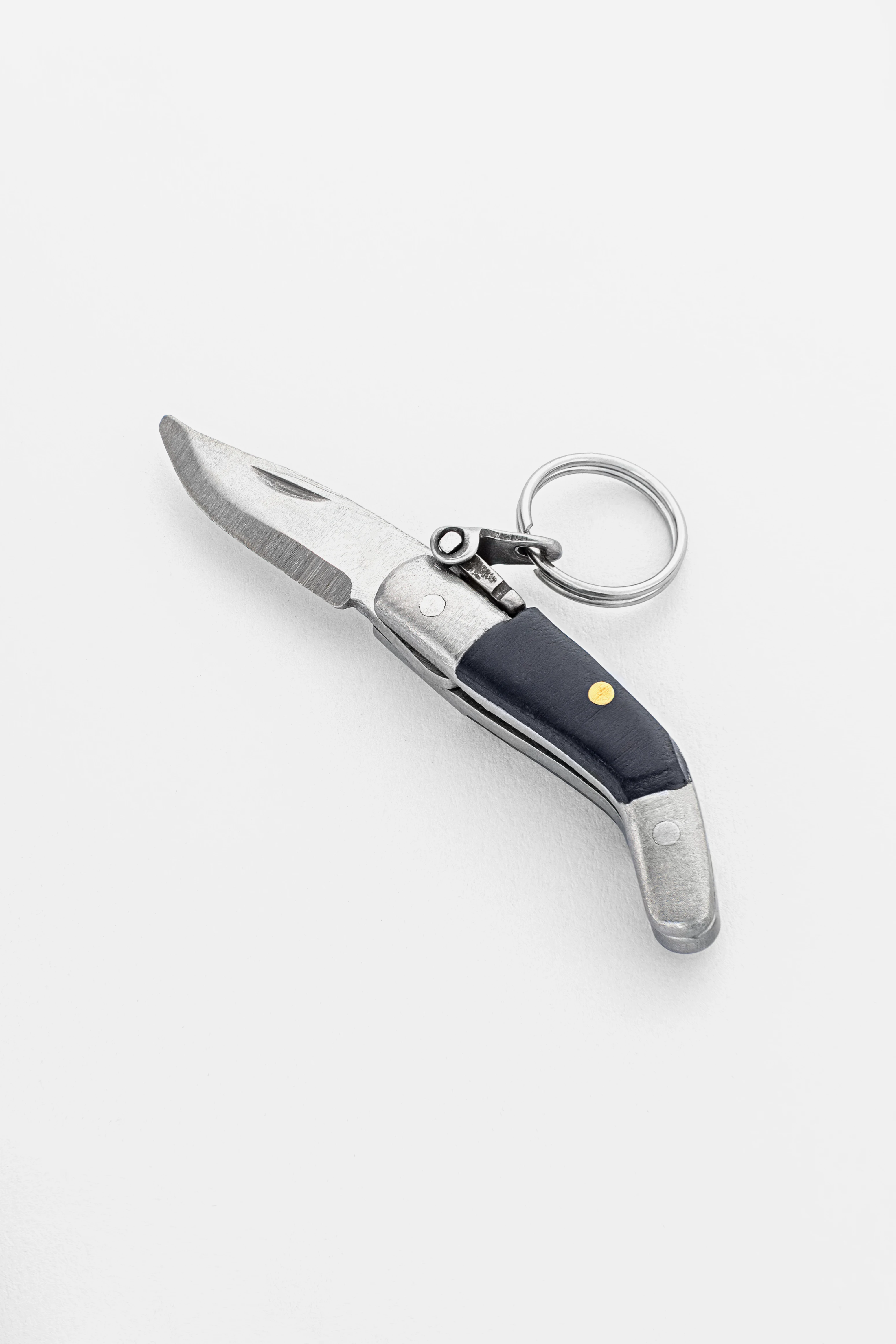
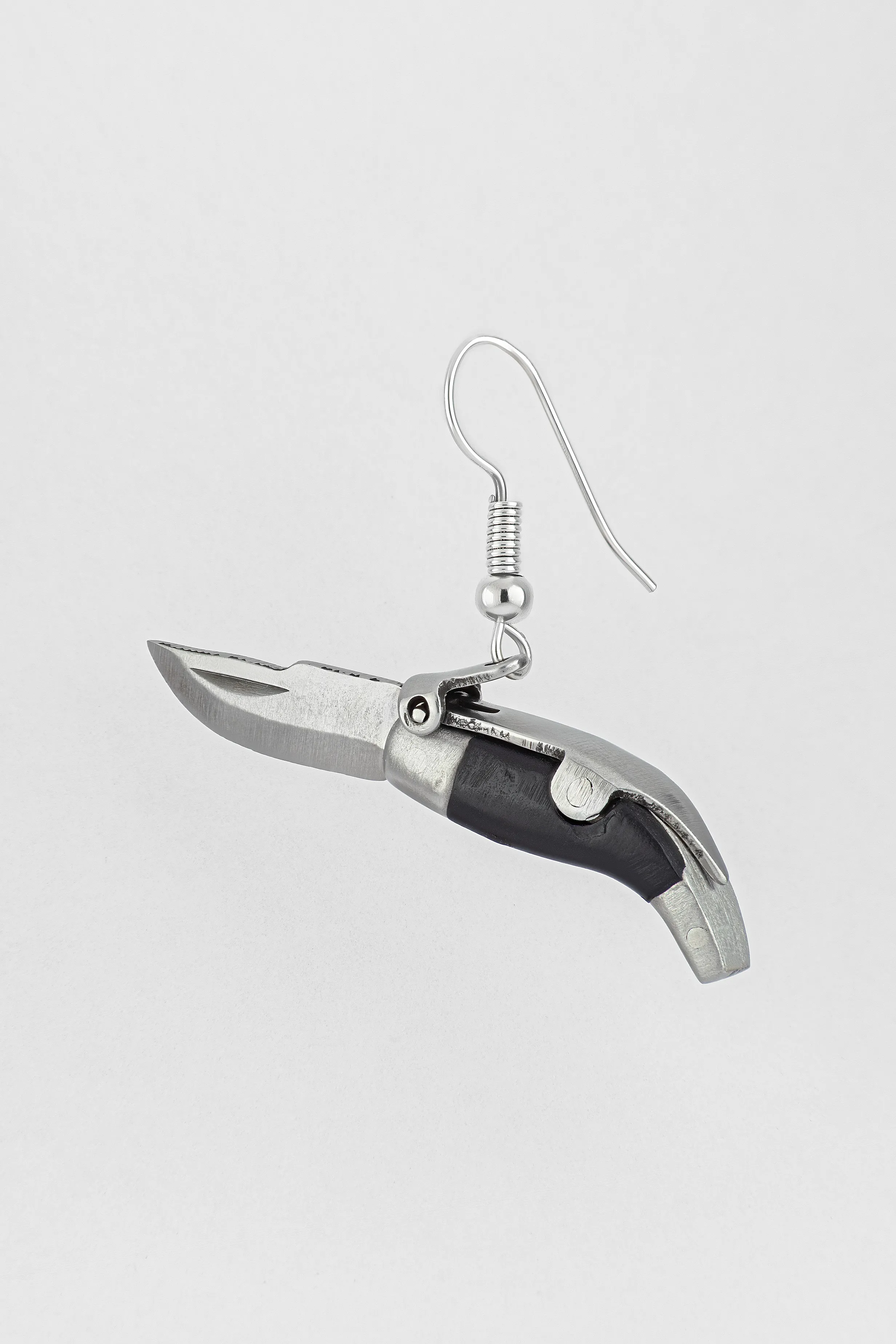
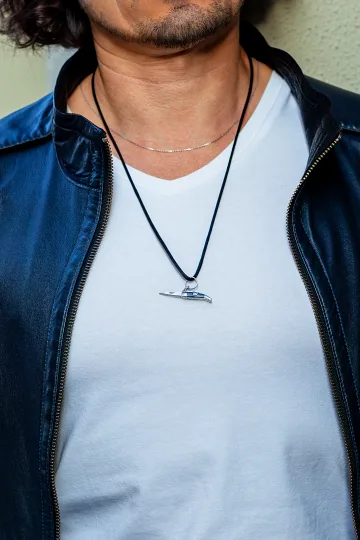
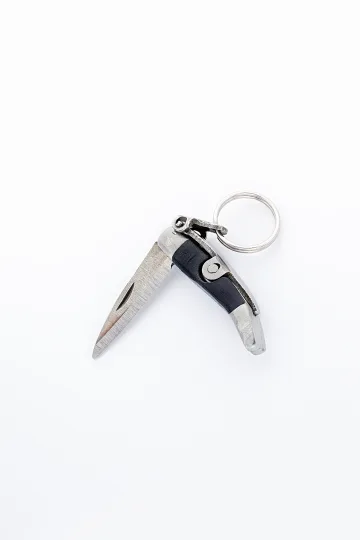
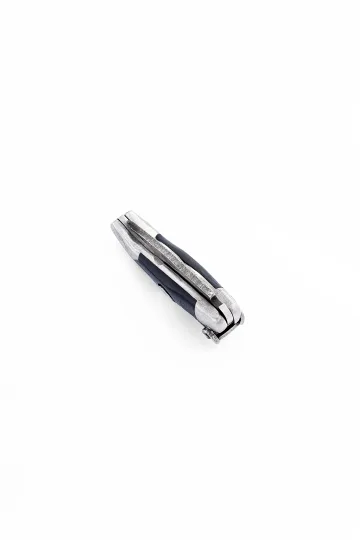
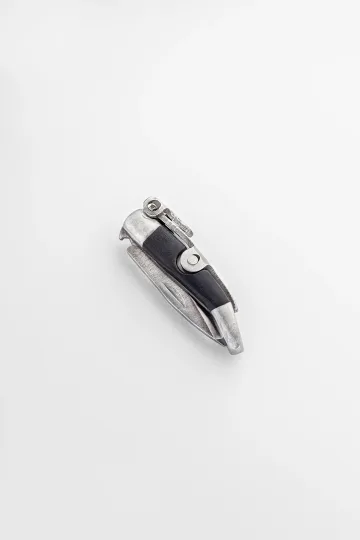
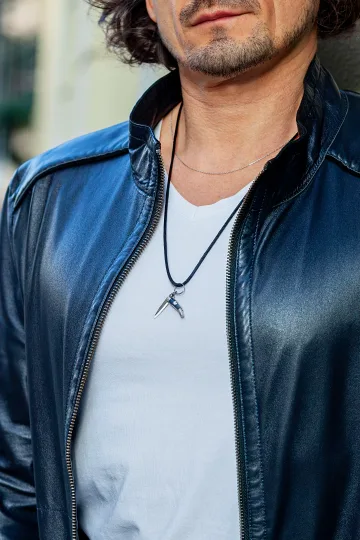
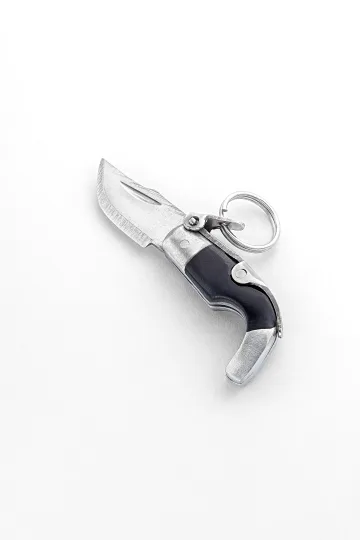
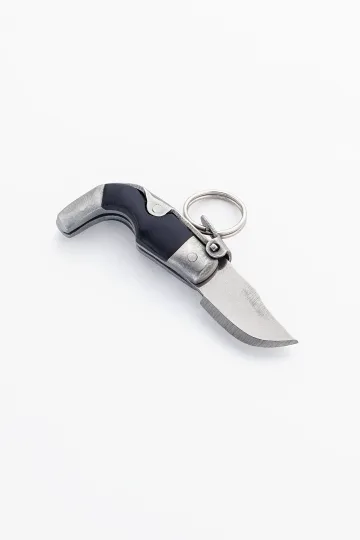
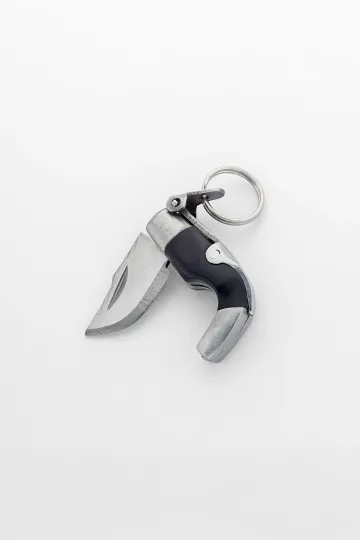
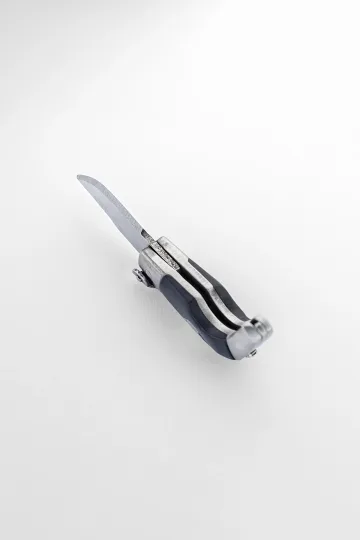
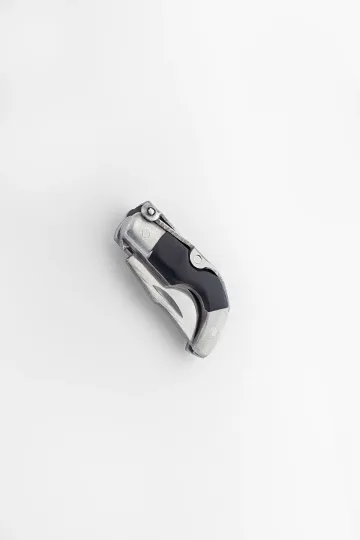
CAPAORA mini knife pendant
The 18th-century Spanish navaja in miniature: 40 mm of stainless steel, a real folding mechanism and a Palanquilla lock that clicks. An affordable gift to remember.
Authentic · Ships from Spain · 14-day returns
The history of game symbols in jewellery
Playing cards arrived in Europe in the late thirteenth and early fourteenth centuries. The earliest documented evidence is Italian and Spanish references around 1370, urban ordinances banning card games in Florence in 1377 and Basel in 1378, and the first surviving physical decks from the end of that century. The cards came from the Islamic world, where Mamluk Egyptian decks of the thirteenth century already featured four suits: cups, crescents, swords, and polo sticks. The underlying idea had reached the Islamic world from China, where playing cards are documented from the Tang dynasty of the tenth century.
The fifteenth century standardised the French suits. Around 1480, the four symbols we use today settled into their forms. This was a technological event as much as a cultural one: simplified outlines allowed woodblock printing of complete decks at a speed and cost that made cards accessible to city tradespeople as well as courtly society.
The seventeenth and eighteenth centuries were the great age of European card culture. Versailles, Vienna, London: at every court, the evenings were spent at ombre, piquet, whist, and faro. Around cards, a culture of accessories grew. Snuff boxes with suit motifs, pocket watches with enamelled suit faces, and the first aristocratic card-suit cufflinks appeared during this period. These objects were expensive, hand-made, and ordered from the best craftsmen in Paris, Geneva, and London.
The nineteenth century was the age of the gentleman's club. London's clubs, from Boodle's to the Reform, from White's to the Athenaeum, set a template that spread to Edinburgh, Manchester, Dublin, and across the Atlantic to New York, Boston, and Philadelphia. Card-suit cufflinks in sterling silver or gilt metal became nearly obligatory evening wear for club members. The Lewis Chessmen, carved in the Hebrides in the twelfth century and held at the British Museum and the National Museum of Scotland, are a reminder of how deep the game tradition runs in British culture: the chessmen's serene, slightly anxious faces look out from nine hundred years ago as if they have just made a difficult move.
The 1920s brought the Art Deco transformation. Clean geometric forms converted card suits into ornament without sentiment: the ace of spades as a precise diamond-and-triangle construction, the heart as a mathematically symmetrical form. This aesthetic entered architecture, fashion, and jewellery simultaneously, and its influence on game-motif pieces has never quite faded.
The mid-twentieth century casino era added an American layer of visual language: the neon, the felt, the chip, the particular glamour of a game played under artificial light far from any window. Jewellery absorbed that visual language. It remains a distinct register within the broader game-motif tradition.
The revival of interest in the 8-bit era and early arcade culture from the late 1990s onwards added a further layer. The pixel, the simple geometric icon of an early screen, translates naturally into enamel on metal: a small square grid of black and coloured dots is structurally identical to a heraldic device or an Art Deco ornament. This is why arcade-era aesthetics sit comfortably in jewellery without requiring any digital component. The 8-bit pixel is simply the latest form of the ancient human instinct to reduce a symbol to its most essential geometry.
What game symbols mean
Luck, as a concept, is cultural rather than mechanical. A horseshoe does not emit fortune. A four-leaf clover does not alter probability. These meanings operate at the level of cultural projection and self-identification: when someone wears such a sign, they are not activating a mechanism but making a statement about who they are, what they value, and which aesthetic tradition they feel at home in.
This does not make the symbols empty. Cultural signs derive their power from accumulated use. When a symbol has been worn as a luck sign for several centuries, the sign becomes part of a living cultural language, readable without explanation by anyone who shares that language.
Game symbols also carry a philosophical dimension. Wearing a dice or an ace is a quiet acknowledgement that life is not fully predictable. This is a mature position: not resignation, but acceptance of contingency. Johan Huizinga, the Dutch cultural historian, argued in his 1938 study that play precedes culture and underlies it. The child plays before acquiring language. The adult plays in ritual, in sport, in creative work. Play is not a marginal activity but a fundamental mode of engaging with the world. Game jewellery, in this reading, is not trivial but an acknowledgement of something basic.
Skill sits alongside chance in this imagery, and it is worth saying so plainly, because the assumption that game symbols are all about gambling is the commonest misreading of them. Not every game turns on luck. Bridge, chess, cribbage, backgammon and go are games in which skill does the heavy lifting and chance operates only at the tactical level. Poker in particular is understood by its serious players as a discipline of statistics, psychology and risk management rather than a matter of fortune, which is why the same names appear in the final places of major tournaments year after year. Chess contains no element of chance at all. Game symbolism in jewellery carries that side as well: luck on one hand, and on the other competence, calculation and the discipline to keep playing well when the cards are indifferent.
The ace stands for the top of a hierarchy, and each suit inflects that differently. The ace of hearts belongs to someone who puts affection above everything else. The ace of spades belongs to someone who chooses directness and strength. The ace of diamonds points to material confidence, the ace of clubs to luck in new ventures. It is a simple system, easy to read, and it makes the aces the most giftable of the card motifs, because you can choose one for a person rather than at random.
The Joker as symbol points specifically to freedom from hierarchy. The card that belongs to no suit and can replace any other stands for a kind of principled independence, a position outside established categories.
The Queen of Spades has the heaviest symbolic weight in the card tradition. Pushkin's 1834 story gave her a literary life that has never entirely faded: the old countess, the three cards, the final moment when the queen winks from the deck. She represents not lucky chance but the irreversible collision with reality. A pendant with her image is not decorative in any simple sense.
Four suits together, all four in a single piece, represent balance and comprehensiveness: all estates, all elements, all possibilities simultaneously present. This is the most universal of the game motifs, carrying the least specific meaning and the most open one.
One honest qualification bears repeating at the end of all this. These meanings are cultural layers, not physical mechanisms. A pendant with the ace of spades will not protect anyone from a bad financial year, a horseshoe will not draw a lottery win, and a clover will not make its owner happier. They work at the level of symbol and self-presentation, in the same way that every other worn object does: a tie does not make a man a gentleman, a ring does not make a marriage, a cross does not make a Christian. What all of these things do is carry a meaning that other people can read, and that is the whole of their cultural work. It is quite enough.
Leave your email, we'll send your discount code. No spam, unsubscribe anytime.
The code arrives by email, valid on your first order.
Materials and techniques
Sterling silver 925 is the base metal throughout. 92.5 per cent pure silver with 7.5 per cent copper: a standard established in England under Edward I in the thirteenth century. Silver takes colour enamel well, holds engraved detail clearly, and brings a clean metallic light to geometric motifs.
Red enamel for hearts and diamonds: a carmine closer to the traditional printing red than to a pure scarlet. Applied by hot-enamel technique, fired at around 800 degrees Celsius, it produces a dense, slightly lustrous colour.
Black enamel for spades and clubs: a deep, flat black without blue or brown undertones, consistent with the printed black of historical card decks.
Cloisonne enamel, the technique of forming fine wire partitions and filling them with separate coloured glasses, allows multicolour complexity. The craftsperson bends thin silver wires along the outline of the design, solders them to the base and fills each cell with its own colour. It is used for court card figures where more than two colours are needed: a full-colour king or queen with robe, crown, sword and sceptre. Cloisonne is prized for its detail and for its own long history, since the technique has been in continuous use since Byzantine work of the ninth and tenth centuries.
Oxidising, the chemical darkening of silver using silver sulphide, produces a vintage effect that suits both engraved card figures and the textured surface of a dice. The high points of a design remain bright; the recessed areas stay dark. The contrast emphasises relief and gives the piece an immediate sense of age.
Gold plating over silver, or vermeil, pushes a piece into a warmer register. It works well on casino chip pendants and on crown details of court card figures.
Point-set small stones: rubies for hearts, sapphires for spades, garnets for diamonds, onyx for clubs, each stone at one to two millimetres. This approach is used on premium pendants where a single high-quality piece is intended rather than a collection of smaller ones. Stones instead of enamel change the whole reading of a piece while keeping the graphic clarity of the symbol intact.
Hand engraving of the court figures, the king, the queen and the jack, is separate work and is valued separately. The engraver cuts a portrait into a silver plate with a graver: face, crown, robe, the emblems of authority. That takes hours and sometimes a full day for a single piece, which is why individually engraved examples are sought after among collectors. Machine engraving can copy the outline but not the depth of cut that catches the light differently as the piece moves.
Mother-of-pearl is used for casino chips and for card motifs. Thin plates of the iridescent inner layer of sea shells are set into a silver frame and give a soft shifting sheen. It works particularly well on the pale cards: against a polished ground the suit mark reads deeper than it does on plain metal. A classic combination is a silver horseshoe with a mother-of-pearl inlay at the centre, an arrangement that has been made almost unchanged since the Victorian period.
A note on wear. Enamel is glass, and glass chips. A hot-enamelled surface will outlast decades of ordinary use, but it does not survive being dropped on a tiled floor or scrubbed with an abrasive cloth. Oxidised silver is the opposite case: it lightens gradually with handling, and most owners find the piece looks better after a year of wear than it did new, since the raised areas polish themselves against clothing while the recesses stay dark.
How to wear it
Card-suit cufflinks belong to formal evening wear: a dinner jacket, a well-cut dark suit, a white double-cuff shirt. They are at home in a theatre box, at a club dinner, at a wedding reception. In the daytime they can accompany a business suit for a meeting that is formal without being ceremonial.
A horseshoe or clover pendant on a fine chain, 12 to 15 millimetres, is the most versatile everyday format. It works under a linen shirt, over a jumper, against the neckline of a dress. It does not demand attention; it simply accompanies.
The ace of spades pendant makes a deliberate graphic statement. It works in a dark, minimal wardrobe: a black roll-neck, a charcoal suit, a dress in a strong single colour. Size should be sufficient for the symbol to read clearly at a glance, typically 16 to 20 millimetres.
The charm bracelet is a collecting format. A base chain in anchor or bismarck weave grows slowly, one charm added at a time, each marking a moment: a horseshoe after a journey that went well, a dice at a significant birthday, an ace of hearts at an anniversary. Each charm weighs only a few grams, so the bracelet stays comfortable even when it is well populated, and the object accumulates a personal history that nobody else can read in full. The same logic drives matching jewellery for couples, except that there the story is divided between two people rather than gathered on one wrist.
A ring with a suit works as a precise accent on the hand. A signet with one large enamelled suit, or a narrower band carrying a row of small card signs, and the choice between them comes down to the hand. A broad hand carries a signet of 10 to 12 millimetres comfortably; a slimmer one is better served by a band of 5 to 7 millimetres. Worn on the little finger a signet reads as deliberately old-fashioned, which for this motif is entirely the point.
Brooches sit on a jacket lapel, a coat collar, or a heavy fabric. One strong piece at a time. Approximately 30 to 35 millimetres, attached on the left lapel in the conventional placement. Choose a plain ground, grey, black, navy, so the design is unobstructed.
The general rule: one game motif in an outfit is sufficient. Card-suit cufflinks are already the statement for an evening; they do not need to be accompanied by a card pendant, a dice brooch, and a suit ring simultaneously. The charm bracelet is the exception, because its nature is the accumulation of multiple small signs into a single contained object. The failure mode to avoid has a name in the trade: the casino costume, an outfit wearing so many game references at once that it stops reading as personal style and starts reading as fancy dress.
The 1920s register combines well with period-informed clothing: dropped-waist dresses, suits with narrow lapels, silk ties, a black-and-white palette with a single red accent, and interiors with any Art Deco inflection. Assembled that way the whole look holds together, and a card-suit piece becomes a natural part of it rather than an isolated quotation. This is also why game motifs work so well with vintage watches and older cufflinks: everything in the outfit is speaking the same visual language, and no single element has to carry the reference on its own.
Card suit pendants and cufflinks, dice, horseshoes, clovers, casino chips. Vintage and Art Deco aesthetics in sterling silver.
Who this jewellery is for
Lovers of vintage aesthetics, Art Deco, the 1920s and the mid-century period: game motifs sit naturally in a wardrobe that already draws from those visual references. A card-suit pendant in a linen jacket with narrow lapels is not a costume; it is a consistent style.
Players of the classic card games: bridge, chess, piquet, cribbage. Bridge has been a serious intellectual and social pursuit in Britain since it arrived from Constantinople at the end of the nineteenth century. Chess clubs have met continuously in this country since the eighteenth century, and before them the coffee-house chess culture of the seventeenth century. For anyone who plays these games seriously, a game-motif piece is recognition of a genuine passion rather than a souvenir.
Collectors of vintage accessories: card-suit cufflinks from different periods, Art Deco card brooches, mid-century dice pieces. Game-motif jewellery forms a collecting category in its own right.
Those who are interested in games as intellectual and social phenomena: readers of Huizinga, mathematicians working with game theory, designers who think about play as a structural element of human culture. For this audience, a game symbol is an intellectual sign rather than a decorative one.
As a gift: cufflinks with card suits are a reliable, considered option for a father, grandfather, or uncle with a sense of personal style. A clover pendant or a charm bracelet with a horseshoe works for a woman who plays cards or chess or who simply has an affinity with the aesthetic.
Game motifs are not for those seeking neutral, decorative jewellery with no specific reference. These pieces always carry meaning, and that meaning is legible. For something lighter and more open in its associations, a musical motif piece or an animal-symbol pendant will serve better.
Send a friend a discount code, they save on their first order.
Frequently asked questions
Horseshoe open end up or down? Neither orientation is universally correct. The British and American tradition holds the open end up, reasoning that the horseshoe acts as a cup retaining luck. Mediterranean traditions, including Spanish and Italian folk practice, prefer open end down, understanding the horseshoe as pouring luck over the household. Both are genuine cultural positions. Choose according to which tradition you feel closer to, or simply according to what looks right to you.
Does the ace of spades mean death? The association is real but not primary. It emerged in specific military contexts of the twentieth century and was amplified by literature and popular culture. In the card system itself, the ace of spades is simply the highest card of that suit. In the British tradition, it was the tax-stamped card from the eighteenth century onwards, the most elaborately printed card in any deck. In jewellery it is worn as a strong graphic sign. The morbid reading is one interpretation among several; it is not the defining one.
Do I need to play cards to wear these pieces? No. A person who cannot read music can wear a treble clef pendant. A person who has never sailed can wear a nautical anchor. Game-symbol jewellery belongs to the cultural aesthetic of games and their history, not to the practice of playing. It is available to anyone for whom the visual language resonates.
Are game symbols appropriate for women? Entirely. The Queen of Spades and the queen of hearts are historically female figures in the card tradition. Card-suit stud earrings and the clover or horseshoe pendant have been worn by women at least as widely as by men for well over a century. Art Deco card brooches were designed as much for women as for men. The game motif is not gendered.
Can these be gifted to children? With some selectivity. The horseshoe and four-leaf clover are entirely appropriate, carrying luck associations without darker layers. Card suits and dice are better left until the teenage years, when the adult cultural context of the motif is more accessible. The ace of spades and the Queen of Spades are clearly adult motifs in their literary and cultural weight.
Is wearing this kind of jewellery connected with problem gambling? There is no direct connection. Jewellery is a symbol, not a practice. Gambling disorder is a recognised clinical condition, listed in the World Health Organisation classification under code 6C50, and it calls for professional psychological and medical help. Wearing a piece with a game motif neither causes it nor indicates it, in the same way that a wine-bottle charm says nothing about a person's drinking. If someone close to you is struggling with gambling, the help that matters is professional and confidential, and in Britain it is available free through the national gambling support network. A symbol is not a substitute for it.
What should I give a man who plays bridge or whist? Four-suit cufflinks are the surest choice: a classic vintage format that lands directly in the club aesthetic of the nineteenth and twentieth centuries. If he wears a suit, or at least a shirt with double cuffs, they will be right for a birthday or Christmas. For someone who does not wear cufflinks, the alternatives are a pendant with the ace of his preferred suit on a chain or leather cord, or a signet ring with an engraved sign. A brooch with a pair of dice suits anyone who likes an expressive vintage accent. If you want a present that can grow, start with a charm bracelet base and add one sign per occasion over the years.
How do French suits differ from the Spanish and Italian ones? The French deck we are all used to carries four signs: spades, hearts, diamonds and clubs. They settled in France around 1480 as simplified outlines convenient for printing from woodblocks. The Spanish and Italian decks kept an earlier system: cups, coins, swords and batons. Those suits are still in daily use in games such as mus, briscola and scopa. In jewellery the overwhelming majority of pieces follow the French system, because its signs are graphically cleaner and recognisable worldwide. Spanish suits appear more rarely and are usually made to order for people with a personal attachment to that tradition.
Why do paired dice so often show a total of seven? Seven is the statistically most probable total when two six-sided dice are rolled: six combinations produce it, six and one, five and two, four and three and their mirrors, against only one combination each for two and twelve. In the game of craps a seven on the opening roll wins, which fixed its reputation as the fortunate number. Jewellers picked the meaning up, and a pair of dice with upper faces totalling seven reads as a sign of a good outcome. It is an aesthetic and cultural choice rather than a promise of real luck. A pendant changes nobody's odds; it works as a symbol.
How do I look after enamelled silver without damaging the colour? Enamel on silver stands up well to water and everyday wear, but it dislikes impact and abrasives. Never clean an enamelled piece with tooth powder, bicarbonate of soda or a harsh paste, as all of them scratch the gloss. The silver around the enamel will darken naturally, and a soft silver cloth will bring it back if you work around the coloured areas. Take the piece off before a shower, a swim or the gym, and store it separately in a soft pouch so a dice or an ace does not rub against other items. Chlorine and seawater accelerate tarnishing, so the beach and the pool are best avoided.
Can I have a game piece engraved? Yes. Most pendants, signets, brooches and the reverse of chip pendants take personal engraving well: initials, a date, a short phrase or a lucky number. That turns a symbolic object into a personal one, an ace of hearts with an anniversary date, a dice with initials, a horseshoe with a name. Engraving is done by hand or by laser depending on the design and the size of the field. Small items such as stud earrings and miniature charms are harder to engrave simply because there is less room, but on larger surfaces there is plenty. Check the specific reference for what will fit, since each model allows a different amount of text.
About Zevira
Zevira is a Spanish jewellery maker based in Albacete. The game motifs line, covering cards, dice, horseshoes, clovers, and gaming chips, is one of the ranges in our catalogue. Current stock and full details are always in the catalogue.
Buying it as a gift? Each one arrives ready to give.
 A branded Zevira box and a little card come with every order.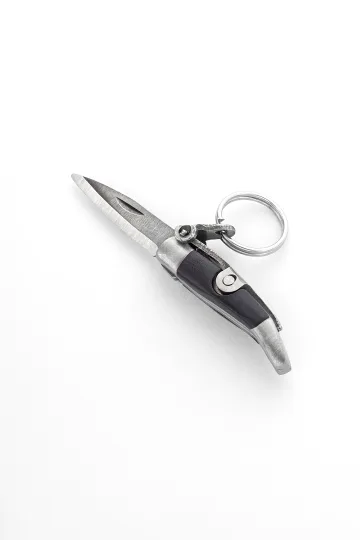




In closing
Play runs through human life from one end to the other. A child pushes a wooden block along the kitchen floor. A schoolboy works out draughts moves at break time. A student learns chess at university. An adult hosts a monthly card evening. An elder meets friends for bridge in the park. The thread is continuous.
Wearing an ace, a dice, or a horseshoe is not a declaration of luck or a claim to any particular fortune. It is an acknowledgement that chance and skill together constitute a life, and that the centuries of cultural imagery accumulated around games belong to everyone who feels at home in them. A clover pendant on an everyday chain, card cufflinks on a dinner jacket, an ace ring on a hand that values the unexpected: these are quiet gestures, not theatrical ones. They connect their wearer to a long tradition in which game and ornament have gone side by side since the fourteenth century, and they do so without needing explanation.