Sapphire Colours Guide: Every Shade, Its Meaning and How to Choose
Introduction: Far Beyond Blue
Ask most people to picture a sapphire and they will describe a deep, velvety blue stone. The famous engagement rings of the late 20th century British royal family cemented that image in popular consciousness. The Crown Jewels of the United Kingdom, adorned with spectacular sapphires from Ceylon, reinforced it further.
Yet blue is only one colour among many. A sapphire is a variety of the mineral corundum, and corundum occurs in virtually every colour of the spectrum except red, red corundum is called a ruby. Yellow, pink, green, violet, lavender, peach, colourless and the celebrated padparadscha (an orange-pink that evokes the colour of a lotus blossom) are all sapphires in the gemological sense. Each colour has its own provenance story, its own symbolism and its own particular way of behaving in a piece of jewellery.
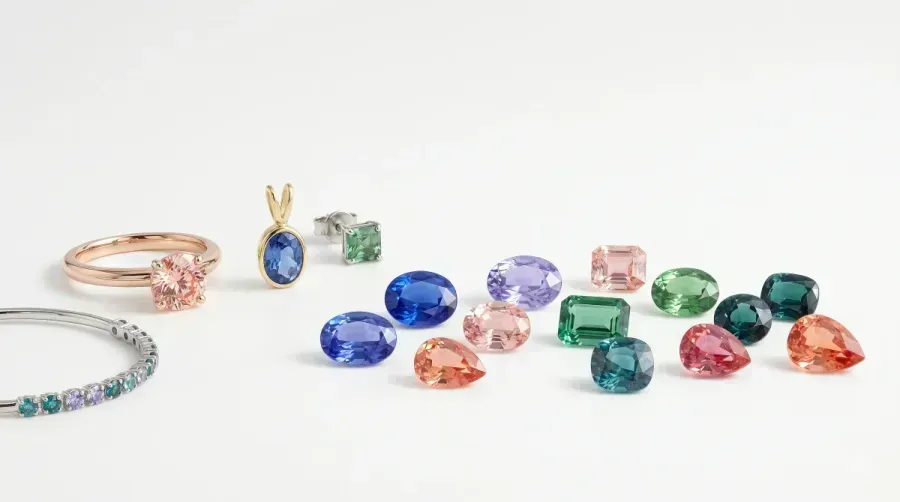
By 2026, demand for what the trade calls "fancy-colour sapphires" has reached a striking peak. Peach sapphire, lavender sapphire, teal sapphire, green sapphire, these have become defining colours of the season across independent jewellery studios and mid-to-premium-priced lines alike. A growing number of couples are choosing a coloured sapphire in place of the traditional diamond for their engagement ring, drawn by the stone's durability, individuality and remarkable range.
This guide covers the full spectrum: what colours exist, where they come from, what they symbolise, how to care for them and how to decide which one is yours.
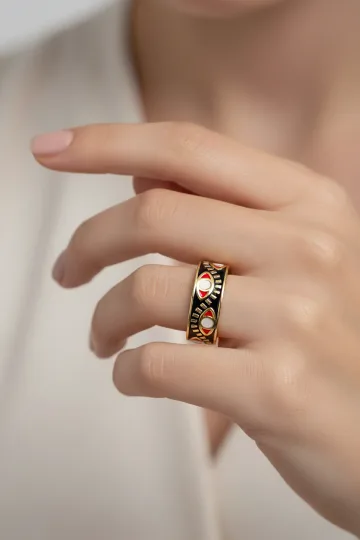
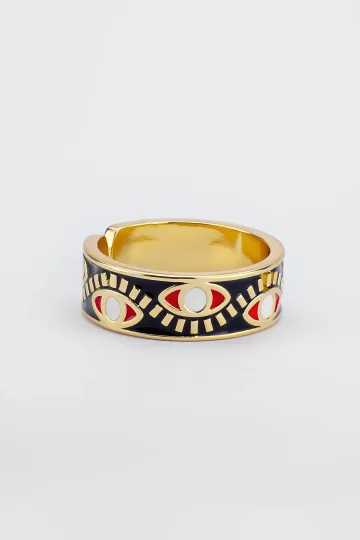
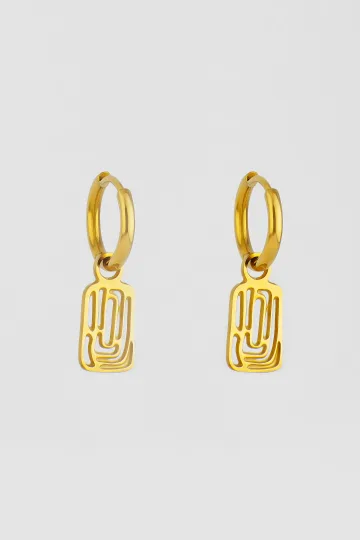
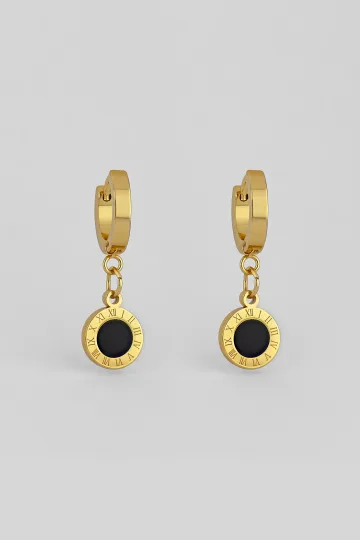
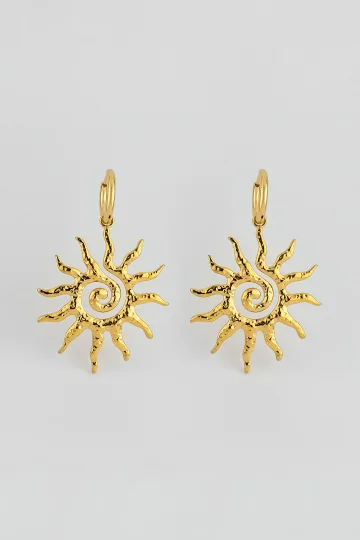
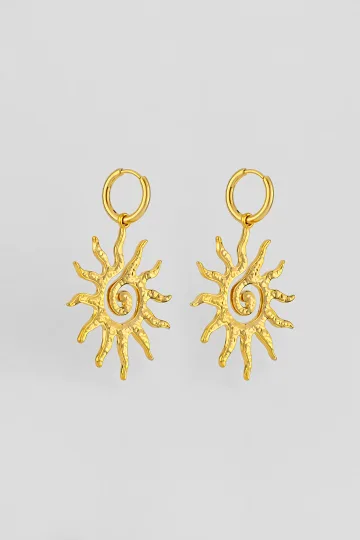
Wear the symbol, don't just read about it. These are in stock:




Sapphire Jewellery: What to Consider

Rings with Coloured Sapphires
The dominant application for fancy-colour sapphires in 2026 is the centre stone of a ring.
- Single peach sapphire, 1-2 carats, a peachy stone set in a slim band of rose or yellow gold. Premium segment.
- Lavender sapphire with a diamond halo, a lavender centre stone surrounded by a frame of white diamonds. Premium-to-luxury.
- Teal three-stone ring, a teal blue-green centre flanked by two diamonds. Luxury segment.
- Bezel-set green sapphire, a green stone in a clean, minimalist bezel setting. Mid-to-premium.
- Stacked bands, each with a different colour, several slim rings, each carrying one sapphire colour. Mid segment (lab-grown stones) or premium (natural).
Earrings with Coloured Sapphires
- Peach sapphire studs, approx. 0.5 ct each, everyday wearable, paired stones. Premium segment.
- Gradient drop earrings, lavender to violet, a subtle ombre of coloured sapphires. Luxury.
- Hoop earrings with small pink sapphires, one of the stronger trends of 2026. Mid-to-premium.
Pendants with Coloured Sapphires
- Single padparadscha drop pendant, one precious stone on a slender chain. Luxury segment.
- Oval sapphire in a bezel setting, versatile and classic. Premium.
- Multi-colour sapphire fringe pendant, a gradient accent piece. Luxury.
Bracelets with Sapphires
- Blue sapphire tennis bracelet, enduring classic. Luxury segment.
- Rainbow sapphire tennis bracelet, every colour in a continuous row. Luxury, and a strong trend.
- Rigid bangle with one large sapphire, a bold accent piece. Premium-to-luxury.
Blue sapphire wants cool skin, peach wants a summer tan. Wear the wrong one and the stone tells on you.
How to Wear Your Sapphire
After years on shoots and dressing clients, the sapphire turned out to be one of the easiest stones to place. Here is what actually holds up, by occasion and by colour.
How do I wear a sapphire every day? For daytime I recommend small studs in blue or peach and a slim bezel-set ring. Here the stone works as a dot of colour rather than a loud accent. It sits well against plain knitwear, a white shirt, a denim top. The softer shades, peach, lavender, pink, I suggest with beige, grey and dusty rose: they take the edge off a strict work look.
Does it work at the office? Easily. For a professional setting I choose blue, teal or green sapphire in a minimal setting; they read composed and expensive without pulling focus. One ring plus tidy studs is enough. Large drop earrings I would keep for the evening.
How do I build an evening look? This is where the sapphire opens up. Against a black, emerald or wine dress I recommend a deep blue or violet stone; the contrast comes out noble. An open neckline asks for a pendant on a fine chain, a high collar for drop earrings. Padparadscha and lavender I choose for warm evening light, which flatters them most.
Which metal goes with which sapphire colour? The rule is simple. Warm gold I recommend for peach, yellow and pink stones; it backs up their warmth. White gold and silver I suggest for cool blue, teal and lavender. Matching the temperature of metal and stone always looks richer than a random pairing.
How many sapphires at once? I advise one strong accent plus a couple of neutral, slim pieces: that reads sharper than several bright stones at once. A stack of thin rings in different shades suits a relaxed daytime look, while one stone is plenty for the evening. Blue and violet suit those who love the classics; peach and pink warmer, softer temperaments; teal and green those after something of their own.

Turn on your camera, pick earrings, a pendant or a ring, and see the piece on yourself in real time.
Switch items in one tap.
Everything runs in your browser: no photo or video is ever uploaded.
Sapphire Colours: A Complete Guide

Blue Sapphire (Classic)
The most recognised and commercially significant variety. Shades range from a pale cornflower blue to a deep indigo. The finest blue sapphires traditionally come from Kashmir in the high Himalayas (now extremely rare), from the Mogok region of Myanmar, and from Sri Lanka (historically called Ceylon, still the world's most consistent source).
Symbolism: wisdom, loyalty, nobility. The birthstone for September. The stone most strongly associated with British royal jewellery traditions, where Ceylon sapphires have appeared in royal settings for centuries.
Peach Sapphire
A leading trend colour for 2026. The shade ranges from a delicate champagne-peach to a warmer, slightly rosy peach. Most peach sapphires on the market come from Sri Lanka or Madagascar.
Symbolism: warmth, romance, a gentle femininity. A popular choice for an alternative engagement ring. Particularly flattering against warm skin undertones.
Padparadscha
The rarest of the coloured sapphires. An orange-pink colour described as resembling the hue of a lotus blossom, the name itself comes from the Sinhalese word for lotus. Genuine padparadscha comes almost exclusively from Sri Lanka, with rare specimens from Tanzania.
Value: luxury segment, often commanding prices per carat that exceed comparably graded blue sapphires. Gemological certification from an internationally recognised independent laboratory is essential. Symbolism: rare beauty, divine femininity.
Lavender and Violet Sapphire
Ranging from a pale, misty lavender through to a saturated royal purple. Strongly on trend for 2026, particularly for alternative engagement rings.
Symbolism: royalty (purple has been a royal colour across many cultures), intuition, spiritual depth. Works well with both cool and neutral skin undertones.
Yellow Sapphire
From a pale straw yellow through to a warm golden tone. A classic and considerably more affordable alternative to yellow diamond.
In the Vedic astrological tradition, yellow sapphire, known as pukhraj, is associated with the planet Jupiter and is believed to bring wisdom, scholarly success and financial wellbeing. The stone carries particular cultural significance across South Asia, where it continues to be worn as an astrological talisman.
Pink Sapphire
A delicate rose pink through to a deep raspberry. There is a technical boundary between pink sapphire and ruby: a very saturated pink corundum is classified as a ruby; a lighter stone is a pink sapphire. The formal classification depends on a colour-saturation threshold.
Symbolism: tenderness, romantic love, femininity. Popular as a first piece of jewellery for young girls, as a gift between mothers and daughters, and as a Valentine's Day or anniversary present.
Green Sapphire
From olive through to a vivid emerald green. Sources include Australia and the state of Montana in the United States, which produces distinctive blue-green and olive stones.
A practical alternative to emerald: green sapphire scores 9 on the Mohs hardness scale, compared to emerald's 7.5-8, making it considerably more resistant to the knocks of everyday wear.
Symbolism: nature, renewal, calm. Particularly popular for minimalist engagement rings in 2026.
Teal Sapphire
A blue-green colour that sits between blue and green. One of the most talked-about sapphire varieties of the period 2022-2026. Major sources include Montana (USA) and Madagascar.
Particularly sought after by those who want something neither classically blue nor straightforwardly green, a stone that feels individual and grounded at the same time.
White (Colourless) Sapphire
A budget-conscious alternative to diamond. Visually, it differs from diamond, it has less brilliance and dispersion, but in a closed or bezel setting the difference is not obvious to a non-specialist.
Used in accent stones or as a single stone in a more modest piece.
Orange Sapphire
From a soft carrot-orange to a deep, saturated orange. Often shows a degree of overlap with the padparadscha colour range. An unusual choice, rarely seen in mass-market jewellery.
Colour-Change Sapphire
A genuinely rare phenomenon: a sapphire that reads as one colour under daylight (usually blue or bluish) and a noticeably different colour under incandescent artificial light (usually violet or purple-grey). The effect is comparable to alexandrite, but within the sapphire species. Luxury segment.
Star Sapphire
A sapphire exhibiting asterism: when a concentrated point of light moves across the surface of a cabochon-cut stone, a six-rayed star appears to float within it. The effect is caused by dense, needle-like inclusions aligned along the crystal's axes.
A mid-century jewellery classic that is finding renewed appreciation in 2024-2026.
The Science of Colour: Why Sapphire Comes in Every Colour but Red
The oddity at the heart of the sapphire is that chemically it is almost always the same substance: aluminium oxide, the mineral corundum, formula Al2O3. In a perfectly pure state corundum is colourless, as clear as window glass. Every colour we see comes from vanishingly small quantities of other elements that slipped into the crystal lattice while the stone was growing. Those impurities are measured in thousandths of a percent, and yet they are what turn an unremarkable mineral into a blue, yellow or pink gemstone.
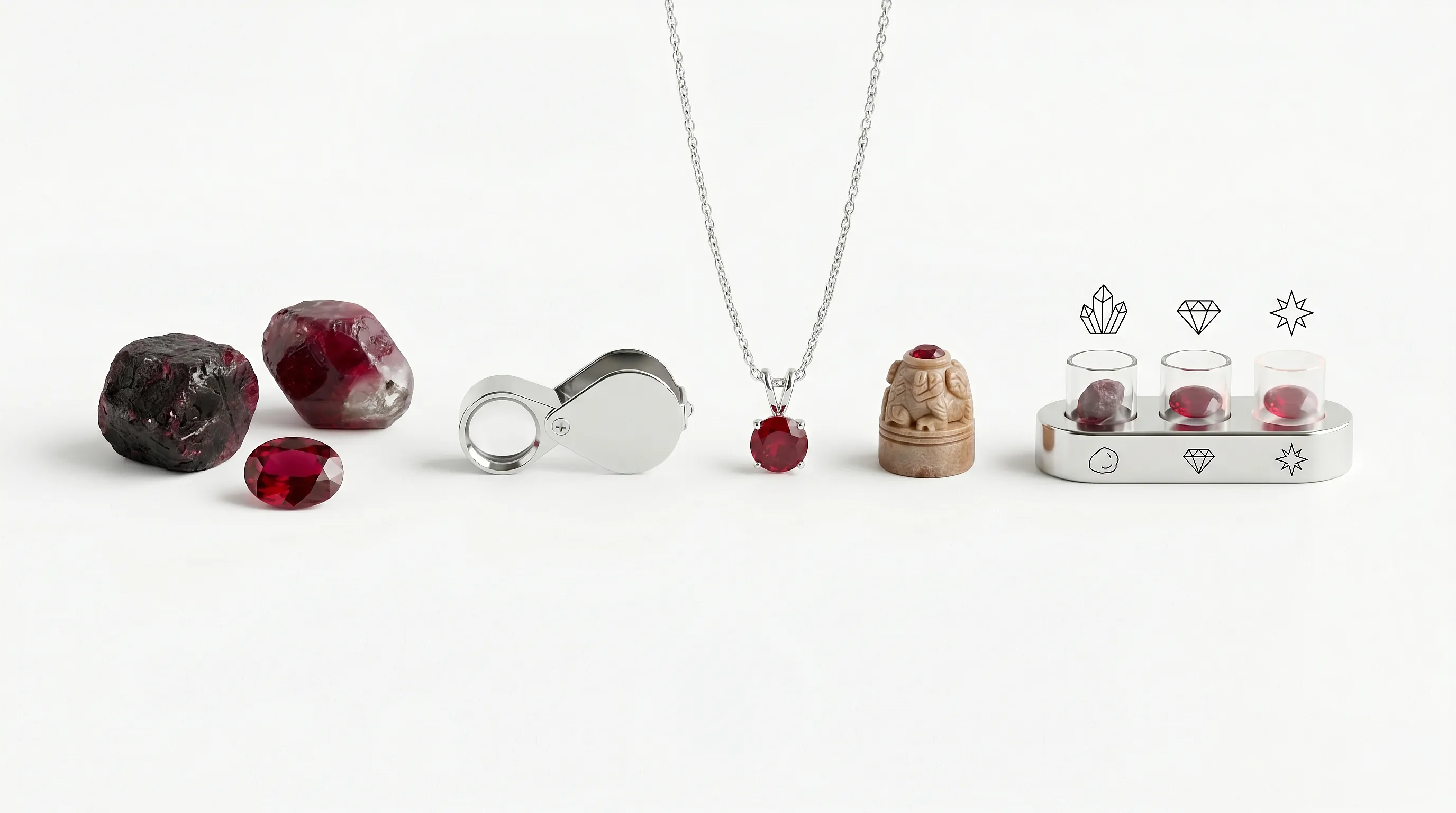
That is where the rule every gemologist likes to repeat comes from: sapphire occurs in every colour except red. The reason is simple. When chromium becomes the dominant impurity in corundum, and there is enough of it, the stone takes on a pure, saturated red. That red corundum earned its own name long before science understood the mechanism behind it. We call it ruby. So a red sapphire cannot exist by definition: the same crystal, the same hardness, the same chromium, but the moment the colour reads confidently red, the stone is a ruby rather than a sapphire. Everything else in the corundum family, from the palest blue to black, carries the name sapphire, usually with the colour attached.
Blue: Iron and Titanium Together
Classic blue appears when two foreign atoms enter the corundum lattice at once: iron and titanium. On their own neither does much to the colour, but sitting next to one another they trigger a charge transfer between ions. An electron hops from the iron to the titanium, and in doing so the crystal absorbs the red and yellow part of the spectrum, leaving the eye with a deep blue. The finer the balance between iron and titanium, the cleaner and brighter the blue. Too much iron pushes the colour towards inky and grey; too little titanium leaves the stone pale.
Yellow and Golden: Iron Working Alone
If there is little titanium but plenty of iron, corundum turns yellow and golden. Here the mechanism is not a transfer between two elements but transitions inside the iron ions themselves, which remove the violet and blue part of the spectrum. That gives the whole range from straw to honey. The same impurity produces greenish notes when yellow iron colouring is laid over a weak blue.
Green: Blue and Yellow in a Single Stone
Sapphire has no green colouring agent of its own. Green is produced by overlap: some zones of the lattice carry the blue iron and titanium colouring, others the yellow iron colouring, and the eye blends them into olive or grass. Under strong magnification such stones often show alternating thin blue and yellow growth bands. This is why green sapphires are frequently a little uneven in colour, and that unevenness is a natural trait rather than a fault.
Pink and Violet: Chromium and Vanadium
Pink comes from the same chromium that colours ruby, only in smaller quantity. Little chromium, and the red colouring stays gentle; we call the result a pink sapphire. More chromium, and the same stone formally crosses over into ruby territory. The boundary between a deeply saturated pink sapphire and a light ruby is genuinely blurred, and laboratories around the world draw it in slightly different places. Violet and lavender come from vanadium, sometimes in company with chromium and a little iron, which is where the shifts from lilac to purple originate.
Padparadscha: A Rare Equilibrium
Padparadscha stands apart even among the fancy colours. Its orange and pink tone arises when a single stone carries both the pink chromium colouring and the yellow to orange iron colouring, in a very narrow ratio. A small shift in either direction and the stone becomes an ordinary pink or a plain orange, losing the right to the name. The word comes from Sinhala, the language of Sri Lanka, and describes the colour of the lotus flower. Gemologists have argued about the exact limits of the hue for decades, and it is precisely this fussiness on nature's part that makes padparadscha one of the most sought-after coloured sapphires per carat.
Colourless and Black: The Two Poles
Colourless, or white, sapphire is corundum with almost no impurities at all, the textbook pure crystal. At the other pole sits black sapphire, so loaded with iron and minute inclusions that it barely transmits light. The entire palette fits between those two poles, which is what gives corundum the widest colour range of any gem mineral.
Colour Change: The Chemistry of Two Light Sources
Colour-change sapphires deserve their own explanation. They contain impurities that behave differently under different light spectra. In daylight, which is rich in blue wavelengths, such a stone reads blue or blue-violet. Under warm evening lighting, with its surplus of red and yellow, it shifts towards violet or lilac. Vanadium is usually responsible. The mechanism is the same one at work in alexandrite, transplanted into the corundum family, and it is rare.
Asterism: Where the Six Rays of a Star Sapphire Come From
Inside a star sapphire grow extremely fine needle-like inclusions of the mineral rutile, aligned strictly along three directions of the corundum lattice at roughly sixty degrees to one another. When the stone is cut as a dome, a cabochon, and lit by a single point source, light reflects off those three families of needles and gathers into six converging rays. The result is a living star that glides across the surface as the light or the hand moves. The same effect, reduced to a single band, produces a cat's eye when the needles are aligned in one direction only. Natural asterism that is sharp and well centred is highly prized, while stars induced artificially by rutile diffusion produce a noticeably cheaper stone.
Choosing Your Sapphire Colour
By Skin Undertone
Cool undertone (veins appear bluish). Classic blue, lavender, teal and green sapphires tend to work especially well.
Warm undertone (veins appear greenish). Peach, padparadscha, yellow, orange and pink sapphires are generally more flattering.
Neutral undertone. Virtually any colour is an option; make your choice purely on aesthetic preference.
By Eye Colour
To create contrast with your eyes:
- Green eyes: peach, pink or violet sapphire
- Brown eyes: blue, teal or padparadscha
- Blue eyes: teal, lavender or peach
- Grey eyes: any deeply saturated colour
By Wardrobe
If your wardrobe leans towards black, navy and grey, a deep, saturated sapphire, blue, violet, teal, will provide a strong focal point. If you wear a lot of soft pastels, a peach, light pink or lavender sapphire will feel cohesive rather than competing.
By Season
Autumn and winter: darker sapphires, blue, violet, deep teal. Spring and summer: lighter, warmer tones, peach, padparadscha, pink, lavender.
By the Feeling You Want
- Romance: peach, pink, padparadscha
- Authority: blue, teal, deep violet
- Nature: green, teal
- Spirituality: lavender, violet
- Classic elegance: blue, yellow
- Originality: padparadscha, colour-change
Customer reviews
Zevira is a real jewellery shop. Genuine payments, deliveries and customer thank-yous.
🥰🥰🥰 gracias
Ok, ¡gracias! 🙂
What Sapphires Symbolise
Blue Sapphire
- Wisdom and discernment
- Royal dignity and aristocratic tradition
- Loyalty and faithfulness
- Protection against envy
Peach and Padparadscha
- Rare beauty and singular moments
- Tenderness and maternal warmth
- Divine femininity
Lavender and Violet
- Spiritual awareness and intuition
- Royal authority (purple across most European heraldic traditions)
- Transformation and transition
Yellow
- Prosperity and success (especially within the Vedic tradition)
- Intellect and focus
- Solar energy
Pink
- Gentle love and tenderness
- Femininity
- First love, youth
Green
- Nature and harmony
- Healing
- New beginnings
Teal
- Individuality and an independent spirit
- Balance between earth and ocean
- A modern, alternative sensibility
Star Sapphire
- Guidance and direction
- Destiny and purpose
- Protection for travellers
Sapphires and Vedic Astrology
The Indian astrological tradition, Jyotisha, assigns a gemstone to each of the classical planets in a system called navaratna ("nine gems").
Blue sapphire (neelam) is the stone of Saturn. It is considered one of the most powerful and potentially volatile of the planetary gems: Vedic astrologers recommend consulting a practitioner before wearing blue sapphire, as the relationship between the stone and an individual's chart is held to be highly significant.
Yellow sapphire (pukhraj) is the stone of Jupiter. It is generally regarded as one of the most reliably beneficial of the navaratna gems, associated with wisdom, educational achievement and financial stability. It is widely worn across South Asia.
Pink sapphire is linked with Venus, femininity and matters of the heart.
If this tradition is meaningful to you, a consultation before purchasing a blue sapphire makes good sense. If it is not, the stone remains simply one of the most beautiful and durable gems available.

Upload a photo of your pet, someone you love, or an object. We'll build a 3D model and hand-cast it in pewter.


Where Sapphires Come From: The Great Deposits
Origin affects the value of a sapphire almost as much as colour and clarity do, and the names of the classic deposits carry weight in the trade in the same way that a region carries weight on a wine label.
Kashmir, India
The legendary source. In 1881 a landslide in the Kashmir highlands exposed veins of sapphire that set the standard for blue for the next century and a half. The Kashmir stone has a uniquely velvety quality of blue: saturated but never heavy, with a barely perceptible milky haze. Gemologists describe it as "sleepy" blue.
By 1937 the deposit was effectively worked out. A genuine Kashmir sapphire with an independent origin report is a collecting proposition today rather than an everyday purchase.
Mogok, Myanmar
Historically the second tier. Burmese blue sapphires from the Mogok valley run deeper, sometimes nearly violet-blue, and are valued for exactly that depth of colour. The same region produces world-class rubies and some very fine pink sapphires.
Ratnapura, Sri Lanka
The principal and most consistent source of the last several centuries. Ratnapura, whose name translates as "city of gems," gives us the celebrated cornflower Ceylon blue along with yellow sapphires, pinks and padparadscha. Sri Lanka produces a wider colour range than any other sapphire field on earth, which is one reason British and European jewellers have relied on the island since the days of the East India trade.
Ilakaka, Madagascar
Discovered in 1998 and almost immediately the largest working sapphire source in the world. High volume, broad colour range, including teal, peach, lavender and the occasional padparadscha. Gemologically, Madagascan sapphires are frequently indistinguishable from Ceylon material. A modern, accessible source without the historic premium attached to older names.
Anakie, Australia
Golden, green and dark blue sapphires. Australian material is not considered a benchmark for fine colour, but it is used widely in the middle of the jewellery market and dominates the supply of parti-coloured stones, which show two or three colour zones in one crystal.
Chanthaburi, Thailand
Above all a trading and treatment hub: less mined here than processed. The majority of the world's sapphires pass through Thai heating houses at some point in their journey. Local Thai stones themselves tend to be dark, often with a steely or greenish cast.
Yogo Gulch, Montana, USA
The historic American source. Yogo sapphires show a cornflower blue with remarkably even saturation and rarely occur in large crystals, which makes clean stones above a modest size scarce and expensive. Most Montana sapphire on the market today is valued for its teal and green range, which suits the current appetite for unconventional engagement stones.
Tanzania
A modern source, particularly for violet, colour-change and some padparadscha-adjacent material. Tanzanian sapphires enjoy a good gemological reputation and reach the British market largely through Sri Lankan and Thai cutting centres.
A Brief History of the Sapphire
Antiquity
The ancient Greek word "sappheiros" and its Latin equivalent appear in texts by Pliny the Elder and Theophrastus, though scholars note that the term may have referred to lapis lazuli as often as to corundum. Genuine sapphires (corundum) have been mined in Sri Lanka, known historically as Ceylon, since at least the early centuries CE, and the island's stones reached both Rome and the courts of the Byzantine Empire.
The Middle Ages
By the medieval period, the sapphire had become the stone most closely associated with the Church's senior clergy. Pope Innocent III decreed in the thirteenth century that every bishop should wear a sapphire ring, linking the stone formally with heavenly wisdom and ecclesiastical authority. Papal rings set with sapphires remain part of Vatican tradition to this day.
The Age of Exploration
As European trade routes extended into Asia, Ceylon sapphires became increasingly accessible to Continental and British royal courts. Portuguese and later Dutch colonial control of Sri Lanka shaped the flow of stones into Europe through the sixteenth and seventeenth centuries.
The Nineteenth Century: Kashmir
In 1881, a landslide in the high valleys of Kashmir exposed a deposit of sapphires unlike any seen before: a vivid cornflower blue with a velvety, slightly milky quality that gemologists describe as "sleepy." The deposit was worked intensively and was largely exhausted within a generation. Kashmir sapphires are now extraordinarily rare, and those with independent laboratory certification command prices at international auction that place them firmly in the collector category.
Famous Historic Sapphires
Stones with a documented history form a category of their own, and several of them can be seen by anyone willing to buy a museum ticket.
The Star of India, 563 carats, is one of the largest star sapphires known and sits in the American Museum of Natural History in New York.
The Logan Sapphire, 423 carats and Sri Lankan in origin, is held by the Smithsonian Institution in Washington. It remains one of the largest faceted blue sapphires ever recorded.
The Stuart Sapphire, 104 carats, is set in the Imperial State Crown and can be seen with the Crown Jewels at the Tower of London. It passed through the hands of the Stuart line before entering the royal collection.
The Ruspoli Sapphire, 135 carats, belongs to the Louvre in Paris. Documented since the seventeenth century, it was acquired by the French crown.
The Bismarck Sapphire, 98 carats, is another Smithsonian holding, mounted in a necklace of the 1930s.
The Black Star of Queensland, at 733 carats in the rough the largest star sapphire in the world, was found in Australia and is now in private hands.
The sapphire of Catherine the Great belonged to the Russian imperial collection and changed owners several times at European auctions across the nineteenth and twentieth centuries.
The Twentieth Century: The Engagement Ring Tradition
Until the middle of the twentieth century the diamond was by no means the only choice for a betrothal. Sapphire was the primary option for the aristocracy and for prosperous families, and British royal practice of the nineteenth century is full of sapphire engagement pieces: Prince Albert gave Queen Victoria a sapphire and diamond brooch in 1840, and the piece set the tone for a generation of jewellers in London and Birmingham.
The diamond industry's marketing campaign of the late 1940s reshaped mass taste and made the diamond the default. The older sapphire tradition never disappeared, though.
A Ceylon sapphire of approximately 12 carats, set in a halo of diamonds, became one of the most recognisable pieces of jewellery of the late twentieth century after its appearance at a famous British royal engagement in 1981. The cultural impact was considerable: sapphire engagement rings entered the mainstream imagination, and the stone's association with commitment and tradition was reinforced for a new generation.
The same ring reappeared in public at the next widely reported royal engagement in 2010, and a wave of interest in sapphire engagement rings travelled around the world once more. From the 2010s onward, the appetite for coloured sapphires as alternatives to diamonds in engagement rings has grown steadily.
Beyond betrothal, the sapphire belongs to the forty-fifth wedding anniversary in the British and wider Western reckoning of anniversary gifts, which keeps a steady trickle of commissions coming to jewellers every year.
The Present: The Fancy-Colour Boom
The period 2020-2026 has seen a marked acceleration in the popularity of non-blue sapphires. Peach, lavender, teal and green have each built strong followings, driven by three overlapping factors: a desire for individuality (no two fancy-colour sapphires look identical), growing interest in ethically sourced stones (sapphire supply chains are generally more transparent than those for diamonds), and relative value (a fine coloured sapphire is often significantly more affordable than a comparable diamond).
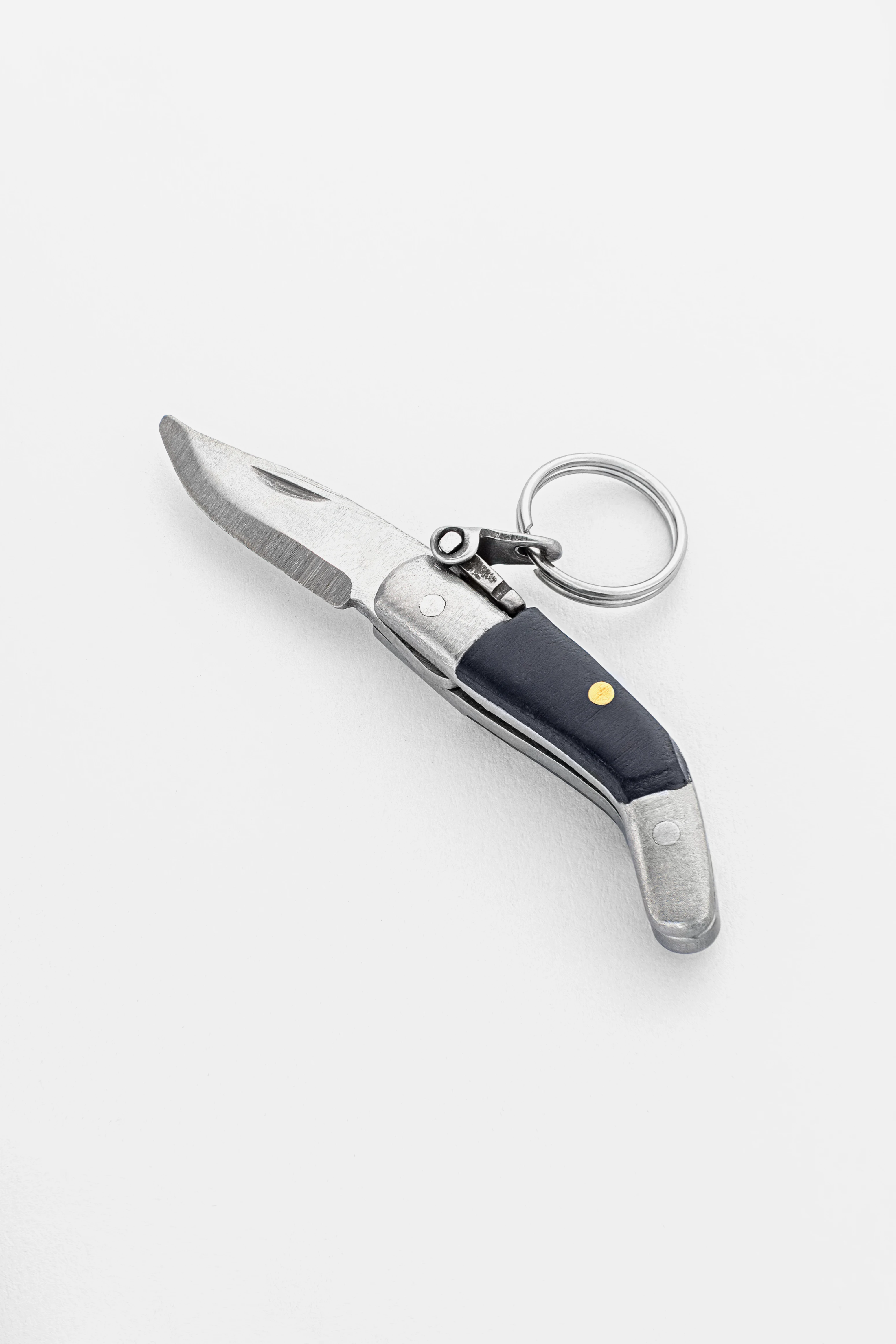
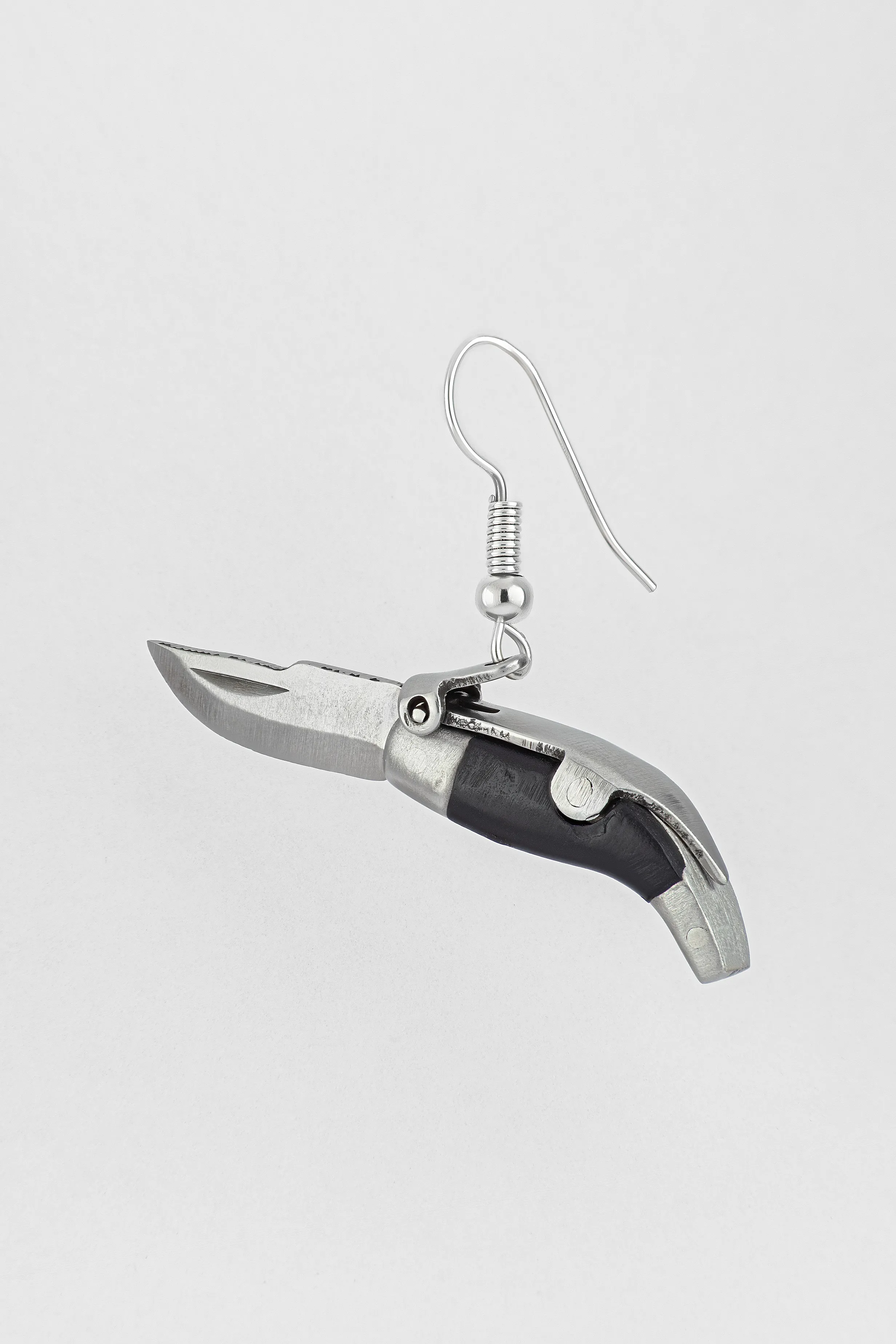
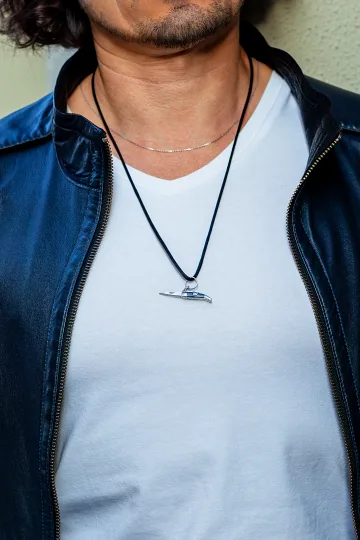
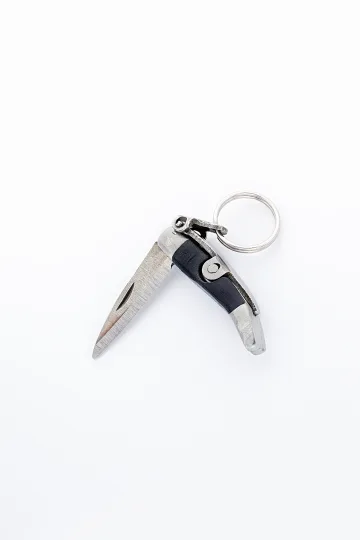
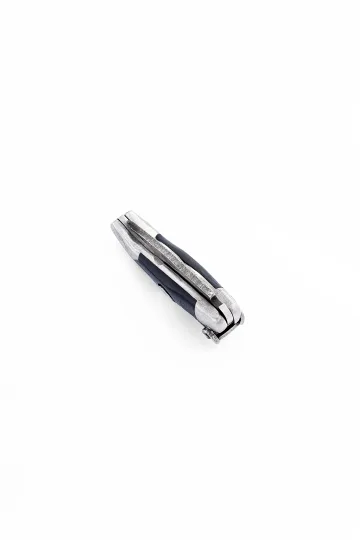
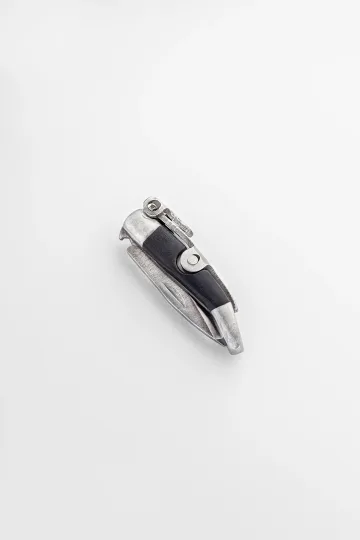
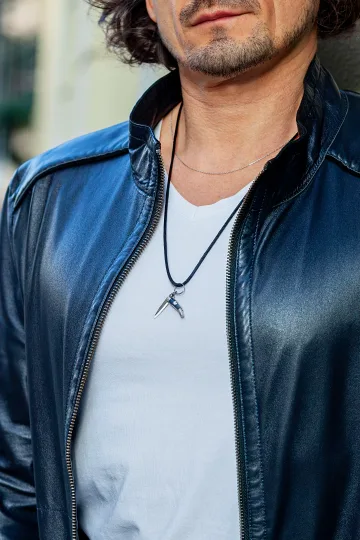
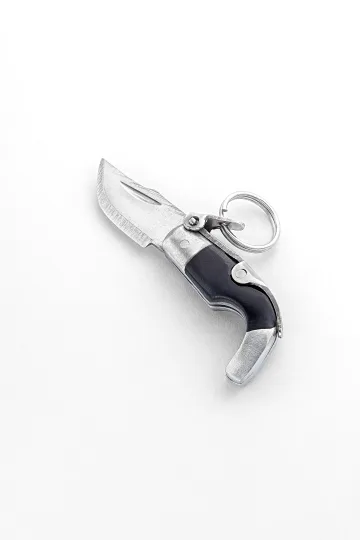
CAPAORA mini knife pendant
The 18th-century Spanish navaja in miniature: 40 mm of stainless steel, a real folding mechanism and a Palanquilla lock that clicks. An affordable gift to remember.
Authentic · Ships from Spain · 14-day returns
Natural vs. Laboratory-Grown Sapphires
Natural Sapphires
Formed in the earth's crust over millions of years. They contain natural inclusions, microscopic features that gemologists use for identification and origin determination.
Sources include: Sri Lanka, Myanmar, Thailand, Cambodia, India, Madagascar, Tanzania, Nigeria, Australia, and Montana (USA).
Laboratory-Grown Sapphires
Created in a laboratory from the same chemical composition as natural sapphires, aluminium oxide with trace elements providing the colour. The process takes weeks rather than millions of years.
Advantages:
- Lower price point (often five to ten times less than natural equivalents)
- Ethical provenance (no mining, no supply-chain concerns)
- Typically cleaner (fewer inclusions)
Disadvantages:
- No investment or resale value
- Regarded as inauthentic by traditionalists
- Lacks the geological narrative of a natural stone
A Note on Terminology
"Synthetic sapphire" and "laboratory-grown sapphire" are sometimes used interchangeably, but there is a distinction. Synthetic sapphire created via the Verneuil process has been made since the early twentieth century, primarily for industrial applications. Laboratory-grown or lab-created sapphire is a more recent term used specifically for gemological-quality stones grown for jewellery.
Heat Treatment
The large majority of natural sapphires on the market have been heat-treated to improve colour saturation and clarity. This is a standard, accepted gemological practice, it is not considered adulteration or fraud. Untreated stones of comparable quality do command a premium, however, particularly in the luxury segment, because they are rarer.
Treatments and Honest Disclosure
The sapphire trade runs on treatments, and they sit on a spectrum from entirely accepted to genuinely contentious. Knowing which is which is the single most useful piece of buying knowledge there is.
Heat treatment is the commonest and wholly legitimate method. Controlled heating improves colour and transparency, and well over nine in ten natural sapphires on the market have been through it. When buying, the question to ask is whether a report exists stating "heat only" or "no heat".
Beryllium diffusion is the contentious one. Beryllium is driven into the stone at high temperature and alters the colour to a significant depth. The result is not the stone's own colour. A beryllium-diffused sapphire is worth substantially less than a naturally coloured equivalent, and ultrasonic cleaning can damage it.
Surface diffusion is an older and more limited technique. The colour penetrates only a very shallow layer, so it can vanish if the stone is ever recut.
Glass filling is used on heavily fractured, low-grade material. The marketing labels are usually "enhanced sapphire" or "clarity enhanced". By gemological standards this is not the same product as an untreated or merely heated sapphire, and it needs careful handling for the rest of its life.
Rutile diffusion creates asterism artificially. A natural star sapphire with a clean, mobile star is worth considerably more.
In the mid and luxury segments, ask for a report from an independent laboratory such as GIA, Gübelin, SSEF or AGL, stating the treatment. In the United Kingdom the trade also works to the National Association of Jewellers code of practice on gemstone disclosure, so a reputable retailer will tell you what was done to a stone without being pressed.
Leave your email, we'll send your discount code. No spam, unsubscribe anytime.
The code arrives by email, valid on your first order.
Quality and Grading: The Four Cs Adapted for Sapphire
Diamonds are graded by the familiar four Cs of colour, clarity, cut and carat. Coloured stones, sapphire included, use the same four headings but reorder the priorities considerably.
Colour: The Deciding Factor
For sapphire, colour determines value more than anything else. Three parameters are assessed: hue, saturation and tone. The finest blue sapphires are described as strongly saturated blue with a slightly violet undertone at a medium tone, neither washed out nor so dark that the stone closes up in ordinary indoor light.
There is a historic hierarchy of origin in blue, running Kashmir, then Burma, then Ceylon in terms of price premium. The individual stone in front of you matters more than the label attached to its birthplace.
Clarity: Inclusions Are Expected
Sapphires grow in the earth with inclusions, and that is normal. Where diamonds are held to an eye-clean minimum for jewellery use, coloured stones are judged far more leniently. What matters is that inclusions do not dull the transparency of the colour or create a structural weakness that will let the stone down in a ring worn every day.
Fine silk inclusions in Kashmir and some Ceylon sapphires create exactly the velvety appearance the market prizes, so here an inclusion is an asset rather than a flaw.
Cut: The Oval Leads
The commonest shape for a sapphire is the oval, which preserves the greatest weight from the rough and shows the colour to best advantage. Cushion, emerald cut and round brilliant follow. A well-judged cut avoids a "window", the pale patch in the centre where you can see straight through the stone, and avoids excessive depth, which makes the stone read too dark.
Carat: Eye-Clean Stones Above Two Carats Are Scarce
Sapphires with clean, even colour become markedly rarer above two carats. Anything from three carats upwards in genuinely good quality has moved into collecting territory, and the step up in rarity is much steeper than the step up in size suggests.
How to Tell a Real Sapphire
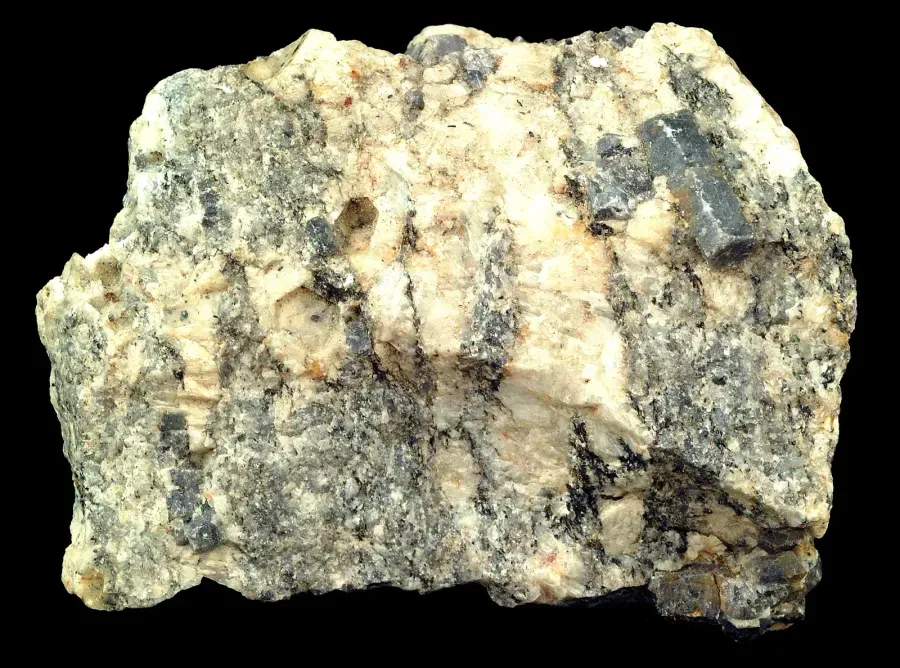
Refractive index. Corundum sits at 1.762 to 1.770. It is a characteristic figure and a refractometer reads it in seconds, which is why any jeweller with a bench can settle the question quickly.
Hardness of 9. A genuine sapphire is not scratched by quartz, which sits at 7, and will scratch glass, which sits at about 5.5. This is a crude domestic check rather than a gemological method, and it risks damaging whatever you test it against.
Synthetic sapphire, made by the Verneuil process since 1902, is chemically identical to the natural stone. The difference shows under a microscope: synthetics carry characteristic curved growth lines instead of the angular inclusions and straight growth zoning of natural material. They cost a small fraction of natural equivalents.
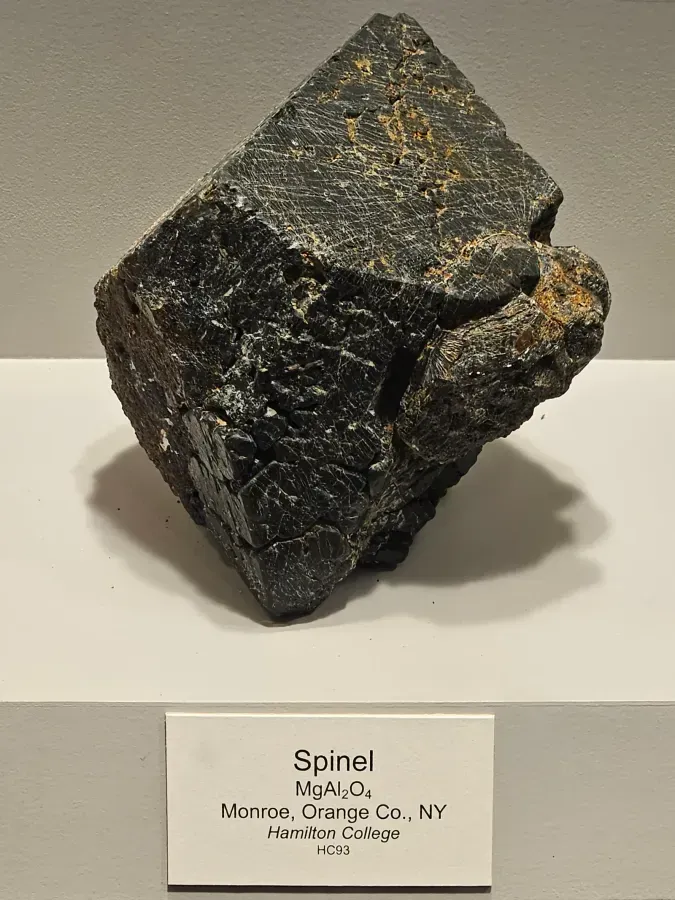
Imitations are a separate matter, because they are not corundum at all. Glass sits at 5 to 6 on the Mohs scale and shows scratching visible without a loupe; synthetic spinel lacks the right refractive index; iolite at 7 to 7.5 is strongly pleochroic and changes colour dramatically as you turn it; tanzanite at 6 to 7 reads more violet-blue and is far more fragile. None of them survives a standard gemological test.
Caring for a Sapphire
Hardness
Sapphire scores 9 on the Mohs scale, second only to diamond at 10. It is one of the most scratch-resistant of all gemstones and can withstand the demands of daily wear, including in an engagement ring worn for decades.
Cleaning
- Warm water with a small amount of mild soap and a soft brush (a baby toothbrush works well)
- An ultrasonic cleaner is also safe for sapphires in most cases
- Dry with a soft, lint-free cloth
Avoid: harsh chemical cleaners, steam cleaning if the stone is set alongside softer gems, sudden temperature extremes (the stone will withstand them, but the metal setting may be affected over time).
Storage
Keep sapphire jewellery separate from other pieces, sapphire's hardness means it can scratch softer stones. A fabric-lined jewellery box with individual compartments or a soft pouch is ideal.
Everyday Wear
A sapphire can be worn every day without concern. It handles water, cosmetics and accidental knocks better than almost any other coloured gemstone. This durability is precisely why it has been favoured for engagement rings across many centuries.
Silver, gold, engagement rings, symbolic jewellery, paired sets.
Who Coloured Sapphires Suit
Those seeking an alternative to the traditional diamond engagement ring. The primary audience for fancy-colour sapphires.
September birthday wearers. Sapphire is the traditional September birthstone.
Those drawn to an individual aesthetic. Teal, padparadscha, peach, for anyone who wants something genuinely distinctive.
Gemstone collectors. A rainbow collection of sapphires in different colours is a coherent and beautiful collecting focus.
Those with specific skin undertones. Warm undertones suit peach, yellow, pink. Cool undertones suit blue, teal, lavender.
As a gift for a mother, grandmother or close friend. Sapphire's associations with wisdom and loyalty give it real symbolic weight for a meaningful occasion.
As a personal milestone gift. A promotion, a move, a project completed, a coloured sapphire marks a moment and carries it forward.
Couples who want an engagement ring that tells their own story. A distinctive coloured sapphire is remembered differently from a standard diamond.
Send a friend a discount code, they save on their first order.
Sapphire Facts That Take People by Surprise
Almost everyone knows the sapphire, and yet the most interesting things about it usually stay off stage. Here are a few that change how the stone looks.
Sapphire and ruby are siblings from the same mineral. People treat them as separate gems, but both are corundum. The only difference is the colouring agent: enough chromium and the crystal is red, at which point we call it a ruby; slightly less, or a different mix of impurities, and the same mineral becomes a sapphire of any other colour. A ruby is effectively a red sapphire that history gave a name of its own.
The glass on watches and phone cameras often is sapphire. Colourless synthetic corundum is so hard and so resistant to scratching that it is used for watch crystals, camera lenses and instrument windows. It is the same material as the gemstone, simply grown without colour and sliced into plates. "Sapphire crystal" on a watch dial is a literal description rather than a marketing metaphor.
The largest star sapphire in the world weighs more than half a kilogramme. The Black Star of Queensland, found in Australia, weighed over seven hundred carats in the rough. By the family's own account the stone spent several years serving as a doorstop in an ordinary house before anyone looked closely enough to notice the star in the unremarkable pebble.
Sapphire colour is created by thousandths of a percent of impurity. Pure corundum is colourless. To turn it into a saturated blue stone, nature needs traces of iron and titanium at the level of hundredths and thousandths of a percent. The whole value of the gem rests on a handful of foreign atoms sitting in the lattice.
The same stone can look blue in the morning and lilac in the evening. Colour-change sapphires respond to the spectrum of the light around them: blue under daylight, violet under a warm lamp. Anyone who buys one is effectively getting two pieces of jewellery in a single setting.
A pope once required every bishop to wear a sapphire. In the medieval church the sapphire ring stopped being personal ornament and became part of episcopal dress. The association between the stone, wisdom and the heavens held for centuries, and sapphire rings remain part of the tradition today.
Padparadscha is defined by an expert eye rather than by an instrument. The boundary between a true padparadscha and a merely pink or merely orange sapphire is so fine that laboratories have disagreed about it for decades. It is one of the few cases where the name and the value of a stone depend on trained human vision as much as on a spectrometer.
Green sapphire under a loupe is often made of blue and yellow stripes. Corundum has no green colouring agent. The eye blends alternating blue and yellow growth zones into an even green, in much the same way that dots of paint blend on a pointillist canvas.
Frequently Asked Questions
Which sapphire colour is the most valuable?
Padparadscha (orange-pink) and Kashmir blue sapphires command the highest prices per carat. Burmese (Mogok) blue sapphires rank next, followed by fine Ceylon cornflower blues.
Are coloured sapphires real sapphires?
Yes, entirely. Sapphire is the mineral corundum, and its colour is determined by trace elements, iron and titanium for blue, chromium for pink and padparadscha, vanadium for green and violet. All coloured sapphires are chemically identical; only the trace element profile differs.
Can I wear a sapphire every day?
Yes. Sapphire's hardness of 9 on the Mohs scale makes it ideally suited to daily wear, including in an engagement ring designed to last a lifetime.
How many carats for an engagement ring sapphire?
A single stone between 1 and 2 carats is a practical and elegant choice for everyday wear. Stones of 3 carats and above move into a markedly higher price tier. The famous 12-carat Ceylon sapphire at the centre of the most celebrated British royal engagement ring of the late twentieth century was an exceptional case, not a benchmark.
Natural or lab-grown for an engagement ring?
Both are entirely valid. Natural, for those who value geological provenance and potential long-term value. Lab-grown, for those who prioritise ethical certainty and a lower cost, which may in turn allow a larger or more vibrant stone within a given budget.
Which is better, dark blue or cornflower blue?
Cornflower blue (in the Kashmir manner, or a fine Ceylon cornflower) is generally regarded as the most desirable: vivid and saturated without tipping into darkness. Deep blue (the Burmese style) is equally prestigious but has a different character. Both are superb; the preference is a matter of taste.
Can a teal sapphire be used in an engagement ring?
Absolutely. Teal sapphire has been one of the most popular non-traditional engagement ring choices for several consecutive years. It works particularly well set in rose gold.
Is padparadscha difficult to find?
Genuine padparadscha is rare. The real article comes almost exclusively from Sri Lanka and, occasionally, Tanzania. Many stones sold as padparadscha are simply orange-pink sapphires that do not meet the strict colour definition. An independent gemological certificate from an internationally recognised laboratory is essential for a stone at this price point.
Does sapphire have astrological significance?
Within the Vedic tradition, yes, with specific stones linked to specific planets, and with recommendations to consult a Jyotish practitioner before wearing blue sapphire in particular. Within Western jewellery tradition, sapphire carries symbolic associations (wisdom, loyalty) without astrological prescription.
Do sapphires suit men?
Certainly. A signet ring or statement ring set with a blue sapphire is a long-established aristocratic tradition in Britain and Continental Europe. Yellow sapphire also carries strong masculine associations within the South Asian tradition.
Can I give a sapphire to someone not born in September?
Yes. The September association comes from the birthstone tradition rather than from any rule about who may wear what. Sapphires are worn all year round, and their symbolism of wisdom, loyalty and beauty has nothing to do with a date of birth. The stone is among the most universal of the classics precisely because it suits any occasion.
Which sapphire is best for a first piece?
For a first coloured sapphire, peach and lavender are easy to live with: warm, neutral tones that work across a wide range of outfits and both metals. A mid-segment Ceylon blue is also a sound introduction to coloured stones, because it reads as classic while still being unmistakably not a diamond.
Do I need a certificate when buying a sapphire?
In the mid segment you can reasonably do without a report from an international laboratory. In the luxury segment, and particularly when buying padparadscha or a stone described as Kashmir or Burmese, a report from GIA, Gübelin, SSEF or AGL is essential. It confirms origin and treatment, and it protects you at resale, which matters because the origin premium on blue sapphire is substantial.
Building a Sapphire Collection
Starting Out
One coloured sapphire as a centre stone. A peach or lavender pendant or ring. Mid-to-premium segment.
Intermediate
Add a second colour, perhaps blue sapphire studs alongside a peach sapphire ring. Different colours complement one another and create a more considered overall look.
Advanced
A full-spectrum collection: one piece for each colour family, or a stack of slim rings each carrying a different sapphire on one finger. Investment level.
Sapphires in Notable Historic Pieces
The Crown Jewels of the United Kingdom contain spectacular sapphires from Ceylon, including the Stuart Sapphire (a large, oval-cut pale blue stone with a history dating to medieval Europe) and stones set in the Imperial State Crown.
Queen Victoria's sapphire brooch, a gift from Prince Albert in 1840, now part of the Royal Collection, it established the Victorian fashion for sapphire as a romantic and regal stone in British society.
The Star of India, a 563-carat star sapphire cabochon, one of the largest in the world, held at the American Museum of Natural History in New York.
The Logan Sapphire, a 423-carat Ceylon sapphire, one of the world's largest faceted blue sapphires, on display at the Smithsonian Institution in Washington.
Buying it as a gift? Each one arrives ready to give.
 A branded Zevira box and a little card come with every order.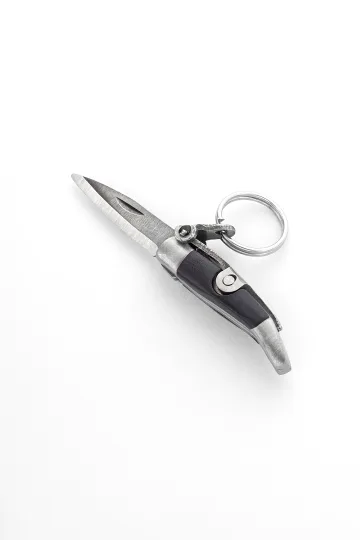








Conclusion
The sapphire's range of colour is unmatched among major gemstones. From the sober authority of a deep Kashmir blue to the romantic warmth of a peach padparadscha, from the earthy drama of a Montana teal to the quiet mystery of a colour-change specimen, each variety is a distinct aesthetic world.
In 2026, coloured sapphires are one of the most dynamic categories in contemporary jewellery. The appetite for peach, lavender, teal and green is real and growing, driven by people who want a stone with character, provenance and meaning rather than simply a conventional choice.
If you are considering a significant piece of jewellery, an engagement ring, a milestone gift, something that will be worn and noticed for years, sapphire deserves serious consideration. It is more durable than almost any other coloured stone, more versatile in colour range than any other major gem, and carries a weight of historical and symbolic association that few other stones can match.
About Zevira
Zevira is a jewellery workshop based in Albacete, Spain. We specialise in silver and PVD-finished pieces, with selected collections in 14 and 18-carat gold. This article is an informational guide to sapphires as a gemstone category; Zevira's core expertise is in precision metalwork with silver and gold, enamel and PVD finishes, rather than in precious gemstones. Where we do incorporate sapphires, natural or lab-grown, into pieces, we provide clear, transparent labelling so that a buyer always knows exactly what they are purchasing.
Our catalogue includes rings, pendants, earrings and paired sets across a range of styles and price points. Every piece is handcrafted, with personalised engraving available.