Platinum vs White Gold: Which Metal Is Best for Your Ring?
The Big Question: Which Is Better for Your Ring?
Are you faced with choosing between platinum and white gold for a wedding band, an engagement ring, or simply an elegant piece of jewellery? You're not alone. This is one of the most commonly asked questions in jewellery stores.
Both metals look similar, a noble, cool, white gleam that perfectly showcases diamonds. But that's where the similarities end. The differences in price, durability, maintenance, and feel on the finger are substantial.
If you've searched for "platinum or white gold which is better," "platinum vs white gold ring," or "difference between platinum and white gold," this article will give you all the answers.
Wear the symbol, don't just read about it. These are in stock:

What Is White Gold?
Composition and Production
White gold is not a naturally white metal. It is an alloy of yellow gold with other metals that "bleach" its natural yellow tone.
Basic formula of white gold:
- Pure gold (yellow): 58.5% at 585 fineness (14 karat) or 75% at 750 fineness (18 karat)
- White metals (palladium, nickel, silver, zinc): the remainder
Typical alloys:
585 fineness (14 karat):
- 58.5% gold
- 30-35% palladium or nickel
- The rest: copper, silver, zinc
750 fineness (18 karat):
- 75% gold
- 20-25% palladium or nickel
- The rest: copper, silver
Rhodium Plating: The Secret of Whiteness
Even after "bleaching," white gold retains a slight yellowish or greyish tint. To achieve a brilliant white lustre, jewellers apply a thin layer of rhodium to the ring.
Rhodium is a metal from the platinum group (a relative of platinum), extremely hard and brilliantly white.
The rhodium plating process:
- The ring is polished to perfection
- Cleaned in a chemical solution
- Immersed in a rhodium electrolyte bath
- Electric current deposits rhodium onto the surface
- The rhodium layer measures 0.1-0.25 micrometres
Result: A dazzlingly white ring that looks almost like platinum.
The problem: Rhodium plating doesn't last forever.
The History of White Gold
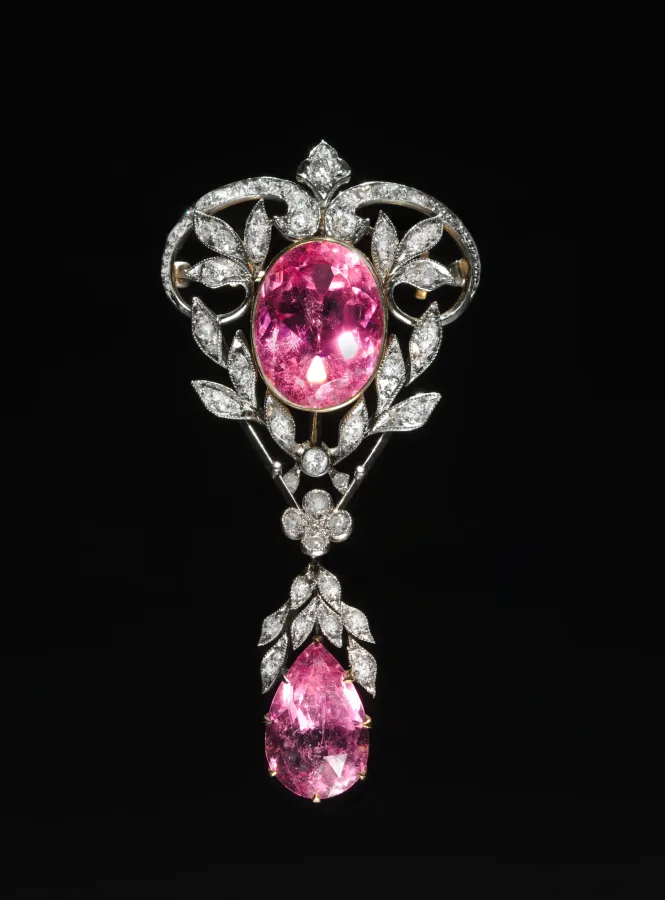
White gold is a relatively recent invention in the world of jewellery.
1912-1920: First experiments with gold-nickel alloys in Germany. The goal was to create an alternative to expensive platinum for diamond settings.
1920-1930: White gold becomes popular during the Art Deco era. The cool white sheen fit perfectly with the geometric aesthetics of the period.
1940-1950: During World War II, platinum was a strategic metal (used in the arms industry). White gold became the only available alternative.
1970-1980: Widespread adoption of rhodium plating. The technology made it possible to make white gold truly white, rather than greyish.
2000s: Problems with nickel alloys (allergies) led to the popularisation of palladium-based white gold in Europe.
Today: White gold is a standard in the jewellery industry. A significant percentage of wedding bands are made from white gold.
Why Does Gold Become White?
It's a matter of chemistry and optics.
Pure gold (999 fineness): A vivid yellow due to the particular structure of its atoms. Gold absorbs blue light and reflects yellow.
Adding white metals: When you add palladium, nickel, or silver to gold, they "dilute" the yellow colour. The atoms of the white metals position themselves between the gold atoms, changing how light is reflected.
Nickel alloys: Nickel "bleaches" gold very effectively. Just 15-20% nickel makes gold nearly white (with a slight grey tint).
Palladium alloys: Palladium also belongs to the platinum group and is naturally white. 20-25% palladium is needed for good whitening. The result is slightly warmer than with nickel alloys.
Silver alloys: Silver is cheaper but less effective. Up to 40% silver is needed, and the result still retains a yellowish tint.
Different Shades of White Gold
Not all white gold is equally white.
Cool white (nickel alloys):
- Greyish tone without rhodium
- With rhodium: brilliant white, almost bluish
- The most "metallic" look
Warm white (palladium alloys):
- Creamy tone without rhodium
- With rhodium: soft white
- More "noble" appearance
Yellowish white (silver alloys):
- Noticeable yellow tint without rhodium
- With rhodium it is white, but when the rhodium wears off, the yellow shows through faster
- Rarely used today
What's better: For maximum whiteness: nickel alloys (if there's no allergy). For hypoallergenicity: palladium alloys.
Rhodium wears off by the first anniversary and your white gold goes sallow behind your back. Want it white forever? Pay for platinum and stop whingeing.
How to Wear a Platinum or White Gold Ring
Over years on set, dozens of rings in both metals have passed through my hands, and the difference shows up not in the display case but a year into wear. Here is what actually helps you pick the alloy and build the look.
Platinum or white gold for every day? For a ring you never take off, I recommend platinum: it holds its white without replating and shrugs off water and hand cream. If budget matters more, I suggest 14k white gold, which is harder and lives happily with jeans, knitwear and an oversized shirt. Both metals are cool-toned, so they sit naturally with grey, blue and graphite, and read sharper than yellow gold against black.
What should I choose for the office? Here the white metal is close to perfect, quiet and expensive without extra shine. Under a shirt, a suit or a fine-knit top I recommend one smooth ring and a watch in the same cool tone, and I clear away the rest. If you wear it non-stop, platinum spares you the repeat trips for rhodium plating.
And for an evening out? Against an open neckline and a deep-coloured dress I choose a cool metal set with a diamond: both platinum and freshly plated white gold catch the light better than warm gold. I keep the ring as the accent on the hand and echo the neckline with a pendant in the same tone.
What suits sensitive skin? If your skin reacts to costume jewellery, I recommend platinum, which is naturally hypoallergenic and nickel-free. In gold I suggest only palladium white gold; the ordinary nickel alloy is better avoided. Rhodium hides the nickel only until it wears through.
How do I wear the ring in a stack? Stacks and layers are fair game, but I keep the metal consistent: two or three slim rings in one cool tone look modern, while a mix with yellow reads like an accident. For a broad hand I take a wider band, for a slender one a finer setting, so the proportion stays in your favour.

Turn on your camera, pick earrings, a pendant or a ring, and see the piece on yourself in real time.
Switch items in one tap.
Everything runs in your browser: no photo or video is ever uploaded.
What Is Platinum?
The Nature of the Metal
Platinum is a rare precious metal found in nature in its pure form. Unlike white gold, it is naturally white and requires no coating whatsoever.
Key facts about platinum:
- Rarity: 30 times rarer than gold. Throughout all of history, only about 10,000 tonnes have been mined, compared to over 200,000 tonnes of gold
- Purity: Jewellery-grade pieces have a fineness of 950 (95% pure)
- Density: Nearly twice as dense as gold. A ring in this metal is noticeably heavier than an equivalent gold ring
- Inertness: Doesn't oxidise, doesn't tarnish, doesn't react with most chemicals
Platinum in Nature
Where platinum is found:
Primary deposits (magmatic):
- Ural Mountains (Russia): historically the largest producer
- Norilsk (Russia): modern leader
- Bushveld Complex (South Africa): 70% of world reserves
- Stillwater (USA, Montana)
Placer deposits:
- Nuggets in the rivers of the Urals
- Sizes ranging from microscopic to several kilograms
- The largest nugget, "The Ural Giant," weighed 7.86 kg (1904)
How it's extracted:
- Open-pit or underground mining
- Crushing and grinding the rock
- Flotation (separation into fractions)
- Smelting and refining (purification)
- Obtaining pure platinum
Difficulty: From one tonne of ore, only 3-6 grams are obtained. For a ring weighing 6 grams, 1-2 tonnes of rock must be processed!
Platinum in Science and Technology
The metal isn't just for jewellery. Its unique properties make it indispensable in industry.
Automotive catalytic converters (40% of global consumption):
- The metal purifies exhaust gases
- Every car contains 2-7 grams
- When old cars are recycled, it is recovered
Chemical industry:
- Catalysts for fertiliser production
- Silicone manufacturing
- Petroleum refining
Medicine:
- Cancer chemotherapy (drugs based on this metal)
- Pacemakers
- Surgical instruments
- Dental prosthetics
Space:
- Heat shields for spacecraft
- Sensors and electronics
- Fuel cells
Electronics:
- Hard drives
- LCD displays
- Thermocouples
This explains the price: It is expensive both because of its rarity in nature and because of the enormous industrial demand.
The History of Platinum
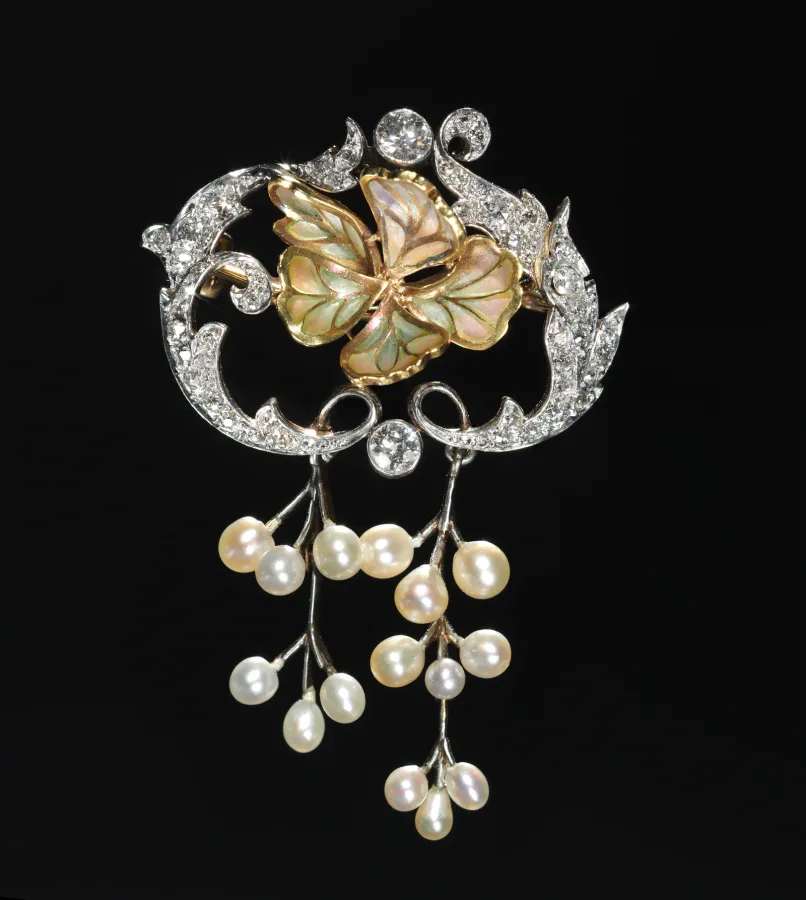
Before the 16th century: The metal was known to the Incas of South America. They used native deposits for jewellery and religious artefacts, combining it with gold through cold forging.
1557: The Italian physician Julius Caesar Scaliger describes the metal for the first time in Europe as one that "has not yet been possible to melt."
18th century: Spanish conquistadors call it "platina del Pinto" (little silver) and consider it an obstacle to gold extraction. Some deliberately threw it back into rivers.
1748: The Spanish mathematician Antonio de Ulloa brings samples to Europe. Scientific research begins.
1751: The Swedish chemist Scheffer successfully melted the metal for the first time by mixing it with arsenic (lowering the melting point).
1789: The French King Louis XVI declares platinum "the only metal worthy of a king." It becomes a symbol of luxury.
19th century:
- 1819: Discovery of large deposits in the Urals. Russia becomes the monopolist (95% of world production)
- 1828: Russia mints coins from the metal (the only country in history to do so)
- 1843-1845: The "rush" in the Urals
20th century:
- 1900-1910: The great jewellery houses create pieces in the metal
- 1920-1930: Golden age of platinum in jewellery (Art Deco era)
- 1940-1945: Banned for jewellery (military needs)
- 1950-1960: Returns to jewellery
- 1997: Wedding bands in the metal become a trend in the USA
21st century: Platinum is a symbol of prestige, but its share of the jewellery market is declining due to high prices and competition from white gold.
Interesting Facts About Platinum
The most expensive platinum pieces:
- The British Queen's crown (contains platinum and diamonds)
- The famous "Hope Diamond" in a platinum setting
- The "Blue Wittelsbach" ring, auctioned for millions (with diamond)
Platinum in music:
- "Platinum album": over one million copies sold
- Status above a "gold album"
In metrology:
- The international prototype of the kilogram until 2019 was a platinum-iridium alloy (90/10)
- Kept in Paris since 1889
Unusual applications:
- Wire from the metal in incandescent light bulbs (before the invention of tungsten)
- Crucibles for crystal growing
- Electrodes for producing pure hydrogen
Composition of Platinum Alloys
Even these rings are alloys, albeit with minimal additions.
Standard composition (950 fineness):
- 95% of the precious metal
- 5% other metals from the same group (ruthenium, iridium, palladium)
Why the additions: The pure form is too soft. Adding 5% of other metals makes it hard enough for jewellery while retaining all essential properties.
Hallmark: Pieces are stamped "950 Pt" or "Pt 950."
Appearance: Can You Tell the Difference?
Colour and Lustre
White gold (with rhodium plating):
- Brilliantly white, almost mirror-like
- Cool lustre
- Slight bluish tint
- Very similar to platinum
The precious metal:
- Naturally white, but slightly warmer
- Noble, soft lustre
- Slight greyish tint (not yellow!)
- "Deeper" colour
Verdict: On a new ring, the difference is virtually undetectable. Rhodium-plated white gold actually appears whiter. But over time, the difference will become visible.
Patina and Wear
White gold:
- Rhodium plating wears off in 1-3 years (depending on how actively it's worn)
- Under the rhodium, the yellowish gold tone appears
- Requires re-plating to restore whiteness
- Scratches remove a layer of metal
The precious metal:
- Never loses its colour, staying white for the next 100 years
- Over time, develops a patina (fine scratches)
- The patina creates a matte, noble appearance
- Scratches don't remove material, they displace it (the metal stays on the ring)
Verdict: After 2-3 years, the difference becomes obvious. White gold without rhodium plating looks different from the day it was purchased. Platinum retains its colour but acquires a patina.
Strength and Durability
Hardness
White gold 14 karat: 3.5-4 on the Mohs scale White gold 18 karat: 3-3.5 on the Mohs scale 950 fineness: 4-4.5 on the Mohs scale
What this means:
- The precious metal is harder, scratches less easily
- 18K gold is softer than 14K because it contains more pure (soft) gold
- The rhodium coating on gold is very hard (6-6.5), but it's thin and wears off
Wear Resistance
White gold:
- Scratches more easily than platinum
- Scratches result in a small loss of metal
- After 20-30 years, the ring can become noticeably thinner
- Prongs (claws holding stones) thin over time
The precious metal:
- Scratches more slowly
- Scratches displace material but don't remove it
- The ring barely loses weight even after decades
- Prongs remain strong for longer, which is critical for rings with stones
Verdict: Platinum is objectively more durable. For rings with precious stones (especially large diamonds), this is crucial: losing a stone because a prong wore thin is costly.
Deformation
White gold:
- 14 karat: Sufficiently rigid, rarely deforms
- 18 karat: Softer, can bend under strong impact
The alternative:
- Softer than 14K gold, but denser
- Harder to bend because of its density
- If bent, the shape is easier to restore
Verdict: For everyday wear, both are roughly equivalent. For an active lifestyle, 14K gold is slightly more resistant to deformation, but the denser metal is better against abrasion.
Weight: The Feel on the Finger
This is one of the most noticeable differences.
Metal densities:
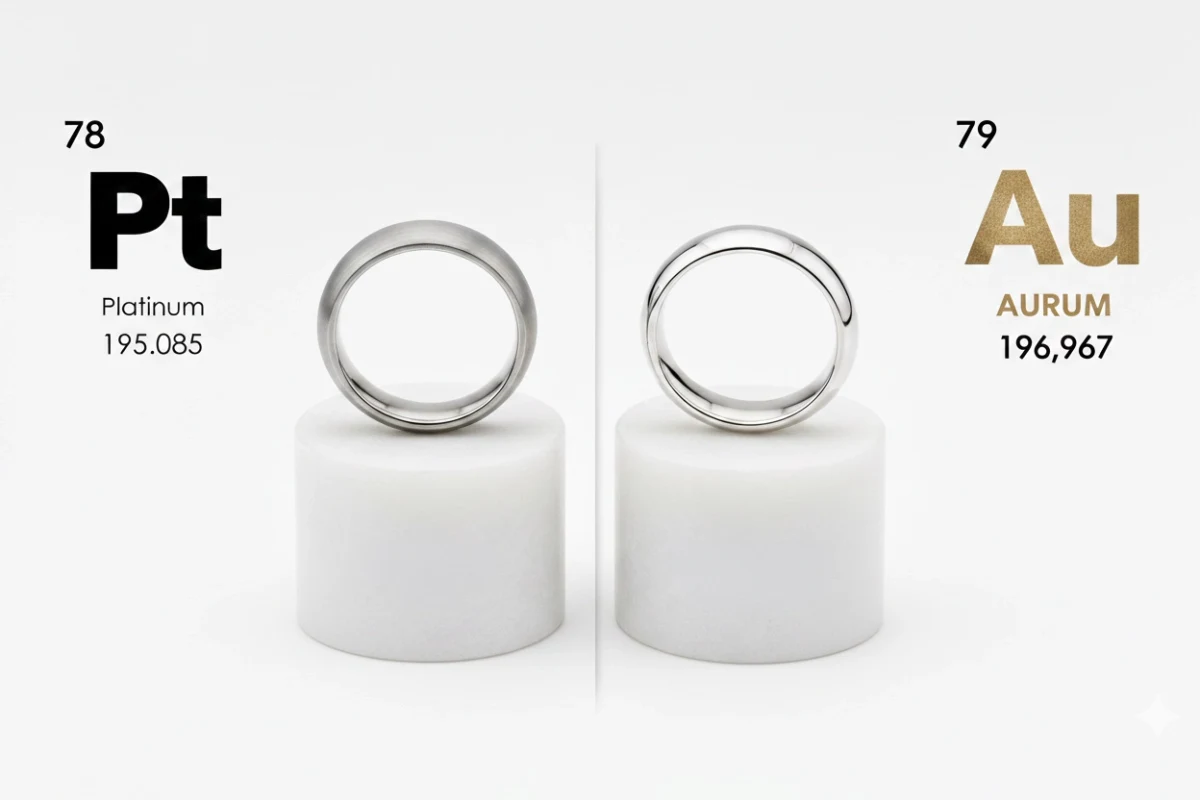
- Pt: 21.45 g/cm³
- Au: 19.32 g/cm³
- Difference: approximately 11% denser
What this means in practice:
A ring of the same size and design:
- White gold 14K: approximately 4 grams
- White gold 18K: approximately 5 grams
- 950 fineness: approximately 6-6.5 grams
The feeling:
- A ring in the heavier metal is noticeably weightier
- Many people love this feeling of solidity and quality
- For some, it's unfamiliar and "pulls on the finger"
Verdict: A matter of taste. Try both. If you enjoy the feel of weight: the denser metal is your choice. If you prefer lightness, choose gold.
Upload a photo of your pet, someone you love, or an object. We'll build a 3D model and hand-cast it in pewter.



Care and Maintenance
Daily Care
White gold:
- Remove when in contact with chemicals (cleaning products, chlorine in pools)
- Wipe with a soft cloth
- Avoid abrasives
- Essential: Every 1-3 years: rhodium plating required
The precious metal:
- Remove when in contact with aggressive chemicals (although it is more resistant)
- Wipe with a soft cloth
- Polish every 2-3 years to remove patina (if you want shine)
- Or wear it with the patina, since many love the matte, noble look
Professional Maintenance
White gold:
- Rhodium plating: every 1-3 years, MANDATORY
- Timeframe: 3-7 days
- Process: The ring is polished, cleaned, coated with rhodium
- Important: Over time, the gold beneath the rhodium thins
The alternative:
- Polishing: optional, every 2-5 years
- Timeframe: 3-7 days
- Process: Scratches are removed, lustre is restored
- You can also skip polishing altogether, as the patina looks noble
Lifetime Maintenance Costs
Example: 30 years of wear
White gold:
- Rhodium plating every 2 years: 15 treatments × cost per plating = substantial total
- Polishing every 5 years: 6 treatments × cost per polish = moderate total
- Total maintenance costs over 30 years: Significant
Platinum:
- Polishing every 5 years: 6 treatments × cost per polish = modest total
- Total maintenance costs over 30 years: Minimal
Difference: Over 30 years, maintaining white gold costs approximately three to four times more than maintaining the alternative. The difference in maintenance costs alone can offset a significant portion of the higher purchase price.
Verdict: The precious metal is considerably more economical to maintain. When you factor in lifetime costs, the higher purchase price is partially offset, and in some cases entirely.
Hypoallergenicity
This is important for people with sensitive skin.
White Gold and Skin Sensitivity
The problem is nickel: Many white gold alloys contain nickel (up to 15-20%), which is a potent allergen.
Allergy symptoms:
- Skin redness under the ring
- Itching
- Irritation
- Fine rash
Solution:
- Choose palladium-based white gold (no nickel), more expensive but hypoallergenic
- Rhodium plating protects from nickel contact, but when it wears off, the problem returns
Platinum and Skin Sensitivity
100% hypoallergenic:
- Contains no nickel
- Causes no irritation
- Chemically inert
- Recommended even for the most sensitive skin
Verdict: If you have a metal allergy: this is the only safe choice. Palladium white gold is the second option, but more expensive than standard white gold.
Customer reviews
Zevira is a real jewellery shop. Genuine payments, deliveries and customer thank-yous.
🥰🥰🥰 gracias
Ok, ¡gracias! 🙂
Price: The Main Difference
This is the deciding factor for most buyers.
Price Per Gram
White gold 14K: Mid-price range
White gold 18K: Upper-price range
Platinum 950: The raw metal price per gram can actually be lower than gold
Wait! Why is it cheaper per gram?
On the global market, the price of pure platinum is indeed below that of gold. This is linked to declining demand in the automotive industry.
Price of the Finished Piece
But in the finished piece of jewellery, the price is higher. Why?
Reason 1: Weight The metal is 11% denser. A ring of the same size weighs more.
Reason 2: Purity Rings in this metal are 950 fineness (95% pure). Gold rings are typically 585 fineness (58.5% pure gold) or 750 fineness (75%).
Reason 3: Difficulty of Work The material is harder to melt (melting point 1,768 degrees C vs 1,064 degrees C for gold). Working with it requires specialist equipment and higher skill levels. The jeweller's labour costs are higher.
Reason 4: Material Loss During Production During polishing and working, material consumption is greater.
Real-World Prices: Wedding Band
Plain smooth ring (4 mm width, average size):
- White gold 14K: Entry-level price
- White gold 18K: Approximately 50-70% more than 14K
- 950 fineness: Approximately double to 2.5 times the 14K price
Ring with diamond line (0.30 carat total weight):
- White gold 14K: Mid-price range
- White gold 18K: Approximately 30-50% more
- 950 fineness: Approximately double the 14K price
Difference: The precious metal is roughly 2 to 2.5 times more expensive than white gold 14K.
What Influences the Price?
Factors that increase cost:
- Complexity of design
- Handcrafted work
- Brand (famous brands add 50-200% to the price)
- Presence of stones
- Weight of the piece
- Region (in major cities, 20-40% more than in smaller towns)
Alternative: Combined Pieces
Some jewellers offer a compromise:
- Ring body in white gold
- Prongs (stone holders) in the harder metal
Advantages:
- Less expensive than an all-platinum piece
- Stones held more securely (the prongs don't thin)
- Visually indistinguishable
Disadvantages:
- The gold still requires rhodium plating
- Not all jewellers make such pieces
Which Rings Suit Which Metal?
Wedding Bands
White gold is a good choice if:
- The budget is limited
- The ring is simple, without stones
- You're willing to have rhodium plating done every 2-3 years
- You prefer lightness
Platinum is the better choice if:
- The budget allows
- You'll wear the ring for life without ever taking it off
- You don't want to deal with regular maintenance
- You value durability
- You like the feel of weight
Verdict: For plain wedding bands, the difference isn't critical. For rings with stones, platinum is preferable.
Engagement Rings (with Diamond)
White gold is acceptable if:
- Budget matters more than longevity
- The stone isn't very large (up to 0.5 carats)
- You choose 14K gold (harder, prongs more reliable)
The harder metal is strongly recommended if:
- The stone is large (1+ carats)
- The stone is very valuable
- The ring will be worn daily
- Maximum reliability is important
Verdict: For precious stones, platinum is the sensible choice. The prongs don't thin out, and the stone stays secure for decades.
Eternity Rings
White gold:
- Acceptable for less expensive pieces
- Requires regular prong checks
The precious metal:
- Preferable
- Many prongs, and each one must be reliable
- The denser metal ensures stones don't fall out
Verdict: It is more reliable.
Rings for an Active Lifestyle
White gold 14K:
- Sufficiently hard
- Holds its shape well
- But requires rhodium plating
The denser metal:
- Very wear-resistant
- Scratches more slowly
- But softer, so it can bend under very strong impact
Verdict: For a very active lifestyle (sport, manual work), you might even consider titanium or tungsten. Among precious metals, 14K gold is slightly more practical against deformation, but the heavier alternative is better against abrasion.
Vintage and Antique Styles
White gold:
- Good for reproducing vintage styles
- Filigree work is easier in gold
The alternative:
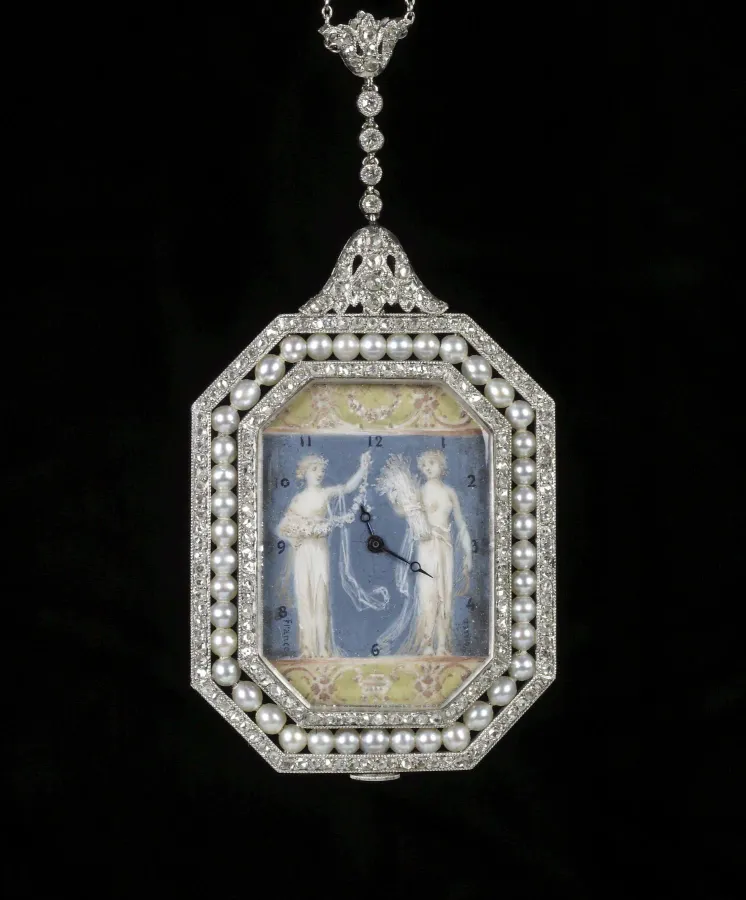
- Historically the metal of the Art Deco and Edwardian eras
- More authentic for vintage designs
- Harder to work, but the result is more refined
Verdict: For true vintage styles, the precious metal is more authentic.
Resale and Investment Value
Not the most important factor for a wedding band, but worth mentioning.
White Gold Resale Value
Resale value: 40-60% of purchase price (for metal + stones separately)
Factors:
- Gold is a liquid asset, always sellable
- Price depends on fineness and weight
- The jeweller's craftsmanship isn't accounted for
- Rhodium plating adds no value
Platinum Resale Value
Resale value: 50-70% of purchase price
Factors:
- Less liquid than gold (fewer buyers)
- But the metal itself is more valuable
- Craftsmanship isn't accounted for
Verdict on Resale Value
Neither metal makes a good investment in the form of jewellery. The mark-up for craftsmanship, design, and branding is lost on resale.
If investment matters: Buy bars or coins, not rings.
If you're buying a ring: Buy it to wear, not to resell.



Compatibility with Stones
Diamonds
White gold: Excellent. The rhodium plating is very white and highlights the diamond's clarity.
The precious metal: Excellent. Its natural whiteness doesn't contrast with the diamond.
Verdict: Both are ideal for diamonds.
Coloured Stones
White gold: Universal for all stones.
The alternative: Universal, but more expensive.
Note: For warm stones (rubies, garnets, amber), yellow or rose gold sometimes works better for contrast.
Pearls
White gold: Good. The cool lustre complements pearls.
The precious metal: Good, but rather expensive for pearl jewellery.
Verdict: For pearls, white gold offers the best value for money.
Ecological and Ethical Aspects
Gold Mining
Problems:
- Ecosystem destruction
- Use of mercury and cyanide
- Large carbon footprint
- Sometimes linked to conflict zones
Solutions:
- Recycled gold (reclaimed/recycled)
- Certified gold (Fairmined, Fairtrade)
Platinum Mining
Problems:
- Similar to gold
- Main deposits in South Africa and Russia
- Energy-intensive process
Solutions:
- Recycled metal
- Certified sources
Verdict on Ecological Impact
Both metals have an ecological footprint. If this matters to you, look for jewellers who work with recycled metals.
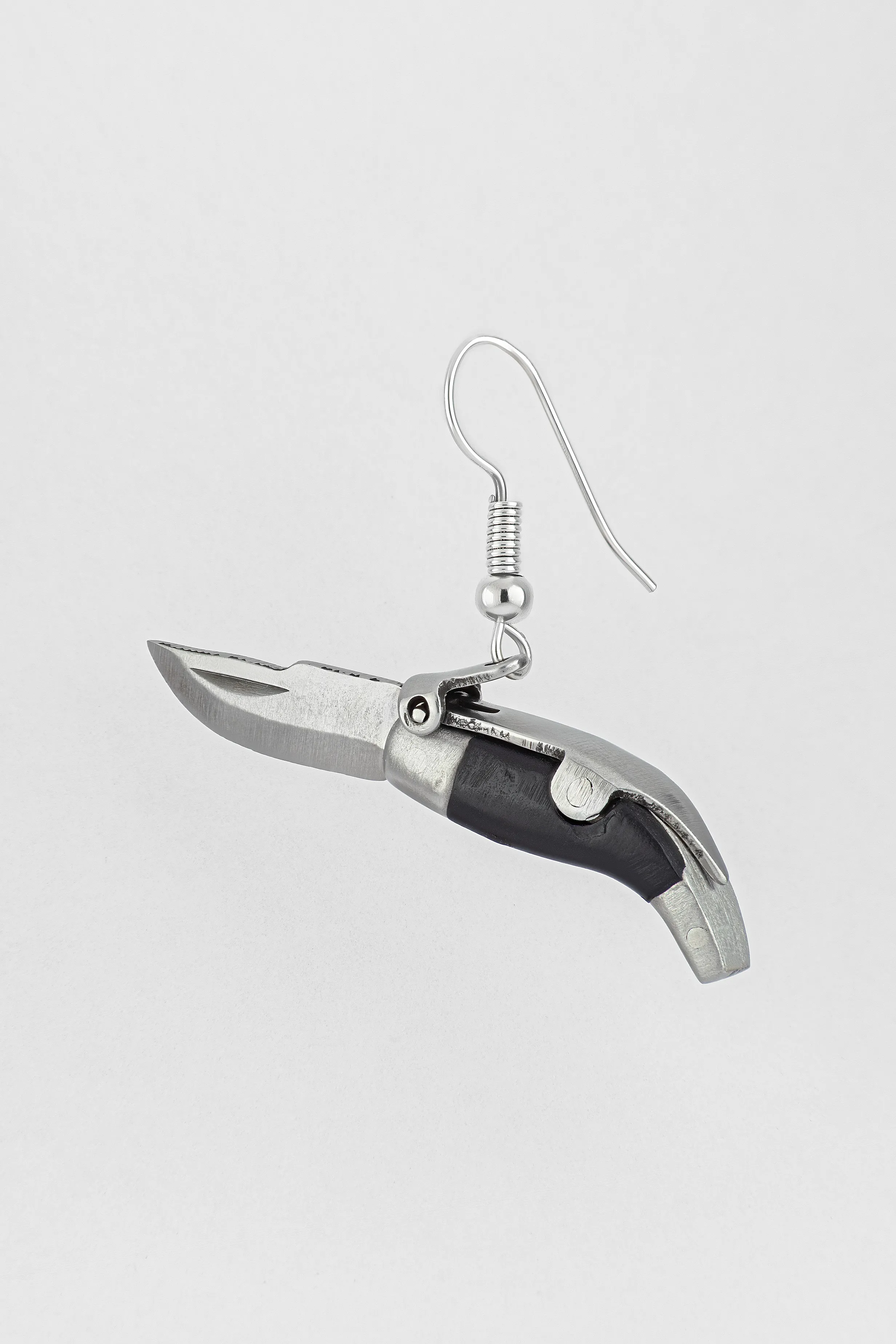
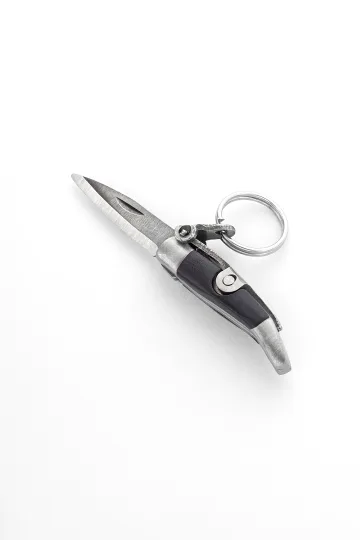
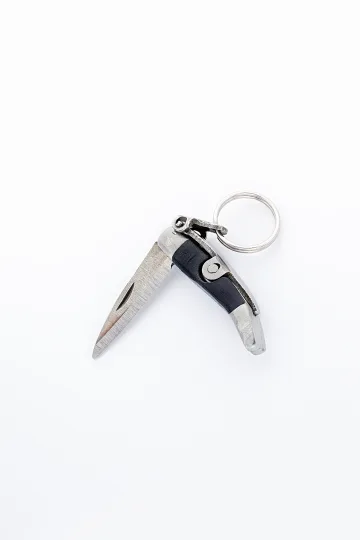
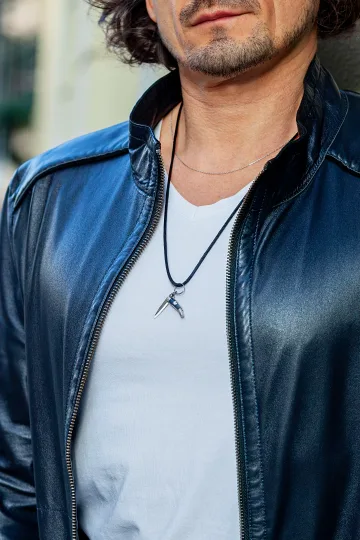
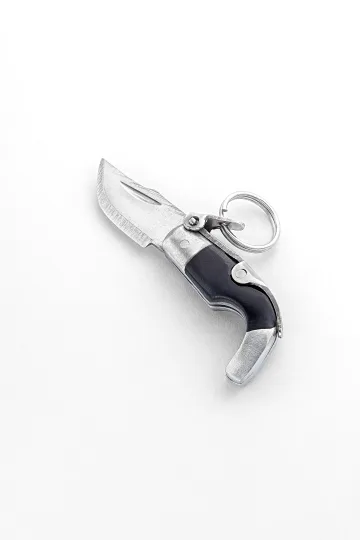
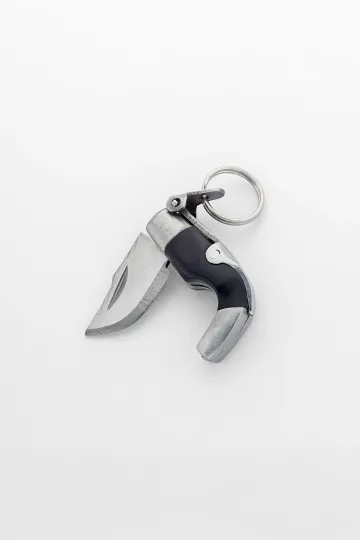
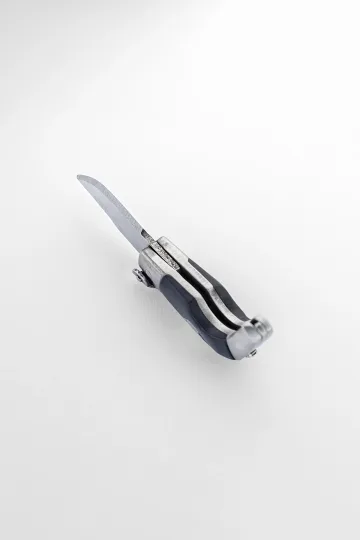
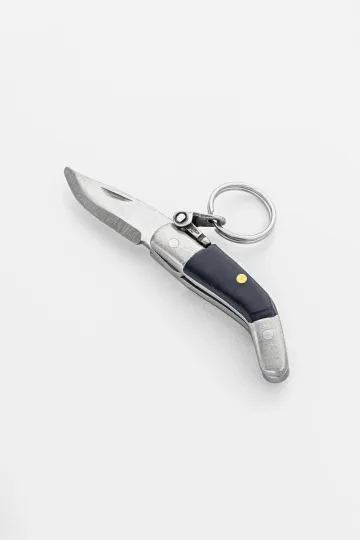
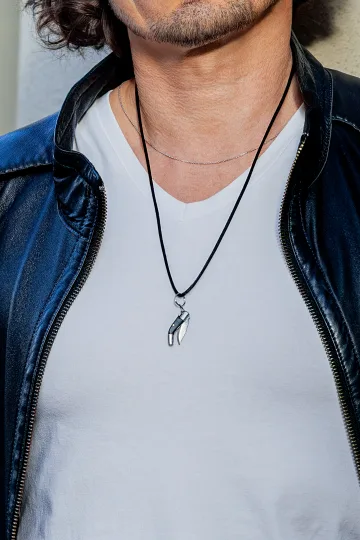
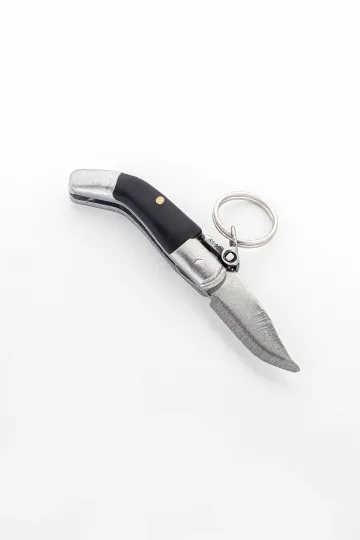
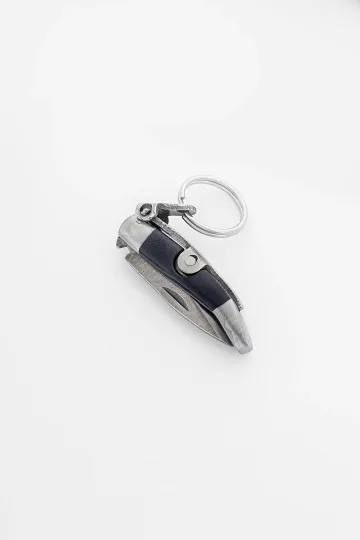
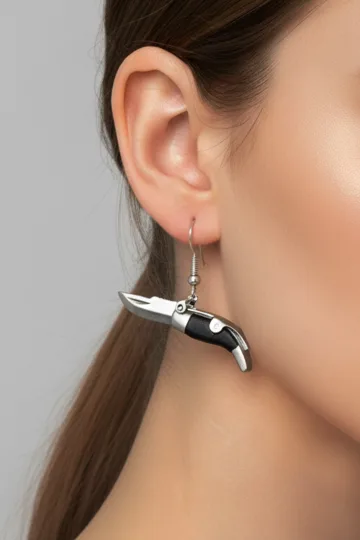
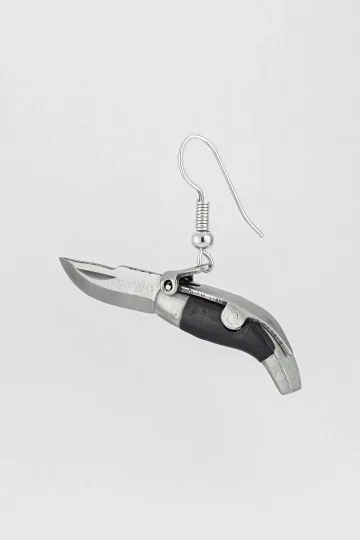
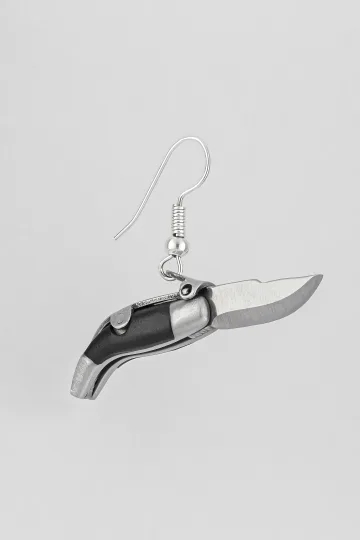
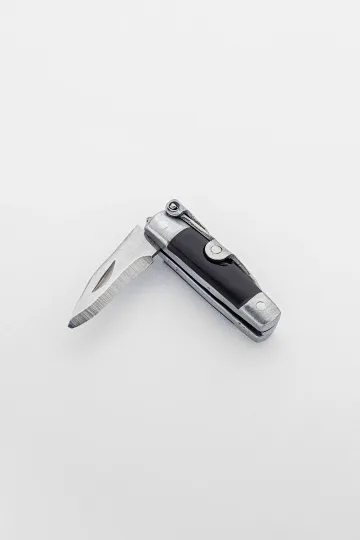
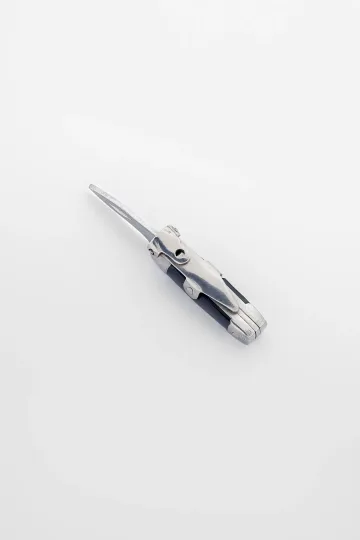
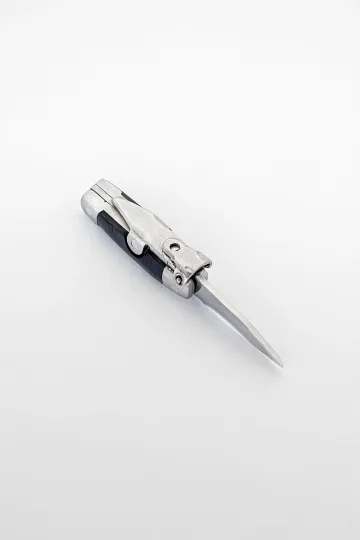
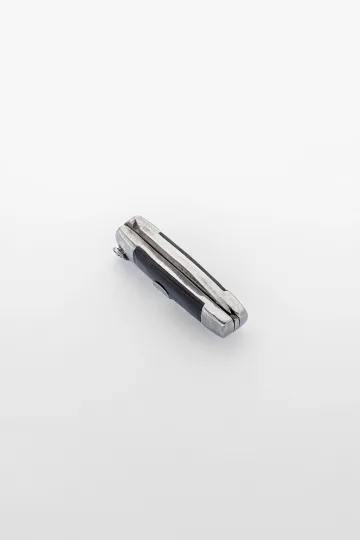
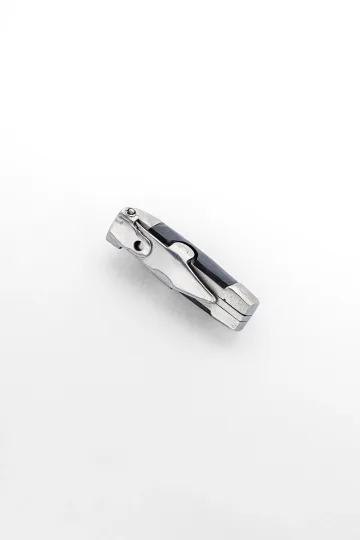
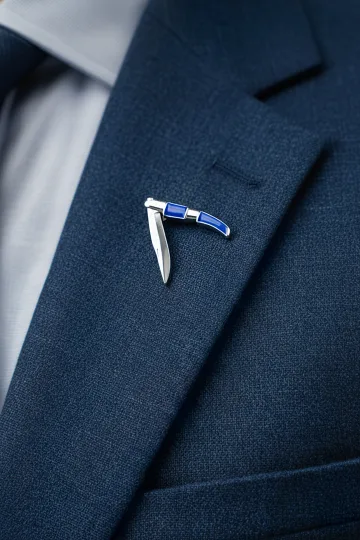
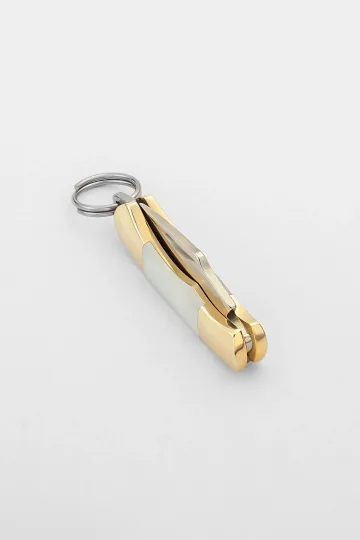
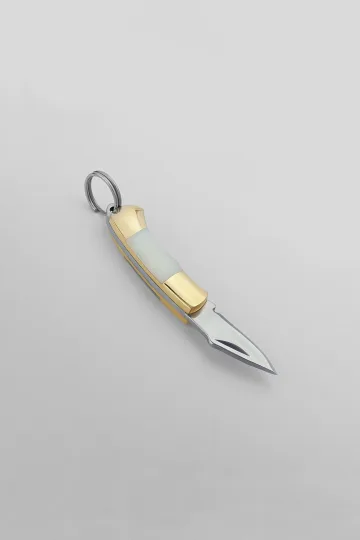
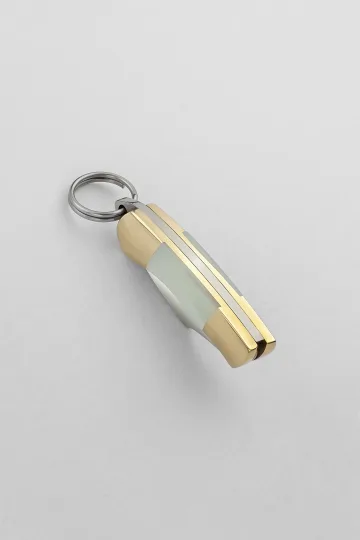
CAPAORA mini knife pendant
The 18th-century Spanish navaja in miniature: 40 mm of stainless steel, a real folding mechanism and a Palanquilla lock that clicks. An affordable gift to remember.
Authentic · Ships from Spain · 14-day returns
Myths and Misconceptions
Myth 1: "Platinum doesn't scratch"
Truth: It does scratch. Just more slowly than white gold, and scratches don't remove metal.
Myth 2: "White gold is a fake"
Truth: White gold is real gold, alloyed with white metals. It's not a fake: it's a technology.
Myth 3: "Platinum is heavy and uncomfortable"
Truth: It is heavier, but many people love that. A matter of taste, not an objective flaw.
Myth 4: "Rhodium plating damages the ring"
Truth: Properly done rhodium plating causes no damage. But each polishing before plating removes a microscopic layer of gold.
Myth 5: "Platinum costs more, so it's better"
Truth: More expensive doesn't mean better for everyone. Both metals have their pros and cons.
Practical Tips for Choosing
Before the Purchase
1. Set your budget:
- How much are you willing to spend now?
- Have you factored in lifetime maintenance costs?
2. Assess your lifestyle:
- Active or office-based?
- Will you take the ring off often, or wear it constantly?
- Do you work with your hands?
3. Check for allergies:
- Do you react to costume jewellery?
- If yes, only platinum or palladium white gold
4. Try both on:
- Feel the weight difference
- Judge which is more comfortable on the finger
- Look at them under different lighting
At the Jeweller's
Questions to ask:
- "What fineness is the gold?" (14K or 18K)
- "Does the alloy contain nickel?" (important for allergy sufferers)
- "Is the ring already rhodium-plated?" (white gold)
- "How much does rhodium plating cost here?" (for future maintenance)
- "What guarantee comes with the piece?"
- "Can the size be changed?" (platinum is harder to resize)
- "Is there a certificate for the stones?" (if stones are present)
What to check:
- The fineness (hallmark should be clear)
- Quality of the polish
- Prongs (if stones are present) must hold firmly
- Comfort of fit
After the Purchase
The first few days:
- Wear it at home, get used to the weight
- Check whether it pinches or spins
- If there's discomfort, have the size adjusted immediately
The first few months:
- Remove when in contact with chemicals
- Don't wear it at the gym initially
- Monitor the condition (especially the stones)
The first year:
- After 6-12 months, professional cleaning and check
- For white gold, possibly the first rhodium plating (if worn actively)
When to Choose White Gold
White gold is your choice if:
✅ The budget is limited ✅ You want maximum white brilliance (rhodium is brighter than platinum) ✅ The ring is simple, without large stones ✅ You're willing to have rhodium plating done every 2-3 years ✅ You prefer light rings ✅ It's not the main ring (occasional wear) ✅ You may swap it in a few years
Ideal for:
- A first engagement ring
- Fashion rings (not for eternity)
- Supplementary jewellery
- Young couples on a limited budget
When to Choose Platinum
Platinum is your choice if:
✅ The budget allows (willing to pay double or more) ✅ The ring will be worn for life, never taken off ✅ There's a metal allergy (nickel) ✅ The ring has a large or valuable stone ✅ You value durability and reliability ✅ You don't want regular rhodium plating ✅ You enjoy the feel of weight and solidity ✅ The prestige of the metal matters
Ideal for:
- Wedding bands (for a lifetime)
- Engagement rings with large diamonds
- Heirloom pieces (to pass down through generations)
- People with metal allergies
- Those who appreciate the very best
Compromise Solutions
If you can't decide, there are alternatives:
Option 1: White Gold 18K + Platinum Prongs
What it is: Base in 750-fineness white gold, but the stone holders in platinum.
Advantages:
- Less expensive than an all-platinum piece
- Stones held with maximum security
- Visually indistinguishable from platinum
Disadvantages:
- Rhodium plating is still required
- Not all jewellers offer this
Price: Approximately 20-30% less than an all-platinum piece.
Option 2: Palladium White Gold
What it is: White gold where nickel is replaced by palladium (a relative of platinum).
Advantages:
- Hypoallergenic
- Whiter than standard white gold
- Less expensive than platinum
Disadvantages:
- More expensive than standard white gold (approximately 30-40% more)
- Rhodium plating still required
- Softer than nickel white gold
Option 3: White Gold Now, Remake in Platinum in 10 Years
What it is: Start with white gold, then after 10-15 years, when finances are more stable, have it remade in platinum.
Advantages:
- No large outlay required immediately
- Stones can be transferred
- Platinum comes later, when it's financially more feasible
Disadvantages:
- Losses during the remake (labour costs money)
- Emotional attachment to the first ring
Verdict: Makes sense if finances are tight now but will improve in the future.
Leave your email, we'll send your discount code. No spam, unsubscribe anytime.
The code arrives by email, valid on your first order.
Frequently Asked Questions
Q: Will white gold turn yellow? A: The gold itself doesn't change colour. But the rhodium plating wears off, and underneath, the natural colour of the alloy appears, yellowish or greyish. The solution: rhodium plating.
Q: Does platinum tarnish? A: No, it doesn't tarnish. It develops a patina (fine scratches), but the colour remains white. The patina can be polished away if you want lustre.
Q: Can you wear platinum and white gold together? A: Yes. They look similar visually (especially when the gold is freshly rhodium-plated). But without rhodium, the difference becomes visible.
Q: Which costs more as a finished piece, platinum or white gold? A: The finished platinum piece costs approximately 2 to 2.5 times more. The raw material per gram may be cheaper, but the piece weighs more and is more complex to manufacture.
Q: Does platinum hold stones better? A: Yes. Platinum prongs don't thin as quickly as gold ones over time. For valuable stones, this is important.
Q: Does platinum need maintenance? A: Minimal. Every few years you can polish it if the patina bothers you. Rhodium plating is never needed.
Q: How often does white gold need rhodium plating? A: Depends on how intensively it's worn. On average every 1-3 years. If worn constantly, more often.
Q: Can you resize a platinum ring? A: Yes, but it's more difficult and expensive than with gold. Not all jewellers work with platinum.
Q: Are there platinum counterfeits? A: Rarely, since platinum is expensive. But palladium or white gold could be sold as platinum. Always check for the "950 Pt" hallmark.
Q: White gold 14K or 18K, which is better? A: 14K is harder and cheaper, better for everyday wear. 18K is softer, more expensive, but more refined. For rings with stones, 18K is preferable.
Q: Is platinum worth the money? A: If the ring is meant for a lifetime, the budget allows it, and durability is important, then yes. On a limited budget, white gold is an excellent choice.
Comparison Table
| Parameter | White Gold 14K | White Gold 18K | Platinum 950 |
|---|---|---|---|
| Price | ★★★ Affordable | ★★ Mid-range | ★ Expensive (×2-2.5) |
| Colour | Brilliant white (with rhodium) | Brilliant white (with rhodium) | Natural white |
| Maintenance | Rhodium plating every 1-3 years | Rhodium plating every 1-3 years | Optional polishing |
| Durability | ★★★ Good | ★★ Medium (softer) | ★★★★★ Excellent |
| Weight | ★★★ Light | ★★ Medium | ★ Heavy |
| Hypoallergenicity | ⚠️ May contain nickel | ⚠️ May contain nickel | ✅ 100% hypoallergenic |
| For stones | ★★★ Good | ★★★★ Very good | ★★★★★ Ideal |
| Hardness | ★★★★ Good | ★★★ Medium | ★★★★ Good |
| Lifetime costs | High (regular rhodium plating) | High (regular rhodium plating) | Low |
| Resizing | ★★★★ Easy | ★★★★ Easy | ★★ More difficult |
| Prestige | ★★★ Standard | ★★★★ Good | ★★★★★ Maximum |
Detailed Cost Analysis: The Full Picture of Expenses
Let's examine the true total costs of owning a ring in each metal through specific scenarios.
Scenario 1: Simple Wedding Band (Men's)
Parameters:
- Smooth ring without stones
- Width 6 mm
- Average size
- Weight: white gold approx. 5 g, platinum approx. 6.5 g
Initial Purchase:
Let's take the price of the 14K white gold ring as the baseline (= 1×).
White gold 14K:
- Metal: 5 g × price per gram 14K
- Labour: Standard costs
- Total price: 1× (baseline)
White gold 18K:
- Metal: 5 g × price per gram 18K (approx. 45% more per gram)
- Labour: Slightly higher
- Total price: approx. 1.4×
Platinum 950:
- Metal: 6.5 g × price per gram platinum
- Labour: Considerably higher (specialist equipment, higher skill level)
- Total price: approx. 1.7×
Lifetime Maintenance Costs (40 years):
White gold 14K:
- Rhodium plating every 2 years: 20 treatments × cost per plating = high total costs
- Polishing every 5 years: 8 treatments × cost per polish = moderate costs
- Total maintenance costs: Substantial (approx. 2.5-3× the purchase price)
- TOTAL COST (purchase + maintenance): approx. 3.5-4×
White gold 18K:
- Rhodium plating every 2 years: 20 treatments × cost per plating (slightly higher) = high total costs
- Polishing every 5 years: 8 treatments × cost per polish = moderate costs
- Total maintenance costs: Substantial (approx. 2× the purchase price)
- TOTAL COST (purchase + maintenance): approx. 4.2×
Platinum 950:
- Polishing every 5 years: 8 treatments × cost per polish = low costs
- Total maintenance costs: Low (approx. 0.5× the purchase price)
- TOTAL COST (purchase + maintenance): approx. 2.5×
Takeaway: Platinum costs more upfront, but in the long run it's cheaper: total costs are approximately 30% lower than white gold 14K!
Scenario 2: Engagement Ring with 1-Carat Diamond
Parameters:
- Diamond 1ct, G/VS2: The diamond makes up the bulk of the cost
- Ring with 6 prongs
- Width 2.5 mm
- Average size
- Metal weight: white gold approx. 3 g, platinum approx. 4 g
Initial Purchase:
White gold 14K:
- Metal: 3 g × price per gram 14K
- Labour (complex, 6 prongs): Higher costs than a simple ring
- Diamond: Main cost factor (identical regardless of metal)
- Total price: Diamond + approx. 10% surcharge for setting
White gold 18K:
- Metal: 3 g × price per gram 18K
- Labour: Slightly more than 14K
- Diamond: Same price
- Total price: Diamond + approx. 12% surcharge for setting
Platinum 950:
- Metal: 4 g × price per gram platinum
- Labour: Considerably higher (prong work more difficult)
- Diamond: Same price
- Total price: Diamond + approx. 17% surcharge for setting
Lifetime Maintenance Costs (40 years):
White gold 14K:
- Rhodium plating: 20 treatments × cost = substantial sum
- Prong inspection (annual): 40 inspections × cost = considerable sum
- Prong replacement (approx. twice in 40 years): 2 × cost = significant additional expense
- Total maintenance costs: Very high
- Risk: Stone loss due to worn prongs, where the damage can equal the entire value of the diamond
- TOTAL COST: Significantly higher than platinum
Platinum 950:
- Polishing: 8 treatments × cost = moderate sum
- Prong inspection (annual): 40 inspections × cost = same as gold
- Prong replacement: Generally not required
- Total maintenance costs: Considerably lower
- Risk: Stone loss due to prong failure minimal
- TOTAL COST: Despite higher purchase price, works out cheaper
Takeaway: For rings with valuable stones, platinum saves substantially over the long term and provides far greater security for the stone. The risk of losing a precious diamond due to worn gold prongs can wipe out the entire saving on the metal.
Scenario 3: Eternity Ring (Eternity Band)
Parameters:
- Full circle of small diamonds
- Total weight approx. 0.80 carats
- 30 stones at approx. 0.027 ct each
- Width 3 mm
- Average size
Initial Purchase:
White gold 14K:
- Metal: 4 g × price per gram 14K
- Labour (30 prongs, very complex): High labour costs
- Diamonds: Fixed cost
- Total price: Baseline (1×)
Platinum 950:
- Metal: 5 g × price per gram platinum
- Labour: Even more complex than in gold
- Diamonds: Same price
- Total price: approx. 1.15× (only approx. 15% more, since diamonds are the major cost component)
Lifetime Maintenance Costs (40 years):
White gold:
- Rhodium plating: 20 treatments × cost = high total costs
- Inspection of all 30 prongs: Far more demanding than a solitaire, substantial costs
- Replacement of weakened prongs: With 30 prongs, virtually inevitable, high costs
- Risk of stone loss: Significant, because with 30 prongs there are 30 potential weak points. The cost of a single lost stone + replacement + resetting accumulates quickly
- Total maintenance costs: Very high, can exceed the purchase price
- TOTAL COST: Very high
Platinum:
- Polishing: 8 treatments × cost = moderate total costs
- Prong inspection: Less frequent needed since platinum doesn't wear down, lower costs
- Prong replacement: Minimal, low costs
- Risk of stone loss: Minimal
- Total maintenance costs: Considerably lower, less than one-third of gold's costs
- TOTAL COST: Significantly lower than white gold
Takeaway: For rings with many stones, platinum offers the greatest cost advantage of all scenarios. The savings on maintenance and the substantially reduced risk of stone loss make platinum the clearly more economical choice: despite the higher purchase price.
History and Cultural Significance of the Metals
Platinum: The Metal of Kings and Pharaohs
Antiquity: Platinum was used as far back as ancient Egypt and pre-Columbian South America, but couldn't be melted. The Incas created objects from native platinum through cold forging.
18th-century Europe: Spanish conquistadors in South America called platinum "platina" (little silver) and considered it useless. The French King Louis XV called platinum "the only metal worthy of a king."
19th-20th centuries:
- 1800s: Russia becomes the largest platinum producer (Urals)
- 1900s: The great jewellery houses create the first platinum pieces
- 1920-1930s: Art Deco era, golden age of platinum jewellery
- 1940s: Platinum banned for jewellery (wartime needs)
- 1950s: Platinum returns to jewellery
Symbolism:
- Platinum symbolises eternity, purity, rarity
- The 70th wedding anniversary is called the "platinum wedding"
- Platinum albums in music: the highest accolade
White Gold: The Innovation of the 20th Century
Invention: White gold was created in the 1920s as an alternative to expensive platinum. German jewellers were the first to patent a gold-palladium alloy.
Evolution:
- 1920s: First experiments with gold-palladium alloys
- 1930s: Nickel additions make white gold more affordable
- 1940s: White gold replaces platinum during the war
- 1960s: Rhodium plating becomes standard
- 2000s: Return to palladium white gold due to nickel allergies
Symbolism:
- Modernity, innovation
- Accessible elegance
- Versatility
Technical Details of Production
How White Gold Is Made
Step 1: Alloy Melting
The jeweller mixes components in precise proportions:
- Pure gold (yellow): 58.5% or 75%
- Palladium or nickel: 25-35%
- Silver: 5-10%
- Copper: 2-5%
- Zinc: 1-3%
Melting temperature: 1,000-1,100°C
Step 2: Casting
The molten metal is poured into a mould (for mass production) or into a special ingot mould for further working (for handcrafted pieces).
Step 3: Shaping
- Rolling to the desired thickness
- Cutting the ring blank
- Bending into a circle
- Soldering the ends
- Shaping on the mandrel
Step 4: Finishing
- Rough grinding (removing solder marks)
- Setting stones (if applicable)
- Fine polishing
- Mirror finish
Step 5: Rhodium Plating
- Ultrasonic cleaning of the ring
- Degreasing in an alcohol solution
- Immersion in a rhodium solution bath
- Electrolysis: current deposits rhodium on the surface (3-5 minutes)
- Rinsing and drying
- Final polish
Result: A dazzlingly white ring.
How Platinum Rings Are Made
Step 1: Melting
The metal melts at 1,768 degrees C, far higher than gold. Specialist equipment is required.
Mixture:
- 95% platinum
- 5% ruthenium or iridium (for hardness)
Step 2: Casting
Due to the high temperature, special heat-resistant moulds are used. Casting it is more complex than casting gold.
Step 3: Shaping
The material is dense and refractory, which requires more effort:
- Rolling requires powerful equipment
- Bending is harder, the metal "resists"
- Soldering at higher temperature
- More time for each step
Step 4: Finishing
- Grinding takes longer
- Special abrasives are required
- Mirror polishing
- Stone setting requires precision, with prongs that hold the stone "rock-solid"
Step 5: Final Polish
No rhodium plating needed, since it's already white. Simply polished to the desired lustre.
Result: A ring that will still be white in 100 years.
Influence of Ring Width on Metal Choice
Narrow Rings (1.5-3 mm)
White gold:
- Economical (little material)
- Sufficiently strong for a narrow ring
- Rhodium plating inexpensive (small surface area)
- Recommendation: Excellent choice
Platinum:
- Expensive for such a small amount of material
- Over-engineered durability
- Recommendation: Premium without particular benefit
Verdict: For narrow rings, white gold is optimal.
Medium Rings (3-6 mm)
White gold:
- Good value for money
- Sufficient strength
- Rhodium plating within a reasonable range
- Recommendation: Good choice
Platinum:
- Price difference noticeable but not extreme
- Durability pays off
- Recommendation: If the budget allows: go for it
Verdict: Both metals work well. Choose by budget.
Wide Rings (6-10 mm)
White gold:
- More frequent rhodium plating needed (larger surface wears faster)
- 18K may deform
- Rhodium plating more expensive (more surface)
- Recommendation: 14K preferable
Platinum:
- High purchase price due to weight
- But maximum durability
- No frequent touch-ups needed
- Recommendation: If you'll wear it for life: the best choice
Verdict: For wide rings worn constantly, platinum pays for itself.
Very Wide Rings (10+ mm)
White gold:
- Rhodium plating very demanding (huge surface)
- 18K too soft
- 14K acceptable but will scratch
- Recommendation: 14K only, with reservations
Platinum:
- Very expensive to purchase (lots of material)
- But practically eternal
- Scratches give it a noble patina
- Recommendation: Ideal, if the budget permits
Verdict: Platinum is better, but very costly. 14K gold as a compromise.
Combining with Other Jewellery
Ring + Earrings + Necklace
Question: Does the whole set need to be the same metal?
White gold:
- Easy to put together a set (very widely available)
- Can be combined with silver for a similar appearance
- Practicality: Maximum flexibility
The precious metal:
- Earrings and necklaces in it are very expensive
- Sets are rare
- Can be combined with white gold for a similar look
- Practicality: Limited
Verdict: For set lovers, white gold is more versatile.
Engagement Ring + Wedding Band
Same metal type:
White gold + White gold:
- Perfect combination
- The rings "blend" visually
- Can be rhodium-plated together
- Aesthetics: Excellent
Both in the precious metal:
- Perfect combination
- Eternal beauty
- Very expensive
- Aesthetics: Excellent
Different metals:
Engagement in the precious metal + Wedding band in white gold:
- Saves on the wedding band
- Visually similar (if the gold is freshly rhodium-plated)
- After 2-3 years the difference will show
- Compromise: Acceptable
Engagement in white gold + Wedding band in the precious metal:
- Saves on the engagement ring
- The wedding band (worn more often) is more durable
- The difference will show
- Compromise: Unusual solution
Verdict: Same metal is best. If different: engagement ring in the precious metal, wedding band in gold.
Send a friend a discount code, they save on their first order.
Psychology of the Choice: What Your Decision Says About You
Those Who Choose White Gold
Typical profile:
- Practical people
- Value the quality-to-price ratio
- Willing to accept minor inconveniences to save
- Fashion-conscious
- Like intense white brilliance
Values:
- Rationality
- Affordability
- Versatility
- Modernity
Suits:
- Young couples
- Pragmatists
- People who change jewellery often
- Budget-conscious buyers
Those Who Choose Platinum
Typical profile:
- Value quality above all
- Long-term thinkers
- Willing to pay for the best
- Conservative in their choices
- Value prestige
Values:
- Longevity
- Prestige
- Reliability
- Tradition
- "Buy once and forever"
Suits:
- Established individuals
- Perfectionists
- Those who buy "for eternity"
- People with allergies
Regional Characteristics
Major Cities and Metropolises
Trend: The precious metal is more popular
Reasons:
- Higher incomes
- More jewellers experienced with it
- Luxury culture
- Influence of international trends
Prices:
- Rings in the precious metal: Upper price range
- White gold rings: Mid-price range
- Price difference: approx. ×2-2.5
Smaller Cities and Rural Areas
Trend: White gold dominates
Reasons:
- Lower average incomes
- Fewer jewellers experienced with it
- Conservative preferences
- Focus on practicality
Prices:
- Rings in the precious metal: Available, but less selection
- White gold rings: Wide selection across all price ranges
- Price difference: approx. ×2-2.5
International Differences
USA and Canada:
Trend: The precious metal very popular (30-40% of the wedding ring market)
Reasons:
- High incomes
- "Buy the best" culture
- Marketing from the major diamond groups has promoted the metal
Price comparison: A ring in platinum typically costs two to three times more than a comparable white gold ring, due to higher metal weight and craft labour.
Europe:
Trend: White gold dominates, the precious metal for the luxury segment
Reasons:
- Practical mentality
- Variety of gold alloys
- Long tradition of goldsmithing
Note: In Germany and Scandinavia, the precious metal is more popular; in southern Europe, gold dominates.
Asia (China, India):
Trend: Yellow gold is tradition, white gold is growing
Reasons:
- Cultural traditions (gold = wealth)
- The precious metal not widely known
- Investment value of gold
United Kingdom and Ireland:
Trend: White gold approx. 50-55%, platinum approx. 10-15%, yellow gold approx. 30-35%
Characteristics:
- The UK has a strong tradition of hallmarking, with assay offices in London, Birmingham, Sheffield, and Edinburgh
- White gold is perceived as modern and stylish
- The precious metal has a solid following, particularly for engagement rings
- Yellow gold remains the classic tradition, especially for wedding bands and among older generations
- The 750 fineness (18 carat) is the standard for quality gold, though 9K (375) is also widely used, which is unique among major markets
- British hallmarks (lion passant for gold, orb for platinum) are internationally recognised quality assurances
Buying it as a gift? Each one arrives ready to give.
 A branded Zevira box and a little card come with every order.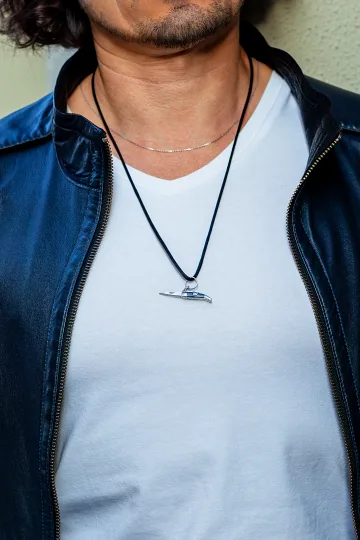





Influence of Age on the Choice
20-30 Years Old
Trend: White gold 14K
Why:
- Limited budget
- Fashion matters
- May change in 5-10 years
- The sparkle of rhodium appeals
Typical purchase: Entry to mid-price range
30-40 Years Old
Trend: White gold 18K or the precious metal
Why:
- More stable finances
- Understanding of the value of quality
- Purchase "for a lifetime"
- Status more important than fashion
Typical purchase: Mid to upper price range
40-50 Years Old
Trend: The precious metal or a combination
Why:
- Established finances
- Value durability and prestige
- Possibly a second ring (anniversary)
- Quality before price
Typical purchase: Upper to luxury price range
50+ Years Old
Trend: Platinum or return to yellow gold
Why:
- Financial freedom
- Nostalgia (the yellow gold of youth)
- The metal as a symbol of achievement
- Purchasing for children/grandchildren
Typical purchase: Upper to premium price range
Seasonality and Trends
Wedding Season (May-September)
Demand: Peak for both metals
Characteristics:
- Prices 10-20% higher
- Waiting lists at jewellers
- Longer production times
- Fewer discounts
Recommendation: Buy in winter or spring (February-April), when demand is lower.
Off-Season (October-April)
Demand: Moderate
Characteristics:
- Discounts of 5-15% possible
- More attention from the jeweller
- Faster production
- Room for negotiation
Recommendation: Best time to buy expensive pieces.
Holidays (Christmas, Valentine's Day, Mother's Day)
Demand: Spike
Characteristics:
- Special collections
- Promotions and discounts (but prices often inflated beforehand)
- Rush and impulse purchases
Recommendation: Avoid buying during holidays: surcharges are unavoidable.
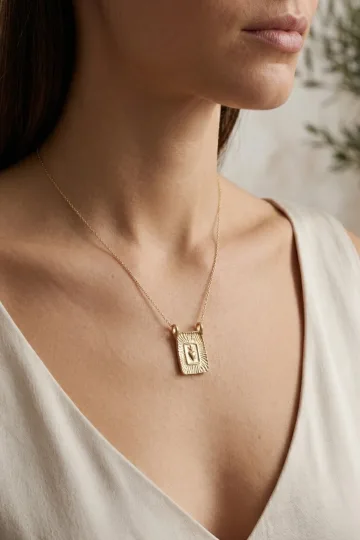
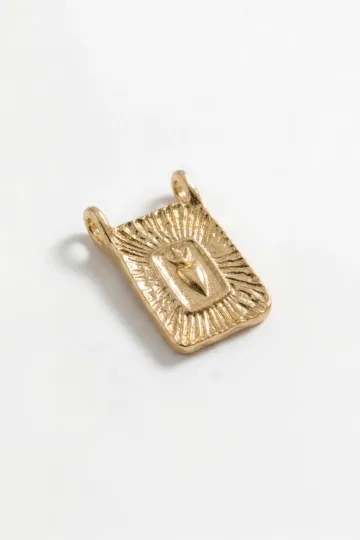
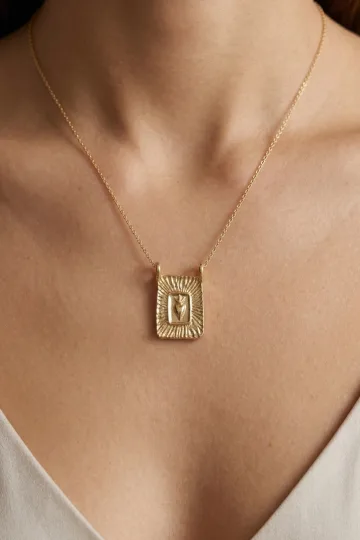
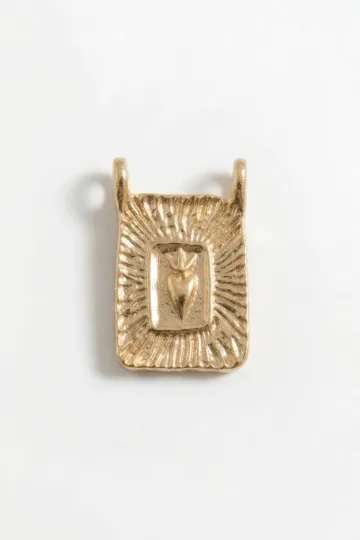
Wear the symbol, don't just read about it. These are in stock:


How to Verify Authenticity
Checking White Gold
Hallmark (fineness):
- Should be clear and even
- Fakes often have blurry hallmarks
Magnet:
- Gold is not magnetic
- If attracted, it's fake (steel inside)
Iodine test:
- Place a drop of iodine on an inconspicuous spot
- Gold won't darken
- A fake (brass, bronze) will darken
Density:
- Gold 14K: 12.5-14 g/cm³
- Weigh and measure the volume (water displacement)
- A fake will be lighter
Rhodium:
- Genuine rhodium-plated gold is brilliantly white
- A fake is greyish or yellowish
Checking Platinum
Hallmark:
- "950 Pt" or "Pt 950" or "Plat"
- Clear, deeply stamped
- On the inside of the ring
Weight:
- Platinum is very heavy (nearly twice as dense as silver)
- The ring must feel heavy
- A fake (silver, palladium) is lighter
Magnet:
- The metal is weakly magnetic (paramagnetic)
- Silver is not magnetic at all
- If strongly attracted, it's fake
Acid test:
- Jewellers have acid testing kits
- The metal doesn't react to nitric acid
- Silver and palladium do react
Price:
- If a ring in this metal costs the same as a gold ring, it's fake
- It cannot be cheap
Insuring Valuable Rings
Why Insure?
A ring in this metal with a large diamond can have a very high value. That's a sum worth protecting.
Risks:
- Loss (wedding rings are lost more often than people think)
- Theft
- Damage
- A stone falling out
Insurance Options
1. Adding to home insurance:
- Cost: approx. 0.5-1% of the jewellery's value per year
- Covers: Theft from home, fire
- Often doesn't cover: Loss away from home
2. Specialist jewellery insurance:
- Cost: approx. 1-2% of the jewellery's value per year
- Covers: Loss, theft, damage anywhere
- Best option for valuable rings
3. Jeweller's insurance:
- Cost: approx. 2-3% of the jewellery's value per year
- Usually limited to 1-2 years
- Covers: Stone loss, setting breakage
- Often doesn't cover: Loss of the entire ring
What You Need for Insurance
- Proof of purchase
- Valuation by an independent appraiser
- Stone certificates (GIA, IGI)
- Photos from different angles
- Description (weight, size, special features)
Is Insurance Worth It?
Definitely insure if:
- The ring has a very high value
- There's a large diamond (1 ct+)
- You wear it constantly
- You have an active lifestyle
- You travel frequently
Can skip if:
- The ring is simple and inexpensive
- You wear it rarely
- You're very careful
- You can financially afford to replace it
Conclusion
There is no single answer to the question "which is better, platinum or white gold?" The right choice depends on your priorities, your budget, and your plans.
Choose white gold if:
- The budget is limited
- You're prepared for regular maintenance (rhodium plating every 2-3 years)
- You want maximum white brilliance
- The ring is simple, without large, expensive stones
- You might change it in 10-15 years
- You have an active lifestyle (14K is more deformation-resistant)
Choose platinum if:
- The budget allows (willing to pay double or more)
- The ring is meant for a lifetime, with no intention of changing it
- There are large, valuable stones (1 carat and above)
- There's a metal allergy (nickel)
- You don't want regular rhodium plating
- You like the feel of weight and solidity
- Prestige and status are important
- The ring will be passed down as a family heirloom
Compromise solutions:
- White gold 18K with platinum prongs (if there are stones)
- White gold now, platinum in 10 years (remake)
- Palladium white gold (hypoallergenic, whiter than standard)
The most important things:
- Don't overpay for the brand (brand mark-ups can reach 100-300%)
- Buy from trusted jewellers
- Check hallmarks and certificates
- Try both metals before deciding
- Factor in lifetime costs, not just the purchase price
- Remember: the metal is the setting. What matters most is the love it symbolises
And don't forget: The most expensive ring isn't necessarily the right one for you. The best ring is the one you wear every day with joy, that causes no discomfort, that requires no constant worry, and that you chose consciously, understanding all the pros and cons.
Wear it with pleasure!
Silver and gold jewellery, wedding bands, symbolic pendants, paired sets.
Wear the symbol, don't just read about it. These are in stock:










Discover Jewellery with Character
Zevira creates jewellery in gold, silver, and platinum. Zevira works in the metalworking tradition of Albacete, and in the collection you'll find rings with natural stones. Each piece isn't mass-produced: it's an object with character and a story. We work with both white gold and platinum, and the choice is yours. Limited editions, quality materials, attention to detail.
About Zevira
Zevira makes jewellery in the artisan tradition of Albacete, Spain. Choosing a metal for a ring is really a conversation about how long it lasts and what it feels like to wear, so we show the honest composition of every piece and help you match the metal to your daily life rather than to a marketing markup.
Here is what you'll find with us in metals:
- White gold rings in 14K and 18K with a bright rhodium-plated shine
- Pieces in 14-18K gold and 925 silver for different budgets
- Settings with secure prongs for natural stones and diamonds
- Plain wedding bands and styles with a full line of pavé stones
- Personal engraving available on any alloy
- Clear composition and fineness marked on every piece
Each piece is made by a craftsman by hand, with the option of personal engraving. 925 silver and 14-18K gold.
#Platinum #WhiteGold #PlatinumVsWhiteGold #WeddingRings #PlatinumRings #WhiteGoldRings #Jewellery #EngagementRings #GoldRings #MetalChoice #Jewellery #Zevira #JewelleryGuide #DiamondRings #WeddingJewellery