Jewellery Engraving Guide: What to Engrave and How to Get It Right
Introduction: Small letters, lasting meaning
A ring without an engraving is just a ring. A ring with "Ana, 14.06.2024" is a specific story, specific people, a specific moment.
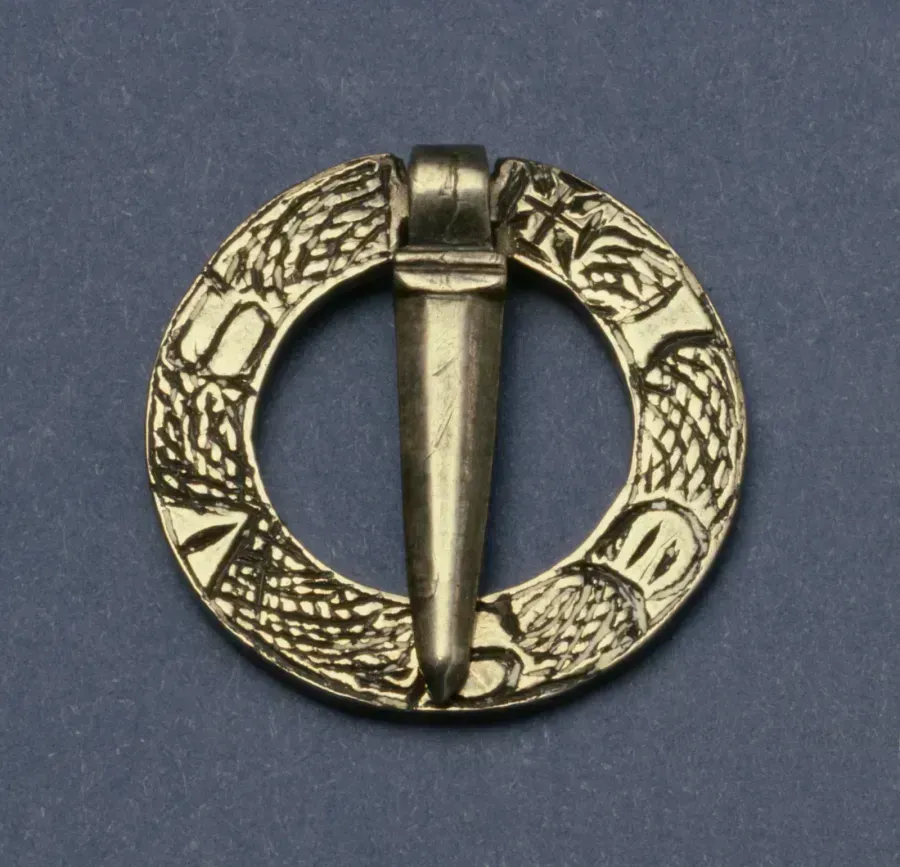
Engraving is the oldest form of jewellery personalisation. Etruscan goldsmiths carved signet rings in cornelian and carnelian centuries before the common era. Greek craftsmen produced intaglios with mythological scenes and portrait heads that doubled as personal seals. Rome inherited the tradition: every citizen of standing wore a signet ring, used to authenticate documents and letters. Medieval craftsmen in the goldsmith districts of Birmingham and London recorded family mottoes on rings and seals. The Renaissance turned engraving into the language of personal gifts: inscribed rings were exchanged as tokens of special affection. The Victorian era brought secret inscriptions inside wedding bands, a tradition that flourished particularly in the jewellery quarter of Hatton Garden, where engravers still work today. The Edwardian period made interlocked initials and family monograms fashionable on every surface. The craft is the same; the tools have improved.
This guide covers what to engrave, which techniques exist, how different materials respond, how to plan the text and placement, and how to avoid the most common mistakes.
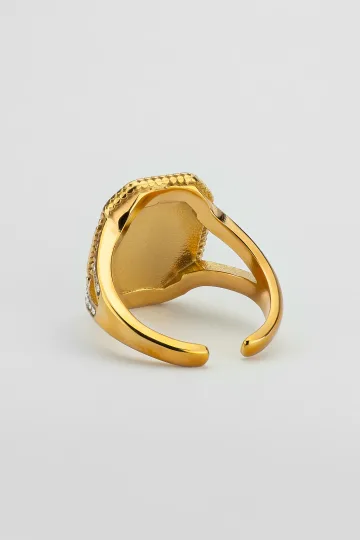
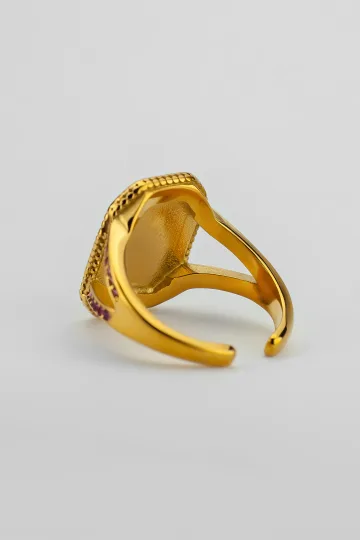
Wear the symbol, don't just read about it. These are in stock:



What to engrave: 12 ideas that stand the test of time
If you are not sure what to write, these options work in almost every situation.
1. A date
A day worth remembering: a wedding, the birth of a child, an important meeting, a graduation. Format options:
- DD/MM/YYYY British standard, "14/06/2024"
- MM/DD/YYYY American, "06/14/2024"
- DD MMM YY short form, "14 JUN 24"
- Roman numerals "XIV.VI.MMXXIV" for a timeless appearance
A date is compact, does not date (pun intended), and always reads clearly.
2. A name or initials
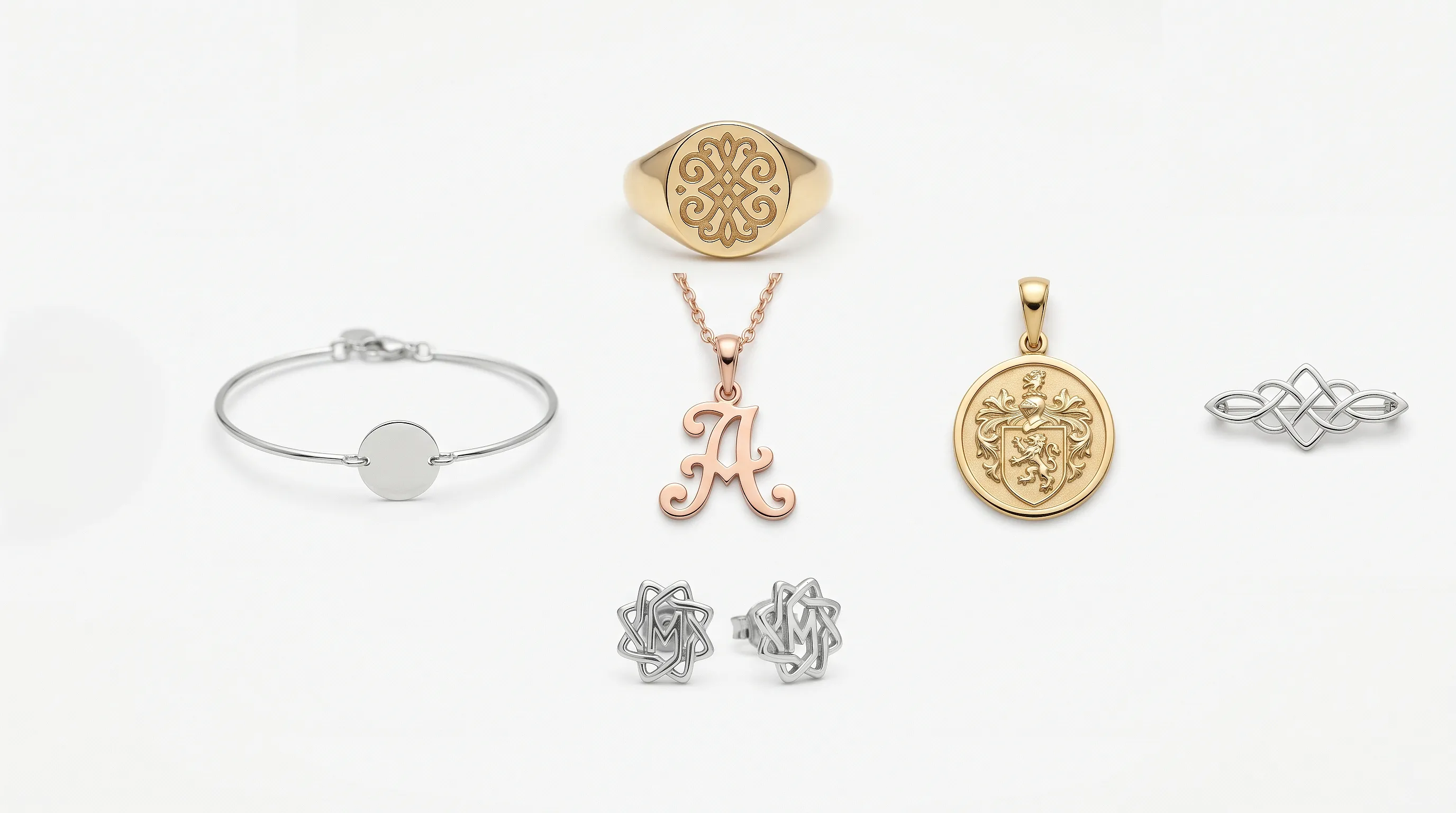
A full name: your partner's, a child's, a parent's. Works well on a children's pendant or bracelet. Initials: more restrained. "M.A." for Marcus and Ana. Interlocked initials: a graphic design where the letters merge into a monogram, a tradition with deep roots in Edinburgh silversmithing and the craft workshops of Hatton Garden.
Note: if the name is long, it may not fit. You will need a different placement or to shorten to initials.
3. A short phrase (up to five words)
Classic for a partner:
- "Forever" / "Always yours"
- "My anchor"
- "Home is you"
For yourself:
- "Carpe diem" (seize the day, Latin)
- "This too shall pass"
- "Memento mori" (remember death, Latin)
For a child:
- "Made with love"
- "My whole world"
4. Coordinates of a meaningful place
GPS coordinates of somewhere that matters: where you met, where a child was born, where a proposal happened.
Format: "51.5074° N, 0.1278° W" (that is central London). Modern, almost coded, yet entirely specific.
5. A line from a book or poem
A favourite line. Note: no more than five to seven words, otherwise it will not fit.
Examples:
- "Per aspera ad astra" (through hardship to the stars, Latin)
- "All you need is love" (Beatles)
- "Time heals all" (traditional)
- "Brave and free"
6. A word from a beloved language
A word from a language that means something to you. Partners from different backgrounds often engrave words in two languages.
Examples:
- "Mahal kita" (Tagalog, "I love you")
- "Saudade" (Portuguese, longing for something gone, untranslatable)
- "Hygge" (Danish, cosiness)
- "Wabi-sabi" (Japanese, beauty in imperfection)
7. A symbol or sign
Not text at all: a heart, an infinity symbol, a star, a stylised initial. Often combined with a letter: "M" or "A B".
8. A number
A favourite number, a date compressed to digits ("141194" for 14 November 1994), the number of years together. Simple, permanent, never goes out of fashion.
9. A sound wave
A recording of the phrase "I love you" can be converted into a waveform and engraved on metal by laser. The wearer knows what it represents; to everyone else it looks like an abstract pattern. The technology is precise: a fibre laser reproduces the oscillogram to within a tenth of a millimetre.
Technically, recordings of five to ten seconds give the best waveform proportions for a piece of jewellery. Shorter recordings look sparse; longer ones compress into an unreadable mass of lines. The engraver converts the audio to an SVG or DXF file and feeds it to the laser.
10. A QR code
A small QR code linking to a photograph, a video, or a voice message. Laser engraving is the only method precise enough to make it scannable. Important: the link must be permanent, not a temporary page.
11. A family motto
If your family has a phrase passed down through generations, it is a strong candidate. Short, carrying weight beyond the words themselves. The tradition stretches back to medieval heraldry, when a motto was part of the formal coat of arms.
12. A heartbeat line (ECG trace)
A cardiogram from a specific day: the birth of a child, discharge from hospital, the moment when everything turned out well. You need the original recording. A laser transfers it accurately onto the metal surface.
A real inscription lives inside the ring. Shouting a name on the outside is for people who overshare. Don't.
How to wear engraved jewellery
Engraving is an intimate thing, and that is exactly where its strength lies. When I style an engraved piece I start from the occasion and from who will read it up close, not from shine. Here is what actually works.
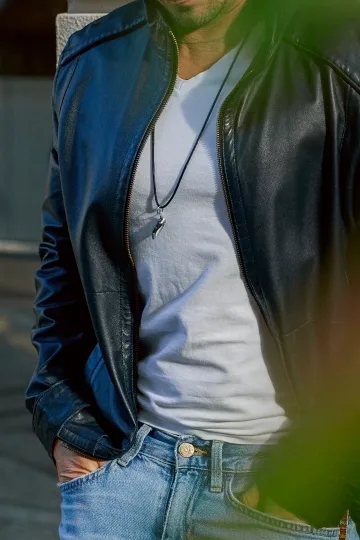
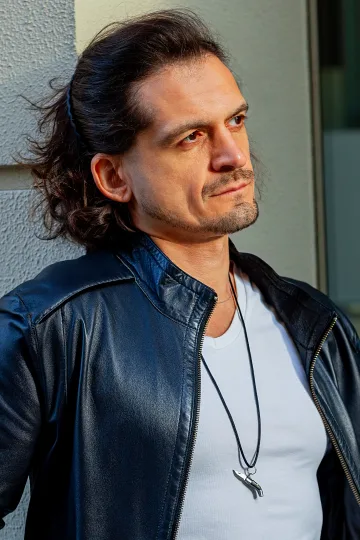
What do I wear an engraved piece with every day? For daily wear I recommend a thin ring inscribed on the inside or a small pendant on a chain. The calmer the fabric (a white shirt, linen, a neutral knit), the more the piece shows. A pendant with a name or coordinates sits beautifully in an open collar or against a plain sweater.
What works for the office? Restraint wins here. I suggest a monogram on cufflinks, an engraved ring without stones, or a thin bracelet with the date on the inside. A serif face reads as respect for tradition and lives quietly with a suit or a tailored dress. Nothing extra.
How do I show an engraving in the evening? For evening I choose to wear the pendant a touch higher so the inscription reaches the neckline and catches directed light. On silver a light patina in the grooves makes the letters read with more contrast. With an open dress I recommend a thin chain, with a dense closed top something larger.
How do I wear paired or memorial pieces for an occasion? For a wedding, a milestone or an anniversary the engraving turns from a quiet detail into the centre. I put paired rings with a shared date, a coordinates pendant or a name bracelet against a plain, dressy fabric so the text does not fight a pattern. These are worn openly and welcome the question.
How do I layer without overloading? Keep to one metal within a single look, or the engraving gets lost in the shine. I set the chain length by the neckline, and the chain length guide settles it fast: shorter for an open top, longer for a closed one. And do not stack many engraved pieces at once, one meaningful line speaks louder than three.

Turn on your camera, pick earrings, a pendant or a ring, and see the piece on yourself in real time.
Switch items in one tap.
Everything runs in your browser: no photo or video is ever uploaded.
What not to engrave
A few common errors worth avoiding.
Text that is too long
Inside a ring: 20-25 characters maximum. A pendant or flat surface: 30-40 characters per line.
You cannot engrave "My dearest, I love you with everything I have and always will." Engrave "Forever yours" or "Always mine."
A new partner's name in the first few months
This sounds blunt, but the pattern is well established. A significant proportion of name engravings are done early in relationships. Many are later removed or covered.
If the relationship is new (under a year), a date or phrase is safer than a name.
The wrong language or a spelling error
If you are engraving in another language, have a native speaker or a reliable translator check it. A Latin typo on a wedding band is permanent.
This matters especially for East Asian characters. Many "beautiful symbols" sold in tourist shops mean something quite different from what the seller claimed.
Phrases that are too of-the-moment
"Girl boss", "good vibes only", "Live, laugh, love" age badly. In ten years they will read as period artefacts.
Better: "Forever", a date, a name.
Passwords and personal data
Never engrave anything that could become a security risk or simply meaningless when circumstances change.
The history of engraving: from Etruscan signets to Hatton Garden
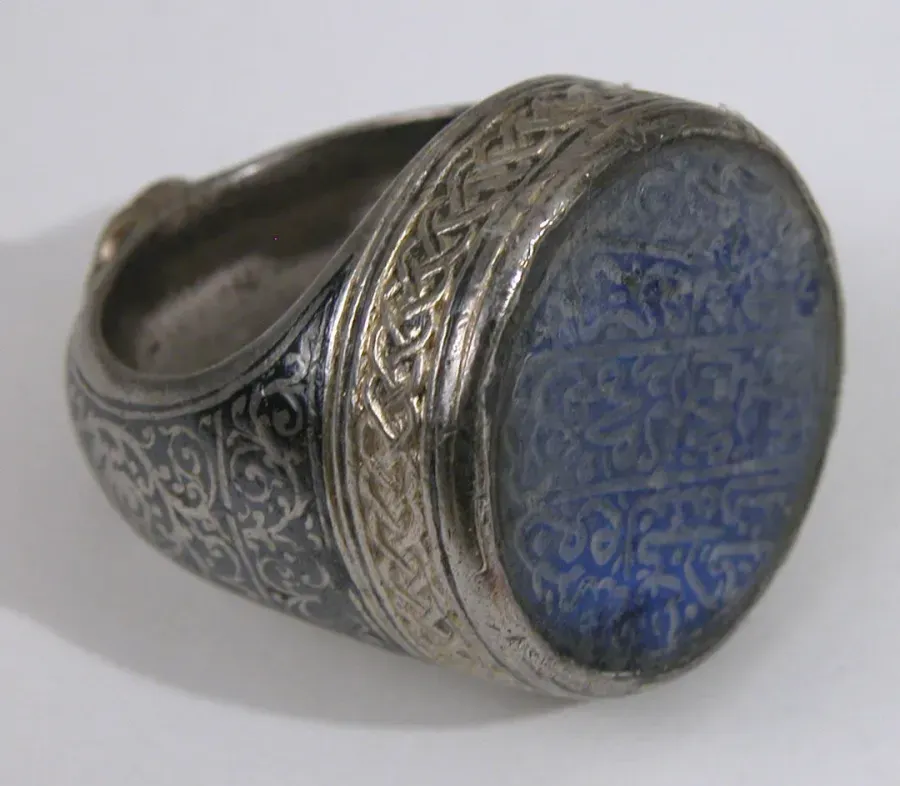
The tradition of personal engraved jewellery stretches back further than most people realise. Etruscan artisans carved cornelian and carnelian gems centuries before the common era; the resulting signet rings were worn by every citizen of consequence in the ancient world. Greek craftsmen elevated the form to high art, producing intaglios depicting gods, heroes, and portrait heads with a precision that was not equalled for centuries.
Rome both democratised and systematised the tradition. The signet ring became the functional equivalent of a personal signature: pressing it into warm wax authenticated letters, contracts, and official documents. Emperors gave portrait rings to allies and favourites; to receive one was to be marked as belonging to a circle of power. This practical use shaped everything that followed: the idea that an engraved ring carries authority and personal meaning is Roman in origin.
Medieval Europe redirected this tradition into heraldry and religion. Monastic craftsmen engraved reliquaries, crosses, and chalices with Latin inscriptions of extraordinary refinement. The secular aristocracy adopted the signet ring as the outward sign of noble identity: a short Latin motto, sometimes a verse from scripture, sometimes a personal aspiration. The ring authenticated letters and sealed documents; its loss was a serious matter.
The Renaissance brought a new emotional register. Rings began to carry inscriptions of love and friendship on the interior surface, hidden from everyone except the wearer and the giver. Goldsmiths in Florence, Rome, and later Paris developed scripts and ornamental alphabets specifically for this purpose. The giving of a ring with a hidden inscription became a recognised gesture in the courts of Europe.
The Victorian era intensified this sentimental tradition enormously. The custom of engraving the inside of a wedding band with a date, initials, or a brief phrase became standard practice across Britain. Hatton Garden in London, the country's longest-established jewellery quarter, became known particularly for its specialist engravers. Some of the workshops there have been operating continuously for over a century.
The Edwardian period, with its enthusiasm for monograms and personal crests, added another layer. Interlocked initials appeared on cufflinks, cigarette cases, watch cases, and pendants. The traditions established in that period remain the core vocabulary of jewellery personalisation today.
Engraving techniques
Different methods produce quite different results. Understanding them helps you choose correctly.
Hand engraving (burin / graver)
An engraver works with a burin (a small steel tool with a shaped point), cutting each stroke by hand under magnification. The most traditional method. In Britain, this craft has been practised continuously in Hatton Garden, London, and the Jewellery Quarter of Birmingham since the eighteenth century. The Victoria and Albert Museum holds historical examples of engraved pieces from every period, and the tradition they represent is still alive in the workshops nearby.
Advantages:
- Unique, "living" line quality impossible to replicate by machine
- Variable stroke depth creates a play of light across the surface that no machine can reproduce
- Any font, design, or ornament is possible
- Deep and visually rich
- Does not fade over decades
Disadvantages:
- Higher cost (mid-range, roughly the price of a restaurant dinner for the labour)
- Longer lead time (three to seven days)
- May have slight variation in stroke, which is character, not a defect
Machine engraving (rotary, pantograph)
An electric engraving machine with a fine needle, working automatically from a prepared template. A pantograph mechanically scales a design; a rotary machine offers finer depth control and is better suited to small lettering.
Advantages:
- Lower cost (budget segment, similar to a cafe lunch)
- Fast (one to two days, sometimes same day)
- Perfectly even
Disadvantages:
- Flat, uniform depth, without the light-catching quality of hand work
- Limited font choice
- Standardised appearance indistinguishable from thousands of other pieces
Laser engraving (CO2 and fibre laser)
A laser burns the surface. CO2 lasers work better on organic materials and coatings; fibre lasers are more precise on metal and produce a finer line. The most contemporary technology.
For metal specifically: a CO2 laser tends to produce a surface marking rather than a true incision. A fibre laser cuts deeper and finer, to hundredths of a millimetre, and is the current industry standard for metal jewellery.
Advantages:
- Very fine work, small text possible
- Fast (often same day)
- Affordable
- Complex images, sound waves, and QR codes possible
Disadvantages:
- Fine and shallow (can be barely visible on silver without a patina)
- Not suitable for deep engraving
- Has a precise, technical quality that some find impersonal
Diamond-drag engraving
A diamond-tipped stylus is drawn across the metal surface under pressure, without rotation. Slower than other machine methods but produces a softer, almost retro quality of line. Particularly suited to serif typefaces and monograms. The result sits between hand engraving and standard machine work in character.
CNC routing
Computer numerical control: a cutting tool moves to a programmed pattern with high accuracy. Used for complex ornamental designs on larger surfaces and in batch production.
Acid etching
Acid works through a protective mask applied to the metal. An old but refined technique, producing a textured, artistic result. Better suited to larger surfaces than to fine text; for precise small lettering, laser is clearly superior.
Photo engraving
Laser raster engraving transfers a photograph onto a metal surface. A modern speciality: portraits and images on metal plates or pendants. Requires a high-quality source image.
Hand engraving combined with laser
The laser creates a precise outline; the engraver completes the work by hand with the burin. The result combines machine accuracy with the character of a human hand. Price reflects the double process.
Font choices for engraving
The choice of typeface changes the character of an engraving as much as the technique does.
- Script (cursive) handwritten, elegant, romantic. The classic choice for wedding bands. Slight drawback: harder to read at very small sizes than an upright face.
- Serif (formal) traditional, authoritative. Works well for monograms and mottoes. References the tradition of Roman stone inscriptions.
- Sans-serif (modern) clean and contemporary. Reads clearly at small sizes. Well suited to coordinates, dates, and minimalist pieces.
- Interlocking monogram a graphic design where letters are combined into a single symbol. A long tradition with roots in heraldry. Legible up to three letters maximum; more than that loses clarity.
- Gothic blackletter historical and weighty. Suited to family mottoes and historical references. Not appropriate for romantic inscriptions.
- All caps maximum clarity and legibility. Often used for coordinates and dates. The oldest convention: Roman monumental inscriptions were set entirely in capitals.
Customer reviews
Zevira is a real jewellery shop. Genuine payments, deliveries and customer thank-yous.
🥰🥰🥰 gracias

Ok, ¡gracias! 🙂

Materials and how they take engraving
The metal you are working with affects the result in ways that are not always obvious.
Sterling silver 925. The most engraver-friendly metal. Relatively soft, it takes a burin stroke with natural fluency; the line has an easy lightness. After a few years, the recesses of an engraving tend to collect a light oxidation, which deepens the contrast against the polished surface. Many wearers prefer this. Clean with a soft polishing cloth.
Gold, 14ct and 18ct yellow. Harder than silver, requires more pressure from the burin. The result is clean and stable over time, with no oxidation. Yellow gold engraving has less tonal contrast than silver but reads as more refined. Laser works especially well on gold because the metal's resistance calls for the precision that laser provides.
White gold. Similar hardness to yellow gold, but rhodium plating, which most white gold pieces carry, can interfere with shallow laser engraving. An experienced engraver knows to account for this.
Rose gold. The copper content makes it slightly softer than yellow gold. Hand engraving gives particularly warm results, the stroke integrating naturally with the colour of the metal.
Titanium and steel. Hard materials that require either a fibre laser or a carbide-tipped tool. Traditional hand engraving with a standard steel burin is not practical on titanium. Laser gives excellent results on both, with crisp, high-contrast lines.
PVD-coated pieces. The coating is thin. Laser can be calibrated to work through the coating or into it, but results depend on the coating's thickness and composition. Ask the engraver before proceeding.
Which engraving to choose
For a wedding band
Hand engraving or diamond-drag. This is a piece worn for life. A poor engraving will diminish it. The extra cost and lead time are worth the investment.
For a gift pendant
Laser or machine engraving: practical, fast, and affordable.
For a child's name bracelet
Laser. Small surface, fine text, precision matters.
For a piece with history (vintage, heirloom)
Hand engraving only. Machine engraving on an antique piece looks incongruous and devalues it.
For a contemporary design piece
Depends on the style. Minimalist: laser. Ornamental: hand engraving.
Upload a photo of your pet, someone you love, or an object. We'll build a 3D model and hand-cast it in pewter.




Which pieces are best for engraving
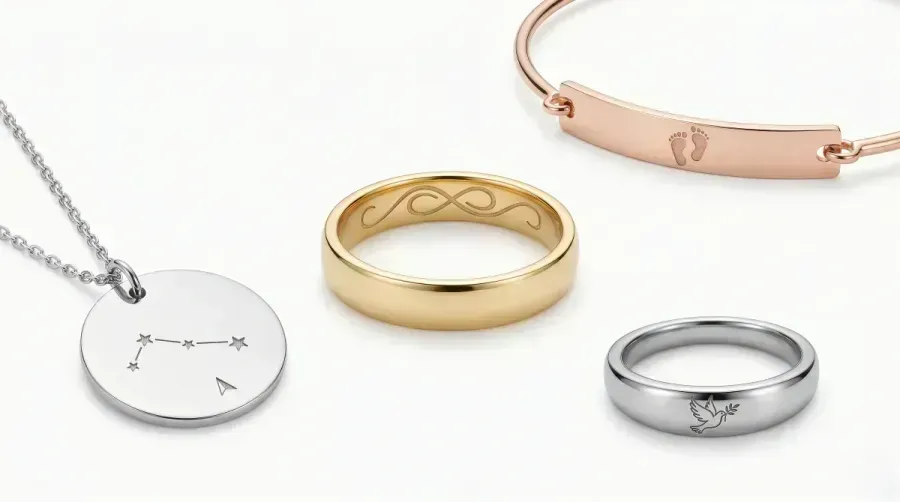
Inside a ring: the classic choice. Discreet, personal, visible only to you and your partner.
Outside a ring: open engraving, visible to everyone. Often initials or a date.
Back of a pendant: standard practice. Front carries the symbol; back carries the message.
Front of a pendant: for name pendants, where the initial or name is the centrepiece.
Inside a bracelet: hidden, as with a ring.
Outside a bracelet: engraving as decorative element.
Back of a watch case: traditional. Often initials plus a date.
Earrings: rarely, due to the small surface. Possible, but very fine.
Cufflinks: typically initials or a crest.
How many characters fit
Approximate figures for an average-size piece:
| Surface | Maximum characters |
|---|---|
| Wedding ring (inside) | 15-25 |
| Wide ring (inside) | 30-50 |
| Small pendant (2-3 cm) | 15-30 |
| Medium pendant | 30-50 |
| Large pendant | 50-80 |
| Bracelet | 25-50 |
| Watch case back | 50-80 |
| Cufflinks | 5-10 (usually initials only) |
A pendant 2-3 cm across typically holds one line of 20-25 characters. The inside of a ring 1.5-2 mm wide holds 15-20 characters in a fine script. If the text does not fit, the engraver will suggest shortening it, changing the font, or splitting it across two lines.
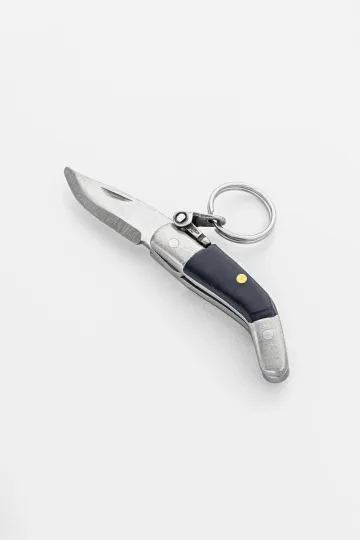
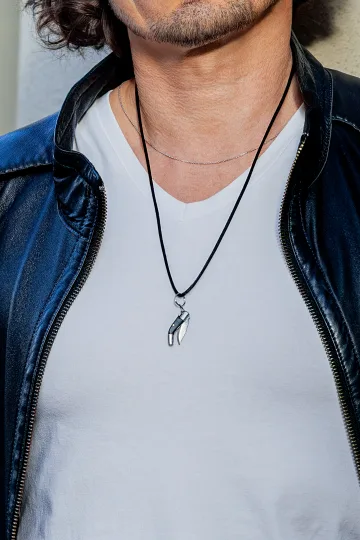
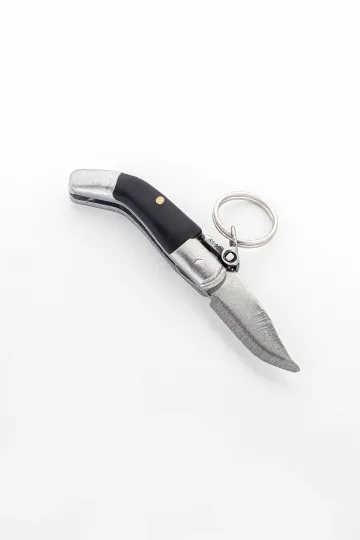
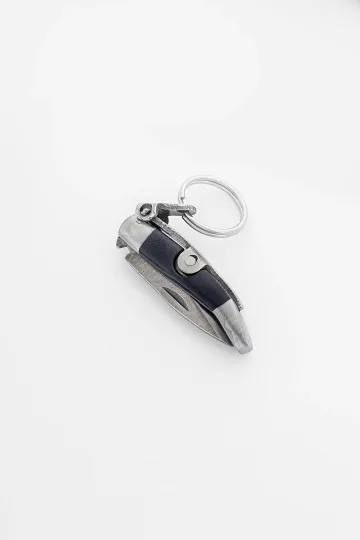
CAPAORA mini knife pendant
The 18th-century Spanish navaja in miniature: 40 mm of stainless steel, a real folding mechanism and a Palanquilla lock that clicks. An affordable gift to remember.
Authentic · Ships from Spain · 14-day returns
How to plan an engraving
Getting this right before you order saves time and avoids disappointment.
Step one: establish the surface area. Ask your jeweller or engraver for the exact inside diameter (for a ring) or the engraving zone dimensions (for a pendant or bracelet). Convert this to a character count. Only then choose your text.
Step two: draft the text and check it three times. Read it forwards and backwards. Show it to someone else. If it is in another language, have a native speaker verify it. A single misplaced letter on a wedding band is there for life.
Step three: choose a technique and font. Rule of thumb: if the piece is significant and will be worn for decades, invest in hand engraving. If it is a practical gift piece and speed matters, laser or machine engraving serves perfectly well.
Step four: ask for a proof. Reputable engravers will show you a printed or digital proof before cutting. For hand engraving, a sketch; for laser or machine, a digital preview. Review it carefully. Once the engraver begins, changes are not possible.
Step five: allow the right lead time. Laser: same day or next day. Machine: one to two days. Hand engraving: three to seven days. Custom monogram or bespoke design: up to three weeks. If the piece must be ready for a specific date, work backwards from that date and add a buffer.
Occasion-specific engraving ideas
An engraving that fits the occasion lands differently from a generic phrase. Here are specific ideas for the most common moments.
Wedding rings
The inside of a wedding band is the most traditional engraving surface in all of jewellery. The convention is deeply established: a date, initials, and sometimes a brief phrase. In practice, the three most enduring choices are:
- The wedding date in full: "14.06.2024"
- Initials of both partners with an ampersand: "M & A"
- A short phrase with no expiry: "Always", "Forever yours", a Latin motto
One approach that wears well: engrave the same date on both rings, but each in the other's handwriting. The engraver scans the handwritten sample and the laser reproduces it faithfully. The two rings match in content but each carries a different hand.
Anniversary pieces
Milestone anniversaries warrant a different register from wedding rings. By the time a couple marks twenty-five years, a single date is often too spare. Consider layering meaning: the original wedding date plus the year of the anniversary, or both sets of initials plus the number of years: "M & A · 25".
New baby gifts
A child's bracelet or pendant calls for the full name rather than initials. Parents often add the date of birth in a format the child can read easily as they grow up: "14 June 2024" rather than "14/06/24". A meaningful addition: the birth weight expressed as a single number, a small detail that becomes significant over time.
Graduation and career milestones
A date plus the year of the degree or achievement works better than any congratulatory phrase. Abbreviations are appropriate here: "MA 2024" or "PhD 2025" read clearly and last longer than "Well done" or "You made it".
Gifts between close friends
For a friendship gift, coordinates work particularly well: GPS coordinates of the place where the friendship was formed, a university town, a shared home, a holiday that mattered. The recipient reads it as a private reference that no one else needs to decode.
In memoriam pieces
A piece worn in memory of someone usually benefits from their name or initials and dates. Keep it simple and spare. More is harder to read, and the emotional weight resides in the name, not the surrounding text.
Self-purchase pieces
A personal mantra, a reminder to hold onto, a word in a language you love. For self-purchase, choose something that speaks directly to who you are rather than to a relationship. This is where Latin mottos earn their place: "Dum spiro spero" ("while I breathe, I hope"), "Per ardua ad astra" ("through struggle to the stars"), "Fiat lux" ("let there be light").
Placement strategy: where exactly to put the engraving
The location of an engraving on a piece is a design decision with practical consequences.
Inside versus outside a ring
The inside surface is the classic choice for a reason: it is intimate, protected from wear, and visible only to the wearer (and anyone they choose to show). Text placed inside a ring also survives longer, because the inner surface sees less friction against surfaces and other objects.
The outside of a ring is a deliberate statement. It is seen by others. Text on the outer surface of a band wears faster and may need to be refreshed over many years of constant contact with hard surfaces. If you choose an outside placement, keep the text short and select a deeper engraving method.
Front versus back of a pendant
The back of a pendant is the conventional message side: the front carries the symbol or image; the back carries the meaning. Engravings on the back are protected by the pendant body when worn and less subject to surface contact.
The front of a pendant is reserved for name pendants and initial jewellery where the engraved text is the visual centrepiece.
Inside a bracelet
Works similarly to the inside of a ring. The text presses against the wrist where only the wearer can read it without removing the piece. Suitable for messages that are intentionally private.
Cufflinks and tie bars
These surfaces are small, so initials or a two-character monogram are the practical limit. On cufflinks, the engraving faces outward but remains small enough to require close inspection.
Watch case back
A natural engraving surface with a reasonable amount of space. The tradition of engraving watch case backs with a date and initials is well established and still appropriate today. The smooth flat surface accepts machine, laser, or hand engraving with equal results.
Leave your email, we'll send your discount code. No spam, unsubscribe anytime.
The code arrives by email, valid on your first order.
Ready-made fonts versus custom design
Standard fonts from the engraver's catalogue are fast. Work is typically done in one to two days. The choice is limited to what the machine carries.
Custom design (handwritten text, a non-standard typeface, a complex ornamental monogram) requires preparation time for a sketch or proof. Expect five to ten days. The result is genuinely unique.
Rule of thumb: if urgency matters and a standard font is adequate, use it. If the piece is significant and time allows, invest in a custom design.
Hand engraving in depth: what the burin actually does
Understanding what a hand engraver does with a burin helps you evaluate the quality of the work you are commissioning.
A burin is a small steel rod with a shaped cutting tip, typically set into a mushroom-shaped wooden handle that rests in the palm. The engraver holds the piece fixed in a small adjustable ball vise, rotating it rather than moving the tool, and presses the burin forward with controlled muscular pressure, cutting a chip of metal ahead of the point. The depth and angle of the stroke determine its visual character.
Different burin profiles produce different cut profiles. A flat graver produces a wide, shallow channel. A lozenge graver produces a V-section cut with faceted walls that catch light from multiple angles, which is what creates the characteristic sparkle of finely engraved silver. A round graver produces a smooth, deep channel suited to monogram fills. An experienced engraver uses between six and twelve different burin profiles in the course of a single piece.
The variable depth that distinguishes hand engraving from any machine method comes from varying the cutting angle during the stroke. As the tool rises from a shallow to a steep angle, the chip widens and the line swells. This swelling and thinning of strokes within a single letter is the visible sign of quality hand engraving, and it is what gives the letters the effect of being alive on the surface.
Bright-cut engraving is a specific hand technique: the burin cuts the metal at a steep angle that polishes the incised walls in the same motion, leaving a bright, mirror-like interior that contrasts sharply with the matte surrounding surface. Used for border motifs, scrollwork, and geometric patterns around a central inscription, it was the dominant decorative technique on Georgian and Victorian silverware.
Caring for engraved jewellery
Practical rules that are often left unsaid:
Do not over-polish. Polishing compound removes metal, and over time the engraving becomes shallower. Wedding bands with inscriptions are better cleaned with a soft cloth rather than abrasive paste.
Avoid chemical baths (ultrasonic with chemicals, aggressive silver dips). These dissolve the oxide residue inside the recesses that provides visual contrast.
Hand engraving and ultrasonics: an ultrasonic bath with a neutral solution is acceptable, but aggressive chemicals wash out the oxide patina from the recesses and reduce contrast.
Use a soft brush. A jewellery brush or soft toothbrush cleans recesses more effectively than a cloth, reaching into the grooves without abrading the surrounding metal.
For silver: regular buffing with a soft cloth removes tarnish from the surface while leaving the recesses darker, which makes the inscription more legible. Some people specifically ask not to touch the patina in the engraving.
For gold: maintenance is simpler as gold does not tarnish. A soft cloth or a rinse with warm soapy water is sufficient.
Storage: a piece with an interior engraving is protected by the ring or pendant body itself. For exterior engravings, a separate jewellery pouch or soft-lined box prevents scratches.
Re-engraving and layering: what is actually possible
A question that comes up regularly: can a second engraving be added alongside an existing one, or on the same surface?
Adding alongside an existing engraving is straightforward, provided there is physical space. If the inside of a ring already carries a date and there is room for initials, a second engraving is a clean solution. The engraver will assess whether the font and style can be matched to the original, which matters particularly on hand-engraved pieces.
Engraving over an existing engraving is generally inadvisable. The engraver works on a surface whose texture is already interrupted by the previous cuts. Results are unpredictable, and the risk of a confused, illegible outcome is real. The better solution when a text becomes outdated is to have the piece replaned (surface levelled) and then re-engraved fresh, or to commission a new piece.
Removing a name specifically: if a relationship ends and a partner's name inside a ring is unwanted, the options are polishing it out (effective on shallow laser engraving, risky on thin bands), having the surface replaned, or using a new outer engraving over a wide flat band to draw the eye and redirect focus. Experienced engravers have seen every version of this request and will advise without judgement.
Send a friend a discount code, they save on their first order.
Reversibility of engraving
Engraving is permanent. It cannot be fully removed.
Laser or shallow machine engraving can sometimes be partially obscured by polishing, but the metal will be thinner afterwards. On a very fine ring this carries risk of weakening the band.
Deep hand engraving cannot practically be removed. The surface can be planished (hammered flat) or overlaid, but this is expensive and changes the appearance significantly.
Conclusion: do not rush. If in doubt, wait a week.
Cost of engraving
Approximate price segments:
- Machine: budget segment (roughly the price of two cups of coffee) per word
- Laser: budget segment (around the cost of a cafe lunch)
- Hand engraving: mid-range segment (around the cost of a restaurant dinner) for the labour
- Diamond-drag: mid-to-premium segment
Additional costs:
- If the jeweller polishes after engraving (common): add 20-50%
- Rush job (same day or next day): add 30-50%
- Special font or custom artwork: priced individually
Common engraving mistakes and how to avoid them
Even experienced buyers run into these.
Choosing a font that is too decorative for the size. A flowing script looks beautiful at larger sizes but becomes illegible at 1.5 mm. Ask your engraver to print the text at actual size before committing to the font.
Confusing the inside and outside diameter. The inside of a ring has less linear space than the outside. Always calculate characters based on the inside circumference, not the outside.
Using a trend phrase. Pop-culture references feel resonant when they are current and hollow a few years later. Classical Latin, a date, a name, and a personal motto remain meaningful indefinitely.
Ordering too close to a deadline. Hand engraving and custom design take longer than most people expect. "Same day" applies only to laser with a standard catalogue font. Order at least two weeks ahead for anything more involved.
Forgetting to include spaces and punctuation in the character count. "M & A" is five characters, not three. Punctuation marks, ampersands, and degree symbols all count.
Frequently asked questions
Can an engraving be changed later?
Depends on the method. Laser or light machine engraving can sometimes be polished out and redone (the metal will be slightly thinner; there is a small risk of cracking on very fine rings). Hand or deep engraving: practically impossible. A new piece is simpler.
What works best for a couple?
Most popular: the wedding date (or the date you met) plus initials. "M & A 14.06.24". Universal, does not go out of fashion.
Can you engrave an old piece?
Yes, any jeweller can do it. On antique pieces, hand engraving is strongly preferable. Machine engraving tends to look out of place on older work.
What to engrave on a ring for yourself?
A favourite word, an important date, a personal mantra. "Carpe diem", "Always brave", "This too shall pass". You do not need your own name.
Outside or inside the ring?
Inside is more intimate, draws no attention. Outside is a statement. For wedding bands, inside is conventional. For self-expression rings, outside.
Can you engrave East Asian characters?
You can, but always have a native speaker verify the meaning first. Many "beautiful symbols" available in shops mean something entirely different.
How long does engraving take?
Laser: often same day. Machine: one to two days. Hand engraving: three to seven days. Diamond-drag: five to ten days. Custom monogram or bespoke design: one to three weeks.
Will silver engraving tarnish?
The engraving itself will not. But the recesses can collect residue and darken faster than the surrounding surface. Regular cleaning with a soft brush resolves this.
Can you engrave a symbol rather than text?
Yes. A heart, a stylised initial, a small illustration. The engraver needs a clear sketch or reference image.
Does engraving weaken a ring?
Minimally. Only very deep engraving on a very thin band presents any concern. Standard engraving does not affect durability.
How much does a custom font cost?
It depends on the complexity. A simple handwritten script is sometimes included in the base price. A complex monogram design is quoted separately.
Can you match an existing engraving style when adding a second inscription?
For machine and laser engraving, yes: the same font from the catalogue can be selected. For hand engraving, a skilled engraver can study the existing strokes and closely match the style, though a perfect match is rarely achievable because each engraver's hand is individual. If consistency matters, use the same engraver for both inscriptions.
Is the inside of a ring difficult to engrave because of the curved surface?
It requires experience, but it is entirely standard. The engraver uses a ring mandrel or a small vise to hold the piece securely. The curvature means the engraver must rotate the piece through the stroke, which is one of the skills that separates a specialist jewellery engraver from a general-purpose machine operator.
Can a child's drawing or signature be engraved?
Yes, with laser engraving. A clean, high-contrast scan of the drawing or signature is converted to a vector or raster file. Laser can reproduce thin lines, irregular strokes, and organic shapes that machine engraving cannot. The source scan should be at high resolution (minimum 300 dpi) and with clean contrast. Faint pencil lines do not reproduce well; bold pen drawings or a child's broad marker work better.
Can you engrave a fingerprint?
Yes, laser engraving can reproduce the texture of a fingerprint. A good-quality scan or ink impression is needed.
What is the difference between a CO2 laser and a fibre laser?
A CO2 laser works best on organic materials, leather, and coatings. For metal jewellery, a fibre laser is the correct tool: it cuts deeper, finer, and with greater precision. If your engraver only has a CO2 laser, the result on metal will be a surface mark rather than a proper incision.
Can you engrave titanium or stainless steel?
Yes, with a fibre laser or a carbide-tipped machine tool. Hand engraving with standard steel burins is not practical on these materials because of their hardness.
Engraving as a gift: how not to get it wrong
Giving engraved jewellery is a precise gesture. It carries the risk of getting something permanently wrong, but also the possibility of something genuinely memorable.
Know the surface area first. How many characters will fit? Establish this before choosing the text, not after.
Choose text with no expiry date. A date, a name, a short phrase in a classical language. Pop lyric quotations and culturally specific slogans date badly. The engraving should still make sense in twenty years.
Consider the recipient, not your own taste. The inscription is for the person who will wear the piece. If they are minimalist, small initials inside the band are enough. If they have a strong, expressive character, text on the outside in a decorative script may suit them better.
Allow enough time. Hand engraving takes three to seven days. If the gift has a specific date, plan at least two weeks ahead.
Check the spelling twice. Any phrase, particularly in another language, should be verified by a native speaker. A typo on an engraving is permanent.
Buying it as a gift? Each one arrives ready to give.
 A branded Zevira box and a little card come with every order.
















Conclusion
Engraving turns a piece of jewellery from an object into a document. Without it, a pendant may end up in a box within fifty years. With it, someone will find it and understand: this was a memory of a specific moment.
If you are thinking about an engraving, do not rush. A week of consideration is worth more than a "permanent" message that turns out to be wrong five years later. The best engravings are the ones that still feel true decades on.
Silver, gold, wedding bands, symbolic pieces, matching sets.
About Zevira
Zevira makes jewellery in the artisan tradition of Albacete, Spain. If you are looking for a piece to engrave, independent engravers work with all the standard materials: sterling silver 925, 14ct and 18ct gold. Any reputable jeweller or specialist engraver can advise on which technique suits your piece and your text.
What can typically be engraved:
- A date (wedding, birth, a significant event)
- A short phrase or quotation (up to 25-30 characters on most pieces)
- Initials or a full name
- Coordinates of a meaningful place (GPS or latitude/longitude)
- Morse code, ancient runic symbols
- A child's drawing or signature (from a scan)
- A fingerprint or a heartbeat line