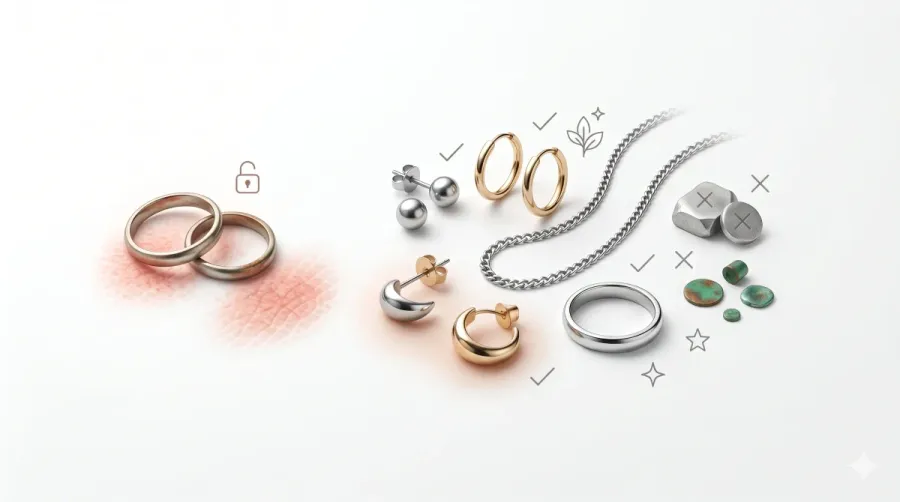
Jewelry Allergy: Why Your Skin Reacts and Which Metals Are Safe
When the rash appears
You put on a new ring. By lunch, the skin underneath is red. By evening, it itches. By the next morning, there is a visible rash in the exact shape of the ring band. You take it off. The rash takes a week to fade. You never wear the ring again.
This is nickel allergy, and it affects roughly 10-15% of the population. In women, the number is closer to 20%. It is the most common contact allergy in the world, and most people discover it the hard way: by wearing a piece of jewellery that turns their skin into a crime scene.
The frustrating part? The ring looked fine. The metal looked fine. There was nothing visibly wrong. Nickel allergy is invisible until it is not.
This guide explains what causes it, how to identify it, which metals are safe, and how to wear jewellery without your skin staging a protest.
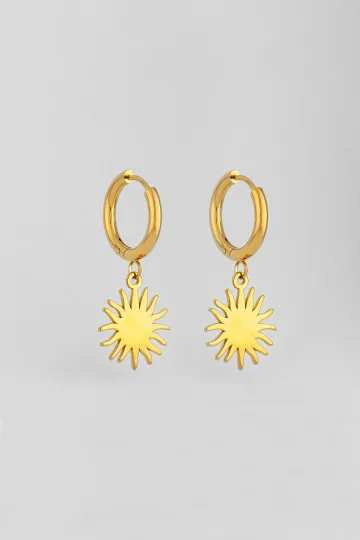
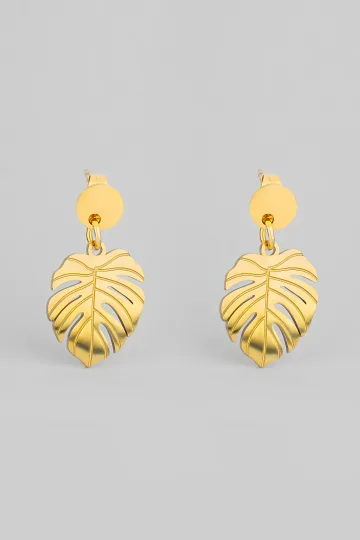
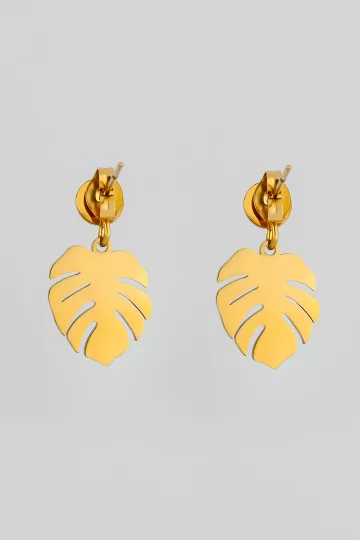
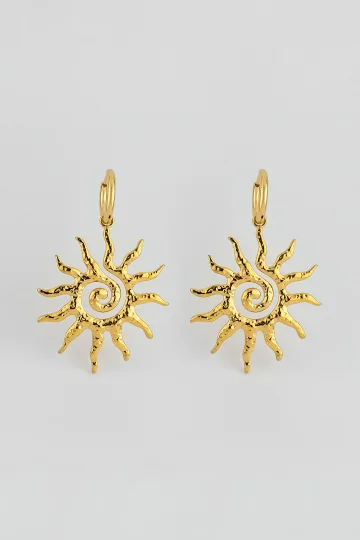
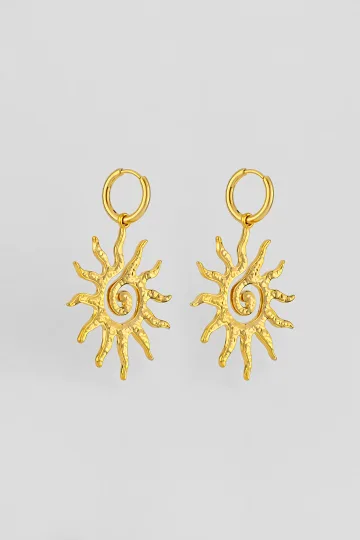
Wear the symbol, don't just read about it. These are in stock:


What nickel allergy actually is
Nickel allergy is a type of contact dermatitis. Your immune system decides that nickel ions (released when the metal touches moisture, like sweat) are a threat and launches an inflammatory response. The result: redness, itching, blistering, and sometimes oozing at the contact site.
Here is the key detail that most guides skip: you can develop nickel allergy at any age. You might wear nickel-containing jewellery for years without a problem, then suddenly react. The immune system has a threshold. Once enough nickel exposure accumulates and triggers sensitisation, it is permanent. There is no cure. Once allergic, always allergic.
The good news: it is entirely manageable. You do not have to stop wearing jewellery. You just have to stop wearing nickel.
Cheap plating flakes off by the first hot day and leaves a green ring on your neck. Titanium or platinum. Do your itching on someone else's time.
How to wear jewellery with a nickel allergy
Over years on shoots I have dressed people who cannot take a gram of nickel, and the piece still had to look right. Here is what actually works, with no "grin and bear the itch".
What do I recommend for every day? For a daily base I suggest 316L stainless steel or titanium on a thin chain. Steel holds skin contact for hours, does not darken from sweat and costs little. A light top lifts the cool shine of the metal, a dark one turns the pendant into the accent. One clean chain always beats five tangled ones.
Which metal suits your skin tone? For a warm undertone I recommend high-karat yellow gold (18k and up) or platinum for their soft glow. For a cool undertone titanium, platinum and steel sit best with their calm grey shine. If in doubt, hold a silver and a gold sample against your wrist in daylight: the one that melts into your skin is yours.
What about earrings when a piercing reacts? Titanium or niobium in the piercing itself, no exceptions. I choose any decorative part I like, since it never enters the channel. Swap the stock hooks for titanium ones and your favourite earrings come back into rotation. It is the cheapest fix that exists.
How do you layer without risk? I take two or three chains in one safe metal only: steel with steel, titanium with titanium. Different lengths, one metal, few pendants per line. That way every skin-contact point stays equally safe and the look never feels loaded.
And for an event or the camera? For an occasion I choose platinum or high-karat gold: they read rich and almost never trigger a reaction. If the budget is tight, I set a steel base with one striking pendant that pulls the eye. It looks expensive while your skin stays calm all evening.

Turn on your camera, pick earrings, a pendant or a ring, and see the piece on yourself in real time.
Switch items in one tap.
Everything runs in your browser: no photo or video is ever uploaded.
Symptoms checklist
Not sure if it is nickel or something else? Here is what nickel contact dermatitis looks like:
- Redness at the contact point (ring finger, earlobe, neck, wrist)
- Itching that starts within hours of wearing the piece
- Dry, scaly patches after repeated exposure
- Blisters in severe cases (small, fluid-filled bumps)
- Oozing or crusting in very severe cases
- Darkened skin at the contact point after chronic exposure
The reaction happens only where the metal touches skin. If a necklace causes a rash on your neck but not where the clasp sits (if the clasp is a different metal), that is a strong indicator. The pattern follows the jewellery. Like a negative imprint.
Timeline: symptoms usually appear 12-48 hours after contact. Not immediately. This is why people often do not connect the rash to the jewellery: by the time the rash appears, they have been wearing the piece all day and forgot it was new.
Not nickel allergy: if the rash appears everywhere (not just at contact points), if it appears immediately on contact, or if the skin turns green (that is a copper reaction, not an allergy), the cause is likely something else.
Where nickel hides (it is not just cheap jewellery)
The biggest misconception about nickel allergy: "I will just buy expensive jewellery and avoid cheap stuff." Wrong. Nickel is everywhere, including in things you would not suspect.
Fashion jewellery / costume jewellery. The obvious one. Most mass-produced earrings, rings, bracelets, and necklaces under a certain price point use base metal alloys that contain nickel. The shinier and cheaper it is, the more likely it contains nickel.
White gold. Surprise. Traditional white gold gets its colour from being alloyed with nickel. This is one of the most common triggers for people who thought they were "buying quality." Modern white gold increasingly uses palladium instead of nickel, but older pieces and budget white gold still use nickel. Always ask.
Sterling silver 925. Pure silver does not contain nickel. But the 7.5% alloy in sterling silver can sometimes include trace nickel. Most reputable manufacturers use copper instead, but there is no guarantee unless the manufacturer specifically certifies nickel-free.
Stainless steel. Here is a nuance. 316L stainless steel (surgical grade) contains nickel in its alloy: about 10-14%. But the nickel is bound so tightly in the chromium-nickel matrix that it does not leach onto skin in measurable amounts for most people. That is why surgical implants use 316L: even inside the body, the nickel stays locked in the metal. Most nickel-sensitive people can wear 316L without reaction. But not all. Severely sensitive individuals may still react.
Watch backs, belt buckles, jean buttons, eyeglass frames. Nickel is not just in jewellery. The metal button on your jeans resting against your stomach? Probably nickel. The back of your watch? Often nickel or nickel-plated. Eyeglass frames touching your ears and nose? Nickel. The allergy does not care where the metal comes from.
The EU nickel regulation
The European Union has the strictest nickel regulation in the world: the REACH regulation (Registration, Evaluation, Authorisation and Restriction of Chemicals) limits nickel release from products in prolonged skin contact to 0.5 micrograms per square centimetre per week.
What this means practically: jewellery sold in the EU must meet this standard. If you buy from a European manufacturer (like brands based in Spain, Italy, Germany, France), the nickel content is regulated. If you buy from a non-EU seller on a marketplace, no such guarantee exists.
This regulation is why European jewellery tends to cause fewer reactions than imports from regions without similar laws. It is not about price or prestige. It is about chemistry and law.
What the limits actually measure
The restriction sits in Annex XVII to REACH, entry 27, which is the successor to the old Nickel Directive of 1994. It sets two figures, and the difference between them matters. Post assemblies inserted into pierced ears or any other pierced part of the body must not release more than 0.2 micrograms of nickel per square centimetre per week. Articles intended to come into direct and prolonged contact with the skin, which covers rings, bracelets, watch cases and straps, earrings after healing, chains, necklaces, zips, buttons, rivets and studs, must stay below 0.5 micrograms per square centimetre per week. A third clause deals with coatings: a plated item has to keep to the same 0.5 figure after two years of normal use, so a thin flash of gold over a nickel-rich base does not satisfy the law simply because it passes on the day it leaves the factory.
The single most misunderstood point is that these are release rates rather than content limits. Nothing in the law says an alloy may contain no nickel. It says the metal must not hand nickel over to your skin faster than the stated rate. This is why 316L surgical steel, which contains a substantial percentage of nickel locked into its crystal structure, passes comfortably, while a soft plated alloy with less nickel in it overall can fail badly. Corrosion is what liberates the ions, and sweat, chlorinated water and damaged plating all speed corrosion along.
How compliance is tested
Two European standards do the work. EN 1811 is the reference method: the article is immersed in an artificial sweat solution for a week at body temperature, and the nickel that leaches out is measured against the surface area in contact with skin. EN 12472 comes first for anything coated, simulating two years of wear and corrosion by tumbling the item with abrasive media before the release test runs. There is also a screening test using dimethylglyoxime, the same reagent sold in home kits, which spots gross offenders quickly but is not the legal reference.
For a buyer this translates into one useful question at the counter: can you tell me the alloy and whether the piece was tested to EN 1811? A serious seller answers without hesitating. A seller who talks only about how the piece looks is telling you something too.
What applies in the UK after leaving the EU
The nickel restriction did not disappear at Brexit. The whole of Annex XVII was carried across into UK REACH when retained EU law came into force, so in Great Britain the same 0.2 and 0.5 microgram figures still bind, with the Health and Safety Executive as the agency and Trading Standards enforcing at the point of sale. Northern Ireland continues to follow EU REACH directly under the current arrangements, which in practice means the numbers are identical on both sides of the Irish Sea.
Where the gap really opens is not between Britain and the continent but between regulated retail and unregulated import. A parcel bought directly from an overseas marketplace and posted to a UK address has been checked by nobody. That is where most of the fashion jewellery causing reactions on British skin comes from, and it is the reason a rash so often follows a cheap online order rather than a purchase from a high street shop.
Customer reviews
Zevira is a real jewellery shop. Genuine payments, deliveries and customer thank-yous.
🥰🥰🥰 gracias

Ok, ¡gracias! 🙂

Safe metals: the complete list
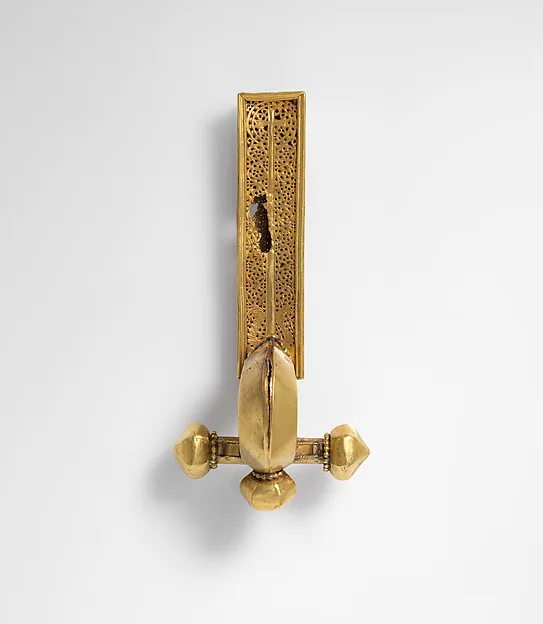
Here is what you can wear without worry:
Titanium (Grade 1-4). The gold standard for allergic people. Zero nickel. Completely inert. Used for surgical implants because the human body does not react to it at all. Lightweight, strong, hypoallergenic. The downside: limited colour options (grey), cannot be easily resized, fewer design possibilities.
Niobium. Even more hypoallergenic than titanium (if that is possible). Used in medical devices and body piercing jewellery. Can be anodised to produce colours (blue, green, purple) without coatings or dyes. Rare in mainstream jewellery but popular in the piercing community for exactly this reason.
Platinum. Naturally nickel-free. One of the purest jewellery metals. Platinum alloys for jewellery typically use iridium, ruthenium, or cobalt as hardeners, not nickel. The safest precious metal option. The catch: it sits in the premium price segment.
24K gold (pure gold). No nickel. But 24K gold is too soft for most jewellery. It bends, it scratches, it deforms. That is why gold is alloyed: and some alloys include nickel (especially white gold).
18K or 14K yellow gold. Generally safe because yellow gold alloys use copper and silver for colour, not nickel. But not guaranteed: some manufacturers add small amounts of nickel for hardness. Ask for a nickel-free certification if you are sensitive.
Stainless steel 316L. Safe for most people with nickel sensitivity (see above). The nickel is bound in the alloy and does not typically leach. If you react to everything else but not to surgical instruments, 316L is your material. Most of the jewellery at Zevira is made from 316L for exactly this reason.
Argentium silver. A newer alloy of silver that replaces some copper with germanium. More tarnish-resistant than sterling silver and typically nickel-free.
Metals to avoid
Nickel silver (German silver). Despite the name, contains zero silver. It is a copper-nickel-zinc alloy that is essentially concentrated nickel. If something is labelled "nickel silver" or "German silver," it is the worst possible choice for sensitive skin.
Brass. Copper-zinc alloy. Does not always contain nickel, but often does. Even without nickel, brass can cause green discolouration on skin (copper reaction). Not an allergy, but not pleasant either. More in our green skin guide.
Bronze. Similar to brass. Copper-tin alloy, sometimes with nickel added.
Plated jewellery. Gold plating, silver plating, rhodium plating. The plating itself may be safe, but when it wears off (and it always does), the base metal underneath is often nickel-containing. Plated jewellery gives you a ticking clock: it is safe until it is not.
Upload a photo of your pet, someone you love, or an object. We'll build a 3D model and hand-cast it in pewter.




How to test if jewellery contains nickel
The dimethylglyoxime test. You can buy a nickel testing kit (sometimes called a "nickel spot test") at pharmacies or online. It contains two solutions. Apply them to the metal surface. If the swab turns pink, nickel is present. Simple, cheap, definitive.
The magnet test. Nickel is magnetic. If a magnet sticks to your jewellery, it likely contains nickel or iron. If it does not stick, it might still contain nickel (not all nickel alloys are magnetic), but a positive magnet test is a strong warning sign. Not definitive but useful as a first check.
The wear test. Not recommended if you are already sensitised. But if you are unsure whether you are allergic, wear a suspect piece on a less sensitive area (inside of wrist) for a few hours. If redness or itching develops, remove immediately and do not wear that piece again.
Ask the manufacturer. Reputable brands will tell you the alloy composition. If they cannot or will not, that is information too.
Living with nickel allergy: practical tips
Clear nail polish trick. Apply a thin coat of clear nail polish to the inside of rings and the backs of earrings. Creates a barrier between nickel and skin. Works for a few weeks before the coating wears off. Not a permanent solution, but useful for pieces you already own and love.
Barrier creams. Some dermatologists recommend barrier creams (like those used for hand dermatitis) applied to the skin before wearing suspect jewellery. Moderately effective but messy.
Nickel-free earring hooks. If you react to earrings, swap the hooks for titanium or niobium ones. The pendant/drop part that does not touch skin can be any metal. It is the hook through the piercing that matters.
Sweat accelerates the reaction. Nickel leaches faster in the presence of moisture and salt. If you are exercising, in hot weather, or sweating for any reason, remove suspect jewellery. Or stick to titanium and 316L stainless steel: titanium contains no nickel, and 316L releases very little, typically staying within the EU limit of 0.5 micrograms per square centimetre per week under the EN 1811 test. If your skin is very sensitive, keep an eye on it with steel too.
New piercings are the highest risk. A fresh piercing is an open wound. Inserting nickel-containing jewellery into a fresh piercing is a near-guaranteed way to develop nickel sensitivity if you were not already sensitive. Always use titanium or niobium for initial piercings. Always. No exceptions.





Nickel allergy and children
Children are sensitised to nickel at alarming rates, primarily through ear piercings with cheap studs. If your child is getting ears pierced, insist on titanium or surgical steel studs for the initial piercing. The studs that come with the piercing gun at the mall are almost always nickel-containing. Pay extra for hypoallergenic studs. It is an investment in a lifetime of being able to wear jewellery without reactions.
When to see a doctor
Most nickel reactions resolve on their own once you remove the offending metal. But see a dermatologist if:
- The rash does not improve within a week of removing the jewellery
- Blisters are large or spreading
- There is any sign of infection (increased redness, warmth, pus)
- The reaction is severe enough to disrupt sleep or daily life
- You want confirmation via a patch test (the gold standard diagnostic for contact allergies)
A dermatologist can perform a patch test where small amounts of various allergens, including nickel, are applied to your back under adhesive patches and left for 48 hours. If the nickel patch site shows a reaction, the diagnosis is confirmed.
Living with an established sensitisation
Once contact sensitisation to nickel has developed, current medical understanding is that it stays. There is no course of treatment that clears it and no evidence that careful low-level exposure trains the skin to tolerate the metal. What changes is how much trouble it causes you, and that is largely a matter of management rather than medicine.
The practical strategy has four parts. Avoidance first: know which of your own items are the culprits and take them out of rotation rather than persevering. Barrier second: for the occasional unavoidable contact, a watch back or a work tool, a barrier layer helps, though clear lacquer on jewellery wears off within weeks and should be treated as a stopgap rather than a fix. Skin condition third: intact, moisturised skin resists a great deal that broken or macerated skin does not, which is why reactions cluster in hot weather and under damp clothing. And replacement fourth: swapping earring posts and hooks for titanium or niobium usually rescues a favourite pair for the cost of a small component.
Some people with a strong nickel allergy also report flares that do not correspond to anything they have touched. Nickel occurs in food, in tap water in some areas and in coins and door handles, and there is an ongoing clinical discussion about systemic reactions to dietary nickel. That discussion belongs with a dermatologist rather than with a jewellery article, and dietary restriction is not something to attempt on your own reading. If your skin is flaring without an obvious contact, that is a reason to be assessed properly, not a reason to start eliminating foods.
Nothing here is a diagnosis. A rash under a ring can be irritant contact dermatitis, eczema, a fungal infection or a reaction to the soap trapped under the band rather than an allergy to the metal, and these are not distinguishable by looking at a photograph. If a reaction is persistent, painful, spreading or infected, or if you simply want to know for certain what you are dealing with, see a GP or a dermatologist and ask about patch testing.
FAQ
Can nickel allergy go away? No. Once sensitised, the allergy is permanent. But it is completely manageable by avoiding nickel contact with skin.
Is stainless steel safe for nickel allergy? 316L (surgical grade): safe for most people. 304 (standard grade): may cause reactions. Always check the grade. If the listing does not specify, assume 304.
Is sterling silver safe? Usually yes, but not guaranteed. Reputable manufacturers use copper, not nickel, in the 7.5% alloy portion. Ask for confirmation if you are sensitive.
Can I wear gold if I have nickel allergy? Yellow gold (14K+): usually safe. White gold: risky unless specifically palladium-based. Rose gold: usually safe (copper alloy, not nickel). Always ask.
Why does cheap jewellery cause more reactions? Because cheap alloys use nickel as a cheap hardener and whitener. The economics are simple: nickel is inexpensive and makes metal look shiny. Safe alternatives cost more.
Can I develop nickel allergy later in life? Yes. Sensitisation can happen at any age after sufficient cumulative exposure. People who wore cheap jewellery for decades without issues can suddenly develop a reaction.
Is the green skin from cheap rings the same as nickel allergy? No. Green discolouration is a copper reaction (harmless, washes off). Nickel allergy is an immune response (rash, itching, blisters). Different metals, different mechanisms, different solutions.
What about cobalt allergy? Cobalt allergy often co-occurs with nickel allergy. About 25% of people allergic to nickel also react to cobalt. Cobalt is found in some blue pigments, some alloys, and some vitamin B12 supplements. If nickel avoidance does not fully resolve your reactions, cobalt may be the co-culprit.
My earlobes react but my neck does not. Why? Earlobes are thinner and more sensitive than neck skin. The piercing hole is essentially a wound channel, even years after healing. Metal in direct contact with pierced tissue releases ions faster than metal sitting on top of intact skin. That is why earrings cause more reactions than necklaces, even when both contain the same amount of nickel.
Can I build tolerance by wearing nickel gradually? No. The opposite happens. Each exposure adds to the cumulative load. You cannot desensitise yourself to a contact allergy the way you can with some food allergies. Deliberate exposure makes it worse, not better.
Six fast checks, no tools. Leave your email, we'll send the PDF and a discount code.
No spam, unsubscribe anytime.
Nickel allergy and piercings: the full picture
Piercings deserve their own section because they are the number one cause of nickel sensitisation worldwide.
When a needle creates a piercing, it opens a direct channel from the outside world into your tissue. Whatever metal goes into that channel has intimate, prolonged contact with raw, healing flesh. If that metal contains nickel, your immune system is essentially being force-fed the allergen for weeks while the piercing heals.
Studies show that people who had their ears pierced with nickel-containing studs are significantly more likely to develop nickel allergy than people who were never pierced. The piercing does not just trigger an existing allergy. It creates one.
For new piercings (any body part): titanium or niobium only. No exceptions. Not "surgical steel" (which is marketing shorthand for 316L, which contains nickel). Not gold-plated (plating wears off inside the wound). Pure titanium implant grade (ASTM F136) or niobium. This is the standard that professional piercers follow. If your piercer uses anything else, find a different piercer.
For healed piercings on sensitive people: titanium hooks, posts, and hoops. The decorative part (the dangle, the charm, the stone setting) can be anything because it does not enter the piercing channel. Only the part that goes through your skin needs to be hypoallergenic.
For people who already reacted: stop wearing the offending earrings immediately. Let the piercing heal completely (2-4 weeks with no jewellery). Then reintroduce with titanium only. If the piercing has closed, do not re-pierce through the scarred area. Scar tissue is more reactive than normal skin.
The economics of hypoallergenic jewellery
There is a persistent myth that hypoallergenic jewellery is expensive. It was true twenty years ago. It is not true now.
Stainless steel 316L is one of the cheapest jewellery materials on the market. Cheaper than sterling silver. Cheaper than brass, in many cases. And it is hypoallergenic for the vast majority of nickel-sensitive people. A stainless steel pendant on a stainless steel chain costs about the same as a fast food meal and lasts essentially forever.
Titanium is more expensive than steel but still firmly in the "affordable" category for small pieces like earring posts and hooks. A pair of titanium hooks costs less than a coffee. Replacing the hooks on your favourite earrings is the cheapest allergy solution that exists.
The expensive options (platinum, high-karat gold) are expensive because of the metal value, not because of the hypoallergenic property. You are paying for rarity and prestige, not for safety. Safety is available at every price point.
CAPAORA mini knife pendant
The 18th-century Spanish navaja in miniature: 40 mm of stainless steel, a real folding mechanism and a Palanquilla lock that clicks. An affordable gift to remember.
Authentic · Ships from Spain · 14-day returns
Nickel allergy and the workplace
Some professions involve constant metal contact.
Hairdressers. Scissors, clips, pins, all day, wet hands (sweat and water accelerate nickel release). Hairdressers have one of the highest rates of occupational nickel dermatitis. Solution: coated tools, frequent hand washing, barrier cream, and nickel-free personal jewellery.
Cashiers. Coins contain nickel. Handling coins all day with sweaty hands is a continuous low-level exposure. Some cashiers develop dermatitis on their fingertips. Solution: cotton gloves or frequent hand washing.
Musicians. Guitar strings, trumpet valves, flute keys, all potential nickel sources. String players who develop fingertip dermatitis should switch to nickel-free strings (pure nickel strings are common in electric guitar).
Healthcare workers. Surgical instruments are 316L (low risk), but stethoscopes, badge clips, and other daily-carry items may contain nickel.
Office workers. Laptop cases, phone cases with metal elements, desk accessories. Low risk but cumulative.
Travelling with nickel allergy
A few things to know before you pack:
Airport security. Metal detectors do not distinguish between nickel and other metals. Your titanium jewellery will (or will not) trigger the detector the same way nickel would. Not relevant to allergy, but people ask.
Hotel keys, restaurant cutlery, gym equipment. All potential nickel sources. If you are severely sensitive, bring your own cutlery for long trips (sounds extreme, but people with severe contact allergy do this). Wipe down gym equipment handles before use (you should do this anyway).
Buying jewellery abroad. EU countries follow REACH nickel regulation. Outside the EU, regulations vary. Turkey, Thailand, India, and many other popular jewellery-shopping destinations have no nickel limits. That beautiful ring from the Istanbul Grand Bazaar might look amazing and feel terrible. Test before wearing, or buy from regulated markets.
Climate matters. Hot, humid climates mean more sweat, which means faster nickel leaching, which means stronger reactions. Jewellery that is fine in a Swedish winter might cause problems in a Spanish summer. Adjust your metal choices to the climate you are in.
Nickel alternatives in the future
The jewellery industry is slowly moving away from nickel. Not out of altruism, but because regulations are tightening and consumer awareness is growing.
Palladium-based white gold is replacing nickel-based white gold in premium jewellery. It costs more but causes zero allergic reactions. As demand grows, prices will come down.
PVD (Physical Vapour Deposition) coatings are becoming more common. Unlike traditional plating, PVD creates an extremely hard, durable barrier that does not wear off quickly. A PVD-coated ring can last years without exposing the base metal. It is not a cure, but it is a significant improvement over traditional plating.
Recycled and traceable metals are another trend. Knowing exactly what is in your jewellery, down to the alloy composition, is becoming a selling point rather than an afterthought.
The direction is clear: less nickel, more transparency, better materials. For people with nickel allergy, the future of jewellery is genuinely brighter than the past.
The bottom line
Nickel allergy is not a curse. It is a filter. It filters out cheap, poorly-made jewellery and pushes you toward better materials, better craftsmanship, and more intentional purchases. People with nickel allergy end up with smaller but higher-quality collections. They know what they are wearing and why. They ask questions that other buyers skip.
In a strange way, nickel allergy makes you a better jewellery buyer. You cannot impulse-purchase a random ring from a street vendor. You have to think, check, verify. And the pieces that pass your filter are the pieces worth keeping.
Your skin is not difficult. It is discerning. Treat it accordingly.
Send a friend a discount code, they save on their first order.
Material safety comparison table
| Metal | Nickel content | Safe for allergy | Durability | Maintenance |
|---|---|---|---|---|
| Titanium Grade 2-4 | Zero | Yes, always | Very high | None |
| Niobium | Zero | Yes, always | High | None |
| Platinum | Zero | Yes, always | Very high | Minimal |
| 24K Gold | Zero | Yes | Low (soft) | Low |
| 18K Yellow Gold | Usually zero | Usually yes | Good | Low |
| 14K Yellow Gold | Trace possible | Usually yes | Good | Low |
| White Gold (nickel) | 5-15% | No | Good | Medium |
| White Gold (palladium) | Zero | Yes | Good | Medium |
| Stainless Steel 316L | 10-14% (bound) | Yes for most | Very high | None |
| Stainless Steel 304 | 8-10% | Risky | High | None |
| Sterling Silver 925 | Trace possible | Usually yes | Medium | Regular |
| Argentium Silver | Zero | Yes | Medium | Low |
| Brass | Variable | Risky | Medium | Regular |
| Nickel Silver | 10-25% | Never | Medium | Regular |
| Gold Plating | Depends on base | Temporary | Low | N/A |
Seasonal allergy patterns
Nickel allergy is not constant throughout the year. Most people notice stronger reactions in summer and milder ones in winter. The reason is simple: sweat.
Summer means more perspiration, more moisture on skin, more salt. All three accelerate nickel ion release from metal. A ring that is perfectly comfortable in January can cause a rash in July. This is not your imagination and it is not a new allergy. It is the same allergy responding to different conditions.
Summer strategy: switch to titanium or stainless steel for daily wear. Save sterling silver and gold for cooler months or air-conditioned environments. Remove jewellery before exercise. Dry the skin under rings and bracelets after washing hands.
Winter strategy: most metals are better tolerated. You can experiment more freely. But dry skin (common in heated indoor air) can also be more reactive because the skin barrier is compromised. Moisturise before putting on jewellery if your skin is dry.
Transition seasons: spring and autumn are the best times to test new pieces. Moderate temperature, moderate humidity, skin at its most neutral state.
Silver and gold jewellery, wedding bands, symbolic pendants, paired sets.
Myths about nickel allergy
A great deal of folklore has grown up around this subject, and some of it actively makes things worse. The most common claims, sorted out.
Myth: if the piece was expensive, it must be safe. It must not. Price guarantees nothing about the alloy. Traditional white gold can be an expensive item and still be alloyed with a substantial proportion of nickel to achieve its colour. The only guarantee is the composition, and a price tag is not a composition.
Myth: a nickel allergy means a weak immune system. The opposite, if anything. An allergy is an overactive immune response, not an absent one. The system is being too vigilant rather than too feeble, and it has decided that a harmless metal ion is worth attacking.
Myth: no reaction so far means no allergy. Sensitisation is cumulative. You can wear nickel-bearing jewellery for a decade and react in the eleventh year. Nothing about a clean history guarantees a clean future, which is why the sensible approach with children is prevention rather than waiting to see.
Myth: a coat of clear lacquer solves it permanently. Lacquer is a temporary measure. It wears through within weeks, fastest on rings because of hand washing, and faster still in hot weather. Treat it as a plaster over the problem. The real answer is wearing metals that do not release nickel to begin with.
Myth: stainless steel contains nickel, so it is dangerous. The operative word is bound. In 316L the nickel is locked so firmly into the crystal lattice that almost none of it is released, which is why the alloy passes the European release test. The difference is roughly that between chlorine as a gas and chlorine bound in table salt: the same element, entirely different behaviour.
Myth: hypoallergenic jewellery is all grey and boring. That was true twenty years ago. Design in titanium, steel and nickel-free gold now stands comparison with anything in the classic materials, PVD coatings supply colour that does not rub off in a fortnight, and anodised niobium produces blues, greens and purples that no traditional metal can. Dull is no longer part of the deal.
Teaching the next generation
If you have nickel allergy, your children have a higher chance of developing it too. Not because it is genetic in the strict sense, but because the tendency toward contact sensitisation can run in families.
What you can do: ensure their first ear piercings (if they choose to get them) use titanium. Avoid cheap costume jewellery sets marketed to kids. Those princess tiaras and plastic-with-metal bangles from party shops are nickel bombs. One sensitisation event in childhood means a lifetime of restricted metal choices.
It is not about being paranoid. It is about being informed. A child who wears titanium studs for their first piercing loses nothing. A child who develops nickel allergy from cheap studs loses the freedom to wear whatever they want for the rest of their life. The math is obvious.
Buying it as a gift? Each one arrives ready to give.
 A branded Zevira box and a little card come with every order.









Common questions
How should I care for hypoallergenic jewellery so it lasts?
Titanium and 316L steel ask very little: wipe them with a soft cloth and wash them occasionally in warm water with a drop of washing-up liquid. Sterling silver tarnishes and wants a proper polishing cloth and separate storage away from other pieces. The rule that does most of the work is simple: take jewellery off before the gym, the shower and bed, so that sweat and cosmetics never get the chance to settle on the metal and start it corroding.
Can I wear these pieces in the shower, the pool and at the gym?
Titanium, niobium and 316L steel handle water and sweat without complaint. Titanium and niobium contain no nickel, and 316L releases so little that it typically passes the EN 1811 test within the EU limit. Silver, gold and anything plated are better taken off: sweat speeds up tarnishing and wears through coatings, and it is usually a nickel-bearing base metal hiding underneath a coating. Chlorinated pool water is harder on plating than the sea is. For training and swimming, choose an inert metal and stop thinking about it.
How do I tell a nickel-free piece from one that will cause a reaction?
The most reliable home method is a dimethylglyoxime test kit: a drop of the solution turns pink where nickel is being released. A magnet gives a cruder hint, not an answer, since a piece that clings strongly is likely to be a base alloy worth avoiding, while plenty of nickel-bearing alloys are not magnetic at all. Beyond that, ask the seller for the alloy designation and whether it has been tested to EN 1811. A serious brand names the composition without pausing.
Which metal should I choose for a first ear piercing?
Implant-grade titanium or niobium, with no exceptions. A fresh piercing is an open wound, and nickel in direct contact with one is close to the most efficient way known to establish a lifelong sensitivity. The studs supplied with a piercing gun at a shopping centre counter are not suitable for this, whatever the label says about surgical steel, and a reputable piercing studio will use titanium as a matter of course.
Is it true you can grow out of a nickel allergy by wearing a little at a time?
No, and this one is actively harmful. Contact allergy works in the opposite direction: every fresh exposure adds to the accumulated load rather than teaching the skin to cope. No tolerance develops. The only strategy that works is avoiding nickel rather than rationing it.
What can I do about favourite earrings that make my ears itch?
Change only the posts or the hooks for titanium or niobium and keep the decorative part as it is, since the only metal in the piercing itself is the wire passing through it. Any jeweller can make the swap, and plenty of ready-made titanium hooks and converters exist for the purpose. It is the cheapest solution to a nickel allergy there is, and it puts a favourite pair back into circulation the same afternoon.
About Zevira
Zevira makes jewellery in the artisan tradition of Albacete, Spain. Albacete works under the European REACH regulation, which sets strict limits on how much nickel a piece can release. For sensitive skin, that is a guarantee worth having.
What you will find with us if your skin reacts:
- Pieces made from 316L stainless steel (surgical steel)
- Sterling silver 925 with a controlled alloy composition
- 14K to 18K gold with no added nickel
- Earring hooks and clasps swapped for hypoallergenic versions on request
- Pendants on rubber and leather cords instead of metal chains
Every piece can be personalised with engraving, with personal engraving available. We work in sterling silver 925 and 14K to 18K gold.