The Self-Gift Guide: Jewelry as a Personal Milestone Marker
Introduction: No Permission Required
There is a long-standing tradition in American culture that jewellery is something given to a woman, not bought by her. A father gives a pearl necklace for graduation. A husband marks an anniversary with a bracelet. A partner proposes with a ring. The woman waits.
That convention has been quietly unravelling since the late 1980s and early 1990s. The era that gave us the image of a woman treating herself to a good meal, a glass of wine, and a measure of self-determination also gave us the idea that a woman might simply go and buy herself something beautiful. Not because she had earned it in anyone else's eyes. Because she wanted to.
By 2026, the self-gift is no longer a statement. It is a practice. Department stores stock solo shopping guides. Jewellers train staff to serve customers who are shopping for themselves. The question is no longer whether buying jewellery for yourself is acceptable. The question is how to do it well.
This guide covers what to buy, when to buy it, how to think about the psychology, and how to make the act itself meaningful.
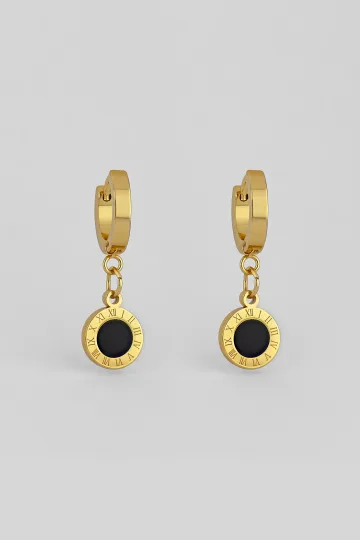
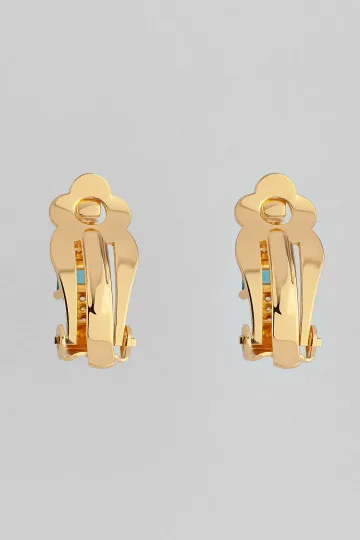
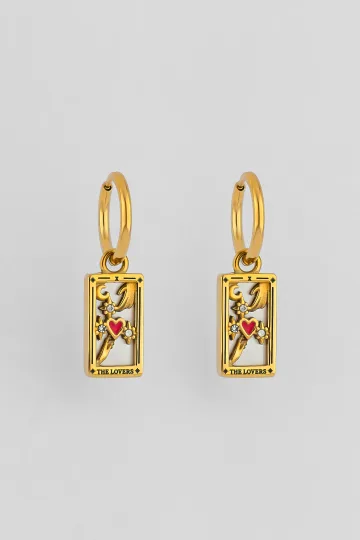
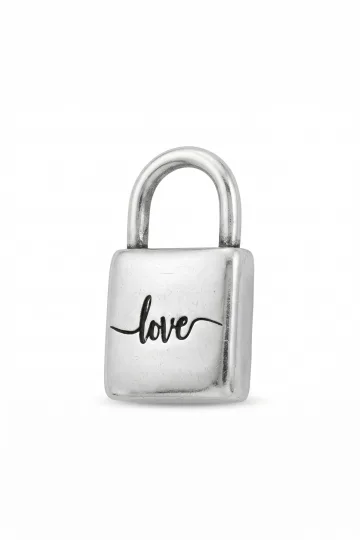
Wear the symbol, don't just read about it. These are in stock:



What Jewellery Works for a Self-Gift
A Ring for Any Finger (Not the Fourth)
The right hand has become the unofficial territory of the self-gift ring. No confusion with engagement or wedding rings. Maximum freedom of choice.
- A plain band on the index or middle finger -- simple, modern, wearable every day
- A single-stone ring -- your birthstone, your favourite gem, in a setting you love
- An engraved inside band -- a date, a word, initials, coordinates
- An open-band ring -- contemporary, unambiguous, elegant
- A cocktail ring -- a statement for occasions that deserve one
The right-hand ring carries no cultural weight beyond your own meaning. It is not waiting for anyone's context. A plain gold band on your right index finger says nothing to the outside world and says everything to you. That asymmetry is the point.
Some women build a stack over years: one ring for each meaningful transition, each promotion, each year survived. Others buy one ring and wear it every day for decades. Either approach works. The ring does not need to announce itself.
Stud Earrings (The All-Weather Choice)
Studs are reliable in a way that almost nothing else is. You wear them and forget about them. They survive rain, office lighting, a muted Monday morning, and a celebration dinner on the same day.
- Akoya pearl studs 6-8mm -- classic across every decade, every age
- Diamond studs 0.3-0.5ct -- a private luxury, visible only when you want them to be
- Sapphire studs (peachy, lavender, or classic blue) -- a quiet flash of colour
- Solid gold ball studs 4-6mm -- minimal, warm, wearable indefinitely
The underrated self-gift earring is the one you wear so consistently that you stop noticing it -- until someone says something and you remember. Pearl studs bought for yourself at 28 that you are still wearing at 55. Diamond studs purchased after closing your first big deal, worn to every meeting since. These are not sentimental objects. They are quietly permanent ones.
Permanent Jewellery
A chain or bracelet welded without a clasp. You wear it for years. It goes under a sleeve at the office and reappears on the weekend. It is, by nature, for you.
- A fine 14K gold choker -- barely there, always present
- A permanent bracelet -- tucked under a cuff, a private marker of something real
- A permanent anklet -- the most personal option; essentially invisible to anyone else
The logic of permanent jewellery is different from every other category. You are not choosing something to take on and off based on your mood or outfit. You are choosing something that will be there whether or not you think about it. That constancy is the value. It means the milestone you marked never fully leaves your body. It becomes part of how you move through the world.
A Pendant with Meaning
Something that refers to something specific:
- Birthstone pendant -- your stone, your month
- Initial pendant -- your letter
- Coordinate pendant -- a place that matters
- Word pendant -- one clear word: "enough", "free", "mine", "yes"
- Date pendant -- a number worth keeping
- A symbol -- connected to an experience that is yours alone
A pendant with a specific referent is a different object from a pendant worn purely for aesthetics. When someone compliments it and you can say exactly what it means, the conversation shifts. It becomes a story. Even if you never explain it to anyone, you carry the meaning consciously. That awareness changes how you wear it.
A Watch as Jewellery
- A slim rectangular dress watch -- the classic American feminine choice, elegant and considered
- A stainless steel mid-size piece with a plain case -- a considered investment
- A vintage tank-style watch -- unique, with its own story
- A quality quartz piece -- for daily wear when you want accuracy over ceremony
A watch sits differently from other jewellery. It has a functional justification that makes the purchase feel less overtly indulgent, which for some women removes the friction. The watch you buy yourself after a promotion is also the watch you check in every meeting thereafter. The object is both practical and symbolic, which doubles its value.
An Engraved Bangle or Bracelet
- A name bangle or a phrase on the inside -- nobody reads it but you
- A solid cuff engraved with a date -- a career milestone, a life turning point
- A charm bracelet -- the beginning of a collection that accumulates over years
The inside engraving is one of the most underused options in self-gift jewellery. A phrase, a date, a set of coordinates on the inner surface of a bangle is visible to you and invisible to everyone else. It functions as a private document. You know it is there. That knowledge is enough.
A ring you bought yourself goes on the right hand. The left one is for people who love being congratulated on an engagement that never happened. Don't be that person.
How to wear a self-bought piece
A piece you bought yourself starts working in your outfits, not in the box. After years of styling I keep coming back to one rule: the most common mistake is saving the piece for a special day and never wearing it. Here is what actually helps you wear it.
How do I wear a self-gift every day? For daily wear I recommend a thin chain, studs or a single ring on the right hand. They sit quietly with your base: a sweater, a white shirt, jeans. I pair a cool wardrobe (grey, blue, white) with silver and white gold, and a warm one (beige, ochre, chocolate) with yellow gold. One focal point per look, everything else in support.
Is a piece like this right for the office? Yes, as long as you keep it restrained. I choose one visible piece and keep the rest minimal: a ring on the right hand, neat studs, a slim watch. Under a blazer and shirt I recommend clean silhouettes without heavy stones, so the piece reads as a quiet detail rather than a loud one.
How do I build an evening look? For evening I suggest letting go a little: a cocktail ring with a large stone, layered thin chains at different lengths, earrings with movement. A dark dress or plain silk gives an even backdrop. For bare shoulders and a low neckline I recommend earrings plus a mid-length pendant.
Can I mix metals and layer? You can, as long as you do it on purpose. Yellow and white gold in one stack of rings look deliberate rather than accidental. I choose chain length for the neckline you actually wear, not for one dress. For layers I recommend spreading pendants across different lengths so they do not tangle.
Which piece suits which occasion? For every day I recommend permanent jewellery, simple studs or a thin chain. For a big night, a cocktail ring or a bold earring. And do not be afraid to wear an expensive piece casually: jewellery worn a hundred times with jeans earns its keep more than a piece waiting in a box for an occasion.

Turn on your camera, pick earrings, a pendant or a ring, and see the piece on yourself in real time.
Switch items in one tap.
Everything runs in your browser: no photo or video is ever uploaded.
Occasions for a Self-Gift (If You Need One)
You do not need a reason. But if you want one, there are plenty. The logic mirrors the regular jewelry gift guide by occasion; the only difference is that the recipient is you.
Career
- A promotion -- new role, new piece, new chapter
- First proper salary -- bought with your own money, the first time
- Closing a major project -- the reward after the finish line
- Leaving a toxic situation -- a declaration that you expect more
- Starting your own business -- a commitment to yourself, made material
- Getting your degree -- the moment your formal credential arrives
- Ten years at something you chose -- a decade of consistent effort deserves recognition
Career milestones have a particular quality as self-gift occasions because they are concrete. A promotion is a date. A project close is a date. These are verifiable facts, and the jewellery becomes their physical record. Thirty years later, you look at the ring and you know exactly when you bought it and why.
Personal Milestones
- A birthday -- especially the round ones: 30, 40, 50, 60
- A personal anniversary -- the day you chose yourself, an inward mirror of the usual wedding anniversary gift tradition
- A health achievement -- recovery, a marathon, a fitness milestone
- Completing therapy -- a genuine breakthrough, marked properly
- A sobriety anniversary -- a date that deserves recognition
- The birth of a child -- your body did something extraordinary; marking it for yourself is reasonable
The birthday self-gift is the most common entry point, and for good reason. A birthday has the cultural weight of recognition built in. Thirty feels different from twenty-nine. Fifty feels different from forty-nine. The self-gift transforms an abstract feeling of transition into something held.
Life Transitions
- After a divorce -- the symbol of the person emerging on the other side
- After a breakup -- a quiet statement that you are complete without anyone else
- Moving to a new city -- the marker of a new chapter
- An empty nest -- the children have left; the space is yours again
- Retirement -- a new life beginning
- Moving to a new country -- a particularly courageous transition
- Buying your first home -- the first space that is entirely yours
Life transitions are harder to date precisely than career milestones, which makes the self-gift more important, not less. The purchase creates the marker. "I bought this the month after I moved to Seattle and started over." The jewellery does what memory alone cannot reliably do: it anchors the moment.
Achievements
- Graduating -- from university, from a professional course, from a long endeavour
- Publishing something -- a book, a paper, anything you made
- Receiving an award -- external recognition; celebrate it with something private
- Buying property -- a significant financial milestone
- Beginning to travel properly -- the start of a life lived on your terms
No Occasion at All
- A quiet Tuesday -- any day can be made into a reason
- A bonus -- money that arrived unexpectedly and deserves to become something lasting
- A tax refund -- converting a windfall into something worthwhile
- An inheritance -- turning money into something permanent and personal
- Because you can -- the permission you give yourself
- A self-Valentine -- if February 14th pulls at you and a partner is not in the picture, the Valentine's Day jewelry gift guide works just as well when the giver and the recipient are the same person
A Short History: When Women Started Buying Jewellery for Themselves
The practice of women buying jewellery for themselves is older than the marketing around it suggests, but for most of human history it was the exception rather than the rule.
In ancient Rome, a married woman formally owned no property. Jewellery belonged to her husband or father. Exceptions existed, but they were remembered precisely because they were exceptions.
The Renaissance saw the first significant shift among a narrow elite. Wealthy noblewomen in 15th and 16th century Italy began assembling personal collections with unusual independence. Caterina de' Medici and Isabella d'Este were known not only as political figures but as passionate collectors who commissioned pieces according to their own specifications and maintained detailed inventories. This was the beginning of a personal relationship with jewellery as a chosen object rather than a received one. The behaviour was the privilege of a very small circle, but the precedent was established.
The Victorian era brought the first legal shift. In England, the Married Women's Property Act of 1882 gave married women the right to own property independently. Before that, everything a woman owned transferred automatically to her husband upon marriage. After it, a married woman could, legally, buy herself a ring with her own money.
The 1920s produced the first mass wave of self-purchased jewellery. Women who had worked during the First World War and remained employed afterward had their own income. They bought. Not for weddings, not while waiting for gifts. Because they wanted to. The long strings of pearls, the layered bracelets, the bold geometric pieces of Art Deco -- these were not the style of gifts from men. They were the style of women dressing themselves.
The women's movement of the 1970s brought economic independence into mainstream discourse. A working woman with her own salary and her own credit card began spending on herself. Buying jewellery for yourself became simultaneously a personal and a cultural act.
By the 2010s, the practice had moved fully into mainstream consumer culture. Brands built business models around women buying for themselves. The language shifted from "treating yourself" as a guilty pleasure to self-care as a recognised practice. By 2026, the market reflects this completely. Jewellers train staff for self-purchase conversations. Packaging design assumes solo buyers. The practice is as mainstream as buying yourself a good coat.
What changed was not just permission. What changed was expectation.
Customer reviews
Zevira is a real jewellery shop. Genuine payments, deliveries and customer thank-yous.
🥰🥰🥰 gracias

Ok, ¡gracias! 🙂

The Psychology of the Self-Gift
Why It Matters
Self-recognition. You do not wait for someone else to validate your worth with a gift. You do it yourself.
Breaking the pattern. It interrupts a long-established habit of waiting -- particularly relevant for women who were raised in households where jewellery was a man's prerogative.
A memory anchor. Every time you look at the piece, you remember. Tactile memory is one of the most reliable kinds. A photograph fades. A piece of jewellery does not.
Permission to want. Buying for yourself teaches you that wanting something for yourself is not selfish. It is ordinary and fine.
The Emotional Difference Between a Gift from Someone and a Gift to Yourself
When someone gives you jewellery, you receive it through the lens of your relationship with that person. The necklace your mother gave you carries her. The bracelet from an ex carries the relationship, whatever it was. The earrings from a friend carry her affection and her guess about your taste.
A self-gift carries none of that. It carries only you: your decision, your timing, your reason. There is no one else's intention to parse. The piece means exactly what you decided it means. That clarity is one reason self-gifts tend to feel different to wear. They are not filtered through anyone else's knowledge of you.
This is not a criticism of gifts from others. Received gifts are often deeply meaningful. The point is that the self-gift occupies a distinct emotional category. It is a different kind of object.
The Difference Between a Self-Gift, a Reward, and an Impulse Buy
A self-gift: deliberate, intentional, connected to something that matters. The object is chosen with care and will be kept for years.
A reward: "I did X, so I will buy Y." Behavioral reinforcement. Perfectly valid. Slightly less resonant than a self-gift.
An impulse buy: no particular connection to anything. Just desired in the moment. Also fine. A different category.
All three are legitimate. But the deliberate self-gift carries the most weight.
On Guilt
Many women feel guilty after buying themselves jewellery. This is particularly common for those who grew up in households where women did not "treat themselves" -- where spending money on oneself felt indulgent, unearned, or somehow greedy.
A practical approach:
Name the guilt. "I feel guilty. Where does that come from?"
Trace it. What does it say about you? Whose discomfort with your wellbeing is this actually about?
Reframe it. Not "an indulgent purchase" but "an investment in myself", "a marker of where I am", "a celebration of the life I have built".
Wear it openly. Do not hide it. When someone compliments it, say: "Thank you -- I bought it for myself." Say it plainly.
Repeat the practice. Guilt diminishes with repetition. The first self-gift is the hardest.
Self-Care or Consumerism: Where Is the Line?
This is a fair question. Not every jewellery purchase "for yourself" is a genuine act of self-care. If a purchase is driven by anxiety, loneliness, or the desire to fill a void, it is emotional shopping. That is not condemnable, but it is worth seeing clearly.
A genuine self-gift comes from a positive intention: "I want to recognise this moment." Not "I feel terrible and want to dull it."
The pattern of emotional shopping -- regularly buying in moments of stress and then feeling shame or regret afterward -- is a separate subject. The fact that it is now discussed openly is a good development.
Upload a photo of your pet, someone you love, or an object. We'll build a 3D model and hand-cast it in pewter.




The First Serious Self-Bought Piece
There is a specific weight to the first piece of jewellery you buy yourself with genuine deliberateness. Not the inexpensive impulse buy, but the first time you save deliberately, choose carefully, and spend in a way that feels like a real decision.
For many women, this piece arrives in their late twenties or early thirties. The occasion varies: a promotion, a move, the end of a relationship, a birthday with a round number. The piece itself varies too. But the experience of buying it tends to be consistent: a mix of excitement, a residual flicker of the old "should I be spending this on myself?" feeling, and then a specific satisfaction when it arrives that is different from anything received as a gift.
Some practical observations about the first serious self-purchase:
Take longer than you think you need. The first serious piece is worth the research time. Visit a few jewellers. Try things on. Look at styles you would not normally consider, then rule them out properly rather than by assumption. The piece you choose after real consideration is the one you will still love in a decade.
Do not chase trends. Jewellery bought as a self-gift lives with you for years. A trend piece bought in 2022 may feel dated by 2027. A classic piece bought in 2022 will still feel right in 2032. The self-gift is not the occasion for chasing the current moment in jewellery aesthetics.
Buy the real version. If you have been saving for a specific type of piece, buy the actual material rather than a close substitute. The substitute will satisfy the immediate desire and then start to feel like a compromise. The real version -- the solid gold, the actual stone -- will still feel like the right choice in five years.
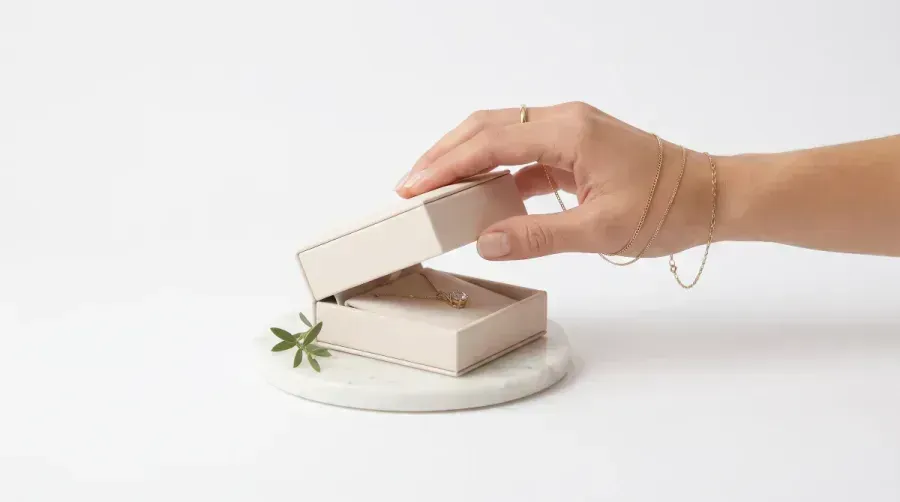
The packaging matters less than you think, and the piece matters more. Some jewellers create elaborate unboxing experiences. Others use simple boxes. Neither tells you anything about the quality of what is inside. Focus on the piece.
How to Choose
Step 1: Know Your Reason
A specific milestone calls for something significant and durable. A spontaneous pleasure calls for something you simply love. A long-standing desire calls for the thing you have been looking at for months -- you probably already know exactly what it is.
Knowing your reason is not just philosophical preparation. It shapes the practical choice. A piece bought to mark a decade of sobriety is different from a piece bought because you love the way it looks. Both are valid. Both point toward different objects.
Step 2: Know Your Style
A self-gift is not the occasion to experiment wildly outside your usual aesthetic. If you dress with quiet restraint, a loud cocktail ring will not serve you. If you lean towards the eclectic, a minimal band may feel anonymous.
The piece should work with what you already own and wear. You will have it for years. The self-gift that sits in a drawer because it never quite fit your actual life is a missed opportunity. The one you reach for instinctively, three years after you bought it, succeeded.
Step 3: Decide How Often You Will Wear It
Every day (permanent jewellery, simple studs, a fine chain): for a constant reminder, always present.
For particular occasions (a cocktail ring, a statement piece): for moments that require it.
As a long-term investment (a quality bracelet, a significant watch): for lasting value alongside daily use.
There is no hierarchy here. A piece worn once a year on your birthday is as valid a self-gift as a permanent bracelet you never remove. The frequency of wearing is a matter of your life and your preferences, not a measure of the gift's seriousness.
Step 4: Set a Budget
A self-gift should not create financial stress. The budget should:
- Feel meaningful but not punishing
- Not involve debt
- Leave you feeling pleased rather than anxious
A useful approach: save deliberately towards a specific piece. The anticipation is itself part of the pleasure. A savings account dedicated to a specific future purchase changes the nature of the eventual buy. You arrive with intention rather than impulse.
Step 5: Choose the Moment
Not immediately after a distressing event -- shopping from pain rarely produces the right result.
In a considered window -- the week of your birthday, the week after the achievement, the week of the transition.
With some ceremony. Opening the box properly, standing at a mirror, wearing something you like.
The moment of purchase matters. Not because the jewellery cares, but because you will remember it. The story of how you bought it becomes part of the story of the piece.
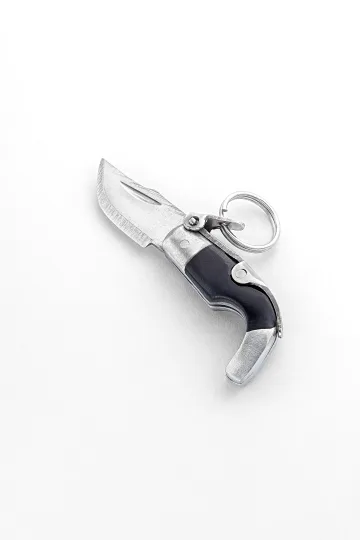
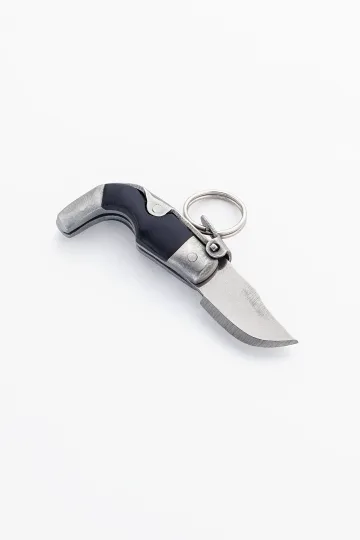
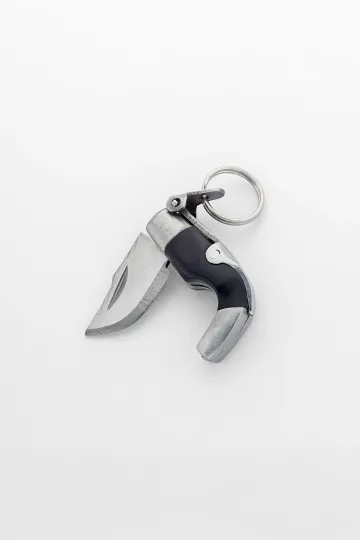
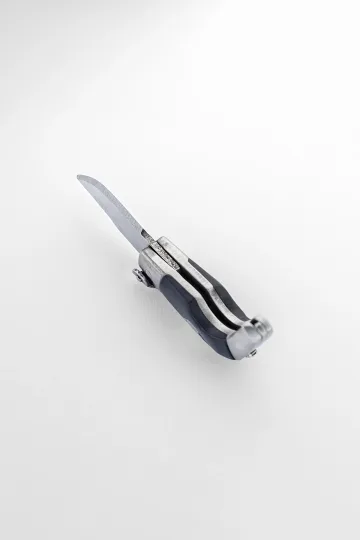
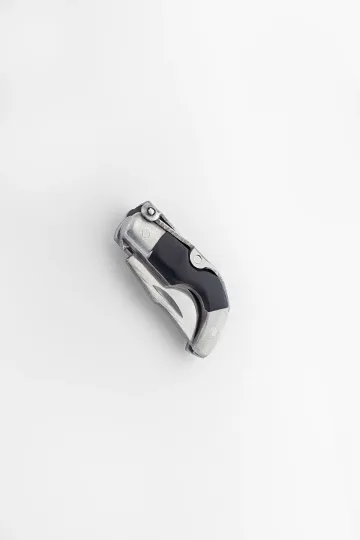
CAPAORA mini knife pendant
The 18th-century Spanish navaja in miniature: 40 mm of stainless steel, a real folding mechanism and a Palanquilla lock that clicks. An affordable gift to remember.
Authentic · Ships from Spain · 14-day returns
Self-Gifts Across Life Stages
18 to 25
The beginning of independence:
- A fine gold chain (the start of a serious collection)
- Akoya pearl studs (a timeless wardrobe foundation)
- A plain ring
- First real watch
Budget: mid-range.
This is the stage when the first self-gift most often happens. Often it is modest: a piece of real silver or gold, something purchased with your first paycheck or your first bonus. The modesty of the piece is not the point. The deliberateness of it is. "I bought this for myself, with my own money, at the start of my adult life." That sentence carries weight regardless of what the piece cost.
25 to 35
Career and identity:
- A ring to mark a promotion (with a stone or engraving that means something)
- A strong piece for a confident professional self
- A birthstone pendant
- An investment-grade watch
- Permanent jewellery (a growing choice for this age)
Budget: mid to premium.
This is the decade when self-gifting typically becomes more intentional. The pieces get more considered. The reasons get more specific. A woman who bought herself a chain at 22 for her first job might buy herself a proper ring at 28 after her first promotion. The practice builds on itself.
35 to 50
Established life, clarity of self:
- An eternity ring (for yourself, no one's permission required)
- A cocktail ring with a centre stone (sapphire, emerald, ruby)
- A tennis bracelet
- A pearl rope
- A quality vintage piece
Budget: premium to luxury.
By this stage, most women who practice self-gifting have a collection. The pieces layer meaning. The chain from 22, the ring from 28, the bracelet from 40. Each one marks where she was. The collection is not ostentatious accumulation. It is a physical autobiography.
50 and Beyond
Wisdom and celebration:
- A piece intended to eventually become a family heirloom (bought now, for yourself, with that future in mind)
- A significant watch as a genuine investment
- Pearl and diamond combinations
- Something made to commission
Budget: luxury to investment.
This is the stage at which the self-gift intersects with legacy. Buying a piece that you intend to eventually pass on to a daughter or niece is still a self-gift: you buy it for yourself, you wear it, and one day it carries your story to the next generation. The act of buying it is for you. The future of it is a gift in a different direction.
Every Age
Universal across all of the above:
- A birthstone piece
- An engraved mantra or word
- Coordinates of a place with meaning
- A date piece
- A colour that brings you genuine joy
Leave your email, we'll send your discount code. No spam, unsubscribe anytime.
The code arrives by email, valid on your first order.
Making the Self-Gift a Ritual
This is not simply a purchase. It is a marker of a moment.
The Buying Ritual
Set aside time for it. Do not squeeze it between meetings.
Dress for it. Wear something you feel good in. This is a specific occasion.
Arrive with intention. In a shop, take your time. Online, open the box as a deliberate act rather than tearing it open between tasks.
The first wearing is a small ceremony. In front of a mirror, with awareness of what is happening.
This is not performative. It is attentiveness. The purchase earns the attention. Treating it as an ordinary transaction is a small kind of waste.
The Wearing Ritual
State the intention. The first time you put it on, say to yourself: "This is because..." Connect the object to its reason.
Record it. A photograph on the first day. A note in a journal. Something that fixes the moment.
Care for it properly. The specific upkeep of a piece elevates it from a purchase to something tended.
Return to it in difficult moments. When things are hard, put on the self-gift deliberately. "I survived what warranted this. I will survive this too."
Caring for and Rediscovering Your Pieces
A self-gift collection rewards periodic revisiting. Once a year, or once every few years, take out all the pieces and look at them properly. Not to assess their value, but to remember. Each one is a document. The chain you bought at 24 is a photograph of who you were then, more accurate in some ways than any picture.
Proper care is part of the relationship with a piece. Learning what a specific metal or stone requires, doing it consistently, noticing when something needs professional attention. This kind of attention is not fussy. It is the difference between ownership and stewardship.
The Inheritance Ritual (Optional)
Years from now: pass it to a daughter, a niece, a friend, with the story. "I bought this for myself when I did X. Now it is your turn."
Budget Ranges
Entry Level
- A silver ring with engraving
- A fine sterling silver chain
- A natural stone bracelet (turquoise, labradorite)
- A pendant that marks an achievement
Entry-level does not mean throwaway. A sterling silver ring with a date engraved inside is a meaningful object at any price point. The self-gift practice is available at every budget. The significance comes from the intention, not the material.
Mid-Range
- A 14K gold-fill chain of real quality
- Akoya pearl studs
- A silver and gold mixed piece
- A fine solid silver or 9K gold ring
Premium
- A solid 14K gold chain or ring
- Diamond studs 0.3-0.5ct
- A sapphire or emerald solitaire ring
- A serious watch
Luxury
- An 18K gold or platinum ring with a centre stone
- A significant bracelet
- A dress watch of genuine heritage
- A certified coloured stone
Investment
- A rare stone (padparadscha sapphire, Burmese ruby with certificate)
- Vintage fine jewellery from established historic houses
- An investment-grade diamond
- Auction-quality pieces
Financing a Self-Gift
Not on Credit
A self-gift bought with debt is not a self-gift. It is a liability. The emotional weight cancels the pleasure.
A Dedicated Savings Account
Open a separate account and transfer a small fixed amount each month. Over six to twelve months, it becomes enough for a serious purchase. Name the account something specific: "sapphire ring" or "40th birthday piece." The named account makes the accumulation feel purposeful rather than abstract.
Substitutions
Replace a regular expense with a savings contribution:
- Two daily coffees to go per month add up to a real sum over three months
- One restaurant meal per month cooked at home instead
- Redirecting impulse online shopping to the savings account
Windfalls
Tax refunds, bonuses, unexpected money: convert them into something lasting rather than letting them dissolve into daily spending. A windfall turned into a deliberate purchase is a windfall well used.
Selling What You No Longer Use
Clear the wardrobe, free the funds, buy something that actually matters.
Building a Personal Collection Over Time
The most meaningful jewellery collections are not assembled in one purchase. They accrue. Each piece has a date, a reason, a context.
The first piece in a collection is often modest. A chain, a pair of simple studs, a slim ring. It represents the decision to begin: to claim the practice of self-gifting as part of one's life. It does not need to be significant in material terms. Its significance is its position as the first.
The second piece arrives at a different moment. By then you know something about what you wear, what you reach for, what serves your life. The second piece is more considered.
By the fifth or sixth piece, the collection has coherence. Not because everything matches, but because everything connects to you. The pieces span years and moods and circumstances. Laid out together, they make visible a life.
The practical side: keep a record. Not necessarily a formal inventory, though that is useful. A photograph of each piece with a note about when and why. In twenty years, this is a remarkable document.
Engraving: Making a Piece Yours
An engraving converts a piece of jewellery from a beautiful object into a personal document. It adds nothing visible from the outside. It changes everything about what the piece means to you.
Options that work:
- A date. The most common and one of the most effective. The date of the achievement, the transition, the decision. Numerals on the inside of a band or the reverse of a pendant.
- A word. One clear word: "enough", "mine", "yes", "forward". Single-word engravings have a precision that longer phrases sometimes lose.
- Coordinates. The latitude and longitude of a specific place. The city where you started over, the address of your first home, the location of a moment that changed something.
- A phrase in Latin or another language. "Per aspera ad astra." "Carpe diem." A line in a language other than your own creates distance that sometimes helps a sentiment land more cleanly.
- Initials. Your own, in a font you chose, in a position only you see.
Inside-band engravings are the most private option. They exist for you alone. No one reads them unless you choose to show them. The knowledge that they are there -- that specific text is touching your skin every time you wear the piece -- gives the object a quality that no visible engraving can quite replicate.
The practical note: get an exact quote on font and size before committing. Engraving characters have a minimum size to remain legible. A long phrase may not fit inside a narrow band. Plan with the jeweller. And once it is engraved, it is permanent -- which is, of course, the point.
Send a friend a discount code, they save on their first order.
What Not to Buy Yourself
Something You Do Not Actually Like
Do not buy because a piece "should" be in your collection. The classic pearl set is beautiful. But if you do not wear pearls, it will sit in a box. A self-gift is what you want, not what you think you ought to have.
Something to Impress Others
If you are already imagining other people's reactions, this is not a self-gift. It is a performance. A self-gift is for you alone.
Something Bought from Pain
Buying to escape sadness, loneliness, or anger is shopping as a coping mechanism, not a self-gift. Wait. Process the emotion. Then consider the reward.
Something That Does Not Fit Your Life
A large engagement-style ring if you never wear statement stones. Permanent jewellery if your work requires you to remove it regularly. A piece that demands a lifestyle you do not have.
Questions and Answers
When is the best time to buy jewellery for yourself?
When it feels earned. That is subjective, but it usually aligns with a significant transition, an achievement, or a moment when you have both the money and the mental space to do it properly.
Can you buy yourself an engagement-style ring?
Absolutely. The solo engagement ring is a recognised practice: a commitment to yourself, made first. It can go on the fourth finger or on any other finger depending on your preference and comfort.
How do you explain it to a partner?
"I bought myself this because..." followed by the actual reason. A healthy partner will be pleased. If the response is controlling or dismissive, the issue is not the jewellery.
Gift or investment: which is better?
Depends on what you value. Sentimental weight is more important? Buy the meaningful piece. Long-term value matters more? Buy the investment-grade option. These can overlap: a quality bracelet engraved with the date of something real is both.
What if I rarely wear jewellery?
A self-gift does not need to be worn daily. Occasional pieces serve their purpose too. Wear it on days when you need the anchor.
Is a birthday self-gift too obvious?
No. It is a classic for good reason. A birthday plus a deliberate purchase for yourself gives the object double weight.
Should I document the purchase?
Yes. A photograph on the first day. A note somewhere -- phone, journal, drawer. In a decade, it will be a genuine record of that point in your life.
What if I regret it?
Return it if you can. If not, wear it when it feels right. Not every purchase lands perfectly. Use what you learn for next time.
How many self-gifts per year is reasonable?
The number is less important than the intention. One deliberate, meaningful piece per year outperforms five impulsive ones. Each should connect to something specific.
What about men and self-gifting jewellery?
The same logic applies. Men who buy themselves a signet ring, a chain, or a bracelet to mark a transition are doing the same thing. The practice has no gender requirement. It has been gendered historically, and that is changing rapidly. Men in their thirties and forties are buying signet rings for promotions, chains for significant birthdays, and quality watches to mark business milestones with exactly the same intentionality described in this guide.
Can you update or replace a self-gift later?
Yes. Five years on, the piece may no longer reflect who you are. Sell it, pass it on, or keep it as an archive. Then buy something new that fits the current version of you. The collection evolves as you do.
How do you know if a piece is right before buying it?
Wear it for longer than feels necessary. In a shop, keep it on while you look at other things. Live with it for fifteen or twenty minutes before deciding. The right piece is the one that you feel neutral about taking off. If removing it after five minutes feels like a minor loss, that is the piece.
Conclusion
A self-gift is not indulgence. It is self-recognition in a durable form. You do not wait for someone to validate your worth. You mark it yourself, on your own terms, in your own time.
In 2026, the market has caught up with the practice. Jewellers understand it, retailers stock for it, and the language has shifted. But behind the marketing, there is a genuine cultural change: women have claimed the right to celebrate themselves, with no mediation required.
If this is your first self-gift, do it. If the practice is already part of your life, make each instance more deliberate. The piece you buy for yourself, for a real reason, with clear intention -- that piece carries something that a gift from anyone else simply cannot.
Silver, gold, rings, symbols, paired sets. Pieces made to be worn for years.
Buying it as a gift? Each one arrives ready to give.
 A branded Zevira box and a little card come with every order.










About Zevira
Zevira is a Spanish jewellery brand based in Albacete. Self-gift jewellery is one of the categories in the catalogue. Current availability and details are in the catalogue.