Jewellery Tarnished? Why It Happens and How to Fix It at Home
Do not panic. It is chemistry, not a catastrophe
You pulled a pendant out of a box and it is dark. Or a chain that gleamed a month ago is now matte. Or a ring is coated in something that was not there before. First thought: it is broken, ruined, you were cheated.
Second thought, the correct one: the metal reacted with its environment. That is normal. It is reversible. And it happens to every metal, including real gold and silver. The only question is how fast, and what to do about it.
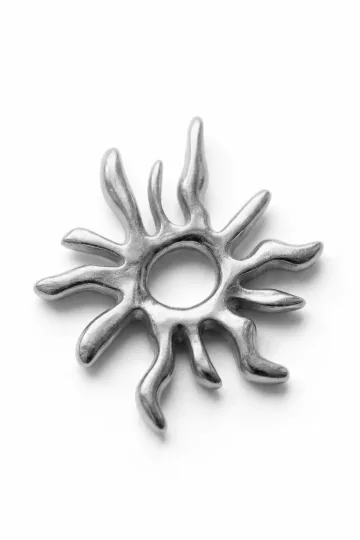
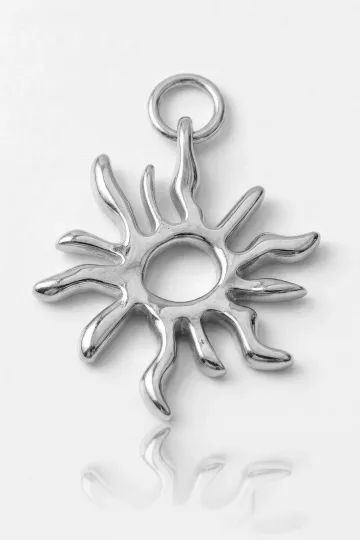
Wear the symbol, don't just read about it. These are in stock:




Why Jewellery Tarnishes: By Material
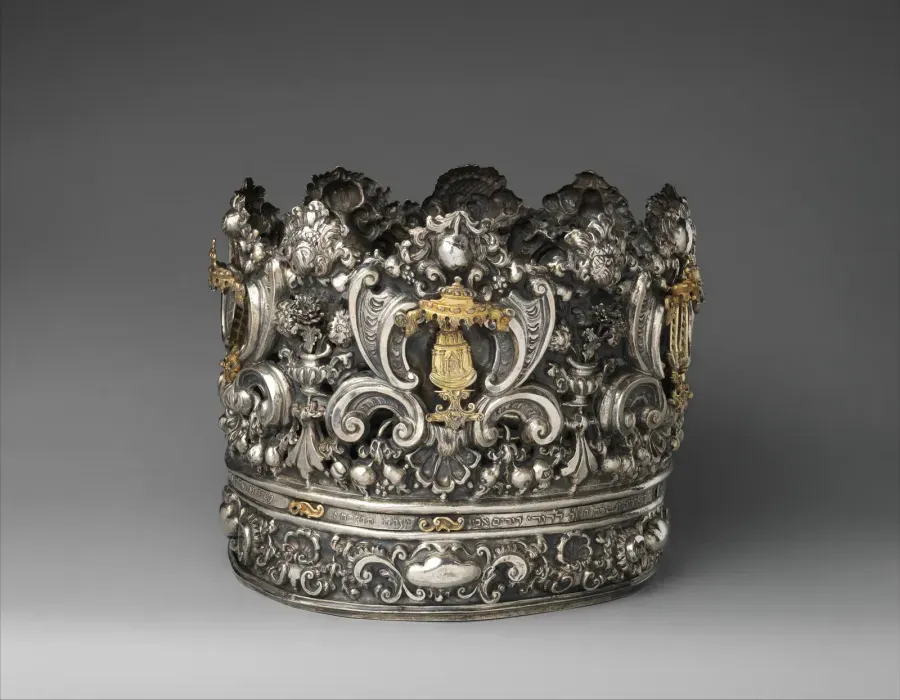
Sterling silver 925: blackening (tarnish)
Silver reacts with sulphur. Sulphur is everywhere: in the air (exhaust fumes, industrial emissions, volcanic regions), in food (eggs, onions, garlic), in water (tap water, especially hot), in cosmetics (creams, perfume), and even in your sweat (sulphur-containing amino acids).
The product: silver sulphide (Ag2S). Colour: from yellow (early stage) through brown to black (advanced). It is not rust, not decay, not destruction. It is a film a few microns thick on the surface. Underneath: untouched silver.
Speed. Depends on the environment. In a dry, cool room, silver tarnishes in 2 to 3 months. In a humid, hot climate, 2 to 3 weeks. In a bathroom (humidity plus sulphur from hot water), even faster. Near the coast (salt air), faster still.
Accelerators. Perfume (alcohol plus chemicals), hand cream, chlorine (swimming pool), hot springs (sulphur), rubber gloves (sulphur in rubber), air near a gas stove (combustion products), wool (lanolin), and even some foods on your hands (cutting onions and then touching a silver ring).
Brass: darkening and greening
Brass (copper plus zinc) reacts with oxygen and moisture. Two distinct processes:
Darkening. Copper oxide (CuO). Brown to dark brown colour. This is "classic" patina: the same thing that covers antique door handles, ship's wheels, and navigational instruments. Does not destroy the metal. Sits as a thin layer that can be removed or kept.
Greening. Copper carbonate (Cu2(OH)2CO3). Green. The same process as on the Statue of Liberty and copper roofs across Europe. Appears with prolonged contact with moisture plus carbon dioxide. More on green marks on skin.
Coating (PVD or galvanic) on brass protects from both processes while it is intact. When the coating wears off (through friction, water exposure, or chemical contact), brass begins to react.
Stainless steel 316L: does not tarnish
Does not dull, does not blacken, does not turn green. The chromium in its composition forms a self-repairing oxide film that protects the metal indefinitely. If your stainless steel piece has darkened, it is not metal tarnish. It is contamination (soap, oil, dust, dried lotion). Wipe it with a cloth and it looks new.
This is why stainless steel is the ideal first jewellery material: zero maintenance, zero tarnish, zero worry.
Gold plating: wearing off
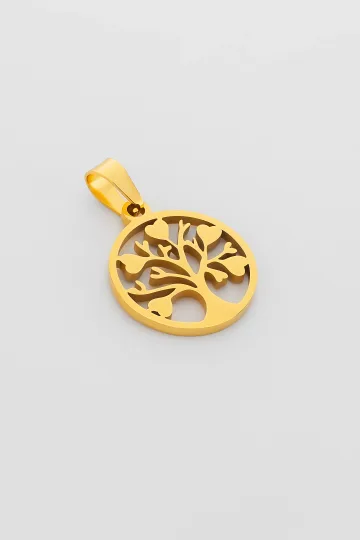
Gold plating is a thin layer of gold (0.5 to 3 microns) on a base metal. Gold itself does not tarnish. But the layer wears away from friction, water, and chemicals. When it wears off, the base (usually brass or copper) is exposed and begins to darken or turn green.
This is not "tarnishing" in the classic sense. It is coating wear. The solution is replating (applying a new layer). No home remedy can restore worn gold plating, only professional replating.
Let it go dark. A mirror-bright pendant screams bought yesterday; patina whispers well lived. Don't you dare buff it to a shine.
Which metal to choose for your lifestyle
After years on shoots and with clients, I learned that choosing a metal is less about price and more about your rhythm. Here are the questions I ask first when I match a piece to a person.
Which metal if you do not want to fuss over care? For anyone who puts a piece on in the morning and forgets about it till night, I recommend stainless steel 316L. It does not darken, does not leave green marks, and survives the shower, the gym and the pool. Pair it with clean, simple shapes: steel loves crisp geometry, not fine relief.
And if you love shine and do not mind polishing? Then silver 925 is your metal. It gives that cool mirror gleam that suits tailored looks and an open neckline. Yes, silver tarnishes, but five minutes of foil and soda brings it back. I suggest silver to people who wear jewellery for going out and treat care as a ritual rather than a chore.
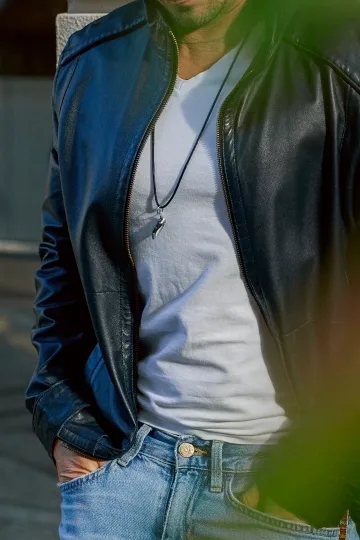
Who suits brass with a patina? I recommend brass to anyone who loves things with character: leather jackets, vintage, worn denim. Patina on brass reads as history, not grime. Under a dark patina, I choose relief symbols and navajas, where the darkened grooves sharpen the design. Do not buff it to a mirror; you will wipe away the whole point.
Which metal for a warm or cool skin undertone? A warm undertone (golden skin, greenish veins) suits gold and brass, which light the skin from within. A cool undertone (pinkish skin, blue veins) calls for silver and steel, which give a clean contrast. If you are unsure, hold a silver and a gold piece to your wrist in daylight: the one that makes your skin look more even is your metal.
What to give as a gift so no one struggles with upkeep? For a gift I almost always recommend steel or gold: you can put them on and forget them. Give silver only to someone who enjoys caring for their things. And polish the piece to a shine before you hand it over; let the recipient decide whether to let it patina or keep it bright.

Turn on your camera, pick earrings, a pendant or a ring, and see the piece on yourself in real time.
Switch items in one tap.
Everything runs in your browser: no photo or video is ever uploaded.
How to Restore the Shine: Home Methods
Silver: six methods from gentle to aggressive
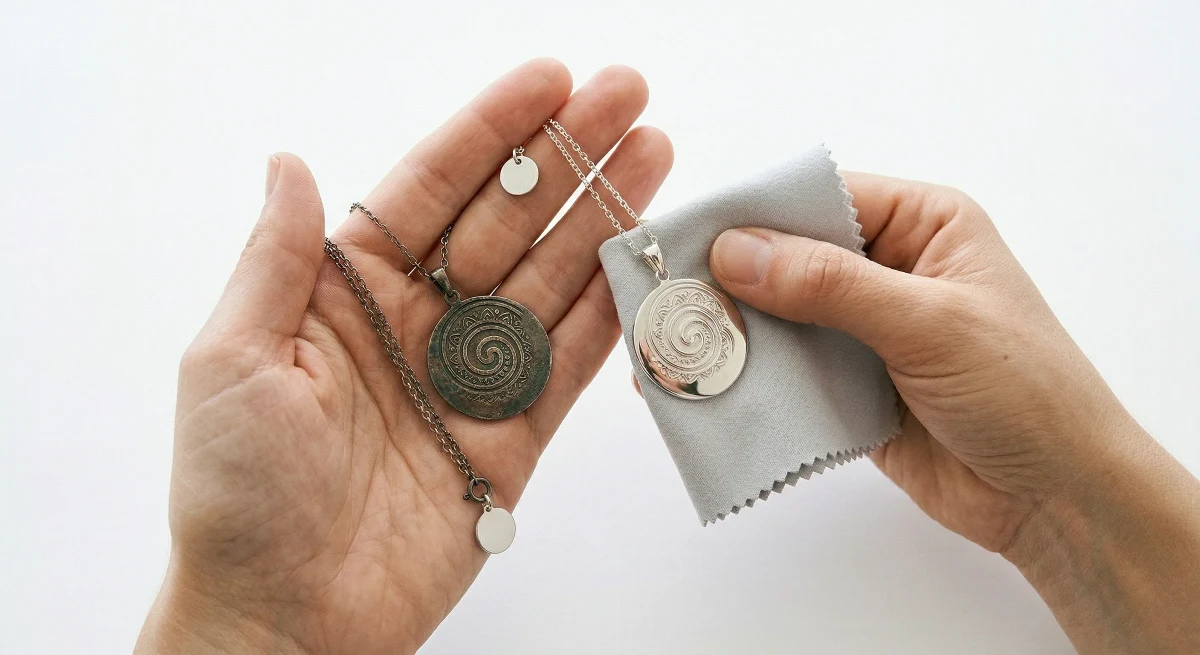
Method 1: Polishing cloth (gentlest). A silver polishing cloth, impregnated with a cleaning compound. Available from jewellery shops, pharmacies, and online. Wipe and the shine returns. Best for light tarnish and daily maintenance. Keep one in your jewellery box and give the piece a quick wipe after every wearing. Prevention is easier than cure.
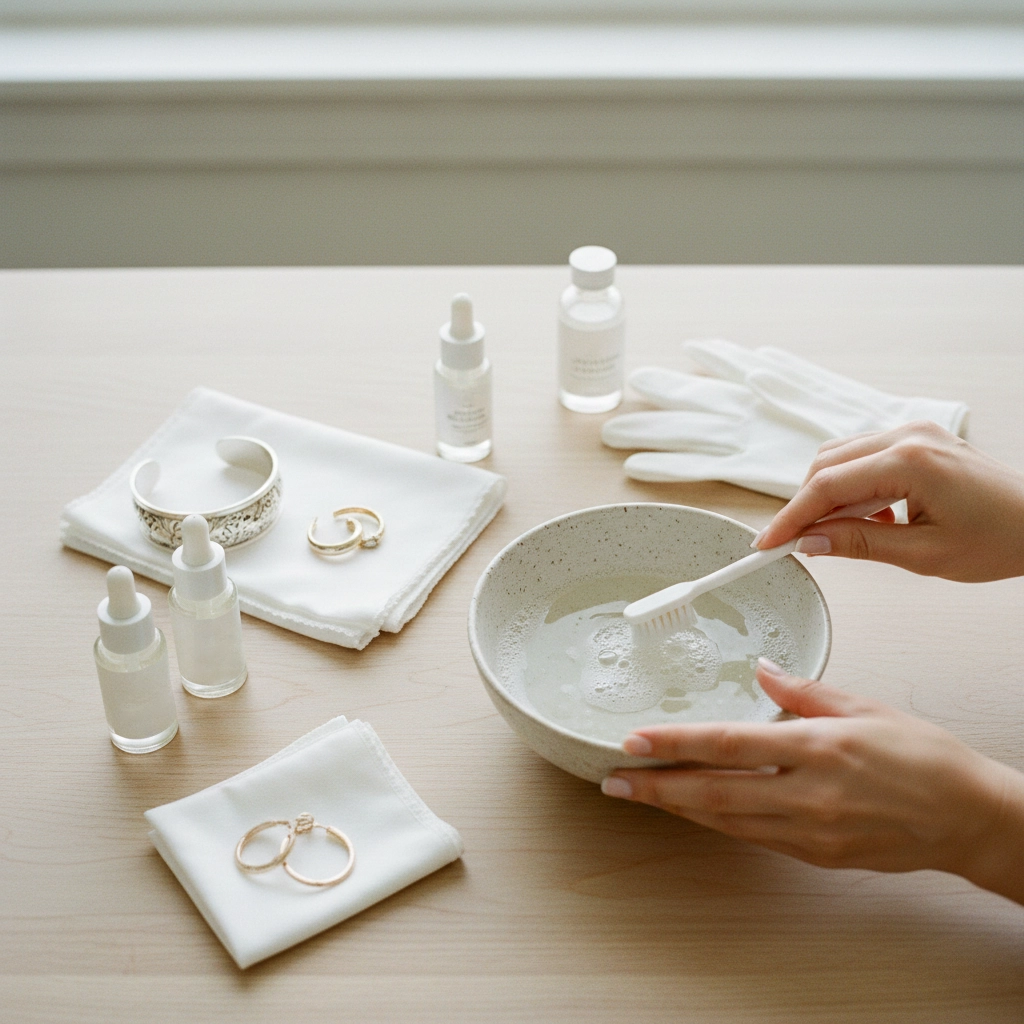
Method 2: Foil plus baking soda (electrochemistry). The most effective for moderate to heavy tarnish. Line a bowl with kitchen aluminium foil, shiny side up. Place the silver on the foil (it must touch the foil). Sprinkle with baking soda (1 tablespoon). Pour in boiling water. Wait 3 to 5 minutes. Remove, rinse with cold water, wipe dry.
What happens: the aluminium in the foil "pulls" the sulphur from the silver through an electrochemical reaction (aluminium has a higher affinity for sulphur than silver does). Silver sulphide converts back to pure silver. Nothing is scraped, nothing is scratched, nothing is removed. Chemistry, not mechanics. The silver you started with is the silver you end with.
Method 3: Toothpaste (mild abrasive). Use a mild, white toothpaste (not whitening, not gel, not charcoal). Apply to a soft cloth, rub gently, rinse. Works as a very mild abrasive. For light tarnish. For heavy tarnish, use method 2.
Method 4: Baking soda paste. Mix baking soda with a few drops of water to form a paste. Apply with a soft cloth, rub gently, rinse. Slightly more abrasive than toothpaste. Good for moderate tarnish.
Method 5: Ammonia solution. 1 part household ammonia to 10 parts water. Soak for 5 to 10 minutes. Rinse. Wipe. Works quickly and effectively, but smells strongly. Use in a well-ventilated area.
Method 6: Commercial silver cleaner. Products like Goddard's, Hagerty, or Wright's Silver Cream. Effective and formulated specifically for the job. Follow the instructions on the product. Usually involves applying, waiting, rinsing. More expensive than home methods but less effort.
What NOT to do with silver. Harsh abrasives (sandpaper, stiff brushes, steel wool): they scratch the surface and create micro-grooves that actually accelerate future tarnishing. Bleach or chlorine: corrodes and pits the metal. Vinegar for extended periods (more than 15 minutes): can damage. Lemon juice on its own (too acidic without a buffering agent).
Brass: five methods
Method 1: Lemon plus baking soda. Squeeze a lemon, add baking soda to make a paste. Apply, scrub with a soft brush (a toothbrush works). Rinse. Instant shine. The citric acid dissolves the oxide, and the baking soda provides gentle abrasion.
Method 2: Ketchup. Not a joke. The acid (acetic plus citric) in ketchup dissolves copper oxide and carbonate. Spread on, wait 5 minutes, rinse. Wipe. This is a well-known method among antique dealers and museum conservators (though they use more refined versions of the same chemistry).
Method 3: Vinegar plus salt. Soak in a solution (1 tablespoon salt plus half a cup of vinegar plus a cup of water). 10 to 15 minutes. Rinse. Wipe. Very effective on heavy patina.
Method 4: Worcestershire sauce. Similar chemistry to ketchup (vinegar-based acid). Apply, wait 5 minutes, rinse. Works well on green patina specifically.
Method 5: WD-40. Apply, wipe with a soft cloth. Removes the oxide layer and leaves a thin protective film. Works, but the jewellery will smell slightly of oil. Best used as a temporary measure.
Option: embrace the patina. A capaora with patina looks like a working knife with history. A tree of life with a darkened background gains depth. Not every darkening is a problem. Sometimes it is aesthetics. More on this below.
Stainless steel: simple
Does not tarnish, but gets dirty. Fingerprints, soap film, grease, dried lotion.
Method. Warm water plus a drop of washing-up liquid plus a soft cloth. Wipe. Rinse. Dry. Done. Five seconds. This is the entire care routine for stainless steel. Forever.
For stubborn marks (dried cream, construction dust, adhesive residue): isopropyl alcohol on a cotton pad. Wipe: clean.
Gold plating: handle with care
Dulled: wipe with a soft dry cloth. That may be enough. Worn off: replating only (new layer applied by a jeweller). Home methods for brass and silver are NOT suitable for gold plating. They will strip the remaining gold layer along with the dirt.
If the gold plating is intact but dull, a gentle wipe with a damp cloth and thorough drying is the maximum intervention. Do not scrub, do not soak, do not apply chemicals.
Prevention: A Deep Dive
Preventing tarnish is easier than removing it. Every tarnish-removal method, no matter how gentle, removes a microscopic layer of metal. Over decades of heavy polishing, this adds up. Prevention preserves the piece for longer.
The "last on, first off" rule
The single most important habit. Jewellery goes on AFTER perfume, cream, hairspray, makeup, sunscreen, and deodorant. Comes off FIRST: before washing, before showering, before bed. This way, cosmetic chemicals never reach the metal.
Why this matters: perfume contains alcohol and aldehydes. Hairspray contains lacquer and solvents. Sunscreen contains zinc oxide and chemical UV filters. All of these accelerate tarnishing on contact. A silver chain that survives months in a dry box can tarnish in days if sprayed with perfume.
Storage: the complete guide
Dry location. Not in the bathroom (humidity accelerates oxidation). Not on a windowsill (sun plus heat). Not in a gym bag (sweat, moisture, chemicals). In the bedroom, in a box, in a drawer. If you live in a humid climate, consider silica gel packets in your jewellery storage.
Separate. Each piece on its own. Silver next to brass will oxidise faster (galvanic couple effect: when two different metals touch in the presence of moisture, the more reactive one corrodes faster). Chains tangle. Pendants scratch each other.
Zip-lock bags. The cheapest and most effective way to store silver. Small zip-lock bag, squeeze out the air, seal. Without contact with air, silver does not tarnish. At all. This is how museums store silver artefacts that are not on display. Add a piece of chalk or silica gel (absorbs moisture) for extra protection.
Anti-tarnish strips. Available from jewellery shops. Small paper strips impregnated with a compound that absorbs sulphur from the air. Place in the box and silver tarnishes up to 10 times slower. Replace every 6 to 12 months.
Anti-tarnish cloth bags. Fabric pouches treated with an anti-tarnish compound. Store each piece in its own pouch. More elegant than zip-lock bags, equally effective.
Chalk. A piece of white chalk in the jewellery box absorbs moisture and sulphur compounds. Old-fashioned but effective. Replace the chalk every few months.
Daily habits that make a difference
Wipe after each wearing. Soft cloth (microfibre from glasses is ideal). 10 seconds. Removes sweat, oils, and cosmetic residue that trigger the tarnishing reaction. This single habit extends the life of any finish by months.
Remove before water. Showers, pools, the gym, cooking, cleaning with chemicals, washing up. Every contact with water and chemicals is a blow to the coating and the metal. Make removal a habit, not a decision.
Rotate your pieces. If you have multiple pendants, rotate them. A piece that is worn continuously tarnishes faster than one that spends half its time in storage. Rotation also reduces coating wear on brass pieces.
Do not fiddle. Fingerprints contain acid and oil. If you constantly fidget with a pendant (a habit many have), the metal tarnishes faster where you touch it. Mindless fiddling plus acidic fingers equals localised tarnish in weeks. For constant-contact people, choose stainless steel. It does not care how much you touch it.
When to Visit a Jeweller
Home methods cover 90% of tarnishing situations. But some problems need professional help.
Silver heavily blackened and home methods did not fully work. A jeweller will polish professionally using ultrasonic cleaning plus polishing compounds. The result is better than new because they can also smooth out micro-scratches accumulated over years of wear.
Coating worn off. Replating: applying a new PVD or galvanic layer. Not expensive, takes 1 to 2 days. The piece comes back looking factory-fresh.
Stone dulled or clouded. Stones (except diamonds) can cloud from chemical exposure, heat, or impact. A jeweller cleans them with appropriate solutions without risking damage. Do not attempt to clean stones with brass or silver cleaning methods: the chemicals that clean metal can damage stone.
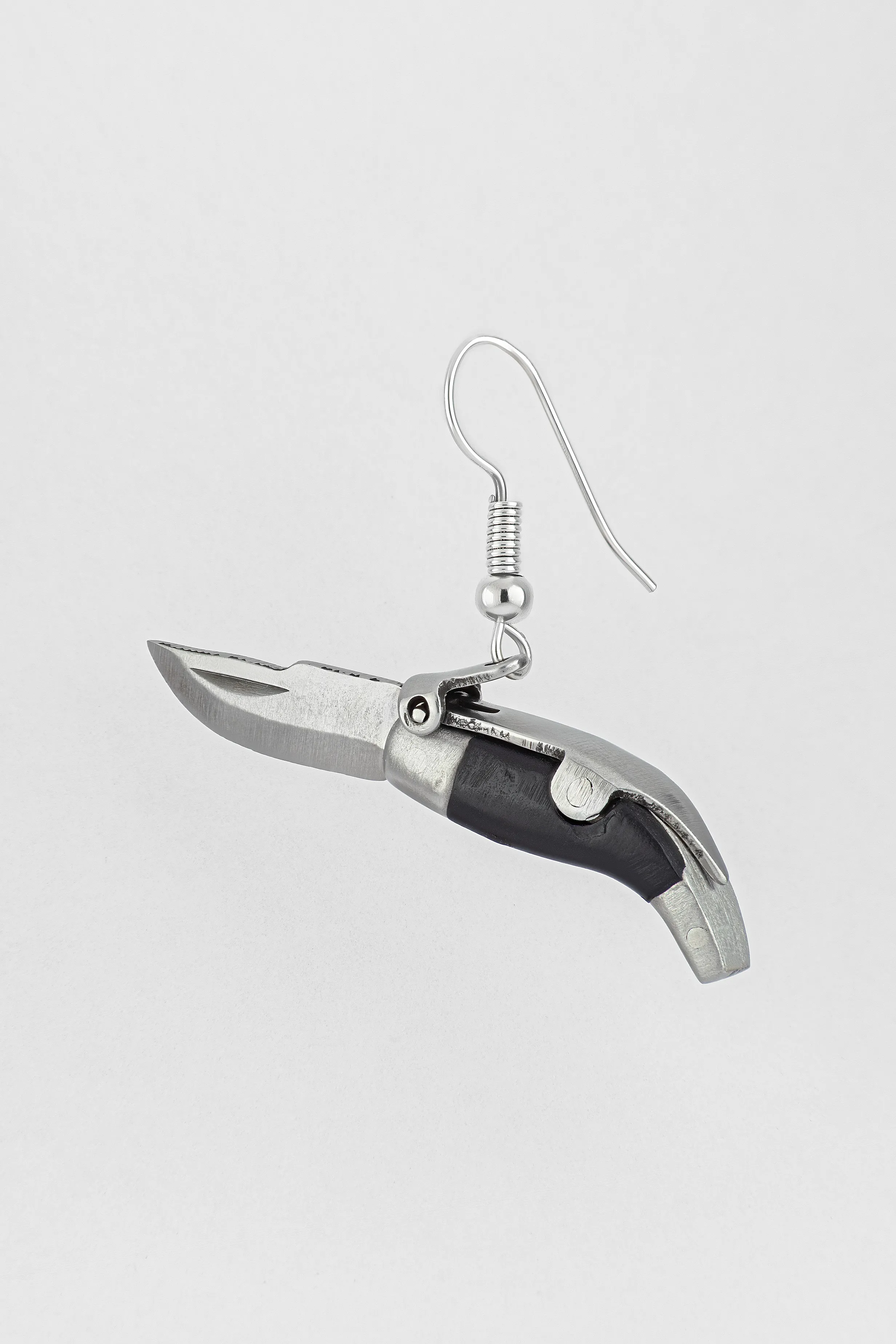
Mechanism jammed. A navaja earring that stopped folding: sand got in, the hinge oxidised, or debris is blocking the mechanism. A jeweller will clean and lubricate it. Do not force a jammed mechanism, as you risk breaking the hinge.
Deformation. Silver (soft) can bend if sat on or caught on something. Brass too. A jeweller straightens it without stress marks. Stainless steel does not deform under normal wear.
Sentimental pieces. If the piece has significant emotional value (grandmother's ring, a meaningful gift), take it to a professional rather than experimenting at home. The cost of professional cleaning is trivial compared to the risk of damaging something irreplaceable. For broken clasps, missing stones, worn plating, and other repairs that go beyond cleaning, the dedicated jewellery restoration guide covers what is realistically saveable.
Upload a photo of your pet, someone you love, or an object. We'll build a 3D model and hand-cast it in pewter.



Table: Problem to Solution
| Problem | Material | Cause | Home fix | Professional |
|---|---|---|---|---|
| Blackened | Silver | Silver sulphide | Foil plus soda plus boiling water | Ultrasonic |
| Darkened | Brass | Copper oxide | Lemon plus soda or ketchup | Polishing |
| Turned green | Brass | Copper carbonate | Vinegar plus salt | Polishing |
| Dulled | Any | Soap film or oil | Soap plus soft cloth | Not needed |
| Worn off | Gold plating | Coating wear | Nothing (do not scrub) | Replating |
| Spots | Any | Chemicals (chlorine, perfume) | Clean by material type | Polishing |
| Green mark on skin | Brass | Copper plus sweat | Wipe skin, wipe pendant | Replating |
| Lost shine | Stainless | Contamination | Soap plus water | Not needed |
| Cloudy stone | Any setting | Chemical exposure | Not recommended | Jeweller cleaning |
Patina as Aesthetics: When Not to Clean
Not all darkening is a problem. This deserves its own section because many people automatically clean tarnish without considering whether they should.
Patina on brass is like wear marks on a leather jacket. Like the faded spine of a well-read book. Like the scratches on a vintage watch case. A sign of life. Of use. Of time passing.
Some collectors and enthusiasts deliberately speed up patination. Methods include: vinegar fumes in a sealed container (hours), egg yolk applied and left overnight, a damp chamber (a sealed box with a wet cloth for 24 hours), or commercial patination solutions (liver of sulphur for silver, ammonium chloride for brass).
Where patina works best
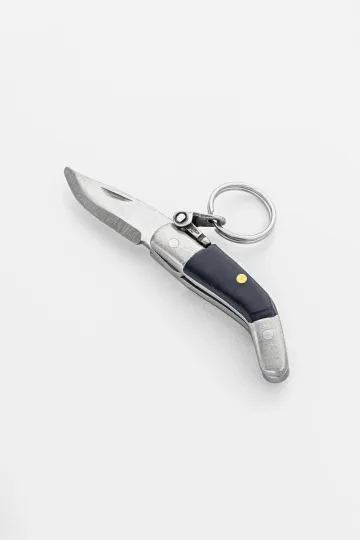
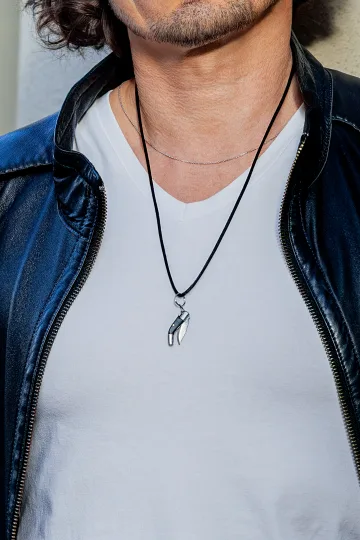
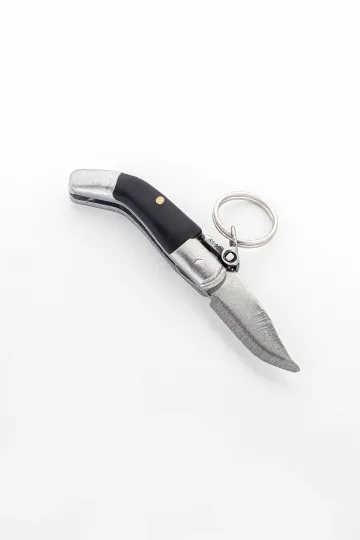
Navajas. A navaja pendant is a miniature of a working knife. Working knives have patina. A capaora with dark patina in the grooves looks like a tool that has lived. A shiny-new capaora looks like it came out of a box yesterday. Both are valid, but the patinated version tells a better story.
Vintage and antique-inspired pieces. A jerezana with light patina in the handle details looks as though it has been stored in an Andalusian great-grandfather's box for decades. That illusion of age is the entire point of patina.
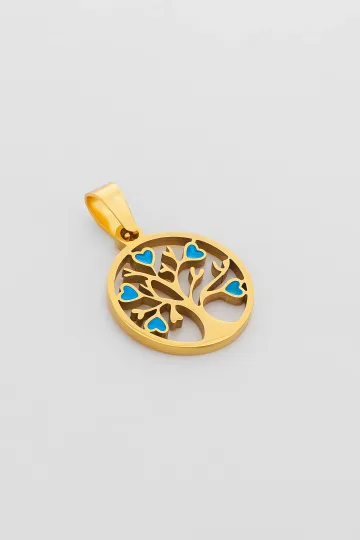
Nature and organic symbols. A tree of life with darkened recesses has depth and dimension. The patina makes the raised details pop against the darker background. Without patina, the same piece looks flat.
Dark aesthetic pieces. Skulls, ouroboros, ravens. Dark symbols benefit from dark patina. It is on-brand.
Where patina does not work
Bright, clean-line pieces. A polished compass needs to be polished. Patina muddles the crisp lines and makes it look neglected rather than aged.
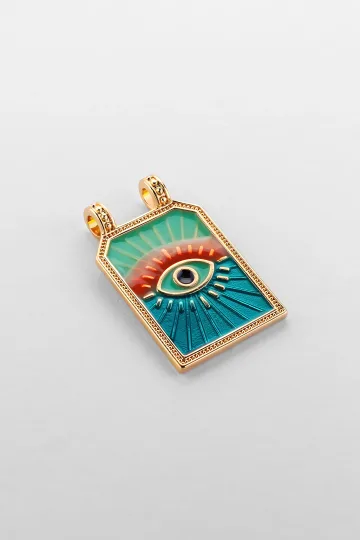
Pieces with enamel. Patina on the metal next to bright enamel (like the blue on a nazar) creates an unpleasant contrast. Clean the metal, keep the enamel vivid.
Gift pieces. If you are giving jewellery as a gift, clean it first. Let the recipient decide whether to patinate it. Nobody wants to receive something that looks dirty, even if it is technically beautiful to you.
The spectrum of patina
A shiny new pendant says: "I was bought yesterday." A pendant with light patina says: "I have been worn and loved." A pendant with heavy patina says: "We have a long history." A pendant with green verdigris says: "I was forgotten in a drawer."
Choose which story you want to tell. And know that you can always reset: clean it back to shine and start the patina process over.
Customer reviews
Zevira is a real jewellery shop. Genuine payments, deliveries and customer thank-yous.
🥰🥰🥰 gracias
Ok, ¡gracias! 🙂
The DIY Ultrasonic Cleaner: Worth It?
Home ultrasonic cleaners have become affordable (under 30 pounds). They use high-frequency sound waves to create microscopic bubbles in a cleaning solution. The bubbles collapse against the jewellery surface, dislodging dirt, tarnish, and grime from crevices that a cloth cannot reach.
Worth it if: you own more than 5 to 10 silver or brass pieces and wear them regularly. The machine pays for itself in 3 to 4 uses compared to professional cleaning costs.
Not worth it if: you own 2 to 3 pieces. Foil-and-soda for silver and lemon-and-soda for brass are free and effective. The machine is overkill.
What to put in: silver, stainless steel, most brass (without gemstones). Water plus a drop of washing-up liquid.
What NOT to put in: pieces with soft gemstones (pearls, opals, turquoise, emeralds), pieces with enamel, pieces with glued-in stones, gold-plated items (vibrations can loosen plating). When in doubt, do not ultrasonic.
The Foil-and-Soda Method: Why It Works
This is the most effective method for silver, and the chemistry behind it is elegant. Aluminium has a higher affinity for sulphur than silver does. When you place silver on aluminium foil and add hot water with baking soda (which acts as an electrolyte), the sulphur migrates from the silver to the aluminium. Silver sulphide converts back to pure silver. Nothing is scraped off, nothing is lost. The silver you started with is the silver you end with.
Important: the silver must touch the foil. Without direct contact, no electrochemical reaction takes place. Lay the pieces so they rest on the shiny side of the foil. Multiple pieces at once are possible, as long as all of them touch the foil.
The smell of rotten eggs (hydrogen sulphide) that arises during the reaction is normal. Open a window. Do not be alarmed. That is the sulphur leaving the silver. It means the reaction is working.



Professional vs Home Methods: When the Jeweller Is Worth It
Home methods cover 90 percent of tarnishing situations. But some problems need professional help.
When silver is heavily blackened and home methods do not fully work, a jeweller polishes professionally using ultrasonic cleaning plus polishing compounds. The result is better than new because they can also smooth out micro-scratches accumulated over years of wear. The cost is minor, typically 10 to 20 pounds per piece.
For sentimental pieces, a grandmother's ring, a meaningful gift, professional cleaning is the safer choice. The risk of damaging something with home methods is small, but with irreplaceable pieces, "small" is already too much.
The Myth: "Tarnishing Means Bad Quality"
The most persistent misconception about tarnishing: "If it tarnishes, it is cheap." Wrong. Real sterling silver 925 tarnishes. Fine jewellery silver tarnishes. 18K gold can darken. Antique museum jewellery tarnishes (which is why museum display cases are equipped with anti-tarnish systems).
Tarnishing is a sign that the metal is real and reactive. Coated cheap jewellery sometimes tarnishes slower than real silver, because the coating creates a temporary barrier. When that coating then peels off, it reveals inferior base metal. That is the real problem, not tarnishing.
Good jewellery is maintained, not discarded. A piece that darkens after years needs 5 minutes of care, not the bin. Regular maintenance, long enjoyment.
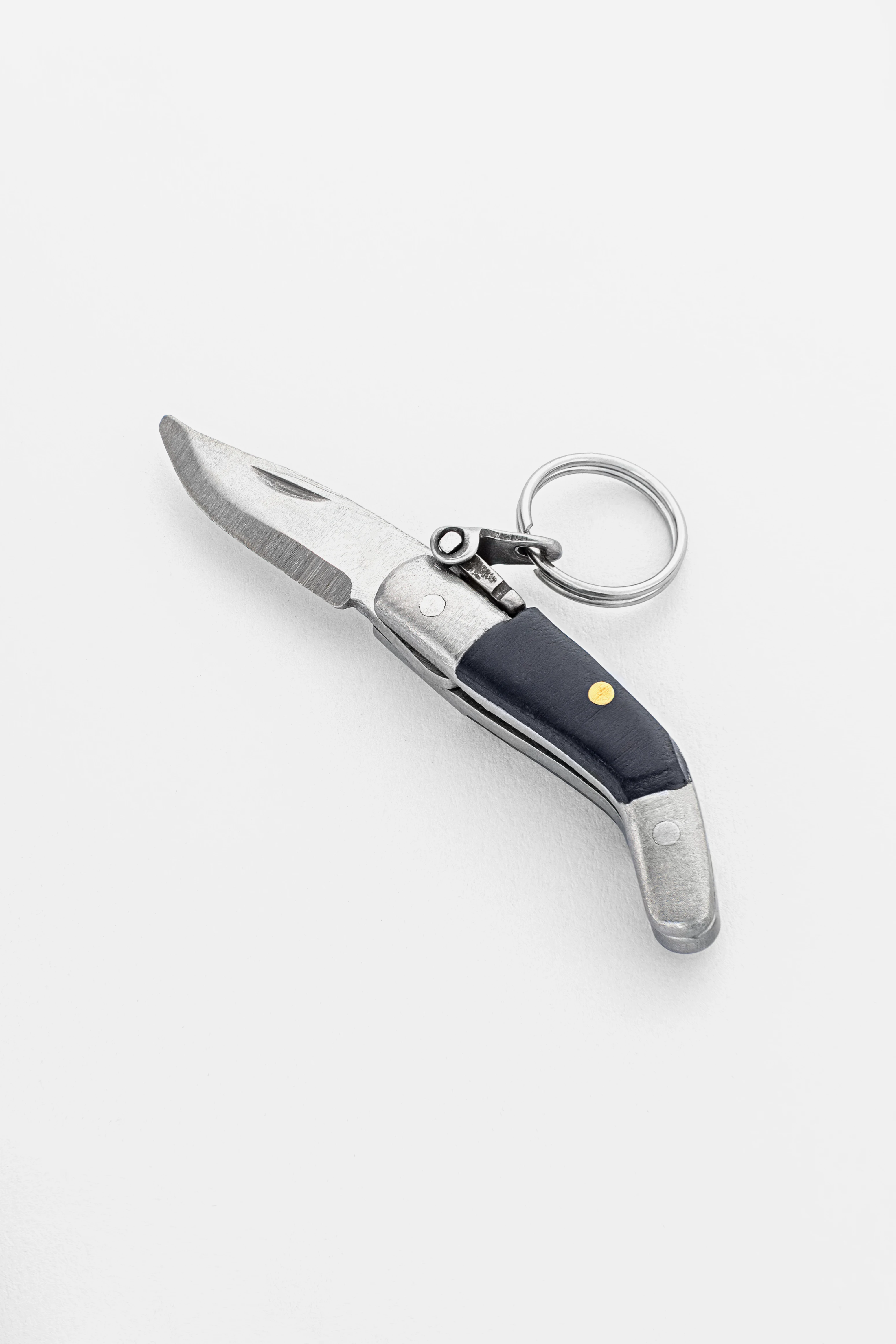
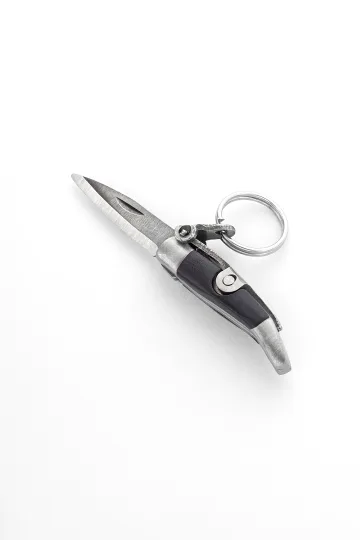
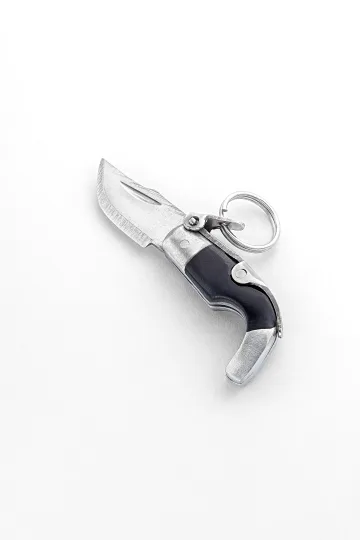
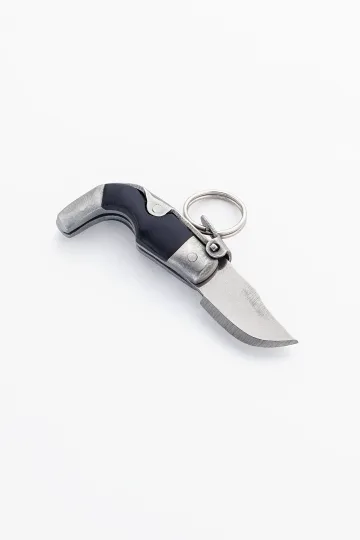
CAPAORA mini knife pendant
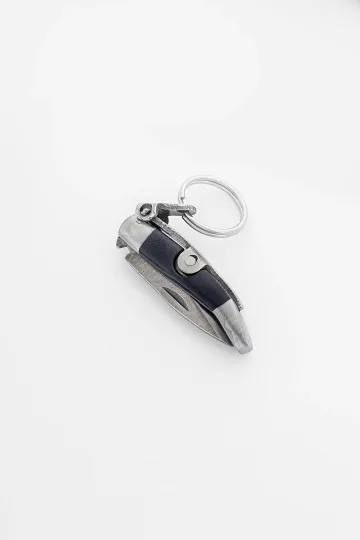
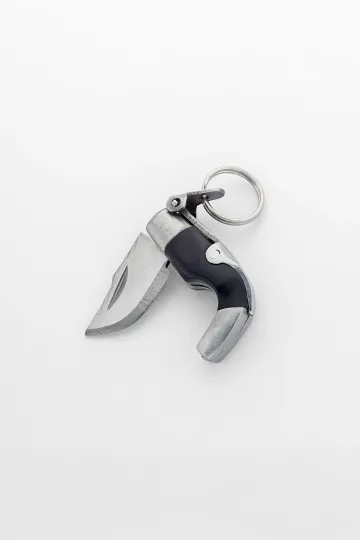
The 18th-century Spanish navaja in miniature: 40 mm of stainless steel, a real folding mechanism and a Palanquilla lock that clicks. An affordable gift to remember.
Authentic · Ships from Spain · 14-day returns
Seasonal Tarnishing: When Jewellery Reacts Fastest
Summer. Heat, humidity, sunscreen, sweat: the perfect combination for fast tarnishing. A silver ring that stays shiny for months in winter can visibly darken after two weeks in summer. If you choose only one season for intensive jewellery care, make it summer.
Heating season. Dry heated air indoors in winter. Good for silver (less humidity), problematic for skin (drier sweat, more concentrated). A trade-off. Storage in zip-lock bags is particularly effective in winter because low humidity already works against tarnishing.
Transitional seasons. Spring and autumn are the best times for a thorough clean. Go through all pieces, clean, inspect, store properly. Include jewellery in your spring cleaning routine.
Polishing Cloths: The Underrated Daily Solution
A good silver polishing cloth is the simplest and most effective care method for daily use. The cloth is impregnated with a cleaning compound that removes light tarnish and simultaneously leaves a thin protective layer.
Cost: a few pounds. Lifespan: months. Effort per use: 10 seconds. No other method offers this ratio of effort to result.
Keep a polishing cloth in your jewellery box. Quick wipe after every wearing. This single habit reduces the need for deep cleaning by 80 percent. Prevention beats cure every time.
Leave your email, we'll send your discount code. No spam, unsubscribe anytime.
The code arrives by email, valid on your first order.
Nail Polish as a Protective Layer
Clear nail polish as a barrier on brass is a proven household method. Here is the full process:
- Clean and dry the piece thoroughly
- Apply a thin coat to the inside, the side that touches skin, with a fine brush
- Let it dry completely (30 minutes)
- Apply a second thin coat
- Let it dry completely (another 30 minutes)
- Reapply every 3 to 4 weeks
Advantages: cheap (one bottle lasts years), effective, invisible. Disadvantages: needs regular renewal, can wear off faster with heavy sweating.
For a longer-term solution, professional jeweller sealant (ProtectaClear or similar) lasts 2 to 3 months and is more wear-resistant.
The Chemistry of Tarnish: Why Different Metals React Differently
Once you understand what is actually happening on the surface, every cleaning method below stops being folklore and starts being obvious.
Silver reacts with sulphur compounds in the air and on skin. The product is silver sulphide, Ag₂S, a thin dark film. It is not corrosion in the destructive sense: the film sits on the surface and does not eat into the metal. That is why polishing restores a piece completely, and why the same piece can be blackened and brightened many times over a lifetime without losing anything meaningful. The sulphur can come from cooked eggs, wool, rubber bands, mains gas, car exhaust, or the sulphur compounds in your own perspiration.
Copper and brass react with oxygen and moisture instead. Copper oxide forms first, which reads brown, then over longer periods copper carbonates form, which read green. The green is the same chemistry that turns a church roof pale green over decades, only running much faster because your skin supplies warmth, salt and acid all at once.
Stainless steel 316L does something cleverer. Its chromium reacts with oxygen to build an invisible chromium oxide layer, a few atoms thick, that seals the surface and reforms instantly if scratched. This is why steel does not tarnish at all. It is already permanently oxidised in the one way that protects it.
Gold does not react. Pure gold is chemically inert, and higher-carat alloys are close to it. What darkens on a gold-plated piece is never the gold, it is the base metal showing through where the plating has thinned. This distinction matters enormously in practice, because a tarnished silver piece can be rescued at home while worn-through plating can only be replated.
The practical consequence: silver responds to reduction, brass responds to mild acid, steel responds to soap, and plating responds to nothing except being left alone.
Water Hardness and Where You Live in Britain
This is the factor almost nobody accounts for, and it changes how quickly your jewellery dulls.
Hard water carries dissolved calcium and magnesium. When it dries on metal it leaves a mineral film that reads as cloudiness rather than blackening, and that film then traps everything else against the surface. Across the south and east of England, London, Essex, Kent, Cambridgeshire and the chalk and limestone counties, water is classified as hard to very hard. The west of Scotland, most of Wales, Cornwall and the Lake District sit at the soft end. The Midlands and the north of England fall in between, and many households there run somewhere in the moderately hard band.
If you live on hard water, three things follow. Rinsing a piece under the tap after cleaning leaves deposits behind, so finish with a rinse in distilled or filtered water and dry immediately with a soft cloth. Cloudiness that returns within days of a good clean is limescale, not tarnish, so reaching for a stronger silver dip will do nothing except wear the piece down. And showering in jewellery is worse in a hard-water area than a soft one, because you are effectively coating the metal in dissolved minerals and then baking them on with warm air.
Softened water from a domestic ion-exchange unit is not the answer either. It swaps the calcium for sodium, and salt on silver is its own problem. Filtered or distilled water for the final rinse costs almost nothing and solves the whole issue.
Nickel, Skin Reactions and the REACH Rules
Sometimes the dark mark is on you rather than on the jewellery, and that changes the diagnosis entirely.
A green or black stain on the skin under a ring is usually copper reacting with sweat and cosmetics, and it washes off. An itchy red rash that persists is something else: contact allergy, and in jewellery nickel is the commonest culprit by a wide margin. Roughly one in ten people in Europe is sensitised to nickel, and once sensitised the reaction does not fade with exposure, it gets easier to trigger.
The law here is worth knowing. Nickel release from jewellery sold in the UK and the EU is capped under the nickel restriction that sits within the REACH regulation. Items in prolonged contact with the skin must release no more than 0.5 micrograms per square centimetre per week, and posts inserted into pierced ears no more than 0.2. Reputable sellers test to this. The pieces that cause trouble are typically unregulated imports bought from market stalls or overseas marketplaces where nobody has tested anything.
Practical implications. Sterling silver, 316L surgical stainless steel and solid gold of decent carat are all safe choices for reactive skin. Gold plating over a nickel-bearing base is a time bomb: it is fine until the plating wears through at a contact point, and then the reaction starts. If you know you react, ask specifically what the base metal is rather than what the surface is, and if a favourite piece is the problem, a coat of sealant on the contact surface buys you time while you decide.
What Not to Do: Methods That Ruin Jewellery
The internet is generous with cleaning advice, and some of it destroys jewellery permanently.
Toothpaste. Recommended everywhere, and abrasive enough to leave a fine haze of scratches on silver and to strip plating outright. Whitening pastes are the worst, since they contain the coarsest particles. It works in the sense that it removes tarnish, and it works by removing a layer of your jewellery with it.
Bicarbonate of soda scrubbed on dry. The foil-and-soda bath described below is chemically gentle and safe. Rubbing dry bicarbonate on with a cloth is abrasive and does the same damage as toothpaste.
Bleach or anything chlorinated. Chlorine attacks the copper in sterling silver and can cause stress corrosion cracking in gold alloys. This includes swimming pools and hot tubs, which is the real reason jewellers tell you to take rings off before swimming.
Silver dip on anything other than plain silver. Commercial dips work fast and indiscriminately. They will strip the deliberate oxidised finish out of a patterned piece in seconds, cloud porous stones such as pearls, turquoise, opal and amber, and creep under settings where they cannot be rinsed out and keep working.
Ultrasonic cleaners with fragile settings. Covered in more detail above; the short version is that vibration loosens what is already loose. Emeralds, opals, pearls and any tension setting or glued component should never go near one.
Boiling water on anything with a stone. Thermal shock cracks stones. Warm is fine, hot is not.
Brass Care in Detail
Brass gets less attention than silver and needs more of it, because it changes constantly.
Brass is a copper and zinc alloy, and the copper is the reactive part. Left alone it moves through a predictable sequence: bright yellow, then warm gold, then brown, then brown with green in the crevices. How fast depends almost entirely on the wearer. Warm hands, acidic skin, gym sessions and coastal air accelerate everything.
The routine. For light dullness, a soft cloth and a minute of work is enough. For real darkening, the classic household treatment is mild acid: half a lemon with a teaspoon of table salt, or a paste of vinegar, salt and flour left on for ten minutes. The acid dissolves the copper oxide, the salt provides gentle abrasion, and the flour holds it in place. Rinse thoroughly afterwards, because acid residue left on brass restarts the process immediately, and dry completely.
Green marks on skin are copper salts, harmless and washable. They mean the piece is bare brass in contact with sweat. A coat of clear sealant on the inner surface stops it.
What not to do with brass. Never use a silver dip. Never scrub with metal polish wadding on plated brass, since you will go straight through the finish. And do not clean an antique brass piece back to bright yellow without thinking first, because the darkening in the recesses of a cast design is what makes the detail readable. Take the raised surfaces back to gold and leave the depths alone.
Lacquered brass is a different animal. If a piece was sold with a lacquer coat, cleaning products will attack the lacquer rather than the metal, and the result is a patchy finish worse than the tarnish. Wash lacquered brass in warm soapy water only.
Buying it as a gift? Each one arrives ready to give.
 A branded Zevira box and a little card come with every order.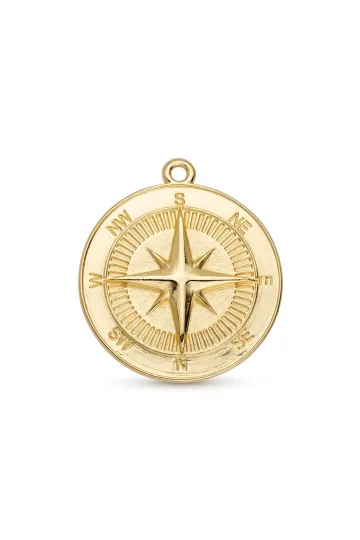
The Most Important Rule: Wear It, Do Not Store It
Every piece of maintenance advice in this article is less effective than the single habit of putting the jewellery on.
Silver worn regularly barely tarnishes. The mechanism is not mysterious. Skin contact provides constant, extremely gentle polishing, natural oils form a light barrier against sulphur in the air, and movement keeps the surface from sitting in one still, humid pocket of air. The same chain kept in a drawer for six months comes out black; worn twice a week, it stays bright with a wipe now and then.
This is why the pieces people describe as "the one that never tarnishes" are almost always their favourites. It has nothing to do with the metal and everything to do with how often it leaves the box.
The corollary is worth stating too. If you own jewellery you never wear because you are saving it, you are guaranteeing yourself cleaning work and getting no pleasure in return. Wear the good things on ordinary days. The wear they pick up over years reads as history, and a piece with a worn edge and a warm surface looks considerably better than one that spent a decade in a padded box waiting for an occasion that never came.
A Seasonal Care Calendar
Tarnishing is not constant through the year, and adjusting the routine to the season saves effort.
Spring. Humidity climbs and heating goes off, which is when condensation appears inside cupboards. Check the storage boxes, replace the silica gel sachets, and give the pieces you did not wear over winter a proper clean before the season starts.
Summer. The hardest season by a distance. Heat means more perspiration, sun cream and insect repellent both attack finishes, and salt water and chlorine attack the metal. The rule is to put jewellery on last, after sun cream has absorbed, and to take it off before swimming. Rinse and dry anything that has been near the sea the same day. Expect to clean more often between June and September than in the rest of the year combined.
Autumn. The gentlest period, and the right time for a proper audit. Check clasps and settings before the party season, deal with anything loose, and clean everything properly so it is ready.
Winter. Central heating dries the air, which actually slows tarnishing, but wool jumpers and scarves are a sulphur source and they snag chains. Perfume is applied more heavily indoors. The main winter risk is mechanical rather than chemical: chains caught in knitwear and rings knocked against gloves and door handles.
Send a friend a discount code, they save on their first order.
Travel: Keeping Jewellery Bright Away from Home
Two weeks away undoes months of careful maintenance if nothing is planned.
Pack less than you think you need, and pack it properly. A soft roll with individual pockets, or failing that a small zip bag per piece, prevents the scratching that happens when everything shares one compartment in a suitcase. Chains travel best threaded through a drinking straw or fastened around a folded cloth, which stops them knotting.
Coastal and tropical destinations are the difficult ones. Salt air alone will darken silver in days even without swimming, and hotel pools add chlorine. The straightforward answer is to travel with the pieces you are happy to rinse and dry every evening, and leave anything irreplaceable at home. Sun cream, in particular, is the invisible destroyer of holiday jewellery: it dulls silver, clouds soft stones and works its way into settings where it sets solid.
Take a polishing cloth. It weighs nothing, it fits in a wash bag, and five minutes with it on the last evening means you come home to bright jewellery rather than a cleaning job.
The Final Summary by Material
Everything above, compressed into what you actually need to remember for each metal.
Sterling silver 925. Tarnishes, always will, and that is proof it is real. Responds to the foil-and-bicarbonate bath and to a polishing cloth. Store airtight, wear often, keep away from chlorine and rubber. Fully recoverable however black it gets.
Brass. Darkens and eventually greens. Responds to mild acid, lemon and salt or vinegar paste. Rinse and dry thoroughly. Consider a sealant on the inner surface if it marks your skin. Its patina is a legitimate finish, not a fault.
Stainless steel 316L. Does not tarnish. Warm soapy water and a cloth handles everything. Practically indestructible in normal wear, which makes it the sensible choice for anything worn daily or in water.
Gold plating. Does not tarnish, it wears through. Nothing abrasive, ever. Wipe with a dry soft cloth only, keep away from perfume and cosmetics, and accept that contact points will eventually need replating.
Solid gold. Effectively maintenance-free. Warm soapy water and a soft brush for the settings. Avoid chlorine, which attacks the alloy metals over time.
Silver and gold jewellery, wedding bands, symbolic pendants, paired sets.
Wear the symbol, don't just read about it. These are in stock:


Common Questions
My silver blackened. Is it fake? No. Real silver 925 blackens. That is a normal chemical reaction with sulphur. Fake silver (plating on a cheap alloy) peels off. Blackening versus peeling: different things. Blackening confirms the metal is actually silver.
Brass darkened. Is the coating ruined? Not necessarily. If the darkening is even across the entire surface: the coating has likely worn away. If patchy (at contact points with skin or friction areas): the coating has thinned locally. Replating is possible and not expensive.
How often to clean silver? With daily wear: wipe with a polishing cloth every few days, deep clean (foil and soda) every 2 to 4 weeks. When stored: clean before wearing if it has been in storage.
Stainless steel darkened. Is that possible? Stainless steel 316L does not tarnish. If it darkened, it is contamination (soap, oil, construction dust, dried lotion). Wash with soap and it comes back. If it does not come back, it is not 316L but a cheaper alloy labelled "stainless."
Does toothpaste really work? For light tarnish on silver: yes. For heavy: no, use foil plus soda. For brass: no, use lemon or vinegar. For stainless steel: not needed. For gold plating: do NOT use (too abrasive for the thin layer).
Can tarnishing be prevented completely? Silver: zip-lock bag plus anti-tarnish strip equals months without tarnish (even in humid climates). Brass: good coating plus careful handling equals years. Stainless steel: does not tarnish at all. Complete prevention requires either the right material (stainless steel) or the right storage (airtight plus anti-tarnish).
Is a home ultrasonic cleaner worth it? If you have more than 5 to 10 silver pieces and wear them regularly: yes, it pays for itself quickly. For 2 to 3 pieces: overkill, foil and soda are enough.
Will tarnish damage my jewellery permanently? No. Tarnish is a surface film. It does not eat into the metal. Silver sulphide sits on top of silver. Copper oxide sits on top of copper. The base metal is unaffected. You can clean a piece that has been tarnished for years and it will look the same as it did when new.
Can I prevent tarnish with clear nail polish? Yes. A coat of clear nail polish on the metal surface creates a barrier against air and moisture. It works, but it wears off in 2 to 4 weeks and needs reapplication. Better than nothing, not as good as proper storage.
My jewellery tarnished inside the box. Why? The box itself may be the problem. Some jewellery boxes use materials (rubber, certain glues, certain papers) that off-gas sulphur compounds. An expensive velvet box with the wrong lining can tarnish silver faster than an open shelf. Test: if silver tarnishes in the box but not on your body, the box is the culprit. Switch to anti-tarnish pouches or zip-lock bags.
Hallmarks: What the Stamps Tell You Before You Clean Anything
Before deciding how to treat a piece, it helps to know what it is made of, and in Britain that information is usually stamped into the metal itself.
Hallmarking here is not decoration and not a maker's choice. Items sold as precious metal above the weight thresholds must be assayed and struck by one of the four remaining UK Assay Offices: London, Birmingham, Sheffield and Edinburgh. Each has its own town mark, a leopard's head for London, an anchor for Birmingham, a rose for Sheffield and a castle for Edinburgh. Alongside it sits the sponsor's mark identifying who submitted the piece, and the fineness mark giving the metal purity as a number in a shaped shield: 925 for sterling silver, 375, 585 or 750 for 9, 14 and 18 carat gold, 950 for platinum.
Why this matters for tarnishing. A 925 stamp inside a shank tells you immediately that blackening is expected sterling behaviour and that the piece will clean up completely. No fineness mark at all on something sold as silver means either a piece below the weight threshold, an import that was never assayed, or plating over base metal, and each calls for a different approach. A 375 stamp on a ring that has developed dark patches explains itself too: 9 carat gold is only 37.5 per cent gold, and the copper and silver making up the rest do react.
An older British piece may also carry a date letter, which changes annually in a documented cycle, and pieces from before 1999 often show the older millesimal or lion passant marks. If a piece is stamped and you cannot read the marks, do not clean it aggressively until you have looked them up. An assay office can identify its own marks, and knowing you are holding an assayed antique rather than a modern reproduction changes whether you should be reaching for polish at all.
Wear the symbol, don't just read about it. These are in stock:





More Questions People Ask
Does an anti-tarnish strip actually work? Yes, genuinely. These small paper strips are impregnated with activated charcoal or zinc, and they absorb sulphur compounds from the air inside a sealed container. In a zip bag or an airtight box they extend the interval between cleanings by months. They are exhausted after roughly six months and need replacing, and they only work in an enclosed space. One dropped into an open jewellery dish achieves nothing.
Why did one earring tarnish and its pair stay bright? Almost always because of how they sit. If one was stored touching a different material, or if you sleep on one side, or if one sits closer to a scarf or collar, it meets more sulphur and more moisture. The same happens with rings, where the hand you use more keeps its ring brighter.
Can I put silver in the dishwasher? No. The detergents contain sulphur compounds and the drying cycle bakes them on, which is why dishwashers blacken silver cutlery so effectively. It is the single fastest way to tarnish a piece of jewellery.
Do gemstones tarnish? Stones themselves do not, but the metal around them does, and the tarnish accumulates in the settings where you cannot easily reach it. This is the real argument for cleaning regularly rather than waiting: a chain can be rescued at any point, but tarnish packed under a claw setting eventually needs a jeweller with a steam cleaner.
Is there a metal that genuinely never needs anything? Stainless steel 316L, and to a slightly lesser degree titanium and platinum. They cost you nothing in maintenance. The trade-off is that steel and titanium cannot be resized easily and cannot take a repair the way silver and gold can, so what you save in polishing you may pay for later at the bench.
My silver went bright yellow rather than black. What is that? That is early-stage tarnish. The silver sulphide film starts thin and passes through yellow, then brown, then blue-purple, before ending at black as it thickens. Catching it at yellow means a polishing cloth will deal with it in under a minute, which is a good argument for wiping pieces down before putting them away rather than after they have gone dark.
About Zevira
Zevira makes jewellery in the artisan tradition of Albacete, Spain. We work with silver, gold, and stainless steel, so we are honest about how each material behaves over time: silver darkens and cleans up easily, stainless steel never dulls, and gold stays gold.
What you will find with us for care and longevity:
- Hallmarked sterling silver 925 that you can clean with foil and baking soda in five minutes
- Stainless steel 316L for anyone who wants to wear a piece and never think about upkeep
- Gold 14 to 18K that does not dull under normal wear
- Navaja pendants and symbolic pieces that wear their patina well and gain character from it
- Pieces with no glued stones, safe for cleaning at home
- Simple shapes that are easy to wipe down with a cloth after wearing
Every piece can be personalised with engraving, with the option of personal engraving. Sterling silver 925 and gold 14 to 18K.