Skull Jewellery and Memento Mori: The Beautiful Reminder That You're Going to Die
A ring that started a conversation
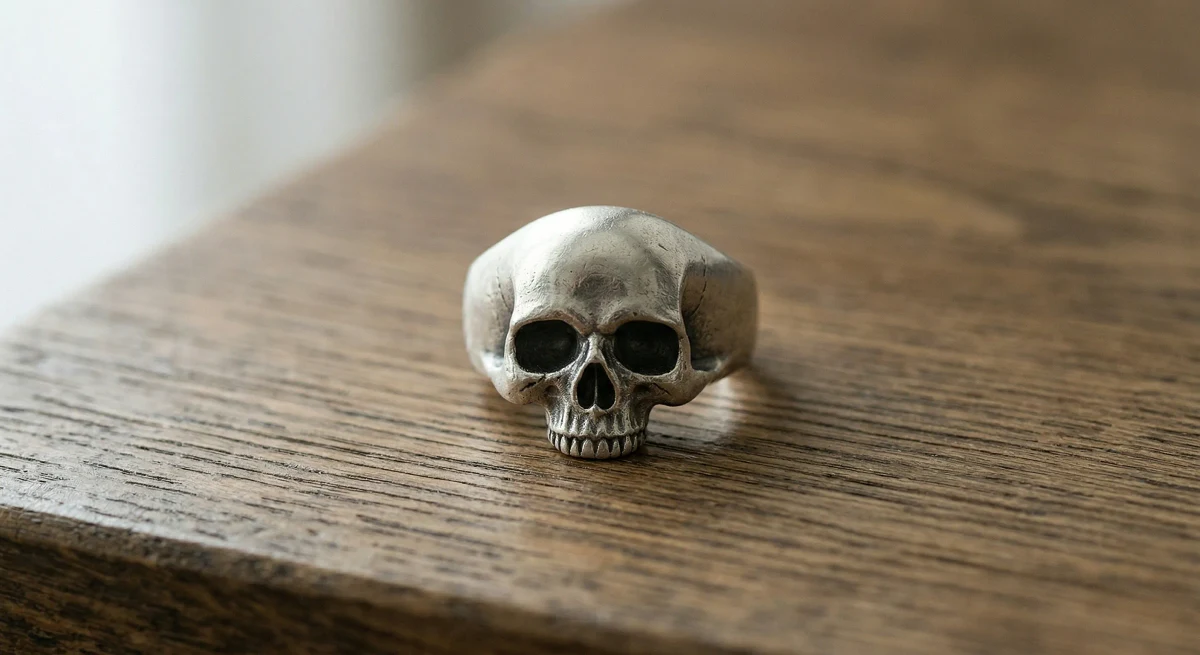
A few years back, a friend of mine started wearing a silver skull ring on his right hand. Nothing flashy. Just a small, well-crafted skull with hollow eye sockets and a slightly crooked jaw. People noticed it. At a work dinner, someone asked him, half joking, if he'd joined a biker gang.
He laughed. "It's a memento mori," he said. "It means 'remember you will die.' The Romans used to whisper it to generals during victory parades."
Wear the symbol, don't just read about it. These are in stock:




The table went quiet for a second. Then someone said, "That's... actually kind of beautiful."
And that's the thing about skull jewellery. People see the skull and think death, darkness, maybe rebellion. But the people who actually wear it? Most of them are thinking about life. About not wasting it. About the fact that every single day is borrowed time, and borrowed time is the only kind there is.
This article is about where that idea comes from. We're going 2,000 years deep, through Roman triumphs and medieval plague art, through Tibetan skull cups and Mexican sugar skulls, through high-fashion runways and rock-and-roll stages. By the end, you'll never look at a skull pendant the same way.
Upload a photo of your pet, someone you love, or an object. We'll build a 3D model and hand-cast it in pewter.


What Memento Mori Actually Means (And Why It's Not Depressing)
The Latin phrase "memento mori" translates literally as "remember that you will die." Three words. No hedging, no softening. Just the fact.
In a culture that spends billions trying to hide death (anti-ageing creams, euphemisms like "passed away," funeral homes designed to look like living rooms), that directness feels almost aggressive. But for most of human history, people didn't see it that way. Remembering death wasn't morbid. It was practical. It was the foundation of a good life.
The Stoic philosophers built entire ethical systems around it. Marcus Aurelius, who was literally the most powerful man in the known world, wrote in his private journal: "You could leave life right now. Let that determine what you do and say and think." Not as a threat. As motivation. If today might be the last day, then petty grudges don't matter. Status games don't matter. What matters is whether you're spending your hours on things that actually mean something to you.
That's the real meaning of memento mori. Not "be afraid." Not "give up, nothing matters." The opposite: everything matters precisely because it ends. The sunset is beautiful because it fades. The meal is delicious because you're hungry. The people you love are precious because you won't have them forever.
Skull jewellery carries that whole philosophy in a single image. It's the most compact reminder in the history of personal adornment.
Customer reviews
Zevira is a real jewellery shop. Genuine payments, deliveries and customer thank-yous.
🥰🥰🥰 gracias
Ok, ¡gracias! 🙂
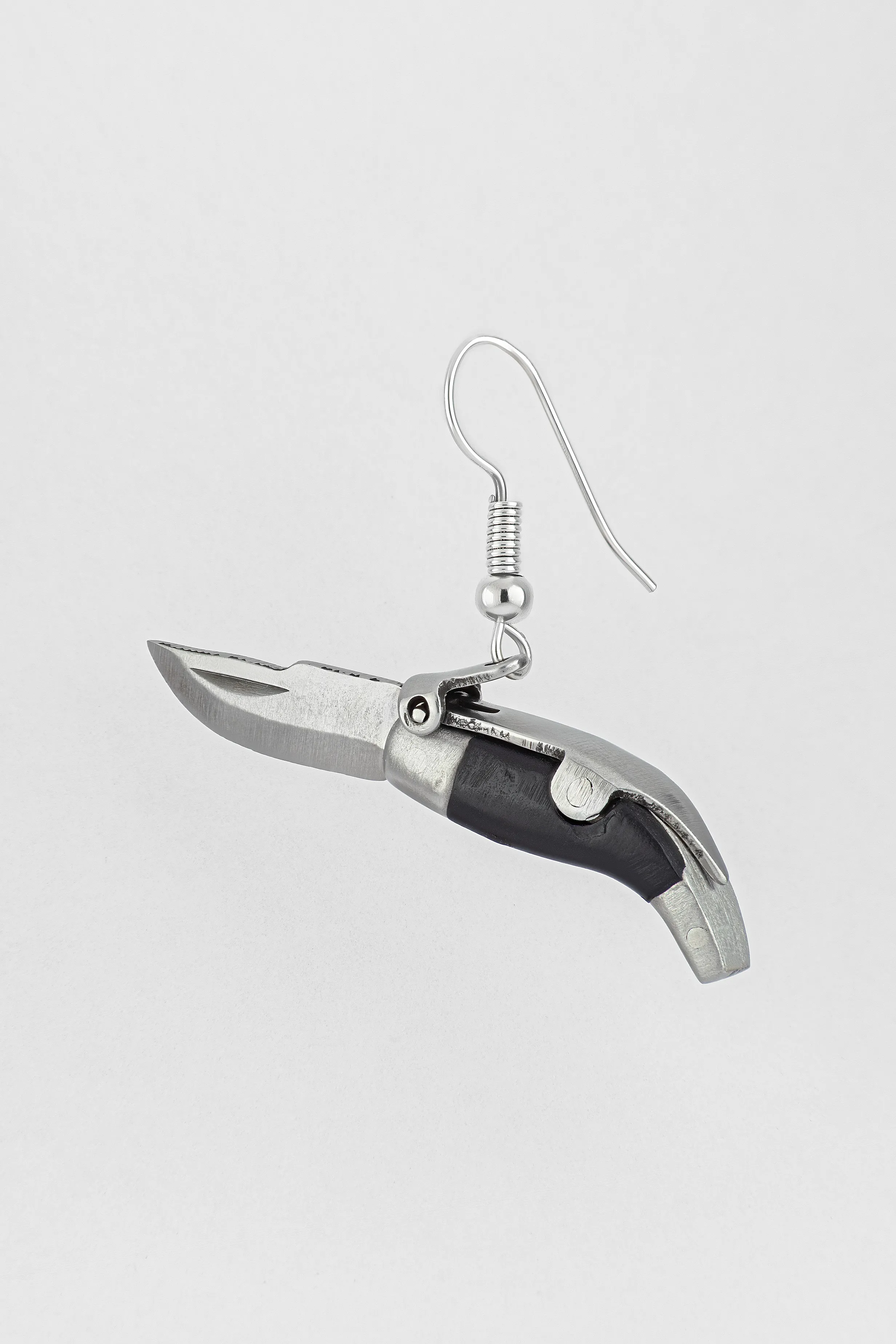
One skull on a bare collarbone, full stop. Five at once is not nerve, it is a gift shop, and don't argue.
How to Wear Skull Jewellery
Over years on set I have put a skull through dozens of looks, from strict to defiant. It is more flexible than people expect. Here is what actually works, by occasion.
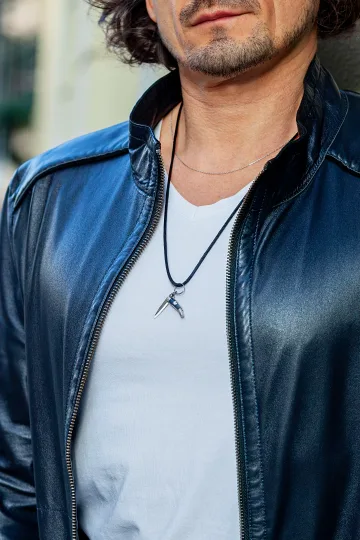
How do I wear a skull every day? For daily wear I recommend a silver skull ring or a small pendant on a fine chain over a plain white tee or a chunky knit. I keep it monochrome: black, grey, dark denim. I tuck the pendant under an open shirt collar so it shows only when you choose to reveal it.
Is a skull fine at the office? It is, if you keep it restrained. I suggest a small skull on a thin chain under the neckline and a clean ring with no spikes or bulky stones. Against a crisp shirt or blazer it reads as a personal mark, not a declaration. Silver or white gold slip into a cool work palette more softly than yellow metal.
How do I build an evening look? In the evening I let it off the leash. Under an open black dress or a silk shirt I choose a larger skull pendant and mute everything else. A deep neckline wants a vertical, a longer chain that leads the eye down. For a special night I play on texture: smooth silver against bare skin.
Ring or pendant? I read the outfit. I stack a skull ring: one skull and a couple of plain bands beside it, which works with rolled sleeves and an open hand. I reach for a pendant when the neckline is open and I want to lengthen the neck. I do not suggest wearing both at once; let one accent do the talking.
How do I avoid overdoing it? The rule that never fails: one skull at a time. One skull is an accent; five skulls in different styles is a theme park. I pick the favourite piece and let it speak while everything around it stays quiet. And I hold one metal temperature per look, never mixing cool with warm in the same stack.

Turn on your camera, pick earrings, a pendant or a ring, and see the piece on yourself in real time.
Switch items in one tap.
Everything runs in your browser: no photo or video is ever uploaded.
Roman Generals and the Slave Who Whispered About Death
The Triumph: Rome's Greatest Party
To understand where memento mori started, you need to picture a Roman triumph. This was the biggest honour the Republic (and later the Empire) could bestow on a military commander. After a major victory, the general would ride through the streets of Rome in a four-horse chariot, wearing a purple toga embroidered with gold, his face painted red to resemble Jupiter himself. Behind him marched his legions. Before him walked the captured enemy leaders in chains. The crowds screamed his name. Flowers rained down. It was, essentially, a parade where one man got to be a god for a day.
The Whisper Behind the Crown
But here's the detail that matters. Standing right behind the general in that chariot was a slave. And the slave's one job, his entire purpose for the day, was to hold a golden crown over the general's head and repeat a single phrase into his ear, over and over:
"Memento mori. Respice post te. Hominem te esse memento."
"Remember you will die. Look behind you. Remember you are a man."
Think about that for a moment. At the absolute peak of glory, at the one moment in a Roman's life when he was closest to being divine, the state mandated that someone stand behind him and remind him he was mortal. Not to ruin the party. To protect him from himself. Because the Romans understood something that we keep forgetting: unchecked ego, the belief that you're special enough to be exempt from the rules that apply to everyone else, that's what destroys people.
Roman Mosaic Skulls and Banquet Culture
The skull as a visual symbol showed up constantly in Roman daily life. At Pompeii, archaeologists found a famous mosaic showing a skull with a carpenter's level balanced on top of it, a literal image of death as "the great equaliser." Rich men commissioned similar mosaics for their dining rooms. Not because they were goth. Because Roman dinner parties (convivium) were philosophical events, and having a skull on the floor was a conversation starter.
The poet Horace captured the attitude perfectly: "While we talk, envious time has fled. Seize the day, trusting as little as possible in tomorrow." That "seize the day" (carpe diem) was the other side of the memento mori coin. Remember death so that you actually live.



Medieval Europe: When Death Walked Among the Living
The Black Death Changed Everything
In 1347, a fleet of Genoese trading ships docked at the Sicilian port of Messina. The sailors were dying. Many were already dead. The ones still alive had strange black swellings in their armpits and groins that oozed blood and pus. Within five years, the Black Death had killed between 75 and 200 million people across Eurasia, roughly 30 to 60 percent of Europe's entire population.
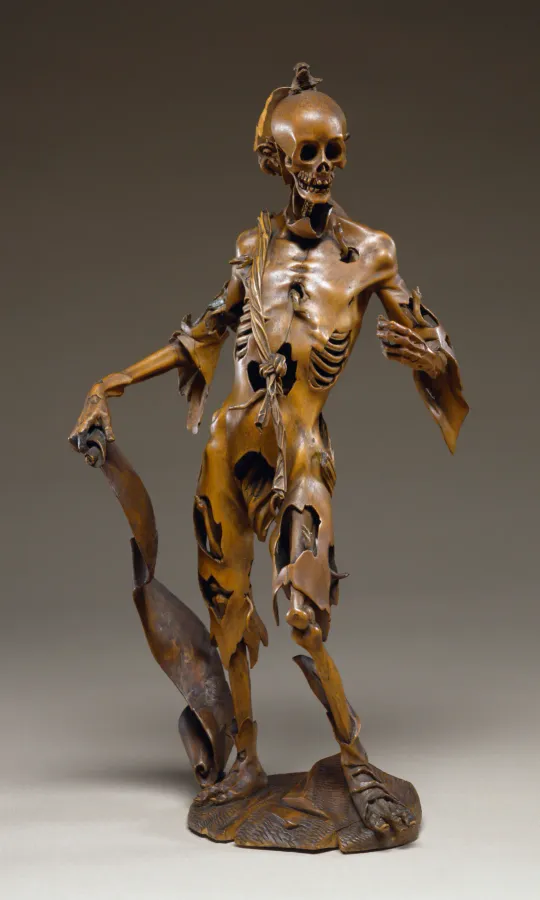
The impact on culture was seismic. Before the plague, medieval Christianity taught that death was a distant event you prepared for through a lifetime of good works. After the plague, death was everywhere. It was random, sudden, and completely indifferent to whether you were a saint or a sinner, a king or a beggar. A perfectly healthy person could be dead within 48 hours. The old stories about death as a calm, ordered transition stopped making sense.
Danse Macabre: The Dance of Death
Out of this trauma came one of the most powerful artistic traditions in European history: the Danse Macabre, or Dance of Death. These were paintings and woodcuts (later, church murals and even theatrical performances) that showed skeletons leading people of every social class in a dance toward the grave. The pope danced. The king danced. The merchant, the peasant, the young woman, the child. Everyone danced. Death didn't care about your title, your wealth, or your prayers. Death just danced.
The earliest known Danse Macabre mural was painted in 1424 at the Cemetery of the Holy Innocents in Paris. It was enormously popular. People came from all over France to see it. Similar murals spread across Europe over the next century, reaching churches in Germany, England, Italy, Croatia, Estonia. The message was always the same: you are not special, you will not be spared, so use your time wisely.
Charnel Houses and Bone Churches
Medieval Europe didn't hide its dead. Charnel houses, buildings where human bones were stored and displayed after bodies had decomposed in the churchyard, were a standard feature of towns across the continent. People walked past walls of neatly stacked skulls on their way to church every Sunday. Children played near them. They weren't horror shows. They were reminders.
Some communities went further. The Sedlec Ossuary in Kutna Hora (Czech Republic), decorated with the bones of an estimated 40,000 people, features chandeliers made entirely of human bones, garlands of skulls, and a coat of arms rendered in femurs and vertebrae. The Capuchin Crypt in Rome, which we'll come back to in the Italian context, has entire chambers decorated with the bones of 3,700 friars, arranged into flowers, stars, and hourglasses. At the entrance, a plaque reads: "What you are now, we once were. What we are now, you shall be."
Memento Mori Jewellery in the 16th-17th Centuries
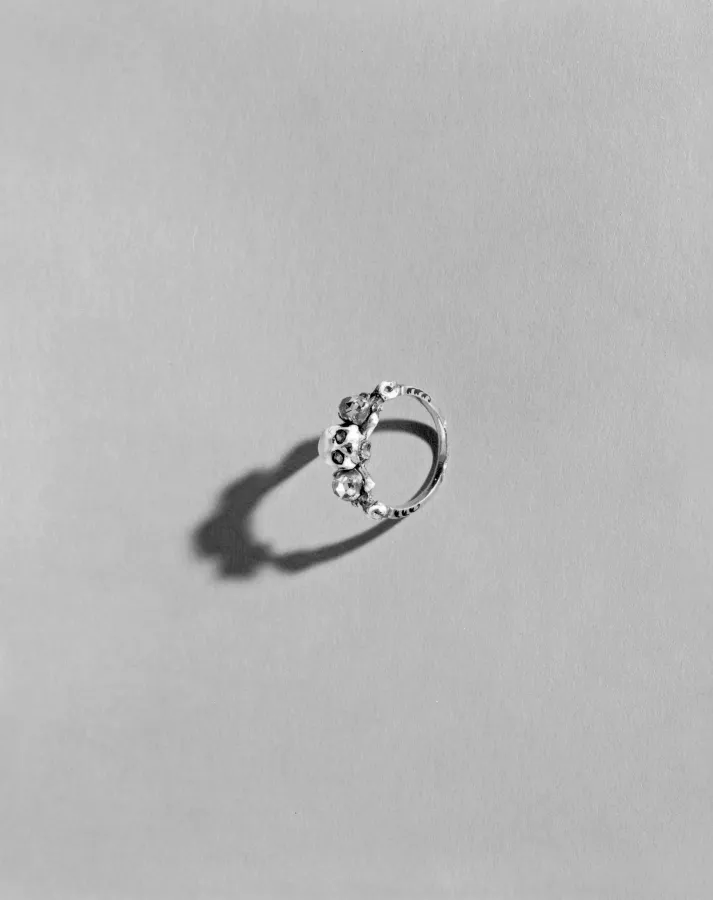
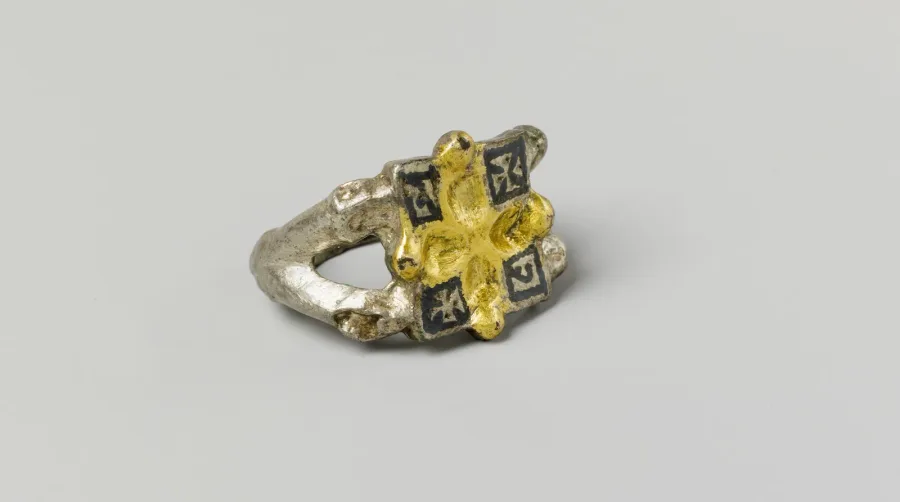
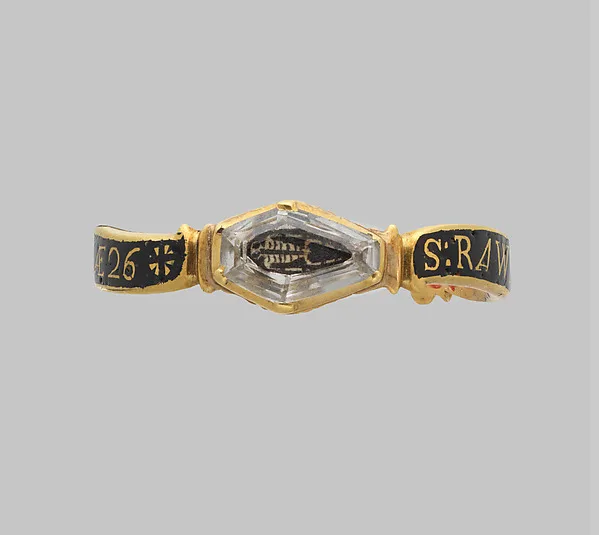
This is where skull jewellery as we know it really begins. In the 16th and 17th centuries, memento mori rings became enormously popular across Europe. These were typically gold or silver bands featuring a small skull, sometimes paired with a coffin, crossbones, or hourglass. They were worn by men and women, rich and poor. Queen Elizabeth I owned a memento mori ring with a hinged skull that opened to reveal a tiny skeleton inside.
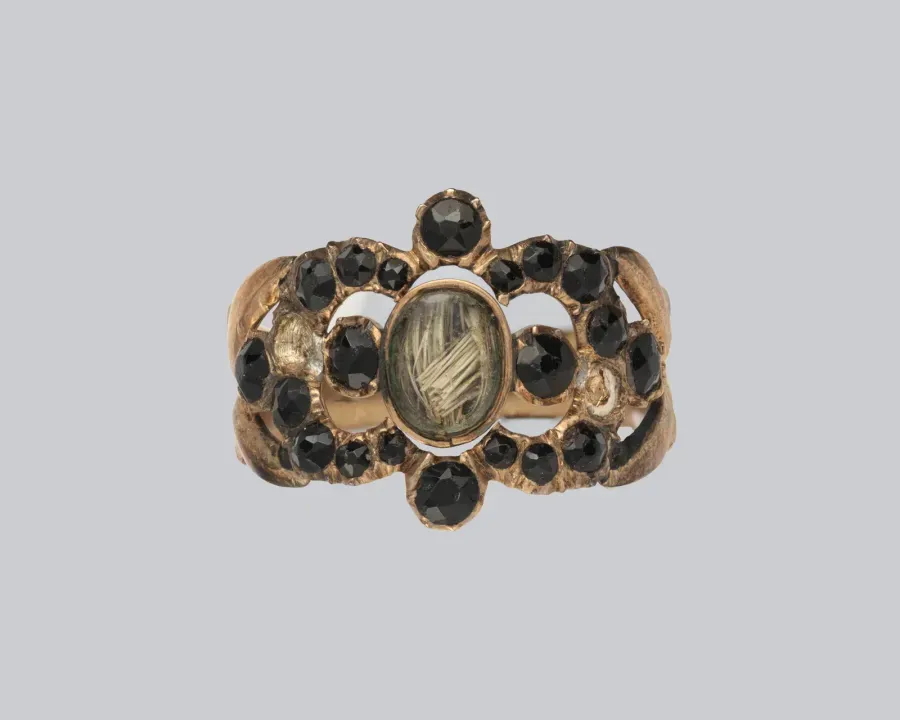
Mourning rings, given to guests at funerals as keepsakes, often featured skulls too. When someone important died, their family might commission dozens or even hundreds of these rings to distribute. The practice lasted well into the 18th century. Many of these rings survive in museums, and they're genuinely beautiful objects: delicate goldsmith work, sometimes enamelled in black and white, with little skulls that look almost friendly.
The important thing is that wearing a skull ring in 1600 wasn't countercultural or shocking. It was mainstream. It was the equivalent of wearing a cross, a symbol that everyone understood and most people respected.
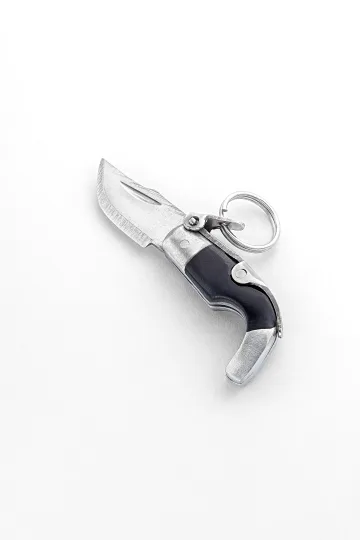
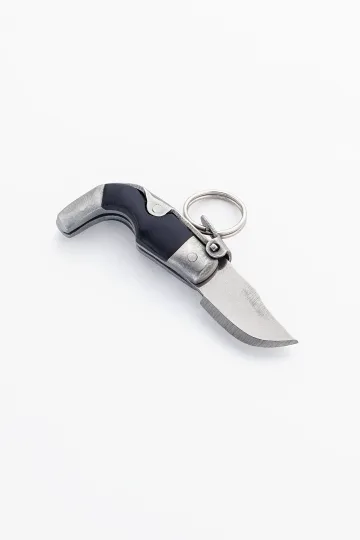
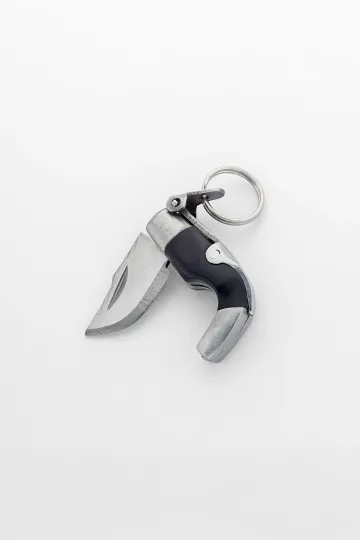
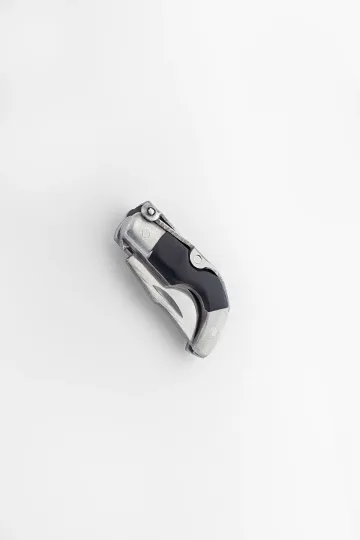
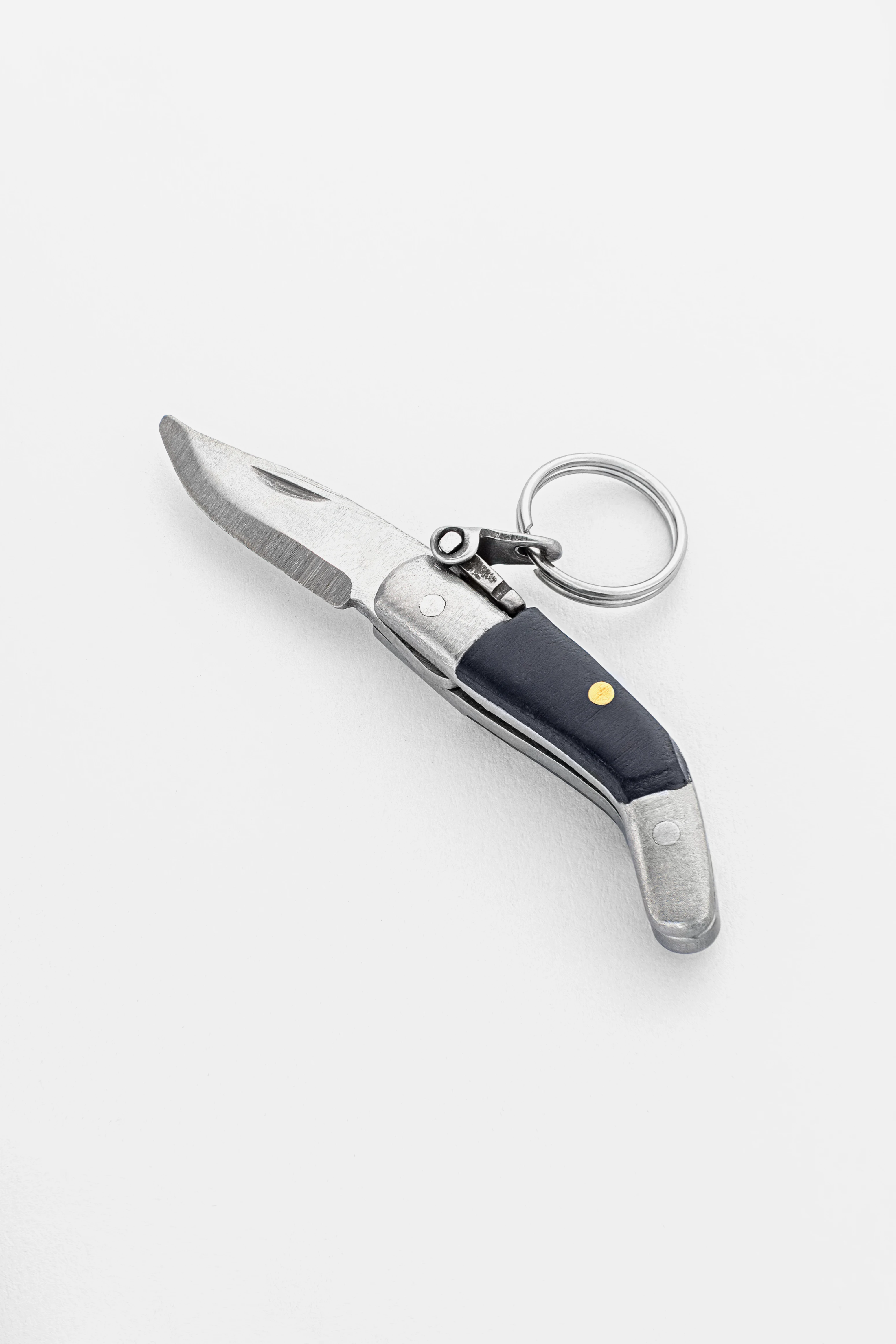
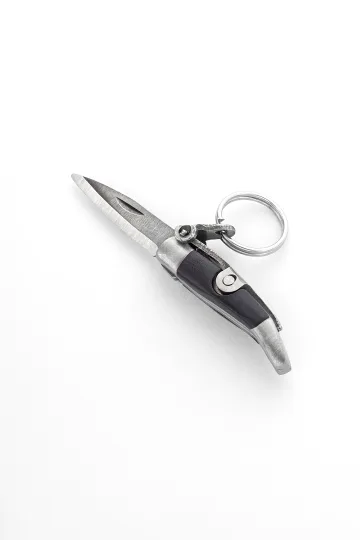
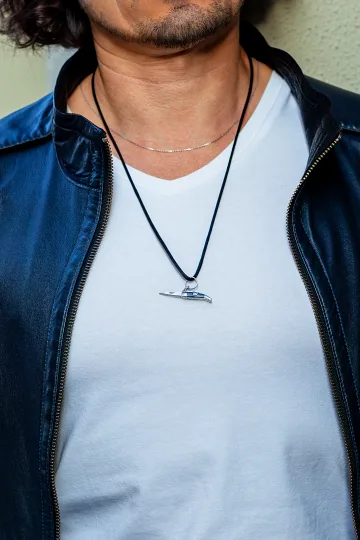
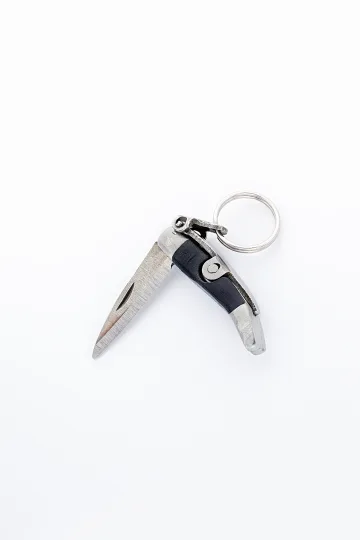
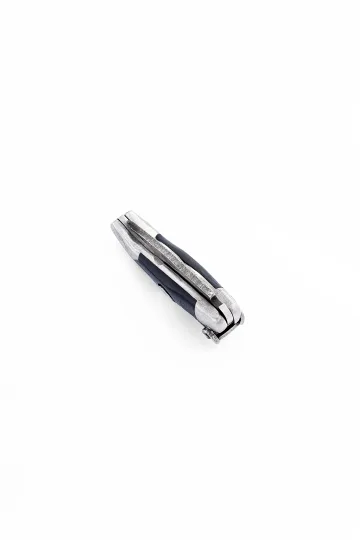
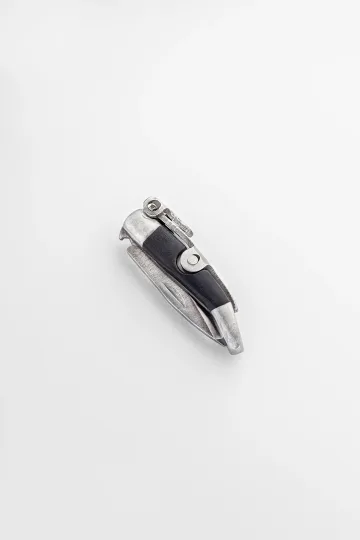
CAPAORA mini knife pendant
The 18th-century Spanish navaja in miniature: 40 mm of stainless steel, a real folding mechanism and a Palanquilla lock that clicks. An affordable gift to remember.
Authentic · Ships from Spain · 14-day returns
Vanitas Painting: Skulls, Candles, and the Art of Letting Go
What Is a Vanitas Painting?
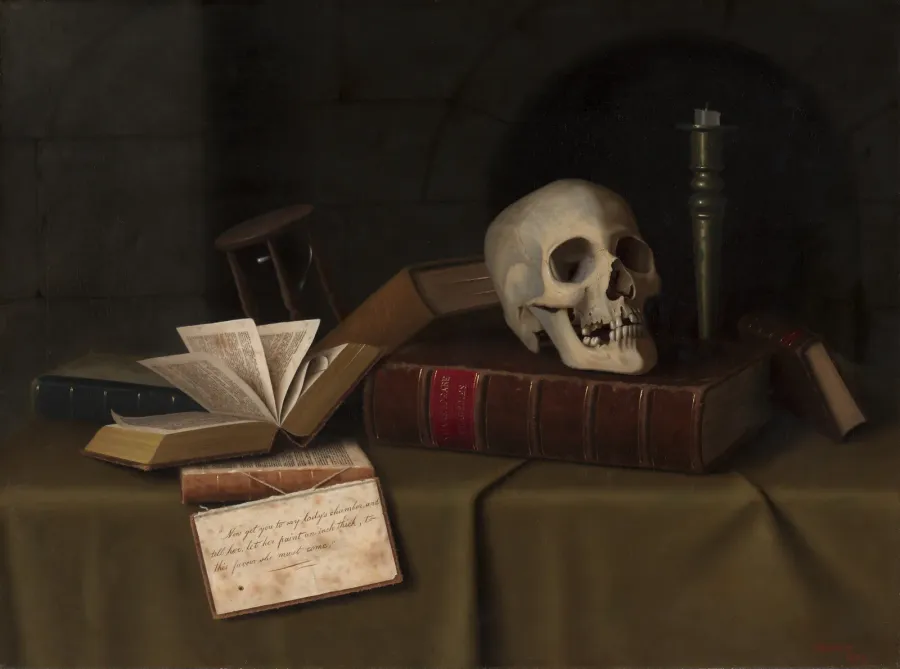
The word "vanitas" comes from the Book of Ecclesiastes: "Vanitas vanitatum, omnia vanitas," meaning "Vanity of vanities, all is vanity." In art history, a vanitas painting is a still life that includes symbols of mortality and the transience of earthly pleasures. It's basically a memento mori you hang on the wall.
The Dutch Golden Age: Rich People Reminding Themselves They'd Die
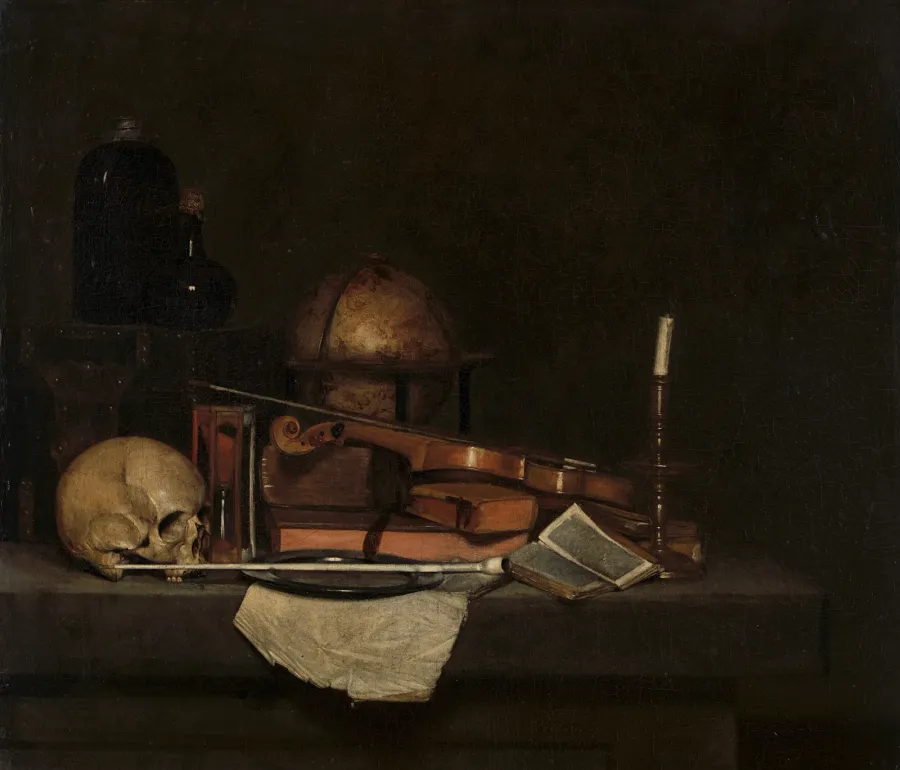
Vanitas painting reached its peak during the Dutch Golden Age (roughly 1600-1700), and the timing isn't a coincidence. The Dutch Republic was phenomenally wealthy. Amsterdam was the richest city in Europe. Dutch merchants were swimming in money from the East India Company, from Baltic grain trade, from the world's first stock exchange. And they were Calvinist Protestants, which meant they believed in hard work, simple living, and the idea that worldly riches were ultimately meaningless before God.
This created a tension: they were rich and they felt guilty about it. Vanitas paintings were the aesthetic resolution. You could fill your canal house with expensive art, as long as the art reminded you that all of this was temporary. It was Dutch pragmatism at its finest: being modest about your wealth by spending money on paintings about how you shouldn't care about money.
The typical vanitas painting includes some combination of: a human skull (mortality), an extinguished or guttering candle (the brevity of life), an hourglass (time passing), wilting flowers (beauty fading), rotting fruit (pleasure decaying), musical instruments (earthly enjoyments), books and documents (the futility of knowledge), gold coins and jewels (the meaninglessness of wealth), and sometimes a mirror (vanity itself). Artists like Pieter Claesz, Harmen Steenwijck, and Jacques de Gheyn II painted dozens of these compositions, each one a puzzle box of symbols.
Reading the Symbols: Skull, Hourglass, Candle, Flowers
If you learn to read a vanitas painting, you learn to read skull symbolism everywhere. The skull is the anchor, the one symbol that makes all the others make sense. Without the skull, flowers in a vase are just flowers. With the skull, they become a meditation on how beauty doesn't last. Without the skull, a pile of gold coins is aspirational. With the skull, it's a question: "What good is this when you're dead?"
That's what a skull pendant does, too. It recontextualises everything around it. It changes the question from "How do I look?" to "How am I living?"
Leave your email, we'll send your discount code. No spam, unsubscribe anytime.
The code arrives by email, valid on your first order.
Skulls Across Cultures: Not Everyone Fears the Bones
Mexico's Dia de los Muertos: Laughing at Death
If European memento mori tradition treated death as a solemn teacher, Mexican tradition took a completely different approach: it threw death a party.
Dia de los Muertos (Day of the Dead), celebrated on November 1-2, has pre-Hispanic roots going back at least 3,000 years. The Aztecs dedicated an entire month to the dead, presided over by the goddess Mictecacihuatl, the Lady of the Dead. When Spanish colonisers arrived and tried to replace indigenous death rituals with All Saints' Day and All Souls' Day, the two traditions blended into something entirely new.
The central image of Dia de los Muertos is the calavera, the skull. But these aren't grim European skulls. They're sugar skulls, decorated with bright flowers, colourful icing, the names of the deceased written on their foreheads. They're joyful. They're sometimes laughing. The message isn't "remember you'll die." It's "death isn't the end, your loved ones are still with you, and if you can't laugh about it, you're taking it too seriously."
The most famous calavera is La Catrina, originally a satirical print by Jose Guadalupe Posada from around 1910, showing a skeleton in an elaborate hat. Posada's point was political (even the rich die), but La Catrina became an icon of Mexican identity, eventually morphing into the elaborately face-painted figure you see in modern celebrations. Diego Rivera painted her into a famous mural. She's been in Disney films. She's on T-shirts worldwide. And she's a reminder that Mexico's relationship with death is something the rest of the world might learn from.
Tibetan Buddhism: Kapala Cups and Skull Malas
Tibetan Buddhism has one of the most intense and direct relationships with death imagery of any living tradition. Where Western culture tries to hide death, Tibetan practice runs toward it.
The kapala is a ritual cup made from the top of a human skull, often mounted in silver or gold. It's used in tantric ceremonies to hold offerings. To Western eyes, this sounds macabre. To a Tibetan practitioner, it's a powerful tool for meditation on impermanence, a physical reminder that the body is temporary and that attachment to it causes suffering.
Skull malas (prayer beads) serve a similar purpose. Made from bone or carved to resemble tiny skulls, each bead represents one of the 108 defilements that Buddhist practice aims to overcome. You hold death in your hands, literally, and you count through it bead by bead. The Tibetan practice of chod goes even further: practitioners meditate in charnel grounds, visualising their own body being consumed, as a way of overcoming fear and attachment.
The citipati, a pair of dancing skeletons often depicted in Tibetan art, are protectors of dharma, guardians of the teaching. They dance in the charnel ground, celebrating the liberation that comes from truly understanding that everything passes. If that sounds familiar, it should. The citipati and the European Danse Macabre are separated by thousands of miles but share the same core insight. The same logic sits behind the ouroboros, the serpent that swallows its own tail: ending and beginning closed into a single circle, and recognising that loosens fear's grip.
The Celtic Head Cult: Skulls as Seats of the Soul
For the Celtic peoples of Iron Age Europe, the head was the most sacred part of the body. Classical authors like Livy and Diodorus Siculus wrote (with varying degrees of horror) about the Celtic practice of taking and preserving the heads of defeated enemies. These weren't trophies in the crude sense. The Celts believed the head was the seat of the soul, and possessing a head meant possessing its power.
Archaeological evidence backs this up. At the sanctuary of Roquepertuse in southern France (3rd century BCE), researchers found stone pillars with niches carved specifically to hold human skulls. At Entremont, near Aix-en-Provence, stone sculptures show warriors with severed heads hanging from their horses. The sanctuary at Gournay-sur-Aronde contained hundreds of human and animal bones arranged in ritual patterns.
This isn't directly memento mori. The Celts weren't reminding themselves of death so much as trying to harness its power. But the underlying respect for the skull as a container of essence and identity, something beyond mere bone, connects to the broader human fascination with the image. When you wear a skull pendant today, you're tapping into something very old and very cross-cultural.
Skulls in Fashion: From Outlaws to the Runway
Biker Culture and the Open Road
The skull's modern fashion journey starts with motorcycles. In post-World War II America, returning veterans formed motorcycle clubs as a way to recreate the brotherhood and adrenaline they'd experienced in combat. Many of these post-war clubs adopted the skull and crossbones as part of their identity almost from the beginning.
For bikers, the skull meant several things simultaneously: fearlessness in the face of death (relevant when you ride a machine that can kill you at any moment), rejection of polite society's squeamishness about mortality, and membership in a group that lived by its own rules. The skull ring, in particular, became a badge. You'd see thick silver skull rings on every hand at a biker rally, and the heavier and more detailed they were, the better.
This imagery bled into popular culture through Marlon Brando in "The Wild One" (1953) and then through countless films, TV shows, and moral panics about outlaw motorcycle gangs. By the 1960s, the skull-wearing biker was a fixed character in the American imagination: dangerous, free, contemptuous of convention.
Punk and Rock: Keith Richards, The Misfits, and Rebellion
Rock and roll grabbed the skull and ran with it. Keith Richards of the Rolling Stones made the skull ring his signature accessory, and he's been photographed wearing his famous silver skull ring for decades. The Grateful Dead turned a skull with a lightning bolt into one of the most recognised logos in music history. The Misfits built an entire visual identity around the "Crimson Ghost" skull.
Punk took it further. The punk movement of the late 1970s was fundamentally about stripping away pretence, and what's more honest than a skull? Sid Vicious, the Ramones, and their descendants wore skull imagery as a rejection of everything polished and fake about mainstream culture. The skull said: "I know this all ends. I'm not pretending otherwise. And I refuse to play along with your comfortable lies about it."
By the 1980s, heavy metal had adopted the skull as practically mandatory imagery. Motorhead's Snaggletooth, Iron Maiden's Eddie, Megadeth's Vic Rattlehead. Each band created its own skull character, its own relationship with death imagery. The skull went from symbol to mascot.
High Fashion: When the Skull Walked the Runway
And then fashion happened.
In the early 2000s, the skull crossed over from counterculture to the high-fashion runway. Designers began printing skulls on silk scarves and weaving them into ready-to-wear collections, and the motif turned up on the most photographed people in London, Paris, and New York. That moment moved skull imagery from rebellion to mainstream luxury. What the best designers of the era understood was that beauty and death are not opposites. They're partners, and the skull was the most direct way to put that tension on a body.
By the 2000s the same idea had reached high jewellery. Heavy sterling-silver skull rings, hand-finished in small ateliers, became coveted pieces among musicians and front-row editors alike. What that wave proved is that a skull can be simultaneously rebellious and refined. The image hasn't lost its edge, but it gained an additional layer of meaning: discernment, the sense that beauty can live in dark places. A skull also sits naturally inside the wider gothic jewellery collection, next to crosses, keys, daggers, and thorned bands.
Skulls in Contemporary Art: Hirst, Basquiat, and Beyond
The art world's most famous skull is probably Damien Hirst's "For the Love of God" (2007), a platinum cast of a human skull encrusted with 8,601 diamonds, including a 52.4-carat pink diamond on the forehead. It reportedly cost 14 million pounds to produce and was valued at 50 million pounds.
The brilliance of the piece is its contradiction. It's the ultimate vanitas object: a symbol of death covered in the ultimate symbol of earthly wealth. It's beautiful and disturbing at the same time. Are you admiring the diamonds or contemplating the skull beneath them? Can you do both? Hirst forces you to confront the exact tension that Dutch vanitas painters explored 400 years earlier, but with contemporary excess.
Jean-Michel Basquiat used skull imagery throughout his career, most notably in his 1981 painting "Untitled (Skull)," which sold at Sotheby's in 2017 for 110.5 million dollars, at the time the most expensive American artwork ever sold. Basquiat's skulls are raw, urgent, almost childlike. They speak to mortality but also to race, identity, and the violence of the American experience. His skull wears a crown but the crown doesn't protect it.
Andy Warhol's "Skull" series (1976) took photographs of a human skull and ran them through his signature silk-screen process in different colours, turning death into pop art, the ultimate commodity. Georgia O'Keeffe painted cow skulls in the New Mexico desert as meditations on landscape and mortality. Frida Kahlo incorporated skulls into self-portraits that blurred the line between the living and the dead.
The skull is the art world's most durable image. It has appeared in masterworks from every century and every movement. And the reason is simple: it's the one thing every single person who has ever looked at art has in common. Under all the differences of era, culture, race, gender, and belief, there's a skull. There's always a skull.
Buying it as a gift? Each one arrives ready to give.
 A branded Zevira box and a little card come with every order.

Why People Wear Skull Jewellery Today (It's Not What You Think)
Let's get honest about this. When someone buys a skull ring or a skull pendant in 2026, they're usually not thinking about Roman generals or vanitas paintings. They might not know the phrase "memento mori" at all. But the impulse behind the purchase, the reason the image appeals to them, connects directly to 2,000 years of philosophy.
Here's what skull jewellery wearers actually tell you when you ask them why:
"It reminds me not to take things too seriously." This is the most common answer, and it's pure memento mori philosophy without the Latin. If everything ends, then the thing you're stressed about right now probably isn't as important as it feels.
"It's about being authentic." The skull strips away pretence. Under every face, there's a skull. Under every carefully constructed identity, there's the same bones. Wearing a skull is a way of saying "I'm not interested in the surface-level game."
"I just think it looks cool." And that's valid too. The human skull is an extraordinary design object: symmetrical, complex, instantly recognisable. There's a reason it's been the single most reproduced image in the history of decorative art. It works visually in a way that almost nothing else does.
"It connects me to something bigger." Some people wear crosses for faith. Some people wear skull jewellery for philosophy. The skull connects you to every human being who has ever lived and every one who will: because we all share the same destiny. That's not morbid. That's the most inclusive symbol in existence.
Silver and gold jewellery, wedding bands, symbolic pendants, paired sets.
Send a friend a discount code, they save on their first order.
Frequently Asked Questions
What does a skull ring mean? At its core, a skull ring is a memento mori, a reminder of mortality. For 2,000 years, from Roman triumphs to medieval mourning rings to modern fashion, the skull has symbolised the same thing: life is finite, so live it fully. In different subcultures, it can also signal membership (biker culture), rebellion (punk/rock), or philosophical outlook. But the root meaning is always about awareness of death as a motivator for living.
Is it bad luck to wear skull jewellery? No. In most traditions, skull imagery is considered protective rather than unlucky. Mexican Dia de los Muertos treats skulls as symbols of celebration and connection with ancestors. Tibetan Buddhism uses skull imagery as a meditation tool. European memento mori tradition sees skulls as wisdom symbols. The "bad luck" association is mostly a modern superstition with no historical basis.
What does memento mori mean? "Memento mori" is Latin for "remember that you will die." It originated in Roman triumph ceremonies, where a slave would whisper the phrase to victorious generals to keep them humble. Over the centuries, it became a philosophical tradition embraced by Stoics, Christians, and secular thinkers. It's not about being morbid. It's about using awareness of death to live more intentionally.
Can you wear skull jewellery to work? Absolutely. A subtle skull ring or a small skull pendant is no more controversial than any other symbolic jewellery. The stigma around skull imagery has faded considerably since high fashion brought the motif into the mainstream in the 2000s. If you work in a very conservative environment, a smaller piece worn subtly works perfectly. In creative fields, nobody will blink.
Why did the skull become a high-fashion symbol? Fashion has long been fascinated by the tension between beauty and death. When the skull moved onto luxury runways in the early 2000s, it captured that tension perfectly: a refined object printed or cast with the most universal symbol of mortality. From there it spread quickly into everyday jewellery and stayed.
What's the difference between memento mori and vanitas? They're closely related but not identical. Memento mori is the broader concept, any reminder of death. Vanitas is a specific artistic genre (mostly Dutch Golden Age painting) that depicts objects symbolising the transience of life, the futility of pleasure, and the certainty of death. All vanitas art is memento mori, but not all memento mori is vanitas. A skull ring is memento mori. A painting of a skull with wilting flowers, an hourglass, and scattered coins is vanitas.
Do skulls mean different things in different cultures? Yes, but with a shared core. In European tradition, skulls emphasise mortality and the equality of all people in death. In Mexican tradition (Dia de los Muertos), skulls celebrate the ongoing connection between the living and the dead. In Tibetan Buddhism, skulls symbolise impermanence and the liberation that comes from accepting it. In Celtic tradition, the skull was the seat of the soul and a source of power. The specific interpretation varies, but every culture that uses skull imagery treats the skull as something more than just bone.
Is skull jewellery only for men? Not even close. Historically, memento mori rings were worn equally by men and women. Queen Elizabeth I wore one. Victorian mourning jewellery with skull motifs was predominantly a women's fashion. Today, skull pendants, rings, and earrings are designed for every gender. The idea that skull jewellery is masculine is a mid-20th-century association from biker culture that doesn't reflect the symbol's much longer history.
The skull is the oldest, most universal symbol in human culture. It appears in every civilisation, every art movement, every century. It's not morbid. It's not rebellious. It's not fashionable. It's all of those things, and it's something more: it's the one image that tells the truth about every single person who looks at it.
You're going to die. So am I. So is everyone you love and everyone you'll never meet.
The question is what you do between now and then. And if a small piece of metal on your finger or around your neck helps you remember to actually answer that question, every day, with intention, then it's doing exactly what skull jewellery has been doing for 2,000 years.
Not bad for a piece of jewellery.
Wear the symbol, don't just read about it. These are in stock:





About Zevira
Zevira makes jewellery in the artisan tradition of Albacete, Spain. For us the skull and memento mori are not a fashion gesture but an old language about mortality and the worth of each day, so we treat these pieces as a personal symbol you carry rather than a decoration for one season.
Here is what you can find with us around the skull and memento mori theme:
- Skull rings in 925 silver, neat and easy to wear every day
- Skull pendants and mortality motifs on both thin and heavier chains
- Gothic sets where the skull sits alongside crosses, keys and hourglasses
- Earrings and charms built around the themes of time and impermanence
- Matching pieces for those who read memento mori as a promise to live fully
- Jewellery ready for personal engraving: a date, a name or a short Latin phrase
Every piece is made by a craftsman by hand, with the option of personal engraving. 925 silver and 14-18K gold.
Wear the symbol, don't just read about it. These are in stock: