Valentine's Day Jewelry Gift Guide: What to Give at Every Stage of a Relationship
Introduction: The Valentine's Day Jewellery Dilemma
It is mid-January. You have a partner. You have been together for eight months, not a year, not two, just eight months. And you have no idea what to buy for your girlfriend. An engagement ring is far too soon. Earrings feel generic. A gold chain seems loaded with some unspoken implication.
Valentine's Day has been tangled up with romantic gifts since Geoffrey Chaucer first connected the feast of Saint Valentine with courtly love in his 1382 poem Parlement of Foules, the earliest known literary link between 14 February and lovers. By the nineteenth century, the British had invented the printed Valentine's card, and jewellery followed as the gift of lasting sentiment. The tradition is older and more English than most people realise.
Today the pressure is real: too significant a gift and you crowd the relationship; too small and you seem indifferent. Jewellery sits awkwardly in the middle, sending signals you may or may not intend. This guide cuts through the confusion. What works at each stage of a relationship, for each type of person, at each budget level.
There is a clear logic to why a three-year anniversary gift looks different from a six-month Valentine's gift. There are reasons why a heart pendant reads perfectly in year two and feels like too much in month one. And there are practical answers for every scenario in between.
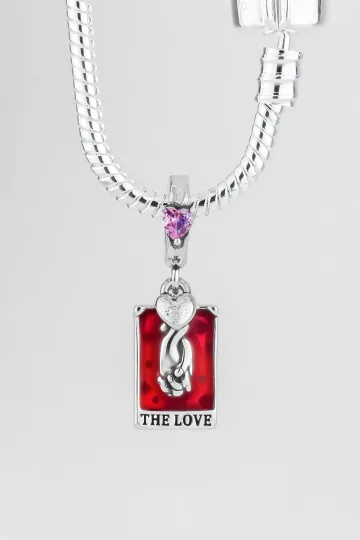
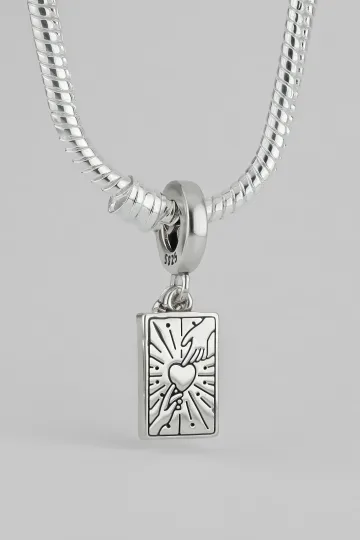
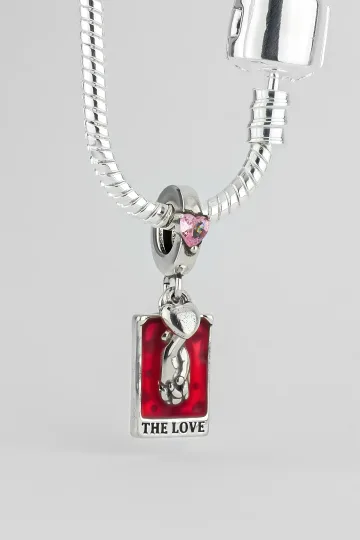
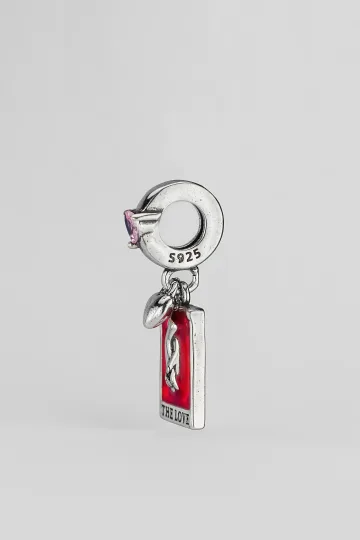
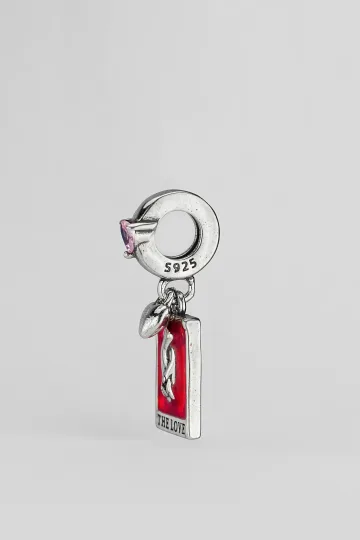
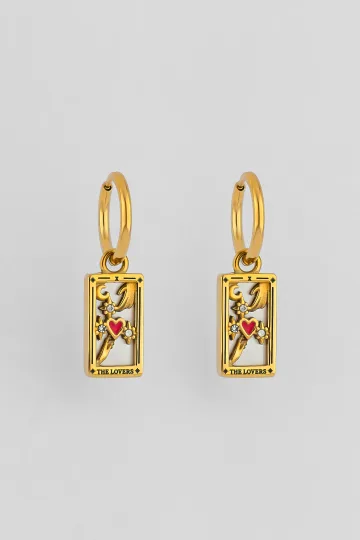
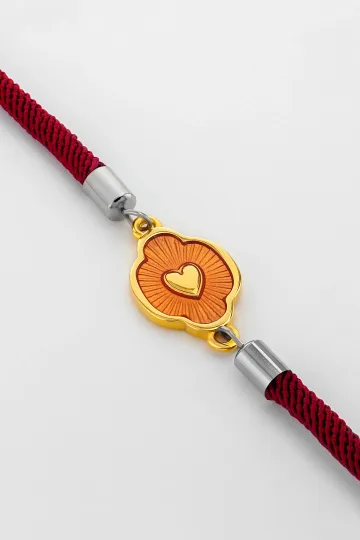
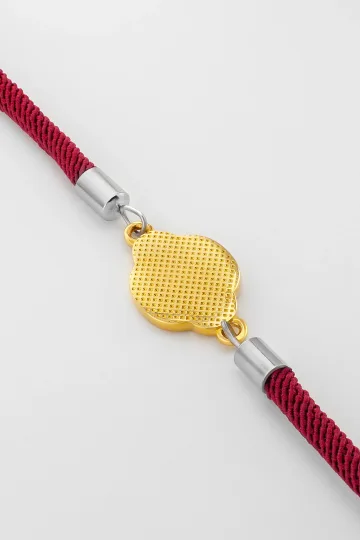
Wear the symbol, don't just read about it. These are in stock:



A Short History Worth Knowing
Two saints, one name
There was not one Saint Valentine. Church records document at least two Christian martyrs by that name, both put to death around 270 AD. The first was Valentine of Rome, a priest. The second, and the one who matters most here, was Valentine of Terni, a bishop from Umbria in central Italy. The feast day falls on 14 February. His relics are kept to this day in the Basilica of San Valentino in Terni, and the Italian city still marks the occasion with ceremonies for couples. The holiday has Italian roots, not American ones.
Chaucer and the literary origin (1382)
The moment when 14 February became a day for lovers can be traced to a specific poem. In 1382, Geoffrey Chaucer wrote Parlement of Foules, in which birds gather to choose their mates on Saint Valentine's feast. It is the earliest known literary text linking the date to romantic love. Before Chaucer, 14 February was a liturgical day. After Chaucer, it entered the English imagination as a lovers' occasion.
The following two centuries saw poets from Shakespeare forward use the date as backdrop for love. By the Tudor period, sending a gift or verse on 14 February was an established English custom.
Victorian Britain and the printed card
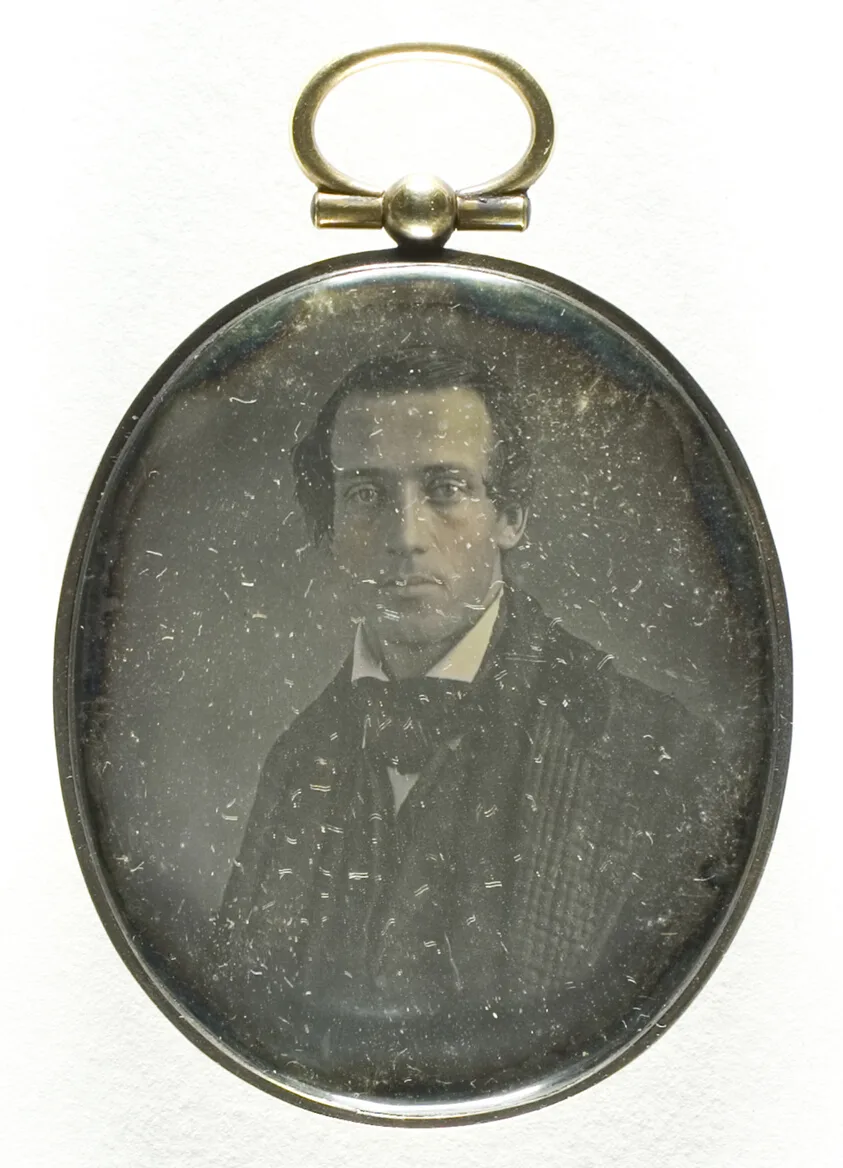
By the eighteenth century, handwritten love notes were common across Britain. The commercial Valentine's card emerged in Britain in the 1840s, decorated with lace and flowers and printed in large numbers. Jewellery followed naturally as a companion gift: something that would outlast a card, carry sentiment further, and be worn rather than filed away. Victorian Britain also gave us the language of gem meanings: pearls for purity, garnets for deep affection, sapphires for faithfulness. That vocabulary still shapes what people reach for on 14 February, even when they do not know the etymology.
The American Valentine
After the Second World War, the tradition spread more broadly across Europe and North America. The combination of chocolate, flowers, and jewellery became a recognised ritual. Today Valentine's Day is one of the most significant dates in the jewellery calendar, second only to the winter holiday season.
American Valentine's culture has its own texture: scale, showmanship, the public declaration. The tradition that emerged in the United States was louder than the English original. Where a nineteenth-century British Valentine might have been a small brooch and a handwritten note, the twentieth-century American version trended toward larger gestures. The red rose, the heart-shaped box of chocolates, the velvet ring box: these became the American visual language of February 14. Both approaches have their place depending on the person you are shopping for.
A small heart on a fine chain, and no arguments. That gold-plated fist stamped 'forever' will not outlast the wilting roses.
What to wear your Valentine's piece with
A Valentine's gift should last longer than one evening. I have sorted by occasion what actually works, so the piece lives in a real wardrobe instead of a box until next February.
What do I wear a heart pendant with every day? For daily wear I recommend a small heart pendant or an infinity charm on a fine chain. It sits on a plain tee, a turtleneck or basic knitwear without fighting anything. Under a deep neckline I suggest a slightly longer chain so the pendant lands on bare skin; under a closed collar, a shorter one at the collarbone.
Is it right for the office? Here I choose one accent only: either neat studs or a single chain, never a pile. I recommend calm metals, minimal shine, nothing that jingles. Pearl or sapphire in this setting reads as quiet confidence rather than party dress-up.
How do I build an evening date look? For evening I suggest layers: two or three chains of different lengths, a larger ring, earrings with movement. A deep fabric colour, wine, emerald, black, flatters gold and warm stones, while cool silver and diamond come alive on light and pastel.
How do I mix metals without a misstep? Mixing warm and cool on purpose works as a technique. But if you are unsure, I advise staying in one tone, especially when the person wears only yellow gold or only silver. Layers rely on a difference in length: never hang two pieces at the same level, they will catch and argue.
Who suits stacking, and who suits a single piece? I recommend active layering for those who like to build a look and change it with their mood. A single strong piece I suggest for minimalists, whose value is in a clean line, not in quantity. A birthstone or an engraving adds a private note only the one who knows the story will catch.

Turn on your camera, pick earrings, a pendant or a ring, and see the piece on yourself in real time.
Switch items in one tap.
Everything runs in your browser: no photo or video is ever uploaded.
Choosing a Valentine's Day Jewellery Gift: Where to Start
Before you look at any specific piece, three questions clarify the choice faster than browsing an entire catalogue:
What is the real status of the relationship? This is the single most important variable. A piece that reads perfectly at two years reads awkwardly at two months. The gift should match where things actually are, not where you hope they will be.
What is their actual aesthetic? The person who wears one plain gold chain and nothing else needs something different from the person who layers five necklaces and changes their earrings daily. If you are not certain, think about what they wear most consistently. That is the answer.
What do you want to communicate? Different pieces send different signals. A small neutral chain says "I was thinking of you." A heart pendant with their birthstone says "I am paying attention." An engraved piece says "I invested specific thought in this." Know what you want to say before you choose how to say it.
Getting these three questions right narrows the choice immediately. The rest of the guide fills in the details.
Gifts by Stage of Relationship
This is the primary variable. Jewellery that is entirely appropriate at year three lands wrong at month two. A good rule: the scale and symbolism of the gift should match the real scale of the relationship.
Early days (under 6 months)
The governing rule: nothing that reads as a commitment.
New relationships are still finding their shape. A beautiful piece of jewellery is welcome. A beautiful piece of jewellery loaded with heavy symbolism (heart, promise, lock) can create pressure where none is needed. The other person starts thinking not "how lovely" but "what does this mean?" That is not the feeling you want to create.
Works well:
- A slim gold or silver chain with no pendant
- A bracelet with one neutral charm (star, key, sun motif)
- Minimalist stud earrings
- An anklet, everyday wear
- A small key pendant (avoid "key to my heart" phrasing, let the piece speak quietly)
- A plain band ring with no engraving
Avoid:
- Engagement rings (not under discussion)
- Promise rings (too weighty)
- Heart pendants (too literal at this stage)
- Matching sets (signals commitment)
- Anything diamond (premature)
- Jewellery engraved "my love" or any possessive
Budget: entry to mid-range.
Why neutral? Because in early months, your partner does not yet know your taste in jewellery, and you do not yet know theirs. A safe choice looks considered but does not carry heavy symbolic baggage. A slim chain in solid 14K gold suits almost anyone. An ambitious "personal" pendant chosen without full knowledge of their aesthetic may not.
Early relationships also benefit from gifts that carry no narrative weight. The story you are building together is just beginning. A small, beautiful piece participates in that beginning without trying to write the ending.
Six to eighteen months
You can move slightly deeper, but commitment is not the message yet.
After six months there is usually clarity about where things are heading. A slightly more personal choice is appropriate. But direct commitment symbols (engagement ring, matching "forever" pieces) are still too much.
Works well:
- A minimal heart pendant (small scale, restrained)
- A slim bracelet with an initial
- An infinity pendant (eternal feeling, abstract symbol)
- Matching everyday bracelets (not bridal)
- A birthstone piece for your partner's birth month
- A small diamond stud (neutral if kept modest)
Handle carefully:
- Large heart pendants (can read as too much)
- Diamonds in prominent sizes (edges toward commitment territory)
Budget: mid-range.
The birthstone option works particularly well at this stage. It is personal (you know their birthday), emotionally specific, and carries no commitment implication. For someone born in February, aquamarine is both seasonally fitting and genuinely beautiful.
At six months you also know enough about their style to make an informed choice. That knowledge is worth using. A piece chosen with real attention to their aesthetic says more than a "safe" pick chosen blindly.
One to two years
Meaningful gestures are fair; proposals are not implied.
After a year together you know your partner's aesthetic. You can choose with precision. Significant symbols are appropriate when they fit the real relationship.
Works well:
- A heart or infinity pendant with more detail
- A charm bracelet carrying meaningful dates or places
- A pendant with a significant gemstone
- A promise ring (if you have spoken about this together)
- Matching rings (plain bands, not bridal)
- A birthstone ring (personal, no pressure implied)
- A locket with room for a photograph
Budget: mid to premium.
This is the first stage where engraving makes obvious sense. A date, coordinates, a single word with private meaning. Engraving turns a standard piece into something singular, something that will be worn differently than a simply beautiful object. The recipient understands that specific thought went into it, not just money.
A locket at this stage is also particularly effective. It holds a photograph (a moment shared, a face that matters) and carries that moment on the body. The gift asks for something back: the choice of what photograph goes inside.
Three or more years together
A larger gesture is entirely appropriate here.
After three years the relationship has weight and texture. Serious commitment symbols are appropriate. A tennis bracelet, an eternity ring, a strand of pearls: these read correctly. The person receiving them understands the register.
Works well:
- A solitaire pendant with diamond or sapphire
- A tennis bracelet
- A single-strand pearl necklace
- An eternity ring
- A birthstone ring in a significant setting
- A solid gold cuff with engraving
Budget: premium to luxury.
The register shifts at three-plus years. You are no longer signaling direction; you are confirming a reality. Pieces that acknowledge depth and duration are appropriate here. An eternity ring, with its unbroken line, is particularly fitting: it says something about the relationship itself rather than about where it is headed.
Engagement-ready
Valentine's Day is a classic occasion for proposals. If you are seriously considering it, a few things worth remembering.
Proposing on 14 February works. It is also predictable. Many couples prefer a date with personal significance: the date you first met, the first date, the place where it all began. If February 14 already has meaning for you both, that is a perfectly good choice. If there is no particular reason for this date, consider whether a surprising moment in April or October might matter more.
If the decision is made:
- A classic solitaire diamond
- Alternatives: sapphire, moissanite, lab-grown stone
- Vintage or a family piece (implies a history and a future)
One note on lab-grown diamonds: they are chemically identical to mined stones and substantially more affordable. For many buyers under forty, they are now the default choice. There is no practical reason to treat them as lesser; the only relevant variable is whether the person receiving the ring holds a preference either way.
Married (five or more years)
After years together a gift says something different: not "I want to be with you" but "I am glad I am with you." Different message, different register.
Works well:
- An eternity ring (a renewal of the wedding band)
- A solid gold pendant with meaningful engraving
- A restored family heirloom piece
- A matched pair in the same style
- A piece set with a stone connected to a meaningful trip or date
Budget: premium to luxury.
For married couples, the jewellery gift often works best when it connects to something specific in the shared history: the place you honeymooned, the year something important happened, a stone connected to a trip that mattered. Generic luxury says less than specific sentiment.
Matching the Gift to Relationship Stage: What Changes and Why
A question worth addressing directly: why does the same type of piece (say, a heart pendant) read differently at different stages?
The answer is context. In the early months of a relationship, any symbolic object is read as a statement of intent. The recipient is still figuring out where things stand. A heart pendant in month two asks them to answer a question they have not yet formed. A heart pendant in year two simply confirms what both people already know.
This is why the framework matters. It is not about following arbitrary rules. It is about reading where the other person is, and sending a gift that arrives at the right address. The wrong gift does not fail because it is bad jewellery. It fails because it says the wrong thing at the wrong moment.
The second reason the framework matters: jewellery is kept. A gift that felt premature at month three will still be in a drawer at year two, carrying the memory of that misjudgment. A gift that felt right at month three will still be worn at year two, carrying the opposite memory.
Customer reviews
Zevira is a real jewellery shop. Genuine payments, deliveries and customer thank-yous.
🥰🥰🥰 gracias

Ok, ¡gracias! 🙂

Gifts by Personality
The stage of a relationship sets the framework. The personality of your partner determines the specific choice. The same moment in a relationship, but two different people, calls for completely different jewellery.
The minimalist
One piece, maximum restraint. No extra detail. No "lots of everything." This person wears one or two pieces consistently and does not switch them out. What matters is the quality of the material and the cleanliness of the line, not visual weight.
- A slim 14K solid gold chain with no pendant
- Plain gold or pearl studs
- A single plain band ring with no engraving
- A permanent welded bracelet (no clasp, worn continuously)
Less is more. Quality over quantity, always. The key word here is "solid": not gold-plated, solid metal. The difference is immediately visible and legible to someone who cares about material quality. A minimalist tends to be a material-quality person.
The permanent bracelet deserves a mention here. Welded closed by a jeweller, it has no clasp, no break, no moment of removal. It is worn continuously. For a minimalist, this is a compelling choice: one piece, always present, never taken off.
The romantic
Classic love symbolism, without irony. This person is not embarrassed by direct symbols and receives them genuinely.
- A heart pendant (small, well-made)
- Flower-shaped earrings
- A dove motif pendant
- A locket medallion with room for a photograph
- A ring set with a pink sapphire
For the romantic, scale and sentiment are both welcome. This person will read a heart pendant as the gift it is intended to be, without layering on excess interpretation. They respond to the language of jewellery in the traditional register.
Bold and maximalist
This person wants a statement, not a whisper. They build outfits, mix pieces, wear several things at once. One modest pendant will get lost.
- A large cocktail ring
- A layered set: necklace plus bracelet plus earrings
- A wide ring with a coloured stone
- A stacked ring set in mixed metals
For the maximalist, visual presence is the point. A piece that reads clearly from across a room. Bright metal, large stones, strong shapes.
Vintage-inclined
This person is interested in the history of objects, not just their appearance. Give them something with character.
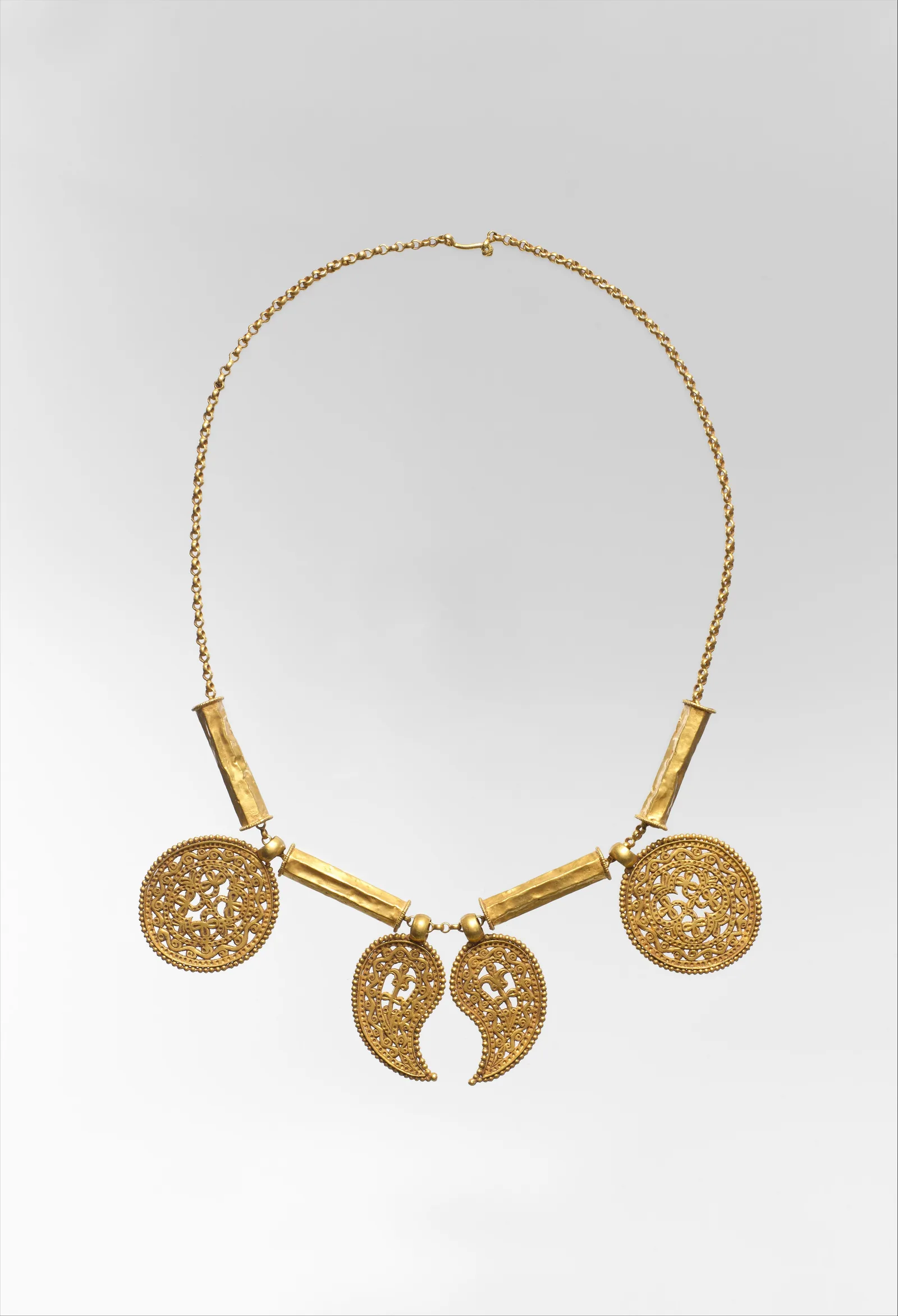
- A cameo pendant in antique style
- A filigree pendant
- A gold ring with a cabochon stone in a retro setting
- An antique brooch for someone who knows
- A locket with an aged surface finish
The vintage-inclined person reads context into objects. A piece that looks like it has been somewhere, that carries design language from another decade, appeals to them in ways a contemporary minimal piece does not. The aesthetic is period-aware, not just stylish.
Active and sporty
Jewellery for this person needs to be functional: not in the way, not lost, not getting dirty. Durability matters more than delicacy.
- A titanium ring or bracelet
- A surgical steel ring
- A permanent chain with PVD gold finish
- An anklet built for daily wear
PVD finish (physical vapour deposition) creates a gold-toned surface that is significantly harder than standard gold plating and holds up to active wear, sweat, and water. For someone who trains, it is the practical choice.
Dark academic
Books, archives, history, atmosphere. The aesthetic is intellectual and slightly melancholy.
- An antique-style key pendant
- A locket medallion
- An oxidised silver ring with monogram
- A signet ring with crest
Bohemian
Natural materials, layered pieces, the feel of accumulated meaning rather than a single statement object.
- A moonstone pendant
- Long feather earrings
- A charm bracelet with nature motifs
- A stacked ring set in mixed metals
Moonstone is particularly well suited here: its pale, shifting light aligns with the aesthetic, and it has a history of symbolic association with intuition and the moon.
The Language of Symbols
A piece of jewelry communicates even before it is explained. The love symbols most associated with Valentine's Day carry meanings worth understanding. If you know this language, your choice becomes precise rather than accidental.
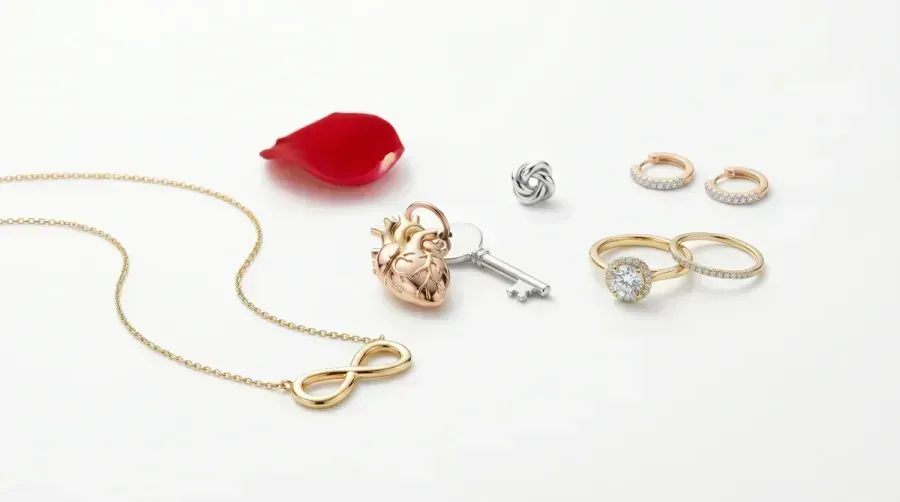
Heart. The classic of love. Universal. Works at any stage if kept appropriately scaled. A small neat heart on a good chain says "I am thinking of you." A large gold heart with a diamond says "I am serious about this." Context is everything.
Infinity. Signals permanence without the weight of a formal proposal. Says "always" without saying "marriage". Well suited from six months onward. A neutral symbol with a strong emotional charge.
Lock and key. A sealed heart. Nineteenth-century classic. Handle with care: it can read as a strong commitment signal. Better suited to established relationships. For early relationships it raises questions.
Two intertwined rings. Unity. Appropriate for couples already thinking about a shared future, not yet ready for a formal proposal.
Initial pendant. Personal and intimate. Says "I am specifically thinking of you". Neutral in terms of commitment, strong in terms of attention. Their initial, not "L for love."
Coordinates. The location of a first meeting, first date, or significant place. Particularly effective for engraved pieces. The most personal of all symbols: impossible to mistake for something generic.
Knot. Sailor's knot, Celtic knot, love knot. Speaks of connection without the specificity of commitment. A good alternative to the heart: less expected, same emotional register.
Compass or compass rose. A contemporary popular symbol: "I will always find my way to you." Neutral in terms of commitment, works in early and mid-relationship alike.
Dove. Peace, tenderness, romantic constancy. An older symbol than most people reach for; particularly suited to someone with an appreciation for Victorian or pre-Raphaelite aesthetic.
Upload a photo of your pet, someone you love, or an object. We'll build a 3D model and hand-cast it in pewter.




What a Piece Communicates
This matters because many people choose jewellery based on "I like this" without thinking about how the recipient will read the symbolism. The gap between what the giver intends and what the receiver understands creates awkwardness.
A small neutral piece says: "I was thinking about you. This does not press. I am glad we are together."
A symbol with clear romantic weight (heart, infinity) says: "I mean something serious by this. This is not just a gift."
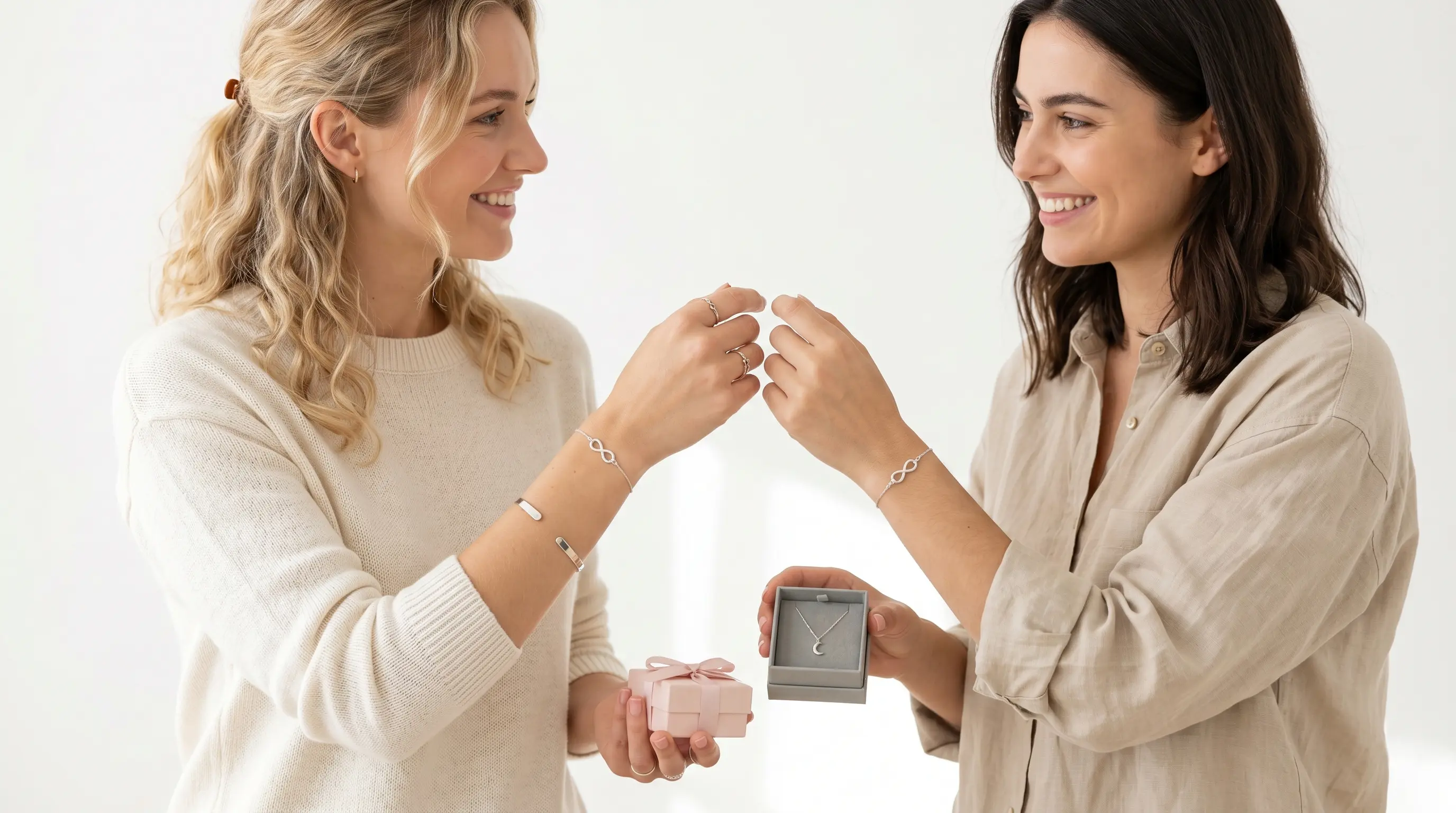
Matching jewellery says: "We are together, and I want that to be visible." A great message if both people are there. Heavy, if one is not.
An engagement ring says one thing: "Will you marry me." No half-tones.
Engraved jewellery says: "I thought about you specifically. I invested time, not only money." The most personal of all categories.
When choosing, ask yourself: what will this say to my partner in the moment they open the box? That will help you choose with precision.
Heart Motifs Done Right
The heart pendant has a reputation as an obvious, slightly lazy choice. That reputation is partly deserved and largely undeserved. The problem with the heart is rarely the symbol; it is the execution.
A heart pendant in cheap gold-plated brass, the size of a coin, with a rhinestone at the centre: yes, that reads as thoughtless. The material is wrong, the scale is wrong, and the stone is wrong. No amount of sentiment in the giving recovers the impression of the gift.
A small, clean heart in solid 14K gold, 1.2 centimetres at most, on a slim chain of the same metal: that reads completely differently. It is classic, considered, and requires no explanation. The symbol does exactly what it is supposed to do.
The variables that determine whether a heart pendant reads as a good gift or a generic one:
Scale. Small is almost always right. A heart the size of a large coin becomes a costume piece. A heart the size of a thumbnail becomes a jewellery piece.
Material. Solid gold, solid silver, solid platinum. Nothing plated in contexts that suggest permanence.
Setting, if any. A small birthstone at the centre of a heart is charming. Five rhinestones arranged around the perimeter start to look like a craft project.
Chain. The chain matters as much as the pendant. A fine box chain or a simple cable chain in the same metal. Mismatched chains and pendants look unresolved.
Get those four right and the heart pendant is a strong Valentine's gift at most relationship stages.
CAPAORA mini knife pendant
The 18th-century Spanish navaja in miniature: 40 mm of stainless steel, a real folding mechanism and a Palanquilla lock that clicks. An affordable gift to remember.
Authentic · Ships from Spain · 14-day returns
Gifts for Her and for Him
For her
The romantic centre of Valentine's Day. Strong options across stages:
- A heart pendant (clean silhouette, solid metal)
- Pearl studs (quiet luxury, looks expensive at any budget level)
- A ring set with pink sapphire or garnet
- A bangle with engraving
- An aquamarine or crystal pendant (aquamarine is February's birthstone)
- A lavender sapphire pendant (particularly strong for 2026)
- A locket (especially for year-one and beyond)
Pearl studs deserve particular attention. They are the closest thing to a universal gift in jewellery. They suit minimalists (because the form is simple), romantics (because the material is gentle), professionals (because they work in almost any context), and people who rarely wear jewellery (because they are unobtrusive). If you have no idea what to buy, solid gold pearl studs are the safest capable choice in the catalogue.
For him
Men's jewelry is consistently underestimated as a Valentine's gift for a boyfriend or husband. Options that work:
- A wedding band with engraving (if married): a quiet confirmation of the bond
- A slim solid gold chain: worn under a shirt, intimate
- A signet ring with crest or monogram
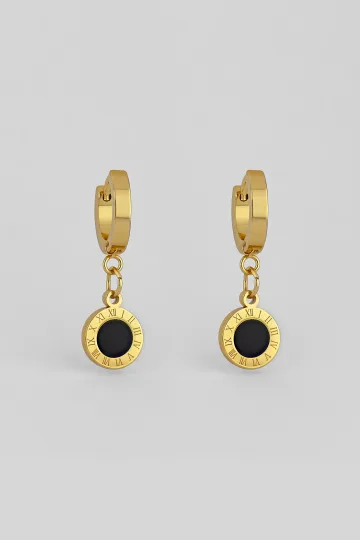
- Black ceramic hoop earrings (minimal, understated)
- A simple leather cord bracelet with a metal clasp
- Cufflinks for formal occasions
- A titanium or steel plain bracelet
- A plain band ring in titanium or platinum
The key with men's jewellery: restraint and material quality. A slim chain in solid gold says more than an elaborate pendant. A plain ring in titanium reads as considered rather than decorative. Neutral metals (silver, platinum, steel, black ceramic) work across the widest range of aesthetics.
Avoid anything that reads as visually feminine unless you know with certainty that is what they want. The risk is not political, it is practical: a gift worn daily needs to feel like the person wearing it.
Sizing Without Spoiling the Surprise
Particularly relevant for rings. Several ways to find the right size without asking directly:
Take a ring they wear regularly to a jeweller. They will measure it in two minutes. Any regularly worn ring on either hand works.
An online ring sizer. There are apps and websites where you can hold a ring up to the screen and get a size. Accuracy depends on your monitor calibration, but it usually gets you close enough.
Ask a mutual friend. They likely know, or can find out without raising suspicion.
If genuinely uncertain, buy slightly larger. Resizing down is easier and cheaper than resizing up. Most jewellers will do it quickly and at low cost.
For bracelets the logic is different: most bracelets come in standard lengths (16, 17, 18 cm), and adjustment is usually possible. Confirm with the seller before purchasing.
One practical note: if the gift is a ring and you truly cannot determine the size, choose a style where sizing is less critical: an open-band ring, an adjustable ring, or a pinky ring (smaller sizes are easier to guess). A chain or earrings sidestep the size question entirely.
Presentation and the Moment of Giving
The moment of giving is part of the gift. A beautiful piece in a crumpled gift bag with no note is a smaller gift than the same piece in a proper jewellery box with three handwritten sentences.
The box. A padded jewellery box is the minimum. Not a bag, not a tissue-wrapped piece, not a velvet pouch. A proper box that opens to reveal the piece. This is not about formality; it is about the experience of receiving. The moment of lifting the lid is part of what you are giving.
The note. Handwritten, on paper. Your words, your handwriting. Three sentences is enough. One sentence is enough. The content matters, not the length. "I thought about you choosing this" is worth more than a printed card with someone else's poem. A handwritten note also lasts: it will be kept with the piece for years.
The setting. Where and when you give it. This variable is often overlooked. A gift given in a crowded restaurant lobby as you wait for a table says less than the same gift given at a quiet moment chosen with some care. The moment does not need to be grand; it needs to be attentive.
Flowers. A small bouquet alongside the jewellery is a complete gesture. The flowers are temporary; the jewellery is permanent. They work well together precisely because they are different kinds of gifts: one for now, one for later.
If this is a proposal
The ring box is the moment. Traditional settings: a restaurant after dessert, at home over breakfast, somewhere that matters to you both. Do not propose in a crowd unless you know for certain your partner enjoys public attention.
A proposal that works for the person receiving it is better than a dramatic proposal that does not. Know your audience.
Leave your email, we'll send your discount code. No spam, unsubscribe anytime.
The code arrives by email, valid on your first order.
Valentine's Day by Budget
Entry-level
- A slim silver chain with a small heart
- A single-charm bracelet
- Silver studs
- An anklet with PVD gold finish
The key consideration at this level: sterling silver 925 rather than gold-plated steel. The difference in how long it holds up is significant. Thin gold plating on steel lasts months. Sterling silver, properly cared for, lasts indefinitely.
Mid-range
- A 14K gold-fill chain with pendant
- Akoya pearl studs
- A plain 14K gold ring with engraving
- Medium hoop earrings
At mid-range, solid gold pieces are possible, and they will last for years. The jump from gold-fill to solid gold is worth it if the budget allows.
Premium
- An anchor chain in solid 14K gold
- A pendant set with sapphire (peach, lavender, pink)
- A single-strand pearl necklace
- A small diamond pendant
Premium segment. Pieces that become favourites for years, not for months.
Luxury
- A signature solid gold bracelet
- A diamond engagement ring
- A diamond tennis bracelet
- A platinum wedding band
Luxury segment. Pieces chosen for a lifetime.
Avoiding Clichés That Do Not Work
Cheap gold plating engraved with "forever." The plating wears off in months. The irony of "forever" written on something temporary tends to register. If the budget is limited, a plain sterling silver piece is a better choice.
The oversized heart. There is a version of the heart pendant that reads as a novelty item rather than a piece of jewellery. Scale matters. A heart the size of a thumbnail in good metal looks like jewellery. A heart the size of a fist does not.
Jewellery that suits your taste but not theirs. This is the most common source of disappointment. If your partner is a minimalist and you have bought them a layered maximalist set, they will smile and not wear it. The gift is for them, not for you.
Generic box sets. Necklace-bracelet-earring sets sold as Valentine's packages tend to be made with minimal care and assembly-line construction. Individual pieces, chosen separately, are almost always better.
Flowers instead of jewellery as the default safer choice. Flowers are not safer than jewellery. They are different. Jewellery chosen thoughtfully says more than flowers chosen by default. The anxiety that leads to buying flowers when you wanted to buy jewellery usually produces a less meaningful gift.
Last-Minute Options
If February 12 has arrived and nothing is purchased yet, a few practical notes:
What still works: A slim chain or stud earrings from a local jeweller. Most items that do not require engraving can be picked up same-day. These are not compromises; they are entirely appropriate gifts at any stage.
What to avoid under time pressure: Engraving (turnaround is usually a few days), custom orders, and online purchases without confirmed same-day delivery.
A note about presentation: A last-minute gift in a beautiful box with a handwritten note reads better than an early gift in an envelope. The note matters as much as the piece.
If you cannot find a physical jeweller in time, a gift card from a jeweller you trust, presented in the same way as any other gift (box, note, intentional moment), is not a cop-out. It lets the recipient choose exactly what they want. Some people genuinely prefer that.
Engraving: What to Write
A personal engraving turns a standard piece into something singular. What works:
- A date. The date of a first meeting or first date. Personal without being heavy.
- A single word. "Always", "yours", "still". Short. Without drama.
- Coordinates. Where you met, where it started, somewhere significant to you both.
- Initials. Yours and theirs, together or separate.
- A short phrase. "With you", "mine", "always here." Three words maximum.
What to avoid: long dedications (they do not fit), film quotes (too much room for interpretation), promises of permanence if the relationship is still finding its footing, and never someone else's name or initials by mistake. That last one sounds obvious; jewellers confirm it happens.
Practical note: engraving takes time. If you are buying in the last week before 14 February, check the turnaround. Good engraving takes a few days. Order in January and there is no pressure.
Making It Personal: The Choices That Separate Good Gifts from Memorable Ones
The difference between a gift that is appreciated and a gift that is remembered for years usually comes down to one specific choice: did you pay attention to the person, or did you pay attention to the gift?
A slim chain bought because you noticed she wears simple gold pieces, chosen in the same tone as the earrings she wears every day, engraved with the date you met: that is a personal gift. The same chain, bought because you thought gold was a safe choice: that is a fine gift.
The choices that make jewellery personal:
Match their metal. If they consistently wear yellow gold, do not give white gold. If they wear silver, do not give gold. Matching the metal they already wear shows you looked.
Consider their scale. Small earrings for someone who wears delicate pieces. Larger pieces for someone who typically goes bold. This shows you see how they dress.
Choose the right stone, if any. Birthstones work because they are personal. Colour-matched stones work when you know their preferences. Random decorative stones are fine, but less memorable.
Engrave something real. Not a phrase from a greeting card. Something from your actual history together: a date, a place, a word with private meaning.
The note. Write something true. Not "happy Valentine's Day." Something that acknowledges the specific person in front of you.
Stress-Free Choosing
Most Valentine's Day jewellery mistakes come from buying at the last moment. A few principles that help:
Buy in January. Better selection, no rush, time to engrave. In the first week of February, inventory shrinks and prices sometimes rise.
Ask a mutual friend discreetly. They know your partner's style better than you think. This is reconnaissance, not weakness.
In early relationships, choose neutral over personal. Personalized pieces impress when the choice is accurate. A slim chain or pearl studs work for almost anyone.
Spend slightly more on quality than scale. A modest piece in solid metal always reads better than a large plated one. Sterling silver 925 versus gold-plated something: the choice is clear.
Do not buy online two days before February 14 unless you have a confirmed delivery guarantee. Holiday shipping times shift. Check in advance.
Send a friend a discount code, they save on their first order.
What Not to Give on Valentine's Day
- Thinly plated pieces (the finish wears within months, the message wears with it)
- Anything engraved with someone else's name or initials
- Low-quality materials if you know your partner prefers solid metal
- An engagement-adjacent ring if no proposal is intended
- Jewellery that suits your taste but not theirs
- A replica of a famous designer piece. The recipient will know, and what it communicates is different from what you intend.
Gifts for Yourself
A growing tradition: treating yourself on Valentine's Day. "I choose to love myself first." This is not loneliness; it is intentionality.
What works:
- A piece with your own birth month stone
- A ring with a stone that means something to you
- A lock pendant
- An initial with your own letter
- An affirmation piece (a pendant spelling "strong", "free", "enough")
Budget: whatever you want. The point is a conscious, intentional purchase.
The self-gifting trend on Valentine's Day is gaining real momentum. The logic behind it is straightforward: jewellery does not have to symbolise a relationship with someone else. A beautiful piece on your finger or around your neck is simply a beautiful piece. Buying yourself something on a day that traditionally externalizes worth is its own kind of statement.
Classic Valentine's Choices
The heart pendant
The original choice. Varieties worth knowing:
- Plain minimal heart in silver or 14K gold, 1-2 cm. Entry to mid-range.
- Set with diamond or sapphire. Mid to premium.
- Anatomical heart for gothic aesthetics. Mid-range.
- Sacred heart for a religious or devotional context. Mid-range.
The heart pendant, for all its perceived ordinariness, remains a universal choice precisely because its meaning needs no explanation. The key variable is scale. A small neat heart on a good chain looks refined. A large gold heart on a thick chain reads as costume jewellery.
The infinity or eternity ring
The infinity symbol signals ongoing commitment without the weight of a proposal. Widely versatile in style: looks equally good as a minimalist silver band and as a full diamond eternity ring.
The engagement ring (if you are ready to propose)
Valentine's Day is a classic occasion for proposals. If you are seriously considering it:
- A classic solitaire diamond
- Alternatives: sapphire, moissanite, lab-grown stone
- Vintage or a family piece
Matching sets
Two identical or complementary pieces:
- Matching slim bracelets
- Matching plain bands (promise rings)
- Matching bracelets with the same charm
- Lock and key (classic, but consider whether the symbolism is calibrated to your stage)
A love knot or nautical knot
A pendant or ring featuring a knot. Less expected than a heart, with equally strong sentiment. A good choice for someone who wants to say what a heart says but in a different voice.
Birthstone jewellery
A piece set with your partner's birth month stone. Personal, emotionally specific, no commitment implied.
FAQ
How do I find out her ring size without asking directly?
Take a ring she wears regularly to a jeweller for sizing. Use an online ring sizer. Ask a mutual friend. If genuinely uncertain, buy slightly larger; it is easier to resize down than up.
What if I have no idea about her taste?
Safe universals: a slim gold chain, pearl studs, a simple bracelet. These suit the vast majority of women without requiring specific knowledge of preferences. If there is total uncertainty, pearl studs in solid gold are almost impossible to get wrong.
How much should I spend?
There is no correct answer. A commonly cited benchmark is one to five percent of monthly income for non-engagement gifts. For engagement rings, the "three months' salary" figure is an American marketing invention from the 1930s, not a rule. Spend what is meaningful to you.
Is proposing on Valentine's Day a good idea?
It works. It is also predictable. Many couples prefer a date with personal significance. If 14 February already means something to you both, it is a perfectly good choice.
What if she does not wear jewellery at all?
Respect that. An experience gift, dinner, a trip, a meaningful outing, or a high-quality non-jewellery object she genuinely wants is always preferable to jewellery she will not wear.
What if he is not comfortable receiving gifts?
Keep it minimal: a plain wedding band with engraving (if married), a signet ring, a steel or titanium bracelet. Nothing ostentatious.
She already has a ring from last Valentine's Day. What now?
A second Valentine's Day with the same type of piece works if the style is different. Think of it as building a set: ring one year, bracelet the next with matching symbolism.
What are good gender-neutral pieces?
Metal chains, stainless steel bracelets, plain band rings, geometric symbol pendants. All of these work without qualification.
What if we have had an argument before the 14th?
A jewellery gift will not repair a relationship under strain. A more informal gesture (a jar of shared memories, a photo book) while you work through the issue is more honest. The jewellery can come later.
How can I tell if a piece looks expensive or cheap?
Quality shows in weight, finish, and metal colour. Thin gold-plated jewellery is lighter and paler than solid gold. Sterling silver has a hallmark. When in doubt, ask the seller for material documentation.
Is a gift card from a jeweller acceptable?
Yes, if presented with care. A gift card in a proper box with a handwritten note that says "choose what you actually want" is a more thoughtful gift than a poorly chosen piece. The gesture is the attention; the form is secondary.
Should I wrap it or present it as-is?
A jewellery box, unwrapped, is the standard. A simple ribbon is fine. Over-wrapping a small box just extends the ritual without adding to it. Keep it clean and let the box speak.
Buying it as a gift? Each one arrives ready to give.
 A branded Zevira box and a little card come with every order.















Conclusion
Valentine's Day does not require extravagance. It requires understanding: what stage are you at, what is their aesthetic, what is your honest budget, and how large a statement do you want to make.
Early in a relationship, keep it neutral. If things are serious, a heart or an initial is fitting. If a proposal is on your mind, make it as you want; 14 February is as good a day as any. And there is nothing wrong with treating yourself: self-gifted jewellery on Valentine's Day is a tradition with real momentum.
The most important thing: choose for their style, not yours. A thin plated piece engraved "forever" will always say less than an honest slim silver ring with no inscription and full sincerity.
Jewellery made from good material and chosen with a specific person in mind says more than anything expensive bought without thought.
Silver, gold, wedding bands, symbolic pieces, matching sets.
About Zevira
Zevira is based in Albacete, Spain. Our Valentine's collection is not express-made novelty jewellery stamped with "forever"; it is work in the metalworking tradition of Albacete, intended to be worn well after 14 February has passed.
What you will find for Valentine's Day:
- Slim chains with small heart pendants
- Matching sets for two, in one coherent aesthetic
- Love symbols without sentimentality (infinity, knot, compass)
- Pearl and sapphire pieces for a considered, significant gesture
- Engraving of a date or the coordinates of where you first met
- No plastic, no thin plating, sterling silver 925, 14-18K gold, 316L steel
Each piece is made by hand, with the option of personal engraving.