Jewellery Gift Guide: What to Give for Every Occasion and Budget
Buying jewellery for someone else is nerve-wracking. You stand in front of a display case or scroll through pages of rings, earrings, pendants, and bracelets, and your mind goes blank. Will she like it? Is this too much? Not enough? What if he never wears it?
Here is the thing. Jewellery is one of the few gifts that people actually keep. A candle burns out. Chocolate gets eaten. A book sits on a shelf. But a necklace someone gave you for your 30th birthday, a pair of earrings from your partner on Valentine's Day, a bracelet your daughter picked for Mother's Day. Those stay. They get worn, touched, looked at. They carry the memory of the moment.
The trick is picking the right piece. And "right" does not mean expensive. It means thoughtful. A budget-tier pendant that matches someone's style will beat a premium bracelet they never put on.
This guide is built to help you navigate every common gifting scenario. We cover occasions, budgets, recipients, and the mistakes people make. No vague advice like "choose from the heart". Specific recommendations you can actually use.
Why Jewellery Makes One of the Best Gifts
Let us be honest. Most gifts are forgettable. Studies on gift-giving consistently show that recipients remember how something made them feel, not what the item cost. Jewellery hits both marks: it is a physical object with emotional weight.
It lasts. A well-made silver pendant will look the same in ten years. Gold-plated earrings will hold up for years with basic care. Unlike flowers or perfume, jewellery does not expire, evaporate, or wilt on the windowsill.
It is personal without being intrusive. Buying someone clothes is risky: sizes, styles, fit. Jewellery avoids most of that. A necklace does not need a size. Earrings work on everyone. Even rings can be exchanged for the right size without drama.
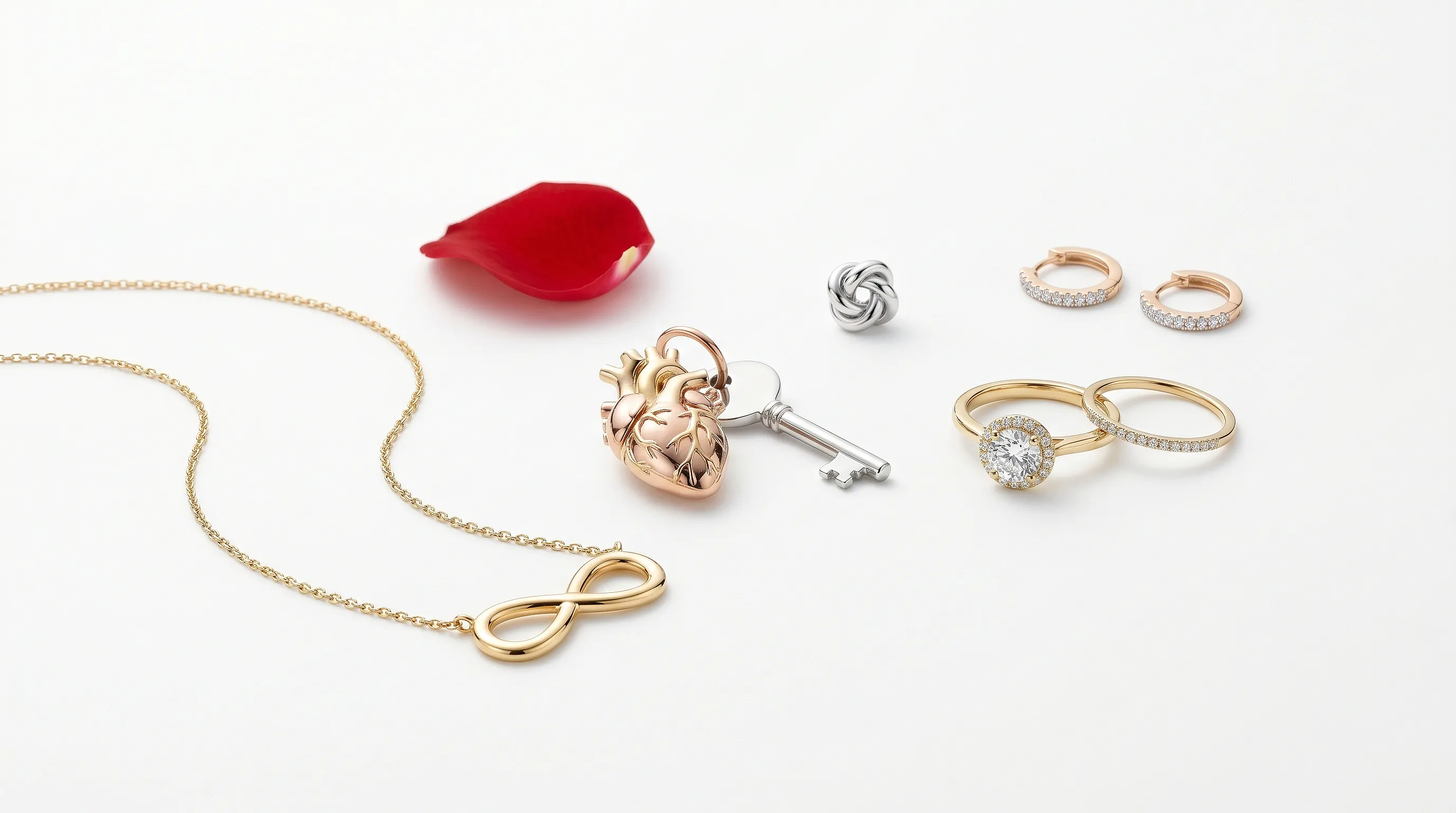
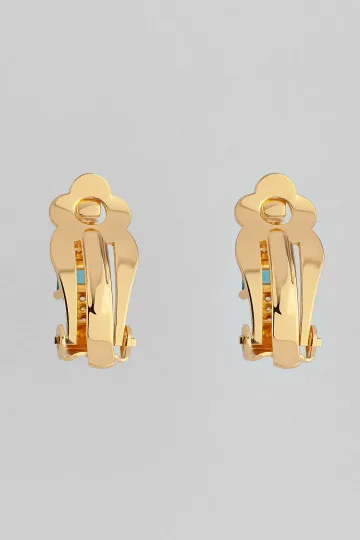
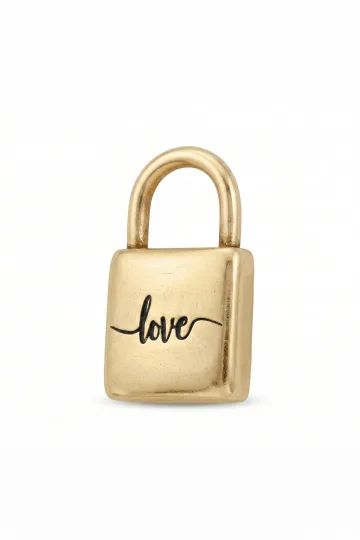
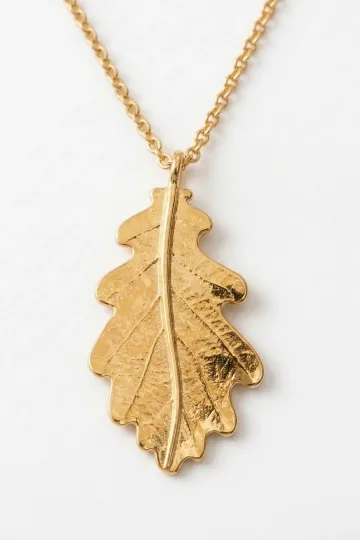
Wear the symbol, don't just read about it. These are in stock:
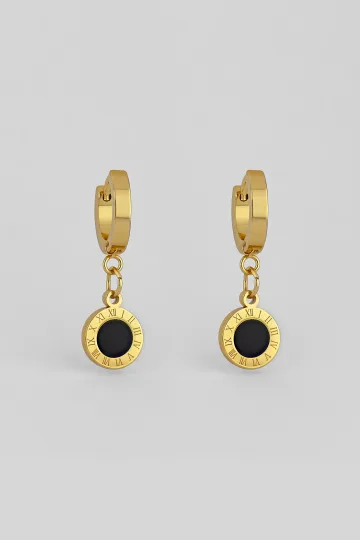

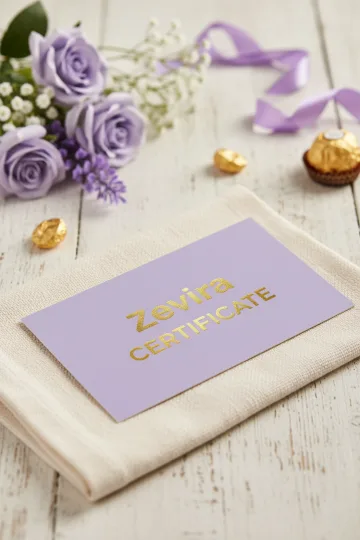
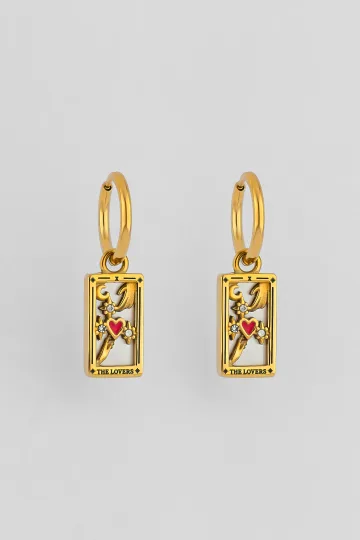


It communicates something. A piece of jewellery says "I paid attention to what you like". It says "I spent time choosing this". That message lands differently from a gift card, even if the gift card cost more.
It scales to any budget. You can find beautiful, well-crafted pieces in the budget tier. You can also invest significantly more. The emotional impact does not scale linearly with price. A carefully chosen piece at any price point can be the gift someone remembers for years.
It crosses cultures and age groups. Jewellery works for a 16-year-old and an 80-year-old. It works for colleagues, friends, partners, parents. Few gift categories have that kind of range.
The one caveat: jewellery only works as a gift when you put thought into it. Grabbing the first thing you see at the airport duty-free is not the same as choosing a piece that reflects the person. This guide is here to bridge that gap.
Customer reviews
Zevira is a real jewellery shop. Genuine payments, deliveries and customer thank-yous.
🥰🥰🥰 gracias
Ok, ¡gracias! 🙂
Gifts by Occasion
Every occasion has its own unwritten rules. What works for a birthday feels wrong at Christmas. What suits Valentine's Day would be odd for a graduation. Let us break it down.
Birthdays
Birthdays are the most flexible jewellery-gifting occasion. The person is celebrating themselves, so the gift should reflect who they are, not what you think they should be.
Birthstones are a reliable starting point. Each month has a traditional gemstone associated with it, and birthstone jewellery feels personal without requiring you to know the person's exact taste. January is garnet. February is amethyst. March is aquamarine. April is diamond (or a clear stone like moissanite for a budget-friendly option). And so on through the year. A birthstone pendant or a pair of stud earrings with the right stone says "I know when you were born and I cared enough to match the gift to that."
For people who are not into the birthstone tradition, colour still matters. Pay attention to what colours they wear. Someone who lives in earth tones will appreciate warm gold and amber hues. Someone who wears a lot of black and silver will gravitate towards white metals and cool-toned stones.
Age milestones deserve something more considered. An 18th birthday is a big deal in most cultures, the threshold of adulthood. A piece of real jewellery, not costume, marks that transition. Think a simple gold or silver chain, a pendant with meaning, or classic stud earrings. For a 30th, 40th, or 50th, the piece can be bolder. These are milestones where people are more confident in their style. A statement ring, a layered necklace set, or a bracelet with a personal engraving all work well. Each of the big ones has its own deep guide: turning 18, the 30th, the 40th, the 60th, and the 70th.
For casual birthdays (a friend, a colleague, someone you know but not intimately), keep it simple and versatile. A delicate chain necklace in silver. A pair of small hoop earrings. A minimalist bracelet. Nothing that demands a specific outfit or lifestyle, just something nice they can wear daily.
Avoid anything too romantic for a platonic birthday gift. A heart-shaped pendant for a friend can send mixed signals. Stick to geometric shapes, natural motifs, or abstract designs unless you specifically want the romantic undertone.
Valentine's Day
Valentine's Day jewellery carries expectation. It is explicitly romantic, and the gift should acknowledge that.
First Valentine's together. This is a minefield. Too expensive and you look like you are trying too hard. Too cheap and it seems like you do not care. The sweet spot for a new relationship is a piece that is pretty, personal, and does not scream "commitment". A delicate pendant. A pair of earrings with a small stone. A thin bracelet. Avoid rings (loaded symbolism) and anything with "forever" engraved on it. You are four months in. Keep it proportional.
Long-term relationships. After years together, Valentine's gifts shift from "look at this shiny thing" to "I still notice you". This is where personalisation matters. An engraved piece. Something that complements jewellery she already wears daily. Matching metals (if her everyday ring is gold, do not give her a silver bracelet). A piece that fills a gap in her collection, like earrings if she mostly wears necklaces, or a bracelet if she has plenty of rings.
Avoiding cliches. The open-heart pendant from every shopping centre jewellery chain. The generic "I love you" necklace. The teddy bear holding a tiny ring box. These are not bad gifts, but they feel impersonal. They feel like you walked into a shop and said "give me whatever you sell the most of on February 13th". Instead, look for something with a design element that connects to a shared memory, an inside joke, or her actual taste. A pendant shaped like something she loves. Earrings in her favourite colour. A piece from a small brand she would not have found on her own.
For men on Valentine's Day. Yes, men receive jewellery too. A chain, a pendant, a bracelet with a subtle design. More on this in the recipient section below, but do not skip the idea just because "men do not wear jewellery". Plenty do.
For a stage-by-stage breakdown, from a brand new relationship to years in, see the full Valentine's Day jewellery guide.
Anniversaries
Anniversaries are the most structured gifting occasion. There are traditional materials assigned to each year, and while nobody is obligated to follow them, they provide a useful framework when you are stuck.
First anniversary: paper. Not literally paper jewellery, but origami-inspired designs, paper-thin hammered metal pieces, or a piece with a paper-like texture all nod to the tradition without being too literal.
Fifth anniversary: wood. Wooden bead bracelets, pendants with wood inlay, or pieces that incorporate natural materials work here.
Tenth anniversary: tin or aluminium. Silver-toned jewellery fits. A pair of polished silver earrings or a sleek silver bracelet.
Fifteenth: crystal. Crystal pendants, earrings with crystal drops, or pieces featuring clear stones.
Twentieth: china/porcelain. Enamel jewellery beautifully fills this category. Hand-painted enamel pendants or rings have that porcelain quality while being fully wearable.
Twenty-fifth: silver. The classic. A silver anniversary deserves a silver piece. A statement silver ring, a silver chain, or a silver bracelet with engraving.
For any anniversary, matching sets work well. A necklace and earring set feels more "complete" than a single piece and gives the impression of extra thought. If your partner already has a piece they love, finding something from the same collection or the same designer creates a cohesive look. Every milestone year has its own traditions, gathered in the wedding anniversary guide by year, with deeper guides for the first, the fifth, the tenth, the silver twenty-fifth, and the golden fiftieth.
Christmas and New Year
Holiday gifting is different from personal occasions. The mood is festive, not intimate. People exchange gifts in groups, sometimes at office parties with colleagues they barely know. The rules change.
For partners and close family, Christmas jewellery can be as personal as you want. This is a good time for that "big" piece, the one that costs a bit more than usual. People expect holiday gifts to feel special, and jewellery delivered in a nice box under a tree has a certain magic to it. Earrings, necklaces, and bracelets are all safe. Rings are fine if you know the size.
Gift sets solve the indecision problem. A matched earring-and-necklace set removes the guesswork and looks like you put real effort in, even if the set was already packaged that way. Layered necklace sets and stacking bracelet sets are popular right now and feel both fashionable and generous.
For office gift exchanges and Secret Santa, keep it neutral, affordable, and universally wearable. A simple pendant necklace. A pair of small studs. Nothing too flashy, nothing too personal. The goal is pleasant surprise, not discomfort. The budget tier is the typical range for office gift exchanges, and there are plenty of elegant options in that bracket.
New Year gifts carry a slightly different energy. If you are giving jewellery for New Year specifically, sparkle is welcome. Pieces with crystals, stones, or metallic finishes feel right for the occasion. A pair of drop earrings with a bit of shimmer is a classic New Year gift that someone can wear to the celebration that same evening.
Avoid overly Christmas-themed jewellery unless you are certain the person will find it charming rather than tacky. Snowflake pendants and reindeer earrings are fun for about two weeks of the year and then live in a drawer. Opt for winter-inspired designs instead: cool-toned stones, icicle-like shapes, silver metals that evoke frost without being seasonal costumes.
Graduation and Achievements
Graduation gifts mark a transition. Someone has finished something hard and is moving to the next stage. The jewellery should acknowledge that.
For school or university graduation, a piece that feels "grown-up" works well. This might be a young person's first piece of real jewellery, the first thing that is not from a fast-fashion accessory wall. A real silver or gold-plated pendant. A bracelet with weight to it. Classic stud earrings with a genuine stone. The symbolism is "you are stepping into the real world, and here is something real to go with it." See the full breakdown in the guide to graduation jewellery gifts.
Engravable pieces are perfect for achievements. A date, a short word, initials. Engraving turns a pretty piece into a timestamp. Years later, they touch the bracelet and remember the exact moment. A graduation year on the inside of a bangle. A short phrase on the back of a pendant. Keep the engraving short, two to four words or a date. Long inscriptions end up in tiny unreadable text.
Professional achievements (a promotion, passing a big exam, finishing a certification) deserve recognition too. These are adult versions of graduation. A watch-like bracelet, a refined pendant, or a quality chain all say "well done" without being patronising. For a doctorate in particular, there is a dedicated guide to jewellery for a PhD defence.
Just Because
Here is a secret that everyone in the jewellery industry knows but rarely says out loud: the gifts people remember most are the ones that arrive for no reason.
A birthday gift is expected. A Christmas present is obligatory. But a pendant that shows up on a random Tuesday with a note that says "saw this and thought of you" lands differently. It is unexpected, which makes it feel more sincere.
No-occasion gifts have zero pressure. There are no expectations to meet, no traditions to follow, no price comparisons with what you gave last year. You can choose from the budget tier or invest more, and it will feel equally meaningful because the gesture itself is the point.
When does a "just because" gift make sense? After a hard week. When someone has been down. When you have been apart for a while. When you simply want to say "I appreciate you" without waiting for a calendar to give you permission.
Keep it small for maximum effect. A "just because" gift should not look like you have been planning it for months. A single pair of earrings. A thin bracelet. A simple pendant on a chain. Small, pretty, thoughtful. The message is "I was thinking about you", not "I have been saving for this".
The best "just because" jewellery is something the person would not buy for themselves. Something slightly outside their usual picks but still within their style range. A different metal colour. A new type of piece they have not tried. A design that is a bit bolder or more playful than what they usually wear. That is the sweet spot: familiar enough to be wearable, different enough to feel like a discovery.
A ring on the third date is not generosity, it is a sentence. Gift a pendant and stop scaring people.
How to Choose Jewellery as a Gift
After years of styling shoots, I have dressed hundreds of very different people, and a gift follows the same rules. Here is what actually keeps you from missing the mark, sorted by situation.
Where do I start if I do not know their taste? I recommend starting from what the person already wears. One look at their everyday jewellery tells you more than an hour of reading gift lists online. When there is no clue at all, I choose something neutral: a pendant on a chain or stud earrings. They are hard not to like and they need no guessing about size.
How do I get the metal right? I suggest looking beyond the jewellery, at the hardware too: belt buckles, bag zips, the case of a watch. If everything is silver-toned, the person leans cool, and gold will end up in the box. A warm skin undertone sits well with gold, a cool one with silver. When they wear both, count yourself lucky, you are free to choose.
What should I give on a small budget? I choose a small piece with good build: a pin, a slim bracelet, a single earring or a pendant on a ready chain. I look at the edges, the evenness of the finish and how firm the clasp is, because the detail gives away quality, not the size. A good box and a handwritten note double the impression.
How do I choose for someone who adores jewellery? Here I go for character: a larger, detailed pendant, a ring with a real shape or a set from one line. I keep to a single metal so the piece reads as a whole rather than fighting itself. A gift like this suits a milestone or a big achievement, when you want it to be remembered.
Who suits what? For a minimalist I recommend one precise piece rather than a set. For someone who likes to play with a look, a set for layering: chains of different lengths, a stack of thin rings. Two rules that never fail. First, chain length follows the neckline; 40-45 cm sits at the base of the neck and suits almost everyone. Second, the gift has to match the recipient's style, not yours.
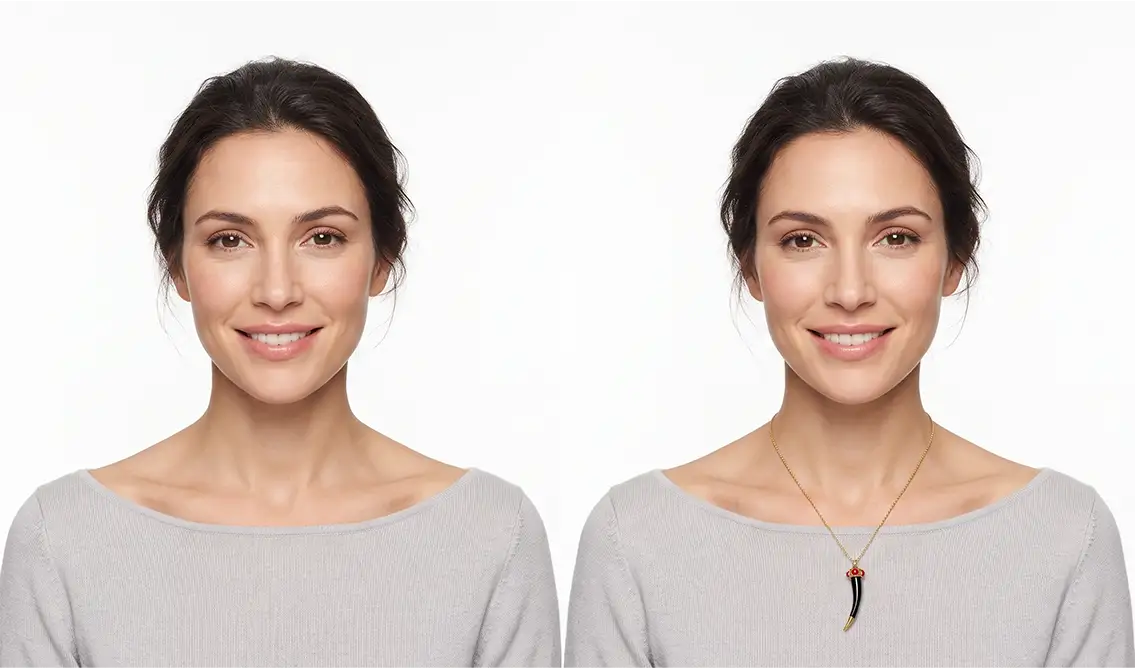
Turn on your camera, pick earrings, a pendant or a ring, and see the piece on yourself in real time.
Switch items in one tap.
Everything runs in your browser: no photo or video is ever uploaded.
Upload a photo of your pet, someone you love, or an object. We'll build a 3D model and hand-cast it in pewter.



Gifts by Budget
Let us talk money. Jewellery gift guides love to dodge this, but budget is a real factor. The good news: there are genuinely excellent pieces at every price point. You do not need to spend a fortune to give something beautiful.
Budget tier
This is the range for casual gifts, Secret Santa, friends, colleagues, and "just because" surprises. And there is plenty to work with.
Silver jewellery lives happily in this bracket. Sterling silver (925) is a real precious metal, not costume jewellery. A simple silver pendant on a chain, a pair of silver studs, or a thin silver ring all sit comfortably here. Silver has a clean, modern look that suits almost everyone.
Gold-plated pieces also fit here. A gold-plated pendant or pair of earrings looks like gold at a fraction of the price. With reasonable care (keeping it away from water and perfume), gold plating lasts a long time.
What to look for in this range:
- Minimalist designs. Clean lines, small stones, simple shapes.
- Single pieces rather than sets. One well-chosen pendant beats a flimsy matching set.
- Solid construction. Pick the piece up (or read the description carefully online). It should have some weight to it, not feel like foil.
What to avoid:
- Anything that looks like it is trying to be expensive. Oversized fake gemstones. Overly ornate filigree on base metal. These look worse than a simple, clean piece at the same price.
- Mystery metals. If the listing does not say "sterling silver", "925", "gold plated", or specify the base metal, skip it. You will end up with something that turns green.
Best picks in this tier: A silver chain necklace with a small pendant. Silver stud earrings with a coloured stone. A minimalist gold-plated bracelet. A simple ring band in silver.
Mid-range tier
This is the sweet spot for most personal gifts. You have enough budget for real craftsmanship and design, but you are not making a financial commitment.
At this level, you can find:
- Sterling silver pieces with genuine semi-precious stones (amethyst, garnet, topaz, peridot).
- Gold-plated jewellery with more complex designs, enamel work, or multiple elements.
- Small sets: a necklace and matching earring pair.
- Engraved pieces, where the personalisation adds meaningful cost to the base.
Design gets more interesting here. Artisan-style pieces. Hand-finished details. Pendants with actual visual weight. Earrings with movement (drops, dangles). This is where you start to see pieces that look like someone designed them, not just stamped them out of a mould.
Best picks in this tier: A pendant with enamel detailing. Earrings with semi-precious stone drops. A layered necklace. A silver bangle bracelet. A pendant on a heavier chain. An engraved silver piece for a personal touch.
Premium tier
Now you are in serious gift territory. This is anniversary, milestone birthday, "I really want to impress" range. The quality jump from the budget bracket to this one is significant.
What opens up here:
- Heavier sterling silver with intricate design work.
- Gold-plated pieces with premium finishing that genuinely looks like solid gold.
- Pieces with moissanite or higher-grade semi-precious stones.
- Complete sets (necklace, earrings, bracelet) in a matched design.
- Designer collaborations and limited-edition pieces.
At this level, presentation matters as much as the piece. Expect (and demand) proper packaging. A nice box. Tissue paper. A polishing cloth. When you invest in the premium tier, the unboxing experience should match.
This is also the range where brand identity starts mattering. A piece from a recognised designer or boutique brand carries different weight than something generic. It is not about snobbery. It is about the story. "I found this from a small Spanish jewellery brand that hand-finishes each piece" tells a better story than "I got this from a big online retailer".
Best picks in this tier: A statement pendant with stone work. An earring and necklace set in silver or gold plate. A heavier silver bracelet with design elements. A ring with a moissanite or coloured stone.



Gifts by Recipient
Different people need different approaches. What your girlfriend wants is not what your mother wants, even if they both love jewellery.
For Her
Women remain the largest recipients of jewellery gifts, and also the hardest to shop for because they typically already know what they like.
Step one: look at what she already wears. This is the single most useful piece of advice in this entire guide. Check her jewellery box, her everyday pieces, her Instagram posts. Does she wear gold or silver? Delicate or bold? Earrings or necklaces? Colour or monochrome? The answers tell you almost everything you need to know.
If she wears mostly gold: stay with gold-toned pieces. Mixing metals is a deliberate style choice that she should make herself, not one you make for her.
If she wears mostly silver: sterling silver or white gold tones. Easy.
If she layers: give her something that works with her existing layers. A new chain at a different length. A pendant that complements what she already wears daily.
If she keeps it minimal: one piece, worn well. A single pendant. One pair of earrings. Do not give her a set if she is a one-piece-at-a-time person.
If you genuinely have no idea what she likes: go with classic studs in a neutral stone or a thin pendant necklace in silver. These are the safest options because they work with everything, can be dressed up or down, and do not clash with existing pieces.
Pieces most women appreciate:
- Pendant necklaces (the most universally worn jewellery type).
- Stud earrings (everyday staple).
- Delicate bracelets (easy to add to any outfit).
- Hoop earrings (a resurgence in popularity that shows no signs of slowing).
For Him
Men's jewellery has grown dramatically in the last five years. The days when a watch was the only acceptable male accessory are long gone. Chains, pendants, bracelets, and rings are all standard parts of many men's wardrobes now.
But the rules are different from women's jewellery gifting. Men who wear jewellery tend to have very specific tastes. A man who wears a silver chain will have opinions about chain thickness, length, and clasp type. A man who wears rings will care about band width and finish. So observation matters here too.
For a man who already wears jewellery: match his existing style. Same metal. Same weight class. Same vibe. If he wears a thick silver chain, do not give him a dainty gold pendant.
For a man who does not currently wear jewellery but might: start small. A pendant on a leather cord. A simple bracelet. A single silver ring. Pieces that are easy to try and do not feel like a costume change. The goal is to let him discover whether he likes wearing it, not to transform his look overnight.
Popular men's jewellery categories:
- Chains. Silver or steel, varying thickness. The most common starting point for men's jewellery.
- Pendants. Symbols, initials, meaningful shapes. A pendant gives a man something to wear without feeling like he is "decorated". It has purpose and meaning attached.
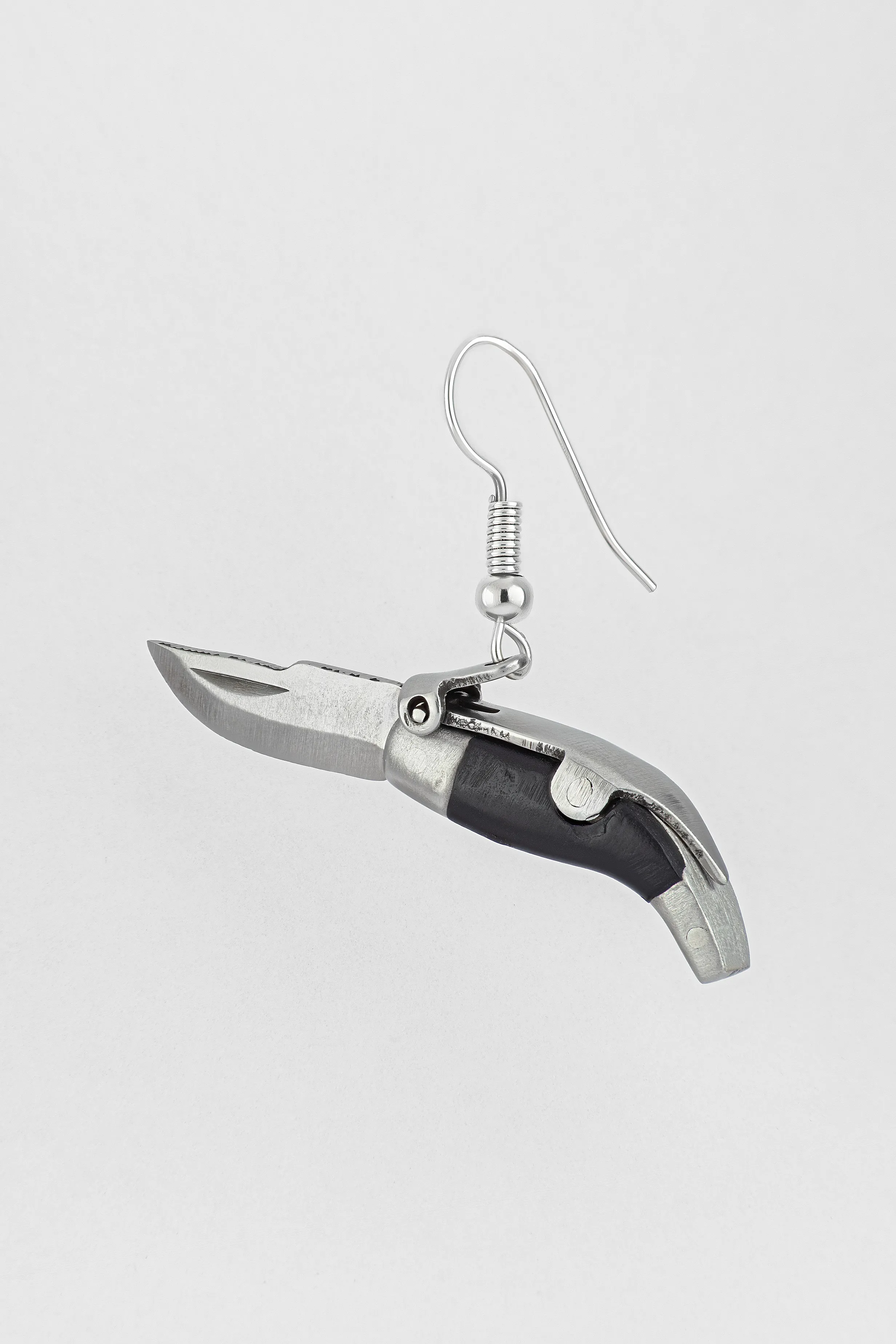
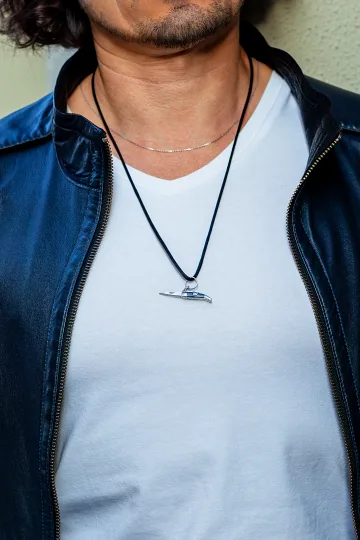
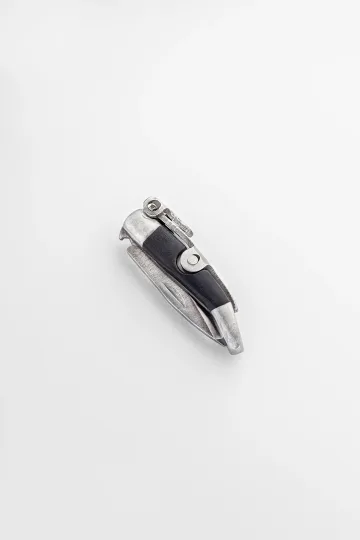
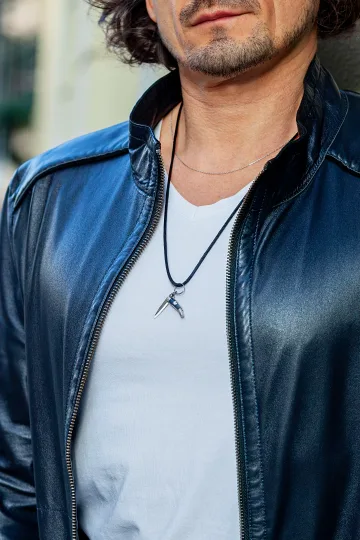
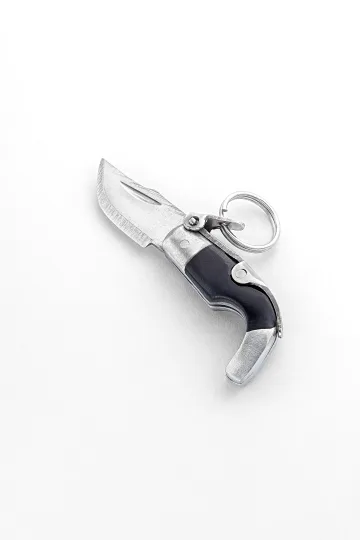
- Knife pendants and blade-inspired designs. These have become a distinct category. A miniature knife pendant on a chain combines jewellery with a traditionally masculine symbol. It is wearable, conversational, and different from the typical cross-or-dog-tag approach.
- Bracelets. Leather, beaded, chain-link, or cuff styles. Bracelets are the easiest entry point for men who have never worn jewellery because they feel closer to a watch than to a necklace.
- Rings. Signet rings, band rings, and textured rings are all growing in popularity for men. Wider bands tend to feel more masculine, and brushed or hammered finishes add visual interest without looking delicate.
Metals for men: silver and steel dominate. Gold is popular too, but for a safe first gift, silver or gunmetal tones tend to feel more neutral.
For a Teenager
Teens are picky. They know exactly what is cool and exactly what is not, and those categories change every three months. Approach with caution.
Do not try to guess what is trendy. You will probably get it wrong. Instead, focus on timeless pieces with a youthful edge. Thin chains. Small pendants. Stacking rings. Tiny studs. These are perennially cool in a way that transcends whatever TikTok trend is happening this week.
Quality matters more than you think for teens. Their skin is often more sensitive (teenage years bring skin changes), so real silver or gold plating over surgical steel is safer than mystery-metal costume jewellery. A piece that causes an allergic reaction will never be worn again.
Personalisation is big with this age group. Initial necklaces. Zodiac sign pendants. Birthstone studs. Anything that says "this is mine" and nobody else's. Teenagers are building their identity, and personalised jewellery feels like an extension of that.
Budget reality for teen gifts: The budget to mid-range tier is the practical bracket. Spending more is generous but may not be appreciated proportionally. A budget-tier pendant they love will be worn daily. A premium bracelet will cause anxiety about losing it.
Avoid anything that feels like something their parent would wear. Pearls, traditional diamonds, heavy gold, overly classic designs. Unless they have specifically asked for these, they will feel "old" to a teenager.
Good picks for teens: A thin silver chain with a small pendant (zodiac, initial, or simple geometric shape). Stacking rings in mixed metals. Colourful stone studs. A cord bracelet with a silver or gold charm.
For Parents
Buying jewellery for a parent is emotional. They are the people who gave you everything, and a well-chosen piece of jewellery can carry that gratitude in a way that few other gifts can.
For mothers, jewellery is almost always appreciated. But here is the nuance: most mothers will tell you "oh, you did not have to" and mean it. They do not want you spending a fortune. They want you to notice them. A pair of earrings that match her favourite outfit. A pendant she can wear to work. A bracelet that sits alongside her wedding ring. The value is in the attention, not the price tag.
Mother's Day and birthdays are the primary occasions. For Mother's Day, classic and sentimental works. For her birthday, you can be more adventurous with style. If your mother has worn the same pair of earrings for 15 years, she might love a new pair that updates her look without straying too far from her comfort zone.
Pieces with family meaning hit hard for mothers. Birthstone jewellery that incorporates the stones of each child. Pendants with initials. Engravable bracelets. These are not just decorative: they are worn reminders of the people she loves.
For fathers, the options are more limited but growing. A leather bracelet. A pendant on a chain. Cufflinks if he wears French-cuff shirts. A tie pin for formal occasions. A keychain with a meaningful charm (technically not jewellery, but adjacent enough to count). The key with fathers is functionality. If the piece serves a purpose beyond decoration, he is more likely to use it. The same thinking works for a grandfather, with more detail in the guide to jewellery gifts for a grandfather.
For older parents, comfort matters. Lightweight earrings rather than heavy chandeliers. Clasps that are easy to open with ageing fingers (magnetic or large lobster clasps over tiny spring rings). Chain lengths that sit comfortably without needing adjustment. These practical considerations make the difference between a piece that gets worn and one that stays in the box.
How Not to Get It Wrong
You have picked the occasion, set the budget, identified the recipient. Now here is how to avoid the common traps.
Do not buy what you like. Buy what they like. This is the number one mistake. You love chunky silver rings. She wears dainty gold chains. If you buy her a chunky silver ring, you have bought yourself a gift in someone else's name. Check your ego at the checkout and choose for the recipient, not yourself.
Get the metal right. Gold person gets gold. Silver person gets silver. Do not mix metals as a gift unless you are absolutely certain the person deliberately mixes metals in their daily wear. Getting the metal wrong is the fastest way to ensure the piece never leaves its box.
Size matters for rings. If you are buying a ring, you need the size. Period. There are ways to get it: borrow a ring she already wears on that finger and measure it, ask a friend who might know, use the string-around-the-finger trick while she sleeps (yes, people actually do this). Or simply buy a different type of jewellery and avoid the problem entirely. An incorrectly sized ring is disappointing, not romantic.
Do not apologise for the price. Whether you chose from the budget tier or invested in premium, never say "it is not much, but..." or "I wish I could have gotten something nicer". That kills the gift. Present it with confidence. The thought and the act of giving are what matter.
Avoid engraving someone else's name (or your own) on the piece. Engraving a partner's name sounds romantic until the relationship ends and the piece becomes unwearable. Engrave dates, short meaningful phrases, or the recipient's own initials. Not your name. Not your couple's pet name. Not song lyrics that only make sense to you.
Think about their lifestyle. Does she work with her hands? Skip the delicate ring that will catch on everything. Does he play sports? A chain that could snag is a bad idea. Does she shower with jewellery on? Gold plating will not survive daily water exposure. Match the piece to the life the person actually lives.
Do not surprise someone with an engagement-style ring unless you are proposing. A beautiful ring on a significant occasion can create an expectation you did not intend. If you want to give a ring that is clearly not an engagement ring, choose a design that is obviously fashion-forward, or put it on the right hand.
When in doubt, choose a necklace. Necklaces are the safest category of jewellery to gift. No sizing needed. Works with virtually everything. Easy to layer with existing pieces. Visible and meaningful but not as loaded with symbolism as a ring. If you are paralysed by indecision, a pendant necklace is your friend.
Leave your email, we'll send your discount code. No spam, unsubscribe anytime.
The code arrives by email, valid on your first order.
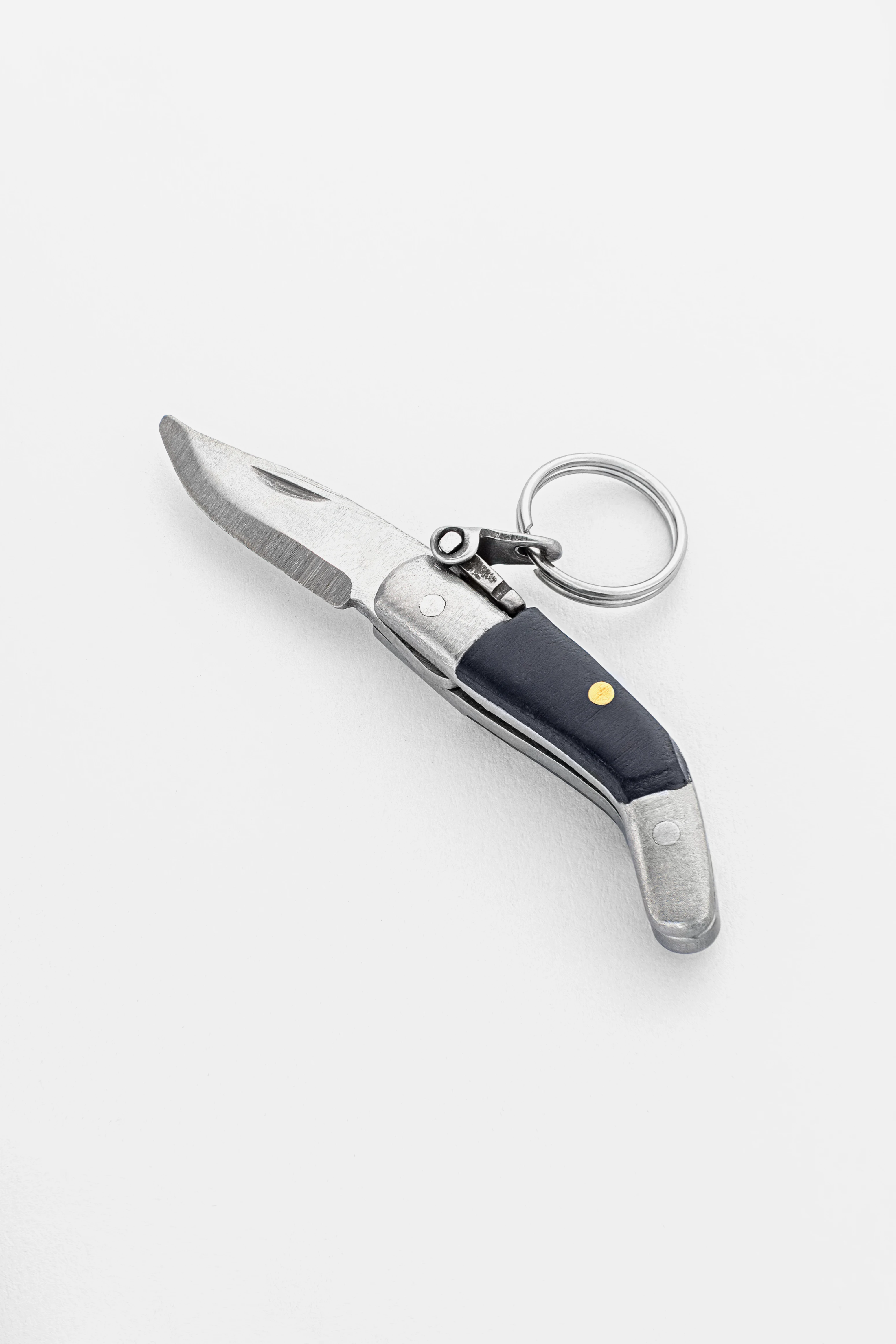
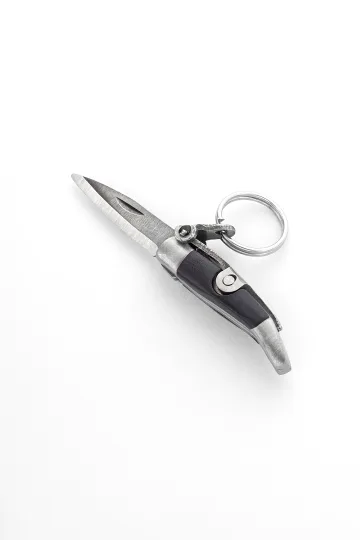
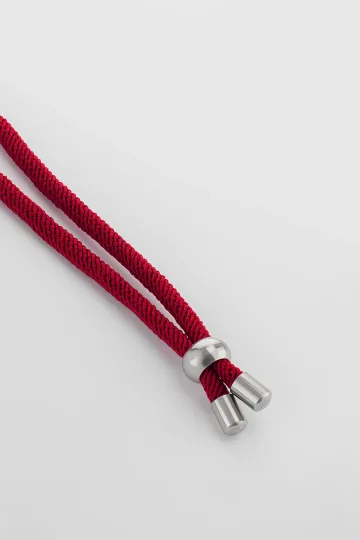
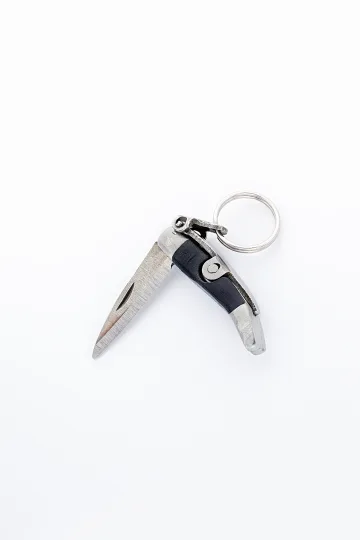
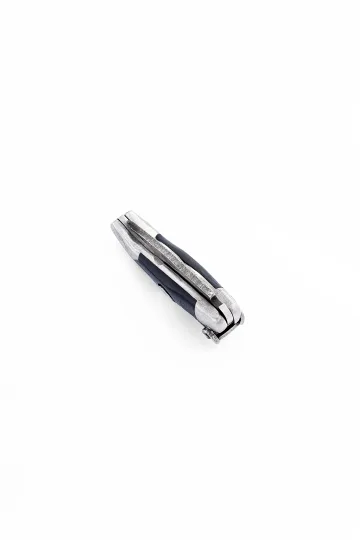
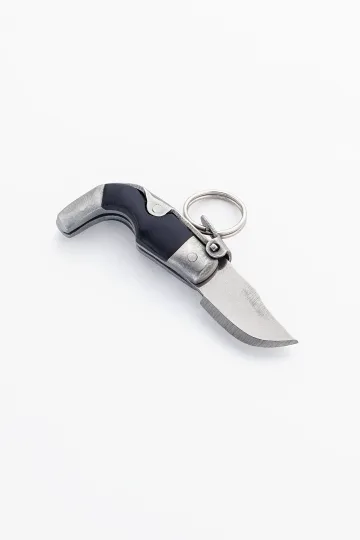
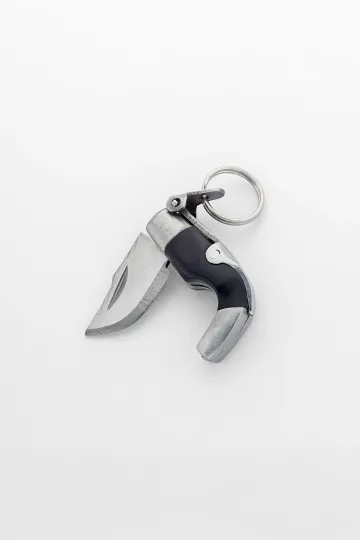
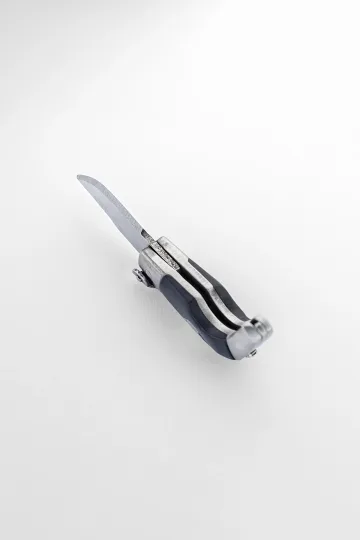
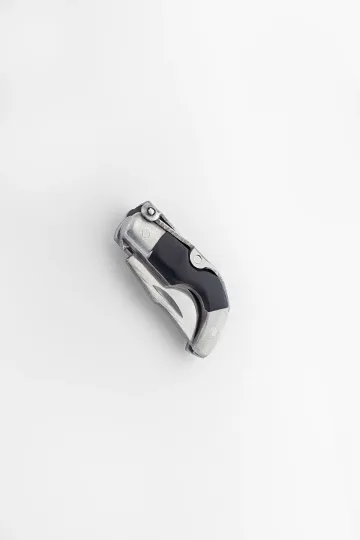
CAPAORA mini knife pendant
The 18th-century Spanish navaja in miniature: 40 mm of stainless steel, a real folding mechanism and a Palanquilla lock that clicks. An affordable gift to remember.
Authentic · Ships from Spain · 14-day returns
Wrapping Matters
You have spent time choosing the perfect piece. Do not hand it over in a plastic bag.
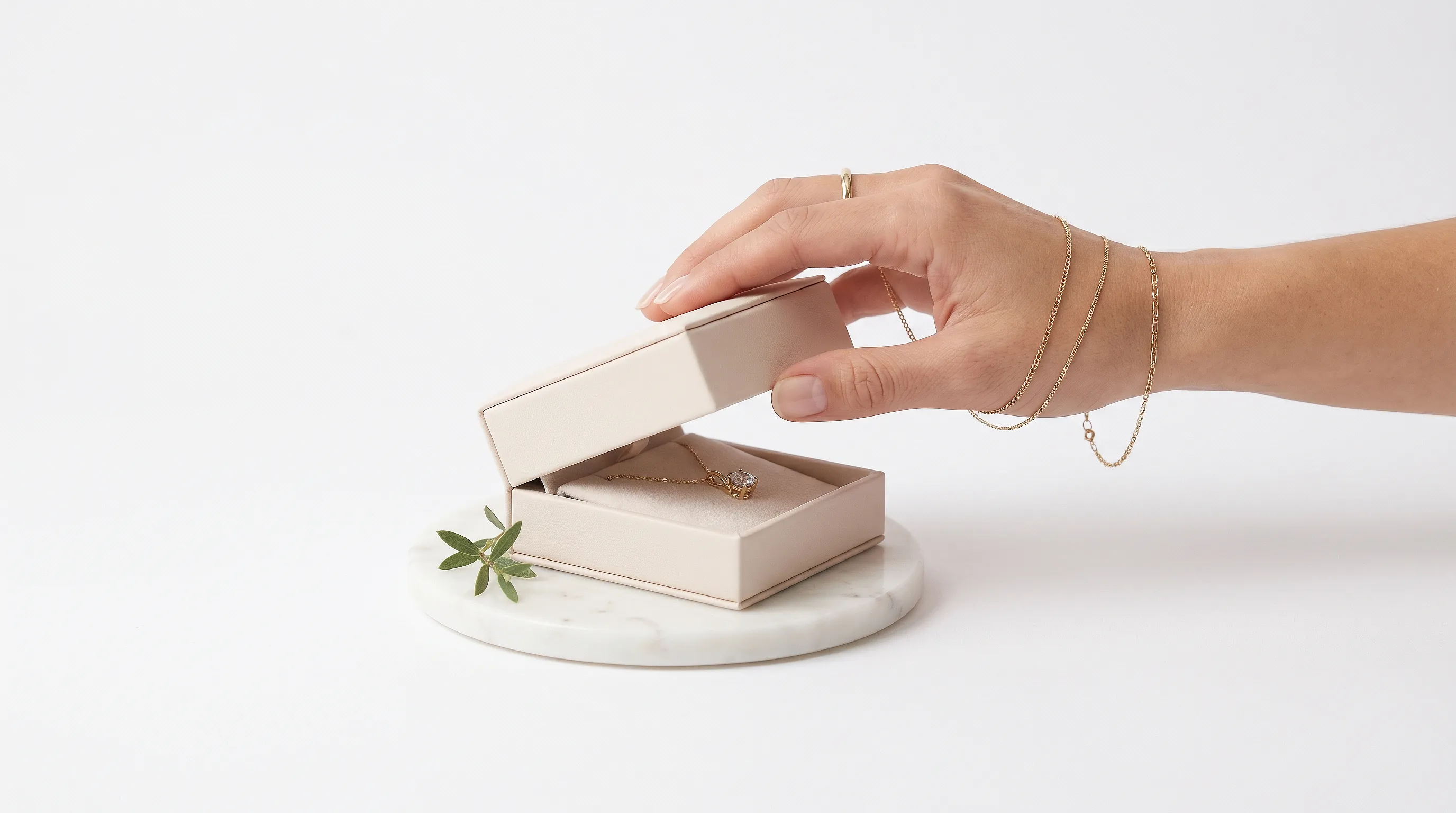
Presentation is part of the gift. The moment someone opens a jewellery box has its own specific excitement. The hinged lid. The velvet interior. The piece sitting in its little cushion. That moment is not superficial. It is part of the experience you are creating.
If the piece comes with branded packaging, use it. Most quality jewellery brands include a box or pouch. Use it. Do not remove the piece and wrap it in newspaper to be quirky. The packaging was designed for this exact moment.
If you need to wrap it yourself:
- A small box with cotton or tissue inside works perfectly. Craft shops sell plain jewellery boxes for very little.
- Velvet or satin pouches are inexpensive and look elegant.
- Wrap the box in simple, quality paper. Kraft paper with a ribbon looks better than glossy paper with cartoon characters (unless the recipient is eight years old, in which case, go wild).
Add a note. Handwritten, short, genuine. "Saw this and thought of you." "For your birthday, because you deserve something beautiful." "Happy anniversary, here is to another year." Two lines on a card will make the gift feel three times more personal than the piece alone. Do not write an essay. Do not copy a poem from the internet. Write what you actually feel in your own words.
Timing of the reveal matters. Jewellery is best given in a quiet, personal moment, not shouted across a crowded restaurant. If you are at a dinner party, hand it over when you are walking to the car. If it is Christmas morning, wait until the big-group presents are done and give it one-on-one. Jewellery is intimate. Let the moment match.
The exception: surprise jewellery deliveries. If you are long-distance or want the element of complete surprise, having a piece delivered to someone's door (with a note) on a random day is a wonderful move. The unexpected doorbell, the mystery package, the reveal. That sequence creates a memory on its own.
FAQ
What is the safest type of jewellery to gift if I have no idea what someone likes? A simple pendant necklace in silver. It works with any wardrobe, does not require sizing, and looks good on virtually everyone. Choose a clean, geometric or nature-inspired design rather than something overly decorative, and you are nearly guaranteed a piece that gets worn.
How much should I spend on jewellery as a gift? There is no rule. For casual occasions and acquaintances, the budget tier is perfectly fine. For partners and family on significant occasions, anywhere from mid-range to premium is comfortable for most people. Spend what feels right for your budget without stretching yourself. An anxious gift-giver who overspent communicates stress, not love.
Is it okay to gift jewellery early in a relationship? Yes, but keep it proportional. In the first few months, a small, pretty piece from the budget tier is thoughtful without being heavy. Avoid anything that implies forever: no engraving, no rings, no heart-shaped lockets with your photo inside.
Can I give jewellery to a male friend without it being awkward? Absolutely. A bracelet, a pendant, or a chain is a perfectly normal gift between friends. The "jewellery is romantic" assumption is outdated. Frame it casually: "I thought this would look good on you." Done.
What if they already have a lot of jewellery? People who love jewellery always want more. The key is adding something different from what they already own. A new style, a new material, a different colour stone. Look at their collection and find the gap. If everything they have is silver, a gold-plated piece adds variety. If they have necklaces and earrings but no bracelets, there is your answer.
Should I include a gift receipt? For jewellery, yes. It is not offensive, it is practical. Even the most thoughtful gift might not fit a person's style perfectly, and having the option to exchange removes the guilt of pretending to love something. Tuck the receipt in the box discreetly. Most people will not use it, but knowing the option exists takes pressure off both of you.
How do I find out someone's ring size without asking? Borrow a ring they already wear on the finger you are targeting and measure its inner diameter. You can trace it on paper, take it to a jeweller, or use an online ring size chart. If borrowing is not possible, ask their close friend or sibling, someone who might know or can find out without raising suspicion. As a last resort, buy the necklace version instead.
Is gold plated good enough for a gift, or does it need to be solid gold? Gold plated is absolutely fine for a gift. Quality gold plating looks identical to solid gold and will last for years with normal care. The recipient will not know (or care about) the difference unless they are a jeweller. What matters is the design, the thought, and the presentation, not whether the gold goes all the way through.
What jewellery should I avoid gifting? Avoid ankle bracelets unless you know the person wears them (they are polarising). Avoid body jewellery (nose rings, belly button rings) unless specifically requested. Avoid anything with a visible brand logo unless the person is a fan of that brand. And avoid costume jewellery that pretends to be fine jewellery: cheap pieces trying to look expensive always look cheap.
Is it better to buy online or in a physical shop? Both work. Online gives you wider selection, easy comparison, and often better prices. Physical shops let you see and touch the piece, which matters for assessing quality. For gifts, online is often more practical because you can browse without time pressure, read reviews, and have it delivered wrapped. Just make sure the seller has a good return policy.
What is the best jewellery gift for someone who does not usually wear jewellery? Start with something subtle: a thin chain, small studs, or a minimalist bracelet. Pieces that can be worn without feeling like a costume change. Real metals (silver, gold plate over steel) that will not irritate skin. The goal is to give them a comfortable entry point, not to overwhelm them with statement pieces.
Can I re-gift jewellery? Honestly, yes, if you do it thoughtfully. If you received a piece that is not your style but is beautiful and well-made, passing it to someone who would genuinely love it is better than letting it sit in a drawer. Just make sure the original giver will never find out, and remove any personalisation before re-gifting. Jewellery does not lose value by changing hands.
Send a friend a discount code, they save on their first order.
Every gift occasion
Every scenario below has its own deep guide. Find the one that matches your person and your moment, then come back here if you need a second idea.
By relationship
- For your girlfriend
- For mum
- For a friend
- For a man
- For your grandfather
- For the bridesmaids
- For the mother of the bride
Dates and anniversaries
- Wedding anniversaries by year
- First anniversary
- Fifth anniversary (wood)
- Tenth anniversary (tin)
- Silver anniversary, 25 years
- Golden anniversary, 50 years
- 18th birthday
- 30th birthday
- 40th birthday
- 60th birthday
- 70th birthday
- Valentine's Day
- International Women's Day
Life milestones
- Graduation
- PhD defence
- First paycheck
- Retirement
- Christening
- After the birth, a new mum
- Engagement without a ring
- A gift to yourself
By profession and hobby
- For doctors
- For nurses
- For teachers
- For lawyers
- For a musician
- For a sailor
- For a pilot or cabin crew
- For a photographer
- For an architect or designer
- For an athlete
- For your boss
- For a traveller
- Wearing jewellery while travelling
Tricky cases
- When you do not know their taste
- For someone who has everything
- Last minute, in 24 to 72 hours
- Jewellery and dress code
- A sobriety milestone
Silver and gold jewellery, wedding bands, symbolic pendants, paired sets.
Conclusion
Choosing jewellery for someone else comes down to three things: knowing the person, matching the occasion, and presenting it with care. You do not need a degree in gemology or an unlimited budget. You need to pay attention.
Look at what they wear. Think about what they are missing. Consider the moment you are giving it for. Then pick something that fits all three. A budget-tier silver pendant chosen with genuine thought will always outperform a premium bracelet grabbed in a panic at the last minute.
Jewellery lasts. That is its superpower as a gift. Long after the wrapping paper is in the bin and the birthday cake is eaten, the necklace is still there. On their neck, in their hands, catching the light while they sit at their desk or walk through a door. Every time they put it on, they remember the moment you gave it to them.
That is what makes jewellery one of the best gifts you can give. Not the metal. Not the stone. The memory it carries.
So take your time, use this guide as a starting point, and trust your instincts. If you are thinking about the person while you choose, you are already getting it right.
Buying it as a gift? Each one arrives ready to give.
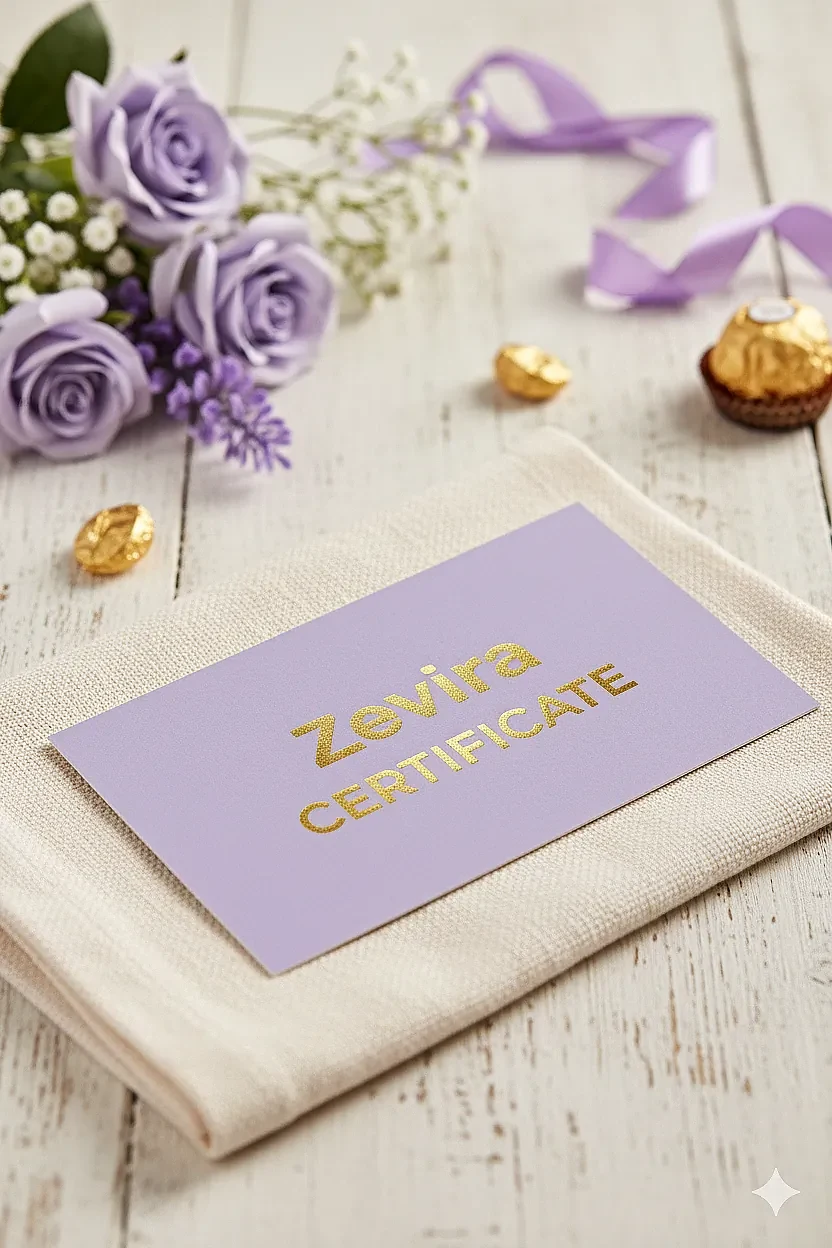
 A branded Zevira box and a little card come with every order.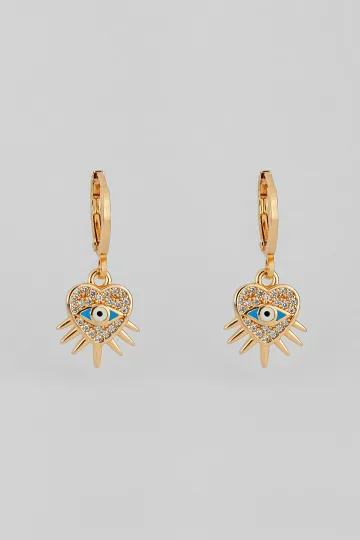




About Zevira
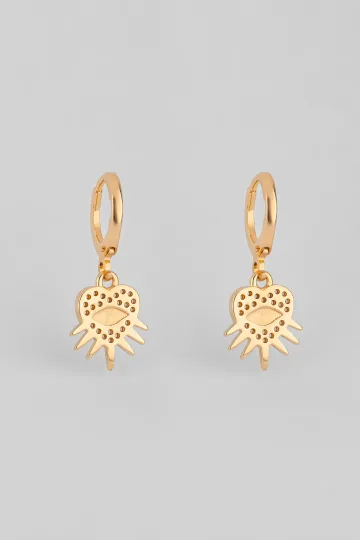
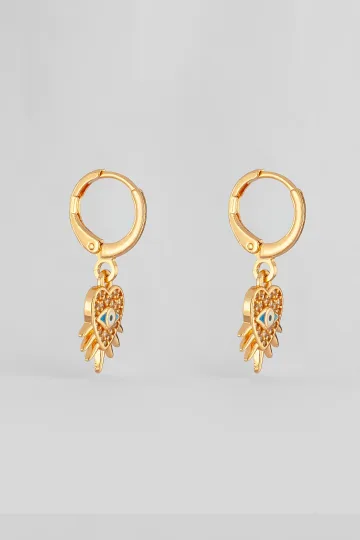
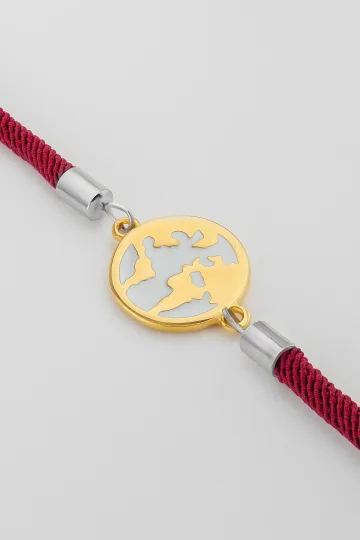
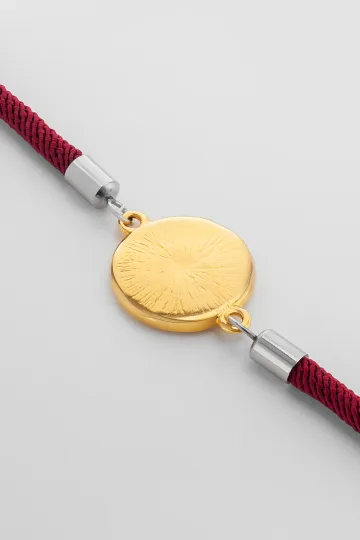
Zevira makes jewellery in the artisan tradition of Albacete, Spain. A good gift starts with a piece crafted with real attention to detail, and it gets even better when you can add personal meaning through engraving, so the piece lands with that one specific person you have in mind.
Here is what you can find with us for a gift:
- pendants and necklaces, from understated to bold, for any occasion
- earrings and single earrings, an easy choice when you do not know the size
- bracelets and paired sets for anniversaries and shared dates
- rings with character, for those whose size you already know
- pins and badges, perfect for office exchanges and "just because" gifts
- pieces with symbols and stones, to add a personal layer
Every piece can be personalised with engraving by a craftsperson, with optional personal engraving. Sterling silver 925 and 14-18K gold.