Divorce Ring: Meaning, Trend and What to Do with the Old Wedding Band
Introduction
The divorce ring is the most talked-about jewellery trend of 2025-2026. Searches for "divorce ring" have grown sharply over the past eighteen months. Public figures have reportedly had their engagement rings remade into new pieces after splitting up, and others have spoken about wearing a "freedom ring" to mark a new chapter. On social media, the divorce ring hashtag has racked up enormous view counts. Jewellery houses launched dedicated lines. Small independent studios put "we melt down old wedding bands" right on their homepage.
Behind the numbers sits a concrete need that millions of women and men spent years unable to name.
Every major transition in human life used to be anchored in a physical object. Wedding, ring and dress. Funeral, cross and black clothes. Coming of age, gift and rite. Marriage went into a ring. And divorce? Divorce was left bare. You signed the papers, walked out of the courthouse, and after that you lived however you could. Outwardly closed. Inwardly empty, because there was no physical point.
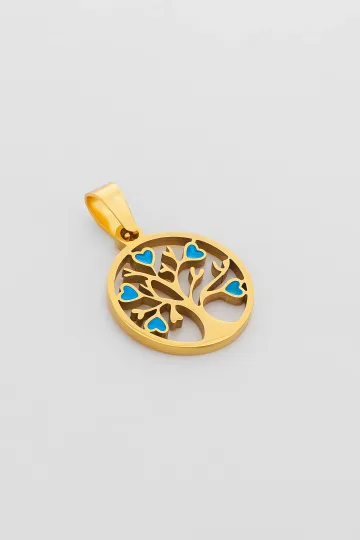
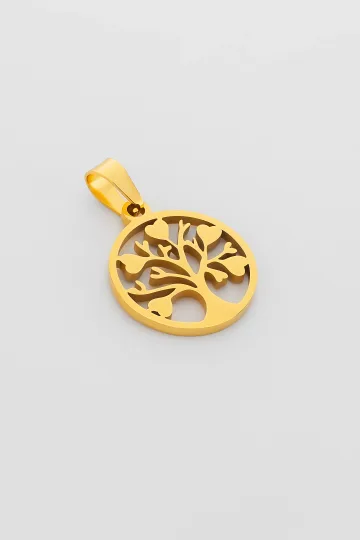
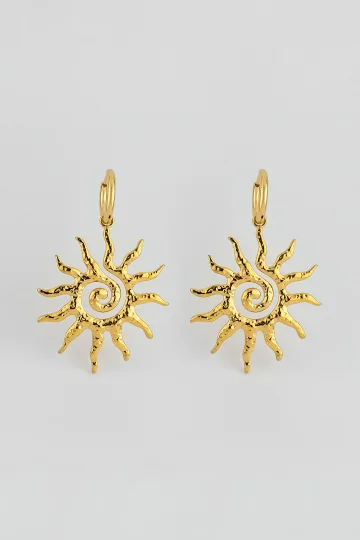
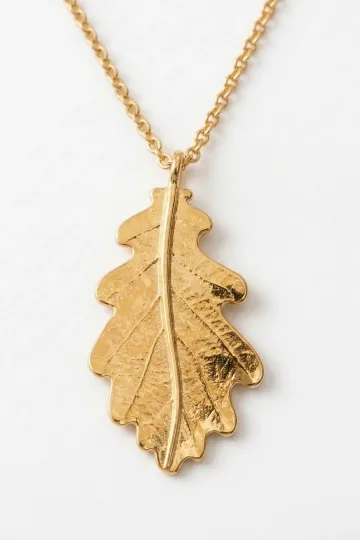
Wear the symbol, don't just read about it. These are in stock:

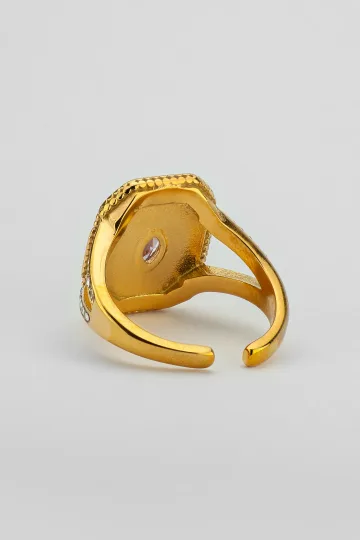


For ten years you wore a promise on your finger. You take the ring off, the promise stays. It does not go anywhere. Not from a stamp on a document, not from a therapist, not from two bottles of wine with your best friend.
The divorce ring puts that point down. Once. You buy it yourself, you put it on, you wear it. And every morning when you look at your hand it repeats one phrase: never again.
Never again like that. Never again under someone else's plans. Never again on a low flame. Never again for someone else's dreams. Never again inside a marriage that breaks you.
A wedding band says "I promise myself to another." The divorce ring says "I am giving myself back to me, and I am not handing myself over again." The symmetry is exact. It works.
What follows: what this ring actually is. What the old wives' tales say and what to answer them. Which finger. What to do with the old wedding band. Which stones and why. How to melt it down if you decide to. Where the trend came from and why it is not going away. And why you owe nobody an explanation.
What a Divorce Ring Is and Why Everyone Is Talking About It
You buy yourself a ring to mark your divorce. By yourself. After the papers are signed.
You walk into a jewellery shop or open a catalogue online and order what you want. Thin silver with an amethyst. A heavy signet engraved "never again" on the inside. A black onyx in a teardrop cut. A snake ring. Whatever you choose. Yours.
You put it on and you wear it. Every day. Every morning, when you look at your hand, you see it. And every morning it repeats one phrase. The divorce is closed. New chapter. The decisions are yours now.
A month in, you forget what waking up without it felt like. Three months in, colleagues start asking. Six months in, you lean on it in moments when an old reflex tells you to fold. A year in, it is part of your body.
English-language sources call it a divorce ring. People also use new chapter ring, self-love ring, freedom ring. Same phenomenon, different names.
The Victorians wore mourning rings to remember the dead. Black enamel, a lock of hair behind glass, the iconography of death. The divorce ring runs on the same mechanism but pointed the other way. Not to remember the person you lost. To remember the self you got back.
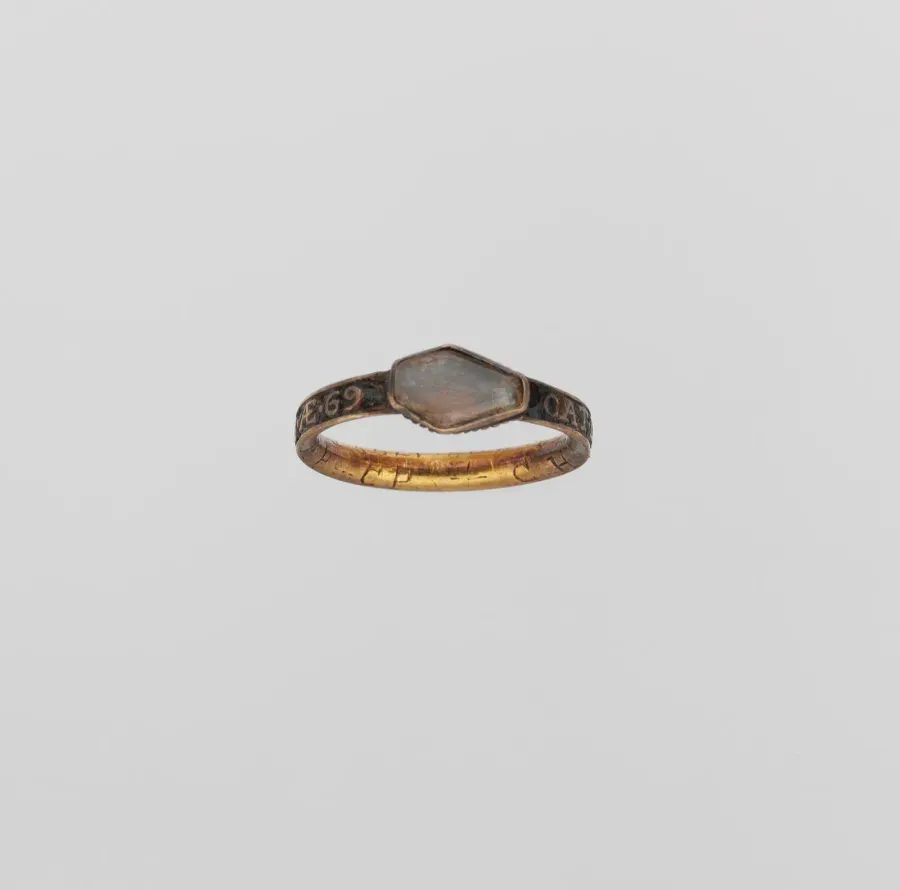
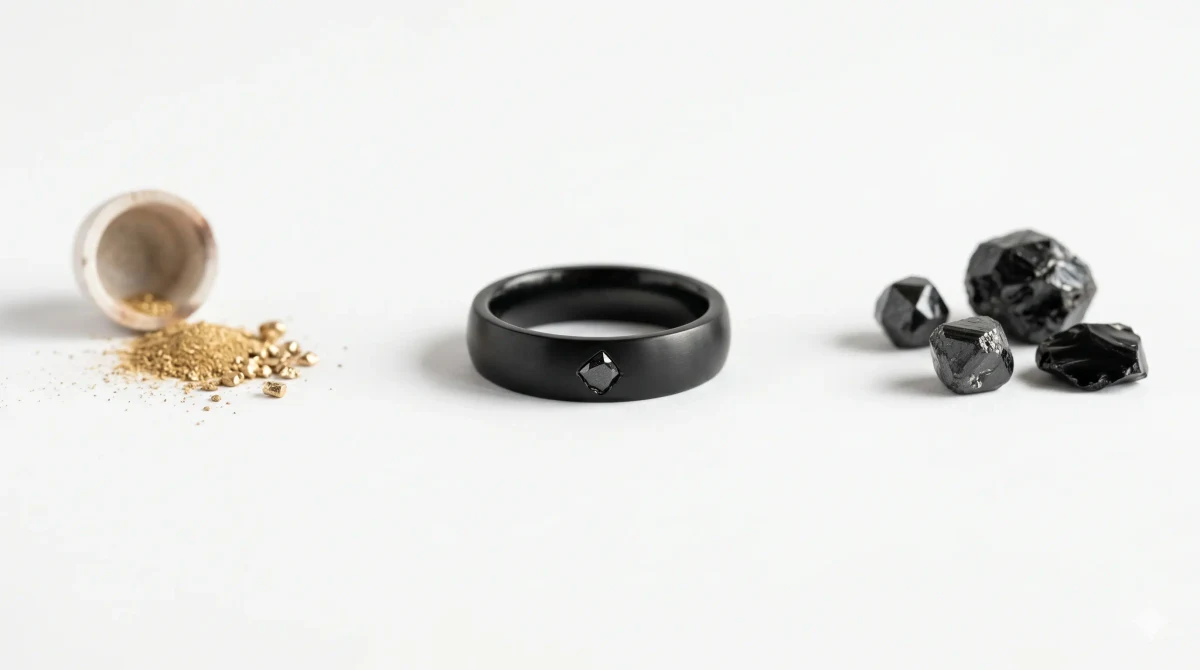
Clear diamonds belong to the marriage you walked out of. This hand gets black onyx and not one word of apology.
How to Wear a Divorce Ring
A divorce ring lives on your hand every day, so I build the look around it, not the other way round. Here is what I recommend after years of working with these pieces, by occasion.
Which finger should it go on? Most often I suggest the index or the middle finger, where the ring reads as your own choice rather than a stand-in for a wedding band. If you want a direct replacement, take the ring finger, but keep in mind people may mistake it for a wedding ring. For a quiet, low-key marker I recommend the pinky, historically the finger for signets about the person, not the union.
What do you wear it with day to day? For everyday I choose a thin band or a ring with a small coloured stone. The simpler the outfit, jeans, a light sweater, a linen shirt, the more the piece stands out. For the office I suggest a calm option with no sharp details: smooth silver, garnet or sapphire in a closed setting, a signet engraved on the inside.
How do you build an evening look? In the evening I recommend black onyx, opal or ruby, they come alive under artificial light. Under them I choose a plain fabric in a deep colour: a black dress, emerald silk, wine velvet. For a special occasion put on one statement ring and drop the rest, let it take the solo.
Can you wear it stacked with other rings? You can, but I always keep the divorce ring on a solo finger so it does not dissolve into the general jingle. Keep a stack in one metal, or deliberately pair gold and silver on neighbouring fingers. A coloured stone gets on well with neutral clothes, plain metal with textured fabrics and chunky knits.
What if a ring is simply not my format? Then I recommend moving the idea to a chain: the old wedding band as a pendant at the heart, or a new marker on a necklace. On size the advice is simple, a slim hand suits a narrow shank and a medium stone, a larger hand carries chunky forms while a tiny ring gets lost on it.

Turn on your camera, pick earrings, a pendant or a ring, and see the piece on yourself in real time.
Switch items in one tap.
Everything runs in your browser: no photo or video is ever uploaded.
Where the Custom of Wearing a Ring After a Parting Comes From
The divorce ring reads like a very recent idea, and the phrase certainly is. The habit underneath it is old. For most of recorded history a ring was a portable record of legal status, and status changes in both directions. People have been marking the end of a bond with metal for about as long as they have been marking the beginning of one.
Rings of Change in the Ancient World
Roman law treated marriage as something both parties could walk out of. Divorce required no court and no grounds; it required notice, witnesses and, in practice, an argument about the dowry. The betrothal ring, the anulus pronubus, was iron in the older period and gold later, and when a marriage ended the question of who kept it was handled the same way as the rest of the property. The ring was an object with an owner, not a sacrament.
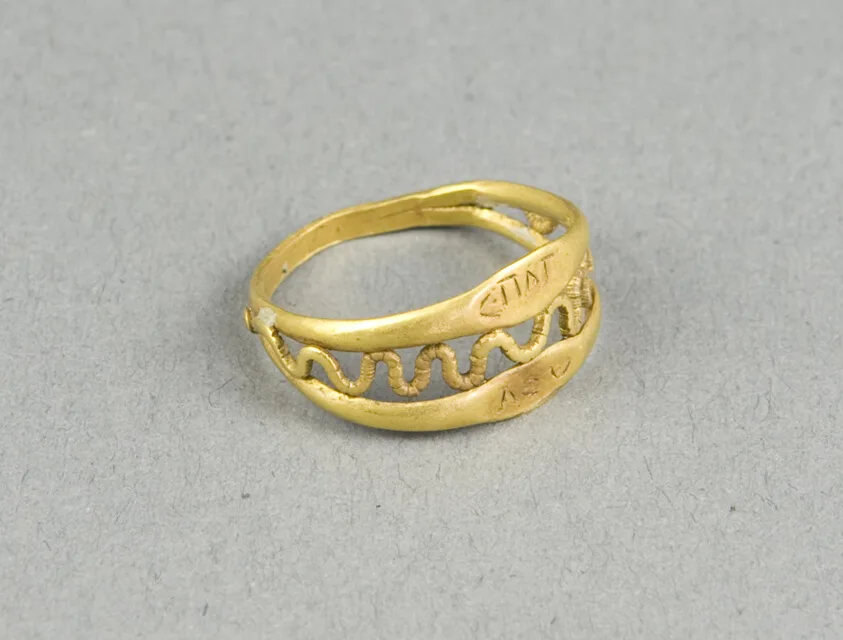
More interesting is what else a Roman ring could mean. A freed slave who had been granted the ius anuli aurei, the right of the gold ring, wore that ring as the visible proof of a changed legal condition. The metal on the hand said: what I was, I am no longer. That is closer to the modern divorce ring than any wedding band is, and it is worth knowing that the gesture has a two thousand year old precedent.
Egyptian faience rings, Greek ring-keys, Etruscan hoops with intaglio devices all worked on the same logic. The ring identified you. Change the ring and you change the statement you are making about yourself in public.
Vows and Partings in the Middle Ages
Once the Church took charge of marriage in western Europe, divorce as we understand it stopped existing. What remained were annulment, which declared the marriage never valid, and separation from bed and board, which left both parties married but living apart. Neither produced a ceremony, and neither produced an object.
What the period did produce was a rich vocabulary of tokens. Gimmel rings interlocked in two or three hoops so a couple could each wear a part until the wedding joined them. Fede rings showed two clasped hands. Posy rings carried a line of verse engraved on the inside, invisible to everyone but the wearer, which is precisely the trick a modern engraved band still uses.
And there was the broken token. A coin, sometimes a ring, snapped in half so each party held a piece as proof of an agreement. When the agreement ended, the halves stopped matching anything. The idea that a piece of metal can be deliberately unmade to mark the end of something is medieval, not modern.
Victorian Rings of Memory
Britain in the nineteenth century built an entire jewellery industry around loss. Mourning rings in black enamel, jet from Whitby after the court went into mourning in 1861, hair work under crystal, memento mori devices carried over from the previous century. Wearing your grief on your hand was ordinary, expected and socially legible at a glance.
The same decades reshaped divorce itself. Before 1857 ending a marriage in England required a private Act of Parliament, which put it out of reach of everyone except the very wealthy and very determined. The Matrimonial Causes Act of that year moved the process into a civil court, and the number of divorces stopped being a handful a year. The grounds remained brutally unequal for decades afterwards, but a legal end to a marriage had become a thing an ordinary person could theoretically obtain.
Nobody in 1860 bought a ring to celebrate it. The social cost was far too high, particularly for women. But the machinery was in place: a society that already knew how to mark the end of a relationship in jewellery, and a legal route out of a marriage.
Modern Western Practice
The second half of the twentieth century removed the last obstacles. The Divorce Reform Act 1969 introduced irretrievable breakdown as the single ground in England and Wales, and the Divorce, Dissolution and Separation Act 2020, in force from April 2022, removed fault and the need to blame anyone at all. A divorce stopped being a scandal and became an administrative event, which is exactly the condition under which people start looking for a private way to mark it.
Jewellers noticed the remodelling requests first. Bench workshops across Britain have quietly been turning old wedding bands into new pieces for decades; the request is common enough that most high street repairers have a standard answer for it. What changed recently is that people began naming the result. Divorce ring, new chapter ring, freedom ring. Once a thing has a name it becomes a category, and once it is a category it appears in catalogues.
Divorce Ring vs Wedding Band: What Is Actually Different
To catch the point, look at how a wedding band and a divorce ring are built on the inside. They are two opposite poles.
A wedding band carries three statements. All at once. All shaped as obligations to another person.
I promise. That is a contract. Formal, public, serious. A promise sealed with metal.
We are together. A signal to everyone around that your person is on your hand, invisibly, alongside you.
This is for the long run. A statement about time. About the fact that you now live on a shared schedule.
The divorce ring rips out all three and rewrites them with the opposite sign.
I promise myself.
I am alone. And that is not a diagnosis. That is a statement.
This is now. Not "for a little while," but "I live in the present without long-term contracts to another human being." Freedom of the present instead of a plan for decades.
That symmetry is the whole point. Marriage was a promise to another, sealed with a ring. Divorce demands a promise to yourself, also sealed with a ring. Otherwise it all hangs in the air. The papers are signed and inside something has not closed. The ring puts the period at the end of the sentence.
There is a visual difference too. A wedding band is usually neutral, classic, colourless (a colourless diamond on a thin shank, the same ring thousands of other couples wear). A divorce ring tends to be the opposite: bright, individual. A coloured stone, an unusual shape, sometimes an engraving inside. There is no shared canon. It is a personal statement, and it looks like one.
What to Do with a Wedding Ring After Divorce: Five Options
This is probably the most painful question. What do you physically do with that little metal circle that no longer carries meaning, but your hand cannot quite throw it away.
Five main options, with an honest breakdown.
One. Melt it down into a divorce ring. The old band dissolves as an object and becomes a new one. The atoms of the same metal now sit in a ring that means the opposite. Material continuity plus symbolic transformation, in the same family of work as a serious old jewellery restoration. There is a separate chapter on this below.
Two. Pass it back to family. If the ring is a heirloom from the ex's side, in most cultures it is considered right to return it. If it is from your own family, you can pass it forward (to children, nieces, nephews). The key is that the receiver understands where it came from and handles it without awkwardness. Do not pass it on without context. That puts a strange weight on someone else.
Three. Sell it or send it to a buyer. Plenty of people go this route. Pragmatic. You get cash you can spend on a new ring, a trip, anything. The downside: the ring goes to a stranger. Many people sense something off about that even if they cannot quite explain it rationally. If you decide to sell, do it fast. Drawing it out only prolongs your contact with the object.
Four. Keep it in a box. The most traditional, the laziest, and the most destructive route. Two years from now you will open the box and the ring will fly into your face. That is not closure. That is freezing the story in place. If you want to keep it, know exactly why. And set a date when you revisit the decision. Otherwise it sits there until you die and someone else has to deal with it for you.
Five. Run a goodbye ritual. Bury it. Throw it in a river. Melt it at home (if it is technically possible and safe). Taking it to a church does not really work: clergy will tell you they do not handle that and that it is folk superstition rather than religious practice. But a private goodbye ritual works. For people who need physical irreversibility, this is the strongest gesture. Psychologically very effective. Economically wasteful. Not for everyone.
No option is "the right one." Each reflects a personal relationship with the past. Many people end up combining. They melt the metal into a new ring and pass the old stone to a child. Or they sell it and use the money on something completely different. That is normal.
The one rule: do not leave the question hanging. Decide on something concrete and do it. A wedding ring stuck in a box is a small black hole that pulls at your attention for years.
Customer reviews
Zevira is a real jewellery shop. Genuine payments, deliveries and customer thank-yous.
🥰🥰🥰 gracias

Ok, ¡gracias! 🙂

Who Keeps the Ring in Law
Before you decide what to do with a band, it helps to know whose band it actually is. People argue about this at length and usually on the basis of something a friend told them. The legal position in Britain is duller and clearer than the folklore suggests.
An engagement ring given in England or Wales is presumed to be an absolute gift. That presumption comes from section 3(2) of the Law Reform (Miscellaneous Provisions) Act 1970, and it can be rebutted only if it was made a condition, expressly or by implication, that the ring goes back if the marriage does not happen. In plain terms: if the engagement collapses, the ring normally stays with the person who received it, unless the giver can show the gift was conditional. A family heirloom handed over with the words "this comes back to us if you two do not marry" is the classic rebuttal.
A wedding ring is a gift made after the marriage exists, so ownership is rarely disputed at all. It belongs to the person wearing it. Where things get complicated is in the financial settlement, because a divorce court in England and Wales works from section 25 of the Matrimonial Causes Act 1973 and looks at the whole picture: property, income, needs, contributions, the welfare of any children. Ordinary personal jewellery does not usually move the needle and is left where it sits. Genuinely valuable items are different, and an heirloom that came down one family line can be argued as non-matrimonial property that should not go into the shared pot.
Scotland runs on a separate statute, the Family Law (Scotland) Act 1985, which defines matrimonial property as what the couple acquired between the wedding and the date of separation, and specifically excludes gifts and inheritances from third parties. So a ring inherited from a grandmother sits outside the divisible property in Scottish law by definition rather than by argument.
Two practical points that matter more than the law in most cases. First, tell your insurer. A specified item on a home contents policy is usually listed by owner and address, and if the ring has moved house with you, or has been remodelled into something else, the schedule needs updating or a claim will fail. Second, if a ring is going to a child rather than to a buyer, write down what it is and where it came from and keep that note with it. Probate and family memory both work better with a paper trail than with a vague recollection.
None of this is a substitute for a solicitor when real money or a contested heirloom is involved. It is the shape of the rules, so you know whether you are in an argument worth having or one you have invented.
Which Finger to Wear a Ring on After Divorce
Different traditions exist. Worth knowing about so you can choose deliberately.
In the US and most of Western Europe, a wedding band sits on the ring finger of the left hand. After divorce, many people move it to the right hand (or keep it on the left as a personal choice, depending on the person and the situation). In Russia, Eastern Europe and some Orthodox traditions, the wedding ring goes on the right hand from the start, and after divorce people typically just take it off.
After divorce, with a traditional wedding band, most people do one of two things. Either take it off completely and put it away (if you have decided to move on). Or move it to the opposite hand to signal that the marriage is finished but you are open to something new.
With a divorce ring, you have full freedom over which finger. That is part of the meaning: you no longer live by anyone else's rules.
Left ring finger. Many wear the divorce ring exactly where the wedding band used to sit. The most direct act of replacement. "I stopped waiting for someone else to fill this hand. I filled it myself."
Right ring finger. Particularly meaningful if your wedding band sat on the right (in Eastern European or Orthodox tradition). Wearing the divorce ring there can read as a wedding band to people who do not know you. Some women like that ambiguity (a deliberate "wrong" reading). Others find it irritating.
Index finger. The finger of declarations. Pay attention. I want you to see this. A good choice for big statement rings. The index finger is associated with leadership, direction, command. Perfect for someone who took her life into her own hands after divorce and is not shy about showing it.
Middle finger. The longest, most visible finger. A ring there cannot be missed. Not for someone after a private symbol. For someone after a public one.
Pinky. The finger of individuality. Aristocrats wore signet rings on the pinky. These days creative professionals often do. A ring on the pinky reads stylish and slightly vintage, a nod to tradition. It also tends to be the quieter option. If you want something light and unobtrusive, the pinky is excellent.
Thumb. A rare choice, and that is exactly what makes it interesting. Thumb rings were worn by warriors and the powerful in antiquity. The modern return to that finger reads as strength, defence, readiness to act. For a divorce ring it can be very precise.
Many people end up wearing the ring on different fingers on different days, depending on mood. That is not a contradiction. That is fine. A ring not pinned to one finger has the freedom to move. So do you, now.
Upload a photo of your pet, someone you love, or an object. We'll build a 3D model and hand-cast it in pewter.




Old Wives' Tales: Why People Say You Cannot Keep It
Your grandmother will say: keeping a wedding ring after divorce in the house is bad luck. It pulls trouble. It blocks a new partner. Better to throw it out, sell it, give it away.
She is half right.
Not because of metal magic. Because an object loaded with ten years of your life sitting in a box pulls your attention every time you open the lid. Any therapist will confirm. Unfinished objects from the past slow down the present. Your grandmother knew that in village language. A modern person calls it "I have not let go yet."
For what to actually do with the old ring, pick from the five options above. Pick one and act. Do not freeze.
Clergy, when asked about a wedding ring after divorce, usually say "this is not a religious matter, follow your conscience." Bringing it to a church does not work, they will not take it. Burning, throwing into a river, burying, all of it is a personal choice. There is no magic in any of those actions. The power is only in the fact that you decided something concrete and did it.
The one practical rule that actually works: do not wear the old wedding band and the divorce ring at the same time. The signals get crossed, both for you and for everyone around you. Pick one. Take the old one off and deal with it. Put the new one on and live.
Can You Buy a Ring for Yourself
You can. Buy it.
The folk warning that "you should not buy yourself a ring" was born in an era when a woman did not have her own money. A jewellery purchase signalled either that the husband had failed, or that he did not love her, or that there was no husband at all. That was what counted as "wrong." The money is yours now. The decisions are yours. The ring is yours too.
If anxiety stirs inside, a "what if," that is not the magic of an old wives' tale. That is an old program your grandmother stitched into you. The program is out of date along with the era it came from. You can uninstall it with a simple gesture: go and buy. A week later you will be amazed at how scared you used to be.
If you want a ritual layer on top, call the purchase a gift to mark a date. A birthday. The end of a hard year. The day your divorce was finalised. A gift to yourself for a specific date is a format with centuries of practice behind it.
And one more thing. A ring you chose yourself always sits better on the finger than one someone else picked for you. That is not about size. It is about how it feels day to day. When you spent three hours scrolling a catalogue, hesitated for two weeks, picked one, ordered it, that ring is yours in a much deeper sense than any gift.




Melting Down a Wedding Band into Something New: How It Actually Works
If you are thinking about melting it down, here is what matters.
First, understand what is being melted. An old wedding band is two different materials: the metal of the shank (usually 14k or 18k gold, white gold, sometimes platinum) and a stone (if there is one). These two behave very differently.
Metal melts cleanly. Gold of any karat can be melted and reshaped completely. Two wedding bands, yours and your ex's, give you enough metal for one substantial ring or two medium ones. From a single band you usually get a thin one.
Stones do not melt. Diamond, sapphire, ruby, emerald, any precious stone is a hard mineral that does not melt at jewellers' temperatures, but it can crack under heat. You do not melt stones. You remove them from the old setting and reset them in the new one. That is a separate operation.
The technical process looks like this. The jeweller takes your old ring. Removes the stone (if there is one). Weighs the metal and estimates loss during melting (typically 5 to 10 percent due to oxidation and a thin outer layer that cannot be recovered). Melts the metal into a billet. Forms the new ring blank from the billet according to the chosen design. Sets the old stone in the new mount, or fits a new one.
Many jewellers offer to let the client be present during the melt. That is a powerful experience. Watching the old physically stop existing while watching the new come into being is a complete ritual. Many cry (not from grief, from relief). Some jewellers understand this and arrange the service calmly, without theatre, in a private room with no extra witnesses.
What design to pick. That is a separate question (see the styles chapter below). The core of the melting ritual is that one thing becomes another. The specific design is secondary.
A few practical notes. Do not rush. Let the old ring sit with you for a few weeks or months before you melt it. If the decision has truly settled, you will feel it in how you read the ring. If it triggers indifference or irritation, you can go ahead. If it still pulls at the heart, wait.
Pick a jeweller who understands the emotional weight of the order. A good one will ask what you want to keep from the old form and what you want to drop. A weaker one takes the ring in silence and makes what you ordered. The difference in the result is usually noticeable.
And one last point. If you ended up holding your ex's wedding band too (he gave it back during the divorce, he does not wear it anymore, he passed it to the kids), you can melt that down as well. Out of the matter of two rings that were once a pair you get one. A strong symbolic gesture: what was a union is now your single unit.
Stones for a Divorce Ring and What They Mean
There are no rules. But different stones carry different characters, and people often choose by character. Here is the working set.
Black diamond or black onyx. The most common choice right now. It carries no wedding associations. A clear white diamond is fused to engagement and wedding rings in the cultural imagination, so wearing one in a divorce ring crosses signals. A black stone cuts the wire. It still reads as precious and serious. Black means closure, protection from negative energy, strength, and the acceptance of dark periods as part of a life. Not "I am erasing what was," but "this happened, and I am walking forward with it."
Ruby. Stone of passion, force, living blood. After a marriage where passion may have died down, a ruby reads as a declaration that the fire is back. That you did not let the marriage kill the live current in you, or that you will not let anyone do it again. Red is also the heart. A heart that now belongs only to you.
Sapphire. Especially deep blue or unusual hues (purple, green, yellow). Sapphire is traditionally the stone of wisdom, truth, fidelity. Only here the fidelity is not to another person, but to your own values. Princess Diana wore a sapphire ring, and after her own difficult marriage the public came to read that stone as the symbol of a woman who survived. The stone knows how to survive.
Opal. A stone with many colours in a single specimen. No two opals are alike. The perfect stone for someone who, after a long stretch of being flattened in a marriage, is recovering her many dimensions. Opals also carry a cultural backdrop of mystery, sometimes a darker one. That is a plus, not a minus.
Amethyst. A purple stone with a long history in the spiritual practices of every culture. Mental clarity, protection from negative influence, a transition to a new level of awareness. Often chosen by people for whom the divorce was both a personal and a spiritual turning point.
Moonstone. Cycles, renewal, intuition. Carries the idea of moving between phases. The moon sets and rises again. So do you.
Citrine. Yellow-gold, sun, optimism. One of the brightest options, for people for whom divorce really was liberation, and who want to celebrate that without apologising.
Garnet. Deep red, less drama than ruby, more depth. A good pick for someone who came out of a hard but not catastrophic divorce.
No stone. A thick band of gold or silver with an engraving inside. A word or a date that only you understand. The loudest choice precisely because the outside is the quietest. I am, and that is enough.
Leave your email, we'll send your discount code. No spam, unsubscribe anytime.
The code arrives by email, valid on your first order.
Which Stones Survive Daily Wear
A divorce ring is meant to be worn every day, which puts it in a harsher category than a piece that comes out twice a year. Meaning is one filter for choosing a stone. Physics is the other, and people skip it far too often, then wonder why the surface has gone dull inside eighteen months.
Hardness, Toughness and Cleavage Are Three Different Things
Hardness is resistance to scratching, measured on the Mohs scale. Sapphire and ruby sit at 9, spinel and topaz at 8, quartz stones such as amethyst and citrine at 7, opal around 5.5 to 6.5, pearl at about 2.5. The number that really matters is 7, because airborne dust contains quartz. Anything softer than 7 is being sanded by ordinary household dust every day it is worn, which is why a moonstone ring loses its polish while a sapphire does not.
Toughness is resistance to chipping and breaking, and it does not track hardness at all. Emerald sits high on the Mohs scale and is still one of the most fragile stones in a ring, because natural emerald is riddled with internal fractures and is almost always treated with oil or resin to make them less visible. Knock the edge on a door frame and you find out.
Cleavage is the third variable: the tendency of a crystal to split cleanly along a plane. Topaz has perfect basal cleavage, which means an 8 on Mohs can still shear from a single unlucky impact. Diamond has cleavage too, which surprises people who were told it is indestructible. Onyx and other chalcedonies have none, which is part of why black onyx wears so well in a broad flat setting.
The practical shortlist for an everyday ring: sapphire and ruby in any colour, spinel, garnet, black onyx, and quartz stones if you accept that they will need repolishing eventually. The list to think twice about: emerald, opal, pearl, moonstone, tanzanite, apatite. None of those are forbidden, and if the stone is the whole point of the ring, wear it. Just wear it knowing.
Settings That Protect the Stone
The mount does more for longevity than the stone choice. A rub-over setting, called a bezel almost everywhere outside British trade usage, wraps a collar of metal around the girdle of the stone and shields the vulnerable edge completely. For a ring you never take off, it is the strongest option available, and it suits softer stones particularly well.
Claw settings show more of the stone and let more light in, which is why they dominate. The cost is exposure: the girdle sits proud, the claws catch on knitwear and hair, and claws themselves wear thin over years and eventually let go. Anyone who has ever lost a stone lost it because a worn claw finally gave up. Have them checked every couple of years.
Low profile beats high profile for daily wear, every time. A stone that sits close to the finger takes fewer knocks than one raised on a tall gallery. Flush or gypsy setting, where the stone is sunk into the body of the band with only the table showing, is the toughest of the lot and looks superb on a heavy signet.
Metal matters as well. Sterling silver is soft and marks easily, which some people like, since a ring that records its own history suits this particular purpose. Nine carat gold is harder than eighteen but less rich in colour. Platinum does not lose material when it scratches, it displaces it, which is why platinum bands develop a matt patina rather than getting thinner.
A Care Routine You Will Actually Follow
Take it off for the washing up, for the gym and for gardening. Those three account for most of the damage most rings ever take. Hand cream and soap build a film under the stone that kills the sparkle within days, and it is grease, not wear, that makes people think a stone has died.
Much of Britain sits on hard water, particularly across the south and east, so limescale deposits on jewellery are a genuine local problem rather than a theoretical one. Warm water, a drop of washing up liquid and a soft toothbrush once a week deals with it. Rinse properly and dry with a lint free cloth.
Skip the ultrasonic cleaner unless you know exactly what is in the ring. Ultrasonics drive oil out of emeralds, can shatter stones with existing fractures and will ruin pearls, opals and anything with a glued or fracture filled treatment. Steam cleaners are worse. A jeweller with a bench and a loupe can tell you in thirty seconds whether your particular ring can take it.
Chlorine attacks alloys rather than stones, so swimming pools and hot tubs are hard on white gold and on soldered joints over time. And check the ring against the light every few months: if a stone rattles when you tap it near your ear, it is loose, and a loose stone is a lost stone within weeks.
Styles: From Minimalism to Statement
While individuality is the main rule, four style directions currently dominate.
Statement rings. A big stone, visible size, a design you can read from across a room. A ring as a literal declaration. Right for people who want public recognition of the transition. "I am not hiding, I am not erasing myself, I am here and I am shining." Often cocktail rings with a centre stone of two to five carats, a heavy mount, a strong silhouette on the shank. These are women who are visibly blooming after divorce and want to show it. Size does not equal price here at all. A modest topaz or quartz in a generous size reads just as effective as an expensive diamond.
Minimalism. A narrow band, a small stone, or no stone at all. A ring as a hint. From outside no one would guess it means anything. The wearer knows. Right for people whose divorce is private and who do not want it on display. An engraving inside (date, word, initials) makes the symbol fully personal. Minimalism is not shyness. It is the refined form of confidence: I do not need to explain who I am.
Vintage and gothic. Black onyx, silver with patina, references to Victorian mourning style, sometimes memento mori elements (skull, hourglass, faded flower). For people with a strong aesthetic eye who accept divorce as one of the dark notes in the larger melody of a life. Not mourning, not pretending nothing happened. Including.
Natural symbolism. A ring shaped as a snake (shedding skin), a lotus (a flower from mud), a phoenix (rising from ash), a butterfly (full metamorphosis), a swallow (freedom, return). Every one of these images is tied to renewal across cultures. For people who want to fit their own story into a bigger mythological frame. Not "I got divorced," but "I went through a transformation, like thousands before me and thousands after."
These directions do not exhaust the field. They mix. A minimalist silver ring shaped as a snake is both natural symbolism and minimalism. A statement ring with black onyx is both statement and gothic. Mix them. Nobody is in charge of you here.
CAPAORA mini knife pendant
The 18th-century Spanish navaja in miniature: 40 mm of stainless steel, a real folding mechanism and a Palanquilla lock that clicks. An affordable gift to remember.
Authentic · Ships from Spain · 14-day returns
Symbols of Freedom and Renewal
If the ring is going to carry a device rather than a stone, it is worth knowing what the device has meant to other people, because a symbol borrows weight from everyone who used it before you. These seven turn up again and again on rings bought after a marriage ends, and each one says something slightly different.
The Phoenix
The bird that burns and comes back from its own ash appears in Herodotus, in Ovid, in the Egyptian bennu and in Chinese and Japanese imagery that has nothing to do with any of those. Christian writers took it up early as an image of resurrection, which is how it ended up carved on tombs and later stamped on insurance company fire marks in London.
The phoenix is the loudest symbol on this list, and it is honest about that. It does not say the fire never happened. It says the fire happened and you are still here. Worth choosing only if you actually feel that, because a phoenix on the hand of someone who is still in the middle of the burning tends to feel like a promise made too early.
The Butterfly
Metamorphosis is the whole content of the symbol: the creature that comes out is not a modified caterpillar, it is a genuinely different animal built from the same material. Greek used one word, psyche, for both butterfly and soul, and the pairing has never really left western art.
On a ring it reads softer and more private than the phoenix. It carries no fire and no drama, only the plain claim that a person can end up structurally different from who they were and that this is ordinary rather than heroic. Good for slighter, more delicate designs, and it sits well in silver.
The Broken Chain
A link opened and pulled apart is one of the few symbols on this list with no ancient mystical pedigree at all. Its weight is political and comes from the abolition movement and from the imagery of manumission and emancipation across the nineteenth century. That history is worth respecting rather than borrowing lightly.
Worn as a divorce ring it makes a specific and unsentimental statement about constraint that has ended. It suits people whose marriage was genuinely confining, and it is the wrong symbol for an amicable parting, where it overstates the case and everyone can tell.
The Snake Shedding Its Skin
The snake carries opposite meanings depending on which door you come through. Read through the ouroboros it is cyclical time and self renewal; read through the Asclepian staff it is medicine and healing; read through Genesis it is temptation and blame. Victorian Britain wore snake rings as love tokens with no irony whatsoever, and the coiled serpent with a gemstone head was one of the most popular jewellery forms of the whole century.
For a ring after divorce the relevant part is the shedding. A snake grows a new skin under the old one before it sheds, and the old one comes off in a single piece, dry and complete. That is a precise description of how leaving a long marriage usually actually works, and it is a better image than most because it is unsentimental about the timing.
The Lotus and the Tree
Both are growth symbols with roots in unlovely conditions. The lotus rises through mud and opens clean, which is central to Hindu and Buddhist iconography and should be worn with some awareness of that rather than as a generic wellness motif. The tree of life spreads through Norse, Celtic, Mesopotamian and Jewish imagery, always as a structure that connects levels and keeps growing at the edges.
Both suit people who do not want their ring to be about the marriage at all. Neither symbol references an ending. They reference continuing, which for some people is the more accurate thing to put on a hand.
The Swallow and the Anchor
British sailors wore both. The swallow, traditionally inked after a set distance at sea, meant return: the bird always finds its way home. The anchor meant the opposite quality, the ability to hold fast in bad weather, and it doubled as an early Christian cipher for hope.
Together they make an unusually balanced pair for a divorce ring, because one is about movement and the other about staying put, and most people leaving a marriage need permission to do both. A swallow on one hand and an anchor on the other is a real thing people commission, and it is not as sentimental as it sounds.
The Empty Circle
The plainest option and, for a lot of people, the strongest. A band with nothing on it, no stone, no device, sometimes not even a polish. The circle has meant continuity and completeness since long before anyone attached it to marriage, and a wedding ring is only one late application of a much older shape.
An unmarked ring makes no claim that anyone else can read. That is the point of it. Nobody at work sees a symbol and forms a theory, nobody asks a question you did not invite, and the meaning stays entirely inside the person wearing it. If you want the weight without the conversation, this is the one.
Divorce Rings for Men
Men typically deal with divorce by working, training, drinking with friends, jumping into a new relationship. The ritual usually stays off-stage. Inside, that creates the same suspended process as for women, only with fewer outlets to talk about it.
A ring closes that gap.
The design is usually stricter than the female version. A signet with an inside engraving. A heavy band with no stone. A statement ring with a single large stone: onyx, tiger's eye, hematite, black sapphire. Coloured stones work too: garnet, deep blue sapphire, amethyst. There is no canon.
Engravings are usually short. "Never again." A date. Initials. A symbol (triquetra, a rune, a single letter). Visible only to you when you take the ring off.
The logic of melting down an old wedding band tends to be pragmatic for men. Gold is gold, no point in dumping it. And there is a second logic men rarely say out loud: what was joint is now mine, single.
The finger is most often the right ring finger (in Orthodox or Eastern European tradition) or the pinky. Thumb is rarer, usually for big signets or chevalières.
Rings have been worn by warriors, kings, philosophers, craftsmen. A small metal circle on a finger is a symbol of strength and adulthood. The symbol has no gender.
Where the Trend Came From: 2024-2026 and Who Started It
The trend formed in stages.
The first mentions appeared in the early 2000s in New York and London. A few jewellers offered to melt down a wedding band into a new ring for a divorced client. It ran as a niche service. With no name. With no cultural echo.
In 2022-2023 the dam broke. The generation that married en masse in the 2000s and 2010s reached the divorce age. The pandemic put millions of couples on round-the-clock domestic contact, and many made decisions after that. Social media moved to a new level of openness about divorce.
A strong moment came in 2024, when a well-known American model reportedly had her engagement ring split into two new rings after her divorce. The big diamond went into one, the smaller into the other. The idea was not "get rid of it" but "remake it." The ring no longer reflected who she was. Stories like that were picked up widely, and the term entered general vocabulary.
Around 2025 a high-profile stylist was reported to have appeared publicly after her divorce wearing a heavy ring she described as a "freedom ring."
By the end of 2025 online interest in the term "divorce ring" had climbed sharply. Searches like "divorce ring meaning" and "divorce ring trend" tracked the same curve.
In 2026 the trend went mass-market in the US, the UK, Continental Europe and beyond. Independent ateliers in major cities openly take this kind of order. The service exists. The terminology is settling. The demand is rising.
The demand comes from both women and men. The studios are responding.
What Public Figures Do With Rings After Divorce
A widely reported case from 2024 involved a well-known model who is said to have turned her engagement ring into two new rings. The original design was a "toi et moi," two diamonds on one band, a pear cut alongside a princess cut. After her divorce she reportedly split the diamonds and made each one a separate ring. The pear went into one ring on her pinky. The princess cut, with two trapezoid side stones in platinum, went into the other on her ring finger.
The reasoning that circulated alongside the story was simple: a woman should not have to give up her diamonds just because a relationship has ended. The inspiration was said to come from an essay about a grandmother who wore a snake ring made of stones from her several marriages. A ring as a chronicle of a life, every chapter visible, none of them erased.
Another reported example is a high-profile stylist who appeared in public after her divorce with a heavy statement ring she described as a "freedom ring." Big design, visible stone. The idea: a public statement about a new chapter, no attempt to hide.
What these stories share. Nobody threw it out, burned it, or hurled it back in disgust. Each one found a way to keep the matter of the past as part of her own biography, by melting, splitting or simply reframing. That is the foundation of the whole trend. Not the denial of the past. Turning it into the matter of the present.
Send a friend a discount code, they save on their first order.
The Psychology of the Ritual: Why You Need to "Close the Chapter"
Every major event in a human life used to be anchored in physical things. Birth, christening. Coming of age, party and gift. Wedding, ring and white dress. Death, funeral and black clothes. Every culture, always. Without an object in your hands, an event stays on paper.
Divorce historically fell out of that system. You signed the documents, walked out of the courthouse, lived however you could after that. Outwardly closed. Inwardly nothing was closed, because there was no physical point.
Anthropologists call that a liminal state. You are no longer where you were, not yet where you will be. That stretch, without an object, can run for years. Sometimes decades. Sometimes a whole life.
A divorce ring puts the period at the end. One gesture. Bought, put on, worn. The brain reads the signal: the transition is done, count starts here.
And one more thing. The body remembers significant moments better when they are anchored physically. The weight of the ring, the shine, the daily contact with skin build a sensory map of a new state. Every time you see the ring on your finger, you get a reminder: I am here, I am at a new point, I am moving forward.
A year, two, five later, in a tired moment when the old reflex tells you to bend under someone else's demands, the ring on your finger will be exactly the reminder you need. No words. No moralising. Just weight and shine.
Never again like that. Never again under someone else's plans. Never again for someone else's dreams. Never again inside a marriage that breaks you.
That is the anchor.
Why the Gesture Should Be Quiet
A ring bought in the wrong spirit becomes a grievance you wear on your hand. If the piece is chosen to make a point at someone, to be photographed and seen, or to prove something to a person who is no longer in the room, it keeps that person present in your day. Every glance at your hand goes back to them instead of to you. That is the opposite of the intended effect and it is a common way to get this wrong.
The version that works is dull to describe. You buy it for yourself, you do not announce it, and it simply becomes part of what you put on in the morning. Nobody is being addressed. Nothing is being proved. The object does its work by repetition rather than by drama, and repetition needs the thing to be comfortable, wearable and unspectacular enough that you never take it off.
When the Ring Is the Right Move
Some clear signals. The paperwork is finished or nearly finished. You can talk about the marriage without your voice changing. You catch yourself thinking about what comes next more often than about what happened. You have already made a decision about the old band, even if you have not acted on it. In that state a new ring lands as a marker of something that already happened internally, which is exactly what a good ritual object does.
There is also the practical trigger, which is more common than the emotional one. Your hand feels wrong. Ten or twenty years of a band in one spot leaves a genuine groove and a pale stripe, and the absence is louder than the presence ever was. Filling that spot with something you chose yourself is a small, entirely reasonable act of housekeeping, and it does not need to be dressed up as a spiritual event.
When to Wait
If the ring is meant to make a feeling go away, it will not, and the piece will end up associated with the feeling instead. A ring is a marker, not a mechanism. It records a change that has already happened; it does not produce one. Anyone selling it as a cure is selling you something else.
The signs that it is early: you are still rehearsing arguments in the shower, you are choosing designs by what would annoy your ex, you want the ring to be seen by a specific person, you cannot look at the old band without a jolt. None of that is a failing and none of it is permanent. It simply means the object would be doing the wrong job. Wait a few months. The idea will still be there, and by then you will pick something better.
The Right to Say Nothing
You are under no obligation to explain a ring to anybody. Not to colleagues, not to your mother, not to a new partner. "I liked it" is a complete answer and it ends the conversation without a lie.
This matters more than it sounds, because the first few weeks bring questions from people who are curious rather than unkind and who have no idea they are prodding a bruise. Having a flat, cheerful, unrevealing sentence ready means you never have to decide in the moment how much to say. And if you do want to tell someone what it means, that stays available. A symbol you have not explained can be explained later. One you have announced to a room cannot be taken back.
This Is Not About Loneliness. This Is About the End of "Just Put Up with It"
After reading about anchors it is easy to decide the divorce ring is about a closed door. That you wear it now as a seal of solitude and you will not let anyone close again. That is the wrong reading. And right now, in the freshest moment after divorce, this needs catching.
Listen. You just walked out of something that was draining your life for years. You probably feel awful right now. You want to send everyone to hell: your ex, your parents with their "but how could this happen," your friends with their well-meaning advice, the Instagram couples doing brunch on Sundays, the entire system of expectations. That feeling is right. Listen to it carefully.
Because here is what it is saying. For years you tried to be the "right" character in a script someone wrote for you a long time ago. You put up with it. You told yourself "marriage is hard work" and "you just have to push through." You performed for your parents, for your friends, for yourself, that the marriage was working. And right now, on the rubble of all of that, a crack opened in your head, and through it air came in for the first time in a very long time.
That crack is the start.
This is the moment. If you are a woman, your sequence looks roughly like this. A friend will drag you to a hairdresser and you will get the bob you have not dared to cut for ten years. You will buy that red lipstick your husband once made a face at. That evening in a bar with your friends you will half-cry and half-laugh over a bottle of wine and for the first time in ages the laugh will be the real you. You will want a tattoo he would never have approved. A trip he is not part of. A dance floor you have not seen in five years.
If you are a man, you have your own sequence. The gym you have not had time for in five years. The beard your wife asked you to shave. The motorcycle or the car you saved for in silence and still ran past her for approval. The watch you finally stopped justifying with "do you really need that?" The friends you have not seen since your own wedding. The trip to the mountains or the fishing weekend you kept postponing under "it is not the right time." The tattoo your wife considered stupid.
Do them. All of it works. These are the legitimate gestures of getting yourself back, shared by everyone who just walked out of a marriage that was not working.
A divorce ring sits in the same series, on a different scale. The bob will grow back. The beard too. The lipstick wears off in two weeks. The tattoo stays forever, which is not always great. The trip ends in ten days. The motorcycle starts collecting dust within a year. The ring lives its own life on your finger for exactly as long as you decide. You take it off, put it back, melt it down, pass it on. A flexible, durable artefact of the moment you are living in right now.
The divorce ring locks that crack open. It is not about not letting anyone in. It is about never again talking yourself into putting up with it.
Never again eating garbage and calling it love. Never again staying next to someone who dims you out of fear of being alone. Never again silencing your boundaries to protect someone else's comfort. Never again choosing what is not yours so a neighbour will approve. Never again pressing yourself into someone else's template of a happy life.
Never again "just put up with it."
People pass that phrase down the generations like poison. For women it sounds like "marriage is hard work, you have to push through." For men it sounds like "be a man, carry it, do not complain." Different words, same outcome: you do not have a right to your own life. Mother told daughter. Father told son. You said it to yourself a hundred times a week inside that marriage that was not working. Divorce breaks that phrase first thing. The divorce ring stops it from coming back.
You may be scared right now. That is normal. Everybody is scared after divorce. But the fear of "I will be alone" is far less dangerous than the fear of "I will end up there again." A ring on your finger is a small guard at the gate that does not let you walk back into the old script.
A divorce ring is not a ban on new relationships. It is a filter. On your finger sits a reminder of what you no longer want. And when someone new walks into your life, you will not compare him to your ex or to some imaginary partner from a feed. You will compare him to that small metal promise to yourself.
He passes the filter? Good. He does not? Goodbye, with no regret and no "maybe one more try."
And here is what will happen in a year, two, five. Wearing the ring will become as automatic as brushing your teeth. You will stop thinking about the divorce every time you look at your hand. You will only be thinking one thing: I know who I am.
With that knowledge you will meet someone real. Maybe by accident at work. Maybe on a date that started looking like a bad idea. Maybe in eighteen months, maybe in seven years. The timing does not matter. What matters is that the version of you who meets that person is the new version this ring grew.
And on some day you will take the divorce ring off your finger and put it in a box next to the old wedding band. Not instead. Next to. The old wedding ring as part of the story. The divorce ring as a medal for what you walked through. And on your hand will be a new wedding band, the one that this time really is forever.
Because you will have chosen it not from fear. Not from loneliness. Not from "it is time, my parents keep asking." From the place where you know who you are and you know exactly who you want next to you.
That is what this anchor is for. Not to lock you in solitude. To stop you from making the same mistake twice.
Can You Give a Divorce Ring as a Gift
The main ring is the one you choose for yourself. That is part of the ritual. But there is room for given ones alongside. They work as support, not as a replacement.
Four scenarios where a gift makes sense.
Friend to friend. When someone close is going through a hard divorce, a symbolic gift is a strong form of support. The key is that it does not replace her own ring, it accompanies it. A small ring or a pendant that says "I am with you." Not the main artefact, but the one next to it. She can buy her own main ring later.
Daughter to mother (or son to mother, daughter to father, any combination). A particular case. When parents divorce, kids feel helpless and want to do something. Giving your mother a ring with the words "you are my main hero now" is a powerful gesture. Many take that gifted ring as the ritual one and wear it in that exact meaning.
Sister to sister on the day the divorce is finalised. A direct ritual gift at the moment of the closing point. "Today this chapter is closed. Take the ring so you remember: you are not alone." Sometimes that is the most important thing one sister can do for another.
And one more. Yourself, as a divorce gift. Not technically a gift from another person, but many do it deliberately. The day the divorce is finalised turns from a grim formality into a personal celebration. You go to a restaurant with a friend, to a spa, to a concert. And you order or buy the ring. A very healthy practice. You did not ask permission, you did not report to anyone, you owe nobody.
Frequently Asked Questions
Can you wear a wedding ring after divorce on the other hand?
You can, but think about why. If you want to keep some link to the past and you are not ready to let go, moving it to the other hand gives you a comfortable middle position. If you do it because "people do," with no internal reason, take it off completely. A half-measure is often worse than any clear decision.
What do you do with the wedding ring if your ex asks for it back?
Legally, after divorce, the ring belongs to whoever is wearing it. But if it is an heirloom from his side, in most cultures returning it is the ethical move. If he simply bought it, the legal right and the moral right do not necessarily align, and the call is yours.
Can you buy a divorce ring on the day the divorce is finalised?
You can and many do. It turns the day from a formal event into a personal celebration. Walk into a jewellery shop after the courthouse. Buy what you want. It will be one of the most memorable days you have.
How much does a divorce ring usually cost?
From silver with a small stone to gold with a large one. The amount usually reflects how you yourself rate this transition. Modest silver if you decided that the divorce is not the moment for spending, and what matters is the gesture itself. Expensive gold with a stone if you decided to spoil yourself after a hard period. The point is that the ring carries the weight you need it to.
What do you say if someone asks about the ring?
Whatever you want. You can be open: "this is the ring I bought to mark my divorce as a transition point." You can be vague: "this is a ring I bought to mark an important period in my life." You can refuse to explain at all. People around you do not have a right to a detailed account of every piece of jewellery you wear.
Can you wear a divorce ring if you are in a new relationship?
Yes. A divorce ring is about your specific divorce, not your relationship status. Many keep wearing it after a new relationship or a new marriage as a marker of a stage they walked through. A new partner who has a problem with your story should walk his own path.
What if I marry again?
At the wedding ceremony itself you will probably take it off so the new band is in focus. The rest of the time you can wear it. Many women wear both rings on different fingers. That speaks to accepting your full story, without erasing any of its chapters.
Can you turn a wedding band and an engagement ring into one piece?
You can, and people often do. The stones from both can be reset into one new mount, the metal melted together. Particularly convenient if both rings were thin: out of the combined material you can build something more substantial.
The divorce involved abuse or trauma. Is a ring even appropriate?
All the more appropriate. The harder the exit, the more you need a ritual at the finish line. Therapists working with domestic abuse routinely recommend symbolic gestures of closure to clients. A divorce ring is one of them. You took control of your life back. That deserves to be marked materially.
Is a divorce ring considered a bad sign for future relationships?
It only reads as a bad sign to a partner you do not need anyway. A grown-up reads it as proof that you know how to bring chapters to a close and you do not drag old stories along as ballast.
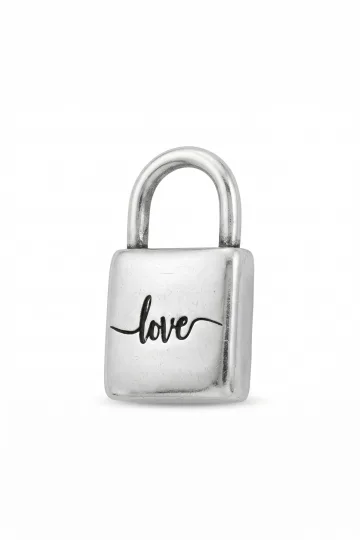
Rings with symbols and without. Silver and gold. Pendants, earrings, bracelets. For the idea of a divorce ring or simply a ring in honour of yourself.
Buying it as a gift? Each one arrives ready to give.
 A branded Zevira box and a little card come with every order.













How to Choose a Divorce Ring at Zevira
There is no dedicated "divorce" line and there will not be. A ring to mark a divorce is your personal choice and there should be no canon. From the general assortment, four directions work directly for the divorce ring idea.
Rings with Protective Symbols
Eye, labyrinth, nazar. Pieces like the protective eye ring work through symbolism that has functioned for thousands of years as a daily guard on the finger. For people who, after a hard exit, are looking for a function rather than an ornament. A small metal amulet that genuinely calms you down when fear shows up.
Rings with the Sacred Heart
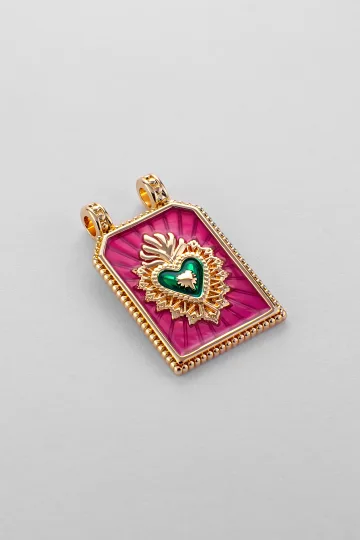
An old Catholic symbol, reread today as "a heart that belongs to itself." A direct hit for the core motif of a divorce ring. The Sacred Heart ring works for women and for men. Enamel, engraving, raised relief, different metals.
Tarot Rings
The Moon, the Sun, the Tower. For people who read divorce as a turn in the spread of their own life. The Sun and Moon tarot ring brings both: the Moon is intuition and cycles, both of which you cannot do without after a marriage. The Sun is the clarity of a new day. The Tower is the inevitable collapse, after which the rebuild begins.
Minimalist Bands and Signets
No stone, no complex symbolism. A thin band with an engraving inside. Or a heavy signet with a single letter. For people who want a personal, quiet marker that does not put their story on display.
Beyond the Ring: Pendant, Earrings, Bracelet
A ring is the most direct form for a divorce piece, but not the only one. Some people simply do not wear rings. Some professions do not allow them (medicine, food service). Some skin reacts to metal on the finger. Sometimes it is just a personal "not for me."
The anchor works in any form. The point is that it is on you every day.
Pendants. A pendant at the heart is also an anchor, just lower than the shoulder line. With sacred symbolism, with natural symbols (tree, lotus, feather), with protective ones (eye, horn), with solar ones (sun, moon, stars). It hangs on you every day. You see it in the mirror, you feel it under your palm.
Earrings. A double anchor, on either side of your face, always in your field of vision. Right for someone who does not wear rings, or wants the ritual without putting it on the hand.
Bracelets. They hide under a sleeve and only show when you want them to. Thin chains, plaits, leather with silver elements. They work especially well in pairs with a friend who walked a similar road. A separate option is a charm bracelet where you can keep adding charms for each new chapter after the divorce.
Statement necklaces and large pendants. If you want a statement but on the neck rather than the finger. Visible from across a room, sitting at the throat, pressing in slightly more than a thin chain.
The Old Wedding Band on a Chain
A separate idea, often missed. The old wedding ring does not have to be thrown away, melted down, or kept in a box. It can become a pendant.
The ring goes on a sturdy chain (anchor link, mariner, box, at least 1.5 millimetres thick) and hangs at the heart. You get a double layer: history on the neck, the present on the finger. The past is not erased, not burned, not given away. It just moved from the finger to the chest, where it has no power left, only the status of an artefact.
This works particularly well for people whose old wedding ring was a heirloom or simply emotionally precious. You keep the connection to what was valuable, but physically you step out of it. The finger is freed up for a divorce ring, the neck gets a medallion with history.
The chain has to be heavy enough that the ring does not swing like a pendulum. A thin jewellery chain will not do, it will stretch. Pick one with a tight weave and a decent gauge (1.5 millimetres or more, anchor, mariner, box or figaro link).
Engraving Inside: What to Have Written
Any ring of ours can carry a personal engraving inside. Nothing shows on the outside. The message stays between you and you.
Texts that work:
- Never again. The most common request. Short, blunt, exact.
- Mine. About the return to yourself.
- The hell with it. For people who do not love solemnity.
- I chose. About reclaiming agency.
- Mine, in another language. If you want a script that nobody around you reads automatically.
- The date the divorce was finalised in the format 04.05.2026 or just 05.2026.
- Coordinates of the place where you made the decision. Often the address of the courthouse, a river, a cafe, a bench in a park.
- A single letter, usually the first of your name. Minimal, but specific.
- A line that matters only to you. A line from a song. Words a friend said at the right moment. Something completely personal that nobody else can decode.
An engraving adds a layer to the ring that only you see. It turns the piece into a full personal artefact. The public side sits on the outside. The private side sits inside. The line between them is one nobody else gets to cross.
Where to Start
If you came here after divorce and you are thinking about a ring, do not rush. Give yourself a couple of weeks. Notice which image comes up in your head on its own, without prompts and pretty pictures. That first image is usually the right one. After that it is just a question of execution.
And we are here, if you need us.
Conclusion
The divorce is over. The papers are signed. The keys are returned. The joint account is closed.
Now what.
Outwardly everything. Inwardly not yet. That is the suspended point that makes a person carry the past in his chest for years even though legally it is not his anymore.
The divorce ring puts that point down. Once. Permanently. Not with the words of a therapist. Not with a stamp on a passport. With a piece of metal on your finger.
And it works. Not because the ring carries magic. Because you look at your hand a hundred times a day. And a hundred times a day it repeats: never again. Never again under the one who dimmed you. Never again on a low flame. Never again out of fear of being alone. Never again for someone else's dreams.
A year from now you will wear this ring as a medal, not as a fresh scar. Five years from now it will be part of your body and you will wonder how you used to live without it. Ten years from now some friend, after her own divorce, will ask you what that ring is. And you will tell her. And she will go and get her own.
That is how rituals get passed on. Not from the top down. Hand to hand.
And one last thing before the end. This ring does not lock you into solitude. It does not send you there. It pulls you out of it. Out of the loneliness you lived in for years inside a marriage that did not work. Out of the loneliness in which you stayed quiet about how bad you felt. Out of the loneliness in which you talked yourself into believing that this was just how it was supposed to be.
The divorce ring is the first step toward a real meeting with yourself. And a real meeting with yourself usually leads to a real meeting with someone else. The one for whom, one day, you will take this ring off your finger, put it in a box like a medal, and put on a new wedding band. And this time it really will be forever.
Because you will have picked him not from fear. Not from loneliness. Not from outside pressure. From the place where you know who you are.
If you read this far, you probably need this. Buy. Order. Melt down. Do whatever feels right inside. But do it.
And never let anyone make that decision for you again.