Jade: The Stone of Balance and Healing in Jewellery
In the Palace Museum in Beijing sits a jade bracelet nearly four hundred years old. The colour has not faded and the structure is intact. That is no accident: jade is one of the toughest ornamental stones on earth, and people prized it long before they learned to mine gold. The oldest jade tools found in China are more than eight thousand years old.
The single word "jade" hides two completely different minerals, nephrite and jadeite. Below we sort out how they differ chemically and physically, where they come from, how to tell a real stone from a fake, and how to care for it. No mysticism: where there is tradition, we call it tradition; where there is a fact, we call it a fact.
What jade actually is: nephrite and jadeite
The word "jade" covers two minerals from different families. To an untrained eye they look almost identical, but by composition and structure they are entirely separate stones.
Nephrite
Nephrite is a variety of amphibole (the tremolite-actinolite series), a silicate of calcium, magnesium and iron with the formula Ca₂(Mg,Fe)₅Si₈O₂₂(OH)₂. Its crystals stretch into fibres that interlock like matted wool. This structure gives nephrite exceptional toughness, the ability to absorb a blow without splitting. That is exactly why people carved both tools and ornaments from nephrite for thousands of years.
Nephrite measures 6 to 6.5 on the Mohs scale, slightly softer than quartz (7). But in impact strength it is one of the most durable natural materials going: a nephrite bracelet survives falls that would shatter many "harder" stones. Its density is around 2.9 to 3.1 g/cm³.
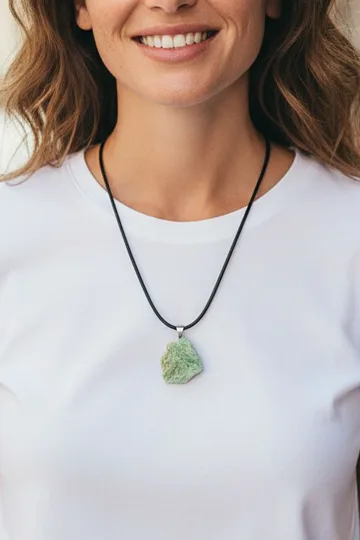
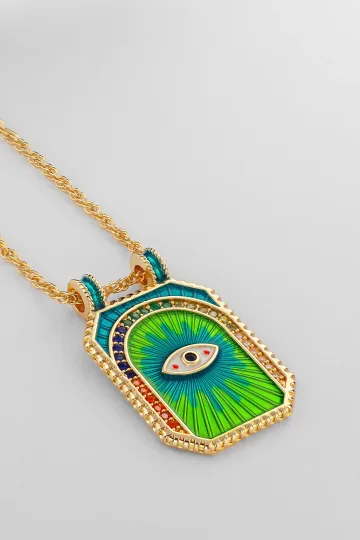
Wear the symbol, don't just read about it. These are in stock:
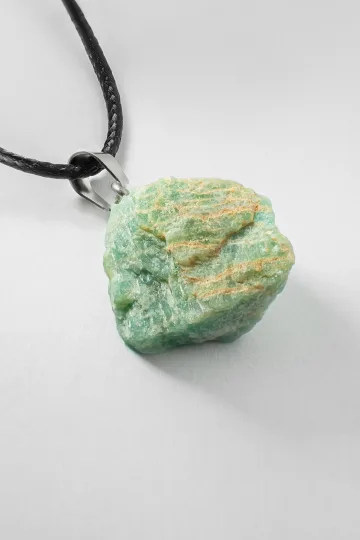




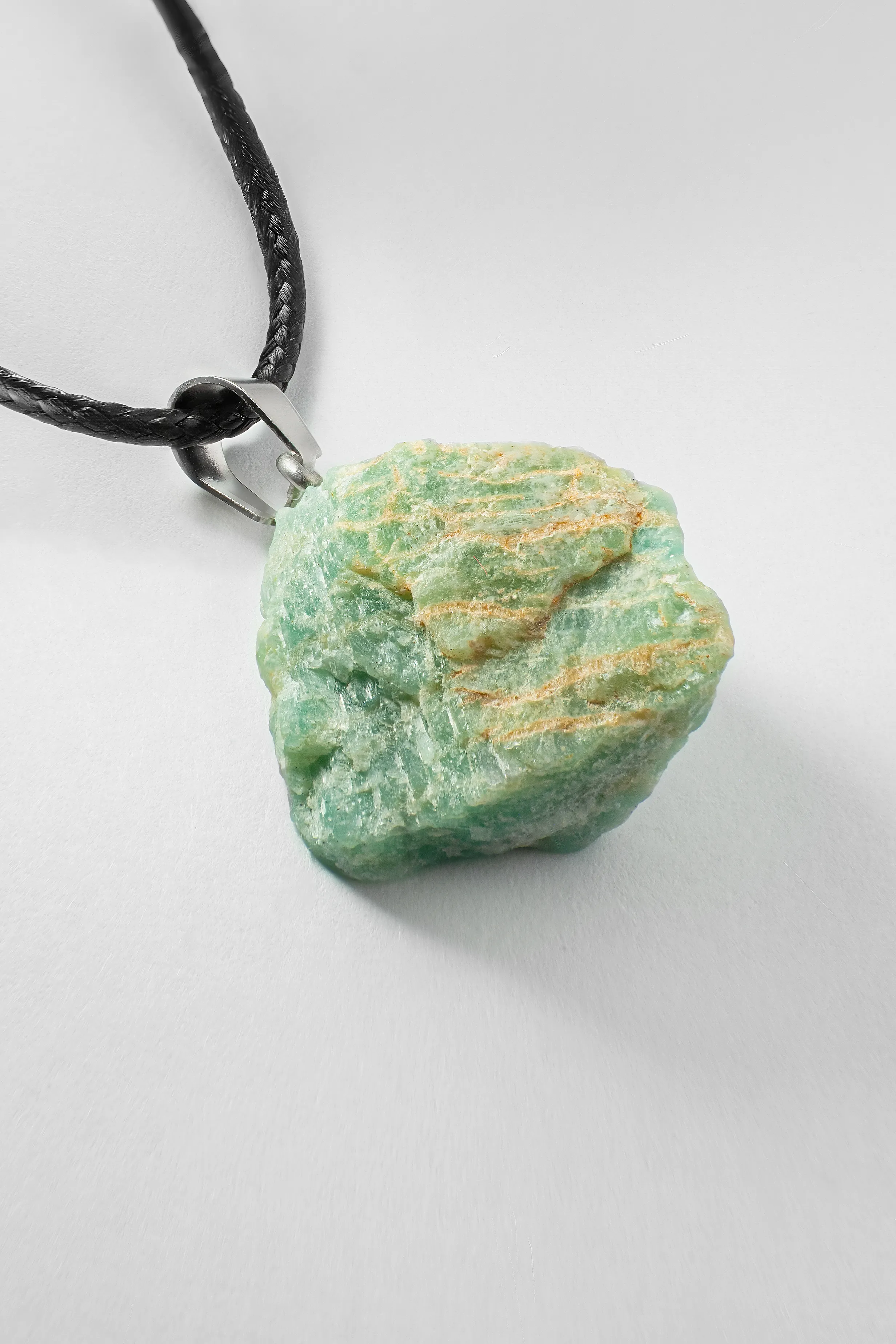
The colour ranges from pale apple green to a dark, almost black green, and depends mainly on iron: the more iron, the darker and more "swampy" the shade. There is also white (more precisely, creamy-milky) nephrite, rarer than the green and valued more highly. Good nephrite is translucent: hold it to the light and you see a soft inner glow, with an even, "oily" colour and no blotchiness.
Jadeite
Jadeite belongs to the pyroxenes, a sodium-aluminium silicate with the formula NaAlSi₂O₆. Its grains lock together in a dense, almost cubic packing. Jadeite is slightly harder than nephrite (6.5 to 7 on Mohs) and noticeably denser (3.3 to 3.4 g/cm³): a bracelet of the same size in jadeite feels distinctly heavier than one in nephrite.
In Chinese tradition jadeite ranked above nephrite, it is the stone of emperors with its own separate history. The top grade is called "imperial": maximally translucent, richly green jadeite with an even, milky clarity. Such pieces are auction-house rarities. In 2014 a necklace of jadeite beads sold at Sotheby's in Hong Kong for a sum on a par with an old-master painting. But jewellery-grade jadeite for everyday pieces is an altogether down-to-earth thing, durable and luminous.
How to tell them apart by eye
Nephrite usually has a softer translucency and feels more "airy". Jadeite looks denser and optically more "muffled" even in translucent samples. By hand, jadeite is heavier at the same size. Without instruments (a refractometer, a spectroscope) it is hard to separate them reliably, so the main reference point is a gemmological certificate that names the type of stone and any treatment.
Why one word covers two different minerals
The confusion did not arise from nowhere. Until the middle of the nineteenth century Europeans did not separate these stones at all: anything green, tough and cool to the touch went by a single name. Only in 1863 did the French mineralogist Alexis Damour, working through the chemical composition of a set of samples, demonstrate that two distinct substances were hiding under one label. He left the older name, nephrite, with one of them, and called the other jadeite. Gemmology has kept them strictly apart ever since, but in shops and in everyday speech the old umbrella word "jade" is still in use, and it is the source of most of the misunderstandings that happen at the counter.
There is a further wrinkle worth knowing. Almost all historical Chinese jade up to the eighteenth century is nephrite. Jadeite from Myanmar reached China in quantity only under the Qing dynasty, where it was taken up quickly for its brightness and translucency. In other words, the "classic" Chinese jade of several millennia and the "imperial" jade of the late court pieces are physically different stones, even though one word covers both. When a description mentions jade without saying which mineral, that is the first question to ask.
The secret of its exceptional toughness
Two properties get muddled here and are worth separating. Hardness is resistance to scratching, and on that measure jade is unremarkable: diamond, corundum, topaz and even ordinary quartz will scratch it. Toughness is resistance to fracture and impact, and on that measure nephrite ranks among the very highest of all natural minerals, ahead of diamond. Diamond is hard but brittle: a precise blow along a cleavage plane splits it in two. Splitting nephrite that way is close to impossible.
The reason lies in the structure. Nephrite crystals are exceedingly fine amphibole fibres, tangled and interlocked with one another rather like the wool in a piece of felt. A crack has nowhere to run in a straight line: it meets the next fibre and dies out. Jadeite works on a similar principle, but instead of felt there is a dense interlocking mosaic of pyroxene grains. It is this microstructure rather than the chemistry that explains why ancient peoples valued jade above other stones. You could work it, drop it, strike with it, and it would not come apart in your hands.
How jade behaves with light
The particular glow of jade, the quality people pay a premium for, is optics rather than magic. Light does not bounce off the surface like a mirror; it travels inside, scatters at the boundaries of fibres and grains and returns as a soft diffuse flow. Gemmologists call the result translucency with internal luminosity. The finer and more uniform the grain, the further the light gets and the more alive the stone looks. Coarse-grained jade smothers light at the surface and reads as dull and stony. This is where the whole vocabulary of grading comes from: "water", "ice" and "oiliness" all describe how light behaves once it is inside the stone rather than anything happening on the outside.
The history of jade
At first jade was not an ornament but a working material: axes, scrapers, points. As metal pushed stone out of daily use, jade turned into a symbol, and that is when the culture around it grew up, a culture that survives to this day.
Ancient China
In China jade became a measure of beauty and virtue. They called it "the stone of heaven"; imperial seals were carved from jade rather than gold, since metal was thought too commonplace. In tombs of the Tang (618 to 907) and Qing (1644 to 1912) dynasties, archaeologists find jade figures of dragons, phoenixes and birds carved in microscopic detail without power tools, using abrasives of sand, bone and harder nephrite.
Confucius (551 to 479 BC) is credited with comparing the qualities of jade to the virtues of a worthy person: its smoothness to a gentle character, its hardness to steadfastness, its even ring when struck to honesty. That metaphor did much to fix the stone's status as a moral ideal.
Bi discs and ritual forms
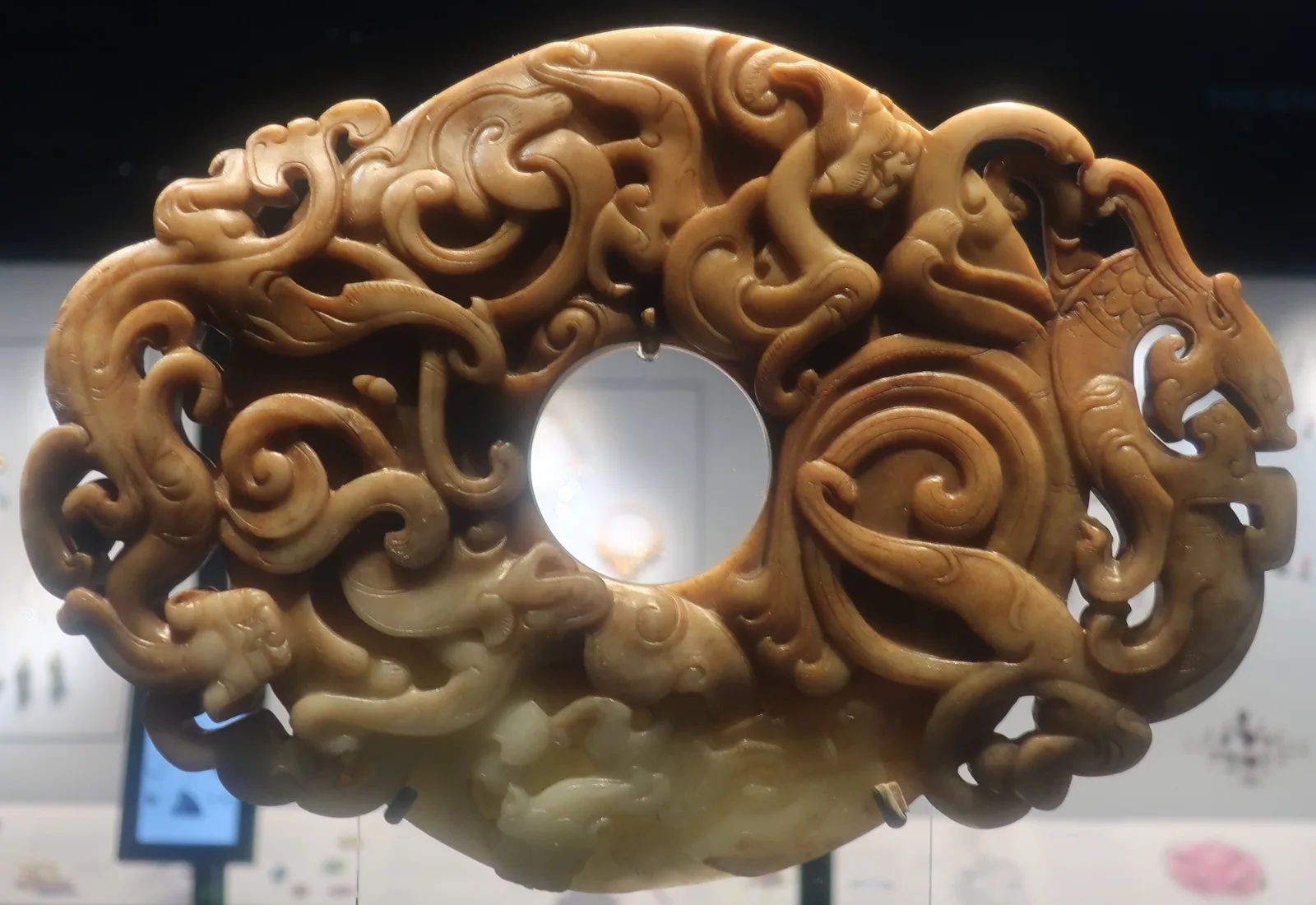
The most recognisable object in ancient Chinese jade is the bi, a flat disc with a round hole at its centre. Discs of this kind were being cut in the neolithic Liangzhu culture more than five thousand years ago, long before writing. Their exact purpose is still argued over: the disc has been read as a symbol of heaven, as an object used in rites of veneration, and as a marker of the owner's rank. In wealthy burials, bi discs were laid on and around the body by the dozen. Alongside them appears another form, the cong, a rectangular tube with a rounded channel through it, generally interpreted as a symbol of earth. The pairing of round heaven and square earth runs through early Chinese cosmology, and jade was the material on which that idea was expressed.
The jade burial suits of the Han period are a chapter of their own. The body of a high-ranking person was encased in thousands of thin jade plates, joined with gold, silver or bronze wire according to rank. Jade was believed to preserve the body from decay. A single suit was assembled from more than two thousand plates, and the work took craftsmen years. It did not, of course, stop decay, but the scale speaks for itself: nothing comparable was ever attempted in any other material.
How jade was cut without metal tools
A common misconception is worth clearing up here. Jade cannot be carved with a knife or a chisel; it is far too tough and too hard for that. Ancient craftsmen wore it down instead. The surface was slowly abraded with wet quartz sand, crushed garnet and later corundum powder, fed under a rotating disc or a running cord of bamboo and sinew. The holes in bi discs were drilled with a hollow bone or bamboo tube charged with the same sand, which cut out a neat cylindrical core. A single large object took months, sometimes years of continuous work by several people. That is why jade cost more than gold: what was being valued was not the scarcity of the material but the human labour invested in it.
Mesoamerica: the Maya and the Aztecs
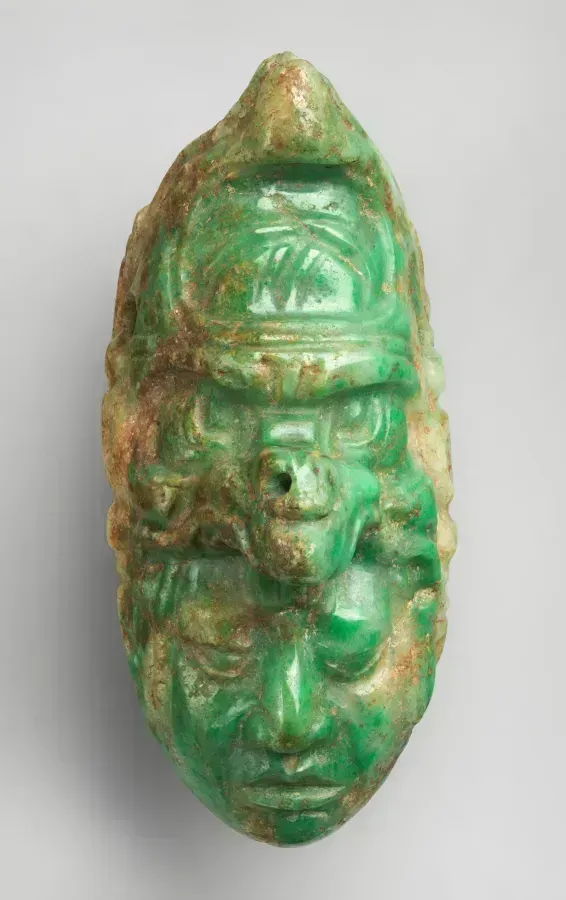
In pre-Columbian America the Maya and the Aztecs prized jade (specifically jadeite from Guatemala) above gold. Their logic ran opposite to the European one: gold can be melted down, but every piece of jade is unique and demands hours of handwork. From jadeite they made pendants with the faces of gods, the chest ornaments of nobles, and funerary masks. When the Spanish arrived, they wanted gold and barely touched the jade, which is why many Maya jade objects reached museums almost intact.
Japan
Jade came to Japan along with Buddhism, in the fifth and sixth centuries. Here it was carved into netsuke, miniature figures a couple of centimetres across, fastened to a kimono sash as a counterweight for hanging objects. Japanese carving is more restrained than the Chinese: the maker would leave part of the stone smooth, "letting it breathe". White or pale green jade was the usual choice.
The Maori of New Zealand
The green nephrite of the South Island the Maori call "pounamu". For more than seven centuries they have made both weapons and ornaments from it, pendants in the shape of a fishing hook (hei matau) or a human figure (hei tiki). Pounamu is treated as an ancestral treasure: such pieces are given and inherited, not bought on a whim.
Korea and the steppe nomads
In Korea jade, chiefly nephrite, has been known since the Bronze Age. A particular role belonged to the gogok, curved beads shaped like a comma or an embryo, which were mounted on the crowns and belts of the rulers of the Silla kingdom, frequently in jade. The same curved bead appears in Japan under the name magatama, which points to long-standing contact across the sea. Among the nomadic peoples of the Eurasian steppe jade was likewise valued both as an amulet and as a marker of standing, and trade routes were carrying white nephrite from Khotan westwards long before what we now call the Silk Road took its familiar shape.
The European rediscovery and the name
The word "jade" itself is the result of a misunderstanding. The Spanish saw native peoples pressing the stone to their flank against kidney pains, and named it "piedra de ijada", "the stone of the side". Through the French "le jade" the name settled into European languages. There is no evidence that jade heals the kidneys, but the name stuck. In the Victorian era, on the wave of fashion for the East, jade re-entered European collections, and it has not left them since.
One jade bangle on a bare wrist, and stop there. Pile five chains on top and you are a pawnshop window, not a person of taste.
What to wear jade with
Over years on set I have tried jade in dozens of looks, and the stone is more particular than it seems. Here is what actually holds a look together, sorted by occasion.
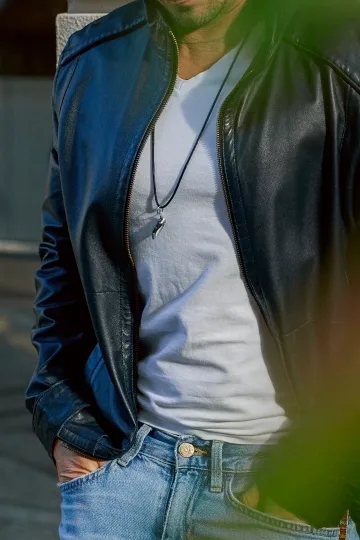
What do I wear jade with every day? For everyday I recommend a green bracelet or pendant on a plain base: an ivory linen shirt, a white tee, beige knitwear. Natural fabrics with a light texture pick up the matt, "oily" surface of the stone. An open neck gives a pendant room, and a narrow bracelet I suggest wearing under a rolled-up sleeve.
Does jade work in the office? It works easily. I choose a slim green or white stone in a clean setting: it supports a suit and never argues with a dress code. I advise wearing one at a time, one bracelet or one pendant at the throat. Jade reads as a sign of taste rather than status, and that is its strength.
How do I build an evening look? For the evening I go for a deeper shade: a rich emerald or black jade on a dark dress draws the look to a single point. A carved bracelet or lavender stone needs almost nothing beside it for a night out. I suggest leaving the rest of the wrist and neck free.
Silver or gold with jade? The metal rule is simple. Silver and white gold give a clean, minimal look, yellow gold sounds warmer and more Eastern. I recommend matching the metal to your own skin tone rather than to the stone: gold sits closer to warm skin, silver to cool.
Which jade suits me? I suggest green for a calm, warm person, white for those who love clarity and minimalism, black to pull a look together for people of strong character. A pendant at heart level works in any neckline, and I choose a bracelet by the wrist, not by fashion. One rule never fails: the quieter the neighbours, the more jade stands out.

Turn on your camera, pick earrings, a pendant or a ring, and see the piece on yourself in real time.
Switch items in one tap.
Everything runs in your browser: no photo or video is ever uploaded.
Origin and deposits
Jade is born from metamorphism, the recrystallisation of rock under enormous pressure and heat tens of kilometres down, usually in zones where tectonic plates collide. Jadeite forms under especially "cold" and compressed subduction conditions, which is why it is so rare and occurs in only a handful of places on the planet.
Nephrite
- Canada (British Columbia): the largest modern source of green nephrite, including dense material with an even colour.
- New Zealand: the green pounamu of the Maori, usually lighter and more translucent than the Canadian.
- China (Xinjiang, the Hotan region): the historic centre for mining pale and white nephrite, the very material carved for the imperial court.
- Siberia and Central Asia: a richly green nephrite, often with black inclusions of magnetite, plus a rarer white.
Jadeite
- Myanmar (the Hpakant region in the north): the overwhelming majority of the world's jewellery jadeite, including top "imperial" grade. Its extraction carries serious social and environmental problems, so the stone's origin and legality are far from idle questions.
- Guatemala: the historic source of Maya jadeite; the stone is often lighter and more translucent than the Burmese.
- Japan (Itoigawa): small deposits, valued above all by collectors.
Customer reviews
Zevira is a real jewellery shop. Genuine payments, deliveries and customer thank-yous.
🥰🥰🥰 gracias
Ok, ¡gracias! 🙂
Types of jade by colour
Green
The most recognisable colour. The shade is set by impurities: chromium gives a juicy grassy-emerald tone, iron a darker, "swampy" one. A clear apple-green with no blotches is rarer and valued above the mottled. In tradition green jade is linked with growth and renewal, which is symbolism, not a property of the stone.
White
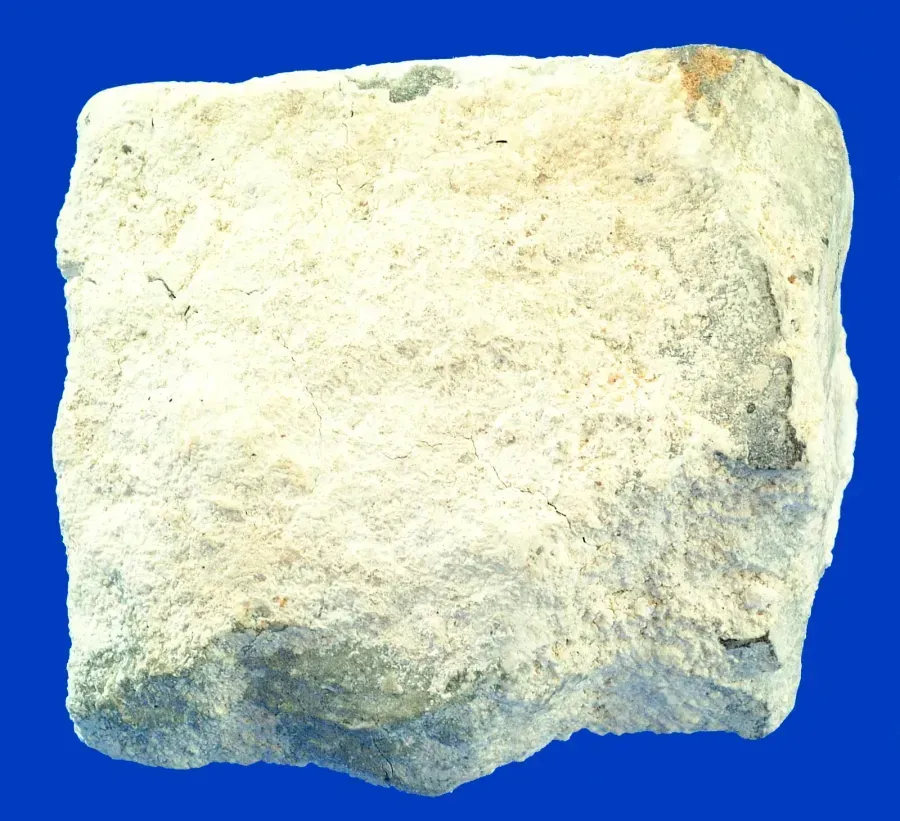
Creamy-milky nephrite forms where chromium and iron content is low, so deposits are few and it appears in jewellery less often than green. A pure "paper" white almost never occurs: true white jade is warm, with a faint creamy or greyish note and barely visible veining. Dazzling-white "jade" at the price of a keyring is almost always dyed quartz, calcite or plastic.
Black
Dark nephrite with inclusions of graphite and magnetite. In Asian culture black is a colour of depth and earth, without the negative connotations familiar in the West. In jewellery it appears less often than green; the main source is Siberian deposits. Do not confuse it with black onyx (which is glassier and shinier) or black tourmaline (with a metallic sheen).
Rare shades
Lavender jadeite (with a violet cast) and "icy" semi-transparent jadeite are highly valued. Red tones come from secondary iron oxides on the surface of the stone.
How jade is graded
Gemmologists look at jade along three axes, and understanding them helps you avoid overpaying and avoid buying a dud. Colour, translucency and texture matter more than size: a small stone of the right shade is worth more than a large but cloudy one.
Colour. What counts is purity of tone, saturation and evenness. The ideal for green jadeite is an even grassy-emerald with no grey, brown or yellow tinge. Blotchiness, abrupt shifts from light to dark and a grey "veil" reduce value. With nephrite, by contrast, the prize is a soft, uniform "oily" green with no black inclusions (unless they are part of an intended pattern).
Translucency. In the trade this is called the stone's "water". The deeper light sinks into the jade and the longer your eye "drowns" in it, the dearer the sample. Top jadeite is almost transparent and glows from within, which is why it is called "icy" (bing zhong). Completely opaque, "stony" jade is cheaper even with good colour.
Texture and grain. The finer and denser the grain, the smoother the stone polishes and the more evenly light falls across it. Coarse grain shows as a faint "orange peel" on a polished surface when tilted to the light. The finest-grained jadeite looks oily-smooth and uniform.
To these three axes add a fourth, clarity: cracks, dark graphite spots, whitish "clouds" and cavities spoil both the look and the strength. A hairline crack in a bracelet is not a cosmetic issue but the site of a future break under impact, so inspect the band against the light.
Treatment grades A, B and C in plain words
This letter system is worth understanding before you walk into a shop, because it determines directly how long the stone will last. Grade A is natural jade with no chemical intervention: it is polished and lightly waxed, nothing more. Colour and lustre hold for decades. Grade B is jade that has been bleached with acid, to strip out brown and grey impurities, and then impregnated with a clear polymer that fills the etched-out voids. Straight after treatment it looks brighter, but the polymer clouds and yellows over time under light and heat, and the stone itself becomes brittle. Grade C is dyed jade: the colourant is forced into cracks and pores, and it fades as well. There is also a B+C combination, bleached, impregnated and dyed at once.
The conclusion is simple: only grade A holds its value as a purchase to keep, and only a laboratory certificate can confirm it. Telling a well-made grade B from a grade A by eye is close to impossible, so a letter on a swing ticket with no gemmological report behind it proves nothing at all. Any reputable British dealer will either supply a report or state plainly that the piece is treated, and a seller who does neither has answered the question anyway.
Grades by how the stone is worked
Jade is almost never faceted like a transparent gem; its shape follows the stone itself. The cabochon, a smooth dome, is the commonest treatment for rings and pendants, since it shows the "water" and the evenness of colour to best advantage. A one-piece bangle is turned from a single block, and it is the most demanding form of all, because any internal crack condemns the piece. Beads for a strand are matched by colour and translucency, and a well-matched necklace of beads that agree in tone is worth considerably more than the sum of its individual stones. Carved plaques and figures are assessed as small sculpture, where half the value sits in the craftsmanship rather than the material.
Upload a photo of your pet, someone you love, or an object. We'll build a 3D model and hand-cast it in pewter.



What can honestly be said about jade's "balance and healing"
Let us be precise: jade contains no substances that cure disease, and it does not affect blood pressure, sleep, joints or hormones. If there is a health problem, a doctor helps, not a stone. Science has found no confirmation of any healing properties.
And yet there is a cultural fact that no scepticism can erase: for thousands of years jade was worn as a symbol of calm and dignity. Traditional Chinese medicine classed it among "cooling" objects, and the one thing you genuinely feel on the skin is the coolness of the stone in the first minutes of wear. The explanation is simple: jade conducts heat well and quickly draws it away from the hand. That is physics, not magic.
So the "balance" of jade is not about energies but about an object that is beautiful, calm in colour and outlives its owner. The value here is real; it simply lies outside esotericism.



The symbolism of jade across cultures
Having separated the physics from the folklore, it is worth setting out honestly what jade actually meant to people. These are not properties of the stone but a cultural layer, and that layer genuinely shaped who wore jade and why. It deserves to be taken seriously on its own terms, as one takes any long-standing tradition seriously, without being dressed up as a claim about health.
Balance, wholeness and the middle way
The idea of balance, the one in the title of this article, comes above all from Chinese thought. Jade there was tied to the harmony of opposites and to the middle path: a stone that is strong without being aggressive, beautiful without being loud. Understood this way, the balance of jade is not an energy but an aesthetic and moral ideal of moderation that the stone was felt to embody. That is a considerable thing for a material to carry, and it explains why jade held its place in Chinese culture for millennia while fashions in every other material came and went.
Purity, status and power
In almost every culture that knew jade, it was a marker of high position. Rulers' seals, regalia and burial objects were carved from it in preference to metal. A green translucent stone read as something pure and incorruptible, which is where the comparison with honesty in the Confucian tradition comes from. To wear jade was to make a claim not about conspicuous wealth but about taste and about belonging among those who understood.
Protection and the memory of a family
Among the Maori and in Mesoamerica it was not power but the link between generations that came first. Jade was a keeper of memory: a pendant passed down a family line and gathered the weight of the names of its previous owners. That role, the stone as inheritance, is closest of all to what can honestly be valued in jade today: an object bought once and handed on.
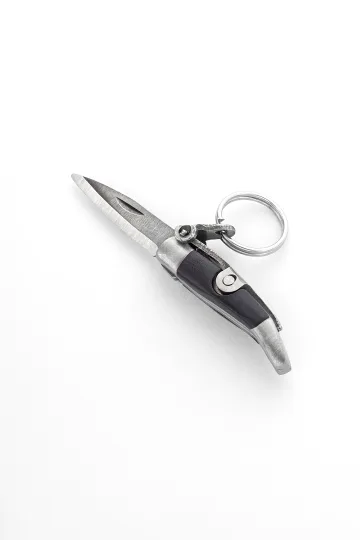
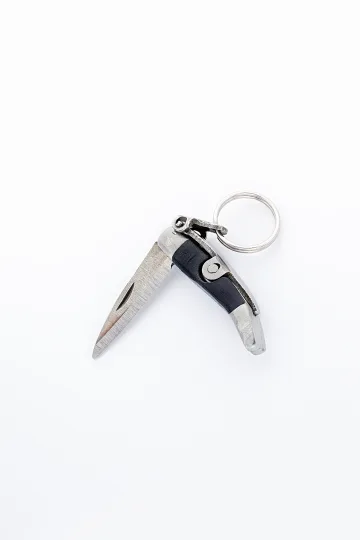
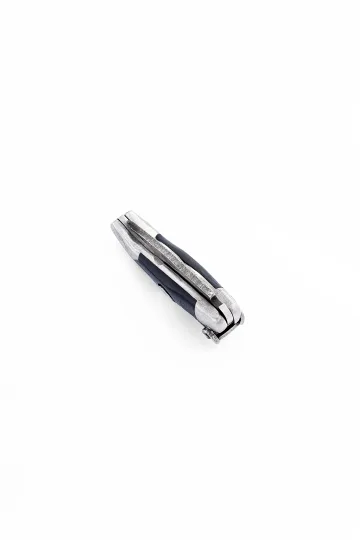
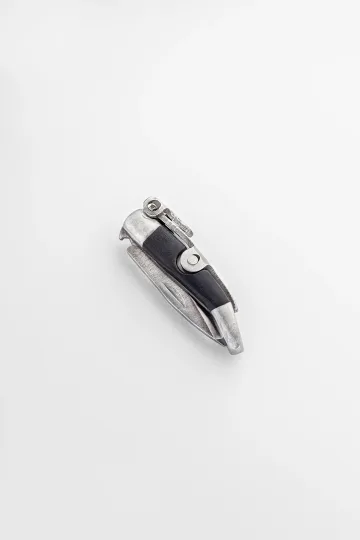
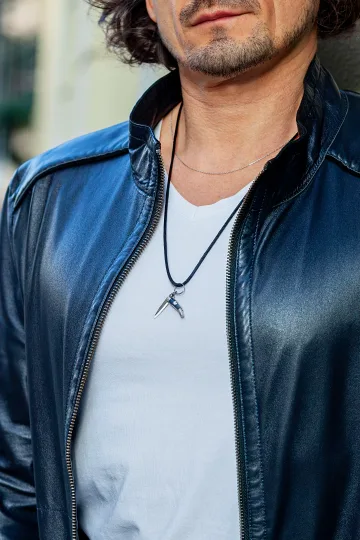
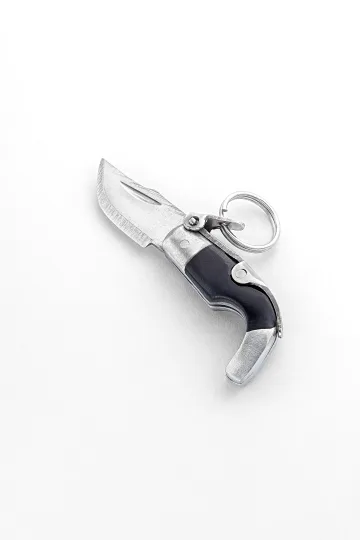
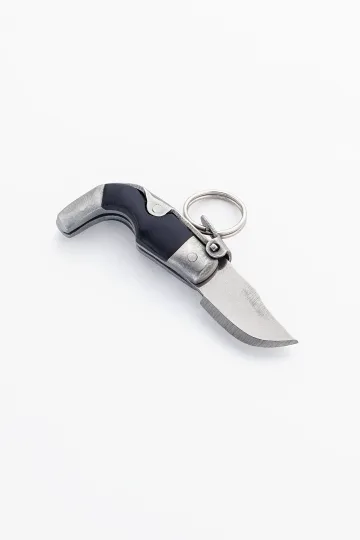
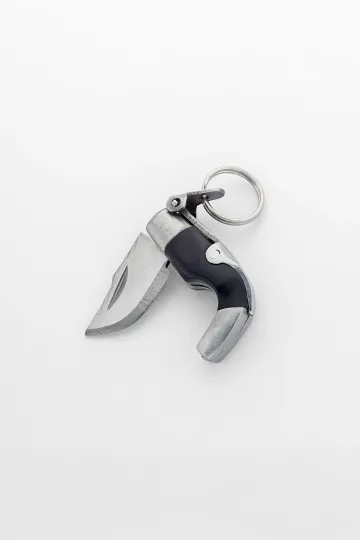
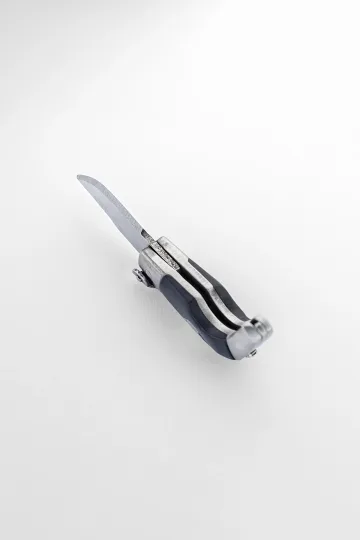
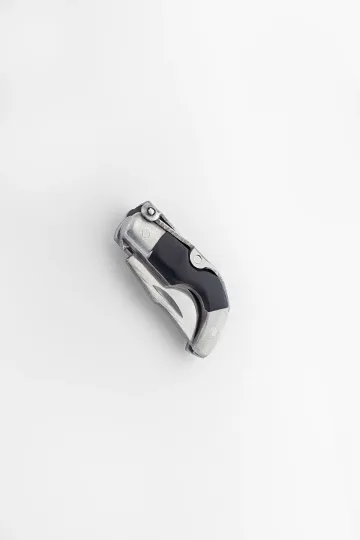
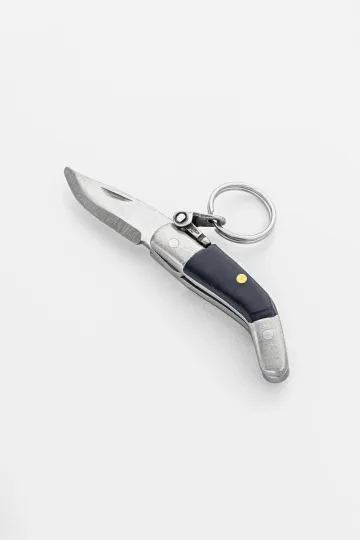
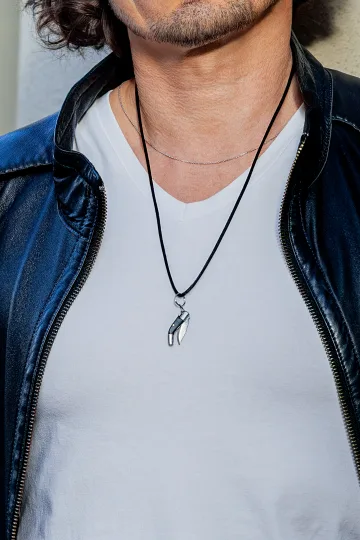
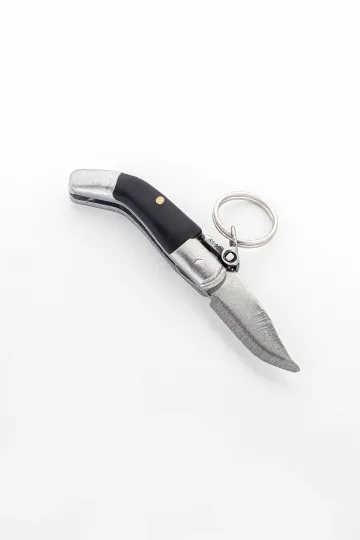
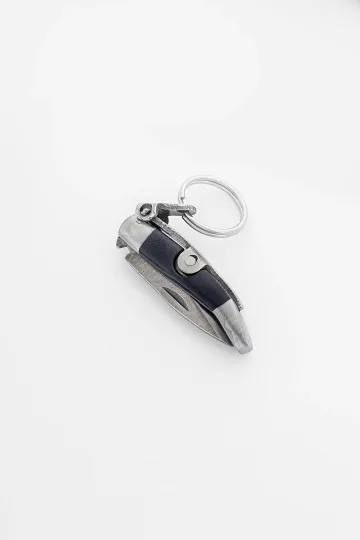
CAPAORA mini knife pendant
The 18th-century Spanish navaja in miniature: 40 mm of stainless steel, a real folding mechanism and a Palanquilla lock that clicks. An affordable gift to remember.
Authentic · Ships from Spain · 14-day returns
Surprising facts about jade
A stone with eight thousand years of history has accumulated enough curiosities to fill a chapter. Here are a few that change how you look at a modest green bangle.
- Jade is tougher than diamond. In resistance to impact, nephrite outperforms diamond. Diamond is the hardest thing there is against scratching, but it splits along a plane, whereas the tangled fibres of nephrite stop a crack from running. Ancient nephrite axes went on working where blades of other stone shattered.
- The word "jade" comes from a medical mistake. The Spanish "piedra de ijada", the stone of the flank, arose from watching native peoples press jade to the small of the back. There is no curative effect, but the name outlived every correction.
- Two minerals share the name, and they were only separated in 1863. Before Damour's work, nephrite and jadeite were taken for one stone. So almost the whole "thousand-year history of jade" in China is the history of nephrite, while bright "imperial" jadeite came into fashion comparatively late.
- Jade rings. Suspended jade plates struck against one another give a clear sustained note. In ancient China they were made into lithophones, musical stones played in temple rites.
- Whole suits made of jade. In the Han period the nobility were buried in garments of thousands of jade plates sewn with gold wire, in the hope of preserving the body from decay.
- The Maya source was lost for centuries. The Guatemalan deposit in the Motagua valley was only rediscovered in the second half of the twentieth century, although museum collections were full of objects made from that stone.
- You cannot buy your own pounamu. By Maori custom the green stone is received only as a gift: a pendant given to you is understood to carry something of the giver.
- The coolness is not magic. The chill you feel on first contact with skin is high thermal conductivity: the stone draws heat away from your hand quickly. A minute later it has warmed up and the effect is gone.
Jade jewellery
In Asian tradition the type of jewellery often signalled status: a bracelet was worn by married women, a ring meant high rank, a pendant was a frequent choice for the elderly. Earrings barely featured in a traditional jade set; that is a modern form.
The bracelet
The classic jade bracelet is a single rigid band, a bangle slipped over the hand rather than fastened. Signs of a good piece:
- Shape: round or slightly oval; a round band turns freely on the wrist.
- Polish: a perfectly smooth surface, with no chips or sharp edges.
- Colour: as even as possible right round the band, without sharply light and dark halves (unless that is an intended pattern).
- Weight: jade feels heavier than its size suggests; a suspiciously light bracelet should give you pause.
Getting the size right decides comfort. The bracelet goes on over the base of the hand, so the inner diameter has to pass a folded palm yet not dangle on the wrist. With the bangle on, you want roughly a finger to a finger and a half of room between band and skin. If you are torn between two sizes, take the slightly larger one: too tight a band may simply not pass over the hand.
The pendant
The pendant is the most flexible format: it does not depend on wrist size and can be worn every day. Classic motifs are a disc with a yin-yang symbol, a figure of the Buddha, a dragon or a phoenix, or simply a polished stone in a setting. It is worn on a cord (traditionally red), on a leather strap or on a chain.
Ring and earrings
A ring is a simple way to bring jade into a wardrobe; choose one that sits snugly without pinching. Jade earrings are elegant, but because of the stone's weight they are made as small drops (5 to 8 mm) in a light setting.
Jade and metal
Sterling silver and white gold bring out the coolness and clarity of green and white jade. Yellow gold warms the stone, adds depth and sits closer to the Eastern tradition. When buying a setting, check the hallmark: a "925" mark on silver, real gold (not plating, which wears off) on gold pieces.
Leave your email, we'll send your discount code. No spam, unsubscribe anytime.
The code arrives by email, valid on your first order.
How to tell real jade from a fake
Jade is one of the most faked stones around: it is imitated with dyed quartz, calcite, serpentine, glass and plastic, and natural jade is often "enhanced" with impregnation and dyeing.
Weight and temperature. Jade is dense and heavy for its size, and noticeably cools the hand in the first minutes because it draws heat away quickly. Plastic and glass are warmer and lighter.
Colour and translucency. A natural colour is even or has soft transitions; a good stone is translucent against the light with a "milky" inner glow. A garishly bright, "paint-like", uniform green at a suspiciously low price is reason to doubt.
Surface and sound. Natural jade polishes smoothly without pits or bubbles (bubbles inside give away glass). Tap two nephrite beads together lightly and you hear a clear ringing sound; with plastic and glass it is duller.
Smell. Resin-impregnated ("polymerised") jade sometimes gives off a chemical note; a natural stone has no smell.
Treatment grades. A standard labelling is used: grade A is natural, undyed jade (wax for polishing only); grade B is bleached and polymer-impregnated; grade C is dyed. Grade A holds its colour and value for decades, B and C dull and yellow over time. For an expensive purchase the only reliable guarantee is a gemmological certificate stating the type of stone (nephrite or jadeite) and the type of treatment.
Stones sold as jade
A separate trap is not the fakes but other genuine minerals given "jade" trade names. They are not jade, but they look honestly similar, and a seller sometimes keeps quiet about the difference. Here are the common look-alikes.
- Serpentine ("new jade", "Korean jade", "Suzhou jade"). The most common stand-in. Softer than jade (2.5 to 4 on Mohs), it scratches easily under a fingernail at a sharp edge or under a steel needle, whereas real jade resists the needle. Held to the light, serpentine often shows a characteristic waxy translucency with fibrous shadows.
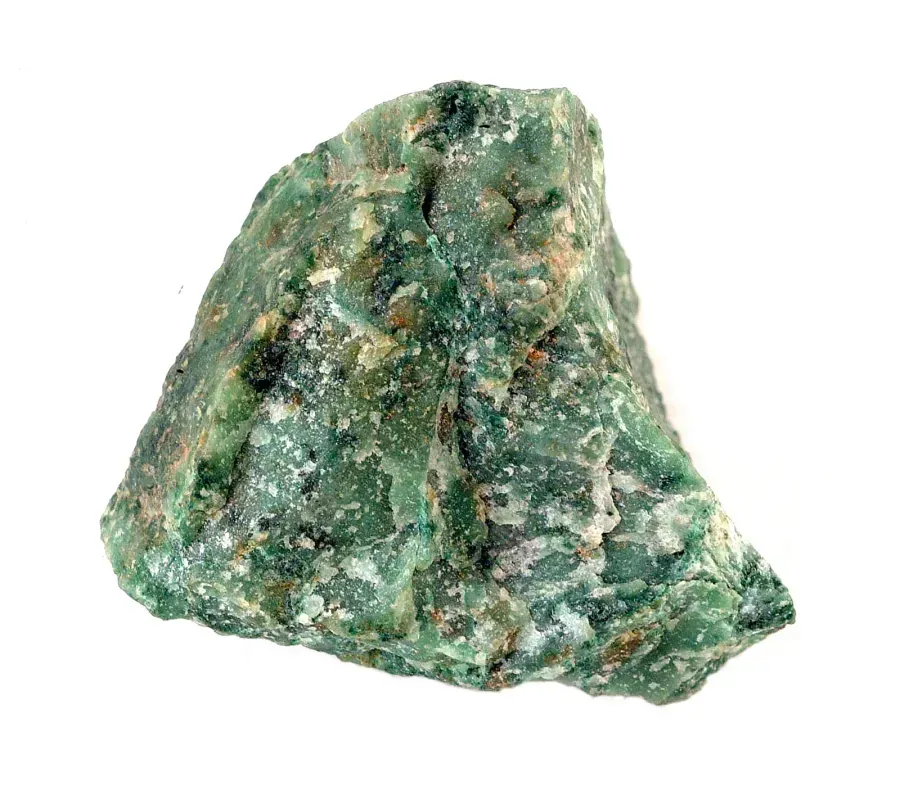
- Aventurine (the quartz "Indian jade"). Green quartz with flecks of mica. It gives itself away by a grainy "sparkle" in the light, which jade lacks, and by lower density: a piece feels noticeably lighter than jade of the same size.
- Chrysoprase. A green chalcedony of even apple colour, sometimes sold as "Australian jade". Harder than jade under scratching, but more translucent and optically "glassier", without nephrite's oily softness.
- Hydrogrossular (a garnet, "Transvaal jade"). A dense green mass with small black specks of chromite. Very like jadeite, separable only by instrument from the refractive index.
- Dyed quartzite and calcite. The cheapest imitations. Calcite is soft on top of that and fizzes under a drop of weak acid, which jade does not (test only in a hidden spot, and better leave it to a gemmologist).
The practical conclusion is the same: the name on the price tag ("such-and-such jade") guarantees nothing unless the type of stone (nephrite or jadeite) and the treatment are stated on a certificate. The word "jade" in a trade name without qualification usually means "looks like jade" rather than "is jade".
Carving and setting: what you pay for in a jade piece
In jade you pay for the stone and equally for the hands. Jade cannot be split along a facet like a diamond; it is slowly ground down with abrasives, so good carving means dozens of hours of work, and it directly affects the price.
In smooth pieces the prize is a clean cabochon: a symmetrical dome, an even, wave-free outline, a mirror polish with no matt "bald patches" or rounded-off edges. On a bangle, look for a constant wall thickness right round the circle: an uneven wall is both an aesthetic flaw and a weak point.
In carved pieces the prize is how the maker used the stone itself. The height of the craft is when coloured zones or veins are worked into the subject: a dark patch becomes a dragon's eye, a translucent zone falls on a petal. A machine cannot repeat that "play on the material". Check the detailing on the back and in the recesses: on cheap stamped work the reverse is smooth and rounded, on handwork the tool marks read even on the back.
A setting should serve the stone, not hide its flaws. A closed back is fine on opaque nephrite, but on translucent jadeite it kills the very "water" you are paying for, so good samples sit in an open setting that lets light through. If a pale stone sits in a closed back with no reason, that sometimes masks a crack or poor colour, so ask to see the stone against the light, out of the setting.
Caring for jade
Jade is tough but not immune to carelessness: a hard blow can chip it, and impregnated samples are wary of chemicals and heat.
- Routine cleaning. Warm (not hot) water, a drop of mild soap, a soft brush. Then rinse and wipe dry with cotton or microfibre.
- What to avoid. Hot and boiling water, abrasive brushes, household chemicals (bleach, acids, alkalis), ultrasonic and steam cleaners, all of which destroy the impregnation and can harm a stone with microcracks. Long direct sun is best avoided too: dyed jade fades.
- When to take it off. Before sport, cleaning and manual work, to avoid a chip on impact.
- Storage. Apart from other jewellery, in a soft cloth, so jade neither scratches nor gets scratched. Several bracelets are best kept separately.
- Repair. A dulled bracelet can be re-polished by a craftsman; a cracked one carefully glued or remade into two smaller pieces or a pendant. A fully broken band will never be whole again.
Over time a frequently worn jade develops a light patina, a subtle softening of the shine from contact with skin. That is normal and is not considered a sign of a fake.
Send a friend a discount code, they save on their first order.
Frequently asked questions about jade
Does jade really heal disease?
No. There is no scientific evidence for any healing properties of jade; it does not cure kidneys, joints, blood pressure or sleep. It is a beautiful, durable stone with a long history, and that is how to treat it. For health problems you need a doctor.
Which is better, nephrite or jadeite?
Both are good; the choice is by taste and budget. Nephrite is tougher, more affordable and easier to find; jadeite is harder, denser and in Asian tradition considered nobler. For an everyday bracelet nephrite is more reliable, jadeite more "prestigious" and richer in colour.
I saw a jade bracelet at a token price. Is that real jade?
Probably not. A suspiciously cheap yet brightly even "jade" usually turns out to be dyed quartz, calcite or plastic. Natural jade of that size cannot cost so little.
How can I be sure jade is genuine?
The most reliable way is a gemmological certificate naming the type of stone (nephrite or jadeite) and the type of treatment (grade A/B/C). Weight, coolness to the touch, an even translucent colour and a clear ring when tapped all help indirectly.
Can a jade bracelet be worn every day?
Yes. Jade is tough and copes well with daily wear. Just take it off before sport and manual work, to avoid a chip on impact.
How do I choose a bangle size?
The band goes on over the hand, so the inner diameter has to pass a folded palm yet not dangle on the wrist; leave about a finger of room. If in doubt, take the slightly larger size.
Can I give jade to someone who does not believe in "energies"?
Yes. Jade is simply a beautiful, durable piece of jewellery, and its value does not depend on belief in anything. Give it as a stylish object with an interesting history.
My bracelet has darkened or dulled. Is it ruined?
Usually not. It is either a film of skin oils and dust (washes off with warm soapy water) or a soft patina from age. Natural jade does not shine like glass, and a matt "oily" surface is normal for it.
Can jade break?
Yes, under a hard blow or a fall onto something hard, but it happens rarely: in impact toughness nephrite beats most jewellery stones.
Why is a jade bracelet so heavy?
Because of its high density (around 3 g/cm³ and up). Even a small band has a noticeable weight, and that is one of the indirect signs of authenticity.
Does jade suit men?
Yes. In Asia men wear jade on equal terms with women. Wider, darker bracelets (dark green or black nephrite) and a pendant in silver make a restrained choice that looks masculine.
Is jade safe for children?
The stone itself is non-toxic. Small children are not given small detachable parts because of the swallowing risk; for an older child a sturdy mid-size bracelet works well.
Which jade should I choose as a gift if I do not know the preferences?
The safe bet is a classic green nephrite, a bracelet or a pendant. It is universal across age and style. White jade suits those who love minimalism and light tones; dark jade those who prefer strict, pulled-together looks.
Is jade an investment?
Only top-grade natural grade A jadeite (especially "imperial" from Myanmar) reliably appreciates, and even then only with a certificate and a competent sale. Nephrite and treated jadeite are not worth treating as an investment; buy it for beauty, not for profit.
Buying it as a gift? Each one arrives ready to give.
 A branded Zevira box and a little card come with every order.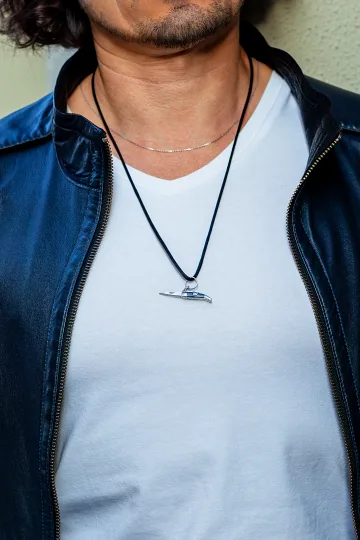




Common questions
Can jade be worn in water, in the shower and in the pool?
Brief contact with water does jade no harm; a shower and washing hands it takes in its stride. A pool and hot springs are better skipped, though: chlorine and high temperature are dangerous for impregnated and dyed samples, and such a stone dulls over time. Natural grade A is unbothered, but if you are unsure of the treatment, take the bracelet off beforehand.
How do I clean a jade bracelet at home?
Warm water, a drop of mild soap and a soft brush, then rinse and wipe dry with cotton or microfibre. That is enough for everyday care. Do not use ultrasound, steam, acids or household chemicals: they harm the impregnation and any microcracks.
What do I wear jade with for everyday clothes?
Jade likes a quiet background, so wear it on a plain base: a linen shirt, a white tee, beige knitwear, a grey roll-neck. One bracelet or one pendant looks more fitting than a scatter of jewellery. The quieter the neighbours in a look, the more the stone itself stands out.
How long will a jade piece last?
Handled normally, jade lasts decades and passes on easily: in impact toughness nephrite beats most jewellery stones. The main thing is not to drop it onto something hard and to take it off before manual work. A dulled stone a craftsman re-polishes, and it looks new again.
What can replace jade if I want a similar look more cheaply?
Serpentine, green aventurine and chrysoprase look like jade, and they are indeed sold under "jade" names. They are honest stones in their own right, but they are softer or lighter and cost less. If it is jade you want rather than any green stone, ask for the type (nephrite or jadeite) and treatment on a certificate.
Is jade "charged" by the moon or cleansed with salt?
No, that is the realm of folk belief, not the stone's properties. Jade needs no "recharging", and salt and aggressive ritual cleanses can harm impregnated samples. Ordinary care is enough: warm water with mild soap and storage apart from other jewellery.
About Zevira
At Zevira we treat jade as a stone with a history, not as a "magical" object. So we say it plainly: it has no healing properties, and its value lies in the authenticity of the material, its durability and its beauty.
Every jade piece in the collection comes with clear information about the stone: type (nephrite or jadeite), kind of treatment and origin. We do not pass off dyed or impregnated jade as natural grade A, and we state the treatment honestly, so you understand what you are buying and how it will behave over time.
We choose jade pieces to serve for decades and pass on calmly: solid bangles, pendants and rings with green, white and dark jade in sterling silver and gold. If the stone dulls over time or a chip appears, it can be re-polished or remade by a craftsman, and we will show you how.
Bracelets, pendants and rings with green, white and dark jade in sterling silver and gold, for balance and everyday wear.
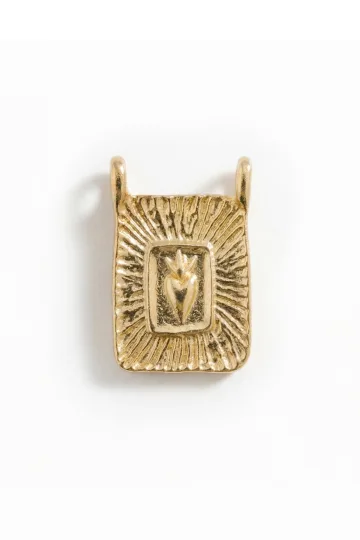
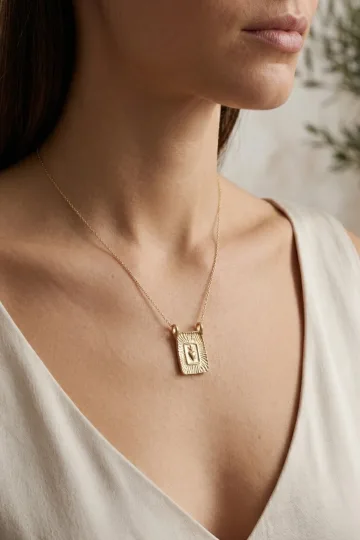
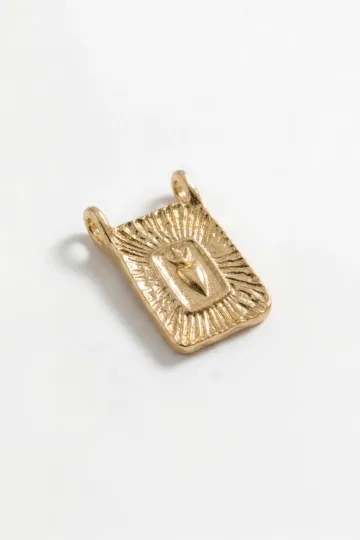
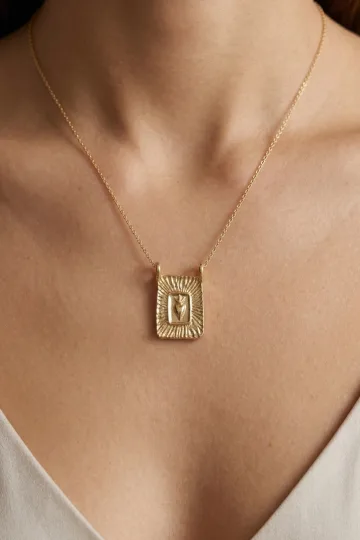
Wear the symbol, don't just read about it. These are in stock:

Conclusion
Jade looks plain and almost modest, but behind that modesty lie thousands of years of history and one of the toughest structures among ornamental stones. It needs no "charging" and you should expect no healing from it. It is enough that it simply is: even in colour, cool to the touch, built to outlive its owner and pass to someone after them.
Choose a natural stone, ask about the type and the treatment, care for it without aggressive chemicals, and jade will serve for decades.