Amber with inclusions: fossilised resin with an insect sealed inside
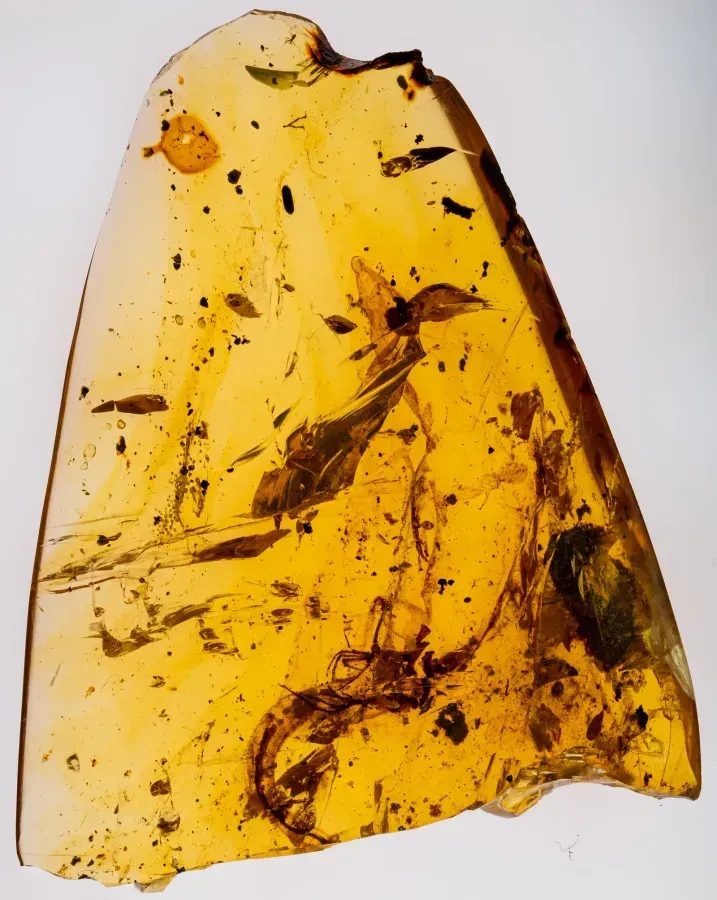
Inside a clear golden drop sits a mosquito that was flying when dinosaurs still walked the earth. This is not a metal alloy and not a mineral in the usual sense. Amber is the fossilised resin of ancient conifers, and an inclusion is the insect, leaf or air bubble that got trapped in it. Thanks to finds like these, palaeontologists have described thousands of extinct species that survive nowhere else on the planet.
What follows is the practical picture: what amber actually is in chemical and geological terms, where it comes from, how to tell a real stone from a fake, and how to look after it so it lasts for generations.
What amber is: the chemistry and physics of the stone
Amber is not a mineral but an amorphous organic substance, the fossilised resin of conifers and a few broadleaf trees. So it has no crystal lattice: there is no crystal system, and the structure is amorphous, like glass. By composition it is a complex mix of organic compounds, mainly carbon, hydrogen and oxygen. The average formula is close to C10H16O, but the exact make-up drifts from one deposit to another. Baltic amber, succinite, stands out for its noticeable content of succinic acid, up to eight per cent, and that is usually how a lab identifies it.
On hardness, amber is soft: 2 to 2.5 on the Mohs scale. That sits between gypsum and calcite, so the stone scratches easily under a steel knife point and dulls quickly with careless handling. Its density is low, roughly 1.05 to 1.10 g/cm3. That is almost the density of salty seawater, and a classic test rests on it: in a strong brine solution real amber floats while most plastics sink.
Wear the symbol, don't just read about it. These are in stock:



Its optics are simple and recognisable. The refractive index is about 1.54, and there is none of the fire and play of light you get in faceted gems. Amber works not by sparkle but by a warm inner glow and its translucency. It does fluoresce brightly, though: under ultraviolet light a real stone gives off a bluish-violet glow that makes it easy to tell apart from imitations. One more property has been known since antiquity: rubbed against wool, amber takes on a static charge and attracts small particles. The Greek word for amber, elektron, gave its name to electricity itself.
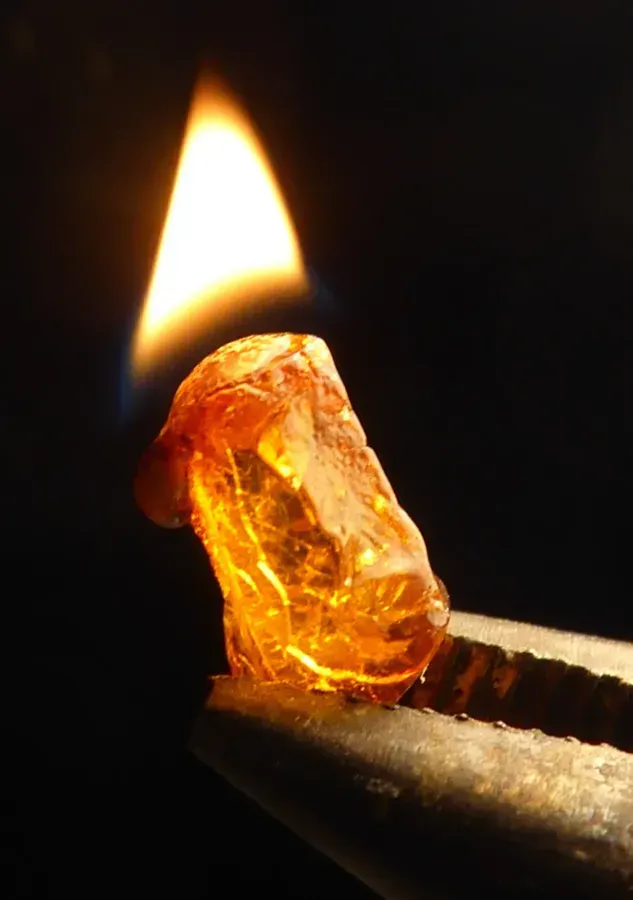
Amber burns in a telling way: it melts at around 250 to 300 degrees and, when smouldering, smells of pine resin rather than burnt plastic. This is organic matter, not a mineral in the strict sense, and it behaves accordingly: it fears solvents, alcohol, perfume and sharp swings in temperature.
How amber forms in nature
It all begins with a wound on a tree. A conifer releases resin to defend itself against wood-boring insects and fungi, and that resin carries natural antiseptics. A drop runs down the bark, and if an insect happens to be nearby or a leaf falls onto it at that moment, it sticks and sinks. Fresh layers of resin then flood over the find, sealing it off from the air.
After that, time does the work. The resin falls to the ground, ends up in sedimentary layers and gradually loses its volatile compounds. Its molecules cross-link into a dense three-dimensional network, a process of polymerisation. Fresh resin is copal, a still-soft and immature material. To become true amber it needs millions of years of pressure and isolation from oxygen. Baltic amber is around 40 to 50 million years old; Burmese amber is closer to 100 million.
The perfect preservation of inclusions has a simple explanation: inside the hardened resin there is no oxygen, no water and no bacteria. An ordinary insect rots away in weeks, yet here it is preserved in a sealed capsule. In well-kept specimens you can see, under a microscope, the hairs on the legs, the veins on the wings and sometimes even traces of internal tissue.
Geology and deposits
Amber turns up in various spots around the planet, but the industrial and famous sources are few. They differ in age, colour and the kinds of inclusions they yield.
The Baltic coast is the main and best-known source. The shores of Poland, Lithuania and the Sambia Peninsula hold large deposits, and the stone is also worked in Denmark and along the Curonian Spit. Baltic amber, succinite, formed in the Eocene, when a warm resinous forest grew where a cold sea now lies. Storms often wash the stone onto the beach, which is why for centuries people gathered it straight off the sand.
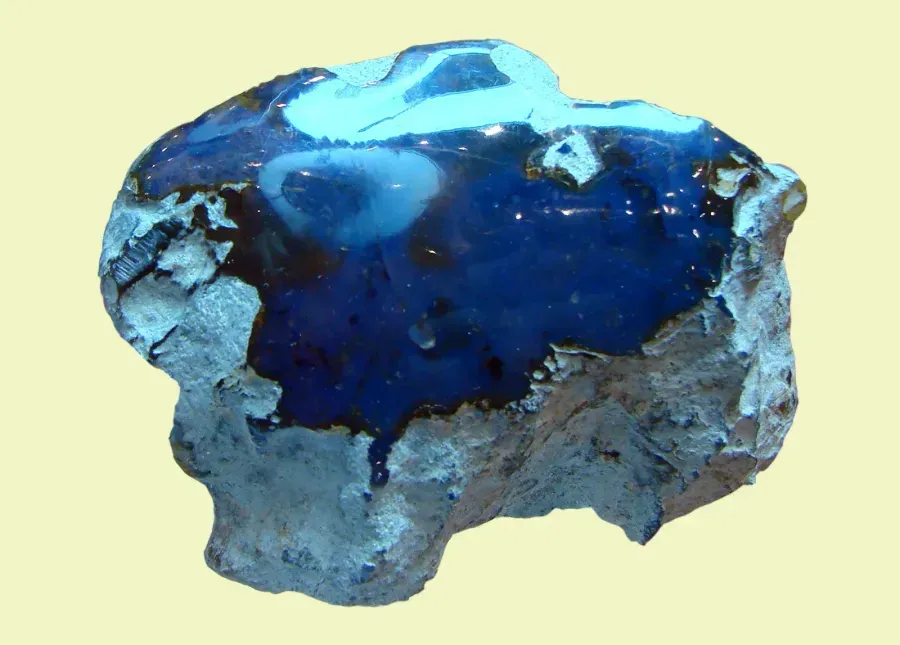
The Dominican Republic is the source of younger, often very clear amber from the island of Hispaniola. This is where the rare bluish amber is found, glowing with a cool tint in bright light. There is more on it in a separate piece about Dominican amber.
Myanmar (Burma) yields the oldest of the commercial ambers, burmite, around 99 million years old, from the Cretaceous. That is the age of the dinosaurs, which is why Burmese specimens hand palaeontologists their most sensational finds. A caveat is in order: mining in a conflict zone raises serious ethical questions within the scientific community.
Smaller deposits are known in Mexico (Chiapas amber, often with a greenish cast), Lebanon (some of the oldest specimens with inclusions), and also in Canada, Ukraine and Sicily. Specialists recognise each source by its tint, its set of inclusions and its chemical markers.
Honey amber wants an open collar and warm earth tones. Cram it into a ring and you'll crack it by Friday.
What to wear amber with inclusions with
Dozens of honey drops with a gnat inside have passed through my hands, and the task is always the same: never drown the stone, let it take the lead. Here is what actually works, by occasion.
What do I wear amber with every day? For everyday I recommend a honey-gold stone on a fine chain over knitwear in warm earthy tones: sand, ochre, dark green, chocolate. An open collar or a shallow neckline lets the inclusion read instead of hiding it. I suggest a chain just below the collarbones, so the pendant rests on the chest and stays in view.
Does amber work at the office? It does, as long as you keep it restrained. I choose a smaller stone in a plain silver setting over a solid-colour shirt or a fine jumper. There the amber reads as a warm accent rather than a piece shouting about itself. Before you settle on a setting, I suggest grasping how amber lives in jewellery, from the metal to the care.
How do I build an evening look? In the evening I flip the logic: dark silk, velvet, a deep wine or graphite fabric. Against that, clear amber turns into a glowing point, and rare dark-brown and red specimens look especially striking. For a special occasion I take a large stone and let it stand alone, with no other pendants beside it.
Which metal do I choose for amber? Stick to a single metal. Amber gets on with silver and matte white gold: the cool metal sets off the warm stone and does not compete for attention. Layering works only if every element is slim, a delicate chain with amber plus a couple of short chains without pendants. I never stack chunky bracelets next to it; the stone is soft and gets lost in the noise.
How do I keep the soft stone from scratching? Amber is soft, just 2 to 2.5 on the Mohs scale, so it lives best in a pendant or earrings where nothing knocks it. I advise against a ring: constant friction will scratch it fast. I put jewellery on last, after perfume and hairspray, and store it apart from harder stones in a soft pouch.

Turn on your camera, pick earrings, a pendant or a ring, and see the piece on yourself in real time.
Switch items in one tap.
Everything runs in your browser: no photo or video is ever uploaded.
Palaeontology: what inclusions give science
Amber with something inside it is one of the most precise time machines biology has. An ordinary fossil preserves an impression or a mineralised cast: the shape survives, the volume and the fine detail largely do not. Amber works differently, conserving an organism whole and in three dimensions, with every hair, segment and texture of chitin intact. That is why an insect forty million years old looks under a microscope as though it stuck to the resin yesterday.
A window onto vanished ecosystems
Every piece of amber with an inclusion records not one small creature but a fragment of a whole forest. Along with the insect, the resin traps fungal spores, pollen, scraps of spider silk, droplets of dew and particles of soil. From that assemblage palaeoecologists reconstruct which plants grew nearby, which predators hunted what, and how the understorey of an ancient wood was arranged. Baltic amber, for instance, has painted a picture of a warm, humid subtropical forest standing where a cold coast lies today, full of flowering plants that no longer grow at those latitudes.
How a new species is described from an inclusion
When an organism unlike anything known is found in resin, it is described as a new species under the same rules that apply to living animals. The specimen is photographed under a microscope from every side, scanned on a computed tomography machine so that details buried deep inside can be seen without cutting, measured for proportion and compared with its relatives. Cretaceous Burmese amber has yielded hundreds of such descriptions in recent decades: ancient wasps, beetles, primitive ants, even a tick still attached to a dinosaur feather.
Behaviour frozen for good
The most striking thing about inclusions is the scenes of behaviour they catch. Resin has yielded spiders in the middle of a hunt, ants dragging prey, mating flies, termites at the moment of swarming, and even two insects locked in a fight that stopped halfway. Palaeontology can usually study only dead form, whereas amber sometimes hands over the action as well, a still frame from a life tens of millions of years old.
Feathers, fur and vertebrates
The rarest specimens hold not insects but far larger finds. Burmese amber has produced the feathered tail section of a small dinosaur, the feet and skin of lizards, plumage from ancient birds and hairs from mammals. Every such find makes headlines, because soft tissue almost never survives in ordinary rock, while resin holds even the structure of a single feather and the pigment granules that gave it colour.
Why amber beats an ordinary fossil
For an organism to fossilise in rock, it normally has to be buried quickly in sediment while minerals gradually replace its tissue. What is left of the creature itself is a stone cast, a shape without the small print. Amber takes a different route: the resin envelops the find at once, shuts out oxygen and bacteria and allows almost no decay. What survives is not a cast but the organism, dehydrated and compressed but entire. For studying small soft-bodied creatures, which leave nothing at all in rock, amber is often the only source there is.
Customer reviews
Zevira is a real jewellery shop. Genuine payments, deliveries and customer thank-yous.
🥰🥰🥰 gracias
Ok, ¡gracias! 🙂
Amber and its doubles: the other fossil resins
Amber is not the only hardened resin on the planet, and it is easily confused with lookalike materials. The difference between them lies in maturity and age rather than beauty, and it decides whether you are holding a treasure with a genuinely ancient inclusion or a recent piece of craftwork.
Copal: the immature relative
Copal is the same tree resin, only younger, anything from a few thousand to a few hundred thousand years old. To the eye it is barely distinguishable from amber, warm and clear with a golden cast, and it too contains insects. But copal has not completed polymerisation: it is softer, melts more readily and gives itself away by softening under a drop of alcohol or acetone. Copal is the material most often passed off as amber, with modern insects cast into it, precisely because young resin is easy to melt and set again. Sellers rarely lie outright about it; the trick is usually in what goes unsaid, so on any specimen described only as "natural resin" it is worth asking directly whether it is succinite or copal.
Pressed amber and plastic imitations
Beyond natural resins, thoroughly artificial materials go under the amber name. Pressed ambroid is sintered from genuine amber crumb, but it is not a solid stone and any inclusion in it has been introduced. Beyond that come the outright fakes: bakelite and other early plastics, modern casting resins, and plain glass tinted honey. All of them fail the basic tests, sinking in brine, refusing to take a static charge properly, glowing differently under ultraviolet or smelling of chemistry when heated.
How the maturity of the resin decides everything
The main point is a simple one: a genuinely ancient inclusion is possible only in genuine amber that has spent millions of years polymerising. In copal the insect may be real but recent; in ambroid and plastic it is nearly always artificial. So where scientific or collector value is at stake, the age of the resin matters more than the prettiness of the picture inside.
Upload a photo of your pet, someone you love, or an object. We'll build a 3D model and hand-cast it in pewter.


Amber through cultural history
Amber is one of the first stones humans began to collect and work. Its beads have been found in Neolithic burials across northern Europe, several thousand years old. Light, warm to the touch and glowing, it was prized long before people learned to facet hard gems.
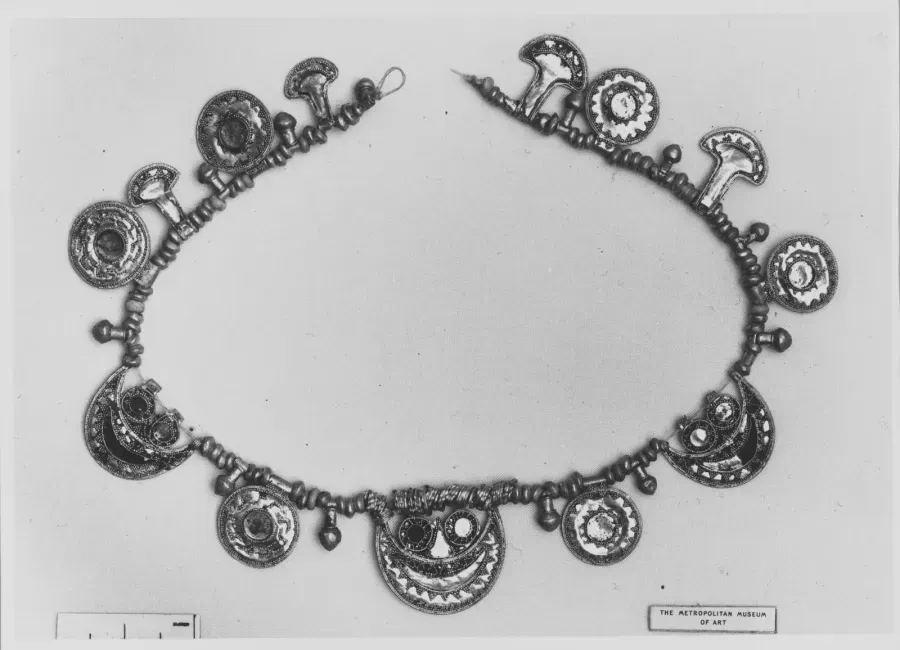
In antiquity amber was a currency of long-distance trade. The famous Amber Road linked the Baltic coast to the Mediterranean: the stone travelled south to Greece and Rome, where it fetched a high price and was prized among the nobility. The Greeks knew of its ability to become electrified; the Romans made amulets, signet pieces and ornaments from it. Phoenician and Etruscan craftsmen set amber in gold, and such pieces have come down to us in museum collections.
In the Middle Ages and after, amber remained a material of luxury and church use: rosaries, caskets and handles were carved from it. The most celebrated monument is the Amber Room, made in the early eighteenth century for a princely European court, its walls entirely faced with carved amber and counted among the wonders of the decorative arts. The original vanished during the Second World War, and the room you can see today is a recreated copy.
The scientific story of inclusions began later. When the naturalists of the eighteenth and nineteenth centuries started examining the insects inside the resin closely, it became clear that these were not magic or curiosities but real organisms that had lived millions of years ago. By the close of the nineteenth century thousands of extinct species had already been described in amber, and it had turned from an ornament into a fully fledged scientific material. Today every new specimen with an inclusion is a potential find for palaeontology.
The Amber Road as an ancient trade artery
The Amber Road was not a single road but a network of routes along which Baltic stone flowed south for thousands of years. It began at a cold northern sea and ran through the lands of present-day Poland, Czechia and Austria to the Adriatic, to the town of Aquileia, from which the stone spread across the whole Mediterranean. Southern goods travelled the same tracks in the other direction: wine, bronze, glass beads. Amber was among the first objects of genuine long-distance trade in Europe, and archaeologists trace its movement through finds in burials hundreds of miles from the sea. Britain sat on a spur of that traffic: amber beads turn up in Bronze Age barrows in Wessex, carried inland along with faience and bronze.
Amber among the Greeks and Romans
The Greeks called amber elektron and built a myth around it: that it was the tears of the Heliades, sisters of Phaethon, who mourned their dead brother, were turned into poplars, and whose tears hardened into resin. The Romans valued the stone extravagantly, and under the emperor Nero whole expeditions were fitted out to the Baltic for raw material. Amber was carved into figurines, scent bottles, dice and amulets. Pliny the Elder, in his Natural History, had already guessed correctly that amber was tree resin, and cited the insects trapped in it as his proof.
Amber among the northern peoples
On the Baltic itself, among the Prussians, the Curonians and other coastal tribes, amber was part of daily life and of belief. It was placed in burials, worn as a charm and offered to the sea and to the gods. Crumb and irregular pieces were made into beads, pendants and spindle whorls. For the peoples of that coast a stone the sea itself threw onto the sand after a storm was a gift of the elements, and their attitude to it was closer to the sacred than to the commercial.
Types and varieties of amber with inclusions
Amber with inclusions is sorted by what sits inside the stone, by clarity and by the colour of the resin itself. All three affect both the scientific value and the way a specimen looks in a piece of jewellery.
By type of inclusion
Most often you find insects inside: flies, mosquitoes, midges, ants, and less often bees and wasps. The reason is straightforward: flying insects moved about actively and more readily stuck to fresh resin. Spiders show up less often, usually alongside their prey. Truly rare are the larger inclusions: lizards, small frogs, fragments of feathers and fur. Such specimens almost always end up in museums and scientific collections.
Plant inclusions, leaves, pine needles, scraps of bark, seeds, pollen, are common, but a whole preserved flower is a great rarity: the petals are too delicate. The youngest and least conspicuous inclusions are microorganisms and air bubbles, which also carry information about the ancient atmosphere.
By clarity
The cleaner the resin around the inclusion, the better you can see the insect itself and the higher the specimen is valued. Clear amber lets you study the inclusion from every side. Translucent amber is cloudy from a host of micro-bubbles that appeared as the resin cooled, so the inclusion reads as if through frosted glass. In fully opaque amber the insect shows only as a silhouette, or not at all.
By colour
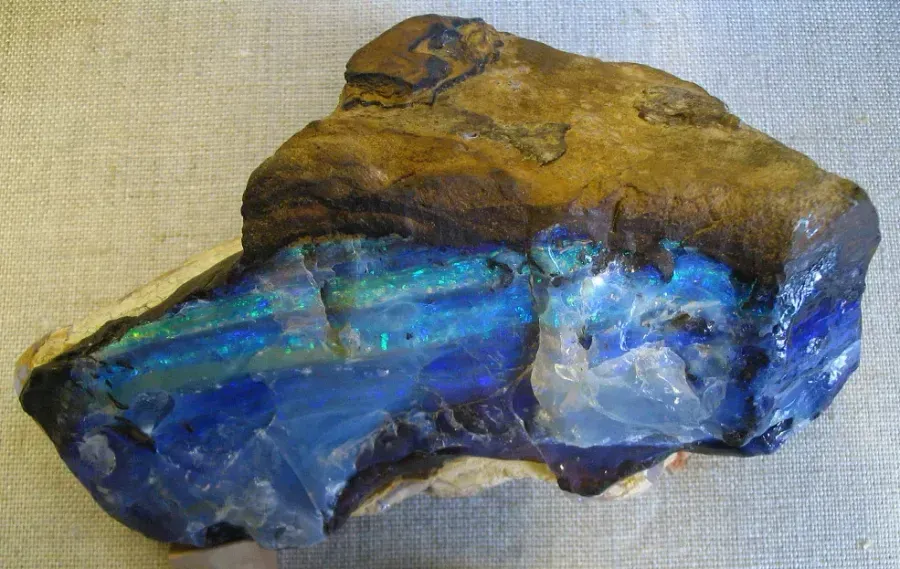
Honey-gold is the most common and familiar shade, and inclusions contrast well against it. Dark brown, almost black, appears with heavy polymerisation or a trace of organic compounds. Reddish tones come from certain resins; that warm inner colour links amber to fire opal, where the red glow also rises from within. Less often you meet lemon-yellow and the very rare bluish amber from the Dominican Republic, which shifts shade depending on the light.



Enhancement: what is honestly done to amber
Most amber on the market is treated in some way, and that is normal practice rather than deception, as long as the seller is open about it. It is worth knowing about, because treatment affects both the look of the stone and the survival of the inclusion.
Clarifying and clearing. Cloudy amber with a haze of micro-bubbles is heated in an autoclave under pressure in linseed or rapeseed oil. The bubbles collapse and the stone turns clear. The downside for our subject is direct: if there is an inclusion inside, aggressive clearing can damage it or send cracks running around it. So a valuable specimen with an insect is usually clarified gently or left alone entirely.
Heating and sun spangles. With rapid heating, micro-cavities inside the amber burst and round shiny discs form, known as sun spangles or carp scales. This is a decorative effect: lovely in a clear stone, but in a specimen with an inclusion such discs only get in the way of studying it.
Tinting and toning. Heated in air, pale amber is brought to reddish and cognac tones, mimicking a naturally aged stone. The technique itself is acceptable, but an honest seller separates natural colour from induced colour.
Pressed amber (ambroid). Small chips and offcuts are sintered together under pressure and heat into a single block. Formally this is a natural material, but not a solid stone, and an inclusion in it is almost always artificial, placed there during pressing. Under a loupe ambroid shows flowing veins of differing tone and the boundaries between sintered grains. For amber with a genuine ancient inclusion, pressing is ruled out by definition.
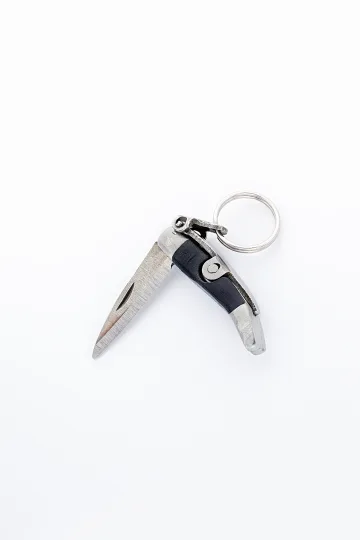
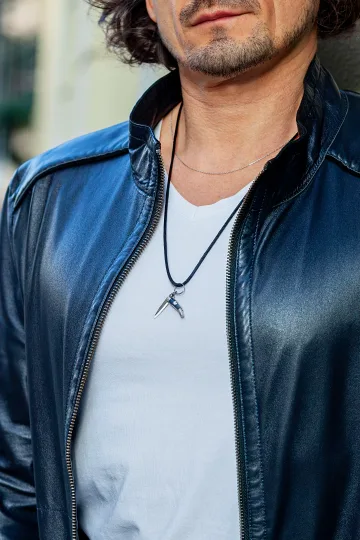
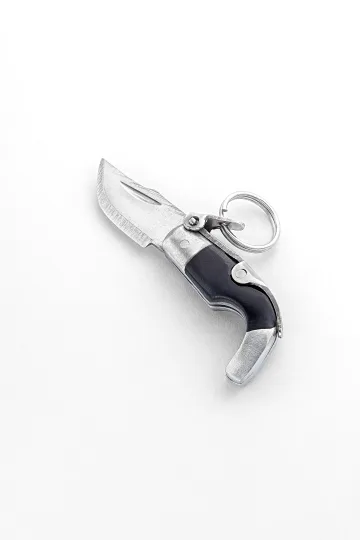
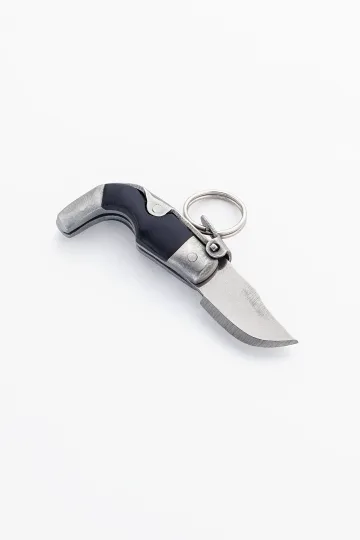
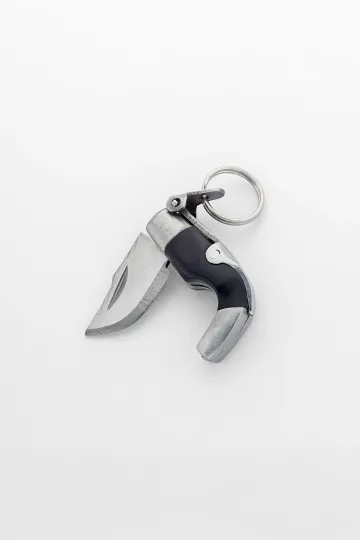
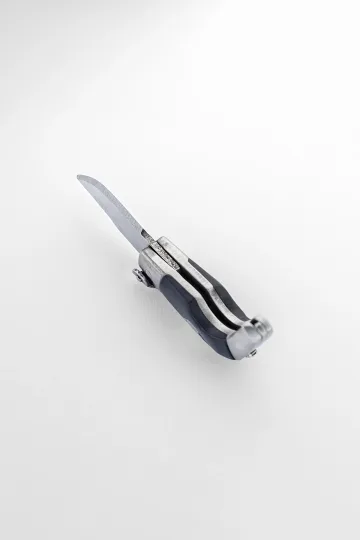
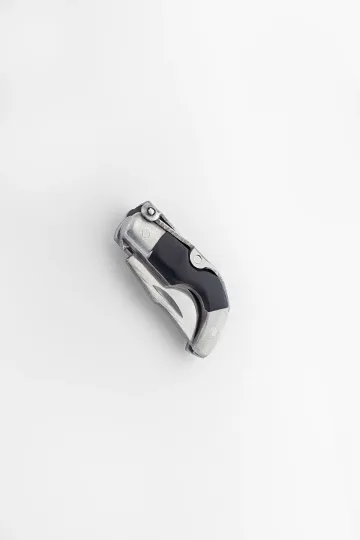
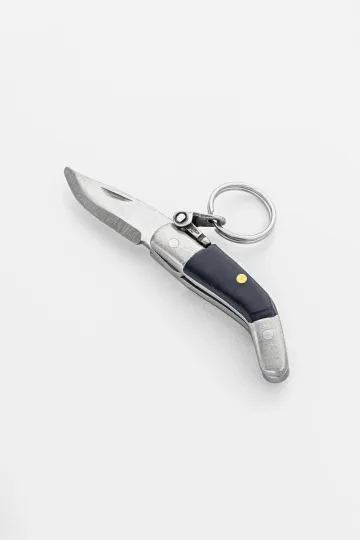
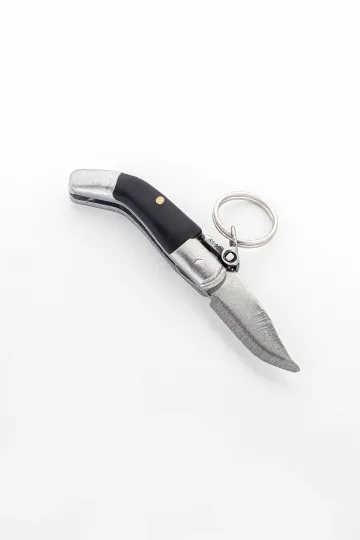
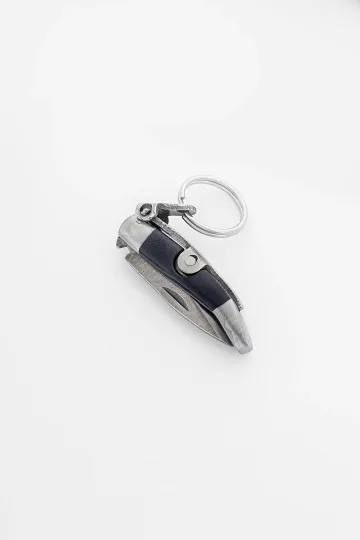
CAPAORA mini knife pendant
The 18th-century Spanish navaja in miniature: 40 mm of stainless steel, a real folding mechanism and a Palanquilla lock that clicks. An affordable gift to remember.
Authentic · Ships from Spain · 14-day returns
How to tell real amber from a fake
Amber has long been faked, most often passed off as plastic, glass or copal, an immature resin. There are a few home tests that weed out the cruder imitations.
The salt test. In a glass of strong brine (about two tablespoons of salt to a glass of water) real amber floats while most plastics and glass sink. The density of amber is almost equal to that of salty water.
Electrification. Rub the stone against wool or cotton: real amber takes on a charge and starts to attract small scraps of paper or hairs. Glass does not behave this way.
Ultraviolet. Under a UV lamp real amber gives off a bluish-violet glow. Plastic glows differently, or not at all.
Smell when heated. If you carefully touch an inconspicuous spot with a red-hot needle, amber gives a resinous, piney smell. Plastic smells of chemicals. The test spoils the surface, so it is worth doing only on an unworked piece and as a last resort.
A subject of its own is fake inclusions. Sometimes a modern insect is cast into artificial resin or copal. Signs of a fake: the inclusion sits perfectly centred and in a flattering pose, with traces of casting or a sharp boundary between layers around it, and unnaturally even bubbles nearby. Genuine ancient insects are often deformed, incomplete and scattered at random. Copal's main weakness is that it softens under a drop of alcohol or acetone, whereas mature amber holds up better. A truly valuable specimen is worth checking with a gemmologist and a lab report.
It helps to know what gets faked most often, because the counterfeits cluster around a few predictable temptations. The classic one is a large, showy creature in perfect condition, a whole scorpion, a fat spider, a butterfly with both wings spread, sitting dead centre in a clear honey-coloured lozenge. In real amber such finds are vanishingly rare: resin flows down a trunk in thin runs, and anything sizeable usually tears itself free, leaving a fragment, a leg, a wing or a body crushed out of shape. So the more theatrical the specimen, the more suspicion it deserves. Second on the list are strings of uniform round beads with an identical insect in each, which is a physical impossibility in natural material. Third is anything sold cheaply on a beach or at a market stall with the word "Baltic" attached and no further detail.
Baltic amber, succinite, is worth singling out because it is both the reference material and the name most abused. It is the only major amber with a high content of succinic acid, which is why it holds up to carving, takes a warm polish and survives being worn for decades. It is also the amber behind most genuine inclusions in the trade, since the Eocene forest that produced it was rich in insects. A seller who says "Baltic" should be able to say more: the region of the find, whether the piece is solid or pressed, and whether it has been clarified in oil. Vagueness on all three at once usually means copal or ambroid.
One practical note on the tests above. Run the harmless ones first, in this order: look at the piece under a loupe, put it in brine, rub it on a wool sleeve, then hold it under an ultraviolet torch. Only if the piece is unmounted, cheap and still doubtful is it worth touching a hidden spot with a hot needle, and even then a warm pinpoint is enough to release the smell. Never apply a needle, alcohol or acetone to a set stone: solvent that creeps under a bezel will fog the surface permanently, and a fogged pendant cannot be polished back at home.
Leave your email, we'll send your discount code. No spam, unsubscribe anytime.
The code arrives by email, valid on your first order.
How to choose a specimen with an inclusion
Once authenticity is confirmed, the next question is the quality of the inclusion itself. Collectors and gemmologists have a few simple guides here, and they work just as well for someone buying jewellery.
Completeness and preservation. A whole insect with all its legs, antennae and wings is valued more highly than a fragment or a silhouette. Under a loupe you look for whether the details read: the segments of the legs, the veins on the wings, the hairs. The more detail you can see, the more interesting the stone and the dearer it is.
Position and depth. An inclusion lying close to the surface and turned towards the viewer is easier to make out than one that has slipped into the depths and into a mass of cloudy resin. At the same time an inclusion right at the edge is riskier: it can be accidentally opened up when the setting is polished. The lucky outcome is an inclusion a little way into a clear zone, wholly sealed by resin.
Clarity of the surrounding resin. What matters most for the impression is not the size of the stone but the transparency of the zone around the insect. Even a piece that is cloudy overall has value if the resin is clear right around the inclusion and lets you study it.
Companions to the inclusion. Beside the insect you often see a thin layer of bubbles, particles of soil and debris, which gemmologists call the rubbish layer. For looks it is a minus, but for confirming authenticity it is a big plus: an artificial cast usually lacks this natural debris.
One large or many small. A single, clearly readable object almost always beats a scatter of tiny midges: the eye has something to settle on, and the look of the piece feels more composed.
Care and wearability
The main thing about amber must be kept in mind at all times: it is a soft and brittle material. A hardness of 2 to 2.5 on Mohs means the stone scratches easily, against keys in a bag, against other jewellery, against sand. So amber with an inclusion lives best in pendants and earrings, where nothing knocks against it, and much worse in rings, which constantly rub against things.
Clean amber gently: warm water, a drop of mild soap, a soft cloth. No ultrasonic baths, no alcohol, acetone, glass cleaner or perfume; the organic resin fears solvents, and perfume or hairspray can leave matte patches on it. So you put the jewellery on last, after make-up and scent.
Store amber apart from hard stones, in a soft pouch or a separate section of a box, so it picks up no scratches. The stone dislikes dry heat and sharp swings in temperature; near a radiator or on a sunny windowsill it can grow dull and, in time, develop a web of fine cracks. Long, bright sun can darken amber slightly. With calm, careful handling a piece easily lasts for decades and is passed on down the family.
What affects value
The price of amber with an inclusion is set not by weight or size but by a cluster of factors, and understanding them helps you avoid overpaying for a striking but empty cast.
Authenticity and age of the inclusion. A genuine ancient insect and a modern gnat cast in copal are different universes in value. Cretaceous Burmese amber with a rare organism goes to science and costs incomparably more than a Baltic souvenir with an ordinary midge.
Rarity of the organism. A fly or a mosquito turns up often, so they fetch modest prices. A spider, an ant with prey, a flower, a feather, and all the more a vertebrate like a lizard, is already museum grade. The rarer the species and the more complete its preservation, the higher the value.
Quality of the surrounding stone. The clarity of the resin, the absence of cracks and cloudy patches around the inclusion, a clean even colour. Bluish Dominican amber is rare in itself and raises the price even without a striking inclusion.
Degree of treatment. A natural, untouched stone with an inclusion is valued more highly than a clarified or tinted one. Pressed ambroid with an artificial inclusion costs next to nothing and has no bearing on collectible amber.
Provenance with documentation. A specimen with a lab certificate or a clear deposit history costs more than a nameless one: the buyer is paying for confidence in its authenticity.
Symbolism: what is ascribed and what is known
Across various traditions amber was linked to the sun and to warmth, on account of its colour and warm glow, while amber with an inclusion was additionally taken as a symbol of memory and the connection of eras, since a piece of the past is literally frozen inside it. In northern European folklore amber was called the frozen tears of the sun, and in antiquity it was made into amulets.
It is worth saying plainly: all of this belongs to culture and belief, not proven properties. Amber has no confirmed effect on health, sleep, blood pressure or mood, and offers no healing effect. It is a beautiful material with a long history and real scientific value, and that is enough to wear it with pleasure without ascribing anything extra to it.
Sun and fire across cultures
Its warm colour made amber an almost universal symbol of the sun. To the Baltic peoples it was frozen sunlight, to the ancient Greeks frozen tears, to the Norse a splinter of brightness. This link with warmth and light repeats among peoples with no contact between them, because the look of the stone suggests it: amber seems to hold a captured ray inside.
Amber as a symbol of memory and time
It is the inclusion that adds a second layer to the solar symbolism, the idea of a preserved past. Inside the stone a moment is literally frozen that would otherwise have vanished without trace. So amber with an insect is often read as a sign of memory, of continuity, of the link between generations. Giving such a stone frequently carries the wish that something dear be kept untouched, the way the resin kept its find.
Charms and folk belief
Folk tradition credited amber with protective powers: it was said to turn away the evil eye, to guard children and to help with colds. Necklaces of unworked amber were worn at the throat as a charm for centuries. Modern science confirms none of these properties, but as part of a cultural inheritance the beliefs are interesting in themselves, and they explain why the stone stayed a favourite of popular jewellery for so long.
Send a friend a discount code, they save on their first order.
The psychology of choosing: why a stone with an insect inside pulls at people
The reaction to amber with an inclusion is almost always a double one. First a slight recoil, since there is a dead insect inside the jewellery, and then curiosity, which wins out. That mixture is what holds the attention: the stone is beautiful and faintly unsettling at once, and therein lies its power.
The pull of the authentic
In a world where almost anything can be printed and copied, amber with a genuinely ancient inclusion remains an authenticity that cannot be manufactured. That particular insect lived once, fell into one drop of resin, and will never occur again anywhere. People value such things instinctively: uniqueness that cannot be mass-produced feels like real scarcity rather than a marketing claim.
A stone that starts conversations
Amber with an inclusion nearly always becomes a talking point. You want to hold it up to the light, show it to someone, explain what is inside. A piece of jewellery that prompts the question "what have you got in there?" works differently from a neutral shiny stone: it draws in the wearer and the onlooker alike, and people grow attached to it quickly.
Buying it as a gift? Each one arrives ready to give.
 A branded Zevira box and a little card come with every order.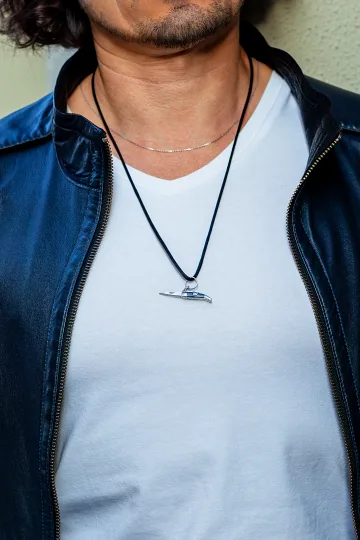




Facts that take people by surprise
Amber only looks like a simple warm pebble. Dig a little and behind every drop of resin sits a story that is hard to believe the first time you hear it.
The famous dinosaur film got the central point wrong
A well-known adventure film built its plot on dinosaur DNA recovered from mosquito blood in amber. It is a lovely idea and an impossible one. DNA is a fragile molecule that breaks down over time, and even in ideal conditions its fragments disappear within a little over a million years. In amber tens of millions of years old there is no complete genome and cannot be one; only unreadable scraps remain. Researchers have tried more than once to extract ancient DNA from inclusions, and every attempt has failed.
The word "electricity" was born from amber
The Greek name for amber, elektron, gave its name to the phenomenon of electricity itself. The ancients noticed that a piece rubbed against wool attracted straw and lint. Centuries later a physician studying that attraction, working at the English court around 1600, called the force electric after the amber that produced it. So an entire branch of physics carries the name of a fossil resin.
The oldest amber is hundreds of millions of years old
Baltic amber is "only" forty to fifty million years old and Burmese around a hundred. But lumps of resin are known that are over three hundred million years old, older than the first dinosaurs. Inclusions in such ancient amber are almost absent, though: insects were different then and fell into resin less often.
Amber floats in salt water
The density of amber is so close to that of sea water that in a strong brine it stays on the surface. That is exactly why storms have thrown it onto Baltic beaches for centuries: waves lifted the light pieces off the sea floor and carried them ashore. The sea did the prospecting itself.
Whole hunting scenes have been found in amber
Among the most valuable inclusions are frozen scenes: a spider mid-pounce, a wasp hauling prey, ants locked in a fight. That is rare even by the standards of palaeontology, since ordinary fossils preserve form but not action. Amber occasionally hands over a stopped instant from the life of an ancient forest.
The Amber Room disappeared without trace
An entire chamber panelled in carved amber was removed and hidden during the Second World War, after which the trail went cold. The search for the original continues to this day, and the room shown to visitors now is a painstakingly recreated copy. The fate of the real one remains one of the great puzzles of art history.
Under a microscope you see what exists nowhere else
In a well-preserved inclusion you can make out details that vanish in ordinary fossils: the hairs on a leg, the veins of a wing, the facets of an eye, sometimes the pigment. From such minutiae palaeontologists describe extinct species in as much detail as living insects, although no human being ever saw the creatures themselves.
Frequently asked questions
Is amber a stone or not? In the mineralogical sense, no. It is fossilised tree resin, an amorphous organic substance with no crystal lattice. But in jewellery it is traditionally counted among the gems.
Could an insect inside amber be alive? No. Any inclusion has long been dead; it is an organism preserved in resin, anywhere from thousands to tens of millions of years old.
Is it true you can extract DNA from amber and recreate a dinosaur? That is a plot from the movies. Real DNA in amber degrades over time and survives only in tiny fragments; a whole genome cannot be restored. Recreating extinct animals from amber remains fiction.
How does amber differ from copal? Copal is immature resin, thousands or hundreds of thousands of years old; it is softer and softens under alcohol or acetone. Amber is millions of years old, has gone through full polymerisation and is more durable.
Why are there more flies and mosquitoes in amber than butterflies? Small flying insects moved about more actively and stuck to fresh resin more often. Larger, more cautious species were trapped less frequently.
Can you wear amber with an inclusion every day? In a pendant or earrings, yes; there it is hardly knocked about. In a ring or bracelet the risk of scratching and chipping the stone is far higher, because amber is soft.
Why does amber become electrified when rubbed? It is an organic dielectric with low conductivity. Rubbing builds up a static charge on the surface, and the stone attracts light particles. That is exactly where the word electricity comes from.
Why does amber glow under ultraviolet? The organic compounds of the resin fluoresce, giving a bluish-violet glow. It is a handy sign for telling a natural stone from plastic, which glows differently.
Can amber darken or crack over time? Yes. Long, bright sun can darken it slightly, and dry heat and sharp swings in temperature can cover it with a web of fine cracks. That is why it is kept away from radiators and direct sun.
Where is amber with inclusions mined? The main source is the Baltic (Poland, Lithuania, the Sambia Peninsula). Very clear amber comes from the Dominican Republic, the oldest from Myanmar, and there are deposits in Mexico, Ukraine and Lebanon.
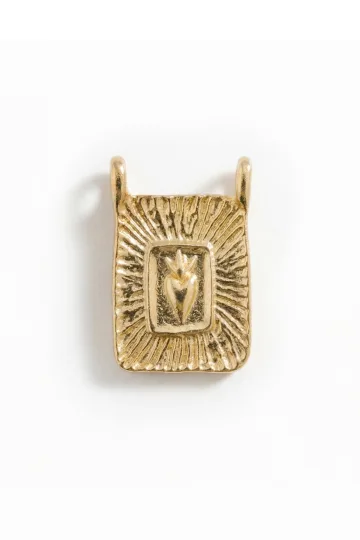
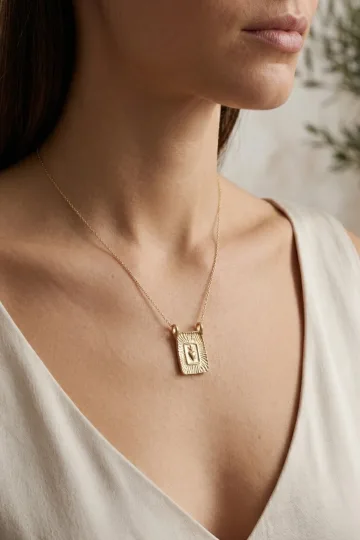
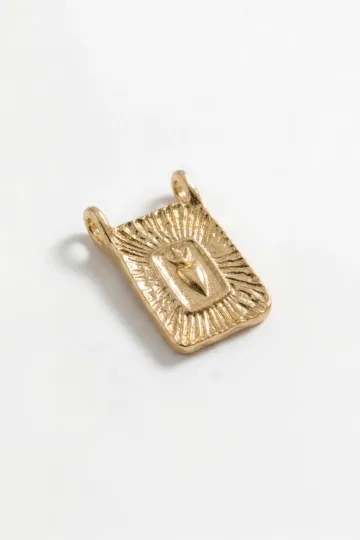
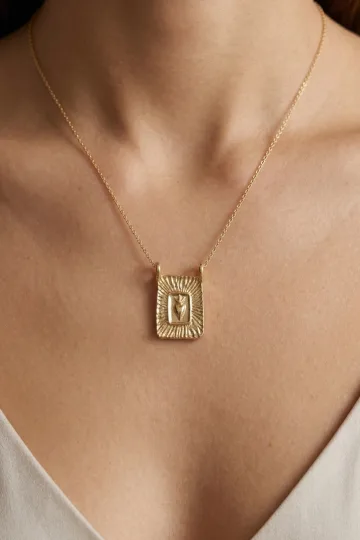
Wear the symbol, don't just read about it. These are in stock:

About Zevira: amber with a history of millions of years
At Zevira, amber with an inclusion means jewellery in which the value of the stone lies not in sparkle but in the fragment of ancient life frozen inside. We set it in silver, so the metal does not compete with the warm light of the resin, and we choose specimens with a clearly readable inclusion.
Each stone is both a neat piece of jewellery and a piece of natural history, interesting to study and pleasant to pass on down the family. We ascribe no esoterica to it: the value of amber with an inclusion lies in its authenticity and its age.