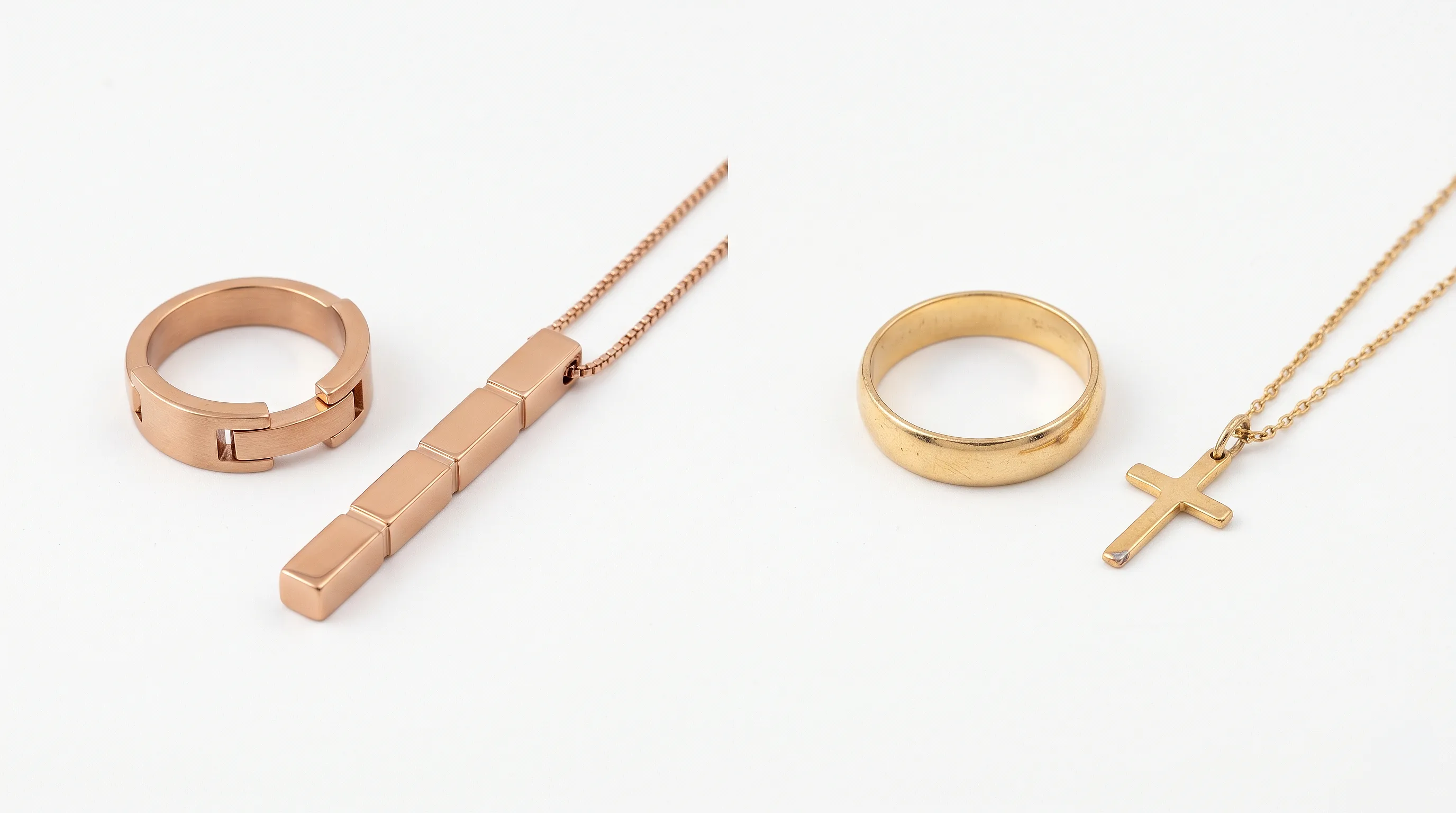
Gold Plated vs Solid Gold: The Honest Guide to What You're Actually Buying
You walk into a shop. Two rings sit side by side. Both look gold. One sits in the budget segment, the other costs ten times as much. The first says "gold plated", the second "14K". They look identical. So what gives?
There is no trick. The difference is how much precious metal each piece actually contains. And that difference affects everything: how long the ring lasts, how you care for it, whether you can wash your hands wearing it, and what it will look like five years from now.
The problem is that nobody explains this properly. Solid gold sellers look down on plating. Plated jewellery sellers hide the word "plated" in fine print. And the buyer sits in the middle with a pile of questions and no straight answers.
This guide sorts it all out. No selling, just facts, numbers, and common sense. We break down five types of "gold" jewellery: solid, plated, filled, vermeil, and tone. What makes them different, how long they last, how to care for them, and when each makes sense. At the end, a quiz and a cost-per-wear calculator.
Why there is so much confusion around gold
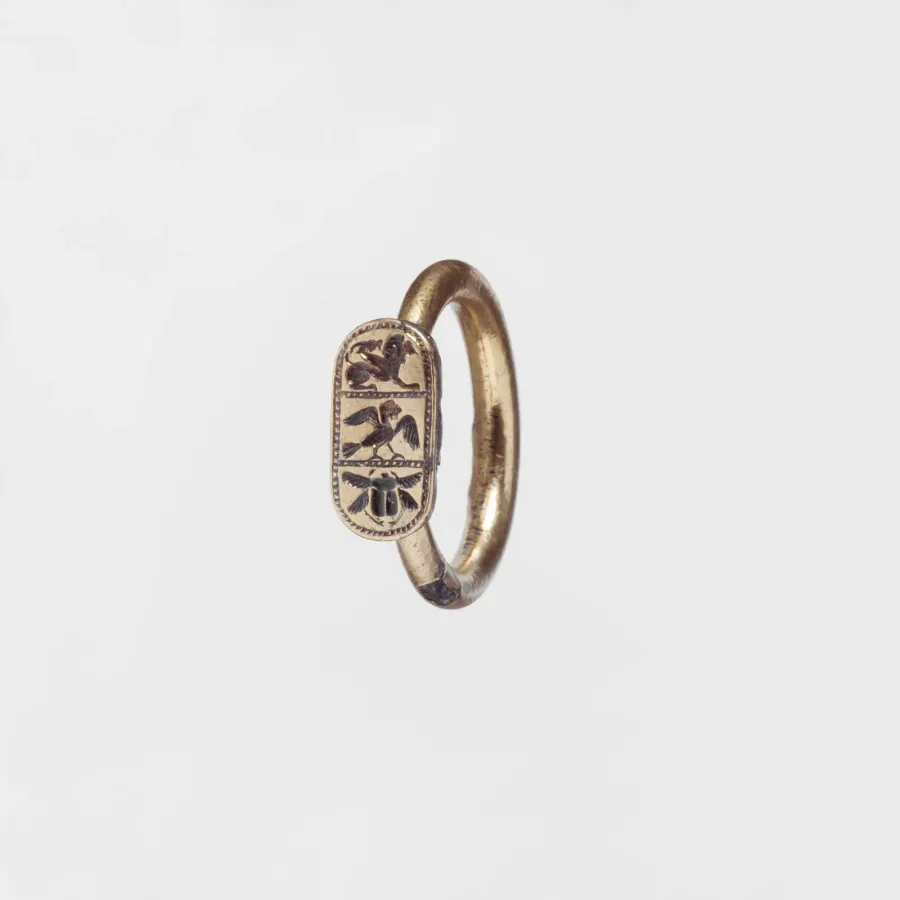
Jewellery terminology is one of the most tangled languages in retail. The same piece can be called "gold", "plated", "coated", "tone", "filled", and each term means something different. Some of them mean nothing specific at all.
The marketing problem
The word "gold" sells. Every marketer knows it. So they stick it wherever they can. "Gold tone" contains zero precious metal; it just describes a colour. "Gold finish" tells you nothing either. Even "gold jewellery" can mean anything from solid 18K to brass with a thin spray of colour.
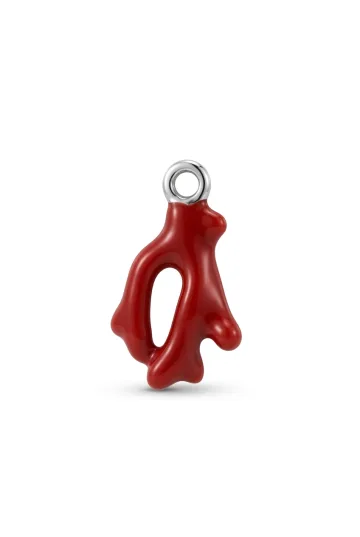
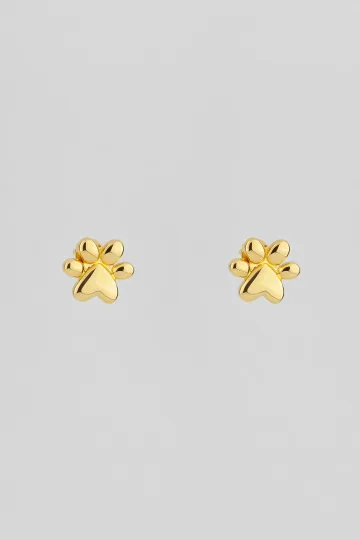
Wear the symbol, don't just read about it. These are in stock:


Social media made it worse. Influencers show pieces at 15 dollars next to ones at 1,500, and on camera the difference is minimal. A lens cannot see plating thickness or know that one ring will tarnish in a month while the other outlasts your grandchildren.
Then there are marketplace sellers who write "gold" in the title and "zinc alloy" in the fine print. Technically not fraud. Practically, misleading.
What the law requires sellers to disclose
In the EU and most developed countries, law requires disclosure of precious metal content. "14K" or "585" means at least 58.5% pure gold. "Plated" must be stated, though minimum plating thickness is not always regulated.
In practice: no hallmark (585, 750, 375) means no solid metal. No exceptions. Solid gold is always hallmarked. If you see the word without numbers, it is plating, an alloy, or marketing.
The EU uses both the karat system (9K, 14K, 18K) and metric (375, 585, 750). In the US, the minimum for labelling "gold" is 10K (417). The UK Hallmarking Act requires independent assay office marks on items above certain weight thresholds.
Solid gold: the real thing
Solid gold is an alloy where the precious metal is the primary component. Not a coating on top of something. Not a layer. The same material all the way through, from the surface to the centre. If you sawed a solid ring in half, the inside would be the same metal as the outside.
What 10K, 14K, 18K, and 24K actually mean
Karat (not to be confused with carat for diamonds, a different thing) indicates the proportion of pure metal in an alloy. The system is simple: 24 karat equals 100%. Everything below is a fraction.
24K: 99.9% pure. The highest purity. Bright yellow, soft as modelling clay. In jewellery, it is used mainly in some Asian traditions (India, the Middle East) and for investment pieces.
18K (750): 75% plus 25% other metals (silver, copper, palladium). Rich colour, good durability. The standard for fine jewellery in Europe. Most luxury brands work with 18K. The colour is noticeably deeper than 14K. Put them side by side and you will see the difference.
14K (585): 58.5%. The most popular choice worldwide. A balance between colour, hardness, and price. Most wedding bands are 14K. Enough precious metal for a beautiful colour, enough alloy metals for toughness. In daily wear, 14K often performs better than 18K: it scratches less and holds its polish longer.
10K (417): 41.7%. The minimum karat that can legally be called "gold" in the US. In Europe the threshold is higher, and 10K is often not considered fine jewellery. The colour is paler, but hardness is the highest among these alloys. Popular for budget wedding bands in North America.
The remaining percentage is the alloy mix: silver adds softness and a lighter tone, copper adds strength and a reddish hue, palladium or nickel creates white gold. The alloy composition determines the colour: yellow, white, or rose. The pure metal itself is always yellow.
Why nobody wears 24K
The pure metal is beautiful but completely impractical. It is so soft that a 24K ring would deform from a firm handshake. An earring would bend in your pocket. A chain would stretch within a week.
24K has a hardness of 2.5 on the Mohs scale. A fingernail is 2.5, a coin is 3.5. You could scratch a pure ring with your nail.
That is why 24K is only used for investment bars and coins stored in vaults. Jewellery needs an alloy. This is not about cutting costs. It is engineering necessity. Without other metals, the material simply cannot function as something you wear.
Exception: 999 purity is sometimes used for pendants and earrings that avoid mechanical stress. Niche pieces you treat like museum exhibits.
Yellow, white, rose: colour depends on the alloy
The same 14K alloy can be yellow, white, or rose. The only difference is the mix of metals added.
Yellow: the classic. Copper and silver in the alloy. The higher the karat, the deeper the yellow. 18K is noticeably warmer and more saturated than 14K.
White gold: palladium or nickel neutralises the yellow, producing a silvery-white metal. Almost always coated with rhodium for extra whiteness and shine. Rhodium wears off in 1-3 years and needs reapplication. Yes, even solid white requires replating, and few people know this at purchase.
Rose gold: higher copper content gives a redder tone. 14K rose looks more distinctly pink than 18K, because copper makes up a larger share. This variant is at peak popularity now, but it dates back to the 19th century and was especially beloved in Russia (hence "Russian gold").
Colour does not affect value. Yellow, white, and rose of the same karat contain the same amount of pure metal and cost roughly the same. Any price difference comes from alloy metal costs (palladium is pricier than copper) or rhodium coating.
When solid gold makes sense
Solid gold is justified in several situations.
A piece for decades. A wedding ring, a family heirloom, a pendant meant for life. Solid gold will not peel, will not tarnish, will not need replating. Thirty years on, it will look the same: just needs a polish.
Sensitive skin. Solid 14K-18K with a palladium alloy (nickel-free) almost never causes allergic reactions. If you react to costume jewellery, the real thing solves the problem.
Resale value. Solid pieces always have scrap value. Even a broken ring can be sold for its metal content. Plated jewellery has zero resale value.
Emotional weight. Some pieces you never want to replace. A first gift, a grandmother's ring, a bracelet to mark a birth. For moments like these, solid gold is the only material that matches the significance.
Solid 18K in the evening, bare against silk. But thin plating in the pool? Don't you dare, then whine about a green finger.
How to wear gold and gold plating
Hundreds of gold and plated pieces have passed through my hands on shoots, and for me the material decides just as much as the shape. Warm yellow metal and cool white behave differently in a look, and I recommend different options for different occasions. Here is what actually works.
What do I wear gold with day to day? For everyday I recommend a thin plated or vermeil chain over a plain knit, small stud earrings, a narrow ring. They don't fight your clothes and add a clean shine to a shirt, a turtleneck, a white tee. I suggest yellow metal against cool clothing tones (grey, blue, olive), I choose rose gold on beige and cream, and I set white gold against black and charcoal.
What should you put on for the evening or a special occasion? For the evening I choose solid or gold filled: neither one fears close contact with fabric, perfume and a long night out. A rich yellow 18K looks its best against an open neckline, on a bare neck, with silk and satin. Under a deep V I recommend a mid-length pendant, and with a boat or square neckline I suggest earrings that carry the look on their own.
How do you build layers and stacks so the coating doesn't rub off? I happily mix gold with gold of different textures: smooth plus twisted, thin plus a touch heavier. Yellow and white metal in one set stopped being a mistake long ago, it reads as a deliberate move, and I like it. But for layers and stacks I reach for tougher materials: metal rubs against metal, and thin plating wears through faster on such sets, so go for vermeil, solid or steel.
What chain lengths work for layering? I stagger the lengths, say 40, 45 and 50 cm, so the chains don't tangle and each one reads on its own. The short one sits on a bare neck as an accent, the long one drops onto the knit. One pendant on a clean chain always beats five crammed together, so if you want layers, give each its own length line.
What should you keep off heavy daily wear? I don't hand expensive and fragile pieces to daily abuse. For anything worn around the clock I recommend solid: it survives water, friction and the years. Thin plating I suggest saving for looks you put together deliberately and take off in the evening, and it will last far beyond its rated life.

Turn on your camera, pick earrings, a pendant or a ring, and see the piece on yourself in real time.
Switch items in one tap.
Everything runs in your browser: no photo or video is ever uploaded.
Gold plating: what it actually is
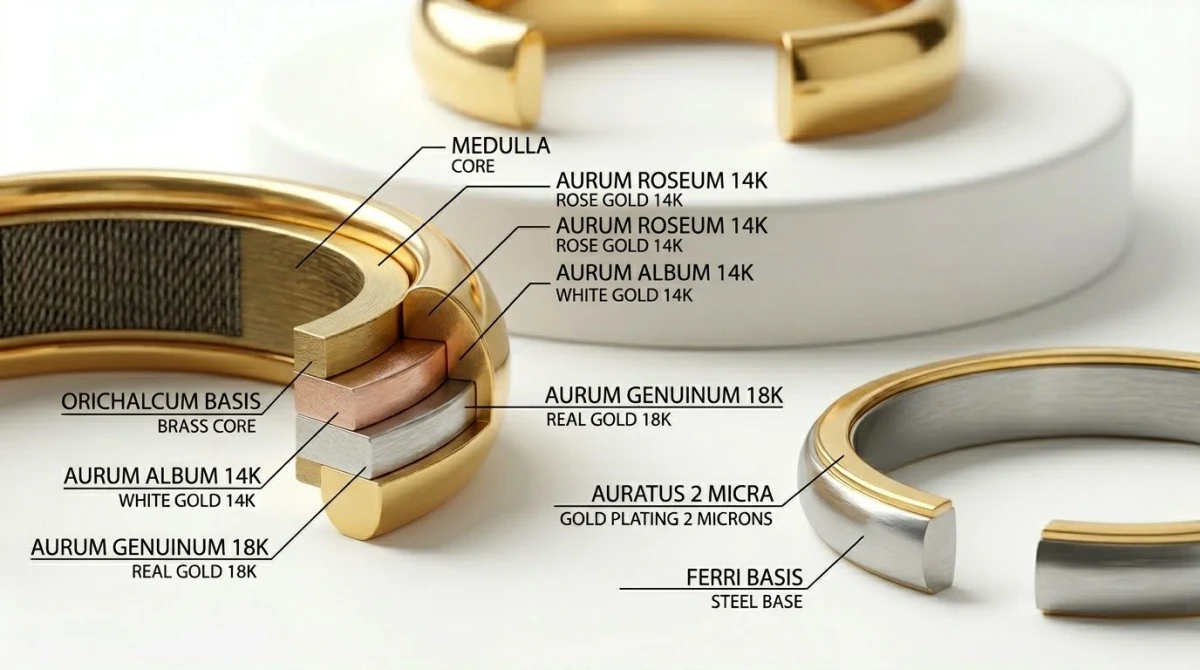
Gold plated jewellery is a thin layer of the precious metal applied to the surface of another metal. The base is usually brass, copper, or stainless steel. The amount of gold in a plated piece is a fraction of a percent of its total weight. This is not fraud or fakery. It is a different product with different properties.
How gold plating works
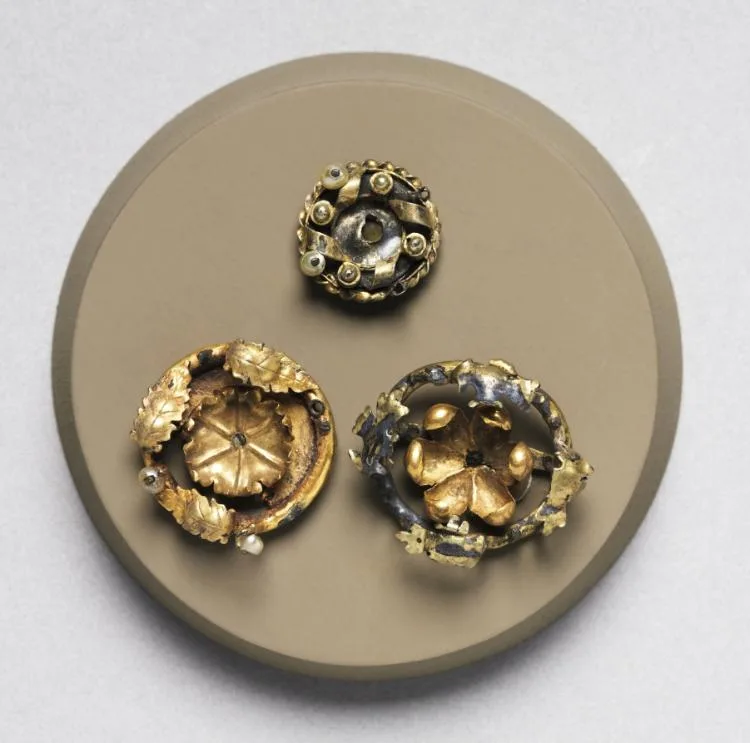
The most common method is electroplating (electrolysis). The piece is submerged in a solution containing metal ions, and an electric current deposits them onto the surface in a thin, even layer. Fast, cheap, uniform coverage. A single gram can coat dozens of pieces.
PVD coating (Physical Vapour Deposition) is a more modern method where the metal is applied in a vacuum chamber. It produces a harder, more wear-resistant layer. You will not see the difference by eye, but PVD lasts longer in wear.
Immersion plating is chemical, no electricity. Thinnest layer of all, mostly used in electronics. If you see it on jewellery, it is the cheapest option.
IP coating (Ion Plating) is a PVD variant often mentioned by Asian manufacturers. If you see "IP gold", think PVD: more durable than standard electroplating. A decent mid-range option.
How thick is the plated layer
This is where things get interesting. Plating thickness is what determines whether your piece lasts a month or five years.
Standard plating runs 0.5-1 micron. That is very thin. For comparison, a human hair is about 70 microns. So the coating is 70 to 140 times thinner than a hair. With daily wear, this level of plating wears through in 3-6 months.
Good plating runs 2-3 microns. It lasts 1-3 years with careful wear. This is what mid-range brands typically offer.
Heavy plating runs 5+ microns. Rare, noticeably pricier, but can last 5 or more years. Some Italian and German manufacturers apply up to 10 microns, which starts to rival filled pieces for durability.
The catch: most sellers do not state plating thickness. If it is not listed, assume the minimum. A good sign is when a brand openly states the thickness in microns. That signals honesty and confidence in the product.
How long plating lasts
It depends on three factors: plating thickness, base metal, and how you wear it. Detailed breakdowns follow in the next sections.
The base metal matters. Plating on stainless steel lasts longer than on brass. Steel is hard, does not oxidise, does not react with sweat. Brass is softer, prone to oxidation, and when the plating thins out, you see greenish marks. Not dangerous to health, but unpleasant to look at.
The type of jewellery matters. Rings and bracelets lose their plating fastest: constant friction against surfaces. Earrings and pendants last longer because there is less mechanical contact. Chains sit somewhere in between: they rub against skin and clothing, but not against hard objects.
Your habits matter. If you are someone who never takes off jewellery: not in the shower, not at the gym, not in bed, plating will last half as long as it could. If you wear carefully, remove pieces at night and before water, it lasts twice as long.
In short: good plating on steel with careful wear gives you 2-3 years. Thin plating on brass with daily wear and no care gives you 3-6 months. The gap is enormous, and it is determined not by the price tag but by the quality of the coating and the base.
How long plating actually lasts and what determines it
This is the question sellers prefer to avoid. The answer depends on three concrete things: layer thickness, type of piece, and how you wear it.
Lifespan by layer thickness
Thickness in microns is the parameter that changes everything. The differences are not percentages, but multiples.
Under 0.175 microns (flash plating). Golden mist rather than a coating. Lasts 2-8 weeks of active wear. Most cheap costume jewellery from the high street is exactly this. Not a defect, but physics: the layer is so thin that any friction removes it.
0.5-2.5 microns (standard plating). The most common option in the mid-range. From 6 months to 2 years with daily wear. Longer with careful handling. US law requires at least 0.5 microns to label something "gold plated"; the EU has no single threshold.
2.5+ microns on silver (vermeil). From 1 to 3 years with regular wear. At 4-5 microns, up to 5-7 years.
5+ microns (heavy plating, bordering on filled). From 3 to 10 years with careful wear. Rare, usually Italian or German workshops.
5% gold by weight (gold filled). No longer a coating but a mechanically bonded layer. 10-30 years.
Lifespan by jewellery type
The same coating on earrings versus a ring lives many times longer on the earrings. The reason is mechanical contact.
- Rings: the fastest wear. Even a 2-micron coating on a ring you never remove will show wear on the edges within 4-8 months. Tables, keyboards, steering wheels, door handles all take their toll.
- Stacked rings on the same finger. Metal rubs against metal, wear doubles. If you stack, check the inner surfaces every few months.
- Bracelets: second fastest. Contact with desks, keyboards, the edge of a sleeve. A bracelet worn 3 days a week instead of 7 lasts twice as long.
- Chains against the skin: moderate wear. A fine chain on the neck accumulates sweat all day; the links flex and rub against each other. Standard plating lasts 12-18 months with daily wear if removed at night and before showering.
- Pendants: slow wear. They hang freely, little contact.
- Earrings: slowest wear. A 1-micron coating on earrings can last 2-4 years because friction is minimal. The main enemies are hairspray and perfume, not mechanics.
- Occasional pieces. A pendant or ring worn only for evenings can keep its coating for 5+ years even at standard thickness. Fewer contact hours, slower wear.
What determines real-world lifespan
Base metal. 316L stainless steel holds the coating best: hard, non-oxidising, inert. If the plating wears off, the exposed base is a harmless silver-toned metal. Brass is softer, oxidises, may contain nickel. Copper oxidises quickly. Silver (vermeil) is excellent as a base but needs more careful handling than steel.
Application method. Electroplating (electrolysis) is the jewellery industry standard. PVD (vacuum vapour deposition) gives a layer 5-10 times harder than gold, lasting 3-5 times longer at comparable thickness. IP coating (a PVD variant with extra ion bombardment) is even denser and is widely used in the watch industry.
Climate. In the tropics or near the sea, coatings live 30-50% shorter: high humidity, more acidic sweat, chlorides in the air. In dry continental climates, longer, but dust with micro-particles acts like fine sandpaper. In major cities, sulphur and nitrogen oxides accelerate base corrosion.
Temperature swings. Winter exits from warm buildings into frost cause condensation on jewellery. In spots where the coating is thinner, micro-droplets initiate pinpoint corrosion. Over a winter, this adds up noticeably.
Skin chemistry. People with more acidic sweat lose coatings 1.5 to 2 times faster. Genetics, not hygiene.
Customer reviews
Zevira is a real jewellery shop. Genuine payments, deliveries and customer thank-yous.
🥰🥰🥰 gracias

Ok, ¡gracias! 🙂

The science of adhesion: why coatings hold or fail
Adhesion is one material bonding to another. Between plating and base, this is not just mechanics but real physical and chemical processes.
Surface preparation
Before coating, the base goes through several stages: degreasing, etching (removing the oxide film), activation (creating a chemically active surface). Skipping any step means the coating will peel off within a week instead of lasting a year.
Cheap production cuts corners exactly at preparation. Quick dip, quick out, quick into the box. Looks great. For a month. Then spots and flaking. If plating peels unevenly in patches rather than wearing uniformly, that is poor surface preparation, not poor gold.
The intermediate layer and why allergies appear
Between base and gold, a layer of nickel or palladium is usually applied. It improves adhesion and creates a barrier preventing base metal atoms from diffusing into the gold (which would change its colour).
Nickel is the most common metal allergen. In the EU, its content in skin-contact jewellery is regulated by REACH. While the coating is intact, nickel does not touch the skin. When the coating wears through, nickel reaches the surface, and a reaction begins. This explains an oddity: a person is not allergic to gold, not allergic to brass, but reacts to plating. The reaction is to the intermediate layer. More in our nickel allergy guide.
The hardness paradox
Pure 24K gold is soft. A 24K coating looks richer but scratches faster. A 14K coating (gold in alloy) is harder, with a slightly cooler tone, but wears more slowly. For daily wear, 14K plating outlasts 18K of the same thickness because the alloy is simply harder.
PVD solves the paradox differently: a titanium nitride or zirconium layer is significantly harder than any gold. But it is a gold-coloured material, not gold itself. The distinction matters to those who care about composition.
Upload a photo of your pet, someone you love, or an object. We'll build a 3D model and hand-cast it in pewter.




How to care for plating so it lives for years
Care is not complex rituals. It is habits that double or triple the coating's lifespan. Thin plating with proper care outlives thick plating worn without rules.
Remove before
- Showering, bathing, swimming. Chlorine attacks gold chemically; soap and shampoo create an alkaline environment; hot water accelerates reactions; moisture trapped between skin and metal is a micro-environment for base corrosion. A single shower will not kill plating. A daily shower in a bracelet will, within months.
- Exercise. Sweat is acidic (pH 4.5-7.0) and contains chlorides, ammonia, urea. An aggressive environment for thin gold layers.
- Cosmetics and perfume. Alcohol in perfume damages the coating; acidic skincare components (AHA/BHA) do the same. Rule: jewellery goes on last. Apply cream, spray perfume, wait two minutes, then put on the piece.
- Household chemistry and cleaning. Bleach, dish detergent, scouring powders strip the coating layer by layer.
- Sleep. Night sweat plus friction against the pillow is a double hit. Remove at night.
Storage
Separately from other pieces: metal scratches metal. Ideally individual pouches or compartments in a jewellery box. In a heap with other things, the coating dies fastest.
In a dry place. A humid bathroom is the worst spot. Bedroom or wardrobe is better. A silica gel sachet in the box helps.
Cleaning
Soft cloth (microfibre), warm water, a drop of mild soap. Wipe, rinse, dry. That is all.
Never: toothpaste (abrasive, scratches the coating), vinegar (acid, attacks the coating), silver polish (removes plating along with tarnish), ultrasonic cleaners (too aggressive for thin layers). More in our jewellery cleaning guide.
Rotation
If you have three plated rings, wear them in rotation, not all three every day. Each day of rest means less sweat, friction and chemistry on the coating. Rotation doubles or triples the lifespan.
If you get the piece wet by accident
Dry it immediately with a soft cloth and leave it on a dry surface for an hour before putting it away. Moisture sitting on the surface for hours does more damage than the initial contact with water.
Optional protective layer
Some wearers apply a very thin coat of clear nail polish to the inside of a ring, the part that contacts skin most. A physical barrier between sweat and the coating. The polish chips and needs reapplying, but on a favourite ring it meaningfully extends intervals between replatings.
Can plating be renewed?
Yes. A jeweller strips the old coating chemically or by gentle polishing, prepares the surface, and applies a new layer by electroplating. The result is as new. Worth asking whether the jeweller inspects the base before replating: over a pitted, corroded surface the new coating adheres poorly.
Frequency. With daily wear, every 1-2 years for standard plating. With careful wear, less often. For vermeil on a quality silver base, less often still: silver accepts repeated gilding many times over.
Cost. Replating a simple ring usually costs less than a good restaurant dinner. A complex pendant with detail work costs more because surface preparation takes longer.
When to replate vs replace. Replate when you like the design and the base is sound: just the surface colour has faded or worn unevenly. Replace when the base has corroded, the structure is damaged, or the replating cost approaches the price of a new piece with a better coating.
Signs it is time to replate
- Colour change on edges and raised parts: a silvery or reddish tone of the base appears
- Uneven patches (base corrosion bleeding through the thinning coating)
- Tactile roughness where the surface used to be smooth (microscopic breaks in the coating)
- Green marks on the skin (copper or brass under the worn plating)





Gold filled: the middle ground
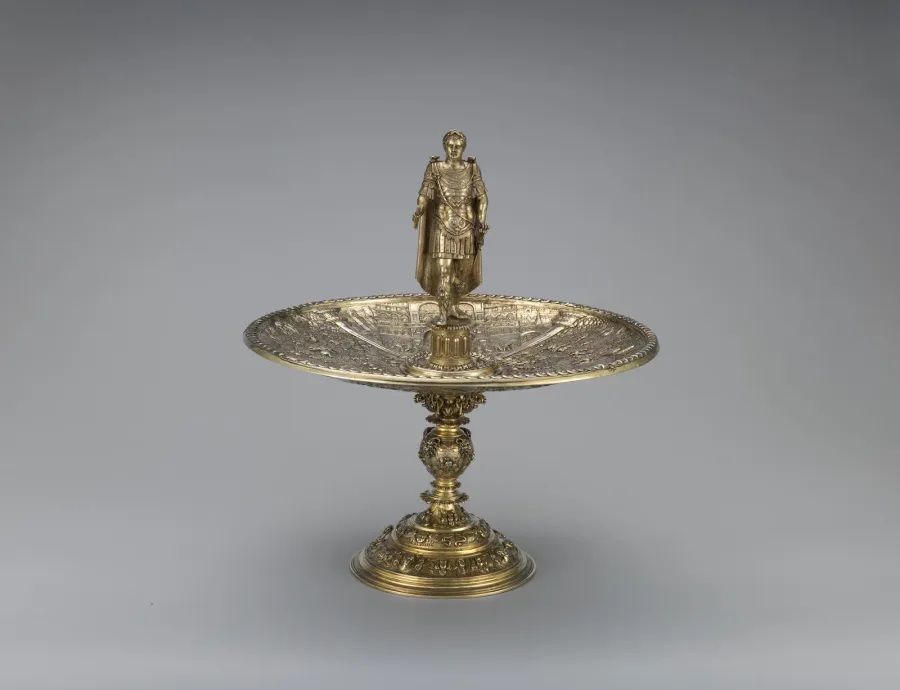
Gold filled is not the same as plated, even though it sounds similar. The difference is fundamental, and this is exactly where most people get confused. This technology appeared in England in 1817, and the principle has not changed: a thick layer of the precious metal is mechanically bonded to a base metal under pressure and heat. It was invented to make watches affordable for the middle class, and it has since become the standard for quality fashion jewellery that looks and behaves like the solid version.
Filled vs plated
The metal layer is physically bonded to the base, not sprayed, not deposited from solution. The layer is 15-40 times thicker than standard plating. By US standards, gold filled must contain at least 5% of the precious metal by weight.
Visually and by touch, the filled version is indistinguishable from solid gold. You can only see the difference on a cross-section: a thin boundary line between the layers. In real life, nobody will notice.
The term "gold filled" is regulated in the US (FTC), but not everywhere. In Europe, the equivalent is sometimes called "doublé" or "plaqué or laminé". If buying on an international marketplace, make sure the seller is in a country where the term carries legal weight.
Why filled costs more
More precious metal, higher price. A filled ring costs 3-5 times more than plated, but 5-10 times less than solid. An honest compromise for "almost solid" at a reasonable price.
Production is more involved too. You cannot just dip something in solution. The metal sheet and base must be rolled together through high-pressure rollers. Different equipment, different process entirely.
Durability comparison
Filled pieces last 10-30 years with normal wear. Vintage examples from the 1950s still look excellent. The coating does not rub off daily, does not tarnish, does not flake.
The only weakness is deep scratches. Scratch through to the base metal and it shows. But the same is true for low-karat solid pieces, and like the solid version, filled jewellery can be polished by a jeweller.
CAPAORA mini knife pendant
The 18th-century Spanish navaja in miniature: 40 mm of stainless steel, a real folding mechanism and a Palanquilla lock that clicks. An affordable gift to remember.
Authentic · Ships from Spain · 14-day returns
Vermeil: premium plating
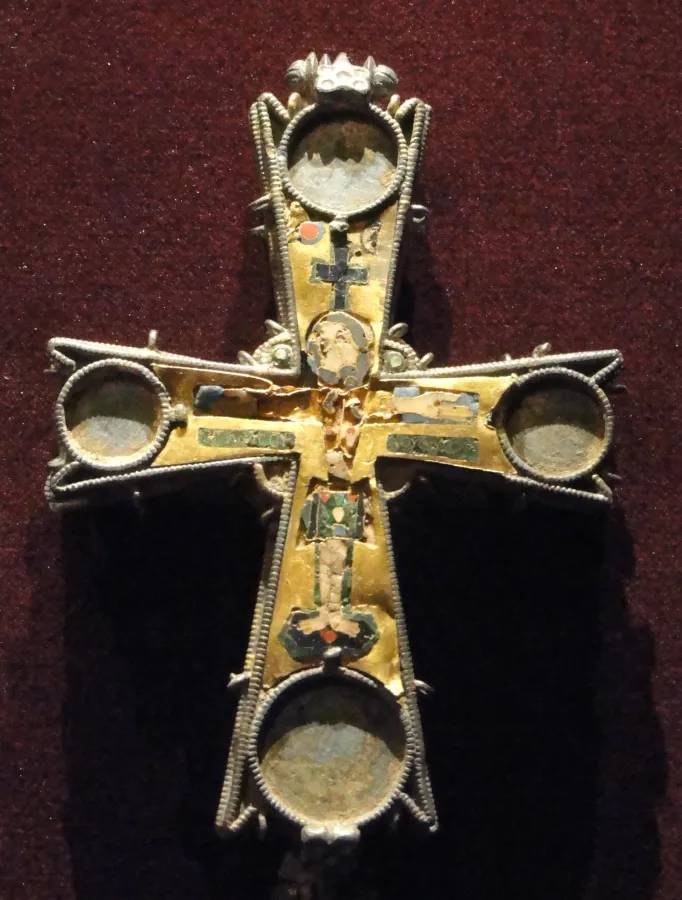
Vermeil (pronounced "ver-may") is a legally protected term, unlike "gold plated". Not every manufacturer can call their product vermeil; specific standards must be met.
The legal definition: three criteria at once
In the United States the word vermeil is regulated by the Federal Trade Commission under 16 CFR §23.4, and American law is the reason the term has any teeth at all internationally. A piece may be called vermeil only if all three of the following hold at once.
1. The base is sterling silver, 925. Only 925, meaning 92.5 percent silver. Any other base, whether bronze, brass, copper or steel, rules the word out entirely.
2. The gold layer is at least 10K. Ten carat means 41.7 percent pure gold in the coating. Most quality pieces run to 14K at 58.3 percent or 18K at 75 percent. The higher the carat, the richer the yellow and the slower the surface dulls.
3. The coating is at least 2.5 microns thick. For comparison, a human hair is about 70 microns across. The flash plating used on costume jewellery runs from 0.175 to 0.5 microns, which is five to fifteen times thinner than the vermeil minimum.
If even one of the three is missing, the product cannot legally be labelled vermeil. In practice no regulator patrols every online shop, but a mismatch gives a customer solid grounds for complaint.
This means that even if the layer eventually wears off, underneath is silver, not a cheap alloy. The piece remains valuable and wearable. A silver ring without its coating is still a silver ring. A brass ring without its coating is just brass.
The FTC figure is a floor rather than a ceiling. Premium makers often state "5 micron vermeil" or "7 micron vermeil", meaning a thickness well above the minimum and a proportionally longer life.
Vermeil originated in 18th-century France, originally applied using fire gilding with mercury. Today electroplating is used, but the quality standard remains high.
European standards: there is no single regulation
In the European Union the concept of vermeil is not fixed in any single regulation comparable to the American one. The French term is used across the industry as a description. The French gemmological body BJOP supports the practice of reserving the word for pieces with a silver base and a sufficient coating thickness, but that is a trade standard rather than law.
In the United Kingdom the trade generally says "gold on silver" or, in the older language of the assay offices, "silver gilt". A piece of silver gilt sold in Britain still carries the sterling hallmark from London, Birmingham, Sheffield or Edinburgh, because the hallmark records the base metal rather than the coating. In Germany "vergoldet" simply means gilded, with no statement about base or thickness. In Spain "oro vermeil" or "plata dorada" describes gilded silver with no legal requirement about microns or carat.
The practical conclusion for buyers is straightforward: when buying vermeil from a European brand, ask for the numbers directly. Brands that sell into the American market, or that follow the FTC standard voluntarily, usually publish the full specification on the product page, something along the lines of "925 sterling silver, 18K gold vermeil, 2.5 microns". If that line is missing, request it before you buy.
How to read the marks on vermeil
A 925 or S925 mark on a gold-coloured piece points to a silver base. That is the first and most reliable sign of vermeil. The gold coating itself does not appear in any hallmark, because it is far too thin to register as a metal in its own right. So 925 on a gold-coloured piece is effectively the signature of vermeil: silver within, gold without.
Additional markings you may see:
- 925 + GP (gold plated): gilded silver with no guarantee of thickness
- 925 + GV or 925 + Vermeil: the brand is claiming vermeil
- 925 + 18K: the carat of the coating is stated
- 925 + 18K / 2.5 mic or 925 + 18K / 5 mic: the full specification, the most transparent option of all
A bare 925 with nothing after it on a gold-coloured ring means gilded silver, no more. It might be genuine vermeil if the maker keeps to the standard, or it might be flash plating at 0.3 microns. Without the numbers spelled out you simply do not know.
Vermeil vs standard plating
The key difference is the base. Under regular plating there can be anything: brass, copper, steel, "metal alloy". Under vermeil, only silver. A guarantee for your skin (silver is hypoallergenic), for durability, and for value. Vermeil feels more precious because it is.
How the bases behave once the gold starts to thin:
- Silver, meaning vermeil: if the gold wears through, the silver may darken but it does not stain skin, and most people tolerate it without any reaction.
- Brass and copper: they push through the thinning layer and mark the skin greenish or grey-brown. That is a chemical reaction between a copper-bearing base and sweat, not dirt.
On thickness: standard plating is around 0.5 microns and sometimes less. Vermeil starts at 2.5 by definition. A fivefold difference that translates directly into years before visible wear.
On quality control: makers of vermeil generally check finished pieces with X-ray fluorescence analysis, which reads the actual thickness of the coating. Cheap costume jewellery gets no such check, and the real thickness can differ sharply from whatever the listing claims.
| Parameter | Vermeil (FTC standard) | Standard plating |
|---|---|---|
| Base | Sterling silver 925 | Brass, copper, bronze, steel |
| Minimum gold thickness | 2.5 microns | No legal minimum |
| Minimum gold carat | 10K | No requirement |
| Colour when worn through | Silvery | Greenish or coppery |
| Recoating | Straightforward | Harder, needs an underlayer |
How long vermeil lasts in practice
Makers quote two to five years, sometimes "up to ten years with proper care". The reality depends on several variables.
Thickness matters most. Vermeil at 2.5 microns on a ring worn every day will want attention after a year or two. Vermeil at 4 to 5 microns, which some makers offer as a premium line, holds up for four to six years and longer with sensible care.
Type of piece. Earrings and pendants wear far more slowly than bracelets and rings. A ring on the index finger wears faster than one on the ring finger, simply because it makes contact with more things over the course of a day.
Carat. An 18K layer resists oxidation better than 14K or 10K, because the purer the gold, the fewer reactive metals sit alongside it. A 10K layer is mechanically harder thanks to its alloy, which is a different kind of advantage.
Quality of application. Two pieces both declared at 2.5 microns can differ enormously in real life if one went through every stage of surface preparation and the other was rushed. The maker's reputation tells you more here than the figure in the description.
When vermeil is the right choice
Several conditions want to hold at the same time.
Your budget is mid range. You are happy to pay more than costume jewellery costs, but solid gold does not make sense right now. Vermeil sits in the gap and gives you a real metal as the base.
Hypoallergenic matters. A silver base is kinder than a copper one once wear sets in. That counts for a great deal with sensitive skin.
The design is intricate. Openwork, engraving and fine detail take to electroplating better than they take to mechanical finishing. Vermeil covers any shape evenly.
You are willing to look after it. Remove it around water, do not spray perfume over it, store it separately, and vermeil lasts considerably longer than average.
You are buying for two to four years. For an everyday piece over a foreseeable stretch, or a gift that makes no claim to being forever, vermeil earns its keep.
The silver underneath matters to you personally. Some people care that what sits under the gold is silver rather than brass. Vermeil answers that directly.
When vermeil does not suit
A piece you never take off. If a ring stays on around the clock, any coating wears faster. A wedding band or an anniversary bracelet that never leaves the body should be solid. Vermeil in that regime needs recoating within a year or so.
Anything intended to be inherited. Vermeil does not pass down as a store of value: the metal content of a few grams of silver is minimal, and the worth of the piece sits almost entirely in its design.
A genuine silver allergy. Rare, but it happens. With a confirmed reaction to silver, vermeil is not the answer.
A setting with expensive stones. If the mount holds a substantial sapphire or diamond, the base should match the stone in both strength and standing.
Vermeil vs standard plating: the verdict
The base decides it. Under plating there can be anything at all. Under vermeil, only silver. That is a guarantee for your skin, for longevity and for how the piece reads in the hand. Vermeil sounds and feels more precious because it is.
Price sits between good plating and solid, typically the mid segment for a ring. Many designer brands build collections on vermeil: beautiful pieces from real materials without astronomical pricing.
Gold tone: when there is no gold at all
This needs its own section because "gold tone" is the most misleading term in jewellery. It means nothing beyond colour.
The term means any metal or alloy coloured to look golden. Brass (naturally yellow), anodised aluminium, steel with titanium nitride, even metallised plastic. Precious metal content: zero.
Legally, sellers can write "gold tone" without any gold, because the term describes colour, not material. Like "cherry red" requires no actual cherries.
When it makes sense: a one-off event, children's jewellery, props, or if you like the colour and will not pay even for plating.
When it does not: if you expect any durability or want the colour to hold beyond a couple of months. These pieces can dull, peel, or shift unpredictably. No standard exists, and every manufacturer does it differently.
Leave your email, we'll send your discount code. No spam, unsubscribe anytime.
The code arrives by email, valid on your first order.
Price comparison: real numbers
Let us use a specific example. Take a simple ring, no stones, identical design, same size. Only the material differs:
- Plated on brass: budget segment
- Plated on steel: budget segment
- Vermeil: mid segment
- Filled: mid segment
- 14K solid: premium segment
- 18K solid: premium segment
Ranges within each category come down to design, brand, and country of manufacture. Italian plating in the mid segment can outperform cheaper Asian plating on coating quality and finishing alone.
What you pay for at each level
With plating, you pay for design and current appearance. Material costs pennies; the price is designer work and manufacturing. Replacement in a year or two is normal. You pay for enjoyment now.
With gold filled and vermeil, you pay for longevity and a quality base. The piece lasts years. If plating wears through, the piece can still be worn or replated.
With solid gold, you pay for permanence. A solid ring outlasts you. It can be melted, stones reset, passed to children. Not an expense, but a lasting investment.
Cost per wear
This is where the maths flips the logic. A budget-segment plated ring that lasts a year costs a few pence a day. A premium-segment solid ring that lasts fifty years costs less than a penny a day. The solid version is cheaper per wear.
But this only works if you genuinely plan to wear the same piece for decades. If you want a different design in a year, plating is more honest for your wallet. Five budget-segment plated rings give more variety than one solid piece from the premium segment. The question: consistency or freedom to change?
Care by gold type
Caring for solid gold
The solid version forgives a lot. Wash with soap, clean with a soft brush, wear in the shower (though soap leaves a dulling film, so best not to). Sweat, perfume, hand cream: no problem. It will not change colour from your skin.
What harms it: abrasives and harsh chemicals. No baking soda, toothpaste, or household cleaners. Chlorine is no friend either, so remove rings before the pool, not because the metal will suffer, but because chlorine can loosen stone settings.
Once a year, take solid pieces to a jeweller for cleaning and polishing. It costs very little and restores the original shine.
Caring for gold plating
Plating requires care. The layer is thin, and mechanical or chemical stress reduces it. Key rules:
- Remove before showering, swimming, working out
- Apply perfume and lotion BEFORE putting on jewellery, and let them dry
- Wipe with a soft cloth after each wear; this removes sweat and skin oils
- Store separately from other jewellery (friction kills plating)
- No ultrasonic cleaners or jewellery cleaning solutions
- Remove at night; sweat during sleep breaks down plating without you noticing
Follow these and even affordable plating lasts 2-3 times longer. Not difficult, just a habit.
What kills plating fastest
The top three: chlorine (pool), sweat plus metal (gym), and alcohol-based perfumes. Each speeds up wear alone. All three together can destroy plating in weeks.
Second is friction. Rings rub against keyboards, steering wheels, door handles. Bracelets against desks. If you work with your hands (cooking, sports, gardening), plated rings are not for daily wear. Earrings and pendants are safer.
Third, rarely mentioned: humidity during storage. A piece left in a bathroom or open box by a window suffers from condensation and temperature swings that accelerate oxidation beneath the plating. Store dry, in an individual pouch or with silica gel.
The ecological angle: what is actually better for the planet
This question comes up more and more, and the answer is less obvious than it seems.
Mining is one of the dirtiest industries on earth. A single 5-gram ring accounts for roughly 20 tonnes of processed ore. Mercury, cyanide, destroyed landscapes. The less new metal mined, the better.
Plating uses minimal material. One gram covers dozens of pieces. A plated piece is hundreds of times "lighter" on the planet than a solid one.
But plating does not last. If you buy and discard five plated rings a year, the total waste (base metal, packaging, shipping, production) may rival one solid ring that serves for decades.
The best ecological option? Recycled metal. Many modern brands use material reclaimed from old jewellery and electronics. Same properties, no fresh mining footprint. If you see "recycled gold" or "certified responsible" on the label, that is a good sign.
Second best: filled and vermeil. Minimal new material, long service life, noble base metal.
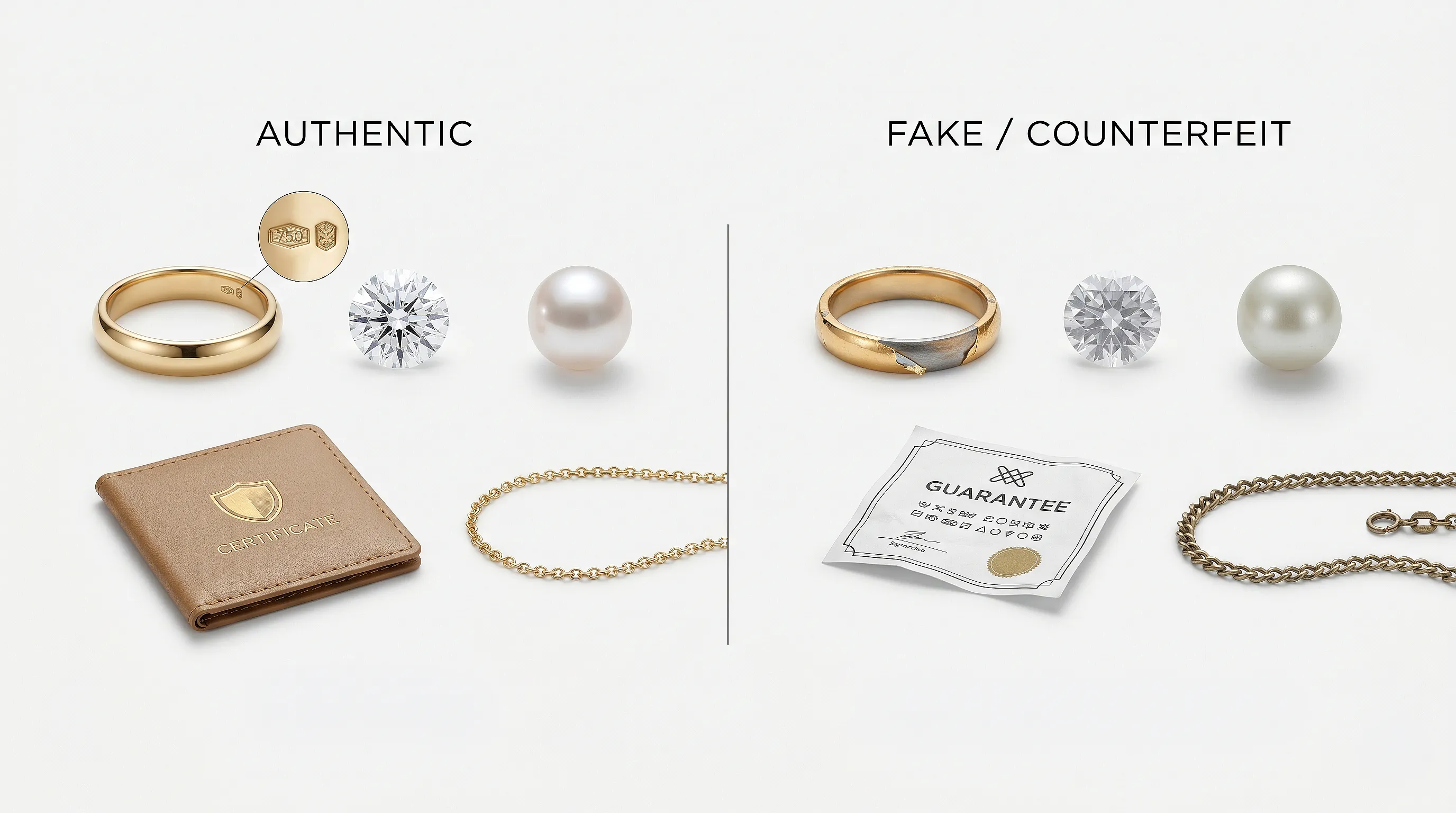
How to tell plating from solid gold: 8 practical methods
You have a piece with no tag. Or you do not trust the tag. Or you found a ring at a flea market. Here is what you can check yourself, no jeweller needed.
1. Hallmark stamp
The most reliable method. Solid pieces are always marked. Look for tiny numbers on the inside of a ring, on a chain clasp, on an earring post:
- 585 or 14K: 14-karat
- 750 or 18K: 18-karat
- 375 or 9K: 9-karat
- GP, GEP, HGE: plated
- GF or 1/20: filled
- 925 with a golden colour: vermeil (silver under plating)
If there is no stamp at all, you are most likely looking at costume jewellery or unmarked plating. The absence of a stamp does not prove it is not gold (older pieces were sometimes not marked), but it is a serious red flag.
You will need a loupe. Stamps are tiny and often invisible to the naked eye. A 10x jeweller's loupe sits at the bottom of the budget segment and will come in handy more than once.
2. Magnet test
The metal is not magnetic. At all. If a piece sticks to a magnet, there is no precious metal in it or very little. Steel and nickel are magnetic; brass and copper are not.
This means the magnet test catches steel costume jewellery but will not help distinguish brass-based plating from solid pieces. Both are non-magnetic. Good as a first filter, not the only one. A neodymium magnet from any hardware shop works best.
3. Weight
The metal is heavy. Density 19.3 g/cm3, which is 2.5 times heavier than steel and twice as heavy as brass. A solid ring feels noticeably weightier than a plated ring of the same size.
Not a precise method, since you will not stand in a shop with scales. But pick up two similar rings and the difference between solid and plated brass is obvious. Solid gold "sits" in your palm. Plating feels lighter than you expect.
4. Colour and lustre
Solid 18K has a deeper, richer yellow. Plating can look brighter and "too perfect", an overly even shine with no nuance. Solid 14K is paler than 18K. Solid 10K can be paler than some plating.
Subjective and takes experience. But once you have seen enough gold, your eye starts to tell the "warm" glow of solid from the "surface" shine of plating. Shows best in daylight, not artificial light.
5. Wear on edges
If the piece is not new, look at the spots with the most friction: ring edges, chain links, clasps. Plating wears off right there. If a different colour shows through beneath the gold layer (silvery, greenish, reddish), it is plating.
Solid pieces look the same on the surface and at wear points. Scratches on the solid version are the same colour as the surface. Scratches on plating expose the base metal.
6. Ceramic test
Drag the piece across an unglazed ceramic surface (the back of a porcelain tile). The real metal leaves a golden streak. Pyrite ("fool's gold") leaves a black one. Plating may also leave a gold streak, but thinner and interrupted.
This test can scratch the piece. Only use it if you do not mind, or do it on a hidden area (the inside of a ring band).
7. Smell test
Sounds odd, but it works. The precious metal has no smell. None. If a piece smells metallic after sitting in your hand for a couple of minutes, it is not the real thing. Copper, brass, and nickel all have a distinctive smell that strengthens from skin contact. Solid 14K and above stays odourless.
Not reliable on its own, but as an extra indicator it works, especially if the smell is distinctly metallic and sharp.
8. Professional testing
If the stakes are high (expensive purchase, inheritance, a find), do not rely on home tests. Visit a jeweller. Professional testing includes:
- X-ray fluorescence (XRF): exact composition in seconds, no damage. The benchmark.
- Acid test: a drop of acid on a scratch reveals the karat. Leaves a microscopic mark.
- Electronic tester: fast but less accurate. Can mistake heavy plating for solid.
It costs very little against the price of the piece. On anything in the premium segment it is reasonable insurance.
Send a friend a discount code, they save on their first order.
Frequently asked questions
Is gold plated jewellery fake?
No. Plating is a legal, honest product when labelled correctly. Fraud is when plating is sold as solid. A plated piece is not worse or better than the solid version, just different. Like faux leather and leather: different products for different purposes.
Can I wear plating every day?
You can, but the plating life will shorten. Earrings and pendants handle daily wear better than rings and bracelets. If you want an everyday ring, choose plating on stainless steel with at least 2-micron thickness. Or step up to filled.
Why does plating turn green?
The coating itself does not turn green; the base metal does. When the layer wears through, the copper or brass underneath reacts with sweat and moisture. Copper oxide forms, and that is what gives the green colour. Not dangerous, but unsightly. The fix: buy plating on a steel base or on silver (vermeil).
Why am I allergic to plated jewellery?
Usually the reaction is not to the precious metal but to nickel in the base alloy. Nickel is the most common metal allergen. When plating thins, nickel touches skin. Look for "nickel free" markings, or choose plating on steel or silver.
Is it worth buying filled jewellery from China?
With caution. The term is legally protected in the US (FTC standard), but not in China. Chinese "filled" may turn out to be ordinary thick plating. Buy from verified sellers, read reviews, ask for certificates. Or stick with American manufacturers.
Can I melt down plated jewellery?
Technically yes, but it is pointless. The amount of precious metal in plating is so small that the cost of extracting it exceeds its value. Melting down only makes sense for solid pieces.
How often does plating need to be redone?
It depends on wear. If you are careful, every 2-3 years. If you wear it daily without care, every 6-12 months. Replating sits in the budget segment at a jeweller. Worth it for favourite pieces. For cheap costume jewellery, buying new is simpler.
Is vermeil better than standard plating?
In base quality, yes. Under vermeil there is always silver, not brass. In plating thickness, yes, minimum 2.5 microns by standard. In price, it costs 2-3 times more. Is the premium worth it? If you wear the piece regularly and want it to last years, yes. For seasonal pieces, standard plating makes more sense.
What do "gold tone" and "gold colour" mean?
Nothing. These are marketing terms with no legal definition. "Gold tone" only refers to colour: the piece looks gold. It may contain zero gold. This is not deception (the word "gold" here describes colour, not material), but it is probably not what you assumed when you read it.
Why does one plated piece last a year and another a month?
Three factors. Plating thickness (0.5 vs 3 microns is sixfold). Base metal (steel holds better than brass). Application method (PVD beats electroplating). Cheap pieces usually lose on all three. But "expensive" is no guarantee either, so check specs.
Plating on steel or on brass: which is better?
Steel. Stainless steel is harder, does not oxidise, leaves no green marks. Plating on steel lasts longer and behaves predictably. Brass is lighter and cheaper, so plated brass costs less. But if the plating wears through in 3 months, the savings are cold comfort.
Can you tell gold karat by colour?
Roughly. 18K yellow is noticeably brighter than 14K, and 10K is palest. But precise karat by colour alone is impossible, because too much depends on alloy composition and lighting. For accuracy, you need XRF analysis from a jeweller.
Does gold tarnish over time?
Pure 24K does not. Jewellery alloys (14K, 18K) can, especially in humid climates. Copper and silver in the alloy oxidise. Not damage, just a normal process. Cleans off in a minute with a soft cloth, or for very little at a jeweller. White gold changes fastest (rhodium wears off), rose gold may darken slightly (copper oxidation), yellow gold changes least.
Silver and gold jewellery, wedding bands, symbolic pendants, paired sets.
How to choose: a decision framework
Forget "what is best". There is no best. There is what fits your situation. Answer four questions.
How long do you want to wear this specific piece? If the answer is "until I get bored of it", go plated. If "for years", go gold filled or vermeil. If "for life", go solid.
What is your budget for a single piece? In the budget segment, plating will give you the best design for the money. In the mid segment you are in vermeil and gold filled territory, which buys excellent quality at a fair price. In the premium segment, solid gold opens up.
How do you treat your jewellery? If you remove it before water, sport, and cleaning, plating will serve you well. If you forget to take it off, go gold filled or solid: they forgive carelessness.
Does resale value matter to you? If yes, solid gold only. Everything else has zero or near-zero resale value. That is not a bad thing, just a different model of ownership.
Choose solid gold if: the piece is for decades (a wedding ring), the budget allows it, you have allergies to non-precious metals, or resale value matters to you.
Choose filled or vermeil if: you want longevity without the solid price, you wear jewellery every day, you value the material underneath the plating.
Choose plating if: you follow trends and swap jewellery every season, your budget is limited, you want to try a style before investing in something expensive, or you simply enjoy variety.
More questions people ask
Can I shower and swim in gold plated jewellery?
Better to take it off. Hot water, soap and above all the chlorine in a swimming pool eat through a thin gold layer faster than any amount of mechanical rubbing. One accidental shower will not kill a coating, but washing daily with a plated ring on will wear it through in a couple of months. Solid gold and gold filled cope with water calmly, though chlorine does neither of them any favours either. Sea water is gentler than a chlorinated pool but adds salt and sand, which act as an abrasive.
Can I wear plated jewellery to the gym?
It is not a good idea. Sweat is acidic and carries chlorides and ammonia, and there is constant friction against bars, mats and machines. For a thin gold layer that is the worst possible combination, and training in a plated ring eats the coating several times faster than ordinary wear. Take jewellery off before a session, and if going without feels wrong, wear solid gold or steel instead.
What makes the better gift, plated or solid?
It depends on the occasion. For a significant date such as an engagement, an anniversary or the birth of a child, solid makes more sense: it outlives the event and asks nothing in return. For a seasonal or unfussy present with no claim to being forever, vermeil or gold filled give a properly precious look at a sensible price. Cheap flash plating is best avoided as a gift altogether, because it will look tired long before the sentiment does.
How do I combine gold and gold plating in an outfit?
Yellow metal lifts cool clothing colours such as grey, navy and olive; rose gold looks beautiful against beige and cream; white metal suits black and charcoal. Fine plated chains and studs are entirely at home during the day, while a rich 18K solid piece reads better on bare skin in the evening. Mixing yellow and white metal stopped being a mistake a long time ago and is now a deliberate choice, and doing it well usually means repeating each metal at least twice across the look.
What should I choose if I am buying gold-coloured jewellery for the first time?
Start with the question of how long you want to wear it. To test a style and change pieces often, buy plating on steel with a coating from 2 microns up. For several years of daily wear, buy vermeil or gold filled. For life, buy solid with a hallmark. And always ask the seller for the base metal and the coating thickness, because those two figures tell you more about quality than any brand name.
Silver, gold, wedding bands, symbolic pendants, paired sets.
Buying it as a gift? Each one arrives ready to give.
 A branded Zevira box and a little card come with every order.













Conclusion: what to take away
You now know the difference between plating, gold filled, vermeil and solid gold. Not from a marketing brochure but from the substance of it: thickness, composition, durability, cost per day of wear.
If you carry five thoughts out of this guide, make them these.
- The hallmark is the first thing to check. No hallmark, no solid gold.
- The base metal matters more than the thickness of the coating. Plating on steel outlives thick plating on brass.
- Cost per day of wear turns the logic of expensive and cheap upside down. Count the cost of ownership rather than the cost of purchase.
- "Gold tone" and "gold colour" contain no gold. They are colours and nothing else.
- Plating is not bad gold. It is a deliberate choice for people who value variety and the freedom to change their style.
Ask the seller about the base metal and the coating thickness. Those two answers will tell you more about quality than any brand name will. If the seller cannot answer them, find a different seller.
There is no wrong choice here. There is only an uninformed one, and you have left that category behind.
If this guide was useful, keep it. It will earn its place the next time you stand in front of a display case choosing between two rings that look identical and cost wildly different amounts. Now you will know why.
Solid 925 silver and 14 to 18K gold, wedding bands, pendants and earrings with honest hallmarking.
About Zevira
Zevira makes jewellery in the artisan tradition of Albacete, Spain. We work with real metal, not a colour laid over it: every piece is hallmarked, so you always know you are buying the solid thing and not a coating pretending to be it.
What you will find with us on the topic of this guide:
- Rings, earrings and pendants in solid 14K and 18K, stamped with the 585 or 750 hallmark
- Sterling silver 925 for anyone who wants a noble base under any colour
- Yellow, white and rose gold of the same karat, the only difference being the alloy
- Wedding and engagement rings built to be worn every day for decades
- Paired sets and symbolic pieces you can pass on rather than toss after a season
- Clear metal marking with no hidden fine print about the alloy
Every piece can be personalised with engraving, with the option of personal engraving. Sterling silver 925 and 14-18K gold.