Brass vs Stainless Steel vs Silver 925: An Honest Comparison for Those Choosing
Three metals, three characters, one job
You are looking at a pendant in the catalogue. You like the shape. You like the symbol. But the description says "stainless steel" or "brass with coating" and you think: is this acceptable? Is this not cheap? Where is the silver? Where is the gold?
Fair question. For decades the jewellery industry has hammered one message into people's heads: silver equals good, gold equals excellent, everything else equals costume jewellery. Reality is more complex. Stainless steel, the same alloy used for surgical instruments and dental implants, outperforms silver on several parameters. Brass, used for navigational instruments and the door handles of Buckingham Palace, is not a "cheap metal." It is an engineering alloy with a 5,000-year history.
This guide will not tell you "buy steel, it is better." It will say: here are three materials, here is what each does well, here is what each does badly, choose for your situation.
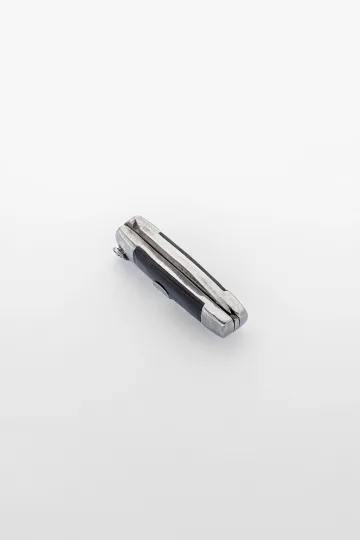
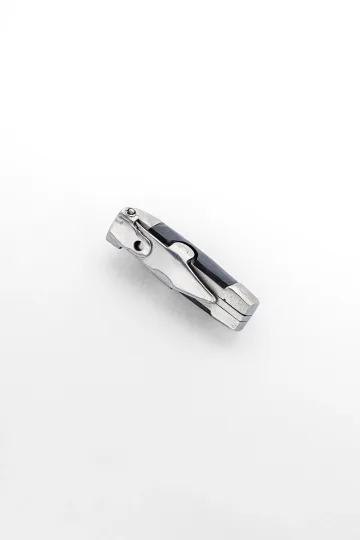
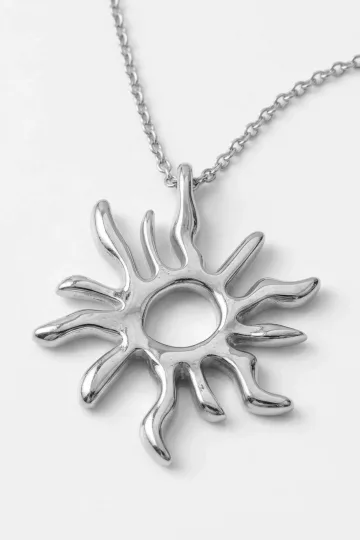
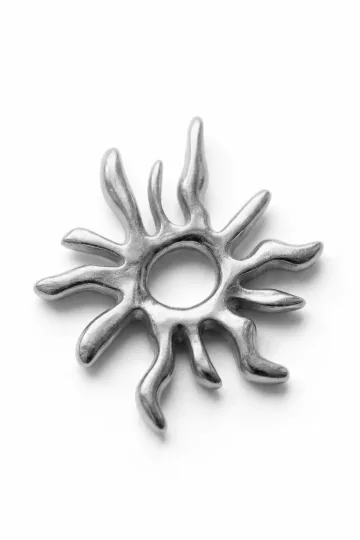
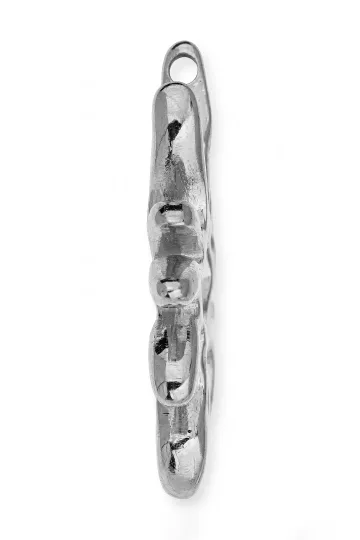
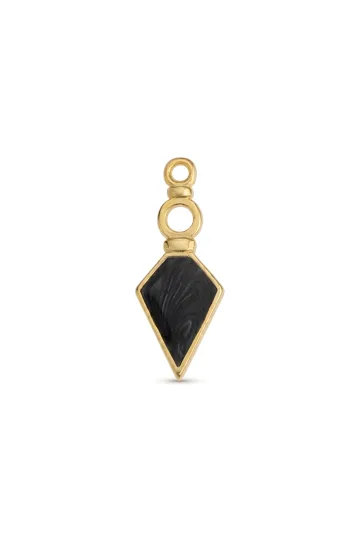
Wear the symbol, don't just read about it. These are in stock:



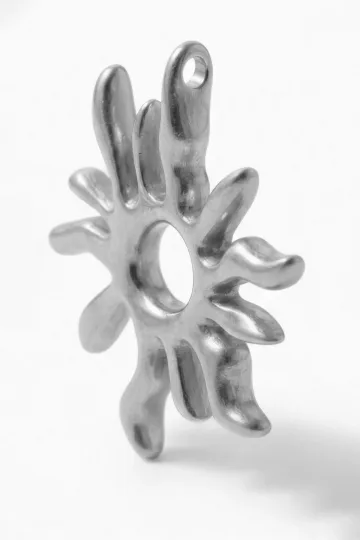
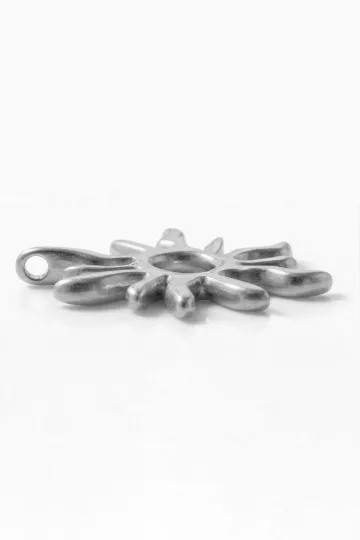
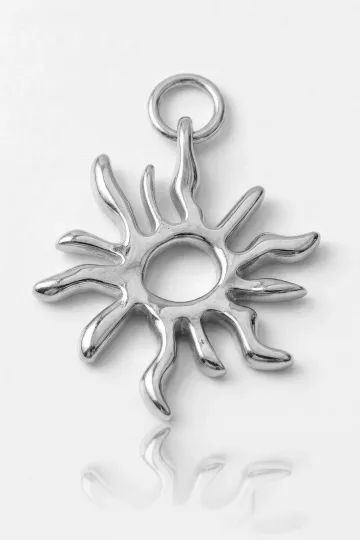
Stainless steel 316L
What it is
An alloy of iron with chromium (16 to 18%), nickel (10 to 14%), and molybdenum (2 to 3%). The letter L stands for "low carbon," which makes the alloy more resistant to corrosion. The number 316 is a standardised steel grade recognised worldwide.
This is the same alloy used for surgical scalpels, dental implants, Swiss luxury watch cases (some Swiss watchmakers use 904L, a related grade), and food-processing equipment. If a material is good enough to sit inside your body, it is good enough to hang around your neck.
Pros
Does not tarnish. At all. The chromium in the alloy forms an invisible oxide film on the surface that protects against oxidation. This film self-repairs: if you scratch it, the film heals within hours. A stainless steel pendant 10 years later looks the same as the day you bought it.
Does not cause allergies. 316L is hypoallergenic. The nickel in the alloy is bound to chromium and does not leach out on contact with skin. If you have a costume jewellery allergy (nickel), stainless steel 316L is safe. This is why it is used for implants.
Does not fear water. Shower, pool, sea, sweat: it survives everything. Molybdenum protects against chlorides (salt, pool chlorine). You can leave it on for months.
Strong. Vickers hardness around 200 HV. For comparison: silver 925 is around 75 HV, brass around 100 HV. Stainless steel is three times harder to scratch than silver. A pendant with fine detail (navajas, compass) retains its design for years.
Cheaper than silver. With comparable (and often superior) quality.
Cons
Cool tone. Stainless steel is silvery-grey with a cool, steely sheen. If you want a warm gold tone, plain stainless steel will not deliver. There are PVD-coated options in gold, but that is a coating, not the metal's natural colour.
Weight. Steel is denser than you might expect. A large pendant in steel feels noticeably heavy. For some this is a plus (weight equals quality feel), for others a minus (neck fatigue).
"Not jewellery" stereotype. People are used to thinking that "real" jewellery means silver or gold. Stainless steel is associated with watches, knives, medicine. This stereotype is changing, but slowly.
Harder to work. Steel is tougher to cast and polish than silver or brass. Fine detail costs more to produce. But for the buyer this does not matter: the final price is still lower than silver.
Who steel is for
Athletes. People with allergies. Those who do not want to think about care. Those who wear a piece without ever removing it. Minimalists who value function over material status. Men (cool tone plus weight plus durability equals a masculine aesthetic). For how to build a look around that cool tone, see the guide to styling stainless steel jewellery.
Steel for black, brass for a tan. Pile on a third metal and you jingle like a janitor. Two tones, and don't argue.
How to wear the three metals
The tone of the metal sets the mood of the whole look, so I pick it both for the symbol on the pendant and for whatever sits next to it. Here is what actually works, case by case.
Where does cool steel belong? I suggest a silvery steel tone with a cool wardrobe palette: grey, charcoal, white, blue, black. It settles easily on cool-undertoned skin. For the office I recommend a steel pendant under a shirt or a jumper, restrained, with no loud shine. On sport days and busy days it is the one metal you never have to think about.
And what does warm brass get along with? I choose golden brass for warm fabrics and colours: beige, terracotta, olive, cream, deep green, anything linen or wool. It comes alive on tanned skin and in warm light, so for a date or an evening I go straight to it: by candlelight it reads like real gold. For a deep neckline I pick a mid-length pendant that lands on the sternum.
Where is silver 925 at home? I recommend silver as the versatile compromise: a touch warmer than steel, quieter than gold. It suits the office, the special occasion and the gift box alike. It sits well on classics: a blazer, a silk blouse, a simple black dress.
How do you layer without overdoing it? If you want layers, I keep it to two tones at most: a short steel chain plus a longer brass one in gold makes a deliberate two-tone look, while three tones turn into noise. I set the length by the neckline: a high collar likes a long pendant, an open neck wants a short one at the collarbone.
And if the pendant is heavy? I hang a heavy pendant on a chain no thinner than itself, or the proportion falls apart. A thin chain under a chunky pendant looks accidental, while a solid snake chain holds both the weight and the line. One rule that never lets me down: a single expressive pendant on a clean chain always beats five squeezed together.

Turn on your camera, pick earrings, a pendant or a ring, and see the piece on yourself in real time.
Switch items in one tap.
Everything runs in your browser: no photo or video is ever uploaded.
Brass with coating
What it is
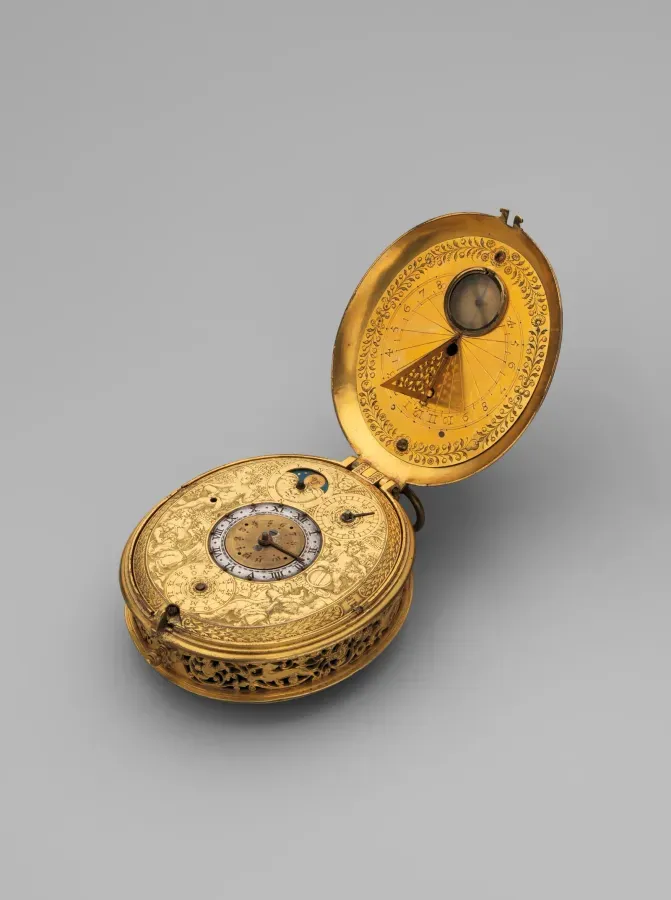
An alloy of copper (60 to 70%) and zinc (30 to 40%). One of the oldest alloys: brass artefacts are found in archaeological layers 3,000 years before our era. The door handles at Versailles are brass. Bullet casings are brass. Brass instruments (trumpet, trombone) are brass. Navigational instruments on 18th-century ships are brass.
In jewellery, brass is used with a coating: PVD (vacuum deposition) or electroplating (electrochemical deposition). The coating protects against oxidation and gives the desired tone, whether gold, rose, or black.
Pros
Warm tone. Natural brass is golden. Without coating it looks like old gold. With coating it looks like new gold. For pendants that should "glow" with warmth (sacred heart, nazar, hamsa), brass delivers that Mediterranean golden tone.
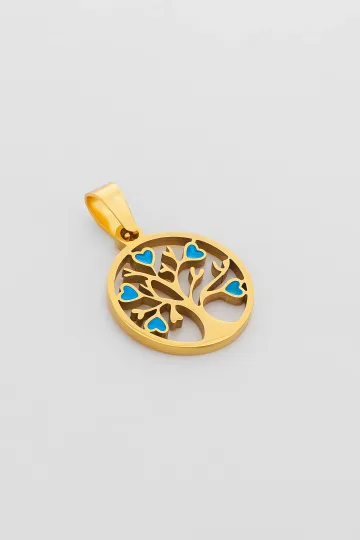
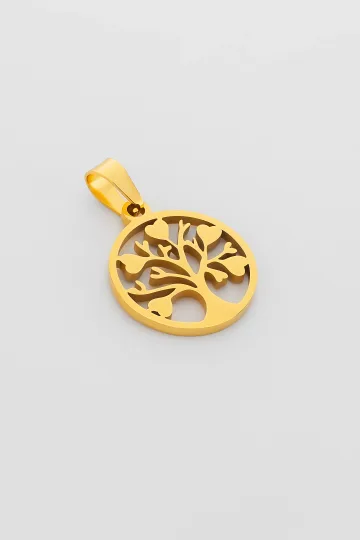
Excellent workability. Brass casts, cuts, polishes, and engraves easily. Fine detail on brass looks sharper than on steel. Bolsters on a jerezana, engraving on the tree of life: brass captures every line.
Light. Density around 8.5 g per cubic centimetre, similar to steel, but brass pendants are often made thinner (the material allows it). Result: a brass pendant is lighter than the same design in steel.
Patina. Brass darkens over time. For some, this is a minus (see below). For connoisseurs, it is a plus. Patina on brass looks like an antique navigational instrument: distinguished, with history. A new pendant gleams. A pendant with a year of patina tells a story.
Price. Lower than silver, comparable to stainless steel.
Cons
Oxidises. Copper in the alloy reacts with air, sweat, water. Without coating, brass darkens within weeks. With coating, within months or years depending on conditions. Shower and pool accelerate the process.
Green mark. Copper plus acidic sweat equals copper oxide (green). On the neck, on the finger, on the wrist. Harmless but unattractive. The coating protects as long as it is intact. When the coating wears through, the mark appears.
Coating wears off. PVD lasts 2 to 5 years with careful handling. Electroplating lasts 1 to 3 years. With daily contact with water and chemicals, faster. The coating can be reapplied, but that is an extra step.
Allergies. Copper can cause dermatitis in 1 to 3% of people. Not an allergy to brass itself, but a reaction to copper on direct skin contact (when the coating has worn through). If you have sensitive skin, choose stainless steel.
Who brass is for
People who value a warm golden tone. Patina enthusiasts who like "living" metal. Those who are willing to do minimal care (wipe after wearing). Women (warm tone plus lightness plus detail). Collectors who want a piece that "ages beautifully."
Upload a photo of your pet, someone you love, or an object. We'll build a 3D model and hand-cast it in pewter.




Sterling silver 925
What it is
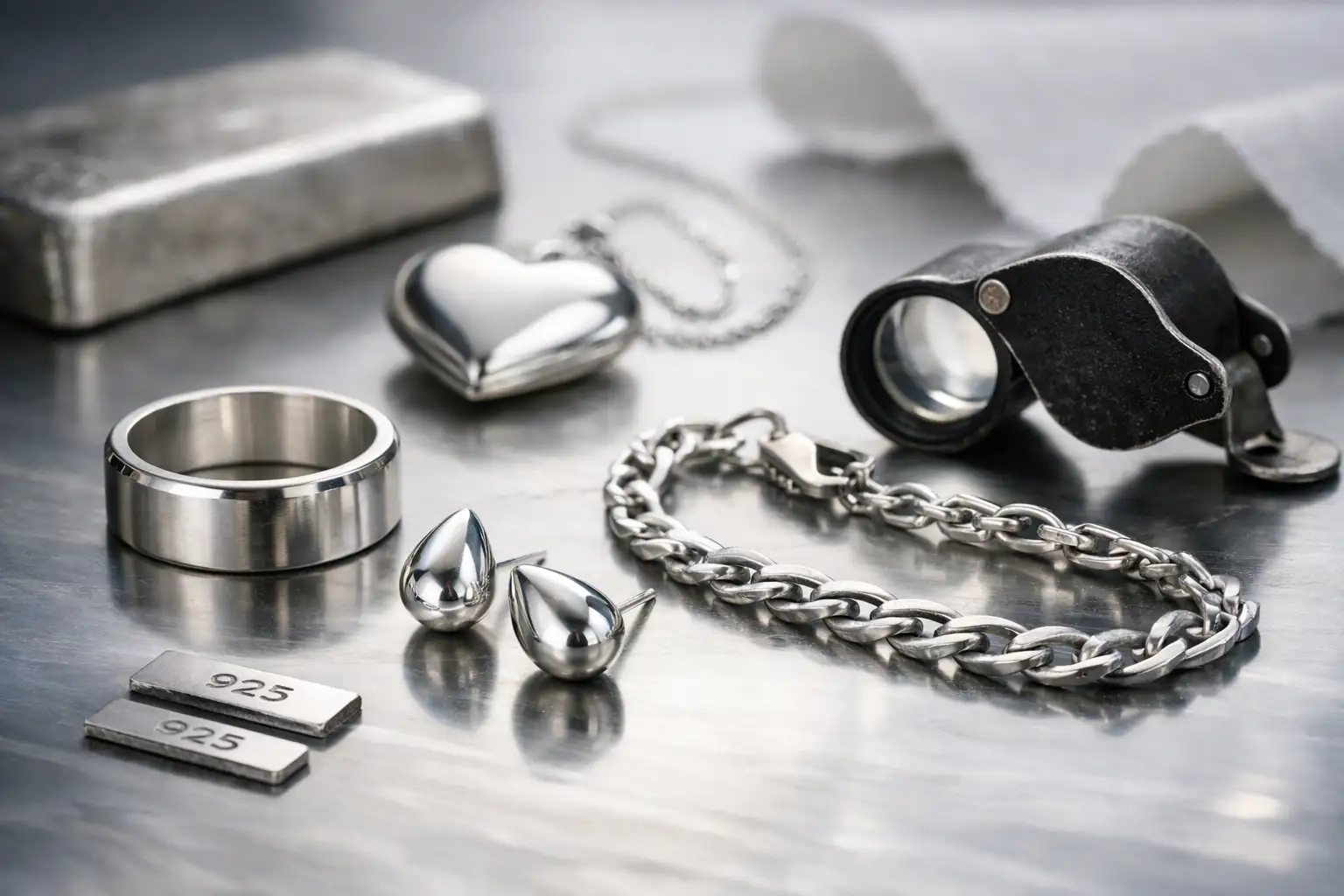
92.5% pure silver plus 7.5% copper (or another alloy for strength). Pure silver (999) is too soft for jewellery: it bends, scratches, deforms. Copper adds rigidity. 925 is the global standard for jewellery silver.
Pros
Status. Silver is a "real" jewellery metal in most people's perception. "A silver pendant" sounds more substantial than "a steel pendant." This is not a rational argument, but it works, especially for gifts.
Warm silvery tone. Silver is warmer than stainless steel. Steel is grey-silver. Silver is white-silver with a gentle warmth. The difference is visible in direct comparison, especially under artificial light.
Tradition. 5,000 years of jewellery history. Egyptian pharaohs. Roman senators. Medieval kings. Silver carries cultural weight that steel does not.
Softness equals detail. Silver is easier to work than steel. Engraving is finer, casting is more precise. For complex forms (Tarot cards with detailed artwork, scarab with wing texture) silver gives a superior result.
Cons
Tarnishes. Silver reacts with sulphur in the air. After 2 to 4 weeks without care, a yellowish tint appears. After 2 to 3 months, dark grey. Rhodium plating slows but does not eliminate this. Regular cleaning is needed.
Soft. 75 HV on the Vickers scale: three times softer than steel. It scratches from everything: keys in a pocket, other jewellery, a bag clasp. A pendant with fine engraving loses sharpness after a year of intense wear.
More expensive. Silver is an exchange-traded metal, with prices that fluctuate based on the market. A silver pendant costs 2 to 4 times more than the same design in steel or brass.
Blackens from water. Shower, pool, hot springs: silver darkens faster than usual. Forgot to remove it before the pool? Black pendant by evening.
Allergy (rare). 7.5% copper in the alloy. People with strong copper allergy may react. Rhodium-plated silver solves the problem since rhodium creates a barrier.
Who silver is for
Those who value material status. Those giving gifts (silver in a gift box sounds and feels like a "real" present). Collectors of "genuine" jewellery metal. Those prepared to maintain it (polishing, storage). Women who prefer the classic.
Customer reviews
Zevira is a real jewellery shop. Genuine payments, deliveries and customer thank-yous.
🥰🥰🥰 gracias

Ok, ¡gracias! 🙂

Honest comparison
| Parameter | Stainless Steel 316L | Brass with coating | Silver 925 |
|---|---|---|---|
| Tone | Cool silver | Warm gold | Warm silver |
| Tarnishes | No | Yes (coating wears) | Yes (blackens from sulphur) |
| Water resistance | Full | Limited | Limited |
| Allergenicity | Hypoallergenic | 1-3% copper reaction | Rare (copper in alloy) |
| Weight | Medium-heavy | Light | Medium |
| Scratches | Resistant | Moderate | Scratches easily |
| Detail | Good | Excellent | Excellent |
| Care | Minimal | Regular | Regular |
| Patina | None | Yes (distinguished) | Yes (dark) |
| Price | $ | $ | $$-$$$ |
| Status | "Technical" | "Warm" | "Jewellery" |
| Lifespan | 10+ years no care | 2-5 years coating | 10+ years with care |




What to choose: three scenarios
"I want to put it on and forget about it"
Stainless steel. Does not tarnish, does not scratch, does not cause allergies. Put it on and wear it for years. For athletes, for daily wear without care rituals, for people with allergies.
"I want a warm golden tone"
Brass with coating. The only way to get a gold colour without the gold price. Be prepared to wipe after wearing and avoid water. Like leather boots: beautiful, but requires minimal attention.
"I need to give a gift and make an impression"
Silver 925. "A silver pendant" in a gift box sounds and feels like a "real" gift. Material status works for impression. Warn the recipient about care.
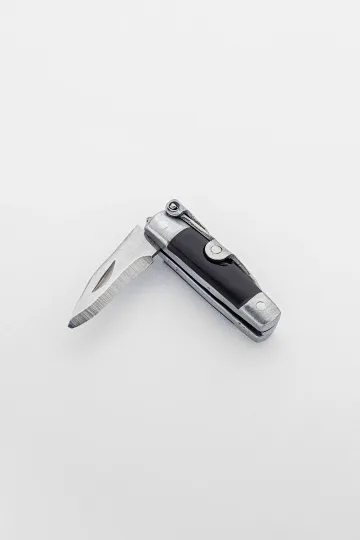
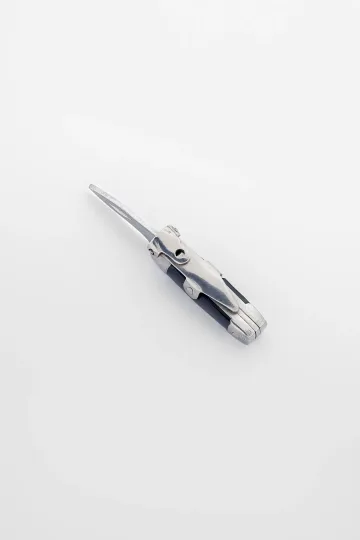
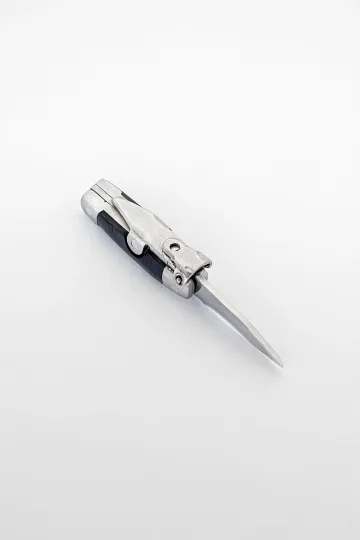
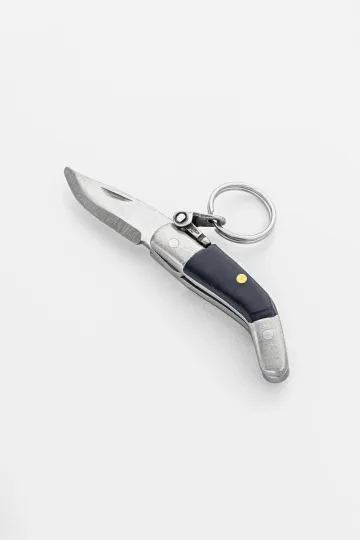
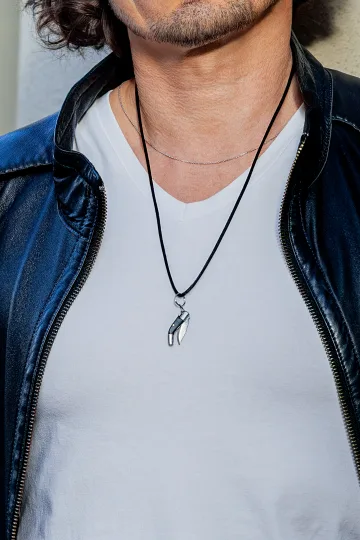
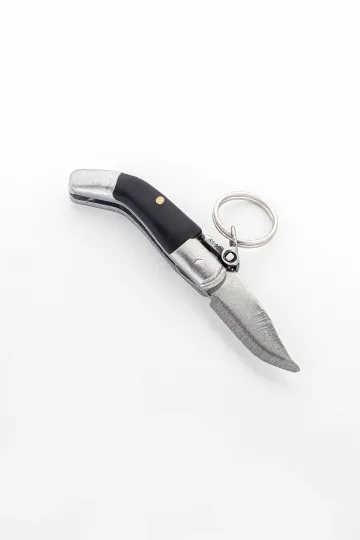
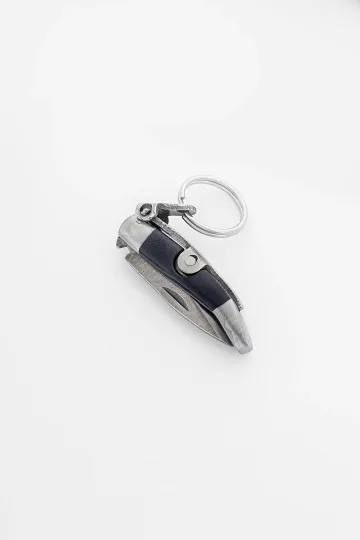
CAPAORA mini knife pendant
The 18th-century Spanish navaja in miniature: 40 mm of stainless steel, a real folding mechanism and a Palanquilla lock that clicks. An affordable gift to remember.
Authentic · Ships from Spain · 14-day returns
How coatings work: PVD vs electroplating
When you buy a gold-coloured pendant that is not made of gold, it is coated. But not all coatings are the same.
PVD (Physical Vapor Deposition) is a vacuum process. The piece is placed in a chamber, the coating material (titanium nitride for gold, zirconium nitride for black) is vaporised and deposits as a thin but extremely hard layer on the surface. PVD layers are typically 0.5 to 5 micrometres thick and measure 1,500 to 2,500 HV on the Vickers scale. For comparison: the base metal has 100 to 200 HV. The coating is harder than what it covers.
PVD lasts 3 to 5 years with careful handling. With daily water and chemical contact, 1 to 3 years. The colour does not peel like electroplating. It wears evenly, like the patina on a leather belt: slowly, across the entire surface.
Electroplating is older and cheaper. The piece is dipped in an electrolyte bath, and through electric current a metal layer deposits on the surface. Gold electroplating deposits a real gold layer, but extremely thin: 0.5 to 3 micrometres. That is less than one percent of the thickness of a human hair.
Electroplating lasts 6 months to 2 years, depending on thickness and handling. It peels more easily than PVD and shows wear first at corners and edges where friction is strongest. If you see a gold-coloured ring with silver edges, that is worn-off electroplating.
For the buyer this means: PVD is better but more expensive. Electroplating is cheaper but shorter-lived. Neither is gold, and neither pretends to be, as long as it is correctly declared.
Stainless steel in daily life: how it actually wears
A stainless steel pendant feels slightly cold on the skin on the first day. That changes after a few minutes as the metal absorbs body heat. After a week, most wearers stop noticing the weight. It becomes part of the body.
The chain is a different matter. Stainless steel chains are strong but stiffer than silver chains. A snake chain in steel lies flatter against the neck because steel is less flexible. Anchor chains in steel are practically indestructible but also clink more audibly. In a quiet office, you can hear the soft clink of the steel elements. Some find that distracting. Others like the sound.
For sport, stainless steel is ideal. No thought about taking it off, no sweat damage, no scratches from weights. A stainless steel ring can go to the gym, into the shower afterwards, to work, and out to a bar in the evening, without ever leaving the finger. Try that with silver and after a month you have a dull, scratched ring.
But stainless steel has no "soul." That is not a technical point but an emotional one. Silver ages, changes, tells of the time you have worn it. Steel looks the same after ten years as it did on day one. That is an advantage and simultaneously a loss. Some people want their jewellery to tell a story. Steel does not tell stories. It just works.
Six fast checks, no tools. Leave your email, we'll send the PDF and a discount code.
No spam, unsubscribe anytime.
Brass in daily life: how it actually wears
A new brass pendant with gold coating looks like real gold on the first day. Genuinely. If you lay it next to a piece of 14K gold, most people have to look twice. After a week of daily wear, the first difference appears: the coating shows minimal wear where the chain rubs. After a month, a darker tone develops at the chain-pendant connection. After six months, the difference between worn and protected areas is visible.
That is not a defect. That is brass working. Nautical brass instruments in maritime museums show the same effect, just over decades instead of months. And there they do not call it "wear." They call it "character."
The skin discolouration is the topic that irritates most. Not everyone gets green marks. It depends on the acidity of sweat, which varies person to person and even with diet. Acidic sweat (more exercise, more coffee, certain medications) reacts more strongly with copper. Some people wear brass for years without a single green mark. Others get it after three hours. There is no way to predict without trying.
The fix when it happens: clear nail polish on the contact points of the pendant. Sounds inelegant, but works. Or a drop of olive oil on the skin under the pendant. Or simply accept it and wipe in the evening.
Silver in daily life: how it actually wears
Freshly polished silver has a glow that no other affordable metal matches. It is warmer than steel, brighter than brass, and has a reflection that seems almost liquid. For the first two weeks, a silver pendant looks fantastic.
Then the tarnishing begins. Barely visible at first, a slight yellow tint. Then darker. After three months in a drawer without care, the silver is dark grey to black. This is not a defect or quality issue. It is a chemical reaction with sulphur in the air, and it happens to every silver in the world, from heritage luxury jewellers to the flea market.
Rhodium-plated silver holds up longer because a thin rhodium layer seals the silver surface. But rhodium wears off too, just like PVD on brass. After one to two years, re-rhodiuming is needed.
The weight of silver sits between brass and steel. A silver pendant feels "right," not too light, not too heavy. This weight sensation is one of the reasons silver is perceived as "real" jewellery metal. It has substance without being crushing.
Silver gets soft. A ring of silver you wear every day has visible scratches after a year. The edges become rounder, the engravings flatter. Some silver lovers appreciate this. They say: "Worn silver tells a story." Others find it annoying and polish regularly.
The history of the three metals: why we wear them
Silver has been used as a jewellery metal for at least 5,000 years. The oldest silver objects come from Anatolia. Egyptian pharaohs wore silver, and in some periods silver was more valuable than gold in Egypt because it was rarer. In the Roman Empire, silver was processed in enormous quantities for coins, tableware, and jewellery.
Brass is similarly old. Bronze Age alloys contained zinc as a natural admixture before humans learned to add zinc deliberately. The Romans produced brass (aurichalcum) from the 1st century BCE and used it for coins and equipment. In the Middle Ages, brass was processed in large quantities across Europe. The tradition of brass working goes back to the 15th century in many regions.
Stainless steel is the youngest of the three. The first stainless steel alloy was developed in 1913 by Harry Brearley in Sheffield. 316L, the surgical variant, came in the 1930s. As a jewellery material, stainless steel has only been widespread since the 1980s, driven by the watch industry. Swiss luxury watchmakers made stainless steel "socially acceptable" by showing that a steel case can be just as prestigious as gold, if the brand and quality are right.
The hierarchy "gold equals expensive equals good, silver equals medium, everything else equals cheap" is a construct that reflects neither the technical properties nor the historical significance of these materials. Each metal has its own history, its own strengths, and its own character. The question is not "What is the best?" The question is "What suits me?"
Buying it as a gift? Each one arrives ready to give.
 A branded Zevira box and a little card come with every order.









Myths and misconceptions about jewellery metals
"Steel is cheap." Steel is affordable. That is not the same thing. A surgical scalpel made of 316L is not "cheap." A Swiss luxury steel watch is not "cheap." Steel is chosen for function, not for status. That is a difference.
"Brass turns green, so it is bad." Copper oxidises. That is physics, not a quality defect. The door handles of Buckingham Palace are green. The Statue of Liberty is green. Nobody calls the Statue of Liberty "cheap."
"Silver is better than steel." In what respect? Silver has more status, more tradition, and a warmer tone. Steel has more hardness, more water resistance, and no maintenance. "Better" depends on what you need, not on an objective hierarchy.
"Gold coating is a scam." Only if it is sold as "gold." A gold-coloured pendant made of coated brass, declared as such, is not a scam. It is a design object in a gold tone. The iPhone also is not made of gold, even though "Gold" exists as a colour option. Nobody feels cheated.
Send a friend a discount code, they save on their first order.
Cleaning and care: specific instructions
Cleaning stainless steel
Warm water, mild soap, toothbrush. That is everything. No special products needed. For stubborn dirt in chain links: an ultrasonic cleaner (available from around twenty euros for home use). Steel can handle every cleaning method except abrasives (which create scratches). Polishing with a microfibre cloth restores shine.
Frequency: with daily wear, wipe once a week, clean with toothbrush once a month. With occasional wear: as needed.
Cleaning coated brass
More carefully. No abrasives, no aggressive chemicals, no ultrasonic (damages the coating). A soft, slightly damp cloth after wearing is sufficient. When visible patina appears under the coating: professional re-coating or manual restoration with a brass polish cloth.
If the coating is completely worn and you want to wear the pendant in natural brass: lemon juice or baking soda removes oxidation. Then dry and rub with a drop of olive oil, which slows re-tarnishing. Some wearers prefer the bare brass look. Patinated brass has a warmth that coated brass does not.
Cleaning silver
The aluminium foil-baking soda method is the most effective for heavily tarnished silver. Aluminium foil in a bowl, silver on top, baking soda over it, boiling water poured on. In five minutes the sulphide layer migrates from the silver to the foil. Electrochemistry, no scrubbing.
For light tarnishing, a silver polishing cloth suffices. Two to three minutes of polishing and the silver shines like new.
Silver dip solutions work fast but are aggressive. They also remove intentional oxidation (on blackened silver) and can damage stones. Only use for silver without stones.
Storage: in a pouch with anti-tarnish strips. These strips absorb sulphur from the air and significantly slow tarnishing. Do not leave silver sitting open on the nightstand, especially not near the bathroom (humidity plus sulphur equals rapid tarnishing).
Storage for all three
Separately. Not in a pile. Steel scratches brass. Brass scratches silver. Silver scratches silver. Store each piece individually: pouch, compartment, hook. The five seconds it takes to put the pendant in its pouch saves hours of polishing work.
Mixing metals: can you wear different metals together
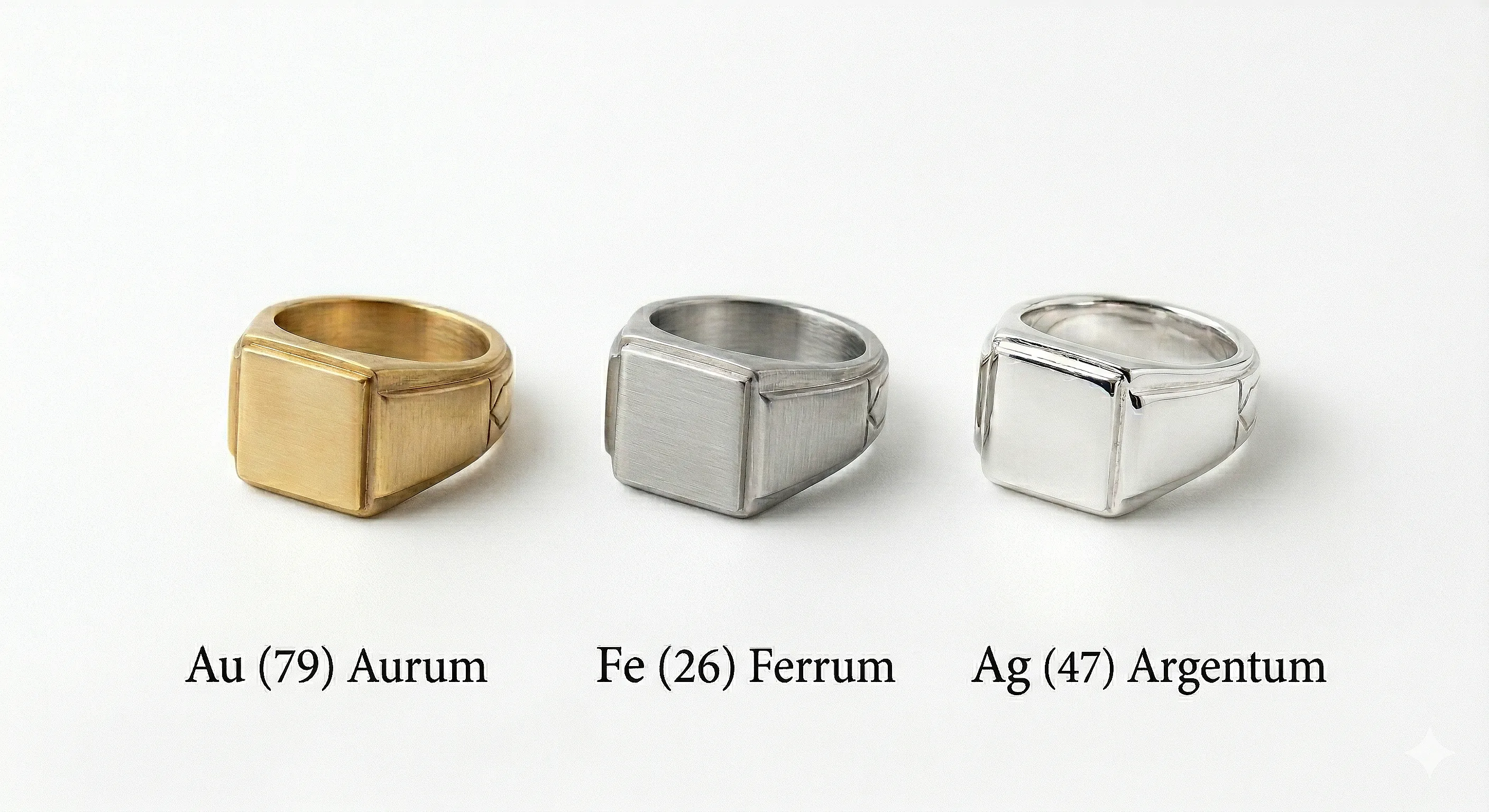
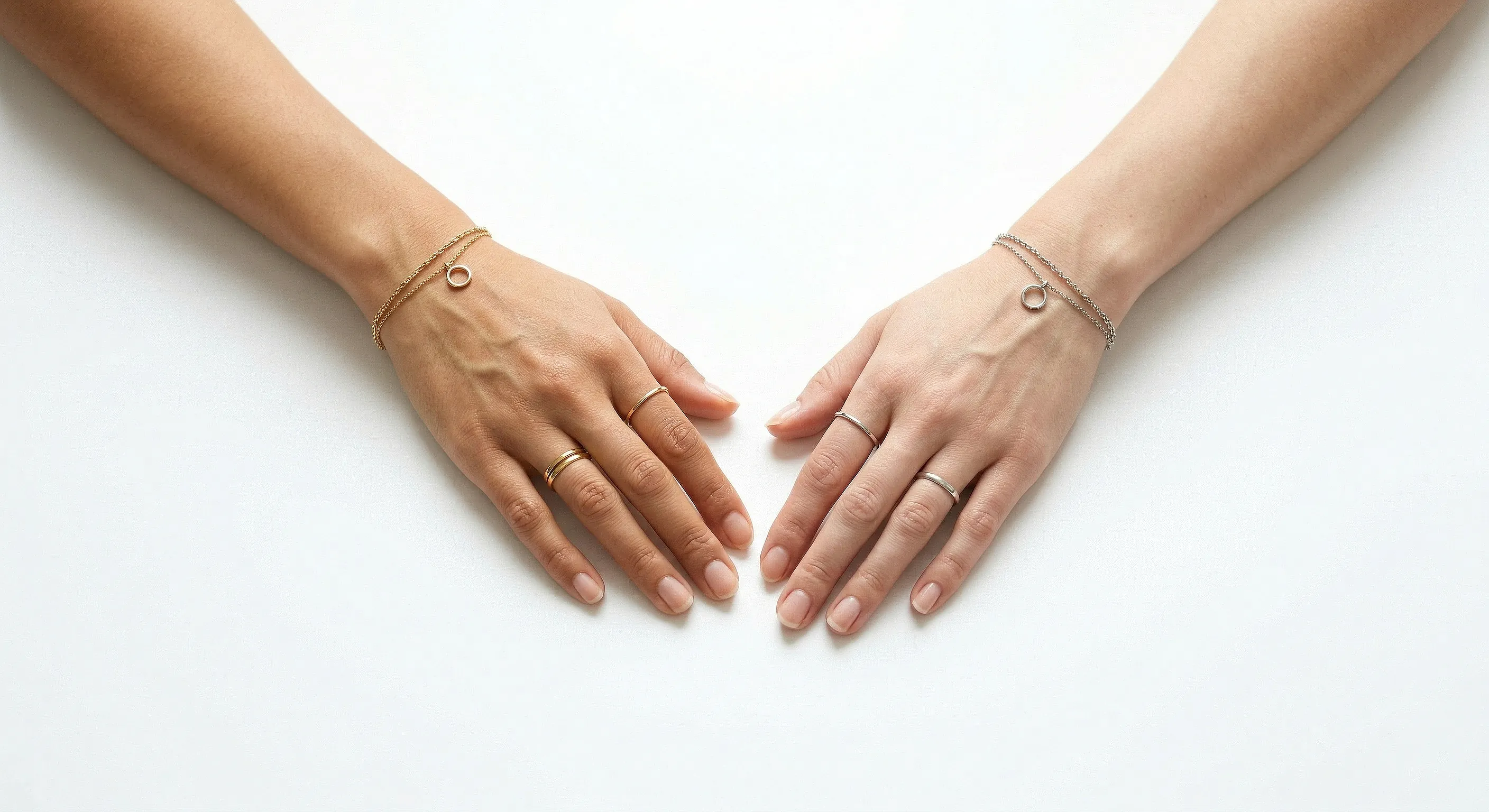
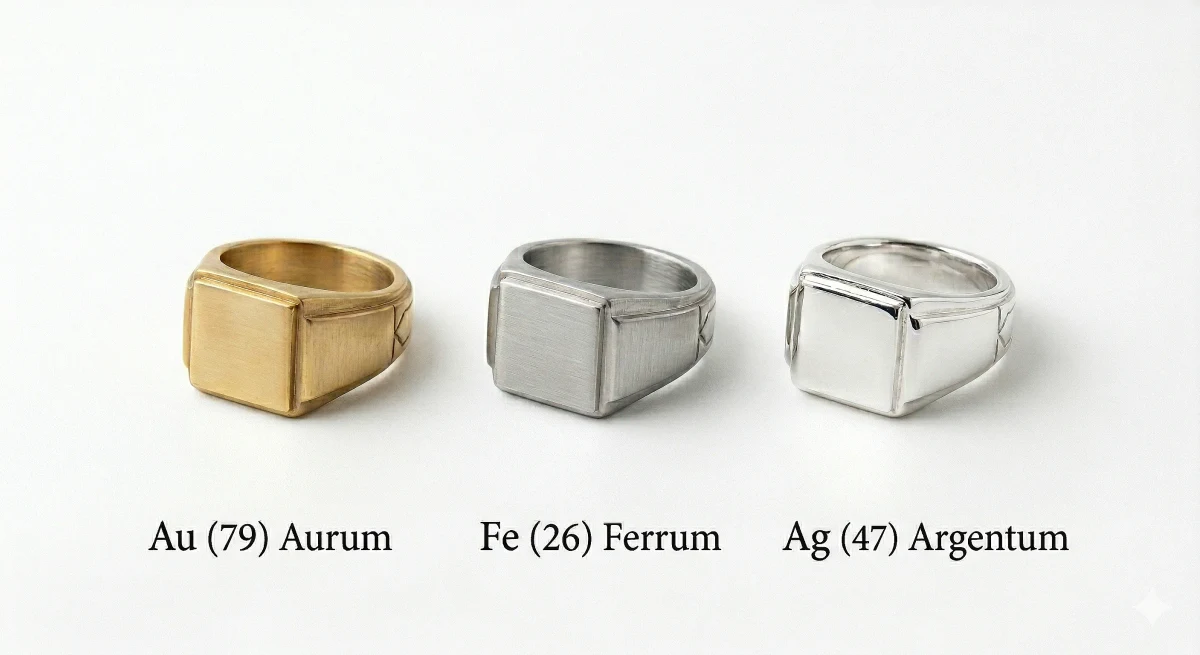
Yes. Mixing metals is not a mistake but a stylistic choice. A silver-toned steel chain plus a gold-toned brass pendant equals contrast that works. A silver ring plus a steel bracelet equals perfectly fine.
One rule: no more than two tones at once. Silver plus gold equals contrast. Silver plus gold plus rose equals chaos.
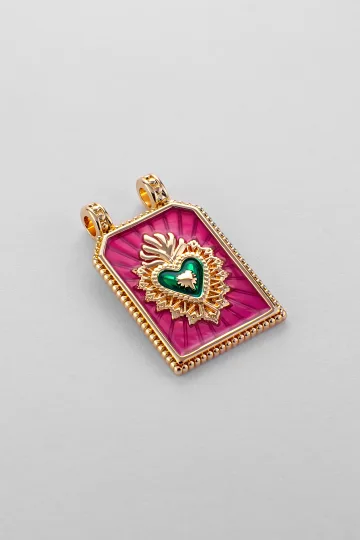
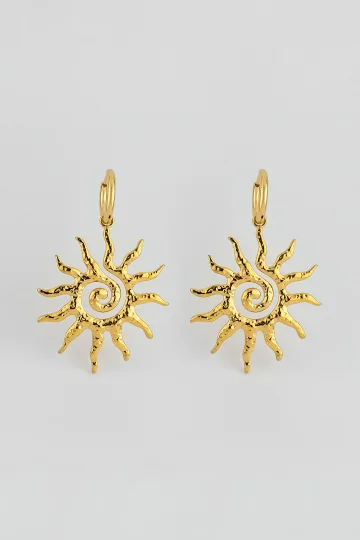
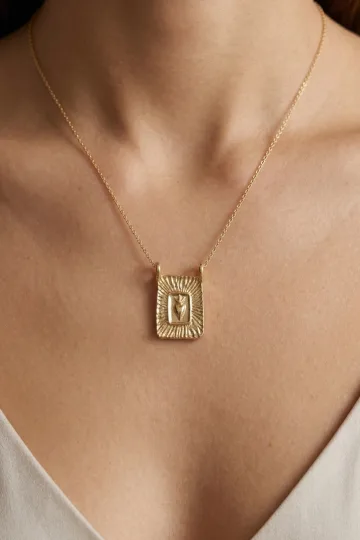
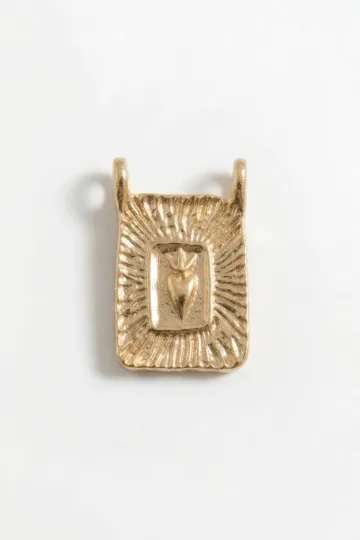
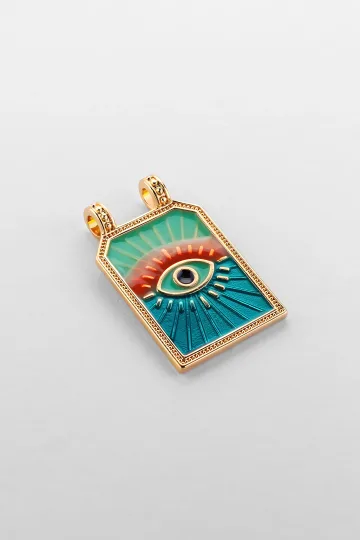
Wear the symbol, don't just read about it. These are in stock:

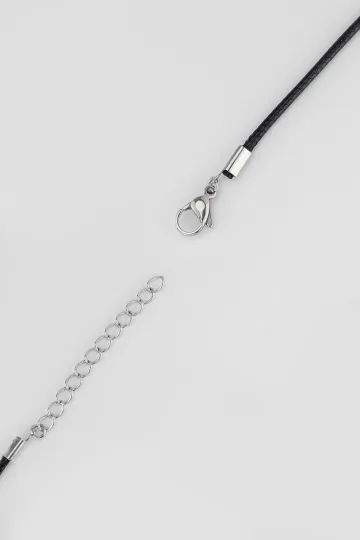
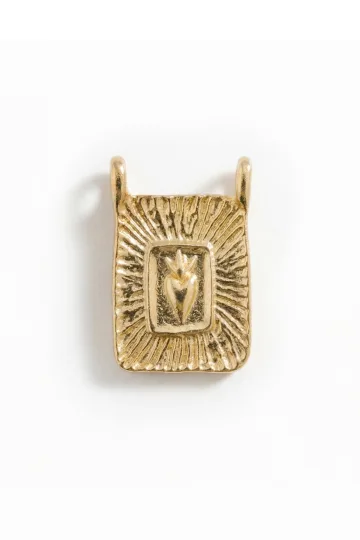
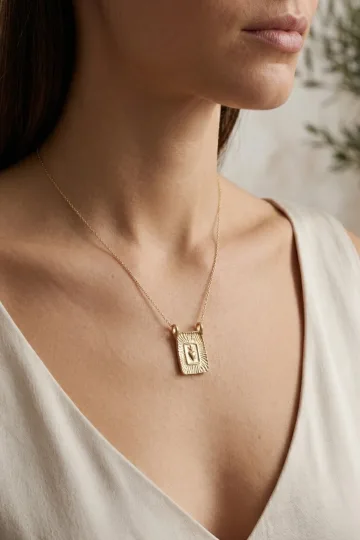
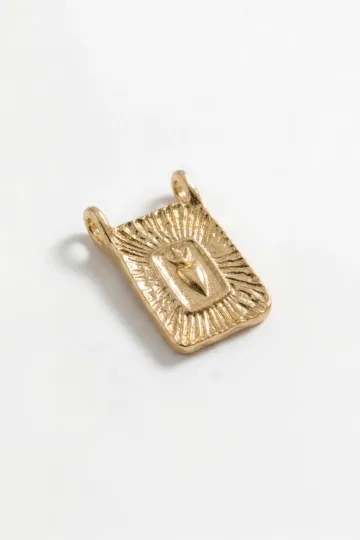
Zevira materials: what is made from what
Zevira products are made from stainless steel and coated brass. Not from silver, not from gold. This is a deliberate choice:
Stainless steel delivers strength, water resistance, and hypoallergenicity. Brass delivers warm tone and precise detail. PVD coating protects the brass and adds tonal variety.
We do not call our products "gold" or "silver." They are not gold and they are not silver. They are steel and brass. And there is nothing to be embarrassed about. A surgical scalpel is not made of silver either. And nobody complains.
The cost of our products is around the same as a pair of good trainers. They last for years. They do not tarnish (steel) or they age beautifully (brass). This is not cheap costume jewellery. This is a deliberate choice of material for the job.
Silver and gold jewellery, wedding bands, symbolic pendants, paired sets.
Wear the symbol, don't just read about it. These are in stock:







FAQ
Is stainless steel costume jewellery? No. Costume jewellery is a cheap nickel alloy that turns green within a week. Stainless steel 316L is a surgical/jewellery-grade alloy used in implants and Swiss luxury watch cases. Different things entirely.
Will brass turn green? Without coating, yes, over time. With coating (PVD/electroplating), no, as long as the coating is intact (2 to 5 years). If the coating has worn, it can be re-coated.
Is silver 925 real silver? Yes. 92.5% pure silver. The other 7.5% is copper for strength. This is the global standard for jewellery silver.
Which is stronger: steel or silver? Steel. Three times harder (200 HV versus 75 HV). Silver scratches from everything. Steel scratches only from deliberate effort.
Which metal does not cause allergies? Stainless steel 316L is the safest of the accessible options. Titanium is absolutely inert, but more expensive. Rhodium-plated silver is also safe.
Can I wear brass and steel on the same neck? Yes. A gold-toned pendant on a silver-toned chain is an acceptable contrast. Two tones maximum.
Why does Zevira not make products from silver? Because for the tasks our products solve (daily wear, strength, water resistance), stainless steel and brass perform better than silver. Silver is beautiful, but soft, tarnishes, and fears water. This is a question of engineering, not budget.
How long does PVD coating last? With careful handling, 3 to 5 years. With daily water contact, 1 to 3 years. PVD wears evenly, it does not peel. When the coating is worn, it can be renewed.
Can I be allergic to stainless steel? Very unlikely. 316L is hypoallergenic and used for implants that stay in the body for years. In extremely rare cases (under 0.1%) nickel sensitivity can still occur. If you react to fashion jewellery but tolerate 316L, that is the normal case.
How do I know if my jewellery is real 316L? Simple test: a magnet. 316L is only weakly magnetic to non-magnetic. Normal steel is attracted by a magnet. Not a perfect test (some 316L batches have slight magnetism), but a good first indicator. Better: look at the manufacturer's material declaration. Reputable makers declare the steel grade.