Can You Shower or Swim With Jewellery? A Complete Guide by Material
The question everyone asks but feels awkward about
You bought a pendant. You have been wearing it for a week without taking it off. It became part of your body, like a watch or a ring. And now you are standing in front of the shower thinking: do I take it off or not?
Every second jewellery buyer asks this question. In comments, in support chats, in Google. "Can I shower with my necklace?" is one of the most common queries in the jewellery niche. And the answer is not "yes" or "no." The answer is "it depends on the material, the water, and how attached you are to this piece."
This guide breaks down every scenario: shower, pool, sea, hot springs, sauna. By material. Without marketing fluff like "our jewellery can be worn anywhere!" Honestly.
Wear the symbol, don't just read about it. These are in stock:




Shower: a daily endurance test
The shower seems harmless. Warm water, a bit of soap. But for jewellery, the shower is a chemical attack that repeats every single day.
What happens in the shower
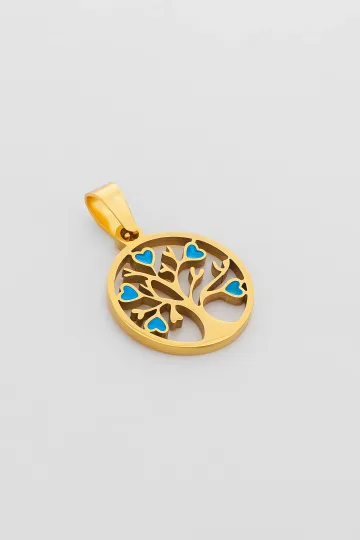
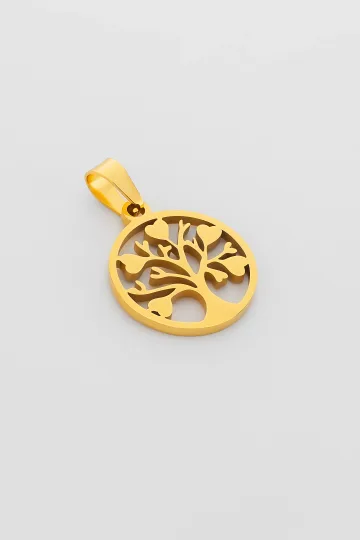
Soap and shower gel. They leave a film on metal. With every shower the layer builds up. After a month, a shiny pendant turns cloudy. This is not oxidation. It is literally a layer of soap that packs into texture, into chain links, into engravings. On smooth surfaces (snake chain, polished pendant) it washes off more easily. On textured pieces (navajas with bolsters, tree of life with fine detail) it fills every crevice.
Shampoo and conditioner. Worse than soap. They contain silicones, oils, sulphates. Silicones from conditioner create an invisible film that dulls metal. Sulphates from shampoo are more aggressive than soap. If shampoo runs down your neck onto the chain (and it does), the chain gets a dose of chemistry every day.
Hot water. It expands the pores of the metal (yes, metal has pores at the micro level). Soap and shampoo get into the expanded pores, and when the metal cools the pores contract and "trap" the chemicals inside. This accelerates dulling.
Bottom line. One shower will not do anything. A month of daily showers without removing the piece means dulling, soap film, loss of shine. A year means visible degradation of coating on brass.
Shower by material
Stainless steel 316L. Safe. This is a surgical alloy that sits inside the human body for years. The shower is not a threat. Soap washes off, steel does not dull. The only nuance: soap film on textured surfaces. Once a week, scrub with a toothbrush.
Brass with coating (PVD/electroplating). Not recommended. The coating protects brass from oxidation. Daily contact with soap and hot water wears the coating faster. Instead of 2 to 3 years the coating lasts about a year. If you forgot to remove it once, that is fine. Every day means you are shortening its life.
Sterling silver 925. Not recommended. Silver tarnishes from contact with sulphur. Sulphur is found in tap water (varies by region), in soap, in the bathroom air. Silver in the shower darkens faster than silver in a jewellery box. Rhodium-plated silver holds up better, but rhodium wears off too.
Gold plating. No. A thin layer of gold (0.5 to 3 microns, or about 0.00002 to 0.0001 inches) is worn away by friction plus chemistry. Shower every day and the plating peels within 2 to 3 months. This is not a defect. It is physics: thin coating plus daily abrasion equals wear.
Leather cord. Absolutely not. Leather absorbs water, swells, then dries and cracks. Soap works into leather pores and does not wash out. After 5 to 10 showers the cord starts to smell. After 20 it cracks.
Rubber cord. Safe. Silicone rubber does not react to water, soap, or shampoo. It was made for this.
Never take gold plating into the sea. The salt eats it in a week, and takes your taste with it.
How a stylist wears jewellery around water
After years shooting on beaches and by pools, I learned one thing: water rewards the smartest piece, not the priciest. Here is what actually works when a shower, the sea or the gym is ahead.
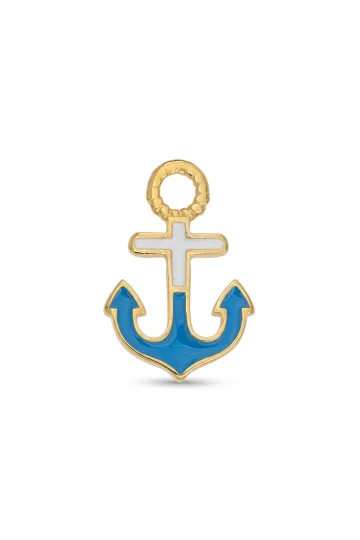
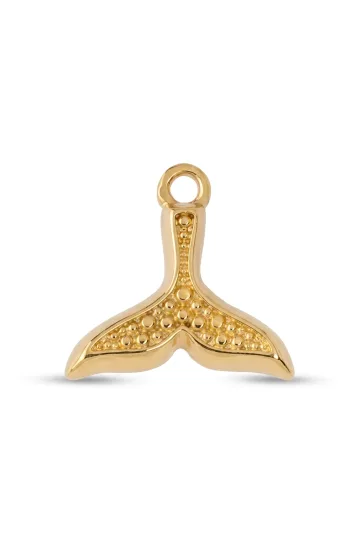
What do I wear to the beach and never take off? I recommend stainless steel on a rubber cord. Nautical symbols fit the setting: an anchor, a compass, a whale tail. Rinse it in fresh water in the evening, wipe it, and the pendant looks new. Light linen, swimwear, tanned skin: steel reads clean and does not fight a summer top.
And if I want silver or gold near water? Then I suggest discipline: take it off before the shower, the pool and the sea, and save it for the evening. I like silver on smooth fabric in a rich colour, and gold on bare skin at the collarbone. Beautiful, but you pay for beauty with care, not with a tarnished chain.
How do I build a look for the gym? I choose steel or rubber and nothing else. Sweat under a chain is harsher than seawater, and friction from the weights finishes off any plating. A short chain up to 45 cm and a solid clasp, so you do not lose it on a sharp move.
What do I pack as one set for a holiday? I suggest a capsule of two or three waterproof pieces: a steel pendant on rubber by day, something brighter in silver for dinner. Leave brass and gold plating in the hotel safe, or the holiday patina turns into a ruined piece.
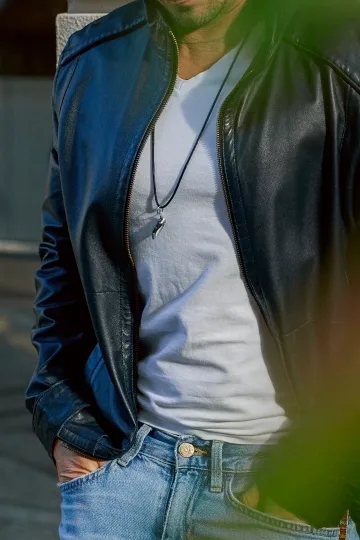
How do I wear a waterproof pendant so it does not look sporty? It is about length and neckline, not shine. Under a V-neck the pendant sits in the centre of the open zone, its best position. One pendant on a clean chain always beats five charms in a pile. If you want layers, give each its own length.

Turn on your camera, pick earrings, a pendant or a ring, and see the piece on yourself in real time.
Switch items in one tap.
Everything runs in your browser: no photo or video is ever uploaded.
Pool: chlorine is the main enemy
What chlorine does
Chlorine is an oxidiser. It destroys organic contaminants in water (bacteria, algae). But it also oxidises metals. Copper in particular. And copper is part of brass (60 to 70%), sterling silver 925 (7.5%), and many coatings.
Contact with chlorinated pool water:
- Brass will turn green. The copper in the alloy oxidises and forms patina (green deposit). One swim, barely noticeable. Regular swims, green neck.
- Silver will turn black. Chlorine accelerates silver sulphide formation by tens of times compared to normal air.
- Gold plating will peel. Chlorine erodes the bond between the gold layer and the base.
- Stainless steel will survive. 316L contains molybdenum, which protects against chlorine. The pool is no threat to steel.
- Rubber will survive. Silicone is inert to chlorine.
- Leather will die. Chlorine dries out and bleaches leather in a single swim.
Verdict
Stainless steel and rubber: safe. Everything else: remove before the pool. No exceptions.
Quick fix
If you forgot to remove a brass or silver piece before the pool: rinse immediately under running water (not chlorinated, from a bottle or filter). The faster you wash off the chlorine, the less damage. Then dry and wipe with a soft cloth.
Upload a photo of your pet, someone you love, or an object. We'll build a 3D model and hand-cast it in pewter.




Sea: salt + sun + sand
Three enemies at once
Salt water. Salt is a mild abrasive and oxidiser. Salt crystals drying on metal leave white residue and micro-scratches. On polished surfaces this is noticeable: the shine fades.
Sun (UV). Ultraviolet light itself does not harm metal. But heat from the sun accelerates every chemical reaction. Salt water on hot metal under the sun oxidises 5 to 10 times faster than salt water in the shade.
Sand. A micro-abrasive. Sand grains get between chain links and act like sandpaper. As the chain moves against skin with sand between them, you get micro-scratches. One beach day means micro-scratches. A full holiday means visible wear.
Sea by material
Stainless steel. Survives. Sailors wear steel watches in the sea for years. Rinse with fresh water afterwards. One thing: if the pendant has moving parts (a folding navaja earring), sand can get into the mechanism. Rinse thoroughly.
Brass. One day at the beach, it will cope. A week's holiday without removing it, it darkens. Take it off before swimming. Or accept the darkening as "holiday patina" and keep wearing it.
Silver. Will darken. Salt water plus sun equals accelerated reaction. If you do not want to polish after every beach trip, take it off.
Gold plating. Remove it. Salt plus sand plus sun equals a triple hit to the coating.
Rubber. Perfect. Salt water does nothing to it. Rinse with fresh water afterwards and done. A rubber cord is the best choice for a beach holiday.
Leather. No. Salt water plus sun equals stiff, cracked, bleached leather. Permanently.
Zevira beach set
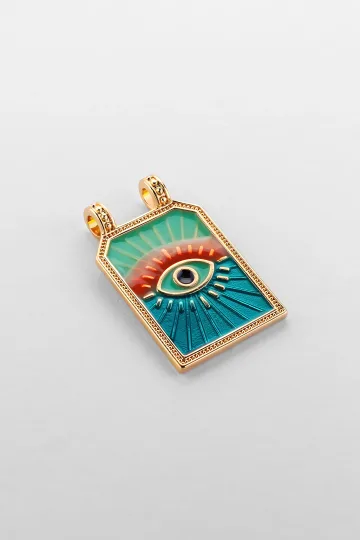
Heading to the sea? A nazar or whale tail in stainless steel on a rubber cord. Both materials are water-proof. The maritime theme of the pendant matches the context. Rinse with fresh water in the evening, wipe, and it looks new.
Hot springs and thermal baths
Hot water (40 to 70 degrees C, or 104 to 158 degrees F) plus minerals (sulphur, iron, calcium) equals an aggressive environment. Sulphur is especially dangerous: it blackens silver within minutes, not days. In Japanese onsens and Icelandic hot springs, silver jewellery blackens in minutes.
Stainless steel. Survives, but mineral deposits may settle in the texture. Rinse afterwards.
Brass, silver, gold plating. Remove them. Hot springs are the most aggressive water environment of all. Worse than the pool, worse than the sea.
If you forgot. Silver turned black in a hot spring? No panic. Aluminium foil plus baking soda plus hot water equals an electrochemical reaction that removes the sulphide layer. Place the piece on foil in a bowl, sprinkle with baking soda, pour boiling water over it. In 5 minutes the silver regains its colour. This method does not work for brass.
Customer reviews
Zevira is a real jewellery shop. Genuine payments, deliveries and customer thank-yous.
🥰🥰🥰 gracias

Ok, ¡gracias! 🙂

Sauna and steam room
Temperature. 70 to 110 degrees C (158 to 230 degrees F) in a sauna. Metal heats up and can burn skin. Seriously: stainless steel at 90 degrees C (194 F) hurts. A ring in a sauna can leave a burn mark. This is not a question of "does the jewellery get damaged." It is a question of "does your skin get damaged."
Humidity. In a steam room, humidity is 60 to 100%. Steam plus high temperature equals acceleration of every reaction. Brass will darken in a single session.
Verdict. Remove everything before the sauna or steam room. Not because of the jewellery. Because of burns.




Sweat: everyday acid
Sweat is a mild acid (pH 4.5 to 7). It contains salts, urea, ammonia. With daily contact, sweat does the same thing as sea water, just more slowly.
Who sweats more. Athletes, people in hot climates, people with certain medical conditions. If you exercise wearing jewellery, sweat contacts the metal under pressure (the chain is pressed against wet skin). This accelerates the reaction.
By material. Stainless steel does not react. Brass gradually darkens and may leave a green mark on skin (copper reacting with the acid in sweat). Silver tarnishes faster. Leather absorbs sweat and starts to smell.
The green line on your neck. If a brass pendant leaves a green mark, this is not an allergy and not a defect. It is a reaction of copper (in the brass alloy) with the acid in your sweat. Harmless to health, but cosmetically unpleasant. Solution: wipe the pendant after wearing, or switch to stainless steel.
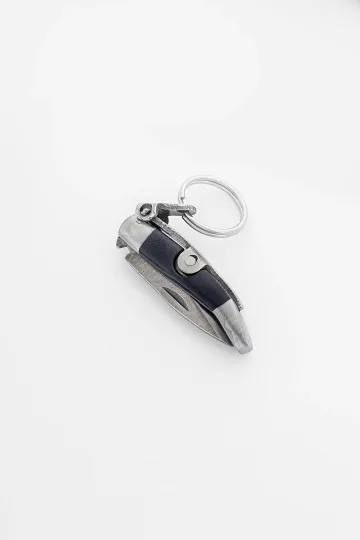
CAPAORA mini knife pendant
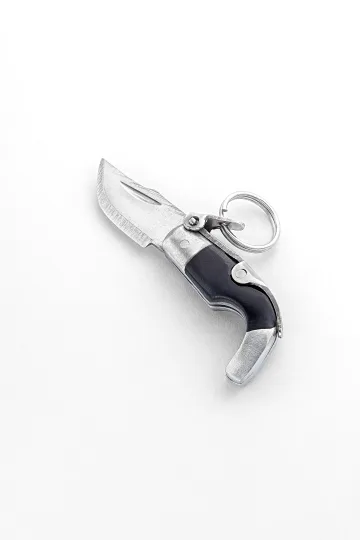
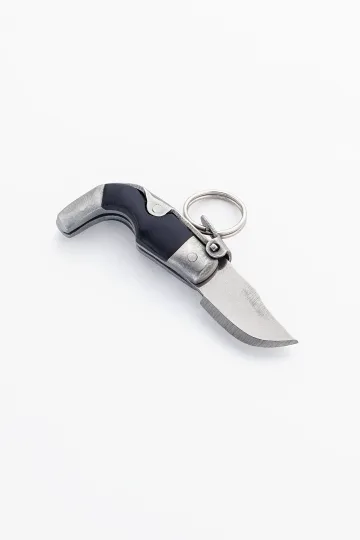
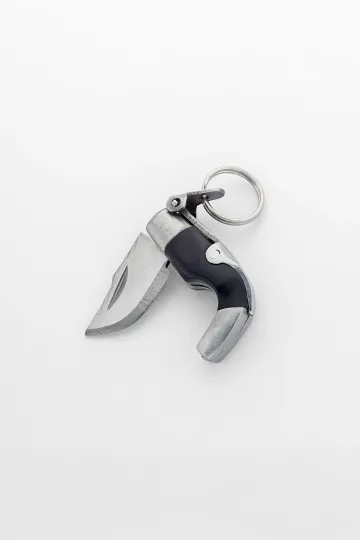
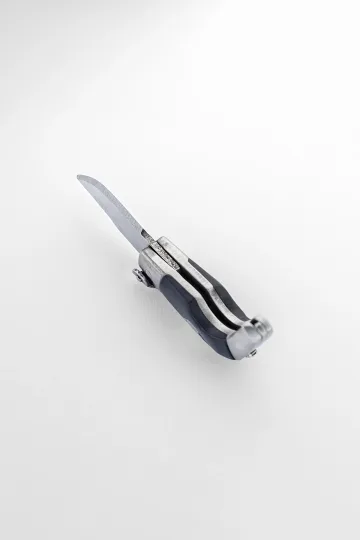
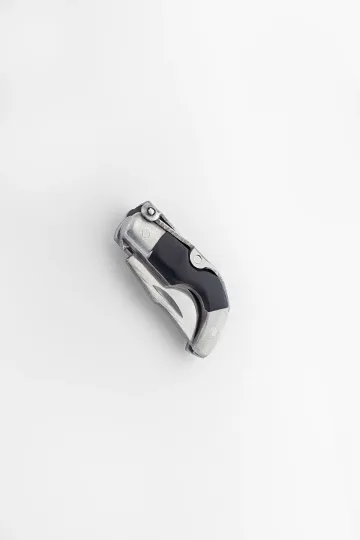
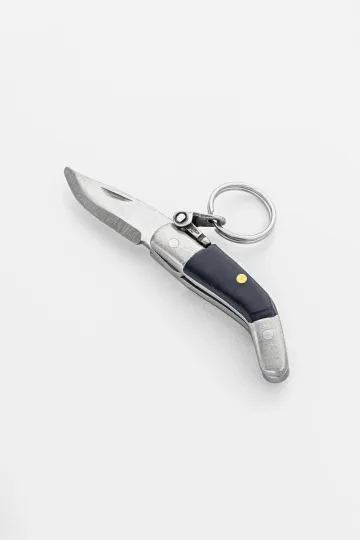
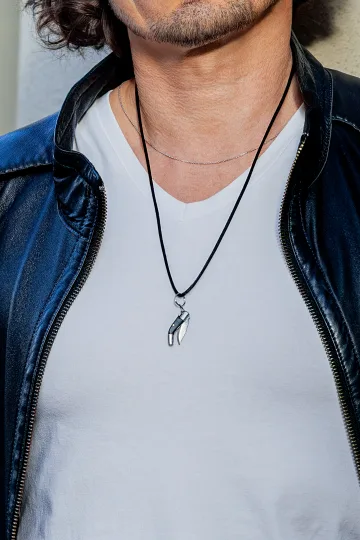
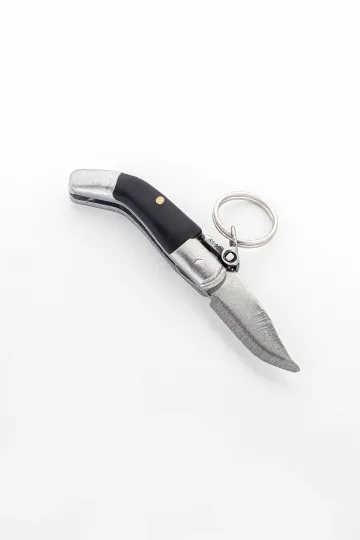
The 18th-century Spanish navaja in miniature: 40 mm of stainless steel, a real folding mechanism and a Palanquilla lock that clicks. An affordable gift to remember.
Authentic · Ships from Spain · 14-day returns
Survival table
| Environment | Stainless Steel 316L | Brass with coating | Silver 925 | Gold plating | Rubber | Leather |
|---|---|---|---|---|---|---|
| Shower (once) | OK | OK once | OK once | No | OK | No |
| Shower (daily) | OK | Coating wears | Tarnishes | Peels | OK | Dies |
| Pool | OK | Turns green | Turns black | Peels | OK | Dies |
| Sea (1 day) | OK | Rinse immediately | Rinse | No | OK | No |
| Sea (holiday) | Rinse daily | Darkens | Darkens | Peels | OK | Dies |
| Hot spring | Rinse | No | Blacks instantly | No | Check temp | No |
| Sauna | Skin burn | No | No | No | Up to 80 C | No |
| Sweat (sport) | OK | Green mark | Tarnishes | Wears | OK | Smells |
Real-life scenarios
"I never want to take off my pendant"
Stainless steel on a rubber cord. The only combination that withstands everything: shower, pool, sea, sweat, rain. Remove only before the sauna (burn risk) and MRI (magnet).
Zevira stainless steel pendants: compass, anchor, navajas. On a rubber cord they last years without maintenance.
"I forgot to remove it before the pool"
Brass: rinse with fresh water immediately. Wipe. If it turned green, rub with lemon juice or baking soda. Silver: same. Gold plating: the damage is done, but rinse to minimise further harm.
"I am at the gym every day"
Stainless steel or rubber. Nothing else. Sweat plus friction equals accelerated wear of any coating.
"I am going on a beach holiday"
Option 1: remove jewellery before the beach, wear it in the evening. Option 2: bring a "beach set" of stainless steel plus rubber. Leave brass and silver in the hotel safe.
"I live in a hot climate and sweat constantly"
Stainless steel. Brass will leave green marks. Silver tarnishes in weeks instead of months. Stainless steel does not react to sweat at all.
Diving with jewellery
A special case that nobody asks about, but some do: diving. At 10 to 30 metres depth, the pressure is higher. The salt water is colder. The dive time is longer than a beach visit. And you wear a wetsuit that rubs against the chain.
Stainless steel handles this. Dive watches are made from the same material. But the pendant can catch in neoprene. Wear it under the suit or take it off. Brass and silver have the same problems underwater as on the surface, only more intensely. If you dive and want to keep your jewellery: stainless steel on a rubber cord, under the suit, and rinse thoroughly with fresh water afterwards.
Leave your email, we'll send your discount code. No spam, unsubscribe anytime.
The code arrives by email, valid on your first order.
Water sports: surfing, kayaking, SUP
Board sports carry an additional risk: losing the piece. A chain that opens when you fall into the water is gone. In the sea, there is no going back. If you surf or do SUP, use a secure clasp (carabiner, not a spring ring) and a short chain (under 45 cm) that sits tight against the neck and cannot snag. Or wear the jewellery on the wrist instead of the neck. Or leave it on the beach.
Rain: the forgotten factor
Nobody thinks about rain with jewellery and water. But rain is water plus pollutants from the air.
In cities, rainwater contains fine particles, sulphur dioxide, nitrogen oxides. In industrial areas it can be slightly acidic. A short rain shower? No problem. But if you regularly walk in the rain (cyclists, dog walkers), a fine film of environmental pollution builds up on the jewellery over months.
Stainless steel: no problem. Brass: can darken faster than with normal wear. Silver: city rainwater slightly accelerates tarnishing.
Solution: wipe after getting wet. Takes five seconds. Protects against months of damage.
Tap water is not all the same
A point most guides ignore: water quality varies massively by region. And that directly affects how fast your jewellery reacts.
Hard vs soft water
Hard water contains a lot of calcium and magnesium. These minerals leave white spots on metal, the same film you see on your taps. On a polished stainless steel pendant, after weeks of daily showers in hard water, matte mineral spots form. This is not oxidation. It is limescale. Wipe with vinegar water (1:1 mix) and it is gone.
Soft water is generally gentler. Less mineral deposits, less film. If you live in a soft-water region, your jewellery has less stress in the shower.
Sulphur content in water
Some regions have water with elevated sulphur content. You can sometimes smell it, a slight egg odour. For silver, this is poison. Silver reacts to sulphur like butter to heat, fast and irreversible without treatment. If your tap water smells of sulphur and you wear silver: always remove it before the shower. No debate.
Buying it as a gift? Each one arrives ready to give.
 A branded Zevira box and a little card come with every order.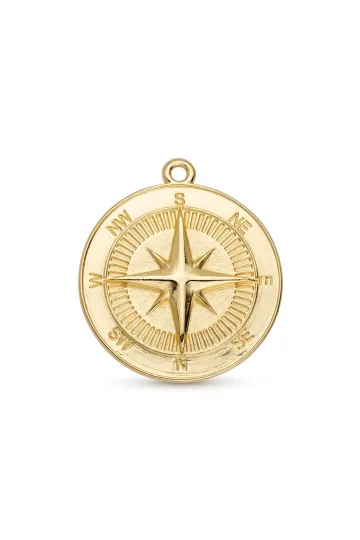









Perfume, sunscreen, and other everyday chemistry
Water is not the only enemy. Your bathroom is a chemistry lab, and your morning routine exposes your jewellery to a whole range of substances.
Perfume
Alcohol in perfume attacks coatings. Not immediately, not dramatically. But over months. If you spray perfume on your neck and the chain lies over it, the chain gets a daily dose of alcohol plus fragrance chemicals. Solution: perfume first, let it dry, then put on jewellery. Or spray perfume on wrists instead of neck.
Sunscreen
Sunscreen is one of the most aggressive substances for jewellery in daily life. The combination of fats, chemical UV filters, and emulsifiers forms a film that gets into textures and is hard to remove. Oxybenzone and avobenzone (common UV filters) can particularly attack gold plating.
Apply sunscreen, let it absorb, wash your hands, then put on jewellery. Sounds fussy. It is. But one summer of sunscreen on a gold-plated chain will show you why.
Hairspray
Fine particles land on everything nearby. Including the chain. Hairspray creates a sticky film that binds dust and dirt. Over weeks a layer builds up that makes jewellery dull. Solution: put on jewellery after styling. Or tuck the chain under the shirt before spraying.
Hand sanitiser
A daily companion since 2020. Alcohol-based sanitiser is problematic for rings. The alcohol attacks coatings. Stainless steel handles it. Gold-plated rings lose their shine faster. If you sanitise frequently (healthcare, retail), do not wear a gold-plated ring on the hand you sanitise.
Send a friend a discount code, they save on their first order.
Special case: piercings and water
Piercings deserve their own section. A piercing is not an earring you take off in the evening. It sits in the body, often permanently, with contact with skin secretions, sweat, and water simultaneously.
Fresh piercings
A fresh piercing (under 3 months old) needs sterile conditions. Swimming pool, sea, hot springs: absolutely off limits. An open wound plus bacteria in water equals infection. No material, no matter how noble, protects against bacteria in an open wound.
Shower: yes, but keep soap and shampoo away. Warm water without additives. Pat the area, do not rub. No shower gel directly on the piercing.
Healed piercings
After complete healing (3 to 12 months, depending on location), normal material rules apply. Stainless steel and titanium are the safest piercing materials for water contact. Silver is generally unsuitable for piercings: it oxidises and can stain the wound. Niobium and PTFE are additional safe options.
The cleaning after water contact: doing it right
Rinsing alone is not always enough. Here is the proper cleaning after different water types.
After the shower
If you wore the jewellery in the shower: rinse under running water (without soap). Then dry with a soft cloth. Do not air dry, because water droplets leave limescale spots, especially on polished surfaces.
After the pool
Rinse immediately under fresh water. At least 30 seconds. The chlorine must be completely removed. Then dry. If possible: bring a bottle of water and rinse right at the pool edge. The faster the chlorine is gone, the less damage.
After the sea
Rinse thoroughly with fresh water. Salt crystals drying on metal are mini-abrasives. Do not wipe them off dry, as that drags the crystals across the surface and scratches it. Rinse wet first, then dry.
For chains with textures (tree of life, navajas): use a soft toothbrush under running water. Sand and salt settle into every crevice. Without a brush, residues remain.
After hot springs
Stainless steel: rinse thoroughly, follow up with vinegar water (1:1) to dissolve mineral deposits. Silver: if it has turned black, immediately apply the aluminium foil-baking soda method. The longer you wait, the harder the removal.
Wear the symbol, don't just read about it. These are in stock:

Myths about jewellery and water
"Stainless steel cannot rust at all"
Almost true. 316L is extremely corrosion-resistant. But under extreme conditions (months of contact with chlorinated water without rinsing, constant contact with strongly acidic substances) even 316L can develop pitting. In practice, this never happens with normal wear. But "never" and "almost never" are different words.
"Gold is waterproof"
Solid gold (14K and higher) is indeed extremely resistant to water. But most people do not wear solid gold. They wear gold-plated jewellery. And with plating, it is not the gold that is the problem, but the thin layer and its adhesion to the base.
"My friend has showered with their silver chain for years and it looks fine"
Possible. Some people have lower acid levels in their sweat. Some regions have less sulphur in the water. Some silver alloys are more resistant. But "my friend has no problems" is not materials science. It is anecdote.
Wear the symbol, don't just read about it. These are in stock:

How to extend the life of any piece
Five rules. Simple ones.
Remove before water. If it is not stainless steel, remove it before the shower, pool, sea. Every time. The habit forms in a week.
Last on, first off. Jewellery goes on after perfume, moisturiser, hair spray. It comes off first, before washing. This way the chemistry from your skin does not reach the metal.
Wipe after wearing. Soft cloth, 10 seconds. Removes sweat and oils that dull metal. Once a day is enough.
Store dry. Not in the bathroom (humidity). Not in a pocket (friction). Separately from each other (scratches). A hook on the wall, a pouch, a compartment in a box.
Once a month: deep clean. Warm water plus mild soap plus toothbrush. For silver, a polishing cloth. For brass, baking soda or lemon. For stainless steel, just water.
The cleaning after water contact: doing it right in detail
Rinsing alone is not always enough. Here is the proper cleaning after different water types.
After the shower: Rinse under running water without soap. Dry with a soft cloth. Do not air dry. Water droplets leave limescale spots, especially on polished surfaces.
After the pool: Rinse immediately under fresh water for at least 30 seconds. The chlorine must be completely removed. Then dry. If possible, bring a bottle of water and rinse right at the pool edge.
After the sea: Rinse thoroughly with fresh water. Do not wipe salt crystals off dry, as dragging crystals across the surface creates scratches. Rinse wet first, then dry. For chains with textures (tree of life, navajas), use a soft toothbrush under running water.
After hot springs: Stainless steel: rinse thoroughly, follow up with vinegar water (1:1) to dissolve mineral deposits. Silver: if it turned black, immediately apply the aluminium foil-baking soda method. The longer you wait, the harder the removal.
Silver and gold jewellery, wedding bands, symbolic pendants, paired sets.
Wear the symbol, don't just read about it. These are in stock:




FAQ
Can I wear stainless steel in the shower every day? Yes. Stainless steel 316L does not react to water, soap, or shampoo. The only issue is soap film building up in texture. Clean with a toothbrush once a week.
Why does my brass pendant leave a green mark? Copper in the brass alloy reacts with the acid in sweat. This produces copper oxide, a harmless green residue. It is not an allergy and not a defect. Solution: wipe after wearing, or choose stainless steel.
My silver turned black in the pool. Can it be restored? Yes. Aluminium foil plus baking soda plus boiling water. Place the silver on foil in a bowl, add baking soda, pour hot water. In 5 minutes the black disappears. Or use a silver polishing cloth.
What is more reliable for the sea: rubber or a textile cord? Rubber. A textile cord absorbs salt water and takes ages to dry. Rubber absorbs nothing.
My jewellery darkened after hot springs. Is it permanent? Silver: no, it can be restored (baking soda plus foil). Brass: partially, deep patina may not come off entirely. Gold plating: if the coating is damaged, only re-plating will help.
Can I wear jewellery in the sauna? Not recommended. Not because of the metal, but because of your skin. Stainless steel at 90 degrees C (194 F) heats up and can burn. A ring in the sauna means a burnt finger. A chain means a burnt neck.
Does rain damage jewellery? One rain shower does nothing. But if you regularly walk in rain (cyclists, dog walkers), over months a fine film of environmental pollutants builds up. City rainwater contains fine particles and mild acids. Solution: wipe after getting wet. Five seconds, months of protection.
Should I take off jewellery before applying skincare? Yes. Creams, serums, and sunscreen leave residue on metal that can attack coatings over time. Apply your skincare, let it absorb, then put on jewellery. Especially important for brass and gold plating.
Can I wear jewellery while diving? Stainless steel handles the depth and salt water. Dive watches are the same material. But pendants can snag on wetsuits. Wear under the suit or remove. Brass and silver have the same problems underwater as on the surface, only intensified by pressure and time.
Which Zevira piece is the most water-resistant? Any stainless steel pendant on a rubber cord. This combination withstands everything except sauna and MRI.
Can I wear jewellery in the rain? Short answer: one rain shower does nothing. But regular exposure to city rain builds up a film of environmental pollutants on the metal over months. Stainless steel shrugs it off. Brass can darken slightly faster. Silver tarnishes a little quicker. Wipe after getting wet and you are fine.
My jewellery changed colour on holiday. What happened? Probably a combination of sunscreen, salt water, more sweat than usual, and chlorinated pool water. All of these accelerate reactions on brass and silver. The fix depends on the material. Brass: lemon juice or baking soda. Silver: aluminium foil plus baking soda method. Stainless steel: it probably did not change at all. If it looks dull, that is dried sunscreen residue. Soap and a toothbrush will fix it.
Can I swim with a navaja earring? In the sea and pool, best to remove it. Sand and salt can get into the folding mechanism. In the shower, stainless steel will cope, but rinse and open/close the mechanism afterwards so it does not seize up.