Whale Tail Jewellery: Meaning, Maori Symbolism and Ocean Freedom
A moment that stayed
A friend of mine spent three weeks in New Zealand a few years back. She went for the hiking. The whales were a bonus. But on the last day, on a boat off Kaikoura, a humpback surfaced about thirty metres away, rolled slowly, and raised its tail. Two dark flukes hanging against a grey sky for maybe four seconds before sliding under.
She told me about it over coffee when she got back. But what I noticed first was the pendant. A small whale tail on a chain around her neck. She'd bought it at a Maori craft market in Rotorua the day after that encounter. "I didn't plan to buy jewellery," she said. "But after seeing that tail, I understood what it meant. And now every time I touch this pendant, I'm back on that boat."
Wear the symbol, don't just read about it. These are in stock:
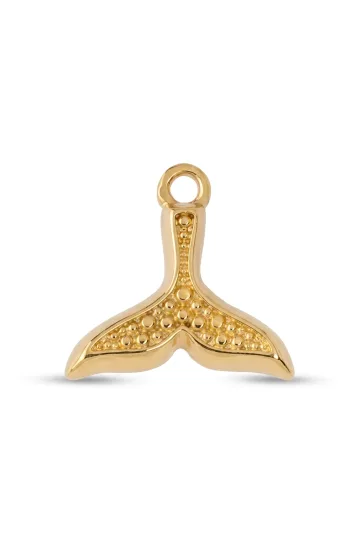
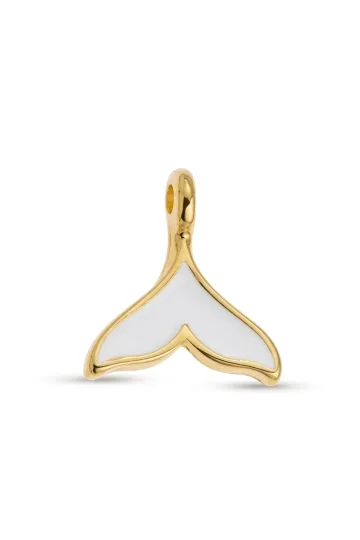
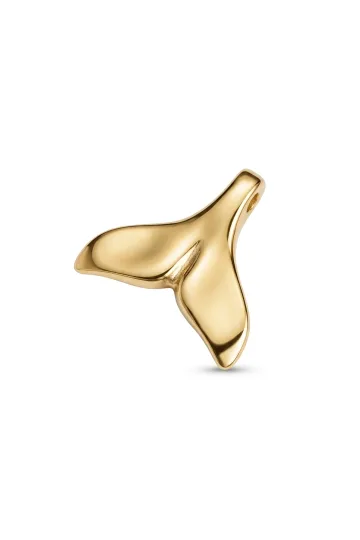
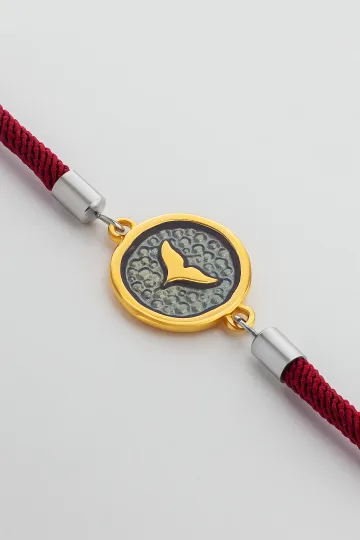
That is the thing about whale tail jewellery that makes it different from most other symbols. People don't usually choose it casually. Something happens first. Maybe they see a whale. Maybe they go through a period of their life where they need to feel free. Maybe someone gifts them a piece and they later learn what it represents in Maori culture, in Polynesian tradition, in the language of the sea. And once they know, the pendant stops being decoration and becomes something closer to a personal compass.
The whale tail is one of those rare symbols that carries weight across almost every culture that has lived near the ocean. Maori carvers in New Zealand. Polynesian navigators in the Pacific. Norse sailors in the North Atlantic. Hawaiian fishermen. Modern surfers and conservationists. They all looked at that same shape, two flukes rising from the water, and saw something worth remembering.
This guide unpacks all of it. Where the symbol comes from, what it means in different traditions, why it keeps showing up in modern jewellery, and what wearing one actually says about the person who chooses it.
What the whale tail symbol actually is
Before we get into the cultural layers, let's be clear about what we're looking at. The whale tail (also called the fluke) is the horizontal fin at the end of a whale's body. Unlike fish tails, which are vertical, whale flukes sit flat against the water's surface. Each fluke has two lobes, and the shape between them creates that distinctive V or U outline that jewellery designers have worked with for centuries.
When a whale dives deep, it lifts its tail above the surface in a motion called "fluking." This is the image most people picture when they think of a whale tail pendant: that dramatic moment of the fluke silhouetted against the sky, right before the animal disappears into the depths. It is a gesture of departure, of choosing depth over surface, of going somewhere others cannot follow.
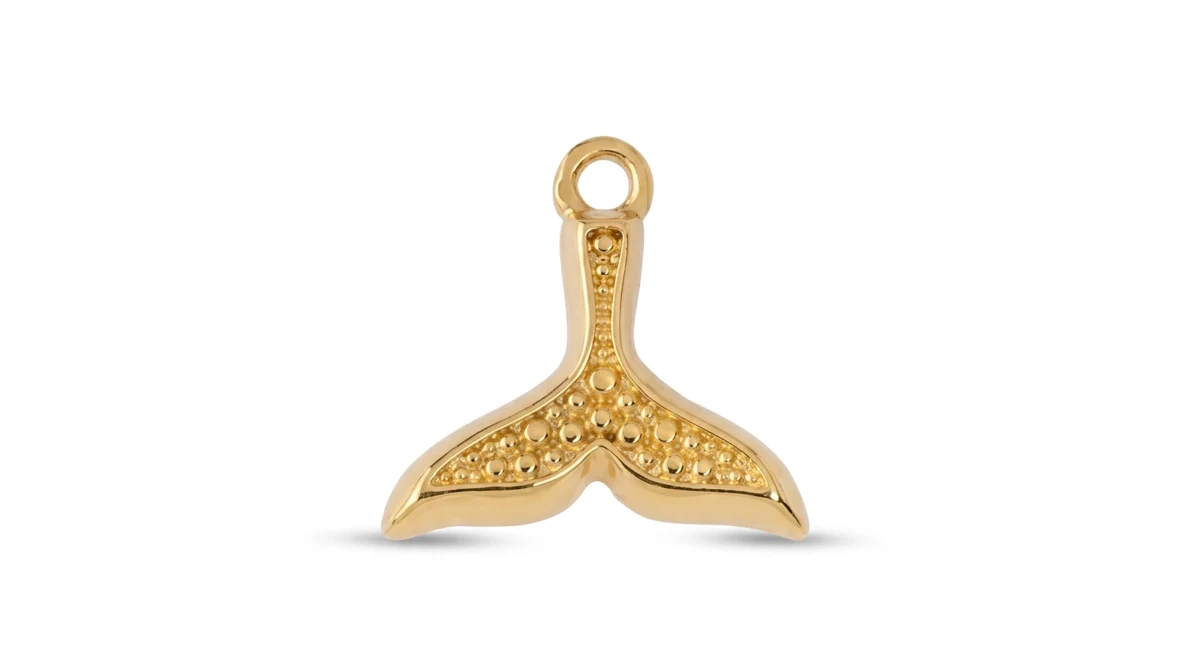
In jewellery, the whale tail is typically rendered as a stylised version of this shape. Some pieces are naturalistic, capturing the texture and curve of an actual fluke. Others are abstract, reducing the form to its essential geometry: two curved lobes meeting at a central point, often with a bail or chain loop at the top. The beauty of the shape is that it works at almost any scale, from a tiny charm on a bracelet to a bold statement pendant.
What makes this symbol particularly effective in jewellery design is its organic asymmetry. No two real whale tails are identical. They carry scars, barnacle marks, unique notch patterns that marine biologists use to identify individuals. A well-designed whale tail pendant captures some of that individuality, that sense of a specific, lived-in shape rather than a generic geometric form.
A whale tail wants salt on the skin and an open collar. Under a buttoned suit it is a keyring, so don't you dare.
How to style whale tail jewellery
I have run this pendant through dozens of looks on set, from beach to black tie. The shape is organic and fluid, so it settles into almost any outfit rather than dictating it. Here is what actually works, sorted by occasion.
How do I wear a whale tail every day? For daytime I recommend a silver whale tail on a fine chain and an open neck: a V-neck, an unbuttoned linen shirt, a plain white tee. Natural fabrics and calm colours (white, sand, navy, olive) let the shape read. Here the pendant works as a quiet detail you notice on the second glance. I suggest a 45 cm length so it sits at the collarbone.
Does it work at the office? It does, as long as you keep it restrained. I choose a small whale tail under a shirt or over a thin knit, no layers, no extra shine. A gold tone reads as a deliberate accent, not a beach souvenir. That contrast with tailored fabric is exactly what makes the symbol stand out.
How do I build an evening look? For evening I recommend a deeper neckline, smooth fabric, and little else. One expressive pendant at a mid length, 50 to 55 cm, so it lands in the décolleté and catches the light. A blue stone or enamel between the flukes adds depth under evening light. No competing pendants, let the shape work alone.
What about a milestone occasion? For a graduation, an anniversary, or a send-off I choose gold or a fuller sculptural shape, so the symbol becomes the centre rather than the backdrop. A paired look works too, when two people wear matching pendants. That kind of gift carries weight in Maori tradition: a piece given to you outweighs one bought for yourself.
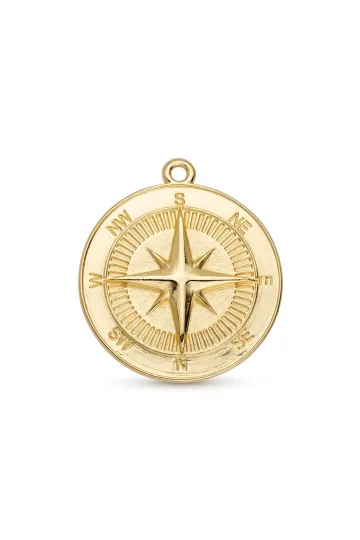
How do I combine several ocean symbols? For an ocean layered look I suggest building on different lengths: a whale tail on one, an anchor or compass rose on another. Keep one metal in the stack so nothing argues visually, and vary the lengths so the pendants do not tangle. It suits anyone drawn to the water, anyone who values freedom and is moving through change.

Turn on your camera, pick earrings, a pendant or a ring, and see the piece on yourself in real time.
Switch items in one tap.
Everything runs in your browser: no photo or video is ever uploaded.
Maori tradition: Te Hiku o te Ika
The sacred status of whales in Maori culture
In te ao Maori (the Maori worldview), whales hold a position that goes well beyond impressive marine animals. They are kaitiaki, guardians of the sea. In Maori creation stories, the whale is connected to Tangaroa, the god of the ocean, and many iwi (tribes) trace their ancestry to specific whale beings.
The most well-known of these stories is the legend of Paikea, the whale rider. Paikea, an ancestor of the Ngati Porou iwi on the East Coast of the North Island, is said to have ridden a whale across the Pacific Ocean from Hawaiki (the mythical Polynesian homeland) to Aotearoa (New Zealand). This story is not a fairy tale to the Ngati Porou. It is whakapapa, genealogy. It is history. The whale that carried Paikea was a relative, not a vehicle.
This foundational relationship shapes everything about how Maori view whale imagery. The whale tail, known in te reo Maori as part of the broader concept of Te Hiku o te Ika (which literally translates to "the tail of the fish," referring to the shape of the North Island itself), carries connotations of safe passage, ancestral protection, and the deep interconnectedness of all ocean life.
When a whale strands on a New Zealand beach, local iwi perform karakia (prayers) and treat the animal with the same respect they would show a departed elder. Maori communities have been known to sit with stranded whales for days, singing and talking to them. This is not sentimentality. It is protocol for how you treat family.
Bone carving and pounamu: traditional materials
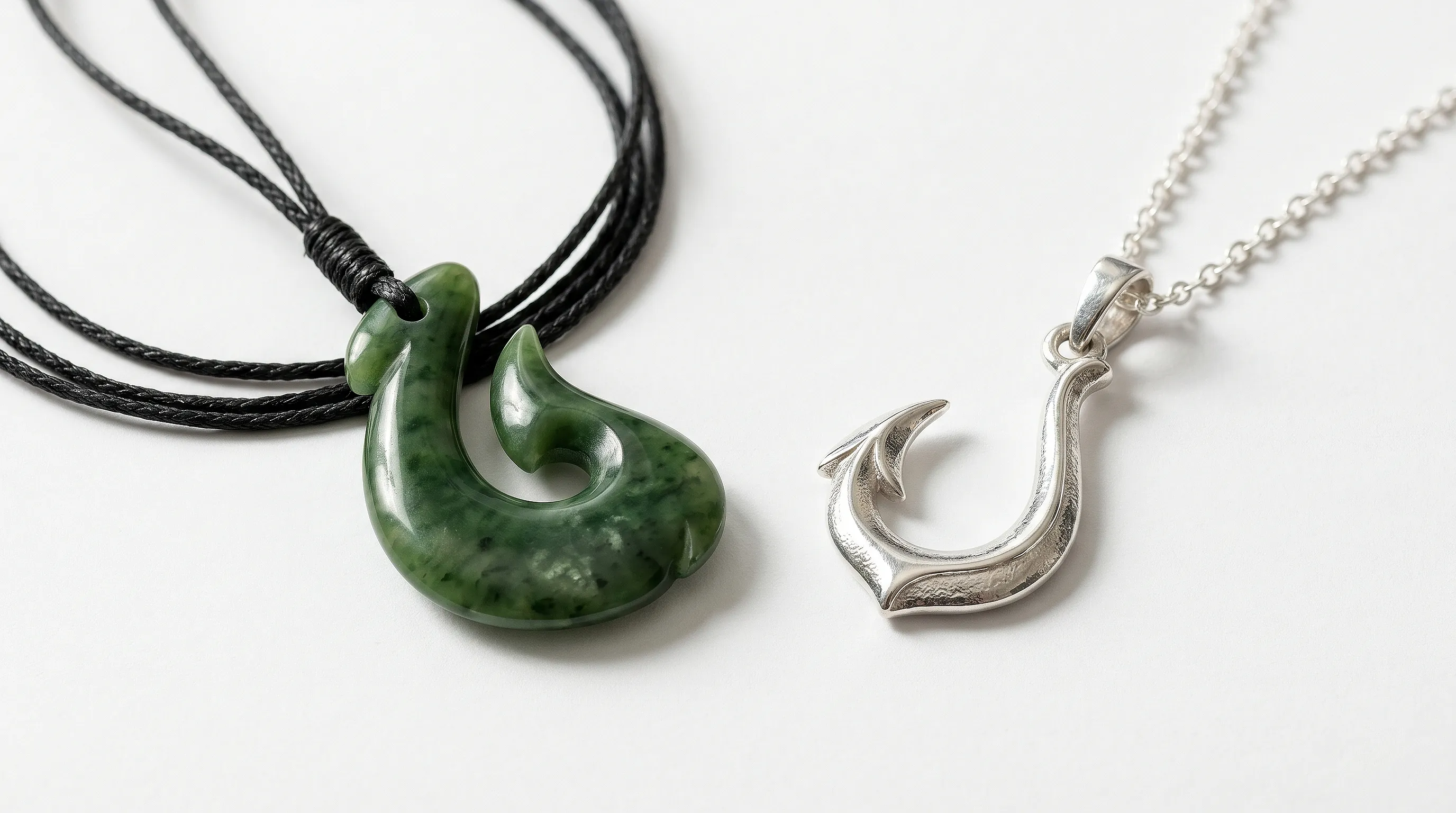
Traditional Maori whale tail pendants are carved from two main materials: bone and pounamu (greenstone, a form of nephrite jade found in the South Island rivers of New Zealand).
Bone carvings, called taonga (treasured possessions), are typically made from cattle bone today, though historically whale bone and whale ivory were used. The choice of bone as a material is significant: it comes from a living creature, and Maori carvers believe the life force (mauri) of the animal remains in the material. When you wear a bone carving, you carry part of that animal's spirit with you.
Pounamu carvings hold an even higher status. Pounamu is considered a taonga of the highest order in Maori culture, more precious than gold. The stone itself is believed to carry mana (spiritual power, authority) and to grow warmer with the body heat of the wearer over time, developing a deeper relationship with each successive owner. Pounamu whale tail pendants are among the most prized pieces in Maori carving.
The carving process itself is ritualistic. Traditional carvers recite karakia while working, asking permission from the material to shape it. The design emerges from the stone or bone rather than being imposed on it. Carvers say they can see the shape waiting inside the raw material and simply help it come out.
Gifting protocol: why you don't buy your own
Here is something important that most people outside New Zealand don't know: in traditional Maori practice, you do not buy a taonga for yourself. You receive it as a gift.
The reason is connected to the concept of mana. When someone gives you a carved pendant, they transfer part of their own mana into the gift. The act of giving activates the spiritual dimension of the piece. A carved whale tail you buy for yourself is still beautiful, but within Maori tradition, it does not carry the same weight as one that was chosen for you by someone who cares about you.
This gifting protocol extends to how the pendant is treated throughout its life. A taonga should never be placed on the ground or left in disrespectful positions. When not being worn, it should be wrapped in cloth or kept in a special place. Some families pass taonga down through generations, with each successive wearer adding their own mana to the piece.
For those of us who are not Maori, this tradition offers something worth thinking about even when buying modern jewellery inspired by the whale tail shape. Giving a whale tail pendant as a gift rather than buying one for yourself adds a layer of meaning that connects to one of the oldest jewellery traditions in the Pacific.
Customer reviews
Zevira is a real jewellery shop. Genuine payments, deliveries and customer thank-yous.
🥰🥰🥰 gracias

Ok, ¡gracias! 🙂

Polynesian navigation and the whale as guide
Wayfinding across the Pacific
Long before European sailors figured out how to cross oceans without getting hopelessly lost, Polynesian navigators were routinely making voyages of thousands of kilometres across open Pacific water. They navigated by the stars, the patterns of ocean swells, the behaviour of clouds, and, critically, by watching marine life.
Whales were among the most important navigational markers. Polynesian wayfinders knew that certain whale species followed predictable migration routes, and that the presence of whales indicated proximity to land, deep channels, or specific ocean currents. A whale surfacing and showing its tail was a beautiful sight, and it was also information. It was a road sign.
The double-hulled canoes (waka hourua in Maori, wa'a kaulua in Hawaiian) that carried Polynesian explorers across the Pacific were themselves designed with an understanding of how whales move through water. The hull shapes and sailing techniques drew on observations of marine mammals, and many canoes carried carved whale motifs as a form of navigational blessing.
This practical, life-or-death relationship between Polynesian seafarers and whales is the foundation of the whale tail's meaning in Pacific Island cultures. It is not abstract symbolism. It is gratitude to an animal that literally helped your ancestors find their way home.
Hawaiian aumakua and ancestral guardians
In Hawaiian culture, whales occupy a special category of spiritual beings called aumakua, ancestral spirits that take animal form to guide and protect their descendants. Not every family has a whale as their aumakua (others might have sharks, owls, or turtles), but those that do treat whale sightings as direct communication from their ancestors.
Kohola (the humpback whale) is especially revered. Every winter, humpback whales migrate from Alaska to the warm Hawaiian waters to breed and give birth. Their annual return has been celebrated for centuries as a sign of continuity, the cycle of life, and the faithfulness of ancestral guardians. A whale tail pendant in Hawaiian tradition connects the wearer to this cycle of return and protection.
The Hawaiian concept differs from the Maori one in an important way. In Hawaiian tradition, the whale is literally an ancestor in animal form. Wearing a whale symbol is not metaphorical. It is a way of carrying your family's spiritual guardian close to your body. This is why Hawaiian whale tail pendants are often given at significant life moments: births, graduations, marriages, and times of transition.
Tongan and Samoan whale traditions
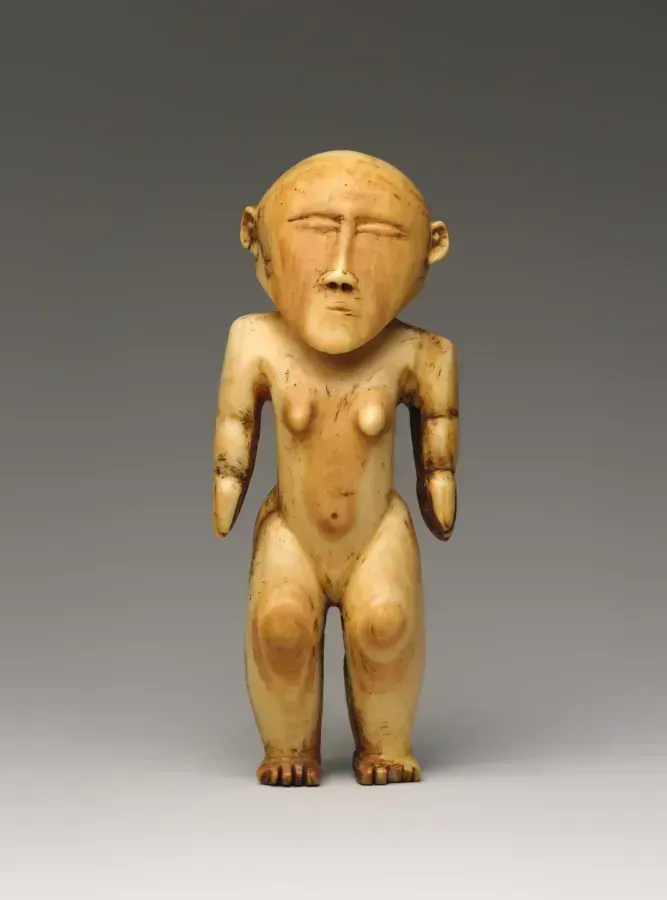
In Tonga, the tabua (whale's tooth) is one of the most valuable objects in the culture, used in formal ceremonies, negotiations between chiefs, and as a symbol of the highest respect. While the tabua tradition centres on the tooth rather than the tail, it reflects the same deep reverence for whales as beings of extraordinary power and spiritual importance.
Samoan traditions link whales to the creation stories of specific islands. In some narratives, whales are the original navigators who showed the first Samoans the sea routes between islands. The whale tail in Samoan art and tattoo (tatau) represents safe passage and the ability to move between worlds: the surface and the deep, the known and the unknown.
Across all these Polynesian traditions, a common thread emerges: the whale tail is never just decorative. It is always connected to navigation, protection, and the relationship between humans and the ocean that sustains them.
Upload a photo of your pet, someone you love, or an object. We'll build a 3D model and hand-cast it in pewter.




The whale in Norse mythology and European seafaring
The whale occupies a fascinating place in Norse mythology. The Old Norse word for the ocean itself, hvalreki, literally means "what the whale drives." The sea was, in Viking understanding, the whale's domain. Humans were visitors.
Norse sagas mention several mythological whale-like creatures. The Hafgufa was said to be a whale so enormous that sailors sometimes mistook it for an island. The Lyngbakr, described in the thirteenth-century King's Mirror, was a creature that deliberately disguised itself as a landmass to lure ships. These stories reflect both awe and wariness. The whale was respected as a being of immense power that could either help or destroy you, depending on your relationship with the sea.
Practically speaking, whale bone was one of the most valuable materials in Viking-age Scandinavia. It was used for everything from gaming pieces to weaving tools to decorative carvings on ship prows. Whale bone amulets have been found in Norse archaeological sites across Scandinavia, Iceland, and the British Isles. These were not decorative. They were protection for ocean voyages.
The connection between whales and the concept of fate runs deep in Norse thought. The whale moves freely through depths that humans can never reach, seeing things that remain hidden from surface dwellers. In a culture that valued the idea of wyrd (fate, destiny), the whale represented access to hidden knowledge and the ability to navigate forces beyond human control.
For modern jewellery, this Norse thread adds an interesting dimension to the whale tail's meaning. Beyond the Polynesian associations with navigation and guardianship, the European tradition brings in the ideas of hidden wisdom, respect for forces larger than yourself, and the courage to travel through dangerous waters.





What the whale tail symbolises
Freedom and independence
This is the most immediate and universal association. When a whale raises its tail before a deep dive, it is choosing to go somewhere unreachable. It is not fleeing or escaping. It is simply going where it wants to go, regardless of what anything else on the surface thinks about it.
For people who wear whale tail jewellery, this translates to personal independence. The courage to make unconventional choices. Comfort with solitude. A refusal to live according to other people's expectations. The whale does not need permission to dive, and neither do you.
There is a reason this symbol resonates particularly with people who have made significant life changes: career shifts, moves to new countries, leaving relationships that weren't working, coming out, choosing an unconventional path. The whale tail says: I chose depth. I went where I needed to go.
Strength and resilience
Whales are among the most physically powerful animals on the planet. A blue whale's tail can generate enough force to propel a 150-tonne body through water at speeds that would surprise most people. But whale strength is not aggressive. It is not about domination. It is about endurance, distance, and the ability to keep moving through whatever the ocean throws at you.
This makes the whale tail a particularly meaningful symbol for people who have been through difficult periods. Illness, loss, professional setbacks, personal crises. The message is not "I'm tough" in the aggressive sense. It is more like "I kept swimming."
In Maori tradition, this aspect of whale symbolism is connected to the concept of mana, the spiritual power and authority that comes from perseverance through adversity. A person who has faced challenges and come through them has more mana than someone who has never been tested. The whale tail pendant can be a quiet acknowledgement of that earned strength.
Protection and guardianship
Whale mothers are among the most fiercely protective parents in the animal kingdom. A humpback mother will physically place herself between her calf and a threat, using her body as a shield. Multiple species of whales have been observed protecting not just their own young but also other vulnerable marine animals from predators.
This protective instinct is reflected in how many cultures use the whale tail symbol. In Polynesian tradition, it is a guardian's emblem. Parents give whale tail pendants to children who are leaving home. Partners give them to each other before long separations. The meaning is: I cannot be there physically, but my protection travels with you.
The guardian dimension of the whale tail also extends to environmental protection. Wearing a whale pendant in 2026 often carries an implied statement about ocean conservation and respect for marine life. We'll explore that more in the conservation section.
Emotional depth and intuition
Whales are among the most emotionally complex animals studied by science. They grieve their dead. They form social bonds that last decades. Their songs, particularly those of humpback whales, are not random vocalisations but structured, evolving compositions that scientists are still working to understand.
The depth metaphor works on multiple levels here. Whales literally live in the deepest parts of the ocean. They communicate across vast distances. They process the world through senses that humans barely understand. For the wearer, a whale tail pendant can represent a commitment to emotional depth over superficiality, to listening more than speaking, to trusting intuition over pure logic.
This meaning is especially strong in Maori culture, where the whale is associated with deep knowledge (matauranga) and the wisdom that comes from paying attention to things below the surface.
Connection to nature and conservation
Since the global moratorium on commercial whaling in 1986, the whale has become one of the most recognisable symbols of environmental conservation. The "Save the Whales" movement of the 1970s and 80s was one of the first truly global conservation campaigns, and it permanently linked whale imagery with ecological awareness.
Wearing a whale tail pendant today often carries this association, whether consciously or not. It signals a respect for the natural world, an awareness that the ocean and its inhabitants need protection, and a personal connection to environmental values.
CAPAORA mini knife pendant
The 18th-century Spanish navaja in miniature: 40 mm of stainless steel, a real folding mechanism and a Palanquilla lock that clicks. An affordable gift to remember.
Authentic · Ships from Spain · 14-day returns
Whale tail in surfing and ocean culture
If Polynesian tradition is the deepest root of whale tail symbolism, surfing culture is its most visible modern branch. The whale tail has been a staple of surf jewellery and coastal fashion since at least the 1970s, when the intersection of surfing, environmentalism, and back-to-nature philosophy created a perfect storm for ocean-themed accessories.
Surfers have a unique relationship with the ocean. They spend hours in the water, reading swells, watching for marine life, feeling currents on their skin. For many surfers, seeing a whale while in the water is a life-changing moment. The scale of the animal, the grace of its movements, the reminder that you are a guest in something vast and alive. It resets your perspective in a way that sticks.
Whale tail pendants became markers of this ocean-centred lifestyle. Wearing one signals that you understand the sea, that you respect its power, that you have probably been out there in conditions that would make most people uncomfortable. It is a quiet tribal marker among ocean people.
The surfing connection also brought the whale tail symbol to coastal communities worldwide. From Australia's Gold Coast to Portugal's Ericeira to Indonesia's Bali, surf shops sell whale tail jewellery alongside board wax and rash guards. The symbol transcended its Polynesian origins to become universal shorthand for "I belong to the ocean."
In modern coastal fashion, the whale tail pendant works as both a subtle and versatile piece. It pairs naturally with casual, layered looks: open shirts, tanned skin, salt-crusted hair. But it also translates surprisingly well to urban settings, where it adds a touch of ocean energy to everyday outfits.
Whale conservation and what wearing the symbol says
The whale tail pendant occupies an unusual position in the jewellery world: it is simultaneously a cultural symbol, a fashion piece, and, for many wearers, a conservation statement.
The numbers tell a stark story. Before commercial whaling, the global blue whale population was estimated at around 350,000. By the time the International Whaling Commission imposed its moratorium in 1986, that number had dropped to roughly 5,000-12,000. Humpback whales, sperm whales, right whales, and dozens of other species suffered similar devastation.
Recovery has been slow but real. Humpback whale populations have rebounded significantly, though several species remain critically endangered. The North Atlantic right whale population, for example, sits at around 350 individuals. Every birth and every death is tracked.
Wearing a whale tail pendant in this context is not neutral. It carries an awareness of what nearly happened and what is still at stake. Many jewellery brands that feature whale tail designs donate a portion of sales to marine conservation organisations. Even brands that don't make explicit conservation claims benefit from the association.
For the individual wearer, the conservation dimension adds moral weight to the symbol. You're not just wearing a pretty shape. You're wearing a reminder that this animal almost disappeared, that it is still fighting for survival, and that its presence in the ocean is something worth protecting.
This is particularly resonant for younger buyers, who tend to see their purchasing choices as extensions of their values. A whale tail pendant says something about who you are and what you care about in a way that a plain chain or a generic design does not.
Leave your email, we'll send your discount code. No spam, unsubscribe anytime.
The code arrives by email, valid on your first order.
Types of whale tail jewellery
Pendants and necklaces
The pendant is by far the most popular format for whale tail jewellery, and for good reason. The shape of the fluke, wide at the top and tapering to a point at the bottom, naturally suits a hanging orientation. The bail (the loop that connects the pendant to the chain) typically sits at the point where the two flukes meet, creating a balanced, visually satisfying silhouette.
Whale tail pendants range from minimalist outlines (just the contour of the fluke in thin wire or flat metal) to fully sculpted three-dimensional pieces that capture the curve and texture of an actual whale tail. Some incorporate gemstones (blue topaz, aquamarine, sapphire, or enamel) to evoke the colours of the ocean.
Size matters in terms of the statement you want to make. A small whale tail on a delicate chain reads as subtle personal symbolism. A larger pendant on a heavier chain becomes a conversation piece. Both work. It depends on whether you want people to ask about it or whether you want the meaning to be just for you.
Bracelets
Whale tail bracelets come in several styles. Cuff bracelets may feature a whale tail as the central motif or as the clasp. Chain bracelets sometimes incorporate a whale tail charm alongside other ocean-themed elements like anchors, shells, or compass roses.
One popular design uses the two flukes of the whale tail as the closure mechanism, with each fluke forming one half of the clasp. It is a clever design detail that integrates the symbol into the functional structure of the bracelet rather than just hanging it as a decorative element.
Bracelets tend to carry a slightly different energy than pendants. A pendant sits close to the heart. A bracelet is more visible, more outward-facing. It catches the light when you gesture, draws the eye when you reach for something. If the pendant is a private reminder, the bracelet is a public declaration.
Rings and earrings
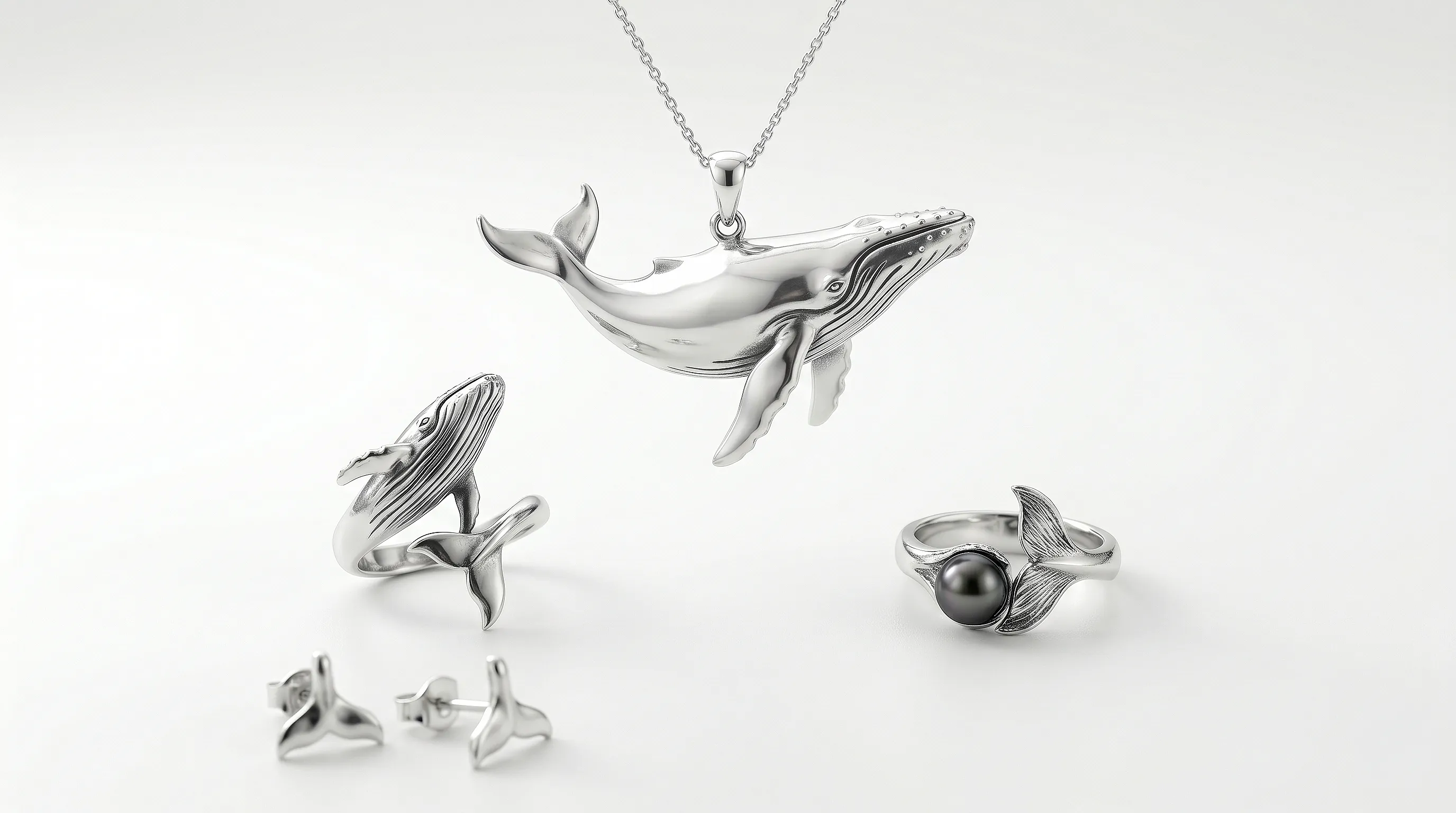
Whale tail rings typically wrap the fluke shape around the finger, with the two lobes of the tail either meeting or overlapping at the top. These work particularly well as statement rings for middle or index fingers. The organic curve of the whale tail translates beautifully to a ring format.
Earrings offer perhaps the most playful interpretation of the symbol. Small whale tail studs read as minimal and elegant. Drop earrings with articulated whale tail charms add movement and catch light. Mismatched pairs, one whale tail and one anchor or compass, create a nautical narrative across both ears.
Materials and what they add to the meaning
The material of a whale tail pendant changes its character significantly, and not just in terms of aesthetics.
Gold plated metal gives the whale tail a warm, luminous quality that connects to themes of value and permanence. Gold has been associated with the sun, with vitality, and with enduring worth across virtually every human culture. A gold whale tail pendant carries a weight of seriousness that lighter materials don't.
White or silver-toned metal evokes the actual colours of the ocean: moonlight on water, the flash of a whale's belly as it rolls, the foam on a breaking wave. Silver-toned whale tail pieces tend to feel more casual and wearable, fitting naturally into everyday outfits without demanding attention.
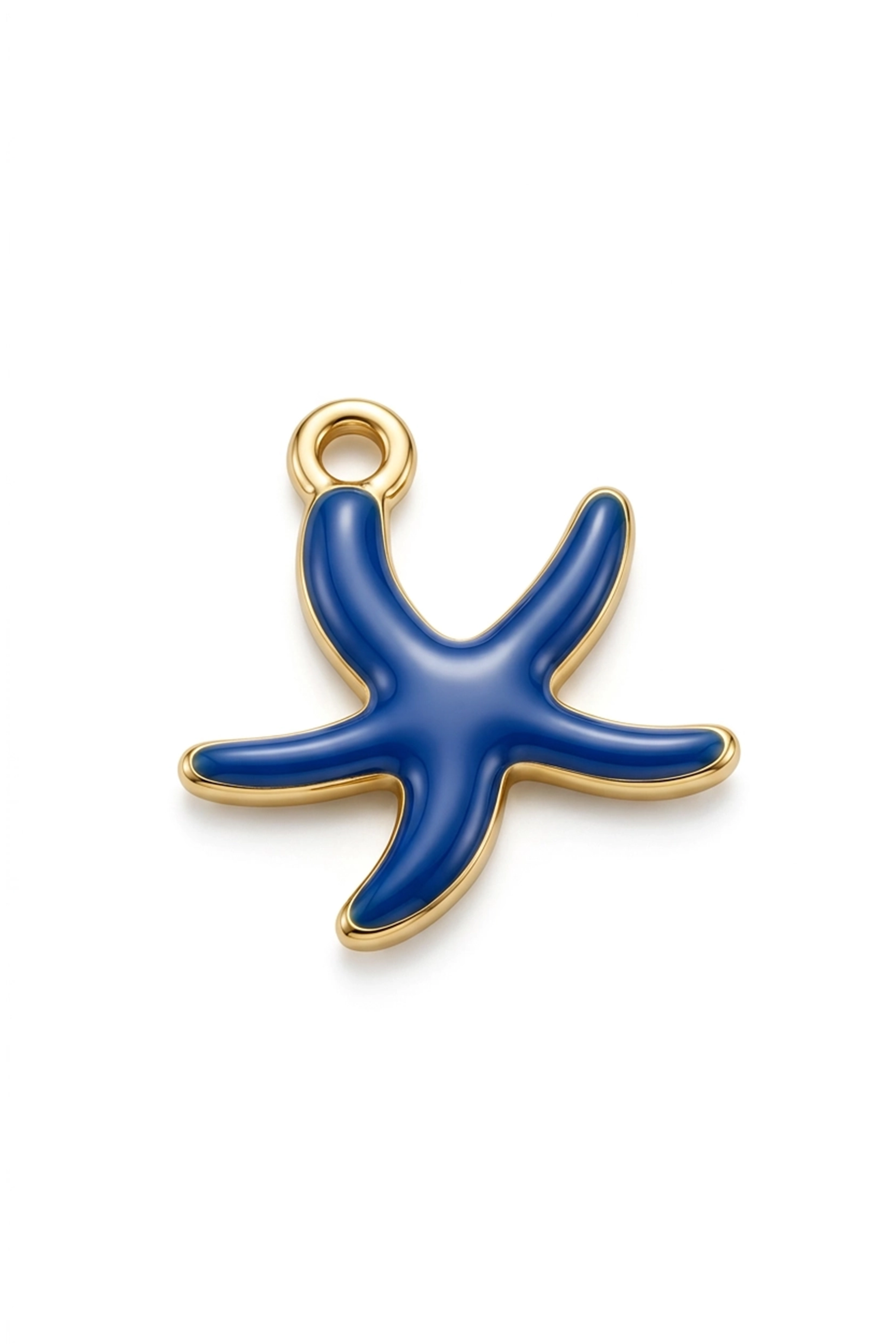
Metal with enamel opens up colour possibilities. Blue enamel on a whale tail pendant directly references the ocean. Teal or turquoise enamel connects to Polynesian water colours. Black enamel creates a dramatic, graphic quality that makes the whale tail shape pop against skin.
Metal with stones, particularly blue ones like topaz, cubic zirconia, or coloured glass, adds sparkle and colour to the symbol. A whale tail pendant with a small blue stone at the centre of the flukes creates a focal point that draws the eye and suggests the depth of the ocean.
When choosing materials, consider the meaning you want to emphasise. Gold for significance and tradition. Silver tones for everyday ocean connection. Enamel for colour and personal expression. The whale tail shape is versatile enough to carry all of these approaches.
Silver and gold jewellery, wedding bands, symbolic pendants, paired sets.
Who it suits and when to give it
Whale tail jewellery is not one of those symbols that only works for a specific demographic. Its meaning is broad enough to resonate with almost anyone who has a connection to the ocean, values freedom, or appreciates the cultural depth of the symbol. That said, some occasions make particularly good matches.
Graduation gifts. A whale tail pendant given at graduation says: dive deep. Go wherever you need to go. The world is as wide and deep as the ocean, and you have the strength to navigate it. The Maori gifting tradition adds weight here: giving the piece rather than having the graduate buy it makes the gesture more meaningful.
Travel farewells. Before someone leaves on a long journey, a whale tail pendant serves as a portable guardian. In both Polynesian and Norse traditions, the whale offers safe passage to travellers. This makes the symbol perfect for friends moving abroad, partners deployed overseas, or anyone embarking on a significant trip.
Recovery milestones. For someone coming through illness, grief, addiction recovery, or any major life challenge, the whale tail's association with resilience and strength makes it a powerful gift. The message: you kept swimming.
Ocean lovers and environmentalists. For anyone who feels a personal connection to the sea: surfers, divers, sailors, marine biologists, conservation volunteers, or simply people who feel most themselves near the water, a whale tail pendant is an obvious and deeply personal choice.
Couples. Matching whale tail pendants make meaningful couple's jewellery, symbolising a shared depth of feeling, mutual protection, and the freedom to be yourselves within the relationship.
Send a friend a discount code, they save on their first order.
Whale tail vs other ocean symbols
The sea offers a rich vocabulary of symbols, each with its own specific energy. Here is how the whale tail sits among its neighbours.
Whale tail vs anchor. The anchor is about stability and staying put. The whale tail is about freedom and diving deep. They're complementary rather than contradictory. Wearing both together creates an interesting tension: I need both roots and wings. I want to be grounded but also free to explore the depths.
Whale tail vs compass rose. The compass rose is about direction and finding your path. The whale tail is about the courage to follow that path wherever it leads, even into unknown waters. Again, they pair well together. The compass says "I know where I'm going." The whale tail says "and I'm not afraid of the deep."
Whale tail vs seahorse. The seahorse symbolises patience, persistence, and uniqueness. The whale tail symbolises freedom, strength, and depth. The seahorse is the introvert of ocean symbols. The whale tail is the explorer. Different energies, both valid, rarely confused.
Whale tail vs shell. Shells are associated with beauty, femininity, and the Camino de Santiago pilgrimage tradition. The whale tail is more primal, more powerful, more connected to movement and force. Shells are what the ocean leaves behind. The whale tail is what moves through the ocean.
Whale tail vs turtle. In Polynesian symbolism, the turtle (honu) represents longevity, peace, and the navigator's connection to land. The whale represents depth, power, and the navigator's connection to the open sea. In Hawaiian culture, wearing both marks you as someone who respects the full spectrum of ocean life.
Frequently asked questions
What does a whale tail necklace mean? A whale tail necklace symbolises freedom, strength, emotional depth, and protection. In Maori culture specifically, it represents safe passage, ancestral guardianship, and the sacred relationship between humans and the ocean. In broader modern usage, it also signals ocean awareness and conservation values.
Is a whale tail pendant unisex? Absolutely. The whale tail is one of the most gender-neutral ocean symbols available. The shape is bold enough for larger builds and elegant enough for finer ones. The symbolism of freedom, strength, depth, and protection resonates across all genders. Styling varies (thicker chains and larger pendants for a bolder look, finer chains for a subtle one), but the meaning is universal.
Can I wear a whale tail pendant if I'm not Maori or Polynesian? Yes. The whale tail as a jewellery motif appears across many cultures and is not exclusive to any single tradition. What matters is wearing it with respect and understanding. Knowing the Maori and Polynesian significance adds depth to your choice. If you want to specifically honour Maori tradition, consider purchasing from a Maori carver and following the gifting protocol (having someone give it to you rather than buying it for yourself).
What does a whale tail tattoo mean? The meanings largely overlap with jewellery: freedom, ocean connection, strength, protection. In Polynesian tatau tradition, whale motifs carry additional layers of ancestral significance. If you're considering a Polynesian-style whale tail tattoo, researching the specific cultural context is important to ensure respectful representation.
What stone pairs best with a whale tail pendant? Blue stones are the most natural pairing: blue topaz, aquamarine, and blue enamel all evoke the ocean. Turquoise connects to both Pacific Island and Native American water symbolism. Clear stones suggest water clarity and transparency. Green stones (like the pounamu used in Maori carvings) add a connection to New Zealand tradition.
Is the whale tail a religious symbol? Not in the way that a cross or Star of David is. The whale tail is a cultural and natural symbol rather than a religious one. It carries spiritual significance in Maori and Polynesian traditions, but it is not tied to any specific religion. People of any faith (or none) can wear it comfortably.
Why is the whale tail associated with surfers? Surfers spend significant time in the ocean, often in the same waters where whales migrate. Seeing a whale while surfing is a profound experience that many surfers describe as a turning point in their relationship with the sea. The whale tail became a marker of the ocean-centred lifestyle, signalling respect for the marine environment and a deep personal connection to the water.
Buying it as a gift? Each one arrives ready to give.
 A branded Zevira box and a little card come with every order.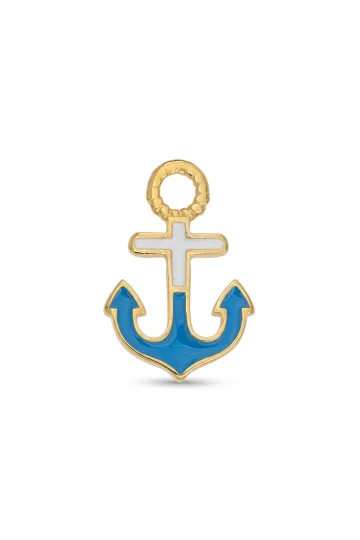














Where all of this leaves us
The whale tail pendant is one of those symbols that gets richer the more you learn about it. On the surface (no pun intended), it is a beautiful organic shape that works well in jewellery. But underneath, it carries thousands of years of human relationship with the ocean. Maori carvers who see the whale as family. Polynesian navigators who followed whales across the Pacific. Norse sailors who carved whale bone for protection. Modern surfers who wear the fluke as a badge of belonging. Conservationists who see it as a pledge.
What makes it particularly powerful as a piece of personal jewellery is that it works on whichever level you need it to. If you just want a beautiful pendant that connects you to the ocean, it does that. If you want something that symbolises freedom and the courage to go deep, it does that too. If you want to carry a piece of Maori tradition, or honour someone you've lost, or remind yourself that you survived something difficult, the whale tail holds all of those meanings without collapsing under the weight.
Not many symbols can do that. The whale tail can because the animal itself carries that range. Whales are simultaneously gentle and powerful, social and solitary, accessible and mysterious. They live in a world we can visit but never truly inhabit. And when they raise their tails above the surface before diving, they show us something we rarely get to see: the moment of choosing depth.
That is what you carry when you wear a whale tail pendant. A shape, yes, and above all a choice.
Wear the symbol, don't just read about it. These are in stock:
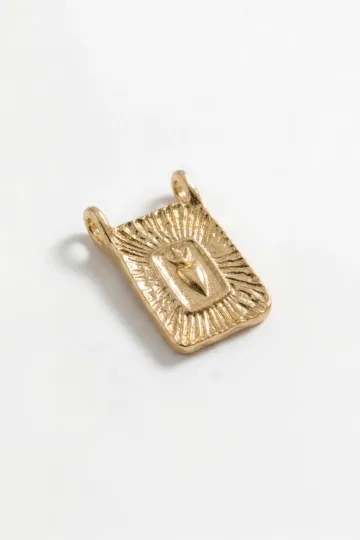
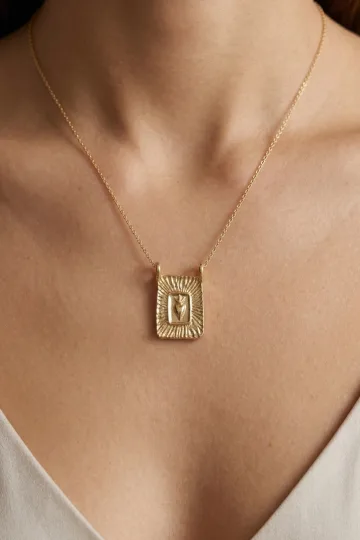
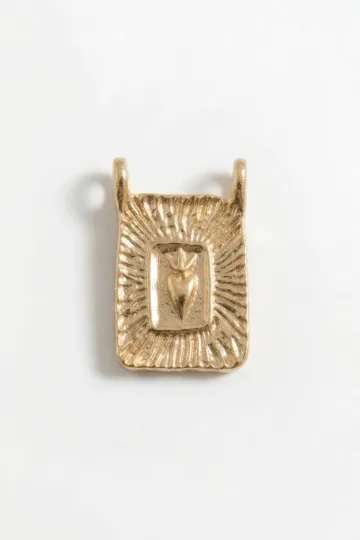
About Zevira
Zevira makes jewellery in the artisan tradition of Albacete, Spain. The ocean line with the whale tail sits close to what we do: every fluke on a real whale is unique, like a fingerprint, and handwork gives a piece that same individuality you can never copy on a production line.
What you can find with us around the whale tail theme:
- Whale tail pendants in 925 silver and 14-18K gold, from a minimalist outline to a full sculpted form
- Versions with blue or turquoise enamel, or a blue stone set between the flukes, echoing the colour of the ocean
- Pendants on a fine chain for a delicate look and on a heavier chain for a bolder accent
- Matching whale tail pendants for a shared depth of feeling and mutual protection
- Ocean motifs that pair well together: anchor, compass rose, shell for a layered nautical look
- Pieces for the moments that matter: graduation, a farewell before a journey, a recovery milestone
Every piece can be personalised with engraving, with the option of personal engraving. 925 silver and 14-18K gold.