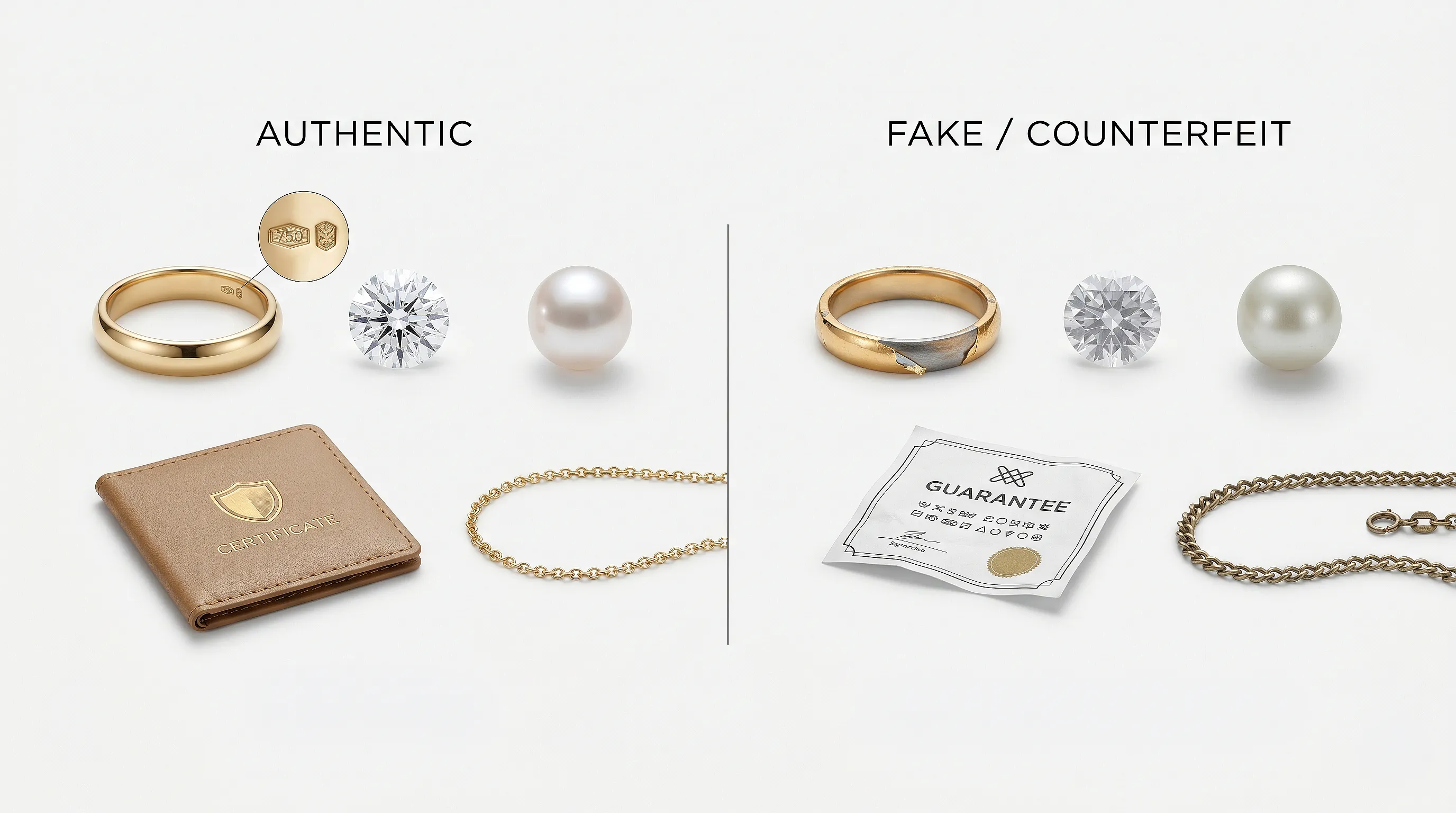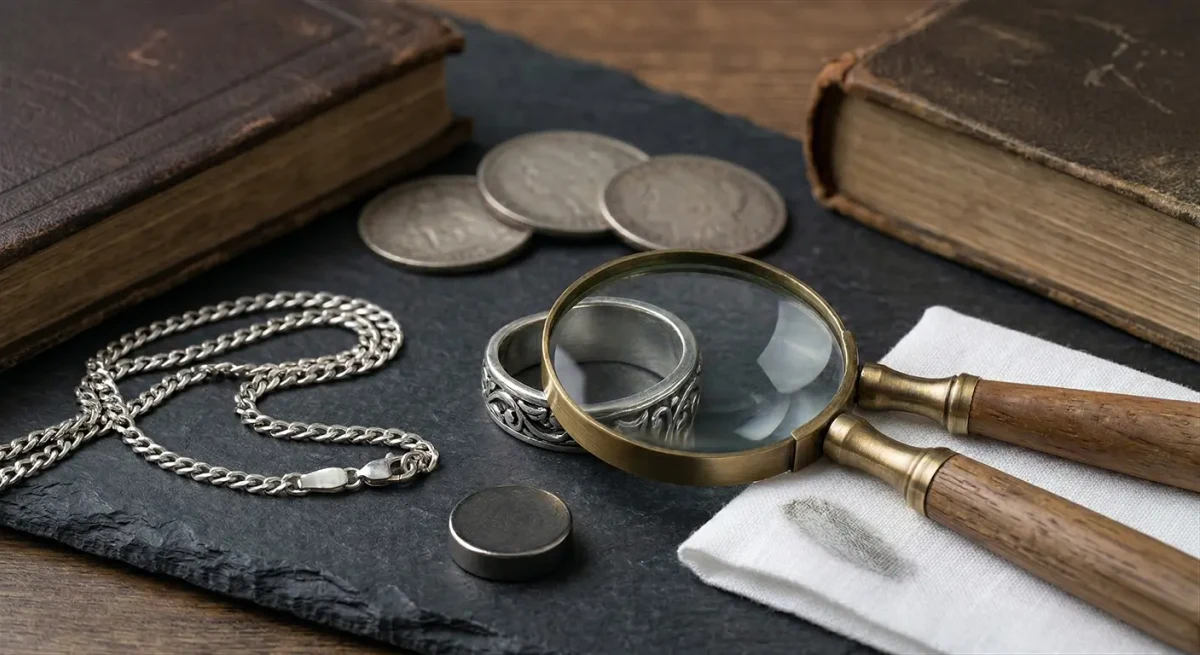
How to Tell If Silver Is Real: Complete Guide to Authenticating 925 Sterling Silver
Last summer, a friend showed me a bracelet she'd picked up at a holiday market in Portugal. Heavy, beautifully oxidised, with intricate filigree work. She'd paid next to nothing for it. "It's sterling," the seller had told her. "Look, there's the 925 stamp right there."
There was a stamp. It said 925. And the bracelet was gorgeous.
It was also completely fake. A nickel alloy with a stamped number that meant absolutely nothing. She found out three weeks later when the "silver" started peeling off in flakes, revealing a dull yellowish metal underneath. Her skin had already turned green at the wrist.
This happens more often than you'd think. The global market for counterfeit precious metals is enormous, and silver is one of the easiest metals to imitate. The good news? Spotting fakes isn't difficult once you know what to look for. You don't need a chemistry degree or expensive equipment. Most of the tests in this guide can be done with things you already have at home.
This article covers everything from quick visual checks to professional laboratory methods. The answers here work the same way for a family heirloom, a market find, or a necklace you've worn for years and never checked.
What Is 925 Silver, Exactly?
Let's start with the number itself. 925 is not a model number, a catalogue reference, or an arbitrary quality grade. It means the piece contains 92.5% pure silver by weight. The remaining 7.5% is made up of other metals, almost always copper, sometimes with trace amounts of zinc or nickel.
This ratio isn't random. It's the result of centuries of metalworking experience.
Why not use pure silver?
Pure silver (marked 999 or "fine silver") is stunning to look at. It has a brighter, whiter lustre than sterling. But it has a serious practical problem: it's incredibly soft.
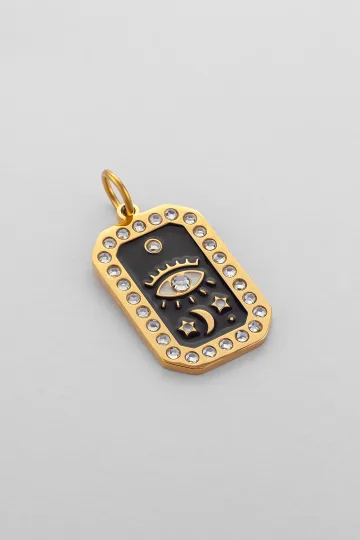
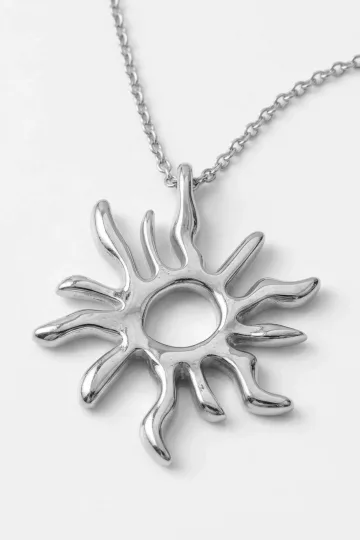
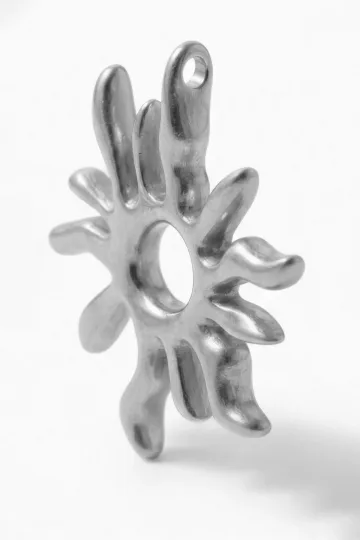
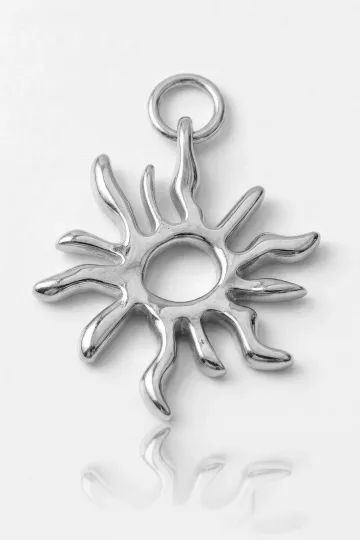
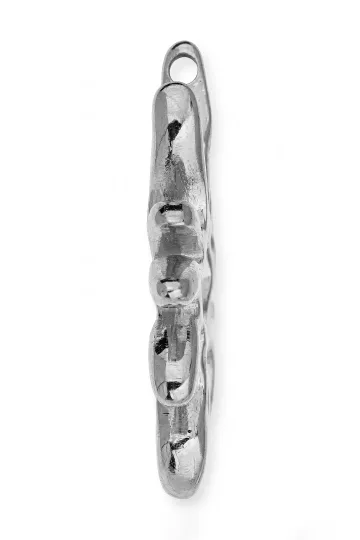
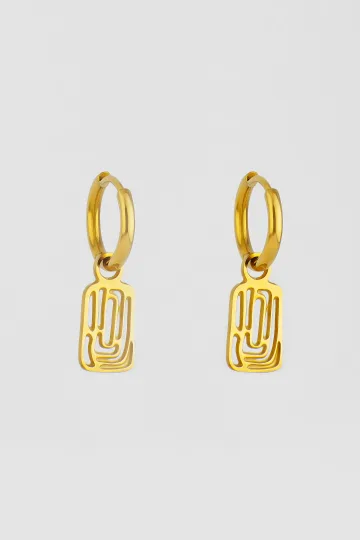
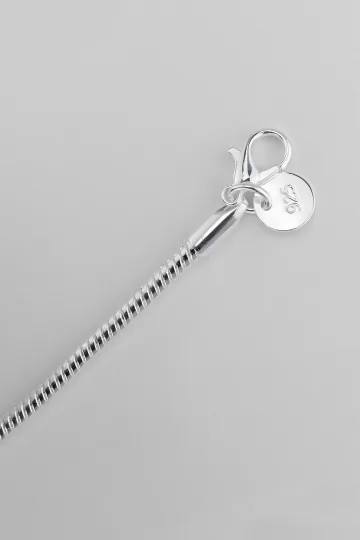
Wear the symbol, don't just read about it. These are in stock:


Imagine a ring made of pure silver. You could literally bend it with your fingers. It would scratch if you looked at it wrong. Within a week of daily wear, it would lose its shape entirely. That's not an exaggeration. Fine silver has a Mohs hardness of only 2.5, roughly the same as a fingernail.
Adding 7.5% copper changes everything. The alloy becomes significantly harder and more durable while keeping nearly all the visual beauty of pure silver. It can hold intricate details, withstand daily wear, and maintain its shape for decades.
A brief history of the standard
The 925 standard has been around for a surprisingly long time. England established it in the 13th century under King Edward I, who decreed that all silverwork must contain at least 92.5% pure silver. The term "sterling" likely comes from the early English silver penny, which was known for its reliable purity.
Other countries adopted similar standards over the centuries. Today, 925 is recognised worldwide as the benchmark for quality silver alloy. If you see it marked on jewellery, flatware, or decorative objects, it's meant to indicate this specific composition.
The key word there is "meant to." As my friend's Portuguese bracelet proved, a stamp alone doesn't guarantee anything. Which brings us to the next section.
For a deeper look at the composition and properties of this alloy, check out our complete guide to silver 925.
Customer reviews
Zevira is a real jewellery shop. Genuine payments, deliveries and customer thank-yous.
🥰🥰🥰 gracias

Ok, ¡gracias! 🙂

Hallmarks and Stamps: Your First Line of Defence
Checking for a hallmark is the natural first step when examining any piece. But not all marks are created equal, and understanding what you're looking at makes a huge difference.
The basics: what to look for
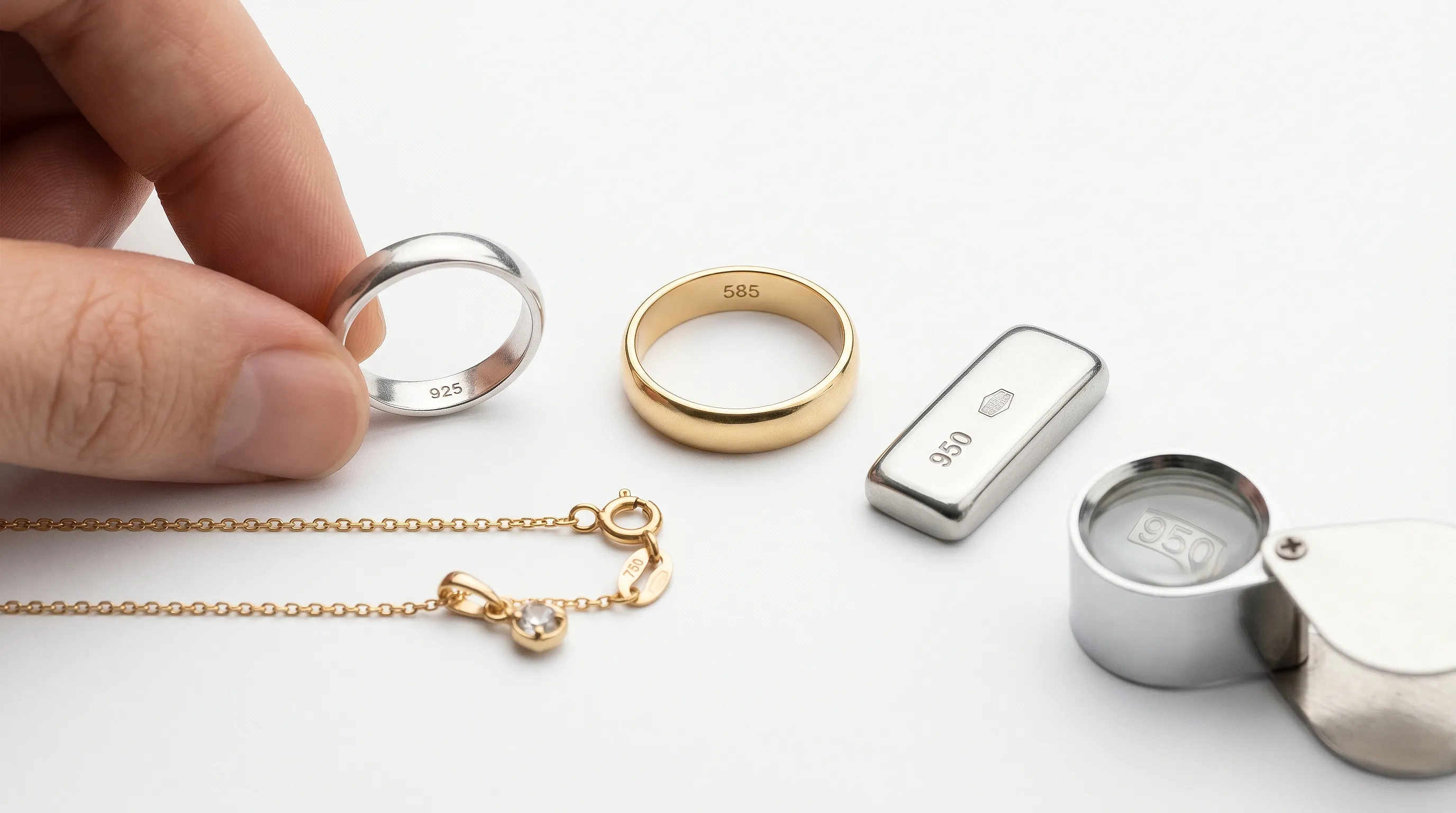
The most common marks you'll find on sterling silver:
- 925: the universal standard mark
- S925: common on Asian-manufactured pieces
- .925: with a decimal point, same meaning
- STERLING: spelled out, common in North America
- STER: abbreviated version
- SS: less common abbreviation for sterling silver
These marks are usually found in discreet locations: the inside of a ring band, the back of a pendant, near the clasp of a necklace or bracelet, or on the underside of flatware.
Country-specific hallmarks
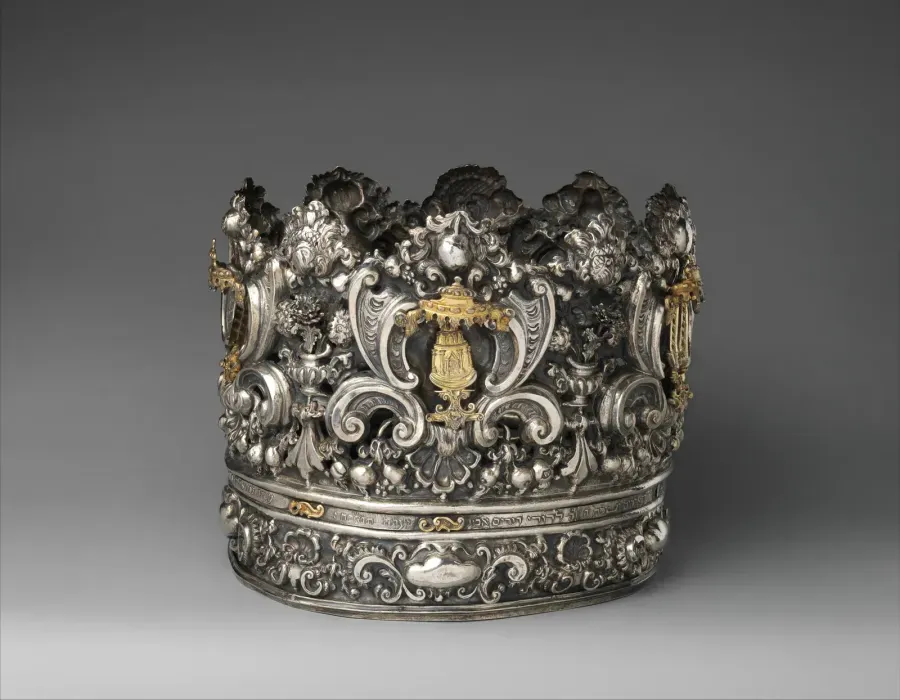
Here's where things get interesting, and more reliable. Many countries have official assay offices that test and mark precious metals with specific symbols. These are much harder to fake than a simple "925" stamp.
United Kingdom: The UK has one of the oldest and most respected hallmarking systems in the world. Look for the lion passant (a walking lion facing left). This has indicated sterling silver since 1544. You'll also find a date letter, an assay office mark (a leopard's head for London, an anchor for Birmingham, a rose for Sheffield), and the maker's mark.
France: French silver bears the head of Minerva (the Roman goddess of wisdom) for items with 800/1000 or higher silver content. For 925 and above, you'll see a specific version of this stamp. French hallmarking is controlled by the state and very strictly enforced.
Italy: Look for a star inside a hexagonal outline, accompanied by a number identifying the province and manufacturer. Italian silver typically also carries the "925" numeric mark.
Russia and former Soviet states: Russian silver uses a kokoshnik stamp (a woman's head in a traditional headdress) alongside the numeric purity mark. The Soviet-era mark featured a worker's head with a hammer. Modern Russian pieces carry the numeric 925 alongside the kokoshnik.
Germany: Germany uses the crescent moon and crown mark (Halbmond und Reichskrone) for silver of 800/1000 purity or higher. The numeric mark 925 is also standard.
Scandinavia: Nordic countries typically use the three crowns symbol (particularly Sweden) along with the numeric purity mark and maker's initials.
Red flags in stamps
A few things that should make you suspicious:
The stamp looks too perfect. Hand-applied hallmarks have slight irregularities. Machine-made fakes are often too clean, too even, too precise.
The stamp is in an unusual location. Legitimate hallmarks follow conventions about where they're placed. A "925" stamp on the outside of a piece, in a prominent location, is unusual for genuine items.
The stamp is the only mark. Professional jewellers almost always include maker's marks alongside purity stamps. A lone "925" with no other identification is a question mark (though not definitive proof of a fake).
The numbers look shallow or poorly defined. Authentic stamps are struck with proper tools and have consistent depth. Fakes are often scratched on or stamped with improvised tools.
Silver on a tanned wrist under a black sleeve, yes. That green-fingered 'sterling' from the market stall? Take it off, and don't argue.
Stylist's notes: how to wear 925 silver
Over years on shoots I have dressed hundreds of looks in silver, from jeans to evening gowns. Here is what actually works, sorted by occasion.
What do I wear silver with every day? For daily wear I recommend polished silver on a thin chain over a plain tee, a linen shirt or knitwear. The cool white metal reads brightest against a dark top: graphite, black, navy. It still works on white or beige, but there I suggest a textured or oxidised piece so it does not dissolve into the fabric. A medium-width ring and a pair of studs, and the look is already set.
Is silver right for the office? More than right. I suggest restrained shapes: a slim ring, a clean chain under the top button, stud earrings. Polished silver reads as a tidy detail, not a loud statement. If the dress code is strict, keep one piece and drop the rest; silver earns its place precisely because it never argues with a suit.
How do I build an evening look in silver? For evening I choose a larger shape and an open neckline. A substantial ring, a wide cuff or earrings with movement catch the light and carry the look. Silver loves smooth fabric in a deep colour: wine, emerald, black. Against bare skin at the collarbone the cool shine reads best, and I recommend a shorter chain.
Can I mix silver with gold? You can and you should, as long as you do it on purpose. I recommend holding a balance: one zone of warm metal, one of cool, rather than everything jumbled together. A two-tone ring or chain sets the rule for the whole look at once. One thing matters: both metals must be real; cheap plating next to true silver is the first to give itself away.
Who does silver suit? Silver flatters a cool undertone most of all. If the veins at your wrist look bluish and your skin turns pink rather than golden in the sun, this is your metal. A warm undertone can wear it too; just choose pieces with oxidised detail or a matte finish to soften the contrast. Two rules that never fail. First: one expressive piece beats five small ones. Second: silver loves contrast, so put it against something dark and cool and it comes alive.

Turn on your camera, pick earrings, a pendant or a ring, and see the piece on yourself in real time.
Switch items in one tap.
Everything runs in your browser: no photo or video is ever uploaded.
Upload a photo of your pet, someone you love, or an object. We'll build a 3D model and hand-cast it in pewter.




Home Tests You Can Do Right Now
Here's the practical part. None of these tests alone is 100% conclusive, but combining several of them gives you a very reliable picture. Think of each test as a vote. If most votes say "real," you're probably looking at genuine sterling.
Visual inspection
Start by simply looking at the piece carefully, preferably with a magnifying glass.
Colour: Real sterling has a specific cool, bright white colour. It's not grey, not yellowish, not blue-tinted. Over time, it develops a warm patina that darkens in crevices and recessed areas while staying brighter on raised surfaces. This uneven oxidation pattern is characteristic of genuine silver.
Tarnish patterns: Real silver tarnishes in a particular way. It starts as a slight yellowing, progresses to a warm amber, then darkens to brown and eventually black. The tarnish appears first in areas that are exposed to air but don't get rubbed clean through wear: the backs of pendants, the insides of links, the undersides of settings.
Wear patterns: Genuine sterling wears evenly and develops a soft, smooth patina over years of use. Silver-plated items show wear differently: the plating wears through at edges, corners, and high-contact points, revealing a different-coloured metal underneath.
Construction quality: This isn't strictly a "real vs fake" indicator, but poorly made pieces are more likely to be counterfeit. Look for clean solder joints, consistent finish quality, and well-executed details.
The magnet test
This is probably the most popular home test, and it's genuinely useful, with one important caveat.
How it works: Silver is not magnetic. Neither are gold, copper, brass, or aluminium. Iron and steel are. So if a piece jumps to a strong magnet, it's definitely not silver.
What you need: A reasonably strong magnet. Fridge magnets are too weak. A neodymium magnet (rare earth magnet) works best: you can find them at hardware shops or online for very little money.
The test: Hold the magnet near the piece. Real silver will show zero attraction. It might even slide away slightly if you try to push it with the magnet on a smooth surface: silver has a fascinating property called diamagnetism, which means it creates a very faint repulsive field in the presence of a magnetic field.
The caveat: Passing the magnet test doesn't prove a piece is silver. It only proves it isn't iron or steel. Nickel silver, brass, copper, aluminium: these all pass the magnet test perfectly, and none of them are precious metals. That's why you need more than one test.
The ice test
This one is fun and surprisingly revealing.
How it works: Silver has the highest thermal conductivity of any metal. This means it transfers heat faster than anything else. When you place an ice cube on a piece of silver, it melts noticeably faster than it would on other metals or materials.
The test: Place your piece on a flat surface. Put an ice cube directly on top of it. At the same time, put an identical ice cube on a regular plate or countertop for comparison. The ice on the silver should begin melting almost immediately: visibly faster than the control ice cube. It should look like the ice is melting from the contact point outward, almost as if the metal is warm (even though it's at room temperature).
Why it works: Sterling silver's thermal conductivity is about 406 W/(m-K). For comparison, stainless steel is around 16, nickel is about 91, and copper is 401. Only copper comes close to silver in this regard. So if the ice melts fast, you're looking at either genuine silver or solid copper: and you can tell those apart by colour easily.
Limitations: This test works best with larger, flatter pieces. A thin ring or small pendant doesn't have enough surface area to produce a dramatic difference. Also, silver-plated items will show some heat conductivity from the silver layer, though less than solid sterling.
The smell test
Simple but effective.
How it works: Real silver is essentially odourless. You might detect a very faint metallic scent if you try hard, but nothing strong or distinctive. Many fake silver materials (particularly brass, copper alloys, and some plated metals) have noticeable smells. Brass smells slightly sweet and metallic. Nickel has a distinct sharp odour. Iron smells like, well, iron.
The test: Hold the piece close to your nose. Rub it between your fingers for a moment to warm it up (this releases more volatile compounds). If you detect a strong metallic, sweet, or sulphurous smell, the piece is likely not silver or is heavily alloyed with non-precious metals.
Limitations: This test is better at identifying fakes than confirming authenticity. A lack of smell doesn't prove something is silver, but a strong smell is a clear warning sign.
The cloth test
How it works: When you rub real silver with a soft white cloth, the cloth picks up black or dark grey marks. This is silver oxide: the same compound that causes tarnishing. Fake silver materials don't produce this characteristic oxidation residue.
The test: Take a clean white cotton cloth or soft white paper towel. Rub the piece firmly for 30-60 seconds. Check the cloth for dark marks. Genuine sterling will leave visible black or dark grey streaks.
Why it works: The copper in sterling silver oxidises readily when friction is applied. This surface-level oxidation transfers to the cloth as a dark residue. Pure fake materials like stainless steel, nickel alloys, and chrome-plated metals don't produce this reaction.
Limitations: Newly polished or rhodium-plated silver might not leave marks immediately. Heavily tarnished pieces will leave marks more readily. And some copper-containing fakes (like brass) can also leave marks, though the colour tends to be more greenish than black.
The sound test
This test requires a bit of practice, but experienced collectors swear by it.
How it works: Real silver has a distinctive ring when tapped or dropped. It produces a clear, high-pitched tone that sustains for a second or two: think of a small bell. Non-silver metals produce different sounds: duller, shorter, flatter.
The test: Hold the piece lightly between your fingertips (or dangle it from a chain if it's a pendant). Tap it gently with another metal object: a coin works well. Listen to the sound. Sterling silver produces a clear, ringing tone. Stainless steel makes a sharper, harsher sound. Brass gives a lower, more hollow ring. Lead-filled fakes produce almost no ring at all, just a dull thud.
Limitations: This works best with solid pieces: coins, bangles, thick rings. Thin or hollow pieces don't produce as clear a tone. Pieces with gemstones or mixed materials can also muffle the sound. It's also somewhat subjective until you've trained your ear by comparing known real and fake pieces.





Professional Authentication Methods
When the stakes are high (valuable antiques, significant purchases, insurance appraisals), home tests aren't enough. Here's what the professionals use.
Acid test
This is the most common professional test and is also available as a home kit, though it requires caution.
How it works: A small scratch is made on an inconspicuous area of the piece. A drop of nitric acid is applied to the scratch. The colour of the resulting reaction tells you what the metal is.
Reading the results:
- Creamy white reaction = genuine silver
- Green reaction = copper or brass
- No reaction = gold or platinum
- Dark brown or black = tin or lead
Important: Nitric acid is corrosive and dangerous. It will damage the piece slightly (hence the scratch in a hidden area). If you're testing something valuable, consider having a professional do this rather than buying a home kit. Always wear gloves and work in a ventilated area if you do it yourself.
XRF analysis (X-ray fluorescence)
This is the gold standard (pun intended) of non-destructive metal testing.
How it works: A handheld XRF gun fires X-rays at the piece. The metal atoms become temporarily excited and emit their own characteristic X-rays back. A detector reads these return signals and identifies exactly which elements are present: and in what proportions.
The advantages: It's non-destructive (nothing touches the piece), incredibly accurate (can detect elements down to parts per million), and fast (results in seconds). It will tell you not just whether something is silver, but the exact percentage of silver, copper, and any other metals present.
The disadvantages: The equipment is expensive: professional XRF guns cost thousands. You won't be buying one for home use. But many jewellers, pawn shops, and precious metal dealers have them. Some charge a small fee for testing; others will do it free if you're a potential customer.
Specific gravity test
This is an old-school method based on the principle that different metals have different densities. Silver has a specific gravity of 10.49 (meaning it's 10.49 times heavier than an equal volume of water).
How it works: You weigh the piece in air, then weigh it again submerged in water. The difference between the two weights, compared to the weight in air, gives you the specific gravity. If it matches silver (or is close to 10.49), the piece is likely genuine.
The math: Specific gravity = (weight in air) / (weight in air: weight in water)
Practical notes: This test is most accurate with solid pieces. Hollow items, pieces with gemstones, or items with trapped air bubbles will give misleading results. You need a reasonably precise scale: one that reads to at least 0.1 grams.
For an everyday approach to maintaining your tested pieces, our guide to cleaning jewellery at home covers everything you need. And before you ever get to the testing stage, the broader playbook on how to not buy fake jewellery in the first place walks through seller red flags, market patterns, and the moments to walk away.
CAPAORA mini knife pendant
The 18th-century Spanish navaja in miniature: 40 mm of stainless steel, a real folding mechanism and a Palanquilla lock that clicks. An affordable gift to remember.
Authentic · Ships from Spain · 14-day returns
Common Fakes and How to Spot Them
Not all fakes are created equal. Here are the most common silver imposters and what gives them away.
Silver-plated items
This is the most common "fake," though calling it fake is a bit unfair. Silver plating is a legitimate manufacturing technique. The problem is when plated items are sold as solid sterling.
What it is: A base metal (usually copper, brass, or nickel) coated with a thin layer of real silver through electroplating. The silver layer is typically 1-30 micrometres thick.
How to spot it: Look for wear patterns. On plated items, the base metal shows through at edges, corners, and high-wear points. The wear is uneven: bright silver in protected areas, darker or different-coloured metal at contact points. Markings might say "EP" (electroplated), "EPNS" (electroplated nickel silver), "silver plate," or "plated." A genuine piece will never carry these marks.
Also, check the weight. Solid sterling is noticeably heavier than plated pieces of the same size, because the base metals used are typically lighter than silver.
Nickel silver (German silver)
Despite the name, this material contains absolutely zero silver. Zero.
What it is: An alloy of copper (typically 60%), zinc (20%), and nickel (20%). It was developed in 19th-century Germany as a silver substitute and is still widely used in budget jewellery, musical instruments, and cutlery.
How to spot it: Nickel silver has a slightly different colour than real sterling: it's more of a grey-white with a yellowish undertone, compared to sterling's clean bright white. It doesn't tarnish the same way (it tends to develop a greenish patina rather than the brown-to-black of real silver). And it often has a faint metallic smell that genuine silver lacks. The cloth test is useful here, since nickel silver won't leave the characteristic black marks that real sterling does.
Tibetan silver
Another misleading name. Modern "Tibetan silver" is typically a base metal alloy with no meaningful silver content.
What it is: Historically, some Tibetan silver did contain actual silver (often mixed with copper and tin). Today, most items sold as "Tibetan silver" are zinc, tin, or copper alloys with no silver at all. They're often cast with decorative patterns and sold at markets, tourist shops, and online.
How to spot it: The metalwork tends to have a cast appearance with slightly blurry or soft details (versus the crisp lines of properly worked sterling). It's usually lighter than silver. It won't tarnish like silver does. And it frequently carries no hallmark at all, or just a decorative mark that looks official but isn't a recognised purity stamp.
Alpaca silver
Similar to nickel silver, alpaca is a copper-zinc-nickel alloy popular in Central and South America for decorative items.
What it is: Essentially the same as nickel silver: zero real silver content. The name comes from its historical use, not from any connection to the animal. It's widely used in Mexican and Peruvian crafts.
How to spot it: Same giveaways as nickel silver. Slightly off colour, different tarnish behaviour, metallic smell, and no legitimate hallmark. Items are sometimes marked "alpaca" or "alpaca silver," which actually makes identification easy: that mark tells you outright it's not real silver.
Six fast checks, no tools. Leave your email, we'll send the PDF and a discount code.
No spam, unsubscribe anytime.
Caring for Your Real Silver
Once you've confirmed your piece is genuine, you'll want to keep it looking its best. Real sterling is surprisingly low-maintenance if you follow a few basic principles.
Storage
The biggest enemy of silver is sulphur, specifically hydrogen sulphide gas, which is present in small amounts in the air. This is what causes tarnishing.
Store your silver in airtight containers or sealed bags when you're not wearing it. Anti-tarnish strips (small paper squares treated with activated charcoal) placed alongside your jewellery absorb sulphur compounds and dramatically slow tarnishing. Keep pieces separate to prevent scratching. Silver is soft enough that pieces can mark each other.
Avoid storing silver in bathrooms (humidity accelerates tarnishing), near rubber bands (rubber outgasses sulphur), or in direct contact with wooden surfaces (some woods release acids that affect silver).
Cleaning
For routine cleaning, a soft polishing cloth is all you need. Rub gently in straight lines (not circles) following the grain of the metal. This removes light tarnish and restores shine without scratching.
For heavier tarnish, mild soap and warm water work well. Use a soft brush (a clean toothbrush is perfect) for detailed areas. Rinse thoroughly and dry completely. Water spots are just mineral deposits, but they look untidy.
Avoid harsh chemical cleaners, abrasive pads, and ultrasonic cleaners for pieces with gemstones, enamel, or patina finishes. These cleaning methods are fine for plain sterling but can damage delicate elements.
We cover cleaning methods in much more detail in our jewellery cleaning guide.
When to worry
Normal tarnishing is not a cause for concern. It's actually a sign your silver is real. But some changes do warrant attention:
- Pitting (small holes or rough spots) might indicate exposure to strong chemicals
- Cracking at solder joints suggests the piece was poorly constructed or has been stressed
- Sudden discolouration that doesn't respond to polishing could mean exposure to bleach or chlorine
- Loss of weight or thinning on older pieces might indicate wear-through on plated items (which means the piece may not be solid sterling after all)
Frequently Asked Questions
Can I test silver with bleach?
Technically yes, real silver reacts with bleach and turns black almost instantly. But we don't recommend this test. Bleach is harsh on silver and can cause permanent damage, including pitting and etching. It's an irreversible test that's much more destructive than necessary. Use the non-destructive methods in this guide first.
What if my piece has no stamp at all?
Unstamped pieces aren't necessarily fake. Very old items (pre-hallmarking laws), handmade artisan pieces, and items from countries without mandatory marking requirements may have no stamps. The absence of a mark means you can't rely on that data point, but the piece could still be genuine sterling. Run the other tests.
Does real silver set off metal detectors?
Yes. Silver is a non-ferrous metal, and modern metal detectors can identify it. But this isn't a practical authentication method, since many non-silver metals also trigger detectors. It's an interesting fact, not a useful test.
How can I tell the difference between silver and white gold?
Colour is the main giveaway. Sterling silver has a brighter, cooler white colour. White gold has a slightly warmer, more greyish tone (unless it's rhodium-plated, which gives it a brighter appearance). Weight is another indicator: gold is significantly heavier than silver. A white gold ring will feel noticeably heavier than a silver ring of the same size. And of course, hallmarks differ. Gold will be marked with karat numbers (10K, 14K, 18K) rather than 925.
Is 925 silver hypoallergenic?
For most people, yes. The main concern is the copper content (7.5%), and copper allergies are uncommon. However, some sterling silver alloys contain small amounts of nickel, which is a common allergen. If you have sensitive skin, look for nickel-free sterling silver, which uses zinc or germanium instead of nickel in the alloy.
Can silver-plated items be re-plated?
Yes. A jeweller can re-plate a worn piece through electroplating. It's generally affordable and gives the item a fresh silver surface. But this doesn't turn a plated piece into solid sterling. It's still a base metal with a silver coating. Be wary of sellers who re-plate items and then sell them as solid silver.
How often should I clean my silver jewellery?
It depends on how often you wear it and your environment. Pieces worn daily in a dry climate might need cleaning once a month. Pieces worn occasionally in humid conditions might need it more frequently. The best approach: clean when you notice tarnish, and store properly to minimise how often cleaning is needed.
Does the country of origin affect silver quality?
The 925 standard is the same worldwide. Sterling silver from Italy has the same composition as sterling from Thailand or Mexico. What varies is the quality of the craftsmanship, the design, and the finish. Country of origin tells you about the maker's tradition and style, not the metal quality. That said, some countries have stricter hallmarking enforcement than others, so a properly hallmarked piece from the UK or France provides an extra layer of confidence.
Silver as a Holding: Why 925 Remains the Standard
Sterling has been the standard for more than seven centuries. That is not accident or inertia. Dozens of other proportions have been tried in that time, and none of them proved better for jewellery worn on a body every day.
800 silver (80 per cent silver, 20 per cent copper) is still used in parts of continental Europe, mostly for flatware. It tarnishes faster, sits slightly yellow against the skin, and darkens in the recesses more aggressively. 950 silver, at 95 per cent, is purer and whiter, and it is noticeably softer. Beautiful in a display case, awkward on a hand that opens doors and carries shopping.
925 landed exactly where beauty meets practicality. Enough silver for the colour and the shine. Enough copper to hold an edge, a setting and a hinge. That is a balance found by generations of smiths working with their hands and their eyes rather than with formulas, and it has survived every attempt to improve on it.
Silver in the British Tradition
Britain has treated silver more seriously than almost anywhere else, and the proof is administrative rather than romantic: compulsory assay. Since the fourteenth century, silver offered for sale in this country has had to be tested by an independent office and struck with marks that say so. The lion passant for sterling, the town mark, the date letter, the maker's punch. No other consumer product in Britain carries that much verified information in four small symbols.
The geography still shows in the marks. A leopard's head means London and the Goldsmiths' Company. An anchor means Birmingham, whose Jewellery Quarter grew into the densest concentration of jewellery workshops in Europe. A rose means Sheffield, the town that gave its name to Sheffield plate when a local cutler discovered in the 1740s that copper and silver could be fused and rolled together, effectively inventing the affordable silver look and, with it, the first great wave of convincing imitations. A castle means Edinburgh. Those four offices are the ones you will meet on modern British work.
Silver ran through ordinary British life in a way gold never did. Christening spoons, napkin rings, sugar tongs, a plain sterling band, a pocket watch chain. Georgian and Victorian households bought silver as a form of savings that could also be laid on a table, which is why so much of it survives in family drawers and provincial auctions. If you inherit a piece with a full set of British hallmarks, you inherit an audit trail: you can read the office, the year and often the maker, and no home test will ever give you that much certainty.
Pieces That Outlive Their Owners
A well-made sterling piece can pass through generations. That is not sentimental exaggeration. Eighteenth-century silver rings survive in museum cases not because they were locked in safes, but because the alloy behaves. The metal adapts. It darkens and it polishes back. It takes knocks and it can be worked again.
Plating does not do that. Costume alloys do not do that. What does it is a material designed seven centuries ago for people who wore their jewellery while working with their hands. Fishermen, smiths, farmers, people who did not take a ring off at night, who simply lived in it. A silver piece assumes it will be worn, and it repays wear rather than punishing it.
When you authenticate a silver piece, you are checking the composition of an alloy. You are also confirming that the object in your hand belongs to that lineage: the tradition of things made to last, repaired rather than replaced, and handed on.
Buying With Your Eyes Open
By this point you have a full set of tests. There is one thing worth more than any of them: the seller.
A good jeweller will not take offence if you ask about authenticity. Quite the opposite, they will be pleased to meet an informed buyer. They will show you the hallmarks under a loupe, tell you where the metal came from, and often run a test in front of you without being asked twice.
A seller who becomes uneasy when authenticity comes up is the seller to walk away from. That reaction is the single most reliable signal in this article, and it costs nothing to read.
At car boot sales, markets and antique fairs there are no guarantees at all, which is precisely why the tests above exist. A small magnet in your pocket, an eye trained on hallmarks, and the habit of rubbing a hidden spot with a white cloth before you pay. Those three things will save you more money over a lifetime of buying than any amount of theory.
Patina as Autobiography
Tarnish is not a fault. It is the object's autobiography. Bright where fingers have touched it most often, dark where the metal has been sheltered by a setting or a curve. Pick up an old silver bracelet and you can read a life in it: which gestures the owner repeated, which wrist they wore it on, whether they worked with their hands.
That cannot be faked convincingly. Twenty years of patina is unrepeatable, and forced chemical ageing sits evenly across a surface in a way real wear never does. In the end that is the best authentication of all. Not the magnet, not the acid. Time. Time tells the truth about silver, and about most other things.
Silver and gold jewellery, wedding bands, symbolic pendants, paired sets.
Send a friend a discount code, they save on their first order.
Conclusion
Telling real silver from fake doesn't require special expertise or expensive equipment. It requires attention and a systematic approach. Check the hallmarks, run a magnet test, try the ice test, use the cloth test, and if you're still unsure, visit a jeweller who can run a quick acid or XRF test.
The most important takeaway: no single test is definitive. Stamps can be faked, non-magnetic metals aren't all silver, and not every piece that tarnishes is genuine. Combine multiple methods. Let the evidence build up. And trust your growing expertise. The more you handle and test silver, the better your instincts become.
Real sterling silver is a beautiful, durable, and accessible precious metal. It's worth the small effort of verifying authenticity before you buy, and worth the basic care to keep it looking brilliant for years.
Buying it as a gift? Each one arrives ready to give.
 A branded Zevira box and a little card come with every order.

About Zevira
Zevira makes jewellery in the artisan tradition of Albacete, Spain. Sterling silver is our main material, so composition, purity, and the way a piece tarnishes aren't theory pulled from an article. They're what our maker works with every single day.
Here's what you'll find in 925 silver at Zevira:
- Rings in a range of band widths, from slim and delicate to chunky pieces built for everyday wear
- Earrings, from simple studs to drop styles with secure fittings
- Chains and bracelets in different weaves, all with clasps that actually hold
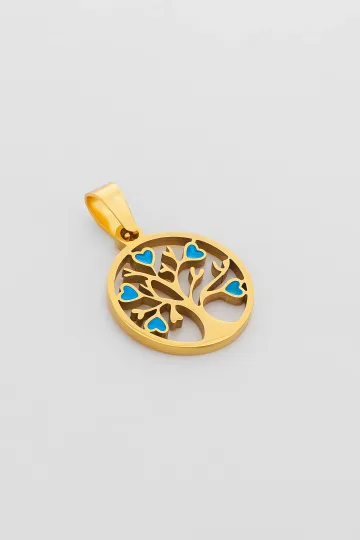
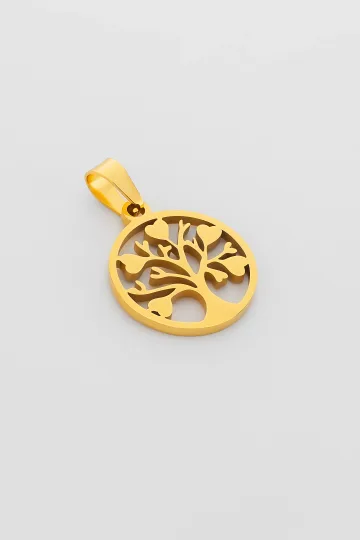
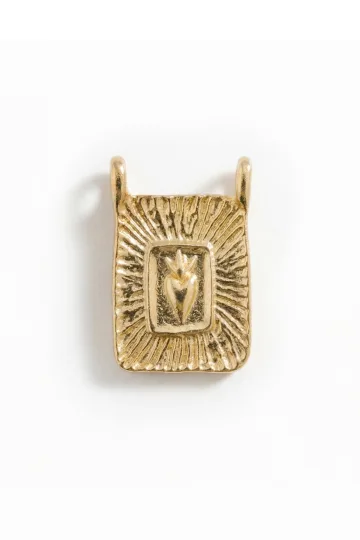
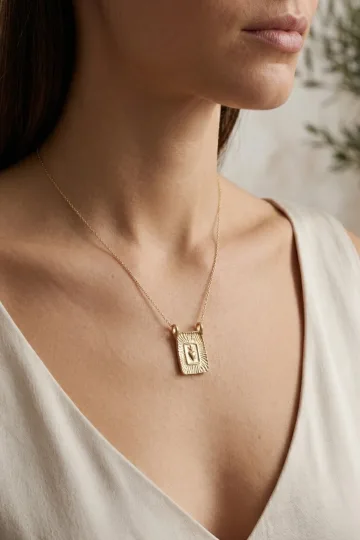
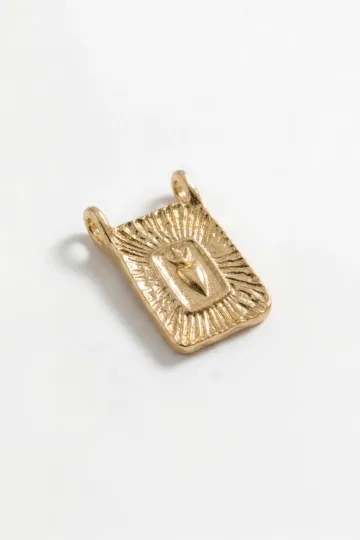
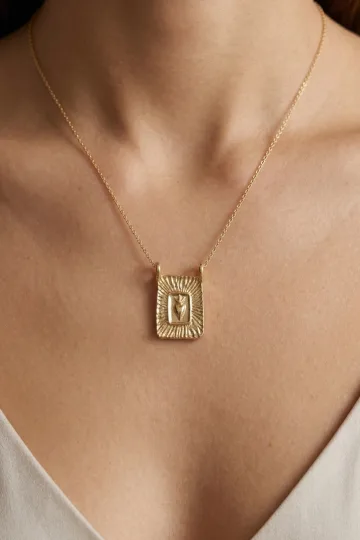
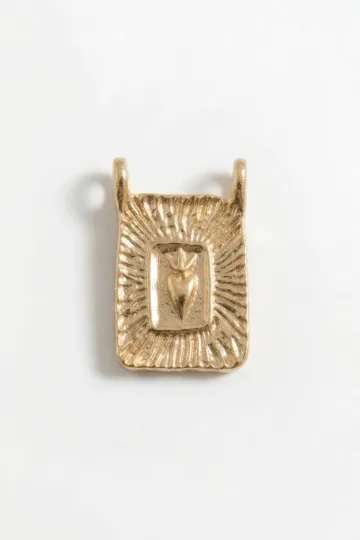
- Pendants and charms, including pieces you can have personally engraved
- Symbolic and matching designs with that cool, bright silver shine
- Silver mixed the right way, nickel-free, and safe for sensitive skin
Every piece can be personalised with engraving, with personal engraving available on request. Sterling silver and 14-18K gold.
Wear the symbol, don't just read about it. These are in stock: