Last-Minute Gift: Jewelry in 24-72 Hours
"I forgot" isn't an excuse, it's a fact. With 24-72 hours until the event, a custom order is impossible. This guide shows how to give a last-minute gift that doesn't look like you bought it at the last minute. Four time windows: 24 hours, 48 hours, 72 hours, and 7 days.
The Psychology of Gift Procrastination
Why do we wait until the last moment? Not from laziness, not from lack of care. Usually from unresolved internal tension that psychology calls "decision avoidance," and everyday language calls simple paralysis: I don't know what to give, I'm afraid I'll get it wrong, I don't want to think about it right now.
These three reasons circle your head simultaneously and freeze your choice weeks before you run out of time.
Avoidance as Defence
When someone doesn't buy a gift a month before, a week before, or even two days before an event, it doesn't mean they're not thinking of the person. It means the choice triggers discomfort, and the mind automatically switches focus to something else, work, a household task, a conversation, scrolling. The gift stays suspended.
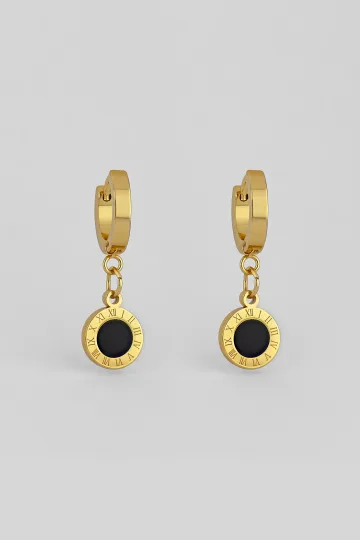
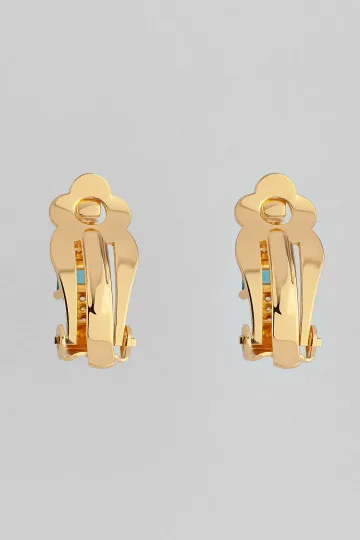
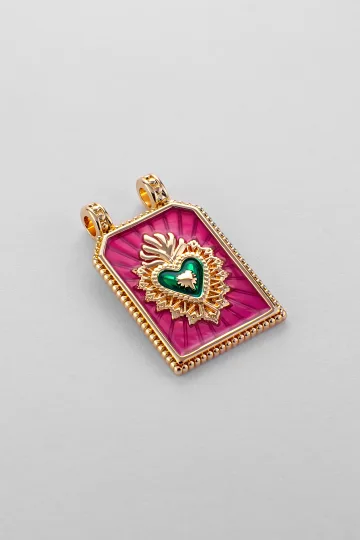
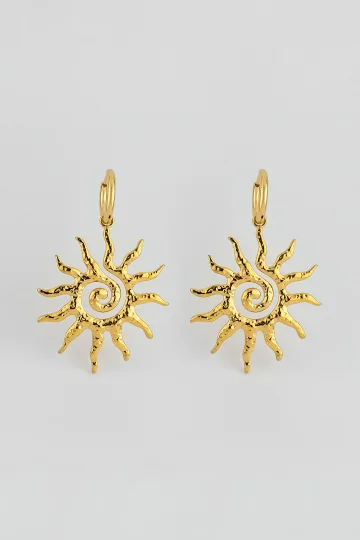
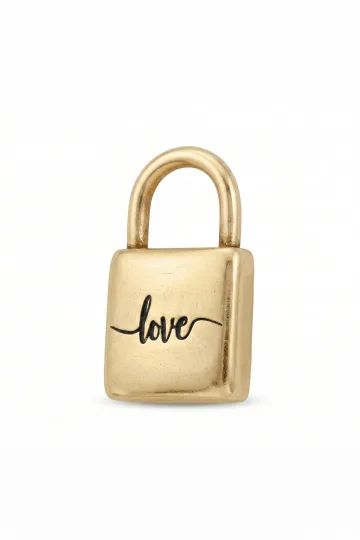
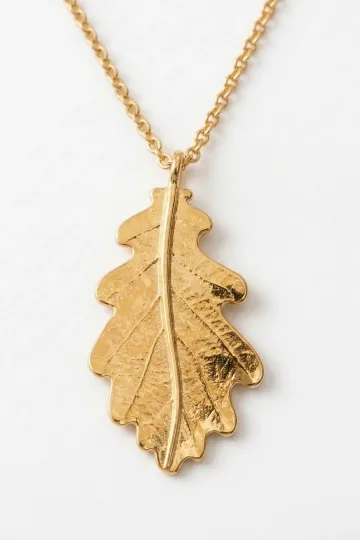
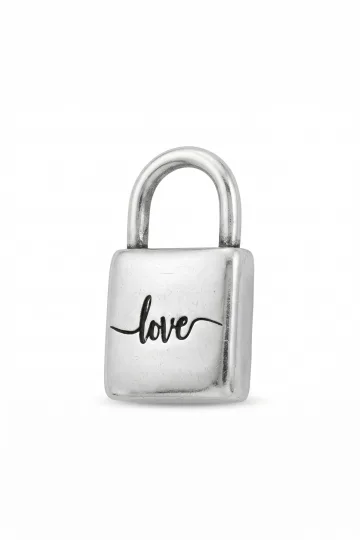
Wear the symbol, don't just read about it. These are in stock:



This is basic avoidance behaviour, well-documented in cognitive behavioural therapy for any delayed decision: taxes, doctor visits, calling parents. A gift falls into the same category because it carries two layers of responsibility. The first: choosing the object. The second, invisible: choosing reveals your assessment of the recipient. What do they want? Who are they? How well do you really know them?
The closer and more significant the recipient, the stronger avoidance kicks in. A gift for a colleague you've known six months? Twenty minutes to choose. A gift for your mother, wife, or child? Weeks of postponement. The paradox seems backwards, but it's logical: the more room for error with someone you love, the more pain that error causes. So the decision gets pushed until it becomes physically urgent. Until 24 hours before the event.
Unresolved Intent
Second reason: you haven't answered the basic question. What should this gift say? Not "what should I buy", what should the gift express? If you don't have a clear answer, choosing becomes pointless. You can look at thirty pendants and walk away empty-handed, because none of them answer a question you haven't asked yourself yet.
Possible intents, between which you haven't consciously chosen: confirming feelings, gratitude, apologizing for something unspoken, acknowledging achievement, marking a new relationship stage, commemorating a date. If there's one intent, choosing becomes simple. If there are several competing intents, the choice stalls.
Before you head to a store or open a website, answer one phrase for yourself: "With this gift, I want to say..." Not "what I want to buy," but "what I want to communicate." If the answer comes in ten seconds, the actual selection takes twenty minutes even under last-minute pressure. If you can't formulate it in a minute, the problem isn't stores, it's unclear intent, and you need to resolve that before buying anything.
The Fear of Getting It Wrong
This fear sits on top of the first two. Fear of buying the wrong thing. Fear of seeing a polite smile instead of genuine joy on their face. Fear the gift ends up in a drawer never to resurface.
This fear is generally rational. The gift might not work. The recipient might be diplomatically unimpressed. But the intensity usually exceeds actual probability. Most people are happy with modest gifts if they sense thought behind them. A good gift doesn't need 100% accuracy, 70% is enough.
The fear hits hardest for people whose relationships carry expectations. A partner who has to "prove love" through a gift. A parent compensating for a year of absence. A child trying to "impress" a parent. In these cases, the gift carries weight it was never designed for, and fear of failing under that weight paralyzes choice.
One question dissolves it: what's the worst case? The recipient says thanks politely, puts it away, forgets about it in a month. Life continues. Relationships don't break. If the worst case brings no catastrophe, fear shouldn't paralyze you for 24 hours.
24-Hour Window: What's Possible and What Isn't
Twenty-four hours is the working minimum. In those hours are hard limits and concrete possibilities. You need to know both to avoid spending time on the impossible.
What Works in 24 Hours
Picking up from a showroom same day. Most jewellery showrooms in major cities work with ready stock. Call in the morning, ask to hold a specific piece. By evening, you pick it up. It's the fastest reliable option. A three-minute call, a twenty-minute to one-hour drive depending on location, the hold usually lasts until close of business.
State your request specifically when you call. "Do you have silver drop earrings, simple form, something elegant?" Specific requests save everyone time, the jeweller understands immediately if they have it and doesn't offer unsuitable options. Vague requests like "something beautiful for a gift" triple the conversation and usually lead nowhere.
Express laser engraving, 1-2 hours. Laser engraving technically takes minutes. Most time is waiting for the jeweller and file prep. If the workshop isn't swamped, they accept and deliver same day. Call ahead: "Do you take rush engraving today, and when can you deliver?"
The strongest approach: buy a pendant or bracelet at the showroom in the morning, take it to an engraving workshop by midday, pick it up after lunch. By evening, it's ready. It looks like a single ordered piece because the engraving erases any sign of "grabbed on the way."
Same-city courier delivery, 2-4 hours. In most large cities, on-demand courier services partner with jewellery stores for 2-4 hour delivery. Order on the website, the courier picks up from the showroom and delivers to your address. Delivery costs about the price of a mid-range lunch, invisible in the overall budget.
Hand over one good piece, not a fistful of shiny trinkets. And for heaven's sake peel off the price tag, it is not a receipt to frame.
Choosing a gift piece that actually gets worn
After years on shoots I have wrapped more gifts than I can count, and I keep coming back to one rule: a gift works when it leaves the jewellery box, not when it sits prettily inside it. Here is what actually lands with the recipient, even when the clock is against you.
How do I choose so the gift really gets worn? When you do not know the recipient's wardrobe, I recommend silver and a clean shape with no loud stone. Silver sits with almost everything: grey, navy, white, black. A thin 45 cm chain falls on the collarbones for most people and gets along with any neckline. A neutral piece they put on tomorrow beats an original one that lands in a drawer.
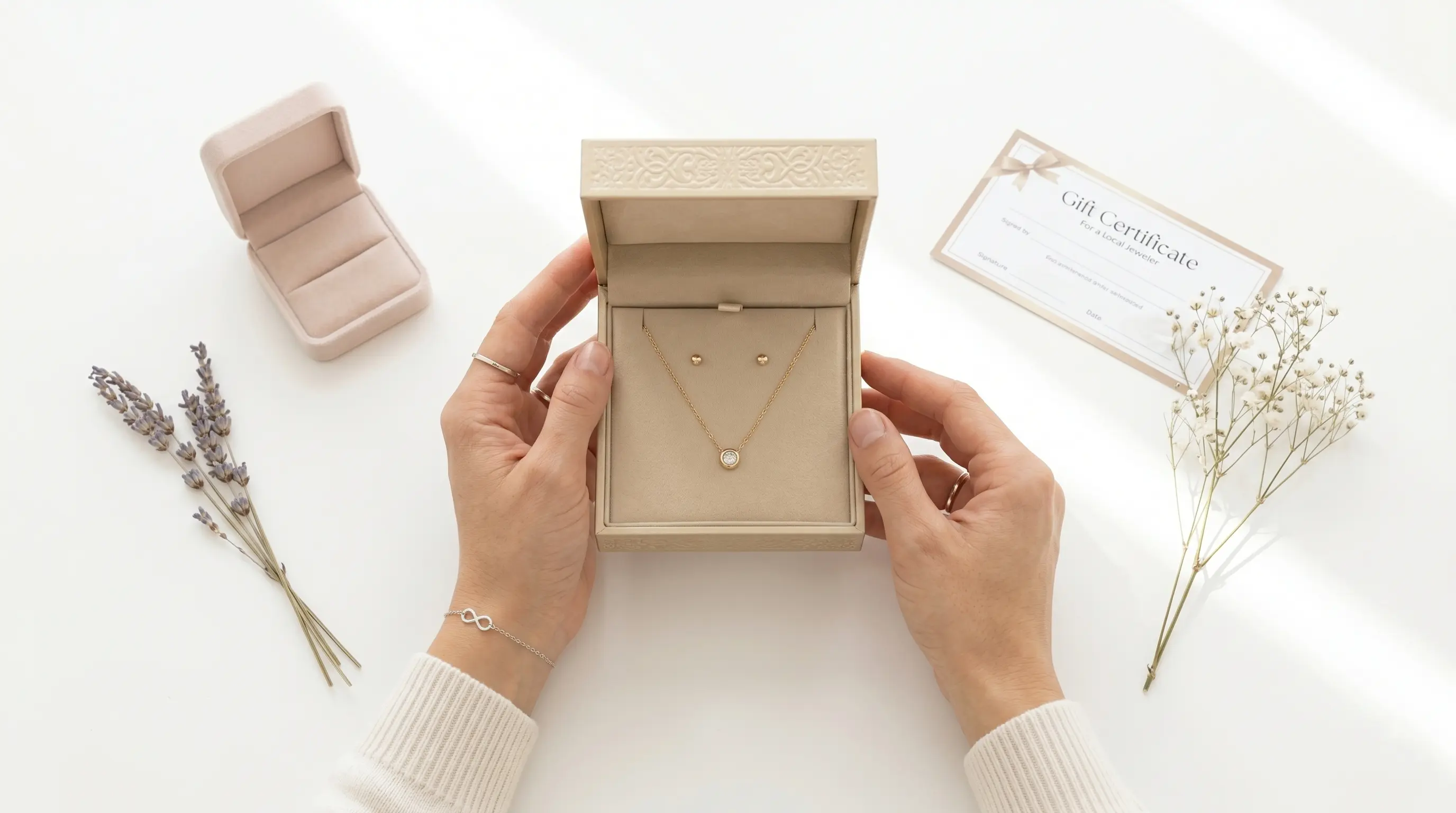
What should I give when I do not know their style? I suggest the safe trio: a thin chain with a small pendant, stud earrings, a plain ring with an exchange option. These forms are worn daily and barely depend on taste. One accent by the face plus one line at the neck looks composed, while a handful of large pieces at once overloads the look.
How do I match the piece to the occasion? For an anniversary I choose an engraved date or a paired detail. For a formal occasion, a wedding or a graduation, I take classics with no loud symbols: studs, a plain chain. For a date or a family dinner a heart pendant or a symbol piece works well over soft fabrics, knitwear, silk. Say the occasion out loud and half the catalogue rules itself out.
Earrings or a pendant when I am unsure? If the recipient wears both, I suggest a pendant: one piece, one story, easy to add an engraving. I choose studs when you want a universal everyday option that suits any neckline and hairstyle. Both pair with a thin chain and a couple of rings without crowding.
How do I hint at how to wear it, right at the handover? In one sentence. A thin chain with a pendant I would suggest for daytime over a turtleneck, and in the evening with a dark dress as a line of light at the collarbones. Stud earrings go with almost anything. I pick the metal by the wardrobe palette: silver for a cool one, yellow gold for a warm one. If you do not know the wardrobe, take silver, it is safer.

Turn on your camera, pick earrings, a pendant or a ring, and see the piece on yourself in real time.
Switch items in one tap.
Everything runs in your browser: no photo or video is ever uploaded.
48-Hour Window: More Options
Forty-eight hours opens new possibilities unavailable in 24 hours. Real choice space appears, and so do options beyond the ready-made catalogue.
What's New in 48 Hours
Deeper laser engraving. Within 48 hours, both laser and quick hand engraving work. A freelance engraver without a backlog can take a simple job and deliver in 24-36 hours: a two-letter monogram, a short phrase (up to five words), a simple date in a decorative frame.
Hand engraving differs tactilely. Laser engraving is barely perceptible (5-50 microns deep). Hand work goes 50-200 microns deep, and your finger feels it. The difference between "engraving as printing" and "engraving as a tool's trace."
For most gift jewellery, laser suffices. But if the recipient values handcraft or wears pieces with hand engraving, 48 hours opens the door to manual work. It's a detail that makes the gift feel more precious without catastrophic expense.
Swapping the stone in a ready setting. Usually not possible in 24 hours (requires taking apart, selecting a matching stone, setting it, checking). In 48 hours, it works.
Thursday morning: go to a workshop, bring or choose a ready setting, pick a replacement stone from what they have in stock, match the colour and size. By end of Friday, it's done.
Why swap stones? Match it to the recipient's birth month (garnet for January, amethyst for February, etc.). Upgrade the standard stone to a coloured one matching their preference. Add meaning: yellow citrine for a sunny person, blue topaz for a sailor, green peridot for a botanist.
Swapping a stone in 48 hours is one of the strongest moves with minimum effort. You buy standard jewellery, change one central stone, and get a personalised gift that looks custom-made.
Setting a custom chain length. Showrooms usually stock standard lengths (40-45-50 cm). If you know they need 38 or 52 cm, the jeweller in 48 hours can shorten or extend. This small detail prevents the gift from ending up unworn. Especially important for men's gifts, men often need 55-60 cm, and women's standard assortments don't have that.
The adjustment needs no special knowledge. You estimate visually based on their height and build, or use average lengths (45 cm for women, 55 cm for men). If you miss by a centimetre, the jeweller can adjust later free or cheap.
72-Hour Window: Custom Assembly
Seventy-two hours opens a new level. Enough time for work unavailable in 48 hours: quick custom-assembly from ready components, setting medium semi-precious stones, capsule pendants with photos.
Express Capsule Pendant, 24-48 Hours
A capsule pendant is a hollow container that holds something inside: a folded note, a photo, hair strands, a drop of perfume, a petal. Standard work for a jeweller with stock bodies in various shapes (oval, round, rectangle, heart) and mini hardware.
The process: the jeweller takes a ready capsule body from stock (these are cheap components available anywhere with jewellery suppliers). Inside goes what you bring. A tiny photo (1-2 cm diameter, printed at home, cut to shape). A rolled note with a short phrase. A rose petal (if the recipient has a garden context). A drop of perfume (a small pad inside holds the scent for weeks).
The jeweller mounts the body, checks seal, solders or attaches the chain mounting. Full cycle from order to delivery is 1-2 days. Completely realistic in 72 hours with buffer.
Setting a Semi-Precious Stone
In the 72-hour window, setting a medium stone in ready settings works. Diamonds over 0.5 carat need certificates, verification, insurance, usually not in 3 days. Semi-precious stones are much simpler.
What's realistic: amethyst, citrine, garnet, peridot, topaz, lab sapphire, lab ruby, moissanite, aquamarine in standard sizes. Jewellers keep these in 3-5mm diameters in stock, ready for instant mounting.
What's not realistic: natural emerald (needs careful inclusion inspection, supplier delivery), alexandrite, meteorites, paraíba, demantoid, anything requiring GIA/IGI certification. These need separate supply cycles.
Customer reviews
Zevira is a real jewellery shop. Genuine payments, deliveries and customer thank-yous.
🥰🥰🥰 gracias
Ok, ¡gracias! 🙂
7-Day Window: Semi-Custom Work
Seven days is approaching a full commission. Custom assembly with minimal casting, complex hand engraving, stone certification, all become possible.
Family Heirloom as a 7-Day Gift
If you have family jewellery (grandmother's brooch, grandfather's pocket watch, mother's ring), this is the strongest option for a 7-day window. You have time for minimal prep: cleaning, polishing, maybe a minor update.
What 7 days includes:
Day 1: Take the piece to a jeweller for condition assessment. They'll tell you what's needed: just cleaning and polish, or a clasp replacement, or ring resizing, or restoration of faded engraving.
Days 2-3: Cleaning and polish at the workshop, most do this in 1-2 days. Silver looks new again after cleaning (old tarnish comes off).
Days 4-5: Additional work: clasp replacement, ring resizing, restoration of worn engraving. Each takes 1-2 days.
Days 6-7: Add new engraving with the transfer date. For example, on the back of a family pendant: "From Grandmother to Anna, 2026." This links past and present in one piece.
Presenting a family heirloom requires a special approach. Tell the recipient the piece's story: who it belonged to, when it was made, what events connect to it. This transforms the gift from "old jewellery" to "family heritage with history."
Five Detailed Cases: Real Last-Minute Scenarios
Case 1: Husband Forgot Anniversary (24 Hours)
Context: It's the anniversary morning. Ten years of marriage. No gift. Wife has no unreasonable expectations, but 10 years is serious, you can't give nothing. He has a full workday, one hour free at lunch, dinner at home.
Solution: Lunch break, he hits a jewellery showroom two kilometres from the office. Buys a ready silver locket pendant, circular and small. You can fit a tiny photo inside. Pays.
From there, straight to an engraving workshop (checked the map beforehand, five minutes away). Orders laser engraving: the back of the locket gets the wedding date, "18.06.2016." 1.5 hours for engraving. He returns to work, picks it up after his next meeting.
At home, he finds his folder of old photos, picks one from their first trip ten years before, prints it on a laser printer, cuts it to fit the locket opening (template is in the box, the jeweller provided it), slides it in, closes the locket.
Wrapping: the store's box (looks nice), plus a handwritten note on heavy paper. Text: "Ten years. This is our first trip. I love you. The date is on the back."
Result: She opens the box, sees the locket, flips it, sees the date. Opens it, sees the photo. Realizes everything was personally chosen. Reaction: joy, surprise, hugs. Gift bought in one workday, looks meticulously planned.
Case 2: Sister Remembered Friend's 40th (24 Hours Before)
Context: Friend's 40th is tomorrow. Sister planned to buy earlier, forgot. It's now evening before. No time off, half the evening after work is available.
Solution: After work, she goes to a jewellery showroom chosen by maps, two criteria: open until 10pm, good reviews. Asks the shop to show her silver earrings that "don't look mass-produced." The shop shows a pair with a grape-vine clasp (plant motif, rare in series production).
That clasp is unusual, hard to mass-produce. She buys them.
From there, into the craft store next door, buys a small wooden box, 10x10 cm, dark wood with carved lid. In the other shop, gets black velvet to line the bottom.
At home, she arranges the earrings in the velvet-lined box. On the lid, glues a small label cut from a postcard, writes: "To 40. Nothing like anyone else's." Wraps in handmade paper, ties with silk ribbon.
Result: Friend unwraps, opens the wooden box, sees the unusual earrings. "Where did you find these?" She's never seen that clasp before. A week later sends sister a photo wearing them to dinner. Gift bought the day before the birthday, looks like a long hunt.
Case 3: Wedding Guest Needs a Bridesmaid Gift (72 Hours)
Context: A bridesmaid just learned she needs to give a personal gift to the bride (separate from the couple's group gift). Wedding is in 72 hours. The bride is childhood friends' close friend.
Solution: Thursday morning, calls three jewellery workshops about ready silver or white-gold bracelets with engraving possible same-day. One has a thin chain bracelet with a flat centre plate perfect for engraving.
Orders it, asks for laser engraving of the bride's name in clean classic font on the plate. Engraving ready by Thursday evening. Friday she picks it up, uses the showroom box (looks good, no need for more).
In the box, she tucks a note: "Anna. Today you're a bride. Tomorrow you're a wife. We chose this with your husband so it stays as your first joint gift."
Wedding morning, she gives the box in a small circle of family. Bride opens it, sees the bracelet with her name, reads the note. Reaction: tears (good), bracelet goes on for the ceremony, in all photos afterward.
Result: The bracelet becomes a permanent keepsake. A year later she still wears it. The gift was bought in 72 hours but feels like part of the full wedding ritual.
Upload a photo of your pet, someone you love, or an object. We'll build a 3D model and hand-cast it in pewter.



Antipatterns: What to Absolutely Avoid
Don't Apologize About Timing
"Sorry, I forgot." Don't start the handover with this. This phrase destroys the gift before they unwrap it.
What the recipient hears: "You're not a priority because I forgot." "The gift is cheap because I panicked." "I'm not confident in my choice, so I'm apologizing in advance."
What to say instead: Nothing. Hand them the box, say "happy birthday," hug them. Any explanation happens after they've seen the gift itself.
If they ask when you bought it, answer honestly and matter-of-factly. "This morning." No expansion, no panic story, no excuses. Just a fact.
Don't Use Obvious Packaging
The standard cardboard box with store logos, in a plastic bag from the register. This signals "grabbed without thinking." The recipient sees the packaging before the jewellery, and the packaging sets the tone.
Do this instead: Put the jewellery in a different box. A velvet box from a craft store (costs what a coffee does). A wooden box from an antique shop (costs what dinner does). A silk pouch with ribbon (pennies). Any alternative works better than the store's standard box.
Better: handwritten card + alternative box + ribbon. This combination takes 30 minutes and costs what lunch does, but transforms any standard piece into a gift with a story.
Don't Give Wrong Symbols or Colours
Mistake from inexperience. A bright-red pendant for a woman who wears only grey and black. A skull ring for a kindergarten teacher. A zodiac sign that isn't theirs.
Simple rule: if you don't know for certain they like a specific colour or symbol, go neutral. Silver or white gold with no bright stones. Smooth shapes with no heavy symbolism. Minimalist pendants without imagery.
In last-minute mode, there's no time to carefully choose personal symbolism. Go maximally neutral, something nobody dislikes. A classic drop, simple heart, smooth circle. The minimalist will like neutral. The colourful person who doesn't like this piece simply won't wear it.
Dangerous impulse: "I'll give something bold to make it stand out." If she doesn't wear bold, that necklace goes in a drawer. Better a subtle neutral thing she actually wears than something flashy that stays boxed.
Engraving for an Express Gift
Engraving turns a standard piece into a personal one, but not every kind of engraving is realistic on a short deadline. What follows is what an engraver can genuinely deliver between a lunchtime decision and an evening handover.
Dates and How to Set Them
A date reads without explanation and takes very little room. The plain British format, 14.05.2026, runs to roughly 12 mm on a pendant. The decorative version, 14 V MMXXVI in Roman numerals, suits a more serious piece. The compressed 14.05.26 fits small surfaces. On an express job the plain or the compressed form is safer, because Roman numerals often need a separate file set up at the bench and that is where the hour goes.
Think ahead about the format you choose. Day first is the British and European convention, month first is the American one, and a date like 05.06 can be read two ways forever after. If the day is under thirteen, spell the month: 5 JUN 2026 cannot be misread by anyone, in any country, at any point in the next fifty years.
Short Phrases and Latin
Three or four words is the working limit. Latin is more compact than most alternatives, is tied to no one living language, and does not date. "Per aspera" for through hardship, "Carpe diem" for seize the day, "Tempus fugit" for time flees, "Hic et nunc" for here and now, "Amor vincit omnia" for love conquers all, "Veritas vincit" for truth prevails.
What not to engrave in a hurry: long texts of more than seven or eight words, which cannot be read without a loupe; multi-line text, which merges into a grey block on a small surface; complex images; and calligraphic faces with hairline strokes, which need slow work and a steady setting. A plain sans-serif face is the fastest thing an engraver can do well.
Monograms and Initials
Two or three interlaced letters is the classic strong option. A standard monogram from the engraver's own catalogue takes one to two hours. A unique drawn monogram needs a sketch agreed in advance and does not belong in a same-day plan. Where a monogram feels too formal, a single initial on a small disc carries most of the same weight and takes minutes.
One British wrinkle worth knowing: hallmarking comes first. Silver above 7.78 g, gold above 1 g and platinum above 0.5 g must carry an Assay Office mark before sale, so anything you buy from a proper retailer is already marked. Engraving is added afterwards and must not cut across the hallmark, which is why an engraver will sometimes turn a piece round or move your text off centre. That is care, not carelessness.
Where on the Piece to Engrave
Ring: the inside of the band, visible only to the wearer. Heart pendant or locket: the reverse. Capsule pendant: the side, running round the circumference. Bracelet: the back of the plate. Earrings are usually too small to take anything at all. On a round locket from 15 mm upward you can engrave both faces, an initial on the front and a date on the back, which is the most personal thing achievable in a single afternoon.



Antipattern: Generic Clichés in Engraving
Engravings like "love you forever, " "forever yours, " "always yours", these signal minimal thought. These are in every ready-engraving catalogue, and they read like "thanks for shopping, cheap solution."
Use specific elements from their life instead. A date. A name or initials. Coordinates of a place. A short quote that means something to both of you. Their child's name. A birth date. These are concrete and irreducible to templates.
If you only have time for a short phrase, use Latin or classical: "Per aspera" (through struggles), "Sic itur ad astra" (so we reach the stars), "Carpe diem" (seize the day). These are older and stronger than any "forever yours," and they don't sound like a catalogue stamp.
What to Write in the Card
The card serves double duty. First, it's the only personal element you add, so the recipient values it more than the piece itself. Second, it shifts focus from timing to meaning.
Two to three sentences, no more. One about the recipient or your connection: "You're someone who changes everything you touch." "I think of you more than I say." "Over these years, you've become my foundation."
One about the gift: "This jewel is for days when you need to feel strong." "The stone is blue like your sea."
Optional: a personal phrase or signature.
Never: long letters, apologies, stories about how you "finally chose after much searching." Short works stronger than essays.
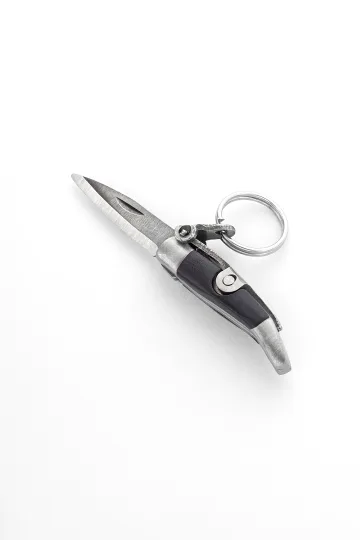
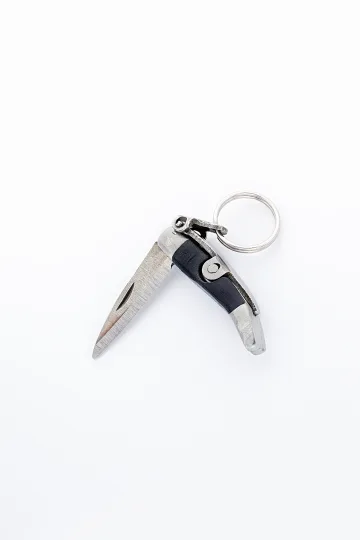
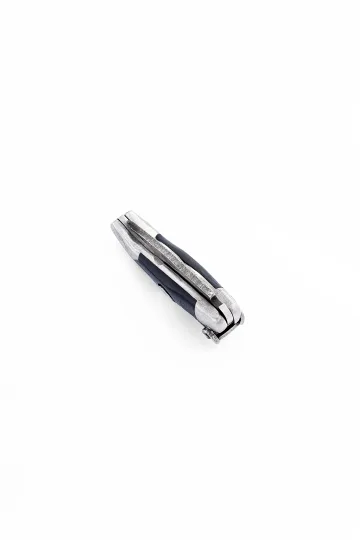
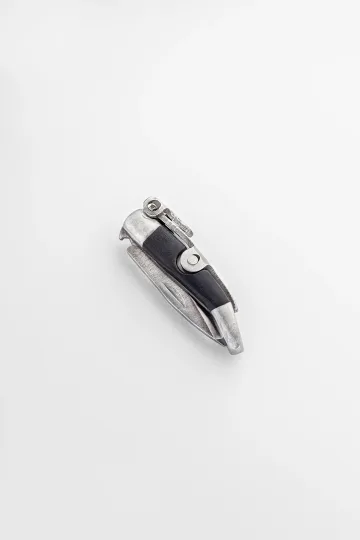
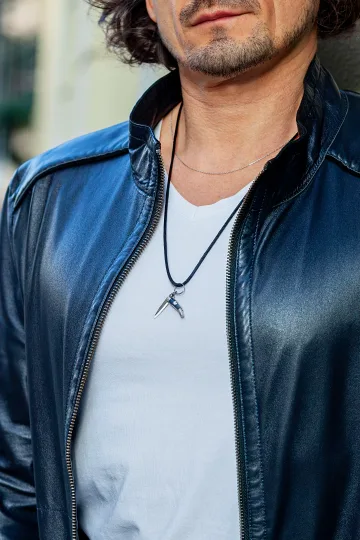
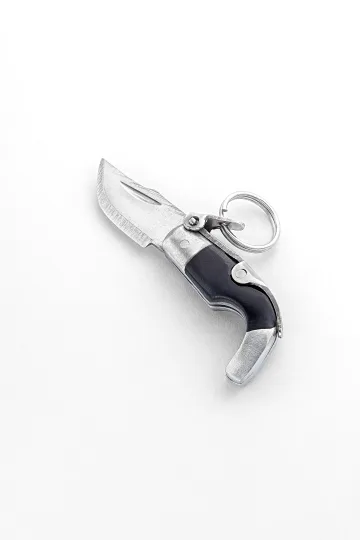
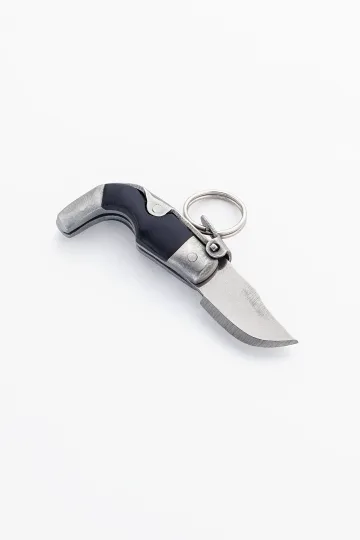
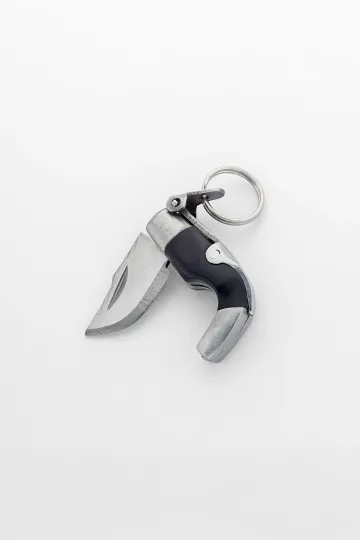
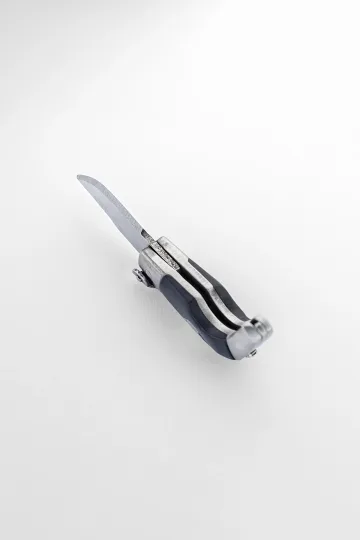
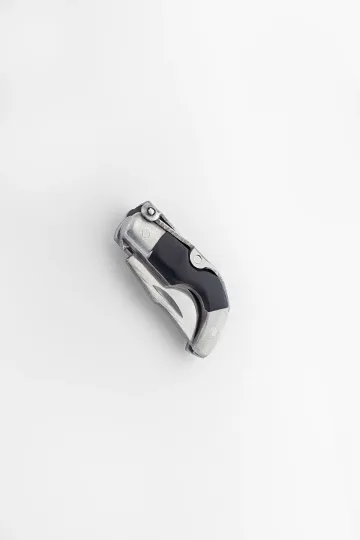
CAPAORA mini knife pendant
The 18th-century Spanish navaja in miniature: 40 mm of stainless steel, a real folding mechanism and a Palanquilla lock that clicks. An affordable gift to remember.
Authentic · Ships from Spain · 14-day returns
What Works for Any Recipient
A short summary of the reliable options, whatever the recipient's taste turns out to be.
The Safe Seven
- Stud earrings. Worn daily by most women, so the risk is minimal. With a small diamond, a cubic zirconia, a pearl, or with no stone at all.
- Fine chains. The base layer of any collection, 40 to 50 cm, in a trace or a box link. Worn every day and worn stacked.
- Plain bands without stones for everyday wear, either with the size known in advance or with an exchange arranged.
- Heart and infinity pendants. Standard gift shapes that carry across every age.
- Initial pendants. The most personal of the standard forms, and you only need to know the first letter of a name.
- A chain bracelet with a plate for engraving. The ideal surface for a name or a date, and a form that suits women and men equally.
- Cufflinks for a man, if he actually wears a double-cuff shirt. No size required.
Pieces That Need No Size
The whole difficulty of a late gift collapses if you choose something that fits everyone. Pendants on a chain, stud earrings, bracelets with an extension chain, and lockets all sit correctly on any recipient without a measurement. Rings are the single exception, and even they are handled by picking a middle size with the receipt kept for exchange, or by shifting to a pendant instead.
If you do want to attempt a ring, the British sizing letters run A to Z with half sizes between, and the commonest women's sizes cluster between L and P, men's between S and V. Borrowing a ring she already wears and having a high street jeweller read it off takes three minutes, and it is far more reliable than any string trick done at home.
Leave your email, we'll send your discount code. No spam, unsubscribe anytime.
The code arrives by email, valid on your first order.
What Not to Buy at the Last Minute
Panic pushes people towards a small set of choices that look like solutions and are not. Each of these fails for a reason worth understanding, because the reason tells you what to buy instead.
Cheap Plated Costume Jewellery
Plating wears through in months, and the gift turns into a standing reminder of a small budget. One piece in 925 silver does more work than three in a cheap alloy, and it carries a hallmark to prove what it is. There is also a health argument: plated base metal frequently sits close to the nickel release limits set under REACH, and a recipient who reacts to nickel will know within a fortnight and will never wear the piece again.
Flowers, Chocolate and Perfume
Flowers and chocolate live for days or hours. They make an excellent accompaniment to a piece of jewellery and a poor substitute for one, because nothing survives the week to carry the memory. Perfume fails differently: it demands an exact hit on a personal preference, and it is worn on skin all day, which makes a miss impossible to hide politely. In a rush, all three are risks disguised as safe choices.
Vouchers to Nowhere and Practical Gadgets
A gift card for a shop chosen at random reads as a formal obligation discharged, not as a gift. Household appliances and practical devices carry no signal of personal attention at all, however useful they are, and a useful object given on an occasion tends to be remembered as the year you got a kettle. If a voucher is genuinely the only option left, make it specific, and see the section below on how to hand one over properly.
The Hour Before: A Checklist
Fifteen minutes of final checking removes most of the small awkwardnesses that spoil a handover.
Fifteen Minutes on the Package
- The box. Clean, with no marks from storage. No price tags, no "thank you for shopping with us" stickers, no security labels left in a corner.
- The contents. The piece lies flat and central. The guarantee card and care leaflet go in a separate envelope rather than sitting on top of the jewellery.
- The engraving. Check the date, the initials and the phrase letter by letter. Errors do happen, especially when the engraver worked from something told over the phone.
- The card. The note is in, the writing is legible, and the recipient's name has no typo in it. A misspelled name undoes everything else in the box.
Five Minutes on the Handover
- Ring size. If you are giving a ring, keep the receipt to hand and know the shop's exchange window before you hand it over.
- The moment. Decide when you are giving it: at dinner after the first course, at home in the morning beside the coffee, in a small group rather than a crowded room. A quiet planned moment with a plain box beats a grand production done in a hurry.
- Your first sentence. Have it ready. One line about them, not about you and not about the timing.
FAQ
Can I really buy a good gift in 24 hours? Yes, if you avoid custom work and focus on ready stock with possible engraving or stone adjustments. The key is knowing exactly what category you want (earrings, pendant, bracelet) and calling the showroom first.
What if the showroom is closed? Courier delivery from online stores works 24-hour windows in major cities. Or shift the handover to the next day, most people accept "I wanted it to be just right, so you'll get it tomorrow."
Should I buy expensive to compensate for being late? No. More expensive doesn't mean better. Better means more thoughtful. A modest piece chosen perfectly beats one that costs five times as much and says nothing.
Is it okay to give money instead? Only if they asked for it. Otherwise, jewellery, even imperfect, signals more care than a bank transfer.
What if I don't know their size? Pick "average" or "medium," with the understanding that they can exchange. Or choose pieces without size (pendants on adjustable chains, rings that can be resized). Always mention this possibility to the jeweller.
Why Jewellery Rescues a Late Gift
Of all the categories, jewellery forgives haste best. There are several reasons, and each one removes one of the standard anxieties of a late giver.
No Size to Guess
A jumper, shoes and gloves all demand an exact size, and guessing one on the final day without a fitting is close to impossible. A chain, earrings, a pendant, a bracelet sit correctly on almost any neck and wrist. The single exception is a ring, and even that is worked around with a middle size and an exchange, or by choosing a pendant instead. When time is short, the absence of a size problem solves half the task on its own.
Compact and Already Wrapped
A piece of jewellery fits in a pocket, does not crease, does not break in transit, and survives a taxi ride or a courier bag intact. The shop's own box already looks like a gift, and under real time pressure that is enough. Compare it with a bouquet that wilts by evening, or a cake that has to travel flat and be eaten within a day. Something you can buy at lunchtime and carry in a coat pocket until seven fits the last-minute scenario perfectly.
It Outlives the Occasion
Flowers last days, sweets last hours, an experience ends the same evening. A pendant or a pair of earrings stays with a person for years and refers back to the giver and the date every time it is put on. A late purchase does not make the object less durable: 925 silver and 14 carat gold age well regardless of whether they were chosen a month ahead or an hour. The recipient will still be wearing the gift long after they have forgotten which day you bought it.
It Crosses Gender and Age
A fine chain, a plain band, a flat locket, a plate bracelet all work for a woman, a man, a teenager and an older relative. That simplifies matters enormously when there is no time to think: keep three or four neutral forms in your head and you will almost never miss badly. The less time you have, the more valuable an object that suits almost everyone becomes.
Choosing Fast: Three Filters
When the hours are few, choosing is not a matter of browsing a catalogue but of running three short filters in sequence. First the occasion, then the recipient, then the category that never fails. Each filter cuts away the excess and leaves two or three options, between which the decision takes a minute.
The Occasion Filter
The occasion sets the tone and the permissible boldness. A birthday allows the personal and the symbolic: an initial pendant, earrings with an accent, a ring with a birthstone. An anniversary leans towards the paired and towards an engraved date. Weddings and graduations like classics and a neutral shine: studs, a fine chain, a plain band. An apology or a reconciliation asks for restraint without heavy meaning, and a quiet pendant with no loud symbol is the right register. Say the occasion out loud and half the catalogue eliminates itself.
The Recipient Filter
Then a single question: what does this person already wear. If you see silver on them, do not give yellow gold, and the other way round. If they wear small and fine things, a large pendant will go straight into a drawer. If they favour bright stones, neutral silver will read as dull, and if they live in grey and black, a red pendant will never come out once. Memory for other people's jewellery habits is short, so it is enough to recall one detail: which metal colour they wear most often. That alone prevents the big misses.
The No-Fail Category Filter
If the first two filters give no clear answer, what remains are the categories that please almost everyone: a 45 cm fine chain, studs, a plain band with an exchange, a heart pendant, an initial pendant. This is an honest choice rather than a fallback born of desperation: these things get worn daily, they suit any age, and they rarely disappoint. When in doubt, take from this list and add the personal touch through engraving or a note.
When There Is No Time at All: Three Reliable Moves
Sometimes the event is hours away and even the engraver's queue will not let you in. In that window three tested moves work, and each of them looks considered rather than emergency.
A Voucher for a Brand, Not for Anywhere
A gift card for a shop chosen at random reads as a formality. A card for a specific jewellery brand whose pieces the recipient already likes reads quite differently: it says you know their taste and are letting them choose within it. The difference is in the aim. Hand it over in a box with a short note explaining why that brand in particular, rather than as a bare piece of plastic. Then the voucher stops being a payoff and becomes an invitation.
Classics You Cannot Get Wrong
When there is no time to think about taste, choose the thing almost everyone likes by definition: silver studs, a fine chain, a plain band, a pearl pendant. Classics are classics because decades have tested them and they do not go out of fashion. The risk is minimal and the recipient will almost certainly find something to wear them with. In an emergency, predictable pleasure is more reliable than risky originality.
A Symbol Instead of a Description
If you know anything at all about the recipient, a symbol closes the choice faster than any amount of browsing. A heart for those closest, infinity for a long relationship, a tree of life for family, an anchor for steadiness, a feather for lightness. A symbol carries its message without words and removes the need to explain why this object in particular. A symbol pendant is bought in a minute and read instantly.
Send a friend a discount code, they save on their first order.
Presenting It Well in a Hurry
Half the impression is not the object but the moment of handing it over. The good news is that the presentation comes together faster than you would think, and it lifts even a simple gift.
Changing the Packaging in Thirty Minutes
Between the purchase and the handover, call at a haberdashery or a stationer for a fabric pouch, a small wooden box, or a heavy envelope with a ribbon. Move the piece out of the shop box, remove the tags, wipe it with a microfibre cloth. Half an hour of work turns bought on the way into chosen and assembled. The packaging is the first thing the recipient sees, and it sets the expectation before the object is even in their hands.
The Note Matters More Than the Ribbon
If the choice is between a ribbon and a few lines in your own hand, choose the lines. A note on heavy paper, two or three sentences about the recipient and about what the gift means, is kept separately and outlives the packaging entirely. Years later a person finds the card and remembers the moment. Handwriting cannot be faked by haste: it reads as personal immediately.
The Script Beats the Setting
Think through one thing: when and how you hand it over. At dinner after the first course, at home in the morning beside the coffee, among a few people rather than many. A quiet, considered moment with a plain box beats an elaborate handover in the middle of chaos. You do not need balloons and an orchestra, you need a pause, one short sentence and some calm. A setting costs money and time; a script costs a minute of attention.
Ideas by Recipient
The same deadline is closed by quite different objects depending on who is receiving. Below are short routes for the commonest recipients.
A Partner
Here the most personal choices belong: an initial pendant, the date you met engraved, a matching pair, a ring with their birthstone. A close relationship permits the symbolism of love and permits a promise of a custom piece as a second act. If time has genuinely run out, a fine chain with a small pendant plus a note saying the piece was chosen today and chosen deliberately works without fail.
A Mother
Mothers respond to warm and durable things: a classic pendant, pearl studs, a locket with room for a photograph, a bracelet engraved with a child's name or a date. The strong move is a stone for her birth month or a pendant with her children's initials. Mothers value meaning above shine, so even a modest piece with a personal detail beats an expensive impersonal one.
A Friend
With a friend the balance is between fashionable and wearable: fine earrings, a chain with a small pendant, a ring with a coloured stone chosen for her palette. You can be bolder with colour and shape here, because a friend's taste is usually better known to you than a colleague's. If the friendship is long, a symbol of your shared history belongs: something that points to a joke, a city or an event only the two of you know about.
A Colleague
With a colleague, keep a neutral distance: small studs, a fine chain, a simple bracelet, silver for preference. Avoid overly personal pendants, large stones and any romantic symbolism, or the gift will be read the wrong way. Neutral classics in tidy packaging signal respect without awkwardness. The more formal the relationship, the calmer and more impersonal the object should be.
A Teenager
From about twelve upwards, small studs, a fine chain with a simple pendant, or a bracelet with a single symbol all work. The main thing is not to overload: a teenager will rate a spare modern form above grown-up classics. Silver is safer than gold both in cost and in style. A pendant carrying a symbol that reflects an actual interest lands better than anything universal.
Facts That Surprise
Late Gifts Are Sometimes Remembered Better
There is a paradox observed by people who study gift-giving: a gift chosen in haste but with an obvious thought about the person is often valued above one planned for months. The recipient reads the attention rather than the purchase date, and a spontaneous decision frequently carries more of it than a rehearsed ritual.
Laser Engraving Takes Under a Minute
Burning a date or an initial with a laser takes seconds. The real hours go on the queue and on preparing the file. Technically a personalised piece comes together far faster than most people assume: the long part is logistics, not the work itself.
A 45 cm Chain Fits Most Necks
There is a reason 45 cm became the industry standard for a woman's chain. That length settles on the collarbones for the majority, which makes it the statistically safest choice when you do not know the recipient's proportions.
Silver Darkens for Chemistry, Not for Quality
Tarnish on silver is a reaction with sulphur compounds in the air, not a sign of a fake or a fault. Any genuine 925 silver takes on a patina over time, and many collectors value that patina for the depth of tone it gives. British coastal air and city traffic both speed it up, and a polishing cloth reverses it in a minute.
A Laboratory Ruby Is Chemically Identical to a Mined One
Rubies and sapphires grown in a laboratory are the same aluminium oxide as the natural stones, with the same hardness and the same lustre. The difference is origin and price. In a last-minute gift they look the same and they are set faster, because a supplier holds them in calibrated sizes.
The Capsule Outlives the Photograph
Laser printing or engraving an image onto metal inside a capsule pendant holds for decades, while a paper photograph in an album fades considerably faster. Sometimes the copy in the locket survives longer than the original it was made from.
A Latin Phrase Dates More Slowly Than a Fashionable One
An engraved catchphrase ages along with the fashion that produced it, while a Latin line like "Carpe diem" reads the same today and in twenty years. For an object meant to last, a dead language turns out to be more practical than a living one.
Buying it as a gift? Each one arrives ready to give.
 A branded Zevira box and a little card come with every order.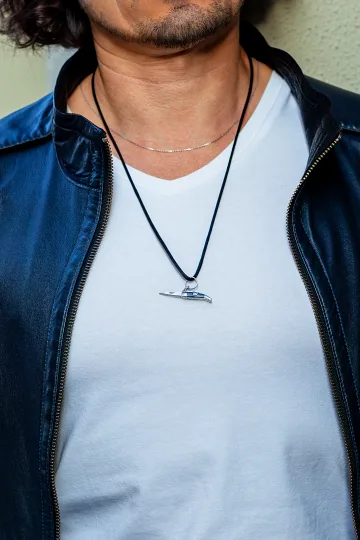




The Long View: The Gift a Year On
A good piece of jewellery is worn regularly a year later and is associated with the person who gave it. A bad one sits in a drawer. In last-minute mode the risk of the second outcome is higher, because the choice was quick. A few rules raise the odds of the first.
Do not give something you are unsure about yourself: a neutral thing you are confident in beats a risky original. Give a material that ages well: 925 silver takes a patina, 14 carat gold and above holds its look for decades, cheap plated alloy loses its face within months. Build in the possibility of an exchange and tell the recipient about it. And do not tie the object to a single moment alone: an engraving carrying only a date can get in the way of reworking the piece later, so a date plus an initial, or a universal symbol, leaves more room.
The main point is that a last-minute gift is not a disaster. The hour of purchase is not visible in the finished object. The quality of the decision matters more than the quantity of time. Jewellery remains after the occasion, unlike flowers and chocolate. Know what is physically possible in the time left, choose the best of what is available, add a personal element, hand it over calmly. After that the gift does its own work.
Summary
The system works. Panic is unnecessary. Action beats excuses. Whether you choose in 24 hours or 72 hours, the same principles apply: clear intent, thoughtful detail, honest delivery. A gift made from rushed choice beats no gift or a gift made from obligation.
The showroom exists in every city. The engraver works today. The courier delivers by evening. The only thing between you and a good last-minute gift is 15 minutes of decision-making and a phone call.
About Zevira
Zevira makes jewellery in the artisan tradition of Albacete, Spain. Sterling silver 925 and 14-18K gold. Most pieces ship ready to wear, with no wait for custom production.
What works as a last-minute gift:
- Stud earrings, no size to worry about, ready to ship
- Initial pendants, a personal pick you can make right away
- Heart and symbol pendants, easy to read, carry meaning for anyone
- Thin chains, the base layer that always fits
Engraving is available on most pieces, ask about timing when you order. With a few days in hand, you can put together a capsule pendant with a photo or sketch-based engraving. With only a day, go for a ready piece and an express initial or date engraved on the spot.