Jewellery gift when you do not know her taste: safe options that land
Introduction: a gift in the dark and the fear of getting it wrong
Daniel is standing in a jewellery shop in Brooklyn two days before his colleague Caroline's birthday. They have worked together for three years, sometimes grab lunch, see each other at company parties. He knows Caroline is married, drinks her coffee black, recently changed her haircut. What jewellery she wears, he cannot say with any confidence: there was something bright on her wrist once, a pair of drop earrings he half remembers. The shop is full of glass cases, each one holding thirty options. Daniel pulls out his phone, opens her Instagram, scrolls through old photos hoping for a clue.
The situation is universal. Giving jewellery is easier than picking a perfume or a piece of clothing, but only on one condition: you have to know her taste. When her taste is a blank, jewellery turns into a lottery. A bold necklace with a large stone can be the exact opposite of her style. A delicate ring may be the wrong size. Earrings may not work if her ears are not pierced. A pendant with her initial may get lost among the six other pieces she wears every day.
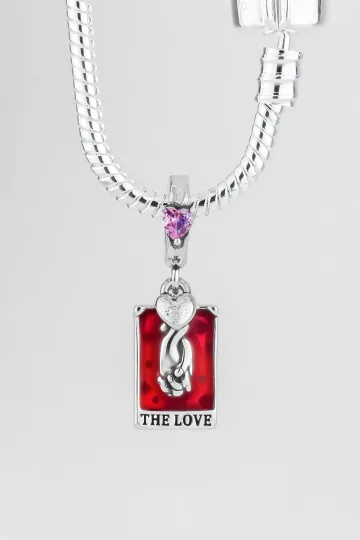
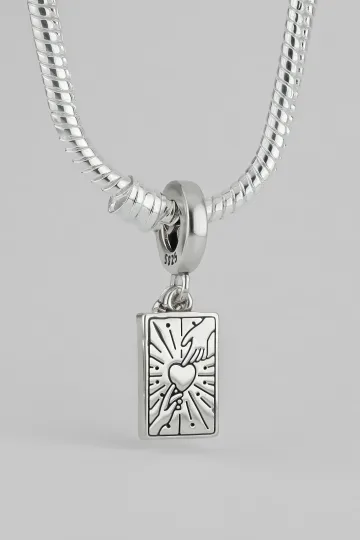
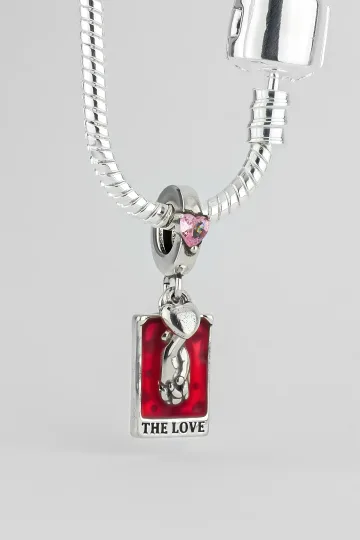
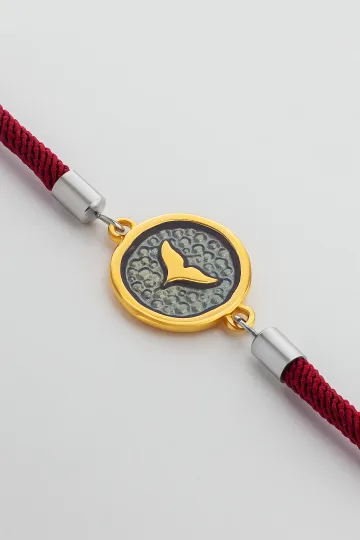
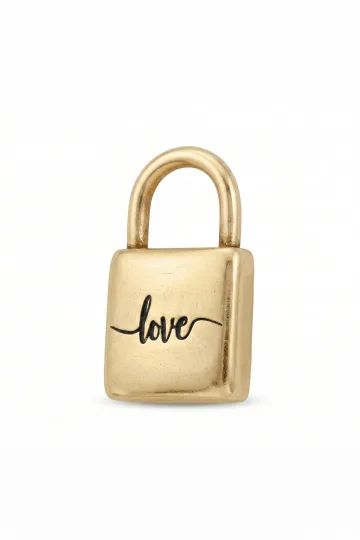
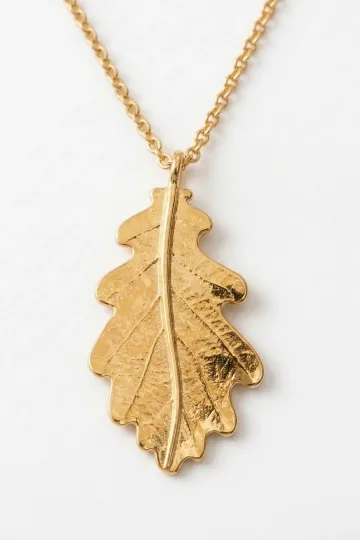
Wear the symbol, don't just read about it. These are in stock:


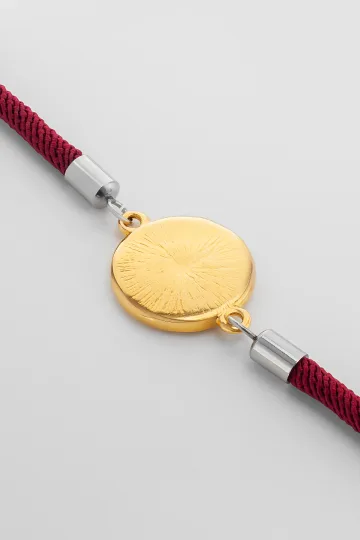
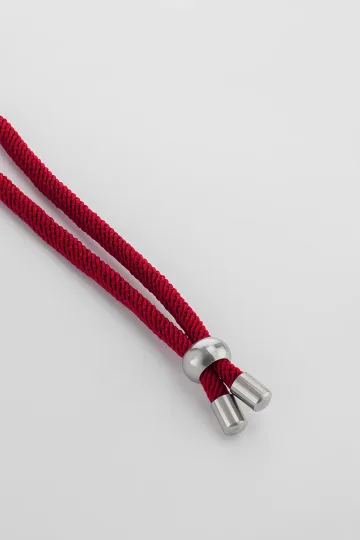
The thesis of this guide is simple. When her taste is unknown, choose by the principle of minimum risk, not maximum impact. A modest safe piece is worth more than a showy wrong one. If you give her something simple and universal, she will wear it for coffee with a friend, at the office, on a date. If you give her something flashy and specific, it may sit in the jewellery box for years.
This guide reads as a practical instruction manual: what to buy, how to read her style without being noticed, which categories are safe, how to hold on to the receipt for a possible exchange, when a gift card makes more sense than a piece of jewellery. For the bigger picture see the jewellery gift guide by occasion, or read about engraved initials and monograms as a personal touch.
Why even close people do not know each other's taste
There is a widespread illusion: husbands think they know their wives' taste, fathers think they know their daughters' style, friends are sure they pick well. Reality is different. Jewellery style is a layer of personal aesthetic that shifts faster than clothing, and in less obvious ways. Your wife wore gold for three years, then silver for two, now gold again but in a different shade. Your daughter loved her grandmother's pearls in summer, switched to minimalism in autumn, discovered statement rings by winter. Without focused observation, catching those shifts is almost impossible.
Then there is the gap between what she wears every day and what she would buy for special occasions. The thin ring on her finger is a workhorse, put on in the morning and taken off at night. A gift piece is a different category: worn at events, parties, special moments. The two layers do not touch, and the gift ends up in the wrong one.
Third factor: cultural perception of jewellery. For one woman, a gold ring is a status symbol. For another, it reads as bourgeois bad taste. Pearl earrings on one feel "like mum"; on another they read as good retro. A point diamond in a pendant can be timeless classic or quiet bragging. Without knowing the person, these signals stay unreadable.
Admitting you do not know is normal. Self deception is worse: "I have known her for twenty years, I will figure it out." When the knowledge is partial, it pays to play safe. When it is complete, no need. The honest question is which category you are in right now, and the answer matters more than your pride.
When in doubt, a whisper at the collarbone beats a boulder on the chest. Small forgives a bad guess, big puts it on a billboard.
How to wear a safe, universal gift
When I style a client around a gift like this, I hold to one thing: a safe category is not matched to the outfit, it slots into any of them. Here are the questions I hear most across the counter.
How should she wear a fine chain every day? I recommend a fine princess chain, 40 to 45 cm, with a small pendant over a plain tee, a shirt or knitwear. For a V-neck I suggest a slightly shorter length so the pendant lands in the open zone; for a round neck the chain sits right on the fabric. A light top lifts the metal, a dark one turns the piece into a clean accent.
Is it right for the office? Very much so. Under a collared shirt I choose a short length, 40 to 42 cm, so the chain tucks under the top button. A bracelet earns its place here: it does not clink on the keyboard and shows from under the cuff. A chain with small studs reads as polish, not as a statement.
How do I build an evening look? For a special occasion I suggest pearl studs or small zircon studs plus one fine chain. That is the quiet shine that suits a dress without an open neckline and a silk blouse. If you want volume, add a second chain of another length in the same tone, and you get a layer, not a pile.
Gold or silver, if I misread the metal? The safe bet I choose is rose gold or a two tone piece: a warm tint that still pairs with the gold and the silver already in her box. Keep the metals in one family, gold to gold, silver to silver. Warm tones go with beige and burgundy, cool ones with black and navy.
Who does a universal gift actually suit? Almost everyone, and that is the point. A quiet person values that it does not pull focus, and a layering lover keeps room to build the rest herself. Two rules that never fail. First: caught between two sizes, take the smaller and finer. Second: light is worn every day, heavy comes off by lunch.

Turn on your camera, pick earrings, a pendant or a ring, and see the piece on yourself in real time.
Switch items in one tap.
Everything runs in your browser: no photo or video is ever uploaded.
The safe choice principle: minimal beats statement
The rule of the gift in the dark fits in one line: the fewer details the piece has, the wider the audience it suits. The logic is counterintuitive. A flashy piece looks like a more valuable gift, because it is easy to imagine the "wow" when she opens the box. But the wow only works if it lands her taste exactly. The risk of missing grows in proportion to the boldness.
A minimal piece works differently. A fine gold chain with a small disc pendant suits the woman who wears classic and the woman who wears boho. A thin silver bangle works for a student and for a department manager. Tiny stud earrings with a zircon are worn at the office and under an evening gown.
This does not mean a boring or cheap gift. Minimal can be expensive: tiny diamond studs can cost as much as a small apartment, and still look quiet. Minimal means the absence of a specific style marker that cuts off half the audience. A skull pendant with enamel suits two percent of women. A small open circle on a chain suits eighty percent.
When you choose, picture two scenes. First: she opens the box, sees the piece, reacts with warmth. Second: two weeks later you bump into her on the street. Do you see that piece on her? If the first scene is a wow but the second one is a closed jewellery box, the gift does not work. If the piece appears in both, you have the right pick.
Why minimal pieces forgive your mistakes
A quiet piece has one property that makes it almost ideal for buying in the dark: it does not compete with what she already owns. A woman with a drawer full of inherited brooches will happily add a fine chain to the rotation, because the chain asks nothing of the brooches. A woman who wears heavy silver rings will still put small studs in for a meeting. Minimalism does not impose a style, it slots into whichever one is already running. A bold piece works the other way round: it requires an outfit to be built around it, and if the recipient is not prepared to reorganise her wardrobe to accommodate your gift, the gift stays in its box. That is the real failure mode, and it is quiet. Nobody tells you the necklace was wrong. It simply never appears.
There is a second, less obvious reason. Quiet pieces survive changes of taste. Style shifts over a decade, sometimes sharply, and a woman who dressed one way at thirty often dresses very differently at forty. A plain chain, a small hoop, a slim bangle all move across that boundary intact, because there is nothing in them that dates. Anything with a strong period signature, a distinct motif, a colour statement, has a shelf life measured in a few years at best.
Expensive minimalism is a real category
The most common objection to a quiet gift is that it will look cheap. In practice, the opposite is closer to the truth: the upper reaches of the trade are almost entirely minimal. High clarity diamond studs, a plain platinum band, a strand of well matched pearls all sit at the top of the market, and not one of them announces itself through its shape. What signals value in those pieces is the material and the finish, which is exactly what a person who knows jewellery looks at first and a casual observer never notices at all.
That gives you a straightforward strategy for a gift in the dark. Choose the safe form, then put the budget into quality rather than into size or ornament. A small, well cut stone in a clean setting reads as considered from across a room and as genuinely good close up. A large stone of poor colour in a busy setting reads as the reverse from both distances. If you can only be confident about one variable, be confident about the quality of the material, because that is the part she will still be pleased with in ten years.
Fine chain with a single small element
This is the strongest category for a gift in the dark. A fine chain of 40 to 45 cm with one small element suits almost any woman between sixteen and sixty five, works with every outfit, and asks no deep knowledge of her taste.
The 40 to 45 cm length is the princess category: the chain sits on the collarbones or just above, it is visible with any shirt neckline, it does not tangle with other jewellery, it does not catch. This is the most universal length and almost impossible to get wrong.
The element on the chain should be small. A 5 to 7 mm open circle, a thin heart, a small star, a slim bar for engraving, a single stone in a simple setting, an initial in a delicate script, a small cross (if she is religious). The rule of thumb: the size of the pendant does not exceed a dime. Anything bigger needs knowledge of her taste.
Pick the metal colour by what she usually wears. If her photos show gold, take 14 karat gold. If silver, take sterling silver 925. If she alternates, take rose gold or two tone, which sit well with both gold and silver pieces in her existing rotation.
The most universal version for a blind gift: a fine 14 karat gold chain 42 cm long with a 6 mm open circle. A piece that suits almost everyone, gets worn for years, and adds to her existing pieces without a style clash.
A full guide to chain types and lengths helps narrow the choice.
Small stud earrings
The second most universal category after the chain. Small stud earrings are a women's classic since the nineteenth century, and they remain the base jewellery worn every day.
Size of stud for a blind gift: diameter or height no greater than 5 to 6 mm. Small studs do not contradict any style, are worn at work and on dates, do not catch hair, do not pull on the lobes, do not get lost on the pillow.
Centre stone: cubic zirconia, a small pearl, a small diamond, a simple semi precious stone. A pearl 5 to 6 mm is among the most universal choices: it works for blondes, brunettes, redheads, fair and olive skin, gets worn for years, never goes out of style. It has won for decades.
Closure type: classic post with butterfly back. Avoid complex designs like French clutches, decorative backs, or designer ear cuffs. These can clash with her habits and piercings.
A crucial caveat: her lobes have to be pierced. If you are giving to a colleague, a distant acquaintance, someone whose ears you have never properly looked at, this is a high risk category. Before buying, check: look at her photos, ask a mutual friend. If you are not sure about piercings, choose a chain or a bracelet instead.
Premium version for a blind gift: small pearl studs with a 14 karat gold post. A classic that lasts decades, never goes out of fashion, never clashes with any style.
Customer reviews
Zevira is a real jewellery shop. Genuine payments, deliveries and customer thank-yous.
🥰🥰🥰 gracias
Ok, ¡gracias! 🙂
Simple chain bracelet
The third universal category. A fine 17 to 18 cm chain bracelet with a small element or without one works for nearly every woman.
The 17 to 18 cm length is the standard for a woman's wrist. If you know her wrist is slim or larger, adjust: 16 to 17 cm for slim, 18 to 19 cm for larger. Most modern bracelets are adjustable (extension links at the clasp), which removes the risk entirely.
Bracelet style: a fine chain with a single small element. A disc (for engraving), a small heart, an infinity, an open circle. Or no element at all: a clean cable, marina, or fine curb chain.
Metal: 14 karat gold, sterling silver 925, sometimes plated silver. For modern aesthetics rose gold 14 karat (with copper) performs well: it pairs with both gold and silver and reads modern on young women and grown up on women in their forties or fifties.
The bonus of this category: a bracelet is easy to see, easy to put on, can be worn in the office without clinking on the keyboard. Many women do not wear rings at work (hand washing, typing) but do wear a bracelet.
Premium version: a fine 14 karat gold bracelet with a small 0.05 to 0.1 ct diamond in a bezel setting. An expensive base piece without specific styling, wearable for decades.
The full guide to bracelet types covers the categories in more depth.
Ring: when it is better not to risk
A ring is the highest risk category in a blind gift. Reasons: the finger size needs to be exact, the style is usually specific (minimal, vintage, statement, signet), and a ring on the fourth finger carries strong relationship symbolism.
The finger size is the first hurdle. US ring sizes for women range from about 4 to 8 for the ring finger, 5 to 7 for the middle finger, 3 to 6 for the index and pinky. UK letter sizes go from H to Q on the same fingers. The spread is wide: a petite woman can be size 4, a taller frame size 8. A wrong size means the ring sits in a drawer waiting for a paid resize from a jeweller.
If you still want to give a ring without knowing the size, there are workarounds. First: ask her friend or sister to find out with the "I never remember my own size" excuse. Second: borrow a ring she rarely wears, take it to a jeweller for a five minute measurement. Third: buy an open ring (adjustable design) that fits several sizes.
The style of the ring is even more complex. A woman who only wears thin minimal rings will not put on a signet. A woman who wears bold rings with stones will laugh at a thin minimal one. If you do not know the style, do not buy a ring.
The fourth finger for a non partner is a no go zone. A ring on the fourth finger reads as a sign of relationship, engagement, marriage. A ring meant for that finger can be read as a proposal or a hint, especially if the giver is a man. Serious social risk.
The safest version of a ring as a gift: a thin adjustable open ring in sterling silver for the middle or index finger. No stones, no statement shape. Worn casually, taken off easily, with no implied status.
If you have doubts about a ring, switch to earrings or a chain. It saves the gift.
Upload a photo of your pet, someone you love, or an object. We'll build a 3D model and hand-cast it in pewter.



How to read her taste without being noticed
If you have a few weeks before the date, spend some of that time on quiet research. It works better than guessing.
Step one: observation. The next time you see her, look at her jewellery. Which metal dominates (gold, silver, both)? What does she wear every day (earrings, chain, bracelet, ring)? Size of the pieces (minimal, medium, statement)? Are there stones and which (zircons, diamonds, coloured stones, pearls)?
Step two: conversation. If it comes up naturally, drop an indirect comment about jewellery. "I saw a woman on the subway with this gorgeous tiny butterfly pendant in gold. Do you like that kind of thing?" A masked question that collects information. If she lights up, you have a lead. If she wrinkles her nose, also useful.
Step three: social. Scroll her feed over the last six to twelve months. What does she wear at parties, in the office, on weekends? Does her style shift or stay stable? Which combinations (one big piece plus minis? only minis? layered chains?).
Step four: her circle. Her mother, her sister, her best friend know her style better than you do. If possible, ask them. Simple line: "I want to give her jewellery but I am scared of getting it wrong. What metal does she like?" A normal question, not an offence.
Step five: her own hints. If at some point she pointed at a piece in a window, said "I love minimalism", named a favourite shop, those moments are gold. Keep a note in your phone of her jewellery preferences as they surface.
Metal colour: gold or silver
This is the first and most important question. The wrong metal cancels the gift. A woman who only wears silver will not put on a gold pendant, however pretty. And the other way round.
Signals of a "gold" woman. Her photos show gold dominating over silver. Warm skin undertone (tans easily, olive or peach hue). Watch with gold bezel. Wardrobe leans warm: beige, terracotta, emerald, burgundy.
Signals of a "silver" woman. Her photos show silver or platinum. Cool undertone (burns easily, bluish or pinkish hue). Silver or stainless steel watch. Wardrobe leans cool: black, white, sky blue, grey, navy.
Universal fallback in doubt: rose gold or two tone. Rose gold 14 karat with copper has a warm tint but pairs with the silver pieces in her existing set. Two tone pieces with gold and silver parts work for women who wear both.
Platinum and white gold are the default for important jewellery with diamonds. Both work for silver lovers and for women who like the platinum aesthetic. Cost higher than 14 karat gold.
If she rarely wears jewellery and her style is unreadable, choose sterling silver 925. Silver is more universal than gold: cheaper (so easier to exchange), no strong aesthetic marker, pairs with any wardrobe.



Clothing style as a key to jewellery style
If you have not seen her jewellery, look at her clothes. The link between wardrobe style and jewellery style is almost always direct.
Minimal wardrobe (neutral colours, simple silhouettes, base shapes) usually pairs with minimal jewellery. Fine chain, mini studs, simple bracelet. This woman does not like big pieces and bright stones.
Romantic wardrobe (dresses, skirts, pastels, floral prints) pairs with feminine light jewellery. Pearl earrings, fine chains with floral pendants, gold with small stones.
Formal wardrobe (suits, classic shirts, neutrals) pairs with classic high quality jewellery. Pearl strands, gold watch, thin bracelets with diamonds. Silver less common than gold or pearls.
Boho wardrobe (loose silhouettes, ethnic motifs, natural fabrics) pairs with long chains, coloured stones, silver, handmade pieces. She loves charm bracelets with charms, layered chains, vintage.
Sporty wardrobe (T shirts, sneakers, comfortable fabrics) pairs with a minimum of jewellery. Often only a thin chain under the clothes and mini studs. For her, less is always more.
Gothic or alternative wardrobe pairs with oxidised silver, specific symbols, statement pieces. A precise category, not a place to wander in blind.
Looking inside her jewellery box
If you live with her or visit her home often, her jewellery box is the bible of her taste. This applies to wives, daughters, mothers, sisters, close friends.
When she is not in the room, take a discreet look in the box. Do not open it if you know that is a violation and she will be upset. If it is normal (you are her mother and she is a child, for example), look carefully.
What to look for. Dominant metal. Sizes of the pieces (thin, medium, statement). Style (classic, minimal, boho, vintage). Condition of the pieces (worn often or kept closed). Duplicates (if she already has three chains of the same length, the fourth is redundant).
Pay particular attention to pieces sitting on top of the box, no case, sometimes mixed with everyday things like a hair clip. That is her daily life. The piece you give should join that category, not the "stays in a case for big events" one.
If there are pieces in the box she clearly never wears (still in packaging, never opened), that is a signal. Someone already gave her something off taste and she avoids it. Do not repeat the error: look at what she avoids.
Photograph five or six of the pieces she wears most. Show them to the jeweller when you buy: "Pick a gift in the style of these." A skilled jeweller reads the style and proposes pieces that fit.
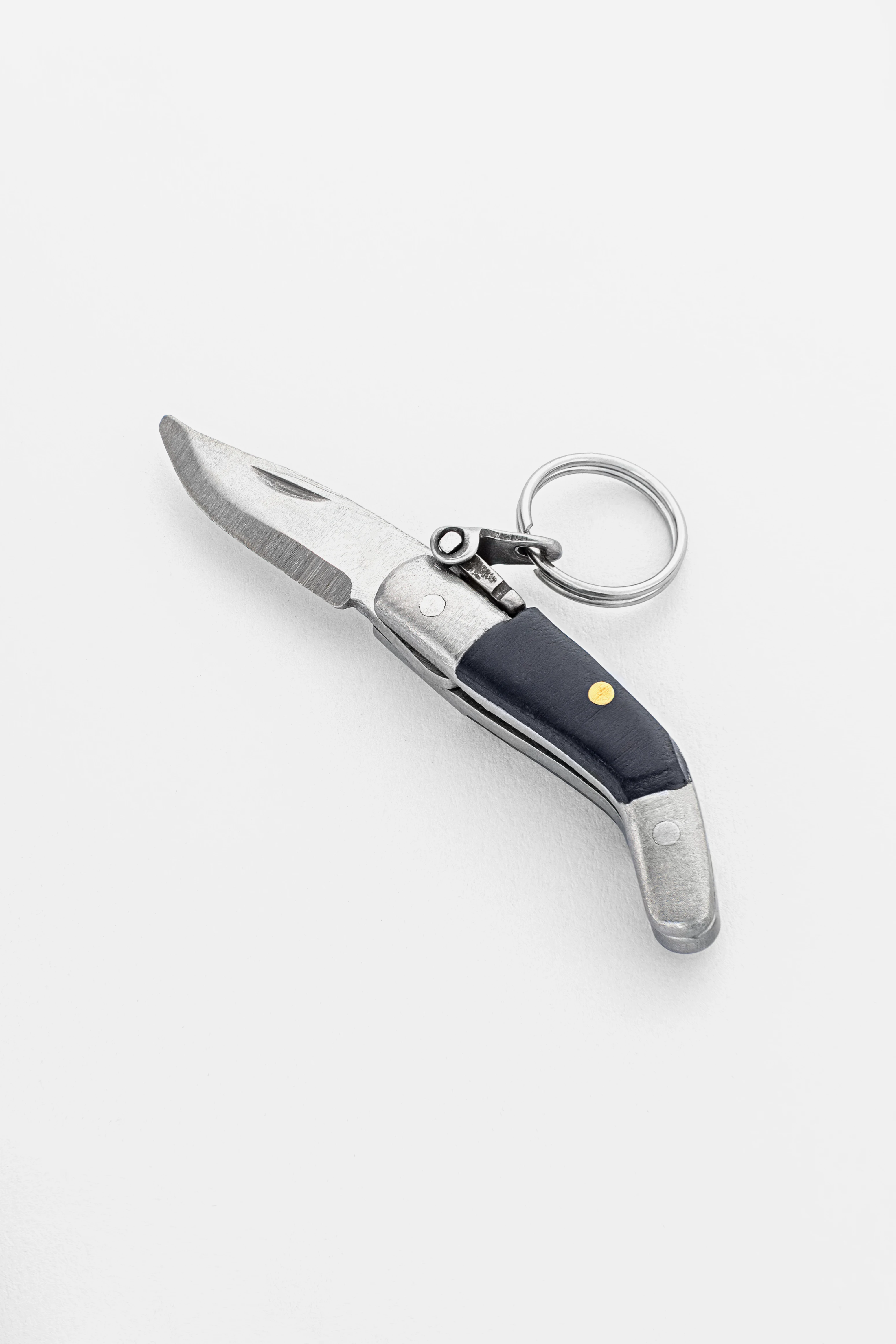
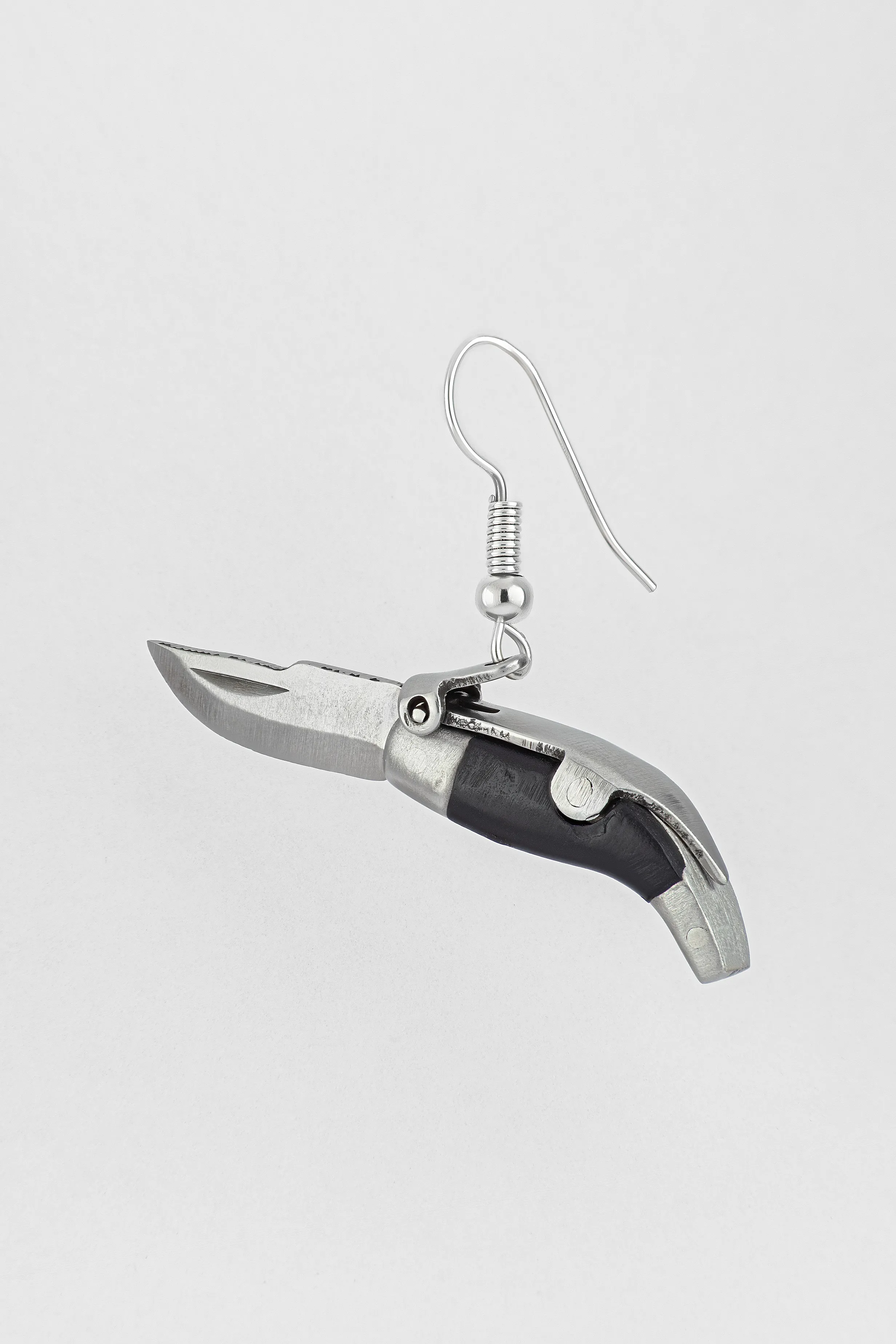
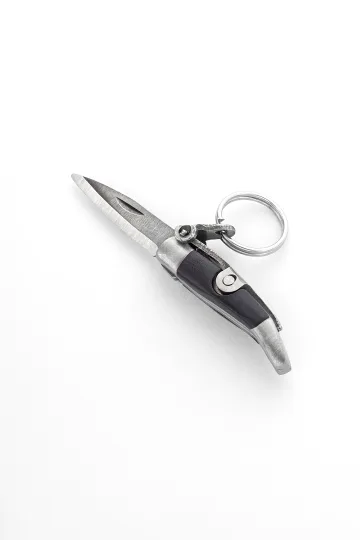
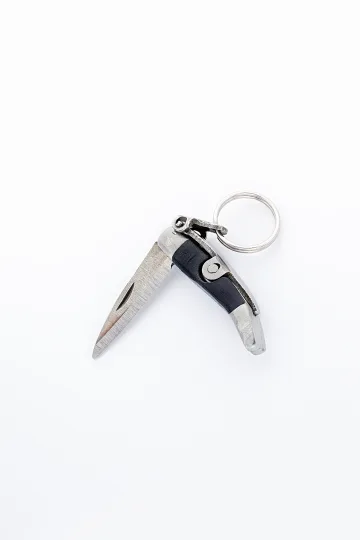
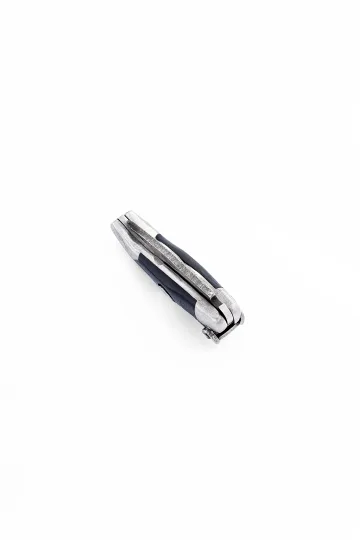
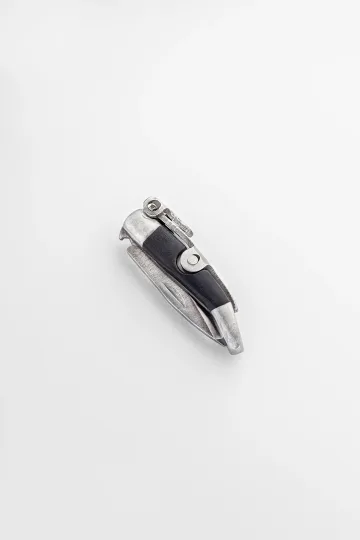
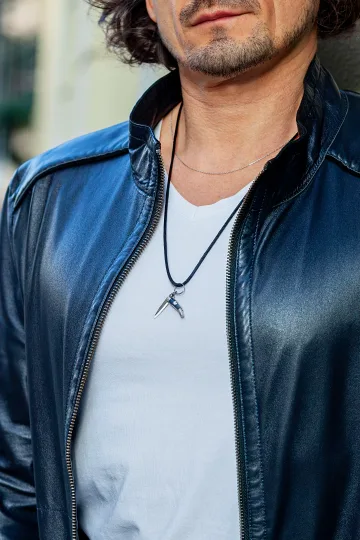
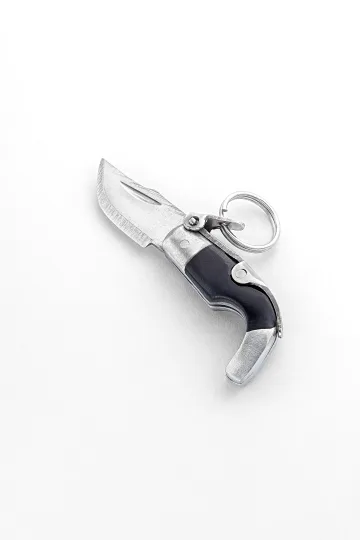
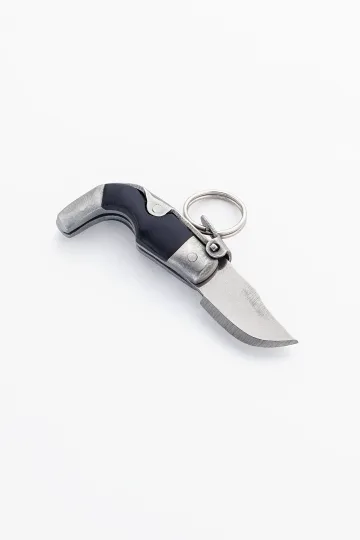
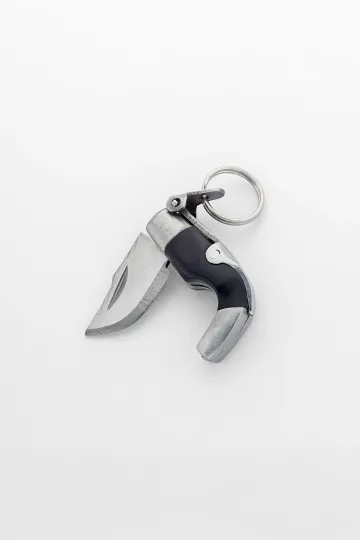
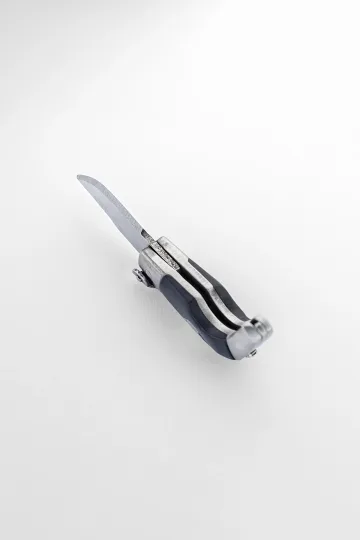
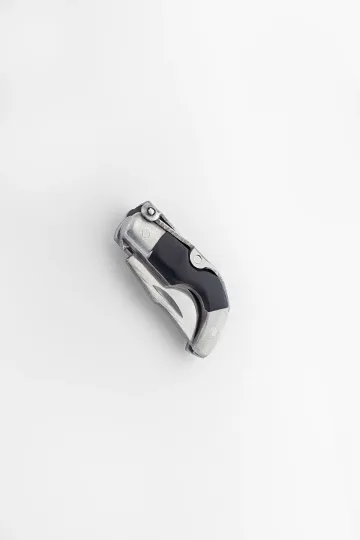
CAPAORA mini knife pendant
The 18th-century Spanish navaja in miniature: 40 mm of stainless steel, a real folding mechanism and a Palanquilla lock that clicks. An affordable gift to remember.
Authentic · Ships from Spain · 14-day returns
Asking the people close to her
If there are people close to her you can approach, do not be shy. It works faster than long observation.
Who is useful. Her mother if alive and in contact. Sister. Best friend. Colleagues she talks to a lot. Husband or partner (if the gift is not from him).
What to ask. "I want to give her jewellery but I am scared of getting it wrong. What metal does she mostly wear, gold or silver? What types of pieces does she like: earrings, chains, bracelets? Is there anything she absolutely will not wear?" Three questions cover eighty percent of the information you need.
If you want extra certainty, ask the close person to discreetly find out her finger size (for a ring) or her preferred chain length. It can be done indirectly: "A customer at work asked me about ring sizes and now I do not remember mine. What is yours? And Caroline's?" A small white lie that usually works.
The ally inside her family or friend circle becomes a key figure. They know details you would not have thought of: that she developed a gold allergy three years ago, that she threw out all her silver after moving house, that she dreams of one specific model.
If you worry the close person will leak the surprise, stress it: "It is a surprise, do not tell her, please." Most people happily keep these secrets.
Reading her social feeds
Social media is a public window on her style. If she has accounts on visual platforms (Instagram, Pinterest, TikTok), they are a usable source.
On her feed look at her photos over the last six to twelve months. What does she wear at parties, at work, on weekends? Does her style shift or stay stable? Which combinations of pieces (one statement plus minis? only minis? layered chains?).
Among the accounts she follows, look at the brands and influencers. If she follows minimal accounts, she likes minimal. If statement, she likes the bold. If boho or vintage, you already have your answer.
Her saved posts (if visible) often hold precise examples of pieces she wants to buy. This is the most valuable information of all: sometimes the exact piece she dreams of is sitting in plain sight.
In her comments on other people's photos: "I love these earrings, where are they from?" or "I want this ring" are clear signals. Screenshot to the jeweller.
Pinterest is particularly useful. If she has a board titled "Jewellery", "Style", "Want", "Mood", it is a map of her dreams. Go through the whole board.
The method needs two things: that she is active on social media (not every woman is) and that you can observe anonymously (do not like everything, do not leave traces). If she sees suspicious activity from you, the surprise is dead.
Leave your email, we'll send your discount code. No spam, unsubscribe anytime.
The code arrives by email, valid on your first order.
What is worn today: safe trends
If your knowledge of her style is thin, lean on universal current trends. Categories that work in 2025 and 2026 for a broad female audience.
Layered necklaces: two or three fine chains of different lengths (40 cm + 45 cm + 50 cm) with small different pendants. Worn together, they build a complex but quiet visual effect. Universal for women between twenty and forty five.
Huggies (mini hoops): small thin hoops at the lobe, diameter 8 to 12 mm. A universal alternative to mini studs, worn daily, do not catch.
Stackable rings: several thin rings on the same finger or across multiple fingers. A gift set of two or three thin rings in the same style with different details (point, mini diamond, plain, engraved).
Permanent jewellery: a chain bracelet or anklet welded onto the wrist with no clasp. The youth trend of the decade. Tricky as a blind gift (you need to go together for the welding appointment), but workable as a gift card.
Minimal with engraving: a small disc pendant with a name or short phrase. The small size keeps the engraving discreet, but the name level adds meaning.
Pearls are back: after decades out of fashion, pearls returned to centre stage thanks to K-pop and the Y2K revival. Small pearl studs, a thin pearl choker, a chain bracelet with pearls.
Use trends with care. If she sticks to classic and ignores fashion, trends will not work. If she follows fashion, they are ideal. The best compromise: pick a trend that has consolidated over several years (pearls, layered) rather than the hype of the month.
Size: what is universal and what needs precision
In jewellery, some parameters need exact measurement, others are universal. Knowing the difference matters in a blind gift.
Chain length. 40 to 45 cm (princess) works for almost everyone. 35 to 40 cm (choker) is more specific. 50 to 60 cm (matinee) also specific. Safe: 42 to 45 cm.
Bracelet length. Standard 17 to 18 cm works for most. Very slim wrist 16 to 17 cm. Larger wrist 18 to 19 cm. Adjustable extension solves it.
Ring size. The trickiest parameter. US sizes 4 to 9, UK letters H to S. Impossible to know without measuring. Open or adjustable ring solves it.
Earring size. Standard post thickness (about 0.8 to 1 mm) fits almost any piercing. Post length 8 to 10 mm is standard. Old piercings have no problem. Fresh piercings may not accept all post thicknesses.
Pendant size. Small is universal, medium needs taste, large is a risk. Safe: pendant no bigger than a dime.
Chain thickness. Thin (0.8 to 1.2 mm) is universal, medium (1.5 to 2 mm) more specific, thick (3+ mm) only with known taste.
If you have to choose between two versions of the same piece and one is smaller, choose the smaller. In blind gifts the rule is universal: smaller beats bigger.
Allergies and sensitive skin
Around ten to fifteen percent of women have an allergy or sensitivity to nickel in cheap alloys. A gift in the wrong metal triggers redness, itching, contact dermatitis, and instead of joy you have a skin problem.
Safe metals for allergy prone wearers: 18 karat gold (low alloy content), 14 karat gold without nickel, sterling silver 925 (low allergenicity), platinum, surgical titanium, surgical steel 316L. These are labelled as hypoallergenic.
Dangerous for the allergic: gold plated alloys (often with nickel underneath), costume jewellery in unidentified metals, items from countries with light regulation, silver plated brass, copper zinc alloys.
In the EU, EN 1811 limits nickel release in jewellery in contact with skin.
If you do not know whether she has allergies, choose 14 karat gold or sterling silver 925 from a trusted brand. They are safe for the vast majority.
Extra signal: if her social feeds show green traces under rings or chains, she reacts to cheap metals. Then skip costume jewellery and stick to precious metals.
Age scenarios
A gift for a woman of eighteen, thirty five and sixty are three different tasks. Age is an important filter.
18 to 25: youth category. Minimal, silver or rose gold, mini studs, fine chain with initial, layered. Modest budget (she is studying or starting work) but real quality (no costume jewellery, she wants pieces that last). Trends matter.
25 to 35: style formation phase. She knows her own taste already but is still building it. Universal categories work, but quality and brand matter. 14 karat gold, sterling silver, small natural stones, classic shapes. A solid gift, not a statement.
35 to 50: mature category. She has formed her style, owns expensive pieces from her partner or bought herself, has clear preferences. The blind gift gets harder: she already has everything universal. Safer to give a gift card or a classic piece of value (pearl earrings, a plain gold ring without stones).
50+: classic category. Pearls, classic gold, fine chains, elegant shapes. Youth trends will not work: a sixty year old is unlikely to wear boho or Y2K. Go for established classic: pearl strands, small diamonds, gold chains.
Universal across age: 6 to 7 mm pearls in small studs, a 42 cm princess gold chain, a fine gold bracelet. Versions that work for twenty five and sixty five.
Engraving as a universal bridge
Engraving turns a stock piece into a personal object. It works even when the taste is unclear: the personal meaning compensates for small style mismatches.
Date: the most universal version. The date you met, an anniversary, her birthday, a special day. Format: 19.05.2026 or 19 May 2026. Engraved on the back of a pendant or inside a band.
Name: works for close relationships. Her name (on a disc pendant), her child's name (for a mother), both (for a couple). The name engraving makes the piece impossible to duplicate.
Short phrase: riskier, but stronger when it lands. "Always", "Forever", "For you", a date plus initials. Short English phrases are safer than long ones (compact, age less quickly).
Coordinates (GPS of a meaningful place) is a modern alternative. Engraved as 40.71N 74.00W or in decimal. Suits romantic gifts.
Symbol: a simple mark (small star, heart, infinity). Less formal than a date, more universal than a name.
Where to engrave. Most jewellery shops do laser engraving on the day of purchase (fifteen to thirty minutes). Major chains by appointment. Premium pieces are often hand engraved (three to seven days).
Engraving can be added later. If you are not sure what to engrave, hand over the piece blank and leave the option to engrave once she has chosen the phrase or date.
Engraving with initials and monograms is covered in a dedicated guide.
Gift card: pros and cons
A gift card is the fallback option. When your knowledge is very weak, the budget is significant, and the risk of missing is unacceptable, the gift card solves the problem.
Pros. She chooses. Error excluded. The amount is set. The card is useful: even if she does not like jewellery, she will spend it on something necessary. It can be bought online and sent instantly.
Cons. A gift card reads as a lazy choice. Less emotion at the opening (compared to a real piece in a box). It is money, and money gifts often feel cold in personal relationships. It can sit in her wallet for months and never get used.
When it works. A gift for a colleague or distant acquaintance. A gift from a boss. A corporate gift. A gift for someone who has already shown she prefers to choose. A gift for someone with a very specific style (vintage, niche brand).
When it does not work. A gift for a wife, mother, daughter, best friend. A romantic gift (International Women's Day, Valentine's, anniversary). A gift for a christening, graduation, wedding. There the "real thing" is needed.
How to make it look good. Go beyond a card in an envelope. Thoughtful packaging: add a description of the shop, a handwritten note, a small bottle of something alongside. This moves you up from "money in an envelope" to "considered gift".
Validity. Jewellery gift cards usually last six to twelve months. Check at the time of purchase: if the window is short, she risks not using it in time.
Store specific. Gift cards from a specific shop or chain. A universal prepaid card is also an option, but it is money, not a jewellery gift.
Send a friend a discount code, they save on their first order.
Exchange policy: receipt, packaging, tags
A crucial part of the blind gift. If your choice misses, there has to be a way to exchange. This is not insulting the gift, it is insurance.
Keep the receipt. Most jewellery shops accept exchanges within fourteen to thirty days with the receipt and the original tag. Keep it at home, photograph it on your phone, send it to your email.
Do not remove the tag. The tag is the identifier: code, size, hallmark, price. If it is cut off, the shop can refuse the exchange or reduce the credit. Leave the tags on until she decides to keep the piece.
Give it in a way that allows exchange. Tell her: "If you do not love it, you have time to swap it. I have the receipt." It removes the tension. Most people do not use the exchange, but the option matters.
Do not give it without a box and with the tag cut. It looks second hand and limits the exchange. Give it in the shop's packaging with the tag inside and the receipt in a separate envelope under the box.
Check the exchange policy at purchase. Sometimes there are catches (exchange only for another piece in the same chain, no gift card refund). Ask before. The better shops exchange with flexibility.
Original packaging usually comes with the exchange. If it is damaged, the shop can ask for a new one. Keep it until the final decision.
Do not give it engraved if you are unsure. An engraved piece is usually non exchangeable. If you have doubts about the taste, add the engraving later, once she has accepted the piece.
Psychology of the choice: modest and safe beats showy and wrong
This is the emotional maths of the gift. Many people make the same mistake: they spend more on a statement gift, and get a worse reaction than from a modest one.
She does not sit with a calculator counting the price tag. She reacts to whether the piece suits her. An expensive necklace outside her style triggers polite thanks and lives in the box. A fine chain that joins her existing wardrobe triggers genuine joy and gets worn every day.
The "wow at the box opening" effect fades fast. The "I wear it every day and think of you" effect works for years. The blind gift should aim at the second, not the first.
Simplicity carries meaning. When you give a fine chain with a small pendant, you say: "I want this to enter your life without disturbing it." When you give a big bold piece, you say: "Look what I picked, wear it." The first is more respectful.
A psychological addition: she often feels embarrassed to refuse an unsuitable gift. She will wear it when she sees you and take it off in front of others. This humiliates both the piece and the relationship. A modest gift creates no such tension.
Emotional rule: imagine her telling a friend about your gift two weeks later. Does it sound like "he gave me this perfect little ring, I never take it off" or like "he gave me this, I do not know what to do with it"? Aim for the first.
What never to do
A list of actions that always make a blind gift worse. If you remember one thing from this whole guide, this is the one.
Do not buy costume jewellery instead of precious metal. Pieces "gold like" or "silver like" in unknown alloys are bad gifts. Only real metal with a hallmark. If the budget is small, choose sterling silver 925, not costume.
Do not buy a ring without knowing the size. The wrong ring is a piece sentenced to the box forever. Find out the size or buy an adjustable open ring.
Do not give a ring on the fourth finger to a non partner. It is a sign of relationship and can read as a proposal or hint. Safer: middle or index.
Do not buy showy pieces for everyday wear. Big pendants, statement rings, multi layered collars demand a known style.
Do not give a piece with the tag cut. Without the tag the exchange is impossible or limited.
Do not give it pre engraved if you are unsure. An engraved piece does not exchange. Add the engraving later.
Do not buy in kiosks, markets, or subway passage "jewellers". High counterfeit risk. Only verified shops with a hallmark and a receipt.
Do not buy under alcohol or in a rush. The choice happens sober and calm.
Do not buy "the same as her friend's". Duplication creates awkwardness. If you know her friend has a certain model, do not buy the same.
Do not buy heavy pieces. Heavy earrings stretch lobes over years, heavy chains tire the neck. Light pieces get worn every day, heavy ones live in a box.
Do not give it without a box. A gift without packaging looks careless. At minimum a velvet shop box.
Do not put the receipt inside the box with the piece. The receipt sits separately (in an envelope from you or in your wallet) so it does not spoil the moment of opening.
Plan B: shopping together
If all your research methods are exhausted and you still fear getting it wrong, there is a radical solution: go shopping together.
This is not a pure surprise, but it is not abandoning the gift either. You tell her: "I want to give you jewellery but I am scared of getting it wrong. Let us go pick it together." Most women are delighted: they get the piece they want and share the moment of choosing.
When it works. Birthdays, anniversaries. Not for surprise dates (Valentine's, an unexpected meeting).
How to set it up. Pick a shop, book a viewing if it is a high end one, agree on a time. Go together, she chooses, you pay.
Psychological angle. The gift does not lose power for being chosen together. If anything: the moment of joint choosing becomes its own memory. You will remember how you sat at the counter, how she tried things on, how you laughed at the wrong options.
Alternative to shopping together. Tell her: "This year I want to give you jewellery but I do not know which. Send me three or four options you like and I will pick from those." Keeps some surprise with minimal risk.
If you have no ideas at all and the gift card feels wrong. Give her a small box with a note: "A jewellery gift from me, we pick it together on Saturday." The surprise is the promise, not the object. It works, but it asks her to accept the format.
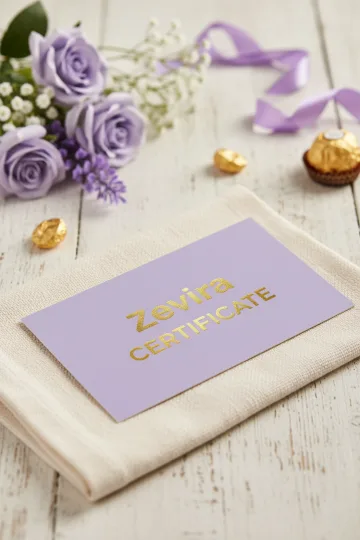
Buying it as a gift? Each one arrives ready to give.
 A branded Zevira box and a little card come with every order.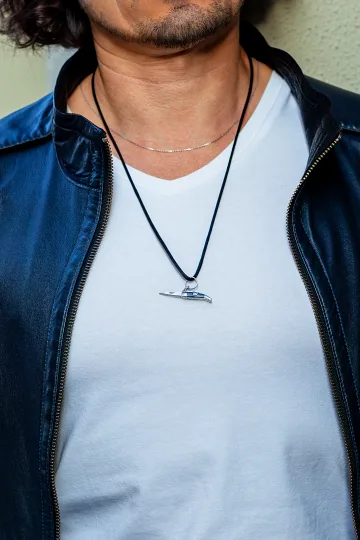




Frequently asked questions
What should I give if I have no idea what jewellery she wears?
A fine princess chain 42 to 45 cm with a small 6 mm round pendant. Metal sterling silver 925 (more universal than gold). It is the category with the highest probability of landing her taste.
Is gold or silver better for a blind gift?
Sterling silver 925 if you do not know her preferences. Cheaper (easier to exchange), more universal (suits almost everyone), no status marker. Rose gold or two tone as warm alternatives.
Can I give a ring without knowing the size?
Better not, if you cannot find out discreetly. If you really want to, buy an adjustable open ring or a set of stackable rings in small sizes (5 to 6).
Is an expensive wrong gift better than a modest universal one?
Modest universal. She reacts to whether it suits her, not to the price. A fine sterling silver chain with a small pendant will be worn for years. An expensive necklace out of style stays in the box.
Is a gift card normal or a sign of laziness?
Normal for colleagues, acquaintances, corporate gifts, women with strongly personal style. Not normal in close relationships (wife, mother, best friend), especially on romantic dates.
How much does a "decent" universal gift cost?
Depends on the relationship and your finances, but there is a universal range. Budget tier: sterling silver 925 with a zircon, equivalent to a dinner for two at a casual restaurant. Mid tier: sterling silver or entry level 14 karat gold, equivalent to a dinner at a good restaurant. Premium: 14 karat gold with a small natural stone, equivalent to a short weekend trip.
What if she has said she does not like jewellery?
Listen. If she states openly that she does not wear it, giving jewellery is a bad idea. Substitute: perfume, books, an experience (tickets, dinner), a different kind of gift card.
Can I give a watch instead of jewellery if I do not know her taste?
A watch is more taste specific than jewellery. For women it is a more personal choice. If her style is unknown, the watch is also not safe. A fine chain is a safer bet.
How does the exchange work in a jewellery shop?
With a receipt and intact tag, most shops exchange for a piece of the same price or higher within fourteen to thirty days. Cash refund usually not (exchange only). Engraved pieces do not exchange. Check the specific shop's policy.
Can I give jewellery if she is married to someone else and we are good friends?
Yes, sticking to neutral categories (fine chain, earrings, bracelet) and avoiding symbolic categories (matched sets, fourth finger rings, romantic engravings). The gift should read friendly, not romantic.
What if the budget is very small?
Sterling silver 925 with no stones or a small zircon. A fine chain with a circle pendant or stud earrings. Shop packaging with tag and receipt. A modest gift in good packaging stands taller than expensive costume jewellery in cellophane.
Is it rude to ask her directly what she wants?
Not rude, but less emotional than a surprise. Compromise: ask her to send three or four options to choose from. Keeps some surprise with minimal error risk.
What do I do if I have already given it and it clearly does not suit her?
No panic. Tell her calmly: "If it does not work for you, I have the receipt, you can exchange it or we pick another together." She will value the care for her comfort more than a perfectly guessed gift.
Surprise versus joint choice: which is better?
Depends on the relationship. Close people often prefer surprise (it shows you know them). More distant relationships or hard cases prefer joint choice or a gift card. Surprise with an exchange option works best of all: you give, and if it does not land she swaps without hurt feelings.
Is a pendant with her initial a good blind gift?
Good if you are sure of her preferences. A small gold letter on a fine chain is universal. A big designer letter is already specific style. Keep the initial under 1.5 cm.
Conclusion
The blind jewellery gift is a compromise between the wish to make her happy and the fear of getting it wrong. There is no perfect solution: even the most careful observation does not guarantee a perfect landing. Three rules minimise the risk.
First: choose universal categories. Princess chain 42 to 45 cm with small pendant, mini studs 5 to 6 mm, fine bracelet 17 to 18 cm. Three categories that land in eighty percent of cases. Sterling silver 925 or 14 karat gold without specific styling.
Second: insure yourself. Keep the receipt, do not cut the tag, give it in shop packaging, leave her the option to exchange. This does not insult the gift, it is respect for her right to choose.
Third: minimal beats statement. A small modest piece that joins her wardrobe and gets worn every day is worth more than a flashy one that lives in a box. She reacts to fit, not to price.
If your methods are exhausted and doubts remain, three backup plans. Gift card from a reliable shop (for colleagues, corporate gifts, acquaintances). Shopping together (for close people, partners). A small box with the promise of joint choice (compromise between surprise and risk).
A year from now she will not remember how much you spent. She will remember whether the gift suited her and whether she wore it. The right metric is the second, not the first.
For more context see the bracelet guide, the chain types guide and the engraving guide.
About Zevira
Zevira makes jewellery in the artisan tradition of Albacete, Spain. When you pick a gift blind, our job is to hand you the genuinely universal pieces that suit almost any woman: small shapes, clean lines, calm metals with no loud stylistic label.
What you can find with us for a gift when you do not know her taste:
- Fine chains, shoulder length 40 to 45 cm, with small round pendants, hearts and initials
- Tiny stud earrings 5 to 6 mm with cubic zirconia, pearl and natural stones
- Slim chain bracelets with an adjustable length 17 to 19 cm
- Adjustable open band rings that do not lock you into a single size
- Engravable bar pendants for a personal date, name or short phrase
- Hypoallergenic metals for sensitive skin: sterling silver 925 and 14 to 18K gold
Every piece can be personalised with engraving, with the option of personal engraving. Sterling silver 925 and 14 to 18K gold.
Silver, gold, engagement rings, symbolic jewellery, paired sets.