Redesigning Your Grandmother's Ring: Giving an Heirloom Stone a Second Life
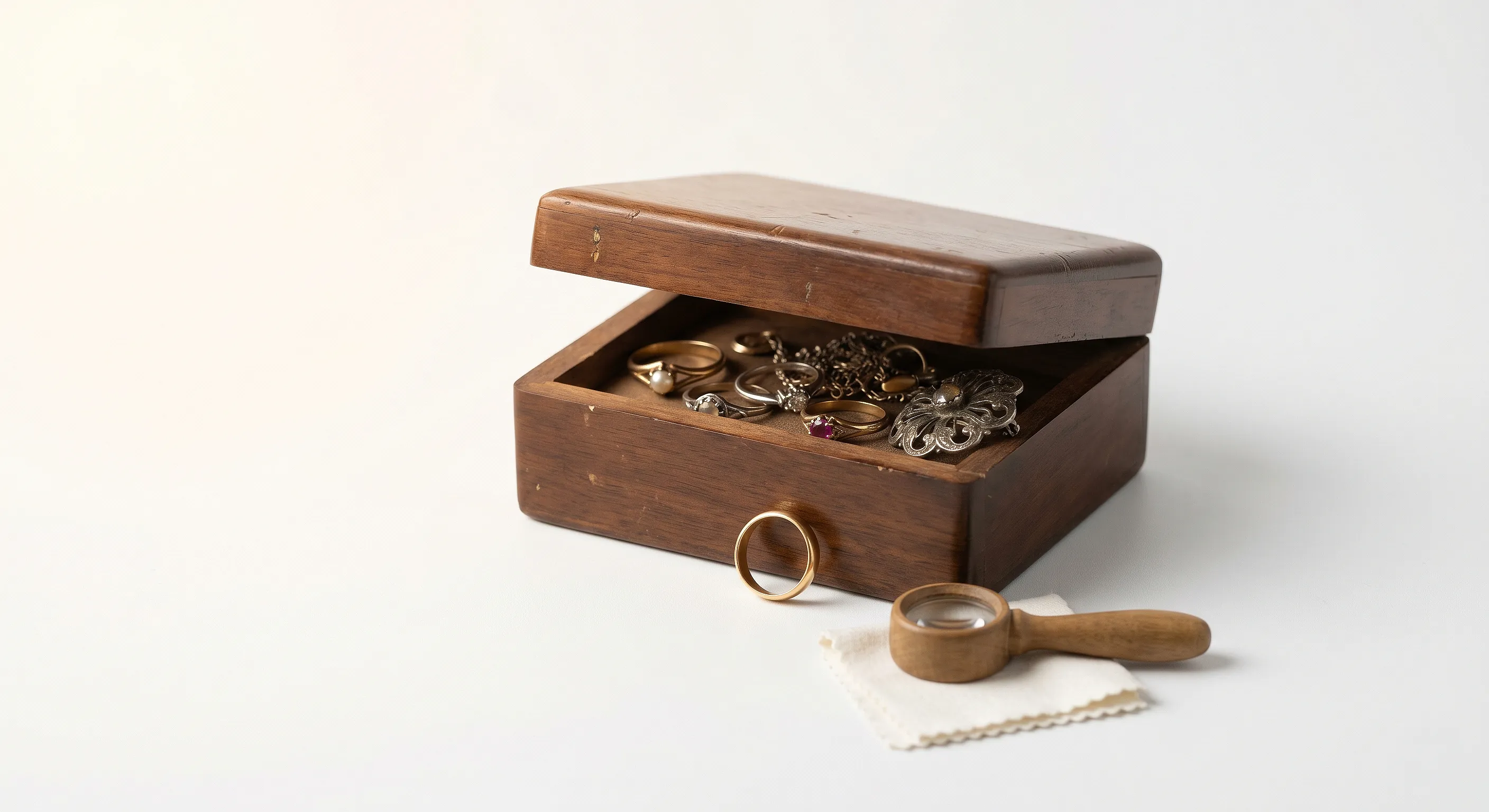
Your grandmother's ring has been sitting in a box for thirty years. You cannot wear it: the size is wrong, the style is not yours. You cannot throw it away, it is your inheritance. There is no one to pass it on to. But you can rework it: move the stone into a new setting, melt the old gold into something current. Here we work through how that happens technically, what can be reworked and what cannot, how long it takes, and what to look for when choosing a jeweller.
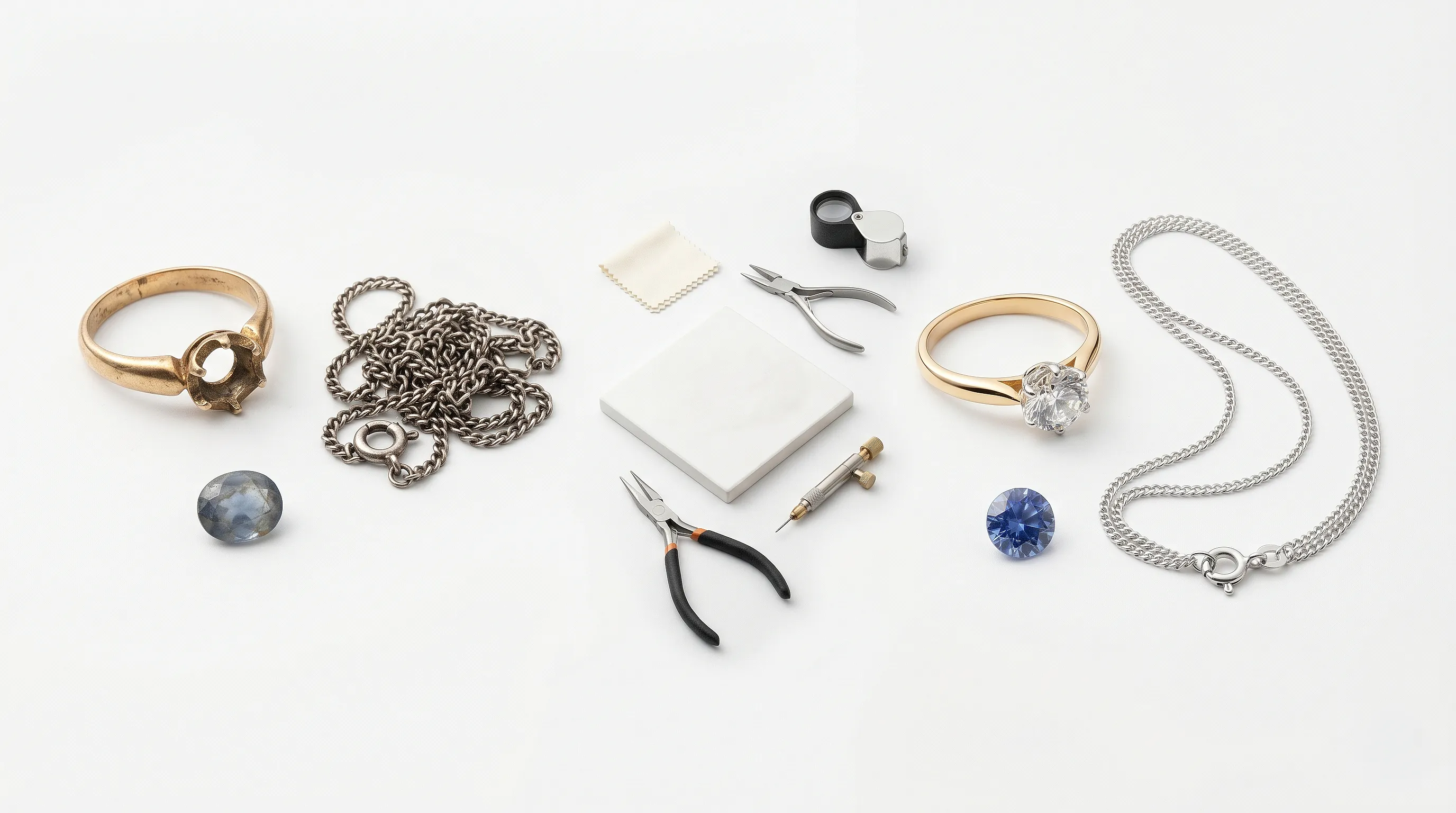
The thing to grasp from the start: the stone and the setting are two separate objects. Someone joined them once, but each exists on its own. A stone outlives more than one setting. So a dated ring can become a pendant, a pair of earrings, or a new ring without touching the stone itself; only the thing that holds it changes.
Stone and Setting: What Actually Gets Reworked
A grandmother's ring is usually a perfectly good stone in a setting that has dated or worn out. The stone itself is fully fit to be moved into a new piece. That move is called resetting, and it is a basic jewellery operation.
How the work goes:
- The jeweller examines the piece and assesses the stone
- The stone is taken out of the setting (a step that demands precision)
- The setting is either kept (if the metal is to be reused) or melted down
- A new setting is made for that specific stone
- The stone is secured in the new setting
A stone already in the family costs nothing to buy. In the price of a piece with a precious stone, the stone itself accounts for fifty to eighty per cent. If you already have the stone, you pay only for the labour and the setting material. The total comes out fundamentally different.
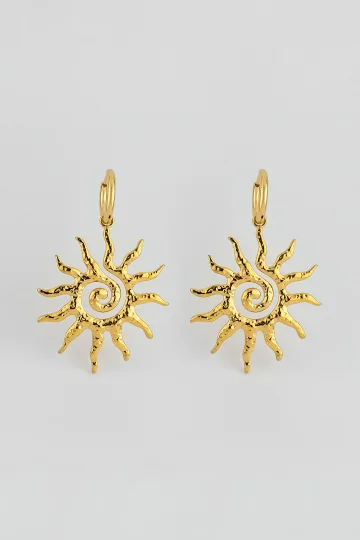
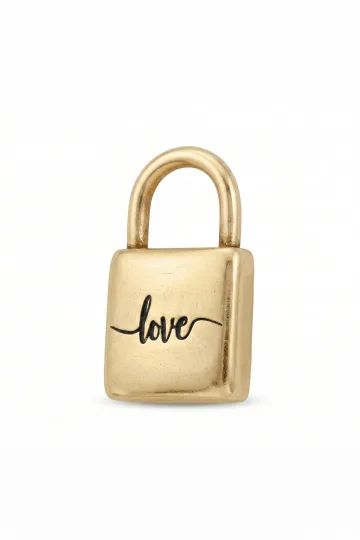
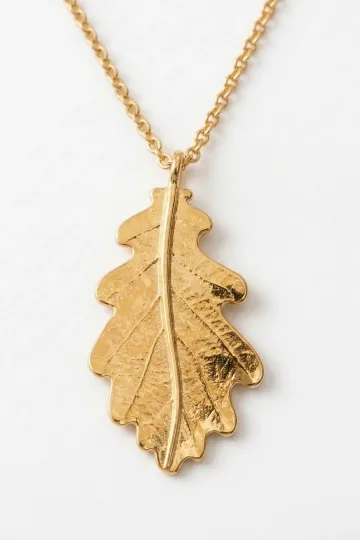
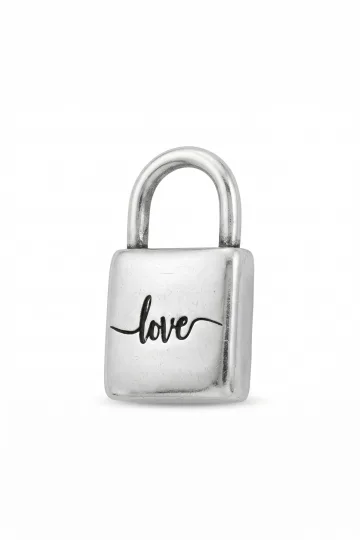
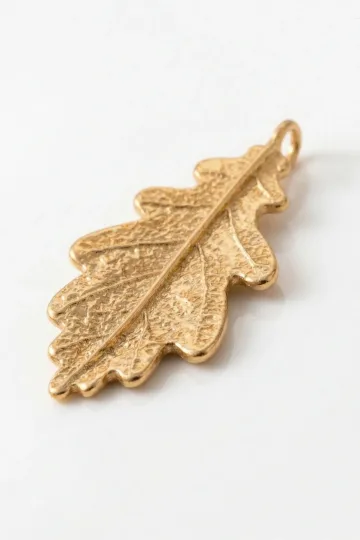
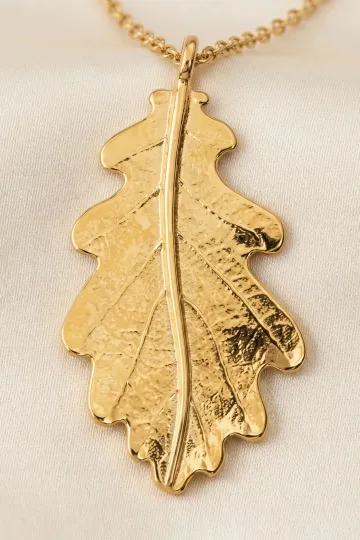
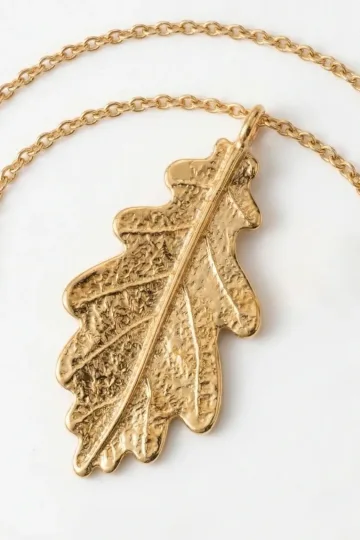
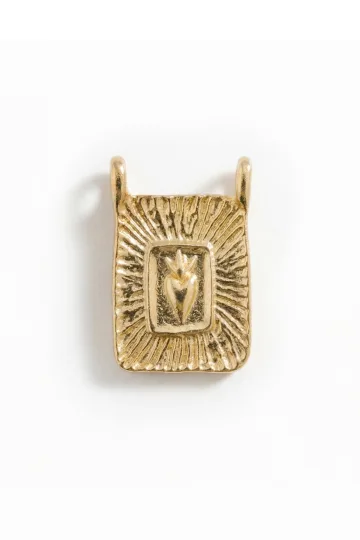
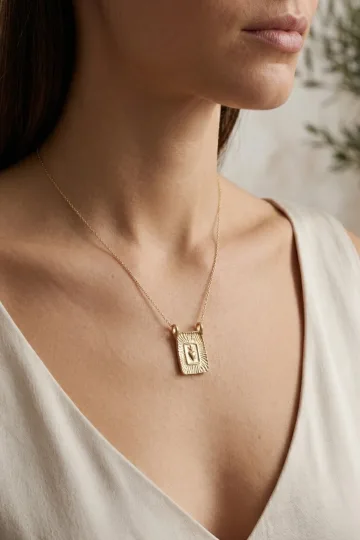
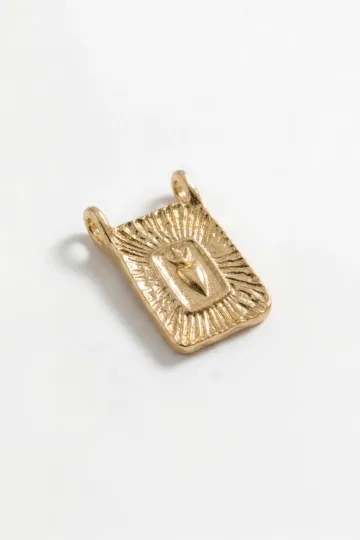
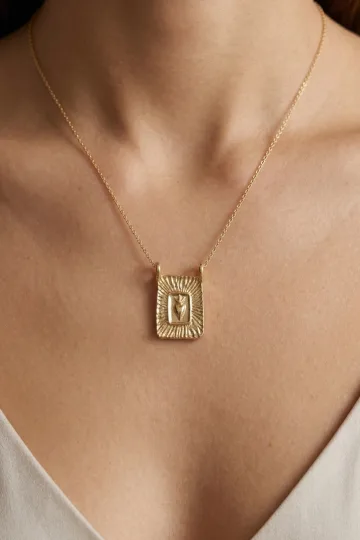
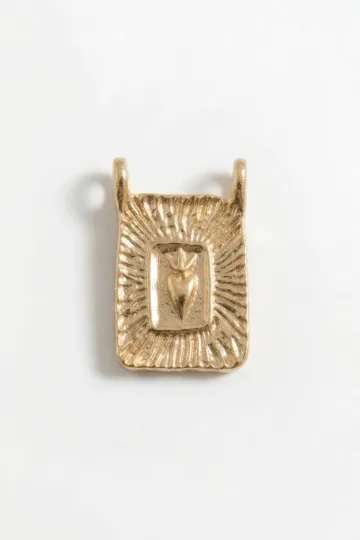
Wear the symbol, don't just read about it. These are in stock:


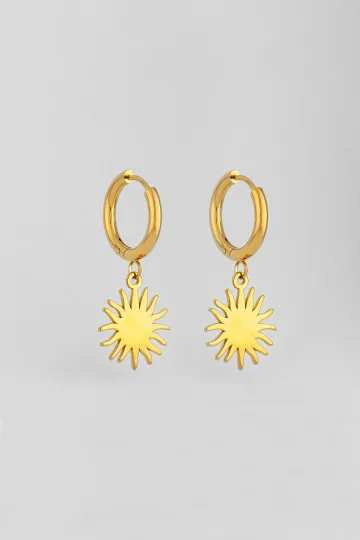
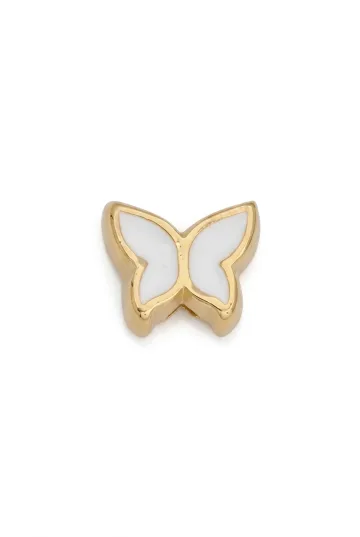
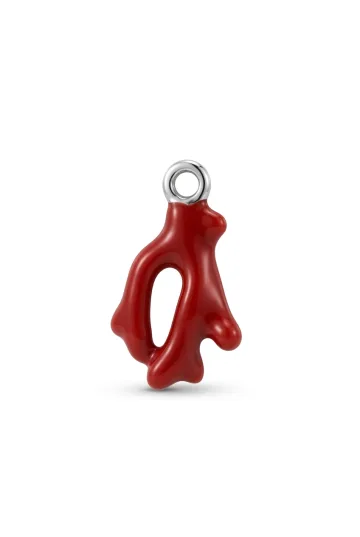
On top of that, old stones often carry cuts that nobody produces today (more on that below). A stone like that cannot simply be bought off a shelf.
Heirloom, Vintage, Antique: The Difference
People muddle these terms, although the difference is genuine.
Heirloom means an object handed down within a family, generation to generation. Age plays no part: a ring from the 1970s can be an heirloom, and so can a great-great-grandmother's wedding band. The defining feature is the chain of family transmission.
Vintage means jewellery between twenty and a hundred years old, acquired outside any family context. A 1960s bracelet from a flea market is vintage but not an heirloom.
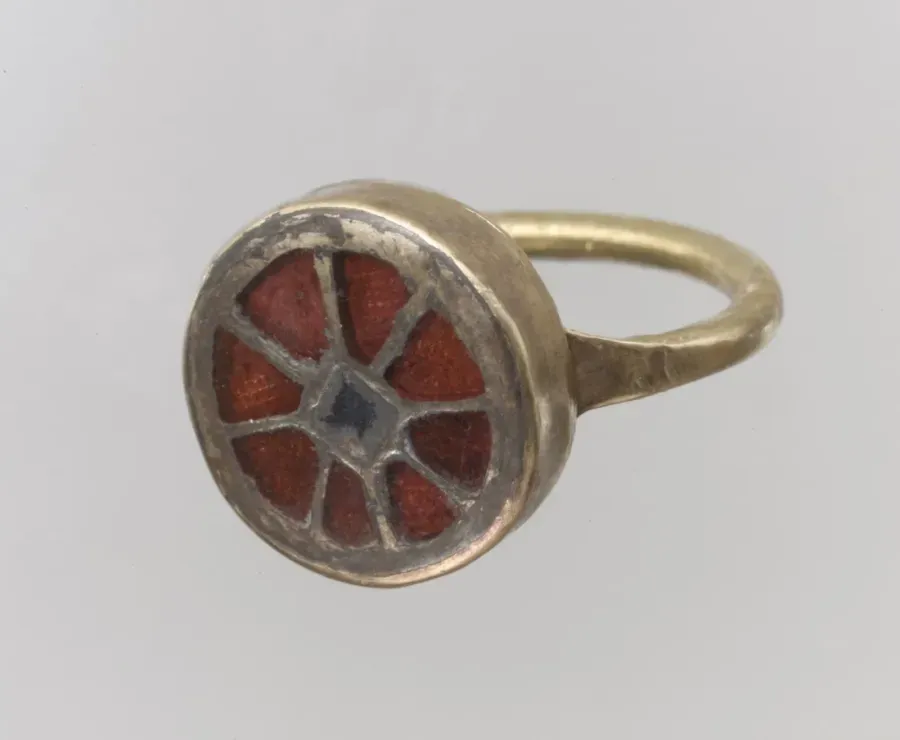
Antique means jewellery older than a hundred years. It often carries collectible value worth assessing before any work begins.
The distinction is practical: an antique piece goes for an appraisal first, and only then do you decide whether to rework it.
Old Cuts: Why Family Stones Are Special
Most of grandmother's diamonds are cut differently from modern ones. Before computer modelling, cuts were done by hand, and each stone has its own quirks. These cuts are no longer made, which is why they are kept intact during a reset.
Old European cut (OEC). Dominant from the 1890s to the 1930s. A round shape with a high crown, a small table, and large facets. It gives a warmer, softer glow than the modern brilliant. Prized by collectors.
Old mine cut. The predecessor of the OEC, typical of the nineteenth century. A more squarish shape with a high domed crown and a tiny table. Found in pieces from a great-great-grandmother's era.
Rose cut. Flat underneath, domed on top with triangular facets. Popular from the sixteenth to the nineteenth century. It refracts light in a completely different way from modern cuts.
Transitional cuts. Stones from the 1930s to 1950s, caught mid-shift towards the modern brilliant, blending traits from different periods.
A grandmother's diamond earns an open collar and candlelight, not the dark of a drawer. Bury it again and we are done.
What to Wear a Reworked Piece With
Dozens of these reworks have passed through my hands, and a piece only comes alive once it is actually worn. That shapes the form, the metal, and the chain length. Here is what I recommend, by occasion.
How do I wear a reworked pendant every day? I recommend a pendant with the stone on a thin chain of medium length over a plain roll-neck, a shirt, or simple knitwear with a shallow neckline. The stone stays the single accent and the eye holds on it. To a look like this I suggest adding nothing: one piece with history beats three at random.
Does it work at the office? It does. I recommend taking the same pendant a little deeper, under a collar or into the neckline of a blouse, where it reads as a quiet detail. If you reworked a ring into a slim everyday one, it sits well beside a smooth wedding band or a single understated ring of the same metal on the next finger. The rule with several rings is simple: keep one tone of gold, or a deliberate contrast of yellow and white, with no accidental jumble.
How do I build an evening look? For the evening I suggest letting the stone speak at full volume: a deep neckline, smooth fabric in a rich colour, a plain background, a minimum of competing pieces. Earrings reworked from a grandmother's stones work best here: they sit by the face, catch the light, and old cuts with their warm play are especially lovely toward evening.
Which metal do I choose for the stone? I choose by the tone of the stone. Warm stones with a yellowish undertone and old European cuts I recommend in yellow gold; cool, clear ones ring truer in white gold or platinum. That way the setting supports the stone rather than fighting it.
What chain length do I take? I suggest matching the length to the neckline, not the other way round. Short (40 to 45 cm) suits closed collars, medium (50 to 55 cm) is universal, and a long one drops beautifully onto an open neckline so the stone rests on bare skin.

Turn on your camera, pick earrings, a pendant or a ring, and see the piece on yourself in real time.
Switch items in one tap.
Everything runs in your browser: no photo or video is ever uploaded.
What Can Physically Be Reworked
Every material has its own properties, and a good jeweller tells you the truth before any work starts. A run-through of the main categories of inherited jewellery.
Older Gold Alloys into Modern 18K or 14K
The most common case. Older gold alloys, such as a low-14-karat standard at 583 parts gold per thousand, sit just below the modern 585 (14K) standard, but the gap is tiny: about 0.2 per cent in composition. Most workshops melt that older gold into 585 with no trouble. The process is standard: a melt in a graphite crucible with added alloy (copper and silver in the right proportion), a pour into a mould, then finishing.
Melt losses run at one to three per cent of the metal mass. That is normal, and a good jeweller warns you about it in advance. If the ring weighs four grams, the new piece will retain 3.88 to 3.96 grams of the same metal. To make something larger, fresh gold is added.
For the record, ask the jeweller to log on the work order the mass of metal received, the fineness before melting, the losses, the mass of new metal added, and the mass of the finished piece. That is insurance for you and for them.
18K into 18K
The 750 standard matches modern European 18K. Melting proceeds with no change of composition, only a small dose of fresh alloy to offset the copper that burns off. The losses are the same one to three per cent.
The advantage of 18K is that it is a more malleable alloy and holds intricate shapes better. For a ring with an openwork shank or a pendant with fine detail, 18K is preferable to 14K.
Older Silver into Sterling 925
An older silver standard, such as 875, runs about five per cent leaner than modern sterling 925. Melting is possible with added pure silver (999) to raise the fineness: roughly 67 grams of pure silver for every 933 grams of the original alloy. Even an antique 800 standard melts up into 925.
Old silver with dark patina needs a chemical clean to remove sulphides before melting (the dark film is silver sulphide). A standard procedure that does not affect the metal mass.
Diamonds
The most cooperative stone for resetting. Hardness 10 on the Mohs scale, the absolute maximum among natural minerals. When working on the setting, the stone is usually taken out before the metal is heated, so the risk stays minimal.
What to check before transplanting:
- Chips on the pavilion (the lower part of the stone) can spread into a crack during setting
- Deep fissures (feathers, cleavage) visible at tenfold magnification can open up under prong pressure
- Laser treatment: old diamonds were sometimes laser-treated to mask inclusions, and under strong heat nearby the treatment can show
If the stone is clean and chip-free, the transplant takes the jeweller hours, not days.
Sapphires and Rubies
Corundums are the second-hardest group after diamond (9 on Mohs), and they take a transplant well. The main risk is inclusions, which natural corundums usually have plenty of. Silk (fine needle-like rutile inclusions) is normal and no cause for worry. Fractures, on the other hand, are reason to study the stone closely before any work.
Old sapphires are often heat-treated, a historical practice rather than a flaw. Rubies from the 1950s to 1980s are frequently synthetic (Verneuil method), but a synthetic ruby has the same hardness and brilliance as a natural one; for a transplant it makes no difference.
Emeralds
The most fragile of the big three. Inclusions in an emerald are the norm; a perfectly clean natural one does not exist. Those inclusions make the stone vulnerable to heat. The cardinal rule: metal must never be heated near an emerald; the stone is always removed from the setting before any metalwork.
Most natural emeralds are impregnated with cedar oil or epoxy resins for clarity (a practice known since the sixteenth century). Under heat the oil seeps out of the fissures and they become visible. After resetting, the oil is re-applied, a separate procedure done by a gemmologically trained jeweller.
You can reset an emerald, but the new setting is made and assembled before the stone goes in, and the final placement is done cold. No soldering nearby, no flame.
Opal
Opal holds five to twenty per cent water in its structure. Under sudden heat the water evaporates and the stone cracks. Changing an opal's setting without an opal specialist is all but a guaranteed death for the stone. Opal also cannot be cleaned with ultrasound or subjected to abrupt temperature change. If an opal turns up in the box, look for a jeweller whose portfolio lists experience with opals.
Turquoise and Mother-of-Pearl
Turquoise is soft (5 to 6 on Mohs), porous, and sensitive to oils and cosmetics. Resetting is possible without heat: the stone is removed, the setting is refreshed cold (mechanical assembly), and the stone is put back. Most twentieth-century turquoise is treated with wax or resin to stabilise its colour, which is normal, not a fake.
Mother-of-pearl is an organic material; it does not melt, but it crumbles under pressure and heat. Resetting only ever happens cold, mechanically. Mother-of-pearl insets in older pieces were often glued in; during resetting the glue is scraped off.
Garnet, Amethyst, Citrine, Topaz
A group of quartzes and silicates of moderate hardness (7 to 7.5 on Mohs) that take a transplant well. Amethyst can fade slightly under prolonged heat, so the stone is removed before any work on the setting. Garnet, one of the most stable stones, takes the work easily. Citrine often turns out to be heat-treated amethyst (a method known since antiquity), which does not affect its properties.
Peridot, Moonstone, Labradorite
Medium hardness (6 to 7 on Mohs) with quirks. Peridot cracks under abrupt temperature change and needs slow cooling. Moonstone and labradorite are prized for their schiller (the play of colour as they turn), so the setting must not cover the surface of the stone. If a grandmother's moonstone sat in a heavy closed-back setting, a reset is a good chance to choose an open-backed one.
What Cannot Be Reworked
Sometimes the more honest call is to accept that a piece stays as it is, restored or kept as a memento.
Electroplated Coatings: Gilding, Rhodium
The ring looks like gold, but it is a thin layer of gold (0.5 to 5 microns) over another metal. During melting that layer mixes into the base and is lost.
Rhodium-plated silver loses its rhodium when melted: you get plain silver that needs re-plating. Gold-plated silver, once melted, gives you a base with no gilding: there will be almost no gold in the new piece. Costume jewellery with a PVD coating on a brass or tombac base cannot be melted down as a precious-metal piece at all.
How to tell gilding from gold: an acid test or XRF analysis. It costs next to nothing, takes minutes, and saves you from a mistake.
Cupronickel and Nickel Silver
Cupronickel is an alloy of copper and nickel. Nickel silver (German silver) is an alloy of copper, nickel, and zinc. Both resemble silver, especially when silver-plated on top. They turn up everywhere in older household and decorative items. These alloys melt poorly as a jewellery material: the nickel oxidises under heat and melts at a higher temperature. An "875" stamp on a spoon is often a maker's cupronickel mark rather than a fineness. The same XRF analysis settles it. Pieces like these are better left in the family archive.
Organic Stones Near Heat
Pearl, amber, coral, bone, and jet are destroyed by metal heated nearby. A pearl's nacre will lose its lustre and crack if a setting is soldered close by; amber starts to melt from 200 degrees. What is possible: remove the stone before any metalwork, rework the setting completely, then place the stone back in a cold assembly. Slower and dearer, but possible.
Enamel
Cold enamel (epoxy) burns out at 150 to 200 degrees. Hot enamel (vitreous, fired on at 700 to 900 degrees) can crack or flake on reheating, especially if the enamelling was done decades ago. A brooch with enamel cannot be heated whole. But a flat, sound enamel fragment can be cut out and set as an element in a new piece by cold methods. That is not melting; it is preserving a fragment in a new context.
Antiques With Historical Value
If a piece is more than a hundred years old and in a historically significant style (Victorian, Edwardian, Art Nouveau, Art Deco), any action should be preceded by an appraisal from an antique-jewellery specialist, not an ordinary jeweller.
Signs of collectible value:
- A hallmark of a known workshop or maker
- Complex enamel or guilloché work
- Signed casting or hand engraving
- Stones in historical cuts left un-recut
- An intact original form
An antique piece loses collectible value after reworking, sometimes dramatically: a rarity turns into a modern piece made from old metal. If an appraisal shows significant collectible value, keeping the piece whole is the wiser path.
Customer reviews
Zevira is a real jewellery shop. Genuine payments, deliveries and customer thank-yous.
🥰🥰🥰 gracias
Ok, ¡gracias! 🙂
Ideas for Reworking
Some of these are standard operations for any good workshop; some call for a specialist.
A ring into a pendant with the same stone. The most common transformation. The shank is melted down, the stone is reset into a hanging mount. Good for stones too large for an everyday ring or impractical for working hands.
A ring into earrings. Two rings yield a pair of drop earrings with the stones as the central elements. From a scatter of small stones, everyday studs.
A brooch into a pendant. The old catch is removed and a bail is soldered on. Chunky 1950s to 1970s brooches work well as large pendants on a long chain. If the brooch carries an enamel inset, it is cut out as a separate element and set into a new mount.
A signet into a slim ring. A heavy signet is remade to a daughter's or granddaughter's size; the stone stays and the form changes radically.
A watch chain into a bracelet. Old chains (chatelaines) often have a handsome weave. Change the clasp, adjust the length, and you get a piece with history that looks current.
Everything small into one piece. A dozen small items you would not wear individually are melted into a single pendant or bracelet that holds the metal of all the grandmother's pieces at once.
Old gold plus a new stone. The grandmother's metal is melted, fresh metal is added, and a stone bought now (an engagement stone, say) goes into the setting. A piece of two eras.
A wedding band into a wedding band. A grandmother's band is melted into yours or a daughter's, a direct rite of transmission, often with fresh metal added for a modern size.
A ring into a bangle. Suits a heavy ring with plenty of metal. The stones are set as accents around the hoop.
A bracelet into pendants for several granddaughters. A large bracelet with several stones is divided: each granddaughter gets a pendant with one stone from the shared material.
A pocket watch into a locket pendant. The engraved case becomes a pendant; the movement is taken out or left as decoration, with a photograph inside.
A ring into a stacking set. A thin shank yields several rings of the same diameter worn together. If there is little metal, fresh gold is added.
A family locket. Part of the melted metal goes into the locket body, with a photograph inside or, in some traditions, a capsule of ashes.
Upload a photo of your pet, someone you love, or an object. We'll build a 3D model and hand-cast it in pewter.



When Reworking Makes Sense
A reset is justified in several situations.
The setting is damaged or worn. Prongs holding the stone wear down over time and may no longer grip securely. If the setting is bent, broken, or the metal has worn through, continuing to wear it is risky; you can lose the stone. Here resetting is not a matter of taste but of safekeeping.
The fineness or metal is wrong. A 9K gold is noticeably softer than 14K or 18K. If you want to wear the piece daily, moving the stone into a stronger metal makes sense. The same with allergies: some old alloys contain nickel.
The design has dated for you. A heavy sunken 1970s setting was current in its day and need not match your style. The stone, meanwhile, may be flawless. Moving it into a modern setting is not a slight on grandmother's taste but an acknowledgement that the stone is good enough to enter your own day.
The stone needs attention. Chips or cracks along the edge are often hidden inside the old setting. During a reset the jeweller examines the stone from every side and may recommend a recut or a setting type that conceals the damage.
You want a different kind of piece. A ring into a pendant, a brooch into earrings, small stones into a bracelet panel; all of it is a routine operation.
When Reworking Is Not Worth It
The piece has antique value. If it is more than a hundred years old and in a significant historical style, the value of the whole can exceed the sum of stone and metal. Appraisal first, and if the piece is deemed collectible, keeping it whole is better.
The original maker is known. If the piece was made by a specific workshop that mattered in the family's life, destroying the setting destroys part of that story.
Attachment to the form itself. If it matters to see the ring as grandmother wore it, the right path is restoration: repair the setting, replace worn elements, keep the design.
The family situation is unresolved. If several heirs lay claim to the piece, or the estate is not yet divided, reworking it unilaterally is a path to conflict and a legal risk.



The Process Step by Step, and the Timeline
Understanding the process takes the anxiety out of it.
1. XRF analysis and stone assessment. The first visit is not for placing an order but for working out what you have. XRF (X-ray fluorescence analysis of the metal) is a contactless procedure: the piece goes into the instrument's chamber, and within minutes the composition appears on screen as percentages: fineness, alloy, presence of nickel, traces of old repairs. In parallel the stone is examined: type, condition, cut, estimated weight. Time: up to a week, often the XRF result is given the same day.
2. The design. The jeweller proposes options based on what is possible with this stone and this quantity of metal: several shape options, a 3D render of the chosen one through a CAD program, revisions before work begins, final sign-off. Time: one to two weeks. This is usually when you pay a deposit for the designer's work, twenty to thirty per cent of the project cost.
3. Removing the stones. The stones come out before any metalwork. For diamonds and sapphires the risk is minimal; for emeralds, opals, and pearls a specialist is needed. Once removed, the stones are stored separately with an identifier tied to the work orders. Time: about a week with diagnostics.
4. Melting the metal. The old metal is melted in a graphite crucible. Temperatures: 18K gold around 940 degrees, 14K gold around 870, sterling silver around 925. For most private reworks a simple melt with a recalculated alloy is used, the one-to-three-per-cent losses logged on the work order. The melt itself takes one to two hours; with preparation and control measurements, a working day.
5. Alloying with fresh metal. If a four-gram piece is to become a six-gram ring, two grams of fresh metal of the right fineness are added. The share of fresh metal is recorded in the paperwork.
6. Casting into the new form. Usually the lost-wax method: a wax is printed from the CAD model, embedded in a plaster flask, burned out, and metal is poured in its place; the flask is broken away and the blank removed. Quality depends on the melt temperature, the investment composition, and the pour speed. Time: about a week.
7. Setting the stones. A separate specialism with precision to hundredths of a millimetre. Setting types: prong (the stone on thin claws), bezel (a solid surrounding rim), channel (stones in a groove), pavé (a scatter on micro-prongs), gypsy (the stone sunk flush). For each stone the optimal type is chosen with hardness and wear in mind: a diamond in prongs reveals its brilliance, an emerald is better in a protective bezel. Time: two to three days.
8. Finishing. Filing, sanding, polishing, rhodium plating if needed, engraving, control measurements, and weighing. Time: about a week.
Total time for a full, quality cycle is six to ten weeks. If a workshop promises everything in two weeks, treat it as a warning: either they are cutting corners (skipping XRF, simplifying the casting) or overstating what they can do. A good workshop invites you to checkpoints: after the analysis, after the design, after casting, after setting, and for the final handover.
Cost: Why a Reset Is Cheaper Than New
In the price of a piece with a precious stone, the stone itself accounts for fifty to eighty per cent. If you already have the stone, you pay only for the labour and the setting material.
A rough comparison: a new ring with a mid-sized diamond (around half a carat) costs about as much as several weeks' rent on a flat in a large city. Resetting the same-sized stone you already own comes out at about the price of a few good dinners out. Against buying a comparable new piece, a rework usually runs at thirty to fifty per cent of the cost.
What affects the cost of a reset:
- Design complexity (a plain rim with one stone, or a structure with a scatter)
- Metal (silver is cheaper than gold; white gold and platinum cost more than yellow)
- Additional stones
- Preliminary work on the stone (polishing, minor recutting)
- Engraving
The value of an heirloom stone does not fall over time: a stone that cost grandmother modestly in the 1960s may carry a significant price now, especially a rare coloured stone or a diamond with above-average characteristics.
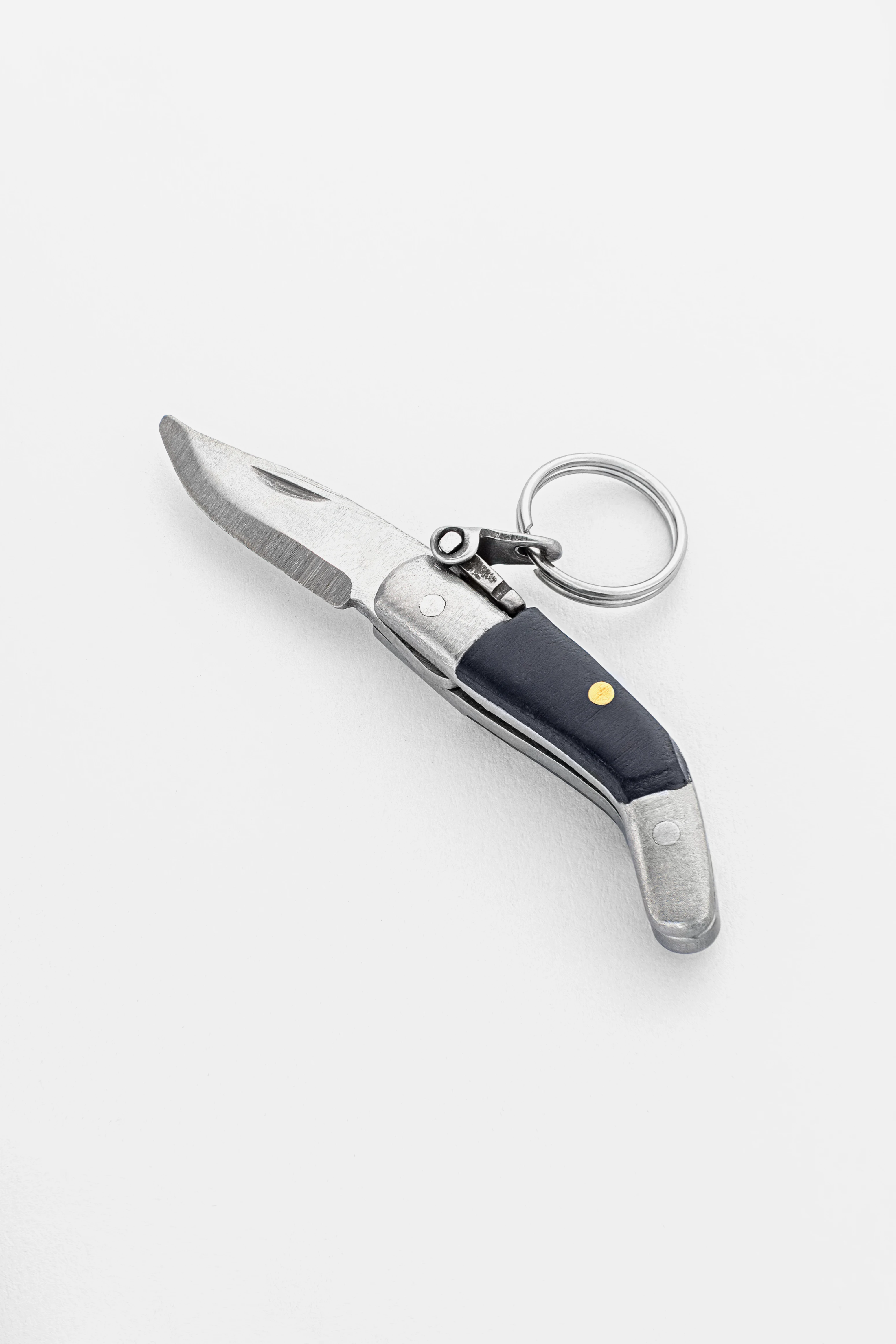
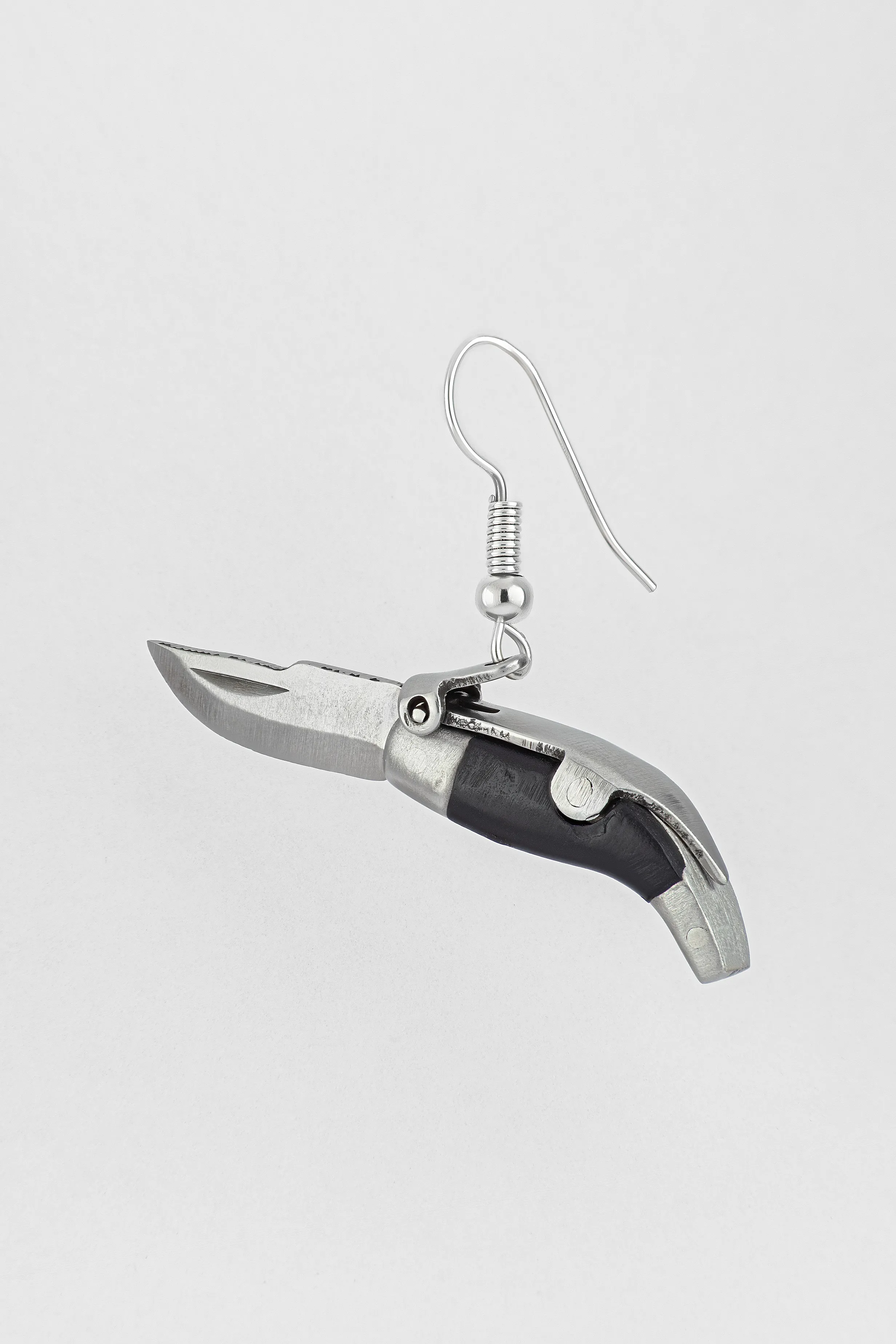
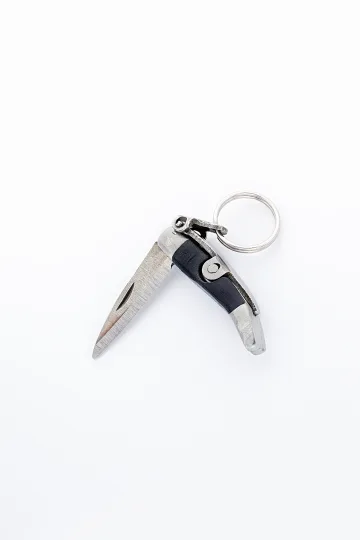
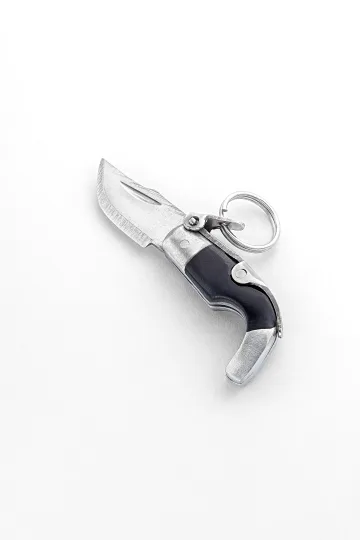
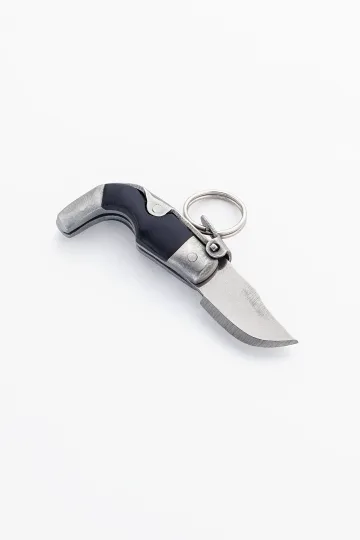
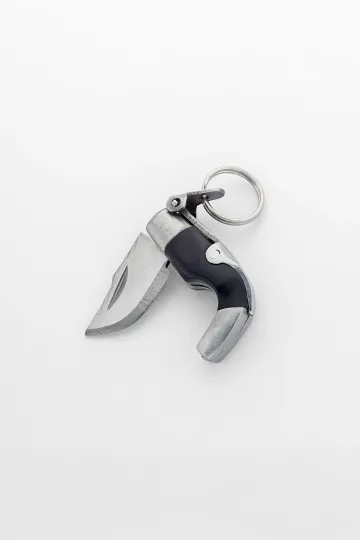
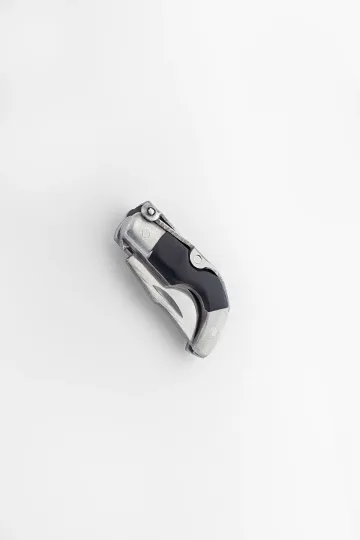
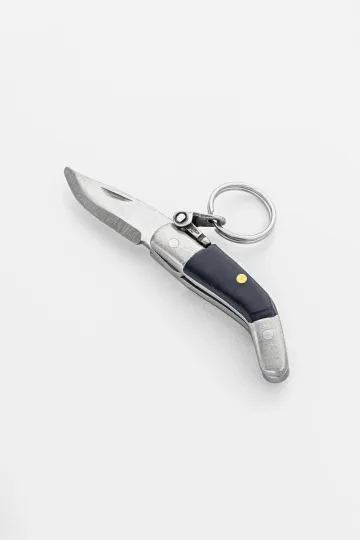
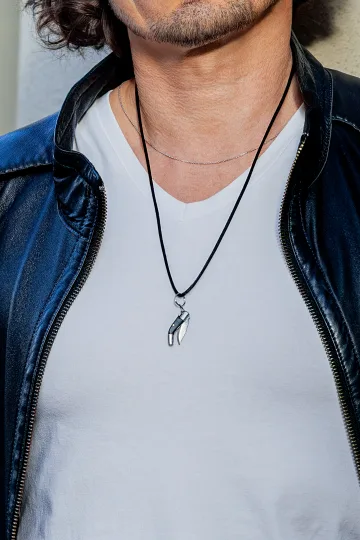
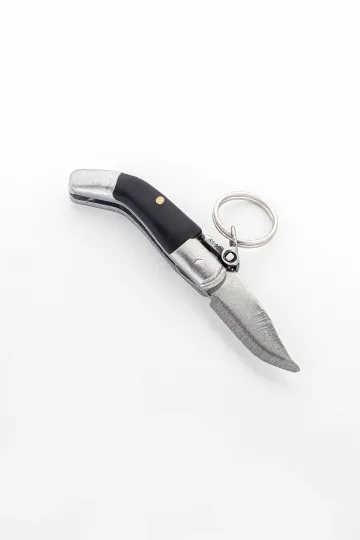
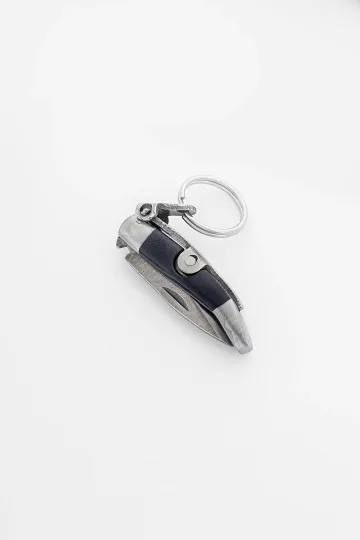
CAPAORA mini knife pendant
The 18th-century Spanish navaja in miniature: 40 mm of stainless steel, a real folding mechanism and a Palanquilla lock that clicks. An affordable gift to remember.
Authentic · Ships from Spain · 14-day returns
Metal for the New Setting
Yellow gold. The classic. A warm tone works well with warm-toned diamonds (I to K on the GIA scale), which look yellowish in a white setting but sit harmoniously in yellow gold. Fineness: 14K is stronger and more affordable, 18K is softer and brighter, 9K is hard but less showy.
White gold. Yellow gold with white metals added, plus a rhodium coating on top. The coating wears off over time and needs renewing every few years. A good choice if you want the setting to disappear and the attention to stay on the stone.
Platinum. The most durable metal, needs no coating (its white colour is natural), causes no allergies, does not discolour. Denser than gold, so pieces are a little heavier. For high-value stones it is the standard.
Sterling silver 925. Suits stones of lower market value, rock crystal, synthetics, small natural stones. Softer than gold, it asks for gentler handling. A good choice when the emotional value outweighs the material one. There is a separate piece on how to gauge the quality of a silversmith's work.
Mixed metals. Combining two metals in one piece (yellow gold on the shank, white in the stone setting) lets you wear the ring with jewellery in different metals without a visual clash.
Leave your email, we'll send your discount code. No spam, unsubscribe anytime.
The code arrives by email, valid on your first order.
How to Identify the Stone Type Before Visiting the Jeweller
The jeweller will run their own assessment, but a basic grasp helps you ask the right questions.
A diamond does not fog up when you breathe on it: heat disperses fast and the mist clears at once, while glass and cubic zirconia hold it longer. Inside you see characteristic white and grey flashes, not rainbow ones.
A sapphire is usually blue, but can be yellow, pink, white, or green. A natural one shows uneven colour (zoning) in bright light; a synthetic is more uniform.
A ruby is red corundum. A natural one usually has silky inclusions (needles) visible through a loupe. Glass imitations have none.
An emerald is green beryl. Almost all natural ones carry inclusions (jardin, "garden" in French). A perfectly clean emerald under a loupe is a reason to question its origin.
A pearl feels slightly rough (gritty) when rubbed against the teeth; plastic imitations feel perfectly smooth.
Hallmarks
The setting usually carries a hallmark of fineness:
- 375, 9-karat gold (37.5% gold)
- 500, 12-karat (50%)
- 585, 14-karat (the modern 14K standard)
- 750, 18-karat (75%)
- 925, sterling silver
- 800, an older silver standard (800/1000)
If there is no hallmark (which happens with pre-war or handmade pieces), the jeweller determines the composition by acid test or XRF analyser.
If something resembling paste or an imitation turns up in the box, it is no cause for dismay: rock crystal, glass, and synthetic stones (synthesised since the 1890s) were worn with no less love. Before resetting it matters to know exactly what you have: different materials call for different approaches. There is a separate piece on assessing the authenticity of jewellery.
Engraving for a Reworked Piece
Engraving is where the history of a piece becomes visible to those who know where to look.
Where engraving usually goes:
- The inner face of a ring's shank: the classic. Unseen from outside, seen each time you take it off. Length is limited by the inner circumference, on average 30 to 40 characters.
- The back of a pendant or locket: more room, enough for a fuller inscription.
- The end of a bracelet: a narrow strip for short words or dates.
- Under the stone (the seat side): the most hidden option, seen only by the jeweller when the setting is taken apart.
What engraves well:
- The grandmother's name (and, in some cultures, a patronymic, which quietly carries a generation higher into the inscription)
- Dates: years of life plus the year of reworking, for example 1934-2023 / 2026, a subtle device marking both memory and renewal
- A short Latin phrase: In memoriam, Memoria aeterna (eternal memory), Avia mea (my grandmother)
- A personal line that meant something between two people, short, two or three words
What is best left off: long sentences that will not fit and lose their rhythm; borrowed quotations with no personal weight; technical data (fineness, weight), which belong in the paperwork. A good engraving is short, precise, and worthy of being seen a hundred years from now.
What to Do With Different Types of Heirloom Stone
One large stone. Reset into a new mount. If there is minor damage, the jeweller will propose a setting that minimises it.
A large stone plus a scatter of small ones. Rich material: the large one in the centre, the small ones in a halo or along the shank; or the small ones become a separate piece (earrings, a bracelet); or some of the small ones go into reserve for future work.
Only small stones. Melee is often underrated. A set of small diamonds becomes pavé lines on a shank, halos, cluster rings, everyday studs. A scatter of coloured stones makes for expressive tennis bracelets.
Stones of differing quality. A good stone deserves a good setting; modest ones suit less formal pieces (an everyday bracelet, studs). The right question is not "is the stone good enough for a ring" but "which piece will show this stone off best".
Stones with flaws. Inclusions and chips are not always a catastrophe: the jeweller can choose a setting that hides the flaw, suggest a minor recut, or reorient the stone during setting. With serious damage that threatens the stone's integrity (a deep crack through the pavilion), an honest jeweller will say so, and then you weigh the risk of working it against leaving the stone alone.
Legal Questions
Most reworks pass off with no legal nuance, but knowing the framework helps, especially with several heirs or a high-value piece.
Who Owns the Ring After the Grandmother's Death
Succession is governed by inheritance law. Where there is a will, property, jewellery included, is distributed according to its text; specific items can be left to specific heirs, the clearest way to avoid disputes.
Where there is no will, intestate succession applies. The first order is generally the children, the spouse, and the parents of the deceased. Heirs in the same order receive equal shares. There is a set period for accepting the inheritance. Jewellery is legally movable property and forms part of the estate alongside everything else.
If There Are Several Heirs
The property passes into common shared ownership: each owns a share in every item. The ring legally belongs to all the heirs in equal shares. To divide it you need an agreement on division (for anything of significant value, better put in writing, before a notary).
Ways to divide:
- Each takes one piece from the shared estate (if there are several items)
- One takes the jewellery and compensates the others
- One large stone goes to one heir; the metal of the setting is melted into a piece for another
- All heirs cede their shares to one (a notarised waiver in favour of another heir)
Reworking a piece claimed by several heirs without their consent infringes the other owners' rights: they can challenge the rework and demand compensation. So before any physical work, ownership must be clearly settled.
Hallmarking and Records
For a private rework, "grandmother's ring into a pendant for myself", the workshop itself handles the metal accounting and the hallmarking of the finished piece; you receive a finished, hallmarked item.
Common Mistakes
Melting everything at once. After a loss, in a surge of emotion, people melt the whole collection in one go. A few years later comes regret: specific pieces were remembered differently (one was worn every day, another only on holidays), and after melting only a single object remains, stripped of that differentiated memory. Better to rework one piece, live with it for a year or two, see how an heirloom stone works in daily life, and only then think about the rest.
Melting without analysis. Handing a piece to the first workshop with no XRF and no firm contract is a path to losing metal. Without a composition analysis you do not know what was in the piece: some of the metal could have been swapped during an old repair, some of the stones could be synthetic, and the piece itself could be gold-plated, where melting makes no sense at all. Without a contract recording the weight before and after, the losses, and the metal added, you have no footing in a dispute.
Stylistic dissonance. A nineteenth-century stone in a radically modern, sharp-edged setting sometimes works as a deliberate gesture, but more often as a miss: a warm old European diamond and minimalist lines speak different languages. The opposite extreme, a "circa 1900" pastiche with a modern stone, looks like a film prop. The middle ground is a style that respects the stone yet lives in the present.
Not documenting the process. Thirty years on, your grandchild will not know whether anything came from a great-grandmother or whether it is an entirely new piece. The simple fix is a folder with photos of the original from every side, the designs, the work order, photos of the finished piece, and a note: who, when, why, and what survives of the original. It takes an hour or two and gives the piece a documented lineage.
Send a friend a discount code, they save on their first order.
Restoration Versus Reworking
Restoration and resetting are different operations. Restoration returns a piece to its original look; resetting gives it a new look while preserving the original stone.
Restoration is the right call when:
- You like the original design and want to keep it
- The piece has historical or collectible value
- All that is needed is a specific repair: straightening the setting, replacing a cracked element, sourcing a lost stone
- You want to wear the piece as the grandmother wore it
There is a detailed piece on what professional jewellery restoration involves, covering the kinds of work, the timelines, and what to expect at each stage.
How to Choose a Jeweller
Not every jeweller is equally suited to working with heirloom stones. You want a specialist with experience specifically in custom work and resets.
What to look for:
- Experience with heirloom projects (ask to see "before and after" examples)
- A willingness to explain in detail exactly what they will do with the stone
- Insurance for the jewellery while it is being worked on
- A specific contract describing the work and recording the weight
- XRF analysis as part of the process, not "by eye"
- Recommendations from real people
Warning signs: no XRF, or done "by eye"; no offer to record the weight before work in front of you; no detailed work order; a promise to "have it all back in two weeks"; a cash deposit with no receipt; no working workshop to show.
On the first visit, ask direct questions: how will you take the stone out of the setting, are there risks for this specific stone, what happens if the stone is damaged in the process. The answers reveal the level of experience and honesty better than any certificate. There is detail on this in the piece on how to choose a jeweller for a custom piece.
Buying it as a gift? Each one arrives ready to give.
 A branded Zevira box and a little card come with every order.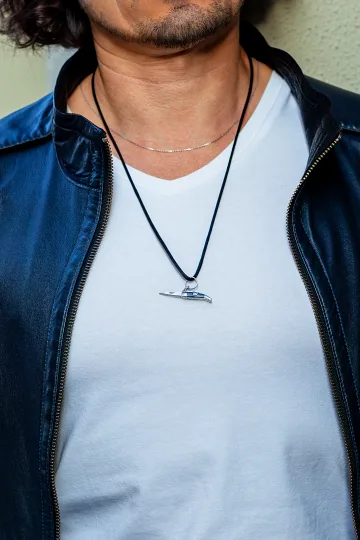




FAQ
Can I melt my grandmother's gold myself?
No. You need a furnace, a flask, alloy, and experience. A household gas torch does not reach the temperature required (around 940 degrees for 18K gold, around 870 for 14K, not something to do safely at home). You need a jewellery workshop with its own casting facility or a certified casting partner.
How much metal is lost in melting?
Losses of one to three per cent of the original mass are normal. From a four-gram ring you keep 3.88 to 3.96 grams of the same metal. If a jeweller quotes losses above five per cent, that is either poor technique or bad faith. The losses are made up by adding fresh metal if the new piece is larger than the original.
Is it legal to melt down an inheritance?
Yes, if you are the sole owner of the piece. If there are several heirs and the common shared ownership is not divided, melting without the others' consent infringes their rights and they can challenge it. Melting a private piece in itself requires no state permission; the workshop operates under its own licences.
What about enamel on an old brooch?
Enamel does not melt without loss: when the metal nearby is heated it cracks, flakes, and loses colour. You cannot melt a whole enamelled brooch into a new piece. You can keep the enamel fragment as a standalone element and set it cold; restore the brooch by replacing only the damaged metal; or keep the brooch in the archive and make the new piece from other jewellery.
What if the stone turns out to be synthetic or glass?
Man-made does not mean bad. Synthetic corundums have been grown since 1902, and many twentieth-century pieces contain exactly these, the historically accurate material of their era. Such a stone can be reset if it matters to you. If it is plain glass and you would rather not reset it, the metal of the setting may still hold value.
Will the stone's value change after resetting?
The value of the stone itself does not change: the cut, colour, and clarity stay the same, and the setting type does not affect the stone's appraisal. Only the setting changes.
How long does a reset take?
A full, quality cycle is six to ten weeks. A simple setting of a stone into a ready mount from a catalogue can be faster, around two to three weeks. A fully custom design with a wax model and casting sits nearer the upper end.
Can an heirloom stone be mixed with new ones?
Yes, a common practice: an heirloom central stone surrounded by new small ones, a coloured stone set beside new diamonds. What matters is that the jeweller understands which stone is the main one and underlines it rather than muffling it.
Can a ring be turned into a pendant while keeping the stone?
Yes, one of the most common transformations. The stone is removed, the setting is melted or used otherwise, and the stone is set into a pendant. A locket with a stone is an option if the stone is small and a closed construction matters, one that can hold a photograph.
Should the piece be insured after resetting?
If it holds a stone of significant value, yes. After resetting it is worth getting a new appraisal with the current value and taking photographs from every side for the archive.
Is it worth resetting a ring without an expensive stone?
Yes. The stone's price does not decide whether to reset. If the ring matters to you emotionally and you want to wear it, that is enough. Rock crystal, synthetics, and old glass can all be reset into a new mount.
Can the metal of the old setting be used in the new piece?
Yes. Gold is melted and reused, but melting calls for additional alloys to restore the composition, which adds to the labour cost. If the volume of metal is small, the jeweller may offer to credit its value against the work. Discuss it in advance.
What if the piece carries a maker's mark?
Photograph it before any work. Some marks (especially from the late nineteenth and early twentieth century) carry collectible value in their own right. Consult a specialist in historical jewellery: the piece in its original form may be worth considerably more than the stone alone.
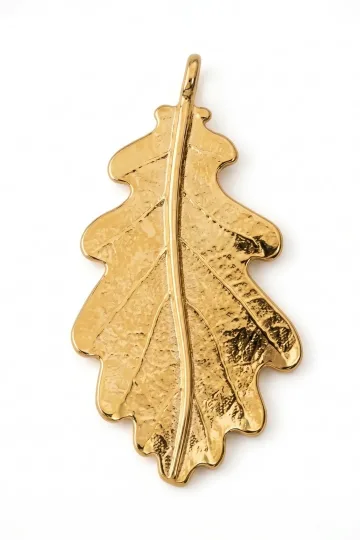
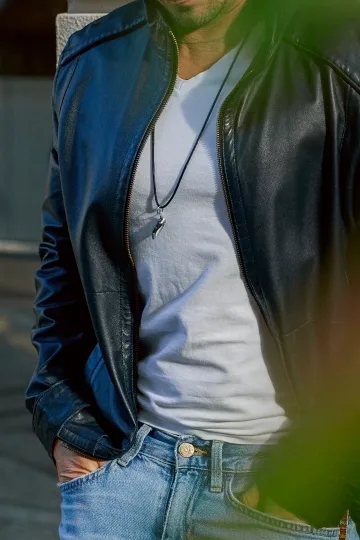
Wear the symbol, don't just read about it. These are in stock:

Conclusion
An heirloom stone is not a problem in need of a solution but a resource and a story waiting to continue. A stone that has lain in a box for twenty years does not become less valuable for lying there. But it comes alive only when someone wears it again.
If you are holding a grandmother's ring and do not know what to do with it, the first sensible step is concrete: show it to a jeweller, run an XRF analysis, and hear what can physically be done with this stone and this setting. Before such a conversation the decision feels abstract; after it, it becomes a clear project with clear timelines and costs.
We work with the stones that mean something to you. Custom design, resetting of heirloom stones, restoration. Sterling silver 925, gold 14 to 18K. Engraving on request.
About Zevira
Zevira makes jewellery in the artisan tradition of Albacete, Spain. Custom projects with heirloom stones are a distinct strand of our work.
What can be done with an heirloom stone at Zevira:
- Reset it into a new mount in sterling silver 925 or gold 14 to 18K
- Create a fully custom design around a specific stone
- Make several pieces from a single set of heirloom stones
- Add engraving with a name, date, or phrase on the inner face of the shank
- Restore the original piece (restoration)
Every such project begins with a conversation: about the stone, about whom it belonged to, and about how you want the piece in which it will go on living to look.