Tarot Jewelry: What the Cards Mean and Why People Wear Them
The pendant that started a conversation
She was sitting across from me at a dinner party, wearing a gold pendant with a sun surrounded by rays and a small face in the centre. I'd seen the image before but couldn't place it. "What's that on your necklace?" I asked.
She touched the pendant, smiled, and said, "It's The Sun. From the tarot." Then she paused. "Not like, fortune telling or anything. It just means joy. And I needed more of that this year."
That answer stuck with me. Not because it was profound or spiritual or mysterious. But because it was so simple. She wasn't wearing a card-inspired piece to predict her future or channel some hidden power. She was wearing it because the image meant something to her, personally, right now.
Wear the symbol, don't just read about it. These are in stock:


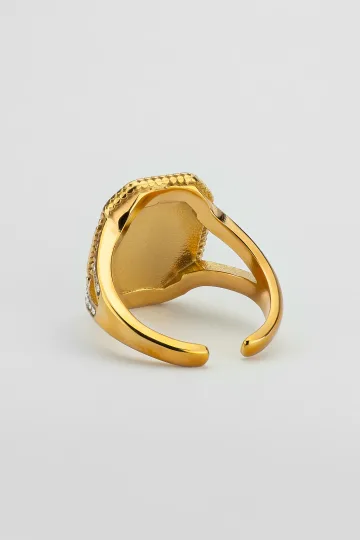
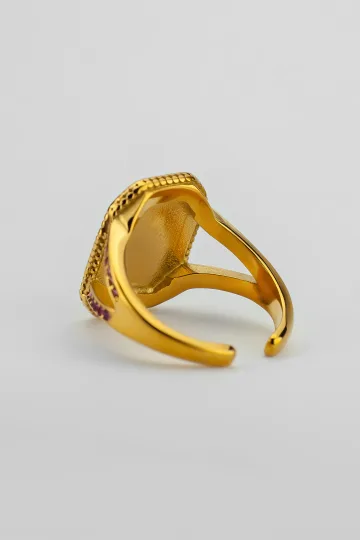


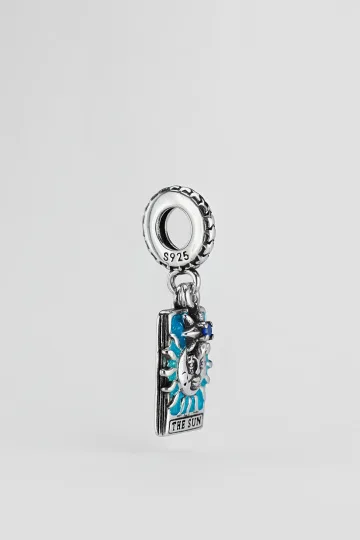
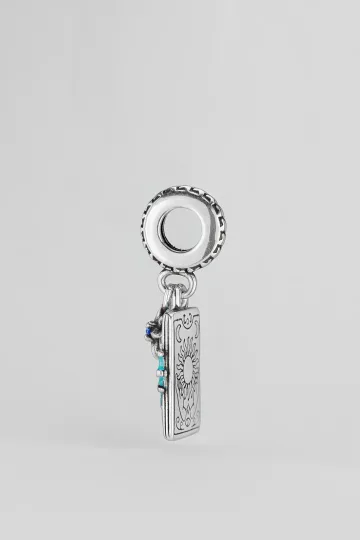

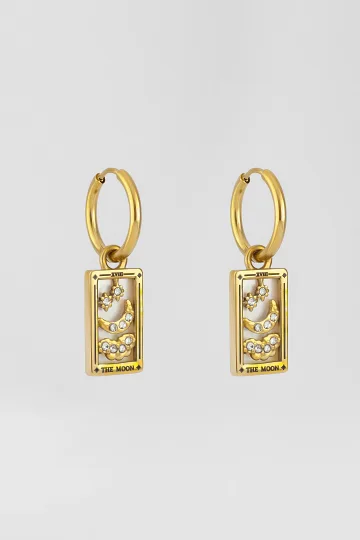


And that's the thing about arcana accessories that most people miss. It's not about magic. It's not about divination. It's about symbolism, self-expression, and wearing something that carries a meaning deeper than "it looked cute in the store."
In the past few years, pieces featuring arcana imagery have gone from niche spiritual shops to mainstream fashion. You'll see them on runways, in boutique collections, on influencers and in everyday wardrobes. The imagery is striking (suns, moons, stars, figures locked in embrace) and it carries centuries of symbolism behind it.
But most people who wear these pieces couldn't tell you the full story behind the cards. That's what this guide is for. We'll go through the history, the symbolism, the most popular cards in jewellery, and how to pick the one that actually means something to you.
Customer reviews
Zevira is a real jewellery shop. Genuine payments, deliveries and customer thank-yous.
🥰🥰🥰 gracias

Ok, ¡gracias! 🙂

What Is Tarot Jewellery (And What It Isn't)
Let's clear something up right away: wearing a pendant with a tarot card on it doesn't make you a fortune teller. It doesn't mean you read cards, attend seances, or believe in anything supernatural. It means you liked a symbol and decided to wear it.
Tarot-inspired pieces are a category of symbolic accessories that feature imagery from the 78-card tarot deck. The most popular designs come from the Major Arcana, the 22 "big" cards that carry the heaviest symbolism. Think The Sun, The Moon, The Star, The Lovers, The Wheel of Fortune, The World.
These images are powerful not because of any mystical property, but because they tap into universal human themes. Every culture has symbols for love, hope, change, intuition, and triumph. The tarot deck just happens to have collected them all in one beautifully illustrated set.
What makes these pieces different from regular symbolic accessories
Most symbolic pendants carry one meaning. A heart means love. An anchor means stability. A tree means growth. Simple, one-to-one.
Card-inspired accessories are layered. Each card has a primary meaning, but also secondary meanings, historical context, astrological associations, and personal interpretations. The Sun doesn't just mean "happiness." It means clarity after confusion, success after struggle, truth being revealed. It's a whole narrative compressed into a single image.
That layered quality is what draws people in. You can wear the same pendant for years and keep discovering new aspects of its symbolism. It grows with you.
Who wears these pieces
Everyone, honestly. The audience has diversified massively in recent years. You've got spiritual practitioners who choose cards based on their readings. Fashion-forward people who love the aesthetic. Astrology enthusiasts who pick cards linked to their zodiac sign. Couples who wear matching Lovers pendants. People going through life transitions who wear The Star as a symbol of hope.
There's no gatekeeping here. No initiation required. If a card speaks to you, it's yours.
The material question
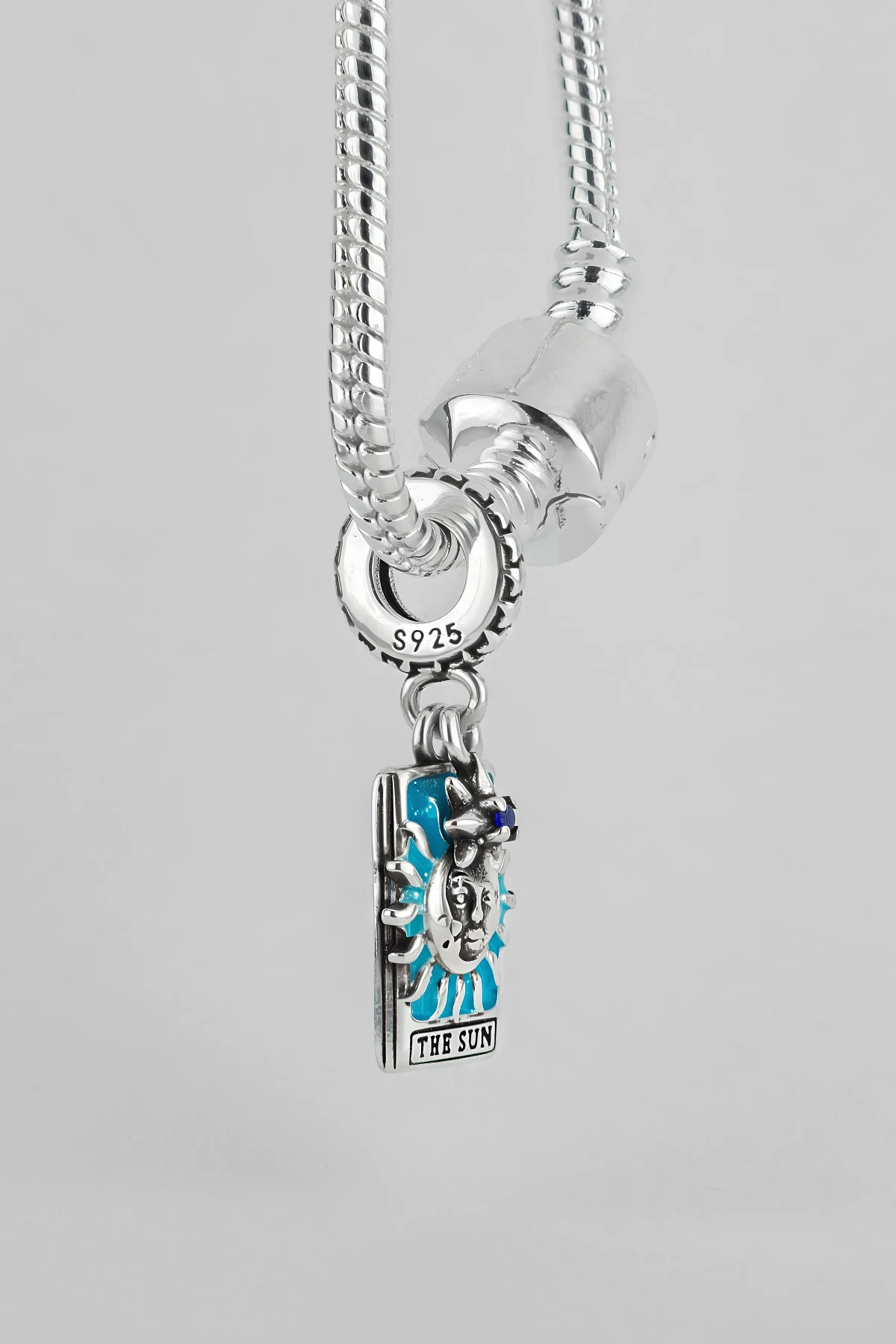
Most arcana-themed pieces are crafted in 925 silver or gold-plated silver, with detailed engravings or relief work to capture the intricate card imagery. The level of detail matters. A well-crafted piece should be readable as a specific card rather than a vague sun or moon shape.
Enamel work is popular for adding colour to the traditional card imagery. Some designers go minimalist, capturing just the essential lines of a card. Others go maximalist, reproducing the full Rider-Waite illustration in miniature. Both approaches work. It comes down to whether you want your piece to be a quiet whisper or a loud statement.
The Moon wants silver and a plunging collar after dark, never a crew-neck at noon. Read the room, not just the cards.
What to wear tarot jewellery with
Dozens of cards have passed through my hands on shoots and fittings. Here is what actually works, sorted by occasion and by the arcana themselves.
What do I wear a card with every day? For daily wear I recommend a small arcana on a thin, medium-length chain over a plain tee, a linen shirt or a round-neck knit. A light top lifts the warm gold of the Sun, while grey, blue and graphite hold the cool silver of the Moon beautifully. The symbol reads without pulling the whole look toward itself.
Is a card right for the office? Yes, as long as you keep it restrained. I suggest a fine card outline on a short chain under a shirt collar or in the neckline of a blouse. Keep to one metal, 42 to 45 cm, so the arcana sits just under the top button. It is a private anchor that you and a couple of observant people notice, not an announcement to the whole room.
How do I build an evening look? For evening I choose a deep neckline, a smooth dark fabric in a rich colour and one expressive card at the centre. The Moon with its atmospheric line, or a detailed Lovers scene, catches warm light best. The simpler the outfit, the louder a single arcana speaks against bare skin at the collarbone.
Can I wear several cards at once? You can, but no more than two expressive ones. I recommend spacing them by length: a short chain with a small charm, a larger arcana below. I mix metals freely: a silver card on a gold chain looks current and settles the question of a perfect match. Three loud cards in a row turn to noise, one accent reads as meaning.
How do I choose the card that fits me? Start from mood, not from a type. I suggest the Sun for anyone who likes openness and warmth in a look. The Moon and the High Priestess sit closer to the introspective, to a darker palette and deeper necklines. Strength and the Star land on a calm, confident style without extra shine. Choose the length for the neckline, not the reverse: 45 to 50 cm for an open collar, longer for a high neck.

Turn on your camera, pick earrings, a pendant or a ring, and see the piece on yourself in real time.
Switch items in one tap.
Everything runs in your browser: no photo or video is ever uploaded.
Upload a photo of your pet, someone you love, or an object. We'll build a 3D model and hand-cast it in pewter.




A Brief History of Tarot: From Card Game to Wearable Symbol
Here's something that surprises most people: tarot cards were invented for playing games, not for fortune telling. The origin story is way less mystical than you'd expect.
The game era (1400s-1700s)
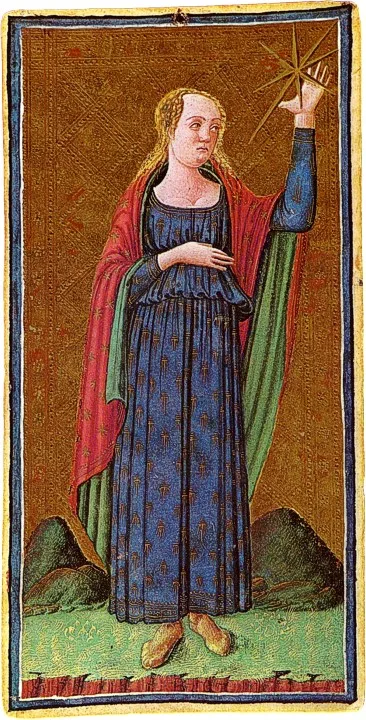
Tarot cards first appeared in northern Italy in the early 1400s. They were an addition to the standard playing card deck: 22 extra "trump" cards with allegorical images, called "trionfi" (triumphs). Rich Italian families commissioned elaborately painted decks as luxury items. The Visconti-Sforza deck, made for the Duke of Milan around 1440, is one of the oldest surviving sets and a genuine work of art.
For roughly three hundred years, tarot was just a card game. A popular one (it spread across Europe and spawned dozens of regional variants), but a game nonetheless. Nobody was reading fortunes with them. Nobody was wearing them around their neck.
The images on those early cards weren't random, though. They drew from medieval and Renaissance symbolism: The Pope, The Emperor, The Wheel of Fortune, The Sun, The Moon, Death, Justice. These were concepts that mattered to people of that era. The cards were a kind of visual encyclopedia of the human condition.
The occult era (1780s-1900s)
Everything changed in 1781, when a French occultist named Antoine Court de Gebelin published a book claiming that tarot cards were actually an ancient Egyptian book of wisdom, disguised as a game. This wasn't true at all (there's zero evidence connecting tarot to Egypt), but the idea was irresistible. Mysterious, ancient, hidden knowledge encoded in pretty pictures? People loved it.
Over the next century, French and British occultists developed elaborate systems linking each card to astrology, kabbalah, and numerology. The 22 Major Arcana became a "journey of the soul," from The Fool (innocence, beginnings) to The World (completion, wisdom). Card reading as a form of divination took off.
The most important development was the Rider-Waite deck, published in 1909. Designed by Arthur Edward Waite and illustrated by Pamela Colman Smith, it gave every card a distinct, vivid image full of symbolic detail. Before this deck, the Minor Arcana (the 56 "regular" cards) just had geometric patterns, like playing cards. Smith gave each one a scene, a story, a personality.
The Rider-Waite imagery is still the standard. When you see tarot-inspired accessories today, they're almost always based on Smith's illustrations, or at least strongly influenced by them.
The fashion era (2000s-present)
The jump from spiritual tool to fashion accessory happened gradually. In the early 2000s, you could find card-themed pendants in esoteric shops and at psychic fairs. By the 2010s, they started appearing in fashion collections. Around the start of the 2020s, major fashion houses put tarot imagery at the centre of haute couture shows, commissioning artists to create card-inspired prints.
After that, the floodgates opened. Tarot imagery showed up on everything: clothes, phone cases, home decor, and especially accessories. The aesthetic just works. The images are bold, recognisable, rich in detail, and they carry meaning without requiring explanation. You can wear a Sun pendant and people either recognise the reference or just see a beautiful sun. Both outcomes work.
Today, card-inspired designs are one of the fastest-growing categories in symbolic accessories. And unlike many fashion trends, this one has staying power. The symbols have been relevant for six hundred years. They're not going anywhere.


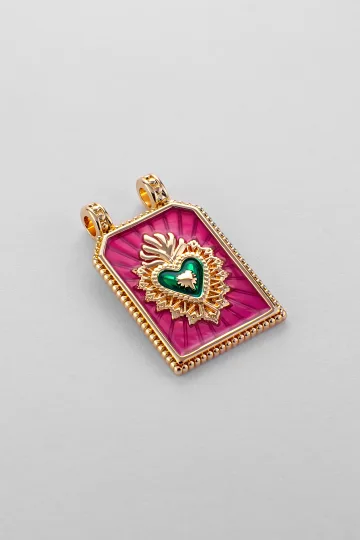



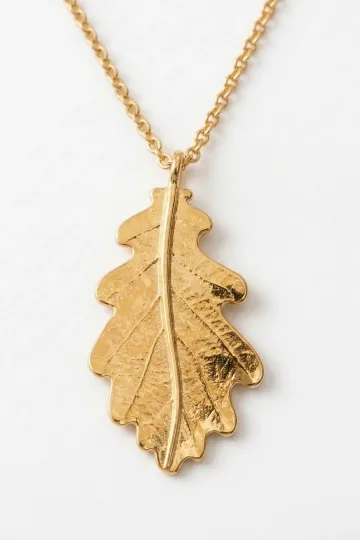
The Most Popular Tarot Symbols in Jewellery
Not all 78 cards translate equally well to wearable form. Some are visually complex, some carry heavy or dark imagery, and some are just hard to render in miniature. The cards that work best as accessories share a few qualities: strong visual identity, positive or empowering symbolism, and universal appeal.
Here are the ones you'll see most often.
The Sun (XIX): Joy, Success, Vitality
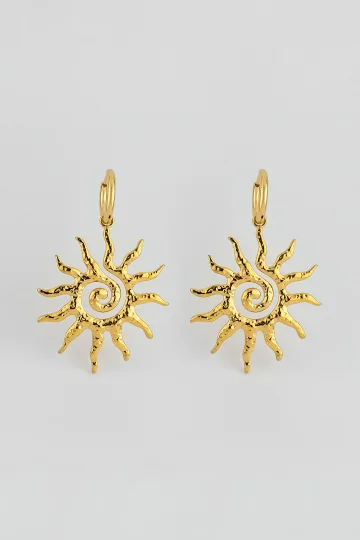
The Sun is the single most popular card in jewellery, and it's not hard to see why. The imagery is instantly recognisable: a radiant sun with a face, beaming rays in every direction, often with a child riding a white horse beneath it. In some designs, sunflowers fill the background. Everything about this card screams warmth, openness, and life.
What it means in readings: The Sun is one of the most positive cards in the entire deck. It represents success, vitality, joy, and clarity. When it shows up in a reading, it generally means good things: a period of happiness, achievement, and being able to see things clearly. It's the "yes" card. The green light.
What it means as an accessory: People who wear The Sun tend to be optimists, or aspire to be. It's the card you pick when you want to invite more light into your life. Many people choose it after a difficult period: after illness, after a breakup, after a career setback, as a reminder that the dark phase is over.
There's also a simpler reason people love it: the sun is just a beautiful image. It works as a pendant, a ring, a charm, earrings. The rays give it visual energy. It catches light in a literal way that mirrors its symbolic meaning.
Astrological connection: The Sun card is linked to, you guessed it, the Sun itself, and by extension to the sign Leo. If you're a Leo, this card has a double resonance.
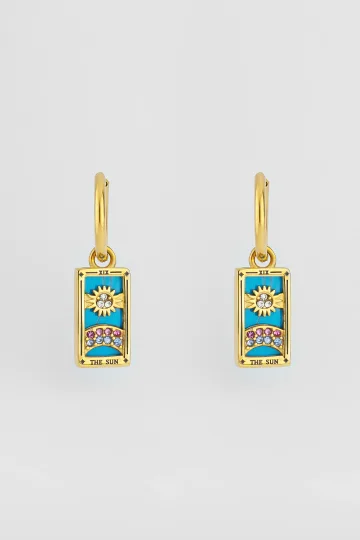
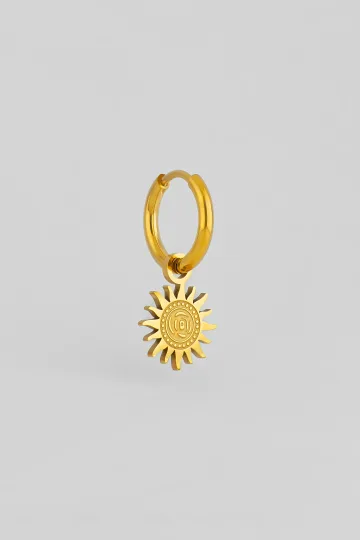
Design variations: You'll see everything from simple sun-with-face designs to full card reproductions with the child and horse. Minimalist versions focus on the radiating sun. Detailed versions include the entire Rider-Waite scene. Gold tones work especially well for this card, for obvious reasons.
The Moon (XVIII): Intuition, Mystery, Inner World
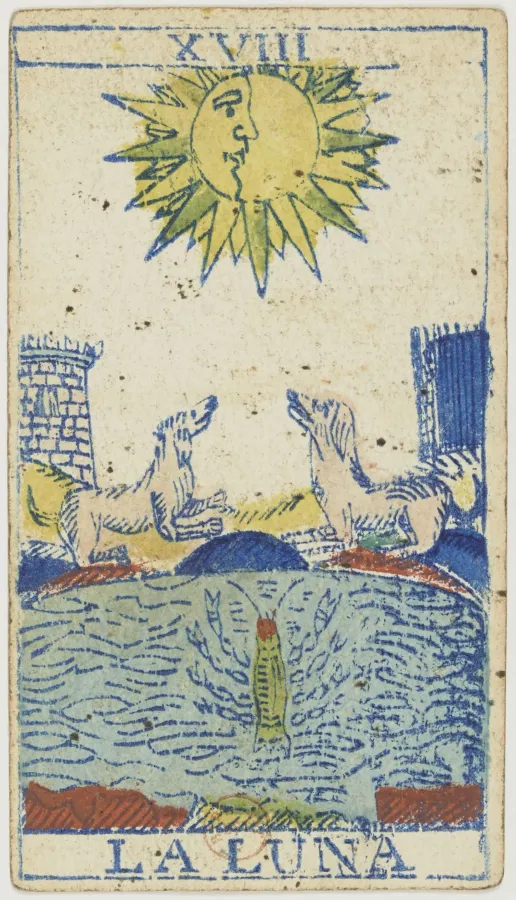
If The Sun is the extrovert, The Moon is the introvert. The classic image shows a full moon with a face, flanked by two towers, with a dog and a wolf howling beneath it and a crayfish emerging from water. It's moody, atmospheric, and a little unsettling. Which is exactly the point.
What it means in readings: The Moon is complex. It represents intuition, the subconscious mind, dreams, illusions, and the things we don't fully understand about ourselves. It's not a "bad" card, but it's not straightforward either. It asks you to look beneath the surface. To trust your gut even when logic says otherwise. To acknowledge that not everything can be explained rationally.
What it means as an accessory: Moon pieces attract people who value depth over surface. Introverts, artists, writers, people who feel like their inner world is richer than their outer one. It's also popular with anyone who identifies with lunar energy: cyclical, ever-changing, powerful in a quiet way.
Wearing The Moon says something specific about you. It says you're comfortable with ambiguity, that you don't need everything to be sunny and clear, that you find beauty in shadow and mystery.
Astrological connection: The Moon card is traditionally linked to Pisces, the sign of dreams, empathy, and emotional depth.
Design variations: The crescent moon is the most common simplified form. Full card reproductions include the towers and animals. Some designers play with the duality of the image: the two towers, the domestic dog versus the wild wolf, to create asymmetric designs that are visually interesting.
The Lovers (VI): Love, Choice, Harmony
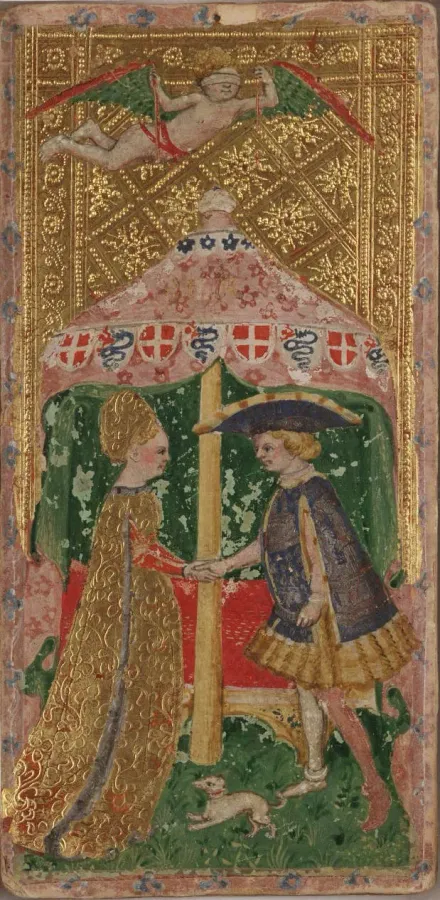
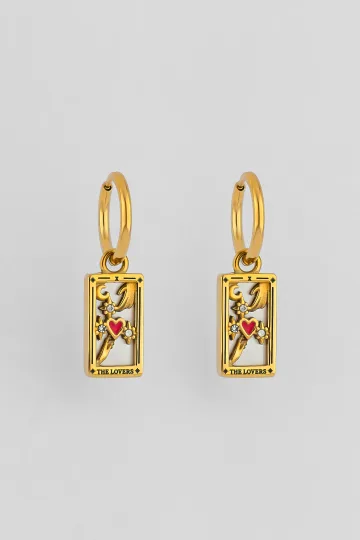
The Lovers card is the obvious choice for romantic pieces, but its meaning goes much deeper than Valentine's Day sentimentality. The Rider-Waite image shows a man and a woman beneath an angel with spread wings. Behind the woman, the Tree of Knowledge with a serpent. Behind the man, a tree of flames. It's the Garden of Eden, but the focus isn't on sin. It's on choice.
What it means in readings: The Lovers is about union, alignment, and making heart-driven decisions. Yes, it can indicate romantic love. But it also represents any significant choice where you follow your values rather than external pressure. Choosing the career you love over the one that pays more. Choosing authenticity over conformity. It's about knowing what matters to you and acting on it.
What it means as an accessory: Couples love this card, obviously. Matching Lovers pendants or charms are popular partnership pieces. But plenty of single people wear it too: as a statement about self-love, about being true to their own values, or about openness to love when it comes.
The angel in the image adds a layer of protection and blessing to the union. It's not just two people in love; it's two people in love with something watching over them.
Astrological connection: The Lovers card is associated with Gemini, the sign of duality, communication, and partnership.
Design variations: Some pieces focus on the two figures, some on the angel, some on the full scene. Couples often wear complementary halves: one with the male figure, one with the female. The card also works beautifully as a charm on a bracelet, where the detailed imagery becomes a small, intimate discovery for anyone who looks closely.
The Star (XVII): Hope, Inspiration, Renewal
The Star is the quiet hero of the Major Arcana. The image shows a nude figure kneeling by water, pouring liquid from two vessels, one onto land, one into the stream. Above, eight stars shine in the sky, with one large central star dominating the scene. It's serene, hopeful, and deeply peaceful.
What it means in readings: The Star appears after The Tower (which represents sudden, dramatic change). Its placement is deliberate: after the destruction comes the hope. The Star is about faith in the future, healing, inspiration, and the calm certainty that things will be okay. It's not aggressive optimism like The Sun. It's quieter. More like the first light of dawn after a long night.
What it means as an accessory: People gravitate toward The Star during recovery: from illness, from loss, from any period of upheaval. It's a reminder that there's always something to hope for. Healers, therapists, and caregivers are also drawn to this card, because it embodies the act of giving without being depleted.
The pouring-water imagery is particularly meaningful. One vessel feeds the earth (practical, grounded nourishment), the other feeds the stream (emotional, flowing renewal). It's about balance between giving to the world and renewing yourself.
Astrological connection: The Star is linked to Aquarius, the sign of innovation, humanitarianism, and vision.
Design variations: The eight-pointed star is the most recognisable element and works beautifully on its own as a pendant or earring. Full card reproductions are rarer but stunning when done well. Some designers combine the star with flowing water elements for a more narrative piece.
Other Popular Arcana in Jewellery
Beyond the big four, several other Major Arcana cards appear frequently in accessory collections:
The Wheel of Fortune (X): A symbol of life's cycles, change, and destiny. Popular with people who embrace the idea that everything is in constant motion. The circular design translates perfectly to rings and medallion pendants.
The World (XXI): The last card of the Major Arcana, representing completion, achievement, and wholeness. A popular graduation or milestone gift. The image of a dancing figure inside a wreath is visually distinctive.
The High Priestess (II): Wisdom, secret knowledge, and feminine power. This card has surged in popularity alongside broader interest in feminine mysticism. The seated figure between two pillars (one black, one white) makes for striking visual contrast in accessories.
Strength (VIII): A woman gently closing a lion's mouth. It represents inner strength, courage, and the power of compassion over brute force. Very popular with women who identify with quiet power rather than loud aggression.
The Empress (III): Abundance, fertility, and sensual beauty. The ultimate "mother earth" card. Popular as gifts for new mothers or anyone stepping into a nurturing role.
Death (XIII): Despite its scary name, Death is actually about transformation and new beginnings. It's become a cult favourite among people who appreciate the irony of wearing society's most feared card as a fashion statement. A conversation starter, guaranteed.
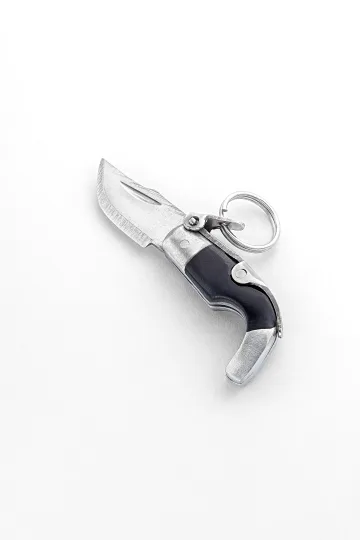
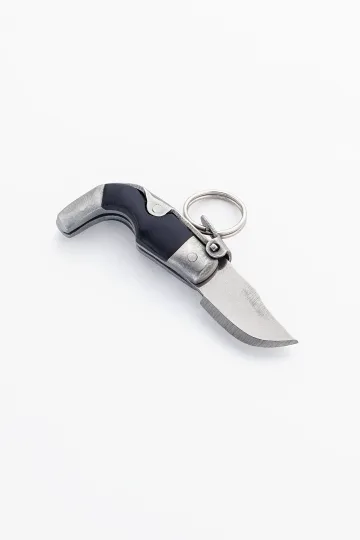
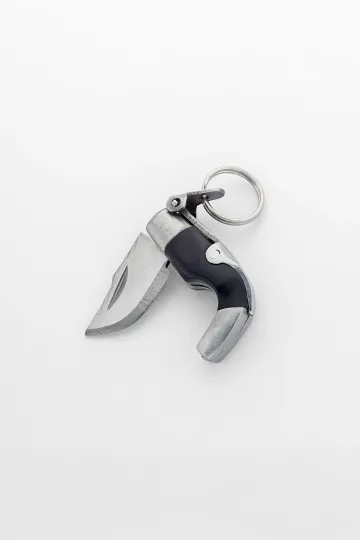
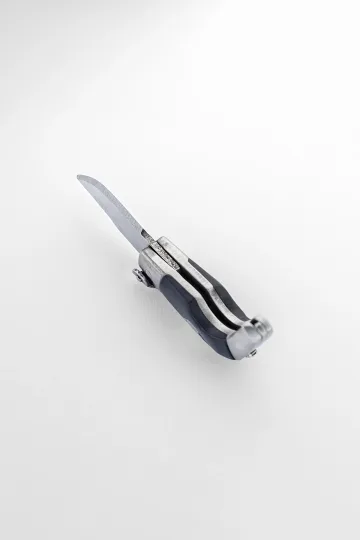
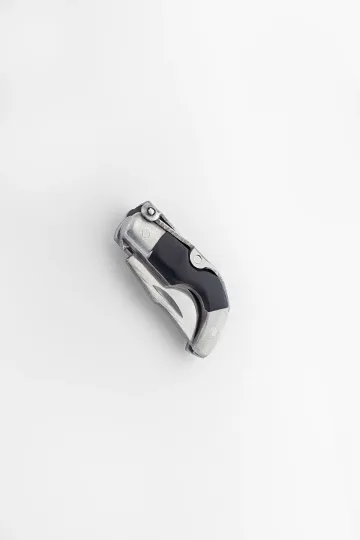
CAPAORA mini knife pendant
The 18th-century Spanish navaja in miniature: 40 mm of stainless steel, a real folding mechanism and a Palanquilla lock that clicks. An affordable gift to remember.
Authentic · Ships from Spain · 14-day returns
Why People Wear Tarot Jewellery
If you ask ten people why they wear arcana-themed accessories, you'll get ten different answers. But a few themes keep coming up.
Personal meaning without religious baggage
Here's something interesting about card-inspired pieces: they're spiritual without being religious. The symbols don't belong to any one faith, tradition, or belief system. A Buddhist, a Christian, an atheist, and an agnostic can all wear a Sun pendant and each find their own meaning in it.
In a world where many people describe themselves as "spiritual but not religious," arcana accessories hit a sweet spot. They carry deep meaning without requiring you to subscribe to any particular worldview. They're symbols, not scripture.
Self-expression that goes deeper than aesthetics
Most accessories say something about your style. Card-themed pieces say something about your inner world. Wearing The Moon tells people you value intuition and mystery. Wearing The Sun says you're about joy and openness. Wearing The Lovers declares what matters to your heart.
It's a form of identity jewellery, but more nuanced than initials or birthstones. You're not just telling people who you are on the outside. You're signaling something about who you are underneath.
Intention setting
A lot of people use their arcana pieces as anchors for intention. Not in a woo-woo way (though that's valid too). More like: "I'm wearing The Star today because I need to remember that this difficult period will pass." Or: "I always wear my Lovers charm when I need to make a decision from the heart."
It's similar to how athletes wear lucky items or how people carry worry stones. The object becomes associated with a mindset, and touching it or seeing it in the mirror reinforces that mindset throughout the day.
The storytelling element
Every card tells a story. And stories are what make accessories interesting beyond the first glance. When someone notices your pendant and asks about it, you don't just say "it's a sun." You can say "it's The Sun from the tarot, it represents joy and clarity after a difficult time." That's a conversation. That's connection.
And that's what happened at that dinner party, with the woman and her Sun pendant. A single piece of card-inspired jewellery opened up a whole conversation about meaning, symbols, and what we carry with us.
Fashion meets philosophy
Let's be honest, the aesthetic is also a huge factor. Tarot imagery is visually stunning. The Rider-Waite illustrations are over a hundred years old and they still look fresh. The bold lines, the rich symbolism, the balanced compositions all translate beautifully to wearable form.
These pieces work with everything from minimal outfits to bohemian layers. A small charm on a chain works for the office. A statement pendant works for a night out. The imagery is versatile enough to fit into any style.
Leave your email, we'll send your discount code. No spam, unsubscribe anytime.
The code arrives by email, valid on your first order.
How to Choose Your Tarot Card
So you've decided you want a piece. But which card? There are 78 to choose from (though realistically, most collections focus on the 22 Major Arcana). Here are a few approaches.
Choose by meaning
This is the most popular approach and probably the most satisfying. Think about what you need right now, or what you value most, and find the card that matches.
Need more joy and confidence? The Sun. Want to honour your intuitive side? The Moon. Celebrating love or making a big life choice? The Lovers. Going through recovery or seeking inspiration? The Star. Embracing major life changes? Death or The Wheel of Fortune. Wanting to connect with your inner strength? The Strength card. Seeking wisdom and deeper understanding? The High Priestess.
Don't overthink it. Usually, the card that grabs your attention first is the right one. Trust that initial pull.
Choose by zodiac sign
If you're into astrology, there's a traditional mapping between Major Arcana and zodiac signs:
- Aries: The Emperor (IV)
- Taurus: The Hierophant (V)
- Gemini: The Lovers (VI)
- Cancer: The Chariot (VII)
- Leo: Strength (VIII)
- Virgo: The Hermit (IX)
- Libra: Justice (XI)
- Scorpio: Death (XIII)
- Sagittarius: Temperance (XIV)
- Capricorn: The Devil (XV)
- Aquarius: The Star (XVII)
- Pisces: The Moon (XVIII)
These associations come from the Golden Dawn tradition (late 1800s) and they're widely recognised. But they're not rules. If you're a Scorpio who feels more connected to The Sun than to Death, go with The Sun. The whole point of symbolic accessories is that they mean what they mean to you.
Choose by aesthetics
And this is perfectly valid. Some cards are just visually gorgeous and you don't need any deeper reason to wear them. The Moon's crescent imagery is elegant. The Sun's radiating design catches light beautifully. The Wheel of Fortune's circular composition makes a perfect ring or medallion.
If a card's image speaks to your sense of style, that's reason enough. The meaning will reveal itself over time, or it won't, and that's fine too.
Choose for someone else
Arcana-themed accessories make thoughtful gifts because you can match the card to the person. A Sun charm for the friend who lights up every room. A Moon pendant for the introspective writer. A Lovers charm for a couple's anniversary. A Star pendant for someone who needs a reminder that better days are coming.
The key to a good gift is choosing a card that reflects who the person is, not who you want them to be. Nobody wants to receive a Strength card with the implication that they need to be stronger. But receiving it because you already embody quiet strength? That feels like being seen.
How to Wear and Combine Tarot Pieces
Arcana accessories are surprisingly versatile. The imagery is bold enough to work as a statement piece but refined enough to blend with everyday style.
As a solo pendant
The classic approach. One card, one chain, front and centre. This works best with detailed pieces where you want the card to be readable. Keep the chain simple and let the pendant do the talking.
A medium-length chain (45-50cm) puts the pendant in the upper chest area, perfect for framing with a V-neck or open collar. Longer chains (60-70cm) tuck the pendant under clothing, making it more of a personal talisman than a visible statement.
Layered with other necklaces
Card-themed pendants layer beautifully with simpler chains. The trick is varying lengths: a short choker or collar chain, then a medium chain with a small charm, then a longer chain with the tarot pendant. Three different lengths, three different textures, one cohesive look.
Mixing metals works well here. A silver tarot pendant on a gold chain, or vice versa. Don't be precious about matching everything. Mixed metals are modern and visually interesting.
As part of a charm bracelet
Charm bracelets are having a moment, and card-themed charms fit right in. Mix an arcana charm with other meaningful symbols (a heart, a star, an initial) for a bracelet that tells your personal story. Each charm is a chapter.
Earrings
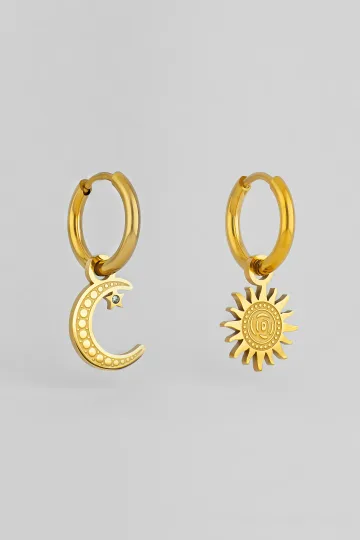
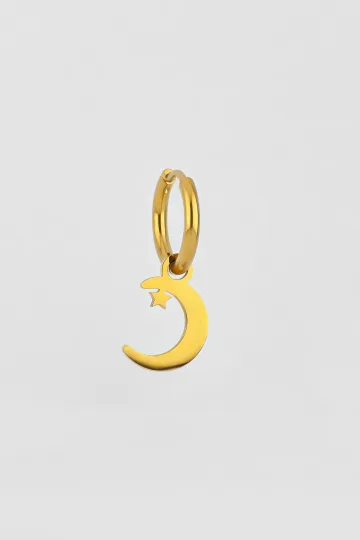
Hoop earrings with small dangling card charms are a subtle way to wear the imagery. They catch the light when you move, creating a gentle visual rhythm. These work well for people who want to wear card-inspired pieces but prefer something less prominent than a pendant.
Stacking rings
A ring featuring a card symbol can be stacked with simple bands for a modern look. The card ring becomes the focal point of the stack.
Combining cards
Here's where it gets interesting. Wearing multiple cards together creates a kind of personal narrative. Sun and Moon together represent balance between your outward and inner self. The Lovers paired with The Star suggests love guided by hope. Strength combined with The World tells a story of overcoming challenges and achieving wholeness.
There are no wrong combinations. But intentional ones are more satisfying than random ones. Think about what story you want your pieces to tell together.
Care tips
Most arcana pieces feature detailed engravings or relief work that can collect dust and oils over time. Gently clean with a soft cloth after wearing. For silver pieces, an occasional polish with a silver cloth keeps the details sharp. Store each piece separately to avoid scratching the fine details.
Avoid wearing detailed pendant pieces in the shower or pool. The chemicals in shampoo, chlorine, and salt water can dull the finish over time.
Frequently Asked Questions
Do I need to know anything about tarot to wear card-inspired jewellery?
Not at all. You don't need to read cards, know the history, or believe in any spiritual practice. The symbols carry universal meanings (joy, love, hope, mystery) that work on their own. Many people start wearing a piece because they like how it looks and only later discover the deeper symbolism. That journey of discovery is part of the appeal.
Can wearing a tarot card bring bad luck?
No. Tarot cards are images and symbols, not spells. The idea that wearing The Death card will cause something bad to happen is like saying watching a sad movie will make you sad forever. The cards don't have inherent power over your life. They have meaning, and you decide what to do with that meaning.
What's the best tarot card for a gift?
The Sun is the safest choice. It's universally positive (joy, success, vitality) and visually beautiful. The Star works wonderfully for someone going through a tough time. The Lovers is perfect for couples. When in doubt, think about what the person needs to hear right now, and find the card that says it.
Can I wear multiple tarot cards at once?
Absolutely. There's no rule against it. In fact, combining cards can create a more nuanced personal statement. Sun plus Moon = balance. Lovers plus Star = hopeful love. Just be intentional about which cards you pair, and think about the story they tell together.
Is tarot jewellery only for women?
Not at all. While the market has traditionally skewed female, card-themed accessories are increasingly popular with all genders. Rings and chains with card symbols are popular masculine options. The symbolism is universal. A Sun pendant means the same thing regardless of who's wearing it.
How do I know which tarot card is "mine"?
There's no single method. Some people go by zodiac sign (see the mapping in the "How to Choose" section). Some pull a card from a physical deck and wear whatever they draw. Some simply browse the Major Arcana and see which card image gives them a gut reaction. The card that makes you stop and look twice? That's probably yours.
Are there cards I should avoid wearing?
From a purely symbolic standpoint, no. Every card has positive aspects. The Death card represents transformation. The Tower represents breakthrough. The Devil represents acknowledging your shadow self. None of them are "bad" in the way most people assume. That said, if a card makes you uncomfortable, don't wear it. This should be enjoyable, not anxiety-inducing.
What's the difference between Major and Minor Arcana in jewellery?
The Major Arcana (22 cards) carry the big themes: life, death, love, fate, hope. These are the ones you'll see most often in accessory collections because their imagery is bold and their symbolism is universal. The Minor Arcana (56 cards) are more specific and less commonly used in jewellery, though some designers create pieces based on particular suits (Cups for emotions, Pentacles for material success, Swords for intellect, Wands for creativity).
Silver and gold jewellery, wedding bands, symbolic pendants, paired sets.
Send a friend a discount code, they save on their first order.
Your Card, Your Story
Here's what I've learned about arcana-themed accessories since that dinner party conversation. The card you wear doesn't define you. It reflects you. It's a mirror, not a fortune.
The woman with the Sun pendant wasn't wearing it because some card reader told her to. She was wearing it because she'd had a rough year and wanted a visible reminder that joy exists. That's it. No ritual, no belief system, no cosmic instruction manual. Just a human being choosing a symbol that meant something to her.
And that's what makes these pieces different from other accessory trends. They last because they're personal. They carry weight because you give them weight. A pendant with The Moon on it is just a pendant until you decide it represents your intuitive nature, your creative depths, your comfort with the unknown. Then it becomes something more.
Whether you end up choosing The Sun for its radiant energy, The Moon for its depth, The Lovers for its heart, or The Star for its quiet hope, you're not just picking an accessory. You're picking a symbol to carry with you. And symbols, unlike trends, don't expire.
Buying it as a gift? Each one arrives ready to give.
 A branded Zevira box and a little card come with every order.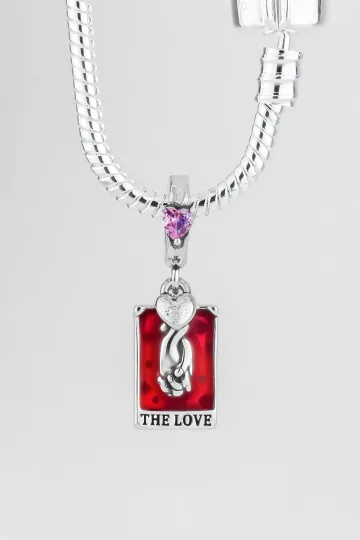










About Zevira
Zevira makes jewellery in the artisan tradition of Albacete, Spain. We translate the arcana imagery from the Rider-Waite deck into relief and engraving on metal, so each card reads as a specific symbol rather than a vague sun or crescent.
What you can find with us on the tarot theme:
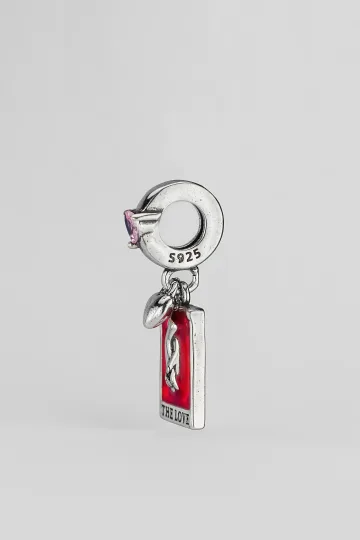
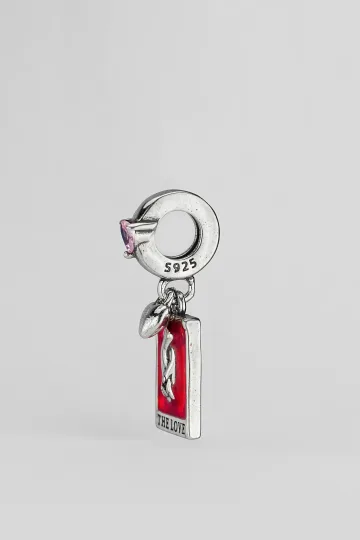
- Pendants with The Sun, The Moon, The Star, and The Lovers in silver and gold plating
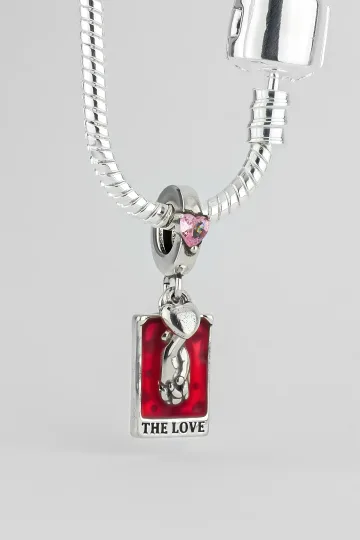
- Paired Lovers charms for couples and partnership sets
- Rings and earrings with card symbolism for layered looks and stacking
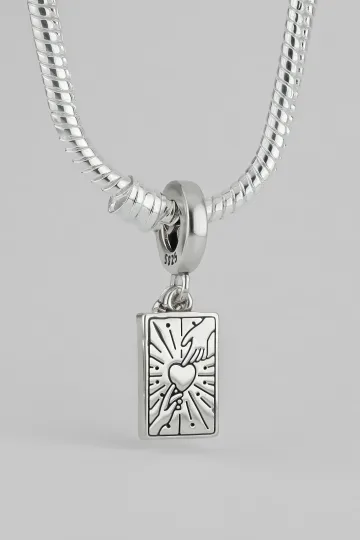
- Arcana charms for bracelets, where each symbol becomes its own chapter of a story
- Minimalist versions (the clean line of a card) and detailed reproductions of the full scene
- Help choosing a card by meaning or zodiac sign for a gift that actually lands
Every piece can be personalised with engraving by a craftsperson, with the option of personal engraving. 925 silver and 14-18K gold.
Wear the symbol, don't just read about it. These are in stock: