
Zodiac Sign Dates by Birthday: 12 Signs and Jewellery Guide
Your zodiac sign is defined by your birthday in the tropical calendar of Western astrology: 12 signs of about 30 days each, running from Aries (starting at the spring equinox) through Pisces. This article delivers the full date calendar for all 12 signs, short portraits of each with talisman stones and jewellery style, sections on cusps (people born on the border), a comparison of Western, Vedic and Chinese systems, and a compatibility table.
Use this as a navigator. Every sign appears here in compact form with a direct link to a longer dedicated article that covers its symbolism, mythology, psychological portrait and recommended jewellery in depth.
Full calendar of the 12 zodiac signs
| Sign | Dates | Element | Planet | Stone | Metal |
|---|---|---|---|---|---|
| Aries | 21 March to 19 April | Fire | Mars | Ruby | Red gold |
| Taurus | 20 April to 20 May | Earth | Venus | Emerald | Yellow gold |
| Gemini | 21 May to 20 June | Air | Mercury | Citrine | Silver |
| Cancer | 21 June to 22 July | Water | Moon | Moonstone | Silver |
| Leo | 23 July to 22 August | Fire | Sun | Amber | Yellow gold |
| Virgo | 23 August to 22 September | Earth | Mercury | Sapphire | White gold |
| Libra | 23 September to 22 October | Air | Venus | Rose quartz | Rose gold |
| Scorpio | 23 October to 21 November | Water | Pluto, Mars | Garnet | Blackened silver |
| Sagittarius | 22 November to 21 December | Fire | Jupiter | Turquoise | Yellow gold |
| Capricorn | 22 December to 19 January | Earth | Saturn | Onyx | Dark silver |
| Aquarius | 20 January to 18 February | Air | Uranus, Saturn | Amethyst | Silver |
| Pisces | 19 February to 20 March | Water | Neptune, Jupiter | Aquamarine | Silver, mother of pearl |
Dates can shift by one day depending on the year because the Earth's orbit does not align perfectly with the Gregorian calendar. If you were born on the 19th, 20th or 21st of a boundary month, you fall on a cusp, a transitional zone. The cusp section below explains this in detail.
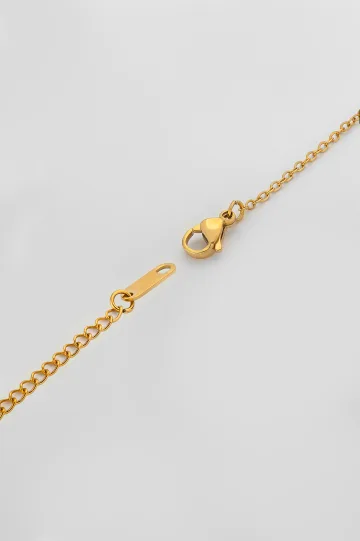
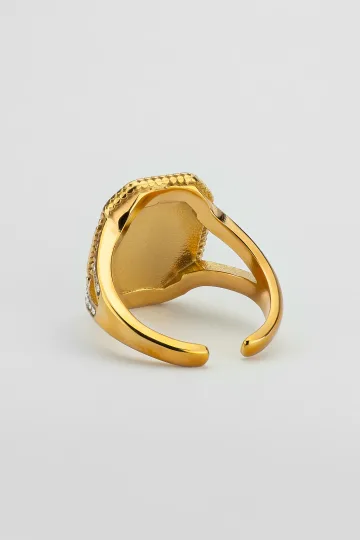
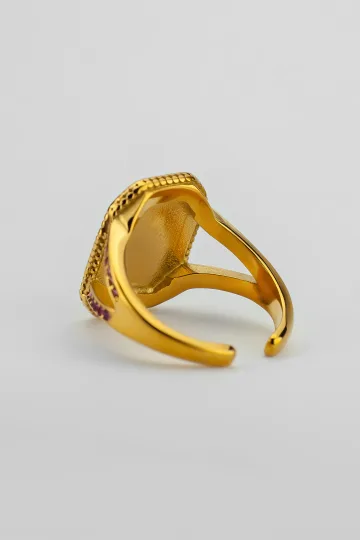
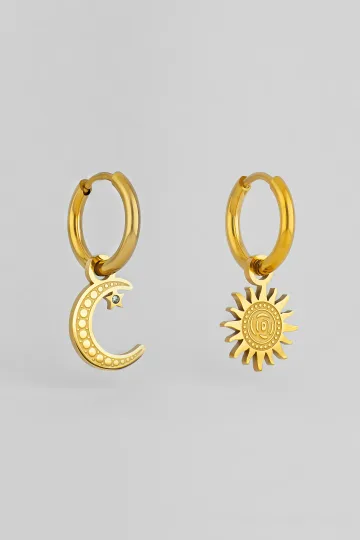
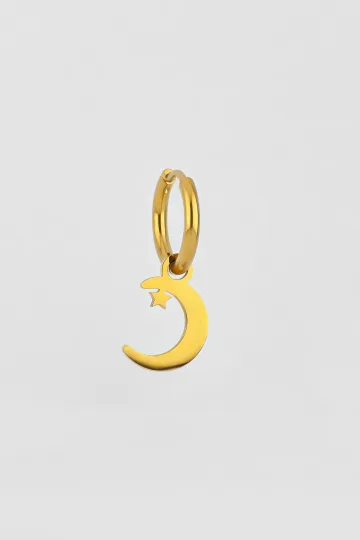
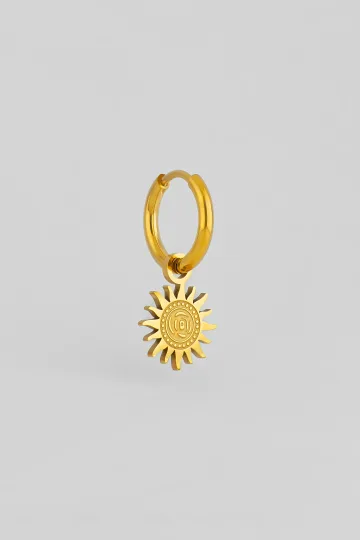
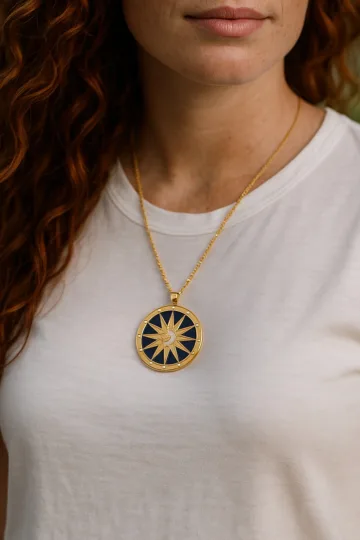
Wear the symbol, don't just read about it. These are in stock:



How the zodiac calendar works
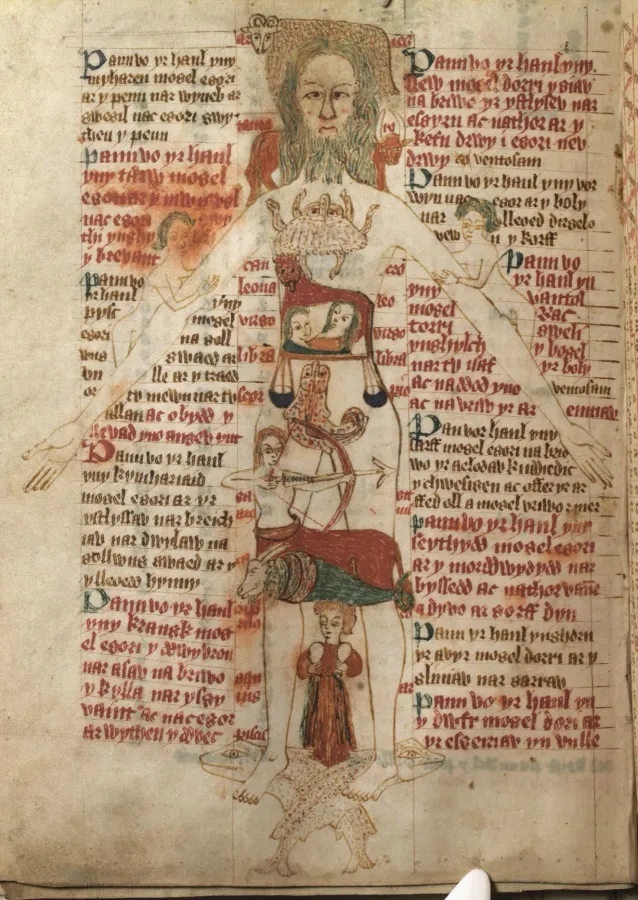
The zodiac is a band of sky roughly 18 degrees wide around the ecliptic, which is the visible path the Sun traces over a year. Twelve constellations sit along this band, and the Sun spends about 30 days in each. Western astrology uses the tropical zodiac: the sign begins at an equinox or solstice, anchored to the seasons rather than to the actual position of the stars.
Because of that anchoring, tropical zodiac dates stay stable from year to year, give or take a day. Eastern astrology (Vedic) tracks the actual stellar positions, and the precession of the Earth's axis shifts those dates by about 23 days. In the Vedic system your sign may be different. A full comparison appears in the "Western vs Vedic vs Chinese" section below.
The distribution across elements and planets is not random. The three signs of each element (fire: Aries, Leo, Sagittarius / earth: Taurus, Virgo, Capricorn / air: Gemini, Libra, Aquarius / water: Cancer, Scorpio, Pisces) share related energy and a common set of favourable materials. Fire signs traditionally suit gold, earth signs suit gold and high-purity silver, air signs suit silver and platinum, water signs suit silver and mother of pearl.
Each sign has a ruling planet. Mars rules Aries (action, drive). Venus rules Taurus and Libra (beauty, pleasure). Mercury rules Gemini and Virgo (intellect, communication). The Moon rules Cancer (emotion, memory). The Sun rules Leo (charisma, visibility). Pluto and Mars rule Scorpio (transformation). Jupiter rules Sagittarius (expansion, philosophy). Saturn rules Capricorn (discipline, time). Uranus and Saturn rule Aquarius (innovation, structure). Neptune and Jupiter rule Pisces (dream, expansion).
Match the stone to the element, not to a magazine horoscope. Fire loud, water fluid, earth with heft.
How to wear jewellery by zodiac sign
In years of styling shoots I have tried the sign's stone in every kind of look. Here is what actually works, sorted by occasion.
What do I wear my sign's stone with every day? For daily wear I recommend a single stone of your sign on a thin chain over a plain white tee, a linen shirt or solid knit. An open neckline or a bare neck gives the pendant air so the stone reads. Fire signs suit a gold chain here, air and water signs silver. By day I keep the stone as the accent: one piece, everything else muted.
Is it right for the office? Yes, as long as you keep it restrained. I suggest small stud earrings with your sign's stone plus one clean ring. A Virgo sapphire or a Capricorn onyx sits perfectly on a strict suit, a shirt or a jacket in cool tones. Here I recommend not mixing metals and holding the palette to two clothing colours, so the jewellery supports the look instead of fighting it.
How do I build an evening look? Evening allows volume and layers. I choose a necklace with a larger stone over a solid dress in a deep colour: wine, emerald, black. Leo and Aries have room to play, a visible shape catches the light at a dinner or a celebration. Drop earrings with aquamarine or moonstone play beautifully over an updo and bare shoulders. At night you can add two or three more pieces than by day.
And for a special occasion? For an engagement, an anniversary or an important date I choose one strong piece, a ring or a pendant with your sign's main stone, and almost nothing else. The stone should stay the only hero.
Any styling tips? Two rules that never fail. First: match the chain length to the neckline, short for a bare neck, long for a closed collar. Second: gather your layers in one metal and a palette close to your element, so a stack of three chains or several rings reads as intent, not accident. Earth and air signs suit layering, fire one bright accent, water the flowing shapes that move on the body.

Turn on your camera, pick earrings, a pendant or a ring, and see the piece on yourself in real time.
Switch items in one tap.
Everything runs in your browser: no photo or video is ever uploaded.
How decans work within a sign
Each sign lasts about 30 days, and astrological tradition reaching back to ancient Egypt divides this stretch into three decans of 10 days each. Every decan picks up a co-ruling planet that subtly modifies the base sign. This explains why two Tauruses born on different dates can feel quite different in temperament.
Modern astrology uses the triplicity system: the first decan of a sign is ruled by its main planet (Saturn for Capricorn, for example), the second decan by the ruler of the next sign in the same element (Venus for Taurus, since Taurus is the second earth sign), and the third decan by the ruler of the third sign in the element (Mercury for Virgo). The result: the first decan of Capricorn reads as the purest Capricorn, the second carries a Venusian polish (more aesthetic), the third carries a Mercurial sharpness (more analytical).
Detailed decan tables with a sub-planet for every sign and every day live in the deep articles linked under each sign block.
The first decan: the sign at full strength
Roughly the first ten days of a sign belong entirely to its own ruler. Someone born here reads as the textbook version: an Aries of the first decan is the most Martian Aries there is, a Cancer of the first decan the most lunar. In practice this is the group who recognise themselves immediately in a short sign description and who find the standard jewellery recommendations fit without adjustment. If you were born in the opening ten days of your sign, take the main stone and the main metal from the calendar table and stop there.
The second decan: the aesthetic modifier
The middle ten days pick up a second ruler from the next sign of the same element, and the effect is usually a softening or a refinement rather than a contradiction. A Taurus of the second decan carries Mercurial quickness under the earth; a Scorpio of the second decan gains a Piscean layer of intuition. For jewellery this is where the secondary stones in the talisman table become genuinely useful, since a second-decan wearer often finds the primary stone slightly too obvious and the secondary one closer to how they actually see themselves.
The third decan: the outward turn
The last ten days take a third ruler, from the final sign of the element, and the result tends to read as the sign pointed outwards: more analytical, more social, or more restless depending on the element involved. The third decan of Capricorn carries a Mercurial sharpness; the third decan of Leo picks up Virgo's precision through Mars and the Sun's neighbours. People born here frequently say the standard description of their sign fits them only halfway, and they are usually right. Mixing the primary stone with an accent stone of the co-ruling sign is the neat solution, and it is the same logic that governs the cusp advice further down.
Aries: 21 March, 19 April
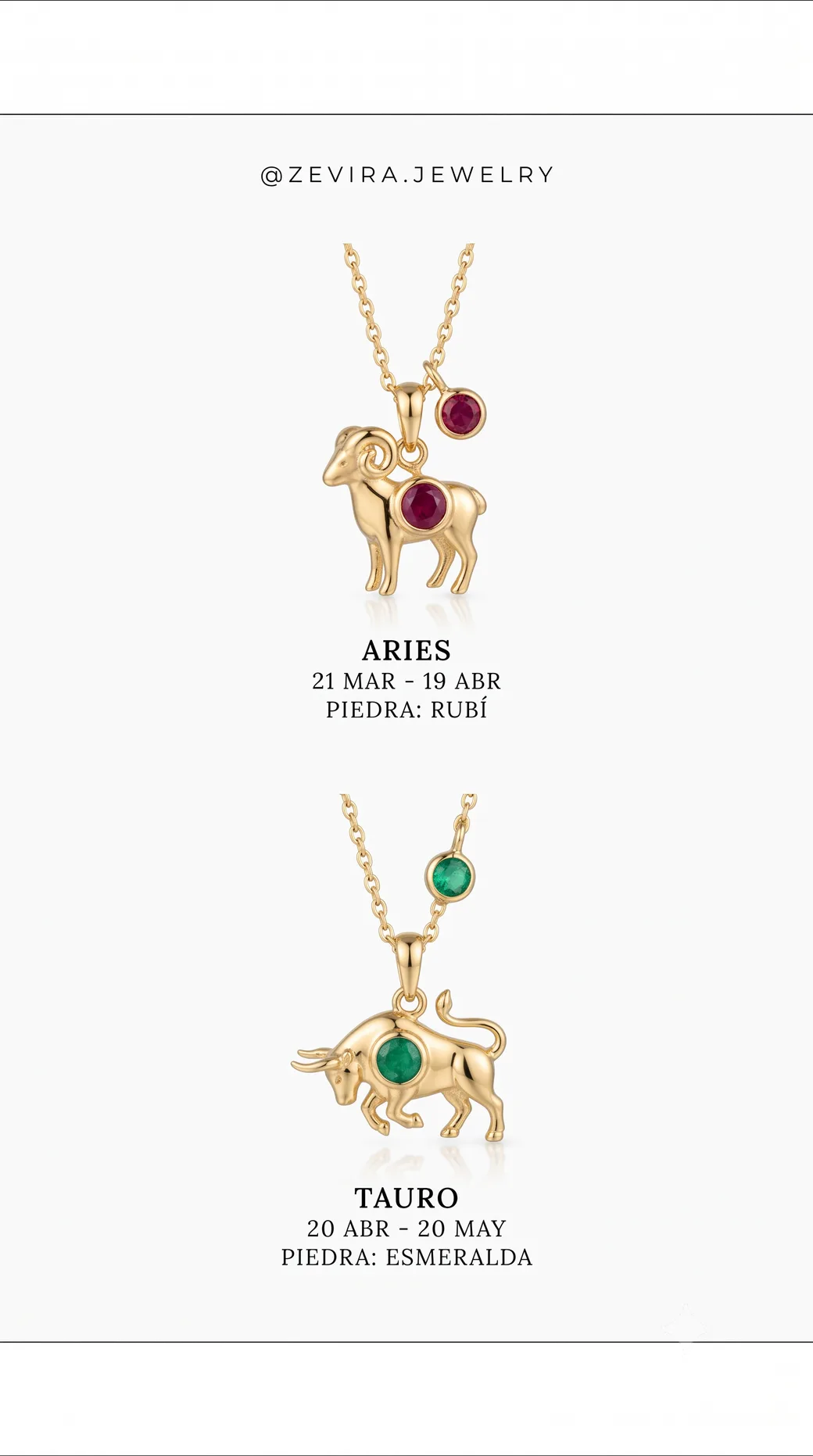
A fire sign ruled by Mars. Opens the zodiacal year at the spring equinox. Aries types are impulsive, initiative-led, ready to act before the plan is finished. Their strength is the ability to start. Their weakness is impatience with routine.
Colours: red, orange, gold. Talisman stones: ruby, garnet, diamond. Metal: red gold or iron. Jewellery style: bold and substantial, visible scale, pieces with character. A delicate minimalist chain looks wrong on an Aries. They wear declarations, not whispers. A statement signet, a wide cuff, a thick rope chain, all of these land. Texture matters too: hammered surfaces, raw edges, anything that reads as forged rather than polished. If the jewellery looks like it could survive a fight, the Aries will love it.
Taurus: 20 April, 20 May
An earth sign ruled by Venus. A paradox of earthy practicality and Venusian aesthetics. Taurus types love beautiful things, but they want them well made and durable, not seasonal. Cashmere, not sequins. Slow purchase, long ownership.
Colours: green (from moss to emerald), pink, warm flesh tones. Stones: emerald, malachite, rose quartz. Metal: 18k yellow gold, copper, rose gold. Style: classic foundation pieces that you wear for 20 years. Quality above quantity. A Taurus would rather own one heavy gold band than five thin ones. Texture is soft and rounded, with no sharp angles. They favour gemstones with a sense of depth, cabochon cuts over hard faceting, and they remember which piece came from whom.
Gemini: 21 May, 20 June
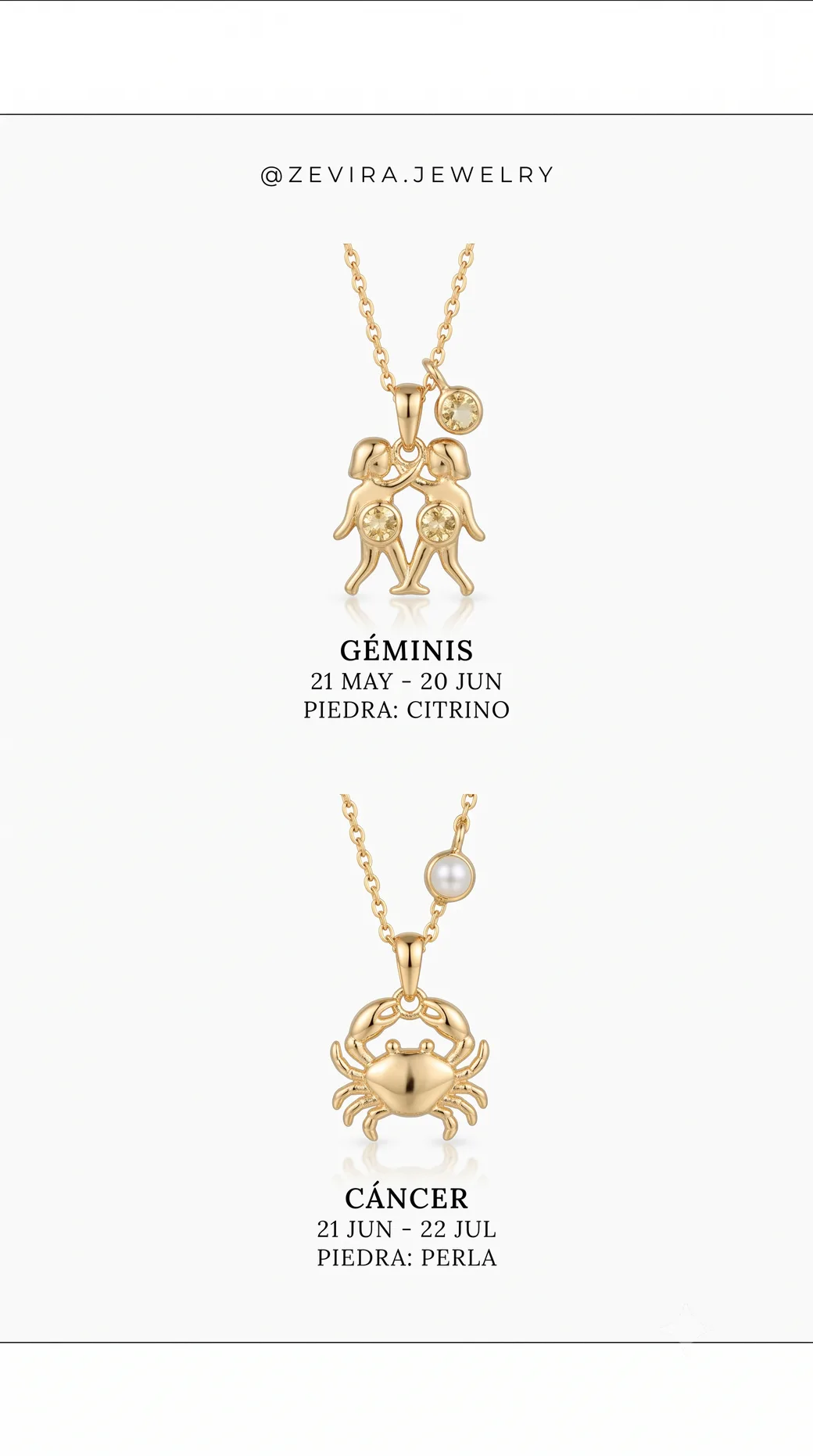
An air sign ruled by Mercury. Speed of thought, curiosity, multiplicity. Geminis switch interests fast, run several projects in parallel, and want variety in everything, jewellery included.
Colours: yellow, pale blue, pastel shades. Stones: citrine, agate, aquamarine. Metal: silver, platinum, white gold. Style: layered, mixed, in motion. A stack of thin chains at different lengths, sets of stud earrings worn together, mismatched rings on adjacent fingers. One massive stone overwhelms a Gemini, several small stones feel right. They are the sign most comfortable with mismatched earrings and the only sign for whom changing jewellery daily feels obligatory, not optional.
Cancer: 21 June, 22 July
A water sign ruled by the Moon. Emotional depth, attachment to home, a long family memory. Cancers keep boxes of old letters and remember anniversaries no one else recalls. Sentimental, but rarely showy about it.
Colours: silver, white, pale blue, pearl tones. Stones: moonstone, pearl, opal, selenite. Metal: silver. Style: heirloom. A Cancer wants jewellery that lasts a lifetime and passes to the next generation. A pearl strand from a grandmother matters more than a new collection from a famous house. They favour pieces with personal history, engraved dates, lockets that open, anything that holds a memory inside the metal.
Customer reviews
Zevira is a real jewellery shop. Genuine payments, deliveries and customer thank-yous.
🥰🥰🥰 gracias

Ok, ¡gracias! 🙂

Leo: 23 July, 22 August
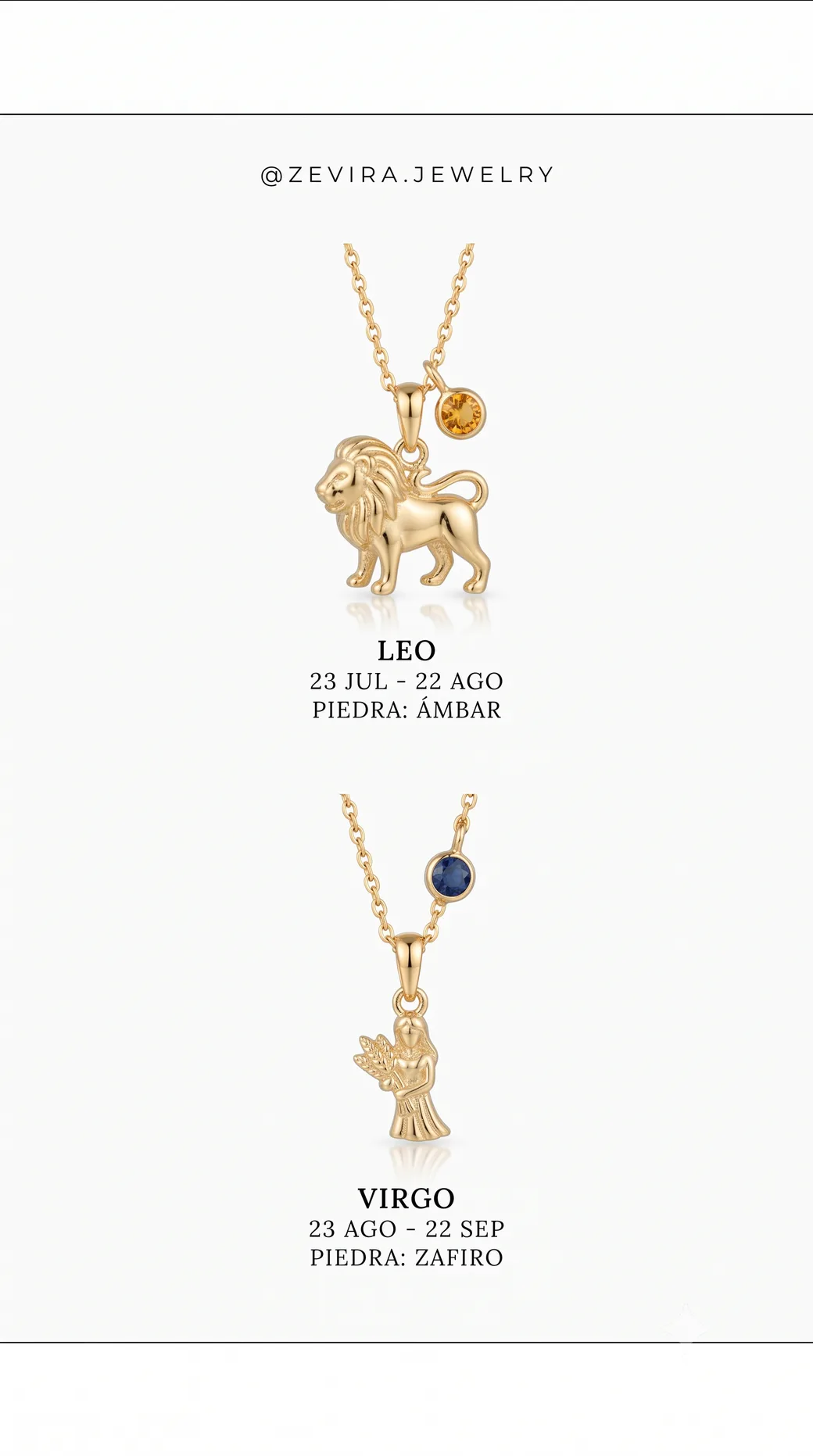
A fire sign ruled by the Sun. The royal sign: charisma, confidence, a need to be seen. A Leo enters a room and the room rearranges itself. Even silent, they radiate.
Colours: gold, orange, amber, deep red. Stones: ruby, amber, citrine, tiger's eye. Metal: yellow gold only, no compromises. Style: visible, voluminous, made to catch light. If it is a ring, it must throw light across the table. If it is a chain, it must register sound when it moves. Leos wear earrings that frame the face like a frame around a portrait. Cocktail rings live on their hands as a default. They believe, correctly, that jewellery should announce.
Virgo: 23 August, 22 September
An earth sign ruled by Mercury. Analytical, perfectionist, attentive to detail. A Virgo reads the instructions on a shampoo bottle. A Virgo finishes a bad book just in case it improves. A Virgo remembers every promise and keeps them all.
Colours: beige, olive, earth tones, soft grey-green. Stones: sapphire, peridot, citrine, sardonyx. Metal: silver, white gold, platinum. Style: functional minimalism. One precise ring instead of five different ones. Virgos read a piece of jewellery like code, judging how cleanly it was made. The setting must be flush, the bezel must be even, the chain must lie flat. They notice the back of the earring as much as the front.
Libra: 23 September, 22 October
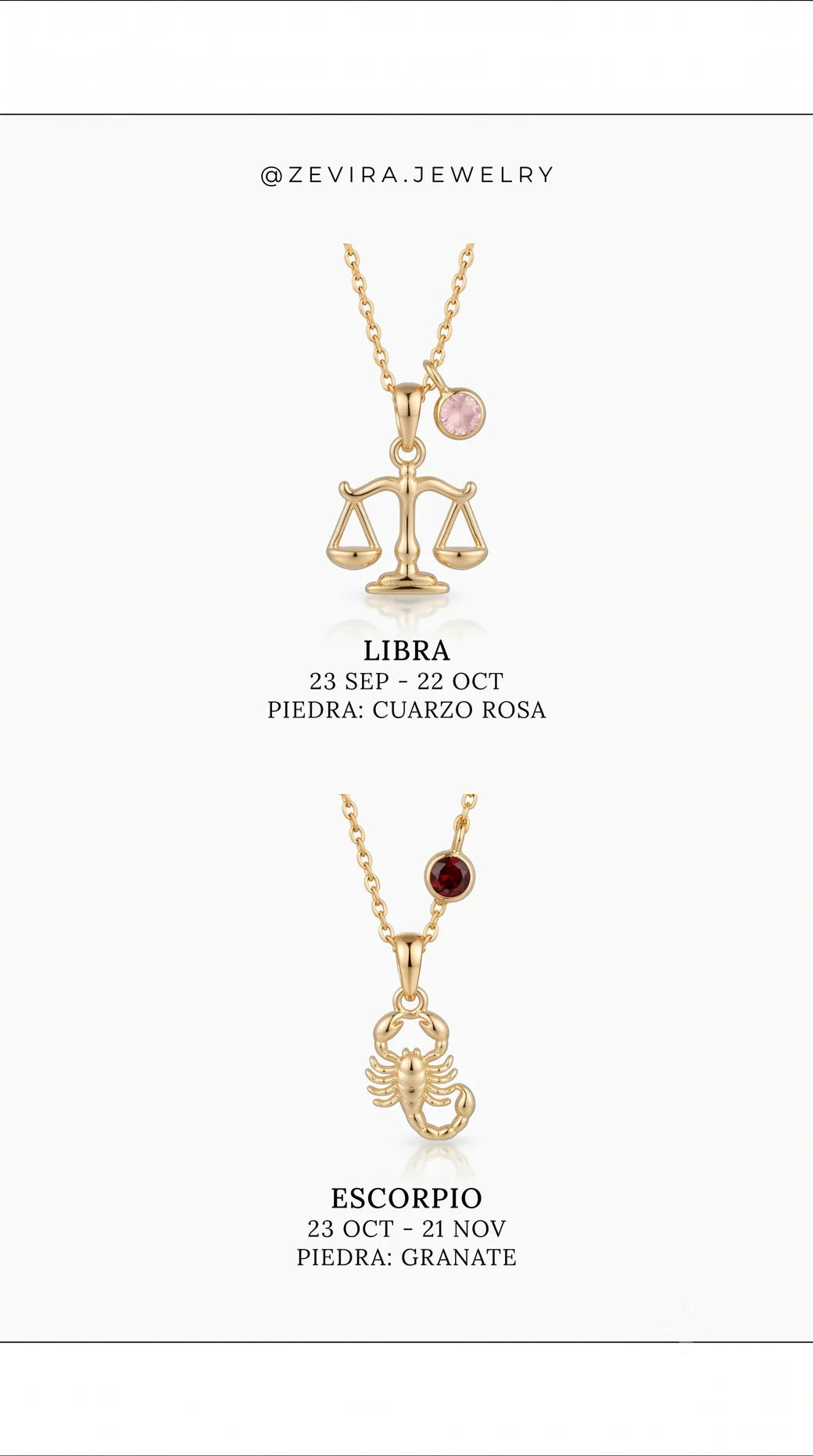
An air sign ruled by Venus. Harmony, aesthetics, diplomacy. A Libra spends 20 minutes choosing between two equally good cafés. This is not indecision, it is a feature of their cognition: they physically feel the loss of the option not chosen.
Colours: pastel pink, soft blue, lavender, cream. Stones: rose quartz, opal, sapphire, lapis lazuli. Metal: rose gold, copper, silver. Style: balance and symmetry. Paired earrings of equal weight, a stone seated on the central axis, every angle measured. Asymmetry irritates a Libra at a physical level. They favour delicate proportions, classical motifs, the kind of jewellery that would not look out of place on a painted Renaissance portrait.
Upload a photo of your pet, someone you love, or an object. We'll build a 3D model and hand-cast it in pewter.




Scorpio: 23 October, 21 November
A water sign ruled by Pluto and Mars. Depth, secrecy, intensity. A Scorpio does not ask empty questions. A Scorpio knows more about you than you think. A Scorpio remembers a slight from twenty years ago with full date and time.
Colours: wine red, black, deep purple, blood red. Stones: garnet, obsidian, onyx, hematite, ruby. Metal: black gold, dark silver, oxidised silver. Style: dark aesthetics, gothic symbolism, occult marks. Skulls, spiders, snakes are their visual language. They favour pieces with hidden compartments, signet rings with personal symbols, bracelets that look slightly threatening. A Scorpio is the only sign that can wear a memento mori piece without irony.
Sagittarius: 22 November, 21 December
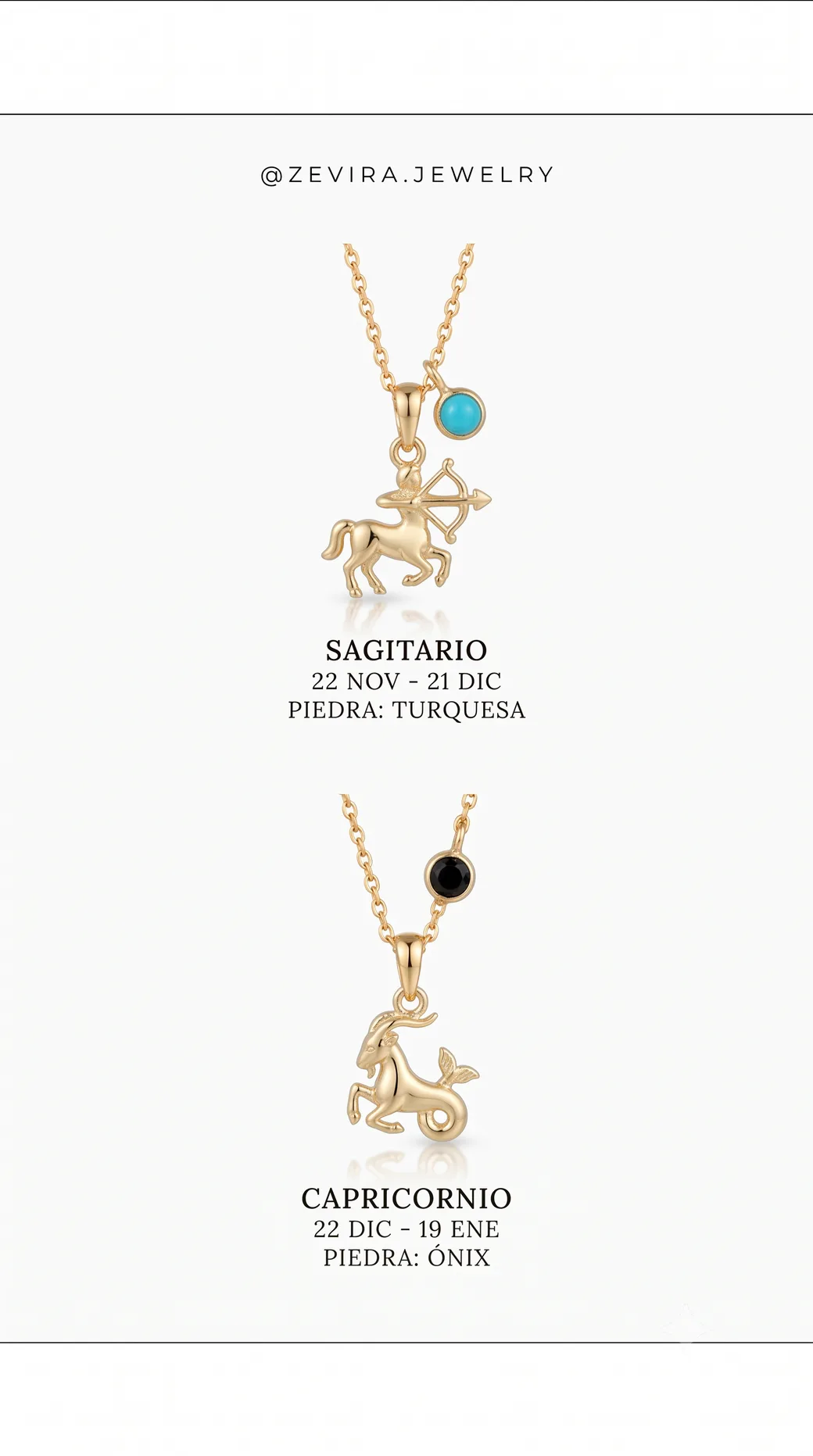
A fire sign ruled by Jupiter. Freedom, travel, philosophy. A Sagittarius is always going somewhere, literally or metaphorically. They read books on planes. They start conversations with strangers in queues.
Colours: deep blue, purple, dark green, copper. Stones: turquoise, lapis lazuli, amethyst, citrine. Metal: gold, bronze, copper. Style: ethnic, with a story. Turquoise from a market in Istanbul. Silver from an old craftsman in Marrakech. A Sagittarius dislikes generic shop-bought pieces with no context. They need to know where it came from, who made it, what tradition it belongs to. Their jewellery is a travel diary in metal and stone.

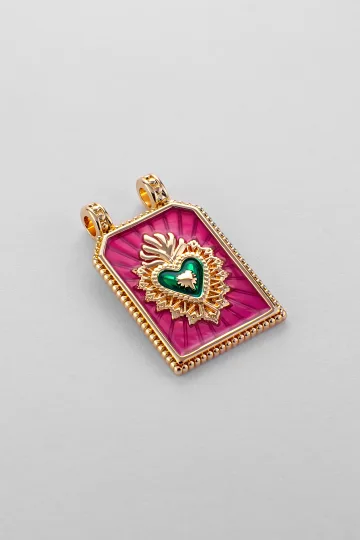



Capricorn: 22 December, 19 January
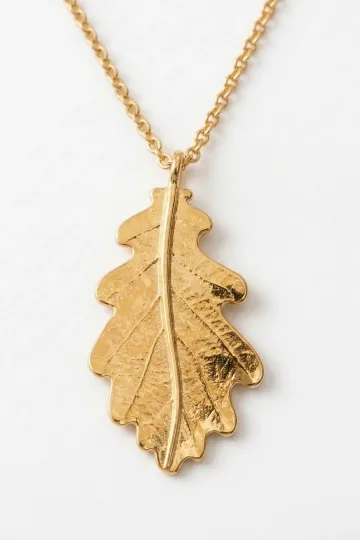
An earth sign ruled by Saturn. Discipline, responsibility, ambition. A Capricorn at 25 already knows who they want to be at 50. A Capricorn has a plan. A Capricorn keeps the plan. They do not apologise for being serious.
Colours: black, grey, dark brown, graphite. Stones: onyx, garnet, smoky quartz, labradorite, obsidian. Metal: dark silver, pewter, oxidised metals. Style: strict, minimalist, weighty. A signet ring with initials. A black leather cord with a small silver anchor. Vintage and aged finishes outperform polished newness. A Capricorn rarely buys jewellery on impulse, every piece serves a function, even decorative ones serve the function of looking exactly correct.
Aquarius: 20 January, 18 February
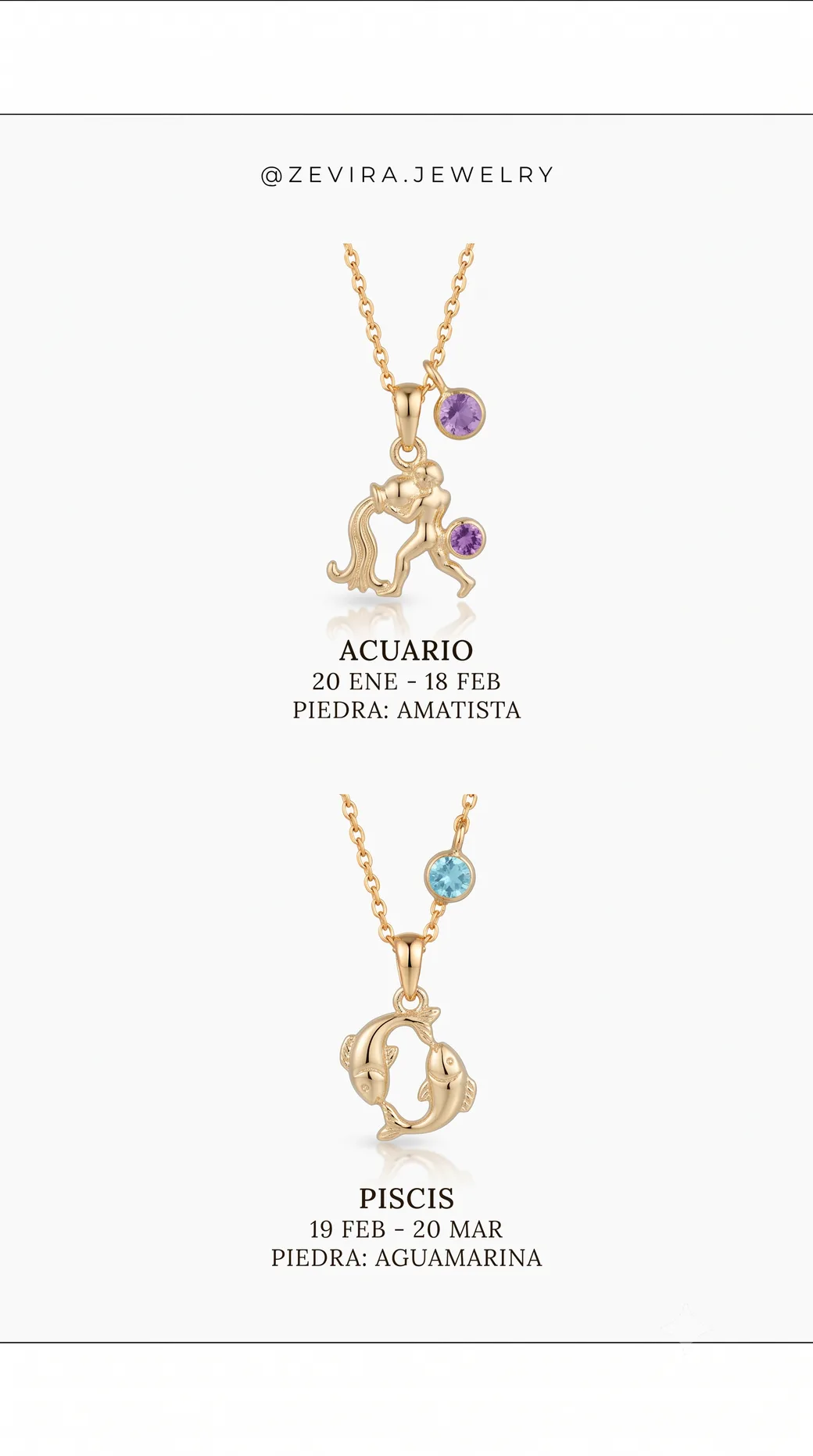
An air sign ruled by Uranus and Saturn. Originality, independence, unconventional thinking. An Aquarius does not do something because everyone else does. They do it because, in their judgement, it is correct, often against the trend.
Colours: violet, electric blue, turquoise. Stones: amethyst, aquamarine, zircon, fluorite. Metal: silver, platinum, white gold. Style: unconventional, asymmetric, avant-garde. Ear cuffs. A single earring without its pair. A ring on the middle finger. They ignore traditional rules of how jewellery should be worn and write their own. Tech-influenced shapes, abstract geometry, conceptual pieces that look like wearable sculpture rather than ornament.
Pisces: 19 February, 20 March
A water sign ruled by Neptune and Jupiter. Empathy, intuition, artistry. Pisces feel what others are thinking. They cry at films and refuse to apologise for it. Art, poetry and music are not hobbies for them, they are oxygen.
Colours: sea green, lavender, lilac, mother of pearl. Stones: pearl, moonstone, aquamarine, opal. Metal: silver, white gold, mother of pearl. Style: ethereal, fluid, watery. Drop earrings. A pearl strand with irregular pearls. Pieces that move on the body as the body moves. They are drawn to organic shapes, wave motifs, asymmetric forms that suggest dream logic rather than geometric order. A Pisces will buy a piece because it reminded them of a feeling, not a function.
Leave your email, we'll send your discount code. No spam, unsubscribe anytime.
The code arrives by email, valid on your first order.
Cusps: born on the border of two signs
A cusp is the transitional zone between two signs. Strictly speaking, in Western astrology cusps do not exist as separate signs: the Sun sits precisely in one sign at any given moment, and the transition is exact by coordinates. But people born on boundary days (the 19th to the 21st) often describe their character as a blend of two signs. The energy of the departing sign still lingers on the first day of the new one.
Cusps between signs:
- 19 to 21 March: Pisces-Aries (dream plus action)
- 19 to 21 April: Aries-Taurus (impulse plus stability)
- 19 to 21 May: Taurus-Gemini (earth plus air)
- 20 to 22 June: Gemini-Cancer (thought plus feeling)
- 22 to 24 July: Cancer-Leo (warmth plus light)
- 22 to 24 August: Leo-Virgo (drama plus analysis)
- 22 to 24 September: Virgo-Libra (order plus harmony)
- 22 to 24 October: Libra-Scorpio (balance plus depth)
- 21 to 23 November: Scorpio-Sagittarius (water plus fire)
- 21 to 23 December: Sagittarius-Capricorn (freedom plus structure)
- 19 to 21 January: Capricorn-Aquarius (tradition plus innovation)
- 18 to 20 February: Aquarius-Pisces (idea plus feeling)
In jewellery, a cusp suits a combination: the main stone of one sign with an accent of the neighbouring sign. A Sagittarius-Capricorn might wear turquoise (Sagittarius) on a silver chain with a touch of gothic shape (Capricorn). A Pisces-Aries can pair moonstone with a small red garnet on the same pendant.
History of the zodiac: Babylon to today
The Mesopotamian zodiac: the oldest source
The idea of the zodiac emerged in Mesopotamia about 3,000 years ago. Babylonian priests watched the stars and linked their positions to events on Earth: harvests, river floods, military victories. They identified 12 constellations along the path of the Sun and assigned an archetype to each. Originally there were more constellations on the list, eventually reduced to 12 to match the lunar cycles in a year.
Two details from that period are worth keeping in mind, because both survive in the calendar you use today. First, the Mesopotamian sequence did not open with Aries. It opened with Taurus, because the spring equinox fell in that part of the sky at the time; the shift to an Aries start came later, with the slow drift of the equinox against the stars. Second, the list originally held something closer to seventeen or eighteen constellations, and the reduction to twelve was an administrative decision rather than an astronomical one, made so that the sky would divide neatly by the lunar months of the year.
The animal symbols themselves were chosen with a directness that has aged remarkably well. The Lion stood for power, the Scorpion for danger, the Fishes for movement and yielding. Three thousand years later those associations are still legible without explanation, which is a large part of why the system spread so easily across languages and religions.
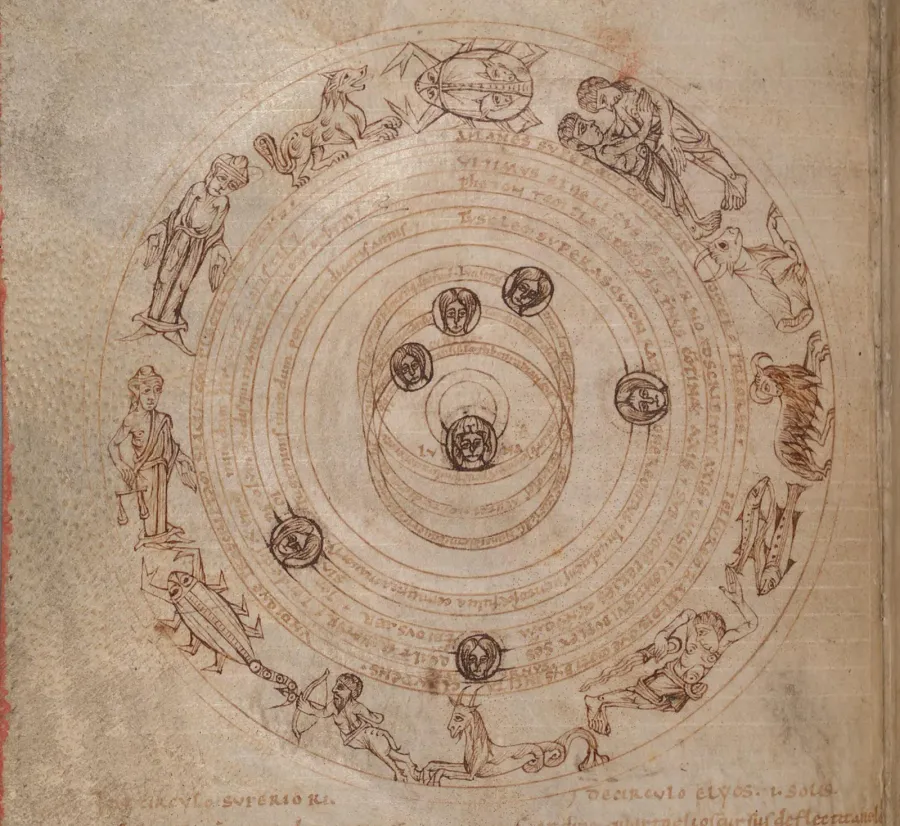
The clay tablets recovered from Mesopotamian sites show star catalogues compiled over centuries, and they make one thing clear: this was state science rather than folk superstition. Scholars worked at court. They set the timing of sowing, advised on the health of the king, and chose dates for laying the foundations of palaces. All of it was done by naked eye, without a lens of any kind, and with enough patience to detect patterns that repeat over decades.
Greek systematisation and synthesis
Greek thinkers in the 4th to 2nd centuries BCE systematised astrology. Their contribution: they connected the signs to four elements (fire, earth, air, water) and three qualities (cardinal, fixed, mutable). That structure has held ever since.
They did not invent the zodiac. What happened was closer to an acquisition. When Alexander's campaigns brought Babylon into the Greek world, Greek scholars gained access to Mesopotamian observational archives that ran back centuries, and they set about turning raw records into a philosophical system. The four elements gave them a way to group the twelve into triads of shared temperament, and that grouping is why fire signs are still read as active, earth signs as practical, air signs as intellectual and water signs as emotional two thousand years later.
The Greeks also fixed each sign to a planet, working with the seven bodies then known: the Sun, the Moon, Mercury, Venus, Mars, Jupiter and Saturn. That scheme of planetary rulership is still the backbone of the system, with Uranus, Neptune and Pluto simply slotted in as later additions to signs that already had rulers.
Persian and Hellenistic influence
After Alexander, Persian astrological practice met Greek theory, and the encounter added something the Greek version lacked. Persian astrologers were less interested in prediction alone and more in the inner side of the discipline: working with the temperament you were given, transforming character through an understanding of your own sign. That strand, the idea that a sign is a starting position rather than a sentence, comes into Western astrology from this direction.
By the 3rd century BCE, Alexandria had become the place where three traditions met: Babylonian observation, Greek logic, Persian interpretation. Hellenistic astrology is the product of that meeting, and it is the form that spread across the Mediterranean and reached Rome, where it became widespread enough that emperors periodically tried to ban practitioners from the city.
Ptolemy and Western standardisation
Ptolemy, in the 2nd century CE, wrote the Tetrabiblos, a treatise that gathered everything known about astrology in his time. This cemented the system of 12 signs with their planets, colours and stones. Modern Western astrology rests on his framework.
Ptolemy was an astronomer, mathematician and geographer as well as an astrologer, and the Tetrabiblos reads accordingly. It argues rather than asserts. It calculates orbits. It sets out a proposed physical mechanism for how celestial bodies act on terrestrial ones, and it explains, in those terms, why fire is held to agree with air and earth with water. Detailed characters for all twelve signs appear here in something close to their modern form, along with compatibility and advice on timing.
What matters about his approach is the framing. Ptolemy presented astrology as one part of an interconnected philosophical account of nature, in which the stars work through physical causes rather than by magic. His physics is long obsolete, but the intellectual posture is why the Tetrabiblos was cited as an authority for a thousand years rather than dismissed as folklore.
The Middle Ages and the Arabic transmission
While European learning contracted, astrology flourished in the Arabic-speaking world. Persian, Indian and Greek treatises were translated into Arabic, reworked and extended. Al-Kindi, Abu Ma'shar and Ibn Sina all wrote about the zodiac as part of an integrated medicine, in which your sign indicated your constitution, your temperament and your predisposition to particular illnesses.
The technical apparatus grew considerably in this period. Arabic astronomers refined planetary tables, formalised the handling of retrograde motion, and put the ascendant on a proper footing, which is the point at which the exact time of birth becomes as important as the date. Much of what a modern astrologer does when casting a chart descends directly from this work.
The material came back to Europe with returning crusaders and through the translation centres of Spain and Sicily, and the effect on the universities was immediate.
In the European Middle Ages, astrology was part of university education alongside medicine and mathematics. Physicians asked patients for their sign before treatment. Merchants chose dates for journeys with astrological advice. Kings kept personal astrologers on the payroll. The Enlightenment pushed astrology out of formal science and into popular culture, but it never died. By the 20th century it returned as a mass phenomenon through newspaper horoscopes.
The European Renaissance and the great revision
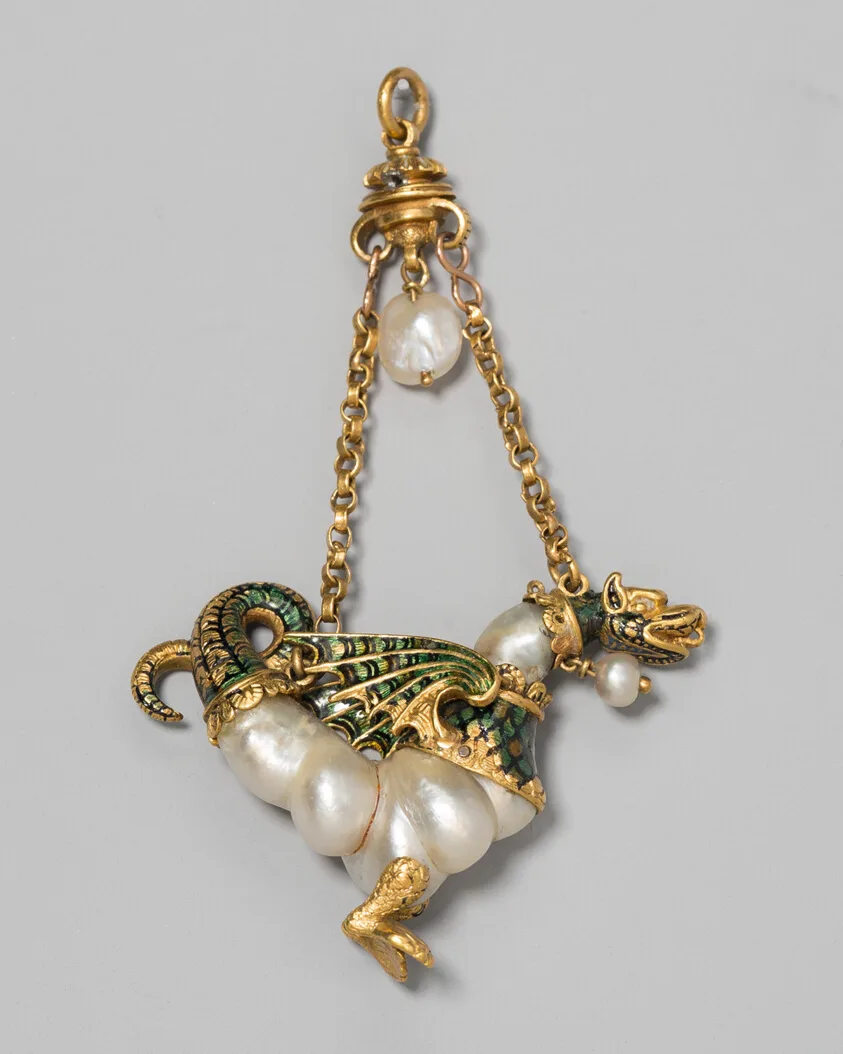
In the 15th and 16th centuries the zodiac entered fashion as art and design. Painted ceilings in palaces carried the signs. Rings and pendants with zodiacal symbols became a mark of education and taste rather than of belief, which is the first appearance of exactly the use this article is concerned with.
At the same time the intellectual ground shifted underneath. Copernicus, and later Galileo, demonstrated that the planets do not move as the ancients had assumed. The Earth was not the centre of anything, and the planets were not lights fixed to a sphere. That was a direct blow to the physical theory Ptolemy had built his case on, and the obvious question followed: if the mechanism does not work, on what basis does the practice work?
The answer that survived was not a physical one. As poetry, as symbolism and eventually as psychology, the zodiac lost nothing. The stars do not run anyone's life by remote control. They can still serve as a vocabulary that helps people talk about their own traits and their own choices, and that is the function the system has performed ever since.
The 20th century: from science to culture
The Enlightenment finished the job of removing astrology from university science, filing it with alchemy and magic. In popular culture it never went away. Newspaper horoscopes appeared as light entertainment and hardened into a permanent fixture of the press.
The most interesting 20th-century development came from psychology rather than astronomy. Carl Jung took an interest in astrology, not as a predictive science but as an archetypal system, a way of describing how the unconscious organises itself. On that reading the twelve signs are twelve archetypes of the human personality, embedded in what he called the collective unconscious. That framing is the ancestor of almost every serious modern defence of astrology, and it is why so much contemporary writing on the subject sounds more like personality theory than divination.
By the end of the century the zodiac had returned to wide popularity, particularly among younger people, carried by the internet and then by apps that put a full natal chart in anyone's pocket. What returned was not a belief that the stars issue orders. It was the use of the zodiac as a language of self-description, closer to a logo for a personality than to a prophecy.
Today: three parallel modes
Today astrology exists in three parallel modes: serious (professional astrologers with natal charts), popular (horoscopes in magazines and apps) and aesthetic (jewellery, tattoos, interior design with zodiacal symbols). This article works in the aesthetic mode: which stones, which metals, which jewellery style suit each sign.
The history explains why those correspondences are not arbitrary. They accumulated over centuries, were assembled from several cultures, and were tested by long use. Ruby for Aries is not a random pairing: it joins the element of fire, the planet Mars, and the colour of energy in a single object, and the stone carries that logic visibly. Believing in the influence of the stars is optional. It is enough to understand that the zodiac is a language three thousand years old, one that helps people describe themselves and choose jewellery with intention rather than at random.
Astrology and astronomy: two different languages
The two words get used interchangeably and they should not be, particularly when the question in front of you is which stone to buy.
Astronomy is the science of celestial bodies: their motion, their physics, their composition. It answers where and why. Where is Jupiter tonight? Why does the Moon raise tides? Its claims are tested by observation and instrument, and it operates entirely inside physics.
Astrology is a symbolic system of interpretation. It answers a different question: what does this mean for me? If Jupiter sat in a particular house at the moment of my birth, that is held to signify something. Nothing here is proved the way a theorem is proved. It is assessed by experience, reflection and the recognition of patterns, which makes it a language rather than a science.
The distinction that matters is this: astronomy can be wrong about a physical mechanism and later correct itself, which has happened repeatedly. Astrology can be useful as an instrument of self-description whether or not any physical mechanism exists at all. Those are two different kinds of claim, and most arguments about astrology go badly because the two sides are answering different questions.
Why people find the zodiac convincing
Psychology has identified several mechanisms behind the appeal, and none of them require the stars to be doing anything.
The first is the Barnum effect, familiar from cold reading. Told that a Scorpio is intense and private, most people think immediately of evidence that this describes them. The statement is broad enough to fit almost anyone, and a Scorpio who is in fact a cheerful extrovert will still find some corner of the description that lands.
The second is confirmation bias. Predictions that match are remembered; those that miss are quietly dropped. The zodiac then works as an attention filter, pulling out of a very large stream of daily information exactly the signals that appear to confirm your sign.
The third is the most interesting. Jung's proposal was that the twelve signs correspond to twelve archetypes of the human psyche, and that they persist not because the stars command anything but because the mind is structured to recognise those particular patterns. On that account the zodiac is a photograph of an internal structure rather than a discovery about the cosmos, and it is convincing because the twelve types really do exist as recognisable ways of being a person.
Jewellery as a symbol rather than an amulet
This is where the argument matters for anything you might wear. A ruby ring works for an Aries, but not because ruby is in telepathic contact with Mars. It works for three concrete reasons.
It is an anchor for attention. You look at the ring, you remember the description of your sign, and you step back into that way of holding yourself. Call it placebo if you like; placebo is well documented and it does not stop working once it has been named, provided the wearer holds the intention.
It is a signal to other people. In current culture, a piece carrying your sign says: I identify with this archetype. That is a social statement, and it is legible instantly to anyone who shares the vocabulary.
It is simply well matched. Ruby is red, Mars is hot, Aries is active, red reads as energetic. The system works aesthetically, because colour, form and material genuinely resonate. The piece pleases the eye because it is coherent, not because anything was ordained.
Zodiac jewellery is therefore an instrument of self-expression and self-reminder rather than a protective charm or a device for attracting luck. What it says is: I know who I am, and I choose that again each morning when I put this on.
Where science stands, and why the interest persists
Science is sceptical about astrology and has good reasons. There is no known mechanism by which the position of a body hundreds of millions of kilometres away could shape a personality. Astronomy long ago established that planets are ordinary material objects rather than powers. And a great many published horoscopes are written at a level of vagueness that guarantees a hit.
At the same time, several things are not in dispute. Astrology was historically a coherent practical system that preserved generations of careful observation, and it was logical by the standards of its own era. A descriptive scheme of twelve personality types has psychological value regardless of where it came from. And interest in the subject is growing rather than shrinking, particularly among younger people, which indicates that it satisfies a real need worth understanding.
The honest position is that astrology is unproven as a method of predicting the future, historically and culturally significant, and psychologically interesting enough to study. For jewellery, the practical translation is simple. Wear your sapphire as a talisman if you like it and if it helps you feel like yourself. Do not expect the sapphire to change your circumstances. The piece is a way of saying something to yourself and to other people, and that is a real function rather than a consolation prize.
CAPAORA mini knife pendant
The 18th-century Spanish navaja in miniature: 40 mm of stainless steel, a real folding mechanism and a Palanquilla lock that clicks. An affordable gift to remember.
Authentic · Ships from Spain · 14-day returns
Zodiac talisman stones table
The main stone of a sign is the strongest symbolic choice, but it is not the only one. Each sign has several traditional stones, and any of them work.
| Sign | Primary | Secondary | Why this stone |
|---|---|---|---|
| Aries | Ruby | Garnet, diamond, bloodstone | Fire, the colour red and Mars: drive and nerve |
| Taurus | Emerald | Malachite, rose quartz, turquoise | Earth, green growth and Venus: abundance and beauty |
| Gemini | Citrine | Agate, aquamarine, chrysoprase | Air, yellow clarity and Mercury: thought and speech |
| Cancer | Moonstone | Pearl, opal, selenite | Water, silver light and the Moon: feeling and memory |
| Leo | Amber | Citrine, tiger's eye, golden beryl | Fire, gold and the Sun: warmth and presence |
| Virgo | Sapphire | Peridot, sardonyx, jasper | Earth, blue precision and Mercury: order and analysis |
| Libra | Rose quartz | Opal, lapis lazuli, turquoise | Air, rose tones and Venus: harmony and affection |
| Scorpio | Garnet | Obsidian, onyx, hematite | Water, red and black, Pluto: intensity and transformation |
| Sagittarius | Turquoise | Lapis lazuli, amethyst, topaz | Fire, sky blue and Jupiter: distance and expansion |
| Capricorn | Onyx | Garnet, smoky quartz, labradorite | Earth, black stability and Saturn: time and ambition |
| Aquarius | Amethyst | Aquamarine, zircon, fluorite | Air, violet invention and Uranus: intellect and originality |
| Pisces | Aquamarine | Pearl, moonstone, opal | Water, pale blue reverie and Neptune: intuition and art |
Why different cultures pick different stones
Western astrology arrived at this list through three filters, and knowing them makes the table far easier to use flexibly.
Colour matched to element. Fire signs take reds and oranges, earth signs greens and browns, air signs blues and violets, water signs silvers and pearlescent tones. This is the strongest and most consistent rule in the whole system, and it is the one to fall back on whenever a specific stone does not appeal.
What was actually available. Medieval and early modern Europe traded heavily in red stones out of India and emeralds out of Colombia, so those became the prestige choices. Where the prestige stone was out of reach, local material stood in: garnet for ruby, amber for anything golden, rock crystal for diamond. Several of those substitutions never went away and now sit in the table as legitimate secondary stones in their own right.
Alchemical tradition. Each sign was assigned a function in the older literature of transmutation and protection, and particular stones were attached to those functions. This layer is the least systematic of the three and the most responsible for the disagreements between one source and another.
Indian, or Vedic, astrology works on entirely different principles. It assigns stones to planets rather than to signs, using nine stones for nine planetary influences: ruby for the Sun, pearl for the Moon, red coral for Mars, emerald for Mercury, yellow sapphire for Jupiter, diamond for Venus, blue sapphire for Saturn, hessonite and cat's eye for the two lunar nodes. A Vedic astrologer may therefore recommend a stone that has nothing in common with the Western one for your sign, and neither is wrong; they are answering different questions.
Chinese astrology has no classical gemstone correspondence at all. Modern adaptations have assigned stones to the twelve animals by analogy with the Western scheme, which is a recent invention presented as an old one, and worth knowing before you pay a premium for it.
Choosing: tradition or intuition
If the primary stone of your sign does not appeal to you visually, take a secondary one. If none of them work, choose by the colour of your element instead, which keeps the logic intact while giving you a much wider field. If even that fails, choose the stone that genuinely draws your eye, because a talisman you dislike looking at cannot perform the one function it has.
There is a long-standing saying in the trade that the stone chooses its owner rather than the other way round. Stripped of mysticism, it describes something real: when a piece stops you in front of a window without your deciding to be stopped, that reaction carries information about you that no table can. Trust it. The table exists to widen the choice, not to close it.
A parallel tradition lists stones by birth month, not by sign. The two systems do not match: January = garnet (yet Capricorn = onyx), July = ruby (yet Cancer = moonstone). For the month-based system, see the guide to birthstones by month.
Jewellery by sign: shape, metal, size
Choosing by sign is usually treated as a question about stones alone. It is a question about four things: stone, shape, metal and scale. Get the last three right and even a neutral stone reads as correct; get them wrong and the right stone sits awkwardly.
Shape by element
Fire (Aries, Leo, Sagittarius) takes to sharp, angular forms. Triangles, pointed stars, elongated ovals, anything with a direction to it. The point functions as a symbol of force applied. Scale runs large, because these are signs that are comfortable being seen.
Earth (Taurus, Virgo, Capricorn) prefers simple, stable forms. Squares, rectangles, cubes, the classical oval. Anything that sits on a base and looks as though it would stay put. Scale is medium and nothing is included that does not need to be there.
Air (Gemini, Libra, Aquarius) wants asymmetry, pairs and multiples. Sets of fine chains at different lengths, several small geometric elements that catch light at different angles, earrings that relate to each other without matching. Scale is small to medium, but the quantity is high.
Water (Cancer, Scorpio, Pisces) takes rounded, organic, flowing forms. Circles, teardrops, waves, spirals. Anything that moves when the body moves. Scale is medium, and the piece should follow the line of the body rather than sit rigidly on it.
Metals by sign
| Element | Primary metal | Secondary | Reasoning |
|---|---|---|---|
| Fire | Yellow gold | Copper, bronze | Warmth, sun, energy |
| Earth | Yellow and rose gold | Silver | The wealth of soil and fertility |
| Air | Silver | Platinum, white gold | Coolness, clarity, reflected light |
| Water | Silver | Mother of pearl, enamel | Moon, reflection, softness |
Two exceptions are worth remembering. Libra sits in air but is ruled by Venus and generally looks better in rose gold than in cool silver. Scorpio, though a water sign, belongs with black gold and oxidised silver rather than with bright metal, which is a case of the sign's temperament overruling its element.
Size by sign
This is the aspect most often skipped, and it is the one that decides whether a piece looks intentional.
Fire signs are best served by substantial pieces: broad rings, pendants with real volume, earrings that register from across a room. The scale is a confirmation of visibility, and a delicate chain on an Aries reads as borrowed from someone else.
Earth signs want mid-sized pieces, unshowy but demonstrably well made. A refined Taurus will sometimes go smaller and more delicate, but only where the quality is high enough to justify it; poor work at a small scale is worse than nothing to an earth sign.
Air signs want small pieces or a quantity of small pieces. Fine chains, narrow rings across several fingers, studs worn in combination. The interest lies in the arrangement rather than in any single item, and an air sign will happily wear six things that would each disappear on their own.
Water signs want mid-sized pieces that move. Longer chains, bracelets that shift on the wrist, drop earrings with some swing to them. The piece should look like it is flowing rather than fixed.
A practical guide to choosing by sign
Here is the shortcut that works better than any table: look at what you already wear.
- If you gravitate to substantial gold rings and earrings that announce themselves, there is a good deal of fire in you regardless of what your Sun sign says.
- If you consistently choose silver and pared-back shapes, you are reading as air or earth.
- If everything seems to suit you and you habitually mix registers, that is water, which is the adaptive element.
Your existing taste may well be a better guide than the chart. Astrology is useful for explaining a preference and for widening it, and it has no business dictating one. Where the two disagree, the wardrobe wins.
Western vs Vedic vs Chinese zodiac
Three major astrological systems coexist worldwide, and all three are called the zodiac.
Western (tropical) zodiac is what this article describes. Anchored to the seasons, not to the actual position of the stars. Stable from year to year. Used across Europe and the Americas. When most people in those cultures say "my sign", they mean this one.
Vedic (sidereal) zodiac is the Indian system. Anchored to the real position of the stars relative to the Sun. Because of the precession of the Earth's axis, the dates have shifted forward by about 23 days. If you are a Leo in Western astrology, you are likely a Cancer in Vedic. Same birthday, different reference frame.
Chinese zodiac runs on entirely different logic. A 12-year cycle rather than a 12-month one. The year of your birth gives you an animal sign (Rat, Ox, Tiger, Rabbit, Dragon, Snake, Horse, Goat, Monkey, Rooster, Dog, Pig). These signs describe character by year rather than by month. Each animal carries fixed traits: the Rat is quick-witted, the Tiger brave, the Dragon fortunate, the Snake wise. Five elements (metal, water, wood, fire, earth) cycle alongside the animals, producing sixty combinations before the pattern repeats, which is why a Wood Dragon and a Metal Dragon are not read as the same thing.
And the thirteenth sign. Ophiuchus, the serpent bearer, sits between Scorpio and Sagittarius and is occasionally proposed as a thirteenth sign, usually in headlines announcing that everyone's sign has changed. It has not. Neither Western nor Vedic astrology recognises Ophiuchus as a sign, because both divide the ecliptic into twelve equal parts rather than following the ragged real outlines of the constellations. If you were born between roughly 29 November and 17 December, your Western sign remains Sagittarius.
How to combine the systems
Can you use all three at once? Yes, and many people do. The Western sign speaks to everyday personality, how you react in the moment. The Vedic sign speaks to deeper forces, how the universe sees you. The Chinese sign speaks to the cycle of your life, the year and the rhythm of the soul.
A worked example makes the point. Suppose you are a Leo in the Western system: outward, charismatic, comfortable being looked at. In the Vedic system that same birthday may make you a Cancer: sensitive, inward, slow to open. And in the Chinese system you might be a Dragon: fortunate, magnetic, somewhat driven.
Read together rather than in competition, that produces a coherent portrait. You present as bright and leading, you are privately far more sensitive than you look, and you carry a streak of luck that steadies you through the gap between the two. None of the three systems has to be true for the composite to be useful, which is a fair description of how most people actually use astrology.
Which system to use for jewellery
For jewellery the Western zodiac is the practical choice, because it has a fully worked-out system of stones, colours and metals that has been refined over centuries. If you are not deeply engaged with Vedic astrology, take your Western stone and stop worrying about it.
If you do want to go further, the Vedic route is genuinely different: find your sidereal sign, identify the planet that sits weakly in your chart, and wear that planet's stone to strengthen it. This is remedial rather than descriptive, which is a different logic from the Western one, and it is worth having an actual astrologer choose the stone rather than working it out from a table.
The Chinese zodiac is used in jewellery almost entirely aesthetically: a bracelet with the animal of your birth year, or a piece keyed to one of the five elements. That is a statement of cultural belonging rather than an astrological system in the Western sense, and there is nothing wrong with using it that way as long as you know that is what you are doing.
Compatibility: element table
Compatibility in astrology is a simplification. The full picture comes from a natal chart (the position of every planet at the moment of birth), not from the Sun alone. As a starting point, the element table still works.
| Element | Compatible | Difficult | Possible |
|---|---|---|---|
| Fire (Aries, Leo, Sagittarius) | Fire, Air | Water | Earth |
| Earth (Taurus, Virgo, Capricorn) | Earth, Water | Air | Fire |
| Air (Gemini, Libra, Aquarius) | Air, Fire | Earth | Water |
| Water (Cancer, Scorpio, Pisces) | Water, Earth | Fire | Air |
The general rule: signs of the same element are compatible (shared energy), as are complementary elements (fire and air feed each other, earth and water nourish each other). Opposing elements (fire vs water) make for a difficult pairing. This is not a verdict. Thousands of happy Aries-Cancer couples exist. It simply means they have more to negotiate than an Aries-Leo pairing where synergy is automatic.
Zodiac as a gift
A "by the sign" gift works because it shows the giver remembered something specific. Not "I bought a pendant", but "I bought a pendant with moonstone because you are a Cancer and I remembered." That is no longer a purchase, it is a conversation.
Rules for gifting by sign
A few rules for gifting by sign.
First: confirm the exact birthday. Do not round to the month. A cusp can mean the recipient identifies with a different sign than the obvious one. If she was born on 22 July, is she Cancer or Leo? Better to ask which she calls herself.
Second: do not gift "by sign" to people who actively dislike astrology. A sceptical mathematician may take offence at a present that implies you believe in horoscopes. Choose a neutral piece and leave the zodiac reference out.
Third: universal jewellery with a quiet reference works better than a declaration. A pendant with a sapphire (Virgo's stone) can be given to a Virgo without the words "this is your astrological stone". She will appreciate the stone, she will appreciate the colour, the astrology stays in the subtext.
Fourth: a small set works better than a single piece. Earrings plus a ring with the same stone of her sign reads as a thought-out collection, not a random buy. An engagement ring with the stone of the bride's sign is a deep and romantic gesture every recipient understands.
The Christmas and Valentine's Day windows are the natural moments for zodiac jewellery gifts. December gives you both Sagittarius and Capricorn recipients within the same gifting window, and the holiday adds emotional weight to the choice.
Gift ideas for each sign
Aries. A ring with ruby or another red stone in gold, something with nerve to it. For an athletic Aries, a bracelet with a sporting shape but properly made, ideally in red gold.
Taurus. A classic gold piece that will still be worn in twenty years. A bracelet or ring of simple design but high purity and evident quality. Green stones are always welcome.
Gemini. A set of fine chains at different lengths, or two pairs of earrings. Anything combinable. Paired pieces that also work worn separately are exactly right.
Cancer. Something with a history to it. A pearl necklace, a moonstone ring, a silver bracelet capable of being handed on. Sentimentality is a feature here, not a risk.
Leo. Gold with a substantial stone, bright and impossible to miss. A signet ring, a heavy necklace with amber or citrine. It needs to catch the light.
Virgo. A minimal piece executed perfectly. A fine white gold ring, a sapphire in a clean bezel. A Virgo will assess the workmanship before the design, and will notice if the setting is a fraction out.
Libra. Symmetrical pairs, or anything in rose gold. Earrings identical in weight and dimension. Rose quartz suits both the sign and the metal.
Scorpio. Something with character and symbolism. An onyx ring, a bracelet in blackened metal, a piece with a gothic note. It should feel private and deep rather than decorative.
Sagittarius. A piece with provenance and an ethnographic streak. Turquoise with a known origin, a ring with a nugget or a rough stone. They want to know where it came from, who made it and which tradition it belongs to.
Capricorn. High-quality classicism. A signet ring with initials, an onyx bracelet, something strict and minimal. Vintage and aged finishes are a positive.
Aquarius. Avant-garde and unexpected. Asymmetric earrings, a ring made for the wrong finger, unusual geometry. Amethyst in a contemporary setting rather than a traditional one.
Pisces. Something that moves on the body. A necklace of irregular pearls, drop earrings, a bracelet that pools on the wrist. Ethereal and fluid rather than structural.
An engagement ring chosen by the bride's sign
An engagement ring set with the stone of the bride's sign is one of the deeper gestures available in jewellery, and it reads instantly to anyone who receives it. What it says is: I know who you are, I remembered, and this is the version of you I am choosing.
Ruby for an Aries, standing for her fire and her nerve. Emerald for a Taurus, for her attachment to beauty and to growing things. Moonstone or pearl for a Cancer, for memory and for keeping. The logic runs the same way through all twelve, and where the traditional stone is too soft for daily wear, the secondary stone from the talisman table solves it without breaking the idea.
A ring like that stops being an ornament and becomes something closer to a statement of record, a story the two of you tell together and go on telling for decades. It is also, practically speaking, the most reliable way to make a conventional design feel specific to one person.
Send a friend a discount code, they save on their first order.
How to choose jewellery by zodiac sign
There are three levels of selection.
Simple: take the main stone of your sign in any form. Ruby for an Aries. Moonstone for a Cancer. No other conditions required, the stone alone carries the symbolism.
Mid-level: consider the element of the sign. Fire signs (Aries, Leo, Sagittarius) suit warm tones, gold, red and orange stones. Earth signs (Taurus, Virgo, Capricorn) suit deep greens, browns, greys. Air signs (Gemini, Libra, Aquarius) suit pastels, silver, light blues. Water signs (Cancer, Scorpio, Pisces) suit deep blues, violets, mother of pearl.
Advanced: factor in the ruling planet, the birth date within the sign (the decan), and the rising sign from a natal chart. This is professional astrology and requires an individual consultation. The first two levels are enough for a conscious purchase.
The main rule: zodiac jewellery is a map, not a verdict. If you are an Aries but you dislike ruby, wear the stone you love. The body knows more than the horoscope.
Beyond the Sun sign: what a natal chart adds
Almost everything above works from the Sun sign, which is the position of the Sun on your birthday and the only piece of astrology most people ever learn. It is also, by the standards of the discipline itself, a fairly coarse instrument. A full chart places every planet, and three of those placements change how the jewellery advice lands.
The Moon sign: what you wear when nobody is looking
The Moon moves through a sign in roughly two and a half days, so its position needs your birth date but not your birth time to be usefully approximate. In the traditional reading the Moon governs the private and emotional register: what you need rather than what you project.
This has a direct practical consequence. People frequently find that their Sun sign describes the jewellery they buy and their Moon sign describes the jewellery they actually wear every day. A Leo Sun with a Virgo Moon will own the statement cocktail ring and reach, most mornings, for the plain band. If your wardrobe and your sign seem to disagree, the Moon is the usual explanation, and the answer is to own both registers rather than to force one.
The rising sign: the piece other people notice
The ascendant, or rising sign, is whichever sign was coming over the horizon at the moment of birth. It changes roughly every two hours, so it needs an accurate birth time and place, and it is the placement that most rewards the effort of finding out.
The rising sign is traditionally read as the outward manner, the first impression, the way you meet a room. For jewellery it is arguably more useful than the Sun, because it governs how a piece will read on you to somebody else. A Capricorn rising carries scale and severity well. A Libra rising makes almost anything look considered. If you are buying something intended to be seen, buy for the ascendant.
The Venus sign: where your taste actually comes from
Venus never strays far from the Sun, so it sits either in your sign or in one of its immediate neighbours. In astrological terms it governs taste, attraction and the sense of what is beautiful, which makes it the single most relevant placement to this whole subject and the one nobody ever mentions.
A Scorpio with Venus in Sagittarius will keep drifting towards turquoise and away from the onyx the table recommends, and that is not a mistake to be corrected. It is the chart being more precise than the summary. If your sign's stone has never appealed to you, check where Venus sits before concluding that astrology has nothing to say to you; more often than not, the neighbouring sign's stone turns out to be the one you have been buying all along.
Seasonal jewellery by zodiac
Every three signs fall into a season. That gives another path to selection: jewellery that naturally reflects the energy of the time of year you were born.
Spring (Aries, Taurus, Gemini, from late March to 20 June). The element of energy and growth. Colours: fresh green, soft pink, yellow. Stones: rose quartz, citrine, green turquoise. Jewellery: thin and graceful shapes, floral motifs, elements of nature (butterflies, leaves, tiny branches). These are the signs that wear spring even in November.
Summer (Cancer, Leo, Virgo, 21 June to 22 September). The element of ripeness and full visibility. Colours: deep blue, gold, amber. Stones: moonstone (Cancer), amber (Leo), sapphire (Virgo). Jewellery: for Cancer, something tied to the moon and the sea, for Leo, solar and unmissable, for Virgo, minimal and exact.
Autumn (Libra, Scorpio, Sagittarius, 23 September to 21 December). The element of depth and transformation. Colours: wine red, dark green, copper. Stones: garnet, obsidian, turquoise. Jewellery: more layers, denser metalwork, gothic or ethnic aesthetics. Autumn signs are the most "costumed" in the zodiac, the ones who treat outfit and jewellery as a single composition. Halloween is their natural season.
Winter (Capricorn, Aquarius, Pisces, 22 December to 20 March). The element of structure and internal work. Colours: black, silver, lavender, mother of pearl. Stones: onyx, amethyst, aquamarine. Jewellery: for Capricorn, minimalism and strictness, for Aquarius, avant-garde, for Pisces, fluidity and poetic motifs. New Year sits in the heart of this stretch, the moment when winter signs come into their own.
Zodiac in modern culture
The interest in astrology has grown noticeably among younger generations over the last decade. Apps like Co-Star and The Pattern have collected millions of users. Short videos with zodiac round-ups gather billions of views. Public figures openly mention their sign in interviews.
This is not a return to literal belief in stars. It is the use of the zodiac as a language for self-description and communication. "I am a typical Scorpio" today carries the same compact meaning as "I am an introvert", a short label that points to a recognisable set of traits. The zodiac functions as a cultural shorthand: a single word standing in for a cluster of associations.
Jewellery with zodiac symbols rides this wave. A ring with a Scorpio glyph is not a magical amulet, it is a badge of identification with a personality type. Wearing your sign today is similar to wearing a band logo in the 1990s: a fast way to signal something about yourself to others without speaking.
This cultural shift is good news for gift givers. A zodiac piece in 2026 is a hit-the-target gift, especially if the recipient openly references their sign on social media. The miss probability drops to near zero, you have given them what they already associate with themselves.
Zodiac jewellery as a birthday gift
When someone looks up a sign by date of birth, a birthday is usually behind it: their own, a friend's, a partner's. That is exactly where jewellery carrying a sign's symbol or its stone lands better than any generic set. It reads as personal, because it answers to the receiver's actual character rather than a guessed taste. Give a Pisces aquamarine, a Scorpio garnet, a Leo warm gold with amber, and they see that you had them in mind, not the first thing off the shelf.
Choosing is simpler than it looks. Start from the element and temperament of the sign: fire signs (Aries, Leo, Sagittarius) suit bold, larger forms and gold; earth signs (Taurus, Virgo, Capricorn) reward quiet classics made to last; air signs (Gemini, Libra, Aquarius) take fine chains and silver; water signs (Cancer, Scorpio, Pisces) want fluid shapes and mother of pearl. Even when you are unsure of ring size, a pendant or earrings with the sign's stone work blind.
A gift like this rarely misses when you want to say "I was thinking of you, specifically". For how to match it to occasion and budget, see the jewellery gift guide by occasion; there are focused reads for a gift for a friend and a gift for her. Ready pieces for every sign sit in the gift catalogue.
Buying it as a gift? Each one arrives ready to give.
 A branded Zevira box and a little card come with every order.














Frequently asked questions
Questions about dates and signs
What zodiac sign is December 27? Capricorn. The Capricorn range runs 22 December to 19 January. Every date in that window is Capricorn.
What zodiac sign is December 13? Sagittarius. The Sagittarius range runs 22 November to 21 December.
What zodiac sign is December 31? Capricorn. The same as December 27 and as January 5: all of these dates fall inside Capricorn.
What zodiac sign is January 5? Capricorn. January 5 sits well inside the Capricorn window (22 December to 19 January).
What zodiac sign is March 21? Aries, technically. The Aries period starts on 21 March in most years. This is also a cusp date, so traits of Pisces may still be present.
Was I born on a cusp? How do I know? If your birthday falls on the 19th, 20th or 21st of a month where one sign ends and another begins, you are on a cusp. Examples: 20 April (Aries-Taurus), 22 June (Gemini-Cancer), 23 October (Libra-Scorpio). The energy of the previous sign still bleeds into the first day of the new one.
How many days does each zodiac sign have? Around 30 on average. Exact counts: Aries 30, Taurus 31, Gemini 31, Cancer 32, Leo 31, Virgo 31, Libra 30, Scorpio 30, Sagittarius 30, Capricorn 29, Aquarius 30, Pisces 30.
Questions about stones and jewellery
Are zodiac stones and birthstones the same? No. Zodiac stones derive from the element and ruling planet of a sign. Birthstones come from a later Western commercial tradition, mostly codified in the 20th century. The two systems often disagree. Use whichever resonates more.
Which metal should I wear by sign? Fire signs: gold. Earth signs: gold (Taurus) and silver (Virgo, Capricorn). Air signs: silver. Water signs: silver and mother of pearl.
What if I do not like my "correct" stone? Wear the one you like. Personal resonance outweighs symbolic recommendation. A stone should give you pleasure every time you look at it. Without that, the symbolism cannot work.
Can I mix stones from different signs? Yes. Paired "fire and water" rings (a ruby for Aries plus a moonstone for Cancer) are a classic gesture for couples from opposing elements. The combination harmonises the contrast rather than amplifying it.
Questions about the chart and the system
Is the zodiac real or is it superstition? That depends on what you ask of it. As a mystical prediction system, there is no scientific evidence behind it. As a language for self-observation and a coordinate grid for choosing jewellery, it has worked for three thousand years and many thoughtful people use it. It is a personal choice.
How many zodiac signs are there? Twelve in both the Western and Vedic traditions. Twelve in the Chinese tradition as well, though those are animals rather than constellations. Some rare systems count a thirteenth sign (Ophiuchus, between Scorpio and Sagittarius), but neither Western nor Vedic astrology recognises it as a full sign.
How many signs can I have at once? By Sun sign, one (defined by birthday). In a full natal chart, the Moon, Mercury, Venus, Mars and the other planets each occupy their own sign. So your Sun may be Leo while your Moon is Cancer and your Mercury is Virgo. A full chart paints a far more accurate psychological portrait than the Sun position alone.
What is the rising sign (ascendant)? The sign that was rising over the horizon at the moment of birth. It changes about every two hours. It shapes outward manner, first impression and the texture of how you engage the world. To find your ascendant you need an exact birth time and place.
Questions about compatibility and rarity
Which signs are the rarest? Real frequency depends on the birth-month distribution in any given country. Across Europe and North America, more births fall in summer (Cancer, Leo, Virgo) than in February (Aquarius, Pisces). In colder climates, "winter" signs have historically been less common.
Which sign is most associated with jewellery? The Venusian signs: Taurus and Libra. Both are ruled by Venus, the planet of beauty and aesthetics. Taurus loves quality and durability in jewellery, Libra loves harmony and balance. Both often end up as professional jewellers or jewellery designers.
Can I replace my zodiac stone if it does not suit me for health reasons? Yes. Some stones can trigger allergic reactions to setting materials. In that case, use a secondary stone of your sign, or work with the element instead. Comfort and personal resonance matter most.
What should I wear on my birthday by my sign? On your birthday the Sun returns to the position of your sign. This is treated as a renewal moment for your energy. Wear your main talisman stone and the metal of your element. Many astrologers recommend giving yourself a new piece of jewellery on your birthday as a symbol of the new cycle.
Questions about the alternative zodiacs
Which sign am I in the Vedic system? Subtract roughly 23 days from the Western boundaries and you will usually land on the previous sign. A Leo born in the first days of the sign becomes a Cancer in the sidereal reckoning; a Leo born at the end of the range stays a Leo. Since the offset drifts slowly, an online sidereal calculator will give you a firmer answer than arithmetic.
Does the Chinese animal sign change my stone? No, and the two systems are best kept apart. The Chinese zodiac has no classical stone correspondence, so any list pairing animals with gems is a modern invention. Wear the animal as a motif if it means something to you, and take your stone from the Western table.
Is Ophiuchus my real sign? No. Both Western and Vedic astrology divide the ecliptic into twelve equal sectors, which is a different operation from tracing the ragged outlines of the constellations. Ophiuchus touches the ecliptic, but no established system counts it, and your sign has not changed.
Care and practical questions
The astrological half of the choice is settled by the tables above. The rest is ordinary jewellery practice, and these are the questions that come up once the piece is actually on.
How do I look after a piece with my sign's stone?
Match the care to the hardness of the stone rather than to the sign. Hard stones such as sapphire, ruby, aquamarine and amethyst tolerate a warm bath with a drop of mild washing-up liquid and a soft brush. Soft and porous ones, meaning pearl, opal, moonstone, turquoise, amber and malachite, want a barely damp cloth and nothing else. Every stone in the table dislikes perfume, hairspray and hand cream, so the rule that never fails is to put jewellery on last and take it off first. Store pieces separately so a harder stone cannot scratch a softer one; a sapphire in a shared pouch will quietly ruin an opal over a year.
Can I wear it in the shower, the pool or the gym?
Take it off for all three. Chlorine attacks the alloys in gold and silver settings and can loosen a stone in its mount long before anything looks wrong. Soap and shampoo leave a film that dulls a polished surface and builds up under a setting where you cannot see it. Sweat is mildly acidic and works on silver in particular. Opal, pearl and turquoise are actively damaged by hot water, and in hard-water areas, which covers most of southern and eastern England, the limescale film left by a shower is a slow enemy of every polished stone you own.
How do I tell a real stone from glass or a fake?
Weight and temperature answer most cases. Glass is lighter than most gem material and warms in the hand almost immediately, where a genuine stone stays cool for several seconds. Hold the piece to a strong light and look for the internal irregularities that natural stones almost always carry; perfectly clean, evenly coloured material at a modest price is usually synthetic or glass. Bubbles inside are conclusive evidence of glass. Beyond that, look at the setting rather than the stone, since nobody mounts real material in poor metal, and ask the seller directly what the stone is and whether it has been treated. Most gemstones on the market are treated in some way, which is entirely normal; a seller who will not say is the problem.
How do I guess a ring size when I only know a birthday?
You cannot, so route around it. Pendants, earrings, bracelets on adjustable chains and open cuffs all fit without a measurement, and they carry the sign's stone perfectly well. If it has to be a ring, borrow one she already wears on the correct finger and have it measured, or buy a cheap sizer set and get an answer in advance. Failing both, choose a design that can be resized: a plain band with an even profile is straightforward for a jeweller to alter, while an eternity setting or a patterned shank often is not. When you truly have to guess, size up rather than down; a slightly loose ring can be worn while it waits to be adjusted.
How do I wear my sign's stone alongside everything else?
Give it room and keep the metals consistent. One coloured stone as the focus, everything else quiet, is the arrangement that works in almost every case. Match the chain length to the neckline, short for an open neck and long for a closed collar. If you are layering, keep the whole stack in one metal so it reads as intentional. Where you want to combine two coloured stones, choose ones from the same element or from neighbouring signs, since those palettes were built to agree; a ruby and a moonstone worn together is a deliberate contrast rather than an accident, and it should look like one.
What do I give a sceptic who does not believe in horoscopes?
Give them the stone and leave out the astrology. A garnet is a beautiful deep red stone with a long history in European jewellery, and it does not need to be introduced as the stone of Capricorn. Choose on colour, quality and the person's actual taste, and say nothing about their sign unless they raise it. The gift works for exactly the same reason it works for a believer, which is that you paid attention. Framing it as a horoscope present is the only thing that can turn a good gift into an awkward one.
Conclusion
The zodiac calendar is not a magical table. It is a structured language that has existed for around two thousand years, and that language has jewellery, stones, metals and colours built into it. You can take it literally, symbolically or aesthetically. Either way it gives you a conscious method for choosing jewellery, instead of relying on random impulse.
Know the date of your sign, remember the stone and the metal, and let those parameters shape the decision. This does not cancel personal taste. It sharpens it.
Silver, gold, engagement rings, symbolic jewellery, paired sets.
About Zevira
Zevira makes jewellery in the artisan tradition of Albacete, Spain. For us the zodiac is a language of self-expression, so we gather stones, metals and shapes for each of the 12 signs, so a piece matches both your birthday and your character.
What you can find with us on the zodiac theme:
- Rings and pendants with the main stone of each sign: ruby for Aries, emerald for Taurus, moonstone for Cancer, amethyst for Aquarius
- Pieces chosen by element: warm gold for fire signs, silver for air and water signs
- Pendants with sign glyphs and constellations for those who wear their sign as a badge of belonging
- Paired sets for couples from opposing elements (ruby plus moonstone, for example)
- Jewellery engraved with a birth date or the name of a sign
- Minimalist and bold shapes for different temperaments, from Virgo to Leo
Every piece can be personalised with engraving by a craftsperson, with the option of personal engraving. Sterling silver 925 and 14 to 18K gold.


