Birth flower by month: which flower belongs to your month and what it means
Introduction
A Victorian woman could not say "I love you" out loud. Instead of words she sent a bouquet. Carnation, violet, lily of the valley, each flower carried its own message, and it was read like a letter. Out of that habit grew the tradition of the birth flower: every month has its own bloom and its own meaning.
We still reach for this idea when we choose a birthday gift. Almost everyone knows their birthstone. But that a month also has its own flower comes as a surprise to many. And yet the flower tradition is older, more folk-rooted, and warmer than the calendar of precious stones.
Below we go through each month one by one: which flower belongs to it, what it stands for, and who it suits. Along the way we look at where the custom came from, how a flower differs from a stone, and how to fold all of it into a piece of jewellery you can wear every day.
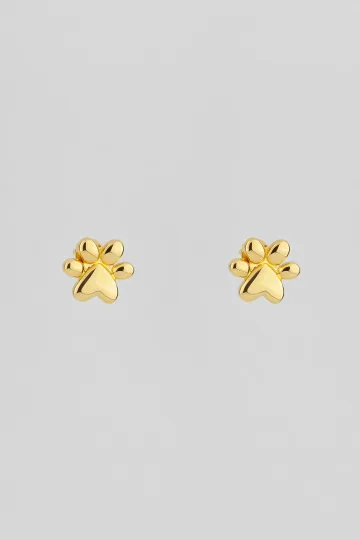
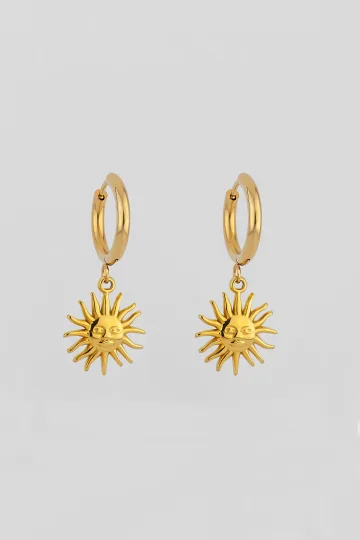
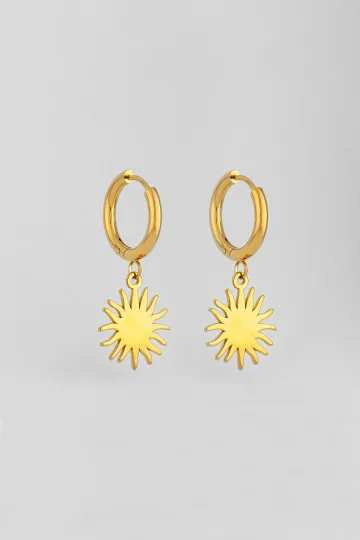
Wear the symbol, don't just read about it. These are in stock:



What a birth flower actually is
Every month of the year has a flower assigned to it, and sometimes two. January gets the carnation, February the violet, March the daffodil, and so it circles round to December. The list took shape in the Anglo-American tradition and is still very much alive: florists print it on cards, jewellers design pendants around it, and mothers give their daughters "your flower" for a birthday.
The idea is simple and lovely. A plant that blooms in your month, or is linked to it by old lore, becomes a personal symbol. Behind each flower trails a whole train of meanings: love, loyalty, hope, remembrance, renewal. These meanings were not invented yesterday. They grew out of watching nature, out of myth, out of religious feast days, and out of that very Victorian "language of flowers" we'll come to below.
One important caveat straight away: there is no single canon. Across countries, and even across different florists' guilds, the lists drift apart a little. August is a poppy in one place and a gladiolus in another. December sees holly and paperwhite compete for the spot. This is not an error or a muddle but a living tradition that was never a law. What follows is the most widespread version, the one you'll most often meet in the West.
The birth flower sits alongside birthstones by month and the wider world of nature symbols in jewelry. The difference is that a flower is softer, more personal, and almost always carries something warm: not "wealth" or "power" but affection, tenderness, a beginning.
Birth flower versus zodiac flower
The zodiac flower and the birth flower are often confused, though they are two separate systems. The zodiac flower is tied to the stretch between two dates and to the element of the sign: Aries is given bright wild blooms, Cancer the white and watery ones, Libra the rose for its love of harmony. The birth flower is simpler: it belongs to a whole calendar month, from the first day to the last, and does not split the month in half the way the zodiac does. If someone is born on the cusp between two signs, the birth flower clears up the confusion, because the month is always one and the same. Both traditions live happily side by side, and many people take both symbols at once: the month for clarity, the sign for character. Choose whichever speaks to you more by meaning.
Birth flower versus name-day flower
The birth flower is sometimes mixed up with a name-day flower, and these mark different occasions. A birthday is tied to the date you came into the world, while a name day honours the saint whose name you carry, and on the calendar the two usually fall apart. The birth flower is counted strictly from the month of birth, so it has no direct bearing on a name day. That said, nothing stops you from giving a name-day flower whose meaning fits, or one linked to the saint themselves: many plants in the European tradition bear the names of saints and of the Madonna. Lily of the valley and the carnation, for instance, were tied to the tears of the Virgin at the cross. So a single floral language serves both celebrations, even though they are reckoned by different calendars.
The name "birth flower" and where it comes from
In English, where the list originated, the flower of the month is called the birth flower, modelled on birthstone. From English greeting cards and florists' societies came both the month-and-flower pairs and their meanings. The list of blooms is remarkably stable from one English-speaking country to the next; only small details differ for months that carry two plants. Knowing the term is handy if you are shopping for a piece or a card: search "birth flower" and the same table of months comes up, whether you are looking at an American florist or a British one. The idea travels well precisely because it is compact, twelve months, twelve flowers, easy to hold in your head.
Which flower means love, hope, and remembrance
If you start from a feeling rather than a month, every mood has its flower. Love is above all the rose, and its shade refines the message: red for passion, pink for tenderness, yellow for friendship. Hope is held by the snowdrop and the paperwhite, both of which push toward the light in the darkest part of the year. Violet and honeysuckle answer for loyalty; poppy, aster, and chrysanthemum for remembrance, long laid down as a sign of parting and safe passage. Modesty belongs to the violet and lily of the valley; strength of character to the gladiolus; renewal and a fresh start to the daffodil. This kind of choosing is useful when the wish matters more than the calendar: you pick the flower for its meaning rather than the date, and the gift reads more precisely.
Why a flower's colour changes its meaning
For many flowers, the meaning is decided not by the shape but by the colour, and this is worth keeping in mind when you choose the enamel for a pendant. A red rose speaks of passion, a white one of purity, a pink one of gentle affection, a yellow one of friendship rather than love. A white carnation is tied to luck and purity, a red one to ardent feeling, a pink one to a mother's tenderness. Even the poppy shifts its tone: scarlet reads as remembrance, while softer shades read as sleep and imagination. So the colour of a flower on a piece of jewellery carries a message of its own, chosen as deliberately as the bloom itself. Warm yellow metal amplifies the sunlit meanings; cool silver underlines the whites and blues with their themes of purity and dignity.
Wear your flower to your skin, not your mood: gold on warm, silver on cool. Get it wrong and it wilts at your throat.
What to wear a birth-flower pendant with
Over years on shoots and styling sessions the birth-flower pendant has passed through dozens of looks with me. I've gathered here what actually works, by occasion.
How do I match the metal to the skin? The first thing I look at is the skin's undertone, not a favourite colour. For warm skin I recommend gold: a gold daffodil, rose, or marigold seems to glow from within on it. For cool skin I advise silver, it gives a clean graphic outline and holds the white and blue flowers beautifully, lily of the valley, violet, larkspur. If the undertone is neutral, I choose by the flower itself: a warm flower under gold, a cool one under silver.
What length, and for which neckline? I choose the length for the neckline, not the other way round. For an open V-neck I recommend a longer pendant, around 45 to 50 cm, so the flower falls into the open zone by the collarbones, which is its best position. For a closed high collar I advise a shorter chain, 40 to 42 cm, so the flower lies on the fabric and reads rather than hiding under the collar. A large enamel flower does well on a smooth plain top; a small silhouette lives quietly under a shirt.
Coloured enamel or plain metal? It depends on how loudly you want to sound. For a bright accent I choose enamel in the plant's true colour: a yellow daffodil, a scarlet poppy, a blue larkspur. Translucent plique-a-jour enamel lets light through and makes the petal seem alive. For a restrained everyday look I recommend plain metal with no colour, or a fine engraved silhouette; such a flower does not argue with the clothes and is at home anywhere.
And how do I dress it for an event or a shoot? For an event or a shoot I choose a single flower as an accent on a smooth fabric in a rich colour: wine, emerald, black. A gold or enamel flower catches warm light and reads well on camera. One piece of advice: don't drown the flower in a thicket of five pendants, it needs its own line. If you want layers, leave the flower its own length of line so it isn't lost among the other chains.
How do I choose a flower as a birthday gift? Here precision wins. I recommend taking the flower of the exact month the person was born in, a ready personal hit with no guessing at taste. If the recipient is indifferent to jewellery, I advise a slender silver pendant with a flower silhouette and an engraved date: the meaning reads at once, and the piece does not press with luxury. For a loved one who enjoys colour, I choose a brighter enamel flower. And remember that the flower is flexible by occasion: from a small token of attention to a serious gift for a milestone, the symbol stays the same.

Turn on your camera, pick earrings, a pendant or a ring, and see the piece on yourself in real time.
Switch items in one tap.
Everything runs in your browser: no photo or video is ever uploaded.
Each month's flower and what it means
January: carnation and snowdrop
The carnation blooms when almost nothing else does. That is exactly why it was cherished: a flower of midwinter that holds its shape and colour where the rest give up. In the language of flowers the carnation means admiration and deep affection. Red speaks of love, white of purity and luck, pink is tied to a mother's tenderness. Early Christians held that the pink carnation sprang from the tears of the Virgin.
The second January flower, the snowdrop, is about hope. It breaks through the snow first of all, before spring proper, and so became a symbol of renewal and of the dark stretch coming to an end. Old European lore called the snowdrop a flower of consolation: by legend an angel turned the first snowflakes into it, to give the exiles from Eden a sign that winter is not forever. That is why it is so often given to someone passing through a hard time.
January's birthday people are well suited by the carnation and snowdrop: those who begin the year with a clean slate, who value endurance and can hold on through the cold. A carnation pendant or a slim silver snowdrop suits the person who does not shout about themselves yet does not break. The carnation, moreover, is the flower of Mother's Day in many countries, so a January piece easily becomes a token of thanks to a mother, too.
February: violet and primrose
The violet is small and modest, grows low to the ground, and hides easily in the grass. For exactly this it was made a symbol of modesty, faithfulness, and quiet devotion. In ancient Greece the violet was linked to Athens and worn as a sign of constancy. The Victorians gave a violet when they wanted to say "I will be true" without spelling it out.
The primrose, February's second flower, is among the first to bloom, and in the language of flowers it means youth and first love. Its name comes from the Latin primus, "first." In English folklore a path of primroses was thought to be the road to the fairy world, and the flower itself a charm against sorrow at the darkest end of winter.
February's birthday people wear these flowers well: fine-natured, reliable people, those who do not chase attention yet are deeply loyal to their own. A violet in enamel or a primrose engraved on a pendant reads as a promise of constancy, calm and without fuss. The small size of both flowers is an advantage in jewellery: a slender pendant sits close to the throat and wears nicely under the high collar of winter clothes.
March: daffodil
The daffodil is the official herald of spring. It shoots up in yellow while the ground is still bare, and so around the world it means a new beginning, rebirth, and the arrival of warmth. In Wales the daffodil is the national flower, pinned on St David's Day. In China, a daffodil in bloom for the New Year is read as a sign of luck and prosperity for the whole year.
A graceful piece of lore attaches to the daffodil's meaning: it should be given as a bunch, not a single stem. One daffodil was said to bring bad luck, while an armful promised joy and plenty. The flower's name reaches back to the Greek myth of Narcissus, the youth who gazed too long at his reflection in the water; but over time the bright sense of spring crowded out the story of self-love, and today the flower reads as a clean wish for a fresh start.
March's birthday people suit the daffodil by temperament: optimists, those who know how to begin again and lean toward the light. A jeweller's daffodil with an open cup looks generous and spring-like, especially in yellow gold. The flower's shape, with its raised central crown, gives the maker a beautiful depth, and the warm metal underlines the sunny character of March.
April: daisy and sweet pea
The daisy looks like a child's drawing of the sun: white petals around a yellow centre. For that plainness it became a symbol of innocence, purity, and true love. There is an old belief that the daisy "keeps a secret," from which comes the game of "loves me, loves me not," told off on the petals. The English word daisy comes from "day's eye," because the flower closes at night and opens at dawn.
April's second flower, the sweet pea, smells so strongly and sweetly that it is given as a sign of gratitude and gentle farewell, "thank you for a lovely time." April's birthday people wear these flowers well: sincere, easy-going people who carry spring in them the year round. A daisy in enamel or a sweet-pea pendant suits the person who values simple beauty without clutter.
May: lily of the valley and hawthorn
Lily of the valley is tiny yet scents a whole room. Its white bells became a symbol of the return of happiness, of purity and humility. In France, sprigs of lily of the valley are given for luck on the first of May, a custom that has lasted more than a century. In Christian legend the flower grew from the tears of the Virgin at the cross, hence its second name, "Mary's tears."
Hawthorn, May's second flower, foams white and pink at the height of spring. For the Celts it was tied to hope and springtime love, and hawthorn branches were hung to protect the home. In the English tradition, flowering hawthorn was at the heart of the May Day festivities that welcomed spring, and it was known simply as the "May tree."
May's birthday people suit these flowers in spirit: modest, bright people, those who bring warmth into a room just by walking in. Lily of the valley with a scatter of tiny bells looks lovely in silver, delicate and spring-like. A row of small blooms along the curve of a pendant gives a gentle rhythm that catches the light with every movement.
June: rose and honeysuckle
The rose is the queen of flowers and the most meaning-laden bloom in history. Its chief meaning is love, but the shade decides the nuance: red for passion, white for purity, pink for tenderness, yellow for friendship. The rose has kept company with people for thousands of years, from Roman feasts to medieval coats of arms, and remains a universal token of feeling.
Honeysuckle, June's second flower, twines and embraces its support, which made it a symbol of strong bonds, devotion, and happiness in the home. Its sweet evening scent added the meaning of tender, lasting love. In Victorian gardens honeysuckle was planted by the threshold and over the door: its embrace was thought to guard the house and keep the love of those within.
June's birthday people wear these flowers well: romantics, warm and affectionate people in the best sense. A rose in jewellery is a timeless classic: a bud pendant, a rose ring, an engraving, all read instantly and without explanation. The number of petals plays its part, too: a half-open bud speaks of a feeling just beginning, a fully opened rose of mature love.
July: larkspur and water lily
Larkspur, also called delphinium, rises upward in tall blue and violet spires. In the language of flowers it means lightness, an open heart, and a positive outlook, and the blue shade adds dignity and nobility. The name "delphinium" comes from the Greek for dolphin: the bud resembles a dolphin's head in shape.
The water lily, July's second flower, opens on the water in the morning and closes toward evening. Its symbolism runs deep, purity of heart and enlightenment: in Buddhism and in Egyptian culture the related lotus stands for spiritual awakening, rising from dark water into the light. The Egyptians saw in the flower's opening at dawn an image of the rising sun, and so linked it to birth and the renewal of each day.
July's birthday people suit these flowers by character: cheerful, open people with a clear heart. Blue enamel larkspur or a mother-of-pearl water lily adds cool summer depth to a piece. Mother-of-pearl is especially fitting here: its wet sheen echoes the water the flower rests on and makes a pendant look cool even in the heat.
August: gladiolus and poppy
The gladiolus grows tall and straight, like a blade. Its name comes from the Latin gladius, "sword," which is why it is nicknamed the sword lily. In the language of flowers the gladiolus means strength of character, honour, and loyalty, and also a "pierced heart," a hint at deep infatuation. The Romans linked the flower to gladiators and to steadfastness in battle.
The poppy, August's second flower, carries a double meaning. On one side, imagination and consolation; on the other, eternal sleep and remembrance: the scarlet poppy became a symbol of memory for the fallen. In antiquity the poppy was tied to the gods of sleep for its soporific power, and the Greeks placed it beside images of Hypnos and Morpheus. The same poppy that lulls also brings vivid dreams, hence its link to fantasy and creativity.
August's birthday people wear these flowers well: strong-spirited, direct people with an inner backbone. The gladiolus gives a beautiful vertical to a pendant design, and the poppy a rich scarlet accent. The contrast of August's two flowers plays out nicely in a pair: the strict form of the gladiolus and the soft, crumpled petal of the poppy complement each other, like strength and feeling in one person.
September: aster and morning glory
The aster looks like a small star, which is built into its very name: aster means "star" in Greek. By legend, asters grew where a goddess's starry tears fell to earth. In the language of flowers the aster means wisdom, faith, and love, and it was also laid on graves as a sign of remembrance and a wish for safe passage. In autumn, as summer fades, the aster keeps the garden in bloom.
Morning glory, September's second flower, opens at dawn and withers by evening of the same day. For that brevity it became a symbol of fleetingness, of tender affection, and of the truth that beauty must be cherished now. In the Victorian language of flowers, morning glory also stood for the ties that bind two people, from the plant's habit of winding around everything nearby.
September's birthday people suit these flowers in spirit: wise, thoughtful people, those who see beauty in the calm fading of the year. A star-shaped aster sits beautifully in a geometric pendant with clean rays, while the morning glory suits a soft, airy form with an open cup. The pairing of the strict aster and the soft morning glory captures September's doubleness well, where summer is already saying goodbye and autumn is only stepping in.
October: marigold and cosmos
The marigold burns orange and yellow right up to the frosts. It is called the flower of autumn's sun: it means warmth, creativity, and devotion, and it opens and closes following the sun. In Mexico the marigold's close relative is the flower of the Day of the Dead, its petals strewn to lay a path of remembrance home.
Cosmos, October's second flower, takes its name from the Greek kosmos, "order and harmony." Its petals are laid out so evenly and symmetrically that the ancients saw in it an image of universal balance. In the language of flowers the cosmos means harmony, calm, and beauty in balance. October's birthday people wear these flowers well: warm, creative people, those who bring both colour and order into life. An orange enamel marigold sounds autumnal and generous, while the slender cosmos with its even petals works beautifully in a graphic, almost geometric pendant, where the clean symmetry of the form matters.
November: chrysanthemum
The chrysanthemum blooms when the garden is already going to sleep, and it holds on until the cold. For that endurance it is loved at two ends of the earth in wholly different ways. In Asia the chrysanthemum is a symbol of the sun, longevity, and joy: in Japan it is the flower of the emperor and the highest state honour, and the autumn chrysanthemum festival has been kept for centuries. In Europe the flower is more often tied to remembrance and brought to cemeteries on All Saints' Day.
In the language of flowers the chrysanthemum means friendship, abundance, and long, faithful affection. Its lush, many-layered bloom looks rich and festive. The name itself translates from the Greek as "golden flower": the first chrysanthemums Europe came to know were yellow and sunlit, a match for the month on the threshold of winter.
November's birthday people suit the chrysanthemum by character: loyal friends, steadfast people, those who bloom when the rest have already hidden away. A chrysanthemum with its many petals gives the jeweller a beautiful texture, full and tactile. Such a flower is at its best in a full pendant, where the layers of petals catch the light differently and the piece comes alive with every movement.
December: paperwhite and holly
The paperwhite is a white tazetta narcissus that blooms right into winter, often for Christmas itself. Its delicate white stars with their strong scent became December's symbol of hope, renewal, and faith in something better in the middle of the darkest month. Unlike its yellow spring cousin, the paperwhite is white all over and especially at home in a winter setting.
Holly, December's second symbol, is all evergreen glossy leaves and scarlet berries. Its branches decorate homes for the winter holidays across Europe, and the custom reaches back to pre-Christian rites of guarding the hearth in the dark season. The Romans gave holly branches at Saturnalia as a wish for good health, and the Celts believed the evergreen kept life safe while the rest of the forest slept.
Holly means protection, endurance, and the warmth of home amid the cold. December's birthday people suit these symbols: people who hold the light and the warmth when there is frost all around. A white paperwhite is lovely in enamel, and holly with its scarlet berries makes a festive, warm pendant. The pairing of dark green leaf and red berry gives a ready-made dressy palette, especially fitting in a gift for the winter holidays.
Customer reviews
Zevira is a real jewellery shop. Genuine payments, deliveries and customer thank-yous.
🥰🥰🥰 gracias
Ok, ¡gracias! 🙂
The history of the tradition: where the birth flower came from
The Victorian language of flowers
The chief source of the tradition is floriography, the "language of flowers," which flourished in nineteenth-century Britain and France. In an age when speaking of feelings plainly was thought improper, people learned to say things with bouquets. Each flower carried a fixed meaning, and the combination of flowers, their colour, and even which hand you offered a bunch with added up to a whole message.
Floriography was so popular that special flower dictionaries were published, dozens of editions, by which young women composed and decoded bouquets. The rose for love, the violet for faithfulness, the gladiolus for strength, the poppy for remembrance. It was from these dictionaries that the meanings passed into the birth-flower lists, when someone had the idea of assigning each month its own bloom on the model of the birthstones.
Roman and folk roots
Floriography invented not the meanings but the system. The meanings themselves are far older. The Romans decked their feasts with roses and dedicated flowers to the gods: the rose to Venus, the poppy to Ceres and to the gods of sleep, the laurel to Apollo. European folk lore linked flowers to the time of their blooming: the snowdrop with the end of winter, the hawthorn with the height of spring, the chrysanthemum with the threshold of the cold.
Much meaning came from the Christian tradition. Lily of the valley and the carnation were tied to the tears of the Virgin, the lily to purity, the rose to heavenly and earthly love at once. The church calendar of feasts overlaid the calendar of blooming, and gradually each season, and then each month, gained its own patron flower.
How the list settled
The list we know took shape in Anglo-American culture in the late nineteenth and the twentieth centuries, largely through the efforts of florists' societies and card publishers. They took the old meanings, matched them to the time of blooming, and set them out in a convenient month-and-flower table. So the tradition passed from blurred folklore into a ready list, handy for the florist and the jeweller alike.
This is exactly why the canon is flexible. Different guilds and countries ended up with slightly different tables: in some a month has one flower, in others two, and sometimes three plants compete at once. There is no single "correct" list and there cannot be, because the tradition grew from the ground up, out of folk lore, rather than being handed down from above as one law.
Upload a photo of your pet, someone you love, or an object. We'll build a 3D model and hand-cast it in pewter.



How a birth flower differs from a birthstone
The birthstone and the birth flower are two parallel traditions, and they are worth keeping apart. The birthstone leans on old lists of precious stones, whose roots reach to the breastplate of the high priest in the Bible and to astrology. The flower grew from folk lore and the language of flowers. One is about minerals, the other about plants, yet they work alike: they tie a personal symbol to the month of birth.
The difference is also in the character of the meanings. Stones more often speak of protection, wealth, health, strength: sapphire of wisdom, ruby of passion, emerald of loyalty. Flowers are almost always softer and warmer: hope, modesty, affection, renewal, remembrance. If a stone is a coat of arms, a flower is a handwritten note.
There is a practical difference, too. A stone in jewellery is dearer and more durable; it is chosen as an investment and a family heirloom. A flower is more flexible in design: it can be painted in enamel, engraved, cast in metal, and such a pendant usually reads more readily as a personal, warm gift. Many people love to join the two symbols: the birthstone in a setting and the petals of its flower around it.
It is also worth remembering that a flower is clearer without a prompt. Not everyone recalls that garnet is January's stone, but almost anyone recognises a carnation. So the flower often wins as a gift for someone far from the world of minerals: the meaning reads at a glance, with no tables or explanations. And the person who loves both collects a pair, where the stone answers for shine and status and the flower for warmth and story.
Which to give, a flower or a birthstone
The choice between a flower and a birthstone comes down to the person and the occasion. The stone wins when you need a gift for a milestone date, a family heirloom, or a piece valued as an investment: it is durable, dear, and carries status. The flower wins by softness and clarity: its meaning reads without a table, anyone recognises a carnation or a rose, and warm senses like tenderness and hope sit closer to the heart than "wealth" or "power." If the person is far from the world of minerals, a flower almost always lands more accurately. For an anniversary or a wedding a stone is more fitting; for a heartfelt token of attention, and for a gift to a mother or a friend, a flower. And whoever wants both symbols joins them in one piece: more on that below.
A flower and a stone from the same month in one piece
Flower and birthstone work most beautifully together, in one piece. The maker sets the month's stone at the heart of the month's flower: garnet in January's carnation, emerald in May's lily of the valley, ruby in July's rose by the Western stone list. The result is a double talisman, where the plant answers for warmth and story and the mineral for shine and light. The trick is especially good in a pendant or a ring: the petals frame the stone like a setting, and the piece reads at once in two languages, floral and mineral. For a family gift, several pairs are gathered in one piece, a flower and a stone for each child, and the pendant turns into a small chronicle of the family kept at the heart.



How the birth flower folds into jewellery
The flower pendant and enamel
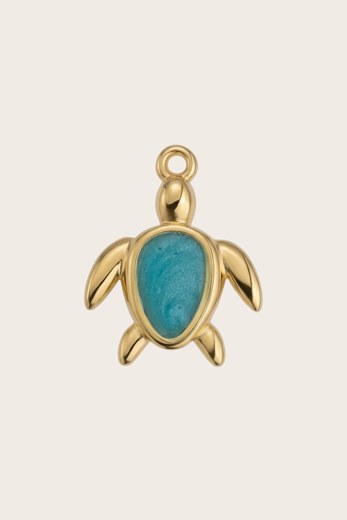
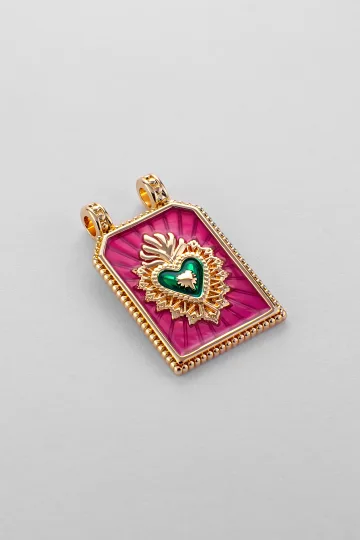
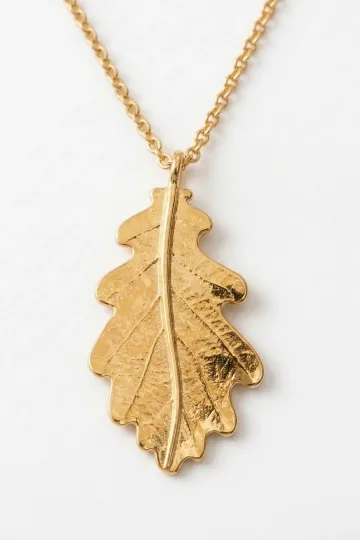
The most direct way to wear your flower is a pendant in its shape. Jewellers cast the petals in gold and silver and add colour with enamel: yellow daffodil, blue larkspur, scarlet poppy, white lily of the valley. Enamel is indispensable here, because only it conveys the true colour of the flower. The plique-a-jour technique lets light through translucent enamel and makes the petal seem alive, half-transparent, like the real thing.
The flower's shape suits the jeweller: it is symmetrical, scales well from a tiny stud to a large pendant, and plays beautifully with light. A slender gold flower on a chain looks restrained and works for every day, while a large enamel flower brooch becomes a bright accent on a plain fabric.
Engraving and personalisation
You need not wear the flower literally. Often the more elegant choice is engraving: the silhouette of a flower on the back of a locket, a fine outline on a ring, a scatter of small petals along a pendant. Engraving adds a second layer: jewellery on the outside, a personal sign on the inside that only you see.
Personalization is what makes the birth flower such a fortunate gift. To the flower's silhouette it is easy to add a date of birth, an initial, or a short word. The result is a piece you cannot buy by chance: it is assembled for a particular person and their month. It is worth remembering how floral images fit into the wider dictionary of jewelry symbols: the flower reads instantly, without explanation, and that is its strength.
Metals and stones
Warm gold befriends the warm flowers: daffodil, marigold, rose. Cool silver underlines the whites and blues, lily of the valley, violet, larkspur. For a person with a warm skin undertone a gold flower will glow; for a cool undertone silver gives a cleaner, more graphic look.
Stones add depth to the colour. A small ruby at the heart of a rose, a blue sapphire in a larkspur, a pearl drop in a lily of the valley. It is lovely to join a birth flower with the stone of the same month: the result is a double talisman, where plant and mineral amplify each other. For those who love texture, the petals are made matte and the centre polished, so the play of light underlines the form.
A ring and earrings with a birth flower
A pendant is not the only form for a birth flower. A flower ring is worn as an everyday sign: a small petal motif on the band or a single dimensional bloom in place of a stone. Earrings let a pair of matching flowers sway beautifully with movement and catch the light, especially if the petals are enamelled in the plant's true colour. For a ring, compact flowers with a clear form work best, daisy, violet, cosmos: they do not snag and hold their look for years. Earrings tolerate fuller motifs too, a rose or a chrysanthemum, where volume matters. Engraving suits here as well: a fine flower silhouette around the rim of a ring looks restrained and suits those who dislike anything showy. A ring and earrings are easily gathered into one set with a pendant of the same flower.
A bracelet and a brooch with a birth flower
A bracelet and a brooch give a birth flower more room than a slender pendant. On a bracelet, flowers are lined up in a row, one for each loved one, and the piece turns into a family charm on the wrist. A single flower charm on a bracelet chain works as a personal sign that is always in view. A brooch brings back the fashion of old portraits: a large enamel flower on a plain fabric becomes a bright accent and holds all the attention. For a brooch, full motifs with dimensional petals do well, chrysanthemum, rose, poppy, where the maker plays with light and texture. A bracelet prefers smaller, more even flowers, so the row reads cleanly. Both forms are easy to personalise with a date or initial on the back, and then the piece can no longer be bought by chance.
The birth flower as a tattoo
People wear their birth flower not in metal alone. A birth-flower tattoo has become a quiet way to fix a personal symbol for life, with no chain or clasp. Most often a fine, graphic silhouette of the month's flower is inked, sometimes with a date of birth or an initial beside it. Family versions are popular too: several flowers in one composition, one for each loved one, woven into a shared stem. The spot for the design is chosen to fit the character: the wrist and collarbone for a small silhouette, the forearm for a larger sprig. The meaning is the same as with a pendant: the carnation for affection, the daffodil for renewal, the lily of the valley for the return of happiness. The difference is that a tattoo is always with you and reads as a promise to yourself. For those not ready for a permanent design, the same motif is easily carried into jewellery and worn by mood, and the question of ink can be settled later.
A birthday gift
The birth flower is made for a birthday present. It is tied to the date literally, carries a warm meaning, and does not ask you to guess taste in stones or style. To give someone their flower is to say: I know when you were born, and I chose a sign just for you. This works even for a person indifferent to jewellery: the meaning reads at once.
Its flexibility of budget is convenient too. A slender silver pendant with a flower silhouette sounds as warm as a large gold one with enamel and a stone. The symbol is one and the same, and the form is chosen to fit the occasion and the wallet, from a small token of attention to a serious gift for a milestone date.
Month flowers in art and legend
Flowers in painting and embroidery
Long before florists' shops and jewellery catalogues, people already wore their flowers on fabric and kept them on canvas. Medieval ladies embroidered violets and lilies of the valley on kerchiefs, sewing into the stitches the same meanings that would later pass into the language of flowers: faithfulness, purity, remembrance. A bouquet in a portrait read like a signature: the painter placed a flower in a lady's hands to tell the viewer, without words, who she was and what she lived by.
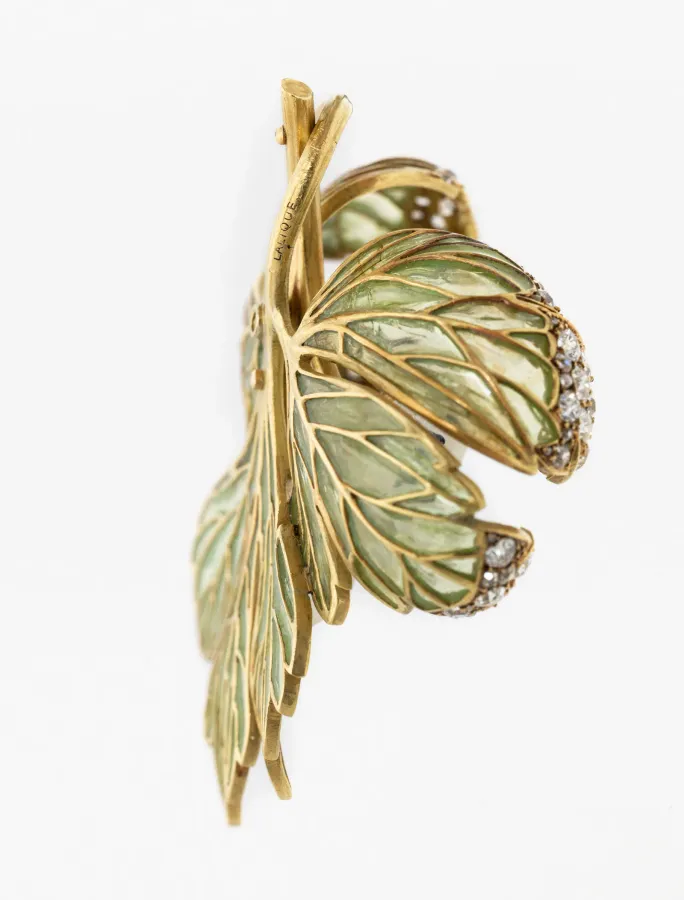
The Dutch still-life masters carried flower painting to its peak. In their lush bouquets a rose sat beside a poppy and a daffodil, and each flower carried its hint: the rose of love, the poppy of the fragility of life, the wilting tulip of how short beauty is. Later, in the Art Nouveau era, the flower returned in metal and enamel: jewellers modelled petals so precisely it was as if they had taken a cast of a living plant, and it was then that the flower pendant became a wearable work of art.
The legends behind the petals
Almost every month flower has its own legend, and it explains the meaning better than any dictionary. The daffodil, by the Greek myth, grew where a youth gazed too long at his reflection in the water, hence the tint of self-love that later gave way to the bright sense of spring and renewal. The aster, by another legend, sprouted from the tears of a goddess who looked from the earth toward the distant stars, and so carries the name "star."
Lily of the valley the Christian tradition tied to the tears of the Virgin at the cross, for which it was nicknamed "Mary's tears." The hyacinth, kin to many spring flowers, grew by myth from the blood of a slain youth mourned by a god. These stories are not decoration to the flower but its very heart: it was out of myth and lore that the meaning we pour into a pendant today was born.
Flowers in poetry and folk belief
Poets spoke in flowers for centuries, and the people echoed them in folk belief. The rose became the chief flower of love poetry, the violet was sung for its modest faithfulness, the poppy for sleep and forgetting. In village lore, flowers foretold weather and fate: the daisy closed before rain, and its petals told "loves me, loves me not." In France, lily of the valley is still brought on the first of May for luck, keeping a custom more than a century old.
Folk beliefs often diverged from country to country, and this is worth keeping in mind when you choose a flower as a gift. Where one people saw joy in a flower, another read sorrow. But it is exactly this many-layeredness that makes the birth flower a living symbol: behind it stands not one dry line but a whole chorus of voices, myths, and beliefs, which a person is free to hear in their own way.
Leave your email, we'll send your discount code. No spam, unsubscribe anytime.
The code arrives by email, valid on your first order.
Who the birth flower is given to
To a mother
For a mother, the birth flower is close to an ideal gift. You can take her own flower by her month of birth, or gather in one pendant the flowers of all her children: for a mother of two that is two flowers side by side, for a mother of three, three. Such a piece turns into a quiet family portrait she wears at her heart. The carnation, by the way, is itself the flower of Mother's Day in many countries.
To a friend
To a friend the flower is given as a sign that you see her and remember her date. Here the warm meanings work well: friendship in the chrysanthemum, affection in the aster, faithfulness in the violet. You can play on her character rather than the month alone: a bright enamel larkspur suits the bold, a slender silver lily of the valley the calm. The gift comes out personal with no risk of missing on size or taste.
To yourself
People buy their own flower for themselves, too, and there is nothing strange in that. It is a calm way to mark your own birthday and to wear a small personal sign every day. Many choose not their own month but a flower whose meaning is close in spirit: the hope of the snowdrop, the endurance of the gladiolus, the renewal of the daffodil. The symbol works as a quiet reminder of what matters to the person right now. Such a piece is handy to time to the start of a new stage: a change of work, a move, a recovery after a hard stretch, when you want to carry a quiet sign of change that only you can see and that works as a personal talisman of a new beginning.
To a partner and a loved one
The birth flower is good as a gift for a loved one, too, because behind it stands attention to a date rather than a chance pick at a display case. A partner is given their own flower or one with a close meaning: the rose for love, honeysuckle for strong bonds, lily of the valley for the return of happiness. A paired idea works beautifully: two flowers, his month and her month, in one pendant or a pair of pieces, a quiet sign that two are together. For a man the floral symbol is taken in a restrained form, an engraving on a locket or a strict silhouette, so the piece reads calmly. Such a gift speaks without words of attention to the person and their date, and there lies its strength for an anniversary or a first serious date.
For the birth of a child
The birth flower is a warm gift for the birth of a child, too. A baby comes into the world in a particular month, and that month already has its flower with a bright meaning: March has the daffodil and a new beginning, May the lily of the valley and the return of happiness, September the aster and wisdom. To a mother, as a memory of the birth, a pendant with the baby's month flower is given, and a date of birth is often added to it. When there are several children, the flowers are gathered together in one piece, and it grows along with the family. Such a gift outlasts the early years and stays with a person for a long time, unlike toys and clothes. Later the flower of their month can be passed to the child themselves, when they have grown.
To a bride and for a wedding
The birth flower finds a place at a wedding, too. A bride is given a pendant with her own flower as a quiet personal talisman under the dress, and sometimes the same flower is woven into the bouquet, to tie the jewellery and the flowers to one theme. For a couple the idea of two flowers is lovely, the groom's month and the bride's, joined in one piece as a memory of the day. The meanings chosen here are bright: the rose for love, lily of the valley for happiness, honeysuckle for the strength of bonds, hawthorn for spring hope. The gift is fitting from parents, from guests, and from the groom to the bride on the morning before the ceremony. Unlike a bouquet, which will wilt, a flower in metal stays with the couple for years and is easily finished with an engraving of the wedding date.
To a colleague, a teacher, and for a housewarming
The birth flower helps out where a personal gift seems risky: to a colleague, a teacher, a neighbour at a housewarming. Here you take the neutral warm meanings and a restrained form, so the gesture reads as attention rather than a hint. For a colleague, a slender pendant with the silhouette of her month flower or an engraving with no bright enamel suits the occasion. For a teacher, a flower with the meaning of gratitude, like the sweet pea, or a chrysanthemum as a sign of respect, is fitting. At a housewarming you give the host's flower or holly, whose meaning is protection and the warmth of the hearth. Such a gift does not press with closeness and yet shows that you learned the person's date or character. Its small size and calm metal make it at home in any setting.
Which flower to give by date of birth
To choose a flower by date of birth, it is enough to know the month; the day and year are not needed. See in which month the person was born, and take the flower assigned to that month from the list; and if the month has two, choose the one whose meaning is closer. Born in January, give a carnation or a snowdrop; in June, a rose or honeysuckle; in November, a chrysanthemum. Then match the form to the person: an enamel flower in colour for bright natures, a fine engraving for the restrained. If the formal month flower does not appeal, nothing stops you from taking a flower with the right meaning from another month, because the list is a frame, not a law. A date of birth added on the back makes the gift named and precise.
The birth flower as a birthday gift
The birth flower seems made for a birthday: it is tied to the date literally and carries a warm wish with no extra words. To give someone their flower is to show that you remember when they were born and chose a sign just for them, not the first thing that came to hand. This helps when the person is indifferent to jewellery or to stones: the flower's meaning reads at once, with no explanation. Its flexibility of budget is convenient, too: a slender silver pendant with a silhouette sounds as warm as a large gold flower with enamel. A date or a short word is easily added to the gift, and then the piece becomes truly personal. For a milestone date the birth flower is often joined with the stone of the same month.
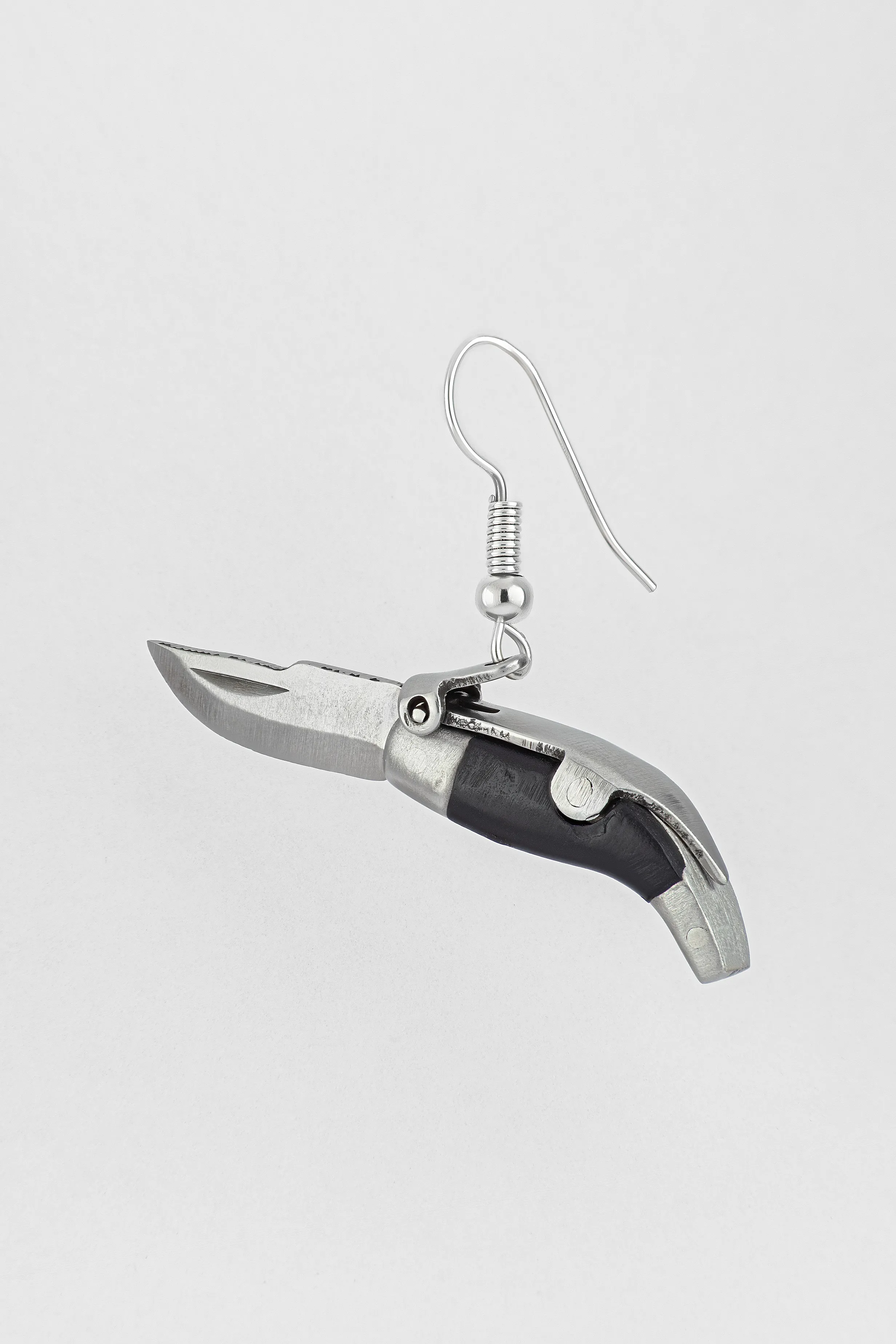
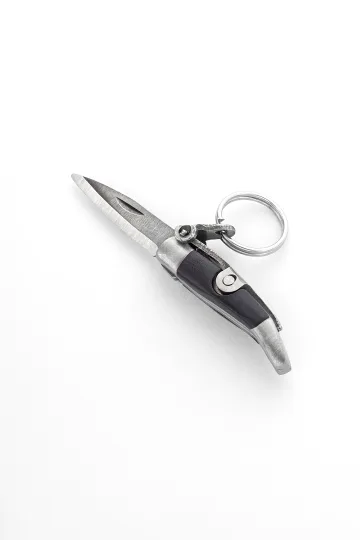
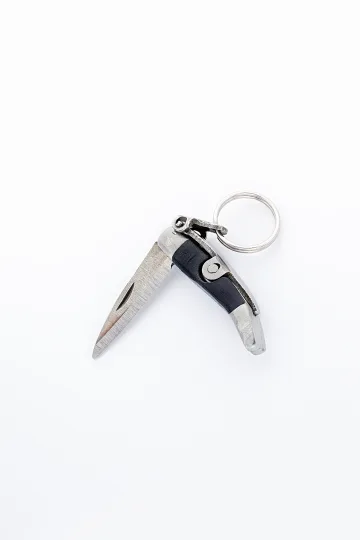
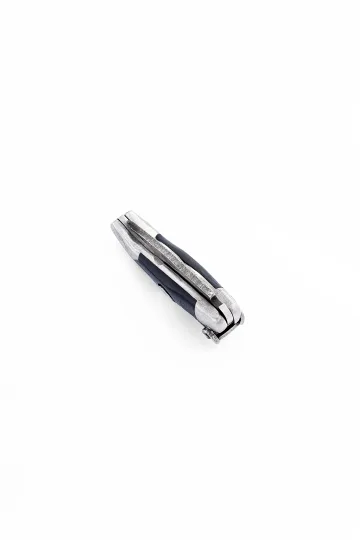
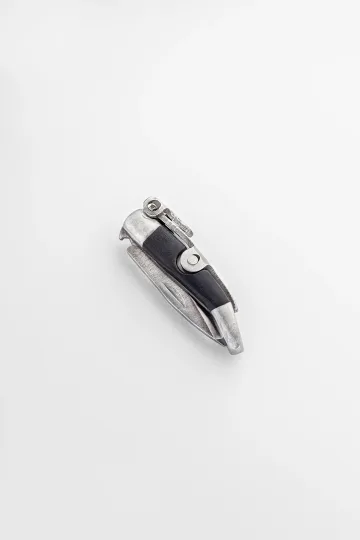
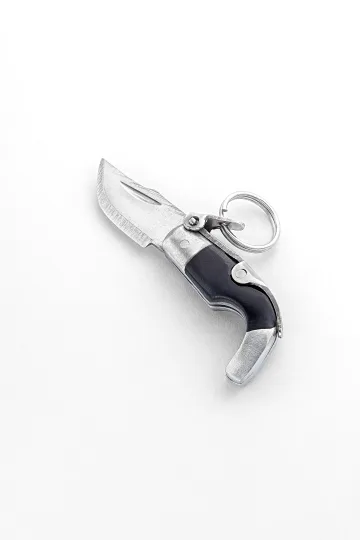
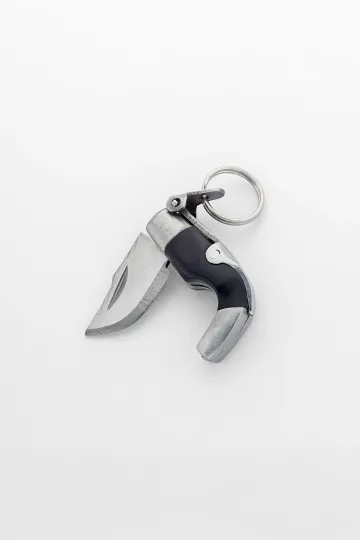
CAPAORA mini knife pendant
The 18th-century Spanish navaja in miniature: 40 mm of stainless steel, a real folding mechanism and a Palanquilla lock that clicks. An affordable gift to remember.
Authentic · Ships from Spain · 14-day returns
Traditions differ by country
It is worth repeating honestly: there is no single list. What is August's flower in one country is July's in another, and somewhere the month has an altogether different plant. The English and American canons most often agree, but even they part in the small things, especially where a month has two competing flowers.
The meanings differ too. The chrysanthemum in Japan is joy and a symbol of the emperor, while in France and Italy it is carried to the cemetery, and a bouquet of chrysanthemums there might be taken the wrong way. The poppy is imagination and consolation for some, a solemn symbol of memory for the fallen for others. Even the carnation, a warm Mother's Day flower in some countries, is considered an unlucky gift in others.
The conclusion is simple: the birth-flower list is not a law but a lovely frame. If your personal flower is closer in meaning than the one formally assigned to your month, take the one that speaks to you. The tradition was always about feeling, not about a code of rules, and in that lies its warmth.
The birth flower in the East
The East has its own optics on month flowers, and they sometimes part from the Western view. In Japan the chrysanthemum is a symbol of the sun, longevity, and the imperial house, not a memory of the fallen as in part of Europe, and the autumn chrysanthemum festival has been kept there for centuries. In China the daffodil, blooming for the New Year, is held to be a sign of luck and plenty for the whole year, and it is given with the kindest of meanings. The lotus, kin to the Western water lily, means in the Buddhist tradition spiritual awakening and a purity risen from dark water into the light. So the same flower is read differently at different ends of the earth, and a gift abroad is worth checking against the local custom, so that a warm gesture is not misunderstood.
The flower of the week and the flower of the birthday
Besides the month flower there are finer systems too: the flower of the week and even the flower of the birthday. They are younger and less settled, often invented by florists and calendar-makers for a particular market, so there is no single list here at all. The idea is the same: to tie a plant to a stretch of time and give it a meaning. In practice the flower of the day never really caught on, the division being too fine, while the month flower stays the handiest: there are exactly twelve months, the list is easy to remember, and it lines up with the familiar calendar of birthstones. So if you want a personal floral symbol, it is safer to keep to the month: the tradition is older, steadier, and clearer to the florist, the jeweller, and the person receiving the gift. The finer systems are best taken as a game and a pleasant extra, not a replacement for the familiar table of months, on which flower cards, jewellery catalogues, and family gift traditions around the world all rest.
Myths and truth about the birth flower
Send a friend a discount code, they save on their first order.
Facts that surprise
One daffodil for misfortune, a bunch for luck. An old British belief warns never to give a single daffodil: it was thought to bring bad luck. A whole armful, by contrast, promised joy and plenty for the whole year.
The gladiolus is named after a sword. Its name comes from the Latin gladius, the short Roman sword, because of the shape of its long, sharp leaves. Its folk name, "sword lily," says exactly the same.
The daisy is the "day's eye." The English word daisy contracted from "day's eye": the flower closes its petals at night and opens them at dawn, as if blinking after the sun.
The chrysanthemum is Japan's highest honour. The Order of the Chrysanthemum is the oldest and most honoured state award of the country, and the flower itself is the symbol of the imperial house. The imperial throne in Japan is even called the Chrysanthemum Throne.
The aster grew from starry tears. By Greek legend the aster flowers sprouted where the tears of a goddess gazing at the stars fell to earth. Hence the name: aster means "star" in Greek, and the shape of the flower is indeed a star.
The larkspur is a little dolphin. The Latin "delphinium" was given to the flower for the shape of its unopened bud: the ancients saw a dolphin's head in it. The same plant carries two different names, larkspur and delphinium.
The cosmos is named after the order of the universe. The Greek kosmos means order and harmony. Botanists gave the flower the name for its flawlessly even, symmetrically arranged petals, seeing in it an image of universal balance.
In France lily of the valley is given once a year for luck. On the first of May the French exchange sprigs of lily of the valley, and on that day it may be sold even without a license. The custom is more than a century old.
Frequently asked questions
What is a birth flower?
It is the flower assigned to the month you were born in, like a birthstone but from the world of plants. Every month has its flower, sometimes two, and each has its meaning: love, hope, faithfulness, remembrance. The tradition grew out of folk lore and the Victorian language of flowers, where people declared their feelings with plants.
Which flower belongs to those born in March?
March's flower is the daffodil, the herald of spring and a symbol of a new beginning, rebirth, and luck. By old lore it is best given as a bunch rather than singly. For March birthdays the daffodil reads as a wish for a bright start and prosperity, especially in yellow gold.
How does a birth flower differ from a birthstone?
The birthstone leans on old lists of precious minerals and more often speaks of protection, strength, and wealth. The flower grew from the language of flowers and carries warmer, more personal meanings: tenderness, affection, renewal. The stone is dearer and more durable, the flower more flexible in design and more readily read as a heartfelt gift. Many join the two symbols in one piece.
Does every month really have only one flower?
Not always. Some months traditionally have two flowers: January the carnation and snowdrop, April the daisy and sweet pea, May the lily of the valley and hawthorn. It came about because the lists were assembled from different folk beliefs and florists' guilds. You can choose whichever of the two is closer in meaning.
Can a birth flower be given to a man?
Yes, and floral symbols were historically worn by people of any sex. The gladiolus means strength of character and honour, the poppy remembrance and endurance, holly the protection of the home. In a man's piece the flower is usually taken in a graphic, restrained form: an engraving on a locket, a strict silhouette on a signet, dark enamel. Scale and the character of the piece matter.
Are the birth-flower lists the same everywhere?
No. The English and American versions most often agree, but in detail the canons diverge, especially for months with two flowers. The meanings differ too: the chrysanthemum is tied to remembrance in the West and to joy and the sun in Japan. There is no single law, and that is normal: the tradition grew from folk custom.
Which piece of birth-flower jewellery should I choose as a gift?
Start from the person. For a mother, a piece with the flowers of all her children in one pendant is good. For a romantic nature, an enamel flower in colour; for a restrained one, a fine engraved silhouette. Warm skin undertones suit gold, cool ones silver. Adding a date of birth or an initial turns the piece into a gift that cannot be bought by chance.
Do I have to wear my own flower by month?
No. The list is a lovely frame, not a rule. If the endurance of the gladiolus or the renewal of the daffodil is closer in meaning than the flower formally assigned to your month, take the one that speaks to you. The tradition was always about feeling, so personal meaning matters more than the calendar.
Flower pendants, enamel pieces, symbolism, engraving, and paired sets in silver and gold.
Conclusion
The birth flower is a warm, almost forgotten way to tell someone you remember their date and chose a personal sign for them. Behind each flower trails its own meaning: the hope of the snowdrop, the faithfulness of the violet, the renewal of the daffodil, the endurance of the chrysanthemum. These meanings were not invented by marketers; they grew out of folk lore, myth, and the old language of flowers.
The beauty of the tradition is in its softness. The birthstone speaks of wealth and protection, while the flower speaks of tenderness, affection, and a beginning. It is easy to fold into jewellery: cast it in metal, paint it in enamel, engrave a silhouette, add a date. The result is a piece worn every day, one that quietly reminds you of something your own.
And if the flower formally assigned to your month is not close to you, take the one whose meaning speaks. The list was never a law. It was always about feeling.
Flower pendants, enamel lockets, birth-month symbolism, and personal engraving in silver and gold.
Buying it as a gift? Each one arrives ready to give.
 A branded Zevira box and a little card come with every order.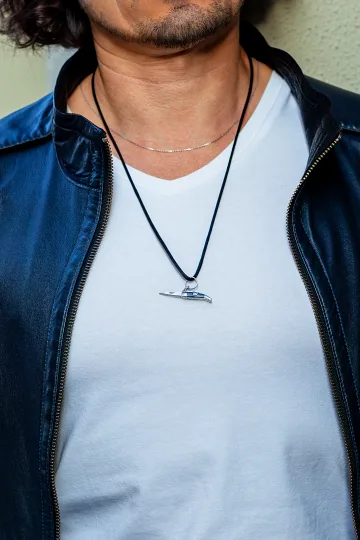







About Zevira
Zevira makes jewellery in the artisan traditions of Albacete, Spain. Floral and natural motifs are one of the main languages of our collections: behind each flower stands a specific meaning, which we try to convey exactly, leaning on the history of the symbol rather than approximately.
What you can find with us on the theme of the birth flower:
- Flower pendants with finely worked petals in silver and gold
- Enamel pieces in the plants' true colours, from yellow daffodil to blue larkspur
- Lockets and rings with an engraved flower silhouette for personalisation
- Paired and family pendants with the flowers of all the children, for a mother
- Combinations of a flower and a stone from the same month in one piece
Personal engraving and the addition of a date are possible. Sterling 925 silver and 14-18K gold.