Children's Jewelry: Safety, Style, and Developing Taste
The Psychology of Jewellery: When Mom's Bracelet Becomes Your Own Identity
A three-year-old girl borrows her older sister's bracelet and wears it all day. She won't take it off. For her, it's not about looking pretty. It's about stepping into the adult world, saying "I'm ready to be beautiful, to choose, to care for something." Psychologists know this: children's jewellery isn't about appearance. It's about identity, responsibility, and the right to make choices about their own body.
But here's where parents freeze with anxiety. How do you choose a piece that won't injure? Won't get lost in the first week? Won't look cheap or, worse, look like you spent too much on something a child might outgrow in months? Which materials are safe when kids still chew on everything? How do you navigate the gap between wanting to nurture their emerging sense of style and protecting them from actual harm?
This guide covers everything: from toxicity of materials to age-appropriate choices, from first bracelet to investment pieces for teenagers, from school dress code to hypoallergenic solutions for sensitive skin.
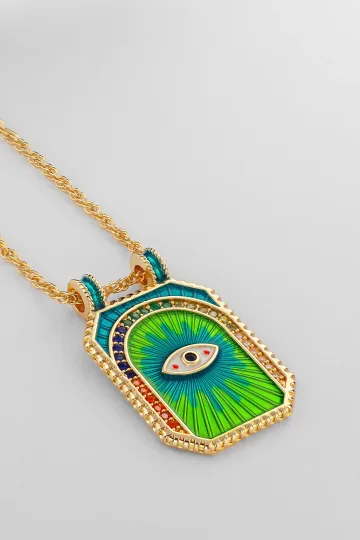
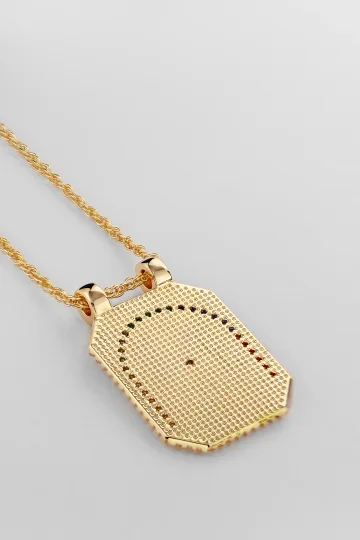
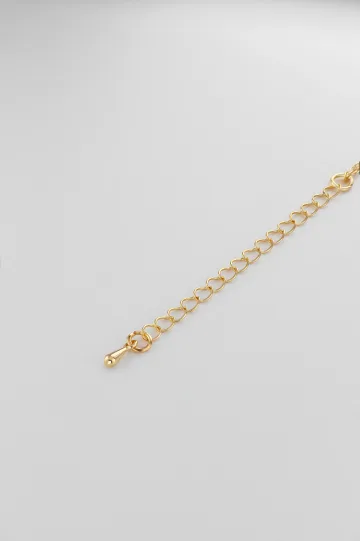
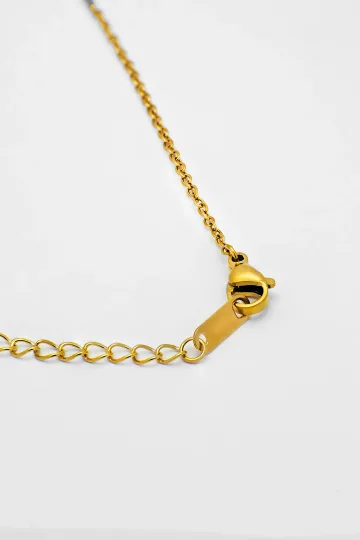
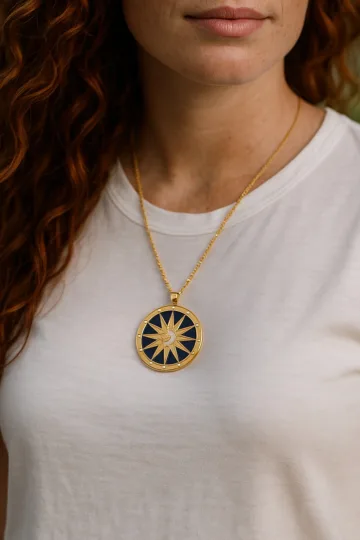
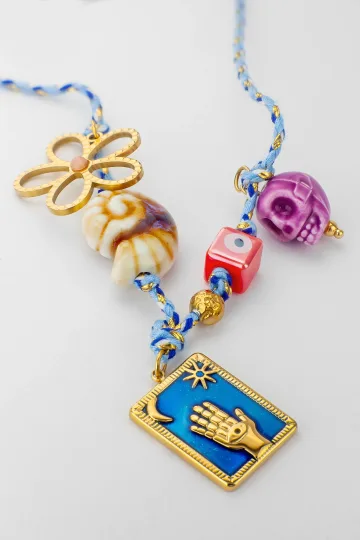
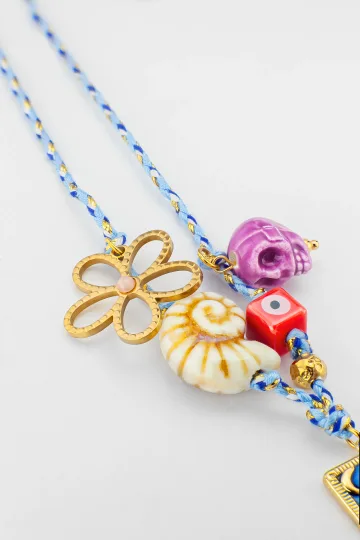
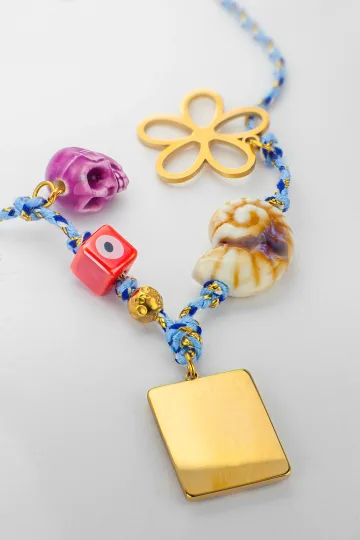
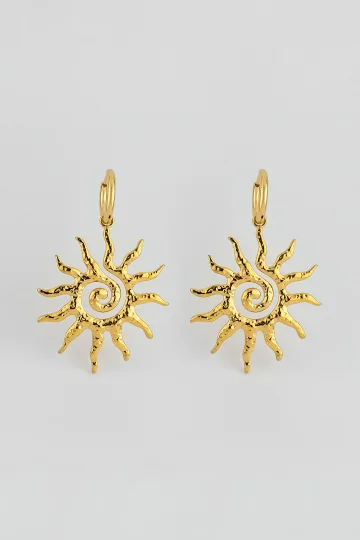
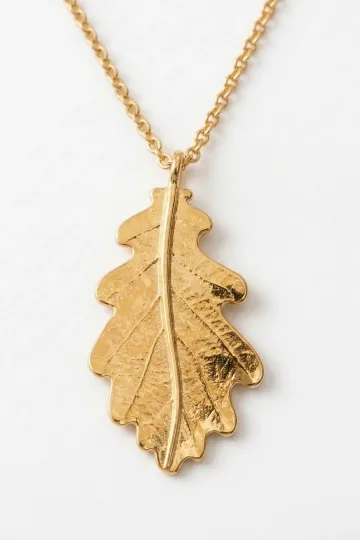
Wear the symbol, don't just read about it. These are in stock:



Age Hierarchy: What's Safe at Each Stage
Birth to 3 Years: When Jewellery Is Plaything
Until three, jewellery is a dangerous object. Children taste everything. That first gold bracelet often meets molars before wrists. The second problem: small detachable parts. A loose clasp, a poorly soldered charm, a weak attachment point can separate and become a choking hazard.
Safe options at this age:
- Silicone or soft plastic bracelet (more habit than accessory, but gentle). It's soft, won't shatter when dropped, and silicone is non-toxic even if swallowed.
- Pendant on textile cord with no metal. Cotton cord, wooden bead, or eco-resin bead. Your child can chew freely.
- Soft cord chain, supervised only. Remove before sleep and active play.
Never:
- Earrings (piercing heals slowly, infections are common).
- Sharp edges or protruding elements.
- Anything with detachable small parts.
- Nickel, which triggers dermatitis even in healthy newborns.
Ages 3-7: The First "Real" Piece
This is when children are developmentally ready. They understand jewellery is adornment, not food. They want to be like their parents. This is the window for first bracelet or simple pendant.
Safe materials:
- Sterling silver 925 or higher: hypoallergenic, lightweight, non-oxidising in child skin. Allergies are rare, roughly 0.5% of population (defect on silver itself, not impurities).
- Medical-grade stainless steel (316L) is even safer. Doesn't tarnish, requires no maintenance, nearly impossible to trigger allergy.
- Eco-resin and soft materials still work if your child is active.
- Wooden jewellery with food-safe coatings is beautiful and allergy-free.
What to buy in this phase:
- Bracelet 14-15 cm (adjustable or sized to fit). Kids grow fast, and the bracelet should grow with them or at least survive the season.
- Pendant on soft chain, but with metal details now. Popular: nazars, hamsa, simple geometry shapes.
- Multiple simple pieces he or she can choose between independently.
Clasp selection matters:
Clasp choice is the knot of child jewellery complexity. Can your toddler fasten it independently? Not yet. For 3-7, you need clasps that are:
- Visible and large (tiny spiral clasps require adult coordination).
- Intuitive visually ("this goes in, this twists closed", done).
- Reliable (falling off mid-school day isn't an option).
Magnetic clasps, click-locks, adjustable chains work for 6-7. For 3-4, skip fastening altogether: slip-on bracelets only.
Ages 7-12: Style Emerges, Responsibility Grows
A seven-year-old can now wear jewellery at school, lose it, find it, care for it. The door opens wider. Earrings, rings, chains, bracelets all become possible.
Earrings at this age:
Ear piercing before seven is medically risky. After seven, it becomes a choice for your child and a medical decision. If you decide to pierce, choose a certified doctor or piercer, not a mall cosmetics shop.
First three months post-piercing: only sterling silver 925 or medical-grade steel. Studs (tiny sterilised stud earrings on posts) are not just beautiful but necessary for healing.
Bracelets and rings:
A ring for a 7-year-old is now a real accessory, not a toy. Sizes change rapidly, so adjustable rings (spiral or chain adjusters) beat fixed-size pieces.
Bracelets must be practical for school: not interfering with writing, not catching sleeves, not disappearing between desks.
School-appropriate jewellery:
- Thin chain or beaded bracelet, unobtrusive and age-appropriate.
- Simple geometric pendant, visible but not distracting.
- Small earrings for pierced ears only, on posts, no dangling pieces.
For celebrations and events:
Here children can experiment with something bolder: costume jewellery with stones (cubic zirconia, not diamonds), more dramatic designs, possibly gold-plated pieces.
Ages 12-17: Nearly Adult Jewellery, With Training Wheels
A teenager can wear almost like an adult. But taste is still forming. Jewellery is now a style statement, a declaration of identity and musical taste.
This is when first real gold or quality silver makes sense. The piece will last years, not seasons. Real investment.
Materials become more delicate: pearl, semi-precious stones (amethyst, garnet), enamel. Your teenager is old enough to care for them properly.
A child gets a tiny stud and a wooden bead, not a chandelier round the neck. Want to trim a tree? Buy a tree.
Styling Kids' Jewellery, by Occasion
After years of dressing children for the camera, I've learned one rule: the jewellery supports the outfit, it never argues with it. Here's what actually works, sorted by the day you're dressing for.
What works for school and every day? For weekdays I recommend minimalism: a thin chain with a small pendant, one modest bracelet, stud earrings. Against a white or grey top I suggest silver and steel, against beige and warm pink go for gold plating. The rule is simple: one piece that shows, plus one or two small things, no more.
And for a walk or seeing friends? Here you can loosen up. I suggest a second thin bracelet, a bolder pendant, a wooden piece with a chunky-knit sweater. Wood and natural stones I pair with natural fabrics: cotton, linen, knits in earthy tones.
How do I put together a party look? A dressy outfit opens the door to sparkle. For a round or heart neckline I recommend a pendant on a medium chain; for a high collar, larger earrings and no necklace. For cool outfit colours I choose silver and cubic zirconia, for warm ones gold and pearl. One metal per look, and I mean it.
What about a special occasion? A primary-school graduation, a birthday, a family celebration is the moment for the prettiest piece in the box. I suggest a delicate set: earrings plus a matching pendant, a thin bracelet in the same tone. Pearl and amethyst read grown-up without being loud.
How do I match it to the child? A calm child leans toward minimalism and matte materials; a lively one suits coloured enamel, stones and a light touch of gold. I set chain length by height, 40 to 45 cm usually sits nicely. And I choose the metal by the colour the child actually wears most, not by the shop window.

Turn on your camera, pick earrings, a pendant or a ring, and see the piece on yourself in real time.
Switch items in one tap.
Everything runs in your browser: no photo or video is ever uploaded.
Safe Materials: Complete Parent Checklist
Sterling Silver 925: The Gold Standard for Kids
One of the safest metals for sensitive skin. 925 means 92.5% pure silver, rest is copper or zinc for durability. Allergies are extremely rare, roughly 0.5% of people (defect on silver itself, not impurities).
Downside: tarnishes over time. The black layer (silver oxide) isn't dirt, it's chemistry. Easily cleaned with damp cloth or single drop of liquid soap. Kids can learn to do this. It takes two minutes, no special knowledge.
Medical-Grade Stainless Steel: Allergy-Proof
316L or 304 steel doesn't tarnish, requires no maintenance, virtually impossible to trigger allergy. Slightly heavier than silver, but perfectly light enough for children.
One caveat: scratches more easily than silver on impact. Fine for jewellery wear, but if pristine appearance matters, choose silver.
Nickel: The Enemy
Nickel is present in cheap "alloy" jewellery (Chinese imports, coffee-price accessories). It causes contact dermatitis, a red rash where jewellery touches skin. For children, dangerous because they'll scratch it and infect it.
Check: If description says just "alloy" without specifying composition: probably nickel. Good makers always write "stainless steel" or "medical iron."
Gold Plating: Temporary but Safe
Gold plating is a thin layer of gold (0.5-5 microns) over silver or steel base. Doesn't last long. With intensive wear, even careful children wear through plating in 1-2 years.
Perfect for child jewellery though. Gold is safe, looks expensive, and when plating wears, just buy a new piece. For transition ages (10-13), plating is ideal.
Wooden Jewellery: Underrated Choice
Eco-wood (beautifully painted, safe non-toxic finishes) is excellent for school-age kids (7-10). Lightweight, beautiful, not cold like metal, zero maintenance. If lost, no regret.
Just ensure coating is safe (marked "non-toxic," "safe for children"). Untreated raw wood can splinter.
Cubic Zirconia: Almost Real, Actually Affordable
Cubic zirconia (also called CZ, fianite) is synthetic crystal, visually identical to diamond, but 1/100 the price. Perfect for kids. Beautiful earrings with stones, a pendant with a "diamond" that looks expensive but costs pennies.
Downside: gets cloudy with heavy wear over time. But for one season, a school dance, a graduation, it's the ideal choice.
Solid Gold: The Piece That Outlasts Childhood
Gold of 14 to 18 carat is hypoallergenic in itself, because the pure element does not provoke a reaction, and it is durable enough to be handed on. It makes sense from around fourteen, when a fine chain or a plain ring will still be wanted years later. Check the hallmark rather than the seller's description: in Britain items above the weight threshold are hallmarked at an Assay Office in London, Birmingham, Sheffield or Edinburgh, and the mark carries the fineness, 585 for 14 carat and 750 for 18. A very small piece may fall below the compulsory hallmarking weight, in which case ask for the fineness in writing.
Where gold goes wrong for a growing child is the alloy. Nine carat is three quarters other metal, and what that other metal is matters far more than the carat number. If a child has reacted to costume metal before, go higher rather than lower.
Pearl: Beautiful and Fussy
Natural or cultured pearl makes a lovely choice for earrings from around twelve. It is hypoallergenic, but it asks for care that a younger child will not remember to give it: wipe with a soft cloth, do not soak it in soapy water, keep it away from perfume and hand cream. Cheap pressed or reconstituted pearl can shed its coating and mark skin and collars, so this is one category where the very cheap option is a false economy.
A practical rule for a child's pearl piece: it goes on last, after the hair is done and the moisturiser is dry, and it comes off first at the end of the day.
Enamel: Colour Without Compromise, If It Is Done Properly
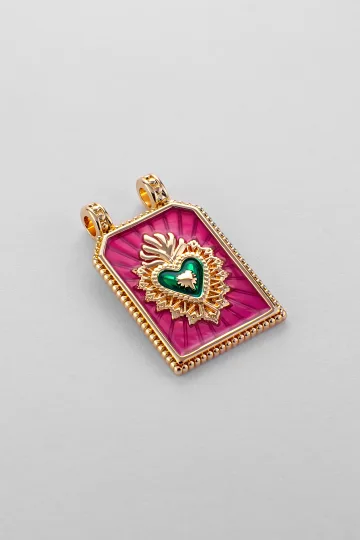
A glassy coating fired onto metal gives bright colour that holds up well and, importantly, sits between skin and the base metal. The critical point is coverage. If the enamel stops short of the edges or the back, skin still meets whatever alloy lies beneath, and the whole benefit disappears. Good enamel does not craze, chip at the rim or lift at the corners.
Watch for the difference between fired enamel and cold resin. Resin looks similar in a photograph, feels warmer and softer to the touch, and wears through much faster on a piece that a child handles all day. Neither is dangerous by itself, but resin over an unspecified alloy is exactly the combination worth avoiding.
Materials to Avoid
Some materials belong nowhere near a child, and the reasoning is worth understanding rather than memorising, because the same logic sorts the borderline cases too.
Lead
Lead is prohibited in children's products across Europe and Britain, and reputable manufacturers do not use it. It still turns up occasionally in very cheap items of unknown origin, usually as a weighting agent in soft metal charms. It accumulates in the body and is genuinely hazardous if a small child mouths or swallows the piece. A charm that feels unusually heavy for its size, is dull grey under a thin coating and bends easily under a fingernail is the profile to avoid.
Cadmium
Cadmium appears in some bright yellow and red pigments and low-grade enamels, where it produces a vivid colour cheaply. The warning signs are practical: colour that looks unnaturally intense, and a coating that flakes at the edges. Anything a small child is likely to chew should not be relying on a decorative coating for safety in the first place.
Copper-Heavy Alloys
Copper in low-grade alloys oxidises with sweat and leaves a green mark on skin. The mark itself is harmless, but it signals a cheap base metal that can also irritate, and the reaction tends to get worse as the plating wears through at the points of most contact.
The general rule covers everything at once: if the composition is not stated, the colour is unnaturally bright and the coating is lifting, leave it. Sterling silver 925, 316L steel, titanium and real gold of 18 carat and above are the safe list for sensitive skin, and none of them is difficult to find.
Customer reviews
Zevira is a real jewellery shop. Genuine payments, deliveries and customer thank-yous.
🥰🥰🥰 gracias

Ok, ¡gracias! 🙂

Construction and Choking Risk: What to Check by Hand
The material matters and so does the shape. A young child's airway is narrower than an adult's, and there is a simple domestic gauge for small parts: if a component passes through the tube of a toilet roll, an internal diameter of roughly 3 cm, it is small enough to be swallowed or inhaled. A pendant, a bead or a stone that has come loose from its setting and is smaller than that is off limits below three.
The second risk is strangulation. Any chain or cord around a small child's neck can catch on the rail of a cot, on playground equipment, on a cupboard handle. That is why neck pieces are not put on a child under three at all, and why no child of any age sleeps in one. For the cases where something genuinely has to be worn at the neck, a medical pendant for instance, breakaway clasps exist: under load the fastening opens by itself and the cord falls away instead of tightening.
Checking a clasp by hand takes seconds. Pull the pendant in several directions and work the link next to the fastening. The weak point is always where dissimilar parts join: the soldered bail of a pendant, the jump ring, the post of an earring. If anything has play in it or bends between your fingers, it does not reach the child. Studs are safer than drops, because a hanging element invites a small hand to grab and pull, which means both pain and a real risk of tearing an earlobe.
Sizing While a Child Is Growing
Children grow in bursts, and a piece bought to fit exactly will pinch six months later. The basic measurements take a minute with a length of thread and a ruler, and it is better to take them in the evening, when hands have swollen slightly over the day.
Wrist: wrap the thread around the narrowest point above the wrist bone, mark it and measure. For a child's bracelet add 1.5 to 2 cm for comfort and for growth. A rigid bangle is measured across the widest part of the hand, over the knuckle of the thumb, because otherwise it will not go on at all. Neck: measure the circumference and add 4 to 6 cm so the chain lies loose rather than cutting in. For a child of 110 to 130 cm in height, a chain of 40 to 45 cm usually sits well. Finger: wrap a strip of paper around the base of the finger, mark it, measure the length in millimetres and divide by 3.14 to get the diameter. For a growing child an adjustable open ring that can be squeezed to fit is more sensible than a closed band.
The room for growth belongs in the design rather than in the measurement. A bracelet on an adjustable extender chain, an open ring, a pair of studs, which growth does not affect at all. Chosen that way, one piece serves two or three years instead of six months, which also makes the more expensive hypoallergenic option the cheaper one over time.
Upload a photo of your pet, someone you love, or an object. We'll build a 3D model and hand-cast it in pewter.




Medical ID Pieces for Children
There is a category that rarely comes to mind under the heading of ornament: an engraved bracelet or pendant for a child with a diagnosis. It states the condition that adults or paramedics need to see in an emergency, such as a severe allergy to nuts or to penicillin, diabetes, epilepsy or asthma. If a child cannot explain what is happening, that engraving saves critical minutes, and British ambulance crews are trained to look at the wrist and the neck.
What gets engraved: the condition briefly and, if there is room, a parent's phone number. It is worn at the wrist, where it is most visible, or at the neck on a breakaway clasp. The material has to be hypoallergenic, 316L steel or 925 silver, because this is a piece worn constantly rather than occasionally. Have the engraving cut deep and filled or contrasted, so that it is still readable after a year of wear when the surface has dulled. Schools and clubs usually accept medical pieces even where a strict policy bans everything else, and it is worth mentioning the piece to the school office rather than waiting for it to be questioned.





Hypoallergenic Jewellery: When Your Child's Skin Demands Special Care
What Contact Dermatitis Actually Is
Contact dermatitis isn't food allergy. It's skin irritation from direct metal contact. Can be triggered by:
- Nickel (championship allergen)
- Copper (when jewellery sweats and oxidises)
- Low-karat gold (3-5% gold, rest unknown alloy)
- Cobalt
How to spot it:
- Ring is red only where it touches.
- Earrings are weeping, itchy after 2-3 hours wear.
- Bracelet leaves black residue, and itching starts.
Hypoallergenic Materials: Complete List
- Sterling silver 925+, the standard.
- Medical stainless steel 316L, even better than silver.
- Titanium, rare in kids' jewellery but the best choice for extremely sensitive skin.
- Gold 18 karat and higher, real gold, not alloy. Expensive for kids, but perfectly hypoallergenic.
- Platinum, rarest and most hypoallergenic. For heirloom-quality pieces.
What to Avoid Absolutely
- "Metal" jewellery without material specifications.
- Jewellery where copper shows (copper/brown gleam under thin plating).
- Cheap earrings with microscopically thin plating on unknown base.
School Jewellery: What Passes, What Stays Home
School Dress Code for Jewellery
Every school is its own country. Ask the teacher first.
Universal safe rules though:
Typically allowed:
- Simple ring design (no sharp edges, no large stones).
- Thin chain with pendant (pendant under 5 cm, not flashy, not shiny).
- Single bracelet (one per wrist, no bells or charms).
Usually not allowed:
- Earrings in elementary school (catch hair, distract).
- Large pendants with stones (reflection, catching, desk snagging).
- Bracelets with charms or decorative elements (noise, distraction).
- Multiple rings on all fingers (looks sloppy, interferes with writing).
School Event Jewellery
Here different rules apply. Dress, shoes, jewellery are ensemble. Dress up rules apply.
For 7-10-year-old girls:
- Small-stone earrings (cubic zirconia or pearl).
- Beaded or crystal bracelet.
- Delicate-shape pendant (star, moon, flower) with subtle shine.
For 11-14-year-olds:
- More serious earring design (not teardrop, but sophisticated).
- Thin chain, not chunky men's chain.
- Gold-plated or real gold bracelet (if budget allows).
Metal colour matters:
- Silver-toned metals with cool-tone dresses (blue, black, white).
- Gold-toned metals with warm dresses (pink, peach, cream).
- Don't mix metal tones on one child. Looks unpolished.
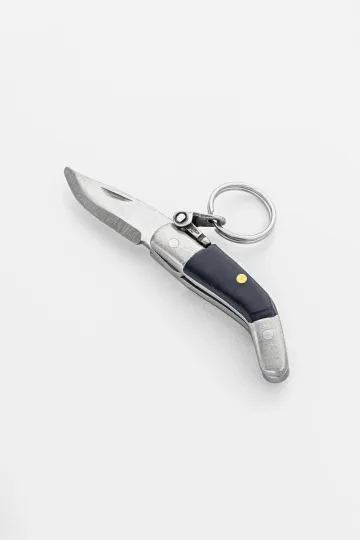
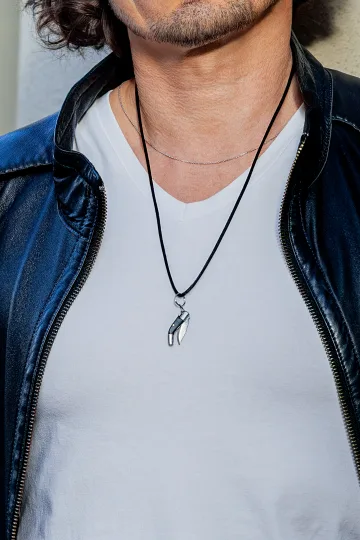
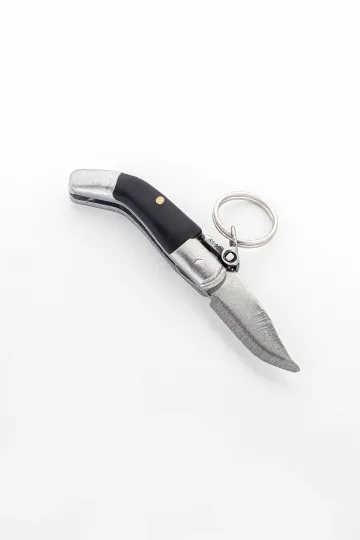
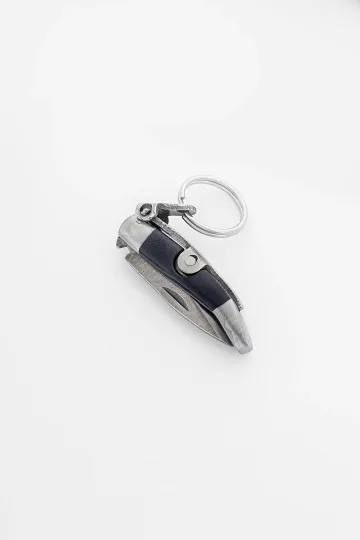
CAPAORA mini knife pendant
The 18th-century Spanish navaja in miniature: 40 mm of stainless steel, a real folding mechanism and a Palanquilla lock that clicks. An affordable gift to remember.
Authentic · Ships from Spain · 14-day returns
Choosing Jewellery by Age and Personality: Step-by-Step
Ages 3-5: Interest, Not Collection
What to look for:
- Bracelet 15 cm (adjustable or custom-sized).
- Pendant on soft cord (max 20 cm long).
- Materials: sterling silver 925, medical steel, eco-resin wood.
Where to buy:
- Specialty kids' lines from major jewellers (they know what they're doing).
- Ethical wood jewellery shops.
- Online with material guarantee (Etsy sellers specify exact purity).
What not to buy:
- Multiple pieces at once.
- Anything with nickel.
- Hand-me-downs from older kids (dirt, wear).
Ages 6-8: First Real Choice
Now you can ask: "Do you want a bracelet or necklace? What colour?" Let them choose.
Buy:
- Beaded bracelet or chain (18 cm, adjustable option).
- Symbol pendant they like (animal, star, moon, simple cross).
- First earrings if pierced (small studs, silver, no stones or pearl only).
- Simple adjustable ring.
Teaching responsibility:
"This is your jewellery. You keep it safe, don't lose it, wash it before bed. If you lose it, we'll search first, then buy a new one. If you break it from carelessness, we'll fix it, but that's your mistake."
Most children take this conversation seriously. Jewellery becomes first responsibility.
Ages 9-12: Style Starts Forming
Now ask "Which style appeals to you? Minimal or more colourful?"
By style:
Minimalist:
- Thin silver anchor chain (1.5mm thick, 40cm).
- Simple geometric pendant (tiny circle, triangle, star).
- Metal-only ring, no stones.
Nature-inspired:
- Wood or amethyst bracelet.
- Leaf or flower pendant.
- Wood ring.
Colourful:
- Gold-plated silver bracelet with coloured enamel.
- Pendant with coloured cubic zirconia.
- Pearl or garnet earrings.
Athletic:
- Steel bracelet or silicone.
- Thick steel anchor chain (2mm) for weighted pendant.
Ages 13-17: Nearly Adult, But Not Yet
Teenager can wear almost like adult. But allow for transition:
- Real gold or quality gold-plated silver (plating lasts 1-2 years with active wear).
- Jewellery with higher-value stones (garnet, amethyst, real pearl).
- Hoop earrings, elongated styles, chain bracelets.
- Pendants with personal meaning.
Consider investment piece now. Thin gold chain bought at 15 will be worn at 25, then passed down. Sense to invest in quality.
Certifications: What to Check Before You Buy
Labels are worth more than adjectives. The useful ones in Britain and the rest of Europe are these. EN 71 is the toy safety standard, and part 3 of it sets limits on the migration of heavy metals from items intended for children, which is the part that matters here. REACH is the chemicals regulation that restricts hazardous substances in consumer goods, and the nickel restriction inside it is the single most relevant rule for earrings. The nickel release test itself is BS EN 1811, and a seller who can name it usually knows what they are selling. A UKCA or CE mark shows the maker has declared conformity with the applicable rules; it is a declaration rather than an independent certificate, but its absence on an item aimed at children is a bad sign.
Red flags: no information about the material at all, just "metal" or "alloy"; a sharp metallic or chemical smell straight out of the packet; no stated fineness for anything sold as silver or gold; earrings sold for a fresh piercing that are not individually sterile-packed. If a seller cannot answer a plain question about what the base metal is, you have your answer.
One more practical check that costs nothing. Ask whether the piece is intended for children. If it is, the maker has had to think about small parts, sharp edges and metal migration. If it is adult stock being sold for a child, none of that assessment has happened.
Leave your email, we'll send your discount code. No spam, unsubscribe anytime.
The code arrives by email, valid on your first order.
Ear Piercing: Age and Aftercare
There is no single legal minimum age for ear piercing in England, and the practical position is set by studios rather than by statute. Most reputable British piercers set their own minimum, usually somewhere between six and eight for lobes, and require a parent or guardian to attend and sign. Some local authorities add their own licensing conditions, and a good studio will tell you what theirs are without being asked.
The common professional view is that it helps to wait until a child can look after the piercing themselves: keep hands off it during the day, wash properly, and say clearly if something hurts. Around seven is the age often cited for that. This is guidance rather than a rule, and it is a conversation to have with your GP or practice nurse if your child has eczema, a history of keloid scarring or any condition affecting healing. Nothing here is medical advice, and a professional who knows the child should have the final word.
Have it done by a trained, licensed practitioner. A single-use needle from a sealed pack is generally considered cleaner and gentler than a spring-loaded gun, because a needle removes a small core of tissue rather than forcing it apart, and reusable gun bodies cannot be autoclaved. Many British studios have moved to needles for exactly this reason.
For the first months after piercing: 925 silver, 316L steel or implant-grade titanium only, cleaning as the piercer directs, and nothing heavy in the lobe. If redness, swelling or discharge appears, leave the ear alone and get it looked at rather than treating it at home.
First Earrings: What to Know in Advance
First earrings are a story of their own, and one that parents often decide emotionally when it is better decided calmly. Below are the questions that come up most often, and that the section on piercing only touches on briefly.
Both Ears at Once, or One at a Time
If ears are being pierced, it is done symmetrically and in one visit. Doing one and then the other means the second lobe heals on a different timetable, and the child has to go through the unpleasant moment twice. An experienced piercer marks the points before anything happens, checks the symmetry in a mirror with the parent, and only then proceeds. The point goes in the centre of the fleshy part of the lobe, not too low, where a heavier earring will later drag, and not up against the cartilage, where healing takes longer and hurts more.
What to Clean a Healing Piercing With
A sterile saline solution from the chemist, or whatever the piercer specifically recommends, suits better than surgical spirit or hydrogen peroxide. Harsh preparations dry the skin and slow healing down. Clean the lobe with clean hands two or three times a day, turn the earring only if your piercer has told you to, and keep fingers off it in between. Swimming pools, open water and saunas are worth postponing while it heals, since warm standing water is a good environment for bacteria. These are practical pointers rather than medical instructions: at any sign of doubt, a doctor decides.
Butterfly Backs Versus Screw-Backs and Studs
For a fresh piercing, choose a light stud with a secure fitting that does not catch on hair or clothing. A hinged sleeper hoop is comfortable later, once the channel has formed, but for the first months it is heavier and harder to keep clean. Hooks and anything that dangles are simply not suitable for a healing piercing, because weight and movement stop the channel forming evenly. Screw-back or push-fit flat backs are the usual professional choice for children, since they are far harder to lose in a school day.
When to Change the First Pair
The first pair stays in for the whole of the initial healing period, which for a lobe usually runs to something like six to eight weeks and sometimes longer. Taking an earring out too early risks the channel starting to close, so it has to be forced back through with discomfort. You can change to a new earring once the lobe is no longer tender, there is no redness or discharge, and the piercing looks settled. Do the first change at home in a calm moment, with clean hands and a light spare earring ready.
How to Choose Where to Have It Done
The place matters more than the earring. Look at sterility: a single-use needle from a sealed pack, gloves, a wiped-down surface, separate instruments for each client. The practitioner should wash and disinfect their hands in front of the child, show the sealed kit and answer questions about aftercare without impatience. It is a warning sign if the piercing is offered quickly and casually, with a reusable device, or without marking the points first. A good professional is more likely to talk you out of rushing than to talk you into it. If a child is frightened, it is worth going in beforehand just to look and talk, with no piercing that day.
Traditions of Giving Ornaments to Children
Decorating a child is a very old idea. Long before it was about looks and style, it was about protection, family standing and marking a milestone. These traditions are still alive, and understanding them makes the choice more considered.
Christening Gifts
In Christian cultures a christening is one of the first events in a child's life, and a whole layer of gift-giving attaches to it. Godparents give a small cross, often silver, sometimes gold, on a soft cord or a fine chain. The safety logic is the same as for anything else: below three such a piece is worn with care, on a breakaway clasp and never in bed, and is otherwise kept until the child is old enough to wear it properly. A silver spoon for the first tooth belongs to the same set of customs, though it is cutlery rather than ornament.
Charms Against the Evil Eye
Across many cultures, from the Mediterranean to the Middle East, a protective charm is hung on a child from birth. The blue eye of the nazar is pinned to clothing or to a pram, the hamsa is given on a chain, a red thread is tied around a wrist. The meaning is broadly similar everywhere: to turn unfriendly attention away from someone too small to defend themselves. From a safety point of view the same rules apply as always. Below three, nothing goes around the neck and nothing is left unsupervised, and a pin or a small bead stays well away from a mouth.
The First Tooth and the First Curl
A great many small rituals have grown up around a baby's earliest milestones. In some families the first lost milk tooth or a snipped curl goes into a tiny locket capsule and is kept as a keepsake. In others a bracelet engraved with the date is given for a first birthday. The piece itself is secondary here; the memory of the moment is the point, which is why the material should be durable and hypoallergenic, silver or steel, so that the object survives to the day the child is grown and wants to look at it.
A Piece as a Family Heirloom
Many families have a piece that passes down: a grandmother's silver pendant, a fine gold chain, a ring with a small stone. Its value lies in the history rather than the metal, and it often becomes a teenager's first grown-up piece. If an heirloom is being prepared for a child, take it to a jeweller first. Have the clasp checked, replace a worn link if necessary, and make sure the metal will not provoke a reaction on sensitive skin. Old solid gold is usually safe. Old gold plating may have worn through to an unknown alloy underneath, which is a different matter entirely.
Regional Differences
In southern and eastern cultures children's pieces are often richer than northern habit expects: gold bangles for a baby, earrings at an early age, coin necklaces and pendants carrying signs of family prosperity. Northern tradition tends to be more restrained and closer to minimalism. Neither approach is more correct than the other, since this is a question of culture. The requirements for safe material and safe construction are identical everywhere: gold and silver of verified fineness, no unknown alloys, a reliable clasp and common sense about age.
Surprising Facts
The Oldest Children's Beads Predate the Pyramids
Archaeologists find children's ornaments made from shells and drilled animal teeth that are tens of thousands of years old. Small beads in Stone Age children's burials show that decorating a child, and protecting them with a symbol, began long before writing and long before the first metals.
A Nickel Allergy Can Appear Out of Nowhere
Skin can wear a nickel-containing piece calmly for years and then react suddenly. This is called sensitisation: the body gradually learns to recognise the metal as foreign, and one day the threshold is crossed. So "she wore it before and was fine" is not an argument in favour of nickel, particularly for growing skin.
Silver Tarnishes Because of the Child, Not the Air
The black film on a child's silver is often blamed on poor quality, when the cause is body chemistry. Silver reacts with sulphur compounds in sweat, and children sweat more freely than adults, so their pieces dull faster. It is not a fault and not dirt. It is a sign the metal is real.
An Earlobe Barely Grows
Unlike wrists and fingers, an earlobe changes very little with age. Earrings, unlike bracelets and rings, can therefore be bought without worrying about growth: a piercing made in childhood will serve the adult.
Surgical Steel Lives Inside People
The same 316L steel used for safe children's earrings goes into the bone plates and screws fitted after fractures. If a material is fit to spend months inside a body, it has nothing to answer for against a child's skin.
A Green Finger Is Copper, Not Poison
The green mark under a ring alarms parents, but it is not dangerous. It is a copper salt, formed when the metal reacts with sweat and skin acids. The signal is not poisoning. It is that the alloy contains a lot of cheap copper, and the piece should be swapped for silver or steel.
Pearl Fears Cosmetics More Than Water
It seems as though pearl needs protecting from water, but the real enemy of a child's pearl piece is perfume, hairspray and hand cream. Acids and alcohols dull nacre faster than clean water does. The rule is simple: the piece goes on last, after skincare and clothing.
The Breakaway Clasp Saves Lives
A chain with a fastening that opens under load was designed specifically for children. If the piece catches on a slide, a branch or a cupboard handle, the clasp releases before the cord can tighten around the neck. This is not a marketing detail. It is a solution to a real safety problem.
FAQ: Every Parent Asks This
Q: My child sweats. Jewellery gets black from sweat. Normal?
A: It's oxidation. Silver reacts with sweat and tarnishes. Totally normal. Just wash jewellery weekly in soapy water. Shine returns instantly.
Q: Earrings were clean, now the earlobe is red. Allergy?
A: Either metal allergy (switch to medical steel) or infection (dirty hands, unwashed piercing site). Wash the earlobe with soap, switch to sterile studs, observe for 3 days. If it persists, see a doctor.
Q: Left jewellery at school. How to recover?
A: Lost and found, classmate's desk, teacher's office, school administration. If valuable, ask administration. If cheap, probably lost for good. Ask friends to look.
Q: Can kids scratch jewellery if it's gold?
A: Gold is soft. Scratches more easily than silver. That's why gold plating is perfect for kids. When plating scratches, buy a new piece. When the child grows up, give real gold.
Q: Can child wear jewellery while sleeping?
A: Generally yes, but remove chains (tangle risk) and anything sharp first. Studs are fine. Delicate pieces better stored away overnight.
Q: Child eats jewellery (chews, mouths it). Dangerous?
A: Silver or steel pose no serious danger. But microcracking develops, durability drops. Explain jewellery isn't a toy. Kids under 3 get supervised wear only.
Q: How to clean kids' jewellery without damaging?
A: Wet cloth with soap is usually enough. Silver can be gently brushed with a soft toothbrush if tarnished. For cubic zirconia, use a gentle cloth only, no scrubbing.
Q: Gold-plated piece already flaking after 3 months. Defect?
A: Probably. Good plating lasts minimum 6 months with kids. Demand replacement. If it's lasted 1+ year, that's normal wear and acceptable.
Q: Child wants cheap shiny earrings like friend's. How to explain nickel risk?
A: Honest: "Those are beautiful but the metal can make ears red and itchy. Let's find similar ones in safe material." Then show comparable design in quality material. Often just 20% more expensive, looks better.
Send a friend a discount code, they save on their first order.
Myths About Kids' Jewellery: What Actually Works
Myth: "Real gold is too expensive for children"
Truth: Thin gold chain (2-3g) costs less than quality gold-plated silver lasting only 1-2 years. Gold is forever.
Myth: "Silicone is plastic, it's harmful"
Truth: Medical silicone (FDA-approved) is safer than most metals. Used in pacifiers. Food-grade.
Myth: "Green skin from jewellery means metal poisoning"
Truth: Pure chemistry. Copper oxide stains skin but isn't harmful. Just sign of lower-quality jewellery.
Myth: "Remove earrings at night or hole closes"
Truth: Pierced earlobe doesn't close overnight. Modern piercing stays open months without jewellery. Old myth from manual piercings causing infection.
Myth: "Cheap jewellery teaches bad taste"
Truth: Good design is design. Wooden piece with beautiful form teaches more than poorly-designed expensive item. It's about craft, not price.
Teaching Care: Making Jewellery Their Responsibility
First piece = first responsibility
When giving jewellery: "This isn't a toy you abandon. It's like Mom's jewellery. You put it on, take it off before sleep, wash weekly. If you lose it, we search first, then buy new. If you break it from carelessness, we fix it, but you learn the consequence."
Care routine:
- Remove at night. Jewellery goes in box or cup.
- Weekly wash. Soapy water, soft brush (toothbrush works), dry on cloth.
- Storage. Separate box so it doesn't scratch, doesn't get lost.
First year, this is enough. Once they demonstrate care, allow more delicate materials and expensive pieces.
Buying it as a gift? Each one arrives ready to give.
 A branded Zevira box and a little card come with every order.













Investment Pieces: Thinking Long-Term
If buying for 14-17, ask: Is this for memory? For years? Then choose:
- Material: Gold 18k+, real pearl, natural stones (garnet, amethyst, topaz).
- Design: Timeless, not trendy. Not thin chains with current-moment pendants. Something classical.
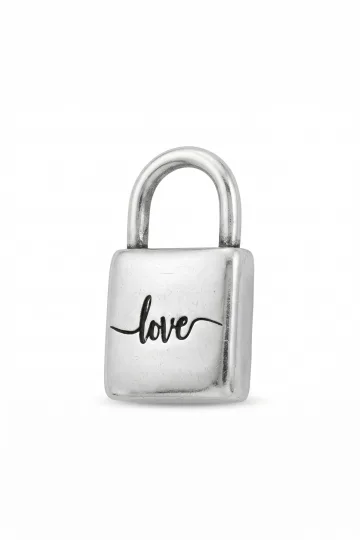
- Engraving: If engraved with name or date, it's already an heirloom.
Gold chain bought at 15 will be worn at 25, passed to their child. Gold-plated silver lives 2-3 years. Choose based on intention.
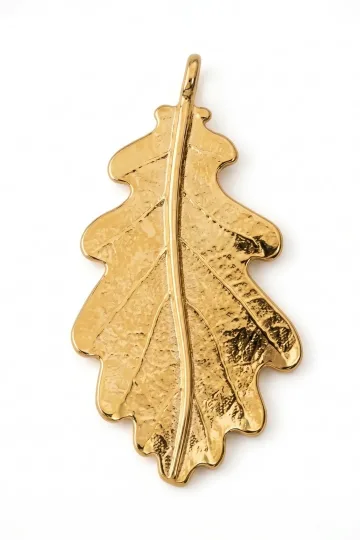
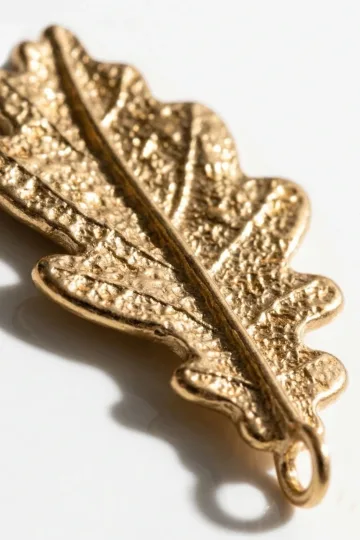
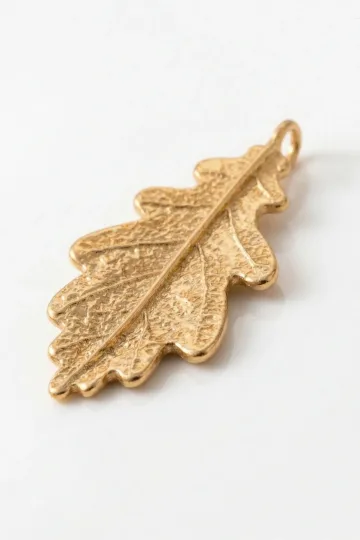
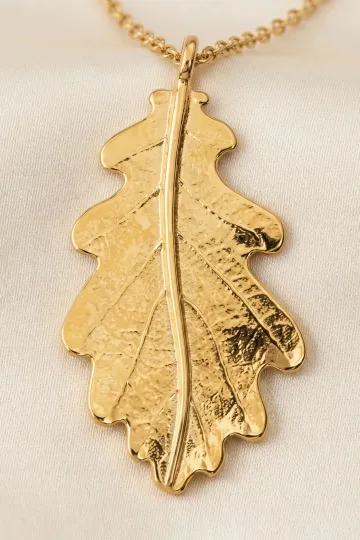
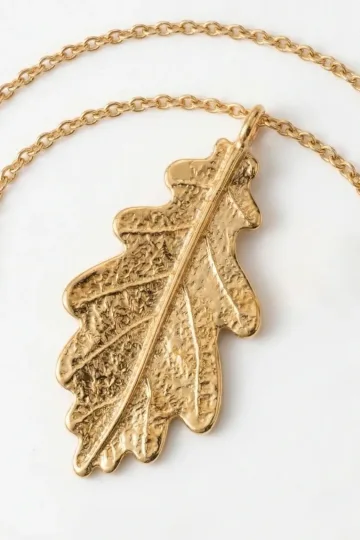
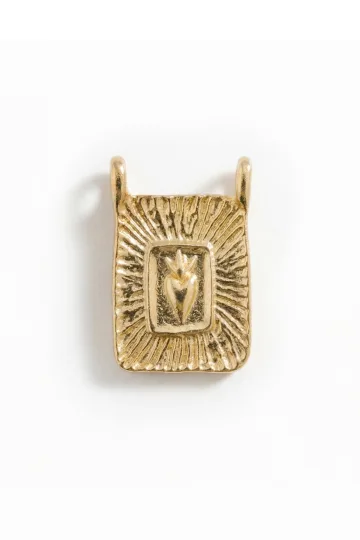
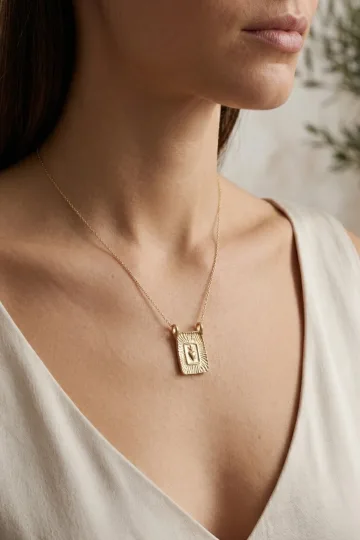
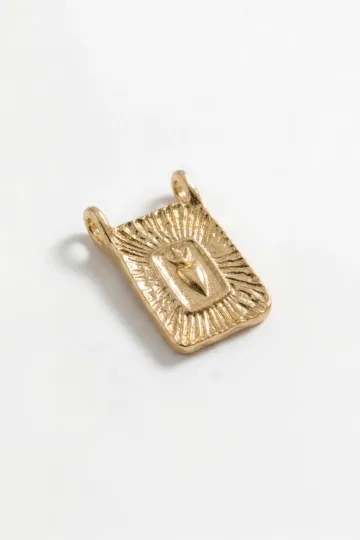
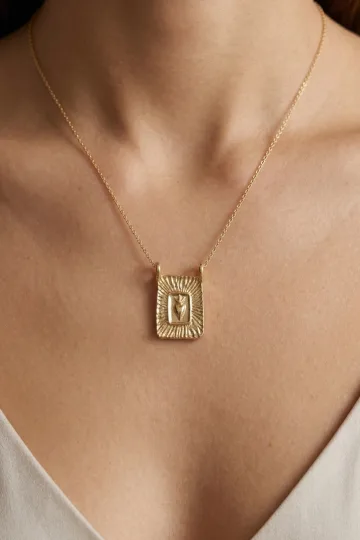
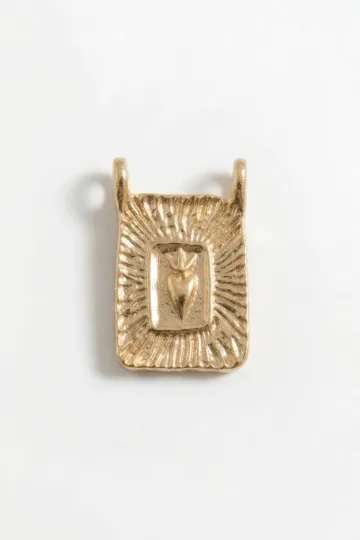
Wear the symbol, don't just read about it. These are in stock:


Conclusion: Jewellery as First Autonomy
Children's jewellery isn't about looking pretty. It's about identity. They choose to wear it. They select which style. They learn to care for something beautiful and fragile.
From age three borrowing a bracelet to seventeen choosing their first real gold piece, it's a path of developing taste and responsibility. It starts with a parent finding time, choosing safe materials, and saying: "This jewellery is for you. You're beautiful and you're ready to wear it."
The rest happens naturally.
About Zevira
Our catalogue includes jewellery for children of all ages: from silicone bracelets to gold chains with engraved names. Every piece passes safety checks for material toxicity, allergens, and sharp edges.