Jewelry Insurance: How to Protect Rings, Earrings and Heirlooms
A ring slipped off a soapy finger and vanished down the drain. An earring stayed in a jacket pocket that went to the dry cleaner. A bracelet disappeared in a hotel somewhere between the suitcase and the safe. These losses share one thing: the piece can't simply be bought again, especially when a wedding, a proposal or the memory of someone you loved is attached to it.
Jewellery insurance answers exactly that situation. It is a contract with an insurer that compensates you for the value, or pays for the repair, when a piece is stolen, lost or damaged. Below we walk through the policy types, what drives the price, which documents to prepare in advance, and how to avoid a denied claim.
When insurance makes sense and when it doesn't
There's no point insuring every chain. A policy earns its keep when at least one of these is true:
- the piece is expensive relative to your budget, and losing it would hurt your finances;
- the item can't be replaced with money: an heirloom, an engagement ring, a gift with a story;
- you wear it every day and often find yourself where it's easy to lose: on the road, at the gym, on business trips.
The reverse is also true. Insuring an inexpensive piece that lives in a box at home and rarely goes out makes little sense: over a few years the premiums creep toward the price of the piece itself. Better to set the money aside for a replacement.
The risks, meanwhile, are very real. Most losses happen at home and in daily life: a piece washes down the sink, gets lost during cleaning, slips behind furniture. Public places come next: restaurants, transit, shops, travel. Break-in theft sits last by frequency, even though it frightens people the most.
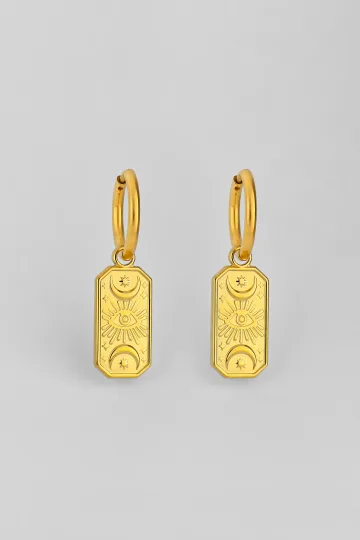
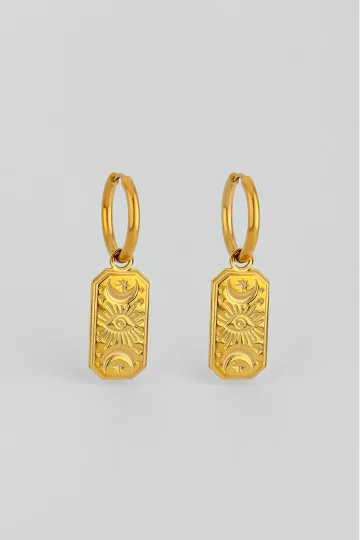
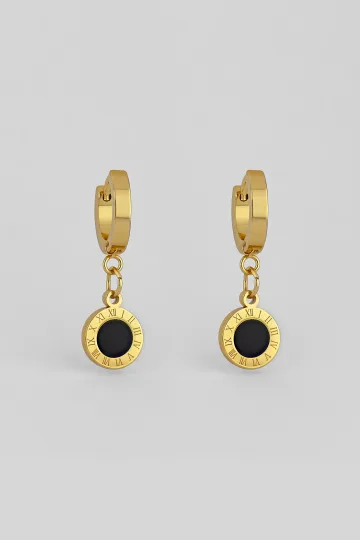
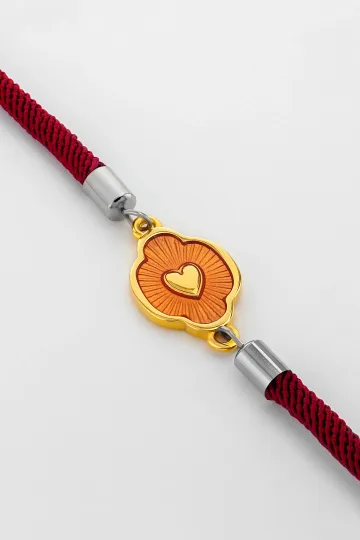
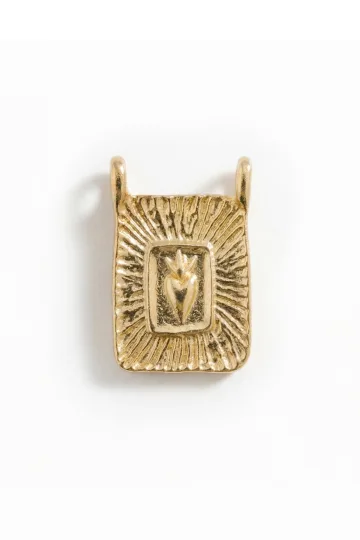
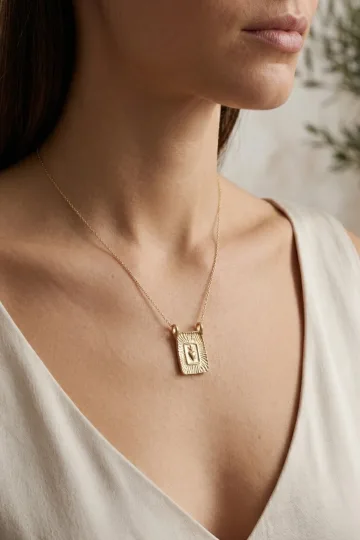
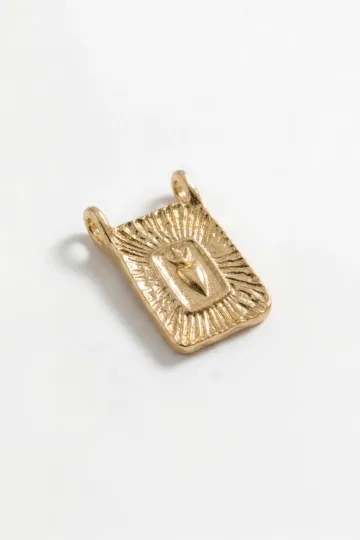
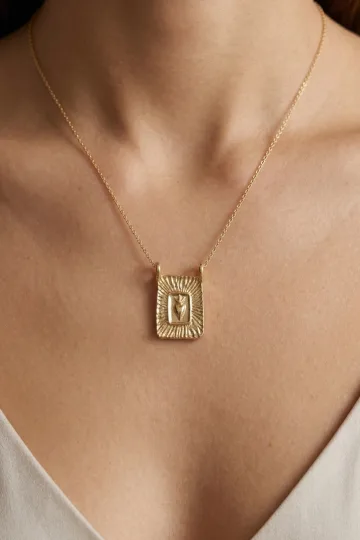
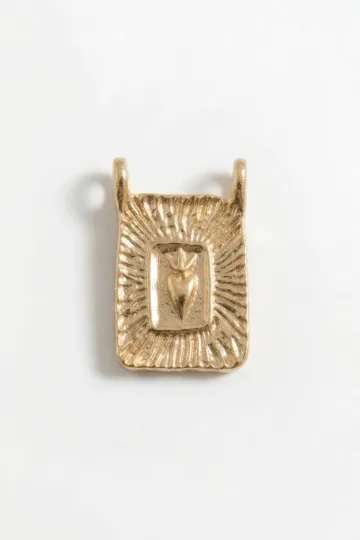
Wear the symbol, don't just read about it. These are in stock:


What types of policies exist
There are several options, and they cover different situations. It's worth sorting them out before you buy, so you don't overpay for cover you won't use or find yourself unprotected at the worst moment.
Jewellery on a home policy
The cheapest route is to add jewellery to your homeowner's or renter's insurance. It works only for pieces that stay at home. Lose a necklace at a restaurant or shatter it on the street, and a home policy won't help. It usually covers break-in theft and fire, but not personal carelessness.
This fits people who keep their valuable pieces at home and rarely wear them. Pros: cheap, often added to an existing policy, no appraisal needed. Cons: narrow cover, per-item limits, nothing works past the front door.
A named policy on a specific piece
Here each item is appraised separately and entered into the policy with a detailed description: metal, fineness, weight, stones, their size and quality. The piece gets individual protection.
This is the option for expensive or meaningful jewellery. Pros: high cover, often full value on theft or total loss; every detail is accounted for; it works everywhere, at home, on the street, abroad. Cons: you need a professional appraisal and proof of value (a receipt, a gemological certificate), and the appraisal has to be refreshed every two or three years.
A floater policy
A policy that travels with you: your jewellery is protected wherever you wear it. You state the total value of your pieces, and the price is calculated from that figure, so there's no need to list each ring separately.
This suits people who travel a lot and wear their jewellery actively. Pros: nearly universal cover, simple to set up, you can add new pieces during the year. Cons: it may not cover plain carelessness (you left a ring at a restaurant and noticed an hour later), and there's a single-item limit even inside the overall sum.
A manufacturer's warranty is not insurance
When you buy an expensive piece, the workshop sometimes offers a warranty: a flaw in materials or workmanship will be fixed free of charge for a year or two. That is a contract with whoever made the piece, not with an insurer. A warranty covers only manufacturing defects, not loss, theft or damage during wear. Once it expires, it does nothing.
Take the ring off at the sink, not at the door. Doing dishes in diamonds is for amateurs.
How to wear valuable pieces
Since a piece is worth insuring, hiding it in a box makes no sense. Over the years I've gathered, occasion by occasion, what actually holds a look together and hints at what to protect first.
What can I wear every day without fretting? For daily wear I recommend calm metals without large stones: a thin ring, a chain with a small pendant, stud earrings. They go with jeans and a white shirt, with knitwear, with a simple dress, and they don't catch on clothing. These pieces are worn most, so they're the sensible ones to keep protected.
How do I put together an office look? Restraint wins here: I suggest one noticeable piece and a couple of quiet details. A medium chain over a plain blouse, a ring on one hand, a bracelet or watch on the other. Under a deep neckline I choose a long pendant, while a high collar opens the stage for earrings. Cool fabrics pair with silver and white gold, warm ones with yellow.
What should I wear for an evening out? An evening is when the very piece you took out a policy for comes out. Under bare shoulders and a V-neck I recommend a necklace, and long earrings with your hair up. The rule is simple: one hero of the look, the rest I keep muted. Large earrings, the neck left free.
How many pieces can I wear at once? I love lively combinations: chains of different lengths, two or three thin rings on neighbouring fingers, stacked bracelets. I keep them in one metal or deliberately mix two tones, but no more than three noticeable pieces at a time, or the look falls apart.
How do I wear the most valuable piece calmly? Consciously and without nerves. I take the ring off at the sink and before the gym, and I don't wear anything precious for cleaning or cooking. After that I simply enjoy it, knowing the piece is protected and the inventory and appraisal sit apart from the box itself.

Turn on your camera, pick earrings, a pendant or a ring, and see the piece on yourself in real time.
Switch items in one tap.
Everything runs in your browser: no photo or video is ever uploaded.
Where jewellery insurance came from
The idea of pooling a shared risk to protect valuables is older than it looks. In antiquity people handed their treasures to temples and rulers for safekeeping, a kind of trust traded for security. Insurance in the modern sense grew out of maritime trade: in the seventeenth century London merchants and shipowners began chipping into a common fund to cover losses from shipwrecks. The first marine policies also covered the gems traders carried, stones from Sri Lanka, ornaments from India. The coffee house where underwriters gathered eventually became the largest insurance market in the world.
In the nineteenth century, as expensive jewellery reached a growing middle class, insurance became more accessible: firms appeared that covered theft from the home, fire damage and loss on the road. The twentieth century brought insurers who dealt only in jewellery, with gemologists on staff, standard description forms and risk tables. One of the earliest, an American mutual founded in 1913, shaped much of how policies are built today. With the internet, applications moved online, and you can keep a jewellery inventory on your phone: a photo plus the specifications serve as proof at claim time.
Customer reviews
Zevira is a real jewellery shop. Genuine payments, deliveries and customer thank-yous.
🥰🥰🥰 gracias

Ok, ¡gracias! 🙂

What drives the price of a policy
The cost is figured as a percentage of the appraised value per year. Several factors push it up or down.
Type of cover. Jewellery on a home policy is cheapest, a floater costs more, and a named policy with full cover costs most. Vintage and pieces with a contested history are insured at a higher rate: the company finds it harder to confirm the value.
Metal and stones. Platinum costs more to insure than gold, gold more than silver, simply put, the dearer the piece, the higher the risk and the premium. An item with diamonds or emeralds costs more than one with quartz or cubic zirconia.
Deductible. This is the amount you pay out of pocket when a claim is settled. The higher it is, the cheaper the policy, and the more small repairs you'll cover yourself. A common, sensible setup: zero or a small deductible for theft and total loss, and a separate, higher one for damage. Then theft is paid in full, while a minor repair is partly on you.
For a sense of scale, jewellery is insured at roughly the same rates as other portable valuables (a bicycle, a musical instrument, electronics), sometimes a touch cheaper. If a piece has an unclear history or was made to order, expect more paperwork: the insurer needs confidence in the valuation, since it's the one paying out if something goes wrong.
Where you live and where you wear it
Geography affects the premium in two senses. The first is where the piece is kept. A flat in a building with a doorman and an alarm costs less to insure than a house with no security off the beaten track: the company has theft statistics by area and looks at them. The second is where you go with the piece. If you travel often and frequently end up in places with high pickpocketing rates, the rate edges up. Answering these questions honestly is in your own interest: any gap between the application and reality surfaces first thing at claim time.
Security measures lower the premium
A policy is an agreement to share risk, and anything that lowers the risk lowers the price. A safe with a burglary rating, a monitored alarm, a bank box for rarely worn pieces, the company counts all of this gladly, because it cuts the chance of a payout. Sometimes a discount comes for a documented inventory with photographs: the clearer the item, the fewer disputes when a loss occurs. Ask the insurer which measures it credits, often the cost of a safe pays for itself in a couple of years through the discount.
How often and why you wear it
A ring that never leaves your hand for years and a necklace you put on three times a year carry different risk, and that shows up in the price. Daily wear raises the chance of everyday loss and wear, while a showpiece is more at risk in someone else's space and on the road. Some policies distinguish "at home" from "out and about" cover, each with its own rate. If you wear an expensive piece rarely, it's sometimes cheaper to keep it on narrow home cover and buy a temporary extension for the occasions you take it out.
Cash or a new piece: how the insurer actually pays
Many assume that after a loss the money simply lands in your account. In practice payouts come in forms, and those forms decide whether you get a sum or a new ring in its place.
Replacement in kind. A common option: instead of cash, the company orders a piece with the same characteristics from a jeweller (the same metal, the same fineness, a stone of the same weight and quality). The insurer prefers this because, at wholesale prices, a new piece costs less than retail. The downside for you is that the new piece isn't the one: the engraving, the patina, the history are gone. If getting cash matters to you (say, to commission a copy from your own jeweller), specify a cash payout when you sign.
Agreed value versus actual cash value. Under agreed value, the payout amount is written into the policy in advance: lose the piece and you receive exactly that, with no argument about appraisal. This suits antiques and items with a hard-to-pin market price. Under actual cash value, the company pays the market price at the time of loss minus depreciation, and this is where disputes arise. For meaningful pieces, agreed value is calmer, though the premium runs higher.
Partial loss and pairing. A side stone falls out of a pavé ring, and they restore that stone rather than pay out the whole ring. Earrings and paired items follow their own logic: half a pair is worth disproportionately little, so when one earring is lost the company often pays to make the missing one rather than half the set. Check this clause in advance, it disappoints people often.
Upload a photo of your pet, someone you love, or an object. We'll build a 3D model and hand-cast it in pewter.




How to read an appraisal document
An appraisal is not a receipt or a box-ticking formality, it is the foundation of the entire payout. A badly written appraisal sinks a claim even after an honest loss.
A good document describes the piece so precisely that an exact copy could be made from it: metal and fineness, total weight in grams, and for each stone the type, weight in carats, cut, colour and clarity, for diamonds often tied to a laboratory report. Then it states the type of value. For insurance you need the retail replacement value, that is, what it would cost to buy the same piece today, not what you'd be offered in a quick sale (a different, lower figure). If the document lists "market" or "liquidation" value, it won't do for a policy.
Look at the date and the signature. An appraisal is considered current for about two or three years; prices of metal and stones shift, and a stale paper under- or over-values the payout. The signature should belong to an independent gemologist or a certified appraiser, not the seller who sold you the piece, otherwise the insurer suspects a conflict of interest. Get into the habit of updating the appraisal of expensive pieces along with the policy renewal, so the payout always reflects the current price.








How to file a claim and not get denied
When a piece is lost, broken or stolen, you have to move fast. The window for a claim is usually limited, often 30 days from the incident.
Right away. For theft or robbery, file a police report and get the reference, without it the insurer will almost certainly deny the claim. If the piece was lost at a venue, contact the management. If it was damaged, photograph the damage.
Within the first day. Notify the insurer of the incident and start gathering documents.
The first week. File the claim (online or in person) and attach all the papers. If you're still searching for the piece, don't stop: jewellery often turns up in the first few days.
After that. The insurer reviews the documents, may order an independent appraisal (free for you) and decides on the payout.
What to prepare
Required: the policy itself, the claim form, proof of ownership (a receipt or a photo of the piece on you), a description of the incident (date, time, place, exactly how it was lost), and an appraisal for expensive stones.
Helpful but not required: photos and video of the piece "in life," correspondence with the seller or jeweller about its specifications, the warranty card.
If the piece turns up after the payout
Sometimes there's a happy twist: the piece is found after the insurer has already paid. A simple rule applies here, one people rarely think about in advance. By accepting the payout you handed the company the right to the piece, so the found item is now technically theirs. In practice most insurers offer a choice: either you keep the find and return the payout, or you give the piece to the company. Report the find at once: staying quiet to keep both the money and the ring invites an accusation of fraud. If the piece matters as a memory, returning the payout is usually worth it.
Timing and order of payment
After accepting the claim, the company takes time to review: it checks the documents, sometimes orders an independent appraisal, and looks into the circumstances of the loss. Then comes a decision and the payout itself, in cash or in kind. Delays most often come from missing paperwork, so a complete package the first time speeds everything up. If the decision is disputed, you have the right to request a written explanation of the denial and to appeal it, including through an insurance ombudsman where such a service exists. A calm position backed by documents almost always works better than emotion.
What insurers check
They don't take your word for it, they re-check the logic. If the policy says the piece "never left home" but it was lost at a restaurant, that's a question. If you bought the piece cheaply but claim several times more, you'll have to explain why. They also examine the cause of damage: a stone knocked out by a fall onto concrete is a covered event; one that split on its own from internal stress in the crystal may be an exclusion.
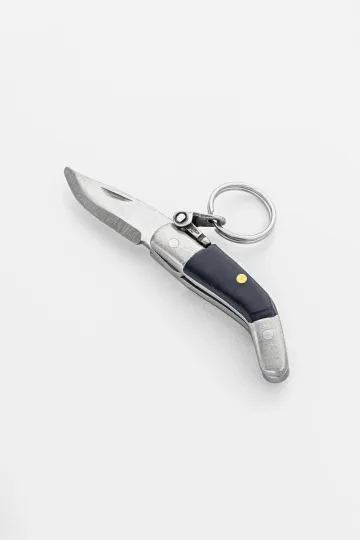
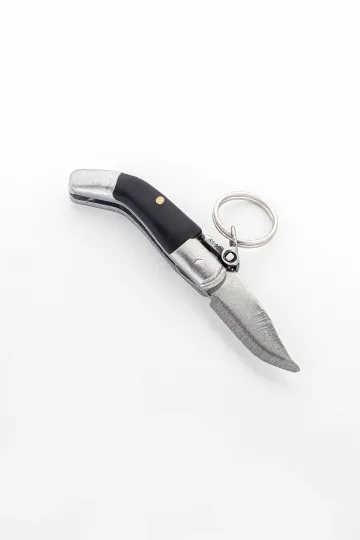
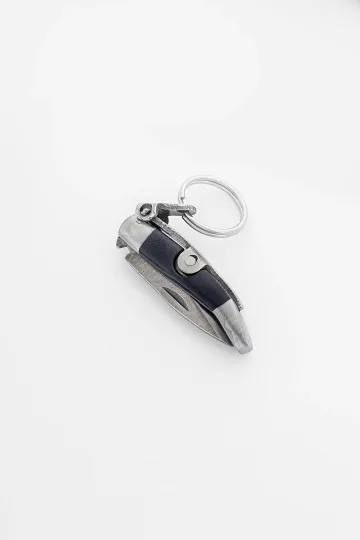
CAPAORA mini knife pendant
The 18th-century Spanish navaja in miniature: 40 mm of stainless steel, a real folding mechanism and a Palanquilla lock that clicks. An affordable gift to remember.
Authentic · Ships from Spain · 14-day returns
How to choose a policy that fits
Step 1. Inventory
Go through the box and honestly sort your jewellery: what you wear daily, what's strictly for going out, what sits idle, what's dear in meaning rather than price. The wedding and engagement rings come off rarely and cost a noticeable amount; a chain with a locket is inexpensive but cherished; earrings for occasions are easy to lose. Even at this stage it's clear what to insure first.
Step 2. Honest valuation
Bought it recently, use the receipt. A gift or an heirloom, then you need an appraisal from a gemologist or jeweller. Don't inflate the figure out of feeling: on the market a piece is worth exactly what someone will pay, and an inflated appraisal means extra premiums and a risk of dispute at payout. Don't lowball it either: platinum with a large diamond is worth more than it looks.
Step 3. Choosing cover
Home only, if the pieces barely leave the flat. A floater, if you wear pieces around town, travel and lead an active life. Named, if there are one or two especially valuable pieces that need a guarantee of full payout.
Step 4. Limits and exclusions
Before signing, check the maximum limit per piece (often more modest than you'd expect), exclusions outside the home, exclusions for your own carelessness, and the waiting period, since some policies don't start paying immediately.
How to wear and store so you don't lose
A policy works best when you're careful. Care lowers the risk and makes the payout easier too.
The inventory, your main insurance against denial
Photograph each piece from every side, separately, close up, the stones and any distinguishing marks: engraving, a maker's hallmark, an inscription inside. Keep a simple table: name, purchase date, value, materials, size, stone colour. It helps at claim time, and also if you decide to sell the piece or pass it down. Keep the inventory and a copy of the policy apart from the jewellery itself, ideally in the cloud too: if there's a theft, the piece and the documents won't be carried off together.
How to photograph a piece for the inventory
A photo for the inventory does one simple job: prove the piece existed and looked exactly so. Shoot in soft daylight, no direct flash, against a plain background so metal and stones read clearly. Take a full shot of the piece, a separate frame of the fineness hallmark and the maker's mark, a close-up of every large stone and any features: scratches, a chip, a personal engraving, an inscription inside a ring. One frame with a ruler or a coin alongside helps for scale. If you have them, photograph the tag, the label and the receipt itself. These frames are worth more than any words in a claim.
A digital register and a backup
A paper inventory is easy to lose along with the jewellery, so keep it digitally as well. A simple table on your phone or in the cloud plus a folder of photos for each item will do. For every piece it helps to hold a record with name, date and place of purchase, price, materials and fineness, stone characteristics, certificate number and date of last appraisal. Make a backup somewhere a thief can't reach: the cloud, an email to yourself, a flash drive at a relative's. Update the register whenever you buy, gift, remake or sell a piece, so the inventory always reflects the real box.
Receipts, certificates and ownership history
A receipt confirms the fact and date of purchase, a laboratory certificate describes the stone, an appraisal sets the figure. Together they close the "prove it" question. A paper receipt fades over time, so scan or photograph it at once. Keep a diamond certificate (the stone's characteristics, its parameters, sometimes a laser inscription on the girdle) next to the appraisal: with it the insurer confirms that the insured stone is this one. For heirlooms and gifts with no receipt, the history is replaced by an account of provenance, old photographs showing the piece on a family member, and a fresh independent appraisal. The longer and clearer the chain of ownership, the calmer the payout.
Rings and bracelets in daily life
The most vulnerable pieces. They fly off in a hurry, go down the sink, catch on gloves. Take off bracelets and rings before the gym, the pool and a hot bath; don't wear anything expensive for cleaning, cooking or work with water and chemicals. Loss at home, in the sink or under the sofa, often isn't covered: insurance is built for sudden incidents, not for negligence.
Earrings and necklaces on the road
Earrings get lost while changing in a hurry, chains snap when they catch. Put expensive earrings on the day of the event, not the day of the flight; at a hotel, stow your jewellery in the safe right away rather than leaving it on the table. Carry the receipt and a copy of the appraisal, and if you lose something abroad, go to the police for a report first.
Storage at home
The ideal option is a safe. Without one, a locked box in the bedroom (a thief more often searches the living room and kitchen) or an unremarkable container that doesn't look like a treasure chest. Don't keep jewellery on an open dresser, by a window, in the bathroom (humidity harms metal), or all in one spot, spread it across several.
Leave your email, we'll send your discount code. No spam, unsubscribe anytime.
The code arrives by email, valid on your first order.
Common mistakes
A wrong valuation. An understated value means a trimmed payout; an inflated one means extra premiums and a risk of denial. Strong inflation (over half the real price) the insurer may read as an attempt at fraud. Get an appraisal from a gemologist, not by eye.
Silence about changes. Reset the setting, added a stone, changed the configuration, tell the insurer in writing. Otherwise, at payout, the company can say the piece doesn't match the policy description.
Missing notices and deadlines. A policy usually renews once a year; miss the renewal letter and the cover simply ends. File a claim at once, after two months many companies will already deny it on the limitation period.
The policy next to the jewellery. Don't keep the original policy in the same box: in a theft, both will be gone.
Buying on price alone. A cheap policy often excludes exactly the situations you insured against. Read the section on cover and exclusions before you sign.
What insurance usually does not cover
Every policy has exclusions, not out of company spite but as the boundaries of the risk taken on.
- Carelessness. You left a ring on a shop shelf and forgot it, loss through negligence isn't reimbursed.
- Natural wear. A bracelet thinned and broke over years of wear, that's a repair, not a covered event.
- Fault of third parties. A jeweller damaged the piece during a remake, the claim is against the jeweller, not the insurer.
- Unreported alteration. You changed the setting or added a stone without telling the company, the new configuration may not be covered.
- Geography. Some policies work only in the country or exclude certain regions. Before a trip, check whether the cover works where you're going.
- Timing. There may be a waiting period before the first payout and a requirement for a fresh appraisal if the last one is over three years old.
Insurance and inheritance
Inherited pieces add a couple of nuances.
To insure an inherited piece, you'll need proof of ownership (a certificate of inheritance, a transfer deed from a notary) and a fresh appraisal, since prices of materials change and the real value often differs from expectations. It helps to know the history of the piece: when and by whom it was bought, which supports authenticity.
You can't pass an insured piece to your children "along with the policy": a policy isn't inherited, it ends at the owner's death, and the heirs will have to take out a new one on the reappraised value. To make it easier for them, leave the original policy (or its number), the receipt, all appraisals and certificates, a description of the piece, and the insurer's contacts.
Alternatives and add-ons
Insurance isn't the only form of protection, and the approaches are often combined.
A home safe. A one-time cost instead of yearly premiums, and good protection against theft at home. But it won't save you from loss away from home and won't cover damage.
A bank box. Maximum security for what you almost never wear. The downside is that it's inconvenient to access often, and outside the bank there's no protection.
A combination. Send the most expensive, rarely worn piece to the bank or a safe, take everyday jewellery onto a floater, and put especially valuable pieces you wear regularly onto a named policy. That's a sensible balance when you have many pieces of differing value.
Alarms and the smart home
A camera, opening sensors and a monitored alarm don't replace a policy, but they complement it well and often earn a discount on the premium. Camera footage also helps with a claim: it shows whether there was a break-in and when the piece disappeared. The main thing is not to turn the home into a display case: bright "safe here" stickers and open boxes by the window work as an invitation, not a defence.
What to do before a trip
The road is a high-risk zone, so prepare for it in advance. Check with the insurer whether the policy works in the destination country and whether there are exclusions there. Take a copy of the policy, the appraisal and receipts, ideally in the cloud rather than in the same suitcase. At a hotel, stow the most valuable pieces in the safe right away, and on the road keep them on you rather than in checked luggage. If you plan to carry a rarely worn piece for no real reason, it's sometimes wiser to leave it home in the safe and not risk it at all.
Send a friend a discount code, they save on their first order.
Facts that surprise
The subject of payouts and policies seems dry, but plenty of odd and instructive things have gathered around it.
Most losses happen at home, not on the street. Imagination pictures a pickpocket in a crowd, but insurers' statistics say otherwise: jewellery is most often lost in one's own home. A ring washes down the sink, an earring rolls under a dresser, a chain goes out with a tissue into the bin. That's exactly why seasoned owners take pieces off in the same familiar spots.
The bathroom sink is a graveyard of rings. Plumbers regularly pull rings and earrings out of traps, and for insurers loss down a drain has long been its own line in the statistics. A narrow metal band is especially treacherous: it slides silently off a soapy finger and vanishes in a second.
Half a pair is worth disproportionately little. Logic suggests one earring is half the value of the set, but the market thinks otherwise. A single earring is worth almost nothing because there's nowhere to wear it without its mate, so when one earring is lost the payout comes with a sharp markdown or covers making the missing piece.
Modern insurance grew out of a coffee house. A London coffee house where shipowners and merchants gathered in the seventeenth century turned into the largest insurance market in the world. The first marine policies also covered the gems traders carried, so jewellery insurance has maritime roots.
A payout more often comes as a piece than as cash. Many are sure that after a loss the sum simply lands in the account. In fact it's cheaper for the company to order a new piece with the same characteristics from a jeweller at wholesale, so a cash payout, if it matters to you, is agreed in advance.
An appraisal goes stale in a couple of years. An appraisal paper seems eternal, but prices of gold, platinum and large stones creep, and in two or three years the figure already lies. A stale appraisal is equally bad both ways: it undercuts the payout or inflates the premiums.
A workshop warranty and insurance are different things. A warranty covers only manufacturing defects and expires in a year or two. Loss, theft and a drop to the floor have nothing to do with it, and owners often confuse the two and find out at the worst moment.
Overstating the value costs you more. It seems logical to put down a bigger figure "just in case," but strong inflation works against you: extra premiums every year, and at payout the company still pays the real price and may, on top of that, suspect fraud.
Buying it as a gift? Each one arrives ready to give.
 A branded Zevira box and a little card come with every order.














Frequently asked questions
Why is jewellery insurance more noticeable than it seems?
Jewellery is small, easily portable and valuable, so the loss risk is higher than for electronics of the same size. It's easy to leave at a restaurant, lose on the road or at the gym. Because of high loss statistics, companies build in a higher percentage.
Can I insure vintage?
Yes, but you need an appraisal. A vintage piece may be worth more or less than at purchase, depending on what the market has done over the years.
What if a piece was simply damaged over time?
Not covered. Insurance protects against sudden events (theft, loss, a chip), not natural wear. A stone fell out because the prongs weakened over years, that's a repair.
Why is a reappraisal needed and how often?
A reappraisal is needed if the piece is more than a few years old and hasn't been valued, came without a receipt (an heirloom, a gift), was made to order, is vintage, or contains stones that need a certificate. It's usually done every two or three years: platinum and gold prices change.
What happens if I overstate the value in the policy?
A small overstatement leads to extra premiums and a trimmed payout. A strong one (over half the real price) is grounds to suspect fraud and deny the claim. You need an honest appraisal.
Does a policy end on its own or do I renew it?
You usually renew once a year. The company sends a reminder, but if you don't renew and an incident happens, there's no payout.
I lost one earring of a pair, how much do I get back?
An earring without its mate is worth far less, so the payout comes with a large markdown rather than as half the pair's value. Check the exact terms in your policy.
What do I do if I lose the policy itself?
Don't panic. Contact the company, give the policy number or your name and the date it was issued, and they'll provide a duplicate, usually free and within a few days.
Can I change the insurance mid-year?
Yes. Bought a new piece, the limit is raised with a top-up for the remainder of the year; sold a piece, the limit is reduced and part of the premium is returned proportionally to the time left.
Does the material affect the price?
Yes. Platinum is insured at a higher rate than gold, gold higher than silver, and expensive stones raise the premium. That's why the appraisal lists the material and every characteristic.
Can I insure someone else's piece?
No. Insurance is taken out only on what belongs to you. A borrowed piece can't be insured by you; its owner can do that.
Can I insure a piece only for a trip or an occasion?
Often yes. Some insurers grant a short-term extension of cover for a specific period or event, which is handy if you wear an expensive piece rarely but take it along once a year. Clarify the terms in advance: you can't arrange such cover after the fact, once the piece is already lost.
Will a piece given in for repair or cleaning be covered?
It depends on the policy and on who's at fault. If the piece suffered through the workshop's fault, the workshop answers, not the insurer. Before handing an expensive piece over, keep its photo and inventory, and take a receipt from the desk describing its condition, which makes any dispute over damage easier.
In short
Jewellery insurance is a tool for peace of mind, not a luxury. It earns its place when a piece is dear or irreplaceable and you wear it actively. If the piece is inexpensive and barely leaves the box, it's simpler to do without a policy.
Whatever you choose, do two things in advance: a detailed inventory with photographs and an honest appraisal. Then even in the worst case you can restore what matters to you, without long arguments with the insurer.
Rings, earrings, chains and pendants in 925 silver and 14-18K gold, made to last and worth keeping safe.
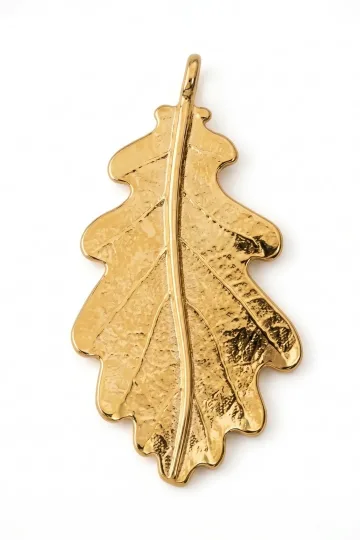
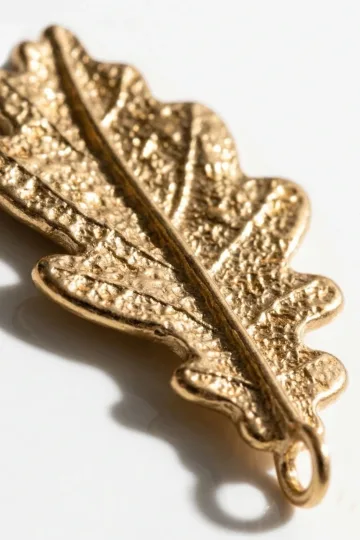
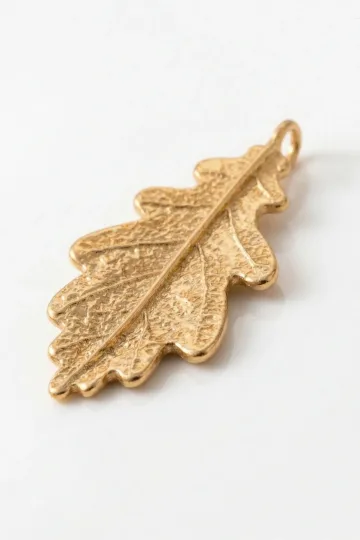
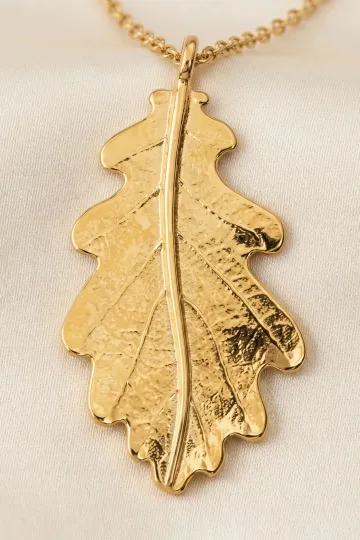
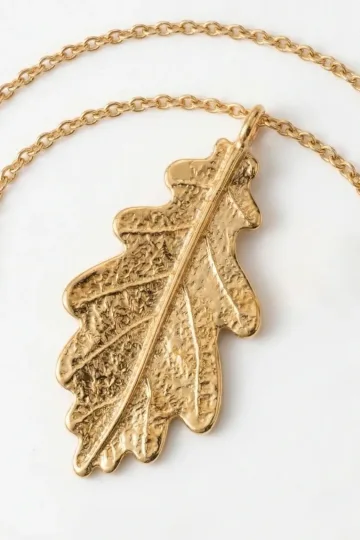
Wear the symbol, don't just read about it. These are in stock:



About Zevira
We make jewellery worth keeping safe: 925 sterling silver, quality stones, solid work. These are exactly the pieces it makes sense to insure, they last for years and outlive more than one owner.
If you have questions about caring for jewelry, see our guides on cleaning gold and silver at home and storing necklaces and chains. Proper care and considered protection are the two pillars of a long life for your jewelry.