Jewellery for a New Mum: the Push Gift, the Keepsake and a Symbol of Transition
Introduction
Most gifts for a new mum pass straight through the baby. Muslins. Babygros. A pram. She herself receives nothing. This is not greed or thoughtlessness. It is a cultural blind spot: the newborn sits at the centre, and the mother is treated as the staff who served the event. Psychologists call this stretch of life "matrescence" (the researcher Dana Raphael coined the term back in 1973): a woman stops being who she was and has not yet become who she will be. That is a separate experience, and it deserves its own acknowledgement.
This guide looks at what a push gift actually is, why jewellery works better than most other gifts, and how to choose something that will still mean everything in twenty years.
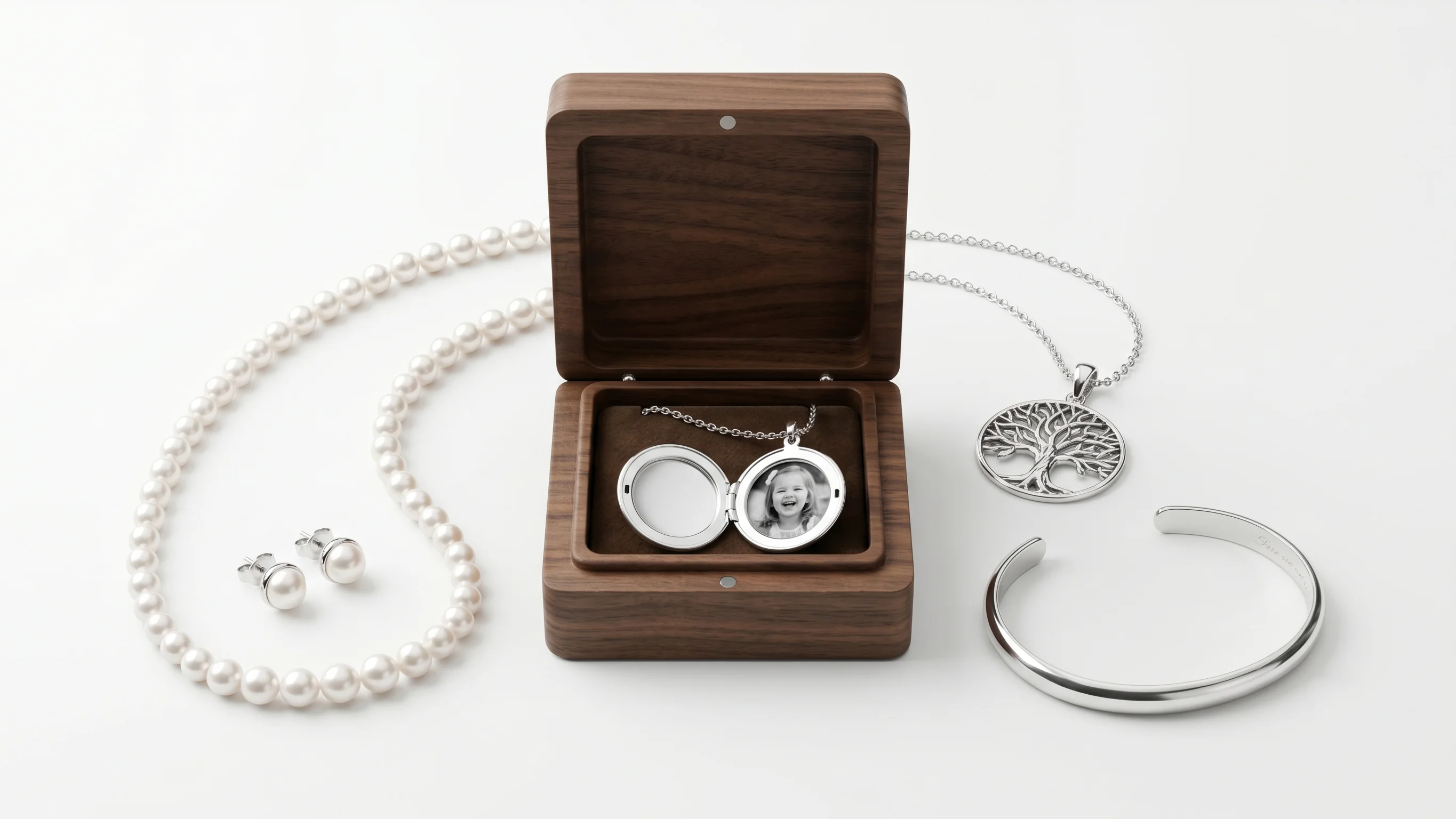
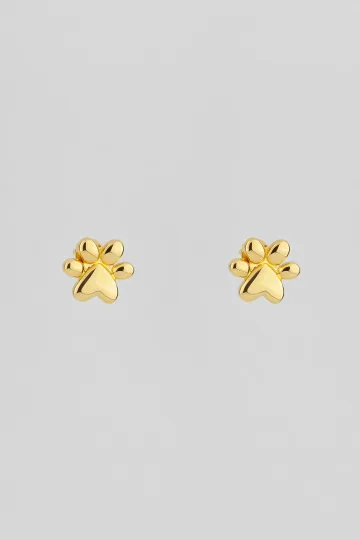
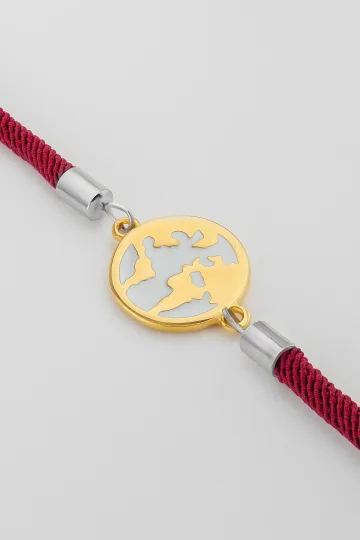
Wear the symbol, don't just read about it. These are in stock:


What a push gift is: a tradition going global
The word "push" is literal here: labour. A push gift is a present to the mother for bringing a child into the world, from a partner or from herself. The custom took shape in the United States and gathered pace through the 2000s. By the 2010s it had hardened into a settled cultural practice: in American surveys of the period, more than half of new mothers said they had received, or expected to receive, a gift of this kind.
Then it began to travel. First to Britain and Australia, then to Germany and France. It now turns up across Europe under various names: "the baby gift", "a keepsake for the birth", "a present for the new mum". In the UK the phrase "push present" has become common enough to need no explanation among new parents.
The cultural root of the practice is not American. It is far older. Many traditional cultures had rituals of giving the mother a gift after birth: gold jewellery in India, silver bangles across the Middle East, particular necklaces in a number of African traditions. The American "push gift" simply gave that practice a modern name and a commercial shape.
The point is not the label. The point is recognition. The arrival of a child changes a woman irreversibly. It is a physically, psychologically and existentially transforming experience. A gift for the new mother is a way of saying: I see this. I understand what just happened.
Why jewellery specifically
Among the possible push gifts, jewellery holds a particular place. It gets worn. Constantly. The spa day is over and forgotten. The flowers wilt. The dinner is eaten. The piece stays on the body and goes with her into her new life, every single day.
That physical presence carries psychological weight. Every time fingers brush against a pendant during the three a.m. feed, every time her eye catches a bracelet on the first solo outing with the pram, the jewellery does its job: it reminds her. This mattered. I came through this. It is part of me.
There is also the fact that jewellery can be personalised in a way nothing else can. The child's name, the date of birth, the time, the coordinates of the hospital, the birth weight, the first letter of the name, the birthstone. Each of these turns a mass-produced object into the only one of its kind in the world.
Not only for the first birth
The tradition is not confined to first births. With a second child the gift is no less fitting. If anything the reverse: it can carry something more layered, both "you have just become a mother" and "you went through it again, and that matters again". With a third, fourth or fifth child the situation is the same.
The difference lies in what the gift can be with each new birth. There is a separate section on that below.
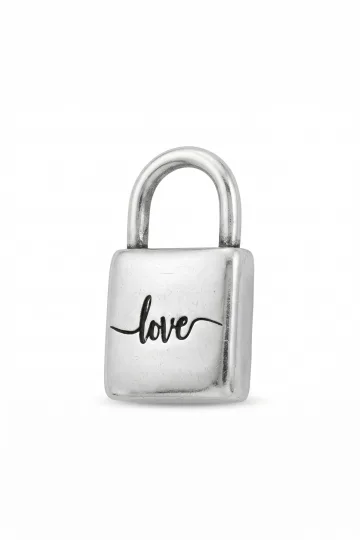
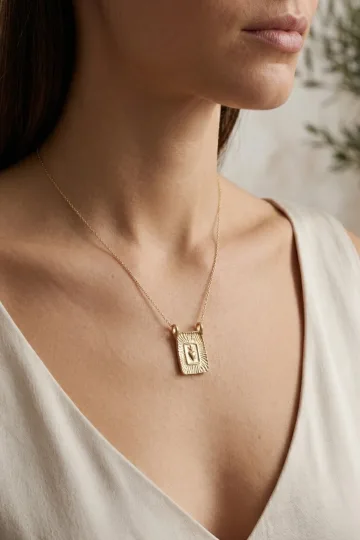
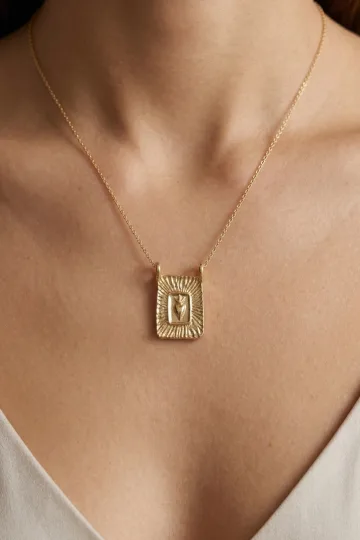
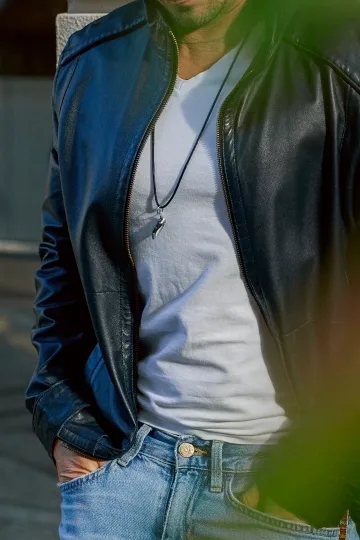
A keepsake locket belongs on a bare collarbone, not smothered under a turtleneck. And do not go dainty with the chain: a piece with weight is meant to be felt.
What to wear it with
Dozens of these gifts have passed through my hands, and the question is almost always the same: how to wear the piece so it lives on the body and not in a box. Here is what I recommend to new mums, occasion by occasion.
What should she wear a keepsake pendant with every day? For home clothes, a walk with the pram and a coffee with a friend I recommend a pendant on a medium chain over a plain T-shirt, a shirt or a knit. A deep or V-shaped neckline opens the area at the collarbones and gives the pendant a natural frame. Under a high neckline it tucks away, and then it is a quiet personal sign for the mother alone, not for an audience.
How should she wear it to the office or a first outing? Going back to work and the first outing without the baby call for restraint. I suggest a fine chain, a single pendant and studs in the tone of the metal. Silver sits cleanly in a cool palette (grey, blue, white); yellow gold warms against beige, sand, olive, wine. I keep one rule: a single point of emphasis. If there is a keepsake pendant at the neck, I leave the hands and ears quiet.
What works for the evening or a special occasion? An anniversary, a christening, a first dinner for two after a long gap. Here I build a soft layer: the keepsake pendant on a short chain plus a second, longer one, to make a gentle cascade. I suggest a locket for bare shoulders or a fine strap, since it has weight and presence. Satin, silk and velvet light up the metal better than heavy cotton.
What suits which character? For someone who loves minimalism I recommend a single fine pendant and studs; they will never be taken off. For someone who loves character I suggest a stack of bracelets or several chains of different lengths in one metal, so they do not argue. I mix silver and gold on purpose: one metal leads, the other supports.
How do you choose a length and weight she will actually wear? Everyday life decides this. I choose a length and weight that will not get in the way of holding the baby and will not hide under clothes every day. A locket and a larger shape love an open neckline; a fine pendant lives under anything. The piece that is comfortable to wear is the one that gets worn.
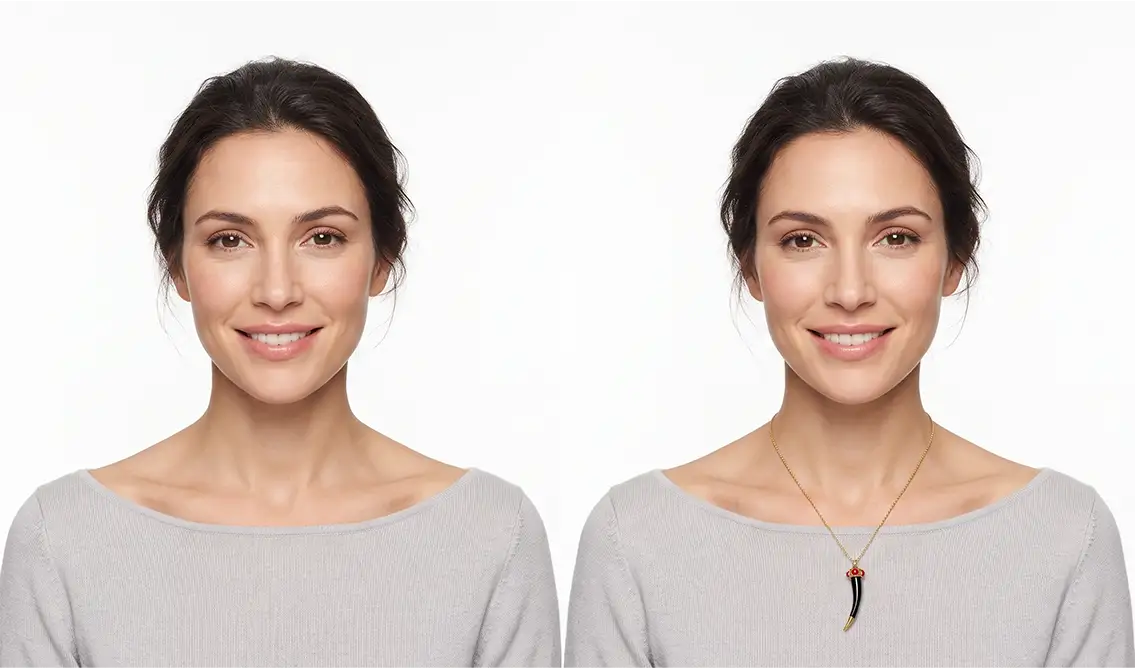
Turn on your camera, pick earrings, a pendant or a ring, and see the piece on yourself in real time.
Switch items in one tap.
Everything runs in your browser: no photo or video is ever uploaded.
The psychology of motherhood as a rite of passage
The anthropologist Arnold van Gennep, writing in 1909, described the structure of the rites of passage found in every culture. Any move from one state of life to another, youth into adulthood, single into married, life into death, runs through three phases.
The first phase: separation from the old state. The person stops being who they were.
The second phase: liminality, the threshold state. No longer the old self, not yet the new one. This is the most vulnerable moment.
The third phase: incorporation into the new state. The person becomes who they have become.
The birth of a child is one of the most radical personal transitions in a life. Pregnancy is the phase of separation: the body changes, the identity starts to shift. Birth and the first weeks are liminality in its purest form. The body is still in a painful process of recovery, hormones are turning over, sleep has vanished, the new role has not yet been learned. Slowly, sometimes over a month, sometimes over a year, a new identity settles into place. A person becomes a mother, biologically and psychologically.
This passage is sometimes called "matrescence", by analogy with adolescence, the work of growing up. Matrescence is the birth of the mother, running parallel to the birth of the child. The child is born once. So is the mother.
Rites of passage exist precisely to mark this shift. They give the transition a shape. They say: this happened, this matters, this will be remembered. A gift for the new mother does exactly that. It marks the passage. It becomes a physical sign that something has changed forever.
Jewellery, in this sense, is an especially precise gift. It is worn. It is constantly present. Each time a hand touches a pendant or an eye falls on a bracelet, there is that quiet reminder of what was, and of who she has become.
Why the body needs a physical sign
There is a further dimension, less obvious. Birth is a bodily experience. One of the most intense bodily experiences a person undergoes by choice. Afterwards the body slowly returns to itself, but it is already different. That change is invisible to onlookers, yet it lives in the body itself.
A piece worn after birth ties that bodily experience to an outward, visible sign. It says to the body: what you went through has a form. That form will stay with you.
Many women describe a particular relationship with the piece given or bought after birth. They wear it differently from their other jewellery. They look after it. They keep it on even when they take everything else off.
A psychologist working with the postnatal period might put it like this: the piece works as an anchor. It connects the present moment, full of tiredness and uncertainty, to the large event that has already happened. "This already happened. I have already done it. Here is the sign." In moments when everything feels uncertain, that anchor has a practical value.
This is exactly why a piece chosen well gets worn for years with no urge to take it off or swap it out. It is stitched into the wearer's identity at a level that more surface jewellery never reaches.
A gift from the partner: what belongs in it
If you are the partner who wants to give jewellery to the new mum, the main question is not "what to buy" but "what should this mean".
A good gift from a partner carries one or more of the following.
A record of a specific moment. The child's date of birth. The time. The hospital coordinates. The weight and length at birth. The name. The initials. All of this can be engraved, and each element turns the jewellery from a pretty object into a personal artefact. In twenty years, a piece engraved with "03:47" will mean more than a piece with no engraving at all.
A symbol of the child. The child's birthstone. The initial of the name. The star sign. Any element that ties the jewellery to this particular child rather than to motherhood in general.
A connection to who the mother is. If your partner loves minimalism, do not buy a chunky locket covered in scrollwork. If she wears silver, do not buy gold. The best gift is the one she will want to wear straight away, not put aside "for a special occasion".
A sense of scale. The gift should match the size of the event. That does not mean expensive. It means not offhand. A small box, wrapped in paper, placed into her hands at the right moment, can mean more than a costly bracelet left on the bedside table without a word.
When to give it
The timing matters. Each moment has its own advantages.
On the ward, just after the birth. The most emotionally charged moment. She is exhausted, still in hospital, everything still raw. A gift here lands hard. It says: I am here, I see this, right now.
On the day you leave hospital. The move from ward to home is also a significant moment. The family travels home together, for the first time as a family. A gift at discharge is a symbol of a new beginning.
On the first day at home. Once the rush has eased a little and you can simply sit and be together. This moment is quieter, more intimate. Many couples find the first evenings at home special precisely because of that hush after the intensity of the hospital.
A month after the birth. Once the first acute stretch is behind you, once she is beginning to surface from pure survival mode. A gift a month later says: I remember. This matters too. Sometimes a delayed gift is valued more than an immediate one: it shows the moment did not just flash past and get lost in the chaos.
There is no right answer. There is only what suits a particular couple and a particular moment.
What adds value to the gift
A box or a pouch for the piece. A short handwritten note. Words. Partners often think they have to replace words with an expensive gift. This is a mistake. The gift plus the words means incomparably more than the gift alone.
"You did something incredible. I see it. I want you to remember it." A few lines on a slip of paper, tucked into the box, turn a purchase into an act of recognition.
A gift to yourself: why it works
Not every woman is given jewellery after birth. For some, the partner does not think of it. Some have no partner. Some have one, but with no eye for jewellery. None of that is a reason to go without.
A gift to yourself after birth is a separate, very weighty tradition. In a sense it can mean even more than one received from someone else. Because it says: I myself recognise that this mattered. I myself choose to mark it. I do not need to wait for someone else to tell me I did well.
This is not selfishness, and it is not compensation. It is an act of self-respect. Our culture often presents motherhood as something that earns no thanks, something simply taken for granted. A woman who buys herself a piece as a keepsake of the birth does the opposite: she says clearly and deliberately that this moment is worth remembering.
In practice it looks different from one woman to the next. Some buy a piece before the birth, choosing in advance what they want. Others buy in the first weeks afterwards, as they come out of the acute phase and start to think about something beyond the baby again. Others do it a year on, as a deliberate way of closing the first year of motherhood.
There is no wrong time. There is a right one.
How to choose a piece for yourself
When a woman chooses a piece for herself, she has one clear advantage over a partner: she knows exactly her own style, her silver or her gold, her preferences in shape and size.
That means the choice can be sharper. She can find the precise pendant that will sit naturally inside a style she already has. She can choose an engraving that means something only to her.
There is also a particular pleasure in choosing slowly. Not in a rush, like a partner at a counter. Properly: looking at different options, picturing how it will look in five years, thinking about what exactly this object should say.
Customer reviews
Zevira is a real jewellery shop. Genuine payments, deliveries and customer thank-yous.
🥰🥰🥰 gracias
Ok, ¡gracias! 🙂
A gift for the second and third child
The second child is not a repeat of the first. It is a separate event, with its own story. And the gift for a second child should not simply be another one of the same.
There are a few approaches.
Extending a set. If the first child brought a pendant with an initial, it makes sense with the second to add a second initial on a separate charm, or to choose a piece that allows elements to be added. Such pieces, designed to grow with each new birth, are sometimes called "mothers' jewellery" or "family jewellery". It is a deliberate idea: the piece grows with the family.
A new symbol. The second child can have a separate piece with a different symbol. The birthstone for their month. A different initial. A different element. The collection gradually builds.
Paired symbolism. There are pieces that work specifically as a sign of two: paired "mother and child" pendants, pieces with two stones for the number of children, lockets with room for two photographs.
With a third child and beyond the principle is the same: either continue the set, or a separate piece with a personal meaning, or something that gathers all the children together in one object.
What shifts in the symbolism. With the first child the piece is often about the event itself: the birth, the beginning. With the second it is more often about the family as a whole. With the third it is frequently about being rooted: we have become a family of several children, this is no longer news, it is a way of living. The choice of symbol can reflect that.
What is particular about the second child
A second child is often lived differently from the first. The first is the shock, the shifting of tectonic plates. The second is, in a way, a conscious choice: we already know what this is, and we are doing it again.
That does not make the second child any less important. But the gift for a second can carry a slightly different meaning: not "everything for the first time" but "you did it again". Deliberately, knowing what you were taking on, and still choosing it. There is a particular dignity in that.
A piece for the second child that continues the set begun with the first says exactly this: the family goes on. The set is not finished. It is alive.
Upload a photo of your pet, someone you love, or an object. We'll build a 3D model and hand-cast it in pewter.



Engraving: the language of detail
Engraving turns a mass-produced piece into the only one in the world. That is a fundamental difference. A piece without engraving is beautiful. A piece with your child's name and date of birth belongs to you alone.
Here is what gets engraved most often.
The child's name. The most common choice. Simple, clear, direct. It works particularly well on locket pendants, fine bracelets and the backs of pendants.
The date of birth. In full: day, month, year. Or just the numbers. Or written in an unusual way: only the year, or "13.03" without the year.
The time of birth. A surprisingly strong choice. The time of birth is a detail only a very small circle of people ever knows. "03:47" or "16:22" on the back of a pendant is a piece of secret knowledge carried only by the wearer. This choice tends to appeal to women with an analytical turn of mind: precise, concrete, unsentimental yet deep.
The hospital coordinates. The geolocation of the moment. Latitude and longitude can be engraved as plain numbers or in a GPS format. It is an intellectually refined choice that works well for women who love precision and detail.
The weight and length at birth. "3.2 kg / 51 cm" are very concrete physical details that are hard to recall accurately later. Engraving keeps them forever. It is an especially precious engraving: not a date, but the physical measurements of a particular person at the first moment of their existence.
Initials. One or two letters, a first name and surname, or a first name and middle name. Minimal, universal, suited to any style.
A short phrase or word. "Always", "You can", "For you". Something personal that means something only to the wearer. Sometimes the most important thing can be said in a single word.
Practical advice on engraving
Before you order, check the maximum length of text: different pieces allow different numbers of characters. The font matters: an upright font reads more strictly, italics more softly. The depth of the engraving affects how long it lasts: a shallow engraving can wear away over time, especially on pieces worn constantly.
If you are ordering an engraved piece as a gift, make sure you know the exact date, time and other details. A mistake in a child's name on a piece of jewellery is a real upset, a ruined gift.
For laser engraving it is worth checking whether a particular material and finish can be engraved at all. Oxidised silver engraves differently from polished silver. Knowing these details in advance saves you from surprises.
Which pieces work best
A locket with a photograph or a lock of hair
The locket, a medallion with a hinged cover, is the oldest of the keepsake pieces. A Victorian tradition of the nineteenth century, still alive precisely because it works.
Inside the locket goes something real: the baby's first photo, a photo of mother and child, sometimes a photo of the whole family. Or a lock of hair from the first haircut, a tradition several centuries old. Or a very small object with a personal meaning.
What makes the locket special is that it holds something real. Not only metal and engraving, but a physical trace of a person. That turns the piece into a relic.
Modern lockets come in many forms: round, oval, heart-shaped, rectangular. With one compartment or two. Engraved on the outside or plain. On chains ranging from fine to more substantial. In sterling silver or in 14 to 18 carat gold.
A lock of hair from the first haircut is a tradition of its own. A baby's first hair is often kept; in a locket it takes a form that can be worn. It is something more personal than a photograph: a physical part of the person, literally carried on the mother's body.
More on lockets and their history: Silver lockets: a complete guide.
A pendant with the hospital coordinates
Coordinates of a child's birthplace as jewellery are a modern tradition, one that has appeared in the last ten or fifteen years. It is tied to the spread of GPS and geolocation: the idea of pinning a moment to a place with precise coordinates came out of digital culture but found a very personal use.
A coordinates pendant carries a concreteness hard to reach any other way. A name and a date are abstract; they can repeat. The coordinates of the hospital where this particular child was born, on this day, at this hour, are unique.
Historically, the compass and coordinates in jewellery are tied to direction, to finding one's way. Symbolically, a pendant with the hospital coordinates says: this is exactly where it all began. This is the point of departure.
A coordinates pendant pairs well with a date on the reverse. Two layers of information: where and when. Together they fix the moment fully in space and in time.
More on the meaning of the compass and coordinates in jewellery: Compass jewellery: meaning and symbolism.
The tree of life: roots and crown of a new family
The tree of life is one of the most universal symbols in human history. It appears in dozens of cultures: Celtic, Norse, Jewish (the Kabbalah), Hindu, Buddhist, the mythological systems of Mesopotamia. In every version the meaning is one: a living thing that links earth and sky, ancestors and descendants, past and future.
In the context of a birth, the tree of life becomes a very precise symbol. The roots are the ancestors, the family roots. The trunk is the mother. The branches and leaves are the children. The new family is a new tree, one that has now put down roots.
A tree-of-life pendant for the birth of a first child means: you have become a tree. Your roots reach into the past, your branches into the future. It is a symbolically dense and at the same time visually lovely choice.
More on the symbolism of the tree of life: The tree of life: meaning of the symbol.
The sacred heart: an image of a mother's love
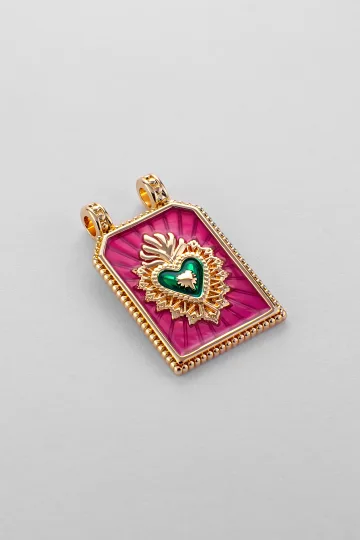
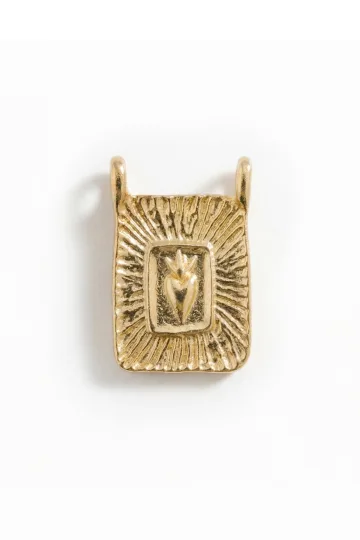
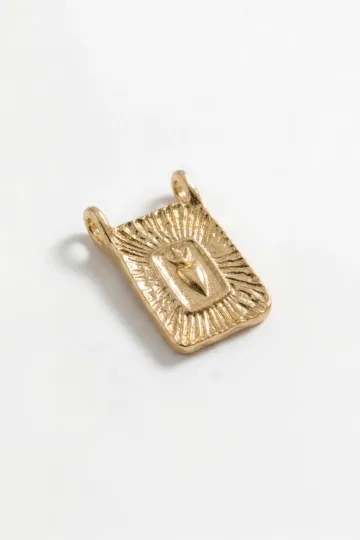
The sacred heart has religious roots in the Catholic tradition, but in jewellery it long ago moved beyond them. In modern culture the sacred heart is an image of a love that carries tenderness, pain and complete vulnerability all at once.
In the context of motherhood, this symbol speaks of a love that changes a person. Love for a child is not the same as romantic love or the affection of friendship. It is felt physically in a different way. It wounds in a way nothing wounded before. The sacred heart as jewellery is an acknowledgement of that vulnerability.
Women who choose the sacred heart after birth often describe the same feeling: that something inside is now open in a way it was not before. Love for a child is not a guarded feeling, it is an unguarded one. That is exactly what the symbol expresses.
More on the symbolism of the sacred heart: The sacred heart: meaning of the symbol.
Paired "mother and child" pendants
Pieces made of two parts, one large and one small, or two pendants on the same chain or on different ones, have become a popular genre for gifts for a mother and child.
One part is worn by the mother, the other can one day be worn by the child. Or both parts stay with the mother, standing symbolically for herself and her child. Or the large element is the mother, the small one the child, both on a single chain.
This symbolism is direct and yet not trite: it speaks of connection through form rather than through words. Two parts of one whole.
When the child grows up, one of the pendants can be passed on to them. That makes the piece both a keepsake and a future gift: what the mother wears now, one day her daughter will wear.
More on paired jewellery: Jewellery for couples: symbols of connection.
A pendant with the child's initial
One of the most restrained, yet very effective, choices. The letter of the child's name, rendered in metal, reads as a personal sign. A pendant with the letter "A" or "M" is the letter, the initial, of a person who has only just come into the world.
Initials in jewellery have a long history, from Victorian monograms to today's minimal pendants. In the context of a birth they work with particular accuracy: the name has only just been chosen, only just spoken for the first time, only just become real.
With a second child a second initial can be added, with a third a third. It is an easily assembled family set that does not call for a large outlay at each new addition.
A pendant with an initial works well both as a piece in its own right and as an addition to something larger. A locket plus a fine initial pendant on a separate chain, for instance, makes a complete narrative: a photograph in the locket, a letter on the chain.
More on monograms and initials in jewellery: Jewellery with initials and monograms.
The child's birthstone
The birthstone, the stone for a month of birth, is a tradition with roots in the Bible and in medieval astrology. Each month corresponds to one or more stones. January is garnet. March is aquamarine. July is ruby. October is pink tourmaline or opal.
A pendant or earrings with the child's birthstone are at once a personal and a universally understood choice. Anyone who sees the piece understands that the stone is tied to a particular person. And it is beautiful in itself, regardless of the symbolism.
If you are giving a piece for a child born in, say, May, then an emerald or a chrysoprase carries both colour (May, spring) and a tie to the particular month of birth.
Stud earrings with a birthstone work well during the feeding and the first months, when larger pieces are awkward. Small and neat, they are present every day without getting in the way.
More on birthstones and their meaning: Birthstones by month: a complete guide.



Which symbol to choose: a guide by meaning
If you are choosing a symbolic piece but are not sure what a given image expresses, here is a short guide to the meanings.
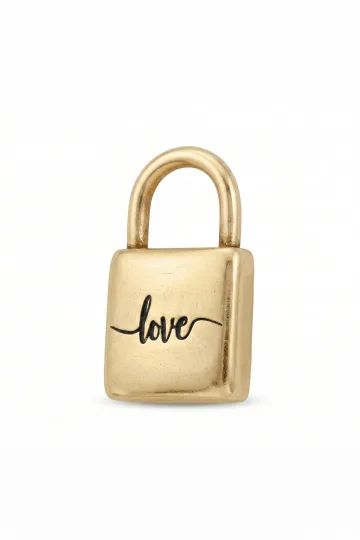
The locket. Memory, keeping safe, the secrecy of the personal. Inside the locket, something real: a photo, a lock of hair. It says: I carry you with me, literally.
The coordinates pendant. Precision, place, the fixing of a moment. For people with an analytical mind who value the concrete and the exact. It says: this is where it was.
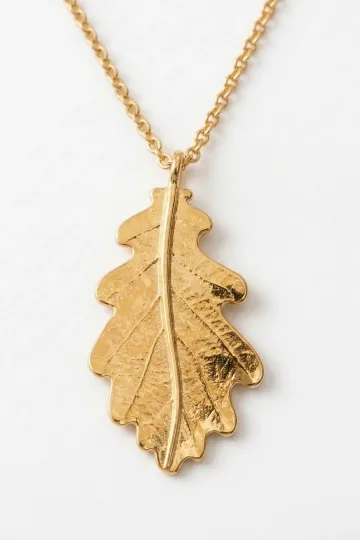
The tree of life. Family, roots, continuation. For those who think in generations, in ties, in where she came from and where her children are going. It says: you have become the root of a new branch.
The sacred heart. Love, vulnerability, depth of feeling. For those ready to admit that a mother's love is joy and pain and complete openness all together. It says: to love this deeply is an experience in itself.
An initial or monogram. The identity of the child, the name as the first fact of its existence. Minimal, direct. It says: here is their letter, their name, it exists.
The birthstone. A tie to the month of birth, to colour, to the astrological tradition. For those who value that tradition, or simply love a beautiful stone with a personal link. It says: they were born in this month, and this stone is theirs.
The paired pendant. Connection, two parts of one. For those who think about a long future: one day one of the pendants will go to the child. It says: we are linked.
These meanings do not rule each other out. You can choose a locket with an initial on the reverse. A coordinates pendant plus earrings with a birthstone. The set builds, and each element adds its own voice.
The style of the piece: choosing to suit her character
The piece will be worn, and worn for a long time. Which means it has to match what the woman already wears, or would like to wear. A gift that is beautiful but out of step with her style ends up in a box, not around her neck.
Classic. A locket on a medium-length chain. A pendant with a stone. A fine bracelet. Stud earrings with a stone. Suited to those who value restraint and versatility. Such a piece is at home in the office, at a family lunch and in everyday life. The classic style does not date: a piece in a classic design will sit just as naturally in twenty years' time.
Minimalism. A fine engraved pendant on a barely visible chain. A ring with a single stone. A bracelet with coordinates. No extra detail, no decoration for its own sake. For those who wear less, but with intent. A minimal piece often makes a stronger impression precisely through its restraint: one detail, one meaning.
Symbolism. Tree of life, sacred heart, compass, initial, locket. The piece carries a specific narrative. For those who value an object with meaning behind it. Women who choose symbolic pieces can usually explain what each element means. It is a considered choice.
Vintage and art nouveau. A locket in a nineteenth-century style. A pendant with botanical motifs. A cameo brooch. For those who love jewellery with a sense of history, where the form looks almost like an antique. Such a piece has an extra layer: it seems to have already lived through something, already seen other generations. A first child as the occasion to put on something with a past.
When choosing, remember: the piece has to match the woman's style, not your idea of what is beautiful or what suits "a mum". A mum is a particular person with particular tastes. The gift should be for her, not for the image of motherhood in general.
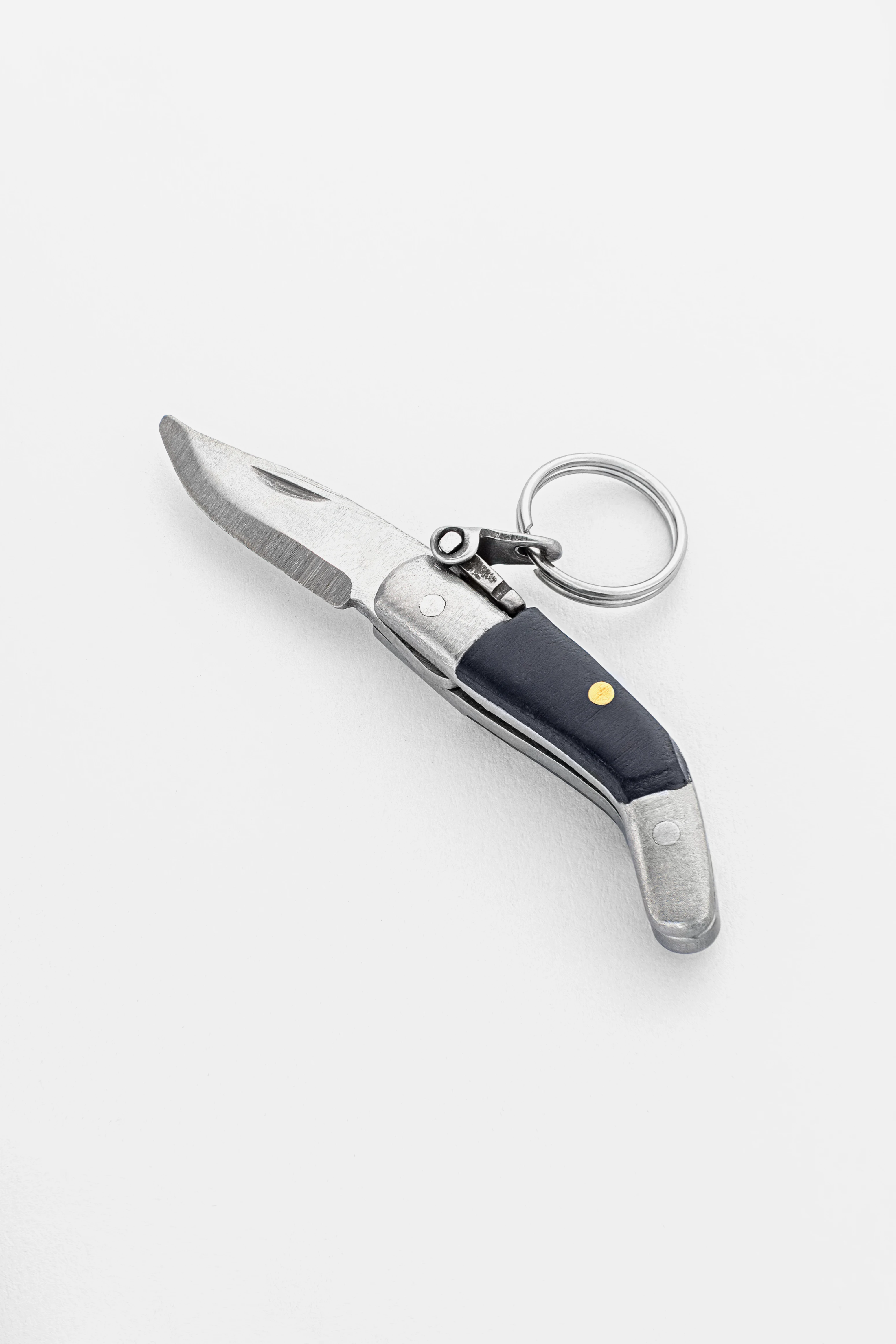
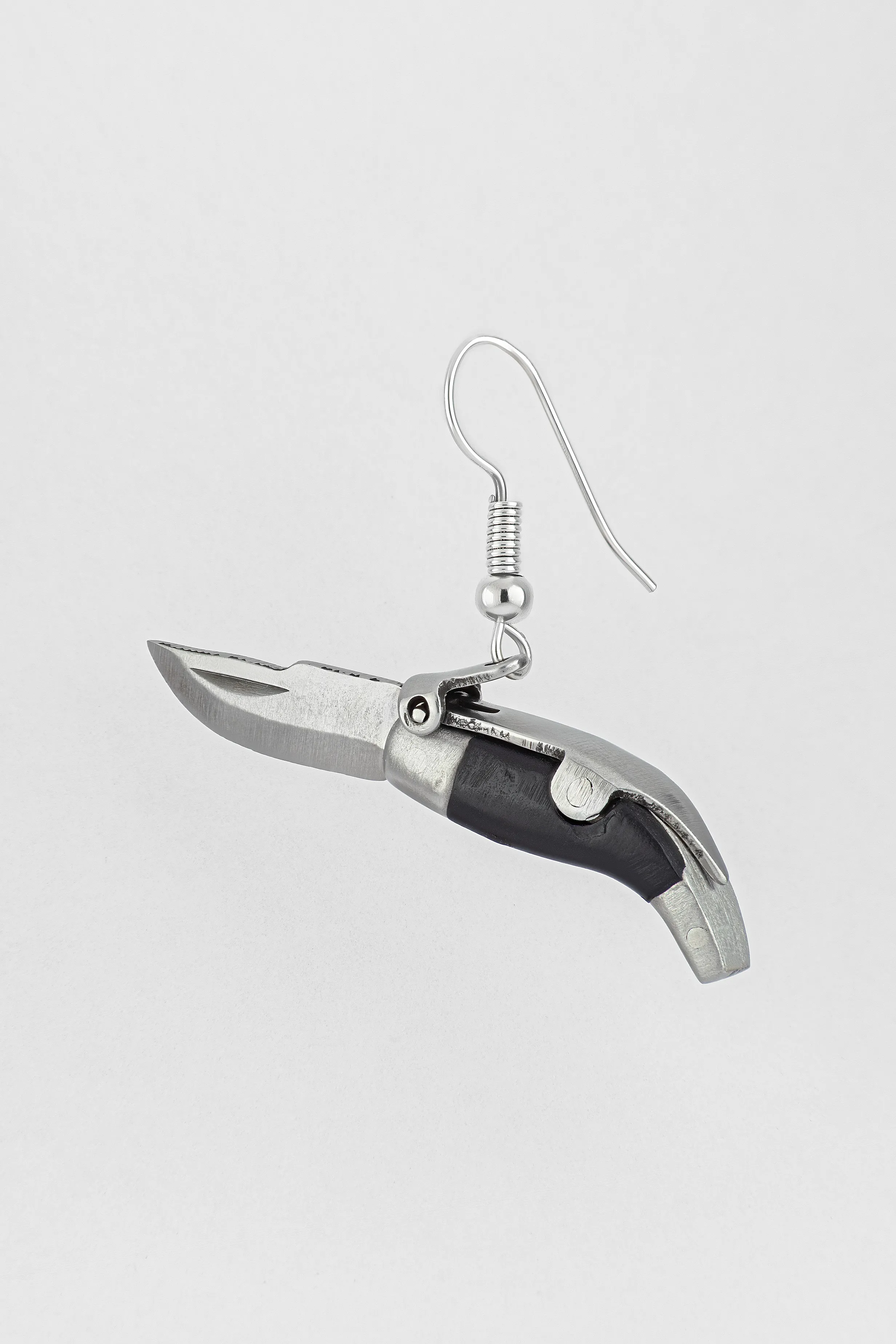
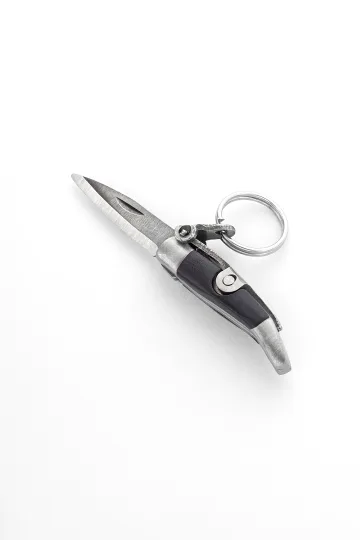
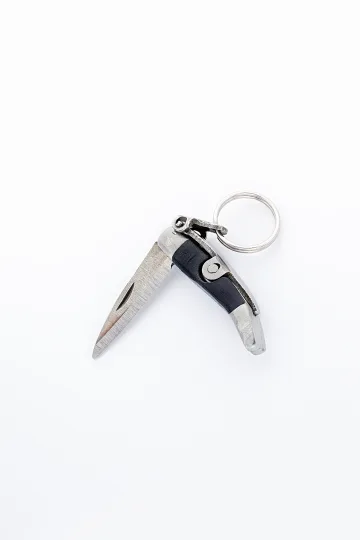
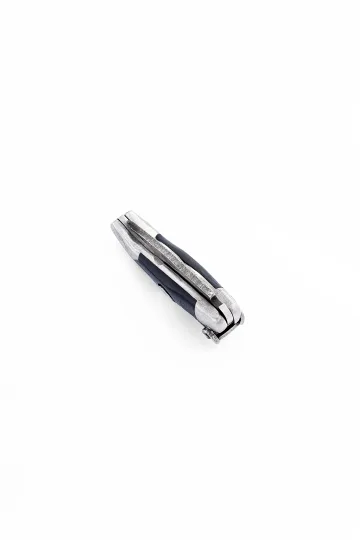
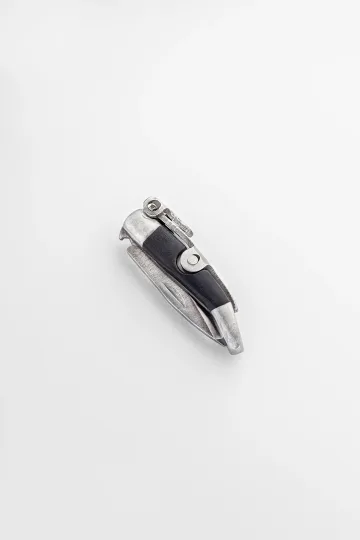
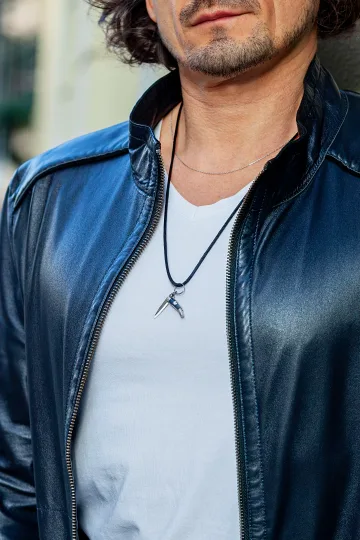
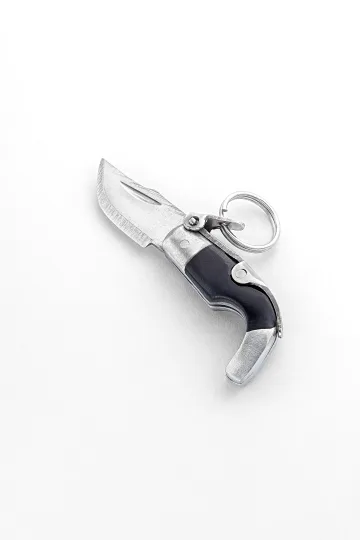
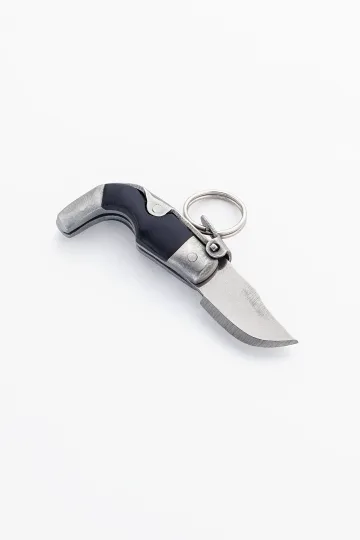
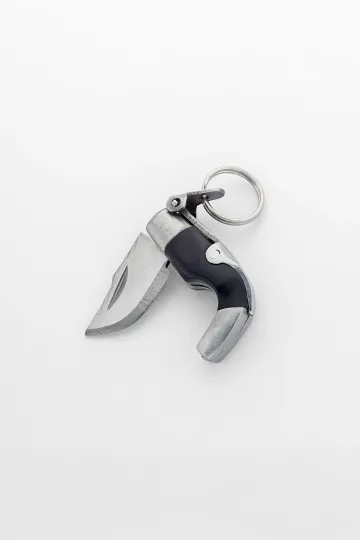
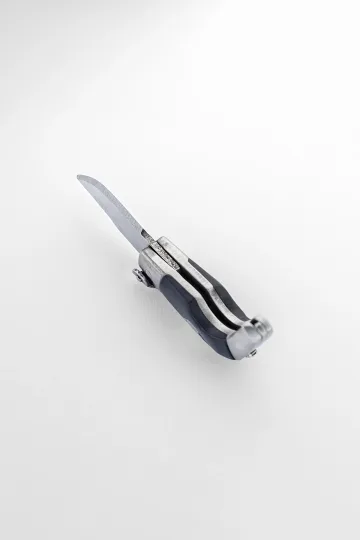
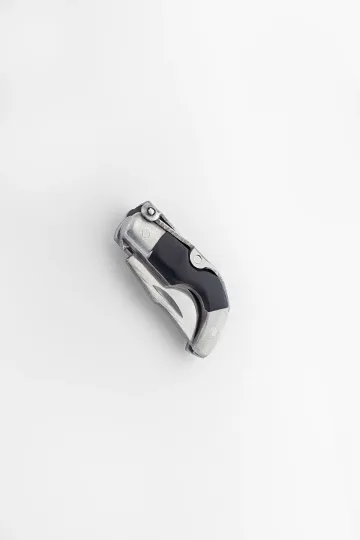
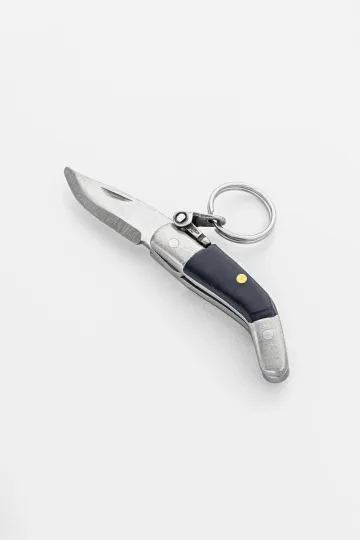
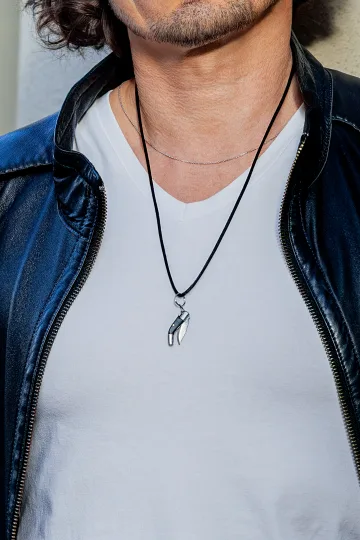
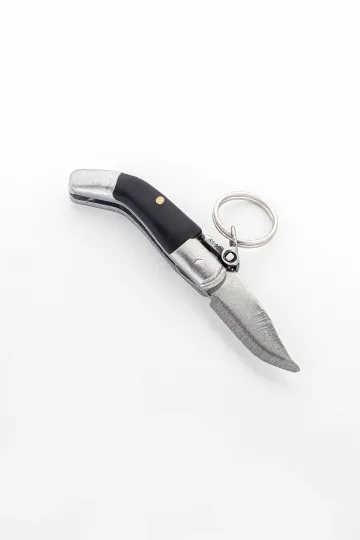
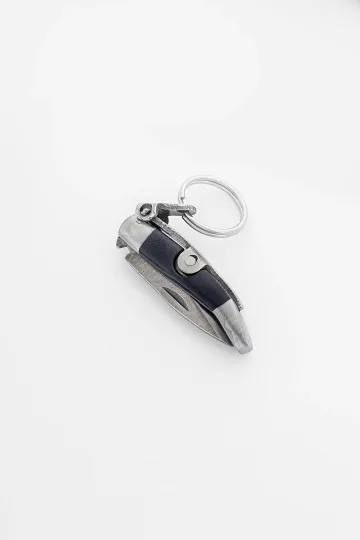
CAPAORA mini knife pendant
The 18th-century Spanish navaja in miniature: 40 mm of stainless steel, a real folding mechanism and a Palanquilla lock that clicks. An affordable gift to remember.
Authentic · Ships from Spain · 14-day returns
How to present the gift: the details that matter
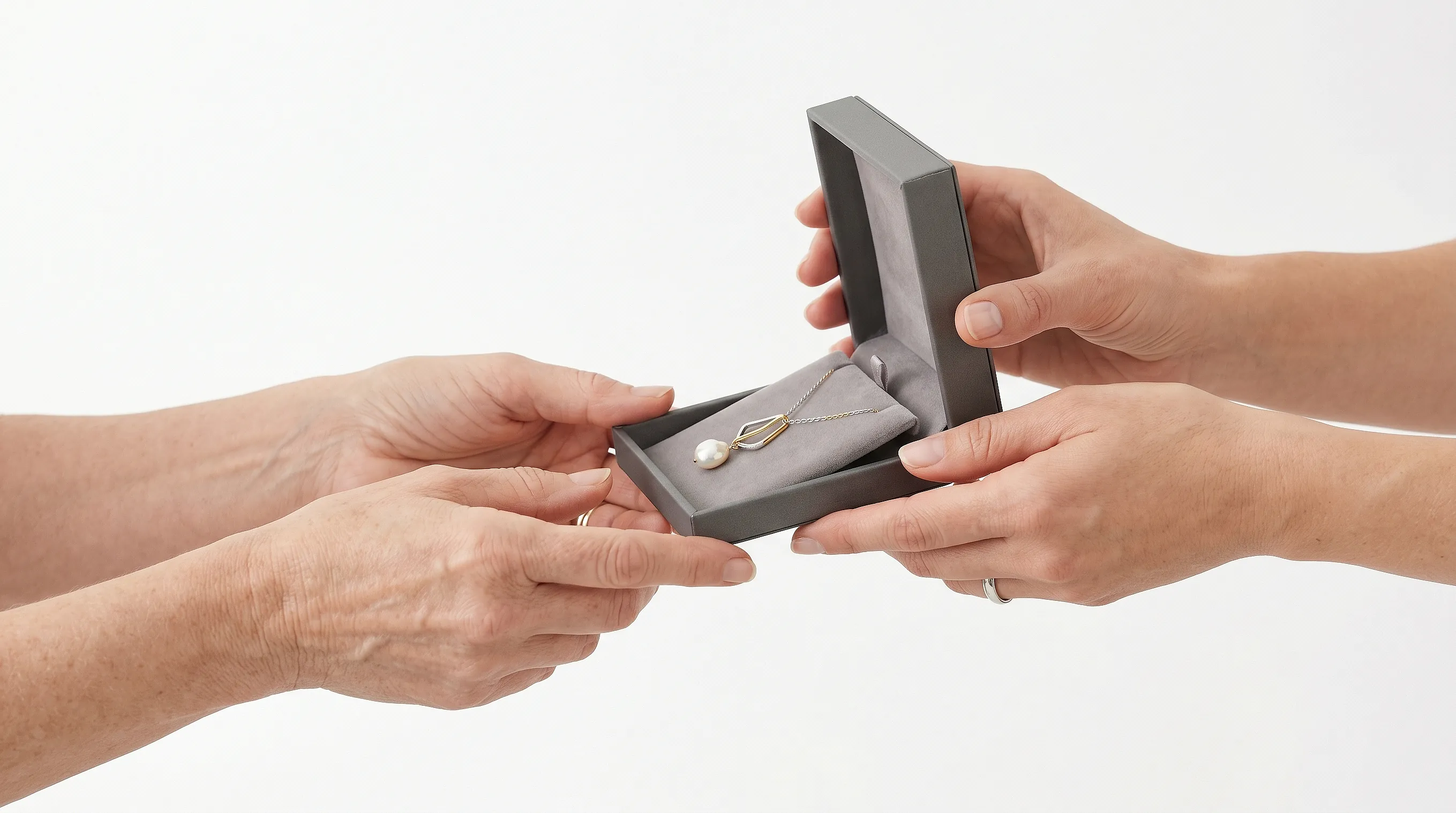
A piece in a box left on the bedside table is one thing. A piece placed into her hands with a few words is another. The difference is not in the object; it is in how the moment was made.
The box and the wrapping
The original packaging of a piece is often lovely in itself. If it is not, it is worth seeing to a small box or pouch. A piece taken out of beautiful packaging is received differently. This is not vanity; it is about the moment being made on purpose.
The note
A short handwritten note means more than people tend to think. "For doing this. For becoming a mother. I love you." Three sentences. A slip tucked inside the box. That slip is often kept afterwards, together with the piece.
If the words are hard to find, start with the concrete: "Today, [date], you gave birth to our child. I want you to remember this day and how much it mattered." Concreteness works better here than general words.
The moment and the place
If you give it in hospital, do it in a relatively quiet moment, not in the rush right after the birth. When the first wave has eased a little. When there are a few minutes for the two of you.
If you give it at home, you can make a small ritual of it: in the evening, once the baby has gone down for the first time that day, or on the first morning at home. It need not be elaborate. A moment of attention is enough.
Choosing together
If you are unsure of the choice, consider going to a shop together or choosing online together. This is no less romantic than a surprise. Many couples describe choosing a piece together as a valuable experience of its own: she talks about what she likes, he listens closely. It is a conversation about her, about her tastes, about what she wants to wear. That conversation is itself a form of recognition.
What not to give
There are poor choices that come up again and again.
Things only for the baby. This is not about the mother, it is about the child. Baby clothes, toys, dummies as a gift to the mother shift the focus. The mother deserves a gift for herself, as the one who carried and bore the child. The difference is fundamental: a push gift is recognition of the woman, not of the baby.
Cheap plating. A piece that within a month starts to turn the skin green or to flake undoes the whole intention of the gift. Plain unplated sterling silver is better than a plated alloy that will not stand up to daily wear. The gift has to be wearable, and that calls for a decent metal. More on materials: Sterling silver: what it is, how to test it and how to care for it.
Too large or too ceremonial. A piece a woman will put away "for best", in a box until a special occasion, does not do the job of a keepsake. It is better to choose something that can be worn day to day. In the first months of motherhood, daily life is feeding, the cot, the park, the changing mat. The piece has to work in that setting.
An impersonal standard. A little heart pendant given for any occasion, with no engraving, no stone, no detail that speaks of this birth of this child. It is not a bad piece, it simply does not do the work of a keepsake. In five years it will be hard to tell apart from other similar pieces in the collection.
A piece in the wrong style. If the woman wears silver, do not buy yellow gold in the hope that "she'll get used to it". If she is a minimalist, do not buy something chunky. The piece has to be wearable. If you do not know her taste, better to ask, or to choose the most neutral option.
A piece that ignores how it will be worn. In the first months many women take off jewellery that could catch on the baby, and large earrings. Long earrings are not always practical with a newborn in your arms. Bracelets can get in the way during feeds. This does not mean you should give nothing, but it is worth thinking about the practicalities.
Leave your email, we'll send your discount code. No spam, unsubscribe anytime.
The code arrives by email, valid on your first order.
Myths about the push gift
A gift for the father on the birth of a child
The push-gift tradition is addressed to the mother, and rightly so: she is the one who went through the birth. But that does not mean the father is left without acknowledgement. In recent years a parallel gesture has appeared, sometimes called a "daddy gift" or simply a present to the partner on the birth.
It is not a mirror image, not an obligation. It is an optional but possible gesture from the mother, or from the grandparents: a recognition that the birth of a child changes the father too.
What shifts for the father. He does not go through the birth in his body. But he goes through the waiting, the fear, the helplessness of the onlooker, the moment when it all resolves, the first moment of holding the child. That is no less real, simply different in kind.
What gets given to fathers
An engraved bracelet or chain. The child's date of birth or name. A choice that works universally: understated, personal, with no excess "softness". A man who never wore jewellery before often starts to wear precisely this: something with his child's date of birth.
A pendant with the child's initial. One letter. Simple enough for a man not used to wearing jewellery to begin. Personal enough to matter. The pendant is worn under the shirt, invisible to others but present.
A bracelet with a date. A fine bracelet with an engraved date. Modern men's jewellery is very different from twenty years ago: a bracelet with a date today is not a "feminine" thing, it is simply a piece for a person who wants to wear something personal.
A ring engraved on the inside. The date is not visible from outside. Only the father knows what is written there. That makes the ring an intimate sign rather than a display. The tradition of engraving the date and names inside wedding rings is an old one. A ring with a child's date of birth carries it forward.
A gift for the father is not an obligatory gesture. But where it exists, it changes the way both partners experience the moment. Both are marked. Both are recognised. It creates something shared: we both went through this, we both now have this object.
Jewellery as a conversation between partners
There is something particular about the situation where both partners wear pieces with the same date. It is a visible bond. Different pieces, different forms, but one piece of information. A single moment, fixed on two people at once.
It need not be agreed in advance. Sometimes it happens spontaneously: the partner bought the mum a pendant with the date, the mum bought the partner a bracelet with the same date. They discover it later and laugh. That moment too becomes part of the story.
Some couples plan it deliberately: they choose pieces together so that they echo each other without being identical. It can be the same metal, the same date, the same cut of stone. Different, but linked. This practice creates what anthropologists call the "material culture of the couple": physical objects that anchor a shared identity.
Metal and material: choosing what will last
Choosing the metal for a push gift is a question of beauty and practicality at once: the piece will be worn daily, in conditions that are not always kind to jewellery. A new mother holds the baby, bathes it, changes nappies, cooks, sleeps in snatches. The piece has to stand up to that life.
Sterling silver (925)
Sterling silver is 925 silver, containing 92.5% pure silver and 7.5% of other metals, usually copper. It is the most common metal for everyday jewellery.
The advantages of sterling silver as a push gift:
First: it is affordable. That lets you put the budget into personalisation, into engraving, into quality of execution, rather than only into the metal itself.
Second: it takes engraving beautifully. Most makers work with sterling silver, and the engraving options here are at their widest.
Third: sterling silver goes with most of the stones used in birthstone jewellery.
The caveats: silver darkens over time, a natural process. For pieces with a deliberate dark patina that is an asset. For polished pieces it calls for an occasional clean with a soft cloth. With constant wear, polished silver takes on a characteristic living shine, different from a new piece, and many wearers find it beautiful.
What to avoid: pieces of silver plate over a base metal. That is not sterling silver. The plating wears off, and a different-coloured metal appears beneath it. Check the hallmark: 925 or S925 is the correct stamp.
14 carat gold (585)
14 carat gold is 585 gold, containing 58.5% pure gold. It is the most common gold alloy for jewellery across Europe.
Gold does not tarnish. That is its fundamental difference from silver. A piece in 585 gold will look the same in twenty years as on the first day, with normal care.
585 gold comes in several shades: yellow, white (an alloy with palladium or nickel), rose (an alloy with copper). Each shade gives the piece its own character. Yellow gold is classic and warm. White gold is neutral and modern. Rose gold is romantic and soft.
For a push gift, 585 gold is an investment in longevity. A piece in 585 gold with an engraving will stay legible and beautiful a generation on.
What not to choose
Pieces in costume-jewellery alloys. Any plating over a base metal. "Gold-plating" with no stated standard. All of it looks attractive on price, but does not survive daily wear.
The principle is clear: for a keepsake meant to be worn constantly and to outlast decades, you need a precious metal. Sterling silver or 585 gold is the minimum bar.
The chain as part of the piece
The chain for a pendant often seems a secondary choice. That is a mistake. The chain determines how the piece is worn, and strongly shapes the overall impression.
Chain length
A short chain, 40 to 42 centimetres, sits the pendant up by the collarbones. Good for small pendants worn over clothing. The classic length.
A medium chain, 45 to 50 centimetres, lowers the pendant roughly to the top of the chest. A versatile length, suited to most pieces.
A long chain, 55 to 70 centimetres, makes for a looser style. The pendant sits lower and can be worn under clothing or over it.
For a push gift, especially in the first months of motherhood, a medium length is practical: the pendant does not get in the way of holding the baby, does not end up in its hands, and stays visible.
Chain type
Fine chains, 0.8 to 1.2 mm, give lightness and delicacy. Good for small pendants and minimal pieces.
Medium chains, 1.5 to 2 mm, are more noticeable. Suited to most pieces.
Heavier chains, 2.5 to 3 mm and up, make a feature of the chain itself. Suited to large pendants or a maximalist style.
For a locket a medium or slightly heavier chain is recommended: a locket has weight, and a fine chain can be awkward to wear.
A history of the gift for a birth: how the gesture changed
The practice of marking a birth with a gift to the mother was not invented by American marketers. It has existed in one form or another in most cultures for thousands of years.
Historical parallels
In ancient Rome there was a practice of giving a woman a special ring or bracelet after a safe delivery. It was a gesture of care: in a world of high maternal mortality, a birth was a victory that called for recognition.
In medieval Europe, in wealthy families, a mother was given jewellery or expensive cloth after a birth. It shows up in the wills and inventories of the period: "given to my wife on the occasion of the birth of a son".
In the Indian tradition, both Hindu and Muslim, gold jewellery for the new mother is a settled element of the rite. Gold in Indian culture carries both an aesthetic and a protective meaning. A piece after birth is at once protection for the mother and recognition of the event.
In a number of African traditions, particular necklaces, bracelets or earrings after a first birth fixed a woman's new status. She was no longer a girl, she was a mother. The piece said so publicly.
In Japanese culture, particular objects are traditionally given to mark the formal recognition of a mother's new status. It is not necessarily jewellery, but an object with lasting meaning.
The American push gift is a modern form of a very old practice. The form has changed: it can now be a pendant with the hospital coordinates or earrings with a birthstone. The essence is the same: a birth is an event that calls for recognition and a physical sign.
How the meaning shifted
In traditional cultures the gift after birth often carried a protective meaning: jewellery as a guard against the evil eye, as a symbol of wellbeing for mother and child. Gold and silver were thought to be metals that drove off what was unclean.
In modern culture the protective meaning has slipped into the background. What has come to the fore is recognition: I see what happened. I value it. I want you to remember it.
That shift from protection to recognition reflects a wider cultural change: we fear the evil eye less, and value emotional confirmation more. The gift now says not "may the metal protect you" but "you did something important".
Both functions, the protective and the recognising, are present at once in most cultural settings. They are simply weighted differently.
Send a friend a discount code, they save on their first order.
The push gift in different cultural settings: how to adapt it
The push-gift tradition came out of American culture, but that does not mean it has to look the same everywhere. Across Europe, and from one family to another, the gesture takes different forms.
In families with no jewellery tradition
Some families do not practise giving jewellery. The partner has never given any, and to start after a birth feels strange.
Here it helps to separate the gesture from the form. The gesture is recognition of the event. The form is jewellery. If the form is awkward, it can be changed. But the gesture matters.
That said: an engraved piece is a genre of its own. It is jewellery, and it is a keepsake. A man who has never given jewellery can perfectly well give a pendant with the child's date of birth as a first piece. Precisely because the event is exceptional.
In families where it has already been done
If a family already has a push-gift tradition, each new birth raises the question of how to keep it meaningful rather than mechanical.
The answer: continuing the story. A piece that adds to one already there. A set that grows with the family. A locket with a new compartment. A bracelet with a new charm. An initial to add to the initials already worn.
That turns each gift into part of a long story rather than a separate, isolated gesture.
When the cultural setting is awkward
In some families or cultures, motherhood is seen as "a given", something that needs no special marking. A gift to the mother after birth can seem excessive or even odd.
Here it helps to remember: a push gift need not be a public gesture. It can be something very private, known only to the two of them. A pendant worn under clothing. A bracelet taken off in company. Jewellery as a personal sign rather than a display.
A private gesture needs no public approval. It has meaning between those who understand it.
Caring for a keepsake piece: how to keep it for decades
A piece given after birth will be kept for a long time. The right care will see to it that it holds its look in twenty years.
Sterling silver: basic care
Sterling silver darkens on contact with air and damp. This is a natural process. Polished silver can be cleaned with a soft polishing cloth. Do not use abrasive products or ultrasonic cleaners if the piece has set stones.
If the piece has a deliberate dark patina, do not polish it back fully: the patina brings out the detail and is part of the design. Wiping it with a soft cloth is enough.
Silver pieces are best kept in closed boxes or airtight pouches: contact with air slows, and the darkening happens more slowly.
Engraving: how to keep it
Engraving on a quality piece is long-lasting. But a shallow engraving on a soft metal can wear away with constant friction. If the piece is worn against the skin, make sure the engraving sits where friction is least: on the back of a pendant rather than on its face.
Laser engraving is usually more durable than hand engraving. When ordering, check the method.
Stones: what is worth knowing
Most birthstones used in jewellery are hard enough for daily wear. Garnet, aquamarine, ruby and amethyst take everyday conditions well. Softer stones, opal or pearl for instance, call for gentle handling.
If a stone-set piece is worn constantly, check the setting from time to time. A little play in the mount is better noticed before the stone is lost.
Storage
Pieces with keepsake meaning are worth keeping separately, in their own compartment of a box or in a small case. That protects them from scratches against other jewellery and from accidental loss.
Keep the original packaging too, and any paperwork. If the piece was made to order with engraving, keep the order confirmation: it may hold information important for a repair or restoration in future.
Buying it as a gift? Each one arrives ready to give.
 A branded Zevira box and a little card come with every order.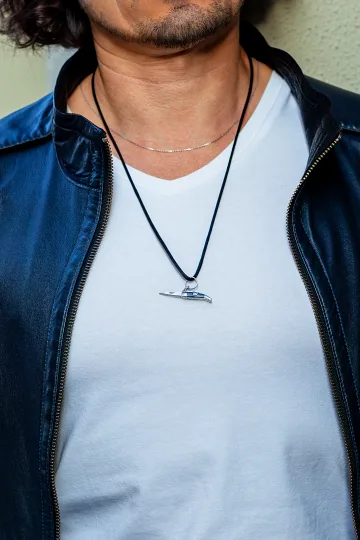




How to wear jewellery after birth: the practice of the first months
The first months of motherhood are particular conditions for wearing jewellery. A baby in your arms, feeding, the minimum of sleep, constant physical contact.
What is comfortable in the first months
Short and medium chains with small pendants. They do not end up in the baby's hands, do not catch on clothing, do not get in the way of feeding.
Stud earrings. Small, sitting close to the ear. Safe with a baby in your arms.
Fine bracelets with no sharp elements. A soft metal, no burrs, no charms that could catch.
What is better left for later
Long earrings and large pendants often have to be taken off in the first weeks, because the baby reaches for them. That does not mean you should not give them. They will be worn more actively once the child is older.
Chunky charm bracelets can chafe with constant physical contact with the baby.
Rings with high settings can be awkward during nappy changes or baths.
Adapting to the stages
A piece that does not suit the first weeks can become the mainstay by the end of the first year. Many mums describe how they gradually bring jewellery back: first only simple earrings, then a pendant, then a bracelet.
A good piece should survive all these phases. Sterling silver is not afraid of the occasional wash, contact with water, a chance knock against the cot. It is a practical metal for a practical time.
The push gift and the practice of memory: jewellery as a family heirloom
There is a particular story about what happens to these pieces over a generation.
A daughter who grew up beside a mother wearing a pendant with her name knows that pendant from childhood. She saw it on her mother every day. She may have touched it with small hands. When she grows up herself, that pendant will carry a double memory: of her own birth and of her mother.
Many women pass such pieces to their daughters. A locket with the daughter's first photo goes to her when she becomes a mother herself. A pendant with an initial becomes a gift for a coming of age. A bracelet with a date of birth is handed on as a family heirloom.
That makes the push gift a personal piece, but also an element of family memory. An object that outlives one person and becomes part of the family's story.
Documenting it
It is good practice to write down the story of the piece: when it was given, by whom, on what occasion. Sometimes a small note kept with the piece in the box is enough. When, twenty years on, a daughter asks about the pendant, the mother can tell her. If the note exists, the story will not be lost.
This matters especially for engraved pieces, where the engraving may at first glance mean nothing. "55.75, 37.62" is a set of coordinates, but in twenty years you need to remember coordinates of what exactly.
Some families photograph the piece beside the newborn in the first days. That photograph becomes a document in itself: here is the piece, here is the child, here is the beginning. It helps to fix the link between the object and the moment so that it is clear both now and many years later.
Keeping such a photograph together with the piece itself, or with the box it came in, is a simple and valuable act of preserving the story. A small archive of a large event.
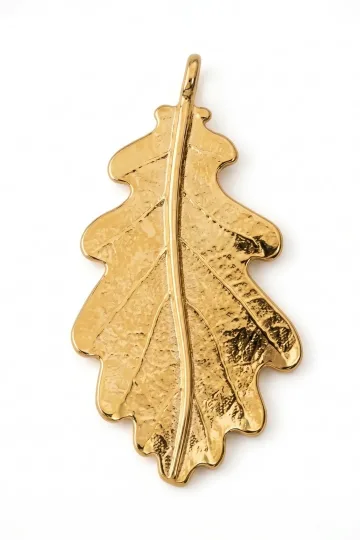
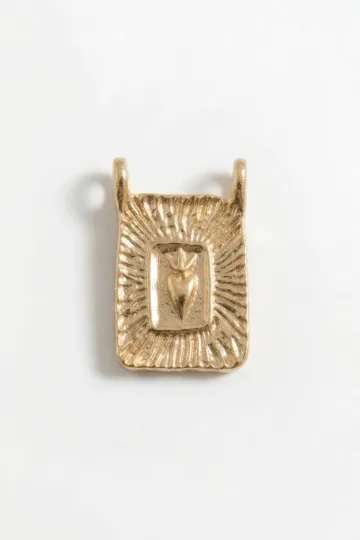
Wear the symbol, don't just read about it. These are in stock:

FAQ
Does a push gift have to be expensive?
No. The meaning of the gift is not in the price but in what it stands for. An affordable engraved sterling silver piece with the child's name and date of birth means more than a costly piece with no personalisation. The main criterion is this: will she wear it, and will it remind her of a particular moment. An engraving with the child's name on an inexpensive pendant turns it into something unique, and that matters more than the price tier.
Can you give jewellery some time after the birth, not straight away?
Absolutely. Some partners give it in hospital, some at discharge, some a month later. Sometimes the gift comes a year on, as a closing of the first year of motherhood. A late gift is sometimes valued even more than an early one: it says the moment is remembered, that it did not get lost in the chaos of the first weeks. A partner handing over a piece three months later with the words "I have been thinking about it all this time" often moves a person more than an immediate gift in hospital.
How do you avoid getting the size wrong with a bracelet?
Before ordering, measure the wrist with a tape measure. Add 1 to 1.5 centimetres for comfortable wear. If ordering online, check the exchange policy: most reputable sellers let you swap a bracelet for a different size. For pendants and earrings the size is not critical, which makes them the safest options for a surprise gift.
Which to choose: a pendant, a bracelet or earrings?
It depends on what the woman already wears and what suits her. A pendant is the most versatile option: it is visible, easy to engrave, and can become a centrepiece. A bracelet is good for coordinates or dates. Earrings are a good choice if the woman wears earrings more often than pendants. If you are unsure, a pendant is the safest.
Is engraving necessary?
Not essential, but strongly recommended. Engraving turns a mass-produced piece into a unique object. A piece with the child's name, date, time or hospital coordinates will mean something quite different in twenty years from a piece with no text.
Which metal to choose, silver or gold?
Look at what the woman wears now. If silver, choose silver. If gold, choose gold. If she wears both, you can pick the one that seems more fitting for this particular piece. The main thing: do not buy cheap plating over a base metal. Better sterling silver or 585 gold than a coating that will peel.
Is jewellery a fitting gift at every birth?
Yes, and at each new birth it can have its own logic. A pendant for the first child plus a pendant for the second on one chain. A bracelet with elements that build. A locket with two compartments. Jewellery lends itself well to growth: the family grows, and the piece can grow with it.
What if I do not know her taste in jewellery?
Three options. First: ask her friends or her sister, who know what she wears. Second: choose the most neutral piece in style: a fine pendant, a single detail, nothing excessive. Third: choose a piece together after the birth, which is a normal modern practice. Many couples deliberately go to a shop together, and it does not kill the moment, sometimes it makes it more meaningful.
Can a grandmother give her daughter a piece for the birth of a grandchild?
It is one of the most traditional gestures of passing something on. A piece from a mother to a daughter on the birth of her child carries a continuation: you too went through this, I remember, here is what I want to hand to you. Such a gift is often kept longest precisely because it carries a double memory: of the birth of a child and of the bond with a mother.
Do earrings work as a push gift?
Yes, earrings work entirely. Earrings with the child's birthstone are especially good: they are personal, beautiful in their own right, and easy to wear in a period when a woman may not feel ready for larger pieces. Small stud earrings with a July ruby or a January garnet are a quiet, precise gesture.
When is it best to order an engraved piece?
If you want to give it in hospital or at discharge, order in advance. Engraving takes time, especially by hand. If the date of birth is not yet known, you can choose the piece and order the engraving straight after the birth. Most engraved pieces are ready within a day or two.
If the date of birth is planned (an elective caesarean), you have time to order the piece and have it engraved before or just after the event. That is the ideal situation: the piece is ready when it is needed. If the date is unknown, order the piece without engraving in advance, and add the engraving straight after the birth.
What does a push gift mean in a couple with no jewellery tradition?
Jewellery is not an obligatory format. A push gift can be anything: an experience, a book, a particular evening. But if you do choose jewellery, know this: most women who never thought of themselves as "jewellery people", once they receive a piece after birth, start to wear precisely that piece. Because it is jewellery. It is the sign of a particular moment.
Conclusion
The birth of a child is one of those events that change everything. Not metaphorically, but literally. The body changes, the identity changes, the way a person perceives time, themselves and the future changes.
No piece of jewellery can hold all of that meaning. None can. But a piece can become a physical sign: this happened. I remember. It matters. Each time a hand touches the pendant on an ordinary day, a year on, five years on, twenty years on, there is that quiet reminder.
The best push gift is not the most expensive or the most beautiful piece. It is the piece a woman will want to wear. The one that will be hers. The one she will one day lift from its chain and show to her daughter, telling her about that day.
The tradition exists because the moment calls for a form. Because the passage into a new life ought to be marked. Because the words "you did something important" carry more weight when an object you can wear stands behind them.
A man standing at a counter at eight in the morning once bought a plain silver heart with no engraving. His partner said it was the best gift of her life. Because he came, and because he chose. Not because the piece was perfect.
But a piece with their daughter's name on the back would have been a truer sign. She would have worn it for a long time. The daughter's name would have been engraved ever deeper into their shared story, into the metal, into the daily touch.
A good piece is both at once: a gesture of presence and a precise physical trace. When both elements meet, you get an object that outlives a generation.
The moment a child is born deserves such a sign. Because it deserves it exactly.
Engraved lockets, coordinates pendants, the tree of life, the sacred heart, paired pendants, initials, birthstones. Sterling silver and 14 carat gold, with the option of personal engraving.
About Zevira
Zevira makes jewellery in the artisan tradition of Albacete, Spain. Among our specialisms: engraved keepsake pieces for the meaningful moments of a life.
What suits a gift for a new mum:
- Silver lockets with a photograph or a lock of hair inside
- Coordinates and compass pendants engraved with the hospital coordinates
- The tree of life as a symbol of a new family
- The sacred heart as an image of a mother's love
- Paired mother-and-child pieces
- Initial pendants with the child's name
- Birthstones in a pendant or earrings
Engraving to order: name, date, time, coordinates, weight and length at birth. We work in sterling silver and in 14 to 18 carat gold.