A gift for the mother of the bride: jewellery that marks the day
On her daughter's wedding day, the mother of the bride lives two things at once: joy, and the quiet realisation that her old everyday role has come to an end. A piece of jewellery given that day doesn't have to fix anything or explain anything. It simply marks the moment: you are seen, your work is remembered. This guide is about how to choose such a piece, who usually gives it, what to write in the engraving, and how to wear it afterwards.
Who gives the gift, and the logic behind it
A gift for the mother of the bride comes from different people, and each one carries a different register. Understanding who is giving helps you avoid striking the wrong tone.
From the groom
In Spanish, Italian and Latin American traditions this is almost an obligatory gesture; in British and American settings it is less formalised but emotionally expected. The logic is simple: the groom is taking the daughter as his wife and acknowledging the person who raised her. The main rule: the gift should read as respect, not as an attempt to buy favour. Something too expensive comes across as a bribe; something too modest, as a formality.
Pieces that work: pearl earrings in a classic setting (pearls read everywhere as a maternal symbol), a pendant or a brooch with a short engraving acknowledging the maternal role. The tone of the words is restrained: two or three sentences, not a speech.
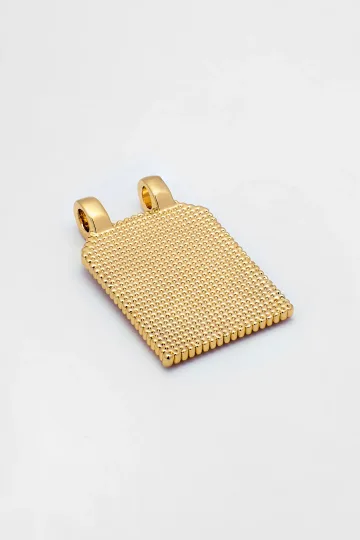
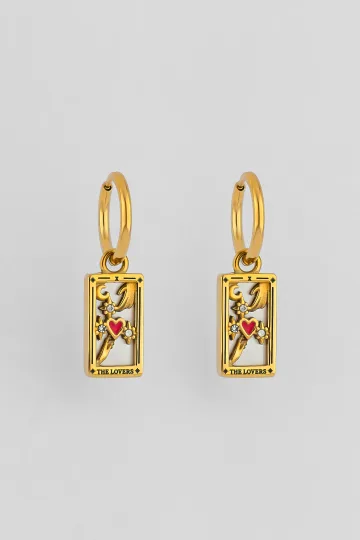
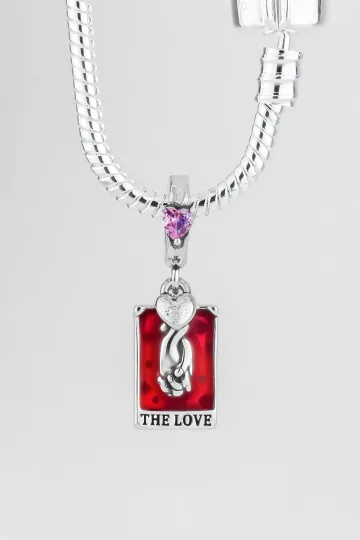
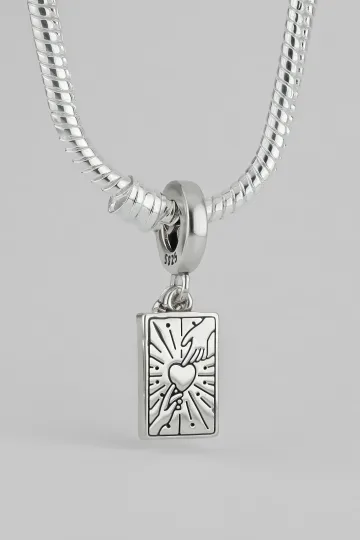
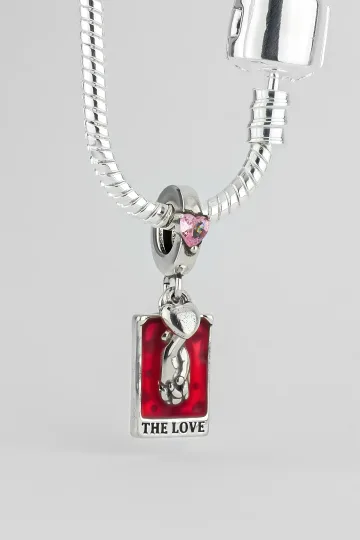
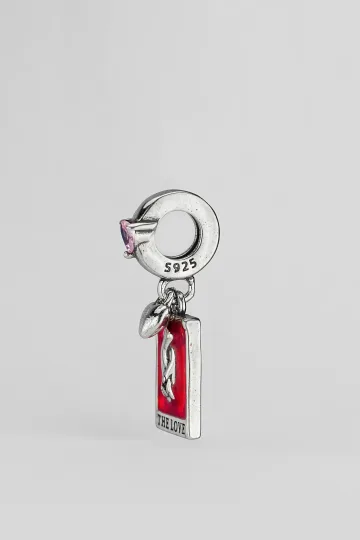
Wear the symbol, don't just read about it. These are in stock:



From the bride herself
The most common and the warmest scenario. A daughter gives to her mother as a thank you for everything. Here sentimentality is welcome, and a personal gift is allowed as far as you want to take it.
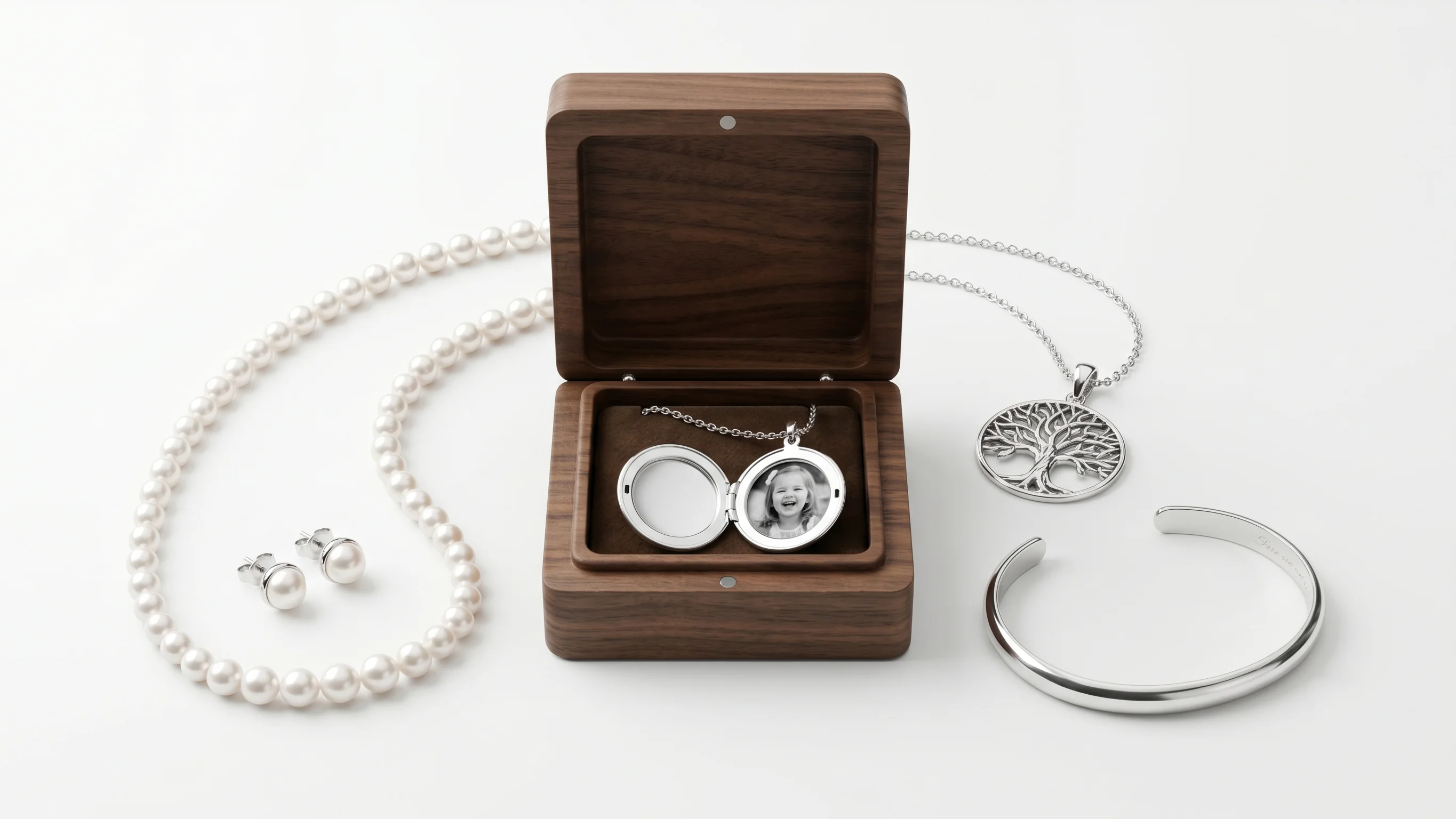
What works strongest is a locket with a photograph: a childhood snapshot of the bride, or a picture of mother and daughter together. A silver locket literally says "you carry me close to your heart". The second powerful move is reworking an old family piece: take a christening cross or a chain the mother once gave her daughter, and reset the stone into a new mount for the mother. The material the mother once chose for her child returns to her in a new form.
From the groom's family
A way of welcoming someone into the new family. The tone is warm but not intimate: the groom's parents don't know the mother of the bride as closely as her own children do. A brooch with a family symbol, a pendant, a bracelet that pairs with one for the groom's mother (which requires coordination between the two sides). The gesture reads as "we're glad there's now a reason to get to know you".
From the bridesmaids
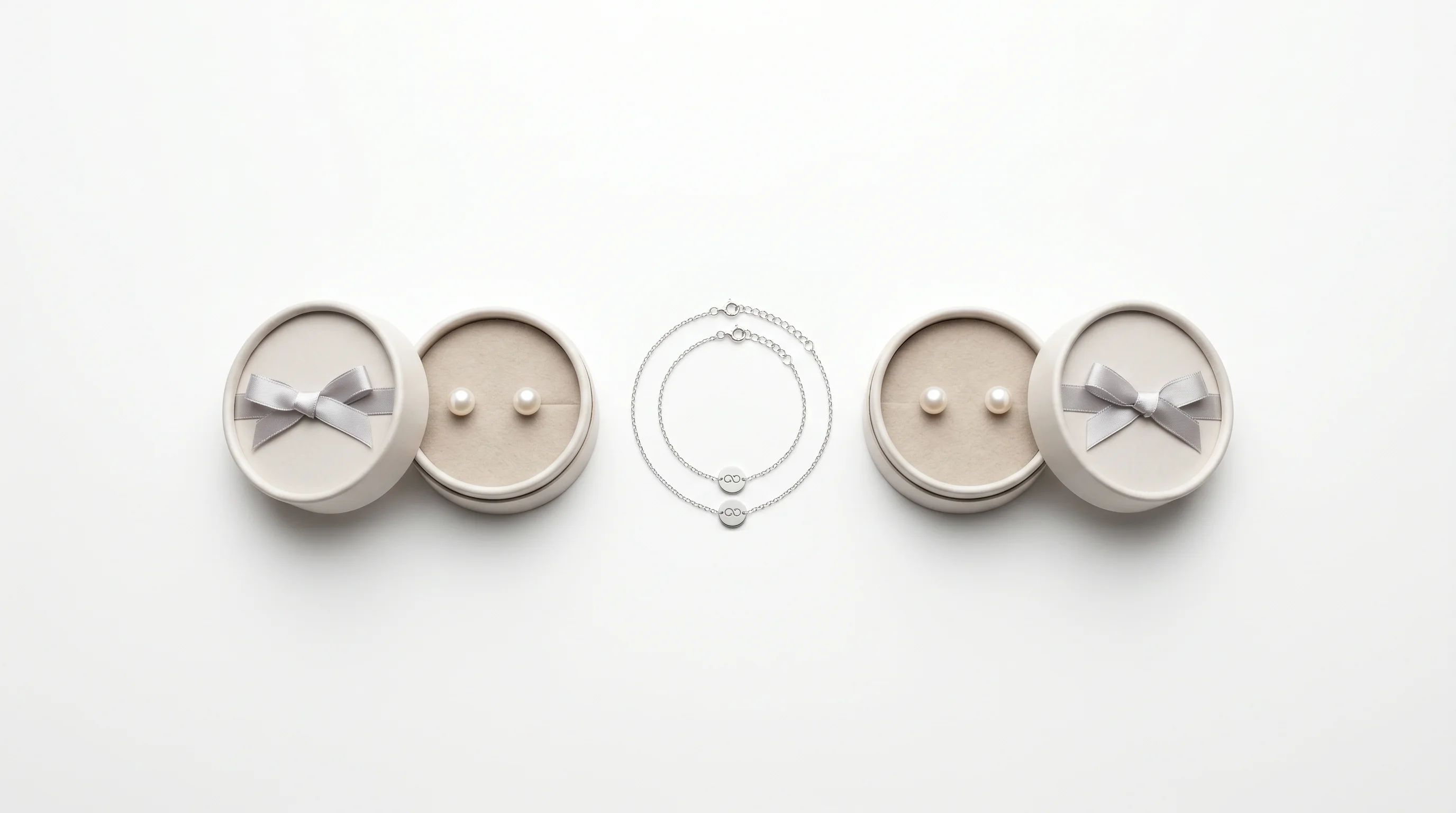
A rare but touching option, especially if the bridesmaids are the bride's childhood friends who grew up alongside her mother. Usually it is done collectively: one piece, modest in size. A silver brooch with a floral motif, a small pendant engraved "From your girls", pearl studs pooled together. The main thing is not to compete with the gift from the daughter.
Forms of jewellery: what to choose
A locket with a photograph
The most narrative option. Inside goes a childhood photo of the daughter or a picture of the two of them together. A silver locket in a heart shape or an oval is the classic of the genre, with a direct lineage from Victorian lockets holding miniatures. A particularly strong move is to slip in an ordinary, unposed shot from early childhood, the kind where mother and daughter are together on a plain day.
Pearls
The maternal material in every tradition, from the Hindu Lakshmi to European portraiture and the Japanese akoya strand. Pearls in a wedding context read as maturity and accumulated experience. A strand or earrings the mother will wear to the wedding and to every family celebration that follows.
The tree of life
A tree of life pendant is direct symbolism of family and continuity: roots, the mother, the branches, the children. For the mother of the bride it is an acknowledgement of her central place in the family tree.
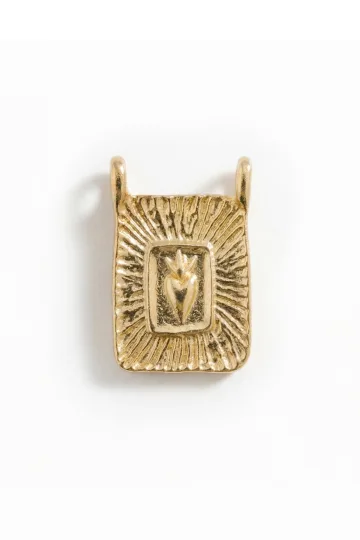
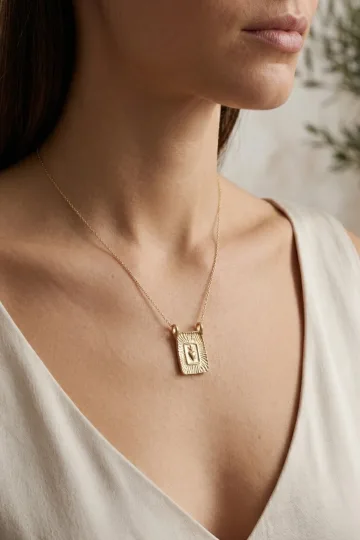
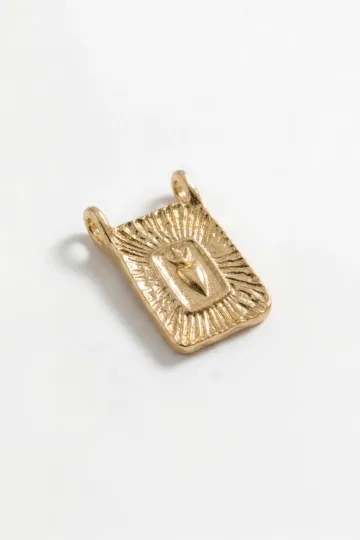
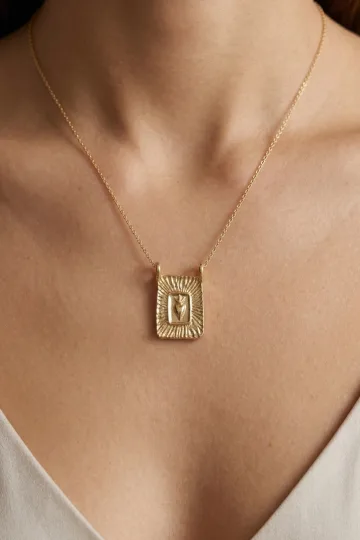
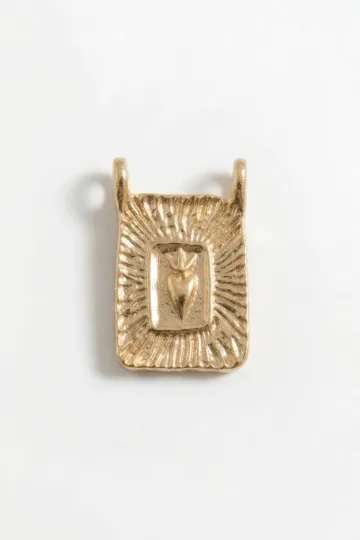
The sacred heart
A sacred heart pendant in a broad cultural sense is an image of love that gives and is not depleted. Fitting for a religious mother; for a non-religious one a neutral symbol is better.
A brooch
A category most women own little or none of, yet one that works with almost any outfit. A handy choice if the mother already has plenty of rings and pendants. A vintage brooch in the style of her own youth gives the feeling of an object with a history.
Engraving
Any of these pieces becomes many times more meaningful with a personal engraving. A wedding date, a short phrase, initials, the daughter's name in a monogram: this turns a universal object into a personal artefact you cannot buy ready-made.
The mother of the bride wears pearls, not diamonds racing the daughter. Upstaging the bride is vulgar, full stop.
What to wear it with
The gift lands more precisely when it slots into a real wardrobe rather than sitting in a box for special occasions. I have gathered here what actually works when I build a look like this.
What if the dress has a closed neckline? With a high or closed neckline I recommend leading with earrings: pearl studs or a small drop lift the face. A pendant hides under a high collar, so I move the accent up and suggest a longer chain.
And with an open neckline? For an open neck or a V-neckline I choose a pendant or a locket on a fine chain. I match the length to the neckline: 45 centimetres hold a pendant at the collarbone, 50 to 60 take it lower for a more closed outfit. Here the length matters more than the stone.
Which metal suits the mother's outfit? With pastel and neutral fabrics (blush, grey-blue, champagne, navy) I suggest silver and pearls, they sit evenly. Warm gold I recommend on beige, wine and emerald. Within one look I keep to a single metal family: silver with silver, gold with gold, while pearls reconcile both.
How should she wear it after the wedding? The same locket or pearl pendant I build into an everyday look with knitwear, a shirt, a simple dress. The logic is the reverse of the wedding's: the quieter the piece, the more often it gets worn. A fine engraved chain slips under an office dress code and carries a personal meaning.
How many pieces in one look? I recommend one accent piece per look, the rest quieter. If the locket is large, I choose small earrings, and the other way round. For an evening out I build up the base carefully: a second chain a little shorter or longer, a ring to match the metal, a pair of fine bracelets.
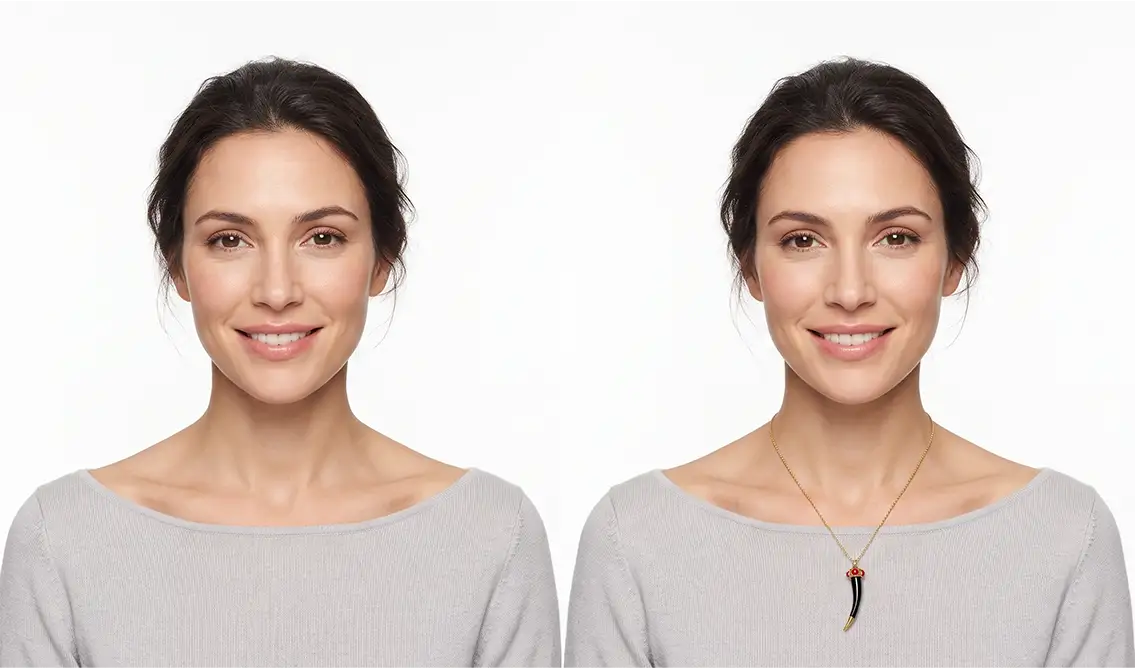
Turn on your camera, pick earrings, a pendant or a ring, and see the piece on yourself in real time.
Switch items in one tap.
Everything runs in your browser: no photo or video is ever uploaded.
When to give it
The moment of giving shapes how the gift is received just as much as the gift itself.
The night before, at a family dinner. A calm time, when both families are still around one table. The mother can try the piece on and see how it sits with tomorrow's outfit. Good for a gift from the groom: public, but not staged.
The morning of the wedding. A logical moment if the mother will wear the piece on the day. Emotionally charged, but it can get lost in the rush. If the gift is earrings or a necklace for her look, the morning is the only option: later there's no time to change jewellery.
At the wedding, before the toasts. A public gesture, particularly strong if the groom is giving it. It needs preparation and a character who can carry that kind of attention.
After the ceremony, in the quiet. No theatrical pressure. Especially suited to a complicated relationship between mother and daughter: you can say the real words without watching the clock.
The main rule: don't hand it over on the run. Even three minutes, sitting down, looking her in the eye and saying a couple of words, make the gift weigh more than a box passed along in passing.
Upload a photo of your pet, someone you love, or an object. We'll build a 3D model and hand-cast it in pewter.


What to write in the engraving
An engraving turns a piece into a document: it gains an author, a recipient, a date. A few proven formats.
A date. The most universal option. The calendar format (12.05.2026) is familiar; Roman numerals (XII·V·MMXXVI) feel more ceremonial. The date doesn't have to be the wedding; it can be the daughter's birth: "you became a mother on this day".
Latin formulas. "Mater est honoris" ("the mother is an honour") is a universal acknowledgement. "Pax tibi sit" ("peace be with you") suits a difficult relationship, because it lifts the personal out and moves the gesture into the plane of tradition. "Mater sponsae" ("mother of the bride") is restrained and formal.
English phrases. Simply "Mum", for a plain warmth. "Thank you for everything" for a daughter who wants the message read at a glance.
The daughter's name in a monogram on the reverse. Interlaced letters in the nineteenth-century manner. The bride's own name on her mother's jewellery is a quiet "I am yours, and you will always see it". On the reverse, not the front: on the front a name looks like a nameplate, on the reverse like a private message.
Coordinates of a place. The house where the daughter grew up, a grandmother's cottage, a park. Numbers without a caption; the explanation is given aloud or in the card.
What to avoid: long sentimental texts (engraving works in short form), trendy quotes from online authors (dated within five years), grand vows like "forever", emojis and little hearts on metal.
Customer reviews
Zevira is a real jewellery shop. Genuine payments, deliveries and customer thank-yous.
🥰🥰🥰 gracias
Ok, ¡gracias! 🙂
Materials and care
A gift for the mother is not chosen for a season: it should last for years, and possibly be passed on. So the material is chosen with a long life in mind.
Sterling silver
Sterling silver is a reliable, proven material. It holds an engraving well and cleans easily. It can darken from oxidation, which is normal and lifts off with a polishing cloth. Store it separately (silver scratches silver), and keep it away from perfume and cosmetics when putting it on. Oxidised (deliberately darkened) silver gives the effect of an antique object and looks good in vintage lockets and brooches. It suits women with fair and neutral skin.
14K gold
Doesn't tarnish, doesn't oxidise, needs no special care, and can only scratch. Yellow gold is the classic for a mature age. White gold is more neutral, but carries a rhodium plating that wears off over five to ten years of active wear so the metal yellows; this is fixable by re-plating at a jeweller's. Rose gold gives a warmer, younger tone and suits skin with a warm undertone.
18K gold and platinum
18K is brighter in colour and softer than 14K, a touch more delicate for everyday wear, well suited to a gift for special occasions. Platinum costs two to three times as much as gold, is heavier, and is inert (causes no allergies). For the mother of the bride it is rarely fitting; it is justified if platinum is her metal, if a family platinum piece is being remade, or if the gift is collective.
Pearls: special care
Pearls must not be stored with other jewellery (they scratch) nor allowed contact with acids (perfume, sweat). Wipe with a soft damp cloth, and have a strand restrung at a jeweller's from time to time. With proper care they last for generations, which is why pearls are passed down more often than most. Types: akoya (the classic white, 6 to 9 mm), freshwater (more affordable, more varied in shape and colour), South Sea (large, 10 to 15 mm, expensive), Tahitian (dark, with a peacock sheen).
Stones as alternatives to pearls
Moonstone is a translucent silvery stone with a shimmer. Aquamarine is pale blue and suits a mother with grey or blue eyes. Opal gives a play of colour within, aesthetically strong but fragile, not for everyday wear. Garnet is a deep red, for a warm colouring. Citrine is a yellow-gold and works well in gold.
To see which material fits which task by care, colour and durability, it helps to keep a summary picture in front of you.
Practical details
A locket needs a slightly thicker chain than a light pendant. A lobster clasp is more secure than a simple spring ring for pieces worn every day. For an older mother it matters that the clasp opens without a fingernail, that stud earrings have a secure back, that a ring sits snugly without pinching the finger, and that a bracelet has an adjustable length. A magnetic clasp is the answer for weakened fine motor skills.
What to avoid
An expensive piece in the style of the bride's engagement ring. It reads as a contest with the daughter. The register should be different: if the bride has a large stone in a prong setting, the mother gets pearls or a smooth locket.
A template engraving reading "mother of the bride". Shopping-centre level, tied to a single event only. Anything specific is more personal: a name, a date, a short phrase.
A gift with no words. An object without context is an object without a soul. One or two sentences at the handover turn a nameless item into a personal one.
A gift that is too expensive. If it is comparable to the engagement ring, it breaks the hierarchy of the day. The mother shouldn't receive the most expensive gift of the wedding. Sterling silver with a good engraving works better than platinum with a diamond.
A style too bright and youthful. The mother's style is already settled; a new piece should fit into it. Safe ground: the classic, the neoclassical, the vintage of her own youth.
Religious symbolism for a non-religious person. A cross or another symbol is awkward to give to someone who doesn't believe. Universal symbols (tree of life, heart, flower) are safer. A religious one is fitting only if you know her tradition for certain.
A gift voucher. Handing over the responsibility, "choose it yourself", reads as "didn't think about it, delegated". Better to choose yourself with the risk of missing.
Matching "mother and daughter" pieces. Identical pendants reading "mum" and "daughter" are that same shopping-centre level. Better are different pieces linked by meaning: the daughter has a locket, the mother earrings; the mother has pearls, the daughter a pearl strand of a different length.



If you're giving to both mothers
The logic of a gift for the groom's mother is similar but not identical. The mother of the bride is stepping out of the role of active motherhood, and her gift can be a "closing" one (a locket with a childhood photo of the daughter, a remade old piece). The groom's mother is stepping into the role of mother-in-law and gaining a new daughter; her gift is more of an "opening" one, a welcome into the family.
If you're giving to both, keep one format but different content: not two identical brooches (which reads as "bought in bulk"), but two lockets of different shapes, or matching chains with different pendants. The level of thoughtfulness is the same; you can't give one a warm personal piece and the other a formal box with no words. The engravings can differ: for the mother of the bride "Thank you for raising her", for the groom's mother "Thank you for your son".
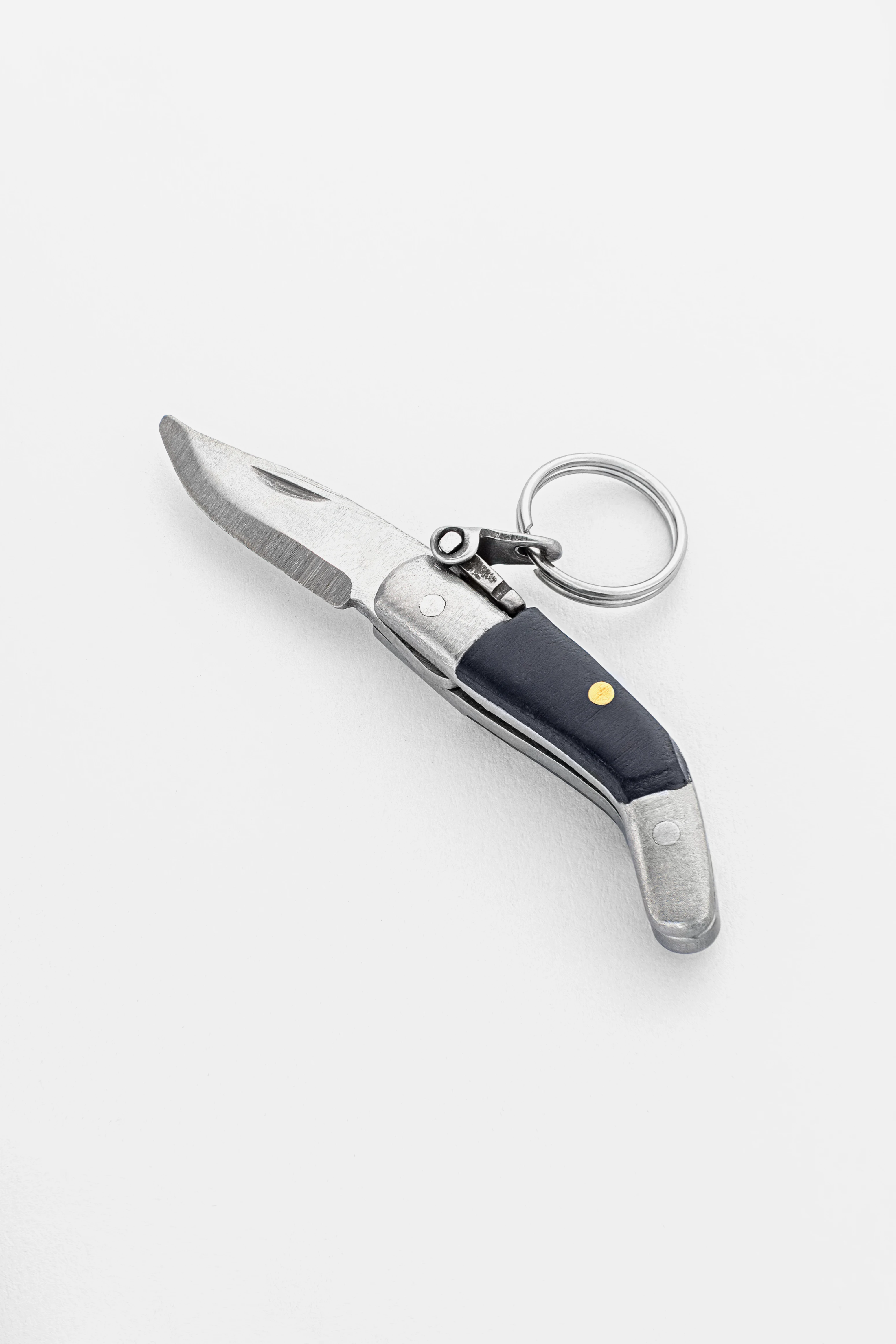
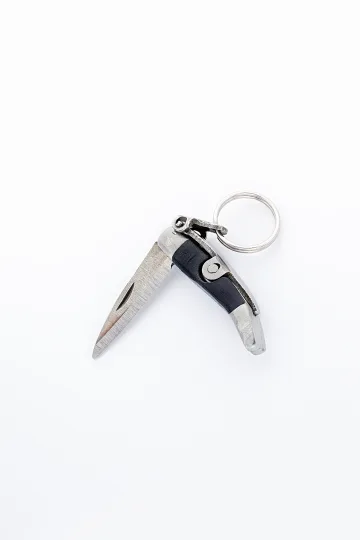
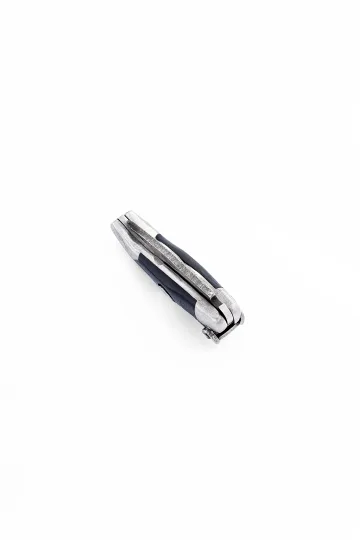
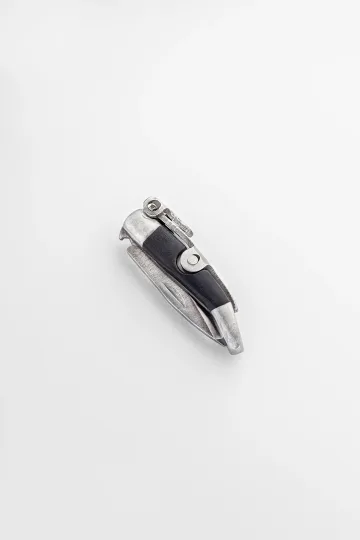
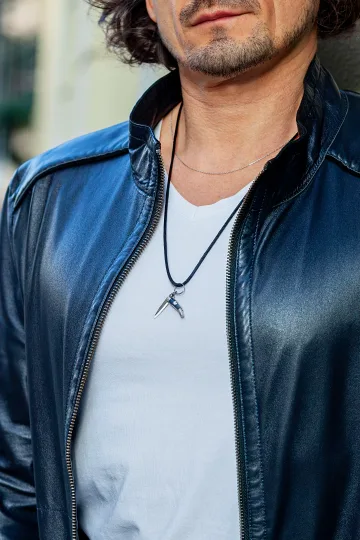
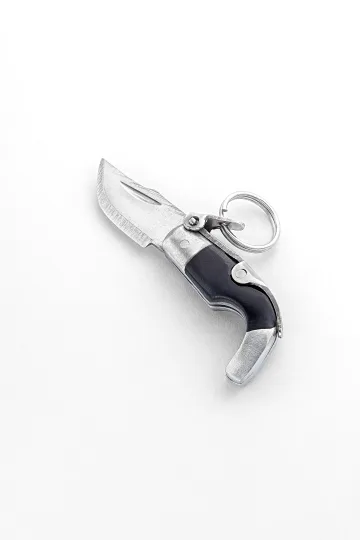
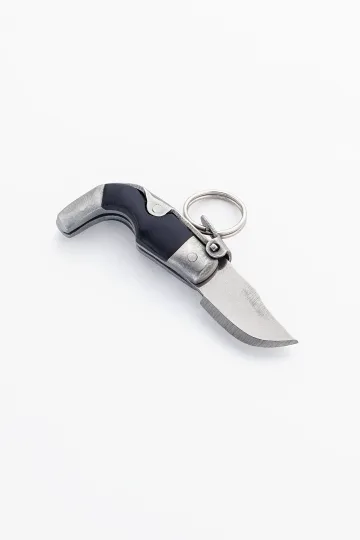
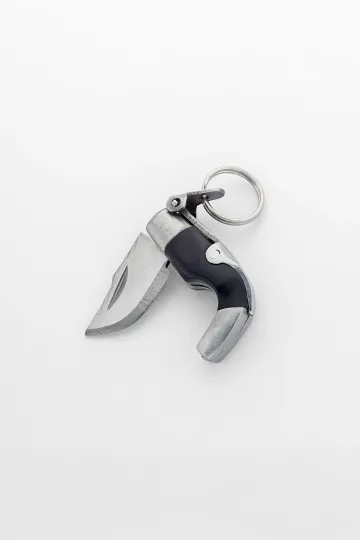
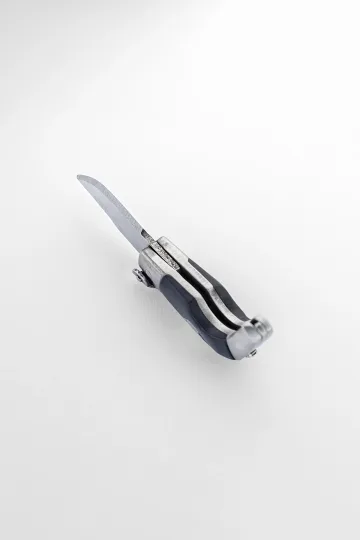
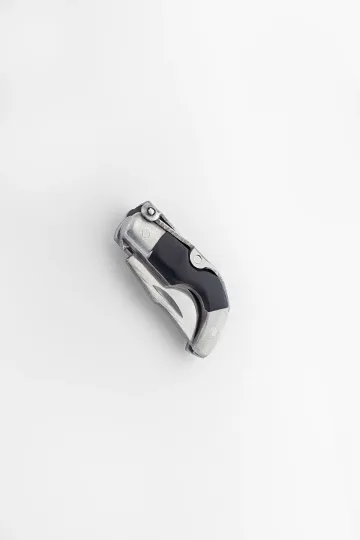
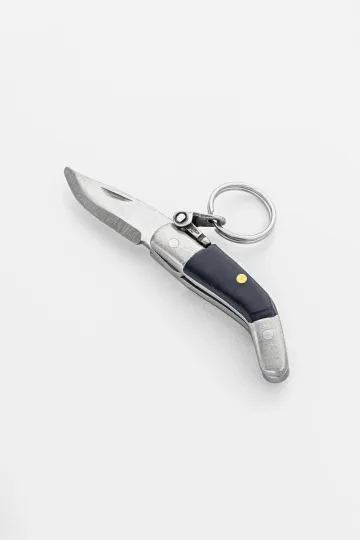
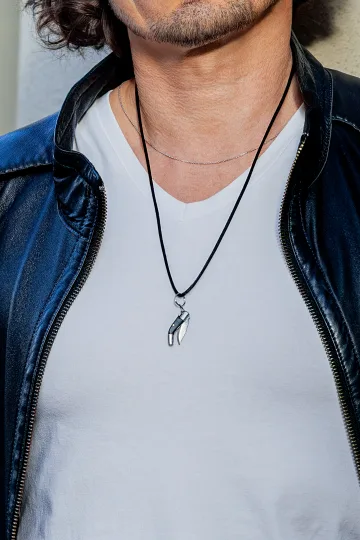
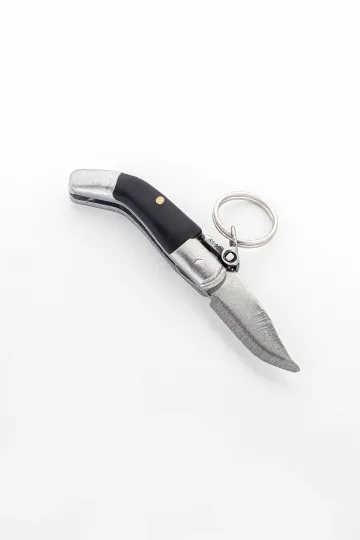
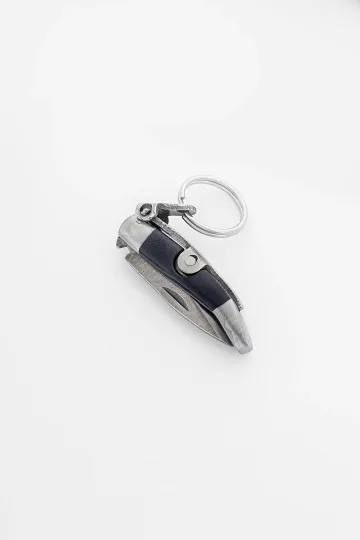
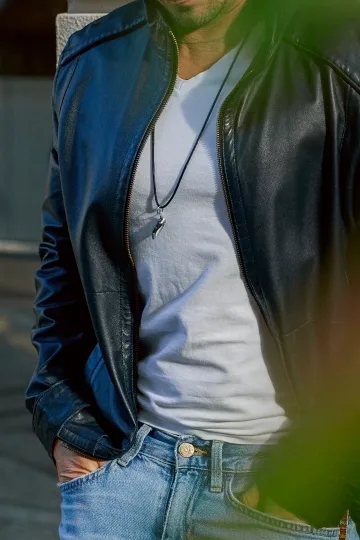
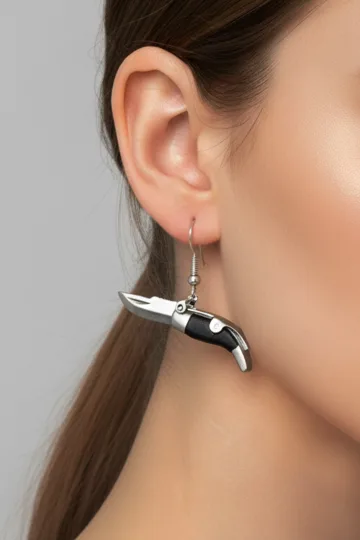
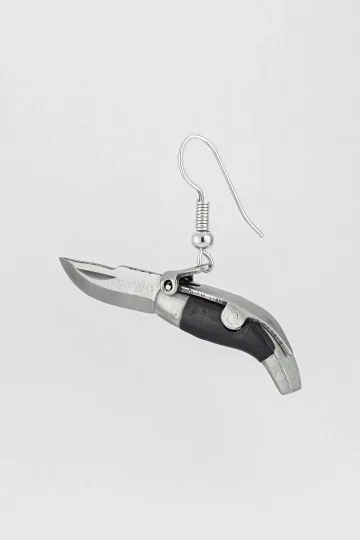
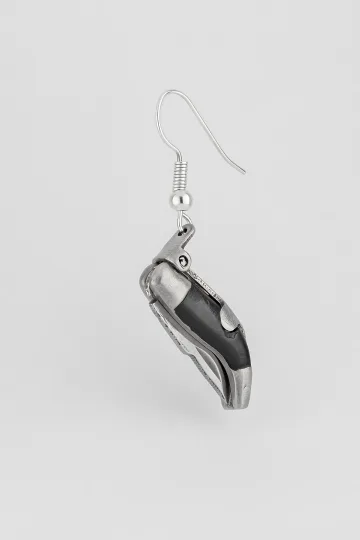
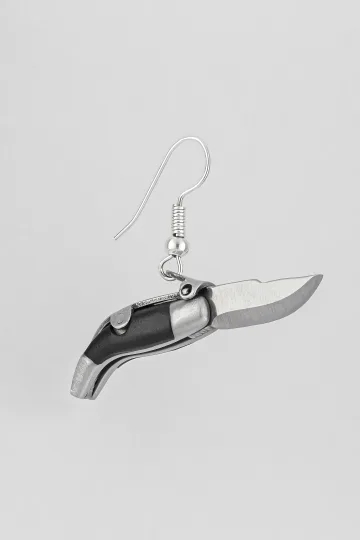
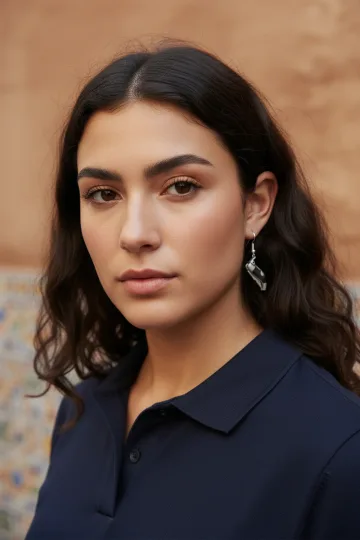
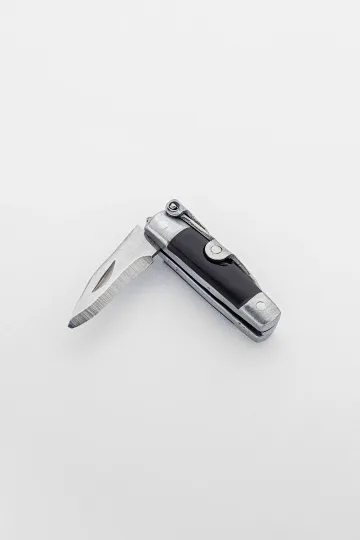
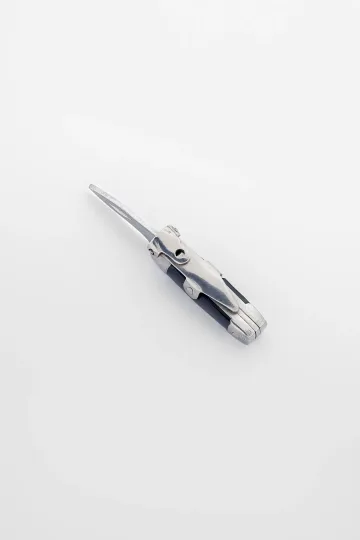
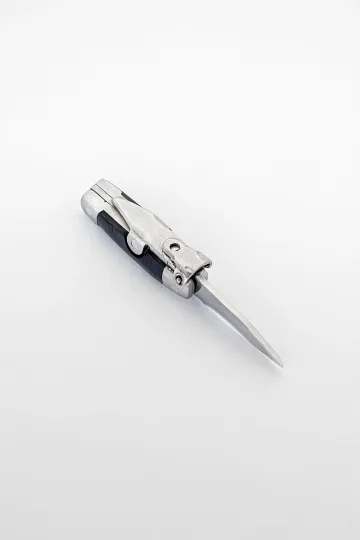
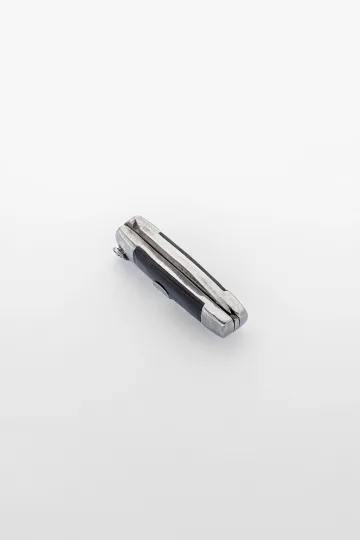
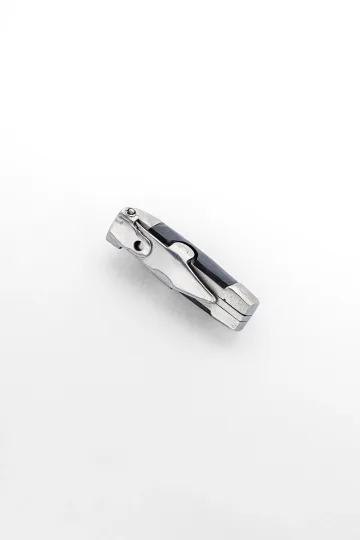
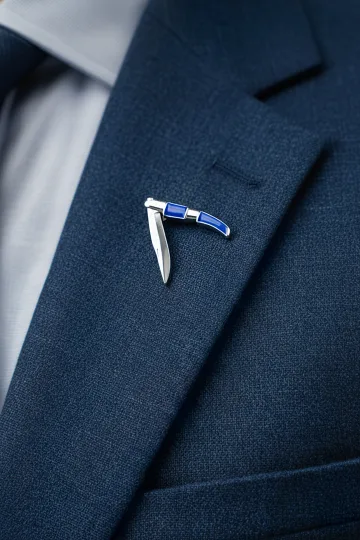
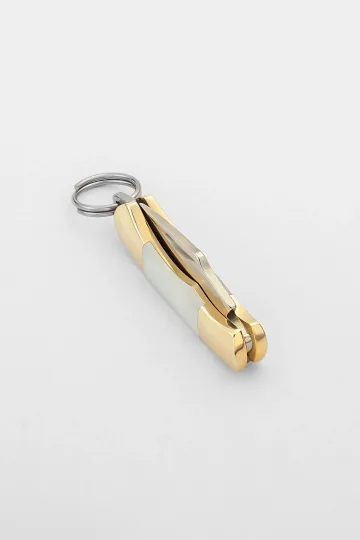
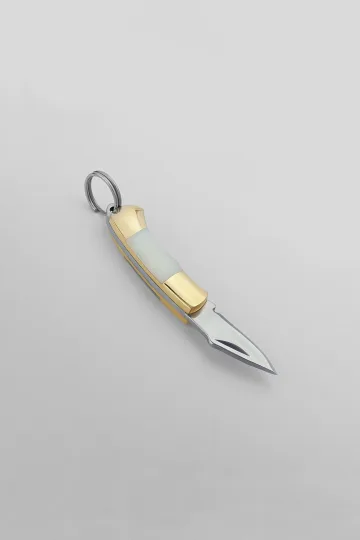
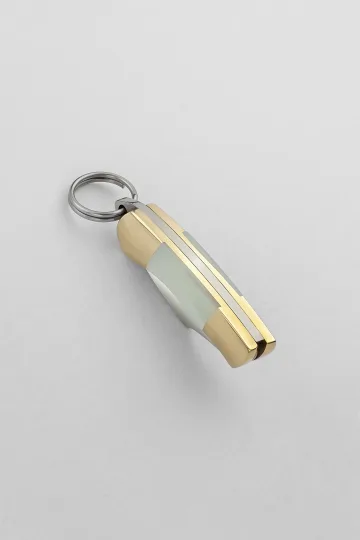
CAPAORA mini knife pendant
The 18th-century Spanish navaja in miniature: 40 mm of stainless steel, a real folding mechanism and a Palanquilla lock that clicks. An affordable gift to remember.
Authentic · Ships from Spain · 14-day returns
The cultural context in brief
The gesture of acknowledgement reads differently in different traditions, and that sets the register for a particular family.
In the Anglo-American tradition, a gift for the mother of the bride is an established practice with engraving and a clear division of roles (mother of the bride, mother of the groom, grandmothers, stepmothers, each with her own place). In the Spanish and Latin American the mother's role is very pronounced, and often the mother herself gives the daughter a family piece (a comb for the mantilla, her own mother's pearls), while the daughter's answering gesture can be public. In the Italian the mother is a central figure; gold and pearls are preferred, and provenance is valued. In the French the register is restrained: a fine chain, small pearls, a spare locket, quality over flash. In German-speaking families the gesture is sober and practical: a piece is expected to be wearable and to last, sentiment shown through choice rather than declaration.
For all the differences, there are universal elements: pearls as a maternal symbol, the photo locket as a format of memory, the dated engraving as an anchor to the moment. They work in any culture.
Matching the piece to how she actually looks and lives
The mother of the bride rarely builds a new wardrobe around her daughter's day. More often she builds the outing around one dress or one suit she already thinks of as hers, bought weeks earlier and quietly settled on. The gift has to lie inside that picture rather than argue with it. So the starting point is not a catalogue page, it is her wardrobe and her habits.
There is a second thing worth holding in mind while choosing, and it changes the decision more than most people expect. The piece will be worn for a few hours on the wedding day and then, if it is right, for the next twenty years: at christenings, at other people's weddings, on ordinary Tuesdays when she puts it on without ceremony. Choosing for the photographs alone produces something that goes into a drawer on Sunday morning and stays there. Choosing for the twenty years produces something she reaches for.
By hair colour and skin tone
Grey and silver hair sits beautifully with cool metal: sterling silver and white gold underline the dignity of the colour instead of fighting it. Warm chestnut, auburn and golden blonde are better supported by yellow or rose gold. Skin with a pink undertone leans towards silver and platinum, while olive and golden undertones come alive in warm gold. Pearls rescue the borderline cases: white akoya is neutral against almost anything, and cream or golden South Sea pearls add warmth to darker skin. If you genuinely cannot tell, hold the two metals against the inside of her wrist in daylight, which is the trick every good counter assistant uses.
By the shape of her face and neck
A long neck carries almost any chain length. A shorter neck is lengthened visually by a pendant on a 50 to 60 centimetre chain rather than by a short collar sitting at the throat. A round face gains structure from drop earrings and vertical pendants; a narrow, long face is softened by rounded forms, a pearl button stud or an oval locket. If she is self-conscious about the skin at her neck, and many women in their sixties quietly are, move the accent upward to the earrings and take the chain longer. Nobody needs to discuss why.
By the style she already has
By this age her style is settled, and a gift should fit into it rather than try to re-educate her. A woman who wears spare classics will love a plain locket or pearl studs. A woman who likes to be noticed can carry a brooch with real character or a single large pearl. A minimalist wants a fine chain with one stone on it. The most common misfire is giving something fashionable to a woman who wears things that last: the fashion will date before she has got used to the gift, and she will feel obliged to wear it anyway.
By how she spends her days
An active mother who drives, cooks and looks after grandchildren will appreciate a piece that does not catch or get in the way: short earrings, a pendant on a sturdy chain, a ring without a high-set stone. A woman who puts jewellery on for occasions can be given something more expressive, since it will live in a box between outings and come to no harm. Asking her family quietly is far more useful than guessing, and it takes one text message.
Leave your email, we'll send your discount code. No spam, unsubscribe anytime.
The code arrives by email, valid on your first order.
What to engrave: ideas beyond the date
Engraving turns a manufactured object into a family document, and the field is wider than a date and a Latin motto.
The line of generations
A strong idea is to mark the chain of grandmother, mother, daughter. Three sets of initials in a row, three dates, or a short phrase for families with Spanish roots. The gift then stops being about one event and becomes about a line of people. This lands particularly well when the bride's grandmother is at the wedding and can be shown it.
Her own words, given back
If the mother has a phrase she repeated to her daughter in childhood, that is the phrase to engrave. A line from a lullaby, a family nickname, the thing she always said at the school gate. The daughter recognises her own childhood in it, while a stranger reads nothing more than warm words. This works harder than any ready-made formula, because it exists nowhere else in the world.
Coordinates and times
Beyond the coordinates of a childhood house, time can be encoded: the hour of the daughter's birth, the minute she was first put into her mother's arms. Numbers without a caption intrigue, and the key is passed on out loud or written in the card. The same trick works for a maternity ward number or the address of the family's first flat.
Two languages on one piece
For mixed families a phrase in two languages sits well: the mother's own language on the front, her new son-in-law's or daughter-in-law's on the back. The object acknowledges both families at once, which is a quiet piece of diplomacy at a moment when families are learning each other. Keep both phrases short. Metal does not tolerate paragraphs.
Ideas for handing it over
The moment of giving is as much a part of the gift as the metal. A few approaches lift an ordinary box into something remembered.
A letter instead of a speech
If the words are hard to say, write them by hand and lay the note under the piece inside the box. She opens it, reads at her own pace, and reads it again years later. A letter outlives a spoken speech and does not require the giver to hold their voice steady in front of a room. This is the option to take if you know you will cry, and most people know.
Through an object with a history
The gift is stronger if it arrives not in a new box but in an old one, the box the mother once kept her own things in. Or wrapped in a scarf the daughter wore as a child. Packaging with provenance finishes the sentence that would be awkward to say out loud.
A trail of clues
For a family that enjoys a game, hide the gift and lead to it with a note of clues tied to family places. This turns the handover into a small ritual and takes the edge off a direct gesture. It suits warm, unguarded relationships and misfires badly in any other kind.
Quietly, with nobody watching
The most underrated option is to give it privately, before everyone gathers. No audience, no need to keep a composed face, no photographs. This matters most for reserved mothers and for complicated relationships, where an audience would turn the gesture into pressure. Nothing about a gift obliges anyone to perform gratitude in public.
Facts that tend to surprise people
The subject drags in a surprising amount of history and a fair number of habits from other cultures.
Pearls were treated as a maternal stone long before Europe took up the fashion. In ancient India they were tied to the moon and to water, the two forces mythology assigns to fertility and motherhood. The maternal reading of pearls is therefore older than the Christian symbolism of purity later attached to them.
The Victorian locket with a lock of hair inside was not a sentimental trinket but a serious carrier of memory. In an era when photography was new and expensive, a curl was the only physical trace of a person that could be worn against the heart. The modern photo locket descends directly from that habit, and mourning jewellery in Britain was a whole industry built on it.
In the old Roman tradition, a pearl necklace on the mother of a household also declared the standing of the family. The number and size of the pearls were read as a statement about the wealth of the house giving away a daughter. The piece worked as feeling and as public announcement at the same time.
The word locket goes back to a Latin root meaning metal, but the form owes its fame to the miniature portraits of the Renaissance, worn on the chest by people who could afford to have a face painted very small. The habit of carrying someone's face on your body predates the photograph and the phone by five hundred years.
In several cultures a mother's jewellery passes not to her daughter but to her granddaughter, skipping a generation. The logic is that the daughter receives her own new things at marriage, while the heirloom jumps further ahead so that it is not absorbed into an ordinary wardrobe and loses its special standing.
The habit of engraving dates in Roman numerals on wedding jewellery did not come straight down from antiquity. It came back through mid twentieth century jewellery catalogues, which were looking for a way to make an inexpensive brooch feel ceremonial without spending more on metal.
Knotted pearl stringing, the reason a strand has to go back to a jeweller every few years, is not decorative. The knot between each pearl stops the pearls rubbing against one another, and it saves the whole strand if the silk gives way: at worst, one bead rolls across the floor rather than sixty.
A note on history
A gift for the mother of the bride has existed as long as the institution of marriage, but its form has changed.
In antiquity jewellery came from the groom's family as part of the legal transfer of the daughter; a pearl necklace was a common gesture in wealthy Roman families. In medieval Europe there were almost no personal gifts for the mother, everything went into the dowry agreement, but there was a tradition of passing "maternal" jewellery from generation to generation. From the Renaissance miniature portraits appear in lockets, the direct ancestor of the modern photo locket.
The Victorian era was the heyday of jewellery with symbolism: lockets with locks of hair, photographs, miniatures, and it was then that engraving names and dates became standard.
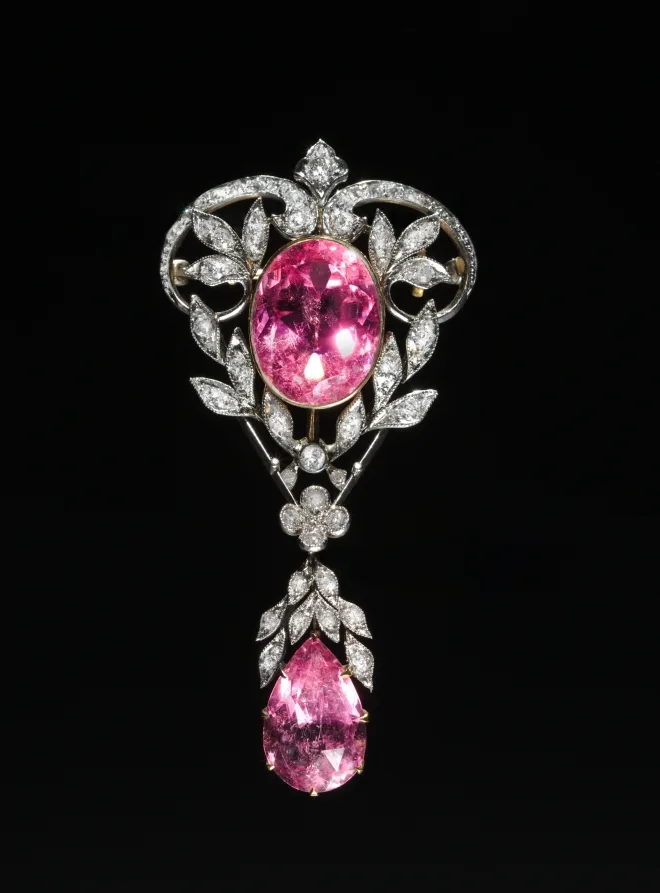
In the 1950s a separate category of gifts for the mother of the bride appears in wedding catalogues: a brooch for the ceremony, often with paste stones, because diamonds were out of reach for the middle class. From the 1990s the standard brooch gives way to individual engraved pieces and photo lockets. A notable direction of recent years is the reworking of family metal: the daughter doesn't buy new, she melts down an old piece into a renewed form, combining respect for history with a personal contribution.
Buying it as a gift? Each one arrives ready to give.
 A branded Zevira box and a little card come with every order.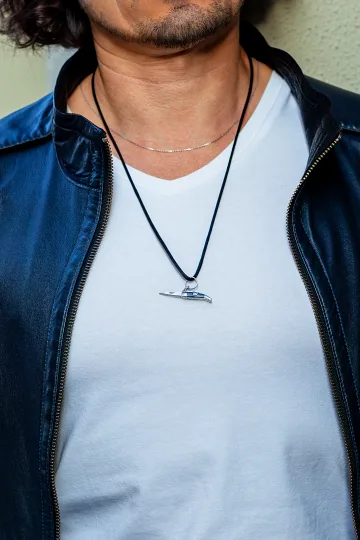




Budget and tiers
There's no need to name exact sums; the logic is what matters. Budget affects the material and the complexity of the work, but not the meaning: here personal context counts for more than price.
In the affordable tier deep personalisation works strongest: a silver locket with a photo inside is emotionally equal to any expensive piece, a simple pearl pendant on a silver chain is dependable at any budget, a vintage brooch gives the feeling of an object with a history.
In the mid-range good 14K gold opens up, along with larger pearls, better stones, and bespoke work from a small studio.
In the premium tier come platinum, large stones, complex bespoke design, but premium doesn't mean "better". Without personal context, an expensive gift reads as a breach of the day's hierarchy or an attempt to buy favour. Premium is justified for a rare stone, the remaking of a valuable family piece, or a collective gift from several senders.
The main principle is proportion. The mother's gift is significant, but not the most expensive piece of the day. On a minimal budget, a handwritten card on good paper with concrete words beats cheap jewellery with no substance. On a large budget, don't let money become the main argument: invest in quality, design and personal context, not in the size of the stone.
Send a friend a discount code, they save on their first order.
Links to other topics
A gift for the mother of the bride is part of a wider system of wedding gifts.
If you're working with a whole set (mothers, bridesmaids, the groom's parents), look at the guide to bridesmaid gifts. Gifts for bridesmaids are usually more modest in budget but similar in aesthetic: a locket for the mother, small pendants with the same symbolism for the bridesmaids.
The bride's wedding jewellery is a separate universe, and the mother's gift should rhyme with it visually: one aesthetic family, different specific pieces. Too similar is competition; too different is dissonance in the family photographs.
The guide to jewellery for mum covers a non-wedding context too: the maternal role doesn't end with the wedding. Sometimes the right move is to give something modest at the wedding and hold the main gift back for her next birthday: this gives the mother her own moment, without having to share it with the daughter's wedding.
If the family has Spanish roots, the guide to Spanish wedding jewellery gives depth of context.
Wear the symbol, don't just read about it. These are in stock:

FAQ
What should the groom give the mother of the bride?
Safe classics are pearl earrings or a pendant. A more personal option is a brooch or pendant engraved with a Latin phrase acknowledging the maternal role ("Mater est honoris"). Not too expensive and not too intimate in style. Sterling silver or 14K gold. A gift from the groom should read as respect, not an attempt to buy favour.
What should the daughter give her mother?
The strongest option is a photo locket: a childhood snapshot of the bride or a picture of mother and daughter together. Alternatives: pearl earrings, a tree of life pendant, a bracelet engraved with the daughter's name in a monogram. The tone is warm, direct, without formality.
How much should you spend on a gift for the mother of the bride?
The gift should be significant, but not the most expensive piece of the day and not comparable to the bride's engagement ring. Sterling silver with a good engraving is a reliable choice across the whole budget range. 14K gold if the budget allows. Platinum and large diamonds are usually excessive.
If the mother is divorced, do both parents give or just one?
A gift from the bride to her mother is about the relationship between daughter and mother, not about family status. The daughter gives, regardless of whether the parents are divorced. If the bride is close to both her mother and her stepmother, both gifts are appropriate, but they must be different so as not to create a sense of hierarchy.
If the mother is a widow?
One option is a piece that refers to the late father: a locket with a photo of the two of them, a pendant engraved with the husband's initials and the date of the daughter's wedding. An alternative is a gift that highlights her own strength, with no reference to the husband. A sacred heart or a tree of life work in both registers.
If the relationship with the mother of the bride is difficult?
Better a modest, precise gift, without a sentimental narrative. A fine bracelet engraved with a date, earrings she will definitely wear. The gift mustn't sound like an attempt to buy love or a pay-off. Better to give it privately, with a few words: "I know it wasn't always easy between us. This is for you. Thank you."
What to give the groom's mother at the same time as the mother of the bride?
One format, but not identical pieces. A locket for the mother of the bride, a locket for the groom's mother too, but with a different photo or shape. The link comes through the aesthetic, not the copy. The level of thoughtfulness is the same.
Can you give the mother of the bride a ring?
A ring is riskier: it's easy to get the size wrong. If the size is known precisely, you can, but better without stones or with very small ones. A fine eternity ring works universally. When in doubt, choose a pendant, earrings or a bracelet.
What to do if the mother already has a lot of jewellery?
Find a category she doesn't have. Lots of rings, give a pendant; lots of pendants, give a brooch. A brooch works with almost any outfit and most women have few. The alternative is to remake one of her existing pieces into a new form (discussed with her or her family in advance).
Which metal to choose?
If you know her preferences, follow them. If not, the universal choice is sterling silver: it suits most people, causes no allergies, and looks dignified. 14K gold if the budget allows and if the mother wears gold. Platinum is usually excessive for the context.
When is it best to give it?
It depends on the mother's character and the gift. A piece to be worn on the wedding day is given in the morning or the night before. A keepsake can be given after the ceremony in a calm setting. Publicly during the toasts is a strong gesture, but it doesn't suit every character.
Is an engraving essential?
An engraving significantly strengthens a gift, turning a universal object into a personal one. But it isn't essential if the piece is personal enough in itself (a photo locket already carries meaning). A plain piece with no engraving and no other personal detail risks looking formal.
What to write in the engraving?
The wedding date is a universal safe option. A Latin formula ("Mater est honoris", "Pax tibi sit") sounds formal and refined. The coordinates of a meaningful place are original. The daughter's name in a monogram is warm. Avoid long texts, partners' names, trendy quotes and emojis.
Can you give vintage?
A vintage piece from the era of the mother's own wedding (the 1990s or 2000s, depending on age) is a strong gesture: the aesthetic of her youth, which she'll recognise. Vintage from earlier periods also works, but more as "classic vintage".
What to give if I know nothing about her style?
Safe choices that almost always work: pearls, a small locket on a fine chain, a fine engraved bracelet. These three categories rarely provoke a "not for me". In parallel, ask her close ones: a sister, a friend, her husband.
Should the gift match her wedding outfit?
If she's going to wear it to the wedding, yes. Coordinate in advance: say there will be a gift (without giving away the surprise) and ask her not to choose jewellery for the outfit herself. If it's a keepsake for later, coordination matters less. Neutral pieces (pearls, silver without bright stones) go with most outfits.
What to give if the mother lives in another country?
Jewellery travels well. Send it in advance so the mother receives it before she arrives for the wedding, together with a handwritten letter explaining what stands behind it.
Can you give a family heirloom instead of a new piece?
If the heirloom is worthy and wearable, yes. But it must be in a condition the mother can actually wear: if restoration is needed, do it before the wedding.
How to wrap the gift?
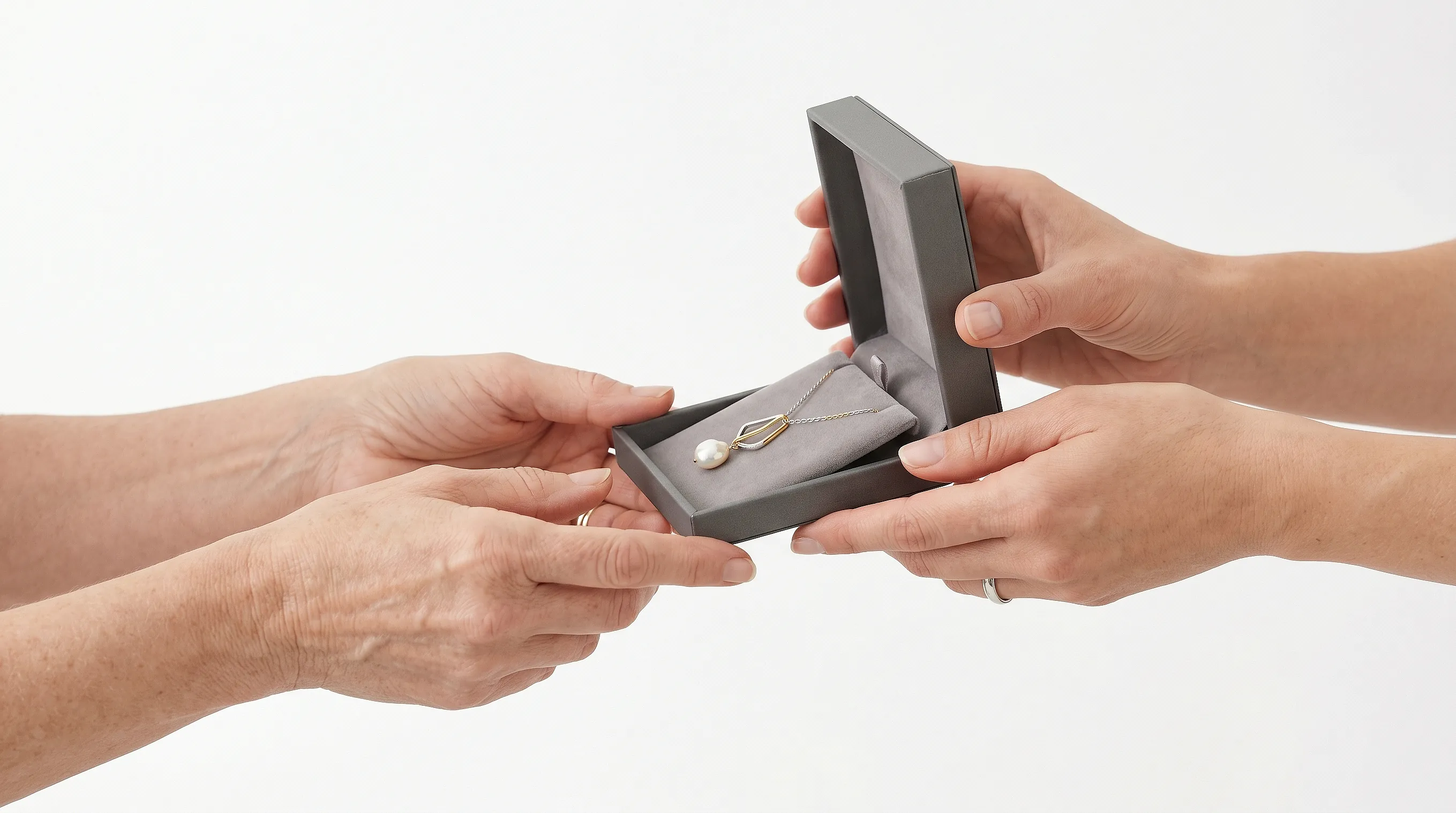
A quality box is part of the gift. A standard velvet jewellery box is the minimum; a carved wooden casket is a strong gesture; a leather case with embossing is formal and warm. Inside, a handwritten card, not a printed one.
How long does an engraved piece take to order?
Typically two to four weeks at an average studio workload, longer in the wedding season (April to October). Best to order at least a month before the wedding. Rush engraving in 24 to 48 hours is possible for a surcharge, but that's a fallback.
What to say at the handover
A few phrases of different registers depending on the giver.
From the daughter, a warm relationship: "Mum, this day wouldn't exist without you. This is for you, so you remember."
From the daughter, a difficult relationship: "I know it wasn't always easy between us. Today I want you to know: I'm grateful. This is for you."
From the groom: "Thank you for raising her this way. I'll try to be worthy of everything you put in."
From the groom's family: "We're glad our families are now one. This is for you, as a welcome."
From the bridesmaids: "From all of us, for what you did for us too."
Sometimes the strongest thing is something short: "Thank you." "For you." "From me." When the words won't come, three handwritten ones weigh more than a printed page.
Wear the symbol, don't just read about it. These are in stock:








Conclusion
A gift for the mother of the bride carries three meanings at once: gratitude for the past, acknowledgement of the moment, and a symbol of the connection continuing. No piece is "right" in itself; what makes it right is the choice: why this one, why now, what stands behind it. A locket with a childhood photo and an empty locket are structurally the same, yet they are two different objects.
The most memorable gifts are the ones where the object and the word work together. The jewellery fixes the moment physically; the word (a card, an engraving, a conversation) gives it meaning. The mother of the bride has come a long way for this day to happen, and the piece she wears or opens says: we see it, we know it, we remember.
Sterling silver and 14K gold, personal engraving in Latin, English and Spanish, lockets that take a photograph, pearls, brooches for the ceremony, pendants with symbols of family and love, in the metalworking tradition of Albacete, Spain. Reworking childhood jewellery into new forms is available on request.
About Zevira
Zevira makes jewellery in the artisan tradition of Albacete, Spain. Lockets that take a photograph, pearl earrings and necklaces, pendants with symbols of family and love, brooches, engraved bracelets, the core lines for wedding occasions and family milestones.
Each piece is made by hand by a craftsman, with the option of personal engraving on silver and gold. Worldwide delivery. Melting down inherited gold and silver into new forms is possible on individual request.
Bridesmaid gifts
The silver locket: a complete guide