South Sea Pearls: White Luxury from the Philippines and Australia
From the first operation, when a nucleus is slipped into the oyster, to the day the pearl is lifted out, two to four years pass. Before that, the mollusc spends five years simply growing to adulthood. Half the oysters die on the operating table. Of those that survive, only a fraction produce a pearl of marketable quality. That is why South Sea pearls remain the most expensive cultured pearls in the world: their price is set not by marketing but by biology and time.
This is a large pearl with a thick layer of nacre and a soft, deep glow. It grows in the warm waters of the Indian Ocean and the western Pacific: off the north-west coast of Australia, in the Philippines, in Indonesia and in Myanmar. Below we cover what this mollusc actually is, how a pearl is born, how the Australian differs from the Filipino, how to tell a real pearl from an imitation and how to care for it.
What South Sea pearls are
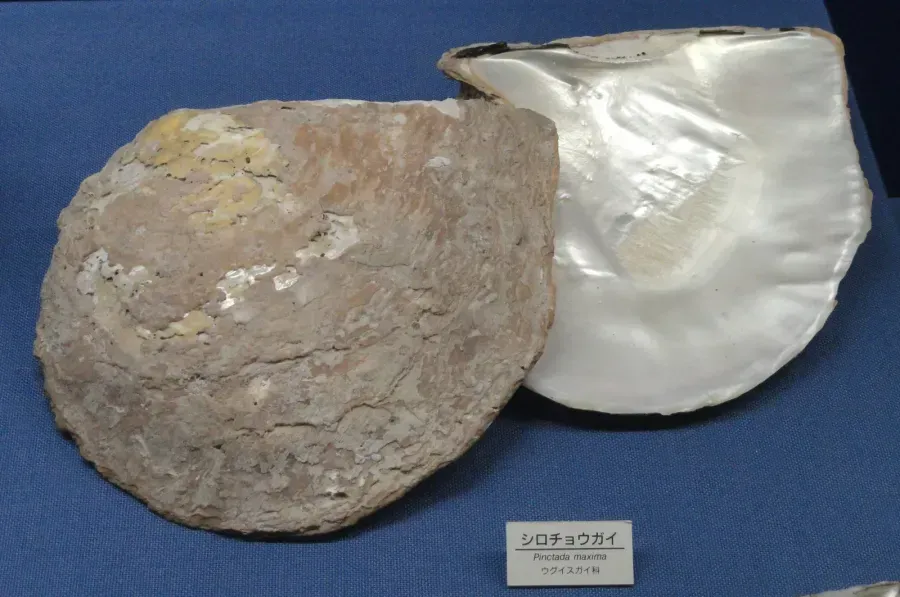
A South Sea pearl is a pearl grown inside the shell of Pinctada maxima, the largest pearl oyster in the world. An adult shell reaches 30 centimetres across, the size of a dinner plate, and weighs three to five kilograms. It is the sheer size of the mollusc that allows such a large pearl to form: the standard range is 10 to 16 millimetres, whereas the Japanese akoya gives only 7 to 8.
The name appeared at the end of the nineteenth century, when fishermen from Europe and Asia reached the waters of Australia and the Philippines. The Latin Pinctada comes from pinctus, "painted": the inner surface of the shell is coated with mother-of-pearl. Maxima means "the largest".
The species has two main genetic colour variants. In the cooler Australian waters, oysters tend to produce a silvery-white nacre with a cool cast. In the Philippines the warmer cream and golden nacre is more common. That difference gives South Sea pearls their two distinct characters.
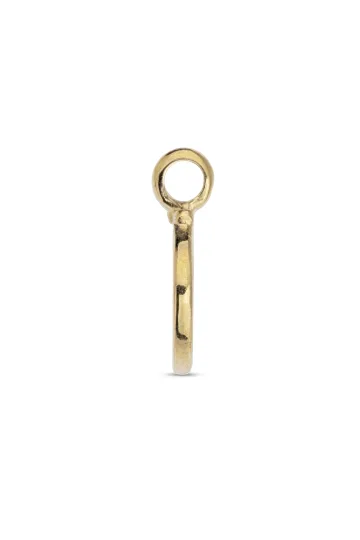
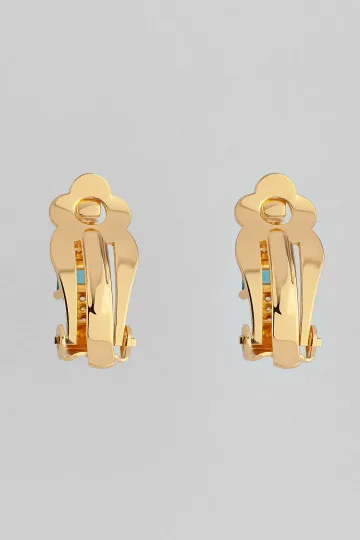
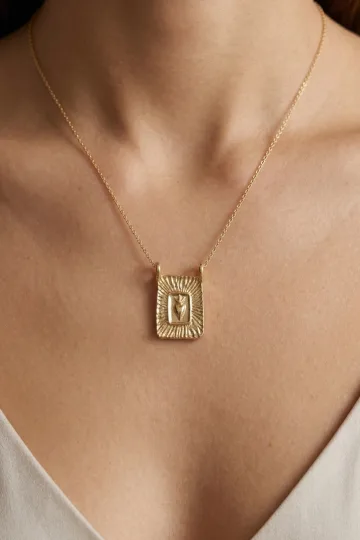
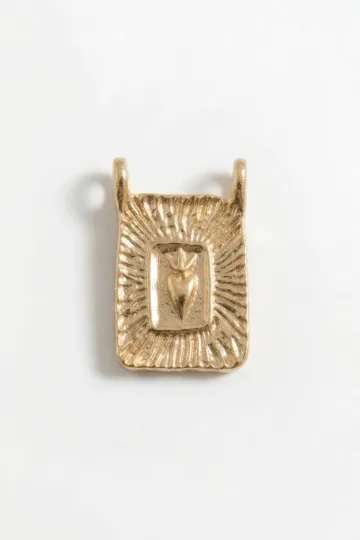
Wear the symbol, don't just read about it. These are in stock:





How a pearl is born
The biology of Pinctada maxima
The mollusc lives at a depth of 15 to 30 metres and filters water through its gills constantly, hundreds of litres a day, sieving out plankton. Water quality and composition therefore feed straight into the nacre: clean water rich in plankton gives an even glow, while murky or nutrient-poor water gives a pale, patchy one.
The oyster's life cycle runs 10 to 15 years. For the first two or three it simply grows. Then it is prepared for surgery.
Nucleation and pearl growth
A nucleus, a bead turned from the shell of a freshwater mollusc, is inserted into the gonad (the reproductive organ) of the oyster, together with a sliver of mantle tissue from another oyster. It is that tissue which drives the mollusc to build nacre around the bead. The operation takes about twenty minutes and is carried out by a technician with years of experience: a clumsy insertion kills the oyster. Even on the best farms, only around half the molluscs survive nucleation.
Then comes the long part. Layer upon layer, the oyster lays down nacre around the nucleus: aragonite (a crystalline form of calcium carbonate, CaCO3) interleaved with an organic protein, conchiolin. Roughly 0.5 to 1 millimetre of thickness accrues per year. A pearl the size of a hazelnut takes two to four years to grow, the span depending on water temperature, feeding and current.
During that time the mollusc can fall ill, pick up a parasite or suffer a sudden temperature swing. Some oysters die, some yield flawed pearls. The losses are built into the economics of the trade.
Geography and the character of the pearl
Australia (the Western Australian coast around Broome, the Kimberley and Perth). The water is cooler, 16 to 22 degrees. The pearl grows more slowly, but the nacre comes out denser and thicker (2 to 4 millimetres). The colour is silvery-white, with a cool, sometimes faintly bluish sheen. This pearl is considered the finest and the most durable.
The Philippines (Palawan, Mindanao, the Sulu archipelago). The water is warm, 24 to 28 degrees year round. The pearl grows faster and the nacre layer is thinner (1 to 2 millimetres). The colour is warmer, cream and golden. It sits beautifully in yellow gold.
Indonesia (Nusa Tenggara, Sulawesi), the middle ground in both quality and price.
Seasonality shows up in the pearl itself. In the warm months the oyster feeds actively and lays down nacre fast; in the cooler months growth slows and concentric layers form inside, like the annual rings of a tree. The rainy season lowers the salinity of the water, the oyster is stressed, and a pearl from that period can come out patchy.
Pearls go on last and come off first. Spray perfume over a strand and you have earned the dull sheen, no arguments.
What to wear South Sea pearls with
Over years on shoots I have put pearl through dozens of looks, from a strict office to a wedding. Here is what actually works, occasion by occasion.
What do I wear pearl with every day? For daytime I suggest small studs or a fine strand with a single pearl over a white shirt, a cream knit or a plain tee with jeans. I choose a warm white or cream shade: it is friendlier to daylight and skin than a cool silvery one. The quieter the background, the clearer the lustre speaks.
Does pearl belong at the office? It does, and there it works as a quiet mark of standing. I recommend a short necklace under a shirt collar or a boat neckline, with stud earrings to settle the question of dressiness. I keep clothing in neutral tones: grey, navy, teal, on which white pearl reads cleanly.
How do I build an evening look? For evening I choose a dress without a loud neckline: let the pearl take centre stage. Deep blue, emerald, wine and black all light up the nacre. With golden pearl I suggest yellow gold and warm tones: caramel, chocolate, bottle green.
What should I wear to a wedding or celebration? For a special day I put together a set: necklace plus earrings in one size and shade. It is the most restrained yet ceremonial look, one that does not fight the dress or pull attention onto itself.
How do I layer pearl and pick the length? Pearl is good-natured in layers: I suggest stacking a fine strand with a chain, but I keep the metals in one family, white gold and platinum with cool pearl, yellow gold with warm. On length, a short necklace (40 to 45 cm) lengthens the neck and works under a boat neckline, a long one (70 cm and up) suits a roll-neck and a loose cut. The gym, the beach and the pool are off limits: sweat, chlorine and salt kill the surface.

Turn on your camera, pick earrings, a pendant or a ring, and see the piece on yourself in real time.
Switch items in one tap.
Everything runs in your browser: no photo or video is ever uploaded.
Types and shades
White pearls
The main variety. The colour runs from icy white to cream. The Australian is often cool and silvery; the Filipino is warmer, a yellow-cream. The difference comes down to the amount of organic matter (conchiolin) in the nacre: the less there is, the purer and cooler the white.
White pearls are endlessly wearable, suited to almost any clothing, age and occasion.
Golden pearls
A natural golden tone appears in Filipino oysters only rarely. Science cannot yet fully explain it: probably it comes down to the genetics of particular populations and the make-up of the plankton. Australian technicians have not managed to reproduce the gold tone artificially. The shades run from pale champagne to a rich honey; pure gold is prized above all. Because of its rarity, golden pearl costs more than white. There is more in our piece on golden pearls and their rarity.
Black pearls
Technically this is Tahitian pearl, from a different oyster, Pinctada margaritifera, but the Philippines also grow it in small quantities. Within the South Sea region it is rare. Its origin, peacock shimmer and care have their own piece on Tahitian black pearls.
Size and shape
The range is 8 to 20 millimetres, with 10 to 16 the standard. The larger the pearl, the less likely the oyster is to survive to its harvest, so with every millimetre the price climbs disproportionately.
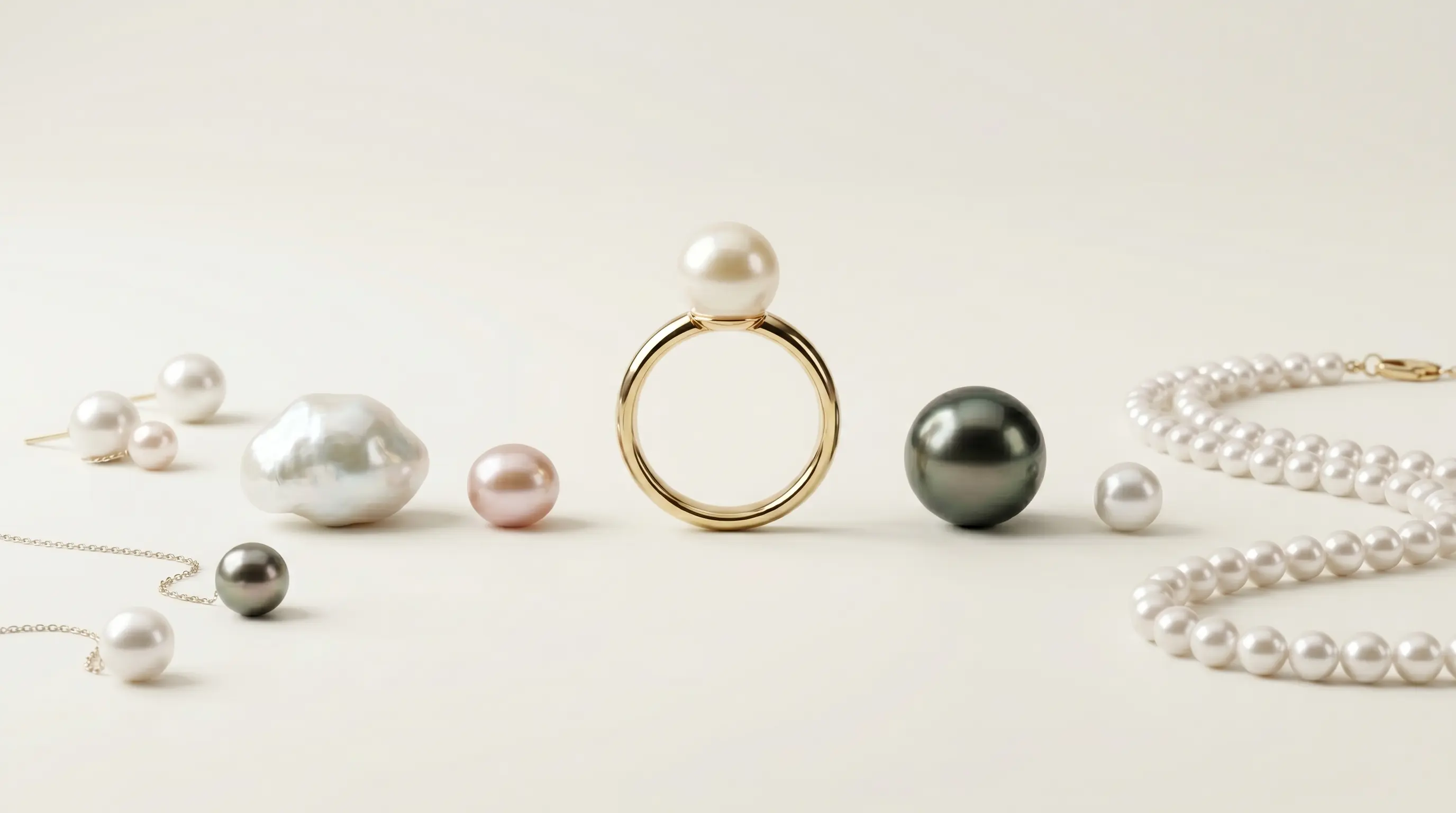
The shape can be round (the rarest), oval, drop (good for pendants) or baroque, irregular. Baroque pearl is cheaper than round but often looks livelier and more interesting.
Overtone and orient
A pearl has three layers of colour, and they are often confused. The body colour is the base tone: white, cream, golden. The overtone is a fine secondary sheen over the body: pink, green, blue, silver. The orient is the iridescent shimmer that seems to float under the surface as the pearl is turned.
A pink overtone on a white body is prized above a greenish one: on the skin it looks warmer and more costly. Blue and silver casts are typical of Australian pearl. The overtone shows on flat daylight, best by a window, not under a yellow lamp, which distorts the tone. When buying, turn the pearl about: a clean body with no sheen looks deader, and the overtone is exactly that "living" effect.
Lustre and surface
Lustre is the shine, the way a pearl returns light. In a South Sea pearl it is soft and deep, coming "from within" rather than mirror-like as in the akoya. The reason is the thick layer of nacre, which refracts light differently.
The surface is rarely perfect: tiny bumps, spots and pits are normal for an organic material. Quality is conventionally marked with letters. AAA: surface 95 to 100 percent clean, bright lustre, shape close to a perfect sphere. AA: 85 to 95 percent clean, small spots visible on close inspection. A: 70 to 85 percent clean, flaws noticeable but the piece is wearable. Some people deliberately choose AA: cheaper, and the light marks give the pearl character.
How to choose a South Sea pearl
Once variety and shade are settled, the choice comes down to a few checks worth making in person or asking the seller to film.
Compare in daylight. Lay the pearl on a white matte surface (a sheet of paper). Under a yellow lamp even a pale pearl looks creamy and bright; daylight shows the true tone and lustre.
Check the reflection. Hold the pearl up to a light source and look at the highlight. With good lustre the edge of the highlight is sharp, almost letting you make out the outline of the window in it. A blurred, milky highlight means thin or immature nacre.
Inspect the area around the drill hole. A thin layer of nacre gives itself away precisely at the drilling: if the white nucleus shows through at the rim, or concentric bands are visible, the layer is thin and the pearl will last less long. This is the most honest way to judge nacre thickness without instruments.
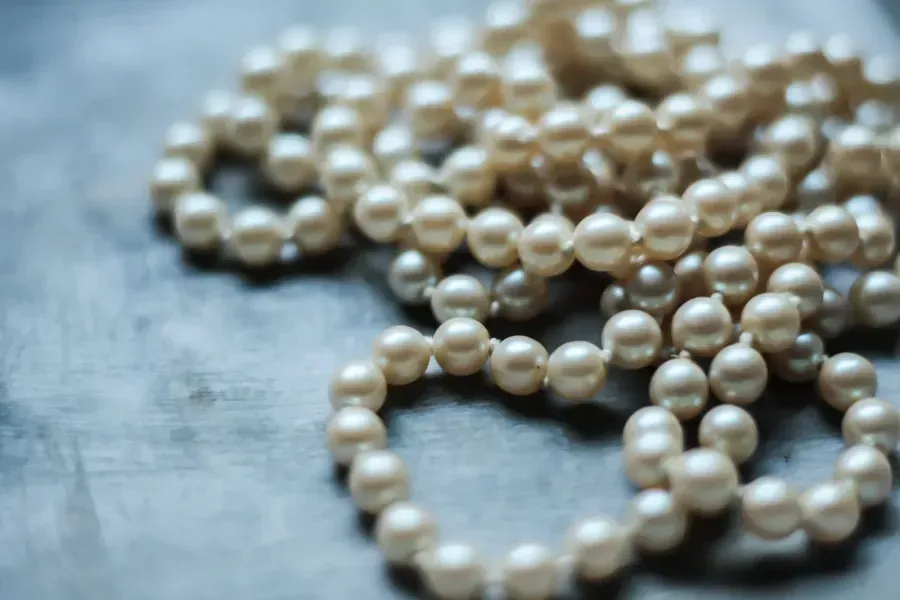
For a strand, check the matching and the knots. In a good necklace the pearls match in tone, size and shine, tapering smoothly towards the clasp. There should be knots in the thread between the pearls: they keep the nacre from rubbing and hold the rest in place if the thread breaks. A strand without knots is a cost-cutting shortcut.
Pairing for earrings. A pair takes longer to match than a single pearl, so good earrings cost more than a single pendant of the same size. Check for matching shape, shade, overtone and the position of any flaw.
It makes sense to judge a flaw by whether it shows in wear. A spot right by the drill hole will hide under the setting or a neighbouring pearl, but a blemish on the "face" of a round pearl in a pendant will always be on show.
How to tell a real pearl from a fake
Imitations come in several kinds, and almost all give themselves away under simple tests.
Plastic imitations. Too light, they warm up fast in the hand (a real pearl stays cool), the colour is uniform and unnaturally bright.
A glass core under a coating (Majorica type). From a distance it resembles a real pearl, but under a loupe you can see the boundary between the glass and the thin coating.
Dyed freshwater pearl passed off as South Sea. It is softer and less dense. If a "South Sea pearl" is offered at freshwater prices, freshwater is what it is.
A few home tests:
- The tooth test. Run the pearl along the edge of a tooth. Real nacre feels slightly gritty (microcrystals of calcium carbonate), an imitation glides smoothly.
- Weight and coolness. A real pearl 14 millimetres across weighs about 3.5 to 4 grams and stays cool on the skin for a long time.
- A 10x loupe. A natural surface has a faint relief and the finest "ripple"; imitations are smooth or show a visible seam in the coating.
For an expensive purchase, a certificate from a gemmological lab is worth having: it records the type, size, shape, lustre quality and surface, and sometimes the fact of treatment (bleaching, dyeing). Treated pearl is real, but its shine holds for less time.
Customer reviews
Zevira is a real jewellery shop. Genuine payments, deliveries and customer thank-yous.
🥰🥰🥰 gracias
Ok, ¡gracias! 🙂
What is done to pearls, honestly and dishonestly
Almost all pearl on the market goes through some treatment, and that in itself is no deception. The deception lies in concealment. It is worth knowing what counts as standard and what should put you on guard.
Bleaching (mild, standard). Most white South Sea pearl is bleached slightly to even out the tone. It is done gently and barely harms the nacre. This is the most common and acceptable treatment.
Polishing. The pearl is tumbled in a drum with a soft filler to remove film and lift the shine. Also standard.
Dyeing (must be disclosed). Dark and vivid pearl is sometimes tinted. Tell-tale signs of dye: colour pooling around the drill hole and an over-uniform, "flat" tone with no overtone. Natural golden pearl is prized precisely because its colour is native, not added.
Irradiation. Used to darken pearl with a freshwater core. Untypical for light South Sea pearl, but it turns up in cheap dark "South Sea" strands.
Filling and "mabe" (a warning sign). Cracks and cavities are sometimes masked with resin or lacquer. Hollow baroque pearls can be half empty inside. That is a hidden defect, not an enhancement.
The honest wording from a seller sounds like this: the pearl is bleached, the colour is natural. If a direct question about treatment gets an evasive answer and the price is suspiciously low, you are looking at either dyed freshwater or pearl with masked flaws.
Upload a photo of your pet, someone you love, or an object. We'll build a 3D model and hand-cast it in pewter.



A history of the trade
Commercial harvesting off the Australian coast began in the 1860s. Divers went down past 30 metres without modern gear; deaths from decompression sickness, infection and sharks were huge. Indonesian and Japanese divers later joined the trade. By 1910 exports had peaked, hundreds of vessels, hundreds of tonnes a year. The First and then the Second World War twice nearly stopped the industry; afterwards Australia shifted towards raw exports, but the pearl region survived and remains one of the leading producers today.
The Philippines entered the story of South Sea pearls in the late 1970s, when populations of Pinctada maxima with white nacre were found around Palawan and Mindanao and farms were set up. By the 1980s the country supplied a noticeable share of world production; competition lowered prices and widened demand in Europe and the United States.
After 2000 the market settled: Australia and the Philippines hold the bulk of the harvest, the rest falling to Indonesia and Myanmar. During the pandemic of 2020 to 2021, harvesting dropped sharply because of closed borders and broken logistics, part of the crop was not lifted in time, and prices rose.
Meaning and symbolism
In Western culture pearl was historically linked with modesty, purity and faithfulness. In Victorian England young women wore it; the pearl was thought to be "born of suffering": a foreign body in the shell turns into beauty, and that metaphor was carried over onto character. Hence the habit of giving pearls for important family occasions.
In the East pearl is associated with the moon, with water and with the feminine. In Chinese myth it is tied to the dragon, a creature of wisdom and strength. These are cultural traditions and images, not properties of the stone: no proven effect of pearl on well-being or emotion exists. We looked at the lunar symbolism and the link between pearl and the feminine in more detail in a separate piece.
The real value of a South Sea pearl today is not magic but durability and memory: it is handed down through a family and outlives several generations.



Jewellery with South Sea pearls
The necklace, the commonest form. Classic lengths: choker (about 45 cm), princess (55 cm), opera (65 cm and longer, which can be worn doubled). A necklace takes 40 to 50 pearls of 10 to 12 millimetres, or 25 to 30 large ones of 14 to 16. The clasp setting is usually white or yellow gold, platinum or silver.
Earrings, most often a single pearl in a stud setting. The pair must be symmetrical in size, shape and shade.
The pendant, a practical choice: the pearl hangs on a chain, does not rub against skin or clothing and comes off easily. The chain should be strong enough to bear the weight.
The ring, the most vulnerable choice: pearl dreads pressure and knocks. A pearl in a ring is always framed by a protective metal rim. For anyone who works a lot with their hands, such a ring is not the right call.
The bracelet is seen less often, as pearl is easily scratched against a table or objects. Worn carefully it looks lovely; usually smaller pearls are chosen, 8 to 10 millimetres.
Pairings with metals and stones
With white gold and platinum, the cool silvery Australian pearl looks at home, the metal matching its tone. Yellow gold calls for the warm cream and golden Filipino. Sterling silver gives a cool shine and a more modern, pared-back look; keep the metal at the same "temperature" as the pearl. With gemstones, pearl should be combined with care: sapphire, ruby and emerald are harder and scratch the nacre on contact, so in a piece they are separated by the setting, and in storage by cloth. Soft, happy pairings: pearl with turquoise (a marine palette) or, in a vintage spirit, baroque pearl with coloured enamel. Pearl is an organic material of marine origin, like red coral, which has similar demands for gentle handling.
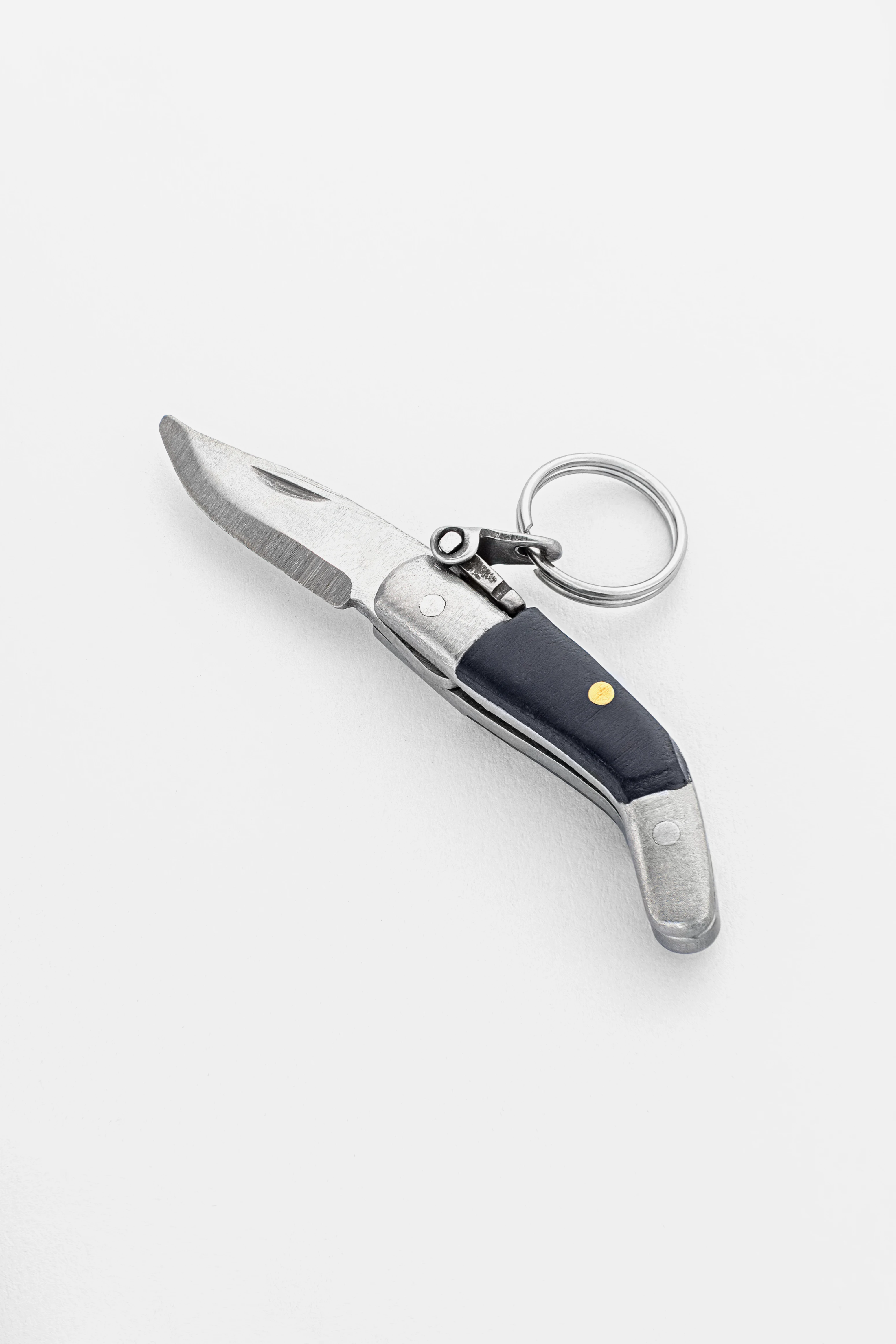
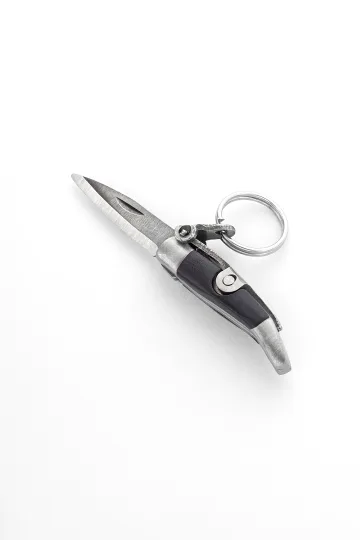
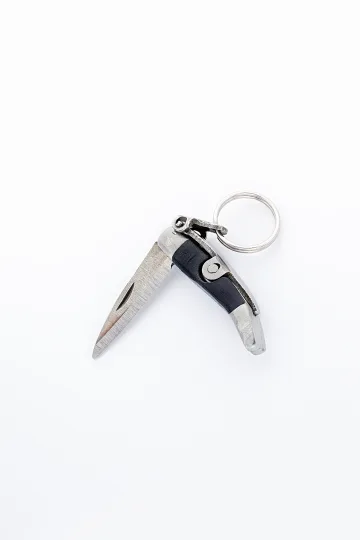
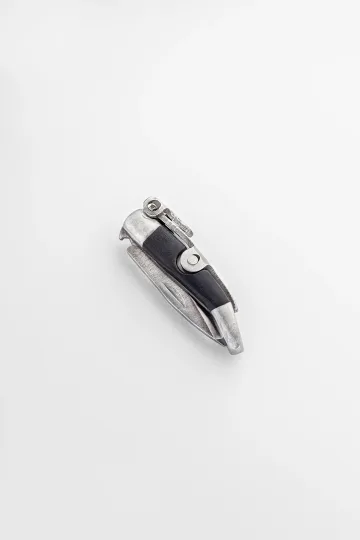
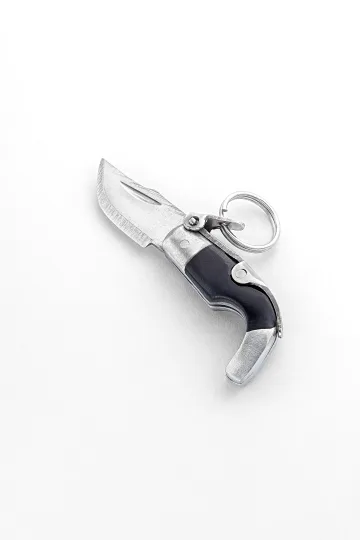
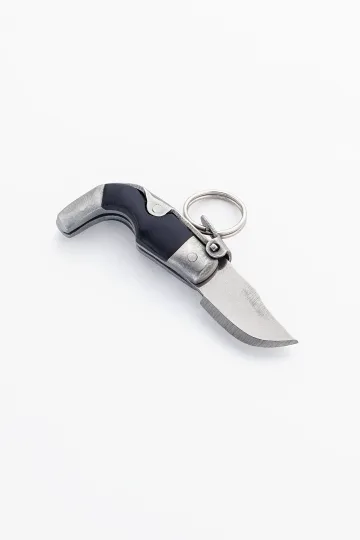
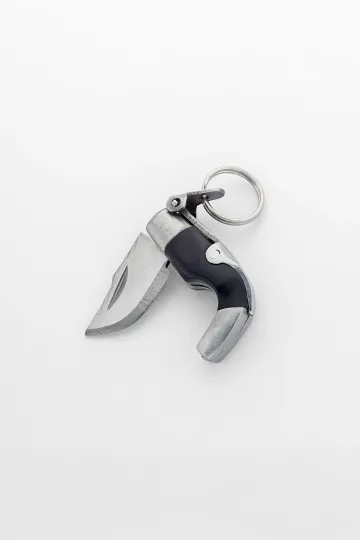
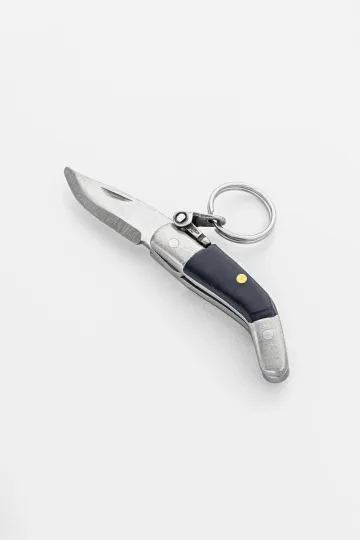
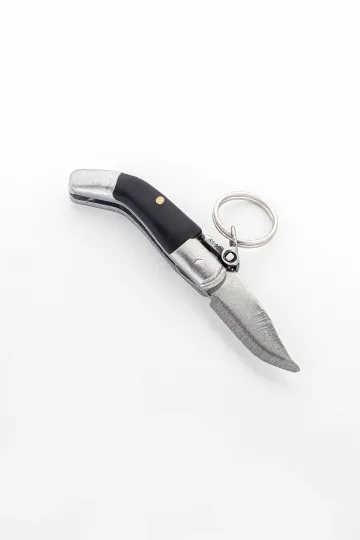
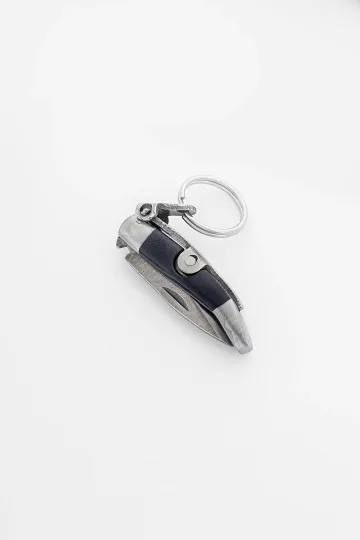
CAPAORA mini knife pendant
The 18th-century Spanish navaja in miniature: 40 mm of stainless steel, a real folding mechanism and a Palanquilla lock that clicks. An affordable gift to remember.
Authentic · Ships from Spain · 14-day returns
Care and storage
Pearl is soft: 2.5 to 4.5 on the Mohs scale (diamond, for comparison, is 10). Nacre is a few percent water, so the chief enemies of pearl are dryness, acids and sharp swings.
After every wear, wipe the pearl with a soft dry cloth (microfibre): sweat and cosmetics damage the surface.
Light cleaning. Warm water with a drop of mild soap, a soft cloth, then dry at once. Do not soak for long: water weakens the necklace thread.
Never clean pearl with ultrasound (the microvibrations split it from within), with acids or with abrasives.
Perfume, hairspray, cosmetics go on before the jewellery does: alcohol eats away at the nacre. The rule is simple: pearl goes on last and comes off first.
Storage. Not in an airtight bag, the nacre needs air or mould sets in. Better a soft pouch or a box with a fabric lining, kept apart from other jewellery, out of direct sun. Pearl dreads over-dry air: with central heating the humidity in a home drops to 20 to 30 percent, which is bad for it. The comfortable range is 40 to 50 percent.
Restringing. The thread of a necklace stretches over time; every 10 to 15 years the pearls are taken off and threaded anew. At restringing you can change the length or the clasp.
Restoring the shine. A pearl dulled by grime will come back almost to its old self with cleaning. Shine lost through oxidation of the inner layers cannot be brought back. A light polish with jojoba oil takes off the thinnest top layer of nacre, so it can be done only a handful of times in the whole life of the pearl.
South Sea pearls against other types
Akoya (Japan), smaller (7 to 8 mm), with a bright mirror shine, cheaper. Ideal for classic strands, but the nacre is thinner and dulls faster.
Tahitian, black, from Pinctada margaritifera, usually 9 to 14 mm. Dearer for the rarity of the colour, but more fragile.
Freshwater (mostly China), cheaper by a wide margin, comes in unusual shapes and colours, but lower in quality and durability. Good for experiments and inexpensive pieces.
South Sea pearl wins on size, nacre thickness and lifespan; cared for properly it holds for decades.
Leave your email, we'll send your discount code. No spam, unsubscribe anytime.
The code arrives by email, valid on your first order.
Myths about pearls
Pearls are always white. No. They come in cream, golden, grey, black, with a pinkish cast. The colour depends on the oyster species and the make-up of the water. White is simply the commonest.
The bigger, the dearer, in a straight line. Size affects price, but the climb is not proportional: large pearls are rare because the oyster more often does not survive to their harvest.
Pearl is only for the old. Pearl is ageless: small stud earrings for the young, strands and sets for ceremonies.
Natural beats cultured. Cultured South Sea pearl is virtually indistinguishable in quality: a human only inserts the nucleus, after which the mollusc does everything itself over two to four years. Natural pearl (without a bead) is rare and dear, but the cultured kind is more predictable in shape and size.
Pearl fears water. It is born in water and does not fear salt water. Fresh water (chlorine, minerals) and long contact with any moisture, which weakens the thread, are the dangers. Brief contact is no problem, just wipe it dry.
The silver-lipped and the gold-lipped oyster
Almost all South Sea pearls come from one mollusc, Pinctada maxima, but the species splits into two forms that behave differently, and the difference decides what colour ends up in the strand.
The silver-lipped form
The silver-lipped variety carries a bright, silvery-white border around the inner edge of the shell, and it dominates the Australian farms along the north-western coast. Its pearls run white, silver and pale cream, often with the cool, slightly steely cast that collectors call silver. Australian waters are also unusually rich in plankton, so the oysters grow large and lay down nacre generously, which is why the biggest white South Sea pearls, and the ones with the deepest lustre, tend to come from that stretch of coast.
The gold-lipped form
The gold-lipped variety has a shell edge running from pale butter to a deep amber, and it is farmed mainly in Philippine and Indonesian waters. Its pearls carry the yellow through champagne to deep golden range that the trade prizes. The intensity of the shell lip is a reasonable predictor of the pearl: farmers grade their broodstock on it, and the deepest gold comes from a small proportion of animals whose shell interiors are strongly coloured all the way in. Deep gold cannot be induced, only selected for, which is why it stays scarce.
Why one species gives different pearls
The colour is laid down by the mantle, the fringe of tissue that secretes the shell, and by the small graft of donor mantle tissue that the technician inserts alongside the bead. That graft determines which oyster's colour genetics build the pearl sac, so a nucleus placed in one animal with tissue from another will produce the donor's colour rather than the host's. Add to that the local water chemistry, temperature and food supply, and one species can deliver anything from cold white to warm gold. The species sets the size range; the graft and the site set the colour.
What nacre actually is
The material that makes a pearl worth owning is one of the more remarkable natural composites, and understanding its structure explains almost every rule about pearl care.
Aragonite and conchiolin
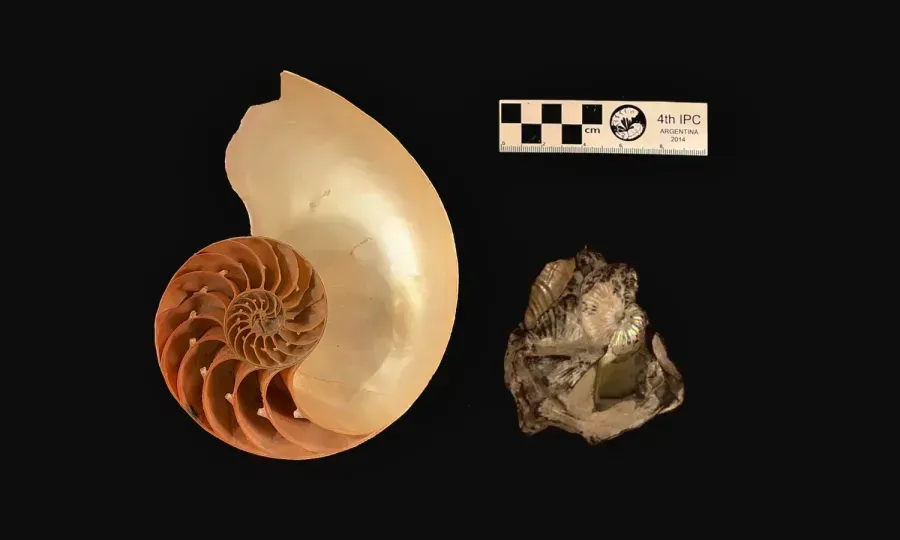
Nacre is built of microscopic flat tablets of aragonite, a crystalline form of calcium carbonate, stacked like bricks and bonded by thin layers of an organic protein and polysaccharide mortar called conchiolin. The tablets are around half a micron thick, which is to say roughly the wavelength of visible light, and there may be several thousand layers between the bead and the surface of a good pearl. The composite is far tougher than pure aragonite, because a crack cannot run straight; it has to detour around every tablet and tear through the organic layers, which absorbs the energy.
Where the deep glow comes from
Lustre and orient are both optical consequences of that architecture. Light entering the surface reflects not from one plane but from hundreds of successive tablet layers at slightly different depths, and the returning waves interfere with one another. That interference is what produces the shifting rainbow sheen of orient, and the sheer number of reflecting layers is what gives the deep, apparently internal glow that a coated glass bead can never imitate. Thin nacre gives a shallow shine; thick nacre gives depth. This is why nacre thickness matters more than any other single quality factor.
Why nacre dulls
The organic mortar is the vulnerable part. It is a protein, and proteins are attacked by acid, dried out by heat and low humidity, and slowly degraded by ultraviolet. Perspiration, perfume, hairspray and household cleaners all reach the conchiolin, and once the mortar between the tablets is damaged the surface loses its optical precision and goes chalky. Nacre also holds a few percent water within its structure, so a pearl kept in a sealed bank vault or an over-dry room for years can craze and lose its glow. The old advice to wear pearls rather than store them has a real basis.
What it costs to grow a pearl
A South Sea pearl is expensive for reasons that have nothing to do with marketing. The economics of the farm explain the price better than any description of rarity.
A long cycle and heavy losses
The oyster has to reach operable size before anything can begin, which takes about two years. The graft operation itself is survivable but far from certain: roughly half the animals die or reject the nucleus, and of those that keep it, a proportion produce nothing useful. The pearl then grows for two to four years more, during which the farm carries the whole standing crop as cost. Cyclones off the north-western Australian coast can destroy years of work in a night, and a disease outbreak can empty a lease. Five to six years pass between the first operation and the first saleable pearl.
Hand labour and place
Almost every step is manual. Panels of oysters have to be lifted, scrubbed clean of fouling growth and turned every few weeks, because an oyster smothered in weed and barnacles stops feeding and stops laying nacre. Grafting is delicate surgery performed by technicians who train for years, and a skilled grafter's success rate is the single biggest variable in a farm's economics. The farms themselves must sit in remote, clean, warm water with the right currents, which means operating far from any town and shipping in everything, staff included.
Sorting and the rarity of the ideal
The harvest is then sorted hard. Most pearls have visible surface marks, an off-round shape or middling lustre, and they sell accordingly. A round pearl with a clean skin, thick nacre and strong lustre is a small fraction of any harvest, and a matched strand of them requires sorting through many harvests over several years, since the pearls must agree in size, colour, overtone and surface. That accumulated sorting, more than the individual pearls, is what a fine strand actually represents.
Ecology and the sustainability of the trade
The pearl business has an unusual incentive structure: it cannot survive dirty water, so the farmers' interests and the environment's largely coincide.
Clean water as a business condition
Pinctada maxima will not thrive in polluted or turbid water. A degraded site produces pale, spotted, thin-nacred pearls long before it kills the stock, so the damage shows up in the harvest and in the accounts. Farms therefore fight development, runoff and shipping traffic near their leases with some vigour, and the presence of a working pearl farm is generally a reliable indicator that the water around it is in good condition.
Wild collection and farming
Australia runs what is now one of the very few managed wild-shell fisheries left in the world: divers collect a strictly quota-limited number of wild oysters each season, which are then used as farm stock, alongside hatchery-reared animals. The quota system has been in place for decades and is the reason the wild population has held up. Elsewhere hatchery breeding does most of the work. Neither approach removes pearls from the sea by killing anything: the oyster survives harvest and is usually re-seeded for a second and sometimes a third pearl.
Climate and the future of the colour
Warming water and falling ocean pH both bear directly on an animal that builds its shell from calcium carbonate. More acidic water makes nacre deposition harder and can thin the layers; higher temperatures shift growth rates and the seasonal rhythm that gives a pearl its structure. Growers in both hemispheres have reported changes in growth timing over recent decades. Nobody can say yet how the colour range will move, but a business whose product depends on stable, clean, warm water is more exposed to the question than most.
Send a friend a discount code, they save on their first order.
Telling them apart from akoya, Tahitian and freshwater
Four kinds of cultured pearl cover almost everything on sale, and once you know what each one does well, a tray of loose pearls stops being a guessing game.
Against akoya
Akoya pearls come from a much smaller oyster in cooler Japanese and Chinese waters, and they run roughly from two to nine millimetres. Their signature is a very sharp, mirror-like reflection: hold one under a bulb and you can often read the shape of the filament in its surface. That crispness comes from thin, tightly ordered nacre over a proportionally large bead. South Sea pearls are bigger, and their glow is deeper and softer rather than mirror-sharp, because the light is coming back from far more layers. If a white pearl is over eleven millimetres, it is not akoya.
Against Tahitian
Tahitian pearls grow in a different species entirely, the black-lipped oyster of French Polynesia, and their natural colours run through grey, aubergine, green and the peacock overtones. They overlap South Sea pearls in size, from about eight to fourteen millimetres. The distinction is colour rather than dimension: a naturally dark pearl of that size is Tahitian, and a naturally golden one is South Sea. Treated black pearls muddy this, which is why an unusually cheap dark pearl deserves a look down the drill hole for dye concentrated around the edge.
Against freshwater
Freshwater pearls come from mussels in lakes and ponds, mostly in China, and are produced in enormous quantity. Most are grown without a bead, using only a graft of mantle tissue, so the pearl is solid nacre throughout. That sounds superior and is not, because the nacre in tissue-nucleated pearls is usually less well ordered, giving a softer, satiny sheen without much depth or orient. Freshwater pearls are also more often slightly off-round, and their price sits far below sea pearls of comparable size.
A quick origin check
Run through four things in order. Size: over eleven millimetres and white or golden points strongly to South Sea. Lustre: mirror-sharp suggests akoya, deep and soft suggests South Sea, satiny suggests freshwater. Colour: naturally dark suggests Tahitian. The drill hole: a visible bead with a thin nacre cap means a bead-nucleated pearl and thin nacre at that, while a solid nacre core with faint concentric structure means a tissue-nucleated freshwater pearl. Any reputable seller will let you look, and a laboratory report settles what the eye cannot.
Reading colour and overtone in the hand
Pearl colour is described with three separate words that are constantly muddled together, and separating them is the single most useful skill for buying well.
Body, overtone and orient, separately
Body colour is the underlying tone: white, cream, champagne, gold. Overtone is a translucent cast lying over that body, usually rosé, silver or green, visible as a tint across the surface as you turn the pearl. Orient is different again: the shifting iridescent play, like petrol on water, that appears in the very finest nacre and is absent in most pearls. A pearl can have a white body with a rosé overtone and no orient, or a cream body with strong orient and no distinct overtone. Say all three out loud when you examine a pearl and it becomes far harder for a description to mislead you.
Which overtone is valued
For white South Sea pearls, a rosé overtone has been the most sought after in the western trade for a long time, with silver close behind for anyone who prefers a cooler look; a green cast is generally valued least in white material. For golden pearls the question is not overtone but saturation, and the deepest, most even gold commands the highest prices while pale champagne sits well below it. None of this should override your own eye. A silver-overtone strand against pale skin often looks better than a nominally superior rosé one, and you are the person who has to wear it.
Light decides everything
Never judge pearls under a shop's display lighting, which is chosen to flatter. Halogen and warm LED push everything towards gold and hide a greenish cast entirely; strong spotlights exaggerate lustre. Take the strand to a window and look at it in daylight against a plain white surface, then against your own skin. Compare candidates side by side rather than one after another, since the eye adapts within seconds and remembers colour badly. If a seller resists moving to daylight, that in itself is information.
Buying it as a gift? Each one arrives ready to give.
 A branded Zevira box and a little card come with every order.






Pearls as an inheritance
Of all the materials in a jewellery box, pearls are the ones most often handed down, and they are also the ones most often ruined by being handed down badly.
Why they get passed on
Pearls carry an association with ceremony that survives changing fashion, so a strand tends to be linked to a specific occasion and a specific person in a way that a ring often is not. They are also worn rarely enough to survive decades in good condition, and their design does not date the way settings do: a plain strand from a century ago looks like a plain strand today. That combination of ceremonial memory and visual neutrality is why pearls end up in wills more often than almost anything else.
Keeping them for the next generation
The practical rules are few and they matter. Restring on silk with a knot between each pearl every year or two if worn regularly, since a broken thread scatters a strand across a floor and knots stop the pearls abrading one another. Put them on after perfume, hairspray and make-up, and wipe them with a soft damp cloth before they go away. Store them in a soft pouch rather than a sealed plastic bag, flat rather than hanging, and in a room with normal humidity rather than an airing cupboard or a safe deposit box that never opens. Wear them from time to time, because the ambient moisture of being worn genuinely helps.
Papers and provenance
If a strand is of any real quality, keep the documentation with it: the original receipt, any laboratory report, the valuation used for household insurance. British insurers generally want a current valuation for a named item, and revaluing every few years is sensible. Write down what you know as well, since the story of who wore it and when is what turns an object into an inheritance, and it is the part that vanishes first. A single index card in the box outlives everybody's memory.
Facts that surprise
Around half the oysters do not survive the operation. Even in the hands of the best technicians, roughly one animal in two either dies or expels the nucleus after grafting. That loss is priced into every pearl that does make it.
A pearl grows in rings, like a tree. In the warm season the oyster lays nacre quickly, in the cool season slowly and in denser layers. Cut a pearl in half and the growth structure is visible, and it can be read to work out how many seasons the pearl spent in the water.
Nacre is a few percent water. That is why dry air is as damaging to a pearl as acid is. A strand shut in a very dry safe for twenty years can craze on the surface without anyone laying a finger on it.
Deep gold cannot be ordered from nature. Golden pearls occur when a gold-lipped oyster with strongly coloured shell donates the mantle tissue, and even then the intensity varies. Farms can select their broodstock and improve the odds; they cannot dictate the result.
The pearl oyster is a living water quality sensor. Pinctada maxima will not grow properly in polluted water, and a pale, spotted, thin-nacred harvest is the first signal that something is wrong on a lease. The animal reports on its own environment.
For centuries the shell was worth more than the pearl. Before cultivation, the main product of the fishery was mother-of-pearl, shipped by the ton for buttons, inlay and cutlery handles. Birmingham built a substantial button industry on it, and the London pearly kings and queens, whose costumes carry thousands of mother-of-pearl buttons, are a direct descendant of that trade. A pearl found inside was a bonus for the diver.
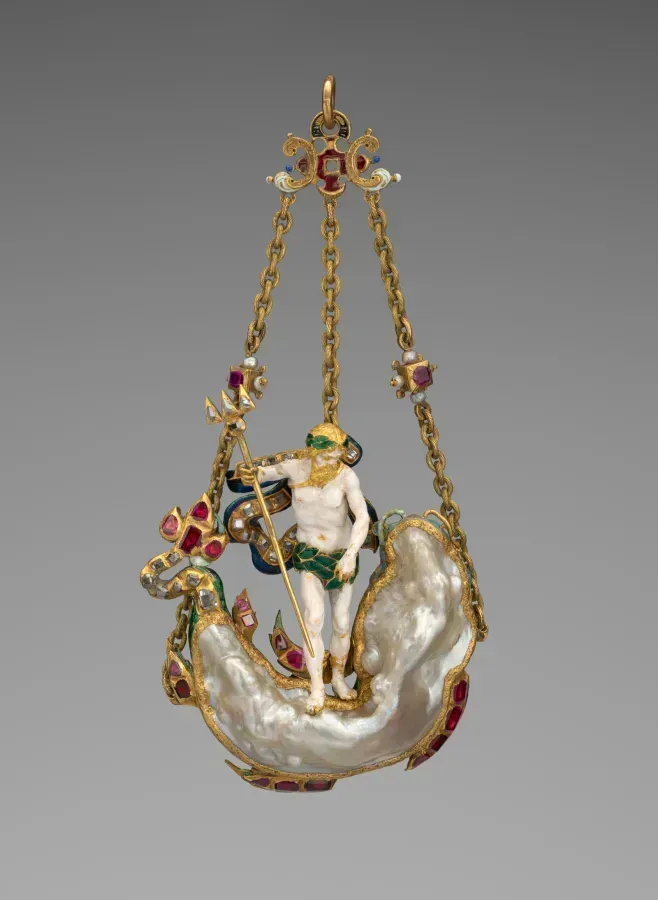
The baroque pearl founded an entire jewellery genre. Renaissance goldsmiths took irregular pearls and built them into figures, using the natural shape as the body of a mermaid, a dragon, a swan or a ship's hull. Some of the finest survivors sit in museum collections in London, and they remain the most inventive use anyone has found for a pearl that came out the wrong shape.
The largest pearls grow longest and are therefore rarest. Every extra millimetre means another season in the water, and every extra season is another chance for the oyster to die, for a cyclone to hit the lease, or for a blemish to form. Size and rarity are linked by risk rather than by scarcity of material.
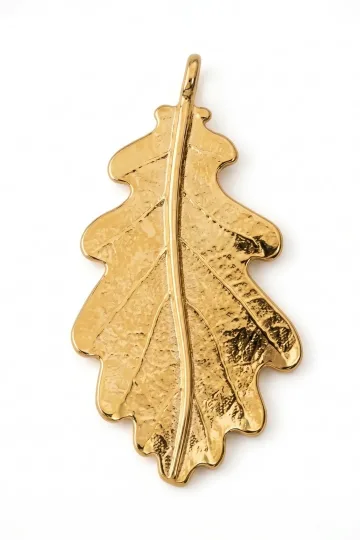
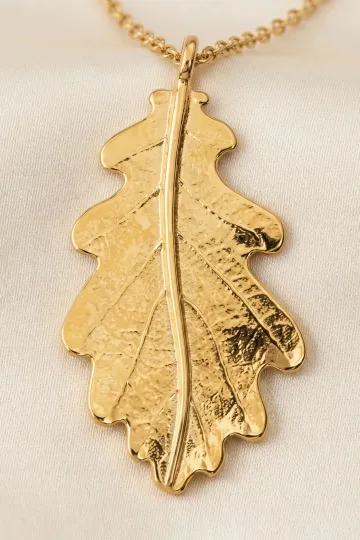
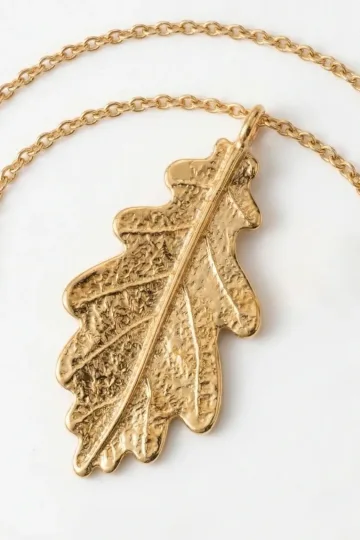
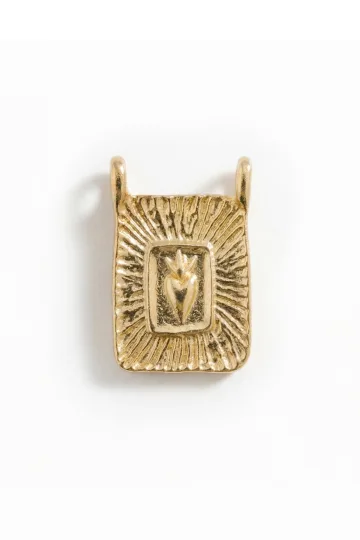
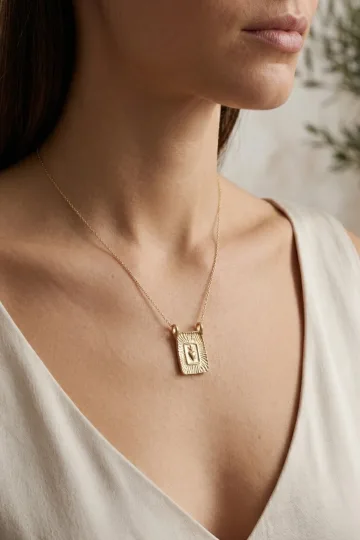
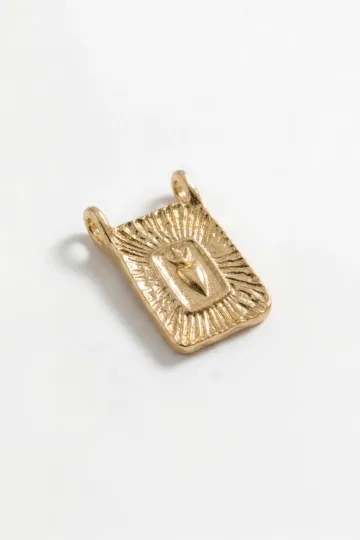
Wear the symbol, don't just read about it. These are in stock:



Frequently asked questions
Can I wear pearls every day? Better not. Pearl is soft, frequent wear leads to scratches and loss of shine, and sweat and cosmetics damage the surface. This is jewellery for special occasions and quiet days.
How long does a pearl last? With proper care, 50 to 100 years, and Australian pearl with its thick nacre, longer still. There are museum pearls several centuries old.
Why is Australian pearl dearer than Filipino? A thicker layer of nacre, higher density and durability. Filipino is often of excellent quality, but softer and dulls faster.
Can I clean pearl with soap and water? Gently, yes. Warm water with a drop of mild soap, a soft cloth, dry at once. Do not soak: water weakens the thread.
What does AAA quality mean? Surface 95 to 100 percent clean, bright shine, shape close to a perfect sphere. AA: 85 to 95 percent clean, small spots on close inspection. A: 70 to 85 percent clean, flaws more noticeable, but the piece is wearable.
Does pearl yellow over time? Slowly, yes. A cool white can warm slightly towards cream over several decades. This is the natural oxidation of the nacre, not a defect.
Can I wear pearl with perfume? No. Alcohol damages the nacre. Put perfume on before the jewellery.
Is pearl on men strange? No. In the East men wear pearl alongside women, and in recent years it has appeared more and more in men's jewellery in the West.
Can a cracked pearl be repaired? A large crack, no. A small one is sometimes sealed with lacquer or resin, but with no guarantees. A baroque or damaged pearl in a strand is usually just replaced.
What is nacre thickness? The thickness of the layer around the nucleus. The thicker it is, the longer the pearl lasts and the more times it can be gently polished. Australian pearl runs 2 to 4 mm, Filipino 1 to 2 mm.
Are there pearls of irregular shape? Yes, that is baroque. The cause is a shifted nucleus, illness or injury to the oyster. Such pearl is cheaper than round and often looks more organic.
Can pearl be handed down? Yes, and that is one of the best reasons to buy it. Pearl can be restrung, remade, worn anew: a living inheritance, not a dry investment.
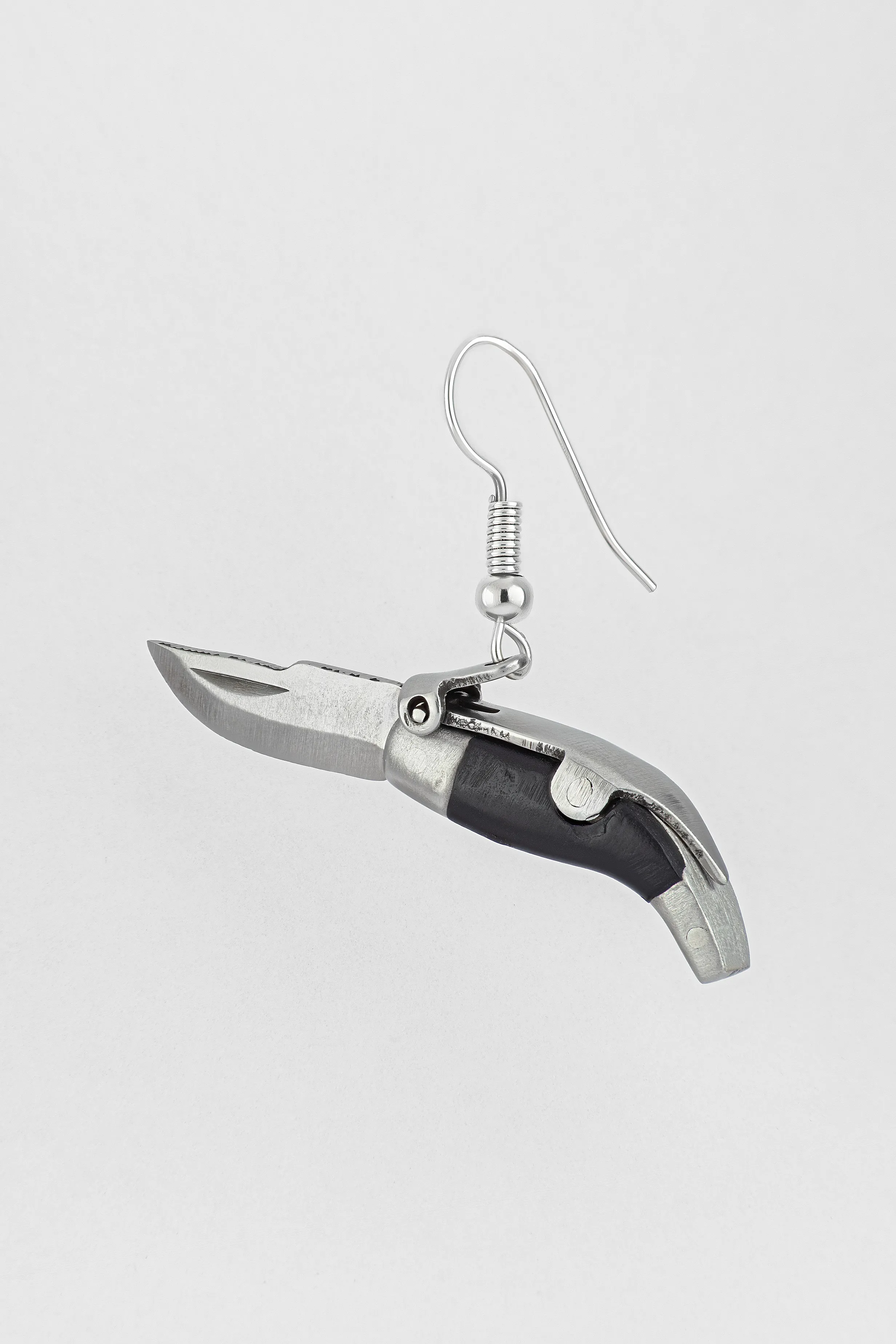
Earrings, pendants and rings with pearl and mother-of-pearl: the marine theme in sterling silver and gold.
About Zevira
Zevira makes jewellery in the artisan tradition of Albacete, Spain. The subject of South Sea pearls is about quiet, wearable luxury, and that is exactly the logic we work in: clean form, the living glow of an organic material and a setting that protects the soft material rather than fighting it.
What you can find with us on the theme of pearl and marine motifs:
- earrings with pearl and mother-of-pearl in a simple setting, where the stone is the centre of attention;
- pendants where the pearl hangs on a chain and does not rub against skin;
- rings with a protective rim along the edge, to guard the soft surface;
- pieces in a marine palette: mother-of-pearl, light tones, the cool shine of silver;
- settings for cool and warm shades, so the metal matches the colour of the pearl;
- options with engraved initials or a date on the setting, for a gift and for handing down.
Each piece is made by hand by a craftsman, with the option of personal engraving. Sterling silver and 14 to 18K gold.