What is a Diamond Carat? The Ultimate Guide to Gem Weight and Gold
The Word That Confuses Everyone
Walk into any jewellery shop and you will hear the word "carat" within thirty seconds. The sales assistant will point at a ring and say "one carat diamond, eighteen karat gold." Two different numbers, two different meanings, same-sounding word. No wonder people leave confused.
Here is the short version. Carat (with a C) measures the weight of gemstones. Karat (with a K) measures the purity of gold. They sound identical in speech, they look almost identical in writing, and they have absolutely nothing in common beyond their shared ancestor: the carob seed.
Centuries ago, gem traders needed a consistent unit for weighing small stones. Carob seeds worked because they are remarkably uniform in weight, each roughly 200 milligrams. Traders balanced gemstones against carob seeds on a scale, and the word "carat" stuck.
Gold purity borrowed the word through a different path. The Roman solidus coin weighed 24 siliquae (carob seeds). Pure gold was defined as 24 parts out of 24, giving us the 24-karat system. English eventually split the spelling: C for gems, K for gold. Other languages never bothered, which is why the muddle persists.
This article untangles both systems. Diamond carats first, gold karats second, practical buying advice last. Facts from gemmology and metallurgy, not marketing.
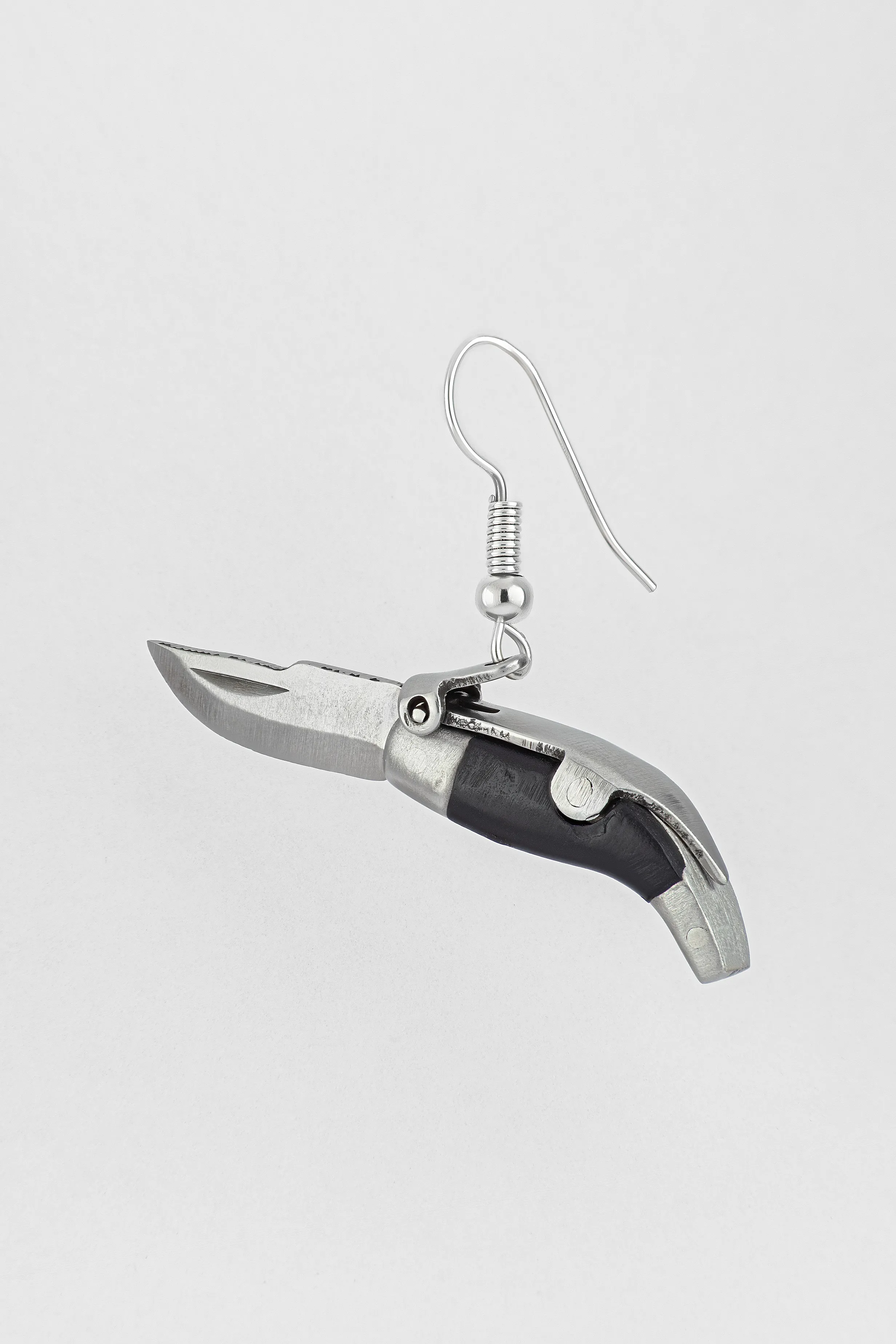
Wear the symbol, don't just read about it. These are in stock:
Diamond Carats: Weight, Not Size
The single most important thing to understand about carats is this: a carat is a unit of weight, not a unit of size. One carat equals exactly 200 milligrams, or 0.2 grams. Five carats make one gram. That is the whole definition.
The metric carat was standardised internationally in 1907. Before that, it varied by country. The 200-milligram standard brought order to the gem trade.
Carats subdivide into 100 points. A 0.50-carat diamond is a "fifty-pointer." A 0.25-carat stone is a "twenty-five-pointer." Jewellers use points for precision because even tiny weight differences affect price.
Now, here is where things get interesting. Two diamonds of the same carat weight can look completely different in size. Why? Because visual size depends on shape, proportions, and how weight is distributed.
A round brilliant diamond weighing exactly 1.00 carat will measure approximately 6.4 to 6.5 millimetres in diameter when well-cut. But a 1.00-carat oval will measure roughly 7.7 x 5.7 millimetres. That oval looks noticeably larger face-up, even though it weighs the same. A 1.00-carat marquise stretches to about 10.0 x 5.0 millimetres and appears bigger still.
The reason is geometry. An oval spreads mass across a wider, shallower profile. A round brilliant hides more weight in the pavilion (bottom half) below the setting. A marquise is elongated, so the visible surface area is greater relative to total weight.
Even within the same shape, proportions matter. Two 1.00-carat round brilliants can differ by half a millimetre in diameter depending on cut quality. A deeply cut stone buries weight in a thick pavilion nobody sees. A well-proportioned stone puts weight where it counts: the face-up area. A beautifully cut 0.90 carat can look larger than a poorly cut 1.05.
Here is a rough guide to face-up diameters by shape for a 1.00-carat diamond with good proportions:
- Round brilliant: 6.4-6.5 mm
- Princess (square): 5.5 mm
- Oval: 7.7 x 5.7 mm
- Marquise: 10.0 x 5.0 mm
- Pear: 8.5 x 5.5 mm
- Emerald: 6.9 x 5.0 mm
- Cushion: 5.8-6.2 mm (varies with length-to-width ratio)
- Asscher: 5.6 mm
- Radiant: 5.7 x 5.7 mm
These numbers shift depending on exact proportions, but they give you a reliable starting point. If maximum visual impact per carat is your goal, ovals, marquises, and pears deliver the most face-up area for the weight.
Upload a photo of your pet, someone you love, or an object. We'll build a 3D model and hand-cast it in pewter.


A big dull stone shouts its price tag and whispers nothing about taste. Chase the fire, not the weight. I insist.
How to Wear a Diamond Ring
Carat and karat settle the stone; the look comes together on the hand, not on the certificate. Here is what actually works, by occasion.
How do I wear a diamond ring every day? For daily wear I recommend a modest stone in a slim setting and calm clothes: knitwear, a shirt, linen in neutral tones. A 0.5 to 0.8 carat stone on a thin band does not fight the fabric or catch on a sleeve. Keep one accent on the hand and let the rest stay quiet.
Is it right for the office? Same logic, but I suggest adding one fine chain or a watch in the same metal so the look reads deliberate rather than accidental. White gold slips into a formal wardrobe unnoticed; yellow runs a touch warmer and softer.
How do I put together an evening look? For evening I choose an open neckline, smooth fabric, and little else near the face so the stone takes the lead. A dark solid dress with white gold gives a clean contrast, while warm beige and wine tones sit better with yellow and rose. For a big occasion I recommend a stack of two or three slim rings; it reads more current than one heavy band.
Can I mix metals? You can, and you should, as long as it looks intentional. The rule I follow is simple: repeat each metal at least twice in the look. Ring and earrings in white, bracelet and chain in yellow, and the picture holds together.
Any advice by hand type? On a small hand a medium stone in a delicate setting and a thin band win out: the finger looks longer. A larger hand carries bigger stones or elongated shapes, oval and marquise, which lengthen the line of the finger. If you are torn between shapes, the princess versus emerald cut guide shows how each reads on the hand.

Turn on your camera, pick earrings, a pendant or a ring, and see the piece on yourself in real time.
Switch items in one tap.
Everything runs in your browser: no photo or video is ever uploaded.
How Carat Affects Price
Diamond pricing follows a principle that surprises most first-time buyers: price does not scale proportionally with carat weight. A 2-carat diamond does not cost twice as much as a 1-carat diamond of the same quality. It costs roughly three to four times as much. At 3 carats, the multiplier grows even steeper.
The reason is rarity. Large rough diamonds are exponentially rarer than small ones. Mining companies process tonnes of ore to find a single rough stone large enough to yield a 2-carat polished diamond. The supply drops sharply at each weight threshold, so the price per carat climbs with total weight.
This creates what the trade calls "magic sizes" or "magic numbers." These are psychologically significant carat weights where demand surges and prices jump: 0.50, 0.75, 1.00, 1.50, 2.00, and 3.00 carats. Crossing one of these thresholds pushes the price per carat noticeably higher.
Consider a hypothetical example using round brilliant diamonds of identical cut, colour, and clarity. A 0.90-carat stone might cost 5,500 dollars per carat, totalling 4,950 dollars. A 1.00-carat stone of the same quality could cost 7,000 dollars per carat, totalling 7,000 dollars. That is a 41% price jump for just a 0.10-carat increase in weight. The visual difference between 0.90 and 1.00 carat? About 0.2 millimetres in diameter. Nearly invisible to the naked eye.
Smart buyers exploit this pricing structure. The "just-under" strategy involves buying a diamond that falls slightly below a magic number. A 0.97-carat diamond looks virtually identical to a 1.00-carat diamond face-up, but it often costs 15-25% less. The same principle works at every threshold: 0.48 instead of 0.50, 1.47 instead of 1.50, 1.96 instead of 2.00.
The catch: many cutters deliberately aim for magic numbers. A rough stone that could yield a well-proportioned 0.95-carat diamond might instead be cut deeper to reach 1.00 carat because the premium justifies it. This is why some 1.00-carat diamonds have mediocre proportions.
Price also varies by shape. Rounds command the highest per-carat prices because of demand and rough material waste. Ovals, cushions, and radiants cost 20-40% less per carat. Marquises and pears can be 30-50% less.
If you want maximum size for your budget, consider a fancy shape in the just-under range. A 1.45-carat oval might cost half of what a 1.00-carat round costs, and it will look significantly larger on the finger. That is a powerful combination of savings and visual impact.
Carat in Context: The 4Cs Together
Carat weight is the first thing most people ask about, but it is the last thing that should drive your decision. A diamond's beauty comes from the interplay of all four Cs: carat, cut, colour, and clarity. Carat is the easiest to measure and the simplest to understand, which is why it dominates conversation. But cut is the factor that makes or breaks a diamond's visual performance.
Cut determines how a diamond handles light. A superbly cut stone returns light to the viewer as brilliance (white light), fire (coloured flashes), and scintillation (sparkle as the stone moves). A poorly cut diamond leaks light through the bottom and sides. It looks dull and glassy.
Place a well-cut 0.80-carat round brilliant next to a poorly cut 1.20-carat round brilliant. The smaller stone will almost certainly look more alive, flash brighter, and throw more colour. Mass without light performance is just weight.
Every buyer faces this trade-off. You can stretch your budget toward a bigger stone with compromises, or prioritise quality in a smaller package. Here are principles that hold true for most people.
Cut should be your top priority. With round brilliant diamonds, aim for "Excellent" cut grades from GIA or "Ideal" from AGS. Do not compromise below "Very Good." The difference is visible to the naked eye, even for people with zero diamond experience.
Colour is your second priority if you are setting the stone in white gold or platinum. In yellow or rose gold settings, you can comfortably go two or three colour grades lower because the warm metal masks the stone's body colour. For white metal settings, G or H colour looks effectively colourless to most observers. For yellow gold, I or J colour blends beautifully.
Clarity is often the easiest place to save money. "Eye-clean" is the standard you are aiming for, meaning no inclusions visible to the unaided eye at a normal viewing distance. Many SI1 (Slightly Included 1) diamonds are eye-clean, particularly in shapes with complex faceting like rounds and ovals. Emerald and Asscher cuts, with their large, open facets, tend to show inclusions more readily and may need a higher clarity grade.
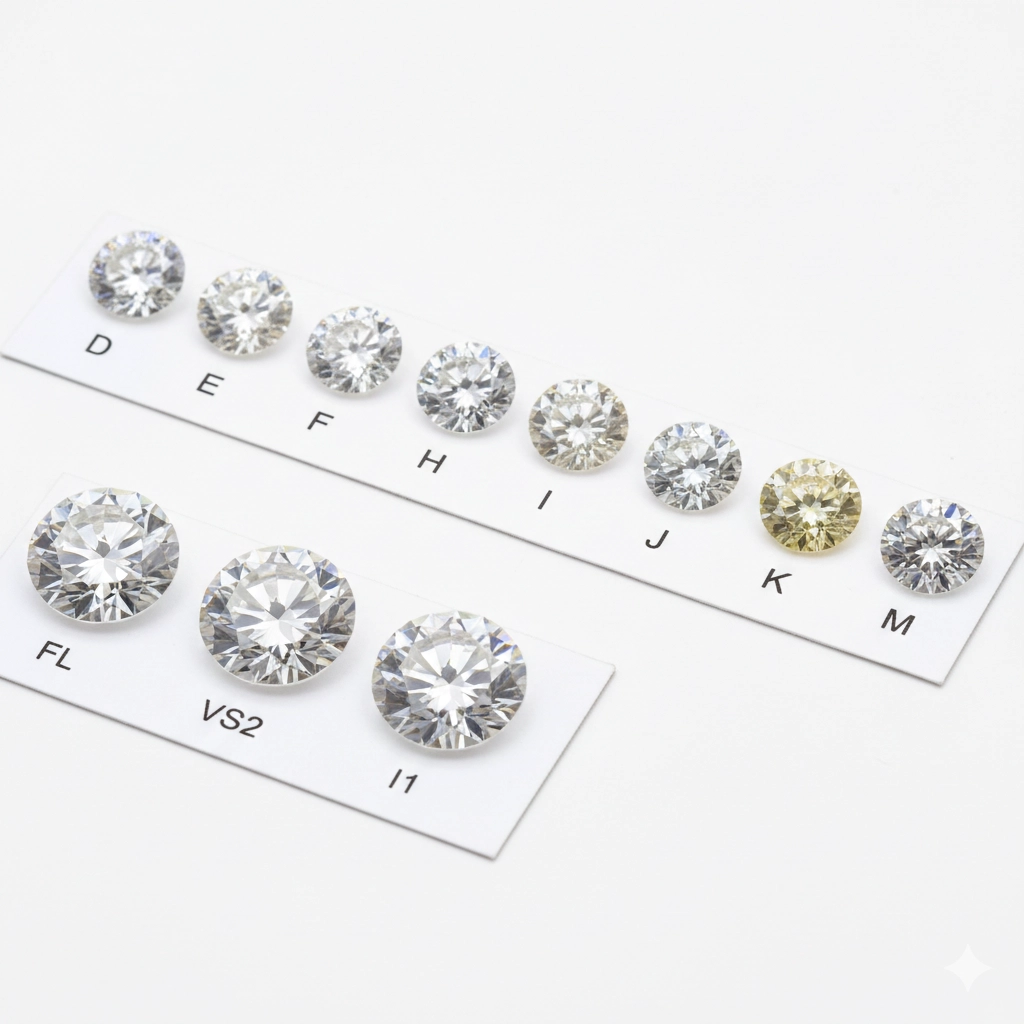
If you want the full breakdown of how those letters and numbers actually work, the diamond color and clarity scale guide covers the D-to-Z range and the FL-to-I3 range with the kind of detail this overview only summarises.
Carat comes last in the priority stack, which might sound counterintuitive. But once you have secured excellent cut, acceptable colour, and eye-clean clarity, you simply buy the largest stone your remaining budget allows. A 0.85-carat diamond with excellent cut, G colour, and VS2 clarity will bring far more joy on a finger than a 1.10-carat diamond with good cut, J colour, and SI2 clarity. The numbers on the certificate matter less than the beauty you actually see.
Beyond the cut grade on the certificate, look at the actual proportions: table percentage (54-58% for an ideal round), crown angle (34-35 degrees), and pavilion angle (40.6-41.0 degrees). Learning to read these numbers gives you a real advantage over buyers who only glance at the 4Cs summary.
Customer reviews
Zevira is a real jewellery shop. Genuine payments, deliveries and customer thank-yous.
🥰🥰🥰 gracias
Ok, ¡gracias! 🙂
Gold Karats: A Completely Different System
Now we shift from gemstones to metal. If "carat" measures how much a diamond weighs, "karat" measures how pure gold is. The two systems share a name and nothing else.
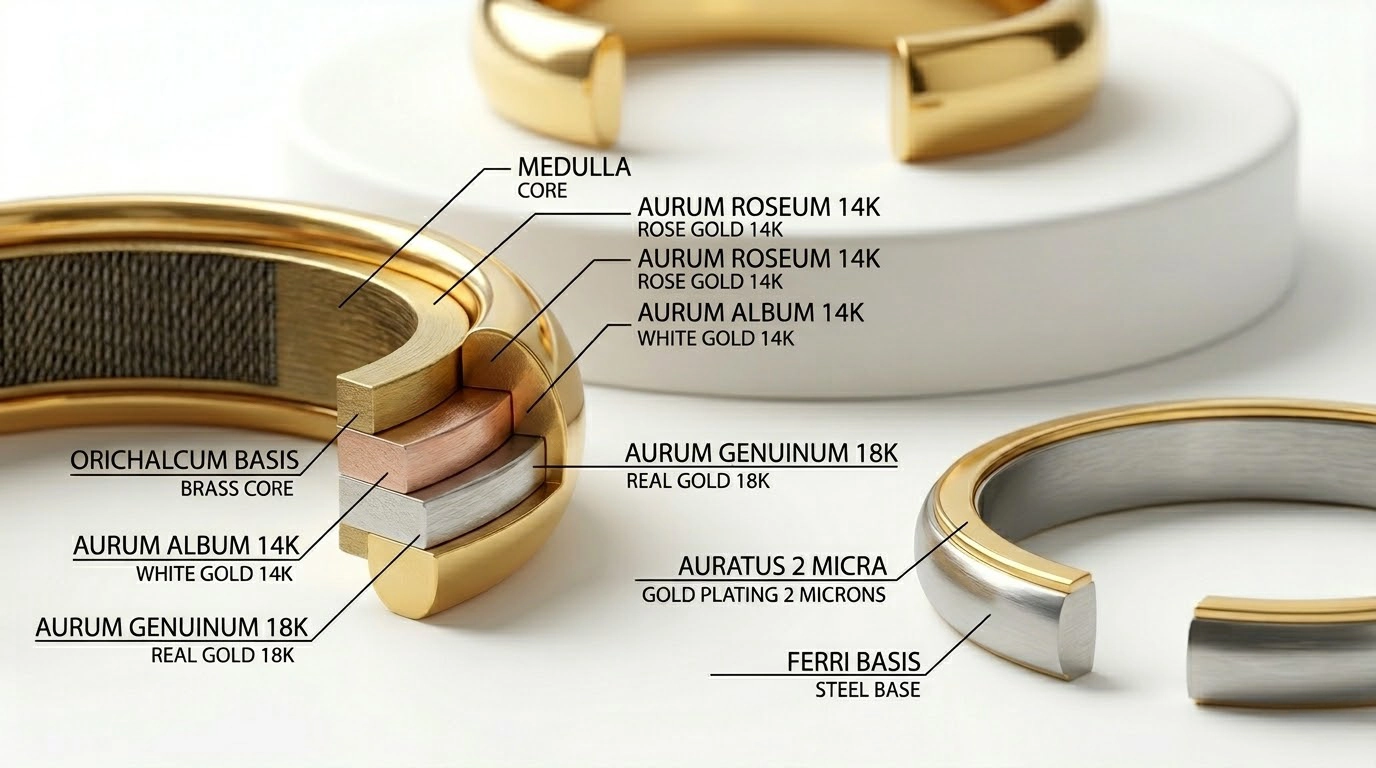
Pure gold is designated 24 karat, written 24K. This means 24 parts out of 24 are gold, with no other metals mixed in. The karat number tells you the fraction of gold in an alloy: divide the karat value by 24, and you get the gold percentage.
Here is the breakdown of common gold purities:
24K: 99.9% gold. Pure or nearly pure. Bright, rich yellow colour. Very soft, scratches easily, bends under pressure. Used in gold bars, coins, and some traditional Asian jewellery. Rarely used for rings or bracelets in Western markets because it deforms too quickly with daily wear.
22K: 91.7% gold. Still very yellow and quite soft. Popular in Indian, Middle Eastern, and Southeast Asian jewellery. Has slightly better durability than 24K but still too soft for most Western-style settings that need to hold stones securely.
18K: 75.0% gold. The standard for fine jewellery in Europe, Japan, and much of the luxury market. Good balance of rich colour, durability, and hypoallergenic properties. Hard enough to hold diamonds and gemstones reliably. Available in yellow, white, and rose variations depending on which metals make up the remaining 25%.
14K: 58.3% gold. The most popular choice in the United States and Canada. More durable than 18K, more affordable, and still unmistakably gold. Slightly paler yellow than 18K. Excellent for everyday jewellery including engagement rings and wedding bands.
10K: 41.7% gold. The minimum gold content that can legally be called "gold" in the United States. Noticeably paler, very durable, and the most affordable gold option. Common in fashion jewellery and budget-conscious fine jewellery.
9K: 37.5% gold. The minimum standard in the United Kingdom, Australia, and several other countries. Similar properties to 10K.
The remaining percentage consists of other metals. Silver and copper are the most common. Copper in higher proportions creates rose gold. Palladium, nickel, or zinc produces white gold. The recipe determines the final colour, hardness, and tarnish resistance.
Why alloy at all? Pure gold is too soft for jewellery. You can dent a 24K ring by pressing it against a table edge. Prongs in 24K gold would bend and release stones within weeks. Alloying adds structural hardness while keeping gold's beauty and corrosion resistance.
The carat/karat spelling split is primarily American. In Britain, "carat" covers both gems and gold, with context doing the disambiguation. In American English, "karat" (K or kt) always means gold purity, "carat" (ct) always means gem weight. International trade documents tend to follow the American convention.
One last detail: karat stamps inside a ring sometimes use a different notation. Instead of "18K," you might see "750," which means 750 parts per thousand are gold (75.0%). Similarly, "585" means 14K, "417" means 10K, and "375" means 9K. Both systems are legally accepted hallmarks in most countries.



The History of the Carat
The journey from carob seeds to precision scales is more interesting than it sounds. Before the metric carat was standardised in 1907, every diamond-trading city had its own version of the unit, and the differences were enough to cause real financial disputes.
The Paris carat weighed about 205 milligrams. The London carat was roughly 207. The Florence carat sat at around 197. A diamond weighed at 3 carats in Florence might register as 2.87 in London. For traders buying stones in one city and selling in another, these differences meant real money.
The push for standardisation came from the diamond dealers themselves, who were tired of recalculating weights at every border crossing. In 1907, the General Conference on Weights and Measures adopted the metric carat at exactly 200 milligrams, and most diamond-trading nations fell in line within a decade.
The United States was among the first to adopt the standard, followed by Britain and Germany. France, which had originated one of the most widely used pre-metric carats, adopted the standard in 1907 itself. By the 1930s, the metric carat was universal in the gem trade.
Germany played a notable role in this standardisation. German precision in measurement and the importance of the gem-trading hub of Idar-Oberstein meant that German traders were among the loudest voices calling for a universal standard. Idar-Oberstein, a town in the Rhineland that has been cutting and trading gemstones since the 15th century, needed consistent weights to do business with partners from Brazil to Sri Lanka. The metric carat gave them that consistency.
The carob tree itself (Ceratonia siliqua) grows throughout the Mediterranean basin. Its seeds are encased in a hard shell that resists moisture absorption, which is precisely what makes them such unusually uniform weights. A seed dried in Alexandria and one dried in Venice weigh almost identically. Ancient and medieval traders discovered this empirically; modern botany has confirmed it. This natural reliability is what made carob seeds the default gemstone weight standard across multiple civilisations before any official system existed.
The word "carat" passed from Greek (keration, meaning carob) into Arabic (qirat), then through medieval Italian trade into the major European languages. The path follows exactly the spice and gem routes of the medieval Mediterranean: Arab traders, Italian merchants, Flemish buyers. Language and commerce moved together.
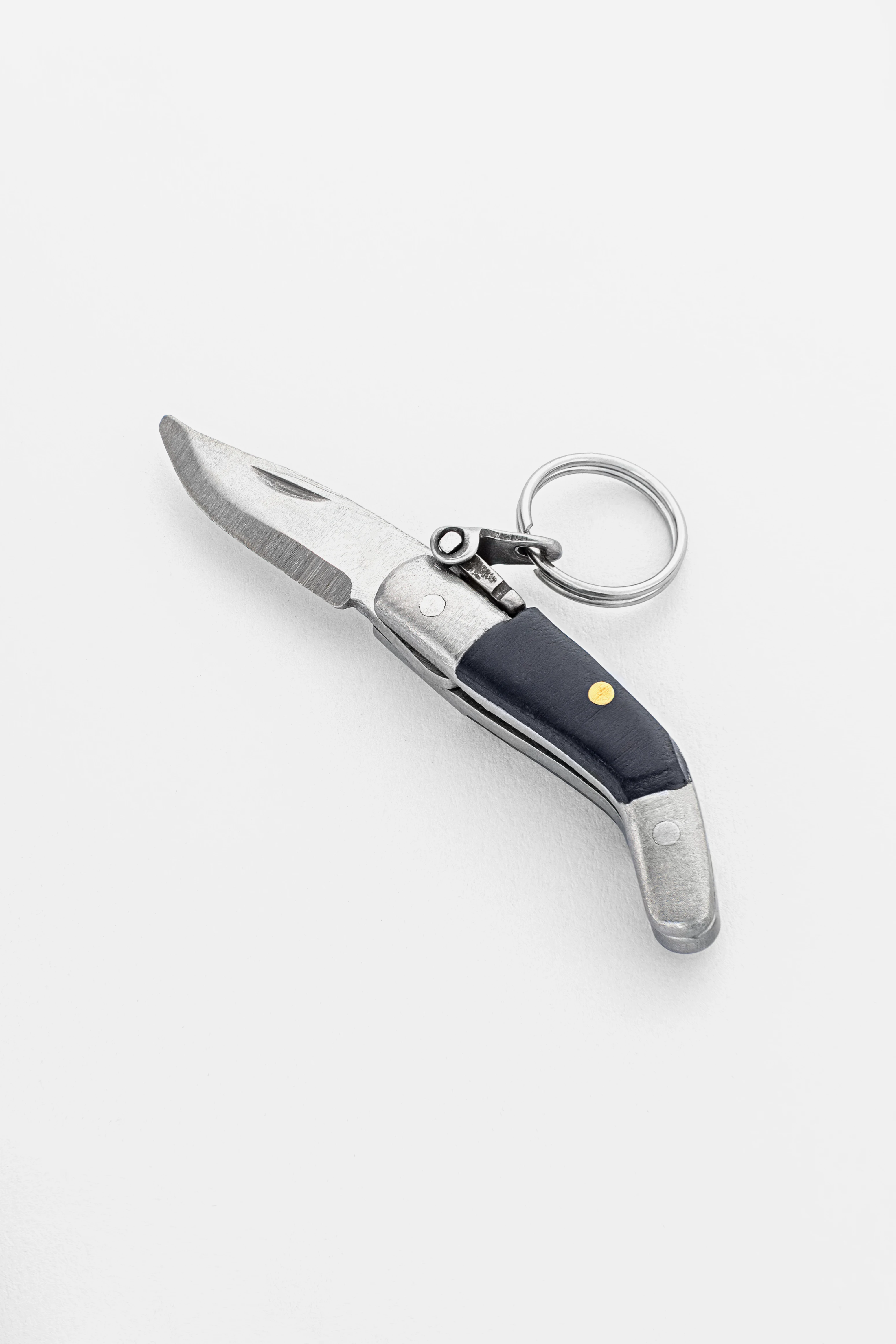
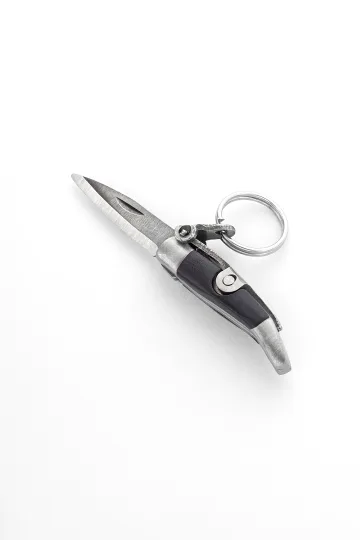
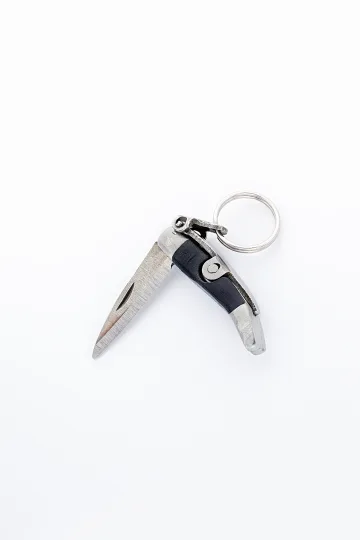
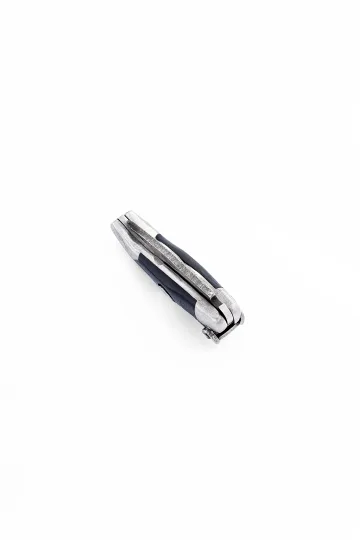
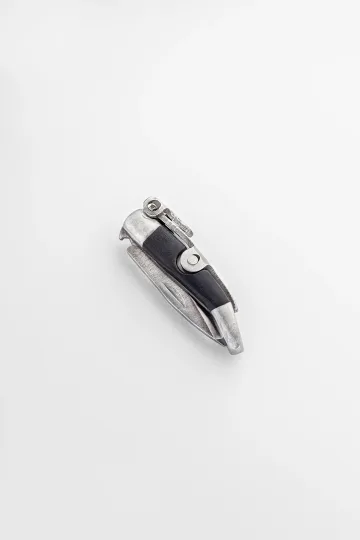
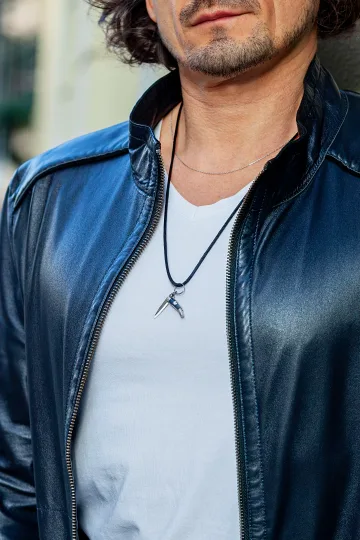
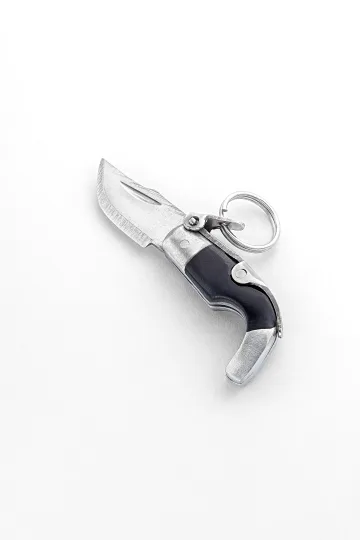
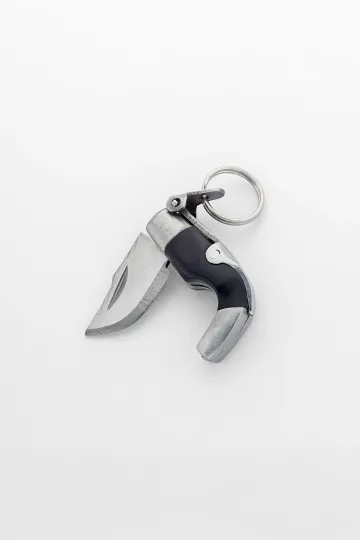
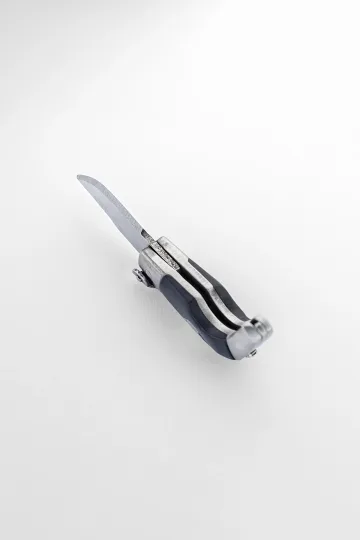
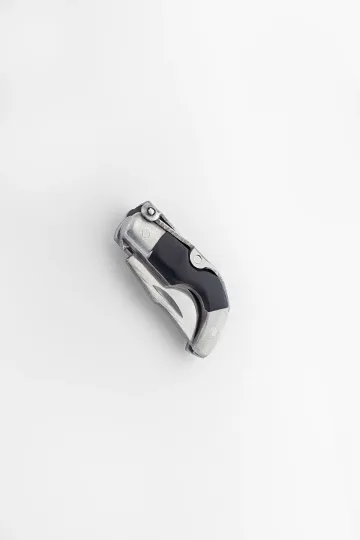
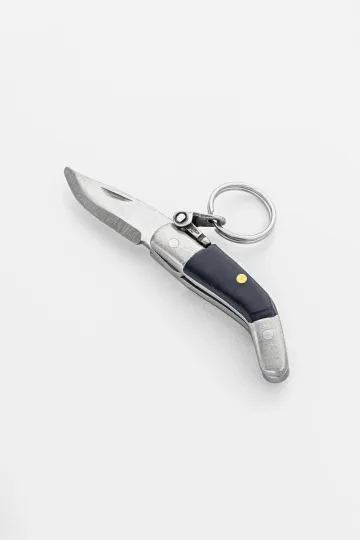
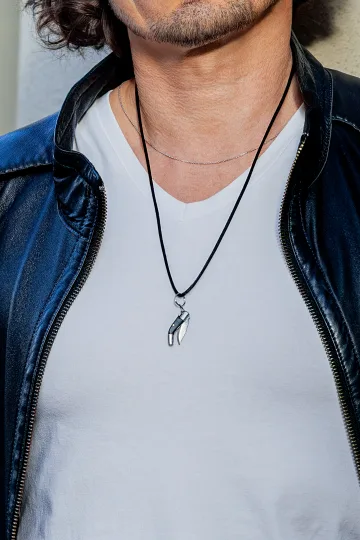
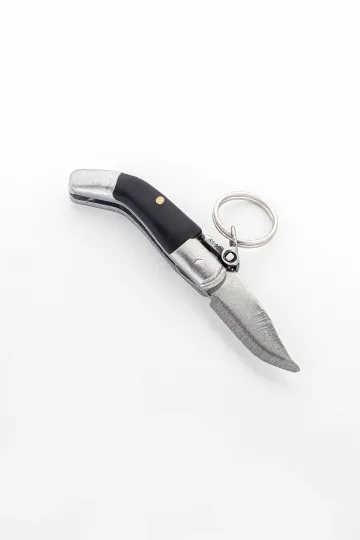
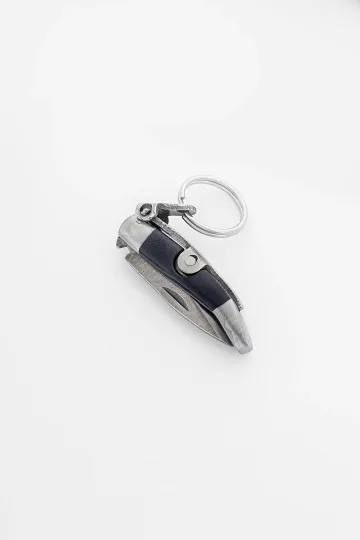
CAPAORA mini knife pendant
The 18th-century Spanish navaja in miniature: 40 mm of stainless steel, a real folding mechanism and a Palanquilla lock that clicks. An affordable gift to remember.
Authentic · Ships from Spain · 14-day returns
How Spread and Cut Interact with Carat
The relationship between carat weight and physical size is not fixed. It depends on a stone's specific gravity (density) and, more practically, on how the cutter has distributed that weight. Understanding spread helps you evaluate diamonds more precisely than carat weight alone can.
Spread refers to a stone's face-up diameter relative to its weight. A high-spread diamond has a larger diameter for its weight, because the cutter has extended the crown outward rather than building depth into the pavilion. A low-spread diamond has a smaller diameter, with more weight concentrated below the girdle.
High spread sounds desirable, but it comes with a cost. Once spread exceeds a certain point, the pavilion becomes too shallow to return light efficiently. The stone looks large from above but appears glassy and lacks fire. Cutters call this a "spread" or "fish-eye" stone. The visible size advantage is real; the optical performance loss is also real.
The optimal cut for a round brilliant sits between roughly 59-63% total depth. At this range, the pavilion is deep enough to reflect light through the table, and the spread is large enough to make the stone look substantial. Stones outside this window sacrifice either size or light performance.
This is why two 1.00-carat round brilliants can look so different. Suppose Stone A has a 6.3 mm diameter and a 64% total depth. Stone B has a 6.6 mm diameter and a 60% depth. Stone B appears roughly 5% wider face-up, which translates to a noticeably larger visual impression. But whether Stone B is genuinely better depends on its pavilion and crown angles, not just its total depth percentage.
The practical takeaway: when comparing stones of similar weight, check the measurements listed on the certificate. A stone selling as "1.00 ct" that measures 6.2 mm in diameter rather than the expected 6.4-6.5 mm has its weight buried in depth. You are paying for a heavier stone without getting a larger face.
Leave your email, we'll send your discount code. No spam, unsubscribe anytime.
The code arrives by email, valid on your first order.
Lab-Grown vs. Mined: The Carat Conversation
Lab-grown diamonds have entered the mainstream, and they use the exact same carat system as mined diamonds. A 1.00-carat lab-grown diamond weighs 200 milligrams, measures about 6.5 mm in diameter (if round brilliant), and is graded on the same 4Cs scale by the same laboratories.
The difference is price. A lab-grown diamond of equivalent quality costs 60-80% less than a mined one. That gap has been widening steadily as production technology improves.
This price difference creates an interesting carat strategy. A buyer who was considering a 1.00-carat mined diamond can instead buy a 1.50-carat lab-grown diamond for the same budget, or less. The visual impact on the finger is dramatically different. That extra half carat translates to roughly 0.8 mm more diameter, which does not sound like much but is clearly visible in person.
The trade-off is resale value. Mined diamonds hold roughly 30-50% of their purchase price on resale (though this varies enormously). Lab-grown diamonds currently have almost no resale market, because production costs keep dropping and supply keeps increasing. If you buy a lab-grown diamond today and try to sell it in ten years, it may be worth a fraction of what you paid.
For most buyers, this trade-off is acceptable. Most people do not buy engagement rings as investments. They buy them to wear. And a beautiful, larger stone that costs less is an appealing proposition for anyone who is honest about their priorities.
One nuance worth understanding: lab-grown diamonds are graded identically to mined diamonds, but some labs (particularly IGI) have developed a reputation for slightly more generous grading of lab-grown stones. A lab-grown "VS1" from certain sources may look more like a "VS2" from GIA. This is not fraud; it is the normal variation between labs. When comparing, use certificates from the same lab where possible.
Common Misconceptions
The jewellery industry is thick with myths, half-truths, and marketing spin. Let us clear up the most persistent ones surrounding carats and karats.
Bigger carat always means a better diamond. False. A 2-carat diamond with a poor cut, yellowish tint, and visible inclusions is objectively less beautiful than a well-cut, colourless, clean 0.75-carat stone. Carat weight is quantity, not quality. Buying the biggest stone you can afford while ignoring the other Cs is one of the most common and expensive mistakes people make.
Lab-grown diamonds use a different carat system. They do not. A lab-grown diamond weighing 200 milligrams is 1.00 carat, exactly the same as a mined diamond of the same weight. Lab-grown and mined diamonds are chemically, physically, and optically identical. The carat system applies to both without any modification.
Moissanite carats and diamond carats are the same thing. Tricky. A carat is 200 milligrams regardless of stone type. But moissanite is less dense than diamond (3.21 g/cm3 vs 3.52 g/cm3), so a 1-carat moissanite is physically slightly larger face-up than a 1-carat diamond. Many moissanite sellers list stones by millimetre size with a "diamond equivalent weight" for comparison. This is standard practice, not misleading.
Carat affects a diamond's sparkle. Not directly. Sparkle (the combination of brilliance, fire, and scintillation) is determined by cut quality, not weight. A larger diamond has a bigger surface area that can display more light, which can create an impression of more sparkle. But the sparkle per unit area is a function of how the stone is cut. A big, poorly cut diamond will look less lively than a small, superbly cut one.
Higher karat gold is always better. Not for jewellery you plan to wear regularly. 24K gold is the purest, but it is also the softest and most prone to scratching. For engagement rings, wedding bands, and everyday pieces, 14K or 18K gold provides a far better balance of beauty and durability. Higher karat gold makes more sense for special-occasion pieces, heirloom items stored in a safe, or investment-grade bullion.
White gold is a different metal from yellow gold. White gold is yellow gold alloyed with palladium, silver, or nickel. An 18K white gold ring still contains 75% gold. Most white gold is rhodium-plated for a brighter finish. This plating wears over time and needs periodic reapplication.
A carat of gold and a carat of diamonds are the same measurement. When someone says "a carat of gold," they almost always mean karat (purity), not carat (weight). Gold is weighed in grams or troy ounces, not carats. In everyday jewellery talk, carats are for stones, karats are for gold.
Doubling carat weight doubles visual size. No. A 2-carat round brilliant is only about 25% wider in diameter than a 1-carat round (8.1 mm vs 6.5 mm). The face-up area is roughly 55% larger, not twice as large. This is because the stone grows in three dimensions simultaneously: wider, but also deeper. You are paying for weight in all directions, but you only see the face-up surface.
Total Carat Weight vs. Centre Stone Weight
This distinction causes more confusion (and more consumer frustration) than almost anything else in diamond buying.
Total carat weight (abbreviated TCW, ctw, or tw) is the combined weight of every diamond in a piece of jewellery. A ring advertised as "2.00 ctw" might have a 0.50-carat centre stone and 1.50 carats of small side stones and pave diamonds. That sounds impressive on paper. On the finger, it looks nothing like a 2.00-carat diamond.
Centre stone weight is the weight of the main diamond alone. This is the number that determines visual impact. A single 2.00-carat diamond is vastly more visually impressive (and vastly more expensive) than a ring with 2.00 carats scattered across forty small stones.
The distinction matters because some sellers emphasise total carat weight in their marketing, which can mislead buyers into thinking they are getting a larger centre stone than they actually are. A listing that says "2.00 carat diamond ring" without specifying whether that is centre stone or total weight is deliberately ambiguous.
Small accent diamonds (called melee) contribute to total carat weight but their per-carat cost is far lower than that of a significant centre stone. The difference is not fraud; it is how the industry prices labour and stone size. But you need to understand it to avoid surprises.
The solution: always ask for the centre stone weight separately. Any reputable seller will provide it immediately. If they hesitate or redirect, that is a warning sign.
How to Choose the Right Carat Weight
Choosing a carat weight is ultimately a personal decision, but there are practical factors that can guide you toward a choice you will be happy with for decades.
Set your budget first, then work backward. Decide what you can comfortably spend, allocate roughly 60-70% of your ring budget to the stone and the rest to the setting, and see what carat weight falls out after you have secured good cut, acceptable colour, and eye-clean clarity. This approach prevents the common trap of falling in love with a carat number and then scrambling to afford it by cutting corners on quality.
Finger size changes everything. A 1-carat diamond on a size 4 finger looks dramatically different from the same stone on a size 8 finger. Smaller fingers make diamonds appear larger; larger fingers make them appear smaller. If the wearer has slender fingers, a 0.70-0.80 carat stone can look perfectly proportioned and substantial. On a broader hand, you might want 1.00 carat or above for a similar visual impact.
The setting affects perceived size. A halo setting can make a 0.70-carat centre stone look like a 1-carat stone. A bezel setting adds visual mass. Thin bands make the centre stone appear larger; thick bands shrink it. Choosing a setting strategically saves thousands compared to buying a bigger stone.
Shape changes perceived size as much as weight does. A princess cut and an emerald cut both look noticeably bigger face-up than a round of the same carat weight, simply because their geometry spreads mass across a wider footprint. The princess vs emerald cut comparison walks through why a square or rectangular outline reads larger on the finger than a round of identical weight.
Practical recommendations by budget range:
For tighter budgets, the 0.40 to 0.60 carat range is genuinely beautiful, not a compromise. A 0.50-carat round in a delicate solitaire or slim halo makes a lovely ring. Pair with 14K gold for further savings.
For moderate budgets, 0.70 to 0.99 carats offers exceptional value. A 0.90-carat stone is virtually indistinguishable from 1.00 carat on the finger, and the savings are significant. This is the sweet spot for buyers who want presence without the 1-carat premium.
For comfortable budgets, 1.00 to 1.50 carats is the classic choice. Stones here deliver undeniable presence. Consider an oval or elongated cushion for maximum visual coverage at a given weight.
For generous budgets, 1.50 carats and above is statement territory. Quality control matters even more here because flaws are amplified in larger stones. Prioritise cut above all else.
One final suggestion: if you are buying a diamond for someone else, pay attention to what they already wear. Someone who favours minimalist, understated jewellery will probably prefer a smaller, higher-quality stone over a large flashy one. Someone who loves statement pieces will lean toward size. Matching the stone to the person's taste matters more than hitting any particular carat number.
Caring for Your Diamond
Diamonds are famously hard, but "hard" does not mean "indestructible." Here are practical care tips that most diamond owners overlook.
Diamonds attract grease. The carbon structure of diamond has an affinity for oil and grease. Touching the stone with your fingers deposits a thin film that dulls its sparkle. Over days and weeks, lotion, cooking oils, and skin oils build up into a visible film. A diamond that has "lost its sparkle" probably just needs cleaning.
Cleaning at home. Soak the ring in warm water with a drop of dish soap for 20-30 minutes. Gently scrub with a soft toothbrush, paying attention to the underside of the stone where grime accumulates. Rinse in warm water. Dry with a lint-free cloth. Do this weekly if you wear the ring daily. The difference is dramatic.
Professional cleaning. Jewellers offer ultrasonic and steam cleaning, both safe for diamonds. A professional clean every six months keeps the stone performing at its best.
Storage. Store diamonds separately from other jewellery. Diamond is hard enough to scratch everything else in the box, including other diamonds. A soft pouch or individual compartment prevents accidental damage.
Prong check. Have a jeweller inspect the prongs annually. A loose prong is the most common cause of lost stones. Running your fingernail over each prong should feel smooth. If you feel a prong catching, it may be lifting, and the stone is at risk.
Insurance. If the diamond is worth more than you can comfortably replace, insure it. Jewellery-specific insurance or a rider on your homeowner's policy covers loss, theft, and damage. Get an independent appraisal (not from the seller) for the insurance valuation.
Silver and gold jewellery, wedding bands, symbolic pendants, paired sets.
Send a friend a discount code, they save on their first order.
Frequently Asked Questions
Is 0.5 carat too small for an engagement ring?
Not at all. A well-cut 0.50-carat diamond measures about 5.1 mm across, clearly visible and attractive on the finger. Paired with a halo or slim band, it looks elegant. The idea that engagement rings need to be 1 carat or above is pure marketing. Choose quality over size and a half-carat stone will look wonderful.
What is the most popular carat size for engagement rings?
In the United States, the average diamond in an engagement ring is approximately 1.00 to 1.10 carats. In the United Kingdom, it is closer to 0.50 to 0.60 carats. In Japan, 0.30 to 0.40 carats is standard. Averages vary enormously by country, culture, and era. What matters is what looks and feels right for the wearer, not what statistical averages suggest.
Does carat weight affect a diamond's sparkle?
Carat weight itself does not determine sparkle. Cut quality does. A brilliantly cut 0.60-carat diamond will outperform a dull, poorly cut 1.50-carat diamond every time. Larger diamonds do have more surface area to display light effects, which can create a broader pattern of flashes. But the intensity and quality of those flashes is entirely about how the stone was cut.
How does 1 carat look in different diamond shapes?
A 1-carat round brilliant is about 6.5 mm in diameter. A 1-carat oval is roughly 7.7 x 5.7 mm, looking significantly larger. A 1-carat marquise stretches to about 10 x 5 mm and appears the largest of all. A 1-carat princess cut is about 5.5 mm square. A 1-carat emerald cut is roughly 6.9 x 5.0 mm. Each shape distributes weight differently, so "1 carat" does not correspond to a single size.
Can you tell the difference between 0.9 and 1.0 carat with the naked eye?
In almost all cases, no. The diameter difference between a 0.90-carat and a 1.00-carat round brilliant is about 0.2 millimetres, roughly the thickness of two sheets of paper. Once set in a ring and worn on a hand, no one can visually distinguish between the two. This is exactly why the just-under strategy works so well for budget-conscious buyers.
Why do diamond prices jump at round carat numbers?
Supply and demand. Buyers search for "1 carat diamond," not "0.92 carat diamond." Concentrated demand at round numbers lets sellers charge premiums. Cutters also deliberately target these weights because the premium outweighs any compromise in proportions.
Is a 2-carat diamond twice the size of a 1-carat diamond?
No. A 2-carat round is twice the weight but only about 25% wider in diameter (8.1 mm vs 6.5 mm). Visually, it looks roughly 55% larger face-up, not twice as large. This is why doubling carat weight never doubles visual impact.
What is the difference between total carat weight and individual carat weight?
Total carat weight (TCW or ctw) is the combined weight of all diamonds in a piece. A "2.00 ctw" ring might have a 1.50-carat centre stone and 0.50 carats of accents. A single 2.00-carat diamond costs far more than small stones totalling 2.00 carats. Always ask whether the listed weight refers to the centre stone or the whole piece.
Do moissanite sellers measure stones in carats?
Some do, some list by millimetre size with a "diamond equivalent weight" (DEW). A moissanite listed as "1 carat DEW" matches a 1-carat diamond visually, though its actual weight differs slightly due to density. This is standard practice.
How much does gold karat affect the price of a ring?
Noticeably. An 18K ring contains 75% gold versus 58.3% in 14K, so the metal cost difference can be several hundred dollars. The diamond usually dominates the total price, though. Choosing 14K over 18K saves real money with minimal visual difference, especially in white or rose gold where most people cannot tell them apart.
What does "spread" mean for a diamond?
Spread describes a stone's face-up diameter relative to its carat weight. A stone with high spread looks large for its weight because the cutter has extended the crown outward. A low-spread stone has more weight hidden in the depth below the setting. The ideal is a stone that achieves good spread without sacrificing light performance. Check the millimetre measurements on the certificate, not just the weight.
Do different gemstones use the same carat system?
Yes. One carat equals 200 milligrams for every gemstone, whether it is a diamond, ruby, sapphire, emerald, or tanzanite. However, because different stones have different densities, a 1-carat ruby will be physically smaller than a 1-carat diamond of the same carat weight. Rubies and sapphires (corundum) are denser than diamond; emeralds are less dense. When comparing stones across species, always look at physical dimensions alongside carat weight.
Buying it as a gift? Each one arrives ready to give.
 A branded Zevira box and a little card come with every order.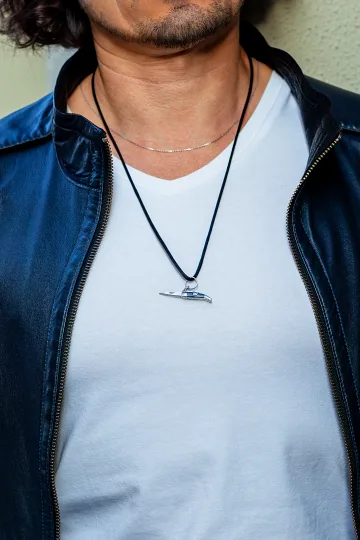





Common Questions
Can I wear a diamond ring in the shower or the pool?
In the shower it is better to take it off. Shower gel and soap leave a film across the table of the stone, and that film scatters light before it can enter the diamond, so the ring looks flat by the end of the week. In much of southern and eastern England the water is hard as well, so limescale settles into the gallery under the stone and dulls it further. In a swimming pool, take the ring off without exception. Chlorine does nothing to the diamond itself, since carbon does not care, but it attacks the alloy metals in gold and slowly weakens the claws holding the stone. A ring left on the side of the basin for ten minutes is safer than a stone lost down a drain.
How do I clean a diamond at home?
Soak the ring for twenty minutes in warm water with a drop of washing-up liquid, then work gently around it with a soft toothbrush, paying attention to the underside of the stone where skin oils and hand cream collect. Rinse and blot dry with a lint-free cloth rather than a towel, whose loops can catch on claws. Once a week is right for a ring worn daily. Nothing harsher is needed: the grime on a diamond is oil and soap scum, and warm water lifts both. Skip the ultrasonic cleaner at home if your stone has visible feathers near the girdle, since vibration can extend a fracture that was stable for years.
How can I tell a real diamond from an imitation?
By eye, watch the way the stone returns light. A diamond throws sharp white flashes with brief bursts of colour, while glass and cubic zirconia give a softer, oilier shine with rainbow fringes across the whole surface. Breathe on the table: condensation clears from a diamond almost instantly because the stone conducts heat away, and lingers a second or two longer on an imitation. Moissanite defeats both of these tests, which is why the fog test alone settles nothing. Certainty comes from a gemmologist with a tester and from a laboratory report, and any jeweller in a British high street can point you to one.
What carat weight should I choose for a first ring?
Start from the hand and the budget rather than a round number. On a slim finger a well-cut stone between half a carat and eight tenths reads clearly and sits comfortably, and it is close to the British average anyway. If you want more visible size for the same outlay, look at a halo setting or an elongated cut such as an oval or a marquise, both of which spread wider for their weight. Cut quality matters more than the last tenth of a carat, because a dull stone at a heavier weight will always look worse across a dinner table than a lively one slightly under.
Are diamond carats and gold carats the same thing?
No, they are two different measurements that unfortunately share a name in British English, which is why the trade often writes the gold one as karat with a K. Stone carat, written ct, is mass: one carat is exactly 0.2 grams, fixed by international agreement since 1907. Gold carat, written K or ct depending on the country, is purity: 18K means the alloy is 75% gold by weight, stamped 750 on a British hallmark. So the phrase "a one carat diamond in 18 carat gold" contains two entirely unrelated units standing next to each other, and reading them as one number is the single most expensive misunderstanding a first-time buyer can make.
Does a diamond wear down over time?
No. Diamond is the hardest natural material there is, and ordinary wear takes nothing off its mass or its polish. A stone that weighed a carat when you bought it will weigh a carat in forty years. What does happen is that hardness and toughness are different properties: a sharp knock on the girdle, the thin edge where the stone is widest, can chip a diamond even though nothing can scratch it. The setting is the part that genuinely wears, since claws thin against door frames and shopping bags. Have the ring checked by a jeweller once a year and the claws tightened, and the stone will outlast everyone who wears it.
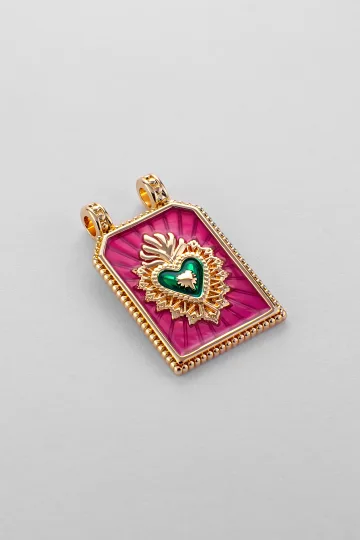
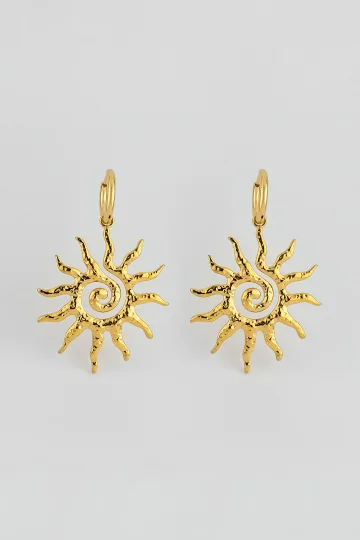
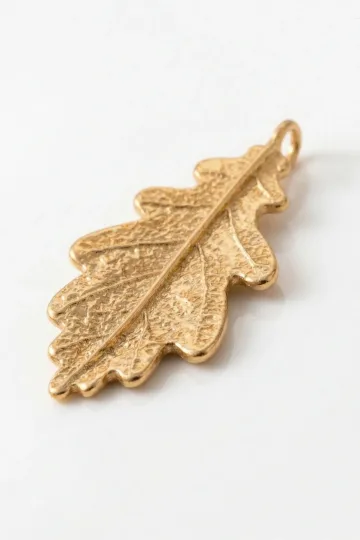
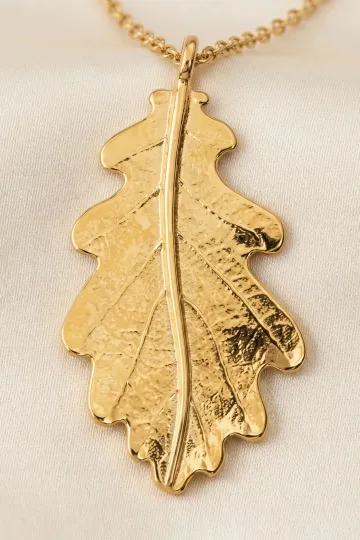
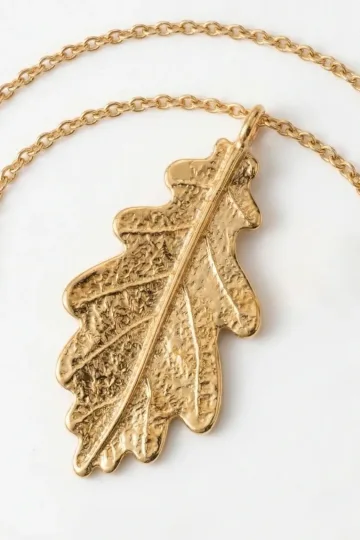
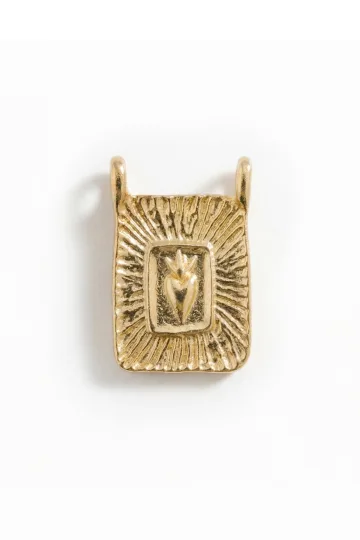
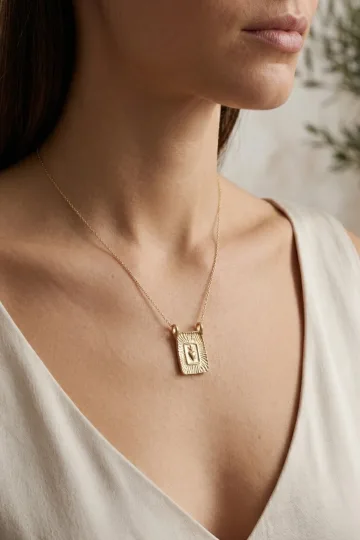
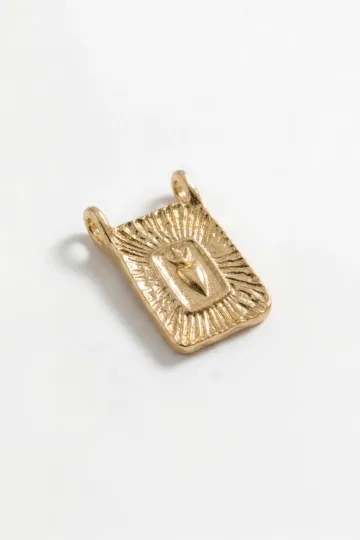
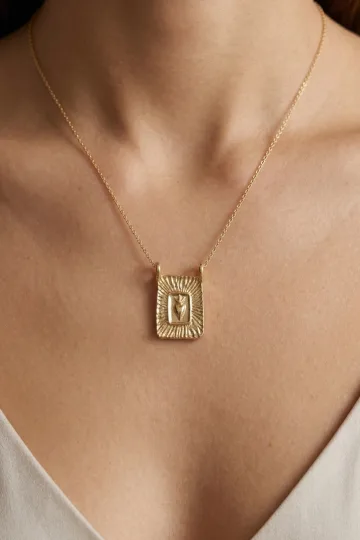
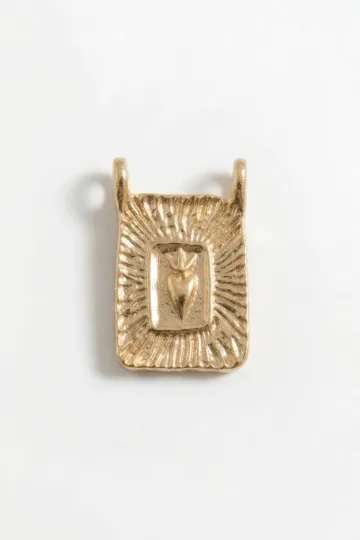
Wear the symbol, don't just read about it. These are in stock:


About Zevira
Zevira makes jewellery in the artisan tradition of Albacete, Spain. Carats and karats are not abstractions from a price list for us. They are part of the daily work at the bench: we weigh the stones, choose a gold alloy that suits how a piece will be worn, and set each stone so that its weight reads as visible size on the hand.
Here is what you can find with us for stone weight and gold purity:
- Rings with a centre stone in the popular weights, including halo settings that add about a quarter carat of visual size to the centre
- Pieces in 14K (585) gold for everyday wear and 18K (750) for things worn on special occasions
- 925 silver as an affordable base for a stone when cut and brilliance matter more than carat weight
- Paired and wedding rings, with the gold purity chosen to fit your budget and the way you live
- Pendants and earrings, where softer 18K works beautifully without the risk of daily wear
- Personal engraving of a weight, a date, or initials on the inside of the band
Every piece can be personalised with engraving, with the option of personal engraving. 925 silver and 14-18K gold.