The Wolf in Jewellery: Loyalty, Freedom, and the Animal That Refuses to Be Tamed
Introduction: The Animal We Can't Stop Talking About
In 1995, fourteen wolves were released into Yellowstone National Park after being absent for seventy years. Within a decade, they changed the course of rivers. Literally. The elk herds that had been overgrazing the riverbanks scattered. Willows and aspens grew back. Beavers returned, built dams, and the rivers narrowed and deepened into stable channels.
Biologists called it a trophic cascade. The rest of us called it the moment we realised wolves aren't just predators. They're architects.
Humans have had a complicated relationship with wolves for at least 30,000 years. We feared them. We worshipped them. We hunted them to near-extinction. We named our children after them. Wolfgang, Lupita, Ulric, Guadalupe. We put them on flags, carved them into shields, inked them into our skin. And then, in the 20th century, we decided we'd made a mistake and started trying to bring them back.
No other animal sits in quite this spot. Lions are about power. Eagles are about vision. Snakes are about transformation. But the wolf? The wolf is about something messier. It's about the tension between belonging to a group and needing to be yourself. About loyalty that doesn't require obedience. About wildness that can't be trained out, no matter how many centuries you try.
That's why people wear wolves. Not because they want to look tough. Because they recognise something.
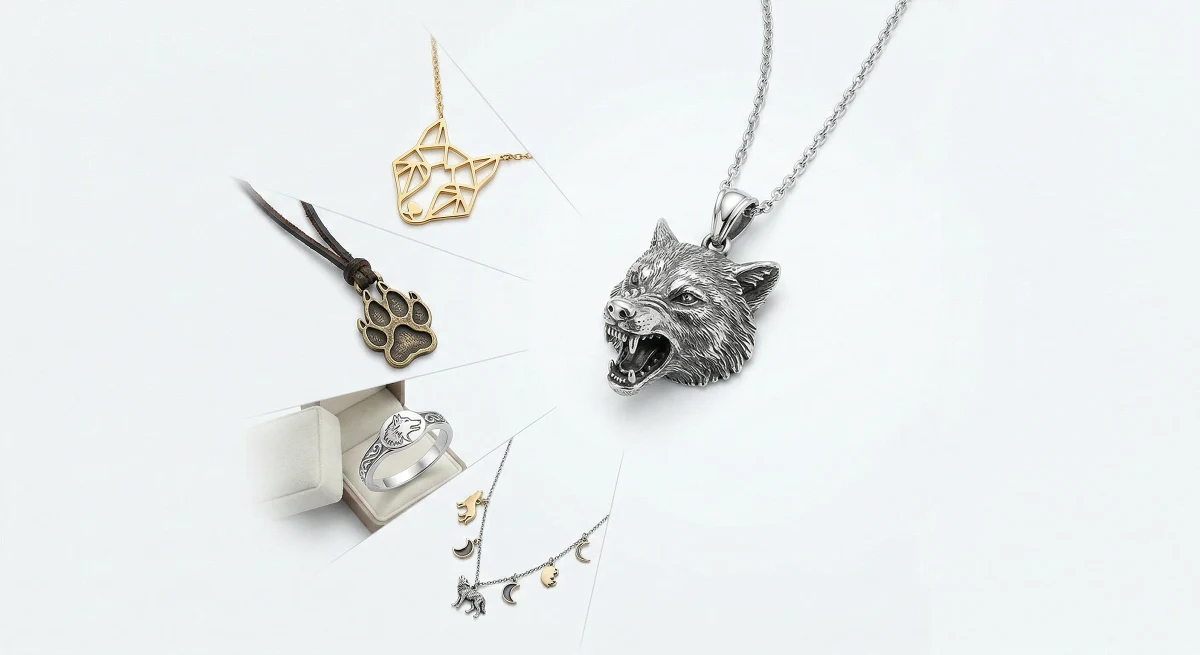
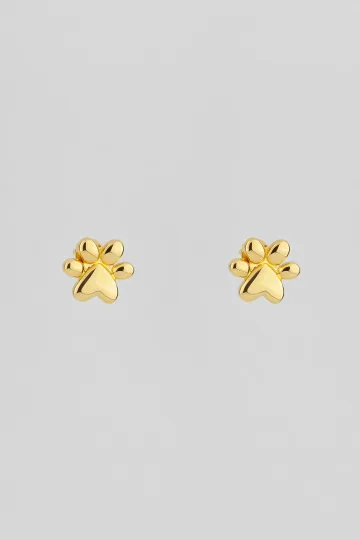
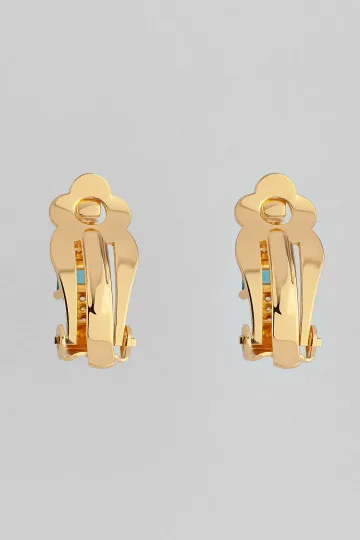
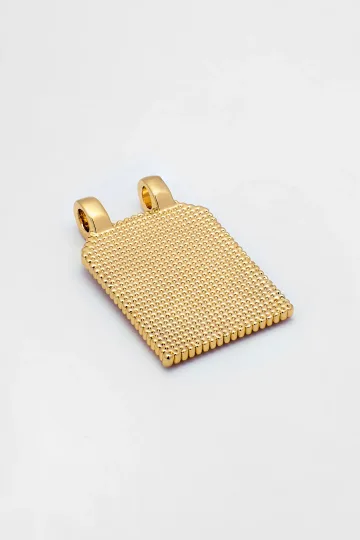
Wear the symbol, don't just read about it. These are in stock:






The Norse Wolf: Fenrir, Geri and Freki, Skoll and Hati
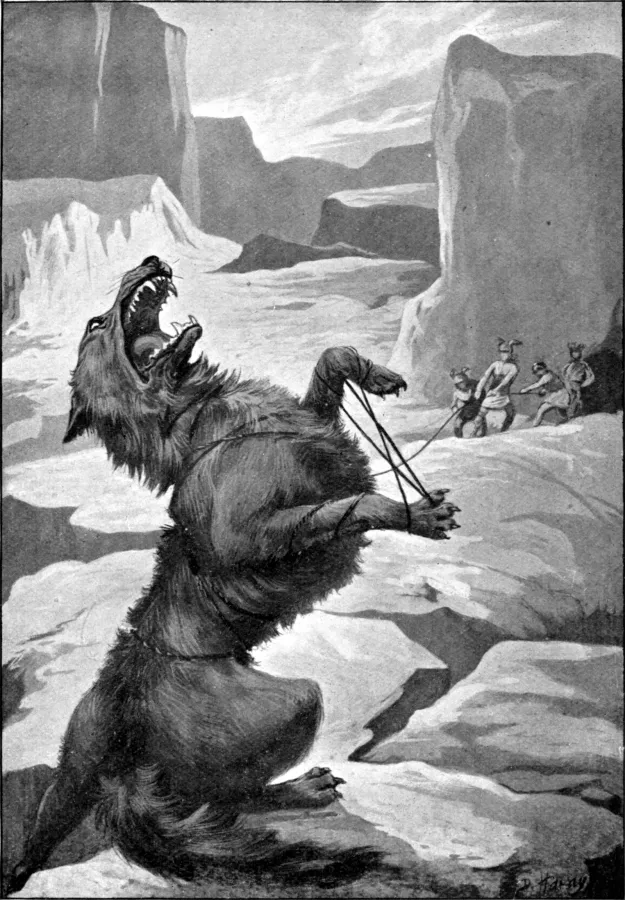
Norse mythology is absolutely packed with wolves. Not as background characters. As forces that shape the universe.
Fenrir: The Wolf Who Breaks His Chains
Start with Fenrir, because everyone does. Fenrir is the giant wolf, son of Loki and the giantess Angrboda, and even by Norse mythology standards his story is dark. The gods raised him in Asgard, but he grew so large and so strong that they panicked. They tried to bind him. Twice he broke free. The third time, the dwarves forged a magical chain called Gleipnir, made from six impossible things: the sound of a cat's footfall, the beard of a woman, the roots of a mountain, the sinews of a bear, the breath of a fish, the spittle of a bird.
Fenrir sensed the trick. He agreed to be bound only if one of the gods placed a hand in his mouth as a pledge of good faith. Tyr, the god of war and justice, volunteered. The chain held. Fenrir bit off Tyr's hand.
And that's where Fenrir stays until Ragnarok, the end of the world. When the chains finally break, he swallows Odin whole and then is killed by Odin's son Vidar, who tears his jaw apart.
What does this story mean? Several things at once. Fenrir represents the forces that can't be contained forever. The idea that suppressing something dangerous doesn't destroy it, just delays the reckoning. And Tyr's sacrifice represents the cost of keeping the peace. Someone always pays.
People who wear Fenrir pendants are usually drawn to that first part. The breaking free. The refusal to stay bound. It's become a symbol of personal liberation, of outgrowing constraints that others put on you. The fact that Fenrir's story ends in destruction doesn't seem to bother most people. They're focused on the chains snapping.
Geri and Freki: Odin's Wolves
Odin, the Allfather, had two wolves named Geri and Freki. Both names mean "greedy" or "ravenous." According to the Prose Edda, Odin gave them all his food, because he himself needed only wine. They sat at his feet during feasts and accompanied him everywhere.
These two are the other side of the Norse wolf. Not chaos, but companionship. Loyalty. The idea that even the most powerful being in the cosmos needs someone by his side. Geri and Freki aren't pets. They're partners. Odin doesn't command them. He feeds them.
In jewellery, paired wolf imagery often draws from this myth. Two wolves facing each other, flanking a central symbol. It reads as loyalty, mutual protection, the idea that strength comes in pairs.
Skoll and Hati: The Wolves That Chase the Sun and Moon
Then there are Skoll and Hati, two wolves who chase the sun and the moon across the sky. Skoll pursues Sol (the sun), and Hati pursues Mani (the moon). At Ragnarok, they finally catch their prey, and the sky goes dark.
This is Norse mythology at its most poetic. Day and night exist because of a chase. Time moves because wolves are hungry. And it all ends when they finally catch up.
As symbols, Skoll and Hati represent relentless pursuit. The thing you chase that keeps the world turning. Some people read it as ambition. Others as the inevitable passage of time. Either way, it's a powerful image.
A wolf belongs on rough wool, never silk. It answers to character, not to shine.
How and What to Wear a Wolf With
The wolf is easy to style because it never asks for a special occasion. Over years around shoots I have watched it move through daily looks, office days and late evenings. Here is what actually works, sorted by occasion.
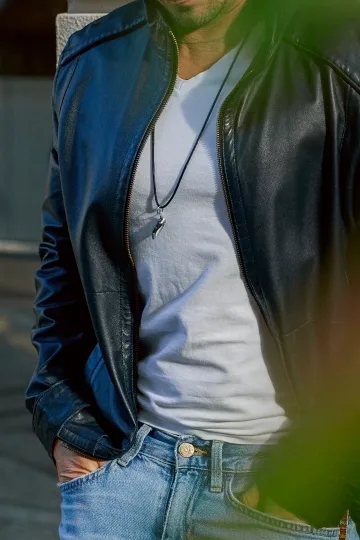
What do I wear a wolf with every day? For daily wear I recommend a single pendant on a plain chain over a solid jumper, a turtleneck or a round or V-neck tee. Dark, earthy, smoky fabrics (grey, khaki, graphite, deep navy) read most naturally with a wolf, as if the animal just stepped out of its forest. I suggest a chain length that lets the pendant rest on the chest rather than hide under the collar: the wolf should be seen.
Is it right for the office? Yes, as long as it stays restrained. I recommend a minimalist silhouette or a small head in gold; both read almost heraldic and never break a business code. A large realistic wolf head on a heavy signet I would save for weekends and evenings, where the look can carry more character.
How do I build an evening look? For evening I choose blackened silver or oxidised metal. Under artificial light it gives that nocturnal, wild aura a polished piece cannot. I suggest keeping the rest of the outfit quiet so the wolf stays the single strong note.
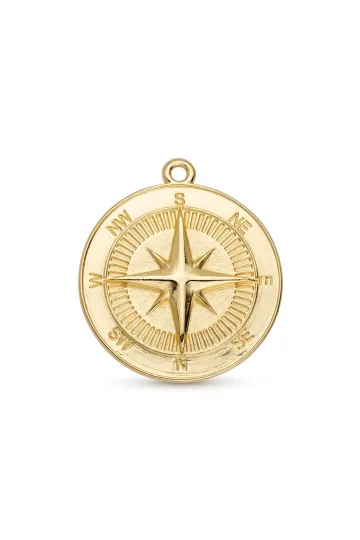
What does the wolf pair with? I suggest moon imagery, compass roses, trees of life and runic elements. You can layer two or three chains of different lengths, keeping the wolf as the central accent and the rest thinner and calmer. Mixing metals is possible, but I recommend holding one tone, silver with silver, gold with gold, so the look does not fall apart.
Who does it actually suit? Anyone who values independence and dislikes noise in a look. The wolf sounds most honest on a calm person who has nothing to prove. My one styling rule: one strong accent instead of a scattered pile. The wolf works best when it whispers rather than shouts.

Turn on your camera, pick earrings, a pendant or a ring, and see the piece on yourself in real time.
Switch items in one tap.
Everything runs in your browser: no photo or video is ever uploaded.
The Roman She-Wolf: Romulus, Remus, and a City Built on Milk
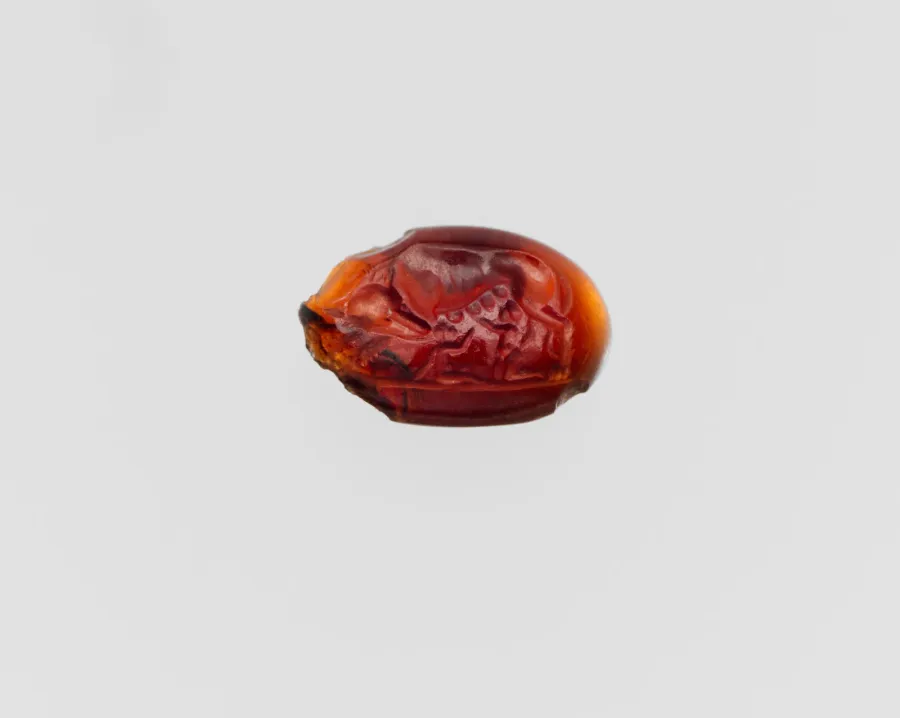
The Founding Myth
The story of Rome's founding is one of those myths that's so famous it's become invisible. Everyone knows the outline, almost nobody stops to think about what it actually says.
Romulus and Remus were twin brothers, sons of Mars (the god of war) and Rhea Silvia (a Vestal Virgin). Their great-uncle Amulius, who had usurped the throne from their grandfather, ordered them thrown into the Tiber. The servant tasked with the job couldn't bring himself to do it, so he placed the babies in a basket and set it on the water.
The basket washed ashore. A she-wolf found the infants and nursed them. A woodpecker brought them food. Eventually a shepherd named Faustulus discovered them and raised them as his own.
The boys grew up, killed Amulius, restored their grandfather to his throne, and decided to found their own city. They argued about where to build it. Romulus killed Remus. And that's how Rome began. With wolf milk and fratricide.
The she-wolf (lupa in Latin) became the most important symbol of Rome. Not the eagle, which came later with the legions. The wolf came first. She represents the city's survival instinct, its ability to nurture and protect, and also its willingness to be utterly ruthless when necessary.
There's an interesting linguistic wrinkle here. "Lupa" in Latin also meant prostitute. Some historians have suggested that the original story was about the twins being taken in by a sex worker, and the wolf version was a later, more dignified retelling. Whether or not that's true, the wolf stuck.
The Capitoline Wolf
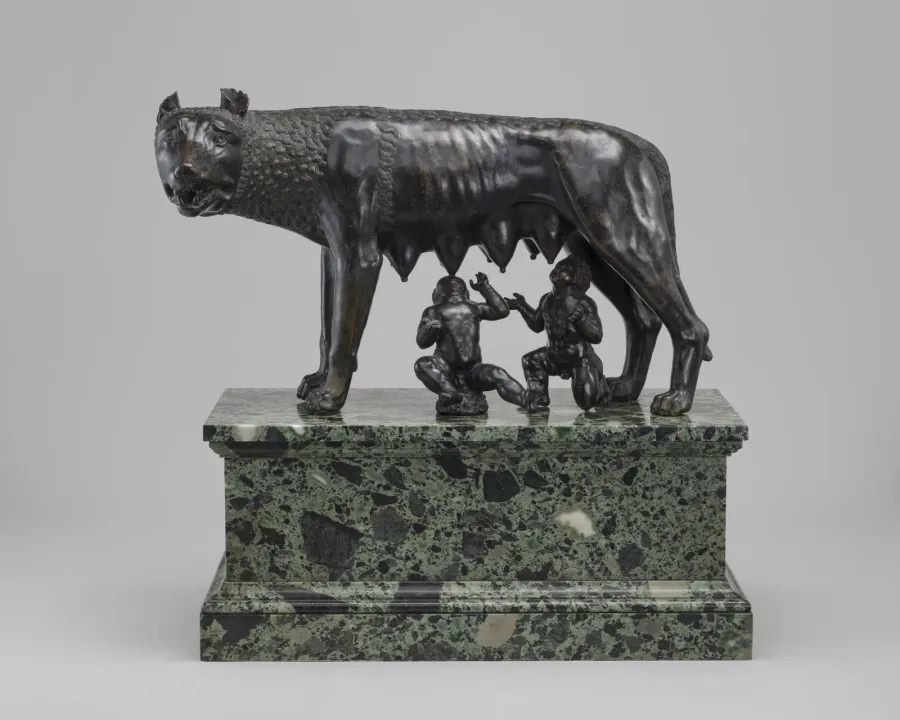
The Capitoline Wolf (Lupa Capitolina) is a bronze sculpture that has been in Rome for centuries. For a long time, it was dated to the 5th century BC, making it one of the oldest surviving bronzes in the world. Then, in 2006, radiocarbon dating revealed it was probably made in the 11th or 12th century AD. The figures of Romulus and Remus were added during the Renaissance.
This caused something of a scandal in Italy. The national symbol turned out to be a medieval creation, not an ancient Etruscan masterpiece. But here's the thing. It doesn't really matter. The image of the she-wolf nursing two infants is older than any single statue. It appears on Roman coins from the 3rd century BC. It was carved into walls, painted on pottery, stamped on military standards. The Capitoline Wolf isn't the origin. It's just the most famous version.
Today the image is everywhere in Rome. On manhole covers. On taxi doors. On the badge of AS Roma football club. It's one of those symbols that transcended its original story and became shorthand for something bigger: origin, resilience, the idea that great things can come from abandoned beginnings.
Upload a photo of your pet, someone you love, or an object. We'll build a 3D model and hand-cast it in pewter.

The Wolf in Native American Traditions
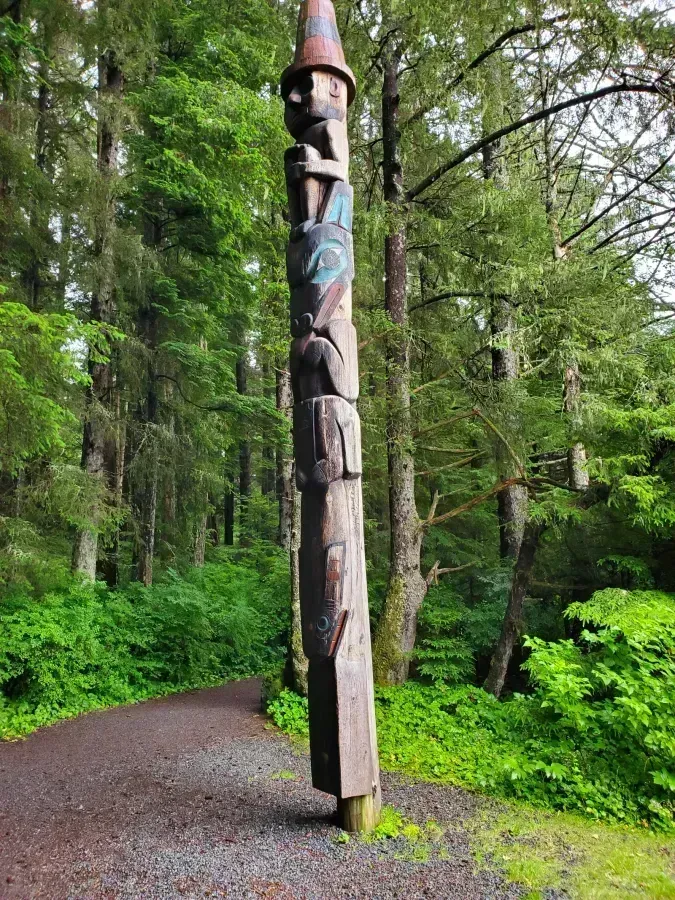
A note before we start. "Native American" covers hundreds of distinct nations with different languages, histories, and belief systems. There is no single "Native American wolf tradition." What follows draws on elements that appear across multiple nations, particularly those of the Great Plains and the Pacific Northwest, but it's a simplification.
In many Indigenous traditions, the wolf is a teacher. Not a pet, not a servant, but a being that shows humans how to live well. The wolf teaches cooperation. How to hunt together. How to raise young together. How to move through harsh landscapes without losing each other.
The Pawnee called the Milky Way the "Wolf Road" because they saw wolves as pathfinders. The wolf knows the way when others are lost. The Cherokee have stories of wolves as protectors of the clan, loyal beyond death. The Lakota associated the wolf with scouting and war strategy, sending scouts "on the wolf trail" before battle.
Wolf clans exist in many nations. Being part of the wolf clan usually means you're associated with loyalty, teaching, and finding the way forward. It's a social role, something well beyond a totem.
The idea of the wolf as "spirit animal" that shows up in pop culture is a dramatic oversimplification of these traditions, and many Indigenous people find it frustrating. The actual relationships between nations and wolves are far more layered, practical, and specific than "my spirit animal is a wolf" suggests. They're about actual wolves. Observed behaviour. Real ecology, blended with spiritual meaning built up over thousands of years of coexistence.
For jewellery purposes, what sticks is this: the wolf as guide. The one who knows the path. The one who teaches by example, not by command.
Customer reviews
Zevira is a real jewellery shop. Genuine payments, deliveries and customer thank-yous.
🥰🥰🥰 gracias
Ok, ¡gracias! 🙂
Asena and the Grey Wolf: The Turkic and Mongol Wolf Mother
If you grew up anywhere in the Turkic world, from Turkey to Kazakhstan to Uzbekistan, you grew up with the grey wolf.
The legend of Asena goes roughly like this. A young boy, the last survivor of a massacre, was found and nursed by a she-wolf. The wolf became pregnant (versions differ on the details) and gave birth to ten half-wolf, half-human boys. These boys became the ancestors of the Turkic peoples.
The grey wolf, Bozqurt (or Bozkurt), appears everywhere. On the flag of the Gokturk Empire. On coins. In the national mythology of modern Turkey, Kazakhstan, Mongolia, Kyrgyzstan, and Azerbaijan. The Mongolian Secret History describes Genghis Khan's ancestor as a "bluish-grey wolf" who crossed the sea to reach the homeland.
This is not metaphor. Or rather, it is, but it's state-level metaphor. The grey wolf is a political symbol, a cultural identifier, and a statement of origin all in one. The Turkish nationalist Grey Wolves movement took their name from it. But so did poets, musicians, and ordinary families who named their sons Bozqurt or Bozkurt.
What the Turkic/Mongol wolf represents is different from the European wolf. It's not about wildness or danger. It's about ancestry and survival. The wolf didn't threaten the people. The wolf made them. Without the wolf, there are no Turkic peoples. That's a fundamentally different relationship than anything in Western European mythology.
In jewellery, wolf motifs from the Turkic tradition tend to be stylised differently. More angular. More heraldic. Less naturalistic. They look like they belong on a banner or a coin, because that's where they come from.



The Wolf in Christianity: From the Wolf in Sheep's Clothing to the Tamed Beast of Gubbio
Christian tradition judged the wolf more harshly than almost any other culture did. In the Gospels the wolf is the standing threat to the flock: the shepherd guards his sheep, and the wolf comes to tear them apart. From that image grew the phrase "a wolf in sheep's clothing," the false teacher who plays the friend in order to do harm. Here the wolf almost always means danger, deceit, and predation, the exact opposite of the meek lamb.
Even so, the picture is not one-sided. There is a strand about the wolf that was tamed. The best known is the story of a preacher in the Italian town of Gubbio who calmed a fierce wolf that had been terrorising the district. The animal grew gentle, walked the streets, and took food from the hands of the townspeople. The lesson is that even the wild yields not to force but to kindness and to a patient word. The wolf turns from a menace into a parable about repentance.
That double meaning matters for anyone choosing a wolf today. In one culture it is an ancestor and a protector, in another a figure of sin. The Christian layer adds the theme of taming the wild part of a person: not to kill the beast within, but to come to terms with it.
For that reason a wolf pendant worn next to a cross is usually not a contradiction but a deliberate pairing. It says that there is both the wild and the tamed in me, and that I hold the two in balance.
The Medieval Wolf: Villain, Monster, Scapegoat
Fairy Tales and Fear
Somewhere between the 5th century and the 15th, the wolf went from being a complicated symbol to being a straight-up villain in most of Europe.
The reasons are practical. Wolves were a real threat to livestock, and in bad winters, to people. As Europe's forests were cleared for agriculture, conflict between wolves and humans intensified. The wolf became the face of everything dangerous about the wilderness.
And then the stories started. Little Red Riding Hood (first written down by Charles Perrault in 1697, but based on much older oral traditions) gives us the wolf as deceiver, predator, and devourer of grandmothers. The Three Little Pigs gives us the wolf as a destroyer of homes. The Boy Who Cried Wolf gives us the wolf as an inevitable, unstoppable threat.
In Aesop's fables, the wolf is almost always the aggressor. The wolf and the lamb. The wolf in sheep's clothing. The wolves and the sheepdogs. These stories are 2,500 years old, and they set a template that medieval Europe ran with.
The Church contributed too. Wolves were associated with the Devil. Christ was the Good Shepherd, and what threatens a shepherd's flock? Wolves. The metaphor was irresistible. Heretics were "wolves among sheep." Corrupt clergy were "wolves in shepherd's clothing." The wolf became a theological villain as well as a practical one.
The Werewolf Panic
If regular wolves weren't scary enough, Europe also spent several centuries terrified of werewolves. The belief that humans could transform into wolves is ancient (the word "lycanthropy" comes from the Greek story of King Lycaon, turned into a wolf by Zeus), but it reached peak intensity between the 15th and 17th centuries.
During this period, tens of thousands of people were tried for werewolfism across France, Germany, and the Low Countries. Many were executed. The trials often overlapped with witch trials and used similar logic: confessions obtained under torture, accusations from neighbours with grudges, "evidence" that wouldn't survive five seconds in a modern courtroom.
Peter Stumpp, tried in Cologne in 1589, is probably the most famous case. He was accused of serial murder, cannibalism, and transforming into a wolf with a magic belt given to him by the Devil. Under torture, he confessed. He was executed in a manner so grotesque it served as anti-German propaganda across Europe for decades.
The werewolf represents the fear of the wolf inside us. The civilised person who might, at any moment, revert to something savage. It's no coincidence that werewolf legends peaked during periods of social upheaval and plague. When the world feels dangerous, people look for monsters.
Today, the werewolf has been rehabilitated in fiction (Remus Lupin, anyone?), and werewolf imagery in jewellery tends to be playful rather than terrifying. But the underlying idea, the human who is also something wild, remains powerful.
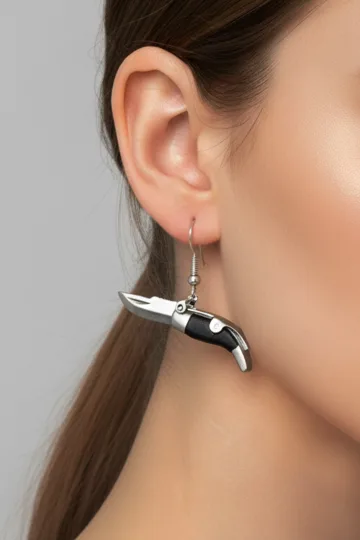
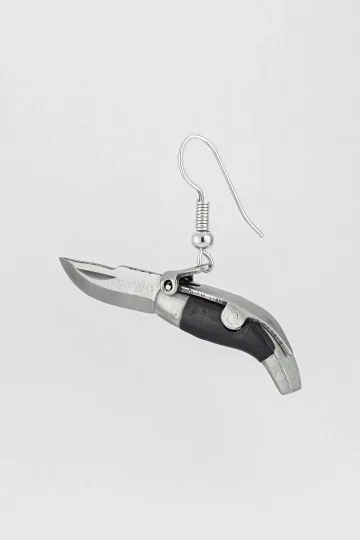
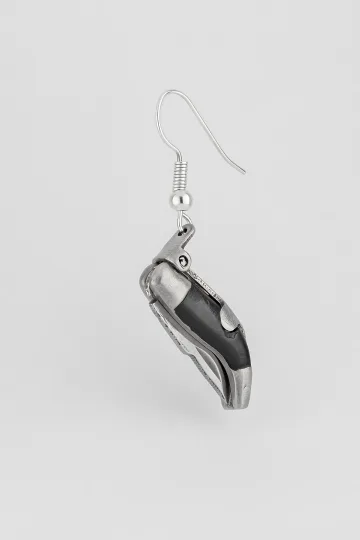
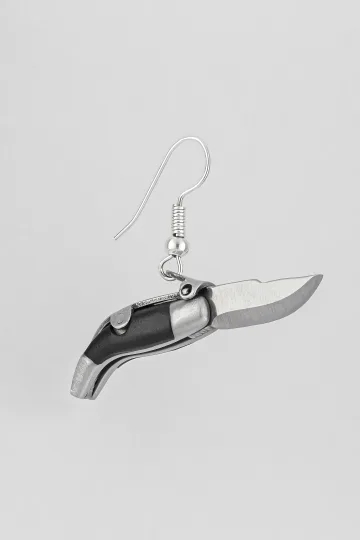
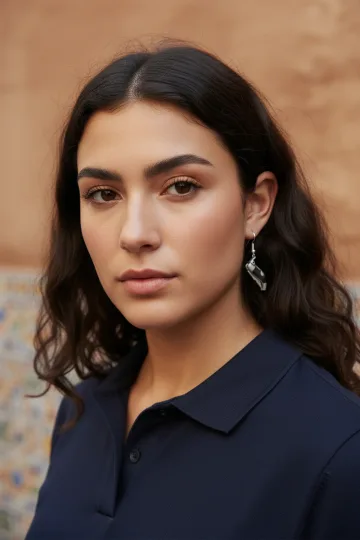
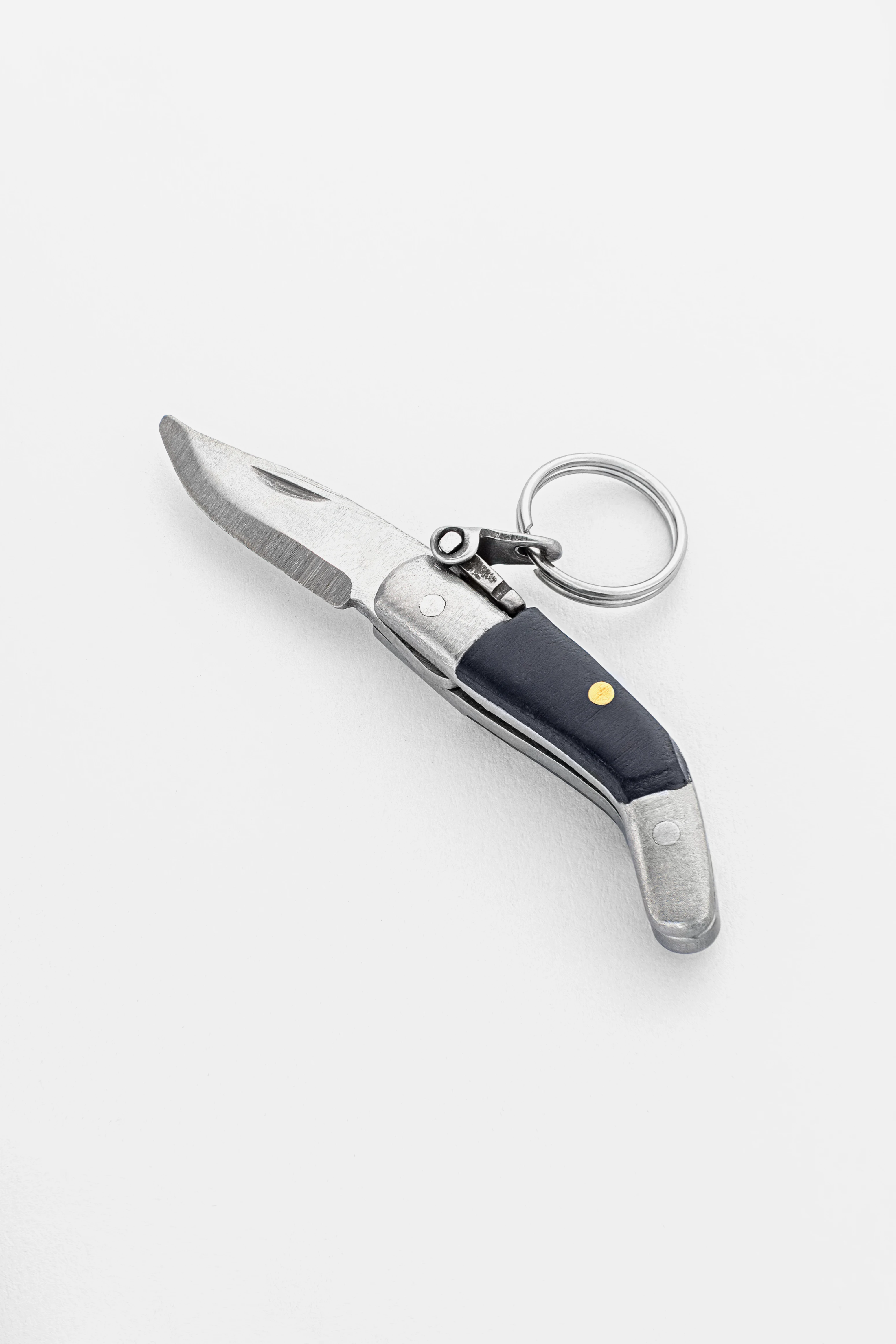
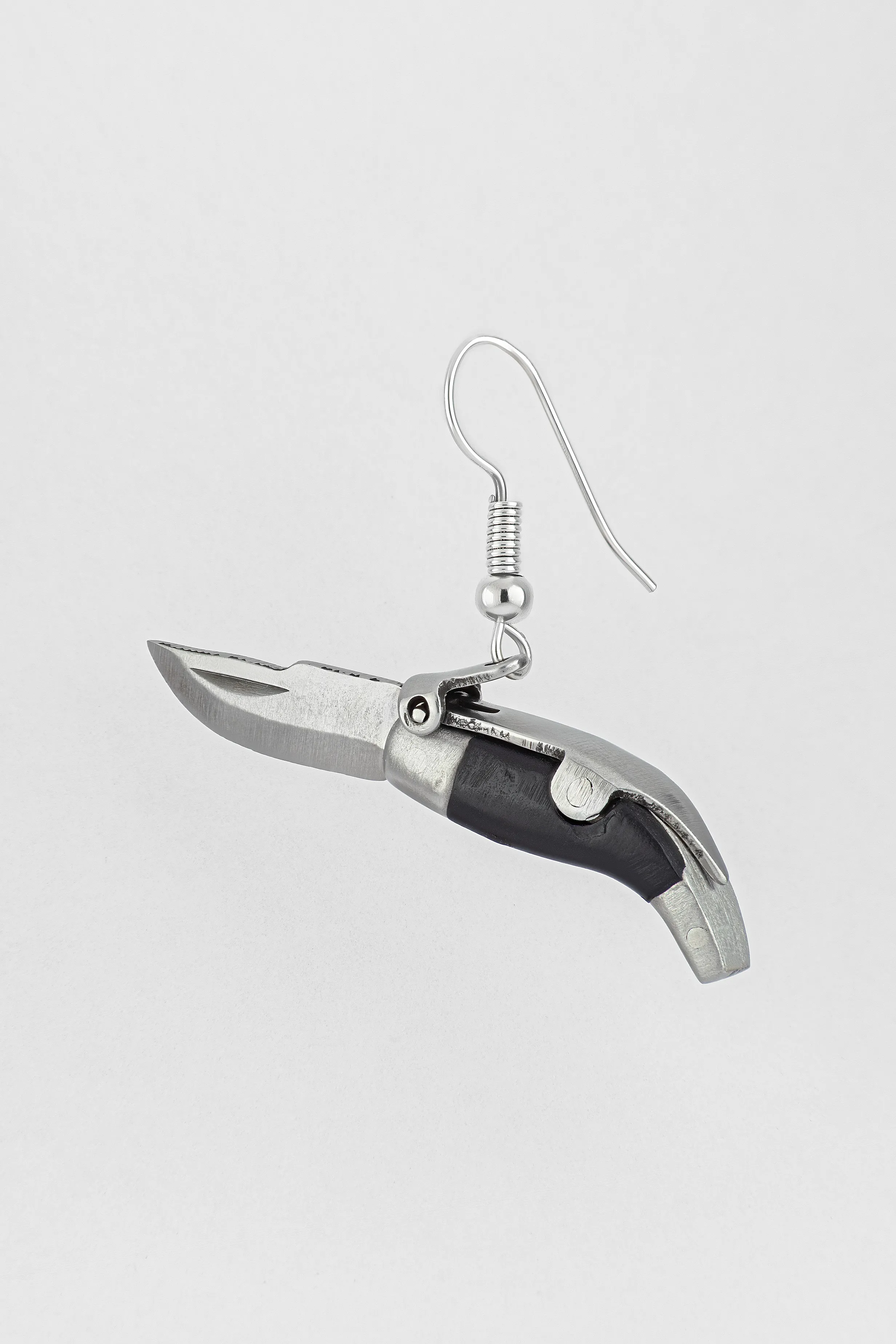
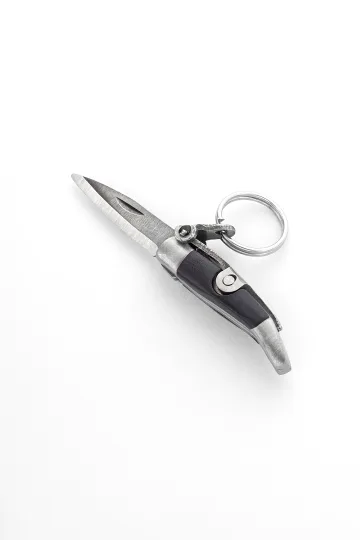
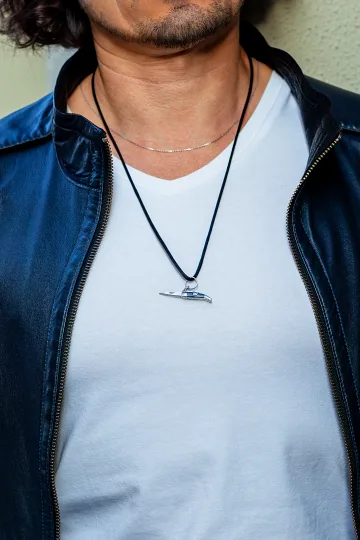
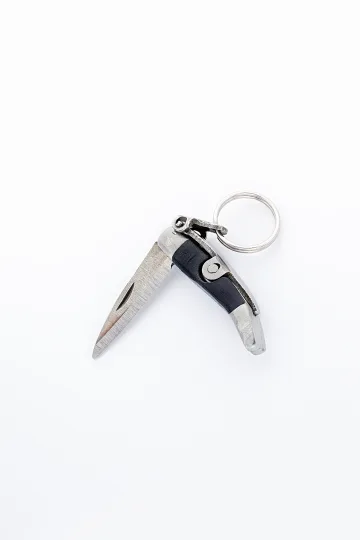
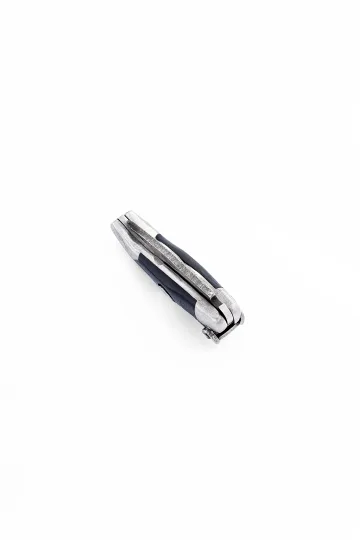
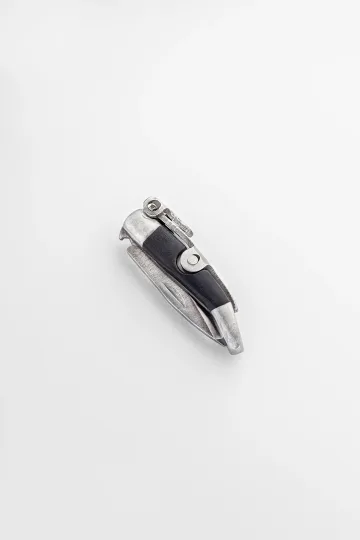
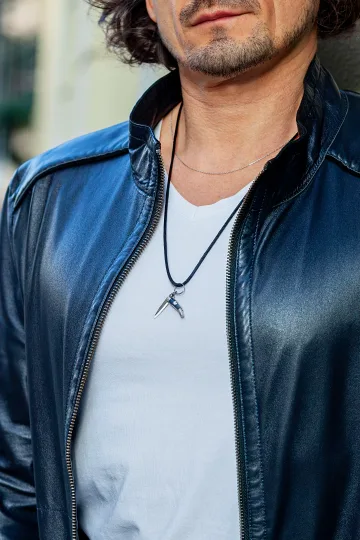
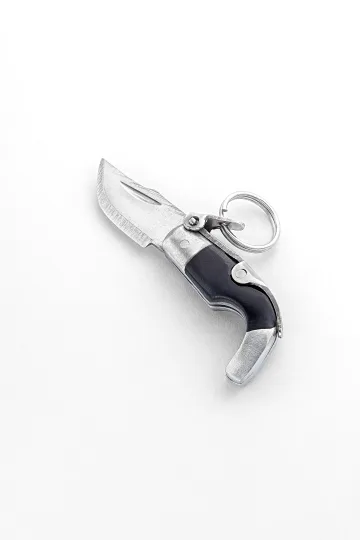
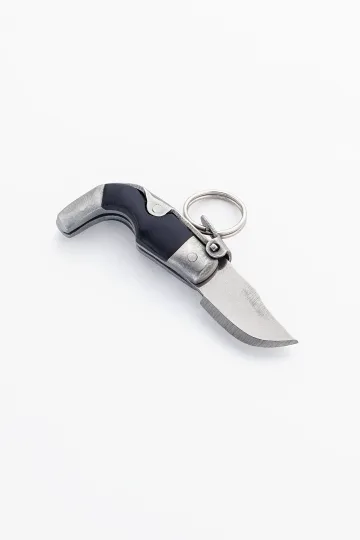
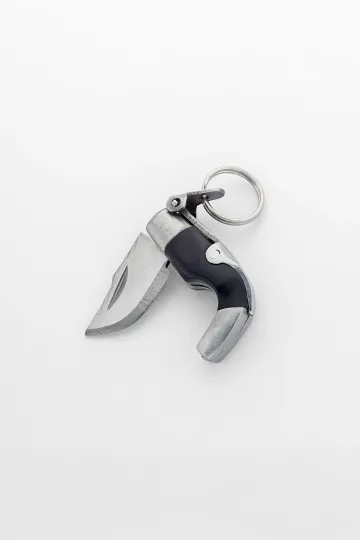
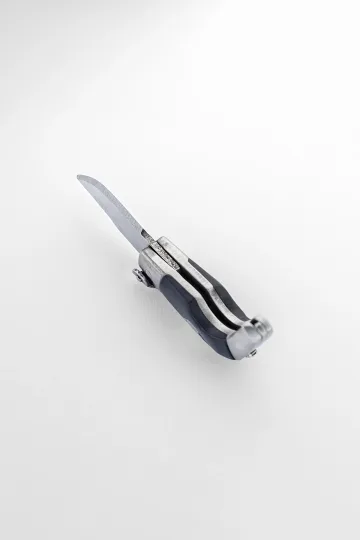
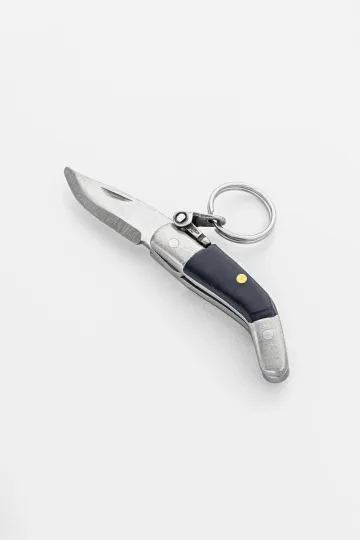
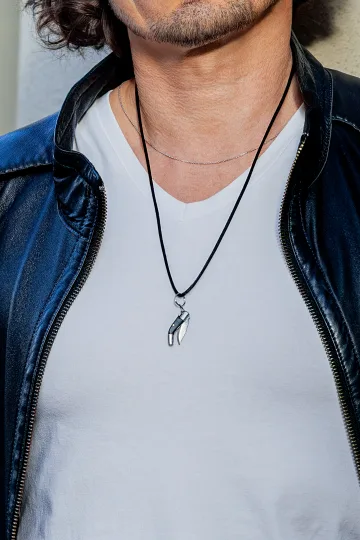
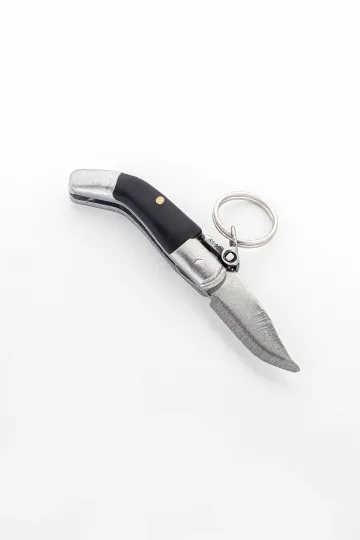
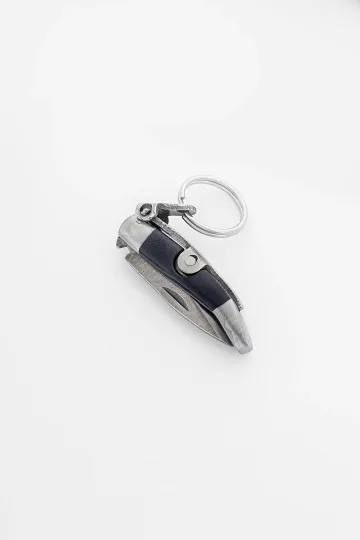
CAPAORA mini knife pendant
The 18th-century Spanish navaja in miniature: 40 mm of stainless steel, a real folding mechanism and a Palanquilla lock that clicks. An affordable gift to remember.
Authentic · Ships from Spain · 14-day returns
The Modern Wolf: Rehabilitation and the Alpha Myth
Yellowstone and the Cascade Effect
Let's come back to Yellowstone, because the story deserves more detail.
By the 1920s, wolves had been completely eliminated from the park. This was deliberate government policy. The prevailing view was that predators were harmful, and eliminating them would benefit game animals. The last Yellowstone wolf pack was killed in 1926.
Over the next seven decades, the park changed. Elk populations exploded without predators to keep them in check. They grazed the riverbanks bare. Willows, cottonwoods, and aspens stopped regenerating. Beavers, which depend on willows, disappeared. Without beaver dams, streams widened and became shallow and warm. Fish populations declined. Songbird species that nested in the willows vanished.
In 1995 and 1996, 31 wolves were reintroduced from Canada. What happened next became one of the most famous ecological case studies in history.
The wolves hunted elk, obviously. But more importantly, they changed elk behaviour. The elk stopped camping on riverbanks because those were dangerous places to linger. Vegetation recovered. Beavers returned. Stream channels stabilised. Grizzly bears benefited from more berries on the recovering shrubs. Scavengers like ravens, magpies, and eagles fed on wolf kills through the winter.
One species changed everything. Not by being dominant, but by being present.
This is the image of the wolf that took hold in the late 20th and early 21st century. The wolf as ecosystem engineer. The keystone species. The animal that holds the whole thing together by doing nothing more than being what it is.
The Alpha That Never Was
Here's a story that deserves to be more widely known.
In 1970, a biologist named L. David Mech published a book called "The Wolf: Ecology and Behaviour of an Endangered Species." In it, he described wolf packs as being led by "alpha" males and females who achieved their position through aggression and dominance. The term "alpha wolf" entered popular culture and stayed there. It became a metaphor for leadership. For dominance. For being the top dog (literally).
There was one problem. Mech's research was based on captive wolves. Wolves forced to live together in artificial groups. Under those unnatural conditions, yes, dominance hierarchies formed. Because the wolves had no choice.
In the wild, wolf packs work completely differently. They're families. The "alpha" pair are simply the parents. The rest of the pack are their offspring from various years. There's no struggle for dominance because there's nothing to struggle over. The parents lead because they're the parents.
Mech spent the rest of his career trying to correct the record. He asked his publisher to stop printing the book. He wrote papers with titles like "Alpha Status, Dominance, and Division of Labour in Wolf Packs" (1999), explicitly saying the alpha concept was wrong. He has a page on his website asking people to stop using the term.
It didn't work. The "alpha wolf" idea was too useful as a metaphor. It spread into business, self-help, dating culture, and the gym. "Be the alpha." "Alpha mindset." The actual researcher who introduced the idea to popular culture has been trying to retract it for over two decades, and the culture simply won't let him.
There's a lesson in there about how mythology works. Once an idea takes hold, the truth can't catch it.
Leave your email, we'll send your discount code. No spam, unsubscribe anytime.
The code arrives by email, valid on your first order.
Lone Wolf vs Wolf Pack: What Each Means as a Symbol
Walk into any jewellery store and you'll see two kinds of wolf imagery. The lone wolf, usually howling at the moon. And the wolf pack, running together. They mean very different things.
The Lone Wolf
The lone wolf is one of the most popular personal symbols in modern culture. It means independence. Self-reliance. The person who doesn't need a group to survive.
But here's what actual lone wolves are. They're wolves between packs. Wolves who have left their family group to find a mate and start a new pack. The "lone wolf" phase isn't a lifestyle. It's a transition. And it's dangerous. Lone wolves have much higher mortality rates than pack wolves. They starve more often, get killed by other packs, and die younger.
In human psychology, the "lone wolf" archetype is similarly double-edged. It can mean healthy independence and self-sufficiency. It can also mean isolation, inability to connect, and a rationalisation for loneliness.
Most people who wear lone wolf jewellery are drawn to the romantic version. The independent spirit. The person who walks their own path. And honestly, that's fine. Symbols mean what we need them to mean. But it's worth knowing that the actual lone wolf is usually looking for a pack, not avoiding one.
The Wolf Pack
The wolf pack as a symbol is about loyalty. Not just generic loyalty, but the specific kind: loyalty to the people you've chosen, or who were given to you. Family. Close friends. The small group you'd die for.
What makes wolf pack loyalty interesting is that it's not blind. Wolves in a pack have distinct personalities. They disagree. They have preferences for who they hunt with and who they sleep near. Young wolves eventually leave the pack to start their own. The loyalty is real, but it doesn't mean conformity.
In jewellery, pack imagery tends toward multiple wolves, sometimes arranged in a family group, sometimes running together. It's a popular choice for friendship and sibling gifts. Two wolves: "you and me." Three wolves: "us."
The Howling Wolf
The image of a wolf howling at the moon is possibly the single most common wolf image in jewellery and tattoo culture. What does it actually mean?
In reality, wolves howl for communication. To locate pack members. To warn rival packs. To coordinate before a hunt. They don't howl at the moon specifically. They howl at night because that's when they're most active, and the moon just happens to be there.
But the image works because it captures something humans relate to. The act of calling out into the darkness, not sure who's listening. The expression of something that needs to be said even if nobody answers. It's loneliness, but the productive kind. The kind that reaches outward instead of collapsing inward.
The Wolf Tattoo: What It Means Beyond Prison Culture
The wolf is one of the most frequent subjects in tattoo work, and in everyday life it reads very differently from prison ink. Here the wolf is about the character of the person wearing it, not about rank in some hierarchy. Men more often pick a snarling or a calm wolf's muzzle, a paw print, or a running animal. The meaning gathers around strength, endurance, and keeping your word: someone with that design usually stands behind his decisions and protects his own.
A woman's wolf tattoo works more softly and is usually about the she-wolf. She stands for the guardian of the family, for faithfulness and fertility, since a single she-wolf can raise a whole litter. The she-wolf is often drawn among flowers, a crescent moon, or butterflies, sometimes paired with a wolf: an image about devotion to those you have chosen rather than about aggression.
The meaning shifts a great deal with the pose. A wolf howling at the moon speaks of solitude, inner strength, and freedom from other people's opinions. A wolf set inside the pack reads as the leader. A pair of wolves is about love and partnership for life. A wolf's head seen straight on, meeting your eye, adds challenge and wariness.
Placement on the body says something too. A single wolf is more often inked on the forearm, the shoulder, or the calf. A paw print on the wrist is the compact version. Large narrative scenes with a chase or a forest move to the back and the chest.
People carry the same logic over to jewellery. A pendant or ring with a wolf is the same choice of image, only without the needle and without the "forever": take it off and put it away if the mood changes. For anyone who wants to try the symbol on before committing to a tattoo, jewellery offers an honest way to live with the wolf close by. If protective meaning is what draws you, our guide to amulets and talismans covers how such pieces are meant to work.
The Wolf as a Personal Totem and Spirit Animal
Plenty of people pick the wolf the way others lean on a zodiac sign: as a personal totem, a wearable shorthand for the kind of person they are. The wolf character has a recognisable outline. People who claim it tend to hold a firm position in life, trust a strong intuition, and prize freedom, independence, and a certain stubborn self-will.
In calm times that same person often comes across as gentle and generous, a model of quiet strength. This is frequently the figure who influences without display, the one who shapes things from the side rather than from the front of the room. The wolf does not chase attention, and it does not need to.
What the wolf will not tolerate is pressure. Push too hard and it shows its teeth quickly. People who wear the wolf as their sign usually value solitude, keep a certain distance, and step in fully only when they have decided to on their own terms. When it matters, though, the same person is able to lead the pack rather than follow it.
As a psychological portrait it holds together well: someone who guards their space and gives everything only by choice. A wolf pendant worn as a personal totem is a way to carry that character on you, a sign of who you are chosen in the same spirit as a star sign, because it fits.
The Wolf Fang as an Amulet: The Animal's Strength in a Single Object
A separate and very old branch of wolf symbolism is the amulet made from a fang or a claw. The logic runs older than any writing: wear a piece of a strong animal on your body and you draw its strength toward you. The wolf's fang was held to be a charm for family, faithfulness, and harmony in the home, and at the same time a guard against another person's ill will. It was a protective object, not a decoration for its own sake.
For a man the fang was said to sharpen instinct, the very "wolf's nose" for danger, to steady the spirit and to drive off unease. For a woman the wolf amulet promised protection of the family and help in motherhood, with the she-wolf standing here for fertility. The fang was usually worn as a pendant on the chest, close to the heart. Anyone who wanted to keep the amulet hidden tucked it into a small pouch.
There was a tradition for children too: a fang was hung above the cradle as a guard against illness and the evil eye. The custom feels harsh to a modern taste, but it shows how seriously the object was taken.
Today the jewellery form replaces real fangs: a fang or a claw cast in silver or gold, sometimes engraved. The meaning survives, and the question of where the animal came from falls away. A pendant like this is the direct heir of the ancient charm and a close relative of a whole family of tooth and claw amulets. Anyone who wants to wear the protective meaning specifically tends to choose the fang rather than the full figure of the wolf: the object is more spare and reads plainly as protection.
Buying it as a gift? Each one arrives ready to give.
 A branded Zevira box and a little card come with every order.

The Wolf in Jewellery: What It Says About the Wearer
Wolf jewellery has never been more popular than it is right now, and the reasons go beyond aesthetics. The wolf hit a cultural nerve.
Why Now
Several factors converged. The Yellowstone story gave the wolf a comeback narrative. Game of Thrones made direwolves part of pop culture (the Stark children's wolves were among the show's most beloved elements). The "alpha male" discourse, whether embraced or critiqued, keeps the wolf in conversation. And the broader cultural shift toward environmental awareness made the wolf a symbol of wildness that we almost lost and are fighting to keep.
What It Communicates
Someone wearing a wolf pendant is usually saying one of these things, sometimes several at once:
"I'm loyal to my people." The pack instinct. The person who shows up for their inner circle no matter what.
"I don't follow." The independence angle. Not necessarily anti-social, but definitely not a joiner.
"I value wildness." Not chaos. Wildness. The refusal to be completely domesticated. The part of yourself that doesn't fit neatly into the 9-to-5.
"I've survived something." The wolf as survivor. The animal that was hunted, poisoned, trapped, and came back. People who've been through difficult periods often gravitate toward wolf imagery.
"I know my mythology." For Norse, Turkic, or Native American heritage wearers, the wolf connects to specific cultural stories. It's an identity marker as much as an aesthetic choice.
Send a friend a discount code, they save on their first order.
How to Choose Wolf Jewellery: Metal, Size, Detail
The wolf motif lives in very different metals, and the choice carries meaning. Silver gives the wolf a cold, lunar, slightly severe aura, closer to a northern mood. Gold makes the same animal warmer and more noble, almost heraldic, like a charge on an old coat of arms. Blackened and oxidised metal pushes the image toward darkness and graphic line, the most nocturnal option of the three. One silhouette in three finishes reads as three different characters.
Size decides whether the wolf shouts or whispers. A large realistic head on a heavy signet is a statement of character. A small silhouette on a chain works every day, business surroundings included. The rule is simple: the more detailed and the larger the animal, the rarer the occasion to wear it.
The level of detail sets the tone. A naturalistic muzzle with worked fur, sharp ears, and an attentive gaze reads as traditional. A geometric or minimalist wolf reduced to a few lines fits the modern, clean order of jewellery. Between those two poles sits the whole range.
There is quality to check as well. The ears and the muzzle are the finest places, and that is exactly where casting can turn out smudged. A good piece keeps the animal's gaze sharp even at a small size. For everyday wear a closed relief without sharp protruding parts is more comfortable, since jutting details catch on clothing. Sterling 925 silver and 14-18K gold are the working standard, and an engraving inside a ring or on the back of a pendant turns the piece into a personal object.
Wear the symbol, don't just read about it. These are in stock:




Frequently Asked Questions
What does a wolf pendant mean?
A wolf pendant typically symbolises loyalty, independence, and a connection to wild instincts. The specific meaning depends on the imagery. A lone howling wolf suggests independence and self-expression. A wolf pack suggests family loyalty. A Fenrir-inspired design suggests breaking free from constraints. There's no single correct interpretation. It means what it means to the person wearing it.
Is the wolf a good symbol for a gift?
Wolves make excellent gifts for people who value loyalty, independence, or nature. They work well for close friends ("you're part of my pack"), for people going through transitions (the pathfinder meaning), and for anyone with Norse, Turkic, or general mythology interests. Avoid giving wolf jewellery to someone unfamiliar with the symbol. It carries strong associations, and you want the recipient to connect with them.
What's the difference between a wolf and a dog in symbolism?
Dogs represent domestication, obedience, and unconditional loyalty to a master. Wolves represent wildness, chosen loyalty, and independence. The biological difference is minimal (dogs are descended from wolves, and the two can interbreed), but the symbolic difference is enormous. A dog follows. A wolf chooses.
Do wolves really howl at the moon?
No. Wolves howl to communicate with their pack, not because of the moon. They howl at night because they're nocturnal, and the moon happens to be visible. The association between wolves and the moon is a human projection. But it's a beautiful one, which is why it persists.
What does "lone wolf" mean in psychology?
In everyday language, "lone wolf" describes someone who prefers to operate independently. In psychology, it's more nuanced. It can indicate healthy introversion and self-sufficiency, but it can also signal avoidant attachment patterns or social anxiety masked as preference. The key question is whether the solitude is chosen and comfortable, or whether it's a defence mechanism.
What cultures consider the wolf sacred?
Many. In Turkic and Mongol traditions, the wolf is an ancestor and a national symbol. Many Native American nations consider the wolf a teacher and protector. In Norse mythology, wolves are cosmic forces. Even in Roman culture, where the wolf is technically a nurturing figure rather than a sacred one, the she-wolf holds a quasi-divine status as the mother of Rome's founders.
Is wolf jewellery unisex?
Absolutely. While some styles (heavy signet rings with realistic wolf heads) lean masculine, and others (delicate wolf silhouettes on fine chains) lean feminine, the wolf as a symbol has no gender. Wolf pack imagery, howling wolves, and geometric wolf designs work for anyone.
What does Fenrir mean as a tattoo or pendant?
Fenrir typically represents breaking free from constraints, the power of what can't be contained, and sometimes fate or inevitability. It's popular among people who see themselves as breaking away from systems, expectations, or past limitations. In Norse pagan circles, it can also carry specific religious meaning.
Silver and gold jewellery, wedding bands, symbolic pendants, paired sets.
Conclusion
The wolf is one of those rare symbols that means something real because the animal itself is real. It's not a griffin or a phoenix. It's an actual creature that lives in actual forests, and everything we project onto it started with observation. Wolves really do form tight family groups. They really do cooperate. They really are fiercely protective. They really did come back from the edge of extinction.
That's what makes wolf jewellery different from purely mythological symbols. When you wear a wolf, you're wearing something that exists outside the jewellery box. Something with a heartbeat and a howl and a complicated relationship with the human species that goes back further than writing.
The Norse saw the wolf as the force that ends the world. The Romans saw it as the force that starts one. Native Americans saw it as the teacher. The Turkic peoples saw it as the mother. Medieval Europeans saw it as the monster. Modern conservationists see it as the missing piece.
They're all right. That's what makes the wolf the wolf.
Wear the symbol, don't just read about it. These are in stock:
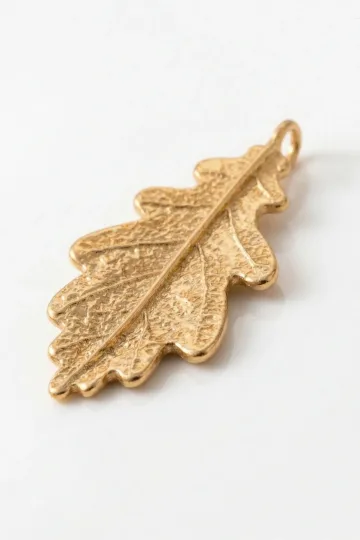
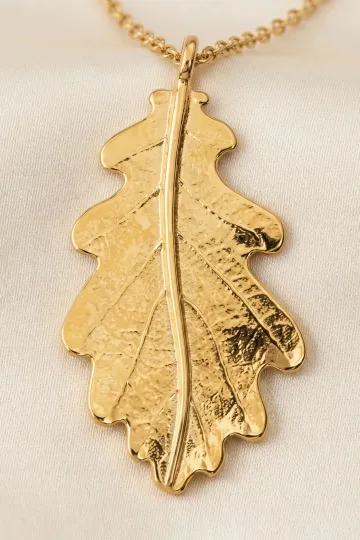
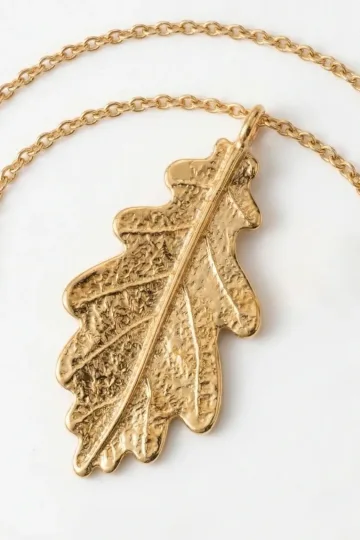
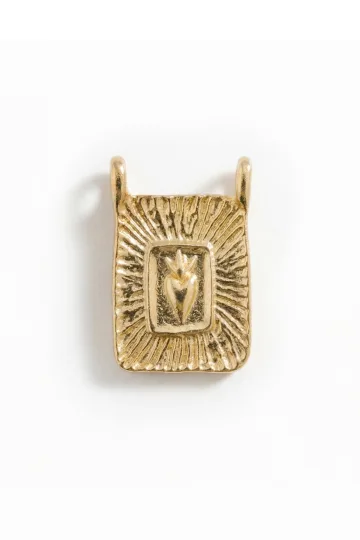

About Zevira
Zevira makes jewellery in the artisan tradition of Albacete, Spain. The wolf is exactly the kind of symbol where the meaning belongs to the person wearing it. We don't tell you what it has to stand for. We make the image recognisable and wearable enough to live with every day.
Here's what you'll find with us on the wolf and nature theme:
- Wolf pendants, from a naturalistic head to a clean minimalist silhouette
- Wolf-motif rings that read masculine or neutral, depending on the design
- Paired pieces: a wolf and a she-wolf, two silhouettes turned toward each other
- The howling wolf set against moon imagery
- Sets with animal and nature symbols for the whole pack
- Blackened silver and warm gold to match the mood you're after
Every piece can be personalised with engraving, with the option of personal engraving. Sterling 925 silver and 14-18K gold.