Dreamcatcher Jewellery: Ojibwe Origins, How It Actually Works, and Why It Caught the World
A web that caught more than dreams
A friend of mine has a small dreamcatcher pendant she wears every day. She bought it at a market in New Mexico, from an Ojibwe woman who made each one by hand. My friend isn't Native American. She isn't particularly spiritual. But she told me something that stuck: "I like the idea that something watches over me when I can't watch over myself."
That's the dreamcatcher in a sentence. Not magic. Not superstition. Just the deeply human wish for protection during the hours when we're most vulnerable. When our eyes are closed and our defences are down and the mind does whatever it wants.
The dreamcatcher has travelled an extraordinary distance from its origins. It started as a sacred Ojibwe object, woven by mothers to protect their children. It was adopted by the Lakota with a different interpretation. It became a pan-Indian symbol of unity. Then it crossed into mainstream culture and landed on tattoo parlours, car mirrors, and jewellery displays worldwide.
That journey is complicated. There are real questions about cultural respect that deserve honest answers. There's also a reason this particular symbol, out of thousands, caught the imagination of the entire world. Both things can be true at once.
This is the full story. Where the dreamcatcher came from, how it works, what every part means, why it spread, what the debate is about, and what it looks like in modern jewellery.
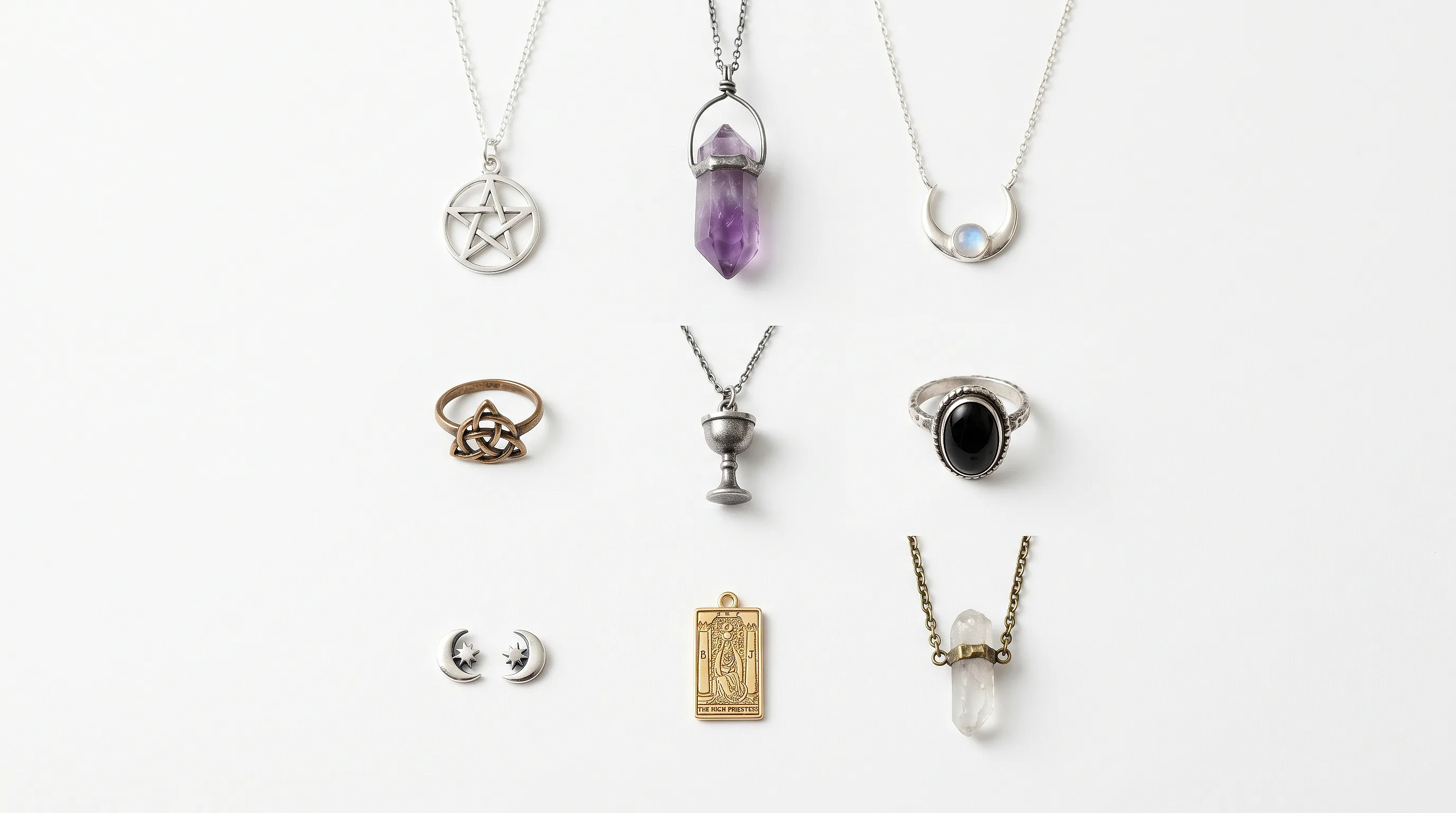
Wear the symbol, don't just read about it. These are in stock:



The Ojibwe Origin: Asibikaashi and the Spider Woman Who Couldn't Be Everywhere
Asibikaashi: the original protector
The dreamcatcher begins with the Ojibwe people (also called Chippewa), one of the largest Indigenous nations in North America, historically centred around the Great Lakes region of what is now the United States and Canada.
In Ojibwe tradition, there is a figure called Asibikaashi, the Spider Woman. She was a spiritual protector of the nation, especially of children. Each morning, Asibikaashi would weave her web, and that web would catch the first light of dawn. If you've ever seen a spider's web at sunrise, beaded with dew and lit from behind, you understand the image. The web holds the light. It filters the world.
Asibikaashi watched over all the people of the Ojibwe nation. She was particularly devoted to the children, visiting their sleeping places each night to weave a protective web above them. The web would catch any harmful energy or bad dreams that floated through the night air, holding them in its threads until the morning sun dissolved them.
This isn't a fairy tale in the Western sense. Asibikaashi is a figure within Ojibwe cosmology, part of a living spiritual tradition that connects the natural world (spiders, webs, dawn) to the care of the community. The spider isn't a random symbol. Spiders are engineers. They build structures that are both beautiful and functional. They work at night. They catch things.
When the nation spread too far
Here's where the dreamcatcher as a physical object enters the story. As the Ojibwe nation grew and spread across a vast territory, Asibikaashi could no longer visit every child. The distances were too great. She couldn't be everywhere at once.
So the mothers and grandmothers of the nation began to weave their own webs, replicating Asibikaashi's protective work with their own hands. They used willow hoops, sinew, and eventually thread to create small circular webs that could be hung above a child's sleeping place.
This detail matters. The dreamcatcher wasn't invented by a single person or received in a single vision. It emerged from a practical problem: how do you extend protection when the protector can't physically reach everyone? The answer was to distribute the work. Every mother becomes Asibikaashi. Every handmade web carries her intention.
The earliest dreamcatchers were small, often no more than a few inches across. They were made from red willow, with a web of sinew or nettle fibre. They weren't meant to last forever. Willow dries out, and the dreamcatcher would eventually collapse, which was understood as part of the cycle. Protection isn't permanent. It must be renewed.
The web on the willow hoop
Traditional Ojibwe dreamcatchers were hung in the sleeping area where the morning light could reach them. The first rays of sun would hit the web, and any bad dreams or negative energies caught in the threads would be destroyed by the light. Good dreams, knowing the way, would pass through the small hole in the centre of the web and drift down to the sleeper.
Some traditions placed dreamcatchers over cradle boards, the carriers used for infants. Others hung them from the lodge poles of the family dwelling. The placement was always near where someone slept, and always where sunlight could reach the web.
The practice was intimate and domestic. This wasn't a public ceremony or a display of status. It was a mother protecting her child, using the same pattern that Asibikaashi used to protect the entire nation. The sacred and the everyday were the same thing.
A dreamcatcher belongs in silver on a bare collarbone. In gold it's a beach-stall trinket, and don't argue.
How to wear a dreamcatcher
The round openwork web reads by day and by night, so I suggest a dreamcatcher to almost every client who wants a symbol with a story. Here is what actually works, sorted by occasion.
What do I wear a dreamcatcher with every day? For daily wear I recommend a medium pendant on a thin chain over a white tee, a linen shirt or soft knitwear in calm tones: cream, grey, sand. With jeans, loose trousers or a simple slip dress it adds just enough character without pulling focus. A bare neck or a shallow neckline sets the web right in the centre of the look.
Is it right for the office? Yes, if you take a smaller, quieter version, with no feathers or barely any. On a plain shirt or a fine-knit top a neat silver pendant reads as restrained yet far from dull. When a client worries about a strict dress code, I suggest dreamcatcher studs: no policy will object to those.
How do I build an evening look? For evening I choose long earrings with moving feathers and a pendant on a longer chain that sits at the heart. A black dress with bare shoulders, a silk blouse, deep-toned velvet: on that kind of fabric silver and gold really come alive. Here I allow both a metal contrast and several chains at different lengths.
Who does a dreamcatcher actually suit? Above all anyone drawn to a free, faintly bohemian aesthetic: natural shades, textures, layers. But it is not tied to one style. In a minimal wardrobe a tiny web on a short chain looks graphic and modern, so I recommend it just as readily to people who wear only clean, strict pieces.
How do I get the metal and layering right? I match the metal to the wardrobe: warm gold pairs with beige, brown and earthy tones, cool silver with blue, grey and black. And one rule that never fails: do not combine a dreamcatcher with other large, detailed pendants in the same layer. If you want layers, give the symbol its own line of length.

Turn on your camera, pick earrings, a pendant or a ring, and see the piece on yourself in real time.
Switch items in one tap.
Everything runs in your browser: no photo or video is ever uploaded.
How a Dreamcatcher Actually Works: The Mechanics of Filtering Dreams
Good dreams, bad dreams, and the centre hole
In the Ojibwe tradition, the air at night is filled with dreams, both good and bad. The dreamcatcher's web catches the bad dreams, trapping them in its threads. The good dreams, which know the path, find the centre hole and slide through it, drifting down the feathers to the sleeping person below.
Think of it as a filter. The web's geometry isn't random. Traditional dreamcatcher webs have specific patterns, often with eight points where the web connects to the hoop, representing the eight legs of Asibikaashi in her spider form. The web radiates inward toward the centre, creating a path that good dreams can navigate while bad dreams get tangled.
The centre hole is crucial. Without it, the dreamcatcher would catch everything, good and bad alike. The opening is what makes it selective. It's not a wall. It's a filter. And that distinction is what makes the dreamcatcher symbol so compelling: it doesn't try to block all experience. It tries to let through what nourishes and catch what harms.
What happens at dawn
Bad dreams don't stay in the web forever. When the morning sun hits the dreamcatcher, the trapped dreams dissolve. They can't survive the light. This is why placement matters: the dreamcatcher needs to be where dawn reaches it. A dreamcatcher in a dark corner doesn't work because the purification never happens.
This detail is often lost in modern interpretations, but it's essential to the original concept. The dreamcatcher isn't a one-time device. It operates on a daily cycle: catch at night, purify at dawn, ready again by nightfall. It's renewable protection, not a static charm.
The cycle also connects to broader Ojibwe understanding of the relationship between darkness and light, night and day, vulnerability and strength. Night is when we're open and unguarded. Dawn is when clarity returns. The dreamcatcher bridges the two.
The Anatomy of a Dreamcatcher: Every Part Has a Purpose
The sacred hoop
The circular frame of the dreamcatcher represents the circle of life. In many Native American traditions, the circle is the fundamental sacred shape. It has no beginning and no end. It represents the cycle of seasons, the path of the sun, the journey from birth to death and back again.
Traditional hoops were made from red willow or twisted sweetgrass. The choice of material wasn't arbitrary. Willow is flexible when fresh and holds its shape as it dries. It's also a plant associated with healing in many traditions. The hoop was typically wrapped in leather or cloth, both for durability and because the wrapping itself carried meaning: the covering of the bare wood represented the way culture and tradition clothe raw experience.
The size of traditional dreamcatchers was modest, usually between three and five inches in diameter. The massive dreamcatchers you see in gift shops, some a foot or more across, are a modern commercial invention. The originals were intimate objects, sized for a cradle board or a small sleeping space.
The web
The web is the working part of the dreamcatcher. It's woven from a single continuous thread, starting at the hoop and spiralling inward toward the centre. The pattern creates a series of interconnected loops that form a net-like structure.
In Ojibwe tradition, the web represents the journey of life. Each connection point where the thread touches the hoop or crosses itself is a choice, a moment where your path changes direction. The web isn't a straight line. It's complex, interconnected, and it leads inward toward the centre, which represents the core of your being or the source of truth.
The number of points where the web attaches to the hoop varies, but eight is traditional for Ojibwe dreamcatchers (Spider Woman's legs). Some versions use seven points (the seven prophecies of the Ojibwe), thirteen points (the thirteen moons of the year), or other numbers with specific cultural significance.
The feathers
Feathers hang from the bottom of the dreamcatcher and serve as the pathway for good dreams. After passing through the centre hole, good dreams slide gently down the feathers to reach the sleeper. The feather's softness is part of the point: good dreams arrive gently, not with force.
In traditional practice, the type of feather mattered. Owl feathers were used for women (the owl represents wisdom). Eagle feathers were used for men (the eagle represents courage). This gendering of feathers is part of broader Native American traditions around bird and animal medicine and should be understood within that context, not as a universal rule.
Feathers also represent breath and air. A dream is, in one sense, air that carries meaning. The feather catches that air and directs it, the same way a real feather moves with even the slightest breeze. Hang a dreamcatcher where air moves and the feathers will dance, which was seen as evidence that dreams were passing through.
Beads and gemstones
Some traditional dreamcatchers include a single bead woven into the web. This bead represents Asibikaashi herself, the spider at the centre of her web. Other versions use multiple beads to represent the good dreams that were caught and preserved.
Modern dreamcatchers often incorporate gemstones, crystals, and multiple beads for aesthetic reasons. While these additions aren't part of the original Ojibwe tradition, they've become part of the evolved symbol. Turquoise, amethyst, and moonstone are popular choices, each adding their own layer of symbolic meaning.
Customer reviews
Zevira is a real jewellery shop. Genuine payments, deliveries and customer thank-yous.
🥰🥰🥰 gracias

Ok, ¡gracias! 🙂

The Lakota Version: Same Object, Different Logic
Iktomi and the vision on the mountain
The Lakota Sioux have their own dreamcatcher tradition, which works differently from the Ojibwe version. According to Lakota oral history, a spiritual leader had a vision on a mountaintop in which Iktomi, a trickster spirit who often appeared as a spider, came to him.
Iktomi spoke of the cycles of life, how we begin as infants, grow through childhood and adulthood, reach old age, and then must be cared for again like infants, completing the circle. As he spoke, Iktomi wove a web inside a willow hoop, illustrating how the forces of life, both good and bad, form an interconnected pattern.
When Iktomi finished, he handed the web to the leader and explained its purpose. But here's where the Lakota version diverges from the Ojibwe.
Bad dreams pass through, good dreams stay
In the Lakota interpretation, the dreamcatcher works in reverse. Bad dreams pass through the centre hole and are released into the night. Good dreams get caught in the web and slide down the feathers to the sleeper.
The logic is different but equally coherent. In the Ojibwe version, the web is a trap for bad things. In the Lakota version, the web is a net for good things. One filters out the negative. The other captures the positive. Same object, opposite mechanics, same result: the sleeper is protected.
This difference is important because it shows that the dreamcatcher isn't a fixed doctrine. It's a framework that different peoples adapted to fit their own understanding. The Ojibwe and Lakota traditions are both legitimate, and neither is "the real one." They're two expressions of the same underlying idea: that we need help during the night, and that a web can provide it.
Upload a photo of your pet, someone you love, or an object. We'll build a 3D model and hand-cast it in pewter.



The Pan-Indian Movement: How the Dreamcatcher Became a Symbol for All Native People
In the 1960s and 1970s, the Pan-Indian movement sought to build solidarity among the many diverse Native American nations. After centuries of displacement, forced assimilation, and cultural suppression, Indigenous people across North America began asserting their shared identity while still honouring their distinct traditions.
The dreamcatcher became one of the symbols of this movement. Its appeal was practical: it came from a specific tradition (Ojibwe) but its meaning, protection, filtering, care during vulnerability, was universal enough that people from many nations could relate to it. It wasn't a sacred ceremony restricted to specific initiates. It was a domestic object that any family could make and use.
During this period, dreamcatchers began appearing at inter-tribal gatherings, in Native American cultural centres, and as gifts exchanged between nations. Some Native people embraced this expansion enthusiastically, seeing it as a way to strengthen connections between peoples who had been isolated from each other by colonial borders. Others viewed it with caution, concerned that removing the dreamcatcher from its specific Ojibwe context diluted its meaning.
This internal debate within Native communities is important context for the larger cultural appropriation discussion that followed. The question of who "owns" the dreamcatcher was already being discussed among Indigenous people before non-Native adoption became widespread.
By the 1980s, the dreamcatcher had become one of the most recognisable Native American symbols in the world. It appeared in Native-owned businesses, at powwows, in educational materials, and increasingly in non-Native contexts. The transition from pan-Indian symbol to global symbol happened quickly, and not everyone was comfortable with the speed.
The Cultural Appropriation Conversation: What You Should Know
The case for concern
There are legitimate reasons why many Native American people are uncomfortable with the mass commercialisation of the dreamcatcher.
First, the scale. Millions of dreamcatchers are produced in factories, often in China, with no connection to any Indigenous tradition. The profit goes to non-Native companies while the communities that created the symbol see nothing. This is a pattern that repeats across many Indigenous cultures worldwide: the symbol is taken, the people are ignored.
Second, the flattening. When the dreamcatcher becomes a generic "boho" decoration, its specific cultural origins get erased. People buy dreamcatchers without knowing they're Ojibwe, without knowing about Asibikaashi, without understanding the difference between the Ojibwe and Lakota traditions. The object becomes pure aesthetic, stripped of its story.
Third, the context. Native American cultures have been systematically suppressed for centuries. Children were taken from families and placed in boarding schools where speaking their language was punished. Ceremonies were banned. Land was seized. Against that history, seeing sacred symbols mass-produced as key chains and car fresheners feels like a final insult: first you take the land, then you take the culture, then you sell the culture back as a novelty item.
The case for sharing
Not all Native American people oppose the spread of the dreamcatcher. Some see it differently.
The dreamcatcher, they argue, was always a shared object. Even within Native communities, it crossed tribal boundaries during the pan-Indian movement. Sharing symbols is how cultures communicate. If a non-Native person hangs a dreamcatcher because they genuinely connect with the idea of filtered protection during sleep, that isn't theft. It's resonance.
Some Native artisans actively sell dreamcatchers to non-Native customers and see this as a positive exchange: their work reaches a wider audience, they earn a living from their craft, and each sale is an opportunity to share the real story. The problem isn't buying a dreamcatcher. The problem is buying a factory-made knockoff and never learning anything about where it came from.
There's also a pragmatic argument. You can't un-spread a symbol. The dreamcatcher is global now. Trying to restrict its use is like trying to put water back in a river. The more productive approach, some argue, is to make sure the real story travels with the symbol, so that people who encounter it also encounter the Ojibwe and Lakota traditions behind it.
Where that leaves you
If you wear dreamcatcher jewellery, here's what awareness looks like:
Know the origin. You've read this article, so you know it's Ojibwe. You know about Asibikaashi. You know there are two main traditions with different mechanics. That knowledge is the baseline.
Support Native artists when you can. If you're buying a physical dreamcatcher (not jewellery inspired by the motif, but an actual woven dreamcatcher), buying from a Native artisan is the most respectful choice. Many sell online, at powwows, and through tribal cooperatives.
Don't claim what isn't yours. Wearing a dreamcatcher pendant because you love the symbolism is different from claiming you have a "Native American spiritual practice." Appreciation and appropriation are separated by honesty about where you stand.
Understand that some people will object regardless. And that's their right. Symbols carry weight, and that weight differs depending on your relationship to the history. Respecting the conversation is more important than winning it.





Why the Dreamcatcher Resonates: Vulnerability, Protection, and the Night
Set aside the cultural specifics for a moment and look at what the dreamcatcher represents as a concept. It addresses something that every human being experiences: the vulnerability of sleep.
When you sleep, you lose control. Your conscious mind steps back. Dreams come uninvited. Anxieties surface. The subconscious does what it wants. For most of human history, night was also physically dangerous: predators, enemies, cold, fire going out. Sleep was necessary but risky. Every culture on earth has developed some form of nighttime protection ritual, whether it's a prayer, a guardian figure, a charm, or a locked door.
The dreamcatcher is a particularly elegant solution because it doesn't try to eliminate the night or suppress dreams. It filters them. It says: some of what comes to you in the dark is good, and some isn't, and here's a way to sort them. That's a remarkably sophisticated idea. It acknowledges that vulnerability isn't only dangerous. It's also the state in which meaningful experiences (good dreams, insight, rest) can reach you.
This is why the symbol has travelled so far beyond its origins. The specific cultural context is Ojibwe. But the underlying need is universal. Everyone sleeps. Everyone is vulnerable at night. Everyone wishes for something that lets the good through and catches the bad. That wish doesn't belong to any single culture, even though the dreamcatcher's beautiful expression of it does.
Dreamcatchers in Modern Culture: Tattoos, Car Mirrors, and Jewellery
The tattoo boom
Dreamcatcher tattoos became popular in the 2000s and remain one of the most requested designs worldwide. The image translates beautifully to skin: the circular frame, the intricate web, the flowing feathers. It's visually striking and rich with personal meaning.
Most people who get dreamcatcher tattoos aren't making a statement about Native American culture. They're drawn to the idea of carrying protection with them, of having a permanent filter between themselves and the world's negativity. The tattoo becomes a personal symbol of resilience and the desire to hold onto good experiences while releasing harmful ones.
That said, the tattoo context brings up the same questions about cultural respect. The symbol is being permanently inscribed on non-Native bodies, which is an intimate form of adoption. Whether that's tribute or appropriation depends on who you ask and, honestly, on the attitude of the person wearing it.
The rear-view mirror phenomenon
At some point, dreamcatchers started appearing on car rear-view mirrors. This is purely modern and has no traditional basis whatsoever. But it's an interesting evolution of the symbol. The car is a modern space of vulnerability (travel, danger, the unknown road ahead), and hanging a protective symbol in it follows the same logic as hanging one above a bed.
Small dreamcatchers are now one of the most common car accessories worldwide, particularly popular in Europe, Latin America, and Southeast Asia. The connection to sleep and dreams has largely fallen away in this context. What remains is the simpler idea: protection.
Dreamcatcher jewellery
The transition from wall hanging to jewellery was natural. The dreamcatcher is already a small, circular, visually complex object, exactly the qualities that make good jewellery design. When translated into metal and stone, the dreamcatcher's web becomes filigree, its feathers become dangling elements, and its circular frame becomes a pendant, earring, or charm.
Dreamcatcher jewellery carries the symbol's meaning in a personal, wearable form. A pendant worn close to the body becomes an intimate protector, a portable filter for daily life rather than just nighttime sleep. The symbolism evolves: it's no longer only about dreams. It's about filtering all experience, keeping what serves you, releasing what doesn't.
Sterling silver is the most popular metal for dreamcatcher jewellery, partly for practical reasons (the intricate web design requires a workable metal) and partly because silver's association with the moon and nighttime reinforces the dreamcatcher's nocturnal character.
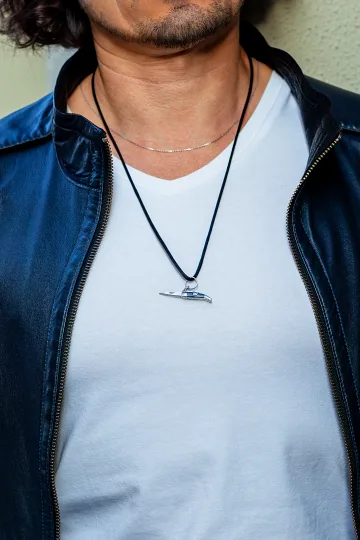
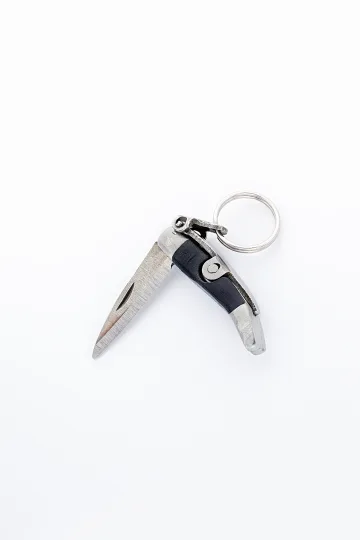
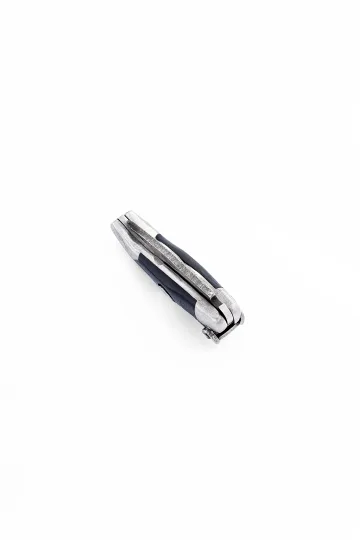
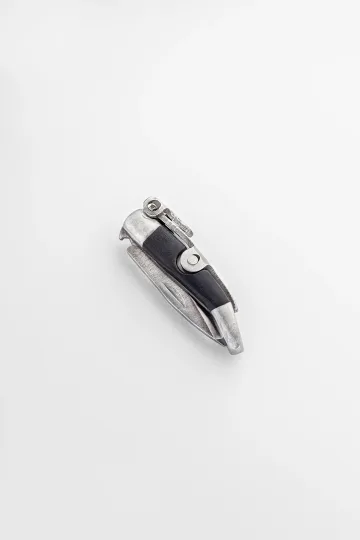
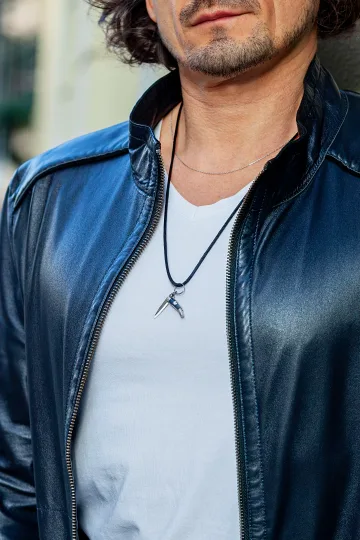
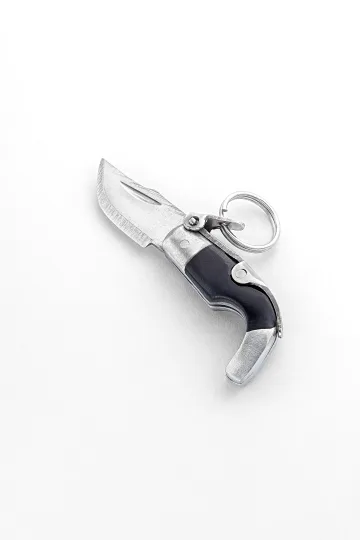
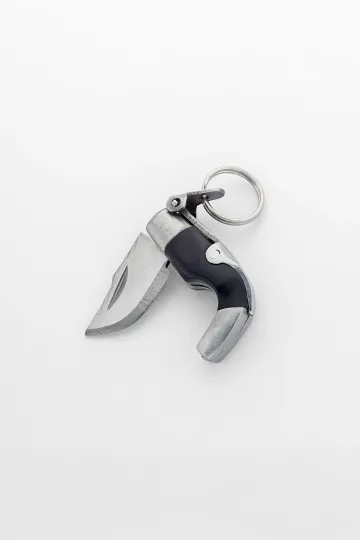
CAPAORA mini knife pendant
The 18th-century Spanish navaja in miniature: 40 mm of stainless steel, a real folding mechanism and a Palanquilla lock that clicks. An affordable gift to remember.
Authentic · Ships from Spain · 14-day returns
Wearing Dreamcatcher Jewellery: Styles, Metals, and Meaning
Pendants and necklaces
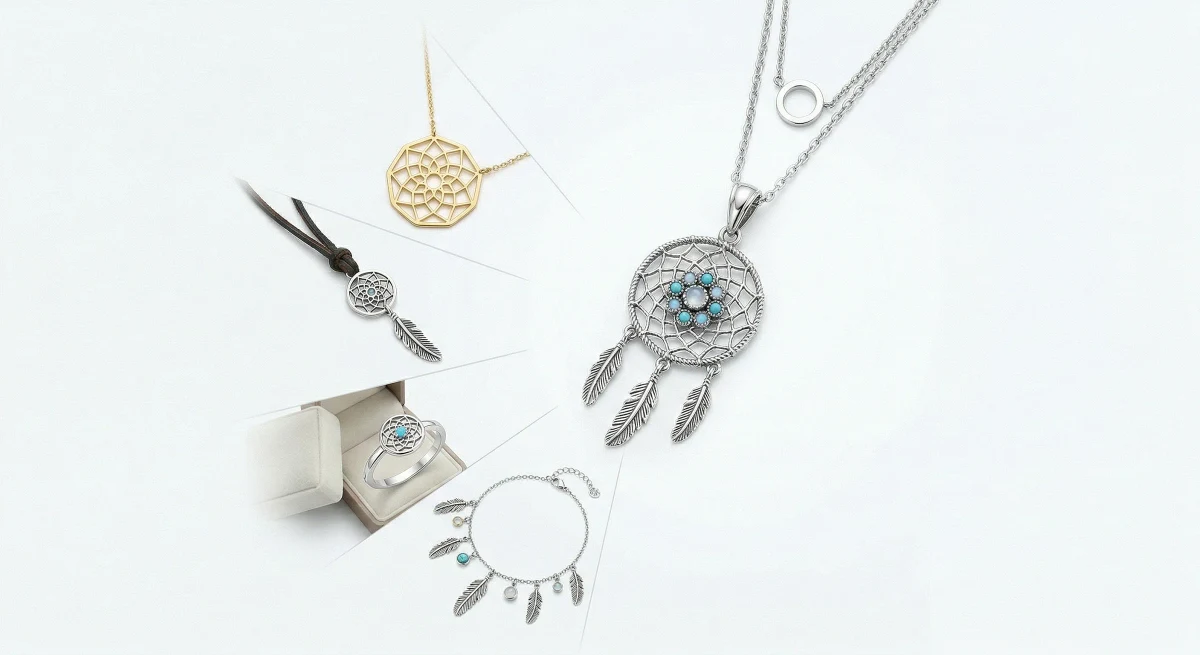
Dreamcatcher pendants are the most popular form of dreamcatcher jewellery. The design translates perfectly to a pendant: the circular frame hangs naturally, feather elements dangle below, and the web detail is visible at the scale of a coin or slightly larger.
A dreamcatcher necklace sits over the heart or the sternum, depending on chain length. Longer chains (24-30 inches) let the pendant rest near the heart, which feels right given the protective symbolism. Shorter chains (16-18 inches) keep it at the collarbone, where it's more visible and works as both a meaningful piece and a style statement.
Layering a dreamcatcher pendant with simpler chains works well. The pendant provides the focal point while thinner chains add texture without competing with the web detail. Avoid pairing dreamcatcher necklaces with other heavily detailed pendants. The web pattern needs visual space.
Earrings
Dreamcatcher earrings bring the symbol close to the head, which connects back to the original purpose: protecting the mind during sleep and dreams. Whether that's intentional or coincidental, the placement feels appropriate.
Small dreamcatcher studs work for everyday wear and professional settings. Larger dreamcatcher drops or dangles make more of a statement and suit casual or evening styling. The feather elements in drop earrings add movement, which is both aesthetically pleasing and symbolically meaningful (feathers moving means dreams are flowing).
Dreamcatcher earrings pair well with simple necklaces or with other earrings in an asymmetric arrangement (one dreamcatcher earring, one simple hoop on the other side).
Rings and bracelets
Dreamcatcher rings usually feature a miniaturised web design on the face of the ring. The circular frame translates to the ring's shape, making it a natural fit. These work as statement rings or as meaningful everyday pieces.
Dreamcatcher bracelets are less common but effective when done well. Charm bracelets with dreamcatcher charms, or bangles with dreamcatcher-inspired cutout designs, combine the symbol with wrist-level visibility.
Metals and materials
Sterling silver is the natural choice for dreamcatcher jewellery. Silver's lunar associations complement the dreamcatcher's nighttime function. The metal's workability allows for the fine web detail that makes dreamcatcher designs recognisable. Silver also patinas over time, developing character that suits a piece with cultural depth.
Gold and gold vermeil give dreamcatcher designs warmth and a more contemporary feel. Gold connects to the sun, which in the dreamcatcher's own mythology is the purifying force that dissolves trapped bad dreams at dawn. A gold dreamcatcher pendant carries both parts of the cycle: the web that catches (night/moon) and the metal that purifies (dawn/sun).
Mixed metals allow the web detail to contrast with the frame, adding visual complexity. A silver web in a gold frame, or vice versa, creates depth that mirrors the object's layered meaning.
Gemstone accents, particularly moonstone, turquoise, amethyst, and labradorite, add colour and additional symbolic layers. Moonstone reinforces the dream connection. Turquoise has its own deep roots in Native American traditions. Amethyst, historically linked to clear-headedness, aligns with the dreamcatcher's filtering function.
Leave your email, we'll send your discount code. No spam, unsubscribe anytime.
The code arrives by email, valid on your first order.
Colour in a Dreamcatcher: Threads, Feathers, and Stones
Colour in a dreamcatcher is a layer of meaning rather than decoration, and makers read it almost like words. When the symbol moved into jewellery, that colour logic came along: threads became enamel, feathers became set stones. Here is what each shade tends to carry and how it reads in metal.
White and clear: calm and purity
White threads and pale accents are traditionally tied to clarity, rest, and recovery. This is the colour of untroubled sleep, which is why it often anchors dreamcatchers meant purely as a guard for rest. In jewellery that role falls happily to moonstone, whose milky sheen lights the web softly and holds a drop of moonlight inside the design.
Black: depth and steadiness
Black in a dreamcatcher reads not as mourning but as the depth of night and a sense of grounding. It carries firmness, follow-through, the quiet strength of the earth. In jewellery that becomes oxidised silver, a blackened web, dark onyx or spinel. A piece like this looks graphic and suits anyone who likes a spare, restrained aesthetic with little shine.
Red: will and energy
Red thread speaks to vitality, resolve, and warmth. In the old use this colour tended to wake rather than lull, so above a sleeping place it was handled with care and softened by calmer tones. In jewellery red arrives through garnet or carnelian and lends the symbol character without turning it restless.
Blue and green: sky, truth, and calm
Blue is linked to the sky, to truth and clear thought; green to renewal and balance. In metal they come through topaz, chrysoprase, and stones with a blue flash. Labradorite fits especially well here: its glow echoes the play of light on a web at dawn, when the sun touches the dew. One thing is easy to miss: the Ojibwe held no single colour canon, and most modern shade meanings took shape later, within new-age readings. That does not make them empty, but it is more honest to choose a colour by what speaks to you personally than by a strict table of correspondences.
The Dreamcatcher Tattoo: Meaning and Placement
The dreamcatcher tattoo left the strictly ethnic frame long ago and became one of the most requested designs for artists worldwide. Its meaning runs straight from the amulet's first purpose: protection from bad dreams and worry, a filter between a person and whatever reaches them in the dark. Many people have one inked as a reminder of something lived through, of a loved one, or of a turning point, weaving a date, a name, an initial or a small added symbol into the web.
Meaning for women and men
On women the dreamcatcher is often read through softer themes: intuition, beauty, care for those close, a link to family. Long feathers and flowing lines underline the femininity of the drawing. On men the accent shifts toward protection, endurance, and memory of roots, and the design is drawn larger and plainer, sometimes with an eagle feather added as a mark of courage. The core stays the same for everyone: to carry protection on the body and never take it off at night.
Where it goes on the body
The dreamcatcher's shape is elongated, so it settles well onto long areas: the forearm, the upper arm, the thigh, the back along the spine, the line of the ribs. Women often choose the thigh and forearm, where feathers draw the silhouette out gracefully. Men lean toward the back and shoulder. An older logic advises placing a protective charm nearer the head, on the neck or behind the ear: the closer the guard sits to the mind, the surer the sleep. A large design is usually worn openly, while a small one stays a private mark meant only for its owner.
Where to Hang a Dreamcatcher at Home: Bedroom, Window, and Care
Although this article is about jewellery, the question of where a full-size dreamcatcher should hang comes up more than any other, and the answer deepens the symbol itself. The placement logic follows straight from Ojibwe tradition: a dreamcatcher belongs where a person sleeps, and where morning light can reach it.
Above the head of the bed
The classic spot is the wall or ceiling above the headboard, in the zone of the sleeper's head. The dreamcatcher hangs freely so it does not touch the wall and can sway a little with moving air. The idea is the old one: the web sits between the sleeper and the night, the feathers dangle toward the pillow, and good dreams slide down them. Nothing should block the charm's movement, so it is not wedged between frames and shelves.
By a window and other options
If above the bed will not work, the next most popular spot is a window. Old belief holds that trouble and bad dreams enter a home through the window, and the dreamcatcher works as a screen on that path. Some fix it to the central bedroom light or set it on a nearby shelf. The one condition: it should catch daylight rather than hang in a dark corner where its meaning fades.
How to care for it and renew it
In tradition a dreamcatcher is not meant to last forever, and that is part of the design. By day it was set under direct sun so the light could dissolve everything the web had held through the night. At home it is enough to open the curtains now and then, let it stand in the sun, dust it gently, and keep it away from a radiator or other strong heat. A fabric dreamcatcher fades and frays over time, and in the spirit of tradition it is calmly replaced with a new one. Jewellery is simpler: silver and gold do not fear the years, so an amulet at the neck serves for years, and the only thing to renew is perhaps the chain.
A Dreamcatcher Over a Baby's Crib: Protection From the First Days
The dreamcatcher holds a tender symmetry with its own origin: it was born as protection for children, since Asibikaashi wove her web first of all over sleeping little ones. So a dreamcatcher over a crib is no modern invention but a return to its earliest role.
Is it safe for a newborn?
Tradition answers yes: small dreamcatchers were hung over cradles for centuries, so the web could hold everything troubling while only calm dreams reached the child. Many parents also use it as a gentle anchor for the bedtime ritual: feathers and beads stirring in a light draught give the baby a point where the gaze can rest before sleep. No mysticism is needed for the gesture to work: a child settles more easily where a familiar detail hangs overhead.
How to hang it safely
Here ordinary child safety matters more than symbolism. The dreamcatcher hangs high enough, out of a child's reach, fixed firmly so it cannot fall into the crib, with no small parts a baby could pull loose and put in the mouth. Light natural materials, a strong hook, and a regular check of the fastening are all it takes. As a gift for a birth or a christening, the dreamcatcher moves people through exactly this story: once a mother wove a web to shield a child she could not hold all night.
How Many Feathers and Beads: The Language of Number
People often ask whether there is a correct number of feathers, beads, and attachment points. There is no strict canon, but in tradition numbers carried meaning, and knowing this language helps you read and choose a piece with intention rather than at random.
Points where the web attaches
The classic Ojibwe web attaches to the hoop at eight points, for the eight legs of Asibikaashi in her spider form. Other numbers appear too, each with its own reading: five points are linked to the guiding star, six to the eagle and protection, seven to the teachings of the ancestors, thirteen to the moon's phases across a year. These are not rigid rules but a field of meaning a maker draws from for a particular piece.
Feathers and beads
Feathers hang below as a path for good dreams, and their number is usually set by composition rather than dogma: one feather reads as a spare accent, three as balance, several as a rich flowing silhouette. The bead at the centre of the web is traditionally single and stands for the Spider Woman herself, seated in her net. When there are several beads, they are sometimes read as caught good dreams or as the significant people a charm keeps close. In jewellery this language translates literally: one set stone at the heart of the web, or a scatter of tiny grains around the hoop.
Send a friend a discount code, they save on their first order.
How to Spot a Real Dreamcatcher, Not a Factory Souvenir
The difference between a dreamcatcher with roots and a stamped souvenir shows if you know where to look. It applies to a wall piece and to jewellery alike: the meaning lives in the details, not the size.
What to look for in the piece
In honest work the web is woven from one continuous thread and spirals in toward the centre, the knots sit evenly, and the hoop holds its shape. A cheap souvenir often fakes the web with a stamped part or glue, the feathers are stuck on roughly, and a huge size gives away shop-wall decor rather than an object with a purpose. A traditional dreamcatcher is modest, usually about a palm's width, and made from natural materials.
Whose work to support
The most respectful choice in a physical dreamcatcher is the work of a Native maker or a craftsperson who knows and names the tradition. In jewellery the bar is different: here the value is in clean filigree, an even web in metal, a secure stone setting, and how finely the feathers are rendered. Good dreamcatcher jewellery does not pose as an ethnographic artefact; it reworks the symbol in metal honestly while keeping its geometry and meaning. That is exactly how we approach it: the web becomes filigree, the feather a moving pendant, the hoop a pendant or an earring.
Frequently Asked Questions
Is it disrespectful to wear dreamcatcher jewellery if I'm not Native American?
There's no single answer because Native American people themselves hold different views. What most agree on is that awareness matters. Know the origin. Understand it's an Ojibwe tradition with a specific spiritual meaning. Don't claim the symbol as your own spiritual practice if it isn't. If you're wearing it because the idea of filtered protection resonates with you, and you respect where it came from, most people will see that as appreciation rather than appropriation. But be prepared that some will feel differently, and their perspective has historical weight.
What's the difference between the Ojibwe and Lakota dreamcatcher traditions?
In the Ojibwe tradition, the web catches bad dreams while good dreams pass through the centre hole and slide down the feathers to the sleeper. In the Lakota tradition, it works in reverse: good dreams are caught by the web and travel down the feathers, while bad dreams pass through the centre hole and are released. Same object, opposite mechanics, same purpose: protecting the sleeper.
Do dreamcatchers actually work?
That depends on what "work" means. There's no scientific evidence that a physical object can filter dreams. But the dreamcatcher's real function may be psychological. Having a protective symbol near your bed can create a sense of safety that actually improves sleep quality. The belief itself has a calming effect. Whether that's "working" or "placebo" is a philosophical question, not a scientific one.
Why do traditional dreamcatchers have feathers?
Feathers serve as the pathway for good dreams. After passing through the web's centre hole (Ojibwe tradition) or being caught by the web (Lakota tradition), good dreams travel down the feathers to reach the sleeping person. Feathers also represent breath and air. Their gentle movement in any breeze was seen as evidence that dreams were flowing through the dreamcatcher. Traditionally, owl feathers were used for women and eagle feathers for men.
What's the significance of the centre hole?
The centre hole is what makes the dreamcatcher a filter rather than a wall. Without it, the web would catch everything. The opening allows good dreams to pass through (in the Ojibwe tradition) or bad dreams to exit (in the Lakota tradition). It represents discernment: the ability to distinguish between what should be kept and what should be released.
Can I hang a dreamcatcher in my car or office, or does it only work in a bedroom?
Traditionally, dreamcatchers were placed near sleeping areas where morning light could reach them. The car mirror and office desk are modern adaptations that extend the symbol's meaning from "filtering dreams" to "filtering experience generally." There's no traditional basis for non-bedroom placement, but there's also no traditional prohibition. The symbol has evolved, and so has its use.
What materials are best for dreamcatcher jewellery?
Sterling silver is the most popular choice because it's workable enough for the fine web detail and its lunar associations complement the dreamcatcher's nighttime symbolism. Gold and gold vermeil add warmth and connect to the sun (the purifying force in the dreamcatcher cycle). For gemstone accents, moonstone, turquoise, and amethyst all reinforce different aspects of the dreamcatcher's meaning.
How old is the dreamcatcher tradition?
The exact age is unknown because Ojibwe traditions were passed orally rather than recorded in writing. Ethnographic documentation of dreamcatchers dates to the early 20th century, but the tradition itself is almost certainly much older. Some researchers estimate several hundred years of continuous practice. The dreamcatcher became widely known outside Ojibwe communities during the pan-Indian movement of the 1960s and 1970s.
Buying it as a gift? Each one arrives ready to give.
 A branded Zevira box and a little card come with every order.




Can You Gift a Dreamcatcher? Beliefs and How to Do It Right
A fair amount of folklore has gathered around gifting a dreamcatcher, and the sayings contradict each other, so here is a calm sorting. There is no prohibition on giving a dreamcatcher in Ojibwe tradition; on the contrary, it was woven and passed on as an act of care, from a mother to a child, from elders to the young. The gesture itself began as a gift.
Give a new one, and with intention
Folk belief advises giving a new dreamcatcher rather than the one that already hung over your own bed: a piece that has caught someone else's dreams is thought better started fresh with its new owner. In terms of meaning that makes sense: a gift is a wish for calm nights for this particular person, so it is good to put your own intention into it rather than pass along something already in use. If you give dreamcatcher jewellery, the rule keeps itself: the piece is new, and yours only in the making.
Who to give it to, and when
Any caution belongs with the recipient's own superstitions, not with the gesture. Someone who takes charms seriously will be happier receiving a dreamcatcher with a few words about its origin, about Asibikaashi and how the symbol holds back the bad and lets the good through. Good occasions remain a birth, a housewarming, a move, the start of study or work, or support through a hard stretch. Accepting a dreamcatcher as a gift is fine too: no belief forbids it, and gratitude with a wish to sleep well turns a lovely object into a personal talisman.
Silver and gold jewellery, wedding bands, symbolic pendants, paired sets.
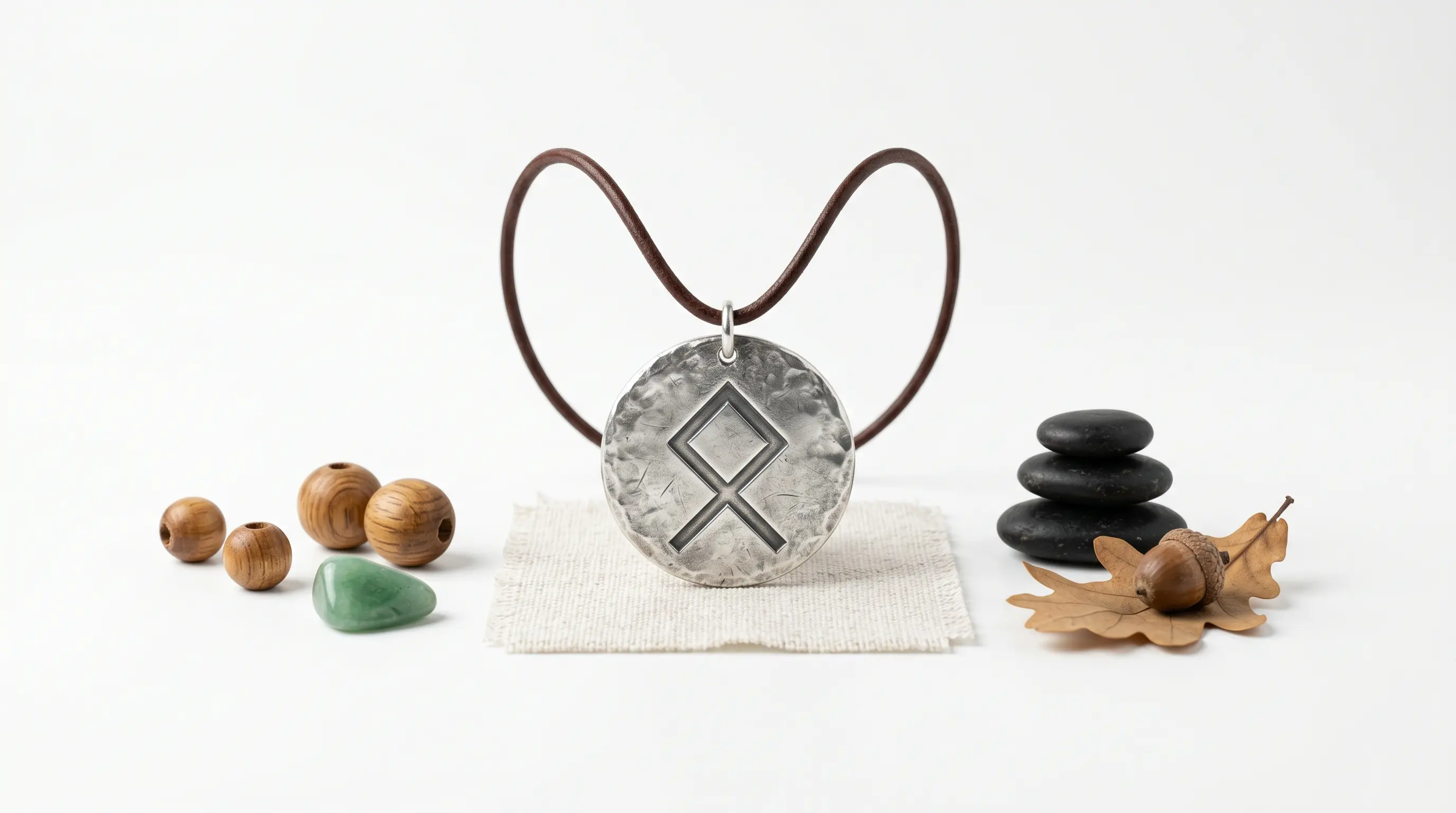
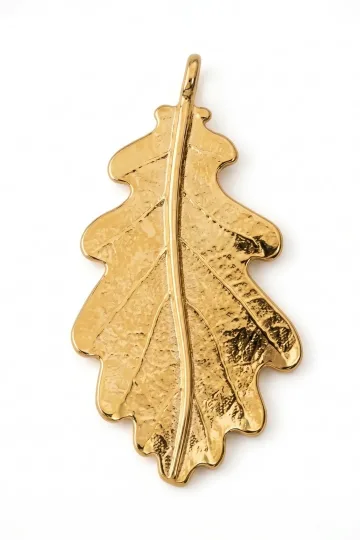
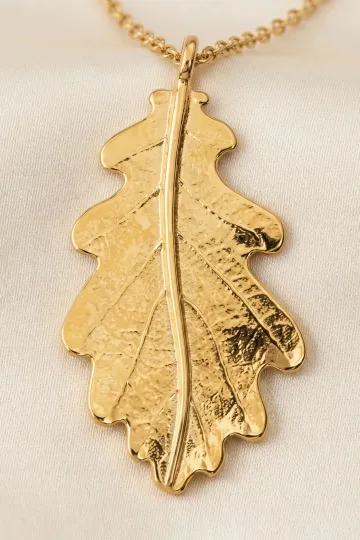
Wear the symbol, don't just read about it. These are in stock:


The web that keeps weaving
The dreamcatcher started as a mother's act of protection: weaving a web because the Spider Woman couldn't reach her children anymore. That's an origin story about love facing the limits of geography, about finding a way to care for people even when you can't be there in person.
It became something much larger. A symbol for an entire people. A bridge between nations. A global icon. And now, in jewellery, a personal talisman worn against the skin.
Somewhere in that journey, the dreamcatcher lost some of its original context. That's worth acknowledging. It gained something too: proof that the idea of filtering what reaches you during your most vulnerable moments is something every human being understands. The Ojibwe figured out how to give that idea a physical form. The world recognised it instantly.
Whether you wear a dreamcatcher pendant because you know the story of Asibikaashi, or because you simply like the idea of something that catches the bad and lets the good through, the web does what it was always meant to do. It holds. It filters. It protects. And when dawn comes, it starts again.
About Zevira
Zevira makes jewellery in the artisan tradition of Albacete, Spain. For us the dreamcatcher isn't a factory souvenir but a symbol of nighttime protection that we reinterpret in metal: the fine web becomes filigree, the feathers turn into moving pendants, and the round hoop settles into a pendant or an earring.
Here is what you can find with us around the dreamcatcher and nocturnal symbolism:
- Pendants with a dreamcatcher and web motif in sterling silver
- Earrings with moving feather elements, both long drops and studs
- Pieces with moonstone, amethyst, and labradorite to deepen the link with dreams
- Crescent and star pendants to layer alongside a dreamcatcher
- Rings with a tiny web pattern on the face
- Paired and symbolic necklaces for gifting on a new chapter
Every piece can be personalised with engraving by a craftsperson, with the option of personal engraving. Sterling silver and 14-18K gold.