10th Wedding Anniversary Gift: Jewellery, the Traditions of the Tin Anniversary, and Why This Date Is Different
The tin anniversary is the only milestone with a double meaning baked into its material. In medieval Europe, tin signalled modest means: families who could not afford silver were given tin tableware at weddings instead. Today the same metal reads differently, as a symbol of resilience and of something that bends under pressure without snapping. A ten-year marriage is a couple that found its shape and held it.
No other anniversary carries this twin layer. Silver always meant prosperity. Gold always meant abundance. Diamond always meant status. Only tin holds the memory of poverty and strength at the same time. It is a rare case where the material describes not success but the way you survived. That is exactly why the ten-year mark fits real married life so precisely: not a glossy picture, but an honest "we are still here, and it did not break us."
Tin and Aluminium Anniversary: What Actually Sits Behind These Words
To understand why tin became attached to the tenth year, you have to walk through three historical layers. One European and old. One American and relatively young. One hybrid, the version we live in today.
Tin in Medieval European Weddings: the Gift of a Modest Family
From the sixteenth to the eighteenth century, across most of Europe silver tableware marked you as part of the well-off classes. Nobility and prosperous townspeople owned silver cups, plates, salt cellars and spoons. That tableware was inherited, written into marriage contracts, melted down when fortunes collapsed. Peasants and modest craftsmen had no silver.
Such families were given tin at their weddings. Tin cost a fraction of silver yet looked the part: the same cool grey sheen, the same ability to take engraving, the same ring when struck. A tin tankard for the newlyweds, a tin plate, a tin salt cellar, all of it was a way to look like a comfortable household without the comfort. Deliberate imitation of silver.
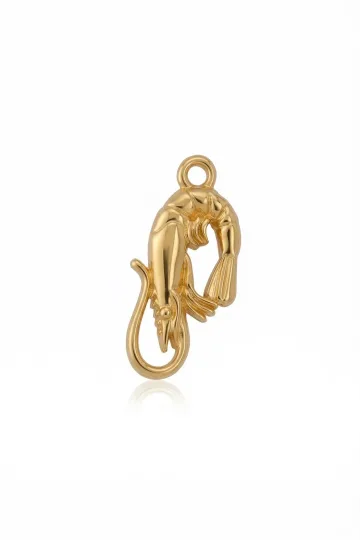
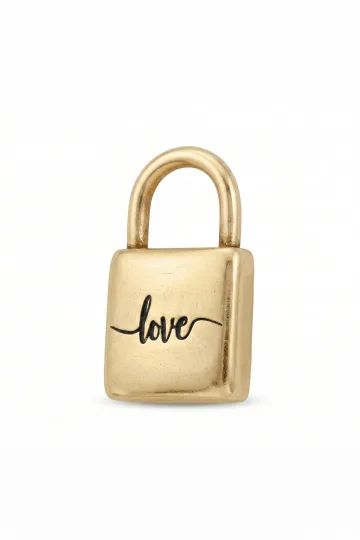
Wear the symbol, don't just read about it. These are in stock:


In what is now Germany the tin craftsmen formed their own guild by the seventeenth century, with their own coats of arms and maker's marks. In France and the Low Countries tin became so common that Flemish painters of the seventeenth century reach for it constantly in still lifes. In the work of Willem Claesz Heda and Pieter Claesz, tin plates and tankards sit beside lemons, fish and bread. That is not a decorative flourish but a record of the real kitchen: tin was the everyday metal of the middling and modest classes.
In eighteenth-century England a whole category of craftsmen, the pewterers, made tin tableware for taverns and humble homes. Their mark was stamped on every piece, and today antique English pewter is valued above silver for a simple reason: less of it survived. Silver was melted down at the first opportunity. Tin stayed.
When Victorian England began building the system of wedding anniversaries tied to materials, choosing tin for the tenth year was no accident. Ten years are neither the silver years nor the golden ones. They are the years a family lived without any showy shine, on its own resources, on daily work. Tin as the symbol of a decade is not grand, it is truthful. It says: we are no richer than we were on our wedding day. But we are tougher.
That is the first layer of meaning. Not "everything is wonderful," but "we survived ten years on the same resources we started with." A tin gift at a decade in a modest European family was neither an insult nor a hint at poverty. It was an honest statement: we have no silver, and frankly we do not need it. We have each other and ten years of shared work.
Aluminium in the American Tradition: a Twentieth-Century Material as a Symbol
Aluminium entered the anniversary system from the opposite direction. Until the late nineteenth century the metal cost more than gold. There is a famous court legend that the most honoured guests were served on aluminium while the rest made do with silver. The story is charming, but it is not documented, and it should be treated as an anecdote rather than a fact.
After the Hall-Héroult process was discovered in 1886, the price of aluminium collapsed. By the early twentieth century it had become the metal of the everyday kitchen: light pans, kettles, cutlery, canteens. When the United States standardised its anniversary lists in the first half of the twentieth century, the traditional European system was given "modern" alternatives. Tin stayed as the traditional metal of the tenth year, and aluminium was added as its modern symbol. The logic was practical: by the 1930s tin had become scarce and impractical, while aluminium was cheap and everywhere.
There was a metaphor inside the practicality too. Aluminium is light, it does not tarnish, does not rust, withstands fire, holds its shape. The decade in the American reading is a couple that works like an aluminium pan: every day, no breakdowns, no decoration, just doing the job.
By the 1970s aluminium as an anniversary material began to lose meaning: pans turned to plastic, frames too, technological objects were replaced faster than anniversaries came round. The aluminium anniversary survived in reference books but became a formal footnote with no living content.
The Modern Hybrid: Tin Plus Aluminium Plus Silver
Today most couples give neither tin tankards nor aluminium pans. The decade is marked with silver jewellery, sometimes gold, sometimes a symbolic tin element. That is the modern hybrid tradition.
The jewellery formats that actually work today:
A silver ring with an inset tin plate and engraving. A band of sterling silver holding a thin tin panel, engraved with the key events of the decade: the wedding date, the children's birthdays, the date of a defining trip, the date of a crisis and its passing. The silver holds the structure, the tin carries the lived meaning.
A silver locket with a tin heart inside. A double symbolism: the silver shell as achievement, the tin core as truth. Worn on a chain, it opens. Inside the tin heart you can place a tiny engraving of a name or a phrase. The tin sits literally inside the silver, the heart beneath the formal surface.
An aluminium brooch shaped like a propeller. An old American tradition that a few jewellers revived in the 2010s. The propeller is movement forward, constant turning, work. A date on one of the blades makes it an unusual but accurate gift for a couple that sees itself as moving rather than standing still.
Matching sterling silver bracelets with a tin inset. Each partner wears a band, each with a small tin element carrying the same engraving. The silver is steady, the tin carries the meaning, and the pairing underlines togetherness. This format suits couples whose decade ran through crisis and recovery: the tin element reads as "it broke and it mended."
Sterling silver alloyed with tin: a memory of the Bronze Age. Technically an alloy in which silver dominates and tin is added as a symbolic component. The alloy is softer than pure silver, so engraving cuts deeper, and the piece carries a physical memory of the Bronze Age, when tin alloyed with copper gave humanity its first durable metal.
Melting down the wedding bands with tin added. For couples whose original bands have worn thin or no longer fit, one of the most dramatic options: melt both rings and add tin as "repair material." You get one or two new rings that physically mix the original silver or gold with the tin of the ten-year mark. It takes a jeweller experienced with alloys, but the result holds both dates in one object.
A medallion with a tin miniature. Inside an ordinary silver medallion, a photograph on one side and a tiny tin relief with a date or symbol on the other. The medallion feels like two materials at once: smooth silver and a warm tin core (tin warms from the body faster than silver).
A silver pendant with a tin droplet. A teardrop shape cast partly in silver, partly in tin, the boundary between metals left visible: a deliberate code for "two parts of one." The drop works on several levels: water (life), tear (what was endured), seed (what grows next).
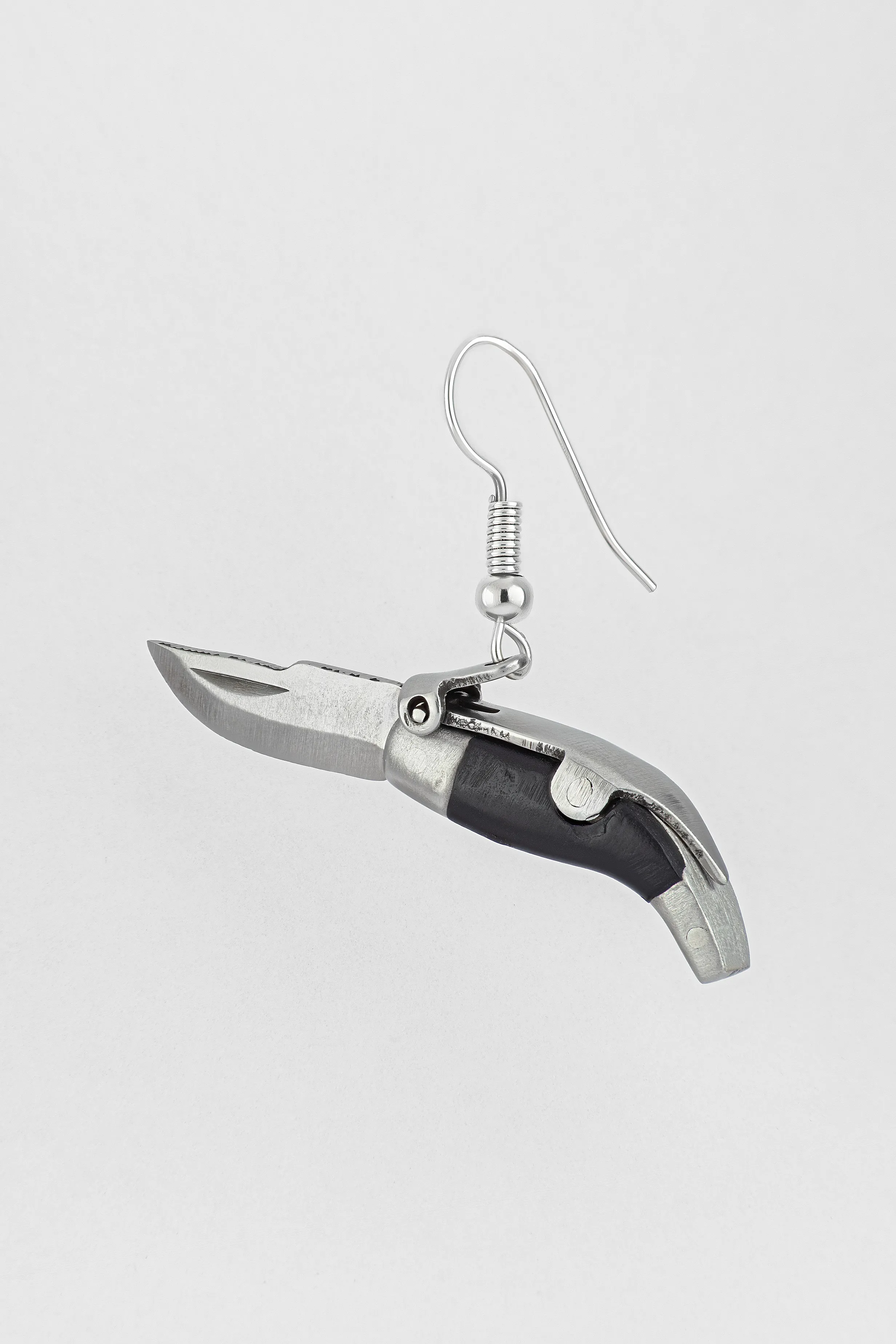
Silver earrings with tin coin pendants. A nod to the medieval wedding coins given for luck in some European regions. Today, small hand-struck tin "coins" carrying a date or initials.
What all these formats share is that they refuse to dress the decade up as a grand event. They treat tin as an honest material, without shine, without pretension, with the truth of daily work. These are pieces worn for meaning, not for status.
Matching jewellery for couples is a category where tin symbolism works especially well: pairing plus a material with no pretensions equals a statement about real relationships rather than their showpiece version.
Tin in Folklore and Literature: an Extra Layer of Meaning
Beyond the craft history, tin carries a folkloric layer. In Hans Christian Andersen's tale "The Steadfast Tin Soldier" (1838) the hero is made of tin, and the story turned the metal into a natural image of loyalty and endurance. The soldier never leaves his post, never betrays the dancer, survives fire and water. It is a tale about an unromantic love that proves stronger than any showy backdrop.
A century later the tale returned to wedding symbolism as a second layer: a tin soldier given as a tenth-anniversary gift points not to tableware but to Andersen, and to a partner who sees himself in that role: "I stayed at my post, I did not leave you, and I am still standing."
In English literature tin and pewter recur as a marker of a poor but honest household, the metal of the tavern and the cottage rather than the great house. That association lends a tin gift a quiet dignity, the dignity of things that endure rather than dazzle.
In German culture the attitude to tin has no romance at all: it is the material of what withstands war, crisis and poverty. The respect is not for shine but for endurance, and the tin anniversary inherits exactly that tone.
Regional Traditions of the Decade: What Tin Means in Each Country
The tenth anniversary is named differently from country to country, and each name carries its own cultural logic. The differences are not cosmetic: they reflect how each culture understands mature love after the first decade.
United States: Tin and Aluminium Anniversary
In the US the traditional (nineteenth-century) and modern (twentieth-century) systems run in parallel. The tenth year is tin in the traditional list, aluminium in the modern one. In practice both turn up, sometimes together.
The tin anniversary is now mostly a symbolic gesture: a tin piece or an object with a tin element. The aluminium anniversary is rarer but still found, chiefly on the West Coast and in technically minded circles. The current American tendency is to give silver jewellery while nodding to the tin or aluminium symbolism in the engraving.
The aluminium entry has a specific origin worth knowing, because it explains why the two lists disagree. When aluminium was first isolated on an industrial scale in the nineteenth century it was briefly one of the costliest metals in the world, prized above silver and displayed at exhibitions as a marvel. Within a few decades new smelting made it cheap and ordinary, and it became the metal of kitchenware and aircraft. That arc, from luxury to everyday usefulness, is a rather good match for a marriage at ten years, and the mid-twentieth-century compilers of the modern list clearly thought so.
The flower of the decade in the US is the daffodil in some references, the yellow rose in others. That gives a colour code: yellow stones (citrine, amber, heliodor), yellow gold settings, warm yellow packaging. The anniversary stone in the American jewellery classification is the blue sapphire, an odd pairing: humble tin plus the noble "stone of fidelity." A piece can carry both layers at once, a tin or silver base with a sapphire accent.
United Kingdom: Tin Anniversary
The British approach is closer to the older European one: the tin anniversary, with no modern variant. The flower is the daffodil, the first to appear in the British spring after winter, and the national flower of Wales, where a daffodil at a decade carries a patriotic note too.
British tradition leans towards modest gifts: an engraved tin cup, a tin photo frame, a small silver daffodil. In well-to-do families an antique piece of eighteenth-century pewter is sometimes given, valued precisely for its age and history. In London jewellers, the decade is also associated with tin signet rings engraved with initials or a coat of arms, a gift with a long English pedigree.
Britain has its own reason to take the metal seriously. English pewter, tin alloyed with a little copper and antimony, was the household metal of the country for centuries, and the Worshipful Company of Pewterers received its charter in the fourteenth century. Sheffield and Birmingham kept the trade alive into the industrial age, and old pewter tankards and plates still turn up in antique shops across the country. A British couple marking the decade therefore has something an American one does not: the option of an object whose material is genuinely part of the local past rather than an abstract symbol borrowed from a list.
Portugal: Bodas de Estanho
In Portugal the decade is bodas de estanho, and the country has a stronger claim to tin than most: the ore was mined in the north of the Iberian peninsula in antiquity, and Phoenician and later Roman traders carried it across the Mediterranean. Portuguese pewter workshops kept working through the seventeenth and eighteenth centuries, and their pieces, jugs, plates, small devotional objects, are collected today.
The Portuguese approach to the date leans on filigree, the fine silver wirework of Gondomar and Póvoa de Lanhoso that also produces the well-known heart of Viana. A filigree heart given at the decade reads at once as regional, devotional, and personal, and it takes engraving on the reverse well. A common modern format pairs a silver filigree pendant with a small tin element on the clasp or the back plate, so the traditional metal of the date is present without dictating the whole piece. Brazil follows the same name and much of the same practice, with a warmer palette and a preference for gold-toned settings.
Germany and Austria: Zinnhochzeit or Blechhochzeit
In Germany the decade is called Zinnhochzeit (tin wedding) in the south and Blechhochzeit (tin-plate wedding) in the north. The distinction is subtle but real: Zinn is tin as a craft metal with history, Blech is sheet metal, a more utilitarian term.
German tradition favours practical gifts with a light touch of humour. A tin-plate kitchen item engraved with the date, a tin beer tankard (Zinnbecher), a tin medal with the town's coat of arms. Modern practice runs to engraved sterling silver, and to a wedding band (Trauring) reworked with a tin element added.
In Austria the Zinnhochzeit is celebrated mainly in Tyrol and Salzburg, where tin workshops have survived since the seventeenth century, and couples sometimes commission matching tin keepsakes with a family crest. In the German-speaking cantons of Switzerland the date is marked similarly, with alpine symbolism added: a tin pendant shaped like an edelweiss or a rustic cross.
France: Noces d'Étain
The French tradition calls the decade noces d'étain, the tin wedding. The French approach is more refined than the German: the emphasis falls not on utilitarian tableware but on engraved decorative tin. Paris and Lyon still have workshops specialising in tin miniatures: frames, boxes, figurines.
The flower of the decade in France is the lily, especially the white lily, the royal flower that lends the date a noble note. A tin object engraved with a lily is a classic French format. In contemporary French jewellery the custom is a silver piece with a tin inset, or, more rarely, a small antique tin miniature reset in a new mount. The French approach stresses aesthetics over utility.
Italy: Nozze di Stagno
The Italian tradition calls the decade nozze di stagno, the tin wedding. The Italian approach to anniversaries is deeply aesthetic: the material matters not as a symbol but as part of an art object.
In northern Italy (Milan, Turin, Venice) couples are given designer silver jewellery with a tin detail by a named maker. In Tuscany and Umbria, an antique tin vessel reworked into a contemporary jewellery object, for example a sixteenth-century tin medal set in a modern silver mount. In southern Italy (Naples, Sicily) the decade is often tied to a religious element: a renewal of the marriage blessing in church, a tin or silver piece showing the family's patron saint, an ex-voto in the shape of a heart. The Italian approach often includes a festive element, a dinner for close friends in which the tin gift becomes part of the ceremony.
Spain: Bodas de Estaño or Bodas de Aluminio
In Spain the decade is bodas de estaño (tin wedding) in the traditional reading and bodas de aluminio (aluminium wedding) in the modern one. The flower is the lily or the iris, more rarely the pomegranate flower. The colour palette runs silver, white, yellow and pink.
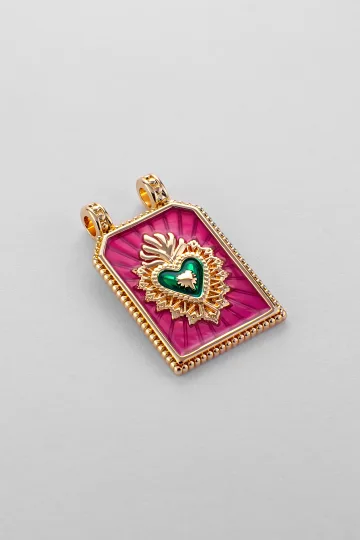
The Spanish approach is closely tied to religious imagery. The Sagrado Corazón, the Sacred Heart, appears often on jewellery for significant dates, an image of a love that passed through trials and did not go out. A Sacred Heart pendant at a decade is one of the most traditional and most accurate Spanish gifts. In Andalusia and Extremadura a tin miniature of the Virgin is sometimes given; in Catalonia, a silver pendant with the regional flag; in Castile, a silver ring engraved with the date.
Zevira works out of Albacete in Castile-La Mancha, and for us tin symbolism is part of the cultural context. The Sacred Heart as a tenth-anniversary piece is a tradition with centuries of depth in Spain.
More on the Sacred Heart, a separate article on the history of the symbol and its modern readings.
What All Regional Traditions Share
Despite the differences in terminology, every European and American tradition ties the decade to one circle of meanings: flexibility, endurance, daily work, strength through modesty, love through trials. Tin, aluminium or tin-plate, all of these metals say the same thing: the showy shine of the early years has given way to real durability.
In that sense the tin anniversary differs from its neighbours. Paper (one year) is about the tenderness of the beginning. Wood (five years) is about taking root. Tin (ten years) is about the honesty of the road already walked. Silver (twenty-five years) is about formal recognition. Gold (fifty years) is about closing the full circle. The decade is the only point in this system where the material speaks not of success but of the way you stood firm.
Keep the engraving inside the band. A date on show is a shop receipt, not a decade together.
What to Wear with a Tenth-Anniversary Piece
After years of dressing couples, I have kept what actually lands in real life rather than staying in a box until the next anniversary. Here is how a decade piece pairs, occasion by occasion, and where it argues.
What should this piece wear every day? For daily wear I recommend sterling silver or a matte metal the colour of tin on a fine 45-centimetre chain. The pendant slips under the neckline of a T-shirt, a roll-neck or a shirt and does not fight the clothes. Calm tones work here: grey, white, graphite, warm beige, soft denim. A ring engraved on the inner band I suggest for anyone who wants to carry the meaning without showing it: smooth outside, the words stay with the wearer.
Is it right for the office? It is, as long as you keep one point of attention. Either a pendant with an open neckline or earrings with a closed one, not everything at once. Cufflinks with a tin detail, or a signet under the cuff, I recommend as a private code only the owner sees. Under a blazer the engraving reads as a quiet detail rather than a loud accent.
How do I build the look for the anniversary evening itself? For the celebratory dinner I suggest an open neckline and a larger pendant, or a drop with a tin element, with earrings in the same texture. A dark dress in wine, emerald or graphite lets the cool metal show. If the wearer leans warm, I choose the pink register: rose gold, morganite or rose quartz against a dusty-rose fabric.
How do I layer it and what does it combine with? I build layers by the one-metal rule. Silver and tin are kin in their cool tone, so I stack them as rings or as a cascade of chains at 45 and 55 centimetres. Yellow gold I do not invite into that company; the contrast fights itself. When warmth is wanted, I choose rose gold beside silver, where the transition is softer. Matching pieces link two people: an identical half-pendant or a bracelet with the same tin element reads as a couple even when their styles differ.
Who does this metal actually suit? The cool colour of tin sits evenly on almost any type, especially a cool colouring and anyone who prefers a restrained, understated style. Those who love brightness lean toward the pink register with a warm stone. On length: for daily wear I recommend a 45-centimetre chain, and for an evening neckline 55 and longer, so the pendant rests below the collarbones and does not vanish into a low cut.
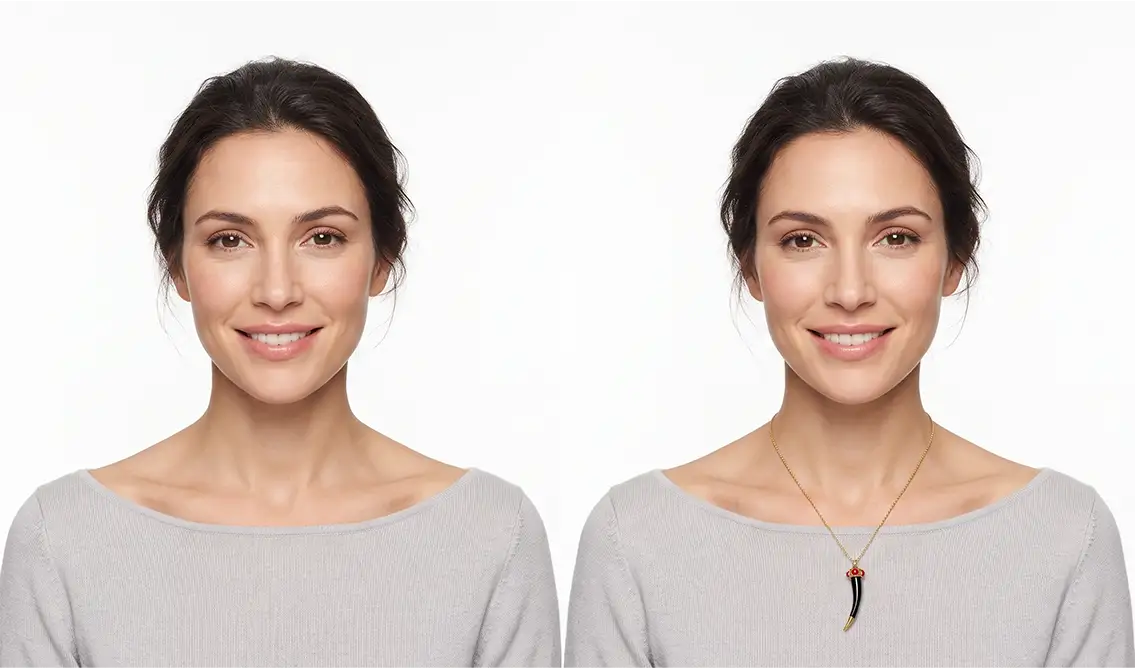
Turn on your camera, pick earrings, a pendant or a ring, and see the piece on yourself in real time.
Switch items in one tap.
Everything runs in your browser: no photo or video is ever uploaded.
30 Gift Ideas for the Tenth Year: For Her, for Him, for Both
To choose a specific gift, it helps to start from the recipient. Below, thirty tried ideas grouped by who receives them.
Ten Ideas for Her
1. A silver ring with a tin inset engraved with ten key events. A personal object in which ten years can be read literally. The couple chooses the events together, or he chooses alone: wedding date, the children's births, a defining trip, a move, a first big shared purchase, a crisis they came through.
2. A locket with a tin heart inside and a photograph. A two-layer object: the silver locket opens, inside is a tin heart, and beneath it a tiny photograph. It suits women who value layered objects.
3. Matching "travel" pendants engraved with ten shared places. She wears one, he wears its pair. On the back of each, ten cities or places the couple visited together over the decade.
4. A reliquary capsule holding ten objects. A silver or tin capsule containing ten tiny things: a dried petal from the bride's bouquet, a grain of sand from a first holiday, a fragment of the wedding invitation. One object per year.
5. A ring with ten engravings around the band. Inside the band, ten dates, one per year, in month-year format. A calendar of the decade around the band.
6. A tree-of-life pendant with ten leaves. A stylised tree with exactly ten leaves, each one a year. Initials or dates can be engraved on one or more leaves.
7. Earrings with tin coin pendants. A nod to medieval wedding coins. Each coin carries an engraved date or initials.
8. A bracelet with ten links, each in tin. Each link a year. The gift invites a new link on every following anniversary; by the twentieth there are twenty.
9. Rose gold with a tin engraving along the edge. For the "pink" register of the tin anniversary. A rose-gold pendant or ring with a fine tin inlay along the rim, like a piece with a warm border.
10. A silver bracelet incorporating part of her old wedding band. If the first band has worn thin, it can be melted into a small detail, a clasp or charm, with tin added as the symbolic material of the decade.
Ten Ideas for Him
11. A silver signet ring with a tin seal. On the seal, her initials, the wedding date or a family crest. Signets are a traditionally masculine format that stands up to daily wear.
12. A sterling silver bracelet with tin links at the ends. Silver centre, tin end links. Structurally sound, symbolically precise: silver the base, tin the marker.
13. A pocket watch with a tin case and silver details. A revived Victorian format. On the lid, the date, her name, the coordinates of the place where she knew she would marry him.
14. Tin cufflinks with a silver edge. A matching pair with a crest, monogram or a hidden engraving on the back, worn under the cuff as a private code.
15. An anchor chain with a tin clasp. A sterling chain whose carabiner clasp is tin, engraved with the date. Not visible day to day, but the wearer knows.
16. A tin medal keyring with the coordinates of the wedding place. For a man who does not wear jewellery in the usual sense. Seen every day, but not a piece of jewellery.
17. A "steadfast tin soldier" pendant. A nod to Andersen, a tiny soldier figure on a chain, for a man who enjoys cultural allusions.
18. A ring of melted parts: silver from the wedding band plus tin. His original band, partly melted, with tin added, made into a new two-metal ring. Needs an experienced jeweller.
19. A watch with a tin dial and silver case. A modern take on a classic mechanical watch, tin dial engraved along the rim, silver case, leather strap.
20. A pendant with a tiny relief of the bridge where the couple first kissed. A cast tin relief on a silver pendant. A bespoke piece you cannot buy anywhere else.
Ten Ideas for Both
21. Matching rings of a silver-tin alloy. Both rings cast from one batch of alloy, physically the same metal, with the same engraving inside.
22. Matching pendants with a split inscription. Half a phrase on one, half on the other; only together does it read whole. Silver with a tin edge.
23. A family reliquary: one object for everyone. A large tin reliquary box with silver details, holding wedding bands, locks of hair, photographs. It stays in the home rather than being worn.
24. Matching propeller lapel brooches in aluminium. The old American tradition. Each engraved with a partner's name and the date.
25. Engraved tin wedding cups. A matching pair used on special dates, each engraved with the owner's name and the shared wedding date.
26. A family tree in metal. A stylised tree in a frame, cast in silver with tin elements, each branch carrying a family member's name and birth date. An object for the home.
27. Matching chains with identical tin tag pendants. Each tag engraved with the same phrase or date. Chains can differ in length, pendants identical.
28. An engraved tin candle for the home. A candle in a tin holder engraved with the date, lit on every anniversary. A tradition that passes down the generations.
29. Matching badge-brooches for clothing. Small tin brooches worn on jackets, coats, bags. Less formal than jewellery, more everyday.
30. A vow-renewal certificate in a tin frame. If the couple renewed their vows, the text, handwritten or printed, set in a tin frame engraved with the dates, hung at home as a family artefact.
Customer reviews
Zevira is a real jewellery shop. Genuine payments, deliveries and customer thank-yous.
🥰🥰🥰 gracias
Ok, ¡gracias! 🙂
Five Detailed Cases: How Jewellery Was Chosen for Real Couples
General advice is fine, but every couple's decade is its own. Below are five real types of situation in which the choice of a piece becomes a precise statement about a particular couple.
Case 1. A Couple After Two Children and a Crisis: Matching Pendants with a Visible Silver-Tin Seam
Anna and Mark married ten years ago. They now have two children, came through a shared financial crisis, both lost their jobs in different years, moved, quarrelled badly enough to live almost separately for a year, and made up. Their decade is not a story of comfort. It is a story of survival.
For such a couple an ordinary date-engraved piece is too smooth. They chose matching pendants soldered from two metals, half silver, half tin, with the seam left deliberately visible. Not cleaned up, not polished, not hidden. Emphasised.
The symbolism: it broke and it mended. Tin and silver soldered into an uneven but solid seam. Not a showpiece pair, a pair after the repair. In twenty years the seam will darken further and the pendants will read even truer.
On the back of each, a short engraving. Hers: "I know you are not perfect. And still." His: "I know you are not perfect. And still." Identical structure, different addressees. For couples with a similar history this can be more accurate than any classic diamond ring. It does not pretend the decade was easy. It admits it was hard and records the fact: together anyway.
Case 2. A Decade of Constant Moves: a Tin Medallion with Six Sets of Coordinates
Helen and Steve have been married ten years. Over that time his work took them through six different postings across the country. The family moved each time. Helen changed jobs six times, the children changed schools.
Their decade is a story of movement. A standard piece with a single coordinate, the wedding place, would be inaccurate: their marriage is not tied to one place, it is tied to motion.
He commissioned a tin medallion with six engravings, the coordinates of all six places they lived. Around the rim, six entries, one per posting. In the centre, the shared wedding date. The medallion is a map of their marriage. Not one place, but a route. It is made of tin because tin is the metal of both war and the everyday: tin soldiers, tin tableware. For families that move constantly, this kind of piece becomes an anchor: an object that sums up a life scattered across the map.
Case 3. A Creative Couple: Aluminium Feather Earrings, Because She Writes and He Makes Films
Daria, a literary editor, has been writing a novel for seven years. Ivan is a documentary director. Their decade coincided with her first book coming out and his first film winning a festival.
For a creative couple standard jewellery often misses. They need something that matches their aesthetic and what they do every day. He gave her matching earrings: aluminium, shaped like a feather. The feather as a symbol of writing for her, and of flight and filming for him.
Aluminium was chosen deliberately: light, so the earrings do not tire, grey-silver in colour, the texture slightly matte, like an old typewriter. Inside each feather, a tiny engraving: the title of her novel on one, the title of his film on the other. A decade in which both finished their defining works to date. Creative couples often wear such pieces to premieres and interviews, where they become a recognisable part of the look.
Case 4. Two Doctors: Silver Bracelets Engraved with the Hippocratic Oath in Latin
Olga, a surgeon. Andrew, an anaesthetist. Married ten years, both working doctors in a large city hospital. They have one child, and their marriage ran through the pandemic, when both worked the wards and barely saw each other.
For a couple of doctors the decade is a story of service, and standard wedding symbolism feels too private. What matters to them is the work behind the marriage. They chose matching silver bracelets engraved with a line from the Hippocratic oath in Latin: "Primum non nocere" (first, do no harm) on one, and its counterpart on the other. Two sides of medical ethics, two doctors, one decade.
Sterling silver was chosen because it survives repeated handwashing, contact with antiseptics, daily wear in a hospital. Tin will not do here: it darkens from antiseptics. For couples in demanding professions a standard tin piece can be unrealistic; better silver with tin-symbol engraving than a tin component that will not last.
Case 5. After Ten Years of a Childless Marriage: a Tin Ring as a New Promise
Natalie and Chris have been together twelve years, married ten. They have no children. They tried, went through several rounds of IVF, through losses, through a very hard stretch when it seemed the marriage might not hold. At the decade they made a shared decision: there will be no children. And that is not a failure, just a different marriage from the one they planned.
For such a couple the anniversary is a particularly tender moment. All the standard "family" pieces miss: a locket with photos of children, a ring with birthstones, a tree of life with branches. Those symbols speak of what they do not have.
Chris chose a tin ring for Natalie with a single engraving around the inner band: "I choose you again. Knowing everything. Deciding everything. Without reservation." Outside, smooth tin with no decoration. This is not a wedding ring. It is a ring of a new promise, a second covenant, a deliberate choice. Tin works here perfectly: not gold or silver, the metals of status, but tin, the metal of a modest, durable, unromantic choice.
The Psychology of the Decade: What Happened in Ten Years, Where the Next Decade Leads
The tenth anniversary is not a calendar mark. It is a psychological pass that changes how a person sees themselves, their partner and their shared life. Understanding what happens at that pass makes the choice of a piece more precise.
What Happened in Ten Years
For many couples a first marriage falls in the late twenties, which means the decade lands roughly at the threshold of thirty-five to forty. Psychologically that is the age between two big transitions: the first adult stability (reached around thirty, after more turbulent years) and the so-called midlife crisis. The exact numbers vary, but almost everyone feels the shift.
Over ten years most couples pass through four large processes. First, having children or deciding not to. Second, the collapse of at least one illusion about the partner. Third, career peaks or failures for one or both. Fourth, losses: the death of a parent, serious illness, the loss of work. A couple that reaches a decade has come through at least two of these, often three or four. So the decade is not the same two people who married. It is two people whom ten years of shared life changed considerably.
Children, if there are any, are usually six to nine years old by the decade. The hardest infant years are behind, the teenage crisis not yet arrived. It is a moment of relative calm in the parenting story, and many couples feel, for the first time since the children came, that they have space for each other again.
Where the Next Decade Leads
The next ten years, from the late thirties to the late forties, are statistically the densest in a family's life. They tend to bring the children's teenage crisis, a second career peak or, conversely, burnout, the loss of the older generation, and often a move or renovation. Psychologically these are the most demanding years for most people.
By the twentieth anniversary couples tend to split into three scenarios. Some pass through a serious crisis in their early forties and come out at a new level of closeness. Some part. Some drift through without an acute crisis but without visible deepening either. Nobody knows in advance which will play out, and that is exactly why the decade matters now.
The decade is the last point before that fork. A piece given at the decade will physically be on a wrist or a neck through whichever scenario comes. This is not pessimism, it is a realistic view of what a piece does. It does not guard the marriage. It does not guarantee the next decade. It records the point at which the couple stood now. In ten years that point either confirms itself or becomes the starting point of something else, and in both cases the piece stays with whoever wears it.
Children Grown or Never Arrived
By the decade most couples have children, no longer infants but schoolchildren with their own opinions and their own small social dramas. For the couple this means the marriage stops being purely a "parenting enterprise." The children begin to live their own lives, and the couple finds free time and free attention for each other again. This is often a moment of rediscovering the partner. A piece given at the decade can record exactly that moment of rediscovery.
Childless couples reach the decade differently. One common path: a couple that worked hard at their careers, travelled, developed parallel interests. By the decade they often have resources, financial and temporal, that families with children do not. Their decade is a story of free choice rather than accumulated fatigue, and a piece for them can be more refined, more designer, more rare. The meaning is the same: recording the moment the couple chose itself.
Career Peaks and Losses
By the decade most partners have had a first career peak. For some it coincides with the decade, for others it has passed, for others it lies ahead. This shapes how the couple experiences the date. A couple both at their peak marks the decade differently from one in which a partner is unemployed or creatively stuck; in the second case the anniversary is an anchor of stability amid professional uncertainty.
Losses have already happened for some couples by the decade, most often the death of a parent. By the late thirties many couples have lost at least one parent on each side. This changes the status of adulthood: the couple becomes the "older generation" in its family line. A piece given at the decade can nod to that shift, for example an engraving with the initials of the couple's parents, those who blessed the marriage ten years before, or the inclusion of a detail from a parent's jewellery. The piece then physically links three generations.
The Psychological Function of a Material Symbol
Psychology has a concept of transitional objects, introduced by Donald Winnicott: objects that help a person live through a transition from one state to another. For a child it is a soft toy or a blanket. For an adult, a wedding ring, a parent's watch, a piece given at an anniversary.
A transitional object works as a material anchor of identity. When I wear this piece, I am the person it was given to. When I look at it, I remember the moment it appeared. This is not magic, it is the neurological mechanism of contextual memory, the way the brain stores emotionally significant events. A piece given at the decade begins to work as such an anchor for the next decade. Twenty years on it becomes an artefact: shown to the children, "this is what we were given at ten years, and we still wear it." That is a rare function for an object: to outlast the current fashion, the photographs, most of the purchases of the decade.
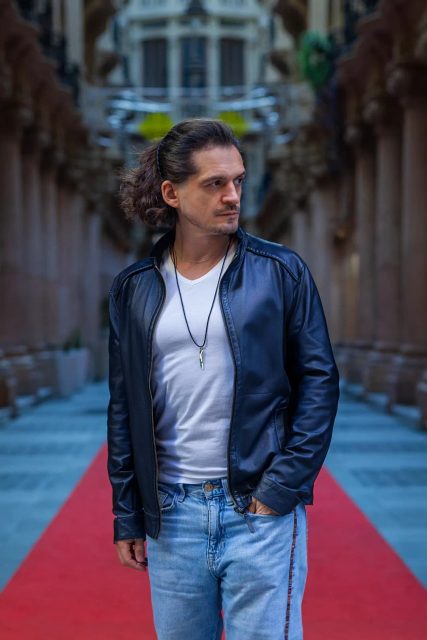
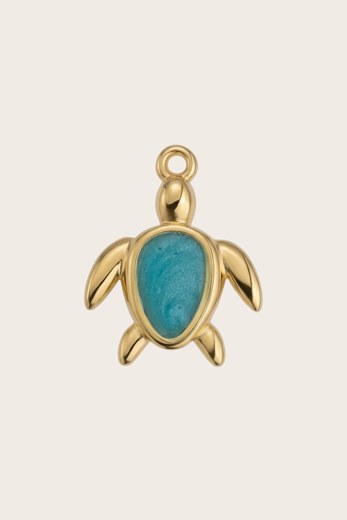
Upload a photo of your pet, someone you love, or an object. We'll build a 3D model and hand-cast it in pewter.


Anti-Patterns: Gifts Best Avoided at the Decade
The decade is not the anniversary where you can get it formally wrong, but it is easy to get it wrong in meaning. Some gifts that are technically "appropriate" actually work against the giver. The main anti-patterns follow.
A Gift Smaller Than the First Anniversary's: a Signal of Cooling
If the first anniversary brought a big, considered gesture and the decade brings something smaller, it reads as cooling. Not as practicality. Not as the maturity of the relationship. As cooling. The recipient sees a trajectory: it was ten, now it is five. The question is not money but direction. A gift smaller in effort than the previous ones sends a message: it matters less to me now. That message lands harder than the giver thinks.
The fix: a tenth-anniversary gift should be at least at the level of the most significant earlier gifts, in symbolic depth if not in price. The level should be held or raised. This matters especially for the recipient. Givers tend to rationalise ("we do not need much now, we know each other"), while recipients read the same thing as a loss of interest.
Duplicating the Wedding Engraving
If the wedding band is engraved with the wedding date and the new ring carries the same wedding date again, that is a technical error: two rings with one piece of information. The decade added no new layer.
Instead, the new engraving should carry new information: the date of the decade itself (the same day, ten years on), a second important date, a short phrase absent from the first, or another set of coordinates. The principle: the decade adds a layer, it does not repeat the first.
Generic Phrases Like "Ten Years Strong"
Stock phrases on jewellery, "ten years strong," "10 years of love," "forever and ever," look like a card from a stationery shop. They are not individual, not tied to this couple, carry no meaning of their own. Anyone could wear such a piece. This is not an argument against English engravings as such; it is an argument against marketing clichés. Better a phrase from the couple's own vocabulary: a joke only they understand, a line from a book they both love, a nickname, a private code that a stranger could not decode but that means something exact to them.
A Standard Box with a Bow
Packaging matters more than it seems. A tenth-anniversary gift in a standard cardboard box with a generic bow signals "I did not invest." It need not be expensive packaging, but it must be personal: wrapping in a fabric that means something, a handmade wooden box, an old box from something kept since youth, an envelope with a handwritten letter under the piece. The packaging should carry information that the giver spent time. Not money, time. Time is the scarcest currency at a decade of marriage.
A Gift with No Plan for Giving It
A gift left on the table in the morning before work, without words, without a moment, loses half its meaning. The decade calls for a considered handover, neither grand nor public, but deliberate. A gift without a script is just a purchase; a gift with a script is an event, and the event is remembered longer than the object. Specific scripts are covered below in the section on the ritual of giving.
Showy Expense with No Personal Layer
At a decade money behaves paradoxically. A stingy gift reads as cooling. An over-expensive gift with no personal layer reads as a payoff: an expensive piece from a chain boutique, no engraving, no personal history, reads as "I paid so I would not have to think." Better cheaper but more accurate. Better sterling silver with the right engraving than platinum without it. This matters especially when the recipient earns well or has access to money: for them price is no argument. The argument is the attention spent on the choice.
Duplicating What They Already Have
If the partner already has three chains of a certain type, a fourth identical one brings no joy. Before choosing, it is worth checking the jewellery box, or gently asking those close, what already exists in that category. If she has a locket, do not give another locket; give a locket with a different function. If he has five bracelets, give a ring or a pendant. The decade is the anniversary where a piece should complete the box, not duplicate it.
A Gift with No Thought for How Often It Will Be Worn
Some pieces are beautiful in the box but impractical for daily wear: a huge pendant that drags at the neck, a ring with a sharp protruding stone that catches on clothing. If a gift will only be worn rarely, that is worth thinking about in advance. The best tenth-anniversary gift is one the partner can put on tomorrow morning and wear every day, one that fits their current wardrobe and habits. A piece that reminds you of the moment every day beats one that reminds you once a year.


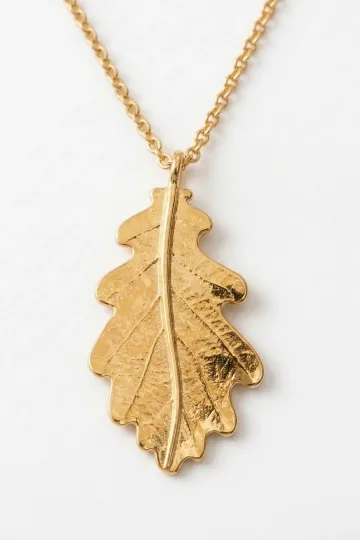
Engraving: What to Write on a Tenth-Anniversary Piece
Engraving is the cheapest and the strongest form of personalisation. There are several options, each with its own meaning.
Latin Formulas: Decennium, Decennalis
Decennium is Latin for "decade." The engraving "Decennium MMXVI-MMXXVI" (decade 2016-2026) is short, dense and carries historical weight. Latin works because it does not belong to current mass culture: it is not worn on T-shirts or used in advertising, it remains the language of scholars, lawyers and the church.
Decennalis, the adjective, means "relating to the decade." It can be used as "Decennalis nostri" (of our decade), adding a personal note. Decem anni, "ten years," is the simplest formula and fits neatly into the narrow space of a ring band. A translation of the Latin should be noted on an accompanying card so the recipient knows the meaning; Latin needs context, or it reads as decoration without sense.
Dates by Julian Day Number
The Julian Day Number is a count astronomers use to number days from a fixed point. Each day has its own number. An engraving of two such numbers (wedding and decade) reads as a code no one else can decipher: for the couple it is private, the most "encrypted" form of engraving. For astronomically or mathematically minded couples it becomes a very precise personal symbol that combines accuracy with concealment.
A Literary Line
A line from a book the couple loves works as an engraving when the book's mood fits mature love. The safest course is to verify the exact wording against an edition before engraving; more honestly still, give a short phrase of your own inspired by the reading, rather than crediting the metal with a line the author may never have written. A title alone can work too, as a quiet allusion the couple recognises.
GPS Coordinates
Coordinates are the most practical modern code. A point on the map that means something: the place you first met, the wedding place, the window of the maternity ward, the house where the first decade was spent. The format is short enough to fit on a ring band, the back of a medallion, the clasp of a chain. Unreadable to outsiders, absolutely concrete to the wearers. Coordinates can be combined with a date for a full marker of time and place.
Short Personal Phrases
The best engravings mean nothing to outsiders. A joke from the first date. A nickname from the second month. A line someone said at an important moment. Technically a ring band holds around 20-25 characters, shorter than it seems, about a phrase of three to five words. A medallion holds more, up to about 50. A bracelet outside, up to about 30. A few examples: "And again, and again," for those who keep returning to each other. "You, you, you," a threefold confirmation of the choice. "I know," two words that can mean everything. "As long as there is us," an anchor phrase. "Still yes," ten years after the "yes." "We were almost gone twice," a nod to a crisis that did not destroy.
Handwritten Text
Many modern workshops accept a scan of handwriting and laser it onto metal exactly. That means a partner's own hand, their signature or a phrase they wrote, lands on the metal precisely. A level of personalisation you cannot buy ready-made. Twenty years on, when the handwriting changes (and it will), the engraving stays as a memory of how the partner wrote in 2026. A rare artefact.
Hallmarks and What the Assay Office Allows
An engraving does not exist in a vacuum on a British piece. Sterling silver above the weight threshold carries a hallmark struck by an assay office, and the four offices still working are London, Birmingham, Sheffield and Edinburgh, each with its own town mark: a leopard's head, an anchor, a rose, a castle. The mark takes a small but real amount of room on the inside of a band or the edge of a back plate, and a jeweller plans the engraving around it rather than over it.
That constraint is worth knowing before you compose a line. On a narrow ring the hallmark can take a quarter of the inner surface, which is why the twenty to twenty-five characters quoted above shrink further on a fine band. It also gives you something useful: a hallmark carries a date letter, so a British piece states its own year of assay without any engraving at all. Some couples use that deliberately, leaving the date to the mark and spending the engraving on words instead. If a piece is being reworked rather than made new, ask whether the old hallmark survives the alteration, because a substantially altered piece may need re-marking and the original date letter can be lost.
Musical Notation
For a musical couple, a fragment of a melody that means something: the first bars of a waltz from the wedding, a theme from a beloved opera, the chords of the first song they danced to. Notation takes more room than text, so it suits larger pieces, a medallion or pendant rather than a ring.
Connection to Other Anniversaries: 1, 5, 25, 50 Years
The decade is part of a sequence. Each anniversary has its material, its symbolism, its place in the trajectory. Understanding the neighbouring dates makes the choice of a tenth-anniversary piece more precise. The complete sequence is laid out in our wedding anniversary gifts by year guide.
The First Anniversary: Paper
The first year in most European traditions is the paper wedding. Paper is fragile, thin, tears easily, a deliberate symbol: the first year is the most vulnerable, the time when marriages most often end. The gift is usually symbolic and inexpensive: a book with an inscription, a card with a letter, an origami crane.
A detailed article on the first anniversary. The link to the decade: if a paper symbol was given at the first year, the decade can produce its metal version. A paper origami crane at one year, a tin crane figure at ten, tying both dates into one line.
The Fifth: Wood
The fifth year is the wooden wedding. Wood is no longer paper: strong, alive, growing. The fifth year is when the first turbulence is behind and the couple begins to take root. Gifts are often tied to real wood: a tree planted in the garden, a handmade wooden box, a pendant with a wood inset.
A guide to the fifth year. The link to the decade: if a tree was planted at five years, the decade can produce a piece with a miniature of that tree. A tree of life as the symbol of the decade physically grows out of the tree planted at five.
The Twenty-Fifth: Silver
The silver wedding, a quarter of a century, is no longer an anniversary in the ordinary sense but a formal date. Silver here is the metal of long service. Gifts are usually large and visible: silver services, silver watches, necklaces with a lot of silver. The link to the decade: if a silver piece with a tin inset was given at ten, the twenty-fifth can bring a silver piece without tin, a symbolic progression. Tin did its job (the honesty of the decade) and gives way to pure silver (the maturity of a quarter century).
The Fiftieth: Gold
The golden wedding, fifty years together, usually falls in later life and is celebrated as a family event. Gifts are gold pieces, photo albums spanning half a century, journeys. The link to the decade: the decade is the first step on the long road to gold. If something was built into the ten-year piece to "ripen" by the golden wedding, for example a medallion with a miniature renewed every decade, it becomes a family tradition; in forty years such a piece will hold five layers.
A Series of Pieces as a Strategy
Some couples deliberately build a series by anniversary, a separate object for each major date. By the fiftieth such a couple has a box with five or six significant pieces: a paper artefact at one year, a wooden pendant at five, a tin medallion at ten, a silver necklace at twenty-five, a gold ring at fifty. The strategy takes planning and money, but the result is a family collection that physically tells the story of the marriage, each piece a chapter. The decade is the central piece: it records the passage from early anniversaries to mature ones, from fragile materials to durable, from private moments to formal ones.
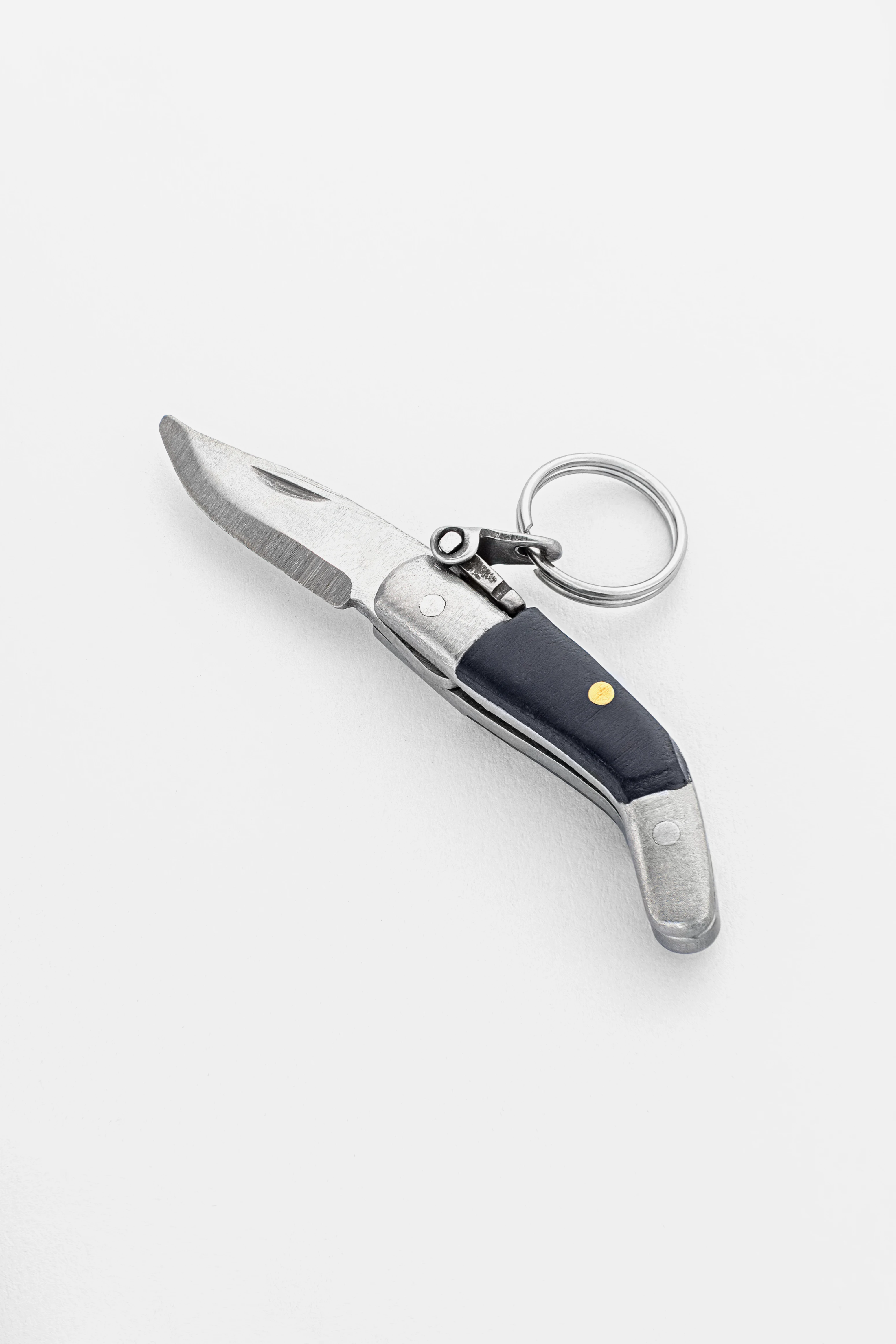
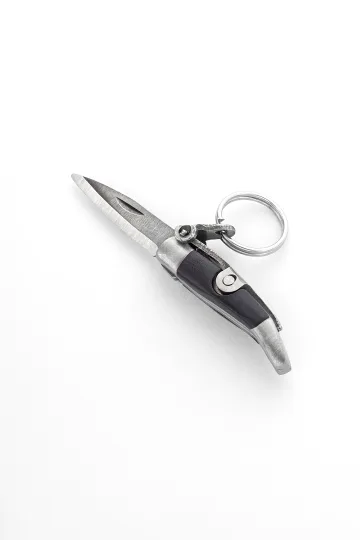
CAPAORA mini knife pendant
The 18th-century Spanish navaja in miniature: 40 mm of stainless steel, a real folding mechanism and a Palanquilla lock that clicks. An affordable gift to remember.
Authentic · Ships from Spain · 14-day returns
FAQ: Common Questions About the Decade
What is the aluminium anniversary?
The aluminium anniversary is the modern (twentieth-century) name for the decade, chiefly in the American tradition. Aluminium was chosen as a metaphor for everyday durability and lightness. In most of Europe the decade is the tin wedding; in the US both names are often used in parallel. There is no real contradiction: both metals stand for a marriage that came through ten years of the everyday.
Can you skip the tin anniversary and go straight to silver?
Silver is twenty-five years, fifteen years away. To skip the decade is to skip the one moment the decade physically happens; you cannot go back, in a year it is the eleventh. Better to mark the decade, even modestly, and plan separately for the silver wedding.
Can you give a new wedding ring at the decade?
Yes, and it is one of the most common options. A new ring does not cancel the first, it is added to it, worn alongside or, if the first has worn thin, replacing it. The engraving should differ from the first: a new date, a new phrase, or a new symbol.
Who gives to whom at the decade?
Traditionally, both to each other. On major anniversaries the gift usually comes from both. A couple can choose matching pieces together and exchange them on the day, or each can give the partner something chosen alone, as a surprise.
What to write in a card for the decade?
The best cards are short and personal, never grand. "Ten years ago I did not know what was coming. Now I do, you. And I choose again." Or: "Tin bends but does not break. So do we." Or simply: "Thank you for being with me." The phrase should be one that could only be said to you.
Is it worth doing a vow renewal?
It depends on the couple. A vow renewal makes sense when a couple has genuinely come through something significant and wants to mark it. Not every decade needs one, but where the couple feels it does, the ritual works powerfully. A piece given at a vow renewal takes on a special status.
Can the decade be combined with another event?
It can, but it dilutes the focus. The decade is already a full date; adding a partner's birthday or another event spreads attention thin. Better to celebrate separately, even if the dates are close.
What if a partner forgets the decade?
First check whether they truly forgot or simply did not let on. Many plan in secret and reveal nothing until the day. If they really forgot, that is a serious conversation, not an anniversary one. A gift to yourself is also an option: a tin pendant engraved "I know my worth" can be an apt gesture.
Can you give a piece worn by a grandmother?
It is one of the strongest decade gifts, a piece with history and family memory. A grandmother's brooch reworked into a modern pendant. A grandfather's coin made part of a bracelet. The recipient must know the object's story; without context an antique piece reads as merely old.
Can you give a piece chosen together?
Yes, one of the most reliable options. Choosing together removes the risk of an unsuitable gift and makes the choice part of the ritual. The downside is the loss of surprise. Many couples choose together and exchange the final piece with an engraving each made in secret.
A gift from children to parents at the decade, what to choose?
If the children are small (5-8), they can take part through a drawing or a short letter added to the adult gift. Teenagers (12+) can buy something small themselves. Adult children (18+) can commission a piece from the whole family: a pendant with three stones, or a watch engraved "from the children."
What if the recipient does not like jewellery?
Choose a format not read as jewellery in the usual sense: a keyring, cufflinks (worn rarely), a signet for documents, a hidden chain under a shirt. If they wear nothing metal at all, a tin figure for the home rather than the body.
How do you explain the meaning of a tin gift without sounding trite?
Do not explain with words like "it is about durability." Explain through a concrete story: the tin tableware of medieval families, or "The Steadfast Tin Soldier," or a specific event from your decade to which the piece relates. A personal story, not general symbolism, makes a tin gift land.
Which colours and styles suit the tin anniversary best?
Silver, grey, white, pink and a muted yellow. Silver and grey are the colour of tin. White is the neutral backdrop that sets off metal. Pink nods to the "pink wedding" reading. Yellow is the daffodil, symbol of the decade in British tradition. These can be combined in packaging, a bouquet and the clothes for the dinner.
Can you give a bracelet with interchangeable charms?
You can, with a caveat. A charm bracelet works well if each charm carries a concrete meaning (one the wedding date, another a child's birth, another a defining trip). Ten unrelated charms with no personal content do not work. It is a piece you must invest a story in.
Is a piece with both partners' initials a good idea?
Yes, a classic format. Initials can sit side by side, be woven into a monogram, or be placed separately, one outside, one inside. A monogram is the more refined option and needs a jeweller skilled in calligraphic engraving.
What if the partner earns more than the giver?
Price stops being the argument. A recipient with more money counts not the cost but the effort. A modest piece with deep personalisation works harder than an expensive one from the mass market. What matters is that the recipient feels the giver thought about them specifically.
How does a piece work in cross-cultural families?
In cross-cultural families the choice is a special case. You can join the symbolism of both cultures: the tin anniversary plus a symbol from the partner's culture, a tin ring engraved with a character from another script, a silver pendant with a Latin phrase and an ornament from the other tradition. A piece that carries the couple's double identity.
Can you give a piece as a "secret sign"?
Yes, and for some couples it is the strongest format. The piece looks like an ordinary ornament to outsiders but holds a hidden code: an engraving under a stone, a tiny inscription inside, a symbol disguised as a decorative element. Only the couple knows its true meaning.
Can you send a piece by courier?
Better not. Delivery removes the personal contact that matters most for a decade gift. If a physical meeting is impossible, plan the handover for when you are together, even a week after the actual date. The date is more flexible than it seems; the moment matters more.
How does a piece relate to the anniversary photographs?
Many couples have a photo session for the decade. A piece given on the date is worth wearing for it: it becomes part of the visual memory. Twenty years on, seeing that piece in the photographs and still wearing it is its own kind of emotional experience.
What if the piece falls out of favour after a few months?
It happens: the recipient did not register their feeling at the moment of giving and realised later the piece is not "theirs." In that case, say so honestly and decide together: rework the piece (change the chain length, reset a stone), exchange it if possible, or keep it as a keepsake not worn daily. Staying silent leads to the piece sitting in a box and the relationship to quiet resentment.
Is it worth posting photographs of the piece on social media?
It depends on the couple. For some it is a natural part of celebrating; for others the piece is too personal to make a public sign. There is no universal rule. The one thing that matters: if both partners do not agree to posting, better refrain.
Is tin safe to wear against the skin?
Modern pewter made for jewellery is lead-free and sits against skin without trouble, and the alloys used for body-worn objects in the UK and the EU have to meet limits on lead, cadmium and nickel. The one thing to check is nickel release if the piece combines metals, since nickel is the commonest contact allergy in Europe and the regulation exists precisely because of it. Antique pewter is a separate question: old alloys often contain lead and belong in a display cabinet rather than on a wrist.
Does a tenth-anniversary piece need a hallmark?
In the UK, sterling silver above the weight threshold must be hallmarked by an assay office before it can be described and sold as silver, so a bought piece will carry one. Tin and pewter are not hallmarked in the same way, though many makers apply their own touchmark. If you are commissioning something combined, ask where the mark will sit before the engraving is designed, since the two compete for the same small surface.
What is the stone of the tenth year?
In the American jewellery list the tenth year takes blue sapphire, and diamond appears as the modern alternative. British practice is looser and often skips the stone entirely. If you want a stone, sapphire is the historically supported answer and it happens to be practical too, since a hardness of 9 survives daily wear better than almost anything else you could set. Rose quartz and pink tourmaline are used where the pink reading of the anniversary is preferred.
How far ahead should a bespoke piece be ordered?
Allow six to eight weeks for anything made to order, and longer if the piece needs hallmarking, since assay adds days at each end and the offices are busiest before Christmas. A simple engraving on a stock piece is faster, often within a week. If handwriting is being scanned and lasered, send the scan early, because a poor photograph of a note is the commonest cause of delay.
Leave your email, we'll send your discount code. No spam, unsubscribe anytime.
The code arrives by email, valid on your first order.
The Ritual of Giving: Where, When and How
A decade gift left on the bedside table before work loses half its force. This is not purism or sentimentality but the arithmetic of attention: an object is remembered together with its moment, and the quality of the moment decides how often the piece is recalled afterwards. Below, concrete scenarios tested on couples with ten years behind them.
At Home, on the Day, Just the Two of You
The most common and the most underrated format. Choose a moment when both are definitely home, no children in the room, no phones in hand. Usually the evening after dinner or a morning at the weekend. The gift sits in a box on the table, beside it a short handwritten note. Not a grand speech, a couple of sentences said at the handover. What works: silence before the box is opened, quiet music, the song you danced to. What does not: handing it over in passing, "here is your anniversary present, I will put the kettle on." That turns the gift into a household object. Better to delay an hour or a day than to do it in a rush.
At the Wedding Place
If the wedding place is physically reachable, returning there on the day is a powerful scenario. The effect of "going back to the beginning" works almost every time: the couple sees familiar walls, and the piece is given there. The contrast between who they were then and who they are now is physically felt. If the place is gone, use a symbolic equivalent: the home of the first year, the park where you first met, the café of the first date.
Travelling
A decade spent travelling is its own format. Many couples plan a trip for the date. Giving the gift abroad works on several levels: a new place, freedom from the everyday, the romance of the journey. What matters: bring the piece with you in advance rather than buying abroad on the day, which is riskier. A good format is the first evening, at sunset, on a hotel balcony or at a restaurant with a view, not necessarily expensive, but with atmosphere.
Among Family and Close Friends
A decade marked with family is a more formal format, a small jubilee rather than an intimate date. Giving the gift here calls for a different tone: it is handed over openly, with a word to those gathered. What works: a short speech, no longer than a minute, about the couple and the years behind them, the gift passed openly, in the hand, like a medal. What does not: long sentimental toasts that turn the handover into a performance, so the guests remember the speech, not the object. Shorter and more precise is better.
Teenagers are a different case again. An adolescent asked to perform sentiment in front of relatives will resist it, and rightly so, but the same teenager given a job, holding the camera, choosing the music, writing the label for the box, will take it seriously and remember it. Give the task, not the feeling, and the feeling arrives on its own.
The Vow-Renewal Format
If the couple plans a vow renewal, the handover becomes part of the ritual. Usually both say new vows, exchange pieces, then a short shared celebration. It can be entirely private or more formal with family and a small circle of friends. A vow renewal has no legal consequences: the marriage is not re-registered, no documents are issued. It is a personal act, free in form. A piece chosen for it gains a special status, an object held while important words were spoken.
With Children
If the couple has children, the question of their part in the handover is its own. Children of five to eight are old enough to grasp that the parents are marking something important. They can take part through a drawing added to the box, or a short line they are asked to say. What works: letting the child hold the box until the handover, a small role that makes the child part of the ritual. What does not: trying to draw a child into an emotionally charged adult moment through speeches. Short and simple beats long and complex.
The "Note Plus Object" Scenario
One of the strongest and simplest formats. The piece goes in a box, and on the lid or beside it a handwritten note, not a shop card, not printed text. The note should be short: five to ten sentences. Longer letters work in a different format. What to write: one concrete reason this piece was chosen, one concrete thank-you, one concrete promise. Three short blocks, each one to three sentences.
What to Say Aloud
Many givers do not know what to say at the handover. The most reliable format is three short sentences, each with its own function. First, gratitude: "Thank you for these ten years." Second, acknowledging the hard part: "Not everything was easy, and I know I am not always easy to live with." Third, the choice now: "I choose you again." A minute to say, exactly the length that holds attention without overload.
Concrete beats general. Naming one real moment from the decade is more precise than any general phrase. Or stating one thing you understood about the partner over ten years. Or giving one concrete promise for the next ten, not "I will love you," but something checkable. Sometimes it is better to stay silent: hand it over, look them in the eye, and let the recipient say what they feel. But the silence should be chosen, not an escape from awkwardness.
Two failure modes are worth naming because they are so common. The first is the apology disguised as a speech, where the giver spends the whole minute listing their own shortcomings and the recipient ends up doing the consoling. Acknowledging the hard part means one sentence, not a confession. The second is the comparison, where the speech measures this decade against somebody else's, a sibling's marriage, the couple at work who split up, the parents. Nothing flattens a private moment faster than being told you are doing well relative to other people. Keep the whole thing inside your own story and it lands.
If speaking aloud is genuinely difficult, and for plenty of people it is, write it instead and hand over the paper with the box. A read sentence carries as much as a spoken one, and it has the advantage of surviving: the note goes in the drawer with the receipt and the certificate, and it is still legible at the fifteenth anniversary when nobody can remember what was actually said.
Caring for a Tenth-Anniversary Piece
A piece given for the tin anniversary is meant to be worn for a long time. Not a year, not five. Ideally to the next round dates: fifteen, twenty, the silver wedding. To reach them in good condition it needs proper care.
Tin: What to Know
Pure tin (Sn, Stannum) is a soft metal. It scratches easily, bends under pressure, darkens from contact with air. This is not a defect but a property. Tin darkens more slowly than silver, but it darkens: a thin oxide film forms that over time becomes patina.
Patina on tin is a common misunderstanding. Many take it for "dirt" and try to clean it off. In fact patina is tin's natural protection against further oxidation and part of its aesthetic. Antique English pewter is valued precisely for its patina: it shows age and authenticity. If a tin piece darkens, do not rush to clean it. Hold it a few months and see how the patina settles. If it is light and even, it works for the piece; if patchy or starkly black, then clean it gently.
The cleaning method for tin: warm water with a drop of neutral soap, a soft brush, thorough rinsing, drying with a soft cloth. No abrasives: they leave scratches that show more on tin than on silver. What not to do: do not use silver cleaners on tin, they contain substances that corrode it. Do not heat tin above 100°C, it deforms at relatively low temperatures. Do not leave tin in an acidic environment (vinegar, lemon).
Water quality makes a visible difference and most people never think about it. Across much of southern and eastern England the mains water is hard, heavy in dissolved calcium and magnesium, and it dries on metal as a pale chalky film that dulls both tin and silver. If you rinse a piece under the tap in London, Cambridge or Kent, finish with a wipe rather than letting it air-dry, or use cooled boiled water for the final rinse. In the soft-water regions, much of Scotland, Wales, Cornwall and the north west, this hardly matters, but soap lathers far more there and needs more rinsing to clear from behind a setting. Chlorinated water is a separate matter: a swimming pool attacks the solder joints of a chain faster than it does the metal itself, so a decade piece comes off before you get in.
There is also the everyday chemistry nobody warns you about. Hand sanitiser, now permanently in a coat pocket, dries the surface of tin and can leave a faint bloom; sun cream and heavy hand cream collect behind a bezel and hold moisture against the metal; a hot tub is the single worst place a silver chain can spend an hour. None of this ruins a piece, but it explains why a decade-old pendant can look tired long before it is actually worn out.
Sterling Silver with a Tin Inset
Sterling silver darkens from air and from contact with sulphur (present in cosmetics, hair dye, some fabrics). A normal oxidation process that does not harm the piece. If the piece has a tin inset, keep cleaning products away from the tin: divide the process, isolate the tin (with tape or film), clean the silver, remove the isolation, then gently wipe the tin separately. A silver polishing cloth restores shine in minutes; if there is engraving, the cloth should be soft so it does not wear down the cut. For deep engraving, a soft brush with soapy water is better than a polishing cloth.
Stones in the Piece
If the decade piece holds set stones (children's birthstones, rose quartz for the pink wedding), they need their own care. Ultrasonic cleaning suits most hard stones: diamond, ruby, sapphire, emerald (with caution), topaz, amethyst, citrine, garnet, spinel, tourmaline. It removes grease and dust from deep in the setting. Not suitable for ultrasound: pearl, opal, turquoise, amber, coral, moonstone, malachite. These are porous or fragile and may crack or lose colour; for them only a soft cloth and warm water. If a stone is valuable or has history, have the setting checked once a year: a prong setting can loosen with daily wear. Better to fix it early than lose the stone.
A quick way to check a setting yourself, between jeweller visits: hold the piece close to your ear and tap the stone gently with a fingernail. A secure stone makes almost no sound; a loose one gives a faint tick or rattle. Do the same at the clasp of a chain by pulling it apart with steady pressure rather than a jerk. Both take seconds and catch the two failures that actually lose pieces, a worn prong and a spring ring that no longer closes fully.
Storage
Decade pieces are usually worn every day, but even so they come off at night, for swimming, for cleaning with harsh products. Storage in those periods matters. A box with a soft lining (velour, velvet, suede) protects from scratches. Separate compartments stop pieces touching. Chains are better kept laid out or hanging than coiled: coiled chains tangle and can snap when you try to free them. For silver and tin, an extra tip: put a small sachet of silica gel or a piece of chalk in the box; they absorb moisture and slow oxidation. For long storage (a piece kept for a child to wear later), the ideal is an airtight bag with silica gel: silver and tin can keep for decades with almost no darkening.
Repairs and Adjustments
After a few years a piece may need repair: a fine chain can break, a clasp can stop holding, engraving can wear, a stone can loosen. Do not wait until the problem becomes critical. A light repair is cheap and quick; a heavy one (when the piece is lost or badly damaged) is harder and dearer. A good jeweller keeps the history of each piece and can, ten or twenty years on, return it to its original state. If the piece was made bespoke, keep the maker's contact: in five years you may want a new engraving for the fifteenth, in ten a polish, in twenty a partial recasting that keeps the symbolism.
Extra Layers of Meaning in a Decade Piece
Beyond the main symbolism, a piece can carry hidden layers only the couple sees, and those often make it unique. A few working ideas.
The layer of the first year: sew a physical fragment of the marriage's beginning into the new piece, a pearl from a honeymoon necklace, a fragment of the first chain given. The layer of place: the coordinates of every address over ten years, a tiny map on a medallion, a list of cities around the band, especially strong for couples who moved to another country. The layer of profession: a stethoscope for doctors, a note for musicians, a quill for writers, a marker of both family and work.
The layer of loss is delicate: if the decade held a serious loss, it can be marked by the presence of memory, the colour of a stone, a date in small type, a small symbol only the wearer sees. This is not a memorial piece (a separate genre) but a quiet mark, and it should be added only by mutual agreement. The opposite pole, the layer of hope: a symbol of what is not yet there but is planned, the stone of a future child, the sign of the country you are moving to. The most closed, the layer of cipher: numbers, letters or a colour decoded only by the couple. Outwardly decorative, inwardly a whole story in plain sight without disclosure.
One rule governs all of these layers: a hidden meaning has to be told to at least one other person, or it dies with the wearer. Couples who build elaborate ciphers into a piece and tell nobody end up leaving their children an attractive object with an inexplicable set of numbers on the back. Writing the key down once, on the same sheet that records the maker and the date, costs ten minutes and preserves everything. It also protects against the ordinary failure of memory: at fifteen years most people can still recite what every mark means, and at thirty most people cannot.
The second rule is restraint. A piece can hold one strong hidden layer comfortably, two at a push. Beyond that the design starts working for the concept rather than for the wearer, and the result is an object admired at the moment of giving and left in a drawer afterwards. If several layers genuinely matter, spread them across the anniversaries instead of loading them all onto the tenth.
When the Decade Falls in a Hard Year
Some couples mark the date in the middle of a serious crisis: illness, loss, unemployment, a marriage on pause. The principle is one: the gift should not pretend the trouble is not there. A grand anniversary with a lavish piece rings false at such a moment, while a modest, accurate gesture stays in memory more vividly than an expensive one in a good year, the effect of contrast.
During a partner's illness a modest piece engraved with something like "I am here" works: not about success, about presence. Handing it over in the hospital room does not cheapen the moment, it adds truth. In a financial crisis an expensive gift is out of place: it underlines that it was bought on debt. A silver pendant with the phrase "We will come through this" speaks louder than a piece you would have to take a loan for. A separate case, the "marriage on pause," when the couple is unsure whether to continue: here honesty and a shared decision serve best, and if the decision is unclear, better to give nothing than an indecisive gesture. And if someone close died that year, the date is not cancelled but the format changes: a quiet evening instead of a formal dinner, a simple sign instead of an expensive gift. Engraving the initials of the lost relative records that the decade fell in this year, and that this happened in it.
The Decade Across Generations: What Is Inherited and How
A piece given at the decade may well outlive the couple. In twenty years it can pass to the children; in forty, to the grandchildren. That trajectory of inheritance changes how to choose it.
What Inherits Well
Simple, durable pieces without complex mechanics inherit more easily. A sterling silver ring with engraving will survive a century in a box. A pendant with no moving parts withstands passing down. A medallion inherits too, given a good hinge and corrosion-free metal. What inherits well by symbolism: universal images (tree of life, infinity, heart), dates in a format readable across any era, personal initials. What inherits badly: complex designer forms that may read as dated in twenty years, stones in unusual cuts, metal colours fashionable now that will pass.
Passing Down in Family Tradition
Some families build a tradition around the decade piece: at a child's wedding the mother passes on the piece given to her at her own decade, creating a chain that links generations. This needs the piece in good condition (so it was cared for) and a symbolism that suits the next generation. Too personal an engraving (a particular couple's nickname) can make the piece impossible to pass on. The fix: keep the main engraving neutral (dates, general phrases) and the personal engraving in a hidden place, so the heir can add their own.
Documenting the Piece
In twenty or thirty years the children who receive the piece may not know its story. To keep it from being lost, document the piece when it is received: date made, maker's name, materials, symbolism, personal meaning. Write it on a separate sheet kept in the box, or in the family album beside the photographs. When the children grow up and want the story, they will have a written source. This turns the piece from a mere object into a family artefact with a biography.
Recasting and Reworking
In some family traditions pieces are recast into new ones with each generation: a grandmother's medallion becomes a grandfather's ring becomes a mother's ring becomes a daughter's bracelet. The metal carries over, the form changes. The opposite strategy to unchanged inheritance. Its advantage: each generation gets a piece in its own style, yet physically containing the material of the earlier ones. Especially beautiful for gold, which recasts without loss. Tin is harder to recast: it loses some mass each time and needs clean casting. Sterling silver recasts well but can lose 5-10% of its mass, worth bearing in mind when planning inheritance.
There is a middle path between keeping a piece untouched and melting it down, and it is usually the better one. A jeweller can reset an existing element into a new mount without destroying it: the stone comes out, the old back plate or engraved disc is kept whole and built into the new design, and the piece gains a generation without losing its evidence. This matters more than it sounds, because a recast object has no history you can point at afterwards. Metal that has been through the crucible carries nothing of the original form, and the family story then rests entirely on being told rather than on being seen.
A practical note for British families: reworking a hallmarked piece can put its mark at risk. Substantial alteration means the original hallmark may no longer legally describe the object, and a new assay may be required, which erases the old date letter. If the mark is part of what makes the piece an heirloom, and on a Victorian or Edwardian piece it very often is, say so to the jeweller at the first conversation rather than after the work is done.
Send a friend a discount code, they save on their first order.
Tin, Silver, Gold: How to Read the Hierarchy of Metals in the Anniversary System
In the traditional European system the materials are not arranged at random. Each corresponds to a stage of the marriage, and the order carries meaning. Tin at the decade is not the middle of the scale but a specific point with its own logic.
The Ladder of Materials: From Paper to Gold
Year one, paper: a material that tears, creases, fails in damp. The first year of marriage is the most fragile. Year two, cotton: still soft, easily torn, but it breathes and warms. Year three, leather: stronger, takes a load, gains character with time. Years four to five, wood or flowers: the line of organic materials begins; wood grows, it is alive. Years six to seven, iron, copper, brass: metals appear, but "industrial," utilitarian, a marker that the couple has entered a mature, working stage. Years eight to nine, bronze or ceramic: bronze, the first durable alloy in history, is made of copper and tin, so by the eighth year tin is already partly present.
Year ten, tin: the first pure "named" metal in the system, not an alloy, not a utilitarian material, a symbolic unit in its own right. Then: fifteen, crystal. Twenty, china. Twenty-five, silver. Thirty, pearl. Forty, ruby. Fifty, gold. Sixty, diamond. After the decade the line shifts: materials grow more precious. Tin is the point of transition from utilitarian materials to formal ones.
It helps to remember that this ladder is younger than it pretends to be. The early rungs, paper, cotton, leather, wood, appear in nineteenth-century European household manuals and were tidied into a full year-by-year list mainly for the convenience of printers and gift sellers. The additions of the twentieth century, aluminium at ten, china at twenty, and the various "modern" columns, were assembled later still, largely by trade associations on both sides of the Atlantic. That does not make the list worthless; it makes it a living convention rather than an inherited law. Practically speaking, it means you are entitled to read the tenth year as tin, as aluminium, or as silver-with-a-tin-nod, and nobody is being incorrect.
What the ladder does encode honestly is the economics of the households that built it. The early materials are the ones a poor family could spare, the late ones the ones only a long and comparatively prosperous life produced. Reading the sequence as a curve of accumulated means explains its shape better than any mystical reading of the metals does, and it takes the pressure off: the tenth year sits where it does because that was the point at which an ordinary family could afford a real object rather than a token.
Why Tin, Not Silver?
A fair question: why is the decade not the silver one? Silver appears only at twenty-five, fifteen years away. The answer lies in historical logic. Silver in medieval Europe meant income. Twenty-five years of marriage were both a long span (a median lifespan made it rare) and the span by which a couple might have saved enough for a silver gift. The decade is an earlier stage, and a silver gift would have been premature economically.
Tin filled the gap. It looks like silver (the same cool grey) but cost a fraction. That let couples mark the decade without serious expense. The symbolism of "almost silver, but not silver" precisely matches the status of the decade: not yet a formal date, but already significant. In that sense tin is the democratic metal of anniversaries, within reach of any social class. Only well-off families could mark a silver wedding; any family could mark a tin one. That made the decade a universally celebrated date.
The Modern Shift: Silver Instead of Tin
In modern practice most couples give sterling silver at the decade rather than pure tin. A shift of recent decades, for several reasons. First: craft tin became rare; modern tin objects are mostly technical (solder, foil) rather than decorative, and a maker of tin jewellery is harder to find than a silversmith. Second: sterling silver became more affordable, with mass production bringing its price to the level tin once held. Third: hygienic logic, sterling silver rarely causes allergies, is durable in daily wear and easy to clean, while tin is softer, darkens faster and needs gentler handling.
This is why "the tin anniversary" today rarely means an actual tin piece. More often a silver piece with the tin symbolism in the engraving or the description. Tin remains a symbol rather than a physical material. For couples who want real tin, there is a route: a bespoke order from a jeweller who works in tin, or a combined piece in which silver is the base and tin the symbolic inset.
Tin in Modern Jewellery Design
Despite the difficulties of working it, tin is returning to modern jewellery design. In Scandinavia and Germany there are workshops specialising in tin pieces with a modern aesthetic; in Britain, makers working in the antique-pewter tradition. A modern tin piece often looks unlike an old one: smooth minimalist forms, precise casting, sometimes combined with other metals. Such a piece is not like a medieval vessel; it is about a modern aesthetic in a material with history. For a couple that values craft and historical materials, it is an accurate decade gift, not a mass product but the work of a particular maker in a material with a past.
One practical point before commissioning tin. Modern pewter for jewellery is lead-free by law across the EU and the UK, and a reputable maker will say so without being asked, since the alloy sold for tableware and body-worn objects has to meet limits on lead, cadmium and nickel under the chemicals regulations. Antique pewter is a different case: pieces made before the twentieth century often do contain lead, which is why an eighteenth-century tankard is a fine thing to own and a poor thing to melt down into a ring. If a family heirloom in old pewter is the sentimental starting point, the honest route is to keep the original intact and have a new piece made in modern alloy that echoes its form, rather than destroying an antique to recover metal that should not sit against skin.
Buying it as a gift? Each one arrives ready to give.
 A branded Zevira box and a little card come with every order.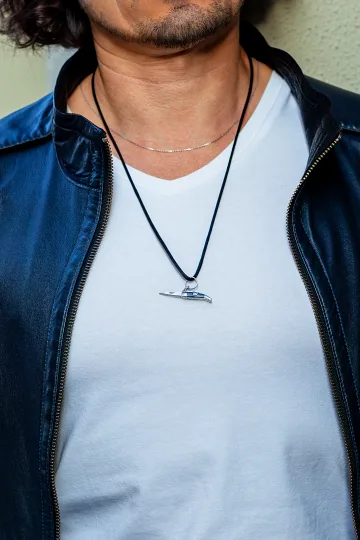
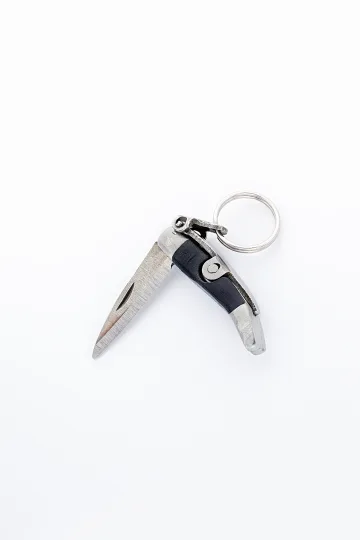


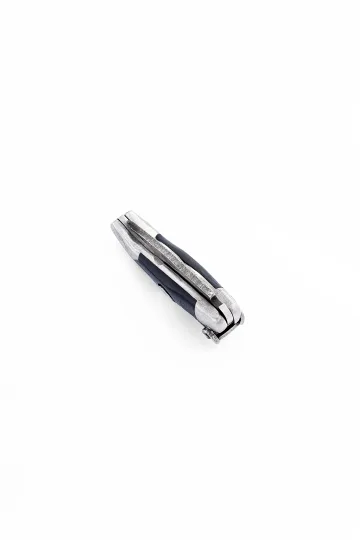

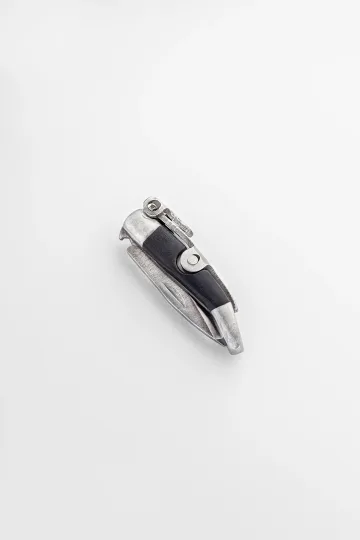
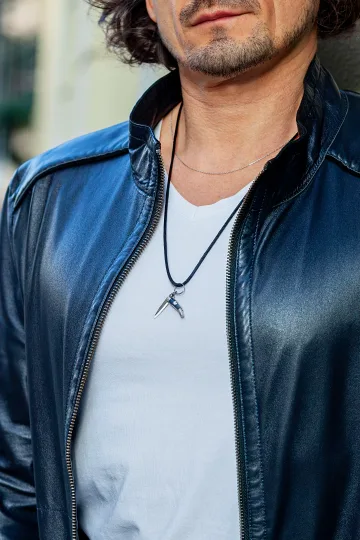

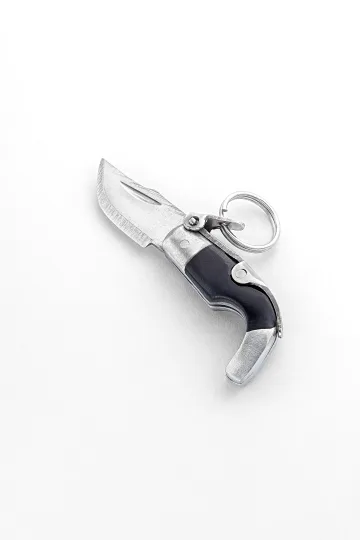
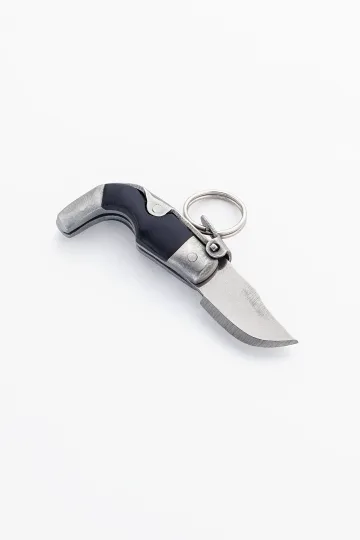
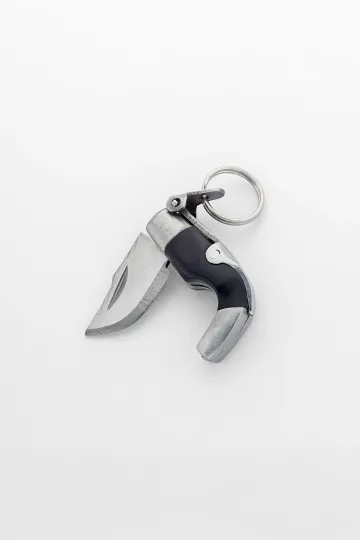
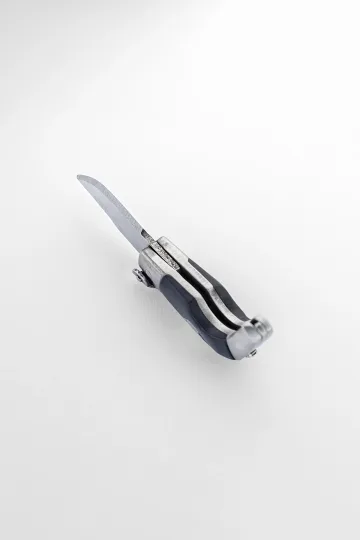
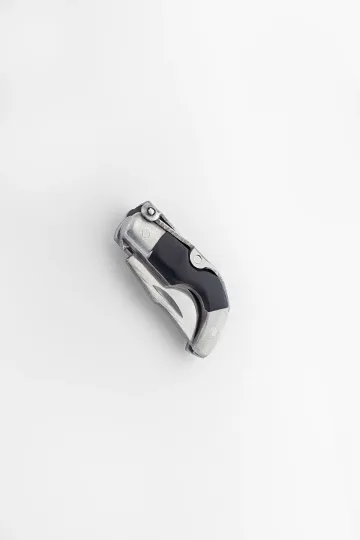
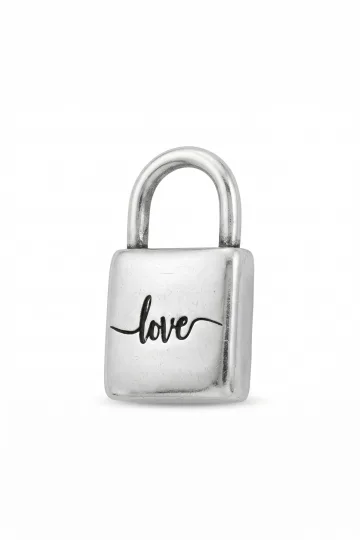
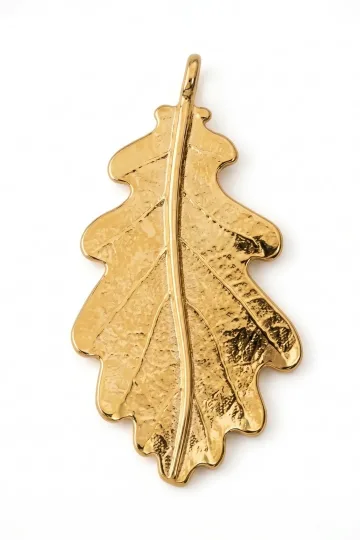
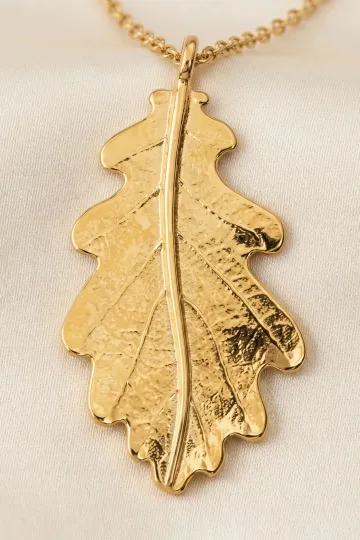
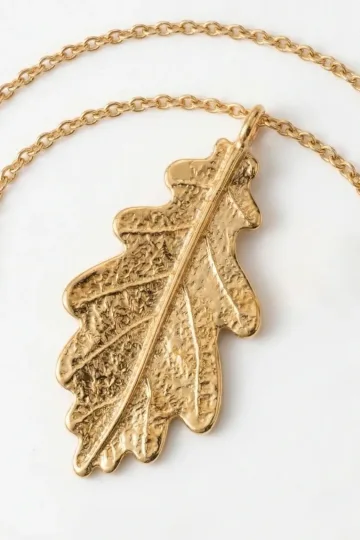
Ten Symbols That Work for the Decade
Beyond traditional tin symbolism, a few universal images suit the ten-year date especially well. They do not replace tin, they complement it.
Tree of Life
Roots in the earth, a trunk that stands firm, branches reaching for light. By ten years a tree is no longer a sapling but not old either: it is in its active phase of growth, which matches the trajectory of a marriage at the decade. The tree of life appears in dozens of cultures, the Celtic Crann Bethadh, the Norse Yggdrasil, the Kabbalistic Tree of Sephirot, the Buddhist Bodhi tree. Its universality makes it legible in any cultural context.
The Infinity Symbol
The lemniscate, a figure eight lying on its side: two loops flowing into each other with no beginning or end. For the decade it works as a promise of continuation: ten years are not a finale but half the way to twenty. The form was given to infinity mathematically by John Wallis in 1655, an academic origin that keeps it from reading as sentimental.
A Heart with Engraving
A universal image that needs personalisation. A plain heart at the decade is weak, too general; a heart with a concrete engraving (date, initials, coordinates) is already strong. For the tin anniversary a heart with a double texture works well: one half smooth, one half rough. A metaphor for the decade: one part of life easy, the other hard, both together forming a whole.
The Eternity Knot
A Celtic knot with no beginning or end, lines woven so they cannot be untangled. A symbol of an unbreakable bond, especially strong for couples who came through a serious crisis: the knot is still whole despite the attempts to undo it. The Celtic tradition has several versions, the trinity knot, the love knot, the eternity knot, each with its own nuance.
Moon and Phases
Ten years are 124 lunar cycles. The moon as a symbol of the decade works through the idea of cycles: everything passes through phases, new moon gives way to full and back again. A marriage passes through its phases too. A piece with moon phases can engrave all eight around the pendant, with a special mark for the phase on the wedding day.
Feathers
Lightness, movement, the ability to rise after a fall. The feather as a decade symbol works especially for creative couples or for couples who came through emigration, moves, change. The feather is often made of silver with the finest chasing of each barb, and sits well on a long chain.
The Anchor
Maritime symbolism of steadiness, the thing that holds a ship in a storm. For couples whose decade fell in stormy years (crises, moves, illness), the anchor is an accurate symbol, not grand, not tender, but functional. It often appears with a chain: an anchor on a heavy chain as a bracelet or pendant.
The Key
A metaphor of access. A key to something important, the key to the shared home, the key as a symbol of trust. For a couple at the decade a key can mean: "I trust you with everything." Matching keys (one hers, one his) are an interesting format: each wears the key to something symbolic and shared.
Ring Within a Ring
A ring with a movable inner band that turns around the outer one. The metaphor: the outer ring steady, the inner one in motion. Life moves within the stable form of the marriage. It takes precise jewellery work, but it is visually expressive and carries a strong metaphor.
The Hourglass
Time flowing without pause. An hourglass as a piece, a tiny pendant with a glass bulb and sand inside. For the decade the bulb can hold sand from the beach where the wedding or a defining trip happened, sand as a physical material tied to a specific place. In twenty years the sand stays the same. One of the most tactile, place-bound symbols.
Pendants, matching halves, lockets and rings with a date engraving for the tin and pink anniversary, sterling silver and gold, handmade with the option of a tin inset to order.
About Zevira
Zevira makes jewellery in the artisan tradition of Albacete, Spain. For couples marking a decade of marriage, we have several lines that fit the tin or pink anniversary precisely:
- Pendants with the tree of life, sterling silver, engraved with a date or names on the back, with the option of a tin element.
- Lockets with a photograph, opening, sterling silver, oval or heart-shaped, with one or two compartments. To order, with a tin heart inside.
- Matching pendants, engraved halves, one form in two copies. A visible silver-tin seam is possible.
- Bracelets and rings with the infinity symbol, silver and gold, with a tin detail to order.
- Rings with birthstones, for a family symbol with the children's stones.
- Pendants with the Sacred Heart, a Spanish tradition, sterling silver and gold.
Engraving is available on most pieces: date, names, coordinates, a short personal phrase, handwritten text, Latin formulas (Decennium, Decennalis), Julian-day dates. Turnaround with engraving is three to seven working days; a bespoke order with a tin element or a seam, two to four weeks. The price of decade pieces ranges from the level of a good restaurant dinner to that of a week's wage, depending on metal, size and the complexity of the engraving. Exact details are discussed individually.
Wear the symbol, don't just read about it. These are in stock:
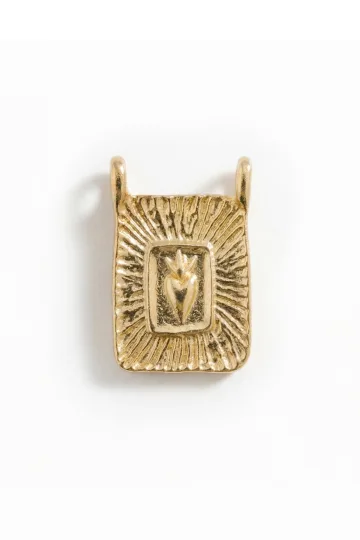
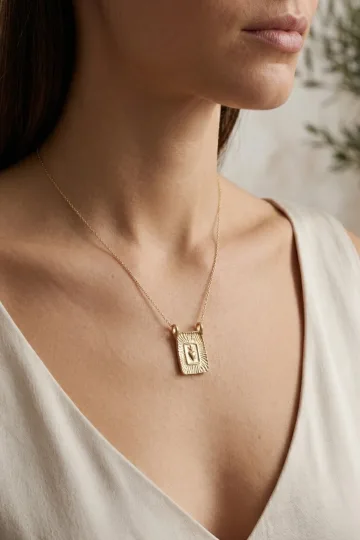
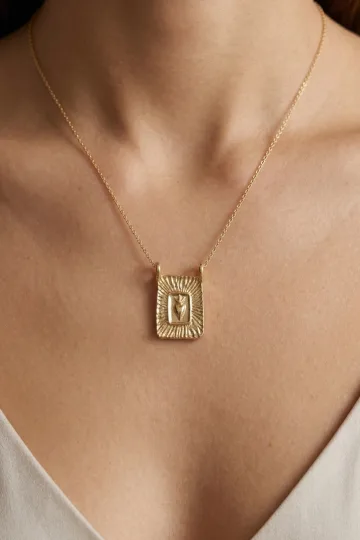
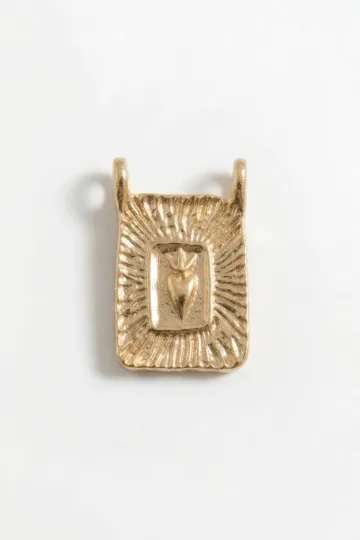
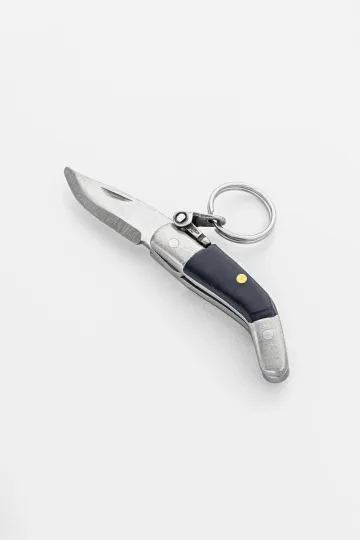
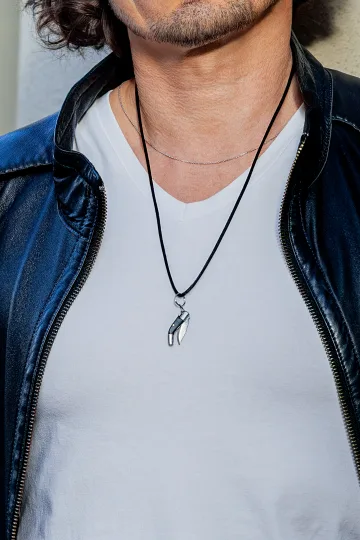
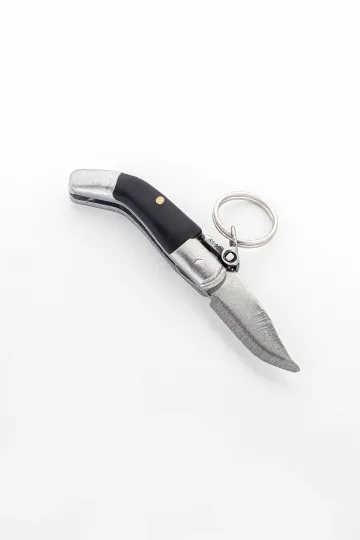
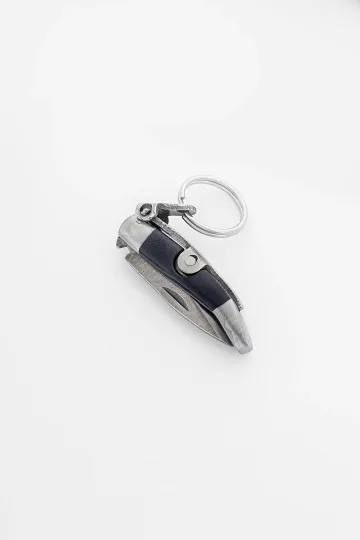
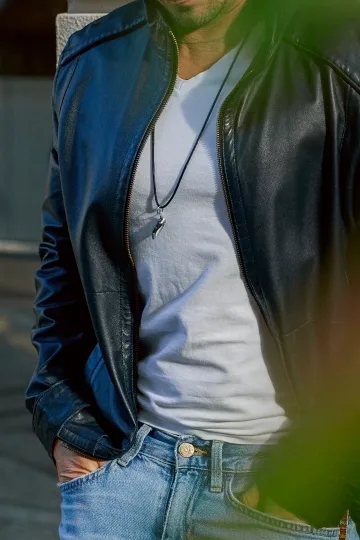

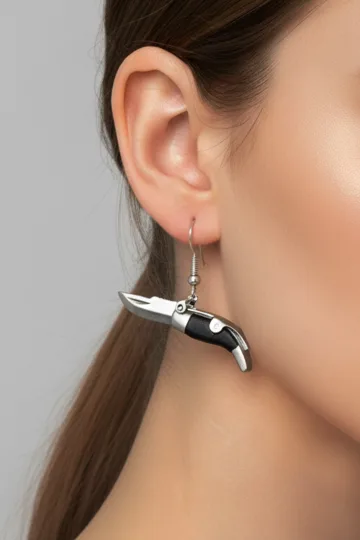
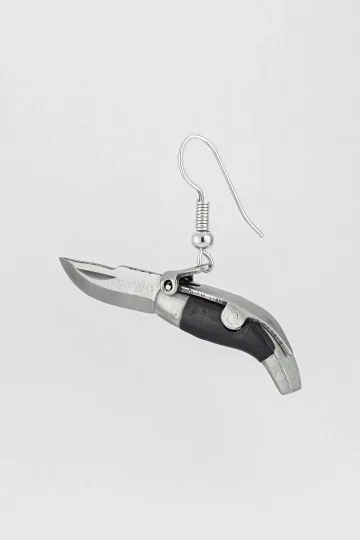


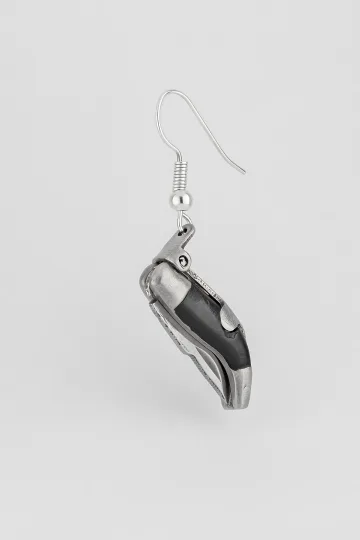

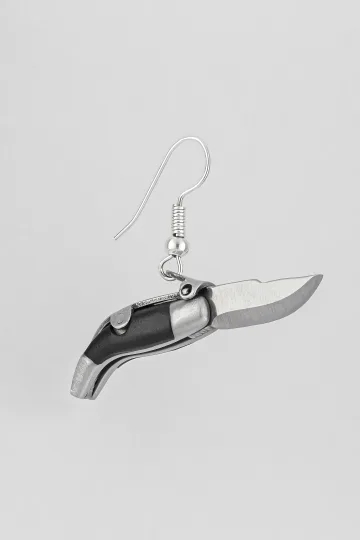
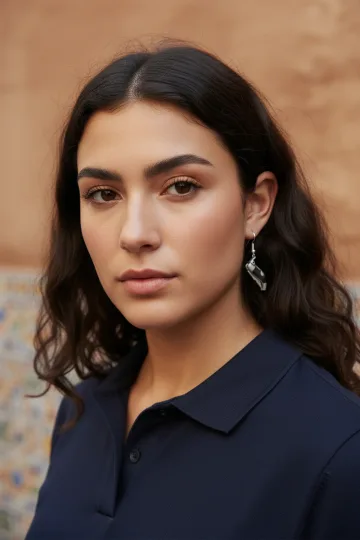
How Anniversary Pieces Relate to Matching Jewellery and Lockets
An anniversary piece is not a separate category of jewellery. It is ordinary jewellery (pendants, rings, bracelets, lockets) that gains an extra layer of meaning from the context of giving and from personalisation.
Matching jewellery, the subject of a separate article on our blog, works especially well for anniversaries: it literally embodies the idea of "us." Lockets, pieces with a physical memory inside, suit anniversaries with children and with a history you want to carry close. Any piece engraved with the anniversary date becomes "a ten-year piece": a ring with the date inside, a bracelet with the coordinates of the wedding place, a pendant with the first letters of the names. Not a separate genre, but an intention given to any object.
If you want the wider picture of gifts for every anniversary, the full guide is in the article wedding anniversary gifts. There you will also find the list of traditional materials from the first year to the fiftieth.
Conclusion
Ten years of marriage is not a round date in the ordinary sense. It is the point where the quantity of life lived together turned into quality: you came through everything that ends most unions and came out together. Tin wedding or pink wedding, tin anniversary or Zinnhochzeit, behind the different names sits one thought: a flexible metal that does not break.
Tin is the only anniversary metal that holds the memory of poverty. Silver always meant prosperity, gold abundance, diamond status. Tin was a way to survive, to look like a comfortable household without the comfort, and at the same time a metaphor for a marriage that holds not on shine but on strength. In this system the decade is the most honest anniversary.
A piece for this date is no obligation to follow tradition and no display of budget. It is an object that will remind you of a specific moment: when you looked at each other after ten years and decided to go on. Not because it is expected, but because you chose again. In twenty years, at the thirtieth, this piece will already be an artefact. In forty, at the fiftieth, it will be shown to the grandchildren. Tin does not rust, crack or lose its shape. It darkens slowly, and that very darkening becomes the physical chronicle of the time that wore it.