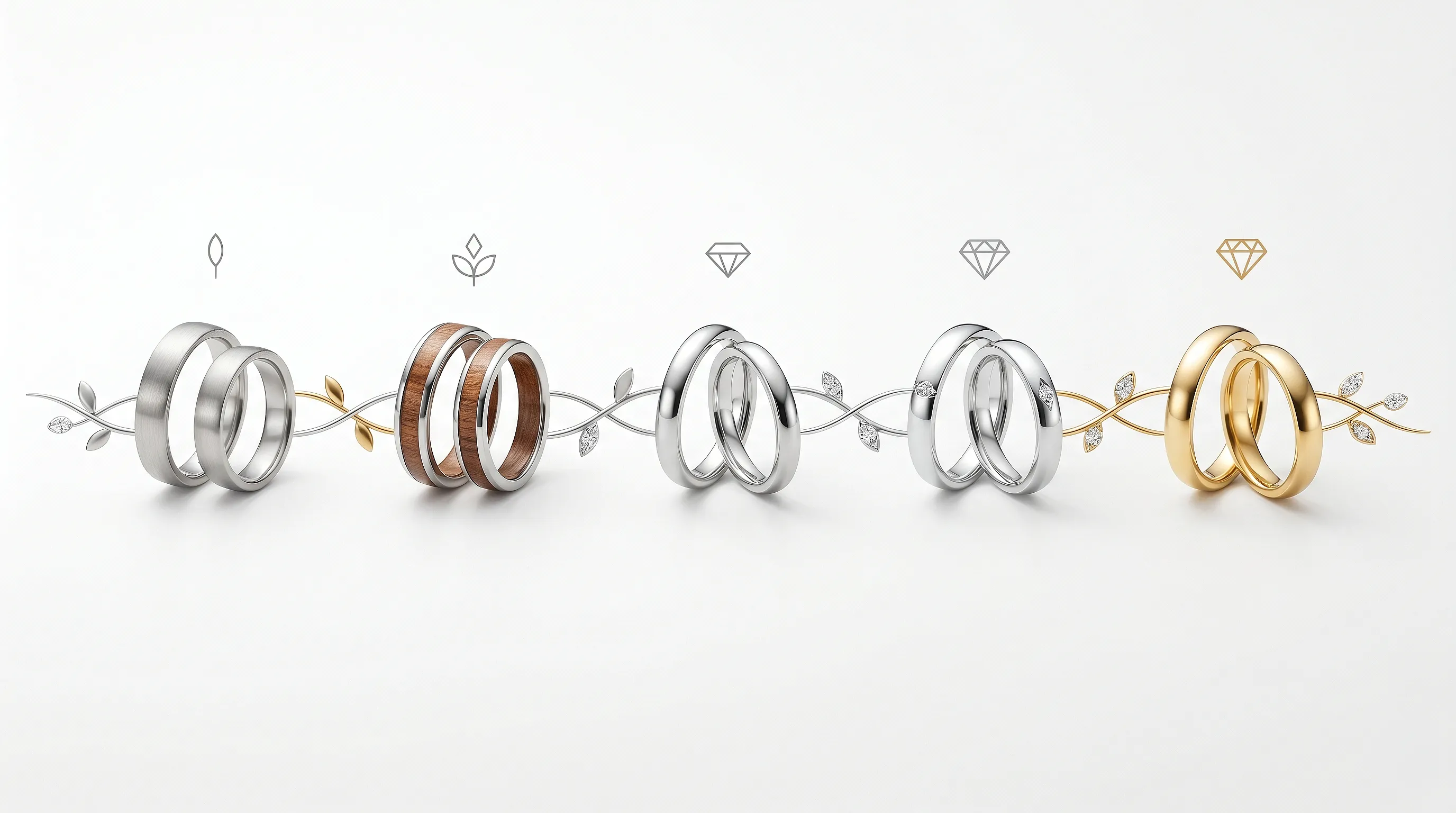
First Wedding Anniversary Gift: The Jewellery That Lasts
The first wedding anniversary is one of the trickier thresholds a marriage crosses. The first year is when the wedding euphoria fades and shared daily life begins, and that is exactly when a relationship goes through its first real test. A first anniversary gift works less like a celebratory gesture and more like an anchor. This guide is about making that anchor hold.
Why Your First Anniversary Matters More Than You Think
Among all the milestones a marriage will gather, the first one sits in a position that is not obvious at a glance. It is easy to treat it as a continuation of the wedding, to mark it over dinner, and to forget it by morning. Yet this is the only year in which every first event of shared life happens for the first and the last time. The first shared home, the first argument, the first reconciliation after that argument, the first New Year together, the first decision made not as two people but as one unit, the first disappointment, the first rebuilding of trust. None of those firsts will ever repeat. If the first year passes without a marker, it dissolves into the general stream of memory. If it is marked by something that stays, it becomes a reference point you can return to.
Family therapists who have worked with couples for more than twenty years tend to report the same observation. Couples whose first anniversary passed as a formality often arrive at their fifth anniversary carrying a quiet sense that they are "just living together." Couples whose first anniversary was marked deliberately usually arrive at the fifth with a habit of returning to that moment: looking through the photos of the day, wearing the pieces they were given, rereading the note tucked into the box. That habit acts as a small defence against what researchers call the erosion of intimacy, the slow drift that begins imperceptibly and only becomes obvious once the gap is already wide.
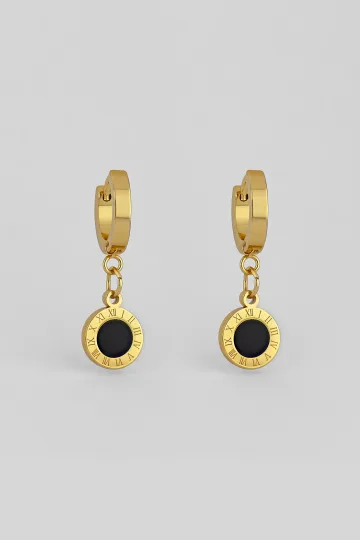
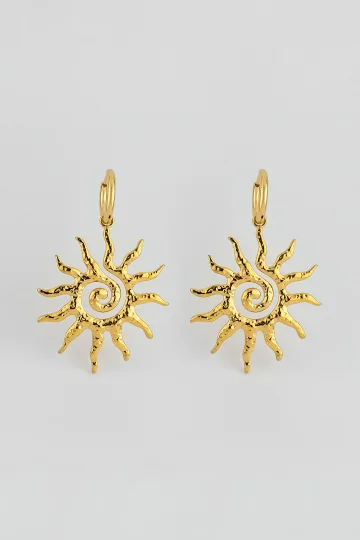
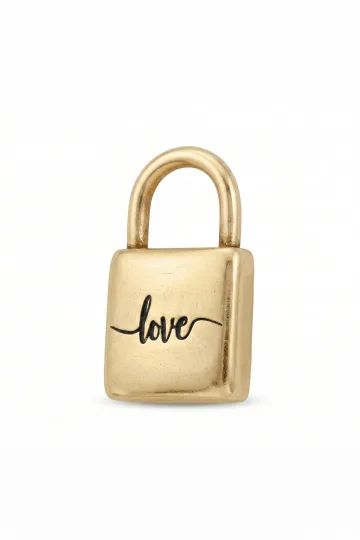
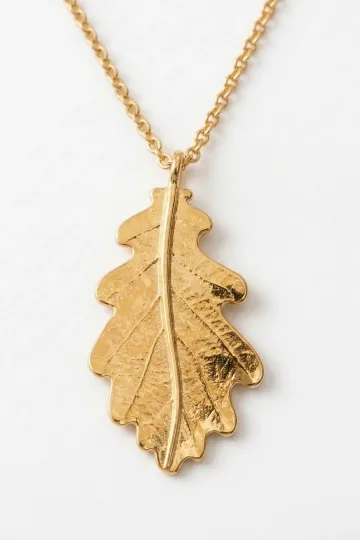
Wear the symbol, don't just read about it. These are in stock:
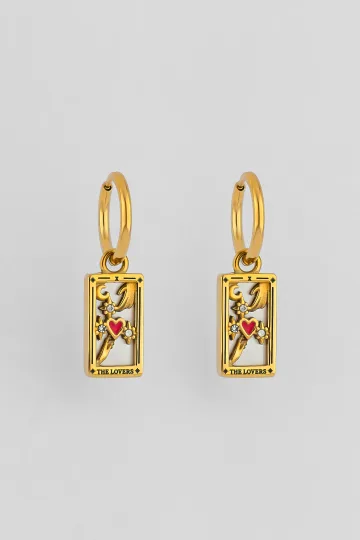

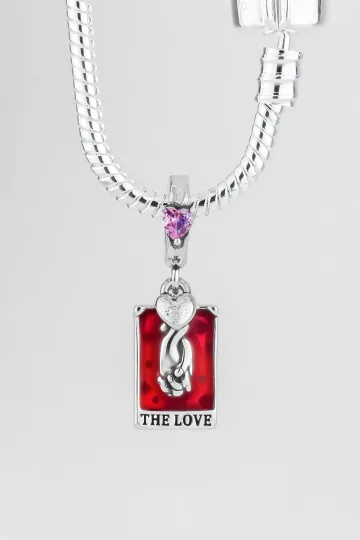
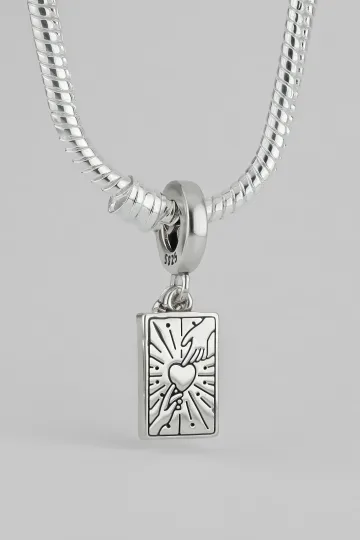
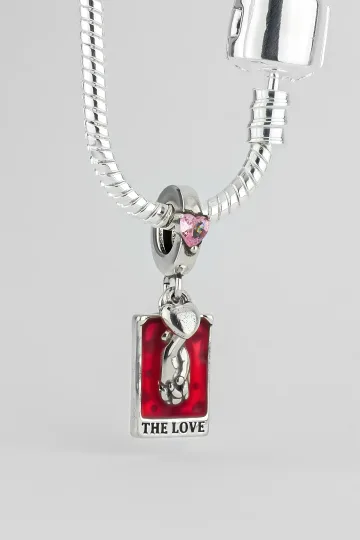

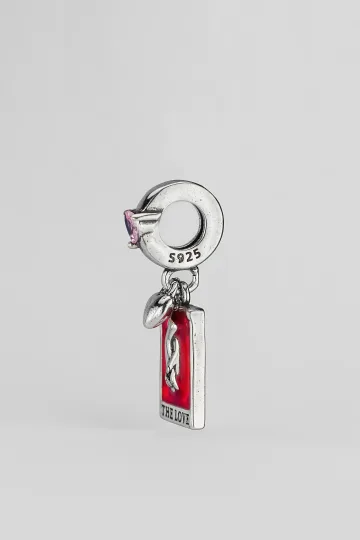
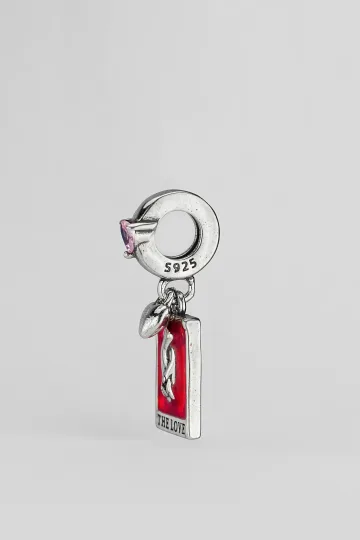

Your first anniversary sets the pattern for every one that follows. If it is marked with a gift that carries meaning, you will expect a continuation by the fifth. If the first passes unmarked, or with something forgotten within a week, nobody quite remembers there should be a fifth at all. This is not a threat. It is simply the behaviour pattern seen inside marriages that describe themselves as stable.
What the Statistics Say About the First Years of Marriage
The first year is rarely the single most common point of divorce, yet it is where the pattern for handling future crises gets laid down. If you look at how separations distribute across length of marriage, the picture is similar almost everywhere: a large share falls into the early years of shared life, then a steadier stretch follows, then a smaller second rise tends to appear closer to the twentieth year.
That tells us something plain. A couple that has lived through the first year has, statistically, already cleared the least stable cohort. A couple that has lived through the first five has moved into long-term territory. In that light, the first anniversary becomes the first marker that the pair has already passed the riskiest part of the curve.
Therapists often notice a related thing: couples who mark the first anniversary with intention, through a small ritual rather than in a rush, tend to treat the relationship more attentively in the years that follow. A dinner does not kill a marriage. The point is that a willingness to mark the year through ritual usually travels alongside a willingness to keep investing in the relationship afterwards.
Gottman and the Sound Relationship House: the Lower Floors
John Gottman, a researcher at the University of Washington, studied couples in his "Love Lab" from 1986 onward. His model, the Sound Relationship House, describes seven floors. The first floor is called Love Maps: how well you know your partner's inner world. The second is whether you share fondness and admiration in ordinary conversation. The third is whether you turn toward each other when one partner reaches for contact. These three floors are mostly built in the first twelve to eighteen months of living together.
Gottman also identified a phenomenon he called diffuse physiological arousal: a chronic background tension that tends to appear in the first year, driven by new roles, shared logistics and shifted expectations. Many people experience the first year as a period of heightened adaptation. That is not a flaw. It is simply a fact that body and mind spend much of the first year in adjustment mode.
Couples who never talk through that tension begin to accumulate the early layers of what Gottman named the Four Horsemen: criticism, contempt, defensiveness and stonewalling. These patterns form early and often stay stable for decades. How a couple behaves during conflict in the first year tends to predict how it will react to disputes many years later. Communication habits set in early.
In that context the first anniversary becomes a point where a couple can pause and ask itself a simple question: what are we doing well, and what are we doing badly. The gift becomes a reason for a conversation. Not a lecture, not a reproach, but a quiet talk about what held and what needs reinforcing.
What the Gift Has to Anchor
A first anniversary gift does not need to congratulate. The congratulatory job was already done by the wedding gift. A first year gift has a different task: to anchor. The difference is roughly the difference between a greetings card and a legal document.
What does such a gift anchor, exactly? Three things at once.
First, the fact that you lived through this year together. That is not an empty statement. It is a plain acknowledgement: we both saw what happened, and we are both still here. A piece engraved with a date or with the coordinates of a place becomes physical evidence of that fact.
Second, the intent to continue. Not a spoken promise but a tangible one. A piece chosen with care says: I am making a choice that is not a one-off, I am making it for years ahead. That choice includes memory of what has been and readiness for what is coming.
Third, your version of this year. Every couple goes through the first year differently. For some it was easy, for others hard. For some it was packed with events, for others quiet. A precisely chosen gift reflects your version specifically. It is not a generic "first anniversary" present, it is a present about this particular first year of yours.
All three together turn a piece of jewellery from a souvenir into an artefact. A souvenir reminds. An artefact records.
The Symbolism of the Paper Anniversary: Why Paper Specifically
The anglophone tradition calls the first anniversary the paper anniversary for a reason that is rarely spelled out, yet is logically faultless. Paper combines four properties, and each one describes the first year of marriage with surprising accuracy.
The first property: paper is fragile. A sheet tears with a careless movement, creases under pressure, loses its shape. The first year of marriage is much the same. The wedding euphoria has ended, the protective coat of a romantic beginning has worn thin, and the smallest crack can feel like a catastrophe. Fragility does not mean weakness. It means a requirement for care.
The second property: paper reacts to moisture. It dampens, swells, loses readability. A conflict left undiscussed works like a drop of water on a page: invisible at first, then spreading until nothing reads clearly. Couples who have lived through a first year usually recognise the feeling. Yesterday's argument, never talked through, has by today lost its beginning and its end, and has simply become background.
The third property: paper burns. From a spark, from an accident, from being too close to heat. The fire metaphor in a first year needs no decoding. A harsh word, a thoughtless act, an unfounded accusation can burn down what took months to build. Paper and marriage are equally sensitive to fire.
The fourth property: paper preserves what is written on it. This paradoxical trait balances the first three. Delicate, thin, easily wounded paper, under the right conditions, survives for centuries. Archives hold parchments more than a thousand years old. Old letters that have lasted still carry the emotions of people long gone. The same is true for your first year: it is fragile, yet with the right care, what was recorded in that first year becomes the firmest foundation for everything that comes after.
Paper symbolism works on all four properties at once. Not on any single one but on their combination. This is not an accidental metaphor. It is a precise one.
The Anglophone Tradition: the Paper Anniversary
The written record of the paper anniversary appears in Britain in the middle of the nineteenth century, in an age when Victorian society codified family rituals with particular zeal. Isabella Beeton, in her Book of Household Management of 1861, lists the first year as paper, the fifth as wooden, the tenth as tin, the twenty-fifth as silver and the fiftieth as golden. The years in between were filled in later.
The logic of the English list was practical. A young couple was not expected to begin with gold. That would have been economically unjustified and socially awkward. Paper as the first material implied that the gift could be modest: a book, an engraving, a card with a handwritten line. With each year the material grew a little heavier, a little dearer, and that gradation tracked the assumed economic curve of a young household.
In the United States the tradition was adopted and expanded. By the early twentieth century American jewellers' associations had added a "modern" alternative to each year. For the first year that modern material became gold, often paired with clocks as a contemporary gift. The expansion was partly commercial, yet it kept the original logic. Paper as the first material does not stand for cheapness. Gold as its modern equivalent does not stand for wealth. Paper means fragility. Gold means the thing that endures.
A small fact that surprises people: many of the so-called traditional anniversary lists you find online were not handed down whole from the Victorians at all. The base tier of five materials is genuinely old, but most of the year-by-year entries were stabilised by twentieth-century trade bodies and stationers. The tradition you treat as ancient is, in large part, barely a century old.
Paper, Cotton and the British Double Scale
In British usage the first year is often called both paper and cotton. This goes back to nineteenth-century England having two parallel scales running at once: one tied more to the middle class, with paper, and a cotton thread running alongside it. Today both coexist, and a British couple can quite reasonably treat cotton as their first-year material.
Cotton shifts the tone. Paper leans toward the written, the recorded, the archival. Cotton leans toward home, softness and warmth: a thing you live inside rather than read. For a piece of jewellery the cotton overlay suggests something woven into daily life rather than set on a shelf, which is one more argument for choosing something worn every day rather than displayed.
British taste also tends toward restraint. A hand-embroidered handkerchief with initials and a date, kept as a keepsake. A sealed letter not to be opened until the fifth anniversary, in which each partner writes their present hopes and locks them away to open together. A leather notebook from an old, established maker. These sit comfortably beside an engraved silver pendant, and many couples give one of each: the textile as the warm gesture, the metal as the lasting one.
The Latin and Italian Traditions
Southern Europe reads the first year differently again. In Italy the nozze di carta are, above all, an occasion for the written word: a handwritten letter, a poem copied out, a book with a dedication on the flyleaf. The gift is expected to say something rather than merely to be given. In Spain and across Latin America the bodas de papel are more of a family event than a private one, and the gift is often chosen with both families in mind rather than only the partner.
That difference is worth borrowing whichever tradition you sit in. The Italian version argues for putting the words first and letting the object carry them, which is precisely how a good engraving works. The Spanish and Latin American version argues for a piece that can plausibly be handed on, since a gift that is expected to enter family circulation is chosen with more care than one meant to last a season.
Engrave it on the inside. An anniversary is a secret between two, not a billboard for the guests.
What To Wear It With
Over years of styling shoots I have built dozens of looks around keepsake pieces. Here is what actually works when a pendant or ring has to be worn every day rather than kept in a box.
What do you wear a keepsake pendant with day to day? For everyday wear I recommend a thin chain with a small pendant over plain knitwear, a cotton shirt or a neutral roll-neck. The calmer the fabric, the more the symbol stands out. Under an open collar I suggest a mid-length so the pendant falls into the neckline, and a shorter chain on a round neck.
Does a piece like this work at the office? It does, as long as you keep it restrained. I recommend delicate studs, a thin ring beside the wedding band or a plain bracelet under a jacket and blouse. An engraving with a date or coordinates I suggest keeping on the inside: the symbol with you, the dress code intact.
How do you build an evening look? For the evening I choose a dark dress, silk or velvet and bring the piece to the outside. Here I recommend a larger locket or a ring with a stone. Warm gold I suggest against wine, emerald and navy, silver and white gold against cool and pastel tones.
Can you mix gold and silver? You can, and I build looks that way constantly. Two metals in one outfit read as current. I recommend keeping the engraved bracelet at the top of a stack, and the keepsake pendant on its own chain so it does not tangle with the layers.
Who does a piece like this suit? It is universal, because it is about meaning rather than size. For anyone who loves minimalism I recommend smooth silver with a spare engraving. For anyone drawn to a bolder look I suggest a capsule locket or a ring with the birthstone of the wedding month.
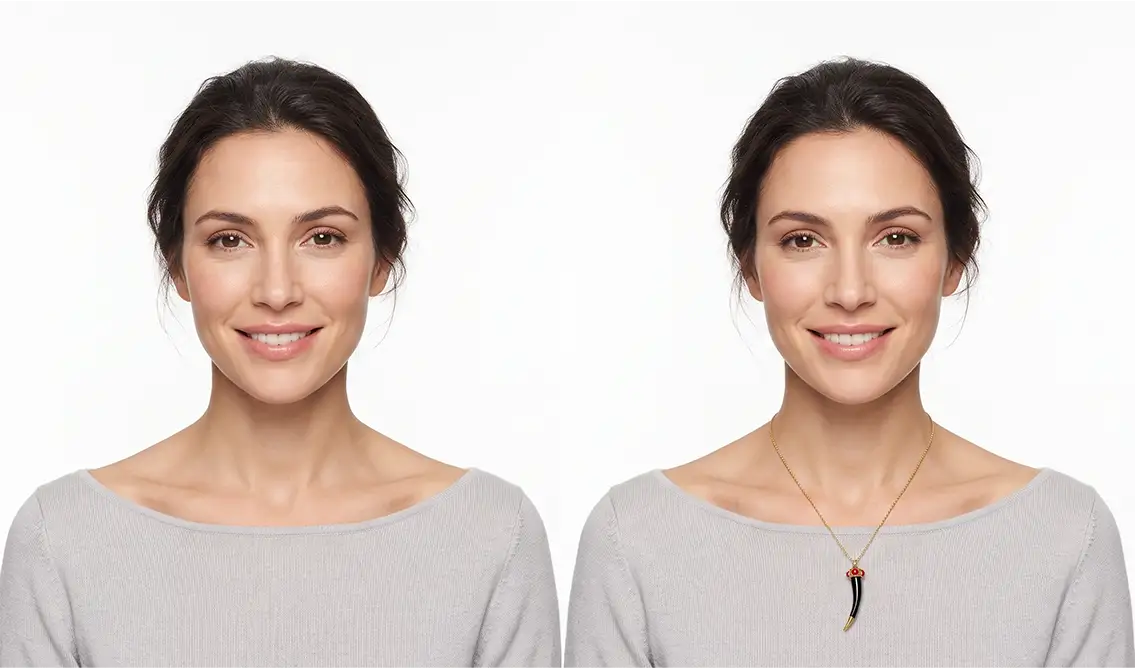
Turn on your camera, pick earrings, a pendant or a ring, and see the piece on yourself in real time.
Switch items in one tap.
Everything runs in your browser: no photo or video is ever uploaded.
What Is Given in Different Countries
Local first-anniversary traditions vary so much that a gift that seems obvious in one country looks odd in another. Understanding the differences is useful for two reasons. It helps you choose without copying a culture that is not yours, and it surfaces ideas you would never reach for at home.
The United States: the Paper Anniversary in a Broad Sense
The American paper anniversary is read generously. "Paper" in the modern interpretation covers anything that carries text or print: books, engravings, maps, diaries, photo albums, handmade cards. Running alongside it is the modern strand: gold jewellery as a symbol of durability, and the clock as a token of time shared.
The most common first-year gifts in the US include a book, ideally an edition with a history, a first edition of a partner's favourite author, or a rare antiquarian copy of a book that meant something to the pair, usually inscribed by hand on the flyleaf. A framed map, often a topographic map of the place the wedding was held with the exact spot marked, sometimes drawn in a nineteenth-century style on aged paper. A printed album of the first year rather than a digital folder. A long handwritten letter listing what each partner hopes to do together in the year ahead, sometimes saved into a growing collection. And the anniversary ring, a slim band worn next to the wedding ring, which is a steady second gift in American practice that complements the paper one.
The United Kingdom: Restraint and the Sealed Letter
British tradition values understatement, and it draws on both the paper and cotton scales described above. The gifts lean toward the practical and the heritable: fine embroidered linen handkerchiefs, a leather-bound notebook from a long-running maker, a piece of table silver that joins a family service. The sealed letter, written now and opened years later, is a particularly British ritual that turns paper into a small time capsule.
When British couples reach for jewellery, they often favour a quiet engraved silver pendant or a plain band, something that reads as personal rather than showy. The instinct is the same as with the rest of the culture's gifts: choose the thing that will still feel right in forty years, not the thing that impresses tonight.
Germany: Papierhochzeit as a Ritual
The German tradition is the most structured of all. For the Papierhochzeit, the customary gifts include a hand-drawn family tree, a document prepared by a calligrapher on good paper showing the branches of both families, a project that takes months and is often commissioned from a professional artist. A shared diary in a leather binding, blank pages waiting to record the couple's life across the years to come. A hand-coloured engraving of the city where the couple lives or married, drawing on the rich German nineteenth-century tradition of copper engraving and lithography. A watch with engraving, not necessarily expensive but built to last decades, with the wedding date cut into the back. And silver jewellery engraved with initials in a historic Gothic script, a style that still reads unmistakably as German.
Germans tend to mark the first year thoroughly, and sociologists sometimes link that habit, in part, to one of the longer median marriages in Europe. The lesson travels well: the more deliberate the marking, the more the year stays with you.
France: Noces de Coton and Romance
The French scale is gentler and shifted by a step. In France the first year is the noces de coton, the cotton wedding, not paper. Cotton stands for softness, home and warmth, and the French scale runs cotton first, leather second, wheat third, and onward, so the whole sequence sits one place ahead of the American one. It is worth knowing if you ever exchange anniversary gifts across cultures, because a French couple's "second year" material is the anglophone "first year" one.
Customary French gifts include high-quality bed linen, fine cotton with embroidered monograms, taken seriously as a category. A pair of robes with embroidered initials, a couple's gift for shared domestic space. Dried wildflowers framed under glass, carrying the idea that what should have faded has been kept. Enamel jewellery, drawing on centuries of French enamelling, a pendant painted with a landscape or a scene that matters to the couple. And antique nineteenth-century jewellery from a brocante, since the French give pieces with a past quite happily, especially when they fit a personal story.
Italy: Nozze di Carta and Literature
The Italian tradition is close to the French in aesthetics but leans harder into literature. The first year is the nozze di carta, the paper wedding, and the gifts reflect it. A fine edition of a beloved Italian poet, Petrarch, Dante or Leopardi, often a careful reprint dressed as an old book. A sonnet or poem commissioned in calligraphy, since Italy still has calligraphers who take individual commissions. Jewellery with a miniature painting, drawing on the long Italian school of miniature work on metal, a pendant or brooch carrying a tiny portrait of your partner, a Venetian or Florentine view, or an abstract motif. A cameo, carved in layered stone or shell, showing a profile or an abstract design, and an Italian cameo with the carver's signature is a serious gift. And a silver medallion with a fragment of a letter sealed inside, a technique Italians mastered early and still keep alive.
Spain: Bodas de Papel and the Family
The Spanish tradition is familial. For the bodas de papel, what is given tends to include the partner and both spouses within a family frame. A family album with photographs of both sides, often assembled jointly, each family adding pages from its own perspective. An antique lace mantilla or textile passed down through generations, treated as a family heirloom. An engraved silver crucifix or religious object for believing families, less a religious gesture than a family custom. A bracelet or ring set with garnets or pearls, stones the Spanish jewellery school has worked with historically and which belong to the traditional canon. And a hand-painted fan, a piece of craft with painted scenes that is handed down as an artwork.
Ireland: the Claddagh and the Family Line
Irish practice leans on a symbol rather than on a material. The Claddagh, with its hands, heart and crown standing for friendship, love and loyalty, is the piece most often given between partners, and the direction the crown faces tells anyone who knows the code how the wearer stands. For a first anniversary an Irish couple will often give a Claddagh in a plainer form than the wedding one, or a piece with a Celtic knot worked into it, on the reasoning that a symbol already in family circulation is stronger than a novelty. The other Irish habit worth noting is inheritance: a piece is frequently passed sideways within a family rather than bought new, and receiving one is treated as a greater compliment than being given something from a shop.
The Netherlands and Scandinavia: Function Before Ornament
Dutch and Nordic practice is the most restrained on this list. The first anniversary is marked, but with a light hand and usually with something that has a use: a good notebook, a well-made object for the home, a single plain piece of jewellery with no stone in it. Ornament for its own sake reads as excessive, and a gift that shows obvious expense can embarrass rather than please.
For jewellery this points somewhere specific. A smooth band, a flat pendant, a bracelet with clean lines and an engraving hidden on the inside all sit comfortably in this register. So does the Nordic habit of choosing one piece and wearing it for years rather than accumulating several. If your partner's taste runs to the spare and functional, this is the tradition to borrow from, whatever your own nationality.
Japan: a First Anniversary Without a Material Scale
Japan has no fixed material-by-year scale of the western kind. There is, however, a cultural ritual of the first anniversary: a couple returns to the place where they married, repeats the key gestures of the ceremony in a simplified form, and sometimes renews their vows. The gifts in this tradition are not material. The main event is the act of returning itself.
It makes for an interesting contrast. Where many Europeans fix the first anniversary with an object, the Japanese practice fixes it with a repeated action. Both work, but differently. The European object stays in a box. The Japanese ritual stays in the memory of the body.
Paper in Jewellery: Four Formats
Paper symbolism can be built into a piece of jewellery in four precise ways, each of which keeps the idea of fragility without making the piece a literal "paper" object.
The first format is a fragment of real paper set in bio-glass. Bio-glass is a high-strength glass capsule filled with a clear resin that encloses an object inside it. A fragment of the wedding invitation, a page from a diary, a corner of a letter, a card your partner wrote early in the relationship, can all be sealed into such a capsule. The capsule is mounted into a pendant or a substantial ring. On the outside it is jewellery. On the inside it is an archive.
The second format is a miniature scroll inside a capsule locket. A locket with a screw-off cap holds a thin paper scroll with a handwritten text inside. It might be a vow, a line from a film you both love, made before about 1950 so it avoids dating itself, a phrase from a first letter, a promise. The scroll cannot be read without opening the locket. That turns the piece into a book with a single page.
The third format is an engraving that imitates handwriting on paper. The jeweller scans your own handwriting, a phrase you wrote by hand, and transfers it to the metal by laser engraving. The result is a piece carrying, in effect, your living hand. In twenty years your handwriting will have changed. The engraving will not.
The fourth format is the texture of paper stamped onto metal. A silver pendant or bracelet whose surface imitates crumpled paper, a watermarked page, or a sheet of parchment. This is an aesthetic choice without a literal reference. The piece looks "papery" while staying entirely metal.
Each of these works in its own register. The first is personal and intimate. The second is ritual and closed. The third is tender and almost handmade. The fourth is formal and aesthetic. Which you choose depends on the mood you want to set.
Bio-glass and Resin: the Technical Details
If you choose a piece with a paper fragment sealed in a capsule, the technology is worth understanding. Bio-glass, or eco-resin, is a clear material based on bio-derived components that cures under ultraviolet light into a hard transparent mass. You can suspend paper, petals, threads or small objects inside it.
The lifespan of such a capsule, made properly, is several decades without loss of clarity. The paper inside is isolated from air and does not yellow at the usual rate. After thirty years a fragment of a letter will read much as it did on the day it was set.
The fine points matter. The paper must be dried before casting, since moisture in the paper clouds the resin. The ink should be stable, and ballpoint tends to hold best. Not every workshop can work with bio-glass, so you need a jeweller or maker with specific experience. A piece like this usually costs more than a standard one, given the labour and the materials.
The alternative to bio-glass is sealing in epoxy resin. It is technically simpler but less durable. Epoxy yellows over time, especially under direct sunlight. For a piece meant to be worn for decades, bio-glass is the better choice.
Thirty First-Anniversary Gift Ideas
Here is the concrete part, with no filler. Thirty ideas, split into three groups: for her, for him, and shared. Each comes with the logic behind it and a craft note.
For Her: Ten Ideas
A pendant engraved with the wedding date as a Julian day. The Julian day is a continuous count of days used in astronomy, running from a fixed point in antiquity. A given wedding date corresponds to a single seven-digit number. Engraved, it reads like a code, yet it has one unambiguous meaning. To a stranger it is an abstract figure. To the couple it is the date. The craft note: confirm the exact value through an astronomical table or an online converter before engraving.
An anniversary ring set with the birthstone of the wedding month. A slim band worn beside the wedding ring, carrying one stone for the month of the ceremony: garnet for January, amethyst for February, aquamarine for March, diamond for April, emerald for May, pearl for June, ruby for July, peridot for August, sapphire for September, opal for October, citrine for November, turquoise or tanzanite for December. The stone does not dominate. It marks.
A silver capsule locket holding a fragment of the wedding invitation. A microscopic piece of the invitation text, set in bio-glass inside the locket. Outside it is jewellery, inside it is an archive, and in forty years the fragment will still read as it does today.
Stud earrings in the colours of the wedding bouquet. If the bouquet was, say, white with a note of lilac, studs combining moonstone and amethyst carry that palette without a word of explanation. No outsider will work out the logic. The couple will know.
A bracelet engraved with the coordinates of the ceremony. A silver or gold bracelet carrying the full coordinates of the place you married. The format reads as the address of one point on the planet where everything changed, and twenty years on it will still point to that spot.
A pendant with a miniature scroll inside. A locket with a screw-off cap and a thin handwritten scroll within. It can hold a phrase that meant something in the first year. The scroll cannot be read without opening the locket, which turns the piece into a one-page book.
A charm bracelet with its first charm. A slim bracelet built to take charms over time. The first charm is given on the first anniversary. A second joins it at the fifth, a third at the tenth. By the silver anniversary the bracelet holds a chronology. It is a piece that grows alongside the marriage.
A ring with interlaced initials in a seventeenth-century monogram style. A silver or gold band engraved with two initials woven together in a baroque monogram. To get the lettering precise you want a calligrapher or a jeweller who works in historic styles.
A silver pendant carrying the colours of the wedding-day clothes in enamel. If the bride wore one colour and the groom another, those two tones can be marked in enamel: a thin band of colour set within the metal. Nobody would guess it is the palette of a single day.
A bracelet of bouquet petals preserved in resin. Petals from the real wedding bouquet are pressed, dried and set into resin to form the links of a bracelet. Each link holds a piece of that bouquet. A unique object that physically contains a fragment of the day.
For Him: Ten Ideas
A silver pencil engraved with the date. A silver mechanical pencil in a nineteenth-century style, engraved with the wedding date on the barrel. A utilitarian object he can carry every day. The pencil is effectively eternal: the lead refills, the metal does not wear out.
A leather-cord bracelet with a metal plate. A natural leather cord with a plate in silver or gold, engraved with coordinates, a date or initials. Masculine, neutral, worn with anything.
Cufflinks with a fragment of a wedding photo in bio-glass. If he wears double-cuff shirts even occasionally, cufflinks holding a tiny photograph inside bio-glass are a rare and precise gift. He is reminded each time he puts them on, and no outsider will guess what is inside.
A pendant capsule with a small memory chip. A modern format: a capsule pendant holding a chip with an audio recording of the wedding vow or a fragment of the ceremony. The chip is hidden, and the audio plays when connected to a device. A technical object with an emotional core, which lands perfectly for someone who loves gadgets.
An anniversary ring engraved in Latin. A silver or gold band engraved with "Annus primus", the first year, in Latin. Spare, readable only by those in the know, never sentimental. It suits men who prefer restraint.
A watch engraved with coordinates on the case back. If he wears a watch, engraving the coordinates of the ceremony on the back of the case is a gift only he sees, each time he puts it on. Not on the dial, not on the front, but hidden behind: deeply private.
A silver coin struck with the wedding date, mounted as a pendant. A single silver coin is struck with the date, coordinates or initials and hung on a leather cord or chain. It reads as an artefact rather than a standard pendant.
A signet ring with a crest designed for the couple. A silver or gold signet with a carved seal showing a crest made specially for the pair. The crest can be an abstract symbol, interlaced initials, or an invented heraldic device. A unique object that exists nowhere else.
A braided-cord bracelet with a small silver plate. Leather or waxed cords plaited by hand, with a small engraved silver plate at the centre. Not a standard bracelet but a piece of craft that looks handmade because it is.
A paper aeroplane in resin as a pendant. A tiny paper aeroplane folded from a fragment of the couple's first letter, or of the wedding invitation, sealed in clear resin. A capsule pendant with the aeroplane inside. Warm and personal, and only faintly whimsical to anyone not in on it.
Shared and Couples Gifts: Ten Ideas
Paired bracelets engraved with the first line of the first message. Take the very first message the partners ever sent each other and split it across two pieces. The first half on her bracelet, the second on his. Apart they read as ordinary bracelets. Together they form the opening line. It is a unique archive.
Paired rings with a single shared pattern. Two rings, each carrying half of one ornament or one word. Laid side by side on a table, the pattern or word reads whole. On the partners' fingers each ring stands on its own.
A silver wrap-ring around a paper box. A gift from parents to the couple. A silver band encircles a small paper box that holds shared keepsakes: notes, tickets, fragments of memory. The band lifts off, the box opens. The metaphor is plain: your basket of shared memories.
Paired pendants with the coordinates of two different places. Not one wedding location but two meaningful points: hers carrying the coordinates of where he proposed, his carrying the coordinates of where she said yes. If the proposal and the answer happened in different spots, it becomes a double story.
Paired watches with matching dials and different cases. Two watches sharing one dial pattern but built in different sizes and shapes, one for a woman's wrist and one for a man's. One design, two physical forms.
An engraved silver candlestick with two candles. A gift from a witness to the couple. A silver holder for two candles, engraved with the wedding date. The candles are lit on each anniversary. In twenty years the holder remains, the candles are new each time.
Paired tie pins or clips with a shared symbol. If both partners wear suits or similar accessories, paired pins carrying one symbol, a knot, an infinity loop, interlaced initials, work as a quiet shared mark.
A pendant holding a miniature page of a shared favourite book. If the pair has a book they both read and discussed in the first year, a miniature photocopy of a page, with the chosen line underlined, is set into bio-glass. One pendant for her and a matching one for him, but with different pages.
A scroll in a silver capsule as a gift from a witness. A cylindrical silver capsule with a screw-off cap holds a thin handwritten scroll bearing the toast the witness gave at the wedding. The capsule can stand on a shelf as an object or hang on the wall.
An engraved medallion with a line from a shared favourite film. If the couple has a film made before about 1950 that they both love, a line from it is engraved on a medallion. Contemporary films do not suit it, being too tied to particular actors and contexts. A line from "Casablanca" or "Rear Window" works differently from a line out of yesterday's series.
Customer reviews
Zevira is a real jewellery shop. Genuine payments, deliveries and customer thank-yous.
🥰🥰🥰 gracias
Ok, ¡gracias! 🙂
Five Detailed Cases: How a Gift Lands Precisely
A case works differently from a list of ideas. A list offers options. A case shows the logic of a choice. Here are five short stories, in each of which a gift is chosen for a specific person and a specific year.
Case One: a Pendant for a Partner Who Works With Hardware
The partner works in technology, builds and solders boards at the weekend, loves miniature devices. The wedding was a year ago, the ceremony short, followed by a trip. The vows were not filmed but were spoken aloud before witnesses.
The gift: a silver capsule pendant with a small memory chip inside. The chip holds an audio version of the vows, reconstructed from the couple's memory, since both had to recall and re-record them. The chip is water-protected and built for decades.
The logic. A standard pendant or watch does not land for someone like this: it falls into the category of "ordinary gift" that he recognises instantly. A pendant with a chip lands because it carries a technical layer he understands at a professional level, while its contents are emotional: both voices speaking the vows. That pairing of a cold carrier and a warm payload is typical for people who work with technology. They value it when the form fits the profession and the content fits the feeling.
The making. A workshop specialising in technical jewellery builds the capsule, sizing the chip to the cavity. An audio file is recorded and converted to a format the chip supports. The capsule is sealed. To listen you need a small dedicated reader, a kind of key to the contents, kept separately. The pendant itself looks like ordinary jewellery.
The presentation. The pendant is given with a short note explaining what is inside, written plainly, without excess sentiment: "Inside is a recording of our vows. To hear it you need the key. I have the key. Whenever you want, say so." That turns the gift into a two-part gesture: a material object and a ritual of access. Over the years the couple opens the capsule on each anniversary and listens again. In twenty years it has become a family legend.
Case Two: a Gift for a Literature Teacher
The partner teaches literature, loves the classics, and at the wedding, while speaking her vows, she quoted lines from a nineteenth-century poet she felt were exact for the moment. The wedding was in summer, in a garden.
The gift: a silver medallion shaped like an open book. On one page a miniature fragment of the very lines she quoted is engraved; on the other, the wedding date and the couple's initials.
The logic. A standard piece of jewellery would not convey the heart of her profession and her passion. A pendant in the form of a book, with the actual text she quoted written on it, lands in the centre of her aesthetic. A silver book is jewellery, object and literary artefact at once. Every time she wears the medallion, she wears a fragment of the poem.
The making. A jeweller who specialises in miniature engraving scans the page from the edition she used and transfers it onto a silver surface the size of a postage stamp. The engraving is deep and reads without magnification. On the reverse page sit the date and initials. The medallion opens on a hinge, like a real small book.
The presentation. The gift is given on the anniversary, in the garden where they married. He says one short line: "You quoted that poem the day we married. Now it is always with you." No ceremony, no long speech. The gift says enough. She wears the medallion to work each day, and when colleagues notice and ask what is inside, she opens it and shows them. It becomes both her signature and her private archive.
Case Three: Paired Bracelets Engraved With the First Message
The couple met in writing. The first message was a long email in which the future husband introduced himself, explained why he was writing, and ended with a line the partner remembers word for word. Now, a year after the wedding, they both want to mark that moment. The budget is moderate, both work, neither is wealthy.
The gift: paired bracelets carrying the first sentence of that first message, split into two halves. On her bracelet the first half: "Hello, we have not met, but I have wanted to write to you for a long time,". On his bracelet the second half: "because you are the one person whose thoughts I most want to know."
The logic. Ordinary paired bracelets with the same symbol work, but they are standard. A split engraving turns two bracelets into two halves of one object: each incomplete on its own, together making a whole. That is a literal metaphor for the relationship. It is also this specific message: the one that started everything.
The making. Silver chain bracelets with a flat plate at the centre. Laser engraving, small but readable, each bracelet carrying its half of the line. Both are ordered from the same maker to guarantee identical lettering.
The presentation. The bracelets are given at the same time on the anniversary. Each partner opens a box and reads a half. Then they join the bracelets on the table and read the whole. If one of them does not remember the exact wording of the first message, that half becomes a reminder. The bracelets are worn every day, and when someone asks what is written, the explanation comes out gradually. It is a story retold each time.
Case Four: a Gift to the Couple From Parents
The parents want to give one gift to both of their children at once for the first anniversary. The pair has lived together for a while and already owns plenty of ordinary household things, so a standard gift of dishes or appliances will not do.
The gift: a silver wrap-ring around a paper box. Inside the box: a handwritten note from the bride's mother, a handwritten note from the groom's mother, a photograph of both families on the wedding day, and a small scroll of wishes for the next ten years.
The logic. A gift from parents to a couple should say that the parents accept the new family as a separate unit, yet stay connected to it by a family thread. The wrap-ring works symbolically: a silver band holds a box of keepsakes the way parental care holds a family. And the band lifts off, the box opens. The family is independent, the link to the parents remains.
The making. A jeweller makes a broad silver band shaped like a wide bracelet but with no clasp, passing around a small square box of wood or card. Inside the band an engraving reads "Your basket of shared memories", or simply the couple's initials and the date. The box is filled with the notes and the photograph.
The presentation. The parents give the box at a family dinner a year after the wedding. The couple opens it in front of everyone, the contents read aloud or simply looked through, the band left around the box. Over many years the couple keeps adding keepsakes, a note and a photograph each year, until the box becomes a family archive and, in time, an inheritance.
Case Five: a Gift From a Witness
The witness at the wedding was a close friend of both spouses. A year on, the friend wants to mark the date for the couple and as a friend. The budget is moderate, and the format should be personal but not intimate, since a witness is not a partner.
The gift: two silver pencils engraved with the wedding date. One for each spouse. Each pencil also carries the engraving "Witness: [name], [date]".
The logic. A witness was present on the wedding day as a third party. A year later their role is to remind the couple: I was there, I saw, I confirm. A pencil suits the symbol perfectly: you can write with it, it is practical, it is carried. The witness engraving turns each pencil into a document of the day. A pencil with a witness's signature is a small legal metaphor: the couple is officially attested.
The making. Two identical silver pencils ordered from a workshop that specialises in writing instruments, classic in design, engraved on two sides with the date and the witness's name, and refillable so they can be used.
The presentation. The witness visits the couple on the anniversary, not at the family celebration but around it, and gives both pencils with one short line: "A year ago I was your witness. Today I confirm it." No long speeches. Over the years the couple sometimes uses the pencils to sign documents on important occasions, and keeps them as a quiet charm. The witness stays in their life, and the gift stays a reminder of the role.
The Psychology of the First Year: What Must Be Anchored
The psychological work of the first anniversary is not the marking of a fact but the setting of a pattern. To see that, look at what usually happens in a first year of marriage and what trials a couple goes through.
Seven Typical Trials of the First Year
Therapists who work with first-year couples record seven recurring trials. Not every couple meets all seven, but most meet at least three.
The first trial: shared daily life. Before marriage a couple could live apart or move in gradually. After marriage daily life becomes shared in every detail. Who washes the dishes. Who buys the groceries. When to do the laundry. Who pays the bills. These micro-decisions accumulate and cause a dissatisfaction that looks petty yet weighs heavily.
The second trial: finances. A shared budget is a universe of its own. Each partner had their own money habits before marriage. One saves, one spends. One plans a year ahead, one lives for today. In the first year these styles collide. Money arguments rarely concern the actual amounts. They concern the style.
The third trial: relationships with parents. Each partner enters marriage with their own family. The first year often settles how often to see parents, how to split the holidays, how to accept or reject advice. In-law conflict, the stereotype, has a real basis: the first year is the first in which parents begin truly to share their child with a partner.
The fourth trial: separating interests. Before marriage each had their own circle of hobbies. One played football, one painted. One spent evenings with friends, one did yoga. The first year raises the question: must we do everything together? Must we drop individual interests in favour of shared ones? Couples who answer "everything together" often burn out by the third year. Couples who keep individual space pass through the first year more easily.
The fifth trial: intimacy after routine. The euphoria of the wedding and honeymoon ends in the first two or three months. Sexual life settles into the rhythm of weekdays. That is normal, yet first-year couples often panic: "It is not what it was." This is not love fading. It is ordinary physiology and psychology, and understanding that alone relieves most of the tension.
The sixth trial: new roles. Before marriage you were partners. After it you are husband and wife. These roles carry cultural weight: parental expectations, templates from films and books, ideas about how it ought to be. The first year crashes those expectations against reality, and the couple searches for its own version.
The seventh trial: the first serious crisis. Every couple meets a moment in the first year when leaving feels possible. It is not necessarily a loud argument. It can be a quiet disappointment built up over weeks. Couples who survive that moment usually look back at it in astonishment: how did we nearly end over something so small. In the moment, though, the crisis feels like the end of the relationship.
Why the Gift Must Anchor, Not Congratulate
There is a real difference between the verbs "congratulate" and "anchor" for the first anniversary. Congratulating makes sense for a birthday, a graduation, a promotion. Those are one-off events, facts. The first anniversary is not a fact. It is a status: "we have been together a year", which continues into "we have been together two years", and so on.
A congratulatory gift suits a fact. A card, a bouquet, a dinner. It works once and ends.
An anchoring gift suits a status. It is a piece of jewellery that is worn. Each time the partner puts it on, the status is confirmed. It works every day the piece exists.
Anchoring works through the body. The piece is worn, felt against the skin, given a place in the wardrobe. This is not an intellectual reminder, it is physical. The body takes part each day in the confirmation: I am in this marriage, I chose this, I choose this.
That is why first-anniversary jewellery is stronger than a gift in any other category. A restaurant disappears. Flowers wilt. A card hides in a drawer. Jewellery stays on the body.
The Neuroscience of Memory Objects
Research into episodic memory shows that objects tied to emotional events activate the brain differently from abstract reminders such as words or photographs. Tactile contact with an object triggers somatosensory pathways that strengthen the retrieval of memory.
What does that mean in practice? When a partner puts on a pendant engraved with the wedding date, the brain receives a multiple signal: tactile, the object on the skin; visual, the reflection in the mirror as it is fastened; semantic, the knowledge of what the object is. That triple signal reinforces the memory of the wedding with each wearing.
After ten years of wearing such a pendant, the partner can no longer separate the pendant from the memory. They have fused. No photograph, no card, no dinner can do that. The piece becomes a physical part of the memory.
This is the same research that explains why family heirlooms are valued so highly. A ring a grandmother wore, on the finger of a granddaughter, activates the memory of the grandmother and of everything she lived through while wearing it. Across generations the piece turns into a concentrate of family history. The first anniversary is the first chance to begin that chain.
Episodic Memory and Smell
There is a less obvious side to memory objects: they reach memory through smell more strongly than we tend to notice. A piece worn every day soaks up the scent of the body, of perfume, of home. Ten years on, opening a box with a piece set aside for a while, a person gets the smell of that period of life.
Perfumers describe this effect: scent activates episodic memory more deeply than a visual one. A ring with a faint trace of an old perfume becomes both a visual and an olfactory anchor at once. It is why family heirlooms can still "smell of a grandmother" years after she stopped wearing them. The scent works its way into the metal and the leather and stays as a trace. It is a nonlinear effect, hard to plan, but it happens on its own.
Gottman on Ending Rituals and the Erosion of Intimacy
Gottman also studied what happens to couples who stop marking anniversaries after a few years. His observation: ending the rituals of connection is not a separate event. It is a symptom of a wider unravelling of the bond.
When a couple stops marking the first anniversary deliberately and slips into a "formal dinner because it is the date", the quality of conversation about the relationship usually drops first, then joint planning of the future grows rarer, then the willingness to compromise declines.
A first anniversary marked seriously sets a precedent. It is no guarantee against separation, but it correlates with long-term stability. The concept of the erosion of intimacy describes a slow decline in emotional connection without any visible conflict. Not a loud collapse but a quiet one: partners speak to each other in shorter exchanges, discuss dreams and fears less often, settle the logistics of life without talking them through, and stop noticing changes in each other's emotional state. The erosion usually begins in the first or second year. By the fifth it can become hard to reverse.
A first anniversary marked with intention works as a small preventive against that process. Not magically: a piece of jewellery does not save a marriage on its own. But a ritual in which the partners talk about what was good in the first year, what was hard, and what they want for the next one stops the erosion at the moment it begins. The advice from therapists is to tie the giving of the gift to the conversation. Not "here is a pendant, let us go to dinner", but "here is a pendant, and let us talk about how this year went". The conversation around the gift is what makes the gift real.
Gottman on Everyday Connection Rituals
Gottman singled out a concept he called everyday connection rituals: the small actions a couple performs regularly that confirm the bond. A morning kiss before work, a short call at lunch, a shared routine before sleep. He showed that couples with more than a handful of these a day report markedly higher long-term satisfaction, while couples without them feel like flatmates by the third year.
A first-anniversary piece can become one of these ritual objects. Each morning, fastening the pendant can turn into a moment of pause: the partner stops, puts it on, and for an instant remembers who gave it and why. The micro-ritual lasts three seconds, yet repeated every day across years it accumulates enormous emotional capital. This works only if the piece is actually worn. A gift that sits in a box does not function as a ritual object. So when choosing, the question "will this be worn every day" matters more than beauty or cost.
Upload a photo of your pet, someone you love, or an object. We'll build a 3D model and hand-cast it in pewter.


What Not To Do: the Anti-patterns
A list of what does not work is sometimes more useful than a list of what does. It is easier to grasp what to avoid than to formulate what to choose. Here are the eight most common anti-patterns of the first anniversary.
A Large Diamond in Year One
An expensive diamond on the first anniversary is a premature gesture. The logic is the same as adding weight at the gym: you build up gradually. If you give a carat in the first year, what is left for the tenth, for the twenty-fifth? The anniversary scale exists precisely so the material can grow over time. The first year is paper and silver, not gold and diamonds.
A costly diamond in year one also says the wrong thing. It says "I have money", not "I chose you deliberately". On the first anniversary the second message matters more. There is a psychological angle too: a status stone worn in the first year pushes the relationship into public space, and the first anniversary is an intimate event, not a public one.
Repeating the Wedding Gift
If you gave a ring at the wedding, repeating a ring of the same kind for the first anniversary is pointless. The gift should complement, not duplicate. Wedding jewellery is status: the engagement ring, the wedding band. Anniversary jewellery is memory: the pendant with a date, the bracelet with coordinates. The wedding ring answers "are you together?". The anniversary piece answers "do you remember this year?". Two different questions, two different artefacts. Repeating the wedding gift makes it look as if the giver ran out of ideas.
A Quote From a Current Blogger or Pop Star
An engraving with a line from a current figure, a blogger, a pop singer, an actor, looks fresh today and reads like a monument to a past era in ten years. A contemporary quote is bound to its moment, and moments date fast. The lines that hold are the classics from before about 1950, Latin maxims, lines from your own correspondence. Those do not date, because they have either already become classics or belong only to you.
A Generic "I Love You Forever"
Any generic inscription is a weak inscription. "Love forever", "Forever yours", "I am yours" are not your words, they are a template, and a template turns a piece into a standard gift. What works is the specific: the date, the coordinates, both initials, a fragment of your own messages, the name of a place that means something only to the two of you. The rule is simple: if the engraving could sit on any other couple's piece, it is not personal enough. If it only makes sense to you two, it has done its job.
Mismatched Gift Levels Between Spouses
If both spouses give each other gifts, which is common, keep the levels roughly equal. If one gives a mid-range silver bracelet and the other a far grander piece, a sense of imbalance appears, and it cuts both ways. The partner who received more feels an obligation. The partner who received less feels less attention was invested. Both feelings are corrosive. The fix is to agree the level beforehand: not the specific things but the budget and the format. "Let us both give engraved jewellery" removes the imbalance and focuses the choice on the gesture rather than the cost.
Material Versus Experiential
The argument over whether a thing or an experience is the better gift has run for years. For the first anniversary the answer is concrete: both, in the right proportion. A purely experiential gift, a trip, a dinner, a concert, fades within months. A purely material gift handed over in passing is remembered less than it should be. The ideal combination is a material gift plus an event around it: a piece given in a meaningful place, with a thought-out presentation and a note. That gives you both the object that stays and the memory of the moment. The anti-pattern is choosing one instead of both.
"I Will Say Something On the Spot"
Words invented on the fly at the moment of giving do not work as they should. A partner can feel when a few words were not prepared, and the gift loses weight. This does not mean rehearsing a speech. It means having one or two sentences thought out in advance: "I chose this symbol because...", "I thought about this all month". A short statement of the reason for the choice. Without it the gift becomes anonymous, and a year later the partner may no longer remember the context. Words fix the context.
A Gift Rushed on the Last Day
A gift chosen the day before the anniversary shows, not because it is bad but because it lacks detail. The engraving is generic, the wrapping random, the presentation hurried. A good first-anniversary gift needs at least two weeks of preparation. Engraving on silver takes several days. Bio-glass takes longer. The note for the box has to be written, the place chosen. If there is less than a week left, it is better to wait and do it properly a month later than to give something rushed on time. The apology "I was late because I wanted to get it right" works better than a poor gift on the date.
Engraving: a Detailed Guide to What To Write
Engraving turns any piece of jewellery into an archive. It is the thing you will open in twenty years and remember this year by. But a bad engraving works against the piece, and a good one makes it better.
The Wedding Date: Formats and Nuances
The most durable option. The wedding date does not age, lose meaning or need explaining. In forty years it reads exactly as it does today.
The formats. The plain numeric form, written as day, month, year, is concise and reads instantly and takes little room. The international form raises a small choice: most of the anglophone world writes day before month, while the United States writes month before day, so 06/14/2025 and 14/06/2025 are the same date. Decide which order suits the family and keep it consistent. The Roman form, written as XIV.VI.MMXXV, is grander but needs decoding, and it looks well on a larger ring. The Julian day, a single astronomical number, reads only to those in the know and works like a cipher for mathematically minded people. The year alone, 2025, is a minimalism that works when the piece is already busy. The day and month without the year suits a piece read as an annual marker, since the date returns each year. And the date spelled out in words, "the fourteenth of June, two thousand twenty-five", is long but powerful on a broad bracelet, turning a date into an almost verse-like formula.
Coordinates: What To Pick and How To Format
The coordinates of the ceremony work even more strongly than a date, for one simple reason: they are specific to the metre. A date is an abstraction, one day in a year. Coordinates are a point on the planet.
What you can engrave: the coordinates of the ceremony, the church, the venue, the place on the coast; the coordinates of the proposal, if it happened somewhere separate; the coordinates of the first meeting, the cafe, the corner of a street, the place before everything began; the coordinates of the first shared home, the address where you built your first daily life; or two sets at once, his of the proposal, hers of the answer, if they were different points.
The formats. The full decimal form, written as 51.5074° N, 0.1278° W for London, is the most precise and runs to two lines. The shorter form with minutes, 51°30'N 0°07'W, looks more formal. The ultra-short 51N 0W is minimal but loses precision. And the bare-number form, just the figures with no N or W, reads as a code. The craft note: check the coordinates twice on a map before engraving, since an error in a single digit moves the point a hundred miles. Write them in the exact format you want and keep a separate backup copy.
Register Office and Venue Coordinates in Britain: Typical Examples
British ceremonies split between a register office, a licensed venue and a church, and each raises its own question about what to engrave. For a register office wedding the building itself is the honest point, and most register offices sit in a town hall or civic centre with a single unambiguous address, so the coordinates are easy to verify on a map. For a licensed venue, a country house or a hotel, take the point of the ceremony room rather than the car park entrance the map application defaults to; the difference can be a hundred metres and the wrong side of the building.
Church weddings raise a different question. A parish church has a name that already carries the meaning, so many couples engrave the dedication and the village instead of numbers. Two-part weddings, common where a civil ceremony precedes a blessing, give you two legitimate points, and that is the natural case for double coordinates rather than a choice between them.
One practical warning. Postcodes are not coordinates: a British postcode covers a cluster of addresses, and converting one to latitude and longitude gives you the centre of that cluster, not your building. Drop a pin on the actual door in a mapping application and read the figures from there.
A small fact that surprises people: coordinate jewellery is genuinely recent. It only entered mainstream jewellery in the 2010s and quickly became one of the most durable requests for couples' gifts. The idea feels timeless, yet it is younger than most of the people buying it.
A Vow Fragment: Working With Memory
If the couple remembers the exact words of their vows, even roughly, a fragment of the vow as an engraving works powerfully. These are words that mean something only to the two of you.
The problem: most couples do not remember vows word for word. If the vows were not written down or read from paper, a year later only impressions remain, not exact words. The solution is to reconstruct them together. Sit down and try to recall what each partner said. Write it down, compare versions, agree on one both feel is close to the original, and use a fragment of that reconstruction. The alternative is to use the spirit of the vow rather than the exact line: if you both remember promising to "stay", or to "be there", one key word works. And the Latin route works universally and is tied to no specific memory: "Annus primus", the first year; "Donec mors nos separet", until death parts us; "Amor vincit omnia", love conquers all.
The Colour of the Sky on the Wedding Day
This is a rare and precise gesture few people use. On the wedding day a photographer or a weather record can fix the exact shade of the sky. That shade is matched to a standard colour code and engraved, for example as a specific named blue. The code looks like an abstraction but carries an exact meaning: this was the colour of the sky on that day, and each time the partner sees it, they can picture how the sky looked. The alternative is to skip the code and describe the colour: "blue like the sky on the fourteenth of June". The most refined version skips words altogether and uses enamel in that exact colour on the piece: a thin band of it within the metal, so the colour speaks for itself.
A Private Word or Phrase
The best engraving is the one only the initiated can read. If a stranger sees the inscription and does not understand it, that is ideal. The sources for such phrases: the first message in your correspondence, the first line a partner wrote; a joke from the first months, something you both laughed at; a nickname never used in public; the name of a place you both visited in the first year; a number that means something only to you, the flat number where you first met, the age at which you met; or the name of the person who played a part in your meeting. An engraving like this works as a code. Nobody will guess what it means. You both know.
The Practice of Ordering an Engraving
Engraving is done on a finished piece. So you either order it separately after the piece arrives or arrange it as part of the order. What to settle: the font, machine or hand, machine being faster and cheaper, hand being dearer and more alive. The size of the characters, since too small does not read and too large looks crude; the standard for the inside of a ring is around one and a half to two millimetres, for the outside of a pendant three to five. The depth, since shallow engraving wears off faster, especially on silver, while deep engraving lasts decades. The placement, inside for intimacy and visible only to you, outside for openness, on the edge as a compromise. Whether you can add an engraving later, since if you are unsure now you can leave the piece blank and engrave it in a month or two. And the lead time: laser engraving takes one to three days, hand engraving one to two weeks, so order at least two weeks before the date.



Connection to Other Anniversaries: How the Scale Evolves
The first anniversary does not exist in isolation. It is the first in a chain, and every later milestone builds on it. Understanding the chain helps you choose the first gift with intention.
What Comes Before: the Wedding Gift
The wedding gift and the first-anniversary gift are two different categories, and seeing the difference keeps the first from duplicating the second. The wedding gift, the wedding band, the engagement ring, anything given on the day, is a status artefact. It marks the fact of the union, it is worn constantly, and it is not added to by other things. The first-anniversary gift is a memory artefact. It marks the fact of a year lived, and it is worn in addition to the wedding piece. The status artefact cannot be forgotten, the memory artefact can be worn periodically. That is right: status is permanent, memory is periodic. If no wedding jewellery beyond the rings was given, the first anniversary can carry the first serious piece. In most cases, though, the wedding gift has already happened, and the first anniversary builds on top of it.
What Comes After: the Fifth, the Wooden Anniversary
The fifth anniversary is, in most traditions, the wooden one. Wood grows from what was planted in the first year, and if the first year was lived with intention, by the fifth there is something to celebrate: a structure that has held through several tests. In jewellery terms this is where wood inlay, olive or walnut set into silver, and pieces that combine a warm organic material with metal start to make sense. The gift also changes register: at one year you are anchoring a fact, at five you are marking a shape that has become recognisable.
The Tenth: Tin or Aluminium
The tenth is tin or aluminium, soft metals that bend without breaking, which suits ten years of a marriage that knows its own patterns. Neither metal is a jeweller's favourite, so in practice the tenth anniversary is usually marked in silver with a tin reference in the engraving or the packaging. The symbolism is worth keeping even when the material is not: something that gives under pressure and springs back is a fair description of a decade of shared life.
The Twenty-fifth: Silver
The twenty-fifth is silver, a metal that darkens with time, asks for care, and can be polished back to a shine. Silver left untended tarnishes; silver that is worn and polished stays bright. It is the most honest material on the whole scale, because it makes the maintenance visible. A silver-wedding piece is also the point at which couples often revisit the first-anniversary gift, having it cleaned, restrung or reset rather than replaced.
The Fiftieth: Gold
The fiftieth is gold, which does not tarnish at all and looks much as it did at the start: the final image of the scale, the thing that passed through everything and stayed itself. Gold at fifty years is rarely bought new. More often an existing piece is remade, or a gold element is added to something the couple has worn for decades, which is exactly the logic that makes a modest first-anniversary piece worth keeping.
The Logic of the Ladder: From Fragile to Enduring
The whole scale runs from the fragile to the eternal: paper, wood, tin, silver, gold. That is not a marketing ladder so much as a description of a real process. In the first year a marriage really is fragile. By the fifth it is alive but still growing. By the tenth it is flexible yet steady. By the twenty-fifth it is dignified but in need of care. By the fiftieth it is enduring. The first-anniversary gift should match the first rung: paper, a light metal, a delicate piece. It should not try to leap ten rungs ahead and claim the status of a silver or golden wedding. Understanding the evolution helps you choose the first gift well. It is the first step, not the last. For the whole ladder year by year, see our wedding anniversary gifts by year guide.
Couples Jewellery in Depth
Couples jewellery for the first anniversary is its own genre, with its own logic. Here are the concrete formats.
Paired Bracelets
The most durable format. Bracelets are worn every day, need no occasion, and are visible to you both. The variants: identical bracelets with the same engraving, which work when both partners prefer simplicity; mirrored bracelets, alike but not identical, his in one metal, hers with an accent of another; a split engraving, one phrase across two pieces, incomplete apart and whole together; and bracelets with paired coordinates, his of one meaningful place, hers of another, perhaps the place you met and the place you married.
Paired Rings
Paired rings, not the wedding bands but additional ones, are a steady practice in many cultures and read as a distinct marker of the year. The variants: slim bands worn beside the wedding rings, which do not compete with them but complement them; rings with a paired engraving, half a phrase inside each; rings each set with the birthstone of the wedding month; and rings of different shapes carrying one symbol, a broad signet for him with an engraved knot, a slim band for her with the same knot, different forms, one symbol.
Paired Pendants
The classic of couples jewellery, and pendants split into two types: halves and independents. Halves are two pendants that make a whole only together, a divided heart, a key and a lock, a split coin. They work symbolically but have a drawback: each half looks incomplete on its own. Independents are two pendants sharing a motif, each whole on its own, not halves but paired pieces, with a link between them but no dependence. Most jewellers recommend independents over halves. Halves are beautiful in concept but often turn out less wearable in practice. Independents work better for everyday wear.
Paired Earrings and Pins
A less common format: earrings for one partner, pins or clips for the other. Not identical objects, but linked by a single symbol or a single metal. This works for couples with very different styles, where one loves jewellery and the other only accessories. The pairing lives in the narrative, not in the form.
Paired Watches
If both partners wear watches, paired watches are a rare and precise gesture. They need not be identical models: one collection, or one engraving on the case back, is enough. Each watch is its own in size and character but linked by a shared mark. The craft note: a watch is a utilitarian object, so for it to work as a memory gift the engraving is essential. Without it a watch stays just a watch and loses its link to the year.
Paired Capsule Pendants
A format in which each partner wears a capsule with a fragment inside. His holding a lock of her hair, hers a lock of his; or each a note from the other, written on the wedding day. An intimate format not meant for public discussion. The capsules can be made in the style of Victorian memory lockets, which held locks of hair from loved ones, though without the sombre association. A modern couple can use the same form to hold something living.
Leave your email, we'll send your discount code. No spam, unsubscribe anytime.
The code arrives by email, valid on your first order.
A Gift From One, a Joint Choice, or a Hybrid
The logic of choosing between the scenarios matters, because it shapes exactly what gift you end up with.
A Gift From One Partner
A gift from one partner is the classic format: one chooses and gives, the other receives. It works when the giver knows the recipient's taste well and is ready to take responsibility for the choice. The advantage is that the surprise is preserved and the emotional peak at the moment of giving is highest. The risk is an error in size, material or symbol, which sends the piece to a box. Choose it when the giver trusts their own taste and can scout discreetly.
A Joint Choice
A joint choice is the scenario where the pair goes to a jeweller together or chooses online together. It removes the risk of error but loses the surprise. The advantage is that the gift is guaranteed to fit, with size and material exact, and both partners enjoy taking part. The risk is that the romance dips and the moment of giving loses its tension. Choose it when the couple values shared decisions over surprises, or when one partner's taste is genuinely hard to guess.
The Hybrid Scenario
The hybrid is the strongest format. One partner hints in advance that there will be jewellery, but keeps the details hidden: the symbol, the engraving, the wrapping. The recipient knows "there will be" but not "what exactly". The surprise survives in the details. This works almost always. The recipient does not worry about forgetting the anniversary, the giver does not worry about getting the size wrong, and the surprise is kept where it counts.
A Gift to the Couple From Third Parties
There is also a separate category: gifts to the couple from third parties, from parents, witnesses, close friends. A gift from parents often carries an heirloom, a family piece passed to the young couple, a grandmother's ring remade, a father's chain, which carries great emotional weight and connects the generations. A gift from witnesses is usually lighter in content but precise in form, saying "I was there, I confirm": a silver pencil, an engraved coin, paired bracelets with the witness's and the couple's initials. A gift from close friends is often close to a witness's in style but without the ritual reference. None of these replace the partner's gift. They complement it. If a couple gets five gifts from others but nothing from each other, the first anniversary has not been marked.
A Pendant for One, a Bracelet for the Other
A useful hybrid of form is to give different formats of one design: a pendant for her, a bracelet for him, with the same symbol. It works when the partners do not want identical pieces, one preferring the neck, the other the wrist. The pairing lives in the symbol, not the form.
How To Wear It Every Day
A first-anniversary piece works only if it is actually worn. The most precise piece, left in a box, carries no meaning at all. So the question of how to wear it matters as much as the question of what to choose.
The Criteria for an Everyday Piece
For a piece to be worn daily it has to meet a few conditions. It fastens easily: a clasp that needs two hands and a mirror becomes the enemy of daily wear, while a lobster clasp, a magnetic clasp or an adjustable cord are friendly formats. It suits most outfits: a piece that fits only an evening dress or only a suit will be worn rarely, whereas a thin chain with a small pendant, a smooth bracelet or delicate studs go everywhere. It does not get in the way at work: for someone who works with their hands, a doctor, an athlete, a musician, a cook, a pendant on a chain under clothing is the resilient choice. And it does not cause a reaction: silver of the 925 standard and 14 to 18 carat gold are hypoallergenic, while alloys with nickel can trouble sensitive skin, so check the composition if there is any history of a reaction.
How To Wear a Pendant
Under clothing it is a private symbol nobody sees, the most intimate way, and some people never bring it out, which is also a way of wearing it. Over clothing it is more public, open to a glance and a conversation. On a long chain it falls below the collarbone and reads as an accent; on a short chain it sits closer to the throat and reads as delicate. For length, the common women's chains run from 40 to 60 centimetres, men's from 50 to 65, and a mid-length chain falls into the zone of an open collar, visible with the top button undone.
How To Wear a Bracelet
One bracelet on the wrist is the base option, simple and clear. Stacked with thin companion bracelets it gains depth, and the engraved bracelet is best kept on top rather than buried under others. It goes on either wrist by comfort, since a clasped bracelet has no canonical hand. For size, measure the wrist and add a centimetre or two of ease, with common sizes from 16 to 19 centimetres: too tight rubs the skin, too loose slips off.
How To Wear a Ring
If the anniversary ring sits next to the wedding ring, it should be thinner and plainer than the wedding band, since two competing rings on one finger create visual noise. If it goes on another finger, choose whichever finger is comfortable, the index, the middle or the little finger, since the symbolism of each is far looser in modern usage than it seems. Size is critical: too tight and it rubs and resists coming off, too loose and it spins and can slip away, so measure precisely from an existing ring or with a jeweller.
Care
Silver of the 925 standard takes a soft cloth every few weeks to lift the darkening, and is kept in a closed box when not worn, away from the pool and from perfume sprayed onto it. Gold of 14 carat is hardier, needing a soft cloth after wear and a wash in mild soapy water with a soft brush every few months. Engraving can lose its sharpness over time, especially on actively worn silver, and a jeweller can restore it as a normal part of care. Most natural stones, garnet, moonstone, aquamarine, are robust enough for daily wear, so simply avoid knocks. Bio-glass and resin should be kept out of prolonged direct sunlight, which yellows them, away from heat above sixty degrees, and clear of ultrasonic cleaners.
CAPAORA mini knife pendant
The 18th-century Spanish navaja in miniature: 40 mm of stainless steel, a real folding mechanism and a Palanquilla lock that clicks. An affordable gift to remember.
Authentic · Ships from Spain · 14-day returns
A Short History of the Anniversary-jewellery Tradition
Giving jewellery on anniversaries is a tradition with a real history, several centuries deep.
Victorian England and the System of Materials
The system of anniversary gifts by material was codified in Victorian England and appears in written sources by the middle of the nineteenth century. One of the early publications, Isabella Beeton's Book of Household Management of 1861, gathered advice on running a household, including the customs of family celebrations. The base scale set five key years: one for paper, five for wood, ten for tin, twenty-five for silver, fifty for gold. The rest were added later. The principle mirrored the economics of the age: a young household began modestly, and a rising scale of materials tracked the assumed growth of means and stability.
The American Expansion
In the twentieth century American jewellers' associations extended the scale to cover every year from one to sixty, and added a modern material to each in addition to the traditional one. The expansion was partly commercial and partly cultural, since American custom leans toward elaborating its traditions. For the first year the modern material became gold, a metal associated with what endures. Paper stood for fragility; gold for overcoming it.
Jewellery as Keeper of Memory
Anthropologists who study gift-giving note that jewellery holds a special place among gifts because it is worn on the body, which makes it part of a person's physical identity. Someone wearing a piece physically carries with them the moment and the person who gave it. That sets jewellery apart from every other gift: a book stands on a shelf, a picture hangs on a wall, jewellery is worn, and the body takes part in the memory each time it is put on. It is why jewellery has traditionally been passed down. A grandmother's ring or a mother's bracelet is, quite literally, a part of another person's body crossing to the next generation. A first year marked with a piece begins that tradition.
Keepsake Jewellery in Britain: the Seventeenth to Nineteenth Centuries
Long before the anniversary lists, British jewellery had already worked out how to carry a person inside an object. Seventeenth-century mourning rings were commissioned in batches and left in wills to be distributed among friends, each engraved with a name and a date. Georgian lockets held plaited hair under glass. Nineteenth-century sentimental jewellery went further with acrostic pieces, where the first letters of the stones spelt a word: a regard ring set ruby, emerald, garnet, amethyst, ruby and diamond, and a dearest ring worked the same trick with a different set.
Two habits from that period translate directly to a first-anniversary gift. The first is that the meaning was hidden rather than displayed: an inscription went inside the band, where only the wearer would read it. The second is that the piece was designed from the outset to be handed on, which changed what was chosen and how well it was made. Both are more useful guides than any list of materials by year.
The Lovers in Tarot: a Symbol of Choice
The card called the Lovers is often read as a picture of romance, and that reading is the shallow one. In the older interpretations the card is about a choice and about taking responsibility for it: two paths, and a decision that closes one of them. That is a far better description of a first year of marriage than any heart motif.
In jewellery the imagery turns up as two figures, as a pair of joined hands or as any design built from two elements that only make sense together. It suits couples who prefer their symbolism to have some weight behind it. The caveat is the usual one: give it with the meaning explained, or it reads simply as decoration, and the point of the card is the part that needs saying out loud.
Love Symbols in Jewellery: a Guide to Meanings
Some symbols carry the weight of the first year better than any inscription, because their meaning is shared and old.
The Sacred Heart
The sacred heart in jewellery today is an image of love that takes in its own vulnerability. Not a saccharine romantic symbol but the image of a feeling that does not hide behind armour. The first year is exactly about that: to open up enough to build something real takes a readiness to be vulnerable. A pendant or ring with this symbol carries precisely that meaning, and in silver or gold it is one of the most accurate symbolic choices for the first anniversary.
The Infinity Symbol
The figure-eight on its side is geometrically clean and richly meaningful. In jewellery the infinity symbol reads as intent without end. For the first anniversary it is a declaration: we have only begun, we are at the start of something endless. There is an added meaning too. Mathematically infinity is a loop that continues itself, and a relationship that renews itself through care and attention is a loop as well. The symbol is exact.
The Claddagh Ring
The Claddagh ring is worn with the heart turned toward the wrist when a person is committed. After marriage that position is constant, and it is read instantly by those who know the symbol. The history of the ring reaches back to the seventeenth century and an Irish fishing village, with a legend of a maker who fashioned a ring for his beloved, and several centuries of unbroken tradition. For the first anniversary the ring speaks both of a particular union and of something far older.
The Knot and Paired Jewellery
A knot in jewellery is a bond that does not weaken under load. The first year is exactly when the knot gets tested, and a piece with this symbol is an honest marker of that: not "all will be well" but "we tied the knot and it holds". A sailor's knot is used in rigging precisely because it does not loosen under strain but tightens, and in jewellery that physical logic turns symbolic: the thing that is tested is strengthened. For couples who want two linked pieces rather than one, the guide to matching jewellery for couples covers paired pendants, split pieces and independent designs in depth.
Coordinate Jewellery in Depth
Coordinate jewellery is its own genre of personalisation. The principle is simple: take the exact location of a meaningful place, its latitude and longitude, and engrave it. To an outsider it is just numbers. To you it is the address of a particular moment.
Which Coordinates To Choose
Which coordinates to choose. The ceremony is the obvious one: the place where you officially became a family. The first meeting is more personal and unexpected: the cafe, a friend's party, the corner of a street, the point where it all began before you knew what it would become. The proposal, if it was separate from the ceremony. The first shared home, the address where you built your first daily life. Or any place that means something only to the two of you.
Double Coordinates: Two Places
Double coordinates deepen the gesture: the place you met on one side of a pendant, the place you married on the other, two points between which a story happened. It works especially well when the two points are far apart. If you met in London and married in Edinburgh, the two sets of coordinates become a map of your path, and the farther the points, the stronger the piece.
Coordinates as a Code
Coordinates can also be rendered as a code rather than as numbers, using a standard scheme that encodes a location into a short string of letters and figures. Engraved, it looks like a random string, and only the initiated know it is an address.
A Caveat With Coordinates
The craft note, again: check the coordinates twice before engraving, since an error in one digit moves the point elsewhere on the planet, and keep a separate written record so that in twenty years you still know exactly what is written there. Two things go wrong most often. The first is dropping a minus sign, which matters throughout the western half of Britain and Ireland, where longitude is negative; without it the engraved point lands in continental Europe. The second is mixing decimal degrees with degrees and minutes, which are different notations for the same place, so pick one format and keep it consistent on both halves of a paired piece.
How To Choose the Material
Silver of the 925 Standard
A steady classic. It darkens with time, and that is not a defect but a living trait, and it polishes back. The 925 standard is 92.5 per cent pure silver with 7.5 per cent copper or another alloy for strength, since pure silver is too soft for jewellery. Silver takes a dark patina well, which brings out the detail of an engraving, and textured surfaces and engravings read more vividly in silver than in smooth gold. It is a metal that accompanies rather than demands, which is exactly what an everyday piece needs. Care: a soft cloth every few weeks, away from perfume and chlorine, kept in a closed box when not worn, which slows the darkening considerably.
Gold of 14 to 18 Carat
It does not tarnish and does not react to water or air. The 14 carat standard, 58.5 per cent gold, and 18 carat, 75 per cent gold, differ in the depth of colour and in softness: 18 carat is a little softer, 14 carat hardier for daily wear. Yellow gold is the warm, traditional choice and works with warm-toned stones. White gold is more neutral and suits more outfits. Rose gold is contemporary and soft in appearance and suits everyone. For the first anniversary gold sits squarely in the tradition, since the modern first-year material is gold.
Mixing Metals
Two pieces, one silver and one gold, sit well together, especially worn on different parts of the body. The old rule against mixing metals has dated, and modern jewellery often joins both deliberately, with two-tone pieces a distinct and current style. For couples jewellery mixing metals creates an interesting reading: one wears silver, the other gold, but one symbol, which speaks of difference and unity at once.
Hallmarks: What To Look For Before You Buy
In the United Kingdom silver above 7.78 grams and gold above one gram must carry a hallmark struck by an Assay Office before they can legally be described as such. The mark is small and usually sits on the inside of a band, on the back of a pendant bail or beside the clasp of a chain, and it tells you three things at a glance: the sponsor's mark identifying who submitted the piece, the fineness figure, 925 for sterling silver, 585 or 750 for 14 and 18 carat gold, and the office that tested it, a leopard's head for London, an anchor for Birmingham, a rose for Sheffield, a castle for Edinburgh. An optional date letter gives the year.
Two practical points follow. Ask to see the mark before buying, since a reputable jeweller will point it out without being asked and a piece that ought to carry one and does not is a question worth raising. And if you are ordering an engraving, agree in advance where it will sit relative to the hallmark, because a crowded inner band with the inscription running into the marks looks careless and cannot be undone.
Stones and Their Meanings
For the first anniversary a stone is chosen by a few logics. By the wedding month, or the partner's birth month, which is personalisation without explanation that anyone who knows the tradition reads at once. Or by the character of the feeling: garnet for passion and devotion, moonstone for intuition and the cyclical, aquamarine for clarity and calm, rose quartz for tenderness, labradorite for transformation and change, which fits the first year as a passage, and sapphire for fidelity, traditionally tied to betrothal. And a stone simply both of you like is a wholly valid choice too. There is no single correct logic. What matters is that the choice is deliberate rather than accidental.
Send a friend a discount code, they save on their first order.
What Not To Give on the First Anniversary
A list works better in reverse. It is easier to grasp what does not work than to explain what does.
A restaurant. Half of all couples give each other dinner out for an anniversary. A year on, nobody remembers the menu and often forgets the name of the place. An evening like any evening. Not a bad evening, simply not a gift. The evening disappears. The jewellery stays.
Flowers alone. They wilt within a week, and as the only gesture they are weak for an anniversary, though as a complement to jewellery they are good. Flowers say "I remember". Jewellery says "I remember and I want you to remember too".
A gadget or appliance. Practical, utilitarian. It says "I thought of you as a person with needs", not "I thought of us as a couple building something". Function and symbolism are different languages.
Money or a voucher. Convenient but impersonal, and especially imprecise for a first anniversary. Money says "I do not know what you want, decide for yourself". Honest, but not a gift.
Household goods. A sofa, dishes, bed linen, a kitchen appliance. A purchase for the household, not a gift to a partner. The difference is in who the gesture is addressed to: the person or the home. The first anniversary is about the person.
A course or subscription. "I signed you up for yoga" is a gift only if the person asked for it. Otherwise it is an imposition. A cookery class or a gym membership is about how you want to see your partner, not about who they are. Dangerous ground for an anniversary.
"I have not decided yet." Words. Words spoken on the day end on the same day. An intention to give later reads as: this was not a priority. That impression is hard to undo.
Budget Ideas: From Delicate to Substantial
The choice of a first-anniversary piece is not decided by budget. It is decided by precision. But understanding what exists across the segments helps you choose without feeling you have to spend the maximum.
The Delicate Segment
The delicate segment. A small silver pendant with or without a symbol. A thin stacking ring. A cord bracelet with a metal detail. Small studs. What matters here is the quality of the silver, the 925 standard against lower grades, the quality of the clasp, and the precision of the engraving. A well-made piece in this segment is worn daily and looks dignified for years. A silver disc with the wedding date is a precise gesture for sensible money.
The Mid Segment: More Detail
The mid segment. Pendants with stones. Rings with settings or detailed engraving. Silver chain bracelets. Small pieces in 14 carat gold. Here you gain the room to work with stones and to complicate the symbolism. A sacred heart with a ruby accent, or a Claddagh ring in gold, is a statement and a personal gesture at once.
The Substantial Segment: What Substantial Means
The substantial segment. Pieces in 18 carat gold, larger pendants with several stones, fuller rings. This segment is justified when the piece is planned as part of a family story, a thing worn constantly and passed on. For the first anniversary the substantial segment is an option, not an obligation. A precise piece from the delicate segment works more strongly than an expensive but faceless one.
What Does Not Matter
What does not matter. The presence of original packaging from a famous name does not matter. A piece from a small workshop with good engraving will be worn and remembered just as well as one from a grand store. Price as a measure of love does not work either. A gift that takes effort to choose, a specific symbol, a specific engraving, a considered meaning, says far more than an expensive but standard one.
When and How To Present It
The way a gift is given is part of the gesture. A piece pulled from a pocket on the move says one thing. A piece in a proper box with a note says another.
In Advance or On the Day
In advance or on the day. The day of the anniversary is right. If engraving is needed, order it one to two weeks ahead so the piece is ready and you have time to wrap it calmly. Giving it earlier is fine if there is a real reason; giving it later only if it is agreed and clear to both.
The Wrapping
The wrapping. A good box is part of the gift. If the jeweller has no suitable box, buy one separately. Thin paper inside, a lid that does not fall apart. Not a cellophane bag.
The Note
The note. A short handwritten note explaining why this symbol or this engraving is a strong move. Not a sentimental poem but a line or two: "I chose the knot because this year we tested many times whether it holds." Or: "These are the coordinates of the cafe where we met. I walk past it every time." The note stays in the box with the piece, and in twenty years you will find it.
The Moment
The moment. Not in a rush, not between errands. Set aside a moment for it: in the morning before work, over dinner, in a place with a history. Piece plus moment plus words work together.
The Place
The place. The place strengthens the gift. The place of the ceremony, if you can return there. The place of the first meeting, the cafe where you met, for couples who have a "the one" place. At home, the simplest option, calm and ordinary and none the worse if the moment is considered. Or on a trip, since many couples travel for the first anniversary, and a gift given somewhere new ties the memory to that new place as well.
Who Goes First
Who goes first. If both partners give gifts, someone has to begin. By turns, one then the other, so each gets a moment in the centre of attention. Or at once, each opening a box together, striking but with a small risk that one may be visibly more moved. Or, if one partner reacts more guardedly to emotional gifts, having the other give first, so the more reserved one has time to settle and is not caught off guard.
How To Keep It for Years
A piece bought on the first anniversary should live to see the twenty-fifth. That is realistic with the right care, and it is part of the gesture too: to choose a piece that will endure.
Storage
Storage. Each piece in its own compartment or pouch. Silver in a closed box to slow its contact with air and its darkening. Gold is less demanding but also better stored closed. Pieces with soft stones, moonstone, opal, kept apart from harder ones to avoid scratches.
Cleaning
Cleaning. Silver with a polishing cloth every few weeks; the dark patina in deep detail is part of the character and can be left. Avoid ultrasonic cleaners for pieces with stones. Gold with soapy water and a soft brush every month or two, then rinsed and dried with a soft cloth. Leather cords and bracelets kept from deliberate wetting, with a leather balm once a season to keep them supple.
Repair
Repair. Jewellers repair most standard damage: broken chains, loosened clasps, worn engravings, cracked stones. If a piece matters, it is not thrown away, it is mended, which is one more reason to choose good silver or gold, since they can be repaired. A piece that has been through a repair is not worse for it. It is more personal.
Passing It On
Inheritance. A piece bought on the first anniversary has, in thirty or forty years, everything it needs to be passed on. An engraving with a date or coordinates is your history and the start of a family chronicle. What is handed down with a piece that has a history is not the object but the narrative.
Buying it as a gift? Each one arrives ready to give.
 A branded Zevira box and a little card come with every order.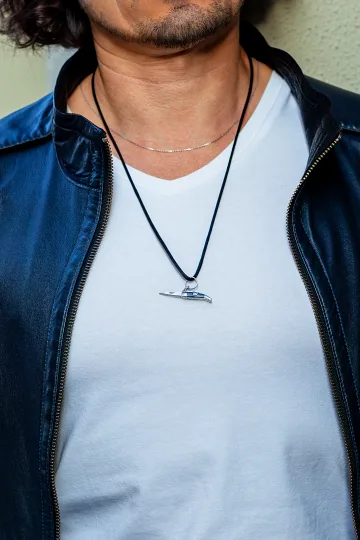
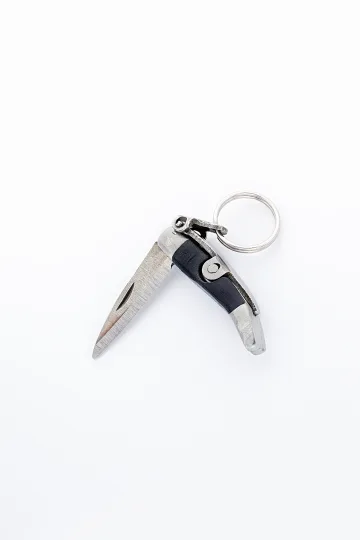



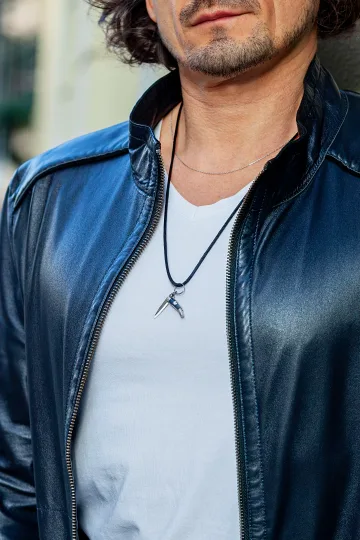

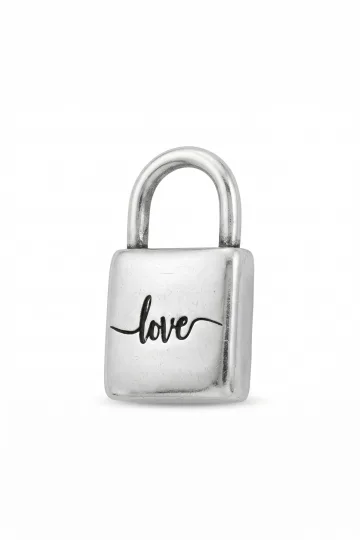
FAQ
What should I give my husband on the paper anniversary?
A leather-cord bracelet with a silver plate engraved with a date or coordinates. A silver pencil with an engraving. Cufflinks with a fragment of a wedding photo in bio-glass. A capsule pendant on a cord. A silver anniversary ring worn beside the wedding band. The key is a masculine character: restrained forms, neutral colours, modest sizes, no flourishes.
What should I give my wife on the first anniversary?
A pendant engraved with a date or coordinates. Stud earrings in the colours of the wedding bouquet. An anniversary ring with the birthstone of the wedding month. A locket with a miniature scroll inside. A charm bracelet with its first charm. A bracelet of bouquet petals set in resin. The principle: something worn every day that carries a personal meaning.
How much should I spend on the first anniversary?
Budget does not determine the quality of the gift. A silver pendant with an engraving works no worse than an expensive gold one if it is chosen with intention. Precision of the gesture matters more than its cost. If the budget is tight, put the effort into the details: the engraving, the wrapping, the note. They work harder than the material.
Are paired rings appropriate for a first anniversary?
Yes. Paired rings on the first anniversary are a steady practice. Slim bands worn beside the wedding rings work as a separate marker of the year without competing with the wedding bands themselves.
Surprise or joint choice?
A surprise works if you know your partner's taste well. If in doubt, a joint choice is safer. The hybrid is best: the partner knows there will be jewellery but does not know the details, the symbol, the engraving. That keeps the element of surprise while lowering the risk of an error.
Should we exchange gifts at the same moment or separately?
If both partners are giving, at the same moment is better, so that neither feels obliged to respond to what they have just received. Agree the level in advance: budget, format, scale. That removes the tension and keeps the choice focused on what the gift is actually for.
What should I write on the card with the gift?
A sentence or two explaining the choice. "I chose this symbol because...". "These are the coordinates of the place we met." "The date is written as a Julian day." No long poems. A short, concrete line works better than any amount of wordiness.
What should I avoid giving on the first anniversary?
An expensive diamond, which is premature, since the scale of anniversaries works gradually. A repeat of the wedding gift, which is pointless. A line from a current blogger, which dates fast. A generic "I love you", which could sit on any couple's piece. Household goods, which are a purchase for the home. Money or a voucher, which is impersonal. Flowers as the only gift, since they wilt. A gadget, which is utilitarian.
What if the first anniversary falls just after a row?
The gift can become a gesture of repair. Not "I bought this to make up for something" but "I chose this because, difficult patch or not, I want this year marked". The engraving can be short: "Despite everything", or simply the year. An apology gift works when there is a real intention behind it to carry on.
What if there is no money for the first anniversary?
The gift does not require a large outlay. An engraved silver locket bought at a modest price, with the right engraving, works more strongly than plenty of expensive standard jewellery. The alternative is a handwritten letter plus a small symbolic object. Words written by hand are often stronger in this context than any material gesture.
Is jewellery obligatory on the first anniversary?
No, there is no obligation at all. Jewellery is one option among many, and it beats most of them on a single criterion: it stays. If the point of the gift is to mark a year, jewellery does that more precisely than dinner or flowers. But a well-chosen dinner with a considered conversation beats an imprecise piece bought in a hurry.
What does the paper anniversary mean in a modern context?
The tradition of materials by year arose in Victorian England as a social ritual. Paper for the first year is a symbol of the fragility of a beginning, not of cheapness. In a modern reading: the start of something still taking shape. A piece with paper motifs, a fragment of a letter set in bio-glass or an engraving that imitates handwriting, is a way of playing with the tradition rather than repeating it.
Which metal is best for a first anniversary?
Traditionally the first year is linked with gold as the modern material. Practically, the best metal is the one your partner already wears day to day. If they wear silver, give silver. A piece that does not go with the rest of what they own will live in a box. In the United Kingdom both metals carry a hallmark from an Assay Office, and the mark on the clasp or the inside of a band tells you the fineness without having to take anyone's word for it.
Is an engraving necessary?
Not necessary, but it makes the piece personal. Without an engraving you have a handsome object. With one you have a private archive. For a first anniversary an engraving adds meaning that does not date: in thirty years a date or a set of coordinates still means exactly what it means now.
What should I engrave if I would rather not use the date?
The coordinates of the ceremony or of the first meeting. A single word that means something only to the two of you. Interlaced initials. A number only you two know. A Latin phrase. A Julian day instead of an ordinary date. The one thing that matters is that it should be yours, not generic.
Is jewellery an appropriate gift for a husband?
It is. Most men do not buy jewellery for themselves, which is exactly why a piece from a partner becomes the single, permanent one. An engraved bracelet or a pendant on a cord are the discreet options for someone who rarely wears anything. An anniversary ring worn beside the wedding band is a more pronounced gesture for someone already used to rings.
Should I give it on the day itself or earlier?
On the day. If engraving is needed, order it one to two weeks ahead so everything is ready for the date. Giving it earlier is possible when there is a real reason. Giving it later only if that has been agreed and is clear to both of you.
What if I do not know my partner's taste in jewellery?
Three markers. Match the metal to what they already wear. Keep the shape restrained, since you can add complexity later but you cannot take it away. And choose a symbol that is certainly meaningful to both of you, the wedding date or the coordinates of a place. The universal rule: understated beats loud almost every time.
How do I combine an anniversary piece with the wedding ring?
An anniversary ring should complement the wedding band rather than compete with it. Slim and smooth beside slim and smooth. Decorated beside plainer only if the difference in bulk is small. If the wedding ring is very expressive, the anniversary ring is better kept entirely simple.
What if the anniversary has already passed and the gift is not bought yet?
Buy it and give it. Late does not mean never. Explain that you chose carefully. If there is an engraving, use the wedding date rather than the date you actually hand it over. A late but precise gift is better than a rushed one on time. What matters is that the gesture is real rather than a formality.
Conclusion
The first year of marriage is a particular unit of time. Not the easiest and not the happiest, but the one in which everything that came after the wedding you lived through for the first time. The first shared daily life. The first serious conflict and the first reconciliation. The first decision made together. The first New Year as a married pair. The first time one of you was ill and the other cared for them. The first trip taken as a family rather than as a couple.
Each of those firsts will not repeat. They have become your foundation, whether you meant them to or not.
It is a year that will not come again, and that is precisely why it deserves something physical, an object that stays. Not a memory that blurs with time, but a thing you can put on and feel.
A first-anniversary piece is a way of saying: I remember this year. Not the formal "we were together twelve months" but "this year was ours, and I want something to mark it". In twenty years that piece will be on the same hand, and you will both know what it means.
The right choice is the one that is precise for the two of you. A symbol that reflects something real. An engraving that carries the specific rather than the generic. A material the partner will wear rather than store. Everything else is either already forgotten or will become a story with no date.
If you want to start from the symbol, return to the section on jewellery with symbols of love. If the format matters more, return to the section on engraving.
Silver, gold, anniversary rings, symbolic jewellery, paired sets. Engraving on request: a date, coordinates, initials, a Julian day, a Latin motto.
About Zevira
Zevira makes jewellery in the artisan tradition of Albacete, Spain. For a first anniversary, here is what we offer.
Paired pendants: two pieces of one character, one for each partner, with split designs such as a heart, a key and a lock.
Sacred heart: an image of love that takes vulnerability in.
Infinity symbol: a loop with no end, a clean declaration of intent.
Claddagh ring: the Irish symbol of friendship, love and loyalty.
Engraving on any piece: a date, coordinates, initials, a single word, a Julian day, a Latin motto.