The Claddagh Ring: Love, Loyalty, Friendship and 400 Years of Irish Tradition
A ring that speaks before you do
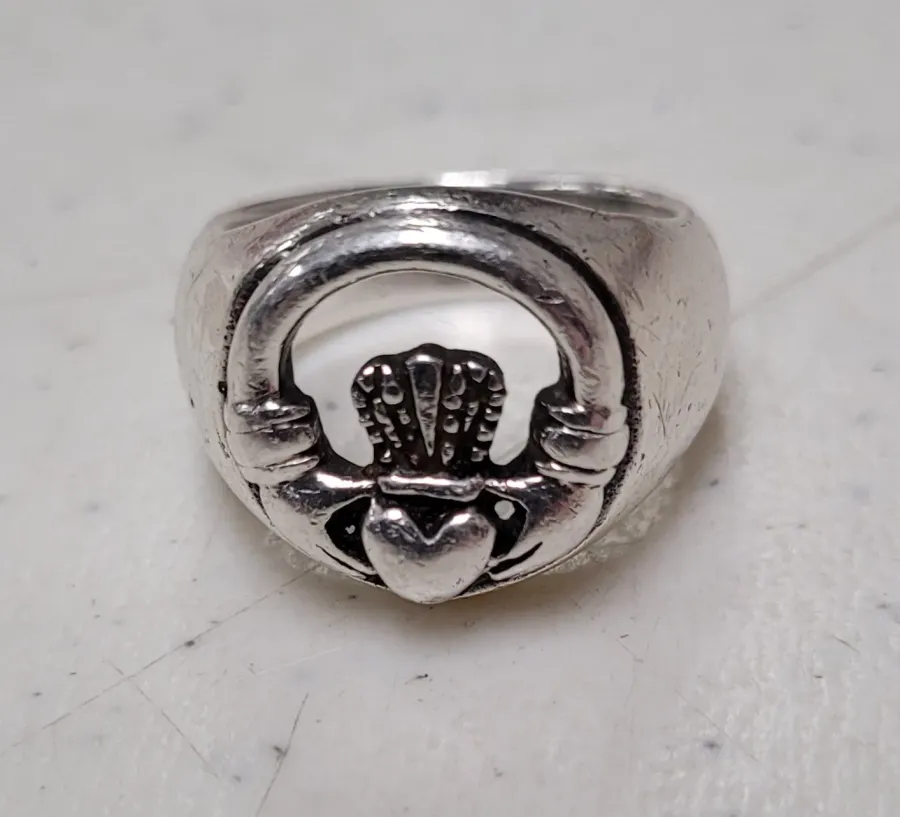
There is a ring that tells people whether you are single, taken, engaged, or married. Not by the finger you wear it on. Not by the size of the stone. By the direction it faces.
Turn the heart outward, and you are announcing something. Turn it inward, and you are announcing something else. Switch hands, and the message changes again. Four positions, four meanings, one ring. No other piece of jewellery in the Western world carries this kind of built-in communication system, and it has been doing it since the late 1600s.
Wear the symbol, don't just read about it. These are in stock:





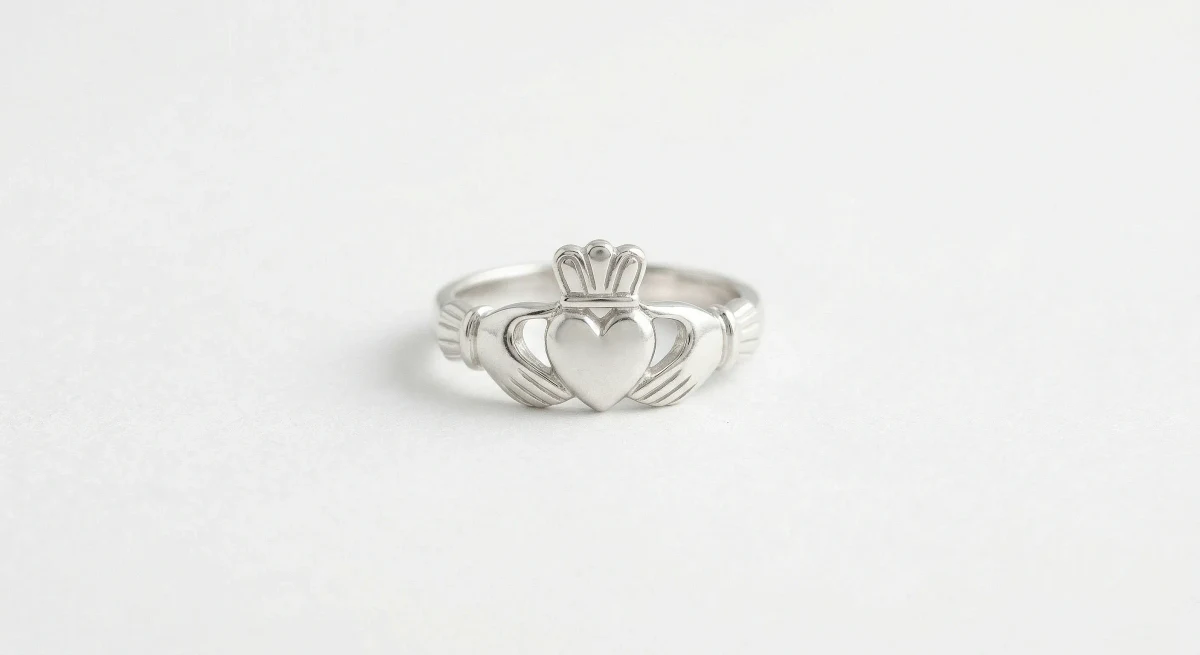
This is the Claddagh ring. Two hands holding a heart, topped with a crown. It comes from a fishing village outside Galway, Ireland, and it has survived piracy, slavery, famine, emigration, the British Empire, and approximately 14 million "what does your ring mean?" conversations at pubs. It has been worn by Queen Victoria, by Irish-American cops in 1920s New York, by mothers passing it to daughters on their wedding day, and by millions of teenagers who first saw it on a hit 1990s fantasy television series and immediately needed to know where to get one.
The story of the Claddagh ring is a story about love. But it is also a story about colonialism, survival, diaspora, identity, and what happens when an entire culture gets scattered across the earth and needs something small and portable to carry its soul.
This is that story, from beginning to now.
The Legend: Richard Joyce, Pirates, and a Ring Made in Captivity
The village of Claddagh
Before we get to the ring, we need to talk about the place.
Claddagh (from the Irish "An Cladach," meaning "the shore") was a fishing village just outside the walls of Galway city, on the western coast of Ireland. It sat where the River Corrib meets Galway Bay, and it was its own world. The people of Claddagh were fishermen and their families, tightly knit, with their own customs, their own elected "king" (the King of the Claddagh, who led the fishing fleet), and their own fierce sense of identity separate from the merchants and traders inside the city walls.
Claddagh was not wealthy. It was not powerful in any political sense. But it was old, deeply rooted, and proud. The village had existed for centuries before any English-speaking person wrote about it. And it was from this small, stubborn, salt-soaked community that the ring emerged.
The original Claddagh village was demolished in the 1930s due to a tuberculosis outbreak, replaced by council housing. Nothing of the old village remains except the name, the tradition, and the ring. Which, if you think about it, is more than most places leave behind.
Captured by Algerian pirates
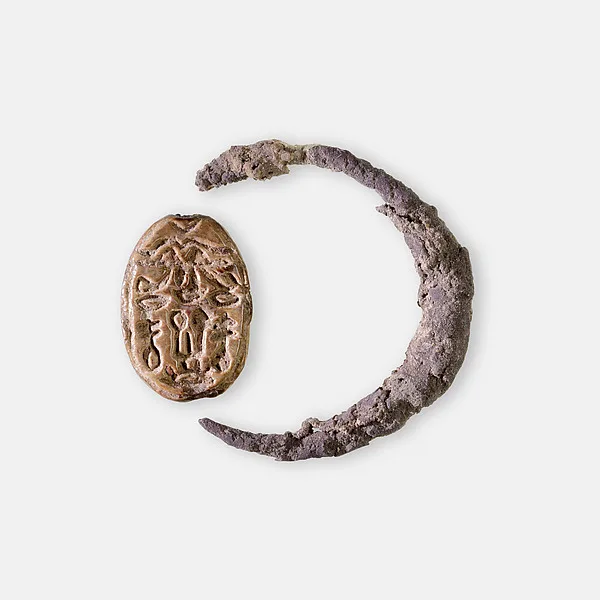
The most widely told origin story of the Claddagh ring centres on a man named Richard Joyce. The details vary depending on who is telling the story, but the core narrative goes like this:
Sometime around 1675 to 1689, Richard Joyce, a young man from the Claddagh village, left Galway to seek work in the West Indies. His ship was captured by Algerian corsairs (sometimes described as Barbary pirates, sometimes as Moorish pirates). Joyce was taken to Algiers and sold into slavery.
His master, as the story goes, was a Moorish goldsmith. And here is where the legend gets interesting. Rather than being put to hard labour in a mine or on a ship, Joyce was put to work learning the goldsmith's craft. Over the years of his captivity, he became highly skilled. And during those years, thinking of the woman he had left behind in Galway and the home he might never see again, he designed a ring. Two hands clasping a heart, crowned. Love, loyalty, friendship. Everything he was holding onto in captivity.
In 1689, William III of England negotiated the release of British subjects held in Algiers. Joyce was among them. His Moorish master, who had grown fond of him (and possibly wanted to keep his best craftsman), reportedly offered Joyce his daughter's hand in marriage and half his wealth if he would stay. Joyce refused. He went home to Galway, found that the woman he loved had waited for him, gave her the ring, and set up shop as a goldsmith.
This is the version you will find in tourist guides, gift shop plaques, and approximately every Irish-themed website on the internet. And there is probably some truth in it. Records do show a Richard Joyce working as a goldsmith in Galway in the late 1600s. The Barbary corsair raids and the enslavement of Europeans in North Africa are well-documented historical events. The 1689 treaty and the release of captives is real.
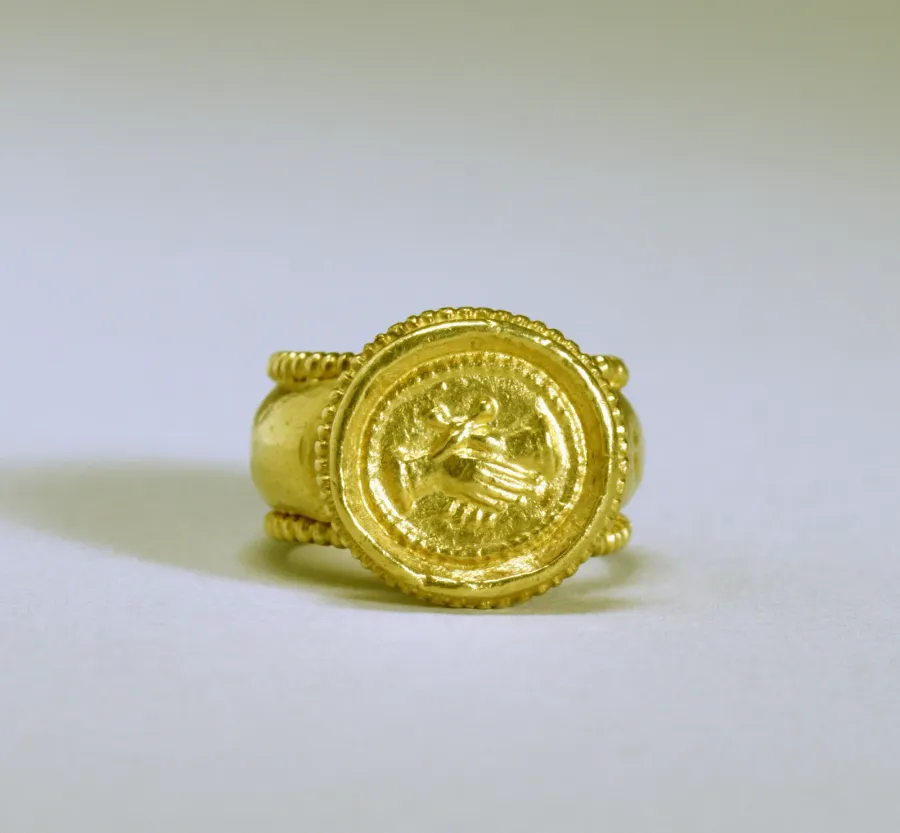
But did Joyce personally invent the Claddagh design? That is less certain. Some historians argue that rings with clasped hands (called "fede" rings, from the Italian "mani in fede," meaning "hands clasped in faith") had existed in Europe since Roman times. Joyce may have adapted an existing design rather than invented one from scratch. Either way, his name is the one attached to it, and the earliest surviving Claddagh rings bear his mark: the initials RI (Richard Ioyce, with "I" used for "J" as was common in the period).
The goldsmith's return
What happened after Joyce returned is almost as interesting as the captivity story. He established himself as a successful goldsmith in Galway, and the Claddagh ring became the standard love token in the village. It was not a mass-produced souvenir. It was a deeply personal object, given from mother to eldest daughter on her wedding day, passed down through generations.
The ring was always passed through the female line. This is unusual for the period. In most 17th and 18th-century traditions, valuable objects passed from father to son. But the Claddagh ring went from mother to daughter, grandmother to granddaughter, and the tradition held for centuries. In some families, the same ring has been passed down for eight or nine generations.
This detail matters because it tells you something about what the ring meant. It went beyond jewellery and beyond a love token. It was a matrilineal inheritance, a physical connection between women across time. When a mother gave her daughter a Claddagh ring, she was giving her something her own mother had given her, and her mother before that. The ring carried the weight of all those marriages, all those lives, all that continuity.
Upload a photo of your pet, someone you love, or an object. We'll build a 3D model and hand-cast it in pewter.


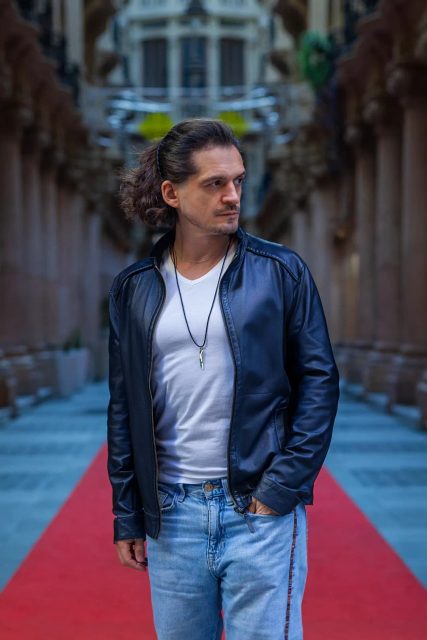
Heart turned outward means you are on the market. Then act like it, and stop moping in the corner.
How to Style a Claddagh Ring
Over the years the Claddagh has passed through dozens of looks with me, from denim mornings to candlelit dinners. Here is what actually works, sorted by occasion.
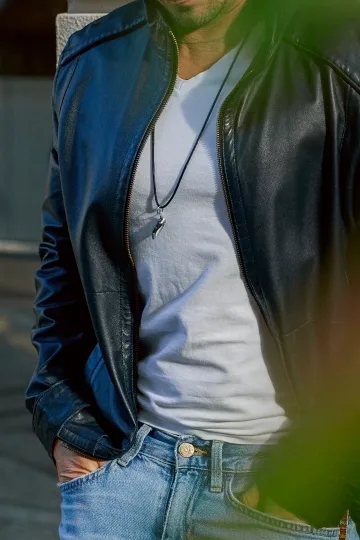
What do I wear a Claddagh with every day? For daily wear I recommend keeping the outfit plain so the ring reads as a quiet accent on the hand. A basic tee, jeans, a linen shirt, a chunky knit. A silver Claddagh I suggest with a cool palette: grey, blue, white, denim. A gold one sits happier next to beige, brown, cream and warm knitwear. The calmer the clothes, the harder the detail works.
Is it right for the office? Yes, as long as you keep it restrained. I recommend a single ring on the right hand, heart out or in, under an open-collar shirt or a clean blazer. Nothing busy beside it, and the hand looks composed. The Claddagh reads as a personal detail rather than a loud statement, and it never fights a strict dress code.
How do I take it into an evening look? For evening I choose an open neckline and a smooth fabric in a deep colour: silk, satin, wine, emerald. I suggest echoing the ring with a fine chain and a small heart pendant, so the heart motif repeats and pulls the look into one idea. A gold Claddagh on a bare hand by candlelight glows warmest.
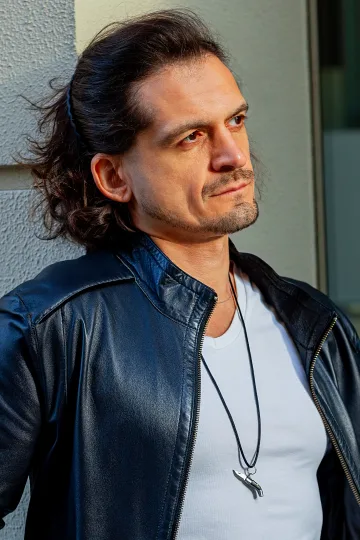
Can I mix it with other rings and metals? I suggest one simple rule: one metal at a time, silver with silver, gold with gold. A stack of two or three slim bands on neighbouring fingers looks modern, but the Claddagh has to stay the lead; keep the others plain, without strong patterns. Worn on a chain as a pendant, I recommend a length just below the collarbone so it rests on the chest instead of hiding under a collar.
Who does a Claddagh actually suit? Both the minimalist who wants one meaningful ring instead of a handful of trinkets, and the collector who loves jewellery with a story. My one styling rule: let the Claddagh be the only strong accent on the hand, and both the shape and the meaning come through. Keep everything else on that hand quiet.

Turn on your camera, pick earrings, a pendant or a ring, and see the piece on yourself in real time.
Switch items in one tap.
Everything runs in your browser: no photo or video is ever uploaded.
Heart, Crown, Hands: What the Three Symbols Mean
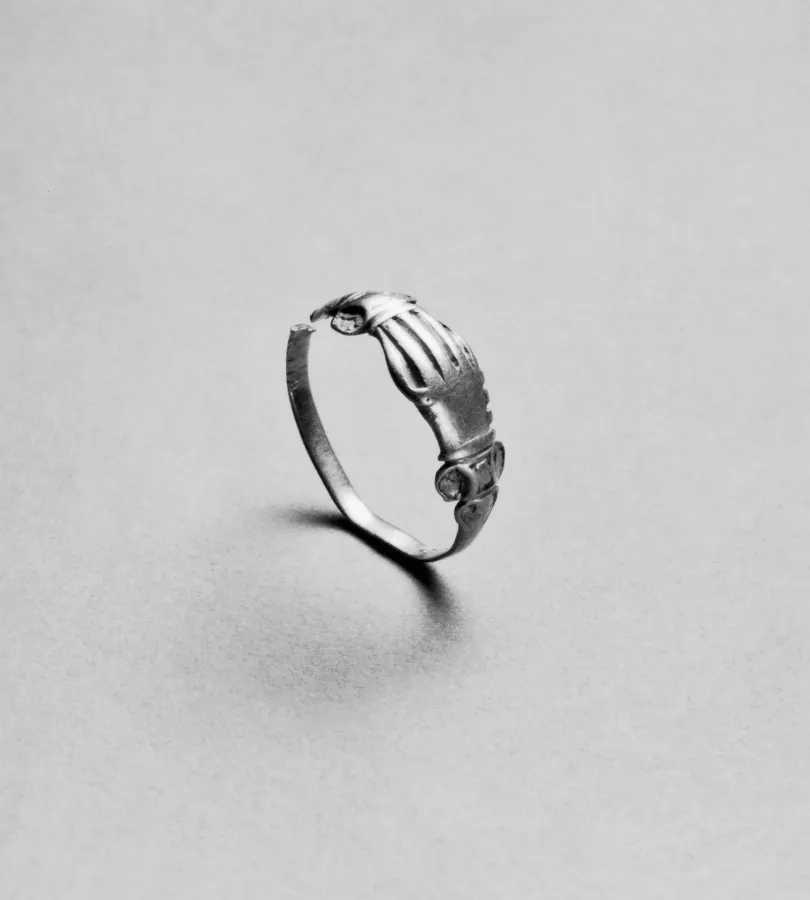
The Claddagh ring is built from three elements, each with a specific meaning. Together, they form what the Irish traditionally considered the three pillars of a lasting relationship.
The heart: love
The heart at the centre of the design represents love. This is the most straightforward symbol and the one that needs the least explanation. Heart equals love. Humans have been using this association since at least the 13th century, and the Claddagh ring follows the tradition directly.
But in the context of the Claddagh, the heart is not abstract romantic love. It is specific, located, grounded. It is the heart of someone who was taken across the sea, held in captivity, and spent years thinking of one person back home. It is love that has been tested by distance, time, and uncertainty. Not the heart on a Valentine's card. The heart that survives.
The crown: loyalty
The crown sitting atop the heart represents loyalty (sometimes translated as "fidelity"). In the Irish tradition, loyalty reaches beyond romantic faithfulness. It encompasses dependability, steadfastness, keeping your word, standing by someone when things get difficult.
The choice of a crown rather than some other symbol for loyalty is interesting. A crown implies sovereignty, authority, rule. In the Claddagh context, it suggests that loyalty is the highest virtue, the thing that rules over the heart. Love without loyalty is unreliable. Loyalty gives love its structure.
Some historians have also pointed out that the crown may reference the elected "King of the Claddagh," the leader of the fishing village. If so, it connects the ring not just to personal relationships but to the community itself, to the idea of faithful service to your people and your place.
The hands: friendship
The two hands clasping the heart represent friendship. In the Irish understanding, friendship is not a lesser version of romantic love. It is its foundation. A marriage without friendship is a contract. A marriage built on friendship has roots.
The hands in the Claddagh design are often described as "clasping" or "holding" the heart. They are not just touching it. They are protecting it, supporting it, presenting it. Friendship, in this reading, is what holds love in place and keeps it from falling.
This is also where the connection to the older European "fede" rings becomes clear. Fede rings, which date back to Roman times, feature two clasped hands symbolising trust, agreement, and partnership. The Claddagh ring took this old symbol and added the heart and crown, transforming a general symbol of trust into a specific Irish statement about what a relationship needs to work.
How they work together
The genius of the Claddagh design is that none of the three elements works alone. Love without loyalty is infatuation. Loyalty without love is duty. Friendship without love is companionship. All three together form the Irish ideal of a complete relationship. The same triangulation runs through the wider tradition of love symbols in jewellery, where hearts, knots, clasped hands, and paired motifs each take on one face of the same idea.
There is an old Irish saying associated with the ring: "Let love and friendship reign." The word "reign" connects back to the crown. Love and friendship should rule, should be the governing principles of a life lived together.
It is worth noting that this philosophy predates most modern thinking about relationships by several centuries. The idea that friendship should be the foundation of romantic partnership, that loyalty matters as much as passion, that love alone is not enough. These are things that contemporary relationship psychology keeps rediscovering, and a 17th-century fishing village already had them figured out and cast in gold.
Customer reviews
Zevira is a real jewellery shop. Genuine payments, deliveries and customer thank-yous.
🥰🥰🥰 gracias
Ok, ¡gracias! 🙂
How to Wear a Claddagh Ring: The Complete Guide
This is the section you probably came here for. The Claddagh ring is one of the few pieces of jewellery in the world where the position on your hand communicates your relationship status. There are four positions, and each one sends a different message.
Right hand, heart outward: single and looking
Wear the Claddagh ring on your right hand with the heart (the point of the ring) facing outward, toward your fingertips. This means: my heart is open. I am not in a relationship, and I am available.
The heart pointing away from you is the key visual. It says your heart has not yet been captured, that it is still being offered to the world.
In practical terms, this is how many young Irish people wear the ring when they first receive it, often as a teenager. It is a statement of readiness rather than searching. You are not desperately looking for love. You are simply indicating that the position is open.
Right hand, heart inward: in a relationship
Same hand, but now turn the ring around so the heart points inward, toward your wrist. This means: someone has my heart. I am in a relationship.
This is the switch that everyone talks about. The moment when you flip the ring from outward to inward is, in Irish culture, a small but significant ritual. It is not as public as changing your Facebook status (or whatever replaced Facebook). But among people who know the tradition, it is noticed.
Some couples flip their rings together, at the same moment, as a mutual declaration. Others do it privately. There is no prescribed ceremony. You just turn the ring.
Left hand, heart outward: engaged
Move the ring to your left hand (the traditional ring finger, fourth finger) with the heart pointing outward. This means: I am engaged. My heart has been claimed, but the commitment is not yet sealed.
The shift from right hand to left hand is significant. In Western tradition, the left hand is the hand of the heart (the "ring finger" was believed to contain a vein running directly to the heart, the "vena amoris"). Moving the Claddagh to the left hand signals that the relationship has moved from dating to a formal commitment. The wider system of ring finger meanings, hand by hand, was already in place long before the Claddagh added its own four-position code on top.
The heart still pointing outward at this stage might seem contradictory, but the logic is: the engagement is public, announced, visible. The heart is being shown to the world, as if to say "look, this heart has found its match."
Left hand, heart inward: married
Left hand, heart pointing inward. This is the final position. The heart has come home. It faces you now, settled, secure, no longer being offered or displayed. It belongs to someone, and that someone is permanent.
Many Irish couples use the Claddagh ring as their actual wedding band. In this case, the ring is placed on the ring finger during the ceremony with the heart pointing inward. Some couples have a separate wedding band and wear the Claddagh ring on the right hand or on a different finger after marriage, keeping the heart inward.
Are these rules strict?
No. And anyone who tells you they are is overstating things.
The four-position system is a widely known tradition, and in Ireland it is genuinely observed, especially among families with strong Claddagh ring heritage. But it is not a law. It is not even a universally agreed-upon code. Some families have their own variations. Some people wear the ring however they like and pay no attention to the positioning.
The tradition works best when you think of it as a language rather than a rulebook. If you know the language, you can read what someone's ring is saying. If you do not know the language, it is still a beautiful ring. Nobody is going to correct your Claddagh ring position at a dinner party (and if they do, you are at the wrong dinner party).
That said, if you want to follow the tradition correctly, the four positions described above are the standard. And there is something genuinely satisfying about turning your ring from one position to another at different stages of your life. It is one of the few pieces of jewellery that grows with you.



A History of the Claddagh Ring: 1689 to Now
17th-century Galway
The Claddagh ring emerged during a turbulent period in Galway's history. In the late 17th century, Galway was transitioning from a wealthy, independent trading port to a city under increasingly tight English control. The fourteen merchant families known as the "Tribes of Galway" had dominated the city for centuries, but their power was fading under Cromwellian and Williamite pressure.
The Claddagh village, always separate from the city proper, maintained its traditions through these upheavals. The fishing community had its own economy, its own social structure, and its own customs. The ring was part of this self-contained culture. It was not created for export or for tourists. It was made by Claddagh people, for Claddagh people, to mark Claddagh marriages.
The earliest surviving Claddagh rings date to the late 1600s and are held in the National Museum of Ireland in Dublin and the Galway City Museum. They are simple, elegant, and unmistakable. The design has barely changed in over 300 years.
Passed through generations
For its first two centuries, the Claddagh ring remained largely local. It was a Galway thing, specifically a Claddagh thing. Families in the fishing village passed rings from mother to daughter with a seriousness that bordered on sacred. To sell a Claddagh ring or let it leave the family was considered a betrayal.
This is what made the Claddagh ring different from other love tokens of the period. A brooch or a locket could be bought, given, lost, replaced. A Claddagh ring had a lineage. It came from somewhere. It had been on other hands before yours, and it would be on other hands after yours. Wearing it connected you to a chain of women stretching back through time.
Some of the surviving historical Claddagh rings show wear patterns consistent with centuries of use. The gold is thin in places where generations of thumbs have rubbed while fidgeting. The heart is slightly worn from being kissed. These are not museum pieces in any cold sense. They are objects that have been loved, literally, almost to destruction.
The Famine and the scattering
The Great Famine of 1845-1852 changed everything about Irish life, and the Claddagh ring was no exception.
Before the Famine, Ireland's population was approximately 8.2 million. Within a decade, roughly a million people had died of starvation and disease, and another million had emigrated. In the decades that followed, emigration continued until Ireland's population had halved. Entire communities were emptied. The Claddagh village, like everywhere else in western Ireland, was devastated.
When people leave, they take what they can carry. And one of the things Claddagh women carried, pinned into their clothing or slipped onto their fingers, was the family ring. The Claddagh ring crossed the Atlantic in the pockets and on the hands of women who would never see Ireland again. It went to Boston, New York, Liverpool, Glasgow, Melbourne, and Sydney. It went wherever the Irish went.
This is the moment when the Claddagh ring stopped being a local tradition and became a global one. Not through marketing or commerce, but through catastrophe. The ring spread because Ireland was emptied, and the people who left needed something to remember who they were.
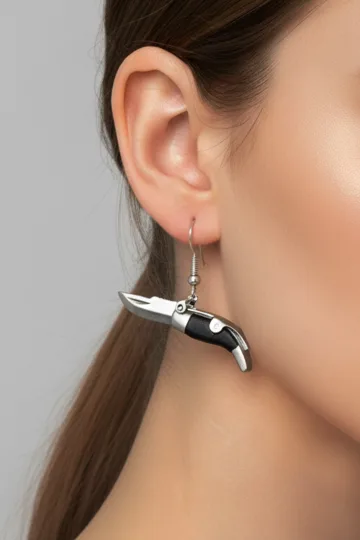
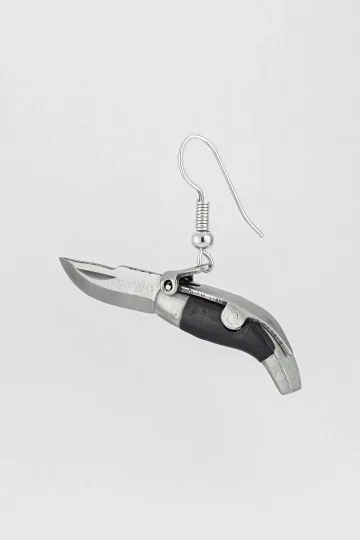
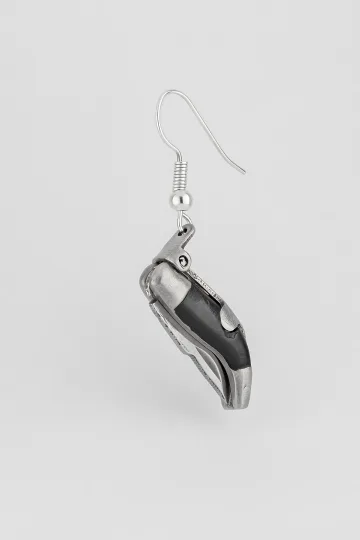
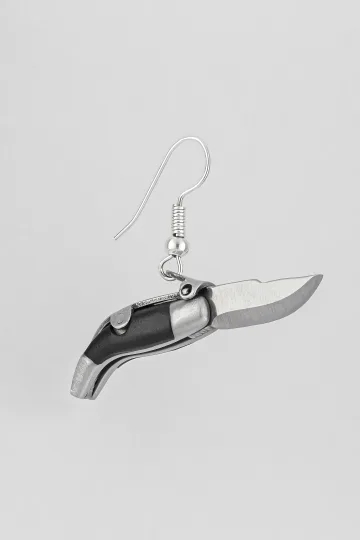
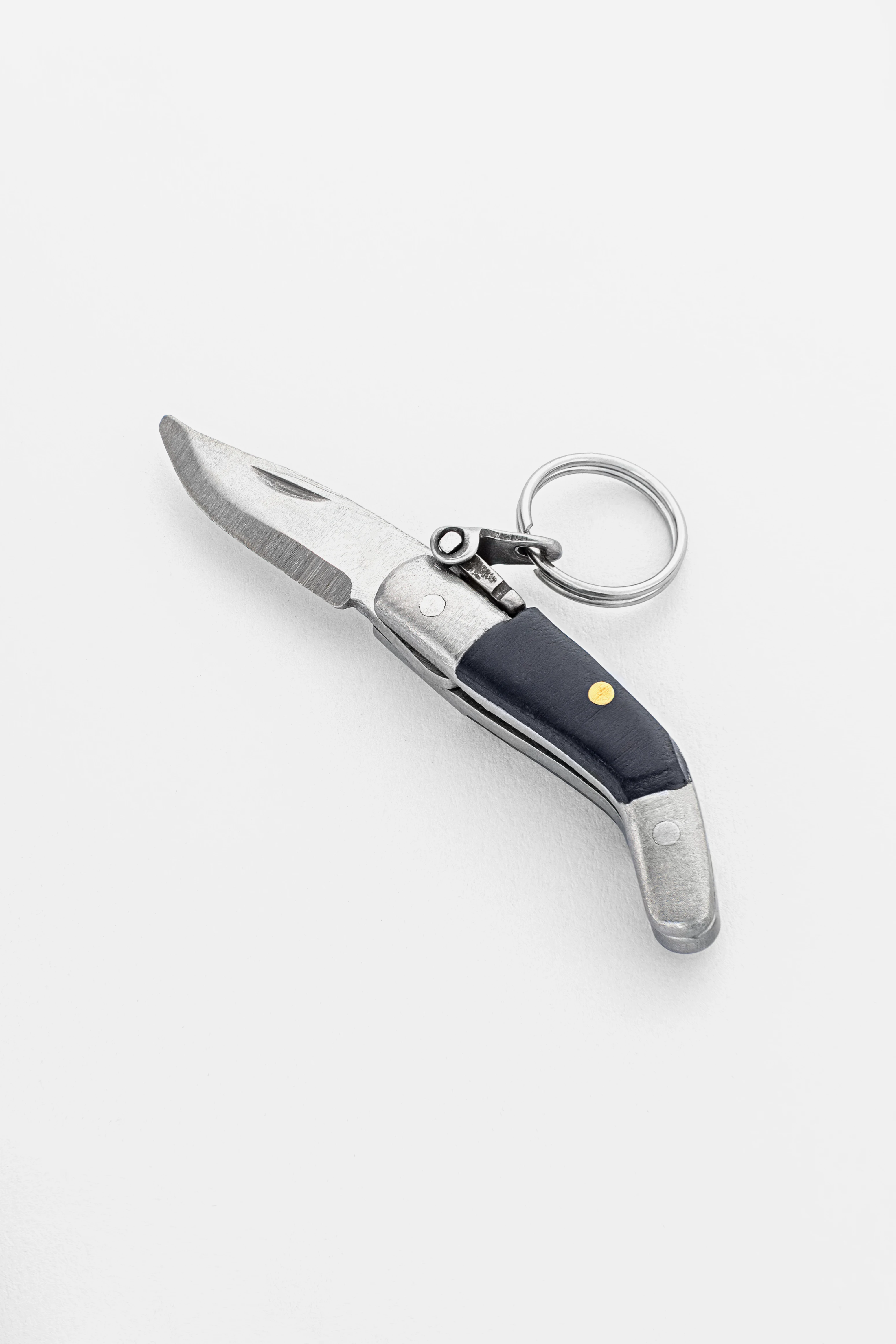
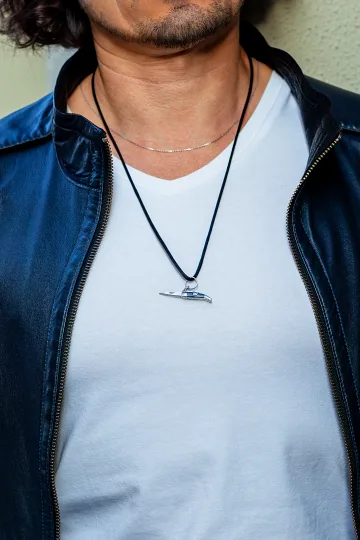
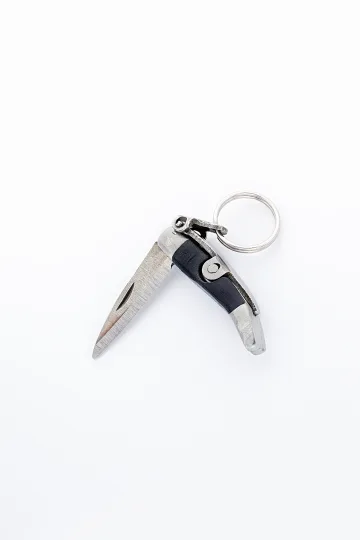
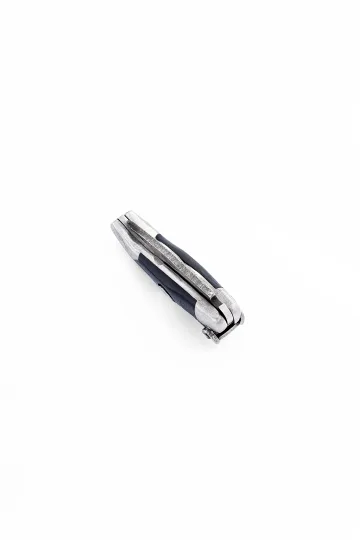
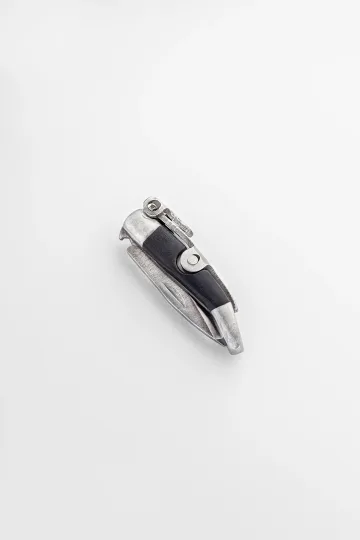
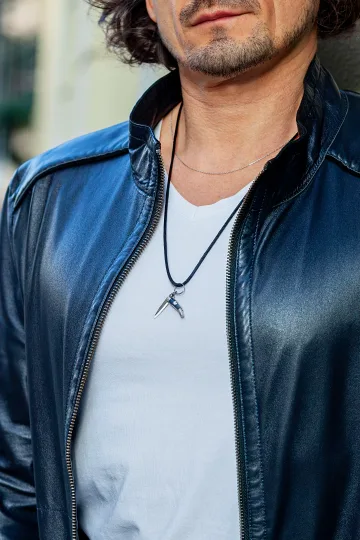
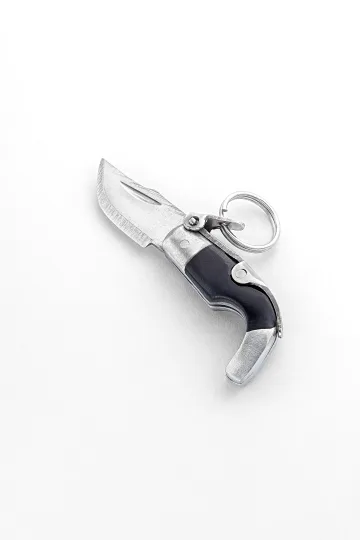
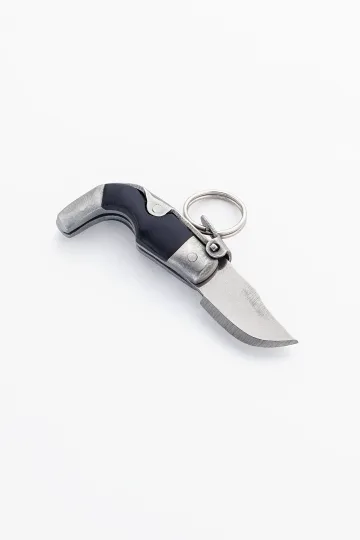
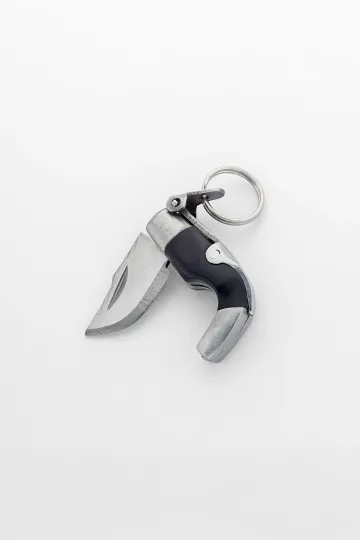
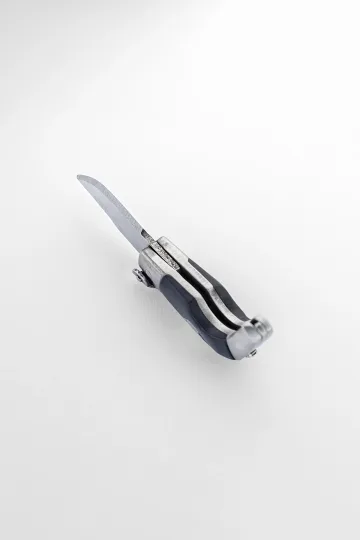
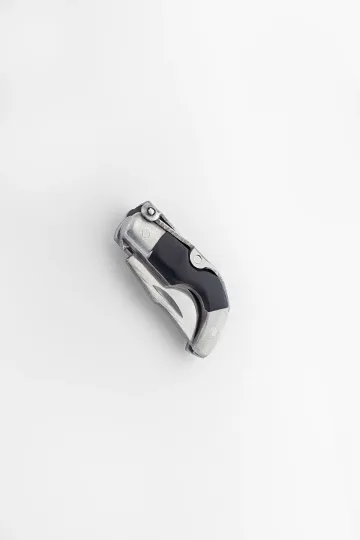
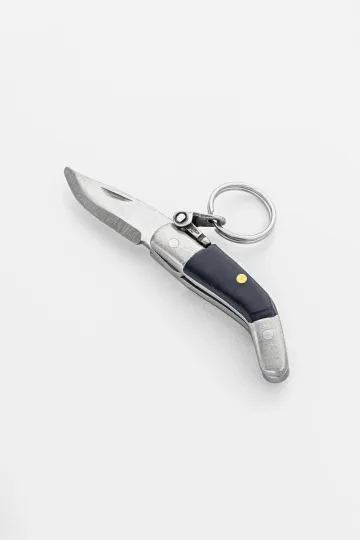
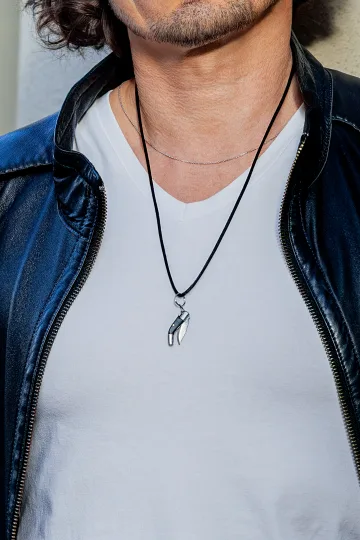
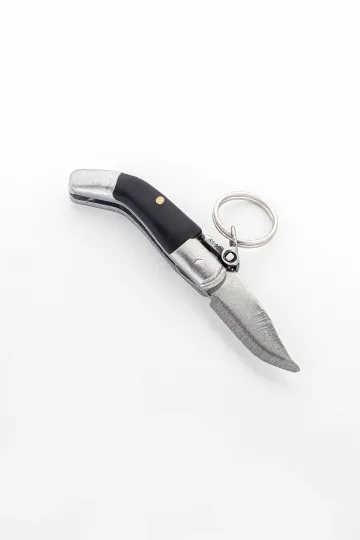
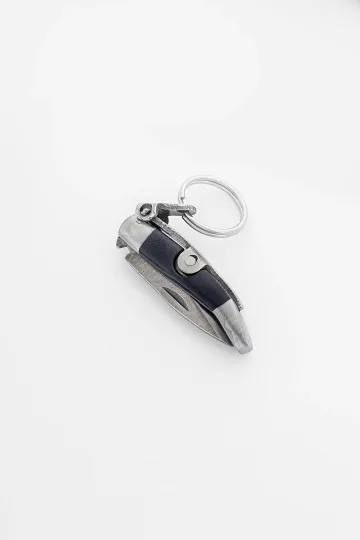
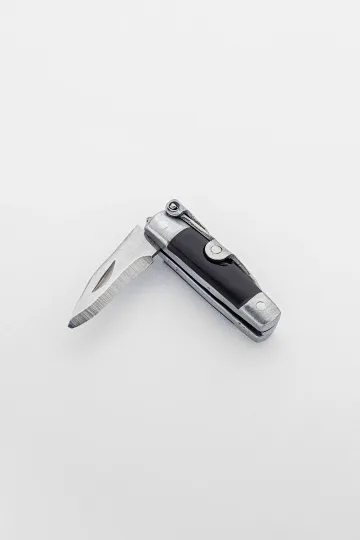
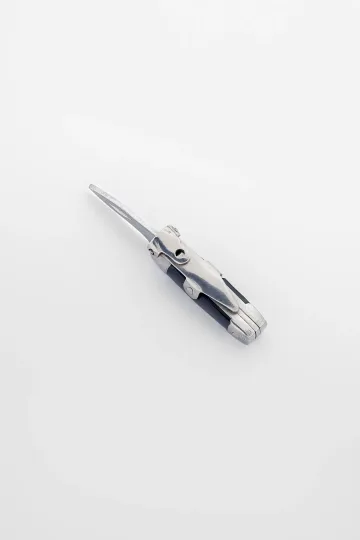
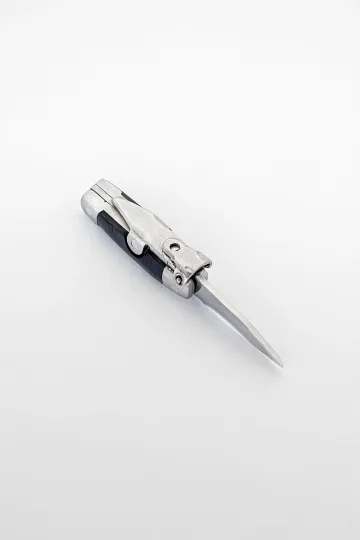
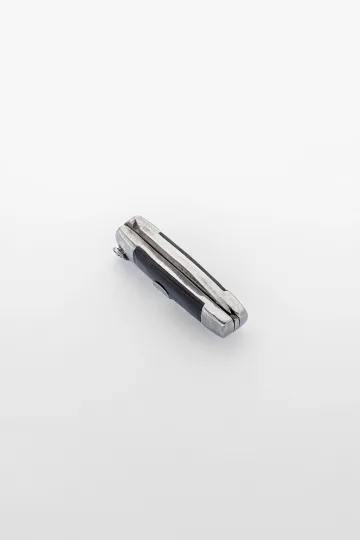
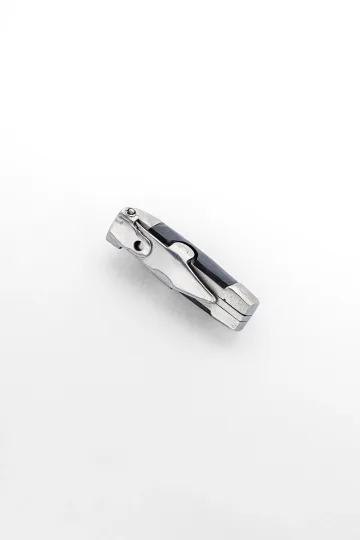
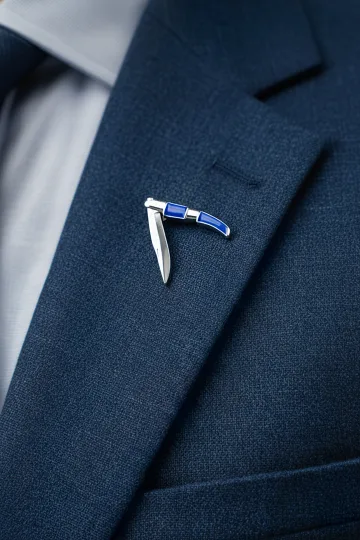
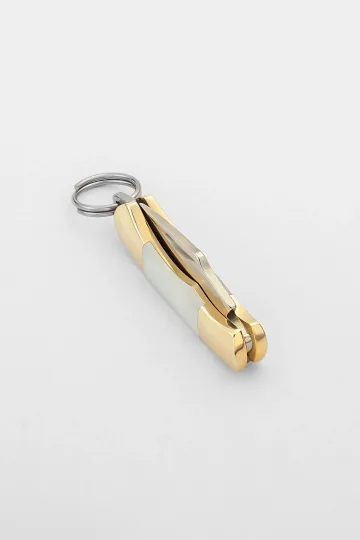
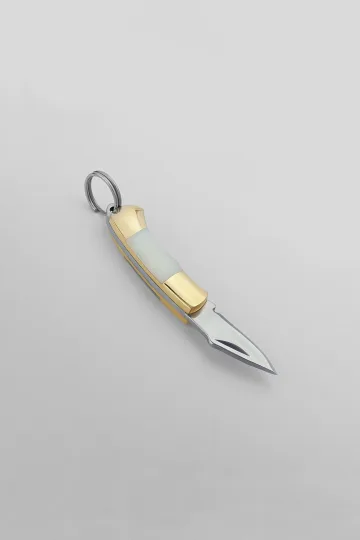
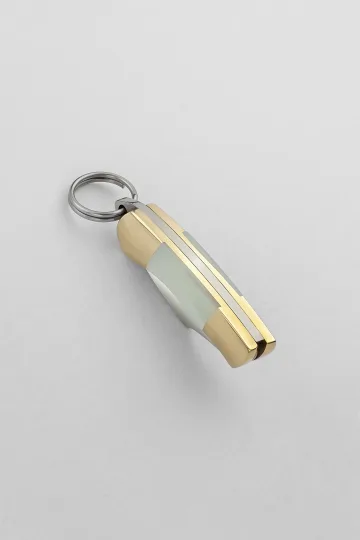
CAPAORA mini knife pendant
The 18th-century Spanish navaja in miniature: 40 mm of stainless steel, a real folding mechanism and a Palanquilla lock that clicks. An affordable gift to remember.
Authentic · Ships from Spain · 14-day returns
The Irish Diaspora: How the Ring Travelled the World
Boston, New York, and the American Irish
The Irish who arrived in American cities in the mid-to-late 1800s were among the most marginalized immigrant communities. They were poor, often illiterate, frequently discriminated against ("No Irish Need Apply" was a real sign in real windows), and packed into tenements in the worst parts of cities.
In this environment, markers of Irish identity became intensely important. The Claddagh ring was one of them. It said: I am Irish. I have a history. I come from somewhere. In a country that treated you as nobody, the ring was proof that you were somebody, that your family had a story and a tradition and a continuity that predated America itself.
By the early 1900s, the Claddagh ring had become a standard feature of Irish-American culture. It was given at confirmations, at graduations, at weddings. It was worn by cops and firemen and union workers and parish priests. It appeared in the jewellery shops of South Boston, the Bronx, and every neighbourhood with an Irish pub and a Catholic church.
The American Irish took the ring and amplified it. In Ireland, the Claddagh ring had been a quiet, local tradition. In America, it became a declaration. A flag worn on the hand.
Britain and Australia
The Irish in Britain had a different relationship with the ring. In cities like Liverpool, Manchester, Glasgow, and London, the Irish community was large, visible, and often in tension with the surrounding culture. The Claddagh ring served as an in-group marker. If you saw it on someone's hand, you knew. If you did not recognise it, you were not part of the community.
Australia received a large Irish population, both voluntary immigrants and transported convicts. The Claddagh ring tradition was carried there as well, particularly among communities in Melbourne and Sydney. In Australian Irish culture, the ring retained its original meaning more closely than in some American communities, perhaps because the Australian Irish population was somewhat smaller and more cohesive.
A portable piece of home
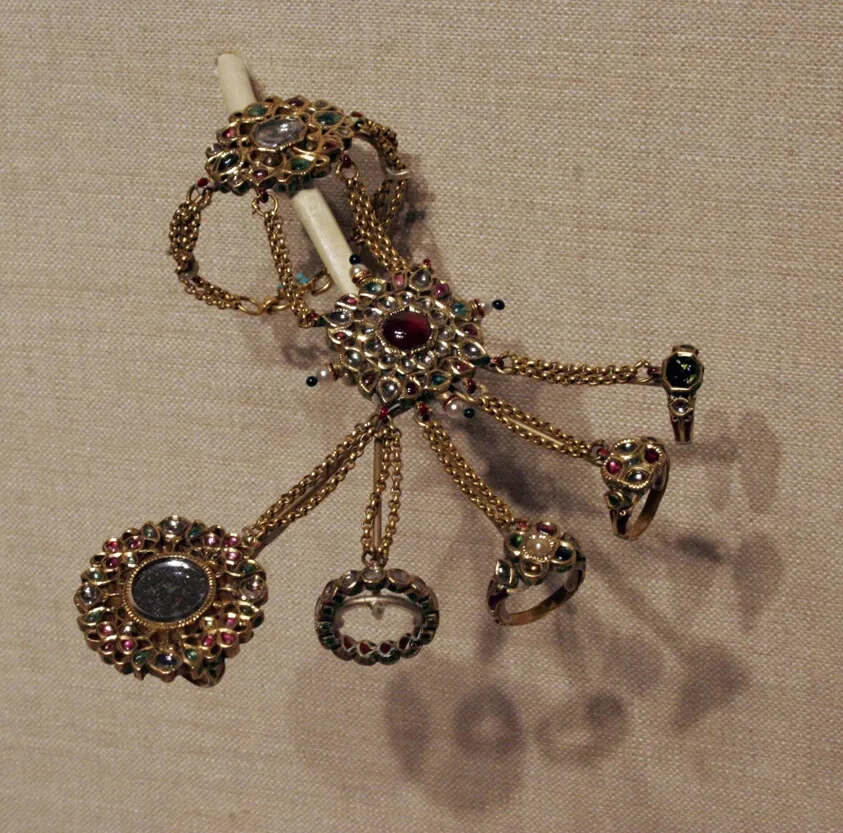
What all diaspora communities shared was the use of the Claddagh ring as what anthropologists call a "portable identity marker." It was small enough to carry anywhere, recognisable enough to identify you to your own people, and meaningful enough to serve as a connection to a homeland that many emigrants would never see again.
This is not unique to the Irish. Diaspora communities throughout history have used jewellery, clothing, and small objects to maintain identity across distance and time. But the Claddagh ring is one of the most successful examples. Nearly 200 years after the Famine, people with Irish ancestry around the world still wear it and still know what it means. That is extraordinary cultural durability.
Leave your email, we'll send your discount code. No spam, unsubscribe anytime.
The code arrives by email, valid on your first order.
Royal Connections: Victoria, Edward, and Beyond
The Claddagh ring's journey from a fishermen's village to the wider world got a significant boost from an unexpected source: British royalty.
Queen Victoria purchased a Claddagh ring during a visit to Ireland and was seen wearing it. This was during the mid-19th century, when anything the Queen wore became instantly fashionable. Victoria's adoption of the Claddagh ring brought it to the attention of the British upper classes and, through them, to a much wider audience.
Her son, Edward VII, also wore a Claddagh ring, and his wife, Queen Alexandra, was known to collect Irish jewellery including Claddagh designs. The royal connection gave the ring a status that it had never had before. It went from being a folk tradition to being something that could be worn in a drawing room without explanation.
There is an irony here that is hard to miss. The Claddagh ring was a product of a community that had suffered enormously under British rule. The Famine that scattered the ring across the world was worsened (many historians would say caused) by British colonial policy. And here was the British Queen wearing it as a fashionable accessory. Whether you see this as cultural appreciation or cultural appropriation depends largely on your politics. But the practical effect was clear: royal attention made the ring famous beyond the Irish community.
More recently, members of the British royal family have continued to wear Claddagh rings, and the design has appeared in the collections of high-end jewellers in London, Paris, and New York. The ring has completed a journey from fishing village to palace, which is not bad for something designed by an enslaved man in Algiers thinking about home.
The Modern Claddagh: Engagement, Wedding, Friendship, Family
As an engagement ring
The Claddagh ring is one of the most popular non-traditional engagement rings in the English-speaking world. For couples who want something with more history and meaning than a standard diamond solitaire, the Claddagh offers a compelling alternative.
Modern Claddagh engagement rings often incorporate precious stones. A diamond in the heart, an emerald (for Ireland), a sapphire, a ruby. The basic design remains the same, two hands, a heart, a crown, but jewellers have created versions ranging from simple gold bands to elaborate multi-stone settings.
For couples with Irish heritage, a Claddagh engagement ring connects the proposal to a 400-year tradition. For couples without Irish heritage, the design's symbolism (love, loyalty, friendship as the foundation of marriage) is universal enough to work regardless of background. You do not need to be Irish to appreciate the idea that a good marriage requires all three.
As a wedding band
Some couples use matching Claddagh rings as their wedding bands. During the ceremony, the rings are placed on the left ring finger with the heart pointing inward, the "married" position. This creates a visual symmetry between partners and makes the wedding band itself tell a story.
The Claddagh wedding band tradition is particularly strong in western Ireland, where some families have used the same design for every wedding for generations. In Galway, you can find jewellers who specialise exclusively in Claddagh rings and who can trace their craft back to the original tradition.
Mother-daughter tradition
The oldest Claddagh tradition, and the one closest to the ring's original use, is the passing of a ring from mother to daughter. This typically happens on the daughter's wedding day, but some families pass the ring earlier, at a confirmation, an 18th birthday, or when the daughter leaves home.
The tradition carries a specific weight. A mother giving her daughter a Claddagh ring is saying: this ring has been in our family for generations. I wore it. Your grandmother wore it. Now it is yours. Take care of it, and pass it on.
In families where the original ring has been lost (which happened frequently during the Famine and subsequent emigrations), a new ring is often started as the first link in a new chain. The idea is that every Claddagh ring is potentially the beginning of a multi-generational tradition. Even if your ring is brand new, your great-granddaughter might wear it at her wedding.
Friendship rings
Not every Claddagh ring is about romantic love. The friendship symbolised by the two hands makes the ring an appropriate gift between friends, and this use has been growing steadily since the 1990s.
Best friends exchange Claddagh rings as a pledge of loyalty and support. Sisters give them to each other. Groups of friends buy matching rings before going to university or travelling abroad. The ring says: we are connected, and this connection matters.
This use has roots in the ring's original symbolism. The Claddagh was always about more than romantic love. Friendship was one of its three core values from the start. Using the ring to mark friendship is not a modern deviation from tradition. It is a return to the ring's full meaning.
The Claddagh in Pop Culture
The moment the Claddagh ring entered mainstream global awareness, for an entire generation, came in the late 1990s through a hugely popular American fantasy television series.
In one storyline, a leading character gives the heroine a Claddagh ring and explains its meaning: the hands for friendship, the crown for loyalty, the heart for love. The scene was romantic, understated, and watched by millions of teenagers. In the weeks that followed, jewellery stores across the United States reported a spike in Claddagh ring sales. Teenagers who had never heard of Galway or Irish jewellery traditions were suddenly experts in which direction the heart should face.
The effect was significant because it introduced the ring to a demographic that might never have encountered it otherwise. Before the late 1990s, the Claddagh ring was primarily known among people with Irish heritage. After that television moment, it was known by anyone who watched prime-time TV.
The ring has appeared in other media as well. It features in several films set in Ireland, in songs by Irish and Irish-American musicians, and in novels by Irish writers. It appears in video games with Celtic themes. It even has its own emoji on several messaging platforms.
But that one television storyline remains the single biggest cultural moment for the Claddagh ring outside Ireland. A 300-year-old Irish tradition got a second life simply by being placed on a character's finger and given to a young woman on screen. Cultural transmission works in mysterious ways.
Buying it as a gift? Each one arrives ready to give.
 A branded Zevira box and a little card come with every order.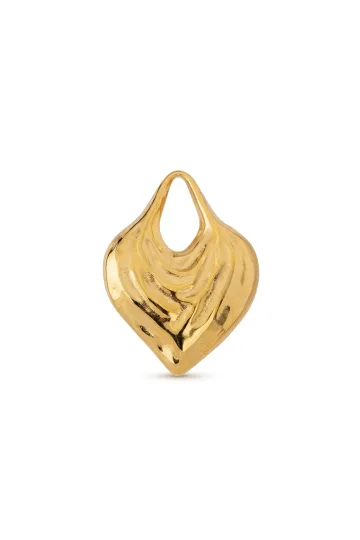



Choosing a Claddagh-Inspired Ring Today
The traditional Claddagh ring is a specific design: two hands, a heart, a crown, rendered in gold or silver. If you want the authentic article, Galway-based jewellers are the gold standard (literally). Some workshops in the city trace their Claddagh-making heritage back to the 18th century and still operate today.
But the Claddagh's symbolism, love, loyalty, friendship, the heart as a central motif, resonates beyond the specific traditional design. If you are drawn to the idea behind the Claddagh but want something that fits your personal style, heart-centred jewellery carries a similar emotional weight.
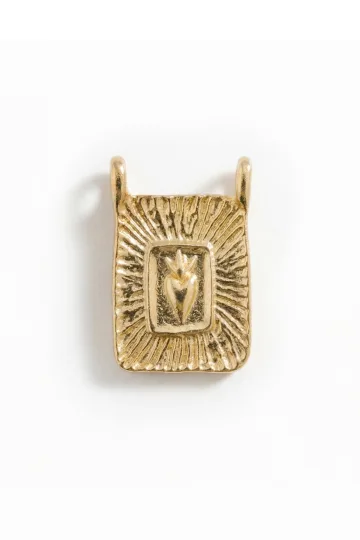
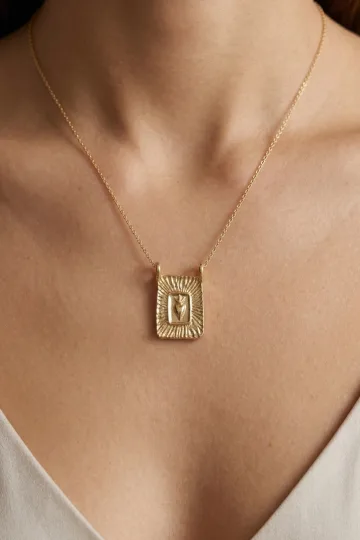
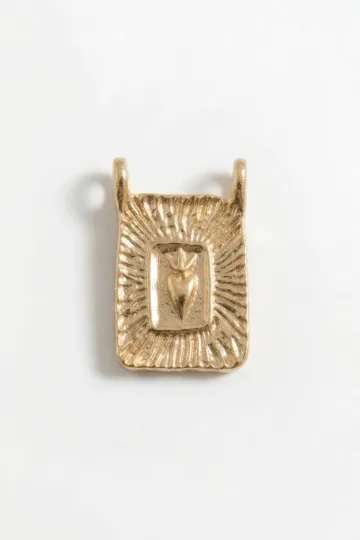
A Sacred Heart Ring takes the heart motif and infuses it with artistic depth, keeping the symbolism while offering a different aesthetic. The heart as a worn object, as a statement of what you value, connects directly to what the Claddagh has always been about.
For those who prefer pendants, a Hammered Heart Pendant in Gold carries the same core message: love, worn close to the body, made to last. The hammered texture adds a handmade quality that echoes the artisan origins of the Claddagh itself.
And the Heart of Dawn Pendant offers something for those who want the heart symbol combined with a sense of beginning, of new light. If the Claddagh represents love tested and proven, this pendant represents love at its sunrise.
Send a friend a discount code, they save on their first order.
Frequently Asked Questions
Can I wear a Claddagh ring if I am not Irish?
Yes. The Claddagh ring has been worn by non-Irish people for over a century. Its symbolism (love, loyalty, friendship) is universal, and no one in the Irish community is gatekeeping it. Wear it with respect for its history, and you are welcome to it.
Which finger should a Claddagh ring go on?
Traditionally, the ring finger (fourth finger) on either the right hand (dating/single) or the left hand (engaged/married). But many people wear Claddagh rings on other fingers, as midi rings, or on chains as pendants. There is no wrong finger if you are wearing it for its symbolism rather than its traditional position system.
Is the Claddagh ring only for women?
No. While the mother-to-daughter tradition emphasises the female line, Claddagh rings are worn by all genders. Men's Claddagh rings tend to be wider and heavier, but the design and symbolism are the same. In modern Ireland, men wear Claddagh wedding bands as commonly as women do.
Can I give a Claddagh ring to a friend?
Absolutely. Friendship is one of the ring's three core meanings. Giving a Claddagh ring to a friend is not a misuse of the tradition; it is honouring one-third of it. The ring was never exclusively romantic.
Does it matter if the ring is gold or silver?
Traditionally, Claddagh rings were gold. But silver Claddagh rings have been common for at least 200 years, and modern versions come in every metal from platinum to stainless steel. The material does not change the meaning. Choose what suits your style and budget.
What if I do not know my relationship status?
Wear it however you want. The position system is a guideline, not a contract. Many people wear the ring in a position that feels comfortable and change it when their status changes. The ring is patient. It will wait for you to figure things out.
Is the Claddagh ring related to Celtic knotwork?
Not directly. Celtic knotwork and the triquetra are a different artistic tradition, though both come from Ireland. However, many modern Claddagh rings incorporate Celtic knotwork into the band, merging the two traditions. The combination is aesthetically appealing and culturally coherent, since both originate from Irish craft traditions.
Silver and gold jewellery, wedding bands, symbolic pendants, paired sets.
Wear the symbol, don't just read about it. These are in stock:


Four hundred years and counting
The Claddagh ring started in a fishing village. It survived piracy, slavery, famine, emigration, colonialism, and the 20th century. It crossed oceans in the pockets of women who would never see home again. It sat on the hands of queens and the hands of factory workers. It was rediscovered by every generation, including one that found it through a television show about vampires.
And through all of it, the message never changed. Love, loyalty, friendship. The heart held by two hands, crowned. A simple idea, rendered in metal, passed from one hand to another for four centuries.
There are fancier rings. There are more expensive rings. There are rings with bigger stones and more famous designers. But there is no ring in the Western tradition that carries more meaning per gram than the Claddagh. It is a philosophy of relationships compressed into a piece of jewellery. And it still works, which is more than you can say for most philosophies.
If you are thinking about getting one, here is the only advice that matters: get one that feels right, wear it however you want, and if someone asks what it means, tell them the story. All of it. The pirates, the goldsmith, the fishing village, the famine ships, the queen, the vampire. The whole thing.
Good stories, like good rings, are meant to be passed on.
Wear the symbol, don't just read about it. These are in stock:





About Zevira
Zevira makes jewellery in the artisan tradition of Albacete, Spain. The love, loyalty, and friendship that hold the Claddagh together are exactly what people come looking for when they want a piece that carries meaning rather than a faceless trinket.
Here is what you will find with us along the same theme of love and symbolism:
- Rings and pendants built around the heart motif, worn as a quiet statement of how you feel
- Paired pieces for couples who want one shared symbol between two people
- Work in 925 silver and 14-18K gold, made to take years of daily wear
- Personal engraving: a name, a date, a short line tucked inside
- Pieces you would be glad to pass on, the way the Claddagh travelled from mother to daughter
Every piece can be personalised with engraving, with the option of personal engraving. Sterling 925 silver and 14-18K gold.