Jewellery for Your First Paycheck: Choosing a Keepsake for Yourself, Your Child or a Friend
Three versions of one moment
Ask anyone two years from now where their first paycheck went and you will mostly hear something vague: a phone, a jacket, something else. The piece of jewellery bought that day, though, they remember exactly. That is not sentimentality. It is the difference between an expense and an object with a date of origin. The first paycheck happens once. What you did with it stays.
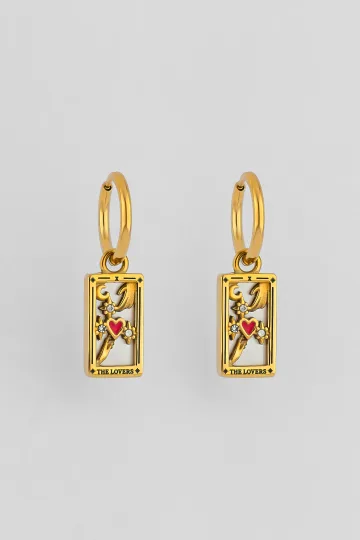
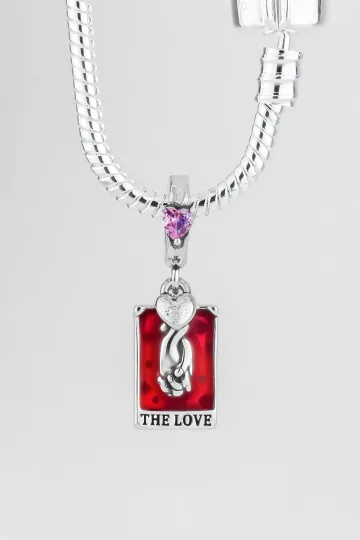
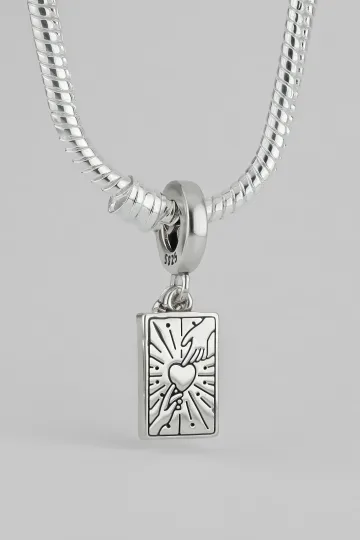
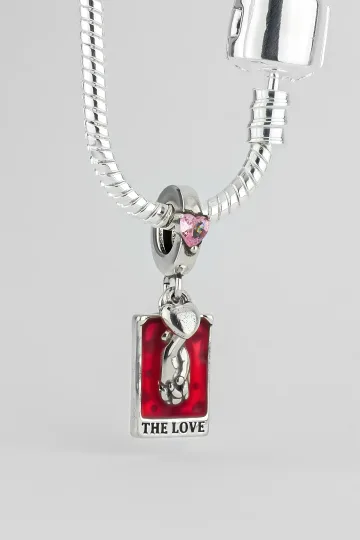
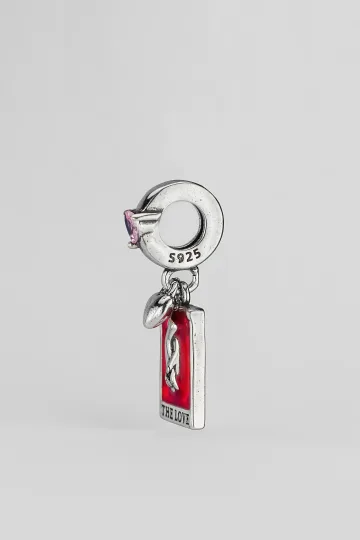
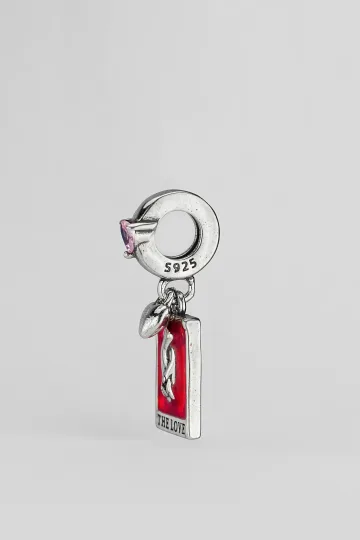
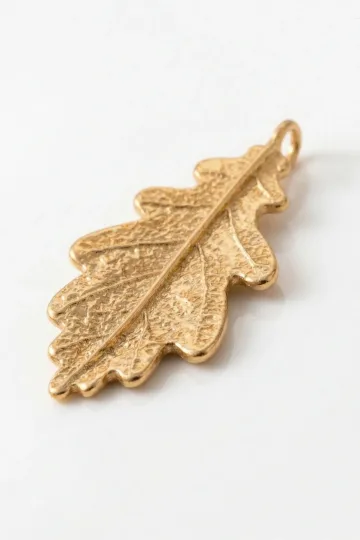
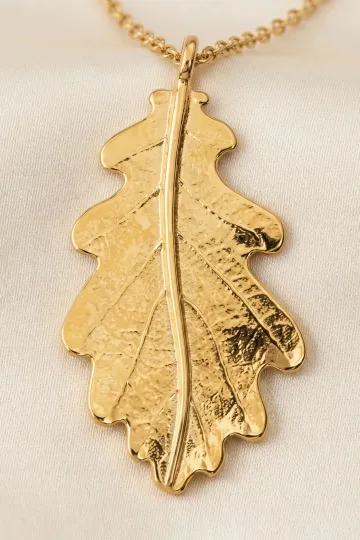
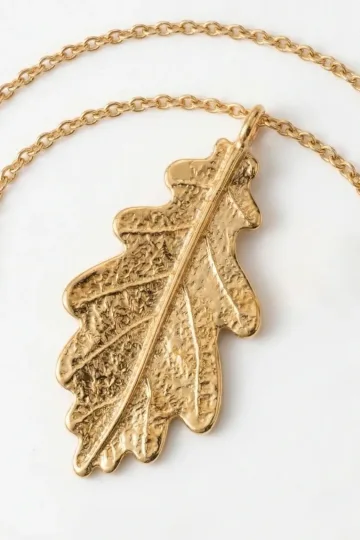
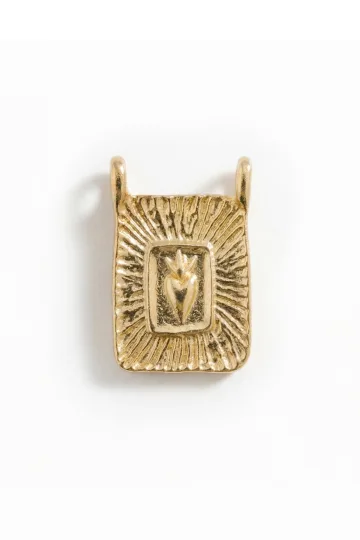
Wear the symbol, don't just read about it. These are in stock:




Why the first paycheck changes your status for good
Van Gennep and the rituals of passage
In 1909 the anthropologist Arnold van Gennep described a structure that repeats across transition rituals in cultures all over the world. He called it the "rite de passage" and identified three constant stages inside it.
The first stage is separation. A person breaks away from a former position. Studies end, childhood ends, dependence on parents ends, an old role ends.
The second stage is liminality, a threshold state. The person is no longer who they were, but not yet who they will become. Those first weeks in a new job, when everything still feels unreal. The sense that someone else is sitting at this desk, in this office, reading these emails.
The third stage is incorporation. The new status settles in. It is recognised by other people and accepted by the person themselves. The passage is complete.
The first paycheck, as a rule, serves precisely as the moment of incorporation. Not the dissertation, not the last exam, not the first day at work, but the first money earned on your own terms. Only that money pulls the transition out of the symbolic plane and into the material one. Before it you could say "I work". After it you can say "I earn".
Jewellery functions especially well inside this system. It fixes the moment of incorporation as an object. Not a photograph, not a line in a journal, but a thing you wear. It will remind you of the point of passage every time it catches your eye, dozens or hundreds of times a year.
The psychology of mental accounting and that first money
The psychologist Richard Thaler, a Nobel laureate in economics, described the phenomenon of "mental accounting". People mentally split money into categories: money for food, money for fun, money for savings. And they handle each category very differently, even when the amount in every account is identical.
The first paycheck occupies a special account in this system. It is almost never spent on bills or groceries. People do something with it that carries meaning. Something significant, memorable, set apart. And that is not impulse or extravagance: it is an instinctive following of the logic of a passage ritual. The mind already knows this account is different.
Daniel Kahneman, another Nobel laureate who worked on the psychology of memory, showed that events anchored emotionally remain in long-term memory far more accurately than neutral ones. A first paycheck marked with a concrete object will be recalled clearly thirty years later. The same sum spent on running costs is forgotten within three months.
The symbolic force of material memory
In many cultures there is a habit of keeping the first coin or note you ever earned. In some families it is pressed, laminated, framed. This is neither superstition nor nostalgia, it is a need for a material anchor for an immaterial event. The body knows the passage happened. It wants to hold something as proof.
Jewellery does the same thing, with one important addition: it is worn. It stays in constant contact with the body and the way you live. It moves from "object of memory" to "part of daily life". That makes it a more living reminder than a frame on the wall. A frame gathers dust. Jewellery gets put on.
What happens to the memory of a first paycheck
A curious psychological fact: people remember their "first earnings" far more precisely than later ones. That makes sense, because neutral, repeating events lose their distinctness in memory. But the first event of a category is always remembered better. A first kiss is remembered more sharply than the tenth. A first failure more clearly than the twentieth. A first paycheck more vividly than the fifteenth.
An object bought or received as a gift for that first paycheck becomes an external carrier of this memory. When you see it, the memory activates with a precision ordinary recollections do not provide. That is one of the practical arguments for doing something deliberate with a first paycheck.
Your first paycheck buys one thing worth remembering. Make it the pendant, not the sneakers you will bin by spring.
How to wear and choose first-paycheck jewellery
Dozens of these gifts have passed through my hands: for oneself, for children, for friends. Here is what actually works when a piece has to last years, not one season.
What do I wear it with every day? For daily wear I recommend a slim pendant or chain over an open neckline: the round neck of a tee, an unbuttoned shirt, the V-neck of a jumper. The pendant settles at the collarbone and is easily seen. Keep the clothing calm in colour: grey, white, black, warm earthy tones. Against a plain background silver and gold read more clearly than against a busy print.
Is it right for the office? Yes, as long as you keep it restrained. I choose small stud earrings, a slim ring or a pendant under a shirt. The jewellery is present but does not pull attention. It looks good on a light shirt, on fine knit, under a jacket. If the dress code is strict, a pendant under the fabric becomes a personal symbol only the wearer sees.
How do I build an evening look? For evening I suggest giving the piece more room. Bare shoulders, a deep neckline, a smooth fabric like silk or satin set off metal and stone. If the pendant holds a stone, say moonstone or labradorite, evening light brings out its shimmer best. Here I like to add a second slim chain and wear two at once.
I am buying for someone else, how do I not miss? One rule: the gift should be about the person receiving it, not about the giver. I look at what they wear every day. Slim chains every day, I choose a slim chain. Drawn to symbols, I pick a sign to match their character: a compass for the traveller, an anchor for the one who searched for footing, an arrow for the one racing ahead. A date engraved on the back makes it fully theirs.
One pendant or layers? For a keepsake I almost always suggest one pendant on a clean chain, so the story reads instead of drowning. If you want layers, keep to one metal (silver with silver, gold with gold) and vary the length so chains do not tangle. On length: 40-45 cm sits at the base of the neck for a closed collar, 50-55 cm drops to the chest for an open neckline.

Turn on your camera, pick earrings, a pendant or a ring, and see the piece on yourself in real time.
Switch items in one tap.
Everything runs in your browser: no photo or video is ever uploaded.
First paycheck and growing up: what sociology says
Studies of what young people do with their first paycheck reveal an interesting picture. In most countries the first paycheck is spent atypically compared with every one that follows. Large planned purchases are made with it less often. Something symbolically significant is bought with it more often: a thing, a trip, a gift for loved ones.
This confirms van Gennep: the mind recognises the moment as ritual all on its own. The first paycheck is not experienced as "just money for work". It is experienced as a marker, a signal that something important has happened. And it gets spent accordingly.
Among the most common uses of a first paycheck around the world: a gift for a mother or parents, buying something for yourself you "always wanted", a party with friends. Jewellery falls into the "always wanted" category, or arrives as a gift from parents. Both are valid.
There is one more sociological angle. The first paycheck is the first moment a young person spends money entirely of their own will and entirely their own. Neither pocket money from parents nor a student grant gives that feeling. The first paycheck does. A purchase made with it therefore carries something of the first independent adult decision. That, too, is part of the ritual.
The first paycheck as a break with childhood
One of the most interesting psychological features of a first paycheck is that it severs a certain bond. Until it arrives, parents can treat a child as dependent, whatever the child says. After it arrives, that argument loses its footing: the person earns for themselves. This is a practical change and a symbolic one at the same time.
For a young person it is a release. For a parent it is a mixed feeling: pride and something close to longing. Jewellery as a gesture at this moment helps both sides. It acknowledges the change, fixes it, and at the same time builds a new bond between parent and child on different ground. Not dependence, but equality.
When a first paycheck matters most
A few situations make a first paycheck especially charged.
A first job after a long search. When the search took months, when there were rejections, when it seemed nothing would come of it, and then suddenly it did. A first paycheck after a road like that carries something of both relief and victory.
A first job in a new profession. The person changed fields, retrained, took a risk. The first paycheck in the new profession confirms the risk was worth it.
A first official job after gig work or under-the-table arrangements. At last everything is real: a payslip, a contract, an official status. The first money from an official account.
A first job after moving to a new city or country. You tore yourself away from everything familiar and managed anyway. A first paycheck in a new city is a double victory.
In every one of these cases jewellery works as an especially precise symbol precisely because it is worn. It travels with you to new cities. It will be on you when you tell this story to your children.
How a first paycheck is marked in different cultures
The ritual of the first paycheck exists in many cultures, though it takes different forms. That tells us a universal human need stands behind it, not a local custom.
In India there is a tradition of giving gold for a first independent earning. Parents or grandparents often present a ring or a chain on the day a young person receives their first paycheck. Gold in Indian culture is linked to Lakshmi, the goddess of prosperity, and the first money earned is symbolically marked with exactly this material. The gift reads as: your work brings wealth, may it grow.
In Japan there is a custom of the "first salary gift to mother": a young professional gives their mother a small present from the first paycheck as thanks for years of raising and investment. The act of giving matters more here than the value of the gift. Jewellery in this context is an ideal choice: wearable, personal, durable, and easy to hand over with a few words.
In Korea a first paycheck is often marked with a family dinner and a symbolic gift from the young person to the parents. Young professionals buy something that will stay with loved ones for a long time. It is a gesture of care in return: I have grown up, now it is my turn to think of you.
In the United Kingdom and across much of the English-speaking world, the habit of buying yourself a present to mark a career milestone is well rooted. A first paycheck, passing probation, a promotion: all of these are reasons to buy yourself a piece of jewellery, and nobody has thought it immodest for a long time. Lifestyle and style magazines regularly write about this habit as healthy and considered.
In Mexico and Latin America a first paycheck is often accompanied by a family celebration where gifts carry symbolic weight. Jewellery as a sign that a person has entered adult life is understood intuitively there.
In China, especially among the urban generation, the tradition of giving jewellery for career milestones is growing. Classic jade gives way to silver and gold in an international style, but the logic is the same: a valuable object as a document of an important moment.
In Italy, France and Spain, where jewellery traditions are especially strong, jewellery for a first paycheck is no exotic idea. It is part of a culture in which a piece is seen as an object with a story, one that gets passed on and gathers meaning. A young Italian who receives a pendant from a grandmother for a first paycheck wears a thread of family history rather than a random object.
In the Scandinavian countries (Denmark, Sweden, Norway) a more restrained approach is popular: a small silver piece of Nordic minimalist design. The form is simple, the meaning clear, the quality faultless. The Scandinavian school of jewellery has always prized the quality of the material and purity of form over showy wealth.
In Brazil a tradition of the "first paycheck for the family" has taken shape: a young professional arranges a dinner for parents or buys gifts. Jewellery as a symbolic gesture inside this tradition is fitting and easily understood.
What unites all these cultures: in each one, the first sum earned independently is experienced as a milestone that must be marked materially. The specific method depends on the culture, but the need is universal. This is exactly what van Gennep called "incorporation": the moment a new status is fixed through ritual.
Why jewellery moves from the margins to the centre
Twenty years ago jewellery for a first paycheck was more the exception. People more often gave money, gadgets, clothes. But several factors changed the picture.
First, a change of generations. The people now receiving a first paycheck grew up understanding that jewellery is not necessarily "for grandmothers". It is a symbol, a style, a personal story.
Second, the rise of symbolic jewellery. A great many pieces with clear symbolism appeared: a compass, an anchor, an arrow, infinity. They say something specific. To give someone a compass for a first paycheck is jewellery and a sentence at once.
Third, the accessibility of engraving. You can now engrave a date, a phrase or coordinates on almost any piece at a reasonable price. That turns a mass-produced item into a unique object.
Materials and their meaning: silver, gold, steel
Choosing a material for first-paycheck jewellery is a question of budget and a question of meaning at the same time. Each metal carries its own imagery and its own practical properties.
Sterling silver 925
Silver of 925 fineness means the alloy is 92.5% pure silver, the rest a hardening mix for strength. This is the standard for jewellery silver and the one most makers work with.
For a first paycheck, silver works well for several reasons. First, it is real. Not a plating over another metal, but silver all the way through. That means the piece will not flake or change colour after a year. Second, it is affordable enough that a young professional on any first paycheck can own a quality piece. Third, it is durable. Sterling silver can serve for decades with normal care.
Silver darkens over time through oxidation. That is not a defect, it is how a real metal behaves. A special cloth or jeweller's paste brings the shine back in minutes. Oxidised silver, with a dark patina kept on purpose, looks different: darker, with details brought out, with a trace of time.
Gold 14K and 18K
14K gold contains 58.5% pure gold. 18K gold contains 75%. Both are strong enough to wear. 14K is a touch harder, 18K a touch richer in colour.
Gold for a first paycheck is a choice that feels more ceremonial. Yellow gold carries the long history of jewellery and a status that needs no explanation. White gold is closer to silver in appearance but differs in hardness and price. Rose gold is a modern reading with a warm tone.
A gold piece for a first paycheck is good if the person treats the moment as a major achievement and wants an object that will look even better in thirty years than it does now.
Steel and other options
Stainless and surgical steel are used in men's jewellery, especially bracelets and men's rings. They are strong, do not rust, do not cause allergies, and hold up well in an active life. For a first paycheck as a keepsake they suit less well than silver or gold: steel does not carry the same emotional imagery as precious metals, however practically excellent it is.
Stones as an addition
A piece with a small stone says a little more than a piece without one. For a first-paycheck gift, stones with clear imagery work well.
Moonstone: soft, with a bluish shimmer. The symbolism of the moon, of cycles, of intuition. Beautiful in its own right, works in silver.
Labradorite: dark, with a multicolour flash as it turns. A little mysterious. Very good with oxidised silver.
Garnet: deep red. The symbolism of energy, passion, vitality. A good choice for someone working in a field that demands drive.
Rose quartz: soft pink. The symbolism of kindness and self-acceptance. A good choice for a piece a person gives to themselves as recognition of their own road.
Citrine: yellow, sunny. The symbolism of optimism and success. Traditionally considered a stone of prosperity in many cultures.
White topaz or cubic zirconia: clear, diamond-like. For a classic piece with no pronounced symbolism.
Customer reviews
Zevira is a real jewellery shop. Genuine payments, deliveries and customer thank-yous.
🥰🥰🥰 gracias
Ok, ¡gracias! 🙂
Jewellery versus other gifts: why this one
Traditional first-paycheck gifts split into a few categories, and each has its limits.
Electronics: headphones, a smartwatch, a tablet. Practically useful, but quick to date. In two or three years it is just an old gadget. No emotional bond with the moment forms, because the device is tied to a function rather than to a passage. Ten years on, nothing material is left of the first paycheck.
A trip or an experience: a first solo journey, a good dinner. Wonderful, and the memory stays. But there is no object. No anchor. The memory of the first paycheck blends with the memory of the hotel and of taking the wrong flight.
Savings: open a deposit, put it into an investment account. Sensible financially, but ritually empty. A first paycheck calls for a gesture, not a line in a brokerage app. A number on a screen carries no emotional weight.
Clothing: it is worn and it wears out. In three years there is neither the item nor the moment.
Jewellery answers a different request. It combines an emotional anchor with practicality: it is worn regularly. It does not depreciate like a gadget: a silver pendant ten years on is still a silver pendant. It is personal: engraving turns it into a unique object nobody else has. And it can become a family heirloom: what began as "Anna's first-paycheck piece" becomes, in thirty years, an object with a story to pass on.
Jewellery is the only gift on the standard list that is functional, unique and durable all at once. It is present every day, including all the days after the day it was received. That is why its emotional return is spread over time rather than spent in the first hours after unwrapping.
Who gives to whom: four scenarios
To yourself
The most honest and direct scenario. You earned this money. The first paycheck is your success and yours alone. Giving yourself something meaningful out of money that did not exist before is a precise ritual gesture. It is neither narcissism nor extravagance: it is acknowledgement that something important has happened.
Psychologists working on self-esteem point out that the ability to mark your own achievements concretely and without embarrassment builds a healthy relationship with work and with money. Buying yourself jewellery from a first paycheck fixes the link: I worked, I received, I can afford this. That link matters for long-term motivation.
You can read more about the logic of a gift to yourself, and how to choose well, in the guide to jewellery for yourself.
Parent to child
Perhaps the most common scenario in cultures with strong family ties. A mother or father wants to mark the moment their child becomes independent. Saying "well done" is not enough, you want to give something material the child will wear as a symbol of this passage.
One detail matters here: the gift should be about the child, not about the parent. Not a massive gold chain in a family style, but something that suits a person in their early twenties and the way they live. A slim pendant with a symbol that is close to them. A compass, if they plan to travel a lot. An arrow, if they talk about moving forward. Infinity, if they value long-term thinking. An anchor, if they reached stability through a hard road.
The parental gift in this case says: I see you. I see who you have become. I am proud.
A best friend
A friend's first paycheck is an occasion people often miss. "Congratulations" everyone says, but few turn it into a gesture. A small piece with starting symbolism sets you apart from everyone offering good wishes.
The budget here can be modest: a silver pendant with a small symbol costs about what a dinner out costs, but lives far longer than the dinner and means a great deal more.
The choice of symbol matters. If you know your friend's character, choose something about them: an anchor for the reliable one, an arrow for the ambitious one, a compass for the one searching for their own path. If you are unsure, a neutral minimalist pendant engraved with their initials or the date is always fitting.
Partner to partner
A partner's first paycheck is an important moment for the relationship too. A gift in this context is about recognition. "I see how hard you worked. I am proud of you. This matters to us both." A piece engraved with the date or a short message makes that gesture concrete and lasting.
Personalisation is especially good for a partner: a piece carrying something that means something specific only to the two of you. A word only you understand. A date. The coordinates of the place where they found out they had got the job.
Upload a photo of your pet, someone you love, or an object. We'll build a 3D model and hand-cast it in pewter.



By gender: jewellery for men and women
For a man on his first paycheck
The stereotype that jewellery is exclusively for women has broken down completely. Men's jewellery has become the fastest-growing segment of the market over the last decade. Chains, pendants, bracelets, rings on one or two fingers: young men wear all of it without the slightest awkwardness in a wide range of settings.
For a man on his first paycheck the following options work well.
A silver pendant with a symbol on a chain. A compass as the start of a new route, an anchor as support in a new life, an arrow as a direction of travel. The pendant is small and restrained: visible, but it does not dominate the look. It works under a shirt, under a jacket, with a tee.
A slim silver or steel chain at the neck. A universal accessory with no pendant. It works well as a standalone piece. Good for those who want to wear something without it being too noticeable.
A men's bracelet in silver or with metal details. Bracelets with a simple geometric clasp are especially popular. It pairs well with both business and everyday clothes.
A slim ring with no stone. Not a wedding band but more of a personal symbol. Worn on the middle or ring finger. It can be worn constantly and does not overload the look.
An anchor or compass pendant on a leather cord. A more informal option. It works well for those who dress loosely and dislike metal chains.
For a woman on her first paycheck
The choice here is wider, but the rule is the same: symbol and intention matter more than sparkle. Buying yourself jewellery for a first paycheck is not "I want to treat myself". It is "I am marking a moment that deserves to be marked".
A pendant with a symbol on a slim chain. The most common and most reliable choice. A compass, an arrow, infinity, an anchor, a star, the moon: each of these symbols carries a specific meaning. A pendant like this is worn every day and works with any outfit from office to evening.
Small stud earrings in silver or gold. Basic, elegant, fitting in any office. If a person keeps them in for weeks at a time, this is the ideal choice: they will recall the first paycheck every day.
A slim ring with a small stone. Not necessarily an expensive one. Moonstone, rose quartz, garnet: each carries its own imagery. A daily detail you notice on your finger several times a day.
An engraved bracelet. The date the first paycheck arrived as a coordinate in time. Or a word. Or simply initials. A slim bracelet with an inner engraving is worn constantly and almost unnoticed, yet you know what is written there.
By budget tier: what to buy for a first paycheck
A first paycheck comes in very different sizes. For one person it is like a few nights in a good hotel, for another like a single taxi ride. The logic of jewellery as a keepsake works in any tier.
Entry tier (a coffee a day up to a dinner out)
In this tier the point is not the cost but the meaning. A silver pendant with a small symbol, a slim chain with no pendant, stud earrings, a men's ring with no stone.
Engraving with a date turns a simple piece into a keepsake. A small silver compass pendant handed over with a note about why this one in particular can mean more than anything pricier. A small silver piece with engraving is not the budget choice, it is the precise choice.
Mid tier (a dinner out up to a weekend away)
In this tier the style matters. A slim gold chain, a silver pendant with a stone, earrings with a small stone, a men's silver bracelet.
If the person wears minimalist things, do not give them an ornate piece with several stones. If they value symbolism, a pendant with a specific meaning suits. In this tier you can already talk about more involved personalised engraving: a date, say, or a short phrase.
Premium tier (a few weeks up to a short holiday)
Earrings with a natural stone in gold, a ring with a stone, a gold pendant with engraving. Here you can commission a piece with serious personalisation: engraving on both sides, a choice of specific stone, a non-standard form on request.
At this level the piece becomes a genuine heirloom from day one. In twenty years it can be passed on.



Symbolism: which piece to choose for the meaning
Choosing a symbol for first-paycheck jewellery is not a question of fashion. It is a question of what a person wants to say to themselves or to the recipient about the nature of this moment. Different symbols say different things.
Compass: you have a direction
Compass jewellery has long moved beyond nautical or hiking symbolism. For a young professional just starting a career, the compass says exactly what is needed: you have a direction. You are oriented. You are moving where you decided to go, not where the current carried you.
It is a strong symbol at a time when everything is new and a little frightening. The compass says: you know where north is.
A compass as a first-paycheck gift works for any scenario: to yourself, parent to child, friend to friend. It is gender-neutral, needs no explanation, and is understood intuitively.
Engraving: the date of the first paycheck on the back of a compass pendant makes it an utterly personal object.
Anchor: you are steady
The anchor in jewellery stands for support, steadiness, reliability. For a person who has just entered the world of permanent work, where so much is unknown and unsteady, this is a strong symbol: you will not be swept off by the first current, you have something to hold on to.
The anchor works well for someone who received their first paycheck after a hard road: moving to a new city for work, a long search, a change of profession. It is about finding firm ground, having a point of support.
For a parent giving an anchor to a child, the message is: whatever happens, you have something reliable. And we are near.
Arrow: you are moving forward
The arrow as a symbol in jewellery means directed movement, ambition, progress. The arrow is already loosed. It is in flight. For a first paycheck this is the ideal narrative: you are loosed, you are flying, you know the target.
It is popular among those who see a career as an active choice: not "the job happened to me" but "I am moving where I decided to go". For ambitious young professionals who see a first paycheck as a beginning rather than an end in itself.
Infinity: this is only the beginning
The infinity symbol in jewellery says: this is a road without end, this is continuity. The first paycheck is not the finale of six years of study. It is a starting point. Everything is still ahead. The road is only beginning, and it is endless.
It works well for those who see the moment on a large scale. For parents giving infinity to a child: we see an endless road before you, you have your whole life ahead.
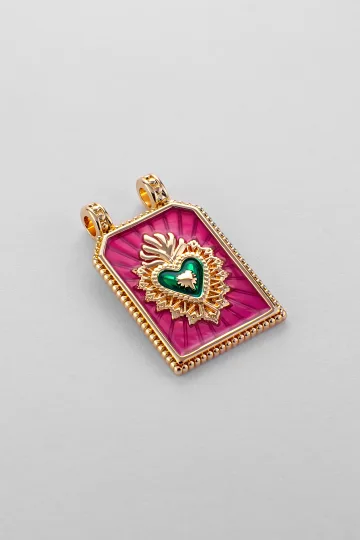
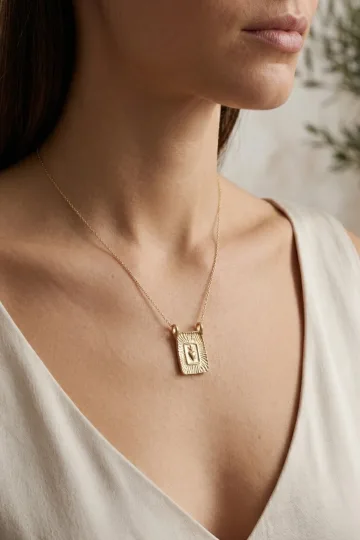
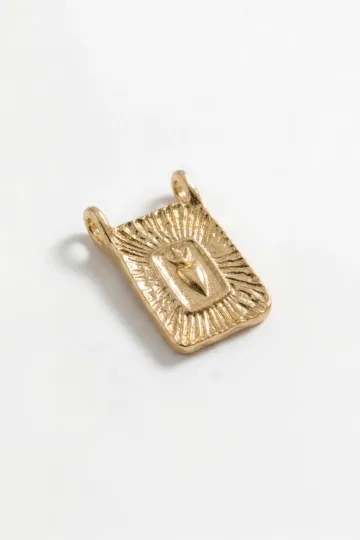
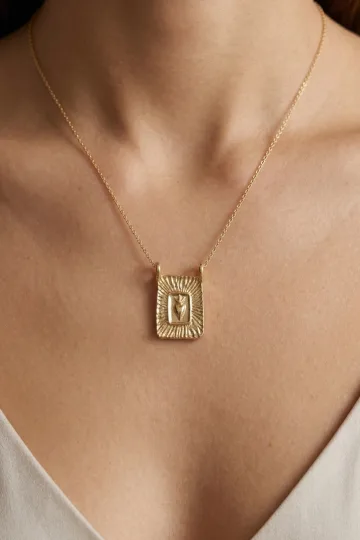
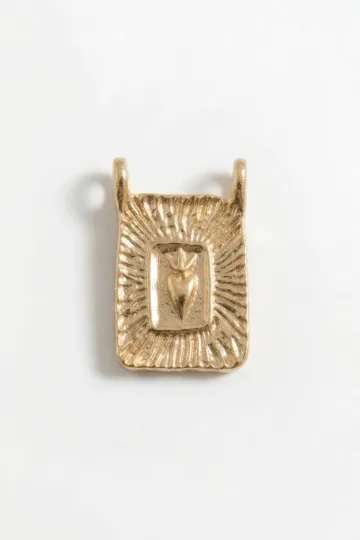
Sacred heart: from a parent, with the full weight of feeling
The sacred heart in jewellery carries the meaning of deep attachment, readiness to take responsibility, a bond that does not weaken. From a parent to a maturing child it is an honest symbol: I love you, I am proud, whatever happens, I am here.
Not a trite little heart, but an anatomical or sacred heart speaks of mature feeling. For a maturing relationship between parent and child that no longer needs childish sentiment but needs honesty.
Style: how to choose for a person's character
The symbol matters, but the form matters too. The piece should match who this person is in life, how they dress, how they speak, what they value. Four styles in which first-paycheck jewellery works.
Minimalism
A slim chain, a small symbol with no excess detail, clean geometric lines. For those who wear simple clothes, dislike jewellery pulling attention to itself, value the "quiet signal". The jewellery is there, but it does not shout.
A minimalist first-paycheck piece says: I know who I am, and I do not need to announce it loudly. It is a mature choice at any age. In an office context minimalism works best: the jewellery is there, the style is there, but it does not distract.
Material: sterling silver 925 without oxidation, white gold 14K. The metal is slim, smooth, free of texture.
Classic
Yellow gold, more traditional forms: an oval locket, a classic chain, a simple coin-shaped pendant. For those who value durability in the aesthetic sense: this piece will look fitting in twenty years because it already looked fitting twenty years ago.
A classic first-paycheck piece is about continuity and quality. Not fashion, but style. A good choice if the person sees themselves in perspective: a young professional now, a serious one a decade on.
Material: yellow gold 14-18K, polished silver. Stones: diamond, white topaz, pearl. A classic piece in these materials does not chase fashion: it is already a substantial choice in itself.
Symbolism
A specific symbol carrying a specific meaning. The form exists for the content. The piece is worn because the symbol says something precise about this person, about this moment.
A symbolic first-paycheck piece is about narrative. Each time they take it off or put it on, the person sees a reminder of the specific meaning they themselves placed in this moment. That makes a symbolic piece the most "alive" of all the options: it says something every day.
Vintage
Oxidised silver, aged textures, historical motifs, gothic or art nouveau forms. For those interested in history and design, for those whose jewellery should look as if it has already lived through something.
A vintage first-paycheck piece carries an ironic beauty: an object that looks like an heirloom though it became one only yesterday. The dark patina of oxidised silver brings out every detail and creates a sense of time.
Material: oxidised sterling silver 925. Forms: a little more involved, with detail, with visible work of the maker's hand. The dark patina underlines the relief and speaks of an age the object does not yet have but already carries as a promise.
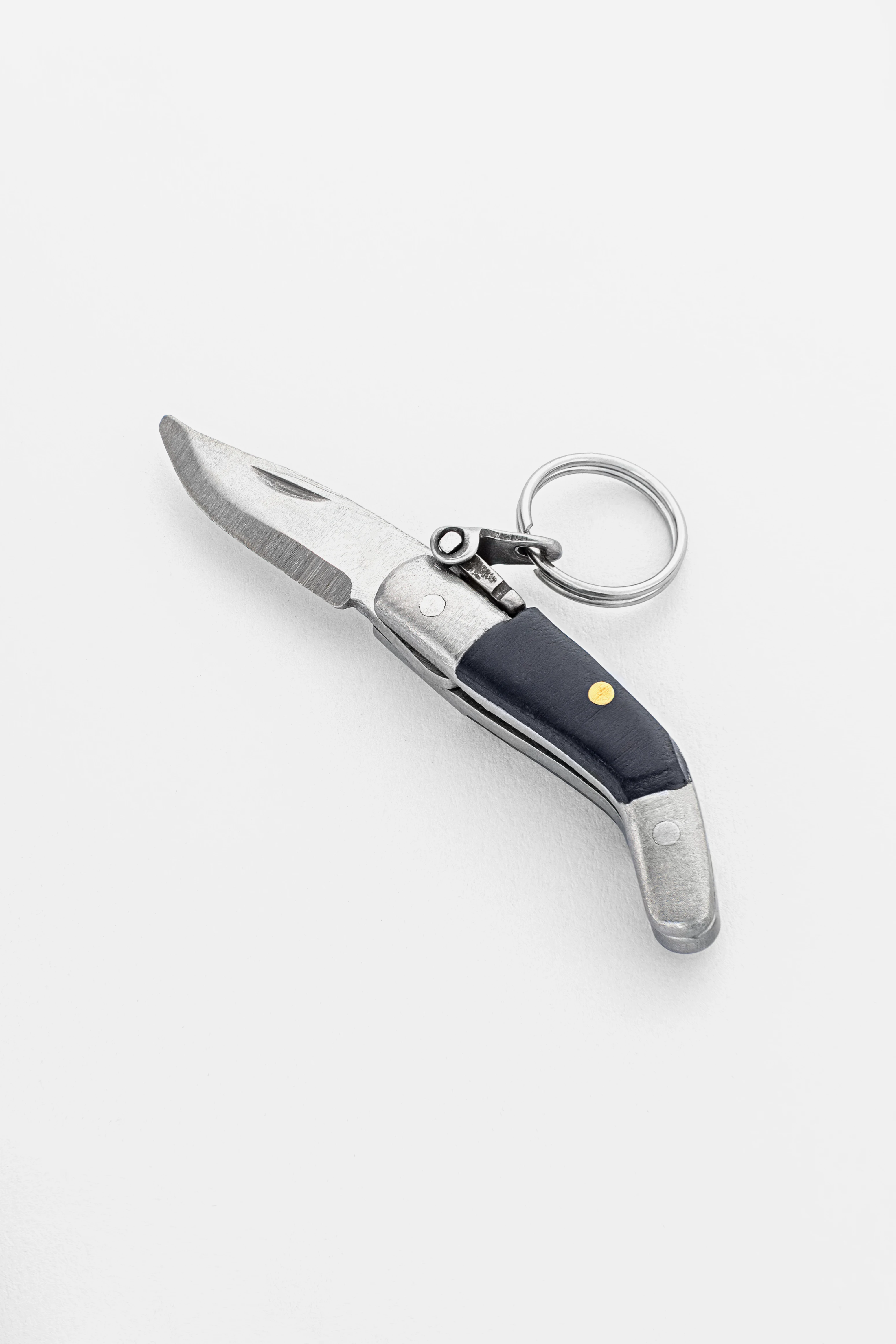
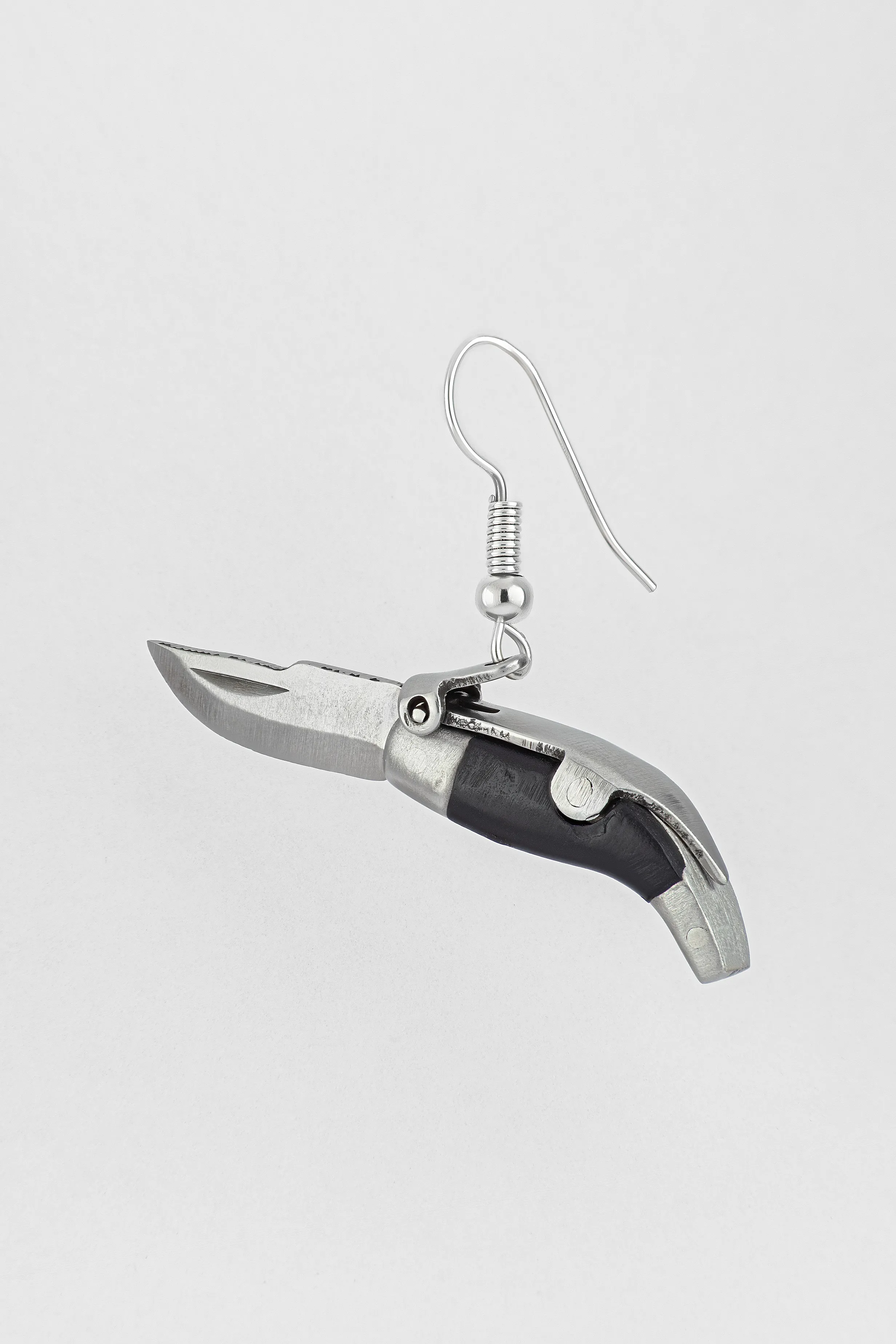
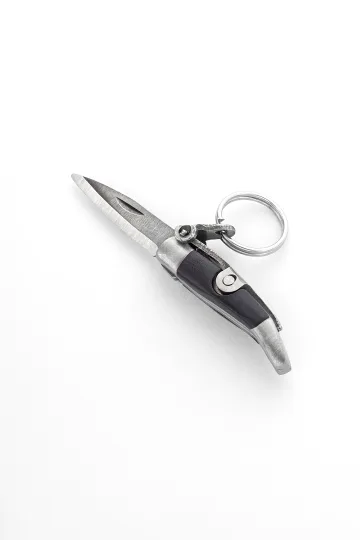
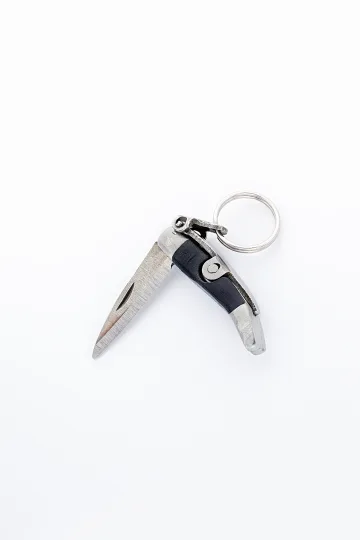
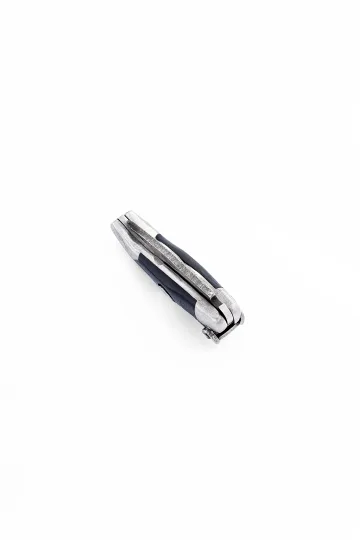
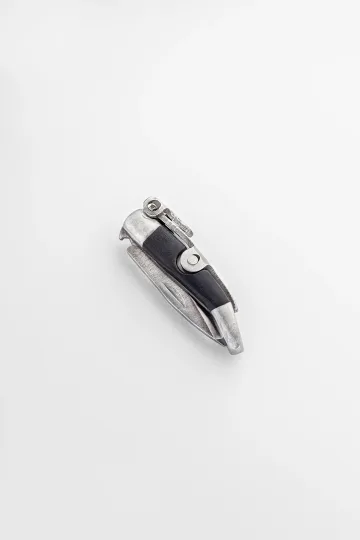
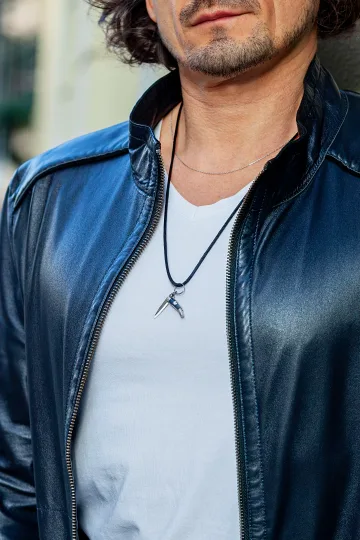
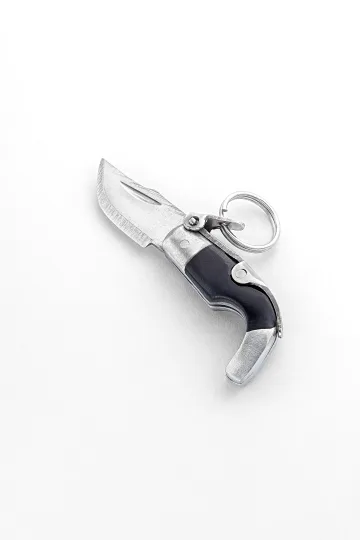
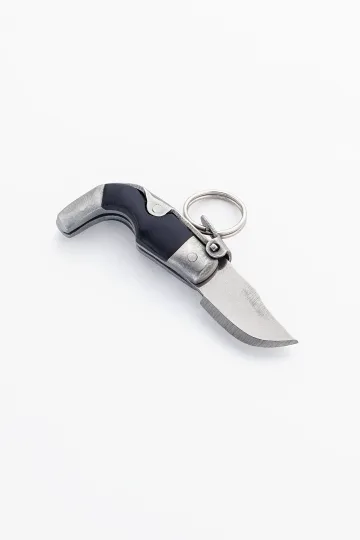
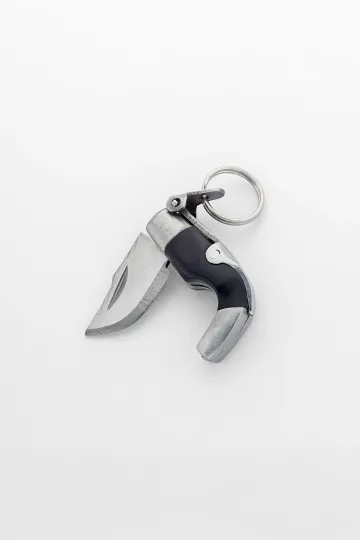
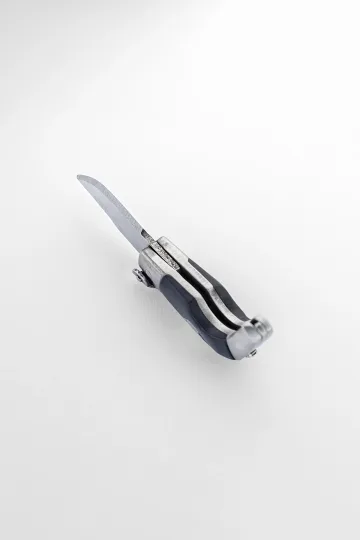
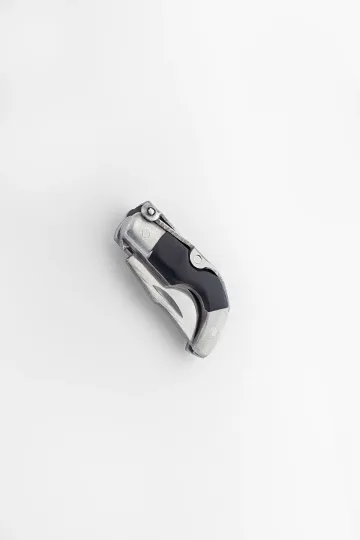
CAPAORA mini knife pendant
The 18th-century Spanish navaja in miniature: 40 mm of stainless steel, a real folding mechanism and a Palanquilla lock that clicks. An affordable gift to remember.
Authentic · Ships from Spain · 14-day returns
Engraving: how to make a piece one of a kind
Engraving is what separates a keepsake from a pretty object. On first-paycheck jewellery you can engrave several different things, and each option says its own thing.
The date the first paycheck arrived. The most direct and honest gesture. 27.04.2026. In twenty years it will read as an artefact. "This is when it began." It explains nothing unnecessary, and says everything by itself.
The job title or company name. In a single word: "analyst", "designer". This is not grandeur, it is fact. The concrete fact of a first professional status. In years to come it will be interesting to reread.
The office coordinates. The latitude and longitude of the place where the first working day passed. More romantic than an address, yet just as precise. If the city or country changes, the coordinates remain as a point on the map of a life.
Initials. Simple, elegant, personal. Sometimes nothing more is needed.
A short phrase. "Now yours." "Onward only." "Earned." One to three words that mean something specific between giver and recipient. The more precise the phrase, the stronger it works.
A personal message. On the back of a pendant you can write a longer line: words from a parent to a child the child will reread for years. Not "congratulations", but something specific about them. What the parent sees in them. What they carry with them.
Technically, engraving is done by laser or by hand. Laser is more precise and faster. Hand engraving is more individual, with character. If there is no specific preference, laser is more reliable for dates and figures.
Leave your email, we'll send your discount code. No spam, unsubscribe anytime.
The code arrives by email, valid on your first order.
What not to give and what to avoid
Jewellery with showy sparkle
A massive chain, a big signet ring with a large stone, large earrings with many stones. For a first paycheck this sends the wrong signal. The first paycheck is a beginning, not a display of success. The size and lavishness of the piece should match the modesty of the moment. Big pieces come later, with big achievements.
Anything with someone else's logo
A piece with a large logo of a famous jewellery brand says only one thing: status was bought here. For a first paycheck this is especially out of place: the moment is about personal success, not about belonging to someone else's name. Choose pieces that have their own story and their own meaning.
Costume jewellery instead of real material
A gold-plated costume bracelet that will flake within a season. This is a matter of honesty with yourself and with the moment. A first paycheck deserves real material, however modest. Sterling silver 925 costs sensibly and works for decades without change. Plating over an alloy costs almost as much and loses its look within the first season of active wear.
Narrowly fashionable
What is on the cover today looks tomorrow like a reminder of a specific season. First-paycheck jewellery should work in twenty years. Choose a form close to the classic or to timeless symbolism, not what is trending now.
Too personal without agreement
A ring for a specific finger without knowing the size. Earrings for piercings that have closed or do not exist. A pendant with another person's name. All of this requires precise knowledge. If you are not sure, a pendant or bracelet is better: they work regardless of size.
Etiquette: how to give it well
Jewellery for a first paycheck is a ritual act, not an ordinary purchase. The act of giving matters no less than the object.
Packaging
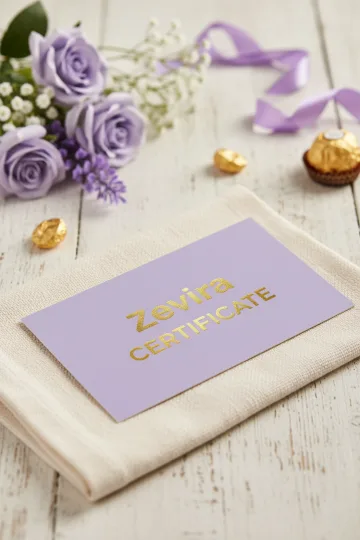
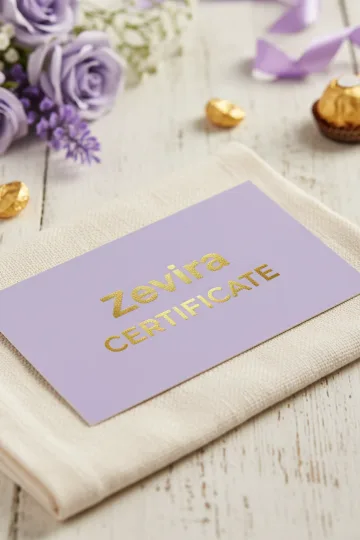
"Here, take this" is not about ritual. The piece should be packaged. A small box, an embossed envelope, a little case. It need not be expensive packaging, but it should be neat and closed. The moment the person opens the box is itself part of the passage ritual.
A handwritten note
A printed card is generic and impersonal. A handwritten note is personal. Four to six sentences about why this piece in particular, why now, what you want it to remind them of. It takes five minutes and will be kept beside the jewellery long after you have forgotten what you wrote.
The moment of giving
Not "by the way" and not in passing. The first paycheck is an event, and handing over the jewellery should be an event too. A separate moment: at the table, one on one, or at least in a few seconds of quiet without interruption. When the person holds the piece for the first time and reads the engraving, it is not a moment for commentary. It is their moment.
It need not be the very same day
The ritual is not tied to a specific number landing in an account. You can give it the following week, once the first emotions have settled. You can mark it with a small gathering or simply over a cup of tea together. The moment matters more than the date. What counts is that the giving happened as a deliberate gesture, not by accident.
Words when giving
No long speeches. A few words about what this moment means to you. "I see what you have done." "This is the beginning." "Now it is yours." Three sentences spoken sincerely mean more than five minutes of praise.
How to turn a piece into a family heirloom
A piece engraved with the date of a first paycheck becomes, across a generation, something larger than a personal object. This is not sentimentality for its own sake. It is a concrete way of building a family narrative through objects.
Here is the logic. In 2026 you bought or received a compass pendant for your first paycheck. You wore it for fifteen years. The date on the back: 27.04.2026. Your child turns eighteen and takes a first job. You pass them this compass. Now it holds two stories.
Across a generation this compass carries a line of family history, and the date becomes merely a point on it. An object linking two moments of coming of age. It is a completely different object than if the compass had been bought at random.
For this one technical condition matters: the piece must be of a material that does not break down in normal life. Sterling silver 925, gold 14-18K. These materials will not change over decades. Plating wears off, the base remains. That is the difference between jewellery and costume jewellery.
The second thing: the note. If a handwritten note explaining who, when and why accompanies a first-paycheck piece, and if that note is kept with the jewellery, in twenty years you have a small family archive. Paper and metal. That is enough.
Psychology: why mark a first paycheck with jewellery
Back to psychology. Richard Thaler, describing mental accounts, pointed out that people more readily spend "special" money on something meaningful. The first paycheck is psychologically experienced as a special account. Spending it on bills feels like a mismatch. Spending it on something memorable feels right.
The data shows that gifts to yourself connected to achievements build steadier motivation than gifts with no link to action. Jewellery bought "because I earned it" works as a constant reminder of the ability to achieve. Every time you put it on or see it, a small reinforcement happens.
This is neither magic nor superstition. It is the mechanism of associative memory: an object linked to a certain state or event partly reproduces that state with each perception. First-paycheck jewellery, each time it appears in your field of vision, reproduces: I can earn, I managed, I got there.
Jewellery and profession: matching the symbol to the new job
First-paycheck jewellery can carry the general meaning of passage and at the same time something specific about the profession a person is entering. This is an optional but interesting layer of meaning.
For those in creative professions
Designers, artists, photographers, architects: for them the piece can reflect the aesthetic they have devoted themselves to. Minimalist geometry, asymmetry, a non-standard form. A piece that works as a design object in its own right speaks of the profession more precisely than any symbol.
A good choice: a ring with a non-standard form and no stone, an asymmetric pendant, a piece with texture.
For those working with data and technology
Analysts, developers, engineers: for them a piece often works as a counterweight to the working environment. Something tactile, handmade, made by a maker's hand in a world where everything is digital. Knowing the piece was made by hand adds a value inaccessible to code.
A good choice: a silver piece with visible traces of handwork, with a small irregularity that speaks of a human presence in the making.
For those working with people
Doctors, psychologists, teachers, social workers: for them a piece is often connected to the values of the profession. Something about care, about attention, about a bond with others. A sacred heart or an infinity symbol work well here.
An important limit: in clinical and caring professions, large or jangling jewellery does not suit the working context. A small pendant under clothing or a slim ring works better.
For those in business and finance
An office environment often calls for a restrained code. A classic piece with no aggressive symbolism: a slim chain, small stud earrings, a slim ring. The jewellery is present, it speaks of attention to detail, but it does not pull focus.
For men in an office environment a slim silver chain under a shirt works especially well: it is there, but it is not shown off at all without need.
For those working outdoors or physically
Builders, agronomists, sports coaches, geologists: for them jewellery is chosen with the physical load in mind. Rings can get in the way. Large pendants are awkward. The best choice: a small bracelet with a simple clasp, a slim ring with no protruding detail, a small pendant on a short chain.
Material: silver or steel. Not delicate stones that can chip. A sturdy choice that will survive a working day.
How to wear first-paycheck jewellery: practical advice
The piece is bought. The engraving is done. Now the question: how to wear it so it does its job of reminding, rather than lying forgotten in a box?
Everyday wear
For a keepsake piece, everyday wear is better than wearing it only "on special occasions". The more often you see and feel the jewellery, the stronger its reminder works. Choose a piece that suits your ordinary clothes and wear it every day.
If work calls for a restrained look, a small pendant under a shirt works as a personal symbol inaccessible to another's eye. That is even better than jewellery on display: it belongs to you alone.
Combining with other jewellery
A keepsake first-paycheck piece works well alongside other meaningful objects: a piece you wear constantly, a chain given at another important moment. Several things with stories form a personal symbolic ensemble.
Technically: pieces of one metal pair better than a mix of metals. Silver with silver. Gold with gold. Though a deliberate mix can also be a considered choice.
When to take it off
Silver jewellery is better taken off before swimming in chlorinated water: chlorine speeds up darkening. Before contact with aggressive chemicals: some cleaning agents oxidise metal. Before high-impact sport: mechanical knocks can deform slim pieces.
The rest of the time: wear it.
Care
Silver is cleaned with a soft polishing cloth as it darkens. For fine detail you can use a soft toothbrush with soapy water. Gold is less demanding: an occasional wipe with a soft cloth is enough. Clean stones with a cloth only, not ultrasound, if the stone is set with adhesive.
Storage: in a separate compartment or pouch, apart from other jewellery, to avoid scratches.
Send a friend a discount code, they save on their first order.
Buying for yourself: how to choose without help
When you buy for yourself, the first question is usually "isn't this too much?". No. The ability to mark your own achievements concretely and without waiting for someone else's approval is a skill, not a whim.
Second question: how to choose when you don't know where to start? A few working pointers.
Wearability matters more than beauty. A piece you will put on twice a year does not fulfil the function of a keepsake. Choose what you want to wear regularly and what suits your usual style.
The symbol matters more than the material. If you felt a response to the compass or to infinity, that matters more than the "gold or silver" question. The symbol says something about you. The material is a technical decision.
Test it on a three-year horizon. Imagine opening the box in three years. Does this piece still answer who you are and what you think of yourself? If yes, the choice is right. If you hesitate, keep looking.
Don't rush. The first paycheck does not vanish from memory the next day. A week to choose is not indecision, it is respect for the moment. A piece chosen with care beats one bought in haste.
A full guide to choosing jewellery for yourself, with the psychology and the practical questions worked through, is in the article on jewellery as a reward to yourself.
One more practical aspect of buying for yourself: budget. Nobody knows better than you what share of a first paycheck it is comfortable to spend on a keepsake. A guide: a sum that feels like a real gesture but not like a loss. For one person it is like two trips to a cafe, for another like a week of groceries. Both are valid. If the first paycheck is very small, that is no reason not to mark it at all. A small sum put into real silver with engraving works better than nothing. The ritual matters more than the size of the object.
Jewellery as a conversation between generations
One of the most underrated functions of first-paycheck jewellery is its potential as a point of dialogue between people of different ages and different experience.
When a parent gives a child jewellery for a first paycheck, it is a statement in the form of an object. It says: I see this moment as just as important as you do. I want you to have an object that will remind you of this day. I thought about you, about your road, about what would suit you in particular.
This is a conversation hard to have in words directly: a parent tells a child "you have grown up, I am letting you go, I am proud of you" through an object rather than through words. Jewellery says it more precisely than any speech.
For the child who receives such a piece, it becomes a reminder of the first paycheck and of the fact that the parent was near in that moment. That they saw. That it mattered to both.
A similar dynamic works between friends. When a close friend gives jewellery for a first paycheck, it says: I see your life. I notice the important points. I am here.
Jewellery in this context is a small document of a relationship: who was near at the moment of passage, who thought it worth marking.
Buying it as a gift? Each one arrives ready to give.
 A branded Zevira box and a little card come with every order.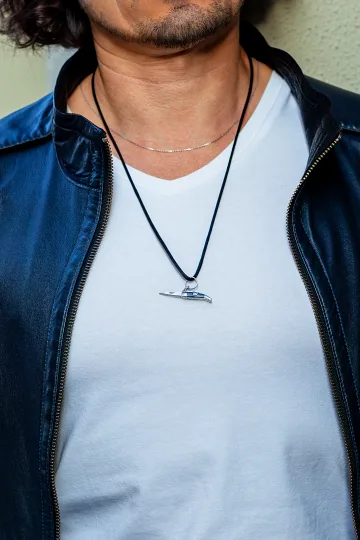




What the first-paycheck moment means for a young person today
The generation now receiving a first paycheck grew up in particular conditions. Many of them watched familiar career paths collapse or change. They know that "work twenty years first and then get a good position" is no guarantee.
For them the first paycheck carries special weight precisely because it came despite difficulty. The job market was and remains competitive. A first paycheck after several months of searching or after long training is a real victory, not the automatic following of a familiar script.
Jewellery as a symbol of this victory says something important: you managed something that was not easy. That is worth marking.
Beyond that, for a young person today jewellery is increasingly seen not as a traditional accessory but as a personal object with a story. The difference between "fashionable jewellery" and "jewellery with a story" is very clear in their perception. First-paycheck jewellery is firmly the second.
Jewellery and the first paycheck: the environmental angle
One more reason a piece made of real metal beats many other gifts: durability. A gadget bought with a first paycheck becomes electronic waste in a few years. A piece of silver or gold does not become waste. It can be melted down, remade, passed on.
For a generation that thinks about the environment, this matters. Things that live for decades are environmentally wiser than things that live two or three years. A piece made of real metal is a choice for a generation ahead. That consideration itself becomes part of the gift's value for those who count durability as an important criterion.
Frequently asked questions
Is it normal to buy yourself jewellery from a first paycheck?
Yes. Psychologists working on motivation and work point out directly that marking your own achievements in a concrete way builds a healthy relationship with work and money. It is a ritual gesture of passage, not extravagance. In most cultures this is an entirely normal and established practice.
How much should first-paycheck jewellery cost?
There is no correct budget. What matters is that the piece is made of real material that will not lose its look in a year, and that intention stands behind it. A silver pendant costing about what a dinner out costs, with engraving, works just as well as a gold piece with stones. Meaning sets the value, not the sum.
What to give a daughter for her first paycheck?
Find out what she wears. If she wears slim chains day to day, give a slim chain. If symbolism is close to her, choose a symbol that reflects something in her character: an arrow for the ambitious, a compass for those who love to travel, infinity for those who think on a large scale. Engraving a date or a few words from you makes the gift personal.
What to give a son for his first paycheck?
Men's jewellery works beautifully in this context. A pendant or chain for those who wear neck jewellery. A slim ring for those who don't mind wearing a ring. A bracelet as a gentler option for those not yet sure about jewellery. An anchor or compass symbol: simple and meaningful.
Gold or silver, which is better?
It depends on the person's style and everyday context. Gold reads as a more ceremonial material. Silver is more everyday and flexible. For a first paycheck silver is often better precisely because it is worn regularly: it works with any clothing, you don't mind taking it to the office, and over the years it only grows more beautiful with proper care.
Is engraving needed?
Not essential, but desirable. A piece engraved with the date of a first paycheck becomes a document in twenty years. Without engraving it stays a pretty object. Engraving costs little and is done quickly, usually within a few working days. It turns the piece into a unique object nobody else has. That very difference between "a pretty piece" and "a piece with a story" often turns out to be the most important thing years later.
Can you give jewellery to a friend for their first paycheck?
Yes, and it is a fine gesture that sets you apart from everyone. Choose a neutral symbol and a simple form: a compass, a slim pendant, a small bracelet. Add a note with a few words about why this moment matters.
How to avoid getting the ring size wrong?
If you are buying as a gift and don't know the size, a pendant or earrings is safer: they don't depend on size. If you really want a ring, you can carefully find out through mutual friends or tell the recipient the ring can be exchanged for the right size if needed. Jewellers do this.
What if the first paycheck is very small?
That changes nothing about the meaning of the jewellery. A modest silver pendant engraved with the date is a full keepsake. Cost does not set the value of the ritual. Intention sets the value of the ritual.
Is jewellery from a man to a man appropriate for a first paycheck?
Yes. A compass pendant or a bracelet from a close friend is entirely appropriate. The format matters: a men's piece of restrained form, no flowers, with a symbol that means something specific. An anchor, an arrow, a compass: all work.
How to store jewellery if you don't wear it constantly?
In a separate small box or a suede pouch. That prevents scratches from other pieces. For silver, storage with limited air access matters: a suede pouch or a sealable bag slows oxidation. Every few years a jeweller can do a professional clean for a reasonable price.
When to give it: on the day the paycheck arrives or later?
Not necessarily the very same day. The moment of giving matters more than the exact date. You can give it a week later, when the person still holds the first paycheck in memory and the emotions have settled a little. What matters is that the giving happened as a deliberate ritual, not by accident.
If a person already has a lot of jewellery, is it worth giving more?
Yes. First-paycheck jewellery holds a place of its own in any collection precisely because a specific story is tied to it. Even for someone with a great deal of jewellery, one piece engraved with the date of a first paycheck will take a special place among all the rest.
Does jewellery work as a gift from an employer to a young professional?
Yes, but with care. If an employer wants to mark a new hire's first year with a symbolic gift, a piece engraved with the year of work or with company symbolism can work well. The key: not too personal (not a ring), not too cheap (it creates awkwardness), and certainly without pressure ("you are ours for the long haul now"). A compass or a small neutral pendant with the start date is a good choice.
What to do if the recipient doesn't like the piece?
Honestly offer to exchange it. First-paycheck jewellery is a ritual, not a specific object. If the symbol is right but the form is wrong, offer to choose another form with the same symbolism. If the symbol didn't suit either, offer to choose together. A joint choice also works as a ritual, especially between parent and child.
Can you give jewellery remotely if the person lives in another city?
Yes. Many jewellers offer delivery. A piece in a branded box with a printed note (or a message at the moment of giving over a video call) works just as well. If possible, a video call at the moment the recipient opens the box makes a remote handover more ritual.
What if I don't know whether the person wears jewellery?
The safest choice here is a small pendant or a slim chain: even those who usually don't wear jewellery can wear something small and personal. A second option: stud earrings for those with pierced ears. A third: a slim bracelet. All three are minimal in presence but maximal in meaning.
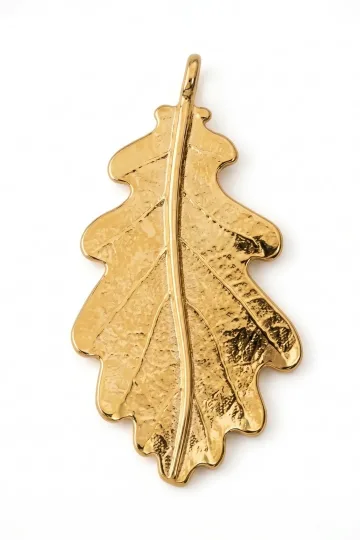
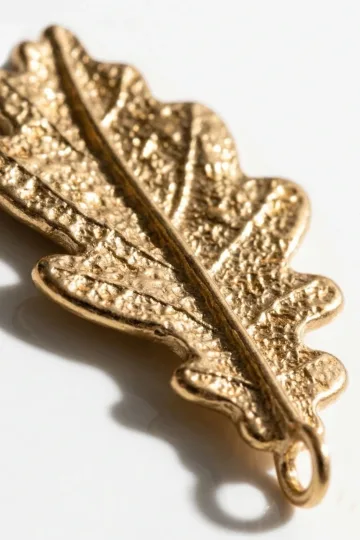
Wear the symbol, don't just read about it. These are in stock:

First-paycheck jewellery: a final guide to choosing
For those who want structured help, here is a short guide to choosing depending on the situation. This decision table covers most of the typical questions that come up when choosing first-paycheck jewellery, and gives a concrete answer with no extra caveats.
Choosing for yourself, you wear a minimalist style: a slim silver chain or a small pendant with no loud symbol. The date engraved on the back. Size: small.
Choosing for yourself, you value symbolism: a compass, anchor or arrow pendant on a silver chain. The symbol is chosen for what most precisely describes this moment in your life.
Choosing for a daughter, you don't know her size: small stud earrings or a slim pendant. A size-safe choice with the option of engraving.
Choosing for a son, restrained about jewellery: a slim silver chain or a small bracelet. Not too noticeable, but there.
Choosing for a friend, limited budget: a silver pendant with a small symbol, costing about a couple of dinners. With a handwritten note. That is enough.
You want maximum personalisation: commission a piece with engraving in advance. A date, coordinates, a phrase. It takes a few days but turns the piece into a fully unique object.
Unsure of their taste: a neutral minimalist pendant or a slim chain. They work for most people and styles.
Conclusion
The first paycheck happens once. It cannot be repeated, postponed or imitated. It is one specific date, behind which stands a specific passage: from one state into another. From dependent to independent. From student to worker. From the one being helped to the one who manages alone.
Jewellery chosen or given for this moment carries that single time.
The compass reminds: you knew where to go. The anchor: you found firm ground. The arrow: you are loosed and flying. Infinity: this is only the beginning, the road goes on.
In a year you get used to a paycheck. In five years the first money seems laughably small. In twenty years you will barely recall the name of that company. But the jewellery, put on for the first time that day or received with a handwritten note, stays. And you will know what it means, even if you cannot put it into words.
Van Gennep was right: passages need to be marked. Without a ritual they blur into the general flow of events and lose their definition. A first paycheck without a ritual becomes just another notification on a phone. A first paycheck marked with a piece engraved with a date, or a few handwritten words, becomes a point. A point you count from afterwards.
Mark this moment the way it deserves.
Compasses, anchors, arrows, the infinity symbol. Sterling silver 925 and 14K gold, engraving to order. Every piece can be personalised with engraving.
About Zevira
Zevira makes jewellery in the artisan tradition of Albacete, Spain. The collections include compasses as symbols of orientation and the start of a new path, anchors as images of support and steadiness, arrows as a metaphor for directed movement forward, infinity symbols as a reminder of a continuous road with no end. Every piece is created by a maker's hand. All pieces are in sterling silver 925 and gold 14-18K. Engraving is available on any piece: a date, initials, a short phrase, the coordinates of a place or time. We ship worldwide.