Retirement jewellery: how to choose a gift that lasts a lifetime
Three scenes, one decision
A retirement gift is almost never about the job. The watch engraved "For long service" gathers dust in a drawer not because it is a bad gift, but because the person is moving forward, not looking back. A good retirement gift does not say "thank you for the past." It says "here is what you carry into the next chapter." Those are two very different messages.
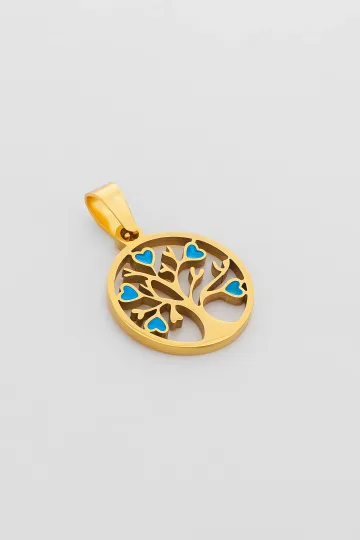
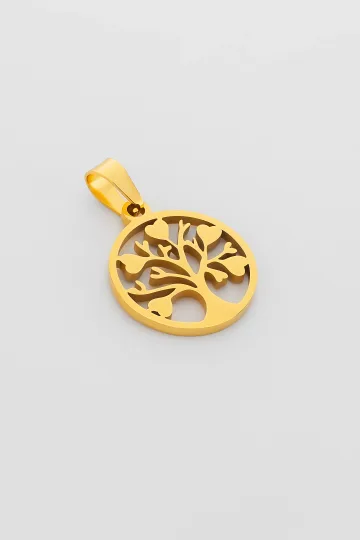
Wear the symbol, don't just read about it. These are in stock:


What happens to a person when they retire
Psychology treats retirement not as an ending but as a passage. That distinction matters when you are deciding what to give in such a moment.
The anthropologist Arnold van Gennep described, back in 1909, a structure shared by rites of passage across every culture: separation from the old status, a liminal in-between phase, and incorporation into a new status. A wedding follows this pattern. A funeral follows it. Graduation follows it. Retirement fits it exactly. The person stops being an employee, a manager, a specialist with a title and a working identity. That is separation. Then, for a few weeks or months, they do not quite know who they are now that there is no title and no schedule. That is the in-between, the most vulnerable point of the passage. Then, if all goes well, they find a new identity: a person with a hobby, a grandparent, a traveller, a gardener, a mentor. That is incorporation.
The problem with modern culture is that it is good at marking rites of passage for the young and poor at doing so for people in later life. Children have initiations with clear rituals: the first day of school, the graduation ceremony. Young adults have weddings and the birth of children. A retiree very often gets no ceremonial sign that something important has happened. There was a farewell drink, everyone went home, and the person was left alone with an empty first free Monday.
That is exactly why a rite of passage matters here especially.
Erik Erikson, the psychologist who developed the concept of eight stages of psychosocial development, described the final stage of adult life as a tension between two states: integrity and despair. A person reaching this stage looks back over their life and asks: was this life lived with meaning, did I use well what I was given? Those who can answer yes reach a state of integrity: acceptance and dignity. Those who cannot, or who feel there is no time left to put things right, meet despair.
A good retirement gift can do something important in this psychological context: it tells the person that their path was noticed, that the work they did mattered to specific people. Not only in words, but in an object they will wear every day or put on for important moments. This is not sentimentality or exaggeration. It is a real psychological function that an object can serve.
A gift as physically anchored recognition works because the body remembers what the mind sometimes forgets. A person puts on a ring, looks at the engraving with the dates, and is instantly back in that day, with those people, in that feeling. It is an anchor.
Signet on the little finger, dates inside the band. A ring that advertises your years of service is a participation trophy with a hallmark, spare me.
What to wear retirement jewellery with
Dozens of retirement pieces have passed through my hands, from lockets to signets. Here is what actually works, by occasion, with none of the sentimental padding.
How do I wear a compass or lighthouse pendant every day? For an everyday look I recommend a medium-length chain over plain knitwear or a shirt. Calm tones (grey, navy, beige, burgundy) hold the pendant better than busy prints. A boat neck or a shallow V opens the symbol; high to the throat it hides and loses its point.
What do I put a locket with? I suggest wearing a locket over a blouse or a roll-neck rather than tucking it under a collar. It opens, shows the photo and becomes a reason to talk. Save it for reunions with former colleagues and family celebrations, where it speaks louder than any shine.
What should I choose for an evening out? For the theatre or a concert I choose a classic-length pearl necklace and single-pearl earrings under a dark dress or a formal suit. For a man I recommend engraved cufflinks with a cuffed shirt and a signet ring with a jacket. One accent is enough; do not overload an evening look.
How do I mix metals without overdoing it? I keep one simple rule: one metal per look. Silver with silver, gold with gold; a pearl gets along with both. I match the chain to the neckline, the deeper it sits the longer the line. If someone likes restraint, a single piece is plenty.
Who suits a signet ring, and who a bracelet? I recommend a signet for someone who rarely wears jewellery and wants one piece with weight: it is always fitting and asks nothing of the outfit. I suggest a thin engraved bracelet for anyone new to jewellery, since it feels quieter than a ring. Keep the engraving inside; the piece stays calm on the outside.

Turn on your camera, pick earrings, a pendant or a ring, and see the piece on yourself in real time.
Switch items in one tap.
Everything runs in your browser: no photo or video is ever uploaded.
Why jewellery works better than other gifts
Let us weigh the alternatives honestly, because each option has its case.
Cash in an envelope. It gives the recipient complete freedom of choice. No risk of getting the taste or the size wrong. But a gift with no message, for a moment of passage, is a void. An envelope of cash says: "We did not know what you needed." Money goes on everyday essentials and disappears, leaving no trace. That is not always bad, sometimes money is needed more than symbols. But for a farewell gift meant to carry meaning, the envelope does not work.
A bottle of good whisky or wine. Drunk in one evening. The memory stays, the object is gone. Besides, fine drink as a gift from a group reads as a pleasant but not especially considered formality, unless it is an exceptionally rare and well-judged choice. For someone who does not drink, it misses entirely.
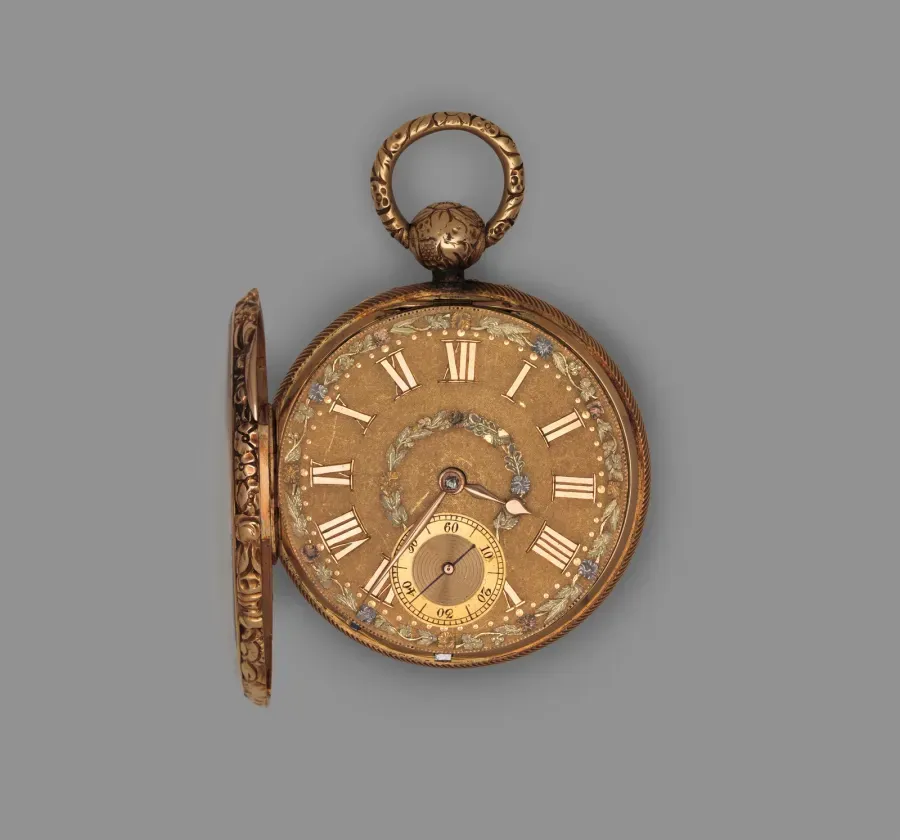
A watch. The tradition of giving a watch at retirement was born in the nineteenth century, when the pocket watch was a symbol of precision, discipline and professional standing. It was an expensive, functional object. Today the phone long ago replaced the watch as a tool for telling the time, and most people own several. Giving a watch to a departing worker in 2026 sounds ironic: as if reminding them that time is now their own. That is not necessarily a bad idea, but it is a cliche that most recipients no longer feel as something special. A good watch also needs servicing, can break, and dates stylistically.
A trip or a holiday voucher. It sounds like a good idea: give the person experiences, not an object. But this option asks the recipient to be active and to plan at the very moment they are only adapting to a new rhythm of life. Experience exists only in memory, nothing physical remains. Once the trip is over, there is no object to return to in thought.
A book or a subscription. Fine if you know the person's interests precisely. But a book gets read and put on a shelf. A subscription ends when the payments stop. Personalisation is limited to a note from the giver. For a moment of passage, that is not enough.
Engraved jewellery. It stays for decades. Good sterling silver or gold, with minimal care, does not change over a lifetime. A locket can be opened to look at a photograph at any moment. An engraved ring is still engraved twenty years on. Every time the person puts it on, they return to that day, to those people. It is physically anchored memory.
Jewellery is also permission for the person to carry something beautiful into their new life. Not an attribute of a former post, not a souvenir for the shelf. Something that goes forward with them as part of who they are.
Who gives it: four main cases
From a team to a departing colleague or manager
The most common scenario. Colleagues club together and choose a gift from the whole department, the organisation or the closest co-workers. Several things matter here at once.
The jewellery has to be neutral enough in style that the person actually wants to wear it rather than set it on a shelf. And personalised enough to carry a specific meaning: this is a beautiful object, this is the memory of these people and this time.
A team's engraving makes a mass-produced object unique. No one else in the world has exactly this ring with this engraving. That matters.
For this scenario the following work well: a signet ring engraved with the name of the organisation and the years of service, classic earrings personalised by the team, a chain with a pendant symbolising the new path, a locket with a group photo inside.
From children to a parent
Here the emotional depth is at its greatest. Children give a parent something in recognition of all they did. The career was not only for themselves: it was the money for the children's education, the time given to work instead of family in the hours when both demanded attention, all that invisible labour the parent carried alongside raising them.
Something with a family dimension works especially well here. The children's or grandchildren's names engraved on the inside. A locket with this year's family photo. A bracelet where each charm carries the name of a child or grandchild. A pendant with a date that means something only within this family.
A word at the moment of giving makes the gift deeper. When a child says, "The names of all three of your grandchildren are engraved here," the parent understands not so much what is written inside as the intention behind it.
From one partner to another
When a husband or wife retires, the other partner often wants to mark the moment with something special. Here the gift carries two meanings at once: recognition of the person's journey and a promise of the next chapter together.
In this case jewellery with symbols of a new beginning, of freedom and of moving forward together is especially fitting. A compass ("you are choosing a new course, and I am beside you"), a lighthouse ("you have always been a point of reference"), pearls ("maturity and quiet strength for the next chapter").
For yourself
Many people buy themselves jewellery on retirement. It is a perfectly normal and good practice, worth a mention of its own. The person chooses a symbol for a new beginning themselves, with no one else's taste, no compromises. It is an act of self-respect: I lived this chapter with dignity, and I am marking it for myself.
For this case, jewellery with a strong personal meaning works especially well: a symbol that matters to this particular person, or simply the thing they always wanted to wear but kept putting off for some "right occasion." Retirement is the right occasion.
Jewellery for a retired man
Demand for men's jewellery has grown sharply in recent years, and that reflects not a fashion but a return to a historical norm. Men's jewellery has thousands of years of history: the signet rings of ancient Rome, the torcs and bracelets of Celtic chiefs, the personal-seal rings of medieval knights, the heavy chains of Renaissance nobility. The twentieth century produced a strange period in which Western culture came to believe that men did not need jewellery. That belief is now slowly fading.
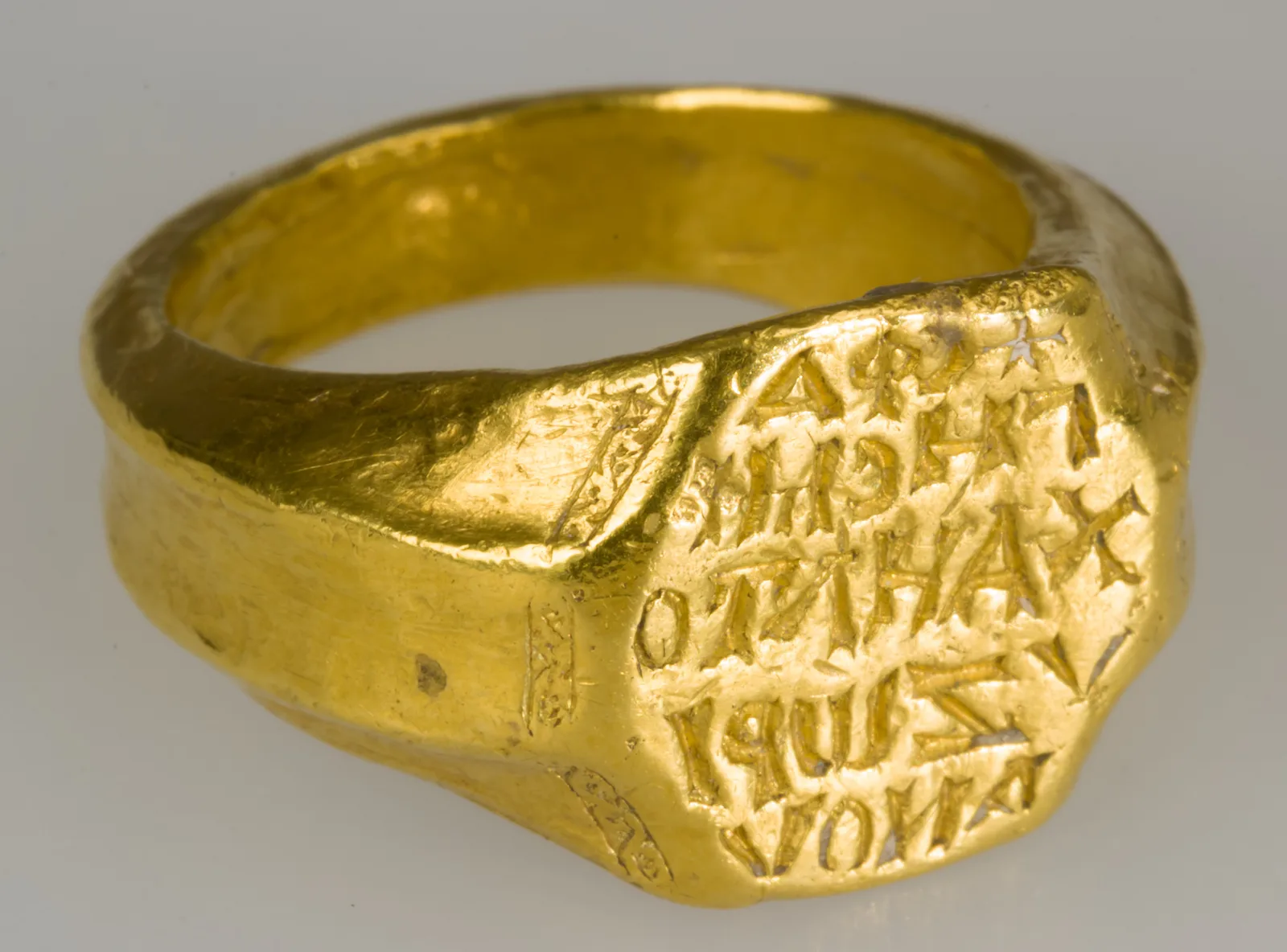
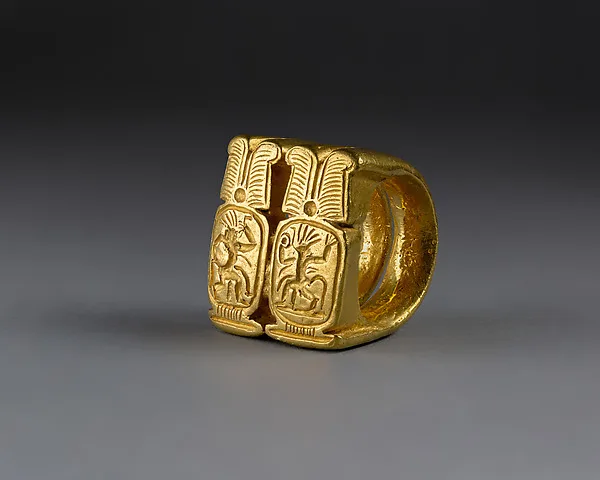
A signet ring with an engraving. This is one of the oldest forms of men's jewellery, with thousands of years behind it. Heavy, noticeable, with character. Signets were historically used for a personal signature, for identification, for the conferring of authority. The function has changed today, but the symbolic weight remains.
A signet can be engraved with: the owner's initials, the years of service (for example, "1988-2026"), the name of the organisation or an abbreviation, a meaningful symbol of the profession or personal history, a motto or a short phrase. Good in sterling silver or in gold. Usually worn on the ring finger of the right hand or on the little finger. One such ring is enough, nothing more is needed.
A chain with a meaningful pendant. A men's chain of medium thickness with a pendant carrying a specific symbol. A compass pendant as a symbol of the new path and of freedom, more on what a compass means in jewellery. A lighthouse pendant as a symbol of guidance, steadiness and light, on the symbolism of the lighthouse. An anchor pendant as a symbol of steadiness and rootedness. An hourglass pendant as a reminder of the value of time and the start of a new count, what the hourglass means in jewellery.
For a man, weight and texture matter: the pendant should not be small and decorative, it should be felt in the hand.
An engraved bracelet. A simple silver or steel bracelet with a date or a few words engraved on the inside. Invisible to others, meaningful to the owner. It suits men who are not used to jewellery: a bracelet feels less like "jewellery" than a ring does.
Cufflinks. For a man who still wears shirts with cuffs or likes a formal style. Cufflinks engraved with initials, dates or a symbol are a classic with no age. Good in silver with a fine pattern.
The main rule for men's jewellery: a restrained silhouette, nothing loud. The weight of the metal, the economy of the form, the precision of the engraving say more than any decorative detail.
Upload a photo of your pet, someone you love, or an object. We'll build a 3D model and hand-cast it in pewter.




Jewellery for a retired woman
A woman of retirement age usually already owns the jewellery she wears. The task of the gift is not to add one more piece but to give her something that carries a special meaning for this particular moment, something that stands out from the usual.
A locket with a photograph. A silver locket with a hinged cover is a piece of jewellery with a story inside. Into a locket you can place a group photo from the farewell party, a photo of the children and grandchildren from this year, a family photograph taken especially for the occasion. A locket is not worn every day, but for important moments it is always there: at family celebrations, at reunions with former colleagues, at anniversaries. It opens, and the person sees those they love.
A good locket: oval or round, in sterling silver, with a fine hinge and a secure clasp, large enough to hold a photo of about 3x3 cm or two smaller ones. Engraving on the back of the cover.
Pearls as a symbol of maturity. Pearls are traditionally linked with wisdom, quiet strength and dignity. A pearl forms over years, layer by layer, in response to irritation and friction, and it is precisely this process that makes it beautiful. The metaphor for a life lived is direct and exact.
A full guide to pearls will help with the types. For a retirement gift, a pearl necklace of classic length (45 cm, "princess"), earrings with a single pearl or a small pearl bracelet all work well. White or cream pearls are the most versatile; grey and black are more striking but call for a certain style.
Classic earrings with an engraving. Small studs or earrings with a short drop, with a name, a date or a short message engraved on the back. Elegant, not sentimental, practical: a woman will wear them in everyday life.
A charm bracelet. Each charm carries a meaning: a heart as a symbol of love, the year as the date of retirement, a symbol of the profession, the name of a child or grandchild. The bracelet can grow over time if she wishes. It is a more talkative piece of jewellery, it invites questions.
A ring marking a new chapter. Not a wedding or engagement ring, just a good ring: with an expressive stone or without one, with no prescribed meaning. She decides what it means to her. It is jewellery for a new chapter, bought specifically for it.
Engraving: what to write
Engraving turns a mass-produced piece into a personal artefact. It is perhaps the most important element of a retirement gift. Without engraving, the jewellery stays beautiful but anonymous. With engraving, it becomes irreplaceable.
Years of service
The simplest formula, and one that always works. "1988-2026" on the inside of a ring or the back of a pendant. No further explanation is needed: the owner knows what those figures mean. Thirty-eight years of a life in four numbers and a dash.
A variant: only the start and end dates, with no other words. Or the start date and "onwards" instead of an end date, if the person intends to carry on living actively.
The name of an organisation or a meaningful place
The full name if it fits, or a short form. For a gift from a team this underlines: this is a thing from this place, from these people, not an abstraction.
The names of those the gift is from
"From the whole department" or a list of the names of those who contributed. For a gift from children: the names of children and grandchildren on the inside. Five names fit on most pieces.
A motto or a meaningful phrase
Something specific: a phrase the person often said themselves, the department's motto, a line from a song that was sung at gatherings twenty years ago. Not a template "Happy retirement" or "With gratitude": those phrases no longer mean anything. Something real.
A few words of thanks
"38 years side by side" or simply "With gratitude, 2026." Short and specific. A date is always useful: twenty years on, the person will look at the jewellery and recall the precise moment.
Technical details: most jewellers offer laser engraving (fine, precise, with no raised edge) or hand engraving (warmer, made by hand, with character). Both suit silver. Check the maximum number of characters for a given piece before placing the order: the inside of a standard ring usually holds between 30 and 50 characters. A pendant or a locket usually holds more.
Laser engraving is more often available from online jewellers. Hand engraving comes from jewellers with their own workshop. Given the choice, for jewellery meant for long wear, hand engraving usually looks better ten years on.
Customer reviews
Zevira is a real jewellery shop. Genuine payments, deliveries and customer thank-yous.
🥰🥰🥰 gracias

Ok, ¡gracias! 🙂

When and how to present it
The moment of giving matters no less than the gift itself. A fine piece of jewellery handed over at an awkward moment, or without a word, loses part of its meaning. A modest piece with the right words becomes better. A fine piece with the right words stays for life.
At the farewell party
The most common option. Everyone is gathered, everyone is a witness, the atmosphere is already a little ceremonial. A short speech on behalf of the team is enough: a sentence or two about who this person was for the department, and the handing over of the gift. No long texts, no listing of achievements by the year. Short, exact, sincere.
A small practical tip: if you hand over a box, do not let the recipient open it in complete silence with everyone watching. Say at least one phrase while they open it: it fills the pause and creates the right atmosphere.
At home, among family
If the gift is from children or those close, the home setting gives more room for emotion and conversation. There is no need to choose words to suit a public address. You can explain the choice: why this particular object, what exactly it means, what is engraved inside and why.
A gift given at home is often more memorable than one given at the office, precisely because it is less formal.
One to one
Sometimes the most meaningful things happen without an audience. A direct manager, a close colleague, a best friend or a long-time acquaintance can give a personal gift separately from the group one. It reads as special attention: the person found the time, came apart from the rest, chose something personal.
What to say when you give it
Whatever the format, say something specific. Not "you did so much for us" in general, but "I remember how in 2015 you stayed to work the whole weekend when everyone else had gone, and it was you who pulled that project through." Specificity turns words into something real. General words sound polite but do not settle in the memory.
You can write it on a card inside the box if speaking aloud is hard. A card is sometimes reread years later.
Symbolism that works
Not every symbol suits a retirement gift. There are a few that, by their meaning, land exactly on this moment.
A compass or wind rose. A navigational instrument that finds direction. A symbol of a new path, of the ability to find one's own course, of freedom to move with no fixed route. Especially fitting for a person who is heading not "into retirement" but towards a new active chapter: a traveller, a gardener, a person with plans. A compass does not say "your road has ended." A compass says: "Now you choose where to go yourself." More on the meaning of the compass in jewellery.
A lighthouse. Light in the dark, a point of reference for others, steadiness in any wind. Especially fitting for those who were always a reference point for others: teachers, managers, mentors, people who were turned to for advice. A lighthouse does not move itself; it stands and shines. It is a symbol of steady presence, reliability, untiring service. More on the symbolism of the lighthouse.
An hourglass. Not as a symbol of time running out and spent, but as a symbol of its value. The hourglass is turned over, and a new count begins. This object says: time is priceless, use it well. For someone beginning a new chapter, it is a very precise metaphor. On the meaning of the hourglass.
An anchor. A maritime symbol of steadiness, rootedness, stability. An anchor does not hold back; it holds in place through a storm. Good for a person who has come a long, hard way and remained themselves, never betraying their values.
A locket as a keeper of memory. Not an abstract symbol but a literal store. Inside lives a photograph or a small object of great meaning. A locket is jewellery with a secret room inside. More on lockets.
Pearls as a symbol of maturity. Long formation, layers of patience, quiet beauty that does not shout. A pearl gathers beauty from within over many years. It is a metaphor that works for a person who has lived a long professional life. Everything about pearls.





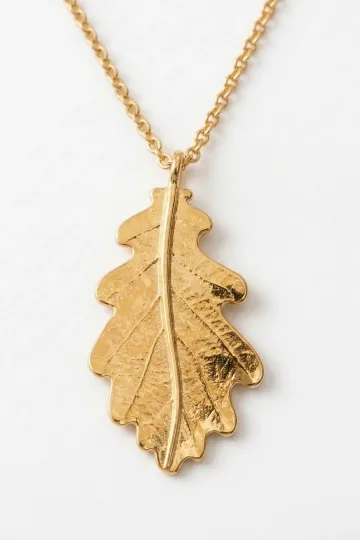
What not to give
A few categories of gift that, for all their apparent suitability, do not work as you would hope.
Heavy gold with a showy look. Large chains with logos, flashy rings with big stones, anything that shouts about cost rather than meaning. A retirement gift should carry a message, not display a budget. Bulk without meaning is just noise.
A literal symbol of the profession in jewellery form. A hammer pendant for a builder, a syringe brooch for a doctor, a fountain-pen pendant for a teacher, a scales pendant for a lawyer. That is a souvenir off a themed display, not a piece of jewellery. The symbol should be more universal: about the passage, about the path, about the person's values, not about their job description.
Cheap trinkets. A "gift set of jewellery" in the form of three items in a plastic box with no metal or hallmark stated. It reads exactly as what it is: a value of zero. Better one piece of sterling silver with an engraving than a set with no character. It is not a question of price, it is a question of attention.
Jewellery that cannot be worn in real life. Too fragile for everyday wear, too heavy and awkward, too specific in style for one particular outfit. If a person has never worn a brooch in their life, do not make a brooch the exception just because it has a lovely engraving.
Jewellery chosen without regard to the recipient's real life. Youthful geometric minimalism may miss the style of a person of sixty-five who grew up with other aesthetic reference points. The classic and the moderate work more reliably here than the avant-garde.
The etiquette of a group gift
When a gift comes from a group, practical questions arise that are not easy to settle without experience.
Who starts the collection? Best of all: the person closest to the departing colleague by personal relationship, or the direct manager. If there is no obvious organiser, you can take the initiative yourself: that is not pushiness, it is responsibility.
The scheme works like this: one person announces the initiative ("we are collecting for a gift for our colleague, let us all chip in"), chooses or proposes the options themselves, collects the money, and orders the engraved jewellery.
When to start collecting? At least three or four weeks before the last working day. Engraving takes time: usually five to ten working days after the order is placed. If you also want to organise a presentation ceremony, you need time to prepare it.
How much to collect? There is no universal figure. The guide: the final sum should allow you to buy one quality piece in a good metal, with engraving. That is, as a rule, the mid-range of jewellery. Each person gives what they can and wish, no obligatory amounts.
Should you reveal who gave how much? No. The organiser simply announces the final sum and what it bought. The details of contributions stay private.
Who presents it? The best option: the person closest to the one leaving and able to say a few sincere words. Not necessarily the most senior or the loudest in the department. The one whose words will be heard.
What to put in the box? A card with a short text. A few sentences: who gives it, the date, one or two specific phrases about the person. You can list the names of all who contributed: it is a list of those who were there.
Is gift wrapping needed? Definitely. Not necessarily expensive. A clean jewellery box or a small velvet pouch already creates the right sense of occasion.
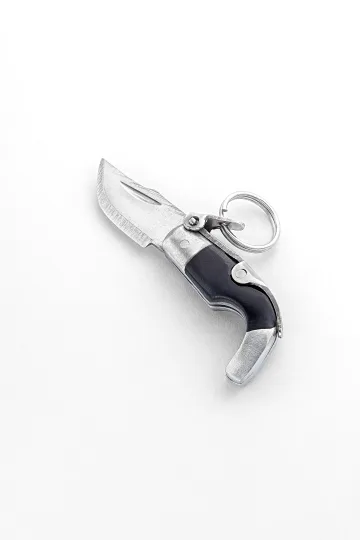
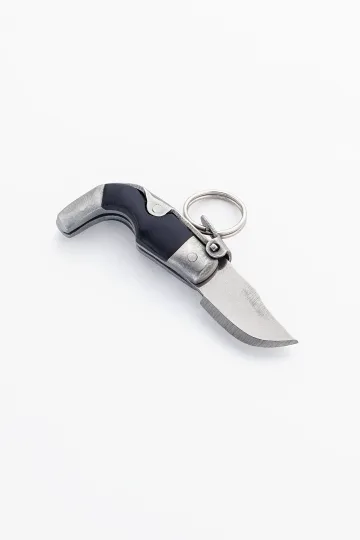
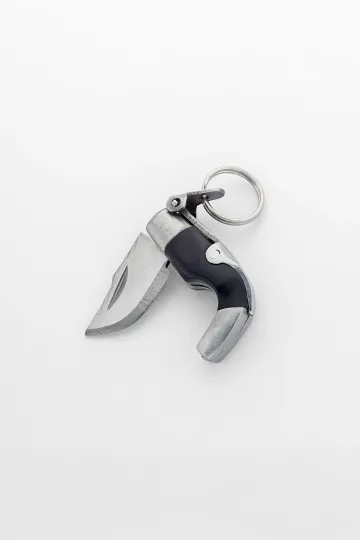
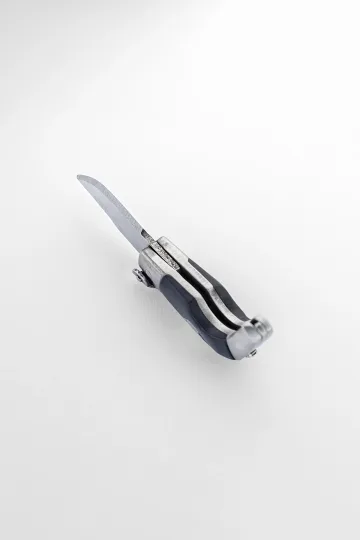
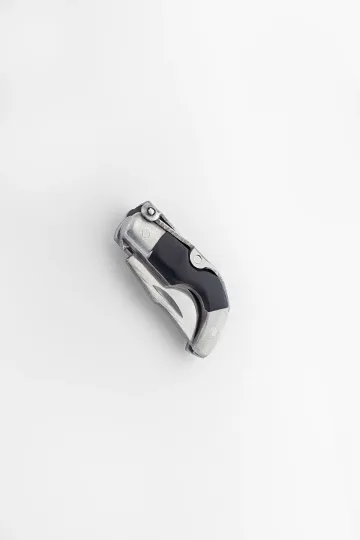
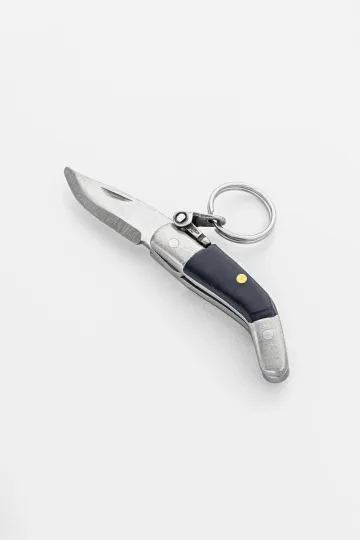
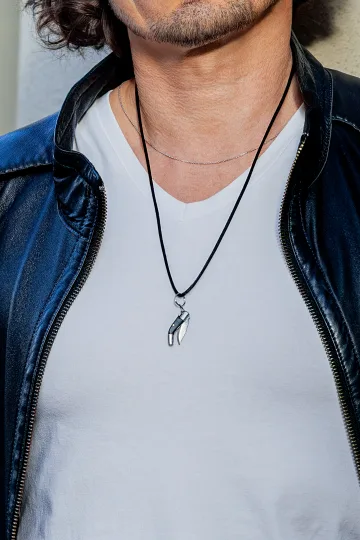
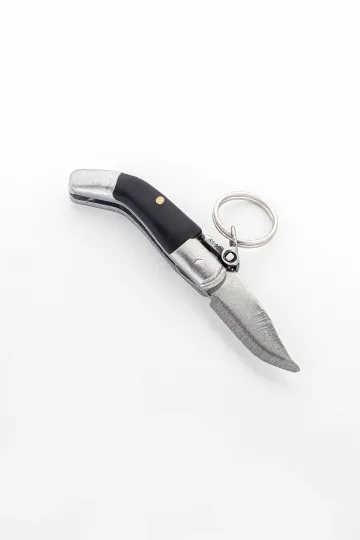
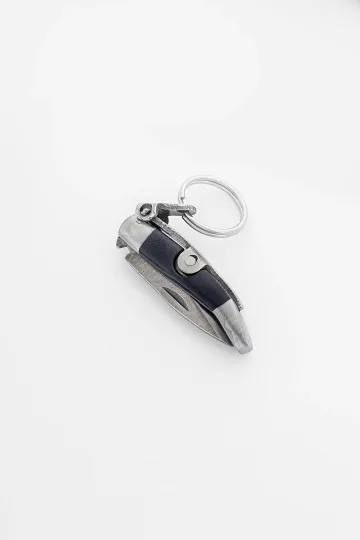
CAPAORA mini knife pendant
The 18th-century Spanish navaja in miniature: 40 mm of stainless steel, a real folding mechanism and a Palanquilla lock that clicks. An affordable gift to remember.
Authentic · Ships from Spain · 14-day returns
A case: from children to a retiring parent
A story of its own, worth a detailed look, because it is a special case.
When children give jewellery to a parent retiring, it is one of the rare moments when the relationship between people can be expressed in a physical object. The parent devoted a life, including much of a career, to the family: money for school, money for university, money for the children's first home, all the invisible work that held the fort. The children grew up, settled, have their own lives. And here is this moment: the parent leaves work, a new chapter begins.
What is usually given? An envelope, a cake, a family dinner. All of it is fine. But jewellery with something personal works on another level.
A locket with a family photo. Not an old one but one taken especially for the occasion. Gather the whole family, take a photo, print it to the right size and place it in the locket. It takes time and coordination, but that is exactly what makes the gift real.
A ring with the children's initials. The initials of each child engraved on the inside of the ring. Or the names, if they fit. The parent sees them every time they look at the ring. It is not abstract gratitude: it is the specific names of specific people for whose sake, in part, the career existed.
A bracelet with the grandchildren's names. If the parent has grandchildren, their names on a bracelet are a special level of emotion. A grandmother or grandfather, on retiring, often moves into a new role as a more active presence in the grandchildren's lives. A bracelet with their names is a symbol of that passage.
A pendant with the date work began. "1988" on a pendant or inside a locket is a date that means something only to this family. The year mum or dad started at this place: perhaps the children were not yet born, or were very small. The date from which most of their shared history began.
The key point: there is no need to explain everything in text on a card. When a child says aloud at the moment of giving, "Inside are engraved the names of all three of your grandchildren, look," the parent understands not so much what is written there as the intention behind it: we saw, we remember, we value.
Quiet luxury as the language of a retirement gift
There is a concept that describes a certain approach to jewellery and to objects in general: quiet luxury. The idea is that quality speaks for itself, without display, without logos, without loud details. An object gives itself away not by a price tag but by how it is made: the quality of the metal, the precision of the form, the care in the details.
A retirement gift by its very nature fits this concept perfectly. Nothing loud is needed. Good sterling silver with neat, precise engraving, pearls with no excess metal, a ring with a clean, spare form, a locket with a fine cover: all these objects read as care and respect. The person who receives such a gift understands: here they were thinking of me, not of making an impression.
Quiet luxury as a principle is especially fitting for people who have lived a long professional life and know from their own experience the difference between real quality and its imitation. Such people are not fooled by shine and size. They value what is well made.
In practice this means: do not chase the most expensive in the catalogue, and do not take the cheapest. Choose a piece with character, in a good material, with the right personalisation.
Retirement traditions across cultures: what is given and why
Traditions of the farewell gift on retirement have their own history and differ widely from culture to culture. Understanding this background helps make better sense of what lies behind our choice.
The British tradition: the gold watch and silver
In Britain the "gold watch" tradition goes back to the Victorian era, when railway companies and large factories began the ritual of handing pocket watches to departing workers. It was a specific and valuable object: pocket watches were costly, lasted long, and signalled standing. A watch engraved by the company was a sign that the worker had come a long way and left a mark.
Today the tradition survives in Britain, but the watch is being replaced by a wider range of jewellery. Engraved silver cups, brooches and bracelets are especially common. Silver remains the material that marks dignity in British culture: a certain signalling system, read without words.
The Japanese tradition: kanreki and a keepsake
In Japan, retirement at the age of sixty (kanreki) is celebrated especially solemnly. Red is traditionally used in Japanese celebrations of longevity, because it symbolises a return to the beginning: a newborn is dressed in red, and a sixty-year-old is dressed in red again, because one full cycle has ended and the next begins.
In the Japanese tradition there is no obligatory ritual of giving jewellery at retirement, but giving handcrafted keepsakes is customary. Jewellery with pearls is especially fitting: Japanese cultured pearls are considered one of the chief symbols of Japanese jewellery craft, and for a Japanese retiree a pearl piece carries cultural resonance.
The German tradition: precision and quality
In Germany retirement (Ruhestand, literally "state of rest") is traditionally marked among colleagues fairly formally. German corporate cultures lean towards formal farewell ceremonies. Gifts often have a useful character, but of high quality: the German taste for material quality is present even in the choice of jewellery. The engraving on German retirement pieces is usually spare: a date, a name, a short dedication.
The French tradition: aesthetics and a personal message
In France retirement (la retraite, literally "retreat" or "withdrawal") is marked with special attention to the aesthetics of the moment. The French tradition of the retirement gift leans, more than in other cultures, towards a personal message placed inside the object. Jewellery is seen not as a thing but as a bearer of a story between givers and recipient. That is exactly why lockets and engraved jewellery are especially common there.
What unites all these traditions
For all the difference in the specific forms, one thing stays common: the best retirement gift in every culture is an object that carries a specific message about a specific person. Not an abstract gift "for the occasion," but something made with an understanding of who the person was and what they did.
Leave your email, we'll send your discount code. No spam, unsubscribe anytime.
The code arrives by email, valid on your first order.
Metals and materials: what suits a retirement gift best
The choice of metal affects the look, and also the practicality, durability and symbolic register of the object.
Sterling silver (925)
Sterling silver (925) contains 92.5% pure silver and 7.5% other metals, usually copper, for hardness. It is the most common jewellery alloy and a good choice for a retirement gift for several reasons.
First, silver engraves well: by laser and by hand alike. Engraving on silver is crisp, durable and easy to read. Second, silver is more affordable than gold, which lets you get a higher-quality or larger piece for the same budget. Third, silver with a deliberately applied patina (dark oxidation) takes on a special character that brings out the detail.
Sterling silver needs occasional cleaning, but with proper care it lasts for generations. Keep it in a closed box or an airtight bag when it is not worn: that slows the oxidation.
Gold
Gold of 14 carat (585) contains 58.5% pure gold. It is the most common jewellery alloy in Europe. Gold of 18 carat (750) contains 75% gold and is softer but more valuable.
Gold does not tarnish, needs no polishing, and gives a warm metallic tone associated with traditional value. For a person who has worn gold all their life, a gold gift at retirement is more precise: it lands in the familiar aesthetic.
Yellow gold carries a warm, fairly ceremonial register for a retirement gift. White gold is closer to silver visually, but with a different sense of weight and standing. Rose gold adds a modern, tender note.
Pearls
Pearls are not a metal but a category of their own. Cultured pearls form over two to eight years inside a living shell. It is one of the few organic materials in jewellery.
For a retirement gift, pearls carry a meaning the metals do not have: they are literally the result of a long, patient process. A pearl forms layer by layer, each year adds a new one, and it is this accumulation of layers that creates its beauty. The metaphor for the years lived is exact here and not forced.
When choosing pearls, look at: the lustre (orient), which should be deep, with a nacreous play of light, not matte. The surface: a minimum of spots and inclusions for high-quality necklaces. The size: for a classic necklace 7 to 8 mm is standard, for earrings 6 to 7 mm.
Combinations of materials
Jewellery that combines silver with pearls, or gold with pearls, works well precisely for a retirement gift: the metal gives the form and the chance for engraving, the pearl adds an organic dimension and the symbolism of accumulated time.
How to care for the jewellery you have given
This is not a standard section of a gift guide, but it matters: good jewellery, cared for correctly, lives for generations. It is worth explaining the basics to the recipient at the moment of giving, or enclosing a short card with instructions.
Silver: keep it in a closed box, apart from other jewellery. Wipe with a soft cloth after wear. Do not store in damp, do not expose to chlorine (do not wear it in the pool). If it darkens: a soft polishing cloth removes the tarnish. Oxidised silver (deliberately dark): do not polish, that strips the patina.
Gold: needs almost no special care. Wipe with a soft cloth, and if needed a soft toothbrush with warm water and a drop of soap for intricate forms. Gold does not tarnish.
Pearls: the most delicate material. Store separately: pearls are soft (2.5 to 4.5 on the Mohs scale) and scratch on contact with other stones and metals. Put them on last and take them off first: avoid contact with perfume, hairspray, cream. Wipe with a soft damp cloth after wear. Pearl strands are restrung every few years by a jeweller if the thread has stretched.
Engraving: needs no special care. If dirt builds up in the grooves: a soft toothbrush with warm water.
A second block of jewellery
Retirement as a beginning, not an end: why this changes the choice of gift
Most mistakes in choosing a retirement gift come from one wrong assumption: that retirement is an ending. From this comes the whole set of standard gifts oriented to the past: the watch as a symbol of time worked, the certificate of honour for the wall, the mug reading "Proud Pensioner," the souvenir with the company symbol.
But observation says otherwise. Today many people retiring plan an active next chapter: a hobby there was never time for, the trips that kept being postponed, family projects, charity, work for interest. Retirement in the twenty-first century is not the end of activity, it is a change of activity. And the best gift looks in that direction.
Jewellery with a symbol of the new path works precisely because it is oriented forward. A compass does not recall the past job. A compass says: now you choose where to go yourself. A lighthouse does not say "you have done your time." A lighthouse says: you were always a point of reference, and you will remain one. Pearls do not recall an ending. Pearls say: your maturity is beauty.
This distinction seems subtle, but the recipient feels it. A gift oriented backward says: we are marking your past. A gift oriented forward says: we see you in your future.
How jewellery reads on a retiree in different social contexts
After a person retires, their social contexts change. They no longer spend time in an office with a set dress code. Their surroundings become different: family, neighbours, friends, new acquaintances by interest, perhaps volunteering or part-time work. How does jewellery work in these new contexts?
The signet ring. Noticeable, with character. Among family it becomes a subject for conversation: grandchildren ask what is written there, and that is a chance to tell a story. At reunions with former colleagues a signet engraved with the organisation creates an instant shared context. In new social circles it reads as the sign of a person with a history.
The locket. Not worn every day but brought out for important moments. At family celebrations it opens, and inside is a photograph. It is a conversation without words. At the funerals of loved ones the locket carries their photo close. At reunions of a former workplace, a locket engraved by the team brings back a shared memory.
The pearl necklace. To the theatre, to a concert, to a formal dinner, to a family celebration: pearls work across a wide range. They are classic enough to suit any look, from everyday to ceremonial. That makes them a practical choice for many years.
The compass or lighthouse pendant. Worn regularly, because it is neutral enough in style. It works with everyday clothes, with a coat, with a summer shirt. In conversations with new people it can become an entry point to a story: "It is a gift from colleagues at my retirement, a compass, because..." This telling restores, each time, an important link to that moment.
A history of jewellery as a retirement gift
The practice of giving jewellery at the passages of a life has a long history, reaching back across the centuries.
The ancient custom of the farewell gift
In ancient Rome there was the practice of missio, the official release from service. Military veterans, after twenty-five years of service, received honesta missio (honourable release), and with it: the rights of citizenship, a grant of land or a money payment, and often a torque (a neck ring) or phalerae (metal discs) as marks of distinction for service. These were awards. They were jewellery the veteran wore in civilian life, jewellery that told those around: this man came a long way and returned.
Gladiators who received the wooden sword (rudis) as a symbol of release were sometimes also given rings and bracelets: they symbolised the passage from one social status to another.
Medieval guilds and the master stepping down
In medieval Europe the craft guilds had a strict system of passages: apprentice, journeyman, master. A master's withdrawal from active production, the handing of the workshop to an apprentice or a son, was accompanied by ritual objects. Often these were rings with the guild's symbolism: a ring was handed on or kept by the master as a sign of his standing.
In England of the fourteenth to sixteenth centuries there were guild jewellers who specialised precisely in making keepsakes for farewell ceremonies: small silver cups, engraved rings, lockets with symbols. It was a distinct niche of the jewellery market.
The Victorian era: sentimental jewellery
In Victorian Britain a rich language of sentimental jewellery took shape. Each type of piece carried a certain message. The hair of a deceased or beloved person, enclosed in a locket, was a common practice. Rings with inscriptions on the inside (posy rings) were given on important occasions.
When the practice of corporate pensions began to form at the end of the nineteenth century, jewellery practices joined it. The large companies of the time, railway corporations, banks, manufacturing conglomerates, ordered special pieces from jewellers for farewell ceremonies. These were usually small silver watches or monogrammed jewellery. A tradition that has survived to our day.
The twentieth century: from the silver watch to personal jewellery
In the first half of the twentieth century the pocket, and then the wrist, watch with an engraving became the standard corporate retirement gift. Production became mass, the ritual settled. In the second half of the century the watch began to give way to more varied jewellery as the jewellery market grew more democratic and wider.
Today we are at a point where there is no "standard" retirement gift, and that is good. It means the one choosing has the freedom to make something truly personal.
Send a friend a discount code, they save on their first order.
Special cases: when standard advice does not work
Most of the advice in this article applies to typical cases. But there are situations that need separate thought.
A person retiring after hard or unloved work
Not every career brought pleasure. It happens that a person worked thirty years somewhere they ended up by circumstance, not by calling. In that case jewellery with a symbol of the organisation or the profession may sound not like gratitude but like a reminder of what they want to leave behind.
For such cases it is better to choose symbols oriented purely to the future: a compass as the freedom to choose a new path, a lighthouse as the chance to be oneself, pearls as "time for myself at last." Not a word about the past job in the engraving. The date of retirement: yes. The name of the organisation: no.
A person retiring early on health grounds
This is a special situation that calls for special tact. A person retiring earlier than they planned may take it hard: they did not finish what they wanted, did not reach where they were heading.
In this case the gift should speak about the person, not about their career path. About who they were, not about what they did at work. Jewellery with a family meaning (the names of children, grandchildren) or with a symbol of steadiness (an anchor, a lighthouse) works better than something tied to professional achievement.
A person who stays partly active (working part-time or consulting)
Many modern "retirees" do not leave fully but move into consulting, part-time work or freelance projects. In this case a "retirement" gift can sound slightly awkward: as if the person is being seen off to a place they are not going.
Here it is better to shift the emphasis: not "a retirement gift" but "a gift for the passage to a new chapter." The engraving should reflect exactly that: not "you have left" but "you have chosen a new path." A compass is the most precise symbol of this approach.
A few words on how retirement jewellery is NOT chosen
Practice shows a few recurring mistakes worth knowing in advance.
"I will buy something expensive and I definitely will not miss." Cost does not replace meaning. Expensive jewellery with no engraving, no symbol, no story is just expensive jewellery. The person will put it in a box and forget it. A mid-priced locket with well-chosen engraving and a photo inside will be worn every day to important events.
"I will take what I like myself." A common mistake when choosing a gift on your own. Tastes differ. If you like avant-garde minimalism and the recipient is close to the classic, you will give something they will never put on. Look at what the person wears now: it is the best guide to their preferences.
"I will leave the choice to the last week." Engraving takes time. Making a piece to order can take several weeks. If you want a personalised object, start thinking about it a month before the last working day.
"I will buy whatever turns up at the shopping centre." Jewellery in shopping centres often does not state the metal hallmark or uses labels like "silver-plated" and "gold-plated," which mean a thin coating over a base of cheap metal. Such a piece darkens within a year and cannot be restored. For a retirement gift you need only certified metal with a clearly stated hallmark.
"We will manage without engraving, it is lovely as it is." Without engraving the jewellery is nameless. With engraving it is one of a kind. It is the engraving that turns a mass-produced object into something no one but this person owns.
Jewellery as an anchor of memory: what neuroscience says about it
Memory researchers long ago described what is called "state-dependent memory" and "context-dependent memory." The idea is that memories are best recalled when the conditions of their forming are recreated.
Jewellery worn on the day of leaving work becomes part of that context. When the person puts the jewellery on again, a year or five years later, the neural links formed that day are activated again. Not all of what happened then, of course. But the emotional tone, the sense of the moment, the faces of those who were near.
This is not a metaphor or poetry. It is how memory works. It is exactly why people keep the jewellery of deceased relatives: it literally carries access to the memories of that person. It is exactly why a wedding ring carries within it not metal but a marriage. It is exactly why a retirement piece with the right engraving will be worn for years: it carries within it that day, those words, those people.
An envelope of cash is just cash. It carries no contextual anchor of memory. Jewellery does.
Why retirement jewellery is worn, not put away in a drawer
A few generalised, illustrative scenarios that show how such a gift lives after it is given.
A ring from a team would easily have settled in a desk drawer if it had no engraving. But an engraving with the names of the people one worked with for twenty years turns it into something else: it is put on for every reunion with former colleagues.
A bracelet with the grandchildren's names can be worn almost every day. When someone asks what it is, there is a reason to tell about each one by name. Often it is one of the warmest conversations.
A locket from a team sometimes does not strike a chord at once with a person not used to jewellery. But place a family photo inside, and the meaning becomes clear: this object unites both colleagues and family.
Pearl jewellery often comes as an unexpected gift from a partner. A person may never think of pearls for themselves, but the explanation helps: a pearl forms slowly, over many years, and becomes more beautiful with time. For a moment of passage it is an exact metaphor.
The scenarios differ, but they have one thing in common: jewellery with the right engraving is worn, not put away. And each time it is put on, it brings back that moment.
Buying it as a gift? Each one arrives ready to give.
 A branded Zevira box and a little card come with every order.








A short practical checklist: what to check before buying
A few questions that will help you make the right choice:
About the recipient:
- Do they wear rings, earrings, chains in everyday life?
- Which metal do they prefer: silver or gold?
- A classic or a modern style of jewellery?
- Any metal allergies?
- An active lifestyle or a more restrained one?
About the gift:
- Is the metal hallmark stated (925 for silver, 585 or 750 for gold)?
- Is engraving possible on this piece, and how much fits at most?
- What is the lead time with engraving?
- Is there an option to adjust the ring size?
- What is the returns policy if the size does not fit?
About the presentation:
- Who will present it?
- What will be said when it is given (at least one specific phrase)?
- What is written on the card inside the box?
- Is there gift wrapping?
This is not bureaucracy. It is simply respect for a moment that will happen once in a person's life.
FAQ
What budget should a team collect for the gift?
There is no strict rule that fits every case. Aim for the final sum to allow one quality piece of sterling silver or gold with engraving. In a team of twenty, where each gives a small amount, you get a perfectly worthy budget. The main thing: the organiser should decide in advance exactly what they want to buy, and size the collection to a specific piece, not the other way round. Not "what can we buy for this money," but "what do we want to give, and how much do we need to collect."
What to write in the engraving from a team?
A few options work almost always: the years of service ("1985-2026"), short thanks ("With respect and gratitude, 2026"), the name of the department or organisation, a list of the names of those who contributed, "From [the names of three to five closest colleagues] and the whole department." Avoid the cliche "Happy retirement": those words read as a template because that is what they are. Specificity is always better than general phrases.
Can you give a man pearls?
Yes, and it has historical grounding. Men's pearls are a living tradition. In Japanese and Chinese culture men wore pearls without any cultural restriction. In aristocratic Renaissance Europe men's portraits are full of pearls. Today a large pearl on a leather cord or a silver chain with a single pearl looks restrained and full of character. For a man retiring with a leaning towards a calm aesthetic, pearls suit well.
Should you find out the recipient's preferences in advance?
If you can, it is worth learning at least a few things: whether the person wears rings, earrings, chains. Which metal they usually prefer, silver or gold. Whether they have metal allergies. All these details let you make a more precise choice. If finding out is impossible, choose a neutral option: a pendant or a locket on a chain, a signet ring for a man, pearl earrings or a locket for a woman.
In a shop or online: where is it better to buy?
Both work under one condition: the seller must state the metal hallmark, offer engraving and have a clear exchange or returns policy in case the size does not match. Online there is a wider choice and often better prices. In a shop you can hold the piece and discuss the engraving at once. Jewellery workshops with their own production often combine both best: a wide choice and personal discussion of the order.
How to choose a ring size if you do not know it?
One workable way: ask someone close to the person to discreetly check the size of one of their existing rings, holding a standard sizing ring to it or comparing with the diameter of a coin. Many jewellers also sell rings with a resizing service. Check this when buying: then a small mismatch can be corrected later.
What is better for a retirement gift: silver or gold?
There is no single answer; it depends on the person and their habits. Sterling silver looks noble, engraves well, is more affordable and, with proper care, lasts decades. Gold of 14 carat gives a warmer tone, does not tarnish in wear and is felt as a more ceremonial choice. The principle is simple: if the person has worn silver all their life, give silver. If they preferred gold, give gold. If you do not know: sterling silver is the more neutral and safer choice.
What to do if the retiree says they do not wear jewellery?
It happens, and it is not an obstacle. Two workable options. First: a locket, which need not be worn every day. It is kept in a box and brought out for important events, not worn as everyday jewellery. Second: a very restrained, minimal piece the person does not perceive as "jewellery" in the usual sense: a thin bracelet, a small ring without stones, spare cufflinks for a man. Such things are often taken up by people who used to avoid jewellery.
Should you explain the symbolism when you give it?
Not necessarily in detail, but briefly it is worth it. If you give a compass pendant, one phrase is enough: "A compass, because now you choose the course yourself." If a locket: "Inside there is room for a photograph you want to keep close." If pearls: "A pearl forms over years and grows more beautiful with time, as you do." One phrase said at the moment of giving stays in the memory forever and gives the jewellery context.
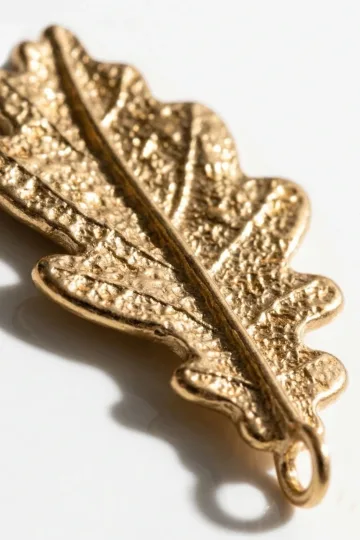
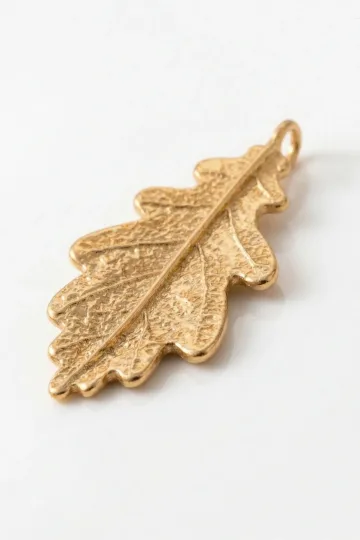
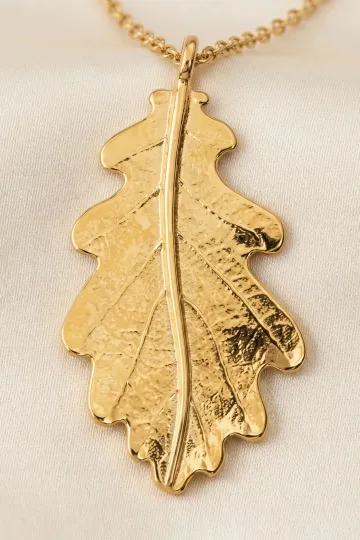
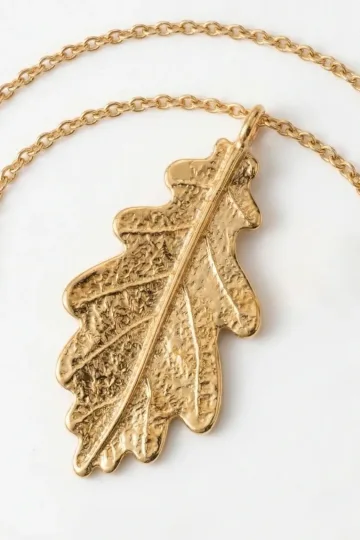
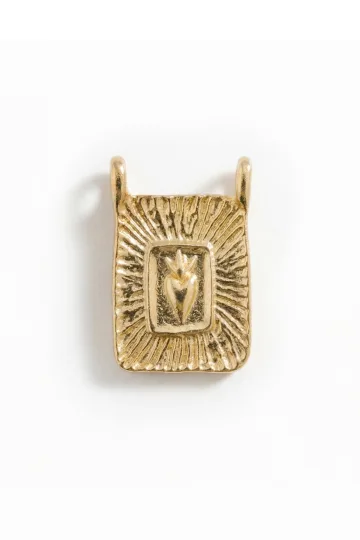
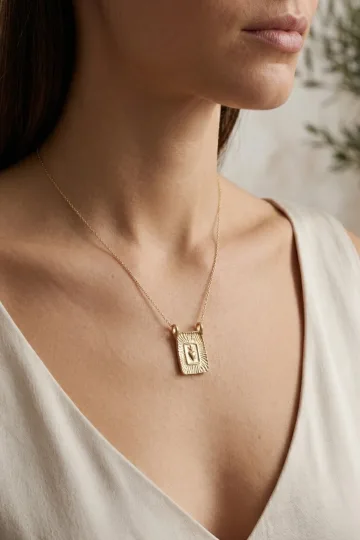
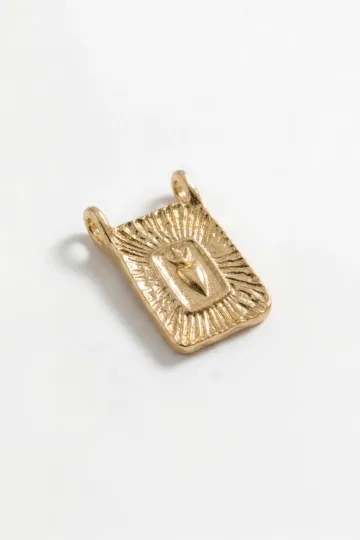
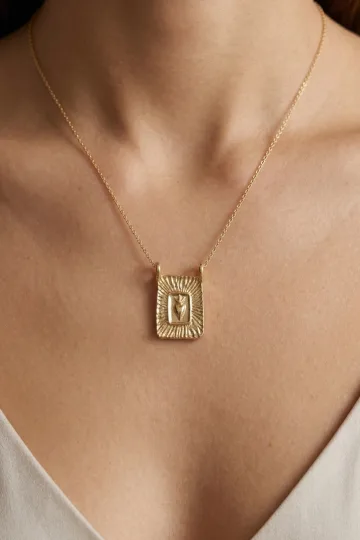
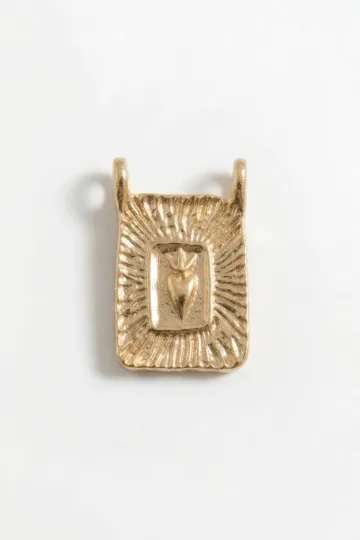
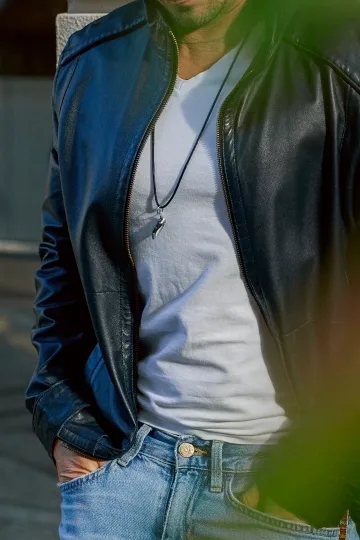
Wear the symbol, don't just read about it. These are in stock:

A retirement gift and family continuity
A well-made piece in a quality metal outlives its owner. Sterling silver lasts centuries with proper care. Gold is practically eternal. This creates a possibility rarely thought of at the moment of buying, but often valued later.
Jewellery given to a grandmother on retirement in 2026 may, thirty or forty years on, pass to the grandchildren as a family heirloom. A grandfather's signet ring with the dates of his career. A mother's locket with a family photo. The pearl necklace she wore to every important family occasion.
This is not a necessary outcome. Jewellery can be worn and simply discarded in the end. But a quality object, created with intention, often goes further. That is exactly why the grandchildren's names on a grandmother's bracelet are a good idea: when she hands it back or it is passed on, it is already a story of two generations, recorded in metal.
Think of the jewellery both as a gift for one moment and as an object able to carry a story forward.
Conclusion
Retirement is one of the most significant passages in a person's life, and our culture underestimates how much a well-marked passage matters. A corporate cake and an envelope of cash say: we know you are leaving. Engraved jewellery says: we know who you were and what you did.
A well-chosen object becomes an anchor of memory. A person puts on a ring ten years later and is instantly back with those people and that day. A locket opens, and inside is a photograph of those you love. A pearl necklace speaks of maturity and quiet strength each time it is put on. A compass pendant reminds: you are free to choose your path.
Neither a bottle, nor an envelope, nor a watch does this. Jewellery with the right meaning and the right engraving does.
Choose an object that goes forward with the person, not one that holds only the past. Think about the engraving as much as you think about the piece itself. And say, at the moment of giving, at least one specific word about the person: that is what they will remember longest.
Lockets, pearls, compasses, hourglasses, lighthouses. Personal engraving on every order.
About Zevira
Zevira makes jewellery in the artisan tradition of Albacete, Spain. For retirement gifts, our catalogue offers:
- Silver photo lockets: opening, with room for a photograph, with engraving
- Pearl jewellery: necklaces, earrings, bracelets in cultured pearls of different kinds
- Compass and wind-rose pendants: sterling silver, a symbol of the new path and freedom
- Hourglass pendants: sterling silver, a symbol of valued time and a new count
- Lighthouse pendants: a point of reference, light, steadiness
Engraving is available on most pieces: laser or hand, up to 40 characters. Confirm when placing your order. We work with sterling silver and 14 to 18K gold.