Ceramic jewelry: high-tech ceramic that beats steel for hardness and stays scratch-free for years
The same ceramic that shields a spacecraft from the searing heat of reentry, and that cuts in a knife you never have to sharpen, goes into rings. Those rings barely scratch over years of wear, never tarnish, never trigger allergies, and weigh less than they look. The word "ceramic" throws people off: they hear "pot" or "mug" and picture something that cracks at a glance. This is a different material that happens to share the name.
Everyday ceramic and technical ceramic are related about as closely as the graphite in a pencil and the diamond in a ring. Same element, different worlds. This article is about what ceramic jewellery is actually made from, why it lives so well on the hand, where its weak spot hides, and who it suits best.
What jewellery-grade high-tech ceramic actually is
It is not clay or porcelain, but a sintered metal oxide
When people say "ceramic ring," they almost always mean a piece made from zirconium dioxide, known in the trade as zirconia ceramic. It starts as a white zirconium oxide powder that turns, under enormous pressure and heat, into a solid block as hard and smooth as polished stone. There is no glue inside, no filler, no coating on top. Colour, hardness, and shine run all the way through rather than sitting in a thin layer that can rub off.
It helps to separate this from zirconia the gemstone. Cubic zirconia, the famous diamond imitator, is a clear crystal. The zirconia ceramic used for rings is opaque, dense, and most often black or white. The two share only a chemical kinship; their purpose is entirely different.
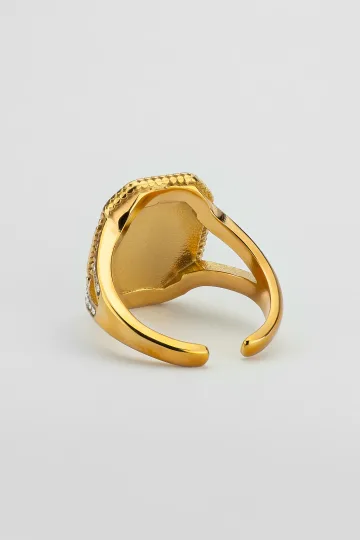
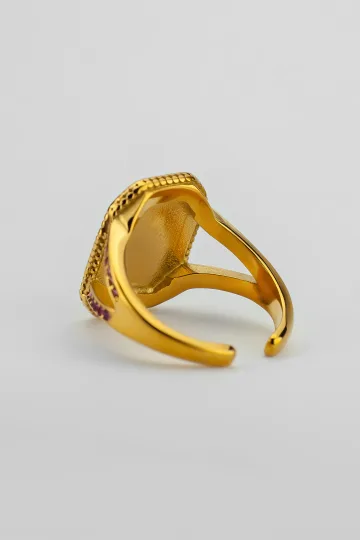
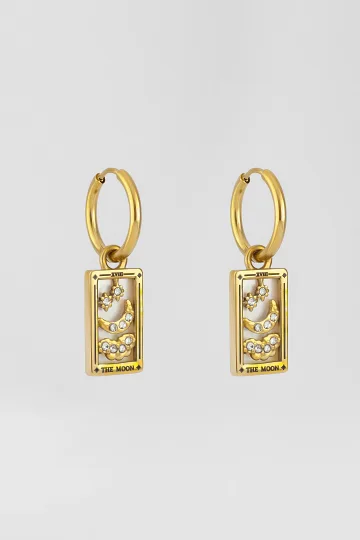
Wear the symbol, don't just read about it. These are in stock:






How ceramic came to jewellery

Technical ceramic spent decades doing the jobs where metal gives up: cutting edges, bearings, parts that grind against each other at brutal speed and must not wear down. It goes into knife blades that hold an edge far longer than steel, into insulators, medical implants, brake components. Jewellers spotted the obvious: a material that resists friction for years inside a machine will not rub away on a finger. So ceramic crossed over from the workshop to the display case, first as watch bodies and bracelets, then as rings.
Why it earns the "high-tech" label
The reason sits in the manufacturing, not the marketing. To get an even, dense material with not a single pore you need a controlled furnace atmosphere, a precise sintering temperature, and diamond tooling for the final finish. Ordinary clay needs none of that. Here a mistake of ten degrees, or a contaminated batch of powder, leaves you with a crack or a cloudy colour. High-tech ceramic is about engineering cleanliness in the process, not a pretty phrase.
The quiet trick of stabilization
Pure zirconium oxide cracks on its own as it cools: its crystal lattice changes shape and tears the material apart from the inside. To stop that, makers add stabilizers, usually yttrium oxide, that hold the structure in the right state. This is exactly why jewellery ceramic is so often called yttria-stabilised. Without that additive a ring would never reach the counter; it would shatter in the furnace. This silent chemical trick turns a temperamental oxide into a material that absorbs years of friction on the hand.
How ceramic jewellery differs from everyday ceramic
Pottery ceramic is porous, technical ceramic is solid
A mug, a plate, a flowerpot are made from clay fired at a relatively low temperature. Inside they hold pores, sometimes visible, sometimes not, and the whole thing relies on the glaze on top. Knock a mug against the edge of a sink and it chips along the line of those pores. Zirconia ceramic is sintered to a state where almost no pores remain, with a density close to the theoretical limit. That is why a ring behaves not like tableware but like a very hard artificial stone.
The gap in hardness is enormous
Everyday ceramic can be scratched by a knife, a coin, keys in a pocket. Technical ceramic shrugs all of those off: it is harder than hardened steel. On the hardness scale it sits among the most resistant materials a person can wear on the body. Every joke about a "ring made from a pot" breaks against that gap. The pot and the ring share nothing but the name of the material class.
Glaze wears off, ceramic colour does not
On a mug, the colour and shine come from the glaze and the painting. Over time the glaze dulls, scratches, and grows a web of fine cracks. On a zirconia ring the colour is the material itself. A black ring is black all the way through: saw it in half and the cut face is the same colour. There is nothing to rub off, nothing to fade. This is the key practical difference, and it shows itself over years of wear.
Sound gives the difference away
A simple kitchen test for material kinship. Flick a fingernail against a mug: the sound is dull and short. Flick a ceramic ring: the sound is bright and clear, almost like tapping glass or stone. The dullness of pottery comes from the pores inside, which damp the vibration. The ring of technical ceramic comes from its density: a solid block has nothing to muffle the sound. One flick tells you these are different materials, even though they share a name on the shelf.
Weight tells a story too
Hold a porcelain shard and a piece of zirconia ceramic of the same volume, and the second feels noticeably heavier. Technical ceramic is denser: there are almost no voids inside, the material is packed to the limit. The paradox is that the finished ring still comes out lighter than a steel one of the same size, because the ceramic itself is lighter than iron. So it is denser than tableware yet lighter than metal, and that combination gives it its distinctive feel on the finger.
Black ceramic lives on the hand, not in a box. Scared of scratches? Go back to silver and your polishing cloth.
How to wear a ceramic ring
I recommend ceramic to people who want to wear a ring, not baby it. After years on shoots I trust this material: it keeps its looks on its own, so it behaves honestly in an outfit too. Here is what actually works.
How do I wear black ceramic every day? I recommend a black ring as a base that goes with everything. It does not argue with jeans and a tee or with a crisp shirt. I suggest matte black for a calm look and a mirror finish for those who like a bit of shine on the hand. One dark band pulls a hand together better than a fistful of thin stackers.
Where does white ceramic belong? I choose white ceramic for light, graphic outfits: linen, white cotton, grey knitwear, monochrome. It reads clean, like polished bone, and looks great on tanned skin. I suggest keeping a white ring smooth, without deep texture: dirt shows more on a pale surface, and a smooth band just needs a wipe.
How do I pair ceramic with metal and other rings? If you wear several rings, I recommend pairing ceramic with steel or titanium in a cool palette rather than mixing it with yellow gold at random. Black ceramic plus steel is a ready-made sharp duo. Want warmth? Look for a model where the gold line is already built into the ring, so the contrast looks intended, not accidental.
Is ceramic right for the office and for going out? Absolutely. For the office I suggest a matte black ring: it reads as a restrained detail, not jewellery on display. For an evening, take a mirror finish or white ceramic against dark, smooth fabric; wine, emerald or black tones catch the shine of the ring. The same material moves from weekday to evening with a change of finish.
Which finish suits whom, matte or mirror? I choose matte for people who work with their hands and do not want to think about fingerprints: a satin surface hides touches and looks calm. I recommend a mirror finish when the ring is the accent; it catches light and looks dressy but needs a wipe. For many I suggest a model with a matte centre and polished bevels, which carries both characters.

Turn on your camera, pick earrings, a pendant or a ring, and see the piece on yourself in real time.
Switch items in one tap.
Everything runs in your browser: no photo or video is ever uploaded.
How a ceramic ring is made
It all starts with a powder
The raw material is an extremely fine zirconium oxide powder, sometimes with additives that stabilise the structure and set the future colour. The powder is mixed with a binder so it holds its shape, then pressed into a blank that vaguely resembles the ring to come. At this stage the material is still soft and brittle, like compressed chalk. It is called the "green body," though the colour has nothing to do with it; the phrase is a technical term.
Sintering turns powder into stone
The blank goes into a furnace and is brought to a temperature at which the powder particles sinter, meaning they fuse into one dense body without melting. During the process the piece shrinks: it gets visibly smaller as the gaps between particles collapse. That shrinkage is calculated in advance, so the blank is made oversized to compensate. What comes out is no longer powder but a solid block, so hard that ordinary tools cannot touch it.
Only diamond finishes the job
The sintered blank is ground and polished with diamond tooling, because nothing softer than diamond really bites into ceramic. That is exactly why ceramic rings end up so smooth and glossy, or, when intended, perfectly matte. Edges, bevels, a matte centre with polished borders: all of it is cut and polished with diamond grit. The labour of that final finishing is one reason a good ceramic ring costs like a proper piece of jewellery rather than a plastic trinket.
Colour is built in from the start
Since painting ceramic on the outside is pointless, colour is introduced into the mass before sintering. Black comes from additives that colour the whole volume, white is almost pure zirconium oxide. Coloured versions are trickier: they need pigments that survive the furnace heat without burning out. That is why the ceramic palette is narrower than enamel or anodised metal, but what exists holds forever.
Ceramic colours: classics and experiments
Black ceramic
A black ceramic ring is the calling card of the material. A deep, even, slightly warm black that does not drift toward blue and does not fade in the sun. Polished, it turns mirror-bright; matte, it goes velvety. Black is versatile: it works under any outfit, never shouts, yet reads as expensive and composed. Most men's ceramic rings are black, and that is no accident but a direct hit on demand.
White ceramic
White ceramic is smooth and dense, like polished bone or pearl without the nacreous sheen. It does not yellow like plastic and does not grey the way silver sometimes does. A white ring looks clean and graphic, especially paired with a diamond or a coloured stone. There is one downside: any grime in the texture shows up more on white, so smooth models stay practical longer than heavily textured ones.
Coloured and combined
Beyond the classics you find grey, blue, and more rarely green and pink ceramic, along with designs that pair ceramic with metal. Coloured versions hold their tone just as firmly as black and white, because the pigment is in the mass, not on the surface. Combinations with a gold or steel inlay create a contrast of matte and gloss, warm and cool. More on those pairings below.
Matte or mirror
The same ceramic looks different depending on the final finish. A mirror polish gives depth and shine, the ring catches the light and looks dressy, but fingerprints show up more readily. A matte, or satin, finish makes the surface calm and velvety; it hides the marks of touch and reads as restrained. Many designs combine both: a matte centre with polished bevels along the edges. This is play with light rather than colour, and it stretches the modest ceramic palette well past plain black and white.
Why black and white dominate
Coloured pigments have to survive the sintering heat without burning out, and few colorants are that stable. Black and white come out the simplest and most reliable: white is almost pure stabilised oxide, black comes from proven additives. So the classic pair dominates because of the technology, not the fashion. When you see an even, saturated coloured ceramic band, know that a separate effort went into choosing a heat-resistant pigment.
Customer reviews
Zevira is a real jewellery shop. Genuine payments, deliveries and customer thank-yous.
🥰🥰🥰 gracias

Ok, ¡gracias! 🙂

The upsides of ceramic jewellery
It barely scratches
This is the headline virtue. A bunch of keys, a door handle, a keyboard, the concrete wall in an elevator, all the things that leave a year's worth of fine scratches on silver, leave ceramic almost indifferent. The polish holds for years without refinishing. For a ring worn without ever taking it off, that settles it: the ceramic still looks new when a metal one is already asking for a jeweller.
Light yet dense
Ceramic is noticeably lighter than steel, titanium, and especially tungsten at the same size. On the hand the ring registers, but it does not pull or press. Many people love that contrast between visual heft and real lightness: a wide, confident ring that never reminds you of its weight. For anyone who cannot stand weight on a finger, ceramic often suits best.
Hypoallergenic
Ceramic contains no nickel, no metals that migrate into sweat and irritate the skin. It is an inert material, the same class used in medical implants. For people who react to metal it is one of the safest options, alongside titanium. If skin goes green, itches, or reddens under ordinary costume jewelry, the cause is almost always nickel, and it is worth reading more in the piece on nickel allergy in jewelry.
It does not tarnish or oxidise
Silver blackens, copper turns skin green, brass dulls. Ceramic does not react with air, sweat, water, cosmetics, or pool chlorine. There are no pastes or wipes to keep, no need to hide it from the shower. The colour you see in the shop will look the same after five years of daily wear.
Kind to the skin and slow to conduct cold
Metal bites with cold in winter and heats up in summer. Ceramic barely conducts heat, so it takes on the temperature of the hand quickly and feels neutral. In winter it is not icy, in heat it does not scorch. The surface is smooth and warm to the touch, and many people note that you simply forget a ceramic ring is there: it tugs at the skin with neither temperature nor weight.
It does not fade
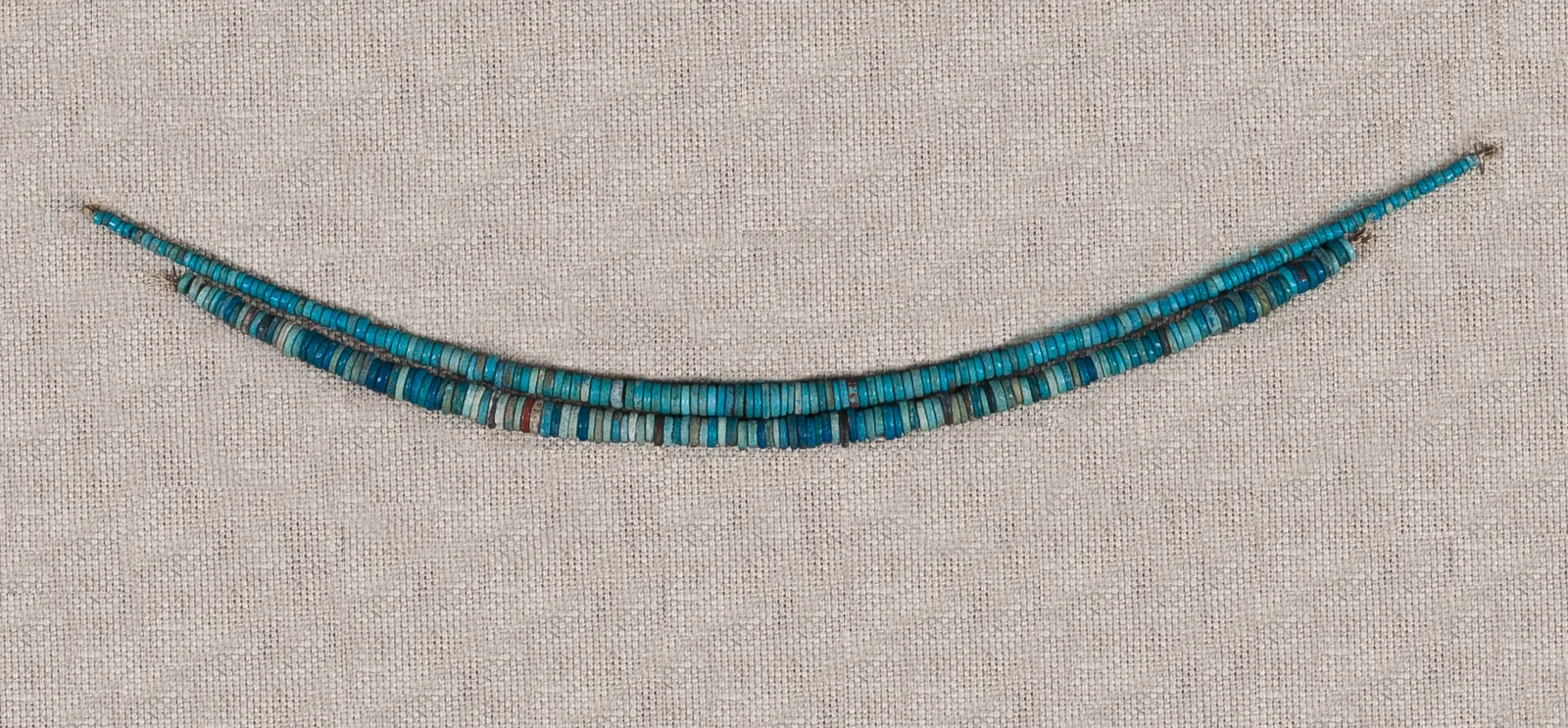
Because the colour is in the mass, there is nothing to fade. Anodised titanium can shift its shade over time, gold plating wears off, enamel cracks. Ceramic keeps its colour for as long as the ring itself stays whole. That is a rare trait among coloured materials in jewellery.
Upload a photo of your pet, someone you love, or an object. We'll build a 3D model and hand-cast it in pewter.




The downsides of ceramic jewellery
Brittle against a hard impact
Hardness has a flip side. Something very hard usually does not bend; it cracks. Drop a ceramic ring on tile, stone, or concrete at an unlucky angle and it may crack or chip. A metal ring in the same situation simply deforms or survives intact. This does not mean ceramic shatters at any touch; in ordinary wear it is extremely durable, but a fall onto a stone floor is its main enemy.
The size cannot be changed
A jeweller can stretch or take in a metal ring by a size or two. Not so with ceramic: it cannot be stretched, squeezed, or filed down without the risk of cracking. The size is chosen precisely at purchase, and that is built into the logistics: many sellers offer a size exchange precisely because resizing is impossible. A finger swells toward evening, toward summer, with age, and that is worth planning for.
In an emergency it cannot be cut off with pliers
This downside has an unexpectedly useful side. If a finger swells and a ring must come off fast, ceramic cannot be snipped with ordinary jeweller's pliers the way soft metal can. But it can be carefully cracked with a special tool, and it crumbles away without harming the finger. Medics know this, but it helps to remember in daily life: ceramic comes off by cracking, not by sawing.
A narrower palette and no scratch repair
A deep scratch on metal can be polished out. On ceramic a serious chip cannot be restored; the ring is either whole or it is not. And the colour palette is more modest than enamel or coloured metals. This is the price of resilience: a material that fears nothing in wear, in return, forgives no serious repair.
Ceramic versus steel, titanium, and tungsten
Ceramic and steel
Surgical steel is strong, cheap, and low-maintenance, but softer than ceramic, and over time it builds up microscratches. Steel is heavier and colder on the hand. On the other hand, a steel ring survives a fall onto concrete, while ceramic may crack. Steel is the workhorse, ceramic is about a look that does not spoil for years. More on the character of steel in the piece on stainless steel jewelry.
Ceramic and titanium
Titanium and ceramic are close in spirit: both light, hypoallergenic, and resistant to tarnish. But titanium is a metal; it bends rather than cracks, so it survives impacts better. In return, its surface is softer than ceramic and picks up scratches faster. Titanium can be resized a little, ceramic cannot. If resistance to drops matters most, people choose titanium; if an unbeatable polish matters most, ceramic.
Ceramic and tungsten
Tungsten ceramic, also known as tungsten carbide, is the nearest relative in character: it too barely scratches, and it too cracks under impact. The difference is in weight and tone. Tungsten is very heavy, noticeably weighing down the finger, and its color is metallic, a graphite gray. Ceramic is light, and its color is even, not metallic. Those who love weight pick tungsten; those who love lightness, ceramic. On scratch resistance they are equals.
The summary, no illusions
There is no material that wins on every count. Steel is tough against impact but scratches and weighs more. Titanium is light and nearly indestructible but softer on the surface. Tungsten does not scratch but is heavy and brittle. Ceramic is light and scratch-free but fears falls onto stone. The choice is always a trade of one property for another, and ceramic is honest about what it gives up for its unbeatable smoothness.






What ceramic is good for
Rings, especially wide and men's styles
The home turf of ceramic is rings. Wide, confident, matte or mirror-bright, they keep their shape and shine for years. Men's ceramic rings have become a category of their own: black ceramic looks sharp and modern, does not gleam like precious metal, does not green the finger, does not scratch under hands-on work. For an everyday ring that never comes off, this is close to the ideal material.
Matching rings
Ceramic sits well in matching rings for two reasons. First, it stays looking the same on both for a long time; both rings age at the same slow pace. Second, black and white ceramic make a striking pair through contrast, with no need for precious metal. It is a practical choice for couples who wear a ring every day and want the pair to look unified even years on.
Bracelets and links
Ceramic goes into bracelets and link inserts, most often combined with steel. Ceramic links do not scratch against a desk or a cuff, they hold their gloss, and they feel good against the skin. The downside is the same as with rings: a link can crack under a hard blow. So ceramic in bracelets is usually combined with metal that takes on the load.
Inlays and accents
Ceramic works beautifully as an inlay: a black stripe in a steel ring, a ceramic centre in a metal setting, a coloured accent in a bracelet. This approach takes the best of two materials. Metal carries the strength and the ability to resize, ceramic adds unbeatable colour and smoothness right where the piece rubs hardest.
Can a stone be set in ceramic
It can, but not the way it is set in metal. Metal grips a stone with prongs that are bent into place with a tool. Ceramic cannot be bent; it would crack. So a stone in a ceramic ring is more often seated in a metal insert or in a ready socket cut by diamond during processing. The result is that ceramic holds the shape of the ring while metal holds the stone. It is a limitation, but one solved by a smart pairing of materials.
Engraving on ceramic
You cannot engrave a message on ceramic with the usual graver technique: the material is too hard for the tool. But laser handles it beautifully. Laser engraving burns a design or text with high precision, and the letters come out crisp, never rubbing away or blurring over time. The inner side of matching rings is signed this way with names or a date. Since both the material and the engraving never wear, such an inscription will last to the day the ring is passed on.
Ceramic combined with gold and steel
Ceramic and gold
Pairing matte or black ceramic with a gold inlay is one of the most rewarding combinations. The warm gleam of gold against the calm of ceramic reads as an expensive contrast without fuss. Gold takes the role of accent and preciousness, ceramic the role of a sturdy base that does not scratch. In such rings the gold stripe is usually tucked so it rubs less, leaving the impact to the ceramic.
Ceramic and steel
The most common duo. A steel base gives strength and the chance to make the ring repairable, while ceramic inserts or an outer layer give smoothness and colour. Bracelets with steel and ceramic links are worn for years without a mark. This tandem covers the weak spots of both: steel offsets the brittleness of ceramic, ceramic offsets the tendency of steel to scratch.
Why combine at all
Pure ceramic is lovely but vulnerable to drops and impossible to resize. By adding metal, a maker makes the piece more durable and more practical while keeping the main virtue of ceramic, its smoothness. Combined designs are often a sensible choice for someone who wants the look of ceramic but is not ready to live with its brittleness one hundred percent.
Leave your email, we'll send your discount code. No spam, unsubscribe anytime.
The code arrives by email, valid on your first order.
Caring for ceramic jewellery
Cleaning could not be simpler
Ceramic does not need polishing, bleaching, or special treatments. Warm water, a drop of soap, a soft cloth, and the ring is as good as new. Since the material does not react with chemistry, soap, cosmetics, and chlorine pose no threat. You can wash your hands without removing it, you can wear it in the shower. After seawater, a rinse in fresh water is enough to clear salt from the texture.
The one rule: protect it from falls onto hard surfaces
All ceramic care comes down to one thing: do not drop it on stone, tile, or concrete. When you take the ring off, place it on a towel, in a fabric pouch, in a box with a soft base, not on the edge of a sink. Most cracks in ceramic happen not on the hand but in the moment the ring is removed and falls onto a hard floor. Keep that in mind and the ring will survive many years without a single mark.
Storage
Storing ceramic is simple; it does not tarnish or need airtight bags the way silver does. It is enough to keep it apart from hard pieces so they do not knock against one another in transit. A soft pouch or a separate slot in a box solves everything. For travel, pack ceramic so it does not rattle around inside a hard case.
CAPAORA mini knife pendant
The 18th-century Spanish navaja in miniature: 40 mm of stainless steel, a real folding mechanism and a Palanquilla lock that clicks. An affordable gift to remember.
Authentic · Ships from Spain · 14-day returns
Can ceramic be scratched or broken
Scratching it is nearly impossible
In daily life almost nothing scratches ceramic. Sand, keys, coins, concrete, all of them yield to its hardness. Only something equally hard can leave a mark: another ceramic piece, diamond, corundum. So in ordinary life scratches are not the worry to think about. The ring keeps its factory polish longer than any metal.
Breaking it is possible, but it takes an impact
Breaking ceramic is real, but it takes exactly a sharp blow against a hard surface, usually a fall from height onto stone or tile. It does not split from wear, from a hand's grip, from everyday loads. This is a material that does not fear friction but fears a point impact. Drop the ring on carpet or soil and most likely nothing happens; onto bathroom tile, the risk is real.
What to do if it cracks
Cracked ceramic cannot be glued or restored invisibly, unlike metal. A chipped ring is replaced whole. That is worth setting as an expectation: ceramic serves a very long time with careful handling, but a single serious accident means replacement, not repair. For many people that is an acceptable trade for years of flawless looks.
Who ceramic suits
People with allergies
For anyone whose skin reacts to metal, ceramic is one of the most reliable options. The inert material releases no nickel and nothing that irritates skin. If silver and costume jewellery leave redness, ceramic or titanium often become the rescue.
People who work with their hands
Construction, repairs, the kitchen, the workshop, sports, anywhere a ring constantly rubs against something. Ceramic comes out of that life without a web of scratches, unlike soft metals. The one thing to remember: it is better not to drop it on a hard floor. But in hands-on work, where a ring rubs more than it falls from height, ceramic holds up beautifully.
Active people and those who never take a ring off
People who wear a ring around the clock, in the gym, in the pool, in the shower, appreciate that ceramic does not need hiding from water and sweat. It does not tarnish, needs no cleaning, does not react to chlorine. For that rhythm ceramic is more practical than silver and gold.
When ceramic is not the best choice
For anyone whose weight or finger size changes often, ceramic creates trouble: the ring cannot be resized. For someone who frequently drops things on a hard floor, titanium is worth considering. And for someone who likes to refresh a piece by cleaning and refinishing, ceramic will feel too final: what you buy is what you wear.
Ceramic as a gift
Why it makes a good gift
A ceramic ring is a gift that asks nothing of the recipient in the way of care and caution. There is no learning to clean it, no hiding it from water, no fear of scratching it with keys. A person puts it on and lives an ordinary life while the ring holds its looks on its own. As a gift for someone who does not fuss with jewellery and dislikes complications, it lands well: beautiful, modern, and never a burden.
What to find out in advance
Since the size cannot be changed later, the key thing when buying a ring as a gift is the exact finger size. You can learn it ahead of time from another ring the person wears, or ask the seller about a size exchange. It is better to pick a model with an exchange option than to guess. Colour is easier: black ceramic suits almost everyone and almost everything, so when in doubt, that is the pick.
A matching gift
Ceramic works well as a matching gift precisely because both rings age at the same slow pace. Years on, the pair will look as coordinated as on the day of purchase, without the mismatch that appears when one metal wears faster than the other. A laser engraving with a date or names inside adds the personal layer that matching rings are given for.
Send a friend a discount code, they save on their first order.
Common mistakes when choosing ceramic
Confusing it with cheap costume jewellery
Hearing "ceramic," some file it next to plastic and painted costume jewellery. That is a mistake of perception: technical ceramic is an expensive material to work, one cut with diamond. Judging it by everyday associations with tableware means underrating it. In resilience it is closer to precious materials than to cheap imitations.
Taking the size too tight
Since resizing is impossible, the ring is chosen not on a "just barely fits" basis but with the understanding that a finger swells toward evening, in heat, after salt. A ceramic ring that is too tight cannot be stretched later, and it ends up in a drawer. Better to try it at different times of day, or to go by the size of a familiar ring that sits comfortably.
Dropping it while taking it off
Most cracks happen not in the thick of things but on level ground: the ring was removed and dropped on the bathroom tile. The habit of setting a removed piece on something soft, not on a hard edge, extends the life of ceramic more than any other care rule. This is not about pampering luxury but about the physics of the material.
Expecting repair instead of replacement
Anyone used to having every scratch on metal polished out is sometimes disappointed: a serious chip on ceramic is not restored. The right expectation is "serves a long time, but in an accident it is replaced whole," not "they will fix anything." With that mindset ceramic does not disappoint, because accidents are rare with careful handling.
Facts that surprise
The same ceramic flies to space
Ceramic tiles spent decades shielding spacecraft from the monstrous heat of reentry. A material that withstands temperatures that melt metal is the same class as the ring on a finger. When people call ceramic "space-grade," it is not a figure of speech but a literal pedigree.
Nearly as hard as sapphire
On the mineral hardness scale, zirconia ceramic stands very high, not far from sapphire and corundum, harder than hardened steel and almost anything a hand meets in daily life. Only diamond and a few equally hard materials leave a mark on it. That is why a bunch of keys in a pocket means nothing to ceramic.
Ceramic knives stay sharp for years
Kitchen ceramic knives hold an edge many times longer than steel precisely because of the material's hardness. It is the same reason the ring does not scratch: ceramic barely wears from friction. A knife of it cuts thin and long, but fears the same thing the ring does, a fall onto a hard floor.
Inside the body it works too
Zirconia ceramic and its relatives are used in medicine: dental crowns, prosthetic parts, implants. The body does not reject it because it is inert and releases nothing harmful. The same material that heals inside the body is worn outside it, and that is the best proof of its safety for skin. When a material settles into a jaw and a joint for decades, it has no quarrel with the skin on a finger.
A colour that cannot be rubbed off
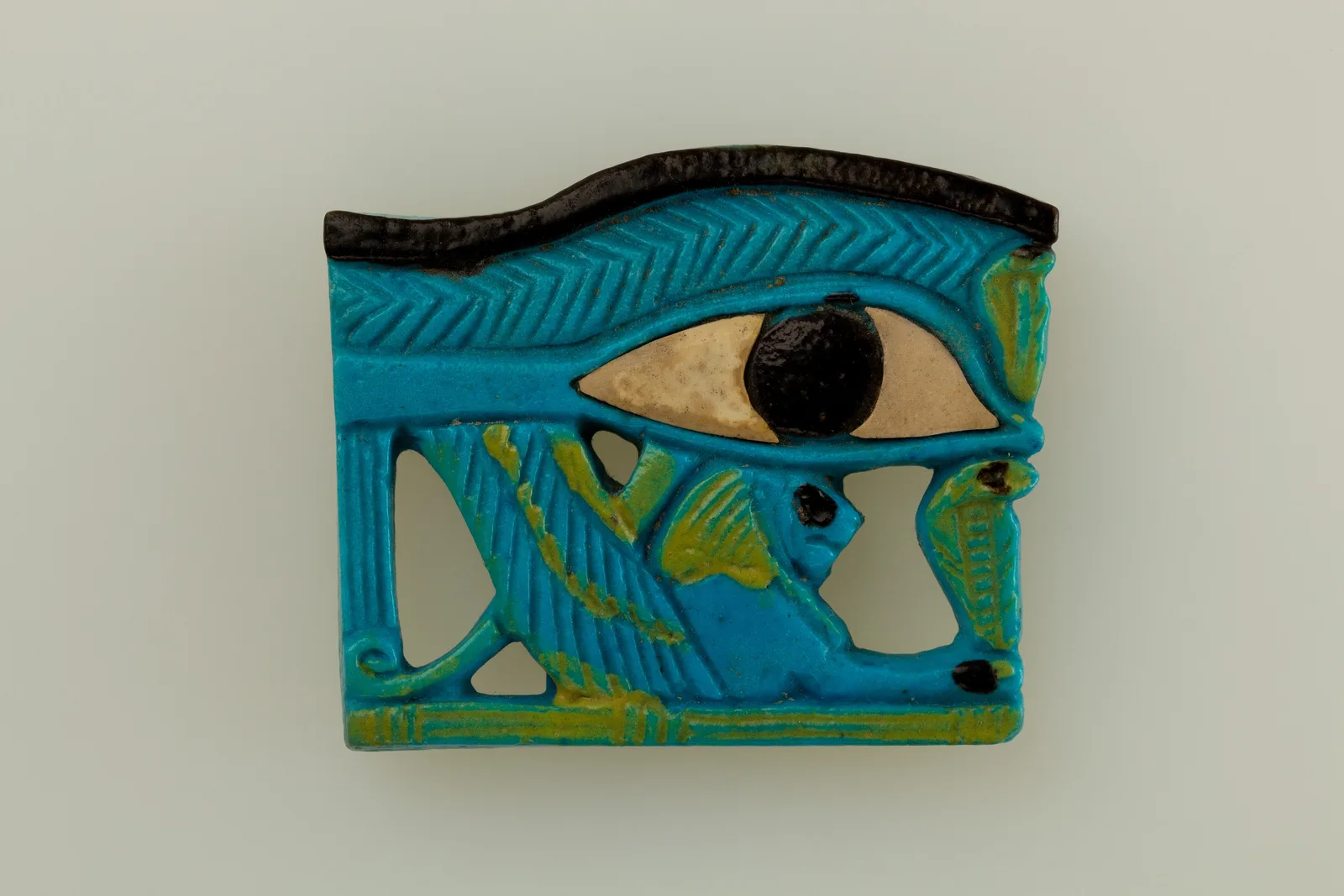
Because the colour of ceramic runs through the whole volume rather than lying as a coating, it physically cannot be rubbed off without rubbing away the ring itself. A black ring sawn in half is black at the cut. That is a rare trait among coloured jewellery, where the colour is almost always a thin top layer.
Frequently asked questions
Is a ceramic ring real ceramic or a fake stone?
Real technical ceramic, most often zirconium dioxide. It is neither stone nor plastic, but a sintered metal oxide, hard and dense. It is related to a mug and a pot only by the name of the material class; in its properties it is closer to artificial stone.
Can ceramic be worn in the shower and the pool?
Yes. Ceramic does not react with water, soap, cosmetics, or chlorine, and it does not tarnish or lose its shine. After the pool, a rinse in fresh water is enough to wash away chlorine and salt from the texture. There is no need to take it off for washing.
Is it true that ceramic cannot be scratched?
In daily life, almost not. Keys, coins, concrete, and sand leave no marks because ceramic is harder than they are. Only something equally hard can scratch it, such as diamond or another ceramic piece. The factory polish holds for years.
What happens if you drop a ceramic ring?
On carpet, soil, or wood, most likely nothing. On tile, stone, or concrete at an unlucky angle, the ring may crack or chip. That is the main vulnerability of the material: it does not fear friction but fears a sharp blow against something hard.
Can a ceramic ring be resized?
No. Ceramic can be neither stretched nor taken in without the risk of cracking. The size is chosen precisely at purchase. Many sellers offer a size exchange precisely because resizing is impossible. Bear in mind that a finger changes slightly toward evening and with the season.
Is ceramic suitable for a metal allergy?
It is, and very much so. Ceramic is inert, contains no nickel and nothing that irritates the skin, and the same class of material is used in medical implants. If skin reacts to costume jewellery, the cause is almost always nickel, and ceramic removes that problem.
Ceramic or titanium, which to choose?
If an unbeatable polish and lightness matter, ceramic. If resistance to drops and the option to resize a little matter more, titanium. Both are hypoallergenic and tarnish-free. Ceramic is harder on the surface, titanium is tougher against impact.
How do you care for a ceramic piece?
Minimally. Warm water, soap, a soft cloth, and that is all. There is no need for pastes or hiding it from water. The one real rule is not to drop it on a hard floor. Set a removed ring on something soft, not on the edge of a sink.
Buying it as a gift? Each one arrives ready to give.
 A branded Zevira box and a little card come with every order.













Conclusion
Ceramic is an honest material. It does not pretend to be precious, but it gives what no metal can: colour and smoothness that hold for years without care, lightness, indifference to water and sweat, safety for even the most temperamental skin. In return it asks one thing, do not drop it on stone. For a ring worn without ever taking it off, for an active life, for hands busy with work, this is a material that still looks new when metal is already asking for a jeweller. Anyone who understands that trade chooses ceramic deliberately and for the long haul.
Ceramic that stays as good as new for years
Rings and jewellery in high-tech ceramic: scratch-free, tarnish-free, safe for the skin. Light, smooth, ready for daily wear.
Browse the catalogueAbout Zevira
Zevira makes jewellery for people who wear it every day, not for special occasions. We choose materials by how they live on the hand over years: ceramic, titanium, steel, and silver that hold up to real life, well beyond a display case. No loud promises, just an honest conversation about what a material can and cannot do. If you are after a ring you do not have to protect from every touch, start with ceramic.