The Dragon in Jewellery: Why the World's Oldest Monster Is Its Most Worn Symbol of Power
The creature that never existed and never went away
Here's a strange fact. Every culture on earth, independently, invented the dragon. China did it. Scandinavia did it. Mesoamerica did it. West Africa did it. They had no contact with each other. They shared no myths. And yet they all came up with the same basic idea: a giant, powerful reptile, often airborne, often associated with fire or water or both, that sits at the very top of the food chain of the imagination.
Nobody has ever seen a dragon. No fossils. No bones. No scales preserved in amber. And yet the dragon is the single most recognisable mythical creature on the planet. More than the phoenix, more than the unicorn, more than the griffin. The dragon shows up in the oldest surviving literature (the Epic of Gilgamesh has one, sort of), on the oldest surviving artefacts, in the oldest surviving oral traditions. It's been here as long as civilisation itself.
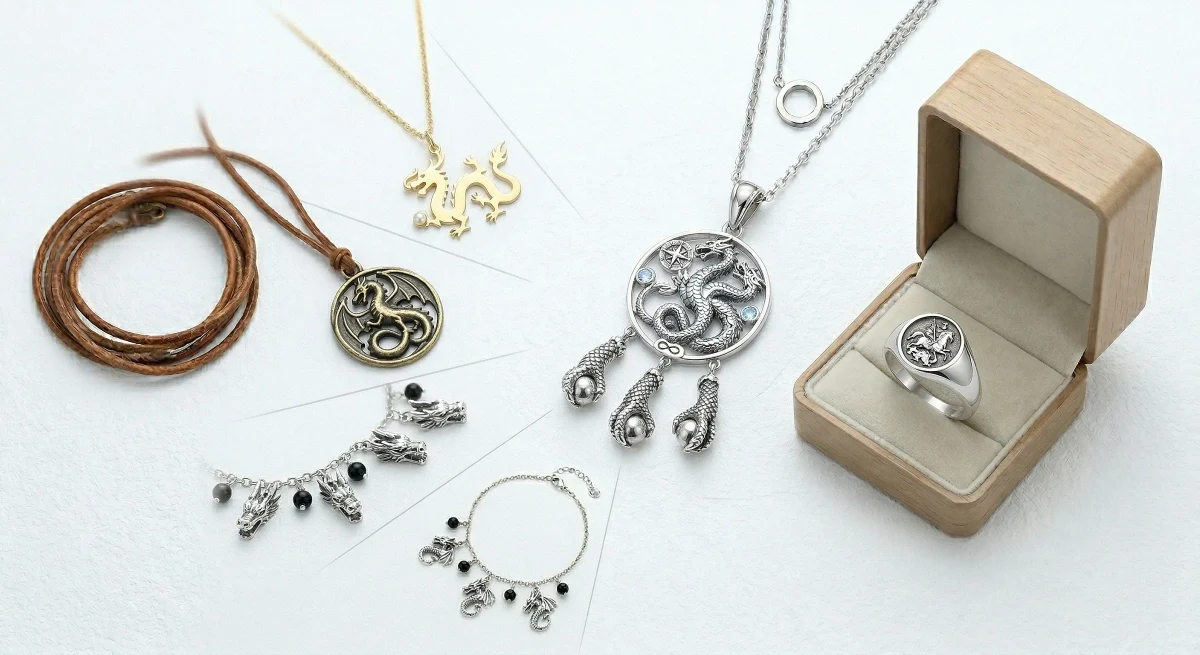
Wear the symbol, don't just read about it. These are in stock:


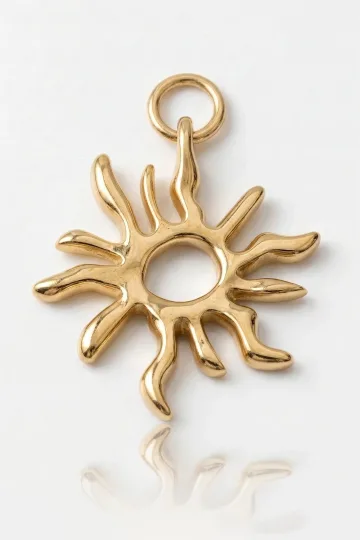
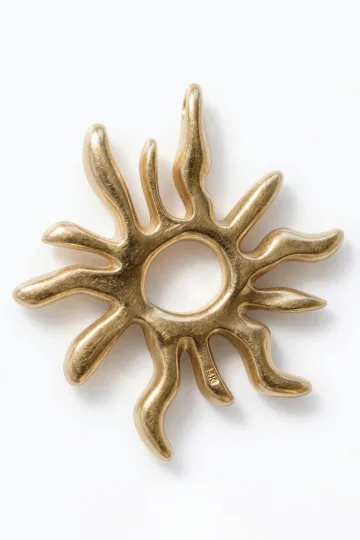
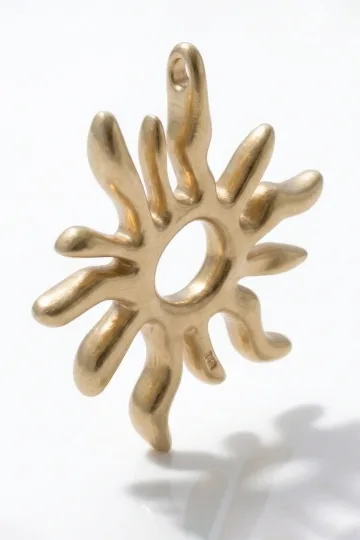
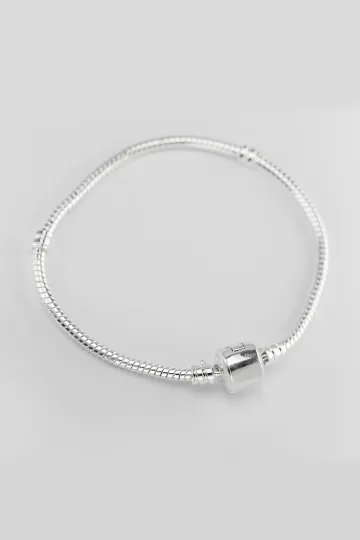
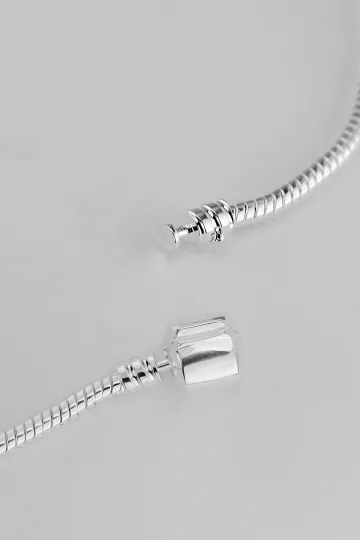
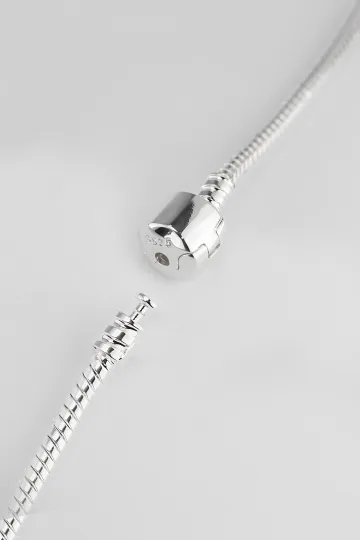
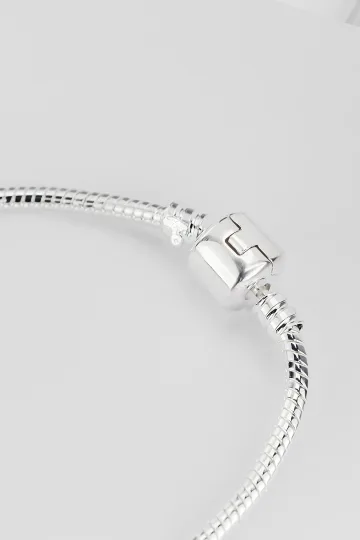
And it never left. Tolkien wrote about dragons. Modern fantasy series put them on screen. Tabletop role-playing games put them in every basement in America. The dragon is the most tattooed mythical creature in the world. It's the most common mythical creature in jewellery. It's on the flag of Wales. It's on the coat of arms of Moscow. It's the symbol of the Chinese emperor and the nightmare of every medieval European knight.
But here's the thing that most people miss: there isn't one dragon. There are two. And they're almost nothing alike.
Two Dragons: The Great East-West Divide
The Western dragon: fire, greed, and the hero who kills it
If you grew up in Europe, America, or anywhere shaped by the Christian tradition, your dragon is a monster. Full stop. It's a giant winged lizard that breathes fire, hoards gold, terrorises villages, kidnaps princesses, and eventually gets killed by a brave knight or a clever hobbit.
The Western dragon is evil. Not complicated evil, not morally grey, not misunderstood. Just evil. It represents everything that must be conquered: greed (it sits on treasure it can never spend), destruction (it burns whatever it touches), and chaos (it disrupts the order of civilisation). In Christian symbolism, the dragon is literally Satan. Revelation 12:9 calls the devil "that old serpent" and "the great dragon." Saint George kills one as a metaphor for defeating the devil himself.
This is important because it shapes how the entire Western world sees the symbol. When a European or American wears a dragon, they're wearing a symbol of something wild, dangerous, untamed. It's a power move. "I contain the monster." Or sometimes: "I am the monster."
The Eastern dragon: water, wisdom, and the emperor who honours it
Now forget everything you just read. In China, Japan, Korea, and most of Southeast Asia, the dragon is the most benevolent creature imaginable. It's not a monster. It's a god. Or very close to one.
The Chinese long doesn't breathe fire. It controls water. Rain, rivers, oceans, floods. It doesn't hoard gold. It bestows prosperity. It doesn't terrorise villages. It protects them. It doesn't get killed by heroes. It gets honoured by emperors.
Where the Western dragon is the enemy of civilisation, the Eastern dragon is the source of civilisation. Chinese mythology says that the first emperor, the Yellow Emperor Huangdi, became a dragon and ascended to heaven when his earthly reign ended. The dragon isn't what you defeat. It's what you aspire to become.
Same word, completely different creature
How did this happen? How did one word end up describing both the embodiment of evil and the symbol of divine rule?
The honest answer is that they're not the same creature at all. "Dragon" is just a translation convenience. The Chinese long, the Japanese ryu, the Vietnamese rong, and the Korean yong share almost no characteristics with the European dragon beyond being large and reptilian. Different body shape (long and sinuous vs bulky and winged). Different element (water vs fire). Different relationship to humans (protector vs predator). Different moral alignment (divine vs demonic).
When European traders and missionaries first encountered Chinese dragon imagery, they translated "long" as "dragon" because it was the closest word they had. And the mistranslation stuck. We've been confusing these two creatures ever since. The same kind of culture-by-culture split happens with the snake in jewellery, where one tradition reads it as venom and the next reads it as wisdom.
A western dragon wears silver, an eastern one gold. Blend the two and you get a costume party, not a look. Don't.
How to wear dragon jewellery
A dragon is a soloist, and you dress it like one. Over the years I have settled on a few rules that hold a look together instead of turning it into fancy dress. Here they are, by occasion.
How do I wear a dragon every day? For daily wear I recommend one accent and nothing on top of it: a medium silver pendant on a simple chain over a plain roll-neck or a basic tee. The dragon reads best against a calm background: black, graphite, deep blue, warm camel. A dense, unpatterned fabric holds the look, while a small floral print argues with the engraving.
Eastern lung or Western winged: which is for me? Here I look at the metal and the mood of the outfit. The sinuous Eastern lung I recommend in gold or a warm metal; it settles onto an elegant, culturally rich look. The Western winged dragon I choose in silver or gunmetal for a darker, dramatic wardrobe. Both are excellent, but I advise against mixing the two traditions in one look, or it falls apart.
What is the right chain length? The rule is simple and it does not fail: the chain follows the pendant, never the other way round. To a sinuous Eastern lung I give a mid-length chain so the body unfurls to full height. A Western winged dragon needs a short seat at the collarbone, where its heavy silhouette does the work. A closed collar or a shallow neckline gives the pendant its support.
Does a dragon belong in the office? It does, if you take it toward the minimal. I suggest an abstract silhouette, a claw, a tail spiral, or a restrained signet under the cuff. A thin chain under the collar, a ring on an otherwise clean hand, silver or white gold in a cool business palette. The look stays yours and does not argue with the dress code.
What pairs with a dragon and what does not? A dragon is easiest with its own kin: moon and stars, the phoenix, the serpent, crowns and swords. Pastels and delicate florals fade beside it, which is a reason to wear them separately rather than hide them. If you are stacking several pieces, keep them in one metal and one tradition.

Turn on your camera, pick earrings, a pendant or a ring, and see the piece on yourself in real time.
Switch items in one tap.
Everything runs in your browser: no photo or video is ever uploaded.
The Chinese Long: 5,000 Years of Imperial Power
Anatomy of the long
The Chinese dragon looks nothing like its European counterpart. It has the body of a snake, the scales of a carp, the claws of an eagle, the horns of a deer, the eyes of a demon (in a good way), the ears of a cow, the belly of a clam, the paws of a tiger, and the whiskers of a catfish. This isn't random. Each feature was borrowed from an animal that represented a specific quality. Strength, wisdom, vigilance, ferocity.
The long doesn't have wings. It flies anyway, powered by a magical pearl it carries in its claws or under its chin. This pearl, the "dragon pearl" or "flaming pearl" (cintamani), represents wisdom, spiritual energy, and prosperity. In Chinese art, you'll often see two dragons chasing a single pearl. It's one of the most iconic motifs in East Asian decorative arts.
The long can also change size at will, shrinking to the size of a silkworm or expanding to fill the entire sky. It can become invisible. It can take human form. It lives in palaces under the sea or in rivers and lakes, emerging to fly through the clouds and bring rain.
Claw protocol: 5, 4, or 3
Here's where the dragon gets political. In Imperial China, the number of claws on a dragon was strictly regulated by law. Not custom. Law. As in, you could be executed for getting it wrong.
Five claws were reserved exclusively for the Emperor. The five-clawed dragon (wuzhao long) was the imperial symbol, appearing on the emperor's robes, his throne, his walls, his porcelain, his everything. Wearing or displaying a five-clawed dragon without imperial permission was a capital offence.
Four claws were permitted for princes and high nobility. Still a dragon. Still powerful. But one claw short of supreme authority.
Three claws were for ministers and lower officials. Respectable, but clearly subordinate.
This claw hierarchy was enforced across the Chinese cultural sphere. When the dragon spread to Korea, Korean dragons got four claws, acknowledging the primacy of the Chinese emperor. Japanese dragons traditionally have three claws, though Japan later adopted five-clawed dragons as its relationship with China evolved. Vietnamese dragons also typically have four claws.
The next time you see a Chinese dragon in art or on jewellery, count the claws. They're telling you who this dragon belongs to.
The dragon dance and Year of the Dragon
The Chinese dragon dance (wu long) is one of the most spectacular cultural performances on earth. Teams of dancers hold poles that support a dragon puppet that can be anywhere from 25 to 100 metres long. The dragon undulates through the streets, chasing a glowing pearl carried by a lead dancer. Drums pound. Firecrackers explode. Crowds line the streets.
The dance isn't just entertainment. It's a prayer for rain, prosperity, and good fortune. The dragon, being a water deity, must be entertained and honoured so it will send rain at the right times and prevent floods.
The Year of the Dragon in the Chinese zodiac is the most coveted birth year. People born in Dragon years (2024 was the most recent) are considered ambitious, energetic, and destined for great things. Birth rates in Chinese communities actually spike during Dragon years. Parents plan pregnancies to land on the Dragon. It's that powerful as a symbol.
Dragon symbolism in modern China
Even after the fall of the empire, the dragon never lost its grip on Chinese culture. Modern China calls itself "the land of the dragon" (long de chuanren). The phrase "descendants of the dragon" is used as a national identity marker. Dragon imagery appears in architecture, festivals, logos, sports teams, and, yes, jewellery.
In the Chinese jewellery market, dragon pieces are perennial best-sellers, especially during Dragon years and around Chinese New Year. Gold dragon pendants and jade dragon carvings carry connotations of power, protection, and prosperity that go back millennia.
Customer reviews
Zevira is a real jewellery shop. Genuine payments, deliveries and customer thank-yous.
🥰🥰🥰 gracias
Ok, ¡gracias! 🙂
The Japanese Ryu: Water Guardians and Temple Ceilings
Water dragons and rainfall
Japanese dragon mythology borrowed heavily from China but developed its own flavour. The Japanese ryu (or tatsu, in the older Japanese reading) is predominantly a water creature. It lives in oceans, rivers, lakes, and waterfalls. The most important ryu is Ryujin, the dragon king of the sea, who lives in an underwater palace called Ryugu-jo and controls the tides using magical jewels.
The Japanese relationship with water is different from the Chinese one. Japan is an island nation, dependent on the sea for food and trade but also vulnerable to typhoons, tsunamis, and flooding. The water dragon is both a provider and a potential destroyer. You respect it. You honour it. You absolutely do not provoke it.
One of the most popular Japanese legends involves Urashima Taro, a fisherman who rescues a turtle and is taken to Ryujin's underwater palace as a reward. He stays for what feels like three days, returns to land, and discovers that 300 years have passed. The story is Japan's version of Rip Van Winkle, and it puts a dragon at the centre of one of the most fundamental human anxieties: the passage of time.
Temple guardians
Walk into almost any major Buddhist temple in Japan and look up. On the ceiling, staring down at you, there's probably a dragon.
Temple ceiling dragons are some of the most impressive works of Japanese art. The dragon at Kennin-ji temple in Kyoto, painted by Koizumi Junsaku in 2002, fills the entire ceiling of the Dharma Hall. It's a modern work, but it follows a tradition that goes back centuries. The dragon at Tenryu-ji (literally "Temple of the Heavenly Dragon") is so iconic that the temple was named after it.
These aren't decorative. In Buddhist tradition, the dragon is a protector of the dharma, the teachings of the Buddha. It guards the temple against both physical and spiritual threats. The dragon looks down from the ceiling because it's watching over everyone inside.
Tattoo culture: from yakuza to mainstream
Japan has the most developed dragon tattoo tradition in the world. Full-back dragon pieces, extending from shoulders to hips, are among the most impressive works in the entire history of tattooing. The Japanese style (irezumi) treats the body as a canvas and the dragon as the ultimate subject.
The yakuza connection is real but overstated. Yes, yakuza members traditionally got full-body tattoo suits (irezumi), and dragons were among the most popular motifs. But the tradition of dragon tattooing in Japan is far older than the yakuza and far broader. Warriors, firefighters, and craftsmen all got dragon tattoos in the Edo period. The connection between tattoos and criminality in Japan is a relatively modern stigma that's gradually fading.
Today, Japanese-style dragon tattoos are popular worldwide. They're one of the most requested motifs at tattoo studios from Tokyo to Berlin to Los Angeles. The aesthetic is unmistakable: flowing lines, wind bars, wave patterns, cherry blossoms, and a serpentine dragon weaving through all of it.
Upload a photo of your pet, someone you love, or an object. We'll build a 3D model and hand-cast it in pewter.


European Dragons: Saints, Heroes, and Heraldry
Beowulf's dragon: the original hoard guardian
The oldest surviving dragon story in English literature is in Beowulf, the Old English epic poem written sometime between the 8th and 11th centuries. At the end of the poem, the ageing king Beowulf faces a dragon that has been terrorising his kingdom. A thief stole a cup from the dragon's hoard, and the dragon responded by burning everything in sight.
Beowulf kills the dragon but is mortally wounded in the fight. The message is clear and very Viking: even the greatest hero can only hold back the dragon for so long. Eventually, it gets you. The dragon in Beowulf isn't just a monster. It's mortality itself.
The hoard is crucial. Beowulf's dragon sits on a pile of treasure that it can never spend, never use, never enjoy. It just has it. This idea, the dragon as compulsive hoarder, became one of the defining features of Western dragons. It's a metaphor for greed so obvious that it barely needs explaining, and yet it resonates across centuries because greed never goes out of style.
Fafnir: greed made flesh
In Norse mythology, Fafnir starts out as a dwarf. His father Hreidmar receives a pile of cursed gold as compensation for the death of another son. Fafnir murders his father to get the gold, then retreats into the wilderness, where his greed literally transforms him into a dragon. He lies on the gold for years, poisoning the land around him with his breath.
The hero Sigurd (Siegfried in German) eventually kills Fafnir by hiding in a pit and stabbing him from below. When Sigurd accidentally tastes Fafnir's blood, he gains the ability to understand the speech of birds. And when he bathes in the blood, he becomes nearly invulnerable. Nearly. A leaf sticks to his shoulder, leaving one spot unprotected. That spot kills him later.
The Fafnir story is fascinating because the dragon isn't born a dragon. It's made by greed. The transformation from person to monster is the whole point. It's the same idea as the Ring in Tolkien (not a coincidence; Tolkien was a Norse scholar), and it connects to the broader Norse concept that treasure is cursed. Gold corrupts. Power destroys. The dragon is what happens to people who can't let go.
The Norse love their circular symbolism, and Fafnir's story, in which greed creates the very monster that greed feeds, is another kind of loop. The opposite cycle belongs to the phoenix, the bird of rebirth, which dies in fire and returns from its own ashes, the dragon's symbolic mirror image.
Saint George and the Dragon
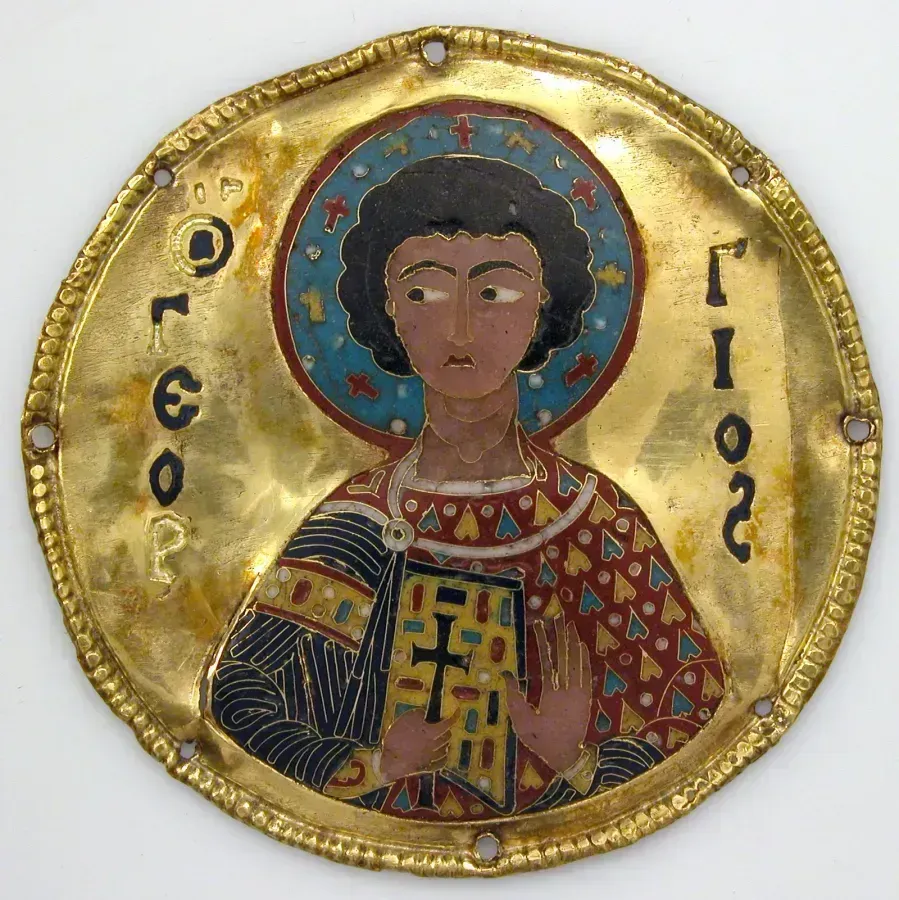
The most famous dragon-slaying story in the Christian world. George was a Roman soldier (probably from what is now Turkey) who came upon a town terrorised by a dragon. The townspeople had been feeding it sheep to keep it calm, but they'd run out of sheep and started offering human sacrifices chosen by lottery. When George arrived, the king's daughter had just been selected.
George, being a saint and all, charged the dragon, wounded it with his lance, then tied it up using the princess's girdle (belt) and led it back to the town like a dog. He told the townspeople he'd kill it if they converted to Christianity. They did. He did.
The story is a Christianisation of older dragon-slaying myths, mapped onto a real (or probably real) historical figure. George became the patron saint of England, Georgia, Portugal, Ethiopia, and dozens of cities. The image of a knight on horseback spearing a dragon became one of the most reproduced images in Western art.
Heraldry: Wales and beyond
Wales has a red dragon on its flag. It's been there since at least the 5th century, making Y Ddraig Goch (the Red Dragon) one of the oldest national symbols still in use. The legend says the red dragon fought a white dragon underground, and their battle caused earthquakes across Britain. Merlin (yes, that Merlin) prophesied that the red dragon (the Britons) would eventually triumph over the white dragon (the Saxons).
Dragons appear in heraldry across Europe. The dragon (or wyvern, its two-legged cousin) shows up on the coats of arms of cities, noble families, and military units. In heraldry, the dragon represents vigilance, military might, and the idea that this family has conquered something fearsome. It's one of the few heraldic creatures that can face in any direction, which gave artists more creative freedom.
The City of London has two dragon statues marking its boundaries. Moscow's coat of arms shows Saint George killing a dragon. The Portuguese city of Porto has a dragon in its crest. Dragons are everywhere in European heraldry, even in cultures where the dragon is supposed to be the villain.



What the Dragon Symbolises
When someone chooses a piece of dragon jewellery, they are usually selecting an image together with a specific set of meanings. That set depends on the cultural layer, and it is honest to name them separately.
Wisdom. In the Eastern tradition the dragon predates humanity, remembers the time when the world was still forming, and knows what humans cannot. This is not the book-learning of a scholar but the wisdom of long memory. To wear such a symbol is to claim not cleverness but steadiness and the capacity to see beyond the present day.
Protection and guardianship. In almost every tradition the dragon guards something: treasure, a temple, a spring, a border. In jewellery this function transfers to the wearer: a ring or pendant with a dragon is worn as a sign of self-protection, a reminder that personal boundaries also need defending. This is particularly legible in situations requiring one to hold one's ground against demanding circumstances.
Power. The imperial lung in China, royal dragons in European heraldry, military standards: the dragon was for centuries a mark of hierarchy. Today it no longer signifies literal rank; nobody seriously claims a throne. But the symbolic idea, "sovereign of one's own territory," "the person who decides how to live," has remained and is readable without explanation.
Fortune. A purely Eastern connotation. The Chinese dragon brings rain, and rain brings harvest, and by that chain it became a patron of prosperity. In contemporary context this functions more gently: the dragon as a sign under which it is useful to begin a project, a move, a new chapter. Not because it does anything magical, but because the wearer is more focused and acts more deliberately.
Trial and the internal enemy. The Western line. The dragon that the hero slays is not simply an external monster but a metaphor for what one must pass through in order to come of age. The Jungian school of psychology directly linked the dragon-slaying myth to the process of individuation. In this reading a dragon pendant is not a reminder of victory over an external adversary, but of the capacity to recognise and overcome one's own fears and ingrained habits.
Connection with fire and water. The elemental layer, shared across many traditions. The dragon breathes fire and lives in water, combining opposites and thereby symbolising wholeness. That rare combination gives the image unusual stability: the dragon cannot be reduced to a single element.
It is worth stating clearly what the dragon does not do. It does not bring romantic love, does not guard against specific illness, does not substitute for medicine, and does not draw money. Such promises sometimes appear in esoteric shops and have no relation to the authentic mythological tradition. The genuine meanings of the dragon are strong enough to need no such additions.
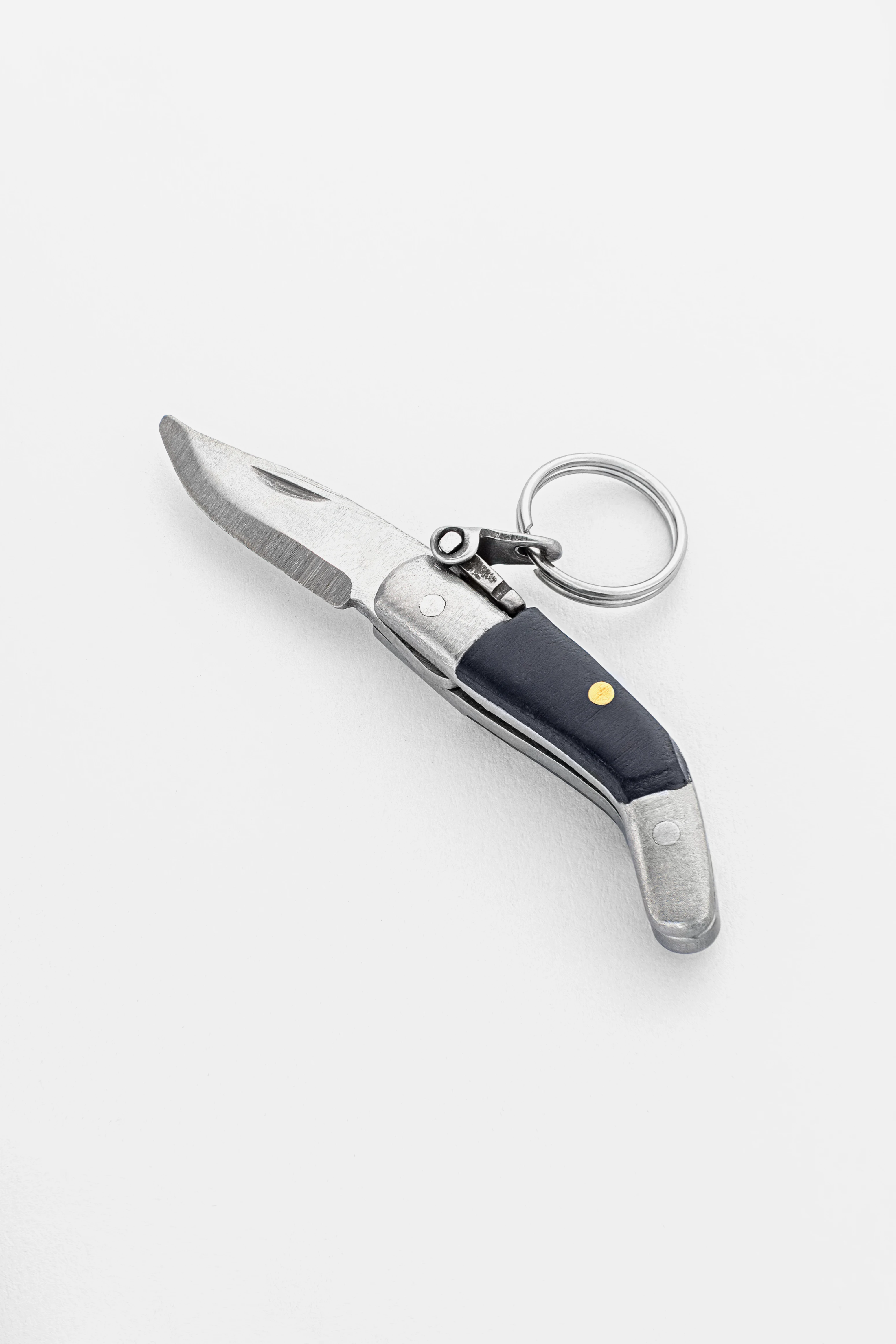
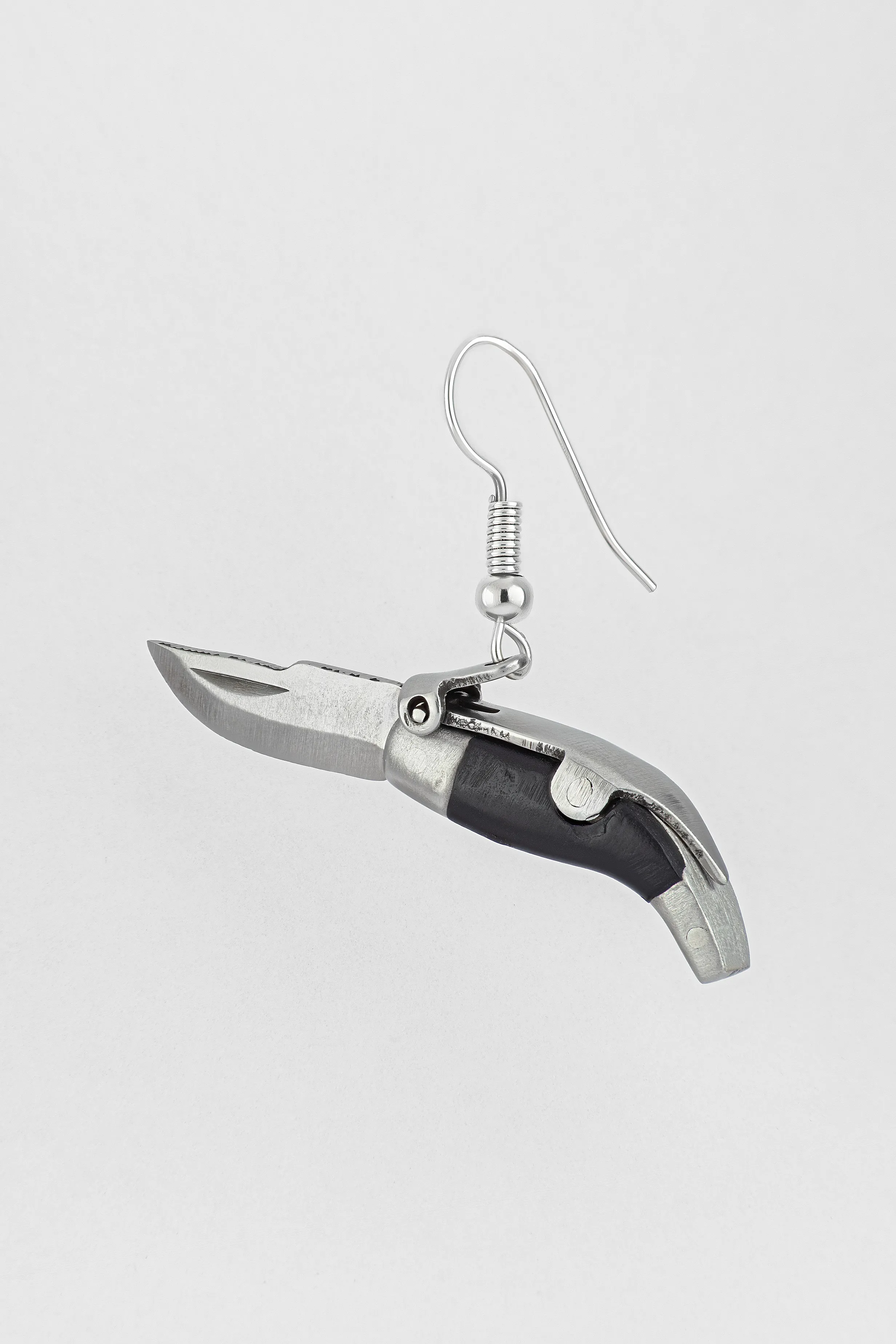
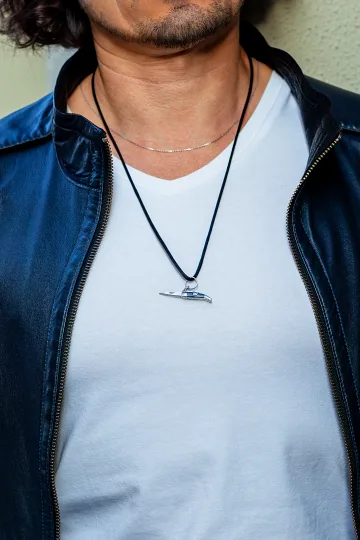
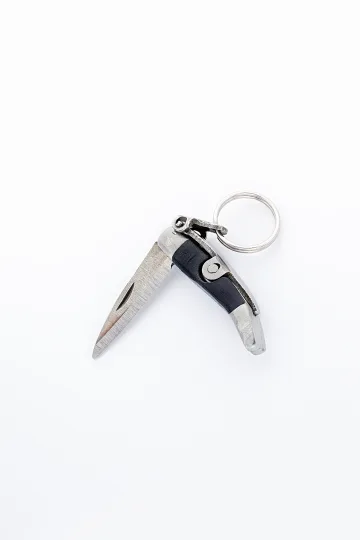
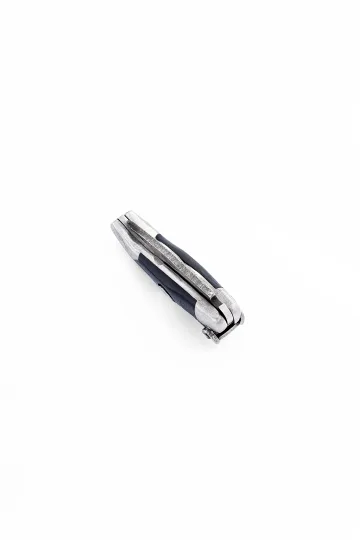
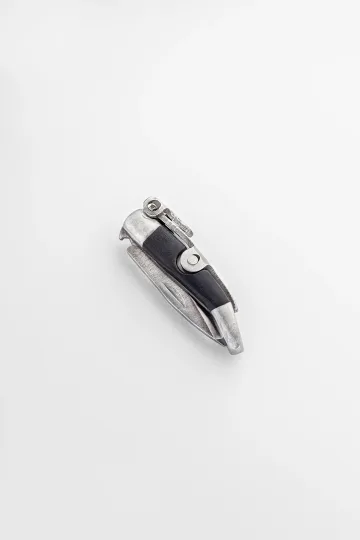
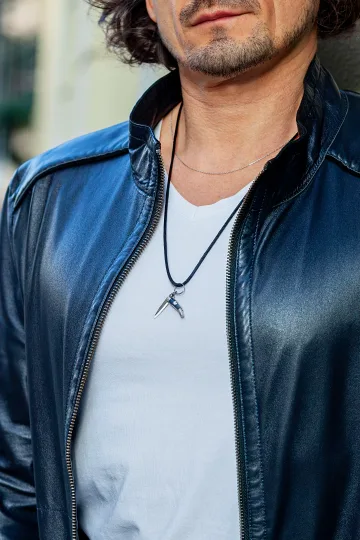
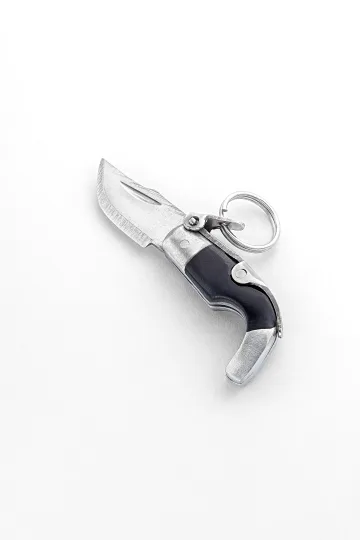
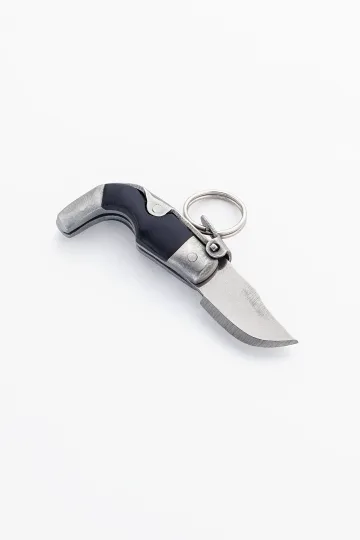
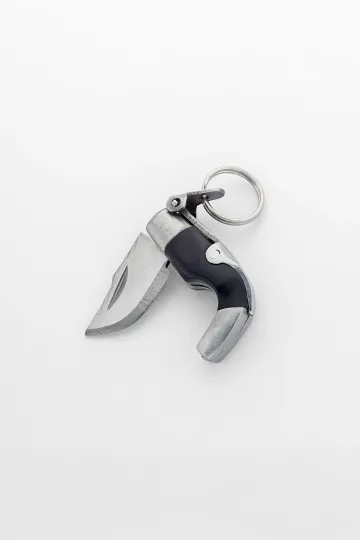
CAPAORA mini knife pendant
The 18th-century Spanish navaja in miniature: 40 mm of stainless steel, a real folding mechanism and a Palanquilla lock that clicks. An affordable gift to remember.
Authentic · Ships from Spain · 14-day returns
Modern Dragons: Tolkien, Television, and the Tabletop
Smaug: the dragon who defined a genre
J.R.R. Tolkien's Smaug, from The Hobbit (1937), is the single most influential dragon in modern fiction. Every dragon that came after, in books, films, games, and TV, is either building on Smaug or deliberately reacting against him.
Smaug talks. That's the key. Before Tolkien, literary dragons were mostly animals, huge and dangerous but not intellectual. Smaug is intelligent, vain, articulate, and terrifyingly perceptive. The scene where Bilbo tries to flatter and trick Smaug is one of the great verbal duels in English literature. Smaug knows Bilbo is lying. He plays along because he finds it amusing. He's a threat with a personality.
Tolkien drew heavily on Beowulf and the Norse sagas (he was a professor of Anglo-Saxon, after all). Smaug's hoard is Beowulf's dragon's hoard. His vanity is Fafnir's vanity. But Tolkien added psychology. He gave the dragon an inner life. And in doing so, he created the template for every fantasy dragon that followed.
The film adaptation by Peter Jackson gave Smaug a voice (Benedict Cumberbatch) and a screen presence that introduced the character to millions who'd never read the book. Smaug's influence on dragon design in film, games, and art is nearly impossible to overstate.
Modern fantasy television: dragons for a new generation
If Tolkien created the modern literary dragon, modern fantasy television created the modern pop-culture dragon. The recent wave of epic series put dragons at the centre of stories watched by enormous audiences, and they became some of the most recognisable characters on screen.
The genius of the contemporary approach was making the dragons personal. They're not random monsters or abstract threats. They have names. They have personalities. They have a human who loves them. When a heroine hatches them from stone eggs in a funeral pyre, it's one of the great moments in recent television. It's a birth scene, and it reframes the dragon as something precious, vulnerable, and deeply connected to human emotion.
These series, and their spin-offs, made dragon imagery fashionable again for an entire generation. Dragon pendants, rings, earrings, and brooches saw renewed interest while the shows were on air. The three-headed dragon emblem of a fictional royal house became one of the most recognisable symbols in entertainment.
Tabletop role-playing: how a game shaped the imagination of millions
Tabletop fantasy role-playing games didn't invent fantasy dragons, but they did something equally important: they catalogued them. These games created a taxonomy of dragons, red (fire-breathing, chaotic evil), blue (lightning, lawful evil), gold (fire, lawful good), silver (cold, lawful good), and so on. Each type got its own personality, habitat, treasure preferences, and combat statistics.
This matters because tabletop role-playing has been played by tens of millions of people since the 1970s. For many of them, the game table was their first encounter with dragons in any context. The way these games describe dragons, with specific colours, abilities, and moral alignments, has shaped how an enormous number of people imagine them.
These games also popularised the idea that some dragons are good. Their metallic dragons (gold, silver, bronze, copper, brass) are benevolent, wise, and helpful. This was novel in the Western context, where dragons had been almost exclusively villains. In a roundabout way, tabletop fantasy brought the Western dragon closer to its Eastern counterpart.
Dragon Tattoos: The Most Inked Mythical Creature on Earth
The dragon is, by most estimates, the single most popular mythical creature in tattoo culture worldwide. It's not close.
The styles vary enormously. Japanese-style (irezumi) dragons are serpentine, flowing, surrounded by clouds and waves, often filling the entire back or wrapping around the arm from shoulder to wrist. They're water creatures, usually shown among clouds with their pearl, and they follow strict traditional rules about colour and composition.
Chinese-style dragons are similar to Japanese ones but tend to be longer, more sinuous, and often incorporate the five-clawed imperial design. They're popular in Chinese communities worldwide and carry strong associations with power and good fortune.
Western fantasy-style dragons are bulkier, winged, often shown breathing fire or perched on a skull. These draw from Tolkien, tabletop role-playing, and video game aesthetics. They're popular in the broader tattoo community and often combined with other fantasy elements like swords, castles, or treasure.
Tribal-style dragon tattoos simplify the dragon into bold black lines and geometric shapes. They were hugely popular in the 1990s and 2000s, fell out of fashion, and are now making a comeback in updated forms.
Neo-traditional dragon tattoos combine classic tattoo techniques with modern shading and colour work. They're vibrant, detailed, and often beautifully composed.
Small, minimalist dragon tattoos are increasingly popular, especially among women. A tiny dragon on the wrist, ankle, or behind the ear. Subtle, personal, and easy to hide when needed.
The dragon tattoo carries different meanings depending on the wearer. Strength and power (obviously). Protection (the guardian dragon). Wisdom (the Eastern interpretation). Transformation (Fafnir becoming a dragon, or a heroine becoming a mother of dragons). Independence and rebellion (wearing the monster instead of running from it). Or simply: "I think dragons look cool." That's valid too.
Leave your email, we'll send your discount code. No spam, unsubscribe anytime.
The code arrives by email, valid on your first order.
Types of Dragon in Jewellery
When an artist takes on a dragon, the first question is which dragon, because there are several mythological traditions and mixing them is a mistake. A viewer familiar with the subject will instantly read whether the piece depicts a Chinese lung or a Norse serpent, and an error shows.
The Chinese lung. The most recognisable and the most regulated type. The body is long, serpentine, and wingless (it flies by supernatural power, not aerodynamics), with mane, whiskers, and antler-like horns. The face is elongated, the eyes large. Beyond the silhouette, the main distinguishing mark is claw count. Five claws on each foot marked an imperial dragon, reserved for the emperor and his immediate circle. Violation in the imperial era carried harsh penalties, and the tradition of the five-clawed dragon as the highest rank survives in decorative art today.
The Japanese ryu. A close relative of the lung but with its own character. The ryu typically has three claws, an even more serpentine body, a softer face, and a closer cultural bond with water and Buddhism. Japanese ukiyo-e prints depict the ryu among waves and clouds, and that compositional logic still shapes how the Japanese dragon theme sits in jewellery: the body usually moves diagonally across the piece, with a wave or cloud in the frame.
The Korean yong. Four claws, culturally between the Chinese and Japanese. Less common in jewellery but recognisable by its more compact proportions and short mane.
The Western winged dragon. This is what most Europeans mean by "dragon": a massive lizard body, powerful hind legs, often two fore-legs, large membranous wings, long tail, horned, fanged. This is the dragon of medieval heraldry, the creature in Beowulf, the Fafnir of the Norse sagas. In jewellery the Western dragon almost always occupies more space than the Eastern: its volume requires mass of metal, and pendants with it are rarely miniature.
The wyvern. A variant with only two legs (hind) and wings replacing the fore-limbs. English heraldry distinguishes the wyvern from the full dragon precisely, and an artist aiming for historical accuracy observes the distinction. The wyvern is considered slightly less regal and more aggressive.
Y Ddraig Goch, the Welsh Red Dragon. A distinct figure, resident on the flag of Wales since Tudor times and rooted in Celtic legend. In early Welsh texts Merlin prophesies about the red dragon that will eventually prevail over the white Saxon. Henry VII, of Welsh descent, brought the red dragon to the English throne. In jewellery it is rendered in red enamel or garnet, and wearing it is a mark of Celtic identity, related to other Celtic motifs such as the interlace knot and triquetra.
The Slavic Zmey. The three-headed Zmey Gorynych of Russian byliny, Polish and Czech serpents, Balkan azdahe form a separate branch. Functionally closer to the Western dragon (adversary, abductor, fire-breathing evil), visually sometimes closer to Eastern: long body, multiple heads, strong connection with water and mountains. In contemporary jewellery this branch is evoked mainly through three-headedness and through engraving styled after early Slavic manuscript ornament.
Dragon Jewellery: What to Look For and How to Wear It
Pendants and necklaces
Dragon pendants are the most popular form of dragon jewellery. They range from tiny minimalist silhouettes to elaborate 3D sculptures. The style you choose says something about which dragon tradition you're drawing from.
Eastern-style dragon pendants tend to be sinuous and flowing, often coiled around a pearl or orb. They're elegant, culturally rich, and work beautifully as statement necklaces.
Western-style dragon pendants are often winged, sometimes shown in profile with their mouth open. They lean more toward the fantasy aesthetic and pair well with darker, more dramatic outfits.
Abstract and geometric dragon pendants reduce the creature to its essential lines. A wing curve. A tail spiral. A claw. These are modern, minimal, and easy to incorporate into everyday wear.
Rings and earrings
Dragon rings are a whole category of their own. Wrap-around dragon rings, where the dragon's body coils around the finger with the head on top, are classic and dramatic. Signet-style rings with a dragon emblem are subtler and more formal.
Dragon earrings often use the "ear cuff" format, where the dragon appears to be climbing up or wrapping around the ear. Single-dragon earrings (one dragon, one plain stud) create an asymmetric look that's very current.
Metals, enamel, and stones
Dragons work in every metal. Gold-plated pieces give the dragon an opulent, Eastern feel. Silver tones lean more Western and fantasy. Black or gunmetal finishes add edge.
Enamel is particularly effective for dragon jewellery because it allows for colour: red scales, green eyes, blue flames. A dragon pendant with detailed enamel work becomes wearable art.
Stones add another dimension. Red cubic zirconia or rhinestones in the eyes make the dragon come alive. Green stones on the body suggest scales. Black stones add mystery and weight.
Styling dragon pieces
Dragon jewellery is a statement. It's not quiet. It's not subtle. But it doesn't have to be loud, either.
For everyday wear, keep to one dragon piece and let it be the focal point. A dragon pendant on a simple chain. A dragon ring with otherwise clean hands. One dragon ear cuff with a simple stud on the other side.
For going out, you can go bigger. A larger dragon pendant with a dramatic necklace. Dragon earrings with a bold outfit. The key is to match the energy of the dragon to the energy of the occasion.
For layering, dragon pieces combine well with celestial motifs (moons, stars), other mythical creatures (phoenix, serpent), and symbols of power (crowns, swords). They clash with delicate florals and pastels. Know your aesthetic.
For gifting, a dragon piece works for anyone who resonates with power, independence, transformation, or just really likes fantasy. It's one of the most universally appreciated mythical symbols. Year of the Dragon babies especially appreciate dragon jewellery as a nod to their birth year.
Materials and Techniques
Metal for a dragon piece is chosen with an eye to surface texture, because the creature's scales and musculature require play between light and shadow. A purely polished surface rarely serves. Several technical approaches have therefore become established.
Silver with oxidising. The classic choice and the most common. Oxidising forces dark pigment into the recesses of engraving, and scales, folds, and muscles emerge with sharpness. Raised areas polish slightly over time through contact with clothing, while the dark lines remain deep, and the image grows only more expressive with years. Such silver needs minimal care: wipe with a soft cloth and avoid abrasive cleaners that would lift the oxidising.
Yellow and rose gold. Gold works differently: it gives a warm, almost honeyed light that suits Eastern motifs well. A gold Chinese lung looks natural, because in China the imperial dragon was often depicted in gold. For the Western winged dragon gold also works, particularly in a heraldic, seal-type composition.
Platinum and white gold. Less common, but chosen when an artist wants to stress the cold, sharp character of the dragon and link it to the metals of armour, sword, and steel. A platinum wyvern reads as a character from a chivalric romance cast in gemstone-grade metal.
Cloisonne enamel. A technique without which any discussion of Eastern dragons is incomplete. In cloisonne, thin wires are soldered onto the metal surface forming cells, each cell filled with coloured enamel and fired. Chinese jingtailan enamel is a direct descendant of this technique. On dragon pendants and bracelets cloisonne allows colour to enter the piece (green, blue, red, gold) while preserving clean graphic lines. This is not mass production: each piece requires hours of hand work.
Engraving. The primary method for rendering scales. Several schools exist: Eastern fine-needle engraving produces dense, small patterns close to actual fish scale. European burin-cut work is broader and gives a more relief, almost sculptural surface. The choice of school follows the intent: an Eastern dragon calls for fineness, a Western dragon often reads better in bold cut.
Eye insets. A small detail on which everything depends. The dragon's eye is where the viewer's gaze returns, and the maker typically sets a small stone: garnet, ruby, black onyx, sapphire, sometimes enamel. Red eyes read as martial, black as mystical, blue as aquatic (for the ryu). In Zevira pieces with Eastern motifs, small garnets are preferred because their warm tone complements silver oxidising and enamel.
Relief and depth. Many dragon pieces are made in multiple planes: the body projects, wings recede to another level, the background carries its own texture. This requires either casting from a composite wax model or a combination of casting and subsequent hand-finishing. Mass-stamped jewellery cannot achieve this degree of depth, and the difference between handwork and stamping is visible even to an untrained eye.
Send a friend a discount code, they save on their first order.
Frequently Asked Questions
What does a dragon symbolise in jewellery? It depends entirely on the tradition. In Eastern contexts: power, wisdom, prosperity, imperial authority. In Western contexts: strength, independence, untamed energy, the willingness to face the monster. In both: transformation and the extraordinary.
Is a dragon pendant good luck? In Chinese and broader East Asian tradition, yes, absolutely. The dragon is one of the most powerful symbols of good fortune, particularly for career success and prosperity. In Western tradition, the dragon is less about luck and more about personal power.
What's the difference between a Chinese dragon and a European dragon? Almost everything. Chinese dragons (long) are serpentine, wingless, water-dwelling, benevolent, and associated with imperial authority. European dragons are winged, fire-breathing, treasure-hoarding, malevolent, and associated with chaos that must be overcome by heroes.
Can anyone wear a dragon pendant? Yes. The dragon is a universal symbol found in virtually every culture on earth. There's no cultural restriction on wearing one. Choose a style that resonates with you and wear it with intention.
What does a dragon tattoo mean? Strength, power, protection, wisdom, transformation, or simply an appreciation for mythical creatures. The specific meaning depends on the style (Japanese, Chinese, Western fantasy) and the wearer's personal connection to the symbol.
Why do dragons hoard gold? This is primarily a Western tradition, rooted in Norse mythology (Fafnir) and Old English literature (Beowulf). The hoard represents greed, the compulsive accumulation of wealth that can never be enjoyed. In Eastern traditions, dragons don't hoard gold. They bestow prosperity.
How many claws should a Chinese dragon have? Historically, five claws were reserved for the Chinese emperor, four for Korean royalty, and three for Japanese use. In modern jewellery and art, these restrictions no longer apply, but the five-clawed dragon remains the most prestigious design.
Silver and gold jewellery, wedding bands, symbolic pendants, paired sets.
The creature we can't stop imagining
The dragon endures because it does something no other mythical creature quite manages: it scales with the human imagination. When we need an enemy, it's a fire-breathing monster. When we need a protector, it's a water god. When we need a metaphor for greed, it's Fafnir on his gold. When we need a metaphor for power, it's the Chinese emperor's five-clawed long.
Every generation reinvents the dragon in its own image. The Anglo-Saxons gave us Beowulf's wyrm. The Norse gave us Fafnir. The Chinese gave us the imperial long. Tolkien gave us Smaug. Modern television gave us a new generation of named, beloved dragons. And the next generation will give us something we haven't imagined yet, because the dragon is the one mythical creature that never stops evolving.
Wearing a dragon isn't about believing in dragons. It's about connecting to the oldest and most powerful stream of human storytelling. The creature that represents what we fear and what we aspire to, sometimes in the same breath.
That's not bad for something that never existed.
Buying it as a gift? Each one arrives ready to give.
 A branded Zevira box and a little card come with every order.



Who It Suits
Dragon jewellery is not a universal gift, and saying so honestly matters more than stretching to claim it suits everyone. There are groups for whom this image genuinely works.
First, lovers of mythology and history. For someone who reads sagas, has an interest in ancient China, and knows the difference between a wyvern and a full dragon, the piece becomes not a decoration but a continuation of a conversation. Such a wearer can explain that what is on their finger is specifically a Japanese ryu rather than a Chinese lung, and that distinction matters to them.
Second, people drawn to Eastern aesthetics. Japan, China, Korea as cultural worlds have become part of many people's personal interest: film, literature, ceramics, calligraphy. A dragon piece in the Eastern school is for such a person a logical element of a broader style, alongside other elements of that engagement.
Third, those drawn to Gothic and dark aesthetics. The Western dragon with its ties to the Middle Ages, castles, alchemy, and heroic legend fits naturally into a wardrobe that already includes blackened silver, wide rings, heavy chains. This need not be subcultural Gothic: it may simply be a taste for austere gravity.
Fourth, people for whom strength and endurance are part of their self-definition. Athletes, members of the armed forces, surgeons, entrepreneurs under sustained pressure often choose symbolic jewellery not for aesthetic reasons but as a daily reference point. The dragon image works without any magic: metal is cold against skin, engraving is tactile under a fingertip, and in a difficult moment this returns the wearer to a collected state.
Fifth, adolescents and young adults finding a visual language for a passage. The dragon-slaying myth is not associated with initiation rites by accident. A dragon piece given or bought for oneself at a turning point fixes that threshold. It is one of the few situations where a mythological symbol genuinely functions as a personal marker.
Who it suits less well: people seeking a maximally neutral everyday accessory, those not prepared to field questions about their choice, the committed minimalist. A dragon is always visible, and if that quality is an irritant, something more restrained is the better path.
Wear the symbol, don't just read about it. These are in stock:

About Zevira
Zevira is a Spanish jewellery house based in Albacete. The dragon line is one category within the catalogue. Current availability and details are in the catalogue.