The Phoenix: The Bird That Dies in Fire and Why We Can't Stop Wearing It
A bird that burns itself alive, and somehow that's inspiring
Here's a strange thing about humans: we took a mythological bird that builds its own funeral pyre, sets itself on fire, and dies screaming in flames, and we turned it into one of the most popular symbols of hope in the world. We put it on necklaces. We tattoo it across our backs. We name cities after it.
The phoenix has been doing this for at least 2,500 years. Herodotus wrote about it in the fifth century BCE, and he was already reporting on a tradition that was old when he encountered it. The Egyptians had their version. The Chinese have theirs (though it's not really the same bird, despite what every gift shop in Chinatown will tell you). The Russians have the Firebird. The Japanese put it on temple roofs. Early Christians painted it in catacombs.
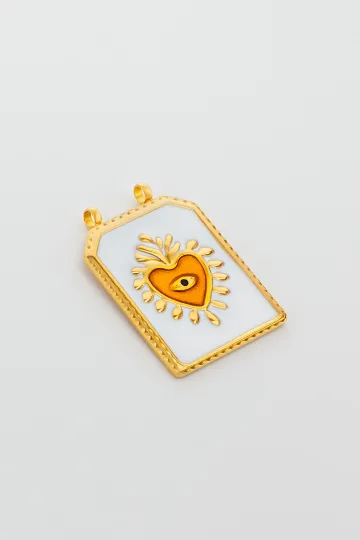
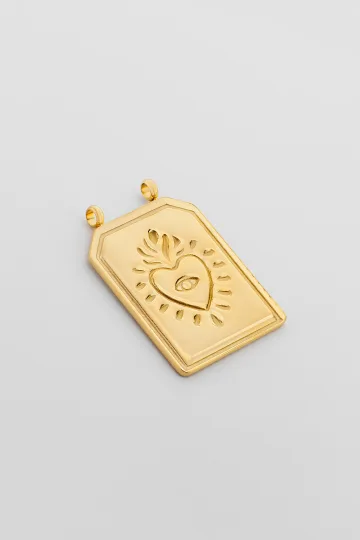
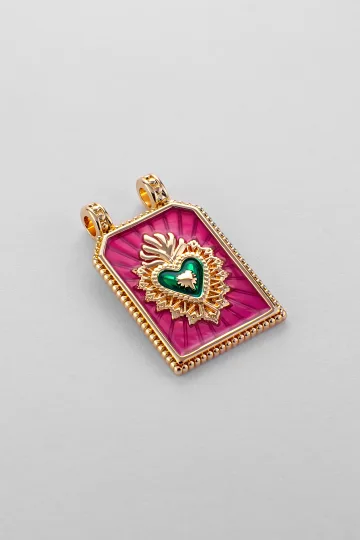
Wear the symbol, don't just read about it. These are in stock:


No other mythological creature spans this many cultures with this much consistency. Dragons come close, but dragons mean different things in different traditions. The phoenix always means the same thing: destruction is not the end. What burns can be reborn. The fire that kills you is the fire that makes you.
This is the complete story. From the temple of Heliopolis to the pages of Harry Potter, from ancient spice nests to modern tattoo parlours. What the phoenix actually is, where it comes from, why every culture seems to have invented its own version, and what it means when someone wears a phoenix around their neck today.
The Greek and Roman Phoenix: Herodotus, Pliny, and the 500-Year Cycle
Herodotus and the bird he never saw
Herodotus is the starting point for the Western phoenix tradition, and he's refreshingly honest about it. Writing in his Histories around 430 BCE, the Greek historian describes a sacred bird from Egypt, and immediately admits he's only seen it in paintings. "I have not seen it myself, except in a painting," he writes. "They say it comes from Arabia."
What Herodotus describes is a bird roughly the size and shape of an eagle, with plumage that is partly golden and partly red. It visits Heliopolis (the Egyptian city of the sun) once every 500 years, specifically when its father dies. The young phoenix fashions an egg from myrrh, hollows it out, places the body of its dead father inside, seals it with more myrrh, and carries this burial egg all the way from Arabia to the Temple of the Sun in Heliopolis.
Notice what's NOT in Herodotus: fire. The original Greek account doesn't mention the bird burning itself. That comes later. Herodotus's phoenix is about filial devotion and cyclical return, not about flames and rebirth. It's a creature bound to a 500-year cycle, faithful to its dead parent, making a pilgrimage across the desert to complete a sacred burial.
This matters because the phoenix we know today, the burning bird, is actually a composite assembled from several different traditions over several centuries. Herodotus provided the framework. Other writers added the fire.
The nest of spices and the death by fire
The transformation from dutiful bird to self-immolating symbol happened gradually. The Roman poet Ovid, writing in the Metamorphoses around 8 CE, gives us the version that stuck. In Ovid's telling, the phoenix lives for 500 years, then builds a nest from cassia, spikenard, myrrh, and cinnamon. It lies down in this nest of spices and dies amid their fragrance. From the body of the dead bird, a new phoenix is born.
Ovid doesn't quite describe it as burning, more as a natural death followed by spontaneous regeneration. But other Roman writers pushed the story toward fire. Pliny the Elder, writing in his Natural History around 77 CE, describes the old phoenix dying and decomposing, with a new bird growing from its bones and marrow. Pliny is sceptical ("largely fabulous," he writes, which is the ancient Roman equivalent of "sounds fake but okay") but he reports the tradition faithfully.
The full fire-and-rebirth version crystallised by the first or second century CE, probably influenced by both Egyptian and Persian traditions. By then, the standard version was clear: the phoenix builds a nest of aromatic wood and spices, ignites it (either through its own heat or through the power of the sun), burns to ashes, and rises from those ashes as a new, young phoenix. The cycle repeats every 500 years (some say 540, some say 1,000, the number varies by source).
Pliny, Ovid, and the Roman fascination
The Romans were genuinely obsessed with the phoenix. It appeared on imperial coins, particularly during periods when emperors wanted to signal renewal or a new golden age. The emperor's death and the succession of a new emperor was sometimes framed in phoenix terms: the old order dies, the new order rises.
This is one of the earliest examples of the phoenix being used as a political symbol, something that would happen over and over throughout history. When you want to sell people on the idea that destruction is actually creation in disguise, the phoenix is your bird.
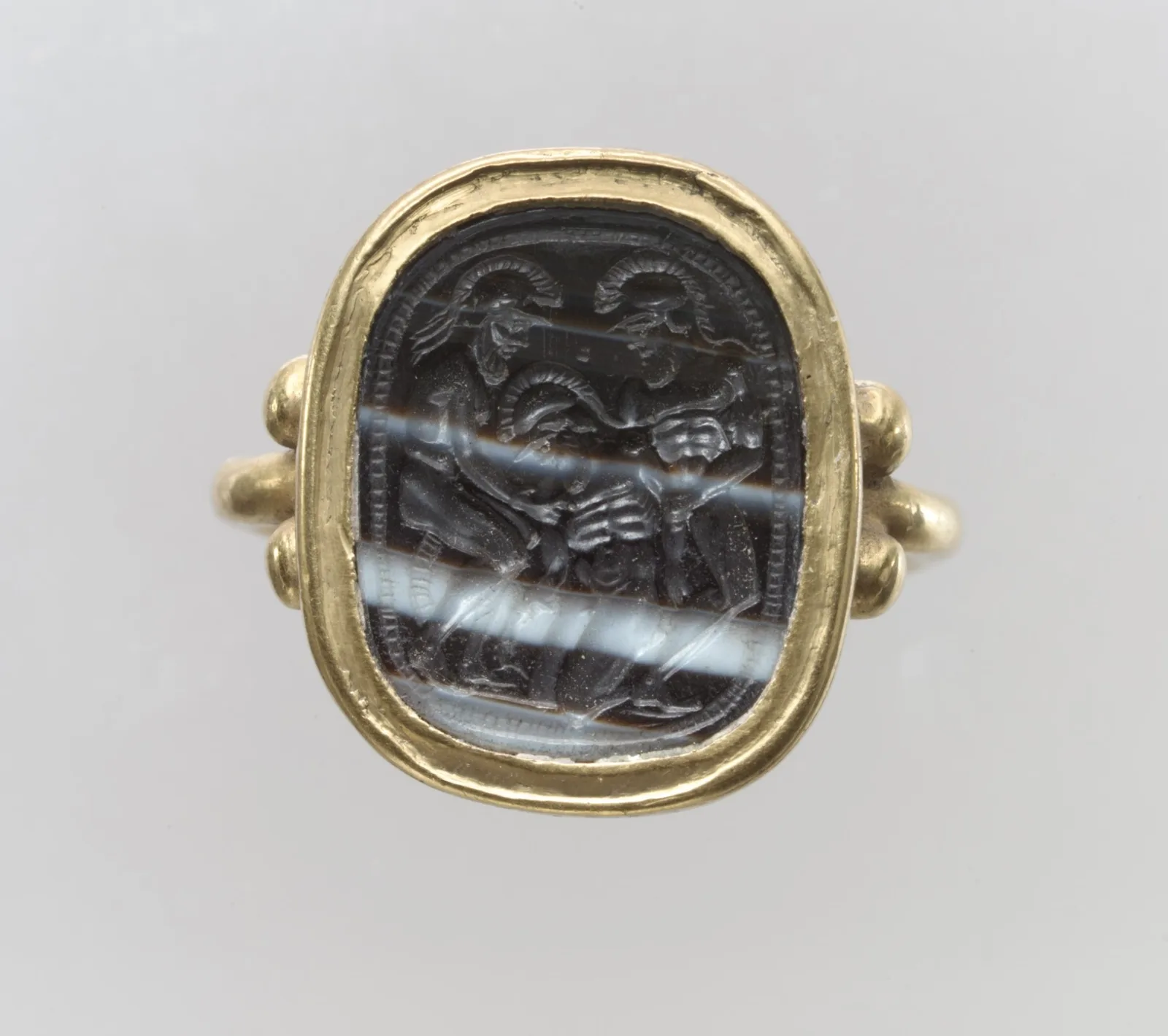
Roman mosaics, gems, and coins from the imperial period frequently depict the phoenix, usually shown with a radiate crown (like sun rays), standing on a pile of ashes or flames, or perched near a palm tree (the Greek word for phoenix, phoinix, also means "palm tree," which is one of those etymological coincidences that made the ancient world endlessly confusing).
The practical effect of Roman fascination was to fix the phoenix in Western cultural memory. After Rome, the phoenix never left. It entered Christian symbolism, medieval heraldry, Renaissance art, and eventually modern popular culture in an unbroken chain of transmission.
A gold phoenix on a red dress. In silver it is just a fire someone put out.
How and what to wear a phoenix with
Years of dressing people for shoots and stage taught me the phoenix never wants to be hidden. It is a bird with temper, so I build the look to give it room to breathe. Here is what I actually recommend, sorted by occasion.
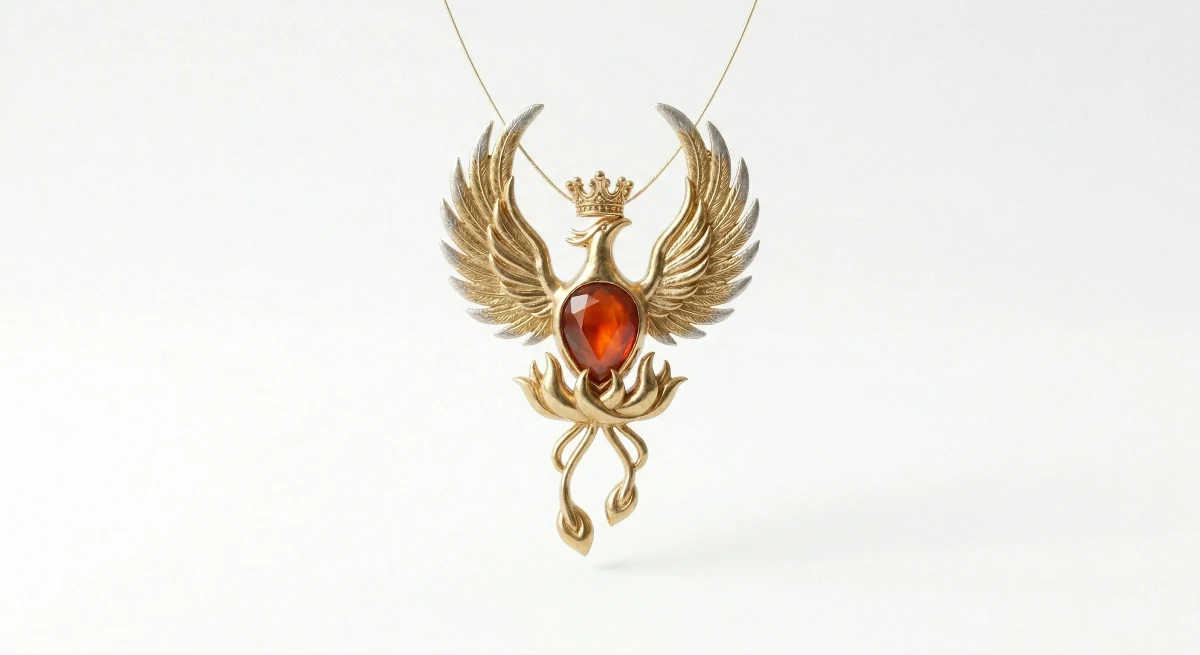
What do I pair a phoenix with every day? For daily wear I recommend a small silhouette on a thin chain over a plain tee, a turtleneck or a shirt. A boat or V neckline opens the throat and lets the pendant hang in the air instead of getting lost in folds. Calm tones (white, grey, sand, black) act as a clean canvas where gold or silver reads on its own. I suggest a length of 45 to 50 cm so the bird lands on the sternum, not at the throat.
Does it work at the office? Yes, as long as you keep it restrained. I choose a modest size and one accent, with no competing pendants nearby. Under a jacket the phoenix reads as a quiet detail rather than a loud statement, and a strict dress code is no obstacle: the symbol sits happily just under the collar.
How do I build an evening look? For evening I let the phoenix stretch out: a large pendant on an open neck under a thin-strap dress or a jacket worn on bare skin. Warm gold echoes the fire in the symbol, so I recommend it here. Deep wine, emerald, charcoal and rich blue fabrics light the metal far better than a busy print that competes with the bird for attention.
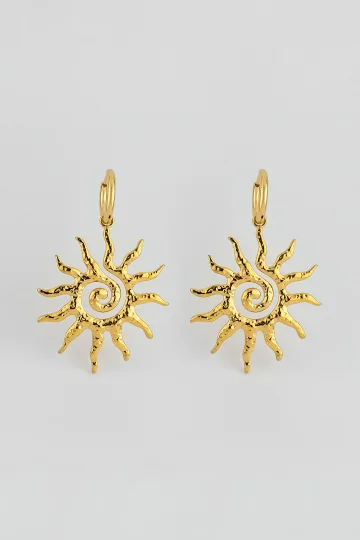
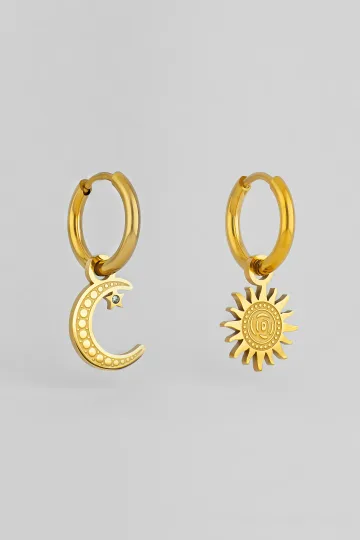
How do I combine metals and layers? I keep one metal across a set: a phoenix with solar earrings in the same gold reads as a single story of fire and light. If you want layers, I suggest chains of different lengths where only one carries the accent pendant and the rest stay thinner and quieter. A stacked bracelet belongs on the free hand so nothing pulls the eye from the neck.
Does the phoenix suit men? It does, and easily. This is one of the few symbols with no historical gender attached: it appeared on coins, on shields and on imperial banners. For men I recommend a larger, rougher silhouette with minimal decor, a thicker chain and a more substantial pendant. Anyone drawn to a bold, warm, storytelling mood carries it well.

Turn on your camera, pick earrings, a pendant or a ring, and see the piece on yourself in real time.
Switch items in one tap.
Everything runs in your browser: no photo or video is ever uploaded.
The Egyptian Bennu Bird: The Original Phoenix?
Bennu and the sun god Ra
Before the Greeks named it "phoenix," the Egyptians had the Bennu bird. This is almost certainly the origin of the entire tradition, though the Egyptian version is different enough from the Greek one that calling it "the same bird" requires some creative interpretation.
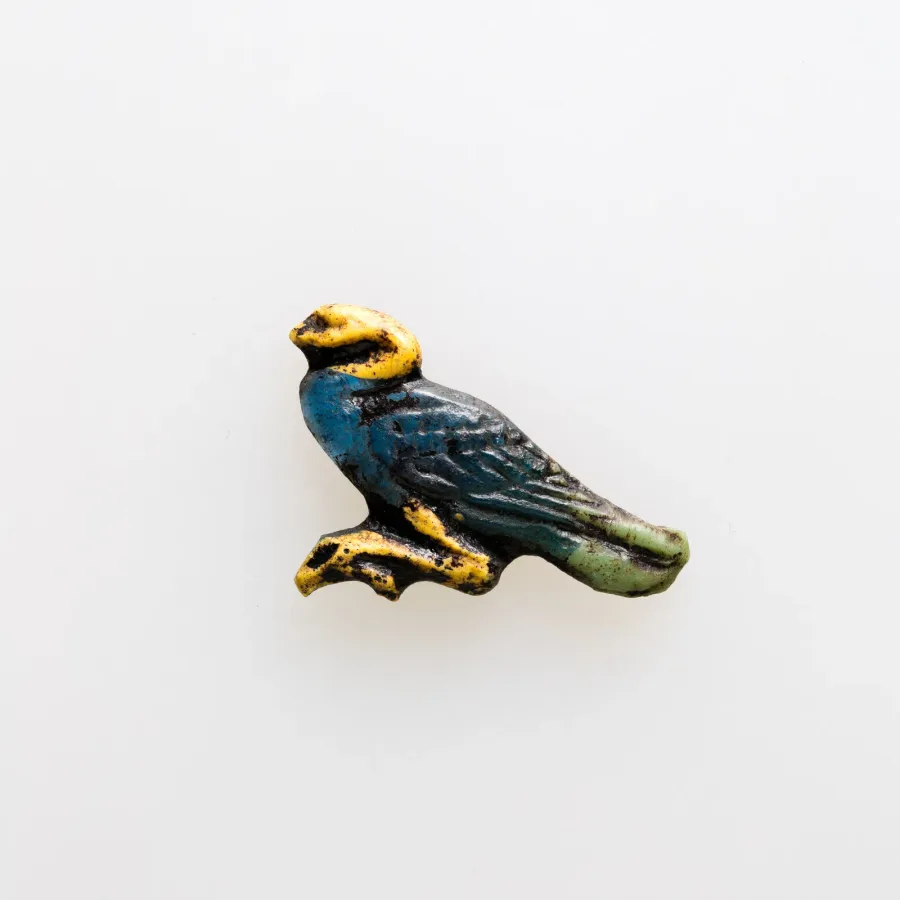
The Bennu (from the Egyptian wbn, meaning "to rise" or "to shine") was associated with the sun god Ra and with the act of creation itself. In Egyptian cosmology, the Bennu was one of the first creatures to appear on the primordial mound that rose from the waters of chaos at the beginning of the world. It was a bird of creation, not destruction. Its cry was the first sound in the universe.
Visually, the Bennu was depicted as a heron, specifically the grey heron or the goliath heron, both of which were common in Egypt. This is quite different from the eagle-like Greek phoenix. The Bennu was tall, thin, and elegant, with a distinctive two-feathered crest. Egyptian art shows it perched on pyramidal stones (the benben stone) or standing in marshes among papyrus.
Heliopolis: city of the sun
The connection between the Bennu and Heliopolis is crucial. Heliopolis (Egyptian Iunu, "pillar city") was the centre of sun worship in ancient Egypt, home to the cult of Ra-Atum, the creator sun god. The Bennu was the ba (soul) of Ra, his living manifestation on earth.
When Herodotus says the phoenix visits Heliopolis every 500 years, he's transmitting a garbled version of the Egyptian belief that the Bennu was connected to the solar cycles. The Egyptian concept was about cosmic renewal: the Bennu embodied the idea that the sun "dies" every evening and is "reborn" every morning. The great cycle of the Bennu (the Sothic cycle of approximately 1,461 years) was tied to the heliacal rising of the star Sirius, which marked the Egyptian New Year and the annual flooding of the Nile.
So the Bennu was simultaneously about daily renewal (sunrise), annual renewal (the Nile flood), and cosmic renewal (the great year). It was the bird of every kind of beginning.
From heron to firebird
How did a lanky Egyptian heron become a fiery Greek raptor? Probably through the telephone game of cultural transmission. Greek travellers visiting Egypt saw the Bennu depicted in temples, heard stories about its connection to the sun and to cosmic cycles of death and renewal, and carried these stories home. Along the way, the heron became an eagle (more impressive to Greek sensibilities), the solar connection became fire (a logical leap), and the cyclical renewal became death-and-rebirth (more dramatic, more Greek).
The transition is understandable. If you hear about a bird connected to the sun that embodies the cycle of death and renewal, and you don't read Egyptian, fire is a reasonable conclusion. The sun IS fire. And the most dramatic way to represent renewal through fire is to have the bird literally burn and be reborn.
What got lost in translation was the Egyptian emphasis on creation over destruction. The Bennu doesn't destroy itself. It creates the world. Its cry brings order out of chaos. That's a fundamentally different energy from the Greek phoenix, which is all about the drama of self-destruction followed by regeneration.
Upload a photo of your pet, someone you love, or an object. We'll build a 3D model and hand-cast it in pewter.



The Chinese Fenghuang: Not a Phoenix, but Everyone Calls It One
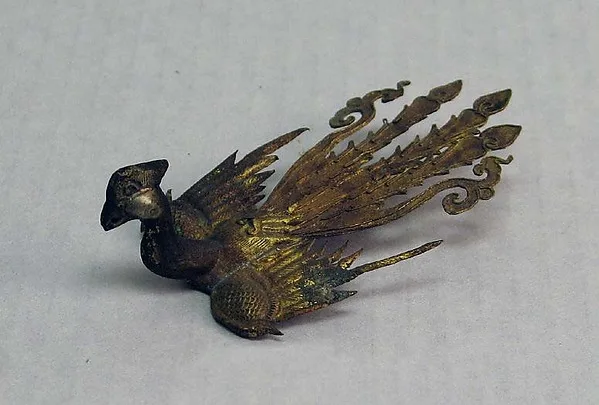
What the Fenghuang actually is
Let's be clear about something: the Chinese Fenghuang is not a phoenix. It doesn't burn. It doesn't die and get reborn. It has essentially nothing in common with the Western phoenix except that it's a mythological bird. Western translators started calling it "Chinese phoenix" in the 19th century because they needed a quick-and-dirty equivalent, and the name stuck so thoroughly that even Chinese-English dictionaries now list "phoenix" as the translation.
The Fenghuang is a composite creature. The feng is the male bird, the huang is the female. Together they represent balanced cosmic harmony. Classical Chinese texts describe the Fenghuang as having the beak of a rooster, the face of a swallow, the forehead of a fowl, the neck of a snake, the breast of a goose, the back of a tortoise, the hindquarters of a stag, and the tail of a fish. It incorporates elements of many animals because it's meant to represent the harmony of all living things.
The Fenghuang is one of the Four Auspicious Beasts of Chinese mythology, alongside the dragon, the qilin (unicorn), and the tortoise. It rules over all birds and appears only in times of peace and prosperity. When a Fenghuang shows up, it means the empire is in harmony and the ruler is just.
Empress symbol and yin to the dragon's yang
In Chinese imperial symbolism, the dragon represented the emperor and the Fenghuang represented the empress. This pairing was everywhere: on thrones, on robes, on architectural details, on ceremonial objects. Dragon and Fenghuang together meant the perfect union of male and female power, yang and yin, ruler and consort.
This association gave the Fenghuang a specifically feminine quality in Chinese culture, which is quite different from the Western phoenix, which carries no particular gender association. When you see "dragon and phoenix" motifs in Chinese art, architecture, or jewellery, the message is about harmony between complementary forces, not about death and rebirth.
The Fenghuang was also associated with virtue. The five colours of its plumage (black, white, red, yellow, and green) represented the five Confucian virtues: ren (benevolence), yi (righteousness), zhi (knowledge), xin (faithfulness), and li (propriety). Wearing Fenghuang imagery was a statement about moral character, not about surviving adversity.
Why the translation stuck
Despite the total mismatch in meaning, "Chinese phoenix" has become so embedded in cross-cultural communication that it's probably impossible to dislodge at this point. If you walk into a jewellery shop and ask for a "phoenix pendant," you might get a Western-style firebird or an Eastern-style Fenghuang, and both the seller and the buyer might consider them interchangeable.
This matters for anyone wearing phoenix jewellery, because the symbolism you're carrying depends entirely on which tradition you're drawing from. A Western phoenix pendant says "I survived and rose again." A Fenghuang pendant says "I embody harmony and virtue." Same word, completely different messages.
Customer reviews
Zevira is a real jewellery shop. Genuine payments, deliveries and customer thank-yous.
🥰🥰🥰 gracias
Ok, ¡gracias! 🙂
The Japanese Ho-o and the Slavic Firebird
Ho-o: temple roofs and imperial virtue
The Japanese Ho-o (also written Hou-ou) entered Japan from China, along with Buddhism, and inherited most of the Fenghuang's characteristics. It represents virtue, grace, and the sun. It appears only when the land is ruled justly and disappears when corruption takes hold.
The most famous Ho-o in Japan sits atop the Phoenix Hall (Hou-ou-do) of the Byodoin temple in Uji, near Kyoto. This building, constructed in 1053 CE during the Heian period, is so iconic that it appears on the Japanese 10-yen coin. Two bronze Ho-o birds face each other on the roof ridge, their wings outstretched, guarding the Amida Buddha hall below.
In Japanese art, the Ho-o appears on kimono fabric, lacquerware, temple decoration, and imperial regalia. Like its Chinese ancestor, it carries associations of legitimate authority and cosmic harmony. When Japanese emperors used Ho-o imagery, they were making a statement about the righteousness of their rule.
The Ho-o also features in Noh theatre and in Japanese festival traditions. During certain festivals, participants carry elaborate Ho-o floats or wear Ho-o costumes, connecting the living community to the mythological ideal of harmonious governance.
Zhar-Ptitsa: the Firebird of Russian fairy tales
The Slavic world has its own phoenix, and it's arguably the most fairy-tale version of all. The Zhar-Ptitsa (literally "heat-bird" or "fire-bird") is a creature from Russian and Slavic folklore whose feathers glow with golden and red light. A single feather from the Firebird can illuminate an entire room. The bird itself is both a blessing and a curse: beautiful beyond measure, but pursuing it brings the hero into terrible danger.
The most famous Firebird tale is the story of Ivan Tsarevich. In this fairy tale (with many regional variants), a prince finds a single golden feather from the Firebird and is sent by his father to capture the bird itself. The quest leads Ivan through a series of impossible tasks, each more dangerous than the last, aided by a magical grey wolf. The Firebird is always just out of reach, always drawing the hero deeper into the unknown.
What makes the Slavic Firebird different from the Greek phoenix is that the Russian bird doesn't die. It doesn't burn itself and rise from ashes. Instead, it's a living creature that happens to be made of fire and light. Its power is in its beauty and its elusiveness, not in its self-destruction. The theme isn't rebirth; it's the pursuit of something extraordinary at the cost of everything comfortable and safe.
Stravinsky and the ballet that changed everything
In 1910, Igor Stravinsky composed The Firebird (L'Oiseau de feu) for Sergei Diaghilev's Ballets Russes. It premiered in Paris and made the 28-year-old Stravinsky famous overnight. The ballet drew on the Ivan Tsarevich fairy tale, with choreography by Michel Fokine and costumes by Alexander Golovin and Leon Bakst.
The impact was enormous, and not just on music. The Firebird introduced Russian fairy-tale imagery to Western Europe at a time when Diaghilev's Ballets Russes were reshaping European art. Suddenly the Slavic Firebird was no longer just a folk creature. It was high art. Audiences who had never heard of the Zhar-Ptitsa were captivated by Stravinsky's shimmering orchestration and the dancers in their flame-coloured costumes.
The Firebird Suite, Stravinsky's orchestral arrangement of the ballet's highlights, has been one of the most performed works in the classical repertoire ever since. It's become the gateway through which most Westerners first encounter the Slavic phoenix tradition.
The Firebird's Tale: One Feather, One Wolf, Three Impossible Errands
English readers usually meet the Firebird through music first and the story second, which is a shame, because the story is a properly strange piece of folk narrative and it explains why the bird is worn as a feather far more often than as a whole bird.
The tale exists in dozens of regional versions, collected and printed in the middle of the nineteenth century by Alexander Afanasyev, whose folk-tale volumes did for the Slavic world roughly what the Grimm collection had done for the German-speaking one a generation earlier. The bones of it are always the same. A king has a garden with golden apples. Something is stealing them at night. The youngest son keeps watch, sees a bird whose feathers throw light like a lamp, grabs at it, and comes away holding a single glowing feather.
That feather is the whole trap. The king wants the bird now, and the quest begins.
The helper who tells you not to do the thing. On the road the prince loses his horse to a grey wolf, who then offers to carry him instead. The wolf gives clear instructions at every stage: take the bird, leave the golden cage. Take the horse, leave the golden bridle. Take the girl, leave nothing behind. The prince, being a prince in a folk tale, reaches for the cage anyway, sets off the alarm, and is caught. Each theft therefore breeds another errand, and the errands escalate: the Firebird, then the horse with the golden mane, then Elena the Beautiful. The plot is a machine for turning one moment of greed into three years of walking.
Nobody in the story is trying to be reborn. This is the point worth holding on to. The Slavic bird is not a Greek phoenix in a fur hat. It never burns and it never dies. It is a living animal made of light, and the danger it carries is entirely secondhand: everyone who sees it wants it, and wanting it ruins them. The moral is much closer to the golden goose of English nursery tradition than to anything in Herodotus.
Why this matters at the jewellery counter. In the Greek tradition the wearable image is the whole bird in flames. In the Slavic one the wearable image is the fragment, because the fragment is what the hero actually gets to keep. A feather pendant carries the entire story: proof that you saw the impossible thing, and a summons to go after it. If you like the phoenix idea but find a burning bird a bit heavy for daily wear, the single feather is the quieter way to say the same thing.



The Firebird on Stage: Paris, London, and a Fire-Coloured Palette
The reason a Slavic folk creature ended up on brooches, book covers and shop signs across Western Europe is a ballet season and a set of costume designs.
1910 and the year after. Stravinsky's score, written for Diaghilev's company, took the Ivan Tsarevich plot and compressed it into an evening. The Paris premiere made the composer's name overnight. British audiences got the company from 1911, when the Ballets Russes appeared at Covent Garden during the coronation season, and London took to them with an enthusiasm that surprised even Diaghilev. For the next decade the company came back regularly, and its designs leaked steadily into shop windows.
Bakst, Golovin, and the colour shock. What made the visual impression was not the plot but the palette. Leon Bakst and Alexander Golovin dressed the stage in saturated orange, crimson, gold and green at a moment when fashionable European dress was still built on pastels, greys and mauve. Critics complained about vulgarity. Dressmakers copied it within the season. Within a few years, saturated colour, deep fringing and the whole vocabulary the press lazily filed under orientalism had moved from the stage into daywear, and the fire palette of the Firebird costume, orange over gold over dark red, became a recognisable shorthand.
Bilibin and the printed bird. Running alongside the stage version was a printed one. Ivan Bilibin, an illustrator trained in the graphic traditions of the folk woodcut, gave the Firebird its standard picture-book form: heavy black outline, flat gold body, a tail drawn as a fan of separate flame-shaped feathers rather than as a plume. That outline is precisely what survives the shrink down to pendant size, which is why so many firebird pieces still look like his drawings rather than like a real pheasant.
What reached the jewellery vitrine. Three things, and all three are still there. Warm yellow metal rather than white for anything meant to read as fire. A tail built from separate elements, so light moves through the gaps as the piece swings. And the acceptance that this bird may be stylised to the edge of abstraction and still be read correctly, because the audience learned the silhouette from posters and programmes, not from ornithology.
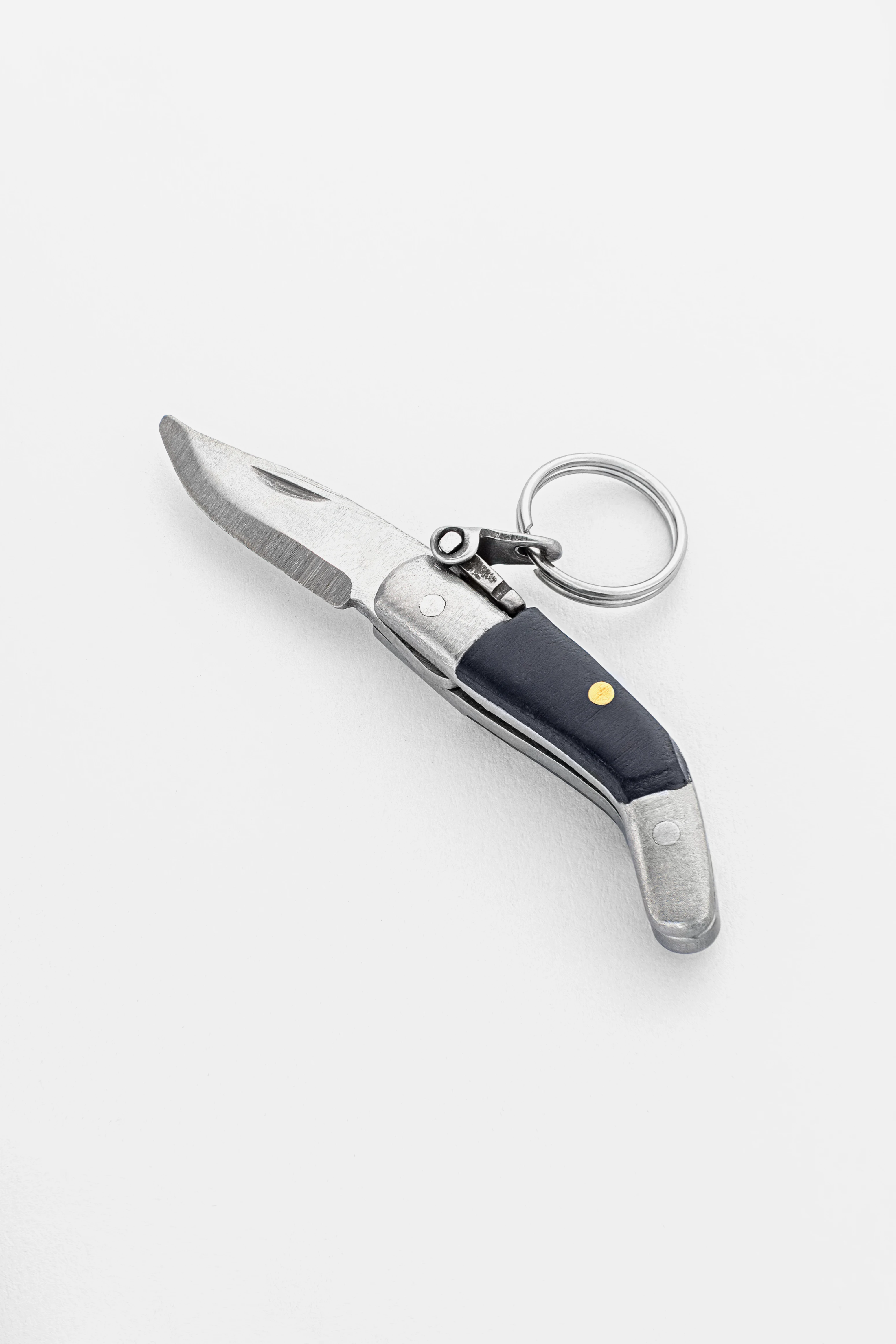
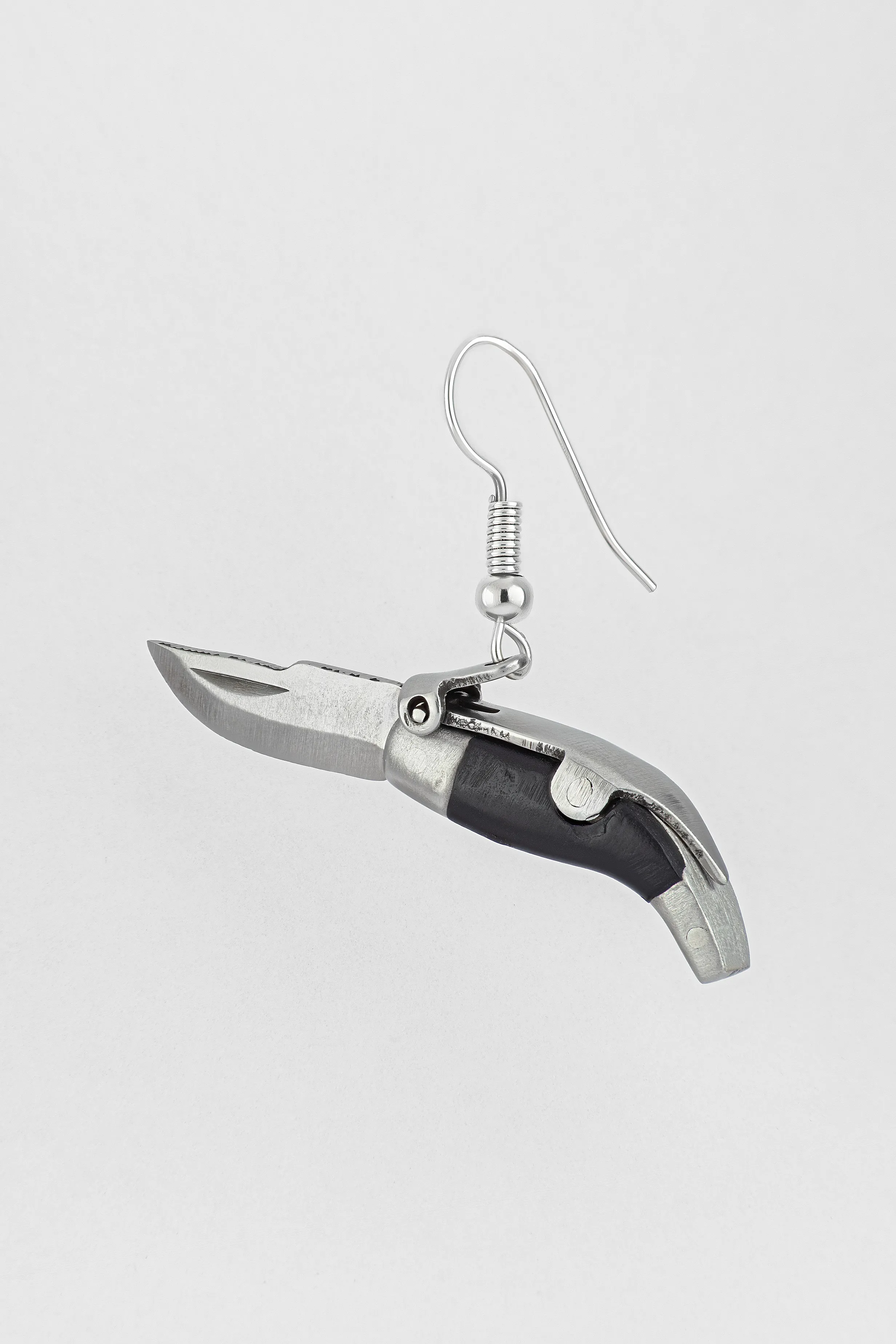
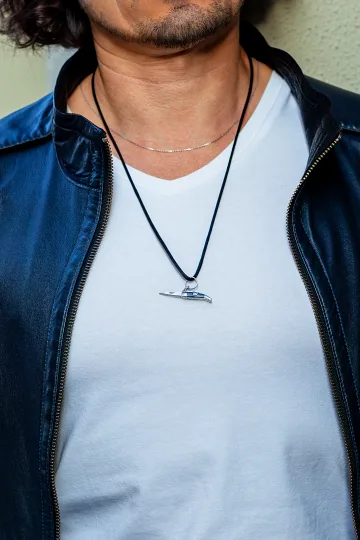
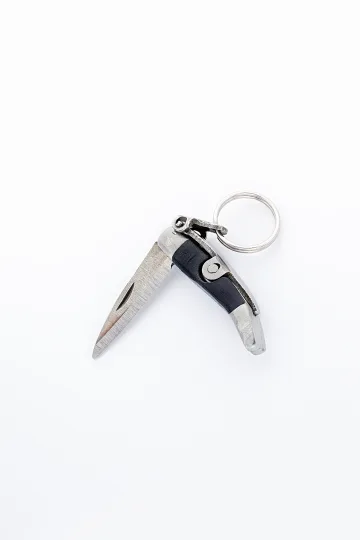
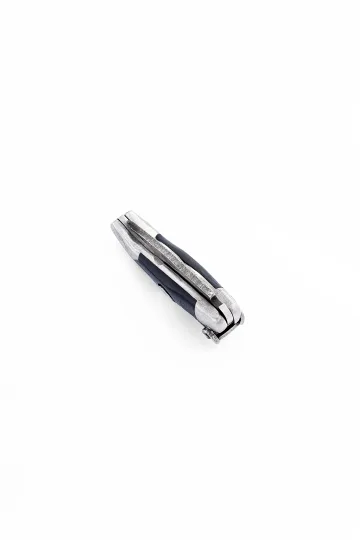
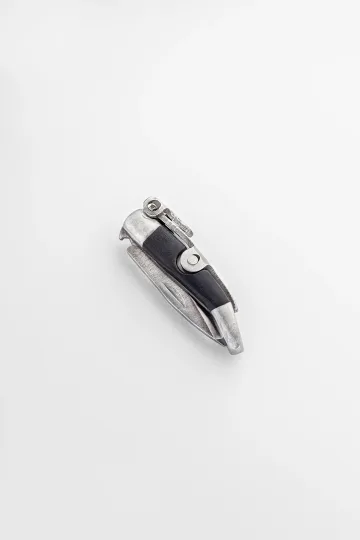
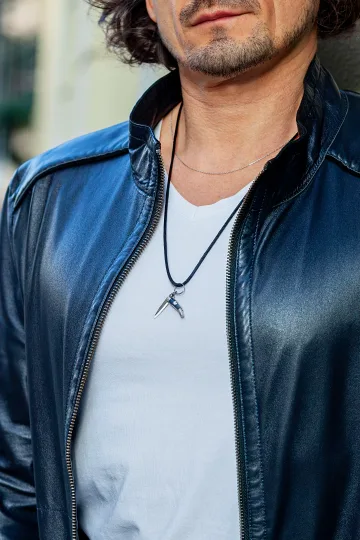
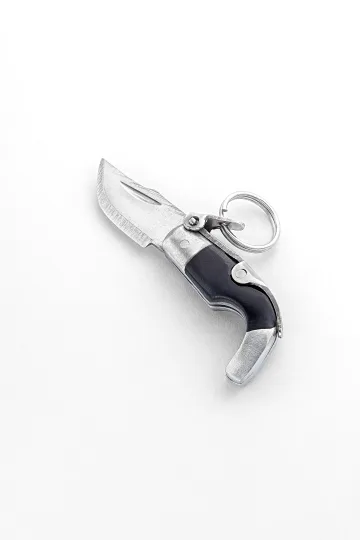
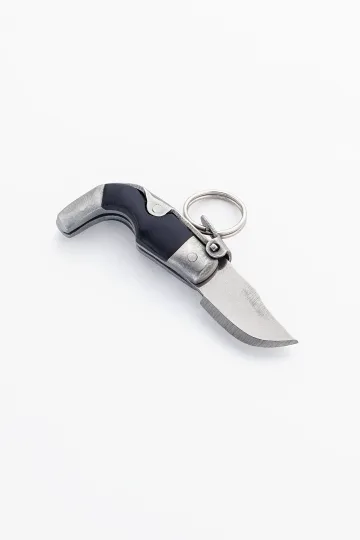
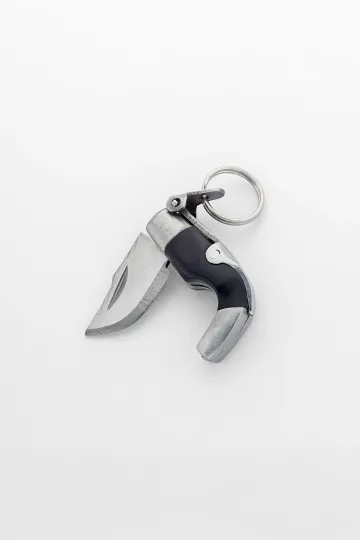
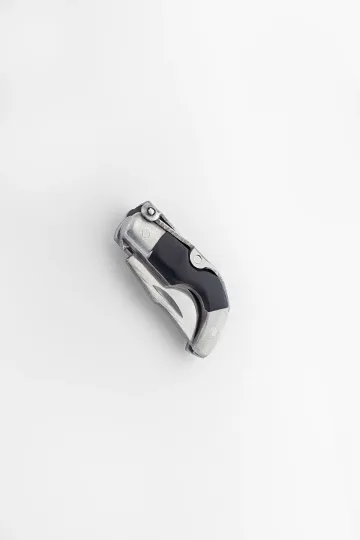
CAPAORA mini knife pendant
The 18th-century Spanish navaja in miniature: 40 mm of stainless steel, a real folding mechanism and a Palanquilla lock that clicks. An affordable gift to remember.
Authentic · Ships from Spain · 14-day returns
The Phoenix in Christianity: A Bird That Preaches Resurrection
Early Church adoption
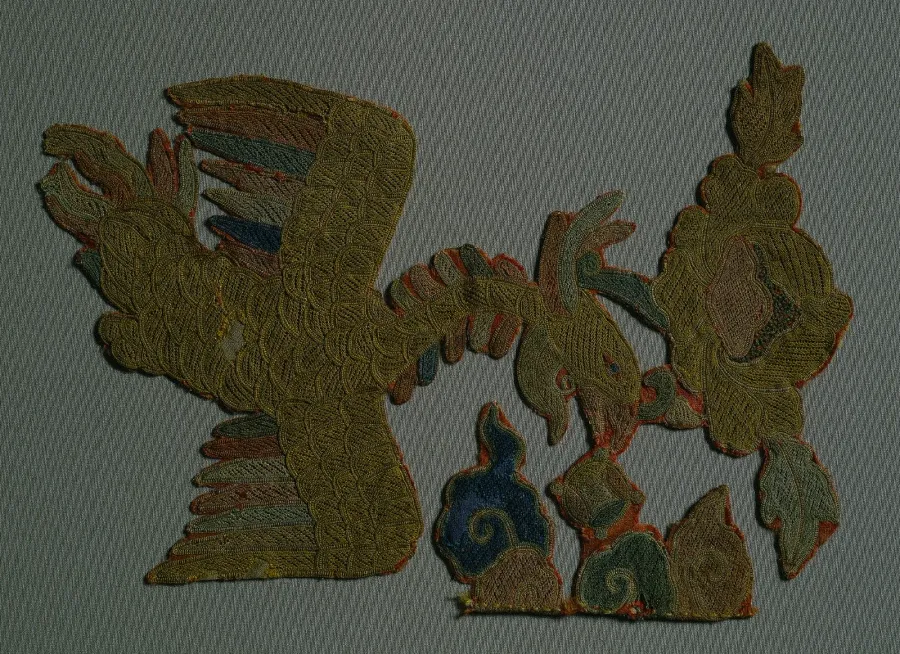
The early Christian Church had a problem: how do you explain resurrection to people raised on Greek and Roman mythology? The answer, in many cases, was to co-opt existing symbols and give them Christian meanings. The phoenix was a perfect candidate.
Clement of Rome, writing in the first century CE (he was one of the earliest post-apostolic Christian leaders), used the phoenix as proof of resurrection in his First Epistle to the Corinthians. His argument was straightforward: if even the pagans believe in a bird that dies and rises again, surely Christians can believe that God will raise the dead. The phoenix was evidence from nature (or what passed for nature in ancient natural history) that resurrection was possible.
Clement treated the phoenix as a real animal, not a myth. This was standard for the time. Ancient natural historians regularly included the phoenix alongside eagles, pelicans, and other real birds. The line between "rare animal nobody has seen" and "mythological creature" was not as sharp in the ancient world as it is today.
The phoenix on Roman catacombs
Early Christian art in the Roman catacombs includes multiple phoenix images. These underground burial chambers, where Christians buried their dead and worshipped during periods of persecution, are decorated with symbols of hope and resurrection. The phoenix appears alongside the fish (ichthys), the anchor, the good shepherd, and the Chi-Rho monogram.
In catacomb art, the phoenix is typically shown with a halo or radiate crown, standing on a mound (representing ashes) or near a palm tree. The palm tree connection is particularly rich: the Greek word phoinix means both "phoenix" and "palm," and early Christians associated the palm with victory (hence Palm Sunday). Phoenix, palm, victory, resurrection: the associations reinforced each other beautifully.
Medieval bestiaries and the Christ parallel
Medieval bestiaries, those wonderfully illustrated catalogues of real and imaginary animals, gave the phoenix extended coverage. These books treated each animal as a moral lesson, and the phoenix was transparently a Christ allegory: the bird that chooses to die and rises again after three days (some versions specified a three-day period between death and rebirth).
The Aberdeen Bestiary (c. 1200) describes the phoenix in vivid detail, including its nest of spices, its death by fire, and its rebirth from ashes. The text then explains that the phoenix represents Christ, who chose death and rose again, and who said "I have the power to lay down my life and the power to take it up again" (John 10:18).
This Christian appropriation was so thorough that for most of the medieval period in Europe, the phoenix was understood primarily as a Christian symbol. Its pre-Christian associations with pagan sun worship and Egyptian religion were either forgotten or deliberately suppressed.
The Phoenix in Heraldry: Tudor Badges, Resurgam, and Fire Marks
Between the bestiary and the tattoo studio sits a long British chapter that most phoenix guides skip entirely, and it is the one that fixed the shape of the bird as jewellery actually uses it.
The heraldic phoenix is only half a bird. In English heraldry the phoenix is drawn as a demi-eagle, the upper body and wings only, rising out of flames, with no legs and no lower tail below the fire. Heralds treated it as a crest creature rather than a charge on the shield, which is why it so often sits on top of a helm or a coronet in old grants of arms. That convention is genuinely useful at pendant scale: cutting the bird off at the flame line removes the fiddliest part of the silhouette and leaves the wings, which are what the eye reads first.
Jane Seymour and the phoenix badge. The Tudor court used personal badges the way a modern organisation uses a logo, and the phoenix belonged to Henry VIII's third queen, shown rising from a castle between Tudor roses. The choice was pointed rather than poetic. The bird that is unique in all the world, and that produces a single heir out of its own destruction, was a strong claim to make in that particular marriage.
Elizabeth I and the Phoenix Jewel. Her daughter carried the badge on and made it famous. The Phoenix Portrait shows the queen wearing a phoenix jewel at her breast, and a gold openwork medallion known as the Phoenix Jewel, a bust of Elizabeth in a wreath of enamelled roses with a phoenix in flames on the reverse, survives in the British Museum. For a monarch who refused to marry, the symbolism did several jobs at once: uniqueness, chastity, and a dynasty that renews itself without an obvious successor. It is also one of the earliest clear cases of a phoenix worn as a piece of jewellery for its meaning rather than as decoration.
Resurgam over St Paul's. After the fire of 1666 burned out the old cathedral, the story goes that the master mason handed Christopher Wren a fragment of a broken gravestone bearing the single word RESURGAM, I shall rise again. The word, with a carved phoenix rising from flames above it, went into the pediment of the south transept, where it still is. For Londoners the bird stopped being a bestiary curiosity and became a statement about their own city.
Lead phoenixes on house fronts. The most everyday British use came from insurance. Before municipal brigades, fire offices ran their own engines and nailed a lead or tin badge, a fire mark, to the front of every insured house so the crews knew which buildings to save. Several offices used a phoenix as their emblem, and weathered lead phoenixes still survive on brick fronts in London, Bristol and Bath if you look up at first-floor height. A symbol of resurrection turned into a practical marker meaning this building is worth putting out.
Civic arms after disaster. The same logic put phoenixes into the arms of towns and cities that had burned. San Francisco carried the bird on its seal and flag after its mid-nineteenth-century fires, decades before the earthquake most people associate it with. Atlanta added Resurgens with a phoenix after its war-time destruction. Several European towns rebuilt after bombardment took the bird into their arms in the twentieth century for the same reason, without needing to explain it to anyone.
Leave your email, we'll send your discount code. No spam, unsubscribe anytime.
The code arrives by email, valid on your first order.
The Phoenix in Modern Culture: From Fawkes to Phoenix, Arizona
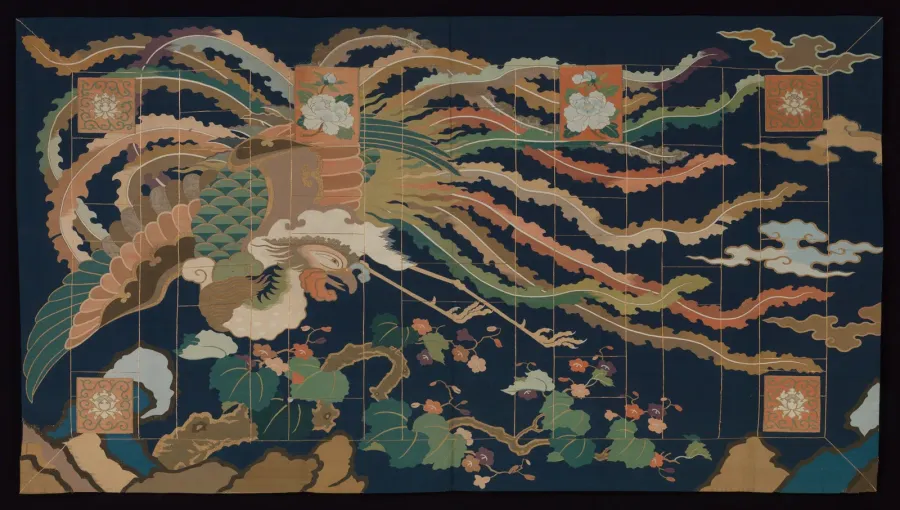
Harry Potter and Fawkes
For an entire generation, the word "phoenix" conjures a very specific image: a scarlet and gold bird sitting on a perch in Dumbledore's office. Fawkes, J.K. Rowling's phoenix in the Harry Potter series, is probably the single most influential portrayal of the phoenix in modern popular culture.
Rowling played the mythology fairly straight. Fawkes has "burning days" where he combusts and is reborn from the ashes as a chick. His tears have healing powers. He can carry immensely heavy loads. He comes to the aid of those loyal to Dumbledore in their darkest moments (literally, in the Chamber of Secrets). And his tail feather forms the core of Harry's wand, connecting the hero to the symbol of rebirth from the very first book.
The cultural impact is hard to overstate. Millions of people who have never read Herodotus or Ovid know exactly what a phoenix is because of Fawkes. The image of a beautiful bird bursting into flame and rising from the ashes as a small, ugly chick is now embedded in global popular culture at a level that academic mythology can't match.
Fawkes also reinforced the emotional core of the phoenix myth: loyalty, sacrifice, and the promise that destruction isn't final. These themes resonated powerfully with readers who were, in many cases, encountering the phoenix for the first time.
Phoenix as city name
Phoenix, Arizona, was named by pioneer Darrell Duppa in 1868 when he saw the ruins of a Hohokam civilisation canal system and remarked that a new city would rise from the ruins of an old one, like a phoenix. It's a textbook example of the myth being used as a founding narrative: this place died, and now it lives again.
The city has leaned into the name aggressively. The phoenix appears on the city seal, on sports team logos (though the Suns went with a different solar metaphor), and throughout local culture. For residents, the name is both a historical reference to the Hohokam ruins and a statement about the city's unlikely existence in the Sonoran Desert. Building a metropolis in a landscape where summer temperatures regularly exceed 45 degrees Celsius is, in its own way, a kind of rebirth from fire.
Other places named Phoenix exist worldwide, all drawing on the same rebirth narrative. The mythological bird has become shorthand for "rebuilt after destruction," a meaning so widely understood that it works as a place name without explanation.
Music, film, and the rebirth narrative
The phoenix appears everywhere in modern entertainment. Fall Out Boy's "The Phoenix" opens with the Latin phrase "put on the armour of God" before launching into a song about surviving and coming back stronger. The X-Men character Phoenix/Dark Phoenix is one of the most famous storylines in comic book history, exploring what happens when the power of rebirth becomes the power of destruction. The constellation Phoenix sits in the southern sky, named by Dutch navigators in the 16th century.
In film, the phoenix narrative is less about literal birds and more about story structure. The "phoenix arc," where a character or institution is destroyed and rebuilt, is one of the fundamental templates of modern storytelling. Every comeback story, every training montage that follows a defeat, every franchise "reboot" is drawing on phoenix logic, whether the creators know it or not.
Phoenix Tattoo Culture: Why It's One of the Most Popular Rebirth Symbols
Placement and style
The phoenix is consistently ranked among the top 20 most popular tattoo designs worldwide, and for good reason: it's visually spectacular, deeply meaningful, and works at virtually any scale.
Common placements include the full back (the phoenix with wings spread, rising from flames at the base of the spine to the shoulder blades), the forearm (a phoenix in flight, wrapping around the arm), the chest (over the heart, representing inner transformation), and the ribs (a private, personal placement for a deeply personal symbol).
Style varies enormously. Japanese-style phoenix tattoos (based on the Ho-o) feature elaborate flowing lines, waves of fire, and integration with other Japanese motifs like cherry blossoms and waves. Western-style phoenix tattoos tend to be more anatomically aggressive, with sharp talons, fierce expressions, and dramatic fire effects. Watercolour phoenix tattoos have surged in popularity, using splashes of red, orange, and gold without hard outlines. Geometric and minimalist phoenix designs reduce the bird to its essential lines, appealing to people who want the symbolism without the visual intensity.
The survivor tattoo
This is where the phoenix moves from art to deeply personal meaning. The phoenix has become one of the go-to symbols for survivors: people who have come through cancer, addiction, domestic violence, mental health crises, grief, or other life-altering experiences.
Tattoo artists report that phoenix requests frequently come with stories. "I survived breast cancer and this is my rebirth." "I've been sober for two years and I'm a different person." "I lost everything in a divorce and I rebuilt my life." The phoenix gives these experiences a visual language. It says: yes, something terrible happened. Yes, it destroyed what was there before. And yes, something new grew from the ashes.
This is not abstract symbolism for these people. It's literal autobiography. The fire was real. The ashes were real. The rising is real. The tattoo is evidence.
Phoenix vs other rebirth symbols
The phoenix isn't the only rebirth symbol available, but it occupies a specific emotional register that the others don't quite match.
The lotus rises from mud into beauty, which speaks to purity emerging from difficult conditions. But the lotus doesn't involve destruction. It doesn't burn.
The ouroboros (the snake eating its tail) represents eternal cycles and continuity. But it's about continuation, not transformation. The snake doesn't become something new.
The scarab represents renewal through the daily solar cycle. It's gentle and cosmic rather than violent and personal.
The phoenix is unique because it includes the violence. It acknowledges that transformation hurts. That you have to burn before you can rise. For people whose rebirth involved genuine pain, the phoenix is the honest symbol, the one that doesn't pretend the process was beautiful.
Who Wears the Phoenix and Why
Survivors
The biggest group of phoenix wearers are people who identify as survivors. This includes survivors of illness (cancer survivors are particularly drawn to the phoenix), addiction recovery, abusive relationships, traumatic events, and other experiences that fundamentally broke their previous life and forced them to rebuild.
For survivors, the phoenix isn't aspirational. It's descriptive. They already burned. They already rose. The jewellery or tattoo is documentation, not hope.
This is important to understand if you're buying phoenix jewellery as a gift. For many recipients, it's not a cute bird symbol. It's an acknowledgment of something they went through. The best phoenix gifts come with the message "I see what you survived."
People starting over
The second major group is people in the process of starting over: new careers after layoffs, new lives after divorce, new countries after immigration, new identities after coming out. The phoenix gives these transitions a narrative framework. You didn't just change jobs. You burned down the old life and built a new one from the ashes.
This is psychologically powerful. Transitions are disorienting. They involve loss, even when the change is positive. Framing the transition as a phoenix story gives it dignity and direction. You're not lost. You're in the fire stage. The rising comes next.
The transformation mindset
A smaller but significant group of phoenix wearers are people who simply value transformation as a way of life. They see themselves as constantly evolving, shedding old versions of themselves, and emerging in new forms. For them, the phoenix isn't about one specific event. It's about a philosophy of continuous reinvention.
This group tends to pair phoenix jewellery with other transformation symbols: snakes (shedding skin), butterflies, and Medusa (transformative power). The phoenix becomes part of a personal symbolic language about change and growth.
The Phoenix in Metal: Openwork, Enamel, and the Problem of Feathers
A phoenix is a difficult thing to make small. A bird in flames is mostly texture, and texture is the first casualty when a design is shrunk to something you can wear under a collar. Knowing how the piece in front of you was made tells you how it will look in six months.
Solid silhouette or openwork. There are two honest approaches. The first is a solid body with the feathers cut in as engraved or cast lines, then darkened so the grooves hold shadow. This survives daily wear well and reads clearly from across a room. The second is pierced openwork, where the gaps between feathers go all the way through and the skin or shirt behind the piece becomes part of the picture. Openwork looks far livelier in movement, since light passes through it, but every bridge of metal between two holes is a place that can bend.
Cast against stamped. Cast pieces are poured into a mould from a carved master, so they carry rounded, sculptural depth, and they are heavier for their size. Stamped pieces are pressed from sheet, so they are lighter, flatter and cheaper to produce, with a crisper outline but a shallow interior. Neither is dishonest. A stamped feather pendant that hangs beautifully on a fine chain is a better object than a heavy cast one that swings like a pendulum every time you lean forward.
Enamel and the fire question. If you want actual colour in the flames rather than implied colour, enamel is the traditional route. In champlevé the recesses are carved out and filled with glass powder, then fired; in cloisonné thin metal walls are soldered up to make cells for the colour. Both give the deep orange-to-red gradient that plating and paint cannot really imitate. Both also chip if the piece is knocked against a hard edge, so enamelled phoenixes belong on necklaces rather than on rings and bracelets, which meet doorframes and desks.
Oxidation is a finish, not dirt. Most silver phoenixes are deliberately darkened in the recesses so the raised feather edges stand out. That black is a controlled surface layer, and an aggressive polishing cloth or a dip cleaner strips it out in one go, leaving a flat grey bird with no detail. Clean the high points, leave the low ones alone.
The tail is the weak point. Mechanically, the fragile part of any rising phoenix is the trailing tail feathers, especially the thin ones that stick out beyond the main body. They catch on knitwear, they bend towards the body over time, and once bent they never quite go back. If a design has long free-standing tips, check that they are thickened at the base or joined to a frame. A tail that reads as a fan of separate feathers but is actually connected at the outer edge gives you the look without the fatigue.
Where the bail sits. A phoenix hangs level only if the loop is above the centre of gravity, which on a rising bird is rarely the middle of the design. Hold the piece by the chain before buying. If the bird tips forward and shows you the top of its head instead of its face, that is how it will be worn for the rest of its life.
Buying it as a gift? Each one arrives ready to give.
 A branded Zevira box and a little card come with every order.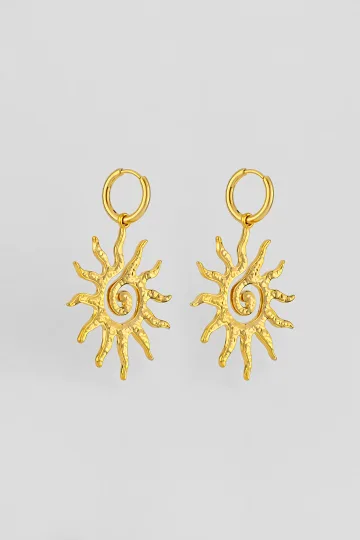



Choosing a Phoenix Piece: A Practical Checklist
Decide which bird first. Western phoenix, Chinese Fenghuang and Slavic Firebird look different and mean different things. A rising bird in flames says survival and rebirth. A long-tailed symmetrical Fenghuang says harmony and standing. A single feather says the pursuit of something extraordinary. Buying the wrong one and explaining it later is a lot of work.
Test the detail at arm's length. Hold the piece at the distance other people will actually see it, roughly 60 to 70 cm. If the flames dissolve into an undefined blob, the design is over-detailed for its size and you want either a larger piece or a simpler one. Good small phoenixes are drawn with fewer, bolder lines.
Match the chain to the weight. A light stamped pendant is happy on a fine cable or box chain. A heavy cast one needs a thicker chain and a jump ring wide enough that the chain slides freely instead of sawing at one point. As a rough guide, 45 to 50 cm puts the bird at the sternum, where a detailed design has room to be seen; 40 cm brings it up to the collarbone, which suits smaller silhouettes.
Run a finger over the edges. Pierced work sometimes leaves sharp burrs on the inside of the cutouts, and tail tips can be genuinely pointed. Anything that snags a fingertip will snag a jumper.
Choose the metal for the life you have. Sterling silver takes the finest detail and darkens gracefully in the recesses. Stainless steel is the workhorse for people who never take jewellery off, though it holds less crisp detail. Gold-tone plating over silver or steel looks warmest of all, which suits the symbol, but it wears through first at the high points, so a heavily raised phoenix will show brass-coloured wear on the wing edges before a flat one does.
Think about the reverse. The back of a phoenix pendant is usually plain, which makes it the natural place for a date, a name, or one word. Survivors often engrave a diagnosis date or the date treatment ended. It stays private, and it turns a mythological bird into a record of a specific year.
For a gift, go neutral. If you are choosing for somebody else, a medium silhouette in silver on a simple chain is the safest and most wearable option. Save the enamelled statement piece for someone whose taste you already know.
Care, briefly. Warm water, a drop of washing-up liquid, a soft brush along the feather grooves, then dry properly with a cloth and let the piece finish drying in the air before it goes back on. Hard water leaves white marks in the recesses of openwork, so in most of southern and eastern Britain a final rinse in cooled boiled or filtered water is worth the trouble.
Send a friend a discount code, they save on their first order.
Gifting a phoenix
For a cancer survivor. This is one of the most meaningful gifts you can give someone who's finished treatment. The phoenix says "you went through fire and you're still here." Pair with a personal note. Don't overthink the jewellery; it's the meaning that matters.
For someone starting a new chapter. New job, new city, new relationship after a bad one. The phoenix says "this is a beginning, not just an ending."
For a graduate. Especially one who struggled. The student who failed and came back, who changed majors, who took seven years instead of four. The phoenix is for the people who earned their achievement through difficulty, not for the ones who breezed through.
For yourself. Sometimes you need to give yourself the symbol. Buying yourself a phoenix is a way of saying "I acknowledge what I went through, and I acknowledge that I survived it." There's nothing indulgent about that.
Wear the symbol, don't just read about it. These are in stock:






Frequently Asked Questions
What does the phoenix symbolise? The phoenix symbolises rebirth, renewal, and transformation through destruction. The core idea: something must be destroyed completely before it can be reborn in a new form. In mythology, the phoenix dies in fire every 500 years and rises from its own ashes as a new bird. In personal symbolism, it represents surviving adversity and emerging transformed.
Is the phoenix a Greek myth? The phoenix appears in Greek literature (Herodotus, 5th century BCE), but its origins are almost certainly Egyptian. The Bennu bird of Egyptian mythology, associated with the sun god Ra and the city of Heliopolis, is the most likely ancestor of the Greek phoenix. The Greeks added the fire-and-rebirth element.
What does a phoenix tattoo mean? A phoenix tattoo typically represents personal rebirth: surviving a difficult experience (illness, addiction, loss, abuse) and emerging transformed. It's one of the most popular "survivor" tattoos. The specific meaning depends on the wearer, but the universal theme is "I went through fire and I'm still here."
Is the Chinese phoenix the same as the Greek phoenix? No. The Chinese Fenghuang is a completely different mythological creature that Western translators unfortunately labelled "phoenix." The Fenghuang doesn't burn or die and be reborn. It represents harmony, virtue, and legitimate authority. It's the yin counterpart to the dragon's yang in Chinese imperial symbolism.
What is the Firebird in Russian culture? The Zhar-Ptitsa (Firebird) is a creature from Russian and Slavic folklore with golden, glowing feathers. Unlike the Greek phoenix, it doesn't die and rise from ashes. It's a living creature whose pursuit drives fairy-tale heroes on quests. Stravinsky's 1910 ballet The Firebird brought the Slavic tradition to worldwide fame.
Why do Christians use the phoenix? Early Christian writers like Clement of Rome used the phoenix as evidence for resurrection. If even pagans believed in a creature that died and rose again, the argument went, then Christian resurrection was plausible. The phoenix appeared in catacomb art and medieval bestiaries as a symbol of Christ's death and resurrection.
What's the best phoenix jewellery for a gift? For a survivor or someone starting over, choose a piece that's meaningful rather than flashy. A phoenix pendant on a simple chain works for almost anyone. Pair it with a personal note explaining why you chose the phoenix. The symbolism is what matters, not the size or price of the piece.
What does "rising from the ashes" mean? It's a direct reference to the phoenix myth. "Rising from the ashes" means recovering and rebuilding after a devastating event. The phrase has entered everyday English to describe any comeback: a company rising from bankruptcy, a career recovering after scandal, a person rebuilding after personal disaster.
Silver and gold jewellery, wedding bands, symbolic pendants, paired sets.
Born to burn
The phoenix is one of those rare symbols that has survived its own mythology. You don't need to know about Herodotus or the Bennu bird or the Fenghuang to understand what a phoenix means. The image is its own explanation: a bird in flames, a bird rising from ashes. Destruction and creation in a single frame.
What makes it enduringly powerful is the honesty of it. The phoenix doesn't pretend that transformation is painless. It doesn't skip the fire and go straight to the soaring. The fire is the whole point. You have to burn. The old version of you has to die. There's no shortcut through the ashes.
But here's the promise that keeps people wearing it around their necks, tattooing it on their skin, naming their cities after it: the fire is not the end. It's the middle of the story. The ashes aren't a grave. They're a nest. And what comes out of that nest has wings.
Every 500 years, or every time someone walks out of a hospital after the last round of chemo, or every time someone signs divorce papers and finds their own apartment for the first time in 20 years, or every time someone marks one year sober with a quiet celebration. The phoenix doesn't care about timelines. It just cares that you burned, and that you're still here.
That's why we can't stop wearing it.
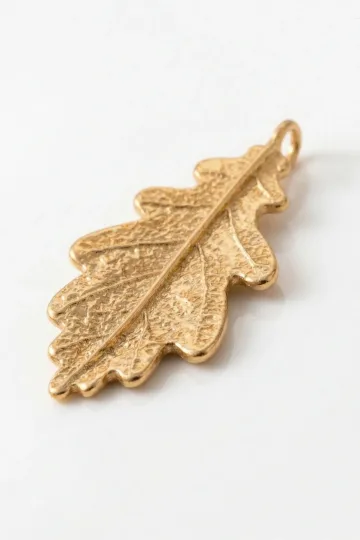
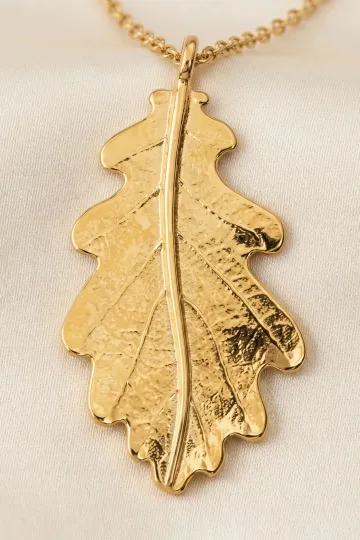
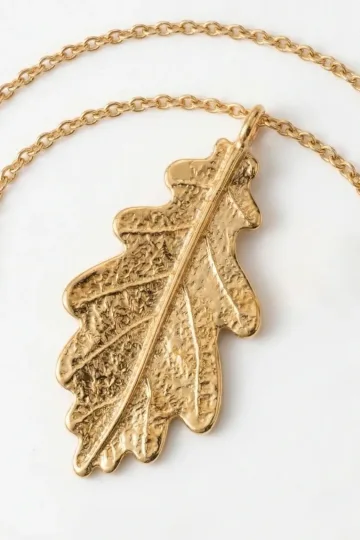
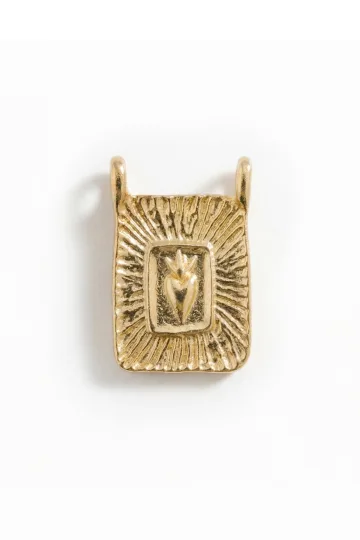
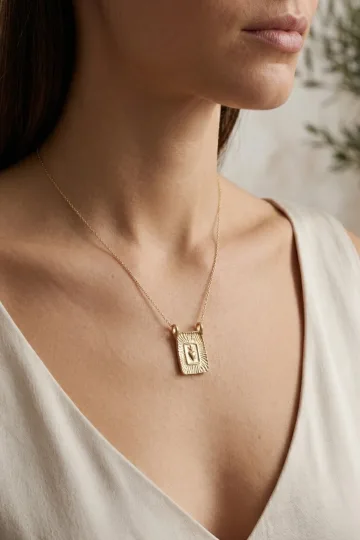
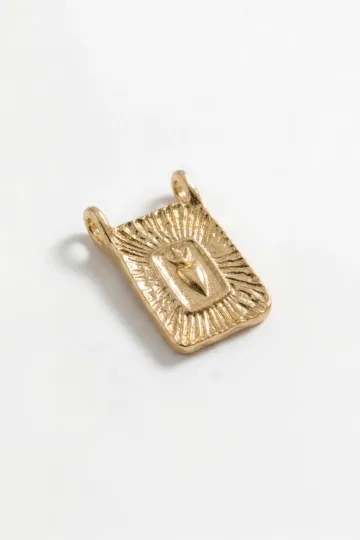
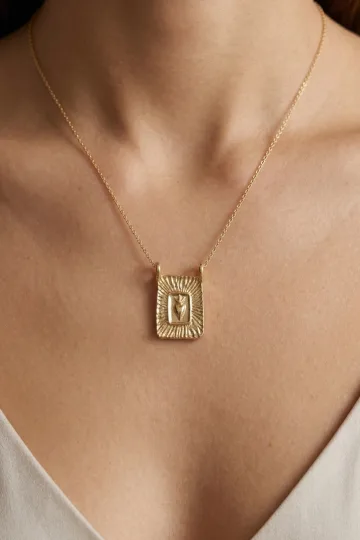
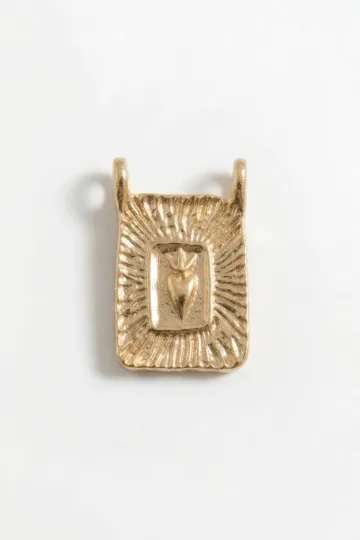
Wear the symbol, don't just read about it. These are in stock:
About Zevira
Zevira makes jewellery in the artisan tradition of Albacete, Spain. For us the phoenix and the Firebird are a decorative motif, a way to carry a story of rebirth or longing close to the skin, so we treat symbols like these with care and never flatten them into a hollow cliche.
Here is what you can find with us around the theme of fire and rebirth:
- Pendants with birds of fire in rising and burning poses, in silhouettes that read at different sizes
- Earrings with solar and flame motifs, from studs to chandelier drops
- Sun and solar pendants that share the phoenix's energy
- Paired sun and moon sets for a gift meant for two
- Minimalist silhouettes on a fine chain, for personal, quiet wear
- Pieces ready for engraving, to turn a symbol into a private reminder of the road you have travelled
Every piece can be personalised with engraving by our craftspeople, with the option of personal engraving. Sterling silver 925 and 14 to 18K gold.