Septum and nose jewelry: from Vedic rites to a ring through the nasal wall
Nose piercing shows up in Indian texts long before it became a Western trend: Ayurvedic tradition tied a woman's left nostril to reproductive health and easier childbirth. In the Middle East a nose ring was part of the bride price thousands of years before the first fashion magazine. What many still read as teenage rebellion is in fact one of the oldest body-adornment traditions on the planet.
The nose offers several different spots to pierce, and each has its own character, its own pain, its own healing time and its own jewellery. A ring through the septum, a tiny stone in the nostril, a curved horseshoe, a screw stud that holds without a clasp, and a fake clip for those not ready for a needle. This is the full picture: history from nomads to subcultures, types of piercings, types of jewellery and how they differ, metals for healing and for everyday wear, sizes, how to match a shape to your face, aftercare and cultural context.
Where nose adornment came from: a history thousands of years deep
The Middle East and nomads: the ring as part of a wedding
The earliest written mention of nose adornment appears in the Book of Genesis: Abraham's servant gives the future bride Rebecca a gold nose ring as part of the wedding gift. Among the nomadic peoples of North Africa and Arabia the nose ring carried a direct sense of property. The size and weight of the gold ring showed the wealth of the groom's family, while the piece itself stayed the woman's personal property, her insurance in case of divorce or widowhood. Among the Berbers and Bedouin, large rings passed down the female line and formed part of a dowry that always stayed with its owner.
India: the nath, the nostril and the link to marriage
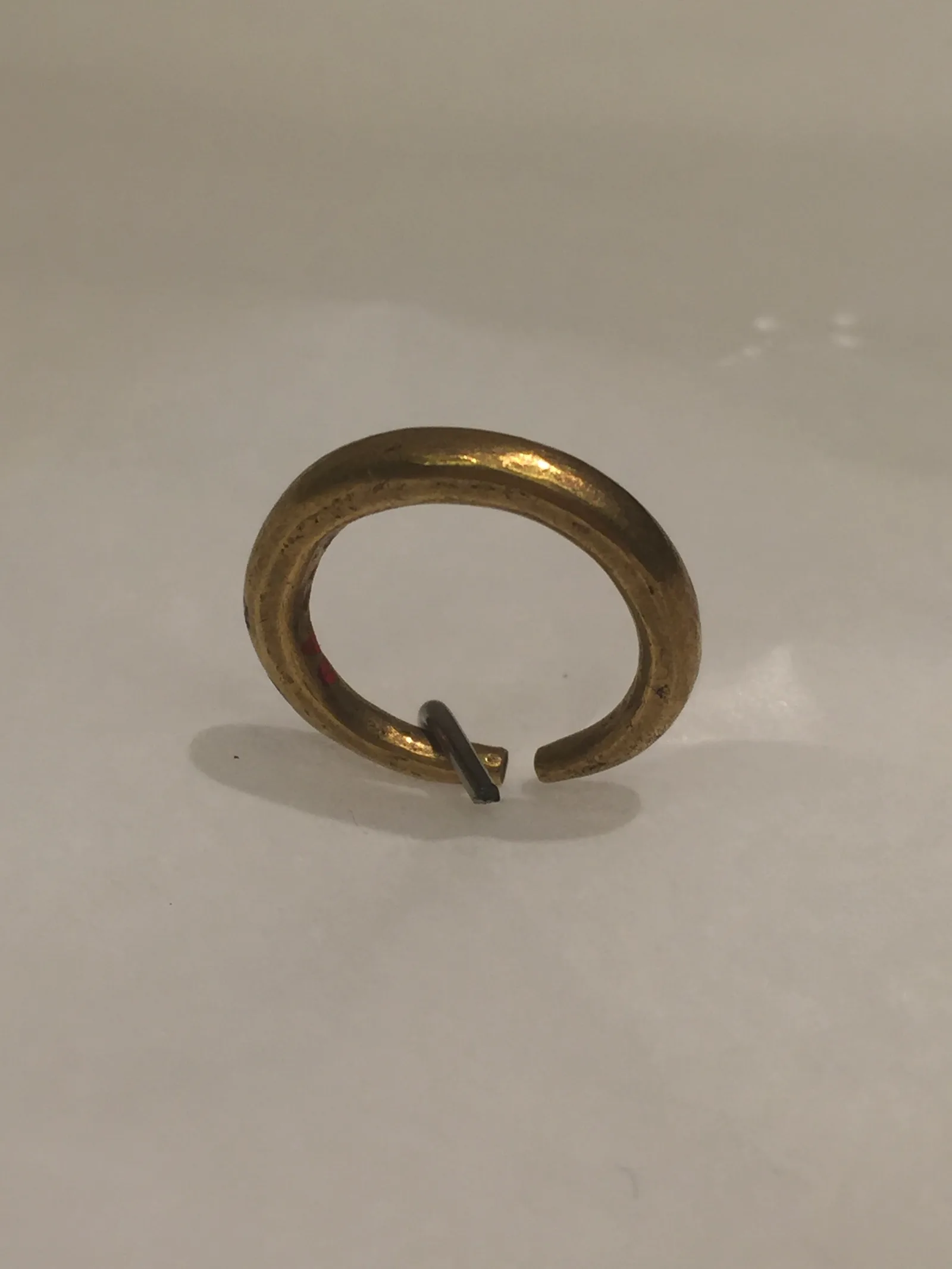
In India the nose piercing became a women's tradition with deep roots. The nath, a large ring in the left nostril often linked by a fine chain to the hair or ear, still belongs to a bride's look across many regions. A married woman was read at a glance by this ornament, much as a wedding band works in the Western tradition. The shape of the nath varies by state: in Maharashtra it is huge, a crescent set with pearls and stones, while in the south it is more modest and sits closer to the nostril. The piercing was often done before marriage, and the ornament became a marker of new status.
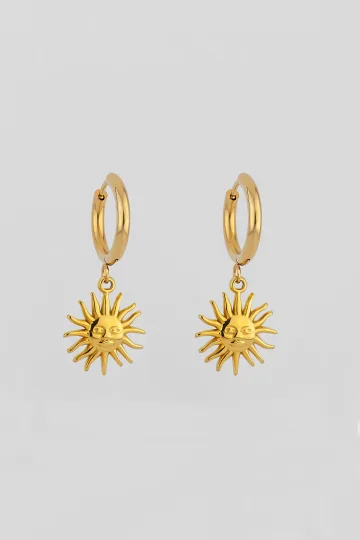
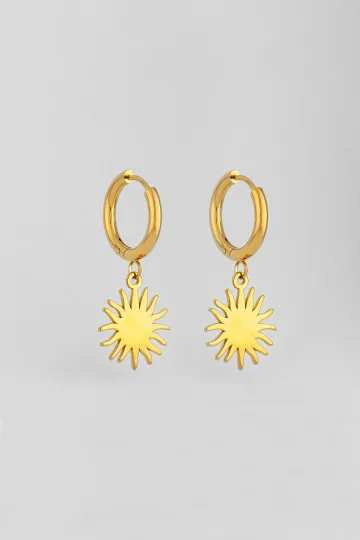
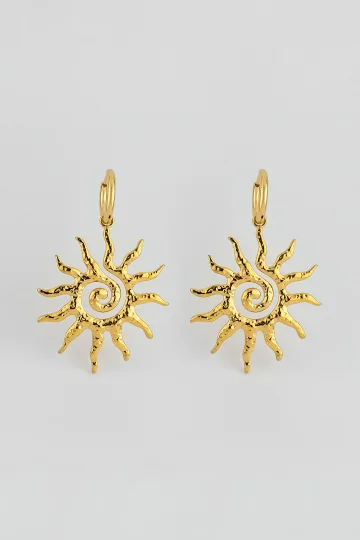
Wear the symbol, don't just read about it. These are in stock:


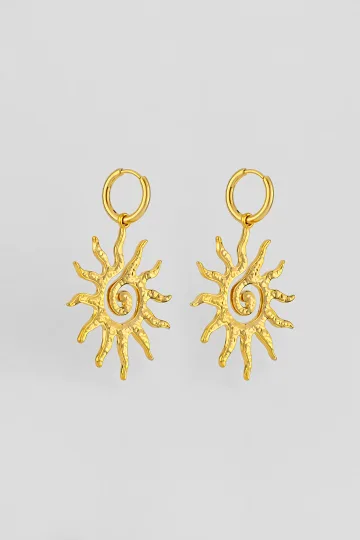

Ayurveda and the left nostril
Ayurvedic medicine tied the left nostril piercing specifically to women's health. By traditional belief, channels linked to the reproductive system run through that point, and the piercing was meant to ease menstrual pain and childbirth. Modern science does not back these claims, and they belong to culture rather than to medical fact. Yet the tradition proved durable: for millions of women the choice of the left side has nothing to do with fashion and everything to do with how their mothers and grandmothers did it.
The Western subculture of the 20th century
Nose piercing reached Europe and America late, and by a very different route. In the 1960s and 70s it was brought back by hippies returning from travels in India, for whom a nostril ring signaled interest in Eastern spirituality. Punk then took up the baton: the piercing became a gesture of protest against propriety, especially the septum piercing, which looked deliberately confrontational. By the turn of the century the nose had settled fully into mainstream body adornment, and today a thin stone in the nostril is worn by a student and a department head alike, with no undertone of rebellion.
The septum among warriors and tribes
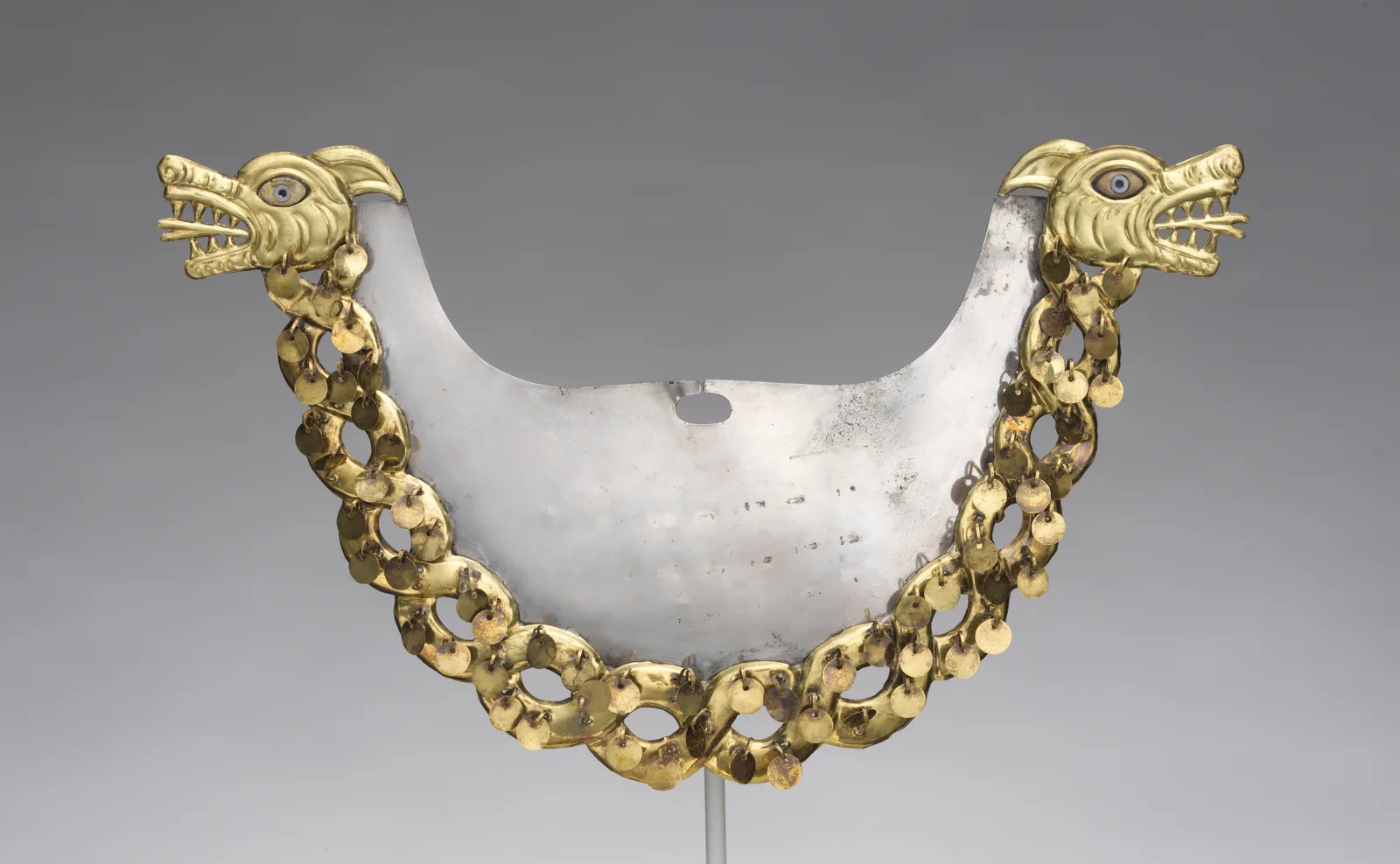
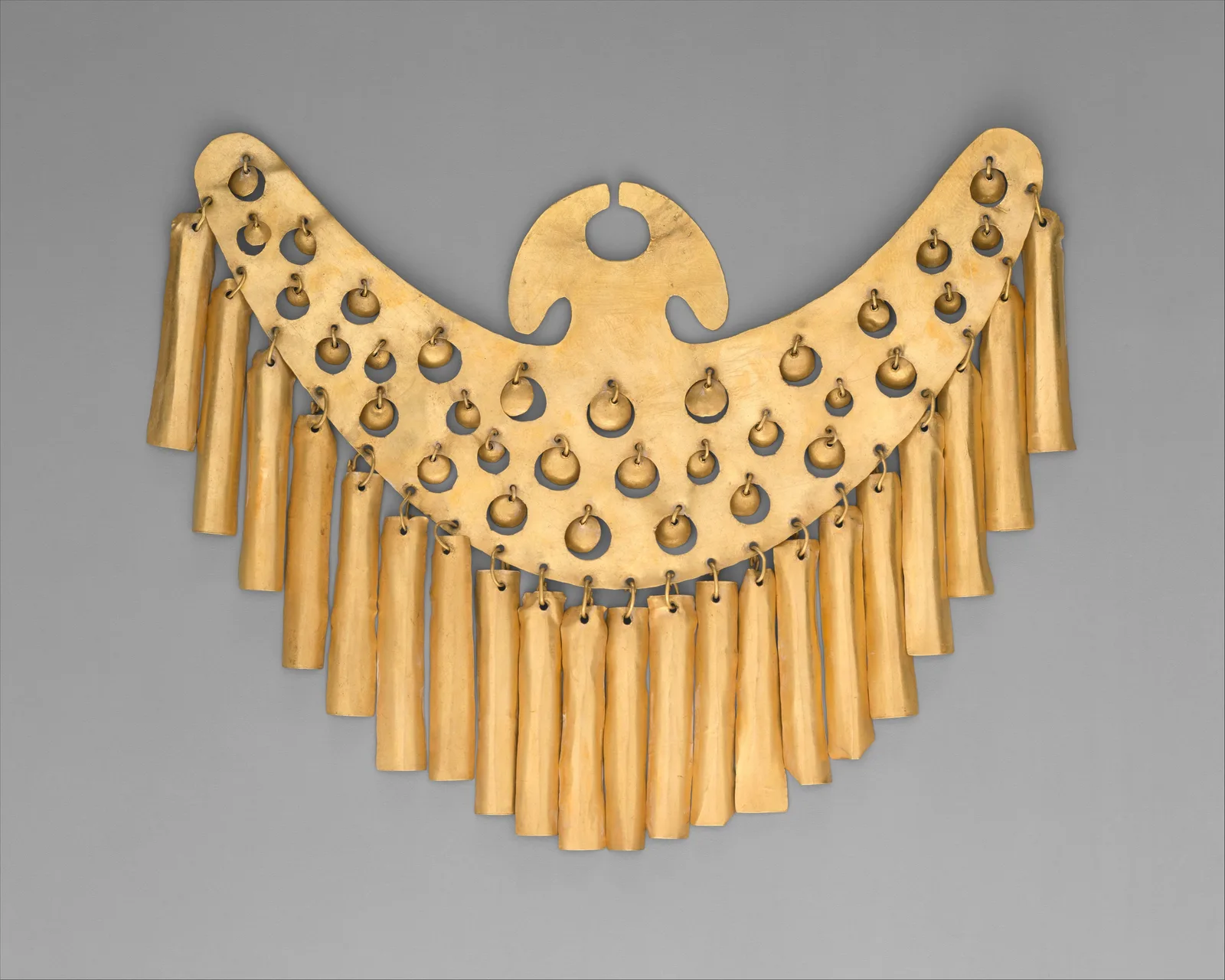
The septum piercing is a separate and very ancient story. In many tribal cultures of New Guinea, the Amazon and the Pacific islands, a bone, a tusk or a wooden stick was passed through the septum. For a warrior it was a sign of strength and intimidation: the ornament made the face look wider and fiercer. Among some peoples the size of the insert grew with a man's status. What today looks like a thin gold horseshoe descends from a tradition where septum adornment meant anything but softness.
Types of nose piercing: where you can actually put jewellery
The nostril: the most common and easy-to-read piercing
The nostril piercing, through the wing of the nose, is the most widespread and recognisable. The needle passes through the soft tissue of the wing, usually at its upper curved part, and a small stone or ring goes in. It heals relatively fast, on average in two to four months, because the wing of the nose is rich in vessels and well supplied with blood. It is a comfortable starting point for anyone piercing the nose for the first time: the jewellery is small, visible exactly as much as the wearer wants, and easy to hide if needed.
The septum: a piercing through the nasal wall
The septum piercing goes not through cartilage but through a thin soft strip of tissue at its very base, which piercers call the sweet spot. If the artist hits it, the piercing is almost painless and heals in two to four months. The great advantage of the septum is that the jewellery can be hidden: a horseshoe or ring is easy to flip with its ends turned up, inside the nose, and the piercing becomes invisible. That is why people who need to look formal when required also choose the septum.
The bridge: a piercing across the top of the nose
The bridge piercing, across the top of the nose, is done horizontally through the fold of skin between the brows, at the base of the nose. It is a surface piercing: the needle passes not through the nose but only under the skin, so the jewellery is a straight or curved barbell with balls at the ends. The bridge is fussier than the nostril and septum, it migrates and rejects more often, because the skin there is thin and mobile. Healing takes longer, and it does not suit everyone, with much depending on the anatomy of the nose bridge.
The high nostril piercing
The high nostril piercing sits above the usual spot, closer to the ridge of the nose, where the wing turns into denser tissue. It looks striking and is seen less often, but it also heals harder: the tissue there is thicker and less well supplied with blood. For this piercing people usually choose not a ring but a small stone on a curved post, because a ring sits awkwardly in this spot. This is an option for those who already have piercing experience and understand what they are getting into.
The septril: a complex piercing for the experienced
The septril is the rarest and most technically demanding of the nose piercings. It is done through the lower part of the septum, directing the channel down toward the tip of the nose, and is usually only possible for those who have long and heavily stretched a septum piercing. It heals slowly and with difficulty, demands an experienced artist and a realistic attitude to the risks. For the vast majority of people it is an exotic option worth knowing about but one that almost no one reaches.
A tiny stud for the boardroom, a spiked ring for the mosh pit. Swap them and you'll look like you're trying too hard. Don't.
How and what to wear a nose piece with
Years on set have put every nose option in front of my camera: a thin stud in the nostril, a ring in the septum, a horseshoe, a fake for the evening. Here is what actually holds a look together, sorted by occasion.
What do you wear a nose piece with day to day? For everyday I recommend a thin clicker or a small stud: it sits tight and does not snag on a turtleneck or scarf. A light top lifts the metal, a dark one turns the stone into the accent. I suggest gold for a warm skin undertone, silvery titanium or steel for a cool one. One rule always holds: one accent on the face. A bold nose ring means the earrings drop to a whisper.
Does it work at the office? It does, if you keep it quiet. For the nostril I choose a tiny stone matched to your earring metal, for the septum a thin horseshoe. Under a strict dress code I suggest the septum every time: I flip the horseshoe ends up, inside the nose, and the piercing is gone in two seconds. Nothing removed, no risk.
How do you build an evening look? For the evening I go for shine: high-karat gold, a horseshoe with white stones along the arc, coloured anodised titanium. In the light the nose piece talks to the earrings and the chain. Here you can afford a brighter, larger ring, the face carries it as long as the rest stays calm.
And for a street or rock look? With a leather jacket and rough texture I recommend a thicker ring, spikes or a faceted segment, matte titanium with no shine. It reads from across the room and works on character. A delicate little stone gets lost here, its place is under a shirt, not under leather and studs.
What if you are not ready for a needle? Then I suggest a fake, and it is not a fallback. A clip-on horseshoe for the septum, a magnetic stone for the nostril: on for the outing, off at home, no marks and no healing. That way you try the shape, learn whether a nose ring suits you, and decide about the needle with a clear head.

Turn on your camera, pick earrings, a pendant or a ring, and see the piece on yourself in real time.
Switch items in one tap.
Everything runs in your browser: no photo or video is ever uploaded.
Types of nose jewellery: rings, horseshoes, screws and fakes
The clicker ring with a hinge
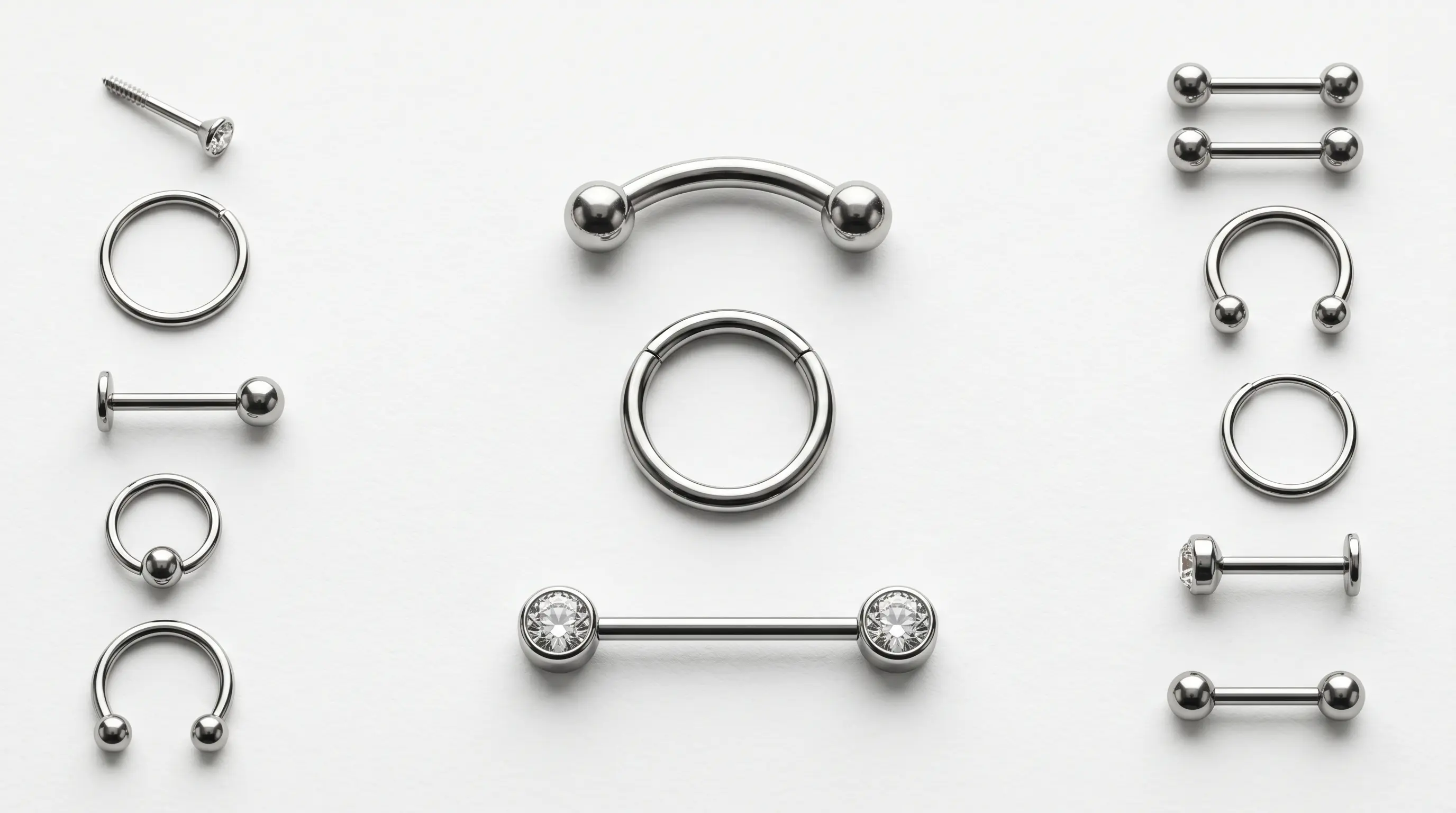
A clicker is a ring where part of the arc opens on a tiny hinge and snaps shut with a soft click, hence the name. It is convenient to insert and remove, nothing gets lost or unscrews, and the hinged segment sits tightly. Clickers are made for both the septum and the nostril, often set with small stones along the arc. It is perhaps the most practical ring for the nose: reliable, neat and requiring no knack when you change it.
The circular barbell, or horseshoe
The circular barbell, or horseshoe, is an open ring shaped like a U with two removable balls on the ends. It is most often worn in the septum, because the horseshoe is very easy to hide: just turn the ends up, inside the nose. The balls can be swapped for coloured ones or ones set with stones, and the horseshoe itself chosen by thickness and diameter. This is the classic of the septum, a simple and recognisable shape that many people start with when they get to know the septum piercing.
The nostril screw and the nose stud for the wing
For the wing of the nose, jewellery was invented that holds without a clasp. The nostril screw is a stone on a post whose lower end is bent into a small spiral, like a snail shell: it goes in with a light twist and holds inside the nose on its own, with nothing to fasten. Beside it lives the straight stud with a stopper or a bent corner, and the L-shape, also popular for the wing. All of them show only a small stone or ball on the outside, while the mechanics stay hidden inside.
The labret: a stud with a flat base
The labret is a post with a flat disc base on one side and a screw-on or push-in part on the other. It was first invented for the piercing under the lip, hence the name, but the flat base turned out to be ideal for the nose too: it does not press on the tissue from inside, does not catch and stays comfortable during healing. Many artists put exactly the labret into a fresh nostril piercing as the safest and most comfortable jewellery for the healing period.
The fake without a piercing
The fake is jewellery for those who do not want or cannot get a piercing. For the wing of the nose, tiny magnetic stones are made: two parts with magnets hold each other through the tissue of the wing, imitating a real piercing. For the septum there are clip-on rings and horseshoes on a spring or with a soft grip, simply slipped onto the septum without any needle. The fake lets you try out the look, see whether nose jewellery suits you, and take it off in a second.
Customer reviews
Zevira is a real jewellery shop. Genuine payments, deliveries and customer thank-yous.
🥰🥰🥰 gracias
Ok, ¡gracias! 🙂
What the jewellery should be made of: metals for healing and for everyday wear
Titanium: the gold standard for a fresh piercing
Titanium, especially its medical implant alloy, is considered the best choice for a fresh piercing. It contains no nickel in a form that can leach into tissue, is very light, causes no reaction even on sensitive skin and tolerates contact with a wound well. Quality titanium can also be anodised, taking on a golden, blue or rainbow colour without any coating that might wear off. If an artist offers titanium for healing, that is a good sign.
Surgical steel 316L
Surgical steel grade 316L is a familiar and affordable material for body jewelry. It is strong, holds a polish and suits most people. An important caveat: the steel contains nickel, and although it is bound in the alloy and normally barely leaches out, it may not suit someone with a pronounced nickel allergy. For everyday wear in a healed piercing steel usually works perfectly, while for a fresh wound many artists still prefer titanium. There is an honest comparison of brass, steel and silver covering the properties of different metals in more detail.
Gold: what works and what to avoid
Gold for the nose should be good quality and of a high enough karat, at least fourteen, without dubious alloys. Pure gold is too soft, so other metals go into the alloy, and here lies a trap: cheap low-karat gold or gold with nickel in it can irritate the skin. High-karat yellow and rose gold are usually well tolerated, while white gold sometimes contains nickel, so it is worth a closer look. Gold plating should not go into a fresh piercing: the thin layer rubs off against the tissue and exposes the base.
What to avoid in a nose piercing
A fresh piercing, and any piercing prone to inflammation, is no place for cheap costume jewelry, brass, cupronickel or silver. Silver oxidizes in a wound and can leave a dark stain, so-called argyria, while brass and cupronickel contain copper and nickel and often cause irritation. For anyone who has already faced a metal reaction it helps to understand its mechanism, and there is a separate piece on nickel allergy. The rule is simple: the fresher the piercing, the cleaner the metal should be.
How metal relates to skin tone
Once the piercing has healed and you can wear anything, the choice of metal becomes a question of looks. Warm golden tones usually harmonize with a warm skin undertone, cool silver and white gold with a cool one. This is not a strict law but a starting point, and many people suit both. To work out what is closest to you, the guide to metal by skin tone helps.
Upload a photo of your pet, someone you love, or an object. We'll build a 3D model and hand-cast it in pewter.



Sizes: gauge and diameter, where it is easy to get lost
Post gauge
The thickness of nose jewellery is measured in gauges and millimetres. For the wing of the nose the usual thickness is around 0.8 millimetres, sometimes thinner, while for the septum people more often take slightly thicker, around 1.0 to 1.2 millimetres. The gauge is set by the artist at the piercing, and you cannot change it yourself afterward: jewellery thinner than the channel will rattle around, while thicker will not go in without stretching and pain. When you buy a new ring to replace an old one, the gauge must match exactly what is in now.
Ring and horseshoe diameter
The diameter is the size of the ring or horseshoe across, also in millimetres. For the wing of the nose small rings of around 6 to 8 millimetres usually work, while for the septum the range is wider, because you often want to flip the horseshoe and hide it, which needs some margin. A ring too small will press, while one too large will stick out and catch. If in doubt, it is better to check the right diameter with whoever did the piercing, or try on a fake of a similar size.
Post length on the stud and labret
For the straight stud, the screw and the labret what matters is not the diameter but the post length: it should match the thickness of the nose wing plus a small margin for swelling in the first weeks. A post too long will wobble and catch, while one too short will press on the tissue from both sides and hinder healing. That is why a fresh piercing gets jewellery with a length margin, and once the swelling goes down it is swapped for something shorter and neater.



Fake septums and clip-on rings: nose jewellery without a needle
The clip-on septum
A clip-on septum ring is the simplest way to try a septum without a piercing. It holds on a soft clip or spring, slips onto the septum in seconds and comes off just as fast. A quality fake in titanium or steel sits securely and is almost indistinguishable from real jewellery from the outside. It is the ideal option for anyone who wants to see whether a septum ring suits them before deciding on a needle.
The magnetic stone for the wing
For the wing of the nose, magnetic fakes are made: two small parts with magnets attract each other through the tissue, and a stone shows on the outside, just like a real piercing. Such a fake holds less firmly than a clip-on ring and can slip off with a sharp movement, but it does not injure the skin at all. It is a way to put on jewellery for the evening and take it off before bed or work.
Who a fake suits better than a piercing
The fake is not a backup for the indecisive but a full choice for a whole range of situations. It comes to the rescue where a piercing is impossible or unwelcome: a strict dress code at work, professions with appearance requirements, skin prone to scarring, an unwillingness to go through healing. Put it on when you want, take it off when you need, with no marks and no wound care. For many people it is the most sensible way to wear nose jewellery their whole life.
How to match jewellery to the shape of your face and nose
A large or wide nose
If the nose is large, a small single stone on the wing can get lost, while a neat ring or a slightly more visible stone will balance the features. A septum ring on a wide nose looks harmonious, because it adds a horizontal line down the centre. The main thing is not to go to an extreme: jewellery that is too large will pull attention and break the balance. The goal is for the features and the jewellery to support each other.
A small or narrow nose
On a small, neat nose the miniature wins: a tiny stone in the wing, a thin ring, a delicate horseshoe. Massive jewellery on a small nose looks out of place and ages the face. The principle of proportion works here: the finer the features, the more delicate the jewellery. A thin gold thread of a ring or one light stone will underline the elegance rather than hide it.
Round and oval faces
The shape of the face matters in the choice no less than the shape of the nose. On a round face jewelry with a vertical accent, such as a stone on the wing or a small pendant, slightly lengthens the features. The oval face is considered the most versatile, suiting almost anything, from a tiny stud to an expressive ring. If you want to dig deeper into the logic of matching by features, there is a separate guide to jewelry by face shape.
Pairing with earrings and the rest of the look
Nose jewelry rarely lives on its own, it is part of the whole picture along with earrings and chains. A handy rule: either the nose and ears echo each other in metal and style, or the nose stays the only accent on the face while the earrings drop to a minimum. Mixing gold on the nose and silver in the ears is possible, but do it on purpose, not by accident. For anyone assembling the whole look, the guide to earrings and face shape is useful.
Leave your email, we'll send your discount code. No spam, unsubscribe anytime.
The code arrives by email, valid on your first order.
Aftercare: the first weeks and later
What to rinse a fresh piercing with
During healing the nose piercing is rinsed with a mild saline solution, usually sterile saline or a special pharmacy spray for piercings. This is done a couple of times a day, gently removing crusts, and always with clean hands. Harsh products like alcohol, peroxide and iodine are not suitable for a fresh piercing: they dry and irritate the tissue, slowing healing. It is always better to get the exact care routine from the artist who did the piercing rather than from general advice.
What you must not do while a piercing heals
A fresh piercing does not like being touched, twisted or having its jewellery changed early. Until it heals you should not take out the first stud, swim in public bodies of water and pools, or sleep face-down on the side of the piercing. Keep cosmetics and creams away from the wound. If strong redness, pain, swelling or discharge appears, that is a reason not to self-treat but to see the artist or a doctor. And above all: care for a fresh piercing is not a medical instruction from an article but the responsibility of a specialist.
Caring for a healed piercing
Once the piercing has healed, it needs almost no care, but the habits stay useful. The jewellery is taken out and washed from time to time, the channel itself rinsed with warm water, especially if there is a tendency to a buildup of discharge. Jewellery in a healed piercing can be changed freely, the main thing is to watch the cleanliness of your hands and of the piece. Quality metal in a healed piercing can be worn for years without any trouble.
When to change the first jewellery
The first jewellery the artist put in at the piercing is changed only after full healing, not when everything looks healed on the outside. The piercing can seem ready outside much earlier than the channel has formed inside. Rush the change and you can introduce infection or injure the tissue. The timing depends on the spot: the wing heals faster, the high piercing and the septril longer. The best adviser on timing is whoever did the piercing.
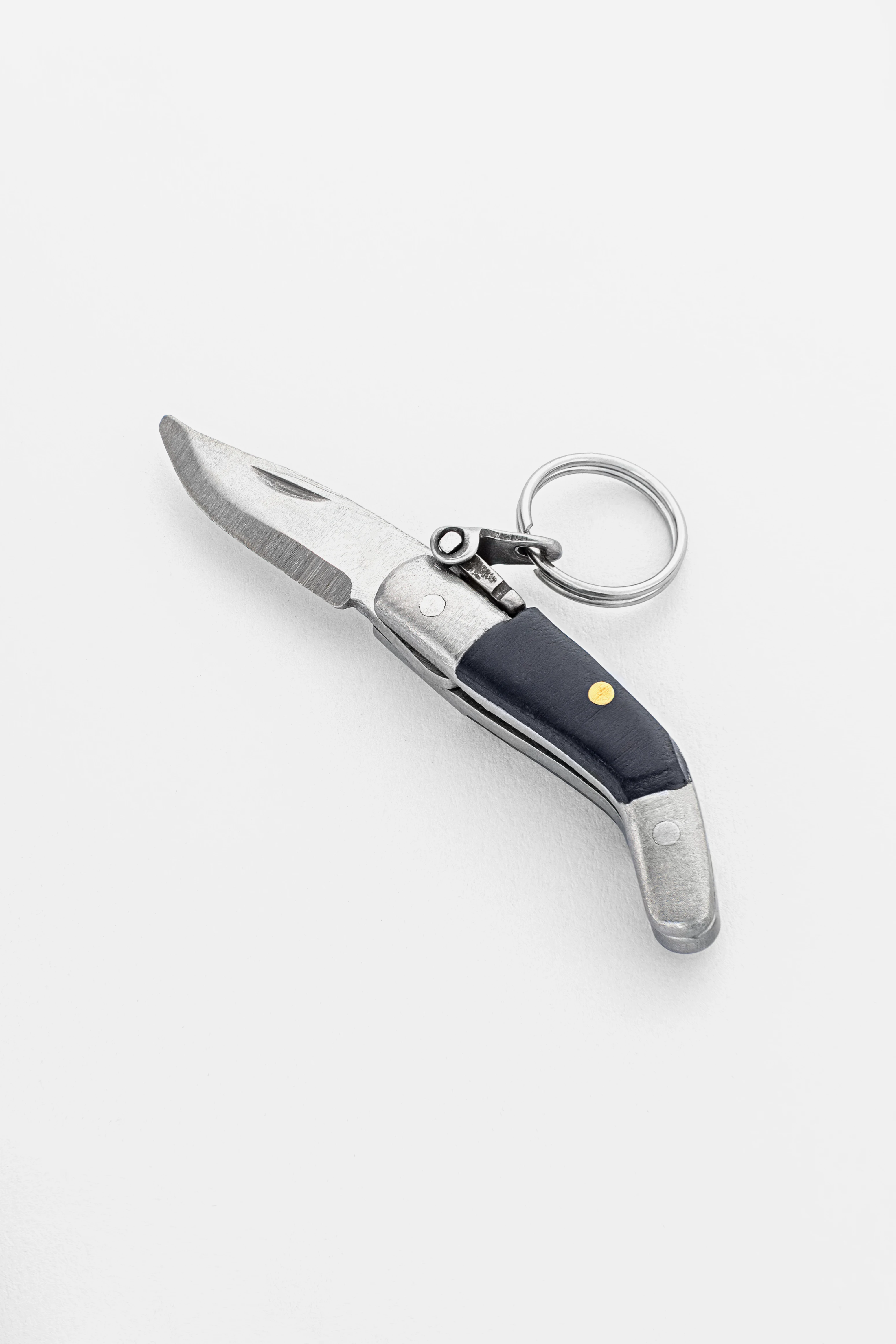
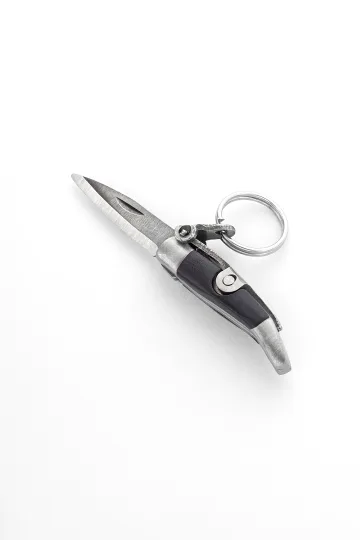
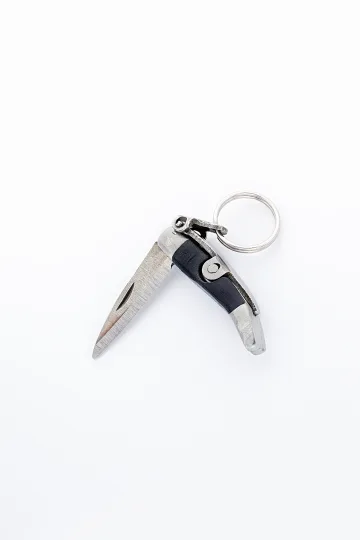
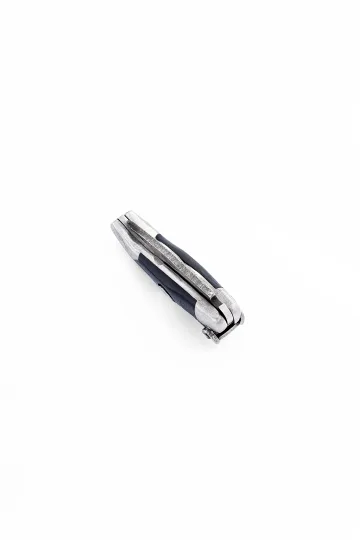
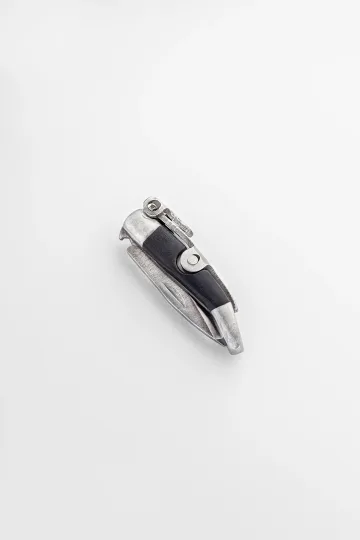
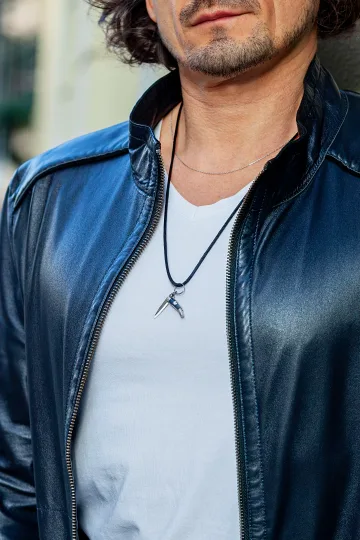
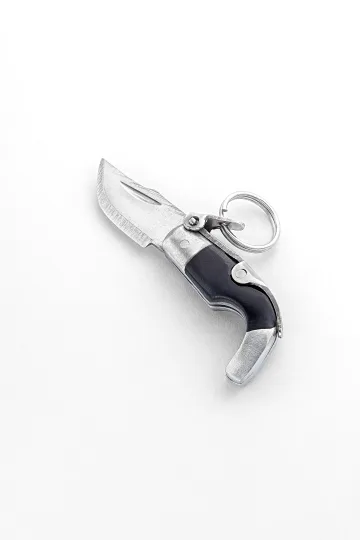
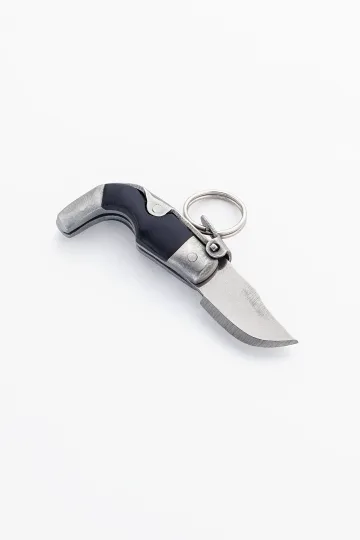
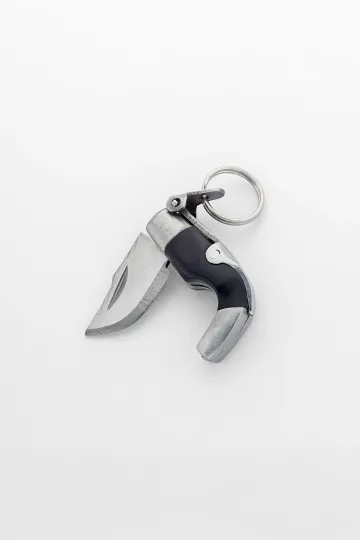
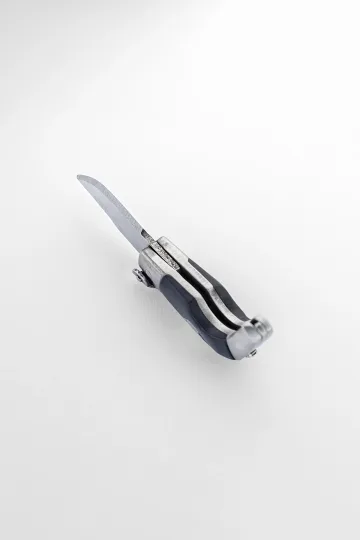
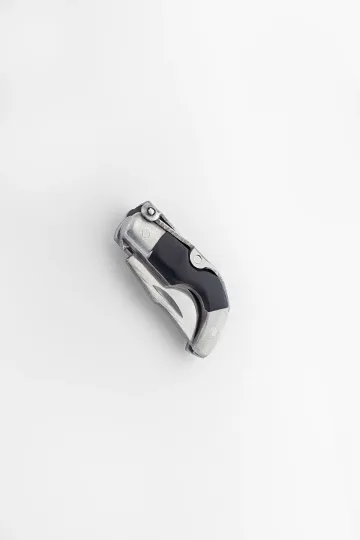
CAPAORA mini knife pendant
The 18th-century Spanish navaja in miniature: 40 mm of stainless steel, a real folding mechanism and a Palanquilla lock that clicks. An affordable gift to remember.
Authentic · Ships from Spain · 14-day returns
Practical questions of wearing
Nose piercing, sport, the pool and the sauna
A fresh piercing and the chlorinated water of a pool do not mix well: public bodies of water, open water and hot baths in the first weeks carry a risk of bringing infection into an unhealed wound. For the healing period swimming in a pool and bathing in a lake are best put off, and if there is no avoiding water, the piercing is protected with a waterproof piercing patch. The sauna and steam bath during healing are also undesirable: heat and sweat irritate the wound. In a healed piercing titanium and steel calmly tolerate the pool, the sauna and the sweat of a workout, the main thing being to rinse the jewellery with warm water afterward.
Septum, a cold and a runny nose
Something rarely flagged in advance: a freshly pierced septum and a heavy cold are an awkward combination. In the first weeks the piercing is sensitive, and vigorous nose-blowing rings through the septum, while a tissue catches on the jewellery. Experienced piercers advise against doing the septum in the thick of cold season if you catch colds easily. With a fresh piercing you should blow gently, one nostril at a time, and not touch the jewellery needlessly with dirty hands.
Whether to remove jewellery before an MRI and surgery
Before magnetic resonance imaging and planned surgery, body jewellery is usually asked to be removed. Modern implant titanium is non-magnetic and in most cases does not interfere with an MRI, but this is decided by the doctor and the clinic protocol, not the wearer. Steel and jewellery of unknown composition are removed without question. The problem is that a fresh piercing cannot be left without jewellery for long, or the channel will close. If the procedure is planned, it is worth thinking about in advance and discussing with the artist a temporary dielectric insert made of bioplast.
How to choose an artist and a studio
A piercing spot, the septum especially, forgives few mistakes, so the artist matters more than the price. The signs of a good studio are simple: a single-use sterile needle opened in front of you, not a gun, gloves, surface cleaning, an autoclave for the tools and a willingness to show certificates. The artist should be able to feel out the sweet spot of the septum, not drive the needle through cartilage. A cheap gun piercing in a random salon is a frequent cause of crooked channels, migration and slow healing. The nose piercing is not the place to save money.
Whether you can change jewellery yourself
In a healed piercing you can and should learn to change jewellery yourself: clean hands, a clean piece, calm movements without jerks. The clicker opens on a hinge, the horseshoe's balls come off, the screw twists out along its spiral. The hardest part is the first solo change, after that it is a matter of habit. But in a fresh piercing you must not change jewellery yourself before full healing: the channel has not yet formed, and an attempt to pull out and put in a stud injures the tissue and brings in dirt. Trust the first change to the artist.
Pregnancy and breastfeeding
A fresh nose piercing and pregnancy are not advised together, and the reason is not the jewellery but the healing. The body in this period is busy with other things, the immune system works differently, and any wound heals more slowly and capriciously, while extra risk of inflammation is the last thing a mother-to-be needs. On top of that, some piercing-care products are best avoided in this period. Pregnancy does not bother a healed piercing: with swelling you can swap the jewellery for one that sits a little looser. A new piercing makes more sense before or after, not in the middle.
Glasses, a mask and a mouthguard
The small things of daily life do not come to mind right away. The nose pad of glasses runs exactly where a high piercing or bridge sits, and in the first weeks it can rub and catch the jewellery, so a fresh piercing is best planned with whether you wear glasses constantly in mind. A medical mask presses and rubs less on a fresh septum than on a nostril piercing, but even here it is worth watching that the elastic and the edge of the mask do not shift the jewellery. These everyday frictions are not dangerous for a healed piercing, but during healing they add reasons for care.
Myths and cultural context
A nose piercing is forever
A nostril piercing in many cases closes up, especially if you wear jewellery for a short time and take it out in the first months or years. After long wear a small dot or a barely visible mark may remain, but this is not the irreversibility people are warned about. The septum, pierced in thin tissue, also often closes. You cannot fully predict whether a mark will stay, much depends on the skin, but the idea that a nose piercing is an irreversible step is greatly exaggerated.
Nose jewellery is not serious
The idea that a ring in the nose is incompatible with adult life and serious work comes from a narrow slice of 20th-century Western history. In most cultures of the world nose jewellery was worn for centuries by married women, mothers of families and people of high status. Today a thin stone in the wing sits calmly alongside an office dress code, while a septum hides inside in a second when needed. The lack of seriousness is not in the jewellery but in the stereotype.
The left or right side means something
In the Indian tradition the left nostril is tied to women's health, and many choose it for that reason. But there is no universal hidden meaning in the side of the piercing: in some cultures the left is significant, in others the choice is purely aesthetic, for the more comfortable or prettier side of the face. If a particular tradition is not close to you, choose the side by how you like it best in the mirror, and do not look for a hidden message in it.
Nose piercing is a Western invention
This is perhaps the most stubborn myth. In the West nose adornment became widespread only in the second half of the 20th century, which makes it seem like a young fashion. In fact the traditions of nose piercing in the Middle East, in India and among tribal peoples are thousands of years old. The West did not invent nose adornment but borrowed it, and rather late.
Send a friend a discount code, they save on their first order.
Facts that surprise
A nose ring as a woman's bank account
Among nomadic peoples a gold nose ring was not jewellery in our sense but a woman's personal capital. It stayed her property whatever the outcome of the marriage, and in a hard year the ring could be sold. In effect it was a wearable bank account and insurance at once, one impossible to take away, because it was literally on the owner's face.
The septum has a sweet spot
The nasal septum feels firm to the touch, and it seems the piercing must go through cartilage. In fact at the very base there is a thin soft strip of tissue that piercers call the sweet spot. If the artist hits it, the piercing barely hurts, though it looks frightening. The pain of the septum is greatly exaggerated precisely because people imagine a needle in cartilage.
The bridge is not a through piercing
The bridge piercing seems the most daring, as if the needle goes straight through the nose. In fact the bridge is a surface piercing: the jewellery passes only under the skin of the fold between the brows, touching neither cartilage nor bone. That is why it is fussy, the skin in this spot is mobile and often pushes the jewellery out. The drama of the bridge is inversely proportional to its real depth.
A nath can weigh as much as an earring
A wedding nath in some regions of India is so large that its weight is redistributed by a fine chain to the hair or ear, otherwise the ring would pull on the piercing all day. In effect it is a small engineering problem: to adorn the face so it can bear the weight of the gold from morning to the end of the ceremony.
Anodising colours titanium without a coating
Coloured titanium gets its shade not from paint and not from a coating that wears off, but from a thin oxide film raised by an electric current. The thickness of the film determines the colour, from gold to blue and violet. This means coloured titanium nose jewellery does not fade against the tissue, unlike gold plating, because there is nothing to paint away.
Earrings, chains, symbols, clean metals for the skin: titanium, steel, high-karat gold.
Frequently asked questions
What hurts more, piercing the wing or the septum?
Contrary to expectation, the septum, when the sweet spot is hit, is usually easier to take than the wing. The nostril piercing gives a short sharp pain and often reflexive tears, but it all passes in seconds. The septum, done by an experienced artist in soft tissue, many describe as strong pressure and the urge to sneeze rather than sharp pain. In both cases the hand and experience of whoever does the piercing decide it.
How long does a nose piercing take to heal?
The wing of the nose heals on average in two to four months, the septum about the same or a little longer. The high nostril piercing and the septril heal longer and harder, because they pass through denser tissue. The piercing can seem healed on the outside before the channel has formed inside, so do not rush to change the jewellery. The exact timing depends on your skin and on the piercing spot.
Which metal to choose for a fresh piercing?
For a fresh piercing the best choice is implant-grade titanium: it is light, clean and well tolerated even by sensitive skin. Surgical steel 316L is also common and suits most people, but anyone with a nickel allergy is better with titanium. Gold for a fresh piercing is suitable only in a high karat and without dubious additives. Cheap costume jewellery, brass, silver and gold plating are not suitable for a fresh wound.
Can you wear a nose ring at work?
It depends on the dress code, but there are more options than it seems. A thin stone in the wing usually does not clash even with strict requirements. The septum is convenient in that the horseshoe or ring can be flipped ends up, inside the nose, and the piercing becomes invisible for the working day. If a piercing is out of the question, a fake saves the day: put it on after work, take it off in the morning.
Will the piercing close if I stop wearing jewellery?
Often yes, especially if the piercing is fresh or you wore the jewellery for a short time. The channel in the soft tissue of the wing or septum tends to close when a stud is taken out of it for a long time. After years of wear a small dot or barely visible mark may remain. Full disappearance cannot be guaranteed, it all depends on the skin, but a nose piercing is far from always irreversible.
What is the difference between a clicker and a horseshoe?
A clicker is a closed ring with a hinged segment that snaps shut, convenient to insert and remove, and it does not get lost. The horseshoe, or circular barbell, is an open U-shaped ring with removable balls on the ends, easy to hide by flipping the ends inside the nose. The clicker is more practical to handle, the horseshoe more versatile for hiding a septum. Many people keep both for different occasions.
Can you adorn the nose without a piercing at all?
Yes, fakes exist for that. For the septum there are clip-on rings and horseshoes on a soft grip or spring, slipped on in a second. For the wing of the nose there are magnetic stones: two parts hold through the tissue of the wing by magnets. A quality fake is almost indistinguishable from real jewellery from the outside and comes off in a second without marks.
What is the sweet spot of the septum?
The sweet spot is a thin soft strip of tissue at the very base of the nasal septum, between the firm cartilage and the lower edge. If the artist passes the needle exactly through it, the piercing comes out almost painless and neat. A piercing outside this spot, through cartilage, is more painful and heals worse. The skill of finding the sweet spot sets an experienced piercer apart, so choosing an artist for the septum deserves particular care.
Conclusion
Nose adornment has travelled from the wedding gold of nomads and Vedic rites to the thin stone that anyone wears today with no undertone. Between the wing and the septum, the ring and the stud, titanium and gold, the piercing and the fake there is a choice for any character, any job and any readiness for a needle. The main thing is to remember two things: clean metal for a fresh piercing and a good artist instead of advice from the internet. The rest is a matter of taste and the shape of the face.
Buying it as a gift? Each one arrives ready to give.
 A branded Zevira box and a little card come with every order.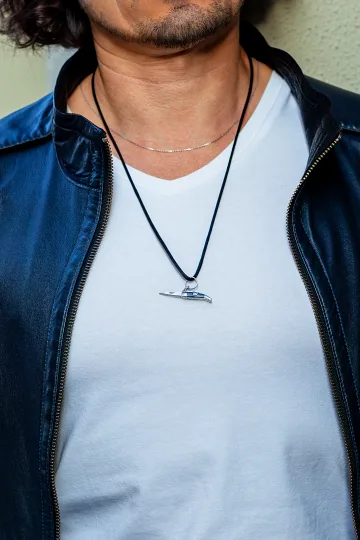




About Zevira
Zevira gathers jewellery that is worn every day and passed on, not hidden in a box for holidays. We bet on honest materials and shapes that do not go out of style: clean titanium and surgical steel where metal touches skin, high-karat gold where durability matters. In our approach nose jewellery stands alongside earrings and chains, as part of a considered look rather than a random detail. If you are choosing between a piercing and a fake, between a ring and a stone, write to us, we will help pick the size, metal and shape for your face.