Chakras and Stones: Matching the Seven Chakras to Stones and Colors
Why It Helps to Understand Chakras and Stones
A rainbow mapped onto the body: red low in the belly, violet at the crown. That is how an Indian tantric tradition, more than a thousand years ago, described seven centres of energy, and a matching stone was later chosen for each one. It is a beautiful system with a long history, even though it has nothing to do with medicine. Let us walk through it honestly.
The idea is simple, and that is part of its pull. Along the spine, from the tailbone to the top of the head, sit seven knots through which a kind of life energy is said to flow. Each knot has its own colour, its own mood, its own area of responsibility. And since a chakra has a colour, you can assign it a stone in the same shade: red jasper for the root, blue aquamarine for the throat, violet amethyst for the crown. What you get is a clear visual map where mineralogy meets Indian philosophy.
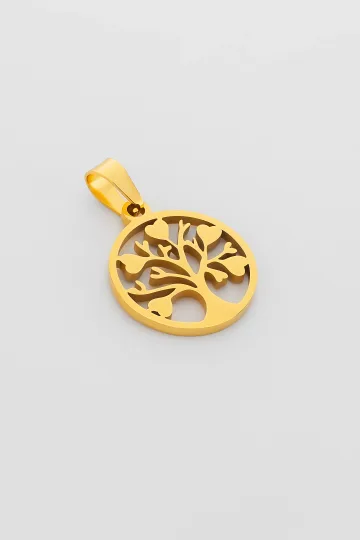
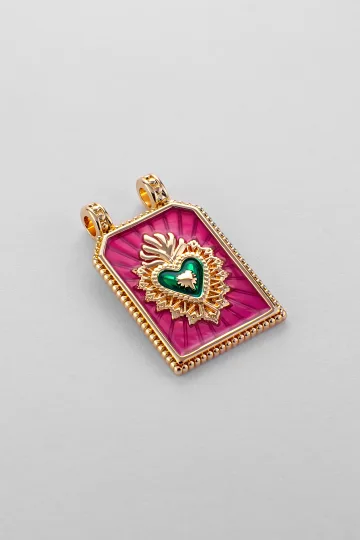
Wear the symbol, don't just read about it. These are in stock:

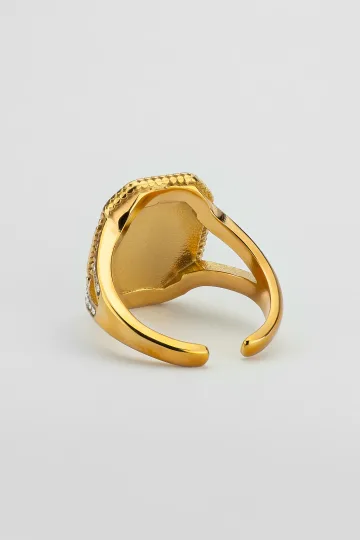
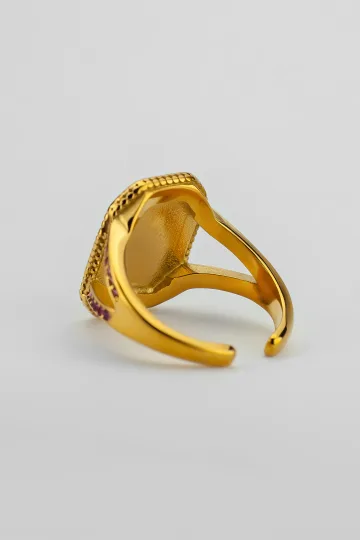


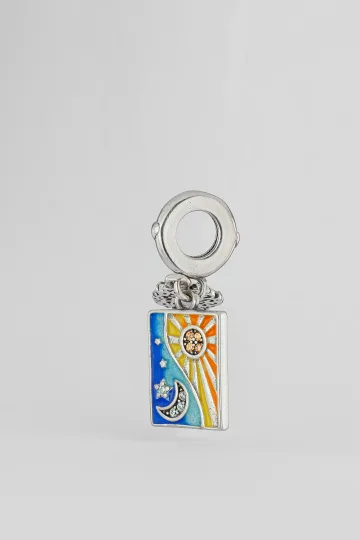
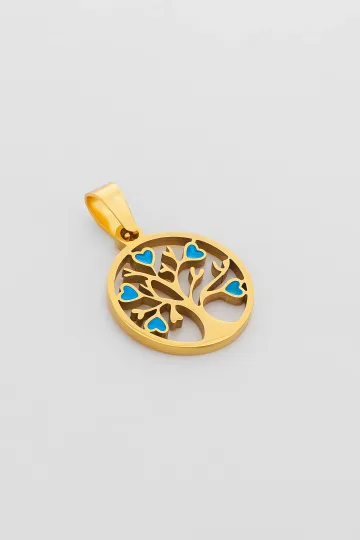


From here we will go through all seven chakras. For each one we will look at what its name means, where it sits, which colour and which stones are traditionally linked to it, what those stones are actually made of, and how people tend to wear them. Let us agree on honesty from the start. Chakras are part of a spiritual and bodily culture, not a diagnosis and not a prescription. A stone does not heal and does not "open" anything physical. But as a way to choose a piece of jewellery with personal meaning and handsome symbolism, the system works beautifully, and that is where its value lies.
What Chakras Actually Are
Where the Idea Comes From
The word "chakra" in Sanskrit means "wheel" or "circle." The first descriptions appear in the later Upanishads and in the tantric texts of Hinduism and Buddhism, with the most developed versions taking shape roughly between the eighth and fifteenth centuries. The classic sixteenth-century treatise Shat-chakra-nirupana describes in detail six centres along the spine plus a seventh at the crown, each with its colours, its lotus petals, its sounds and its deities.
Originally the chakras were part of yogic practice and meditation, a tool for working with attention and breath, and not a table matching "stone to illness." The rainbow scheme we know today, where the root chakra is red and the crown is violet, took shape much later and largely in the West. It was popularized in the twentieth century, when Indian ideas reached Europe and America and merged with colour theory. So an ancient philosophy acquired a convenient modern look.
Seven Centres: A Map of the Body
The seven chakras are arranged from the bottom up. Muladhara at the base of the spine answers for grounding and safety. Svadhisthana, just below the navel, is tied to sensuality and creativity. Manipura at the solar plexus is will and confidence. Anahata at the centre of the chest answers for love and acceptance. Vishuddha at the throat is linked to speech and self-expression. Ajna between the brows is intuition and clarity of mind. Sahasrara at the crown stands for a connection to something larger than the single person.
There is a logic to this ladder: bodily, "earthy" themes at the bottom, emotional ones higher up, intellectual and spiritual ones higher still. From survival to meaning. Even if you treat the chakras as a metaphor, this vertical line neatly sorts the different sides of life into place, and that is precisely why the scheme has stuck around.
Why "Tradition" Is a Fairer Word Than "Treatment"
Here it is worth being blunt. Neither chakras nor stones have any confirmed medical effect. Science finds no "wheels of energy" in the body, and a mineral resting on the skin does not change how an organ works. Every story about "a stone that heals the thyroid or cleanses the liver" is folklore, not fact.
So throughout this article the phrasing stays the same: "in the tradition it is considered," "it is customary to associate," "symbolically it is linked to." That is not an excuse, it is honesty. A stone with chakra symbolism is valuable as a beautiful object with a story and personal meaning, as a reminder of what matters to you right now. Expecting a medical effect from it makes no sense, but taking pleasure in a meaningful piece of jewellery makes plenty.
One chakra stone, worn to its address. Seven on a string is a souvenir stall, not balance.
What to Wear a Chakra Stone With
All seven colours of this system have passed through my hands, from blood-red jasper to transparent rock crystal. A stone with chakra symbolism does not have to be an esoteric amulet; more often it is simply a beautiful coloured piece with a clear idea. I have gathered here what really works in a living wardrobe, without promises of magic.
A warm stone or a cool one, and why that decides everything? I always start here. The red, orange and yellow stones of the lower chakras (jasper, carnelian, citrine, tiger's eye) are warm, and for them I recommend yellow or rose gold. The blue and violet stones of the upper chakras (aquamarine, turquoise, lapis, amethyst) are cool, and for them I suggest white gold, platinum or silver. Green aventurine and transparent rock crystal are versatile. Miss with the temperature of the metal, and even a beautiful stone will look out of place.
How do I wear a stone at the level of its zone without looking odd? It is simpler than it seems. A blue throat-chakra stone I suggest on a short chain, at the collarbones; a green or pink heart-chakra stone at a length to the centre of the chest. Stones of the lower chakras I reach for in bracelets and rings. This works as pure aesthetics: a short pendant opens the neck, a long one lengthens the silhouette. Meaning and beauty coincide, and there is no mysticism to explain to anyone around you.
What would you recommend for the office and weekdays? One stone, not a rainbow set. A thin pendant with amethyst or small aquamarine studs do not argue with a shirt and do not look carnival-like. Cool stones sit calmly on grey, blue and white, while a warm carnelian brightens beige and chocolate knitwear. A rainbow bracelet of seven stones I suggest saving for weekends and vacation, since on weekdays it looks too festive.
And how do I put together an evening look? In the evening the stone becomes the accent. A large amethyst or a deep lapis in earrings, with hair pinned up and shoulders bare, reads as expensive. A ring with one rich stone I recommend letting take the solo: keep the other fingers empty, since one bright piece looks more distinguished than three medium ones. Transparent rock crystal plays beautifully in evening light and suits any outfit.
How do I put on several stones at once without turning into a showcase? I suggest keeping a close temperature or a single colour line. Three upper cool stones (cyan, blue, violet) layer well together, but mixing blood-red jasper with transparent crystal in one look I would not advise, since it falls apart into pieces. Soft turquoise and malachite I recommend keeping away from knocks, in earrings and pendants. More than three stones at once I would not advise anyone, except for the stage.

Turn on your camera, pick earrings, a pendant or a ring, and see the piece on yourself in real time.
Switch items in one tap.
Everything runs in your browser: no photo or video is ever uploaded.
Colour, Light and Stone: How They Were Linked
Why the Chakras Were Matched to a Rainbow
The overlap of seven chakras and seven rainbow colours looks mystical, but the explanation is plain. The idea of splitting visible light into exactly seven colours belongs to the European tradition: it was Isaac Newton who picked out seven shades in the spectrum in the seventeenth century, largely for reasons of harmony, by analogy with the seven notes. The boundary between "cyan" and "blue" is arbitrary, and the eye sees a continuous transition.
When twentieth-century Western authors joined the Indian chakras with colour theory, the seven met the seven almost perfectly, and the root chakra got red, the crown violet. Handsome, clear, easy to remember. But it is worth keeping in mind: in the old Indian texts the colours of the chakras' lotus petals are different, and the familiar rainbow is a modern overlay. That does not make the system any worse, it simply means its age is worth knowing honestly.
What Science Says About "Colour Therapy"
Colour really does affect a person, but at the level of perception and mood, not organs. Warm shades feel subjectively energizing, cool ones calming, and studies in the psychology of perception back that up. This is what the whole appeal of coloured symbolism rests on: a red stone feels energetic, a blue one restrained.
But "colour therapy" as treatment with light of a particular shade has no scientific support. Wearing red jasper to "activate" an organ is meaningless from the standpoint of physiology. Choosing a piece in a colour that lifts your mood and means something to you, on the other hand, is entirely reasonable. The difference is in the wording: not "the stone heals," but "the colour and the meaning please me." Within that honest frame, chakra jewellery works splendidly.
Customer reviews
Zevira is a real jewellery shop. Genuine payments, deliveries and customer thank-yous.
🥰🥰🥰 gracias
Ok, ¡gracias! 🙂
The Seven Chakras and Their Stones
Now the main part: a look at all seven centres in order, from the bottom up. For each chakra there is its meaning, its colour, its zone on the body and the stones traditionally linked to it, with a short mineralogical note on each. Keep the honesty frame in mind: all of this is symbolism and tradition, not a medical indication.
Muladhara: The Root Chakra, Red, Jasper and Garnet
Muladhara translates from Sanskrit as "root support" and sits at the base of the spine, in the area of the tailbone. It is the foundation of the whole system, the first chakra. In the tradition it is tied to a sense of safety, to stability, to the feeling of "ground beneath your feet," to money and to the body as such. The colour is red, the densest and most "earthy" in the spectrum.
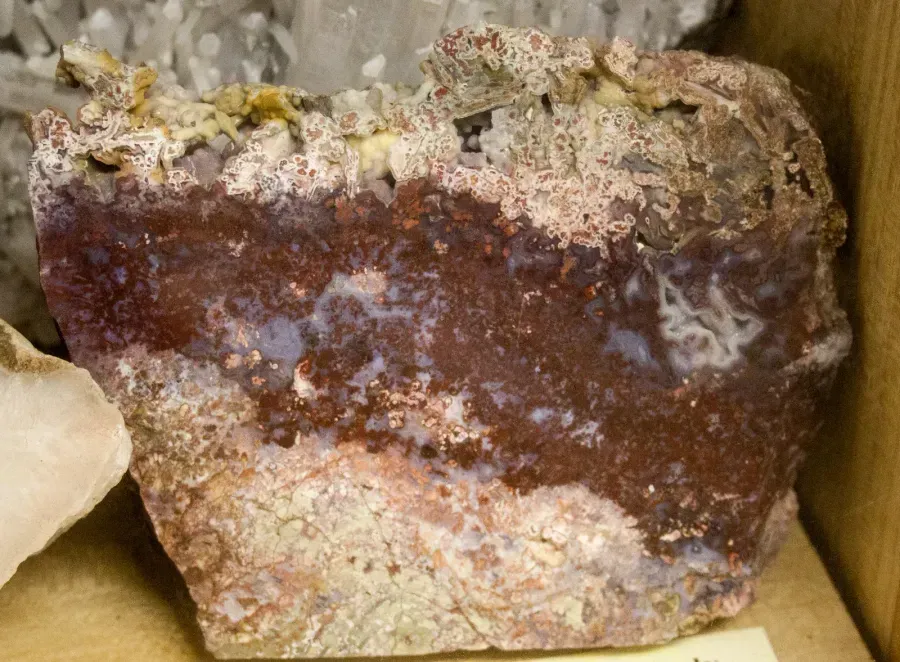
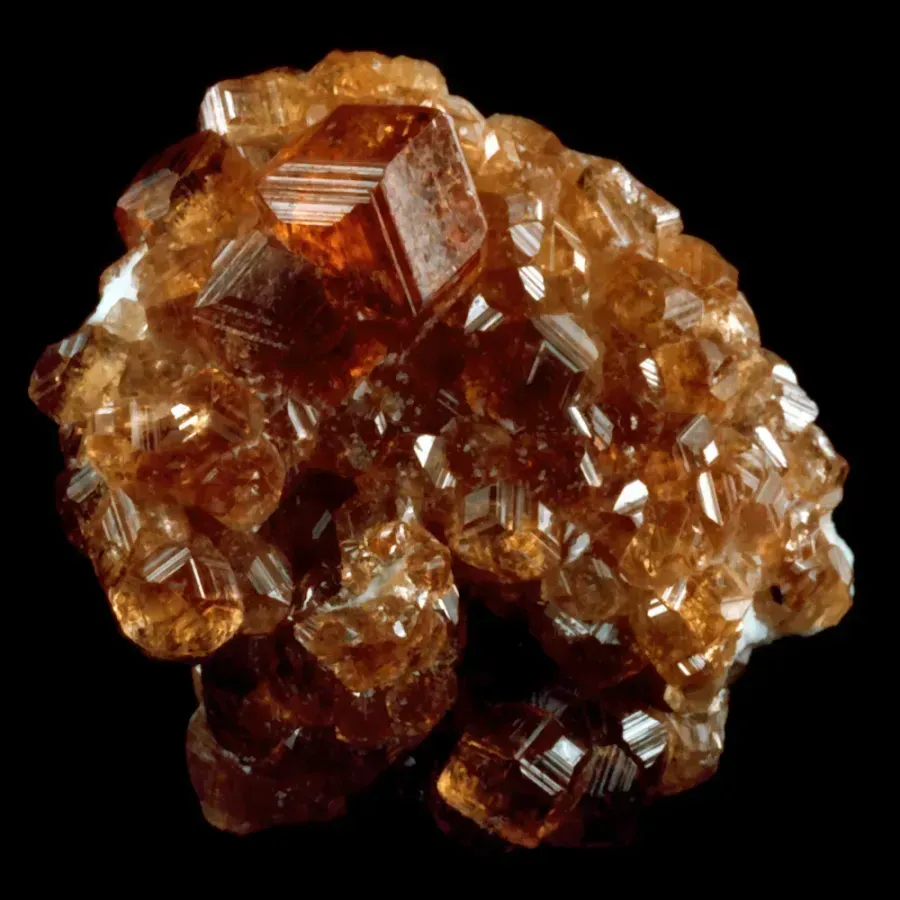
The stones chosen for it are dark and saturated. Red jasper is an opaque silica, a variety of chalcedony, hardness around 7 on the Mohs scale, of an even brick-red tone. People love it for its calm matte surface without sheen, which reads symbolically as "groundedness." Garnet, a dark-red silicate, adds depth and a noble glassy shine, and its name comes from the Latin for "grainy," after the resemblance of its crystals to the seeds of a fruit. Black onyx, the black variety of agate, rounds out the trio: in the tradition it is considered a stone of protection and inner support.
Muladhara is worn close to the body and "low": bracelets on the wrist or the ankle, rings, long pendants. The logic is symbolic: the more "grounded" the theme, the closer to the earth the piece. A red stone in warm gold looks composed and expensive, without clutter. If you simply like a deep red and the idea of support, that is already reason enough to wear such a stone, and no mysticism is required for it.
Svadhisthana: The Sacral Chakra, Orange, Carnelian and Moonstone
Svadhisthana sits just below the navel, in the lower belly. Its name is translated as "one's own dwelling." In the tradition it is the centre of sensuality, pleasure, creative and bodily energy, of flexibility and the ability to feel joy. The colour is a warm orange, between the density of the red root and the yellow energy of the solar plexus.
The main stone here is carnelian, an orange-red variety of chalcedony, hardness around 7. Its warm honey colour and slight translucency land perfectly in the orange theme, and the stone has an ancient history: carnelian seals and beads turn up in Egyptian and Mesopotamian burials. The second stone is unexpected: moonstone, a milky-white feldspar with a bluish glow (adularescence). It is assigned to the sacral chakra for its link to femininity, cycles and soft sensual energy, not for its colour. Orange calcite, mild and warm in tone, is sometimes added here as well.
Svadhisthana is worn at the level of the belly and hips: long pendants down to the navel, belts with stones, rings. Orange beautifully brightens beige, chocolate and khaki in clothing and looks especially good in yellow gold. Carnelian is undemanding and suits everyday wear, while moonstone is soft (hardness around 6), so it is better kept away from knocks and worn in earrings or pendants. The symbolism here is about giving yourself permission for pleasure and creativity, and a beautiful warm stone reminds you of that as well as any talisman.
Manipura: The Solar Plexus, Yellow, Citrine and Tiger's Eye
Manipura sits at the solar plexus, between the navel and the ribs. Its name means "city of jewels." In the tradition it is the centre of will, confidence, personal power and the ability to see things through. The colour is a sunny yellow, the most "active" and warm in the upper part of the spectrum.
The leading stone is citrine, a yellow variety of quartz, hardness 7, in colours from pale lemon to rich amber. A fair detail is worth knowing: natural citrine is rare, and most of the stones on the market are heated amethyst, since violet quartz turns yellow when warmed. This is standard practice that an honest seller states openly. Tiger's eye, a quartz with a silky golden-brown shimmer (a cat's-eye effect from its fibrous structure), adds warm lustre and in the tradition is considered a stone of resolve. Yellow amber, a warm fossilised resin, is sometimes linked to Manipura too.
Manipura is worn at the level of the waist and solar plexus: medium-length pendants, belts, bracelets. Yellow stones look luxurious in yellow gold, and a monochrome warm look reads as expensive. Citrine and tiger's eye are durable and fine for daily wear, but citrine, like any quartz, can fade in strong sunlight, so it is best stored in the dark. The symbolism is about confidence and action, and a warm golden stone in a visible spot can serve as a pleasant nudge to gather yourself.
Anahata: The Heart Chakra, Green and Pink, Rose Quartz and Aventurine
Anahata sits at the centre of the chest, at heart level. Its name is translated as "unstruck," "sounding without a blow." It is the middle of the system, the bridge between the three lower, bodily chakras and the three upper, spiritual ones. In the tradition the heart centre answers for love, acceptance, compassion and harmony with yourself and others. It has two colours: the main green and the secondary pink.
There are more stones here than anywhere else. Rose quartz, a tender pink variety of quartz, is the main "stone of love" in popular tradition, soft in tone and translucent. Green aventurine, a quartz with glittering flecks of mica (the aventurescence effect), gives a calm grassy colour and a light sparkling glow. Malachite, a bright-green copper carbonate with its characteristic concentric patterns, adds depth, but it is soft (hardness around 3.5 to 4) and contains copper, so it is worn in a closed setting and not rubbed against the skin. Green jade is sometimes assigned to the heart chakra as well.
Anahata is worn quite literally at heart level: a pendant on a chain of the right length so the stone sits at the centre of the chest, which is the most logical and beautiful option. Pink and green are versatile with metal: rose quartz looks good in rose gold and silver, green aventurine in yellow and white. Rose quartz and aventurine are durable and simple to care for, while malachite calls for caution. The symbolism here is warm and easy to grasp without any esoterica: a piece near the heart as a reminder to be kinder to yourself.
Vishuddha: The Throat Chakra, Blue, Aquamarine and Turquoise
Vishuddha sits in the throat area. Its name means "purification." In the tradition it is the centre of communication, honesty, self-expression and the ability to say what you think. It makes sense that the zone is the throat itself, where the voice comes from. The colour is a clear blue, calm and cool.
The stones chosen for it are blue and turquoise. Aquamarine, a blue variety of beryl (a relative of emerald), hardness 7.5 to 8, is prized for its transparent sea-blue and is good for everyday wear. Turquoise, an opaque blue copper-and-aluminium phosphate, is one of the oldest jewellery stones, but temperamental: it is soft (hardness 5 to 6) and afraid of cosmetics, sweat and grease, which turn it green, so it is put on after makeup and kept away from water. Sodalite, a dark-blue mineral with white veining, rounds out the trio and in the tradition is considered a stone of clear speech. Sky-blue aquamarine topaz or larimar are sometimes added here.
Vishuddha is worn closest to the throat: a short chain, a choker, a pendant into the hollow at the collarbones. This is the most literal match of zone and piece in the whole system, and also the most elegant. Blue stones suit white gold, platinum and silver, a cool stone in a cool metal. Aquamarine is undemanding, but turquoise is best worn in earrings and pendants and stored in a dry place. The symbol is about an honest conversation and the ability to express yourself, and a stone at the throat supports that idea nicely, visually.
Ajna: The Third Eye, Indigo, Amethyst and Lapis Lazuli
Ajna sits between the brows, at the point called the "third eye." Its name is translated as "command" or "perception." In the tradition it is the centre of intuition, clarity of mind, imagination and the ability to see the essence of things. The colour is a deep indigo, a bluish violet, darker than the throat's blue.
The main stone is amethyst, a violet variety of quartz coloured by traces of iron, hardness 7. Its rich colour lands perfectly in the third-eye theme, and its history is a noble one: before the huge Brazilian deposits were discovered, amethyst was prized on a par with ruby and sapphire. A useful care detail: amethyst fades in strong sunlight, so it is not kept on a windowsill. Lapis lazuli, a deep-blue stone with golden sparks of pyrite, has been known since antiquity (it was used to make ultramarine for painting) and in the tradition is considered a stone of wisdom. Blue sodalite and azurite are sometimes assigned to Ajna as well.
Ajna is worn "high": earrings that frame the face, fine pendants, and in yogic and meditative practice a stone is sometimes pressed to the forehead, between the brows. Violet and blue are versatile and especially good in silver and white gold. Amethyst is simple to care for apart from its sensitivity to sun, while lapis is softer (hardness around 5.5) and dislikes water and acids. The symbolism is about clarity and intuition, and a beautiful deep stone near the face works as a calm accent, without any obligatory esoterica.
Sahasrara: The Crown Chakra, Violet and White, Amethyst and Rock Crystal
Sahasrara sits at the crown, at the very top of the system. Its name means "thousand-petaled," after the image of the thousand-petaled lotus. In the tradition it is the highest chakra, a symbol of connection to something larger than the single self, to the whole, to meaning, to whatever each person names in their own way. It has two colours: violet and white, the "lightest" and most transparent.
The stones here are pale and clear. Amethyst is in play again, now as a bridge between the third eye and the crown, in its lightest, lavender shades. Rock crystal, an utterly transparent colourless quartz, hardness 7, is considered a "universal" stone in the tradition: being colourless, it seems to hold all colours at once, so it is assigned to the crown chakra and often used in place of any other stone. White selenite, a translucent soft variety of gypsum with a silky glow, and clear or lilac quartz are sometimes added here.
Sahasrara is worn "highest of all": hair clips and hair ornaments, long earrings, fine pale pendants, and sometimes a stone is placed on the crown in meditation. Clear and white are versatile with metal and suit almost anything in a wardrobe. Rock crystal is simple to care for and durable, while selenite is very soft (hardness around 2) and afraid of water, so it is protected. The symbolism is the most abstract in the whole system, about wholeness and calm, and a clear transparent stone with its play of light conveys that idea more subtly than any other.
How Chakra Stones Are Worn
Bracelets and Sets of Seven Stones
The most popular format is a bracelet or set of seven stones, one for each chakra, laid out in the correct order of colours: red, orange, yellow, green, cyan, blue, violet. Such a "rainbow" bracelet reads at a glance and has become almost the calling card of the topic. Sometimes the seven stones are gathered into a single long sautoir pendant or into drop earrings.
The meaning of the set lies in the idea of "everything in balance": no single chakra is singled out, the whole system at once. It makes a convenient gift and a pleasing visual object, and the rainbow range looks festive and cheerful. There is one practical nuance: a set often places stones of very different hardness side by side, from soft turquoise to durable amethyst, so this bracelet is worth keeping away from knocks and not wearing during workouts, or the soft stones will scratch against the hard ones.
A Pendant at the Level of Its Zone
A subtler approach is to wear a stone at the level of "its" zone. A blue throat-chakra stone on a short chain sits at the throat, a green or pink heart-chakra stone on a longer chain falls at the centre of the chest, and the stones of the lower chakras are worn in bracelets and rings, closer to the hands and body. So the length of the chain becomes part of the meaning.
This is a lovely solution from a purely aesthetic angle too: a short pendant emphasises the neck and collarbones, a long one lengthens the silhouette and looks good under an open neckline. Even if chakra symbolism means nothing to you, the rule "stone to zone" helps you pick a chain length with intent rather than at random. Form follows the idea, and the look turns out whole.
One Stone for a Need, Not the Whole Set
Often it is wiser to wear not the whole rainbow set but a single stone that answers what matters to you right now. If you want more calm and grounding, you reach for red jasper or a dark root-chakra stone. If the theme is self-expression and conversation, you choose a blue throat stone. One meaningful stone looks more expensive and more restrained than seven at once.
This approach is more honest and more practical. It does not promise to "activate energy," it simply helps you choose a piece that carries a story that makes sense to you personally. A single stone is easier to fit into an everyday wardrobe, simpler to combine with other jewellery and more pleasant to wear every day. Minimalism here works for both meaning and style.
How Stones Are "Cleansed" and Charged in the Tradition
Plenty of rituals surround chakra stones: they are "cleansed" under running water, left out overnight under the moon, placed on salt or smudged with herbs, "charged" in the sun. It is worth understanding honestly: physically none of this changes the stone, it accumulates and releases no energy at all. What is more, some of these "cleansings" harm the stone, since salt water and sun ruin soft turquoise, moonstone and amethyst.
At the same time, the rituals themselves can be pleasant as a way to tidy your thoughts, a small practice of attention. If you enjoy holding a piece under water once a week and thinking about your own things, there is nothing wrong with that, as long as the stone can take it. And in terms of care the rule is simple and works for all stones: warm soapy water and a soft cloth for durable stones, a dry wipe for soft ones, and no ultrasound for turquoise, moonstone and malachite.
Upload a photo of your pet, someone you love, or an object. We'll build a 3D model and hand-cast it in pewter.



How to Choose a Stone for Your Need
If You Lack Grounding and Calm
When you want a feeling of steadiness and "ground beneath your feet," the system leads you to the lower chakras. Symbolically the dark-red and black stones of the root chakra fit here: red jasper, garnet, black onyx. Their calm dense colour is itself perceived as something reliable and solid.
In practice this is a good choice for an everyday piece: dark stones are undemanding, durable and easy to combine with any clothing. Garnet and onyx are good in a ring or bracelet for daily wear, red jasper in a large pendant. There is no medical calm to expect from them, but as a pleasant visual anchor, a reminder to slow down, a dark stone works well enough.
If Creative and Bodily Energy Feels Blocked
When it seems you lack lightness, joy and inspiration, the tradition sends you to the sacral chakra and its warm orange. Carnelian is the leading candidate here: its honey colour literally warms up a look. Moonstone is chosen for its soft sensual symbolism and its beautiful glow.
From a style standpoint this is an excellent warm palette for anyone whom orange and golden tones suit. Carnelian is undemanding and fine for daily wear, moonstone is better in earrings and pendants. The point is not that the stone "switches on" creativity, but that a warm, joyful shade lifts your mood and reminds you to allow yourself pleasure. That is quite enough to wear it with enjoyment.
If Things Are Hard With the Throat and Words
When the theme is self-expression, the ability to speak and be heard, symbolically the throat chakra and its blue colour lead there. Aquamarine, turquoise and sodalite are its stones, and all of them sit well at the throat on a short chain. A blue stone at the collarbones looks fresh and elegant.
In practice aquamarine is the most convenient choice: durable, clear, undemanding, suited to daily wear. Turquoise has more character, but is more temperamental in care. Blue stones suit a cool appearance and a cool palette in clothing, grey, blue, white. As a reminder of an honest conversation with yourself and others, such a pendant works gently and without pathos, and it simply decorates too.
If You Need Focus and Clarity
When you want composure, a clear head and intuition, the tradition leads to the third eye and the crown chakra, to violet, blue and clear stones. Amethyst is the versatile hero here: it covers both upper chakras at once and is beautiful, affordable and simple to care for. Lapis lazuli adds depth and a noble blue, rock crystal purity and light.
On the practical side this is the most foolproof group for jewellery. Violet and clear go with almost everything, amethyst is good in silver, in gold, for daily wear and for going out. The one rule: protect amethyst from direct sun so it does not fade. As a calm accent near the face that helps you gather yourself, a violet stone serves well, and no esoterica is required for it.



Stones for Opening, Balance and Meditation by Chakra
A whole vocabulary has grown up around chakra stones: they are "opened," "balanced," "activated," taken into meditation. The words are pretty, but behind them lies not physiology but work with attention and colour. Let us look honestly at the three most common requests, to see what really happens and what stays a metaphor.
Stones for Opening and Activating Chakras
You cannot "open" or "activate" a chakra with a stone in the literal sense: science finds neither an energy that can be switched on nor the "wheels" themselves in the body. In the tradition these words mean something else, directing attention to a particular theme through colour and symbol. A red stone brings thoughts back to grounding and the body, a blue one to conversation, a violet one to clarity. It works as a tuning of focus, not as a switch inside. So it is fairer to say not "the stone opens the chakra" but "the stone reminds me of what is a priority right now." Within that frame a coloured piece really does help you gather yourself, and no miracle is needed for it.
Stones for Balancing Chakras: What Is Behind the Words
The phrase "chakra balance" sounds beautiful, but there is no measurable state of the body behind it. In the tradition balance is a metaphor: when no side of life is skewed, everything is in its place, from a sense of grounding to clarity of thought. A rainbow set of seven stones symbolises exactly this idea of equilibrium, with no single colour singled out. You can wear it as a pleasant reminder to keep the different themes in view. But do not expect stones to level out your blood pressure, sleep or mood, since for that you go to a doctor and to a daily routine. The stone remains a piece of jewellery with meaning, and a person restores balance in their life themselves.
Stones for Meditation by Chakra
In meditation a stone more often serves as an anchor for attention. It is placed in the palm, on the chest or closer to the forehead, and its coolness and weight help you not to drift, to bring thoughts back to the breath. A stone of its own colour is taken for each theme: a dark root-chakra stone for a feeling of steadiness, a blue throat one for calm self-observation, clear rock crystal as a neutral universal option. What acts here is not the mineral but the ritual of focus itself, familiar even without any stones. If a smooth pleasant object in your hand helps you sit in silence for ten minutes, that is already a benefit. For practice a tumbled stone without facets or sharp edges is more convenient, about the size of a large coin so it lies calmly in the fist. A matte surface is nicer than a polished one, since it does not slip and does not distract with glare. It is also better to hold the stone in one constant hand: over time the object becomes a familiar signal that it is "time to slow down," much like a cup of tea at the same hour. Any stone you like by feel and colour will do for such practice, and no expensive gem is needed here.
Colours, Order and a Table of Stones by Chakra
To avoid getting lost in the system, it helps to keep three things in mind: the order of colours from the bottom up, a short "stone to chakra" cheat sheet, and the logic of assembling a rainbow bracelet. Below I have gathered all of that compactly, and the full table with body zones follows right after.
The Colours of the Chakras in Order From the Bottom Up
The order of colours is remembered by the rainbow, from the bottom up. The root chakra is red, the sacral orange, the solar plexus yellow, the heart green with pink as a secondary, the throat cyan, the third eye blue or indigo, the crown violet or white. What you get is a vertical from a warm bottom to a cool top, from dense red to transparent light. It is by this order that rainbow bracelets are assembled and stones of the matching shade are chosen. Some chakras have a second colour: the heart is assigned pink besides green, the crown white besides violet, so stones of two ranges at once suit these centres. It also helps to keep in mind the temperature halves: the lower four colours are warm and friends with yellow gold, the upper ones are cool and ask for silver or white gold. It is worth remembering honestly: this even seven-colour scheme took shape largely in the twentieth century in the West, while in the old Indian texts the petal colours of the chakras were different. The rainbow is convenient to memorise, but its real age is better known.
Which Stone for Which Chakra: A Short Cheat Sheet
If you need a quick memory jog without a table, here is a condensed version. Root: red jasper, garnet, black onyx. Sacral: carnelian, moonstone, orange calcite. Solar plexus: citrine, tiger's eye, amber. Heart: rose quartz, green aventurine, malachite, jade. Throat: aquamarine, turquoise, sodalite. Third eye: amethyst, lapis lazuli, azurite. Crown: pale amethyst, rock crystal, selenite. The logic is simple, the colour of the stone repeats the colour of the chakra, and only moonstone and rose quartz landed in their centres by meaning rather than by shade. See the full table with body zones just below, and this cheat sheet is handy to keep in mind right at the moment of purchase.
A Seven-Stone Chakra Bracelet: The Order of Assembly
The classic bracelet is assembled from seven beads strictly by the rainbow, from the bottom up: red, orange, yellow, green, cyan, blue, violet. The order is the meaning of the piece, "the whole system in equilibrium." Usually people take jasper, carnelian, citrine or tiger's eye, aventurine, aquamarine or sodalite, lapis lazuli and amethyst, and sometimes add an eighth divider bead of rock crystal. There is one practical nuance: the bracelet places stones of very different hardness side by side, from soft turquoise to sturdy amethyst. It is better worn with care, taken off before sport and cleaning, or the hard beads will scratch the soft ones. As a festive and easy-to-read gift such a bracelet works beautifully, but for daily wear it is more temperamental than a single durable stone.
Leave your email, we'll send your discount code. No spam, unsubscribe anytime.
The code arrives by email, valid on your first order.
Naturalness, Price and Care of Chakra Stones
The practical side of the topic is often more important than the esoteric one. How to tell a real stone from a dyed one, what a set actually costs, where a beginner should start, and how to clean stones without ruining them. Let us go through it in order, without promises of magic.
Natural Stones by Chakra and How to Spot a Dyed One
The market for chakra sets carries a lot of dyed and pressed stone, and it is worth knowing this in advance. Bright-blue "howlite" and "turquoise" often turn out to be dyed magnesite, an overly even red agate is tinted, and perfectly identical beads without a single flaw are a warning sign: nature is rarely so uniform. A natural stone usually warms in the hand more slowly than glass, has tiny inclusions and unevenness of colour. A couple of simple observations help: on dyed beads the pigment often gathers in cracks and in the hole for the thread, where the tone is noticeably darker, and a "too neon" blue or violet is almost always artificial. Pressed chips give themselves away by a grainy structure of glued-together pieces. The most reliable route is to buy from a seller who honestly states the treatment: heating of citrine, stabilization of turquoise, tinting of agate. A dyed stone does not become "non-working" in the symbolic sense, but paying for tinted magnesite as if it were turquoise is a shame. Ask about origin and treatment directly, and a conscientious seller will answer without dodging.
Inexpensive Stones by Chakra to Begin With
You can assemble an honest set modestly, and expensive gems are not needed for it. The quartz group covers almost the whole rainbow and costs little: rose, smoky and rock crystal, amethyst, citrine, aventurine, tiger's eye, these are all quartzes. Jasper and agate for the lower chakras are also affordable and, at the same time, durable. Good turquoise, lapis lazuli and moonstone cost more, but they are easily replaced by sodalite and blue agate. The meaning of a piece does not depend on its price: the symbolism of a modest carnelian is exactly the same as that of an expensive one. And the cheapest option is not a loose bead but a finished piece of simple form: a smooth cabochon in a thin setting looks neater than a faceted insert and chips less often. It is wiser to start with a single inexpensive stone in a colour you like, rather than a full set, and only later decide whether you want a collection.
Chakra Stones for Beginners: Where to Start
For a newcomer it is simpler to start not with the system but with a single stone. Choose the theme that is closest to you right now: grounding, creativity, confidence, love, conversation, clarity, calm. Take one stone of the right colour for it and wear it for a couple of weeks, getting used to the idea. The most trouble-free ones to start with are amethyst, aquamarine, carnelian and rock crystal, all durable, simple to care for and beautiful. Soft turquoise, moonstone and malachite are better left for later, since they are more temperamental. Do not chase a full set at once and do not pay for "charging." When one stone settles in and it becomes clear what exactly you like about this theme, you can expand with intent.
How to Safely Clean Chakra Stones at Home
Care depends only on hardness, not on the chakra. Durable stones (amethyst, aquamarine, citrine, rock crystal, garnet, carnelian, tiger's eye, jasper) are washed in warm soapy water with a soft brush and wiped dry. Soft and porous ones (turquoise, moonstone, malachite, lapis lazuli, selenite) are afraid of water, acids and cosmetics, so a dry or slightly damp soft cloth is enough for them. Ultrasound and steam must not be used on soft stones, since they crack and cloud over. The popular "cleansings" with salt and long soaking simply ruin some stones. Apply cosmetics and perfume before your jewellery, and put turquoise on last. This kind of care is more reliable than any ritual and will extend a stone's life by years.
The Hardness of Chakra Stones and What Can Be Worn Every Day
Hardness on the Mohs scale decides what will survive daily wear. Sturdiest of all is aquamarine (7.5 to 8), then the quartz group at 7: amethyst, citrine, rock crystal, rose quartz, tiger's eye, carnelian, jasper and agate. These are worn calmly in rings and bracelets every day. Lapis lazuli and sodalite, of medium hardness (around 5.5), already call for more care, and are better in pendants and earrings. Soft turquoise and moonstone (5 to 6), and especially malachite (3.5 to 4) and selenite (around 2), require gentle handling, since they dislike knocks and water. The rule is simple: the softer the stone, the higher it is best lifted, into earrings or a pendant, where it is protected from knocks against the table and keyboard. A ring is the most vulnerable place: the hand constantly rubs against something, so only the durable group from 7 goes into a ring. There is a second guide besides hardness, toughness: chalcedonies and jasper at the same number are sturdier than brittle topaz and barely fear chipping, while layered malachite splits easily along a layer even without a strong blow. For an everyday set this often matters more than the Mohs number itself.
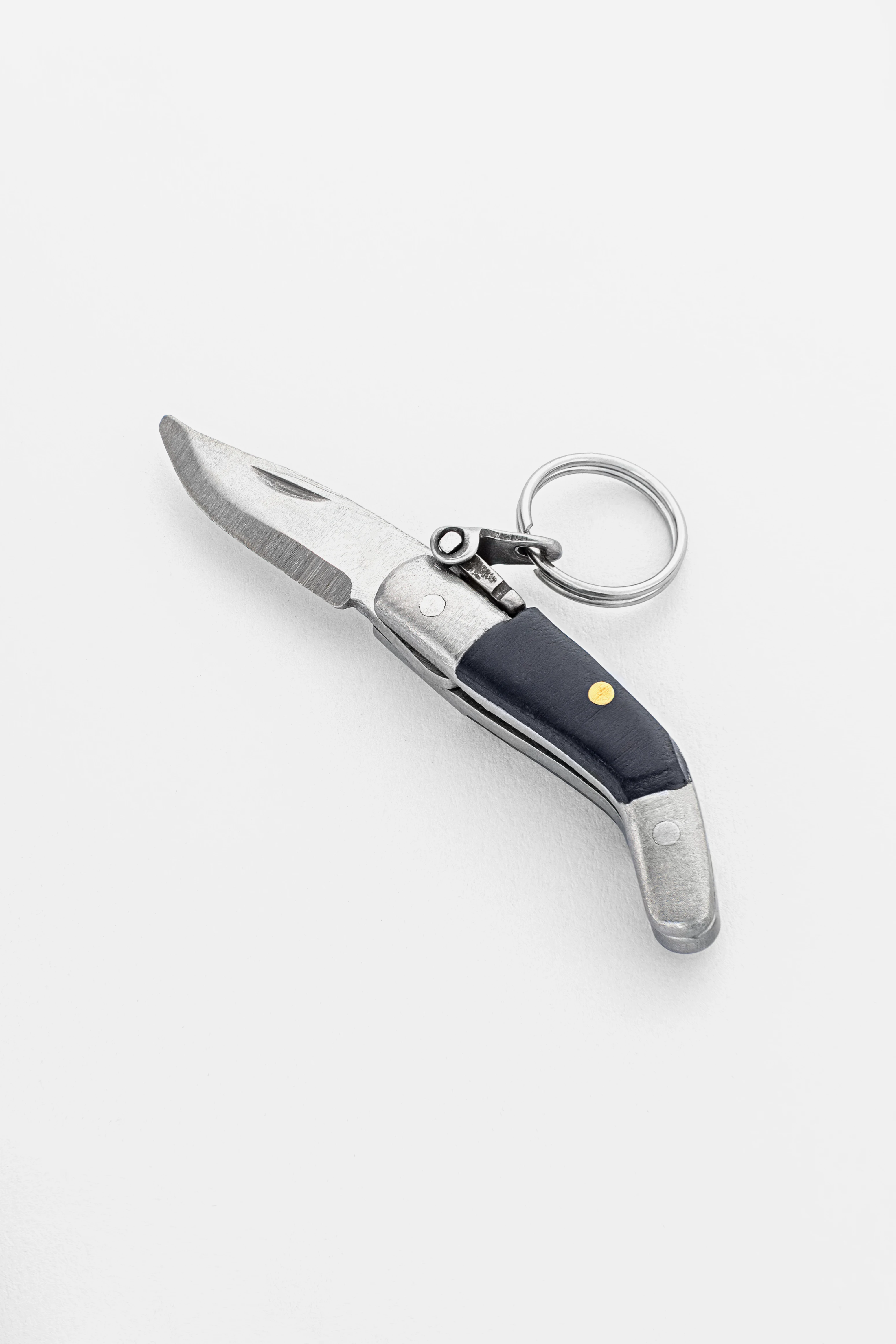
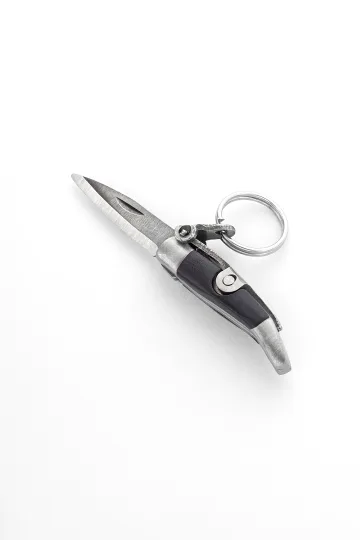
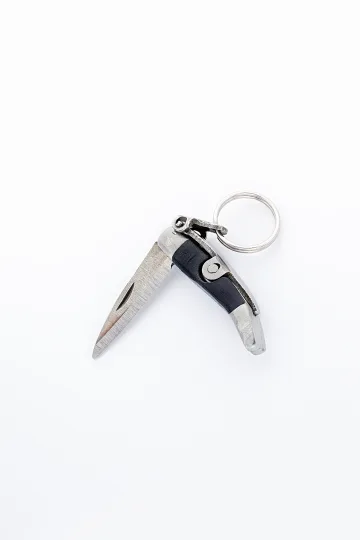
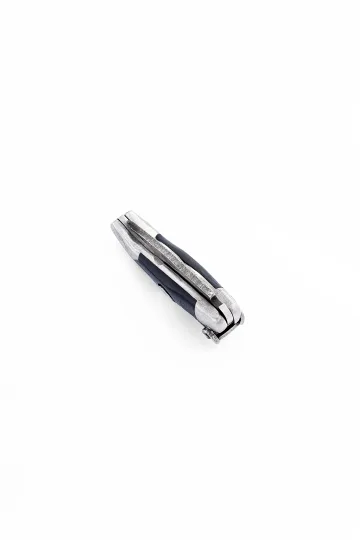
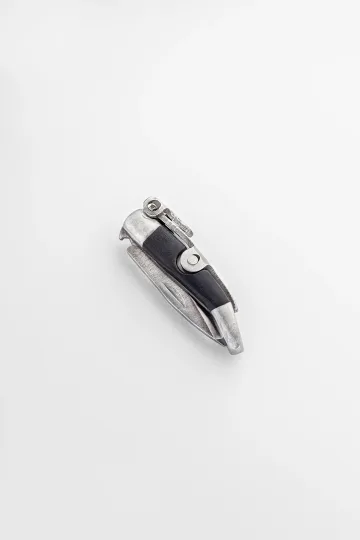
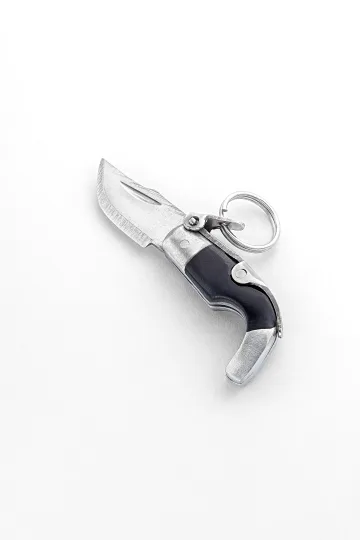
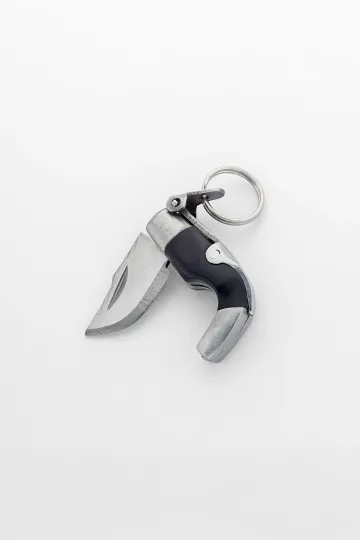
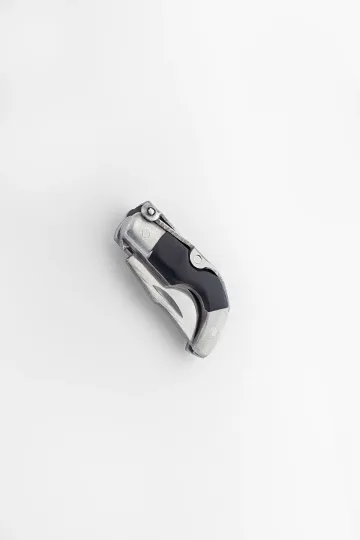
CAPAORA mini knife pendant
The 18th-century Spanish navaja in miniature: 40 mm of stainless steel, a real folding mechanism and a Palanquilla lock that clicks. An affordable gift to remember.
Authentic · Ships from Spain · 14-day returns
Chakras, the Zodiac and the Meaning of the Correspondences
Finally, about the meaning side: how the chakras relate to the zodiac, why the system has almost none of the precious "big four," why stones are placed around the home and what each correspondence means at all. This helps you choose a piece with intent, rather than on someone else's promises.
Chakras and Zodiac Signs: Is There a Link
There is no direct ancient link between the chakras and the zodiac signs, since these are two different systems from different cultures. The chakras came from the Indian yogic tradition, the zodiac from Babylonian and Greek astrology. Modern authors sometimes gather them into tables, assigning, say, the root chakra to Aries and the crown to Pisces, but such correspondences were invented recently and differ from author to author. Leaning on them as something stable is not worth it. If you like the idea of choosing a stone by both sign and chakra at once, that is a pleasant game with meanings, no more. Overlaps in stones do occur: amethyst, for instance, appears in both chakra and zodiac lists, and carnelian turns up in both as a "warm" stone. It is simpler to treat both systems as two different ways of giving a piece personal meaning: take the correspondence that is closer to you, or better yet, simply the stone whose colour your eye likes.
Precious and Semi-Precious Stones in the Chakra System
The division into "precious" and "semi-precious" is arbitrary and largely outdated, but in a conversation about chakras it comes up. Most chakra stones are precisely the affordable ornamental and semi-precious minerals: quartzes, agates, jasper, sodalite. From the "noble big four" the system contains perhaps only aquamarine, a relative of emerald, and amethyst, which before the Brazilian deposits were discovered was prized very highly. Expensive ruby, sapphire and emerald almost never make it into the classic rainbow scheme, although by colour they would fit. The reason is simple: the system was conceived as accessible and clear, not as a showcase of luxury. The value of a chakra stone lies in its colour and meaning, not in carats.
Chakra Stones for the Home and Interior
Chakra stones are kept on the body, but just as often placed around the home, and there is sound sense in that. A large amethyst druse, a rose-quartz sphere or an agate slice is a beautiful natural object that is pleasant to keep on a shelf or table. A coloured stone brightens a space and serves as a calm accent, exactly like a vase or a picture. It brings no energy into the room and does not "cleanse" the air, since it is an interior decoration, not a device. If you like the idea of arranging seven colours around the home as a reminder of the different sides of life, why not. Choose by the colour and form that please the eye. Note a couple of care details: amethyst, rose quartz and citrine fade in direct sun, so a bright windowsill is bad for them, while soft selenite fears damp and clouds over in a humid bathroom. Place such stones deeper in the room, away from the window and the radiator.
Chakras and Stones: What Each Correspondence Means
The meaning of every correspondence is one and the same: the colour of the chakra meets the colour of the stone, and a theme of life is tied to them. The red root and red jasper are about grounding and the body. The orange sacral and carnelian are about pleasure and creativity. The yellow solar plexus and citrine are about will and confidence. The green-and-pink heart and rose quartz are about love and acceptance. The blue throat and aquamarine are about honest conversation. The indigo third eye and amethyst are about clarity and intuition. The violet crown and rock crystal are about wholeness and calm. This is a language of colour and meaning, a convenient map of themes, not a medical indication. Choose the correspondence that resonates with you personally, and wear it as a reminder.
Table of Correspondences: Chakra, Colour, Stone
To keep the whole system in front of you, let us gather the seven chakras into one table: the number from the bottom up, the zone on the body, the colour and the main stones. That makes it easier to choose your stone and not get lost in the order, and at the same time to see the logic of the rainbow vertical as a whole.
Myths and Misconceptions About Chakras and Stones
A lot of beautiful legends and outright exaggerations have piled up around chakra stones. Some of them are harmless, and some get in the way of choosing a piece with sense and push you to overpay for "magic." Let us look honestly at the most persistent claims: where tradition ends, where real mineralogy begins, and where it is just marketing.
Send a friend a discount code, they save on their first order.
Facts That Surprise
The word "chakra" is far older than the rainbow scheme in people's heads. The Sanskrit "wheel" is more than a thousand years old, but the familiar table of "red root, violet crown" took shape largely in the twentieth century in the West. The ancient idea and the modern picture are two different ages, though they look like a single whole.
The seven colours of the rainbow were dreamed up not by an Indian sage but by Newton. It was an English physicist in the seventeenth century who decided to split the spectrum into exactly seven shades, partly out of a fondness for the number seven and the analogy with the musical scale. The overlap of seven colours and seven chakras is a meeting of two different traditions, not an ancient prophecy.
Most citrines are heated amethysts. Natural yellow quartz is rare, so the "sunny" stone of Manipura is most often produced by heating violet amethyst: at a temperature of several hundred degrees it turns yellow. One and the same crystal can serve both the third eye and the solar plexus, depending on how it is warmed.
Many historical "emeralds" and "rubies" turned out to be other stones. Until precise mineralogy existed, green and red gems were often confused. The famous "Black Prince's Ruby" in the British crown is a red spinel, and some of Cleopatra's ancient "emeralds," on inspection, proved to be green peridot. Colour was held more important than composition, exactly as in chakra logic.
Lapis lazuli once cost more than gold, because of paint. From this blue stone of the third eye people made ultramarine, the most expensive pigment of the old masters. Painters saved it for the robes of the Madonna, and patrons paid separately for the amount of ultramarine in a picture. Blue was prized quite literally by weight.
Turquoise changes colour, but not from energy, from cosmetics. The blue stone of the throat chakra turns green over time, and this gave rise to legends about "a stone that senses its owner." In reality the cause is prosaic: porous turquoise absorbs grease, sweat and perfume. It is the chemistry of the mineral, not a premonition.
Malachite is beautiful, but demands respect. The bright-green stone of the heart chakra is a copper carbonate, soft and sensitive to acids. Its crushed powder was used for centuries as a green paint, and in jewellery it is taken into a closed setting. Beautiful symbolism of love sits alongside a rather temperamental character.
Rock crystal is assigned to the crown precisely for its lack of colour. Transparent quartz has no colour of its own, and the tradition turned this into a virtue: since it holds not a single shade, it has room for all of them at once. So the colourless stone became "universal" and landed at the top of the system, where colour gives way to pure light.
Frequently Asked Questions
Is it true that chakra stones heal and affect health?
No. Neither chakras nor stones have any confirmed medical effect, and no reliable scientific data exist on healing with minerals. A stone resting on the skin does not change how an organ works. Chakra jewellery is valuable as a beautiful object with a story and personal meaning, as a reminder of what matters to you. Wearing it is pleasant and meaningful, but expecting a medical effect from it makes no sense, and any honest seller will say the same.
Do you have to wear the whole set of seven stones?
Not at all. A rainbow set of seven stones is just one of the formats, convenient and festive. Many people choose a single stone that answers what is more important to them right now: grounding, creativity, self-expression, clarity. One meaningful stone is easier to wear every day, simpler to combine with other jewellery, and looks more restrained and expensive than seven at once. Starting with a single stone is a sensible and honest way into the topic.
How do I figure out which chakra is "mine"?
It is more correct to ask it differently: what is in focus for you right now. If you want steadiness and calm, symbolically the lower chakras and dark-red stones lead there. If the theme is conversation and self-expression, that is the throat chakra and blue stones. If you need focus and clarity, the third eye and violet ones. This is a way to choose a piece for your mood and your need, not a diagnosis. Choose by the meaning and by the colour you like.
Which stone suits a beginner so as not to go wrong?
Amethyst. It covers both upper chakras at once, is beautiful, affordable, simple to care for and goes with almost everything, in silver and in gold. Among the warmer options carnelian is good, among the cool ones aquamarine. All three are durable and undemanding. A universal, foolproof choice is transparent rock crystal: the colourless stone is assigned to the crown chakra, and it suits any look and any metal.
How do I care for chakra stones and clean them at home?
It depends on hardness. For durable stones (amethyst, aquamarine, citrine, rock crystal, garnet, carnelian, tiger's eye) warm soapy water and a soft brush are fine. But soft turquoise, moonstone, malachite, lapis lazuli and selenite tolerate only a dry or slightly damp soft cloth, and are afraid of water, acids and cosmetics. Ultrasound and steam must not be used on soft stones. Ritual "cleansings" with salt and sun simply ruin some stones, so the physics of care deserves more trust than the esoterica.
Can jewellery with chakra stones be worn every day?
Durable stones (amethyst, aquamarine, citrine, rock crystal, garnet) will survive daily wear without trouble, especially in earrings and pendants. Soft turquoise, moonstone and malachite are better protected: they are worn for going out, taken off before sport, the shower and cleaning, and stored separately so that hard stones do not scratch them. The general rule is simple: the softer the stone, the more careful you should be with it, and the wiser it is to wear it in earrings or a pendant rather than a ring.
How do chakra stones differ from birthstones and zodiac stones?
These are different systems of correspondence with different roots. Birthstones are tied to a date and took shape as a commercial standard in the early twentieth century. Chakra stones are tied to the seven coloured centres of the body from the Indian tradition. There are overlaps: amethyst, for example, appears in both. Both systems are a way to choose a piece with personal meaning, not medicine. For more on stones by date of birth, read the separate guide, link below.
Is it worth overpaying for a "charged" or "tuned" stone?
No. "Charging" and "tuning" a stone change nothing in it physically, since this is a ritual, not a property of the mineral. The price of a stone depends on its type, quality, size and treatment, not on the rites performed over it. If a seller asks for a surcharge specifically for "energetic activation," that is marketing. Pay for beauty, quality and honestly stated treatment, and you give the stone its meaning and mood yourself, for free.
Silver, gold, jewellery with coloured stones, symbolism, matching sets.
Conclusion: Your Colour, Your Stone
Seven chakras, seven colours, dozens of stones. Red jasper of grounding and transparent crystal of purity, warm carnelian and cool aquamarine, violet amethyst that claimed both upper chakras for itself. The system is beautiful, orderly and with ancient roots, though the familiar rainbow scheme was assembled not so long ago and largely in the West.
The fairest way to treat it is as a language of colour and meaning, not as medicine. A stone does not heal and does not "open" anything in the body, but it works splendidly as a piece of jewellery with a personal story: a reminder of grounding, of conversation, of clarity, of what matters to you right now. Choose a stone by the colour you like and the meaning that is close to you, wear it with enjoyment and care for it honestly, going by hardness rather than by ritual.
If you want to dig into neighboring topics, take a look at our guide to birthstones by month of birth, the big overview of protective amulets and talismans and the guide to symbols on jewelry. All three complement the conversation about stones and meaning well.
Buying it as a gift? Each one arrives ready to give.
 A branded Zevira box and a little card come with every order.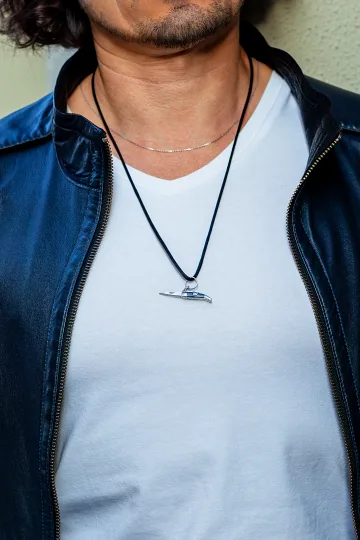







About Zevira
Zevira makes jewellery in the craft traditions of Albacete, Spain. The theme of stones is not an abstraction for us: we choose each stone for a piece ourselves, so we understand well the difference between temperamental turquoise and near-indestructible amethyst and can honestly suggest what will suit your colour, your lifestyle and your need, without promises of magic.
What you can find with us on the theme of stones and colour:
- rings, earrings, pendants and necklaces with coloured stones in every shade of the rainbow
- jewellery with symbolism for a warm and a cool palette
- options in 925 silver for cool stones and blue shades
- 14-18K gold for warm stones and rich colour
- matching and gift sets with a meaningful stone
- personal engraving with a date, a name or initials
Personal engraving is available. Silver 925 and 14-18K gold.