Unakite: the green-and-pink stone of balance, growth and recovery
Unakite looks as though nature folded spring grass and a sunset sky into a single piece of rock. Green patches, pink patches, sometimes grey veins of quartz running between them. Geologists have known it for only a little over a hundred and forty years, ever since it was described in 1874 in the Unaka Mountains of North Carolina. It is not one mineral but a whole rock. And it has a character of its own.
Most people meet unakite for the first time as a smooth bracelet or a round pendant on a shop shelf. The stone feels warm to the touch, calm to the eye, inexpensive next to clear gemstones. It is easy to pick up and easy to part with.
Behind that simplicity sits a long story: nineteenth-century American geology, an image of renewal, the habit of giving unakite to expectant mothers, and the quiet role of a stone that helps people put themselves back together in hard times.
This article looks at unakite honestly. What it really is in geological terms. Where it comes from. Why it is called the stone of balance and growth. How it is worn and what it pairs with. How to tell a worthy specimen from a dull one. And, separately, why it is so often linked with pregnancy and motherhood. No promises of miracles, but no snobbery either. The stone is interesting in its own right.
What unakite is: a plain-language definition
In a single sentence: unakite is a green-and-pink stone made of green epidote and pink feldspar with a touch of quartz. The green and the pink are mixed in patches, like marble or like two colours of porridge frozen together. Every piece is unique in pattern, because nature never repeats the same design twice.
One point of confusion is worth clearing up straight away. Unakite is not a mineral, it is a rock. A mineral has one chemical formula and one crystal structure. Quartz, for instance, is a mineral. Epidote is a mineral too.
Unakite is a mixture of minerals pressed into a single stone. That makes it more correct to call it a rock rather than a gem in the strict sense. In jewellery practice it still counts as an ornamental stone, and that is perfectly fine.
Wear the symbol, don't just read about it. These are in stock:


What it is made of
Three main players make up unakite.
The first is epidote, a green mineral. It is responsible for the grassy and olive tones. Epidote belongs to the silicate group and contains calcium, aluminium and iron. The iron in its structure gives the green shade, from pale pistachio to deep mossy. The more epidote, the greener the stone.
The second is feldspar, most often pink orthoclase. It accounts for the pink and salmon areas. Feldspars are the most common mineral group in the Earth's crust, and pink orthoclase turns up in many granites. In unakite it lends a warm, fleshy, almost peachy tone.
The third is quartz. It is usually colourless or greyish, filling the gaps and sometimes giving a glassy shine on chipped surfaces. There can be little or a lot of quartz in unakite, and it decides how translucent the stone looks along its thinnest edges.
How it looks and feels
Unakite is opaque. Light does not pass through it, only along the very thinnest edges does a faint depth sometimes show because of the quartz. Once polished, the surface is smooth and waxy with a soft sheen.
The pattern is always mottled, never uniform. Some stones are perhaps eighty per cent green with only a little pink. Some are the reverse. Some are roughly half and half, and those are valued most for their pronounced contrast.
On hardness, unakite sits at 6 to 7 on the Mohs scale. That is about the same as quartz, a touch softer or equal. For everyday jewellery that is enough. Beads, bracelets, pendants and earrings last for years. Rings ask for more care, because a stone in a ring knocks against things more often.
Where the name comes from
The name unakite comes from the Unaka Mountains, part of the southern Appalachians on the border of North Carolina and Tennessee. It was there in the 1870s that geologists found and first described this green-and-pink rock. The word Unaka itself goes back to the language of the Cherokee people, where it meant something white or connected with whiteness, a reference to snow-capped peaks. So the stone's name carries both Native American place-naming and the nineteenth-century American school of geology.
The history of unakite: from the Unaka Mountains to today
Unakite has a shorter history than emerald or pearl, yet it is rich in its own way. It is the story of a stone that began as a purely scientific specimen, then became a material for countertops and cladding, and only in the twentieth century turned into a popular jewellery stone and a piece of folk symbolism.
1874: the first scientific description
The official birth date of the term unakite is taken to be 1874. The American geologist Frank Bradley described the green-and-pink rock from the Unaka Mountains area and proposed naming it after the place it was found. Bradley worked in an era when the geological survey of the Appalachians was in full swing, and every new rock was carefully recorded. Unakite entered the scientific literature precisely then, and the name stuck.
The context is worth grasping. The nineteenth century in America was a time of huge interest in the mineral wealth of new territories. Geologists described veins, rocks and ores, mapped mountains, hunted for useful deposits. Unakite first drew their attention as a curious example of altered granite, not as a precious thing. The beauty of the stone was a pleasant side effect.
What came before the name
The green-and-pink stone existed in the Appalachians long before scholars described it. The region's native peoples, the Cherokee among them, lived in these mountains for millennia and surely knew the notable stones in streambeds and on scree slopes.
There is almost no direct written evidence of how unakite was used before Europeans arrived, because oral tradition rarely reaches us in detail. But the very fact that the mountain carries a Cherokee name speaks of a deep bond between people and this land.
In the nineteenth century, as settlers opened up the region, attractive pieces of the rock were put to practical use. Dense, mottled stone went into fireplace details, thresholds, decorative inserts. Hard speckled stone was prized for its look and for being plentiful underfoot.
Why it was the nineteenth century that named the stone
It is worth pausing on why unakite got a scientific name then and not earlier or later. The nineteenth century was a time of great geological mapping. Young states described their own ground, searching for coal, ore, building stone. Every expedition kept journals, gathered samples, handed out names.
Unakite landed in that current as a curious example of a rock that would not fit a simple scheme. It had clearly grown out of granite yet looked different. Geologists cared about recording such transitional rocks, because they tell the story of the Earth's crust. So a modest green-and-pink stone ended up in the scientific literature through the sheer luck of its timing.
Had it been found a couple of centuries earlier, it would most likely have stayed a nameless local stone. Found later, it might have been described under a more technical name. The nineteenth century handed it a resonant name after the mountains, and that name outlived every reclassification that followed.
The twentieth century: a stone for finishing and for the soul
In the first half of the twentieth century unakite was used more as an ornamental and cladding material. It went into countertops, tiles, small decorative pieces, paperweights, boxes.
The green-and-pink pattern looked good across large polished surfaces. There are reports that unakite was used to finish certain elements of buildings in the United States, including some decorative work tied to structures in Washington. The stone was thought solid and handsome, yet modest in price.
The shift in perception came in the second half of the century, when interest rose in natural stones, in minerals for everyone, in collecting tumbled pieces. Unakite fitted that demand perfectly.
It is inexpensive, recognisable, pleasant to touch, and easy to make into beads and cabochons. Stone lovers bought tumbled pieces by the handful, and unakite became a familiar guest in starter sets for beginning collectors.
Folk symbolism and the present day
It was in that second half of the twentieth century that unakite acquired its present symbolic role. In stone literature it came to be called the stone of balance, because two colours meet in it, green and pink, like two principles.
Green was linked with growth and the heart, pink with tenderness and care. Out of this grew the idea of unakite as a stone of recovery, of gradual healing, of gentle movement forward.
The same period gave rise to the tradition of linking unakite with pregnancy. The green-and-pink combination was read as a symbol of new life beginning, and the stone's calm look made it natural to give to expectant mothers.
That association has lasted to this day, and unakite is now often chosen as a gift for an awaited child and for other new beginnings.
Today unakite is one of the most affordable and recognisable ornamental stones in the world. It is sold as beads, bracelets, pendants, figurines, spheres, pyramids and raw specimens. It turns up in mineral shops, souvenir stalls, and the range of jewellery workshops that love unusual natural textures.
Unakite in collections and museums
Although unakite is not a precious stone and does not dazzle in treasure exhibitions, it has long settled into mineral collections and the teaching collections of geology departments. The reason is simple. Unakite is a vivid textbook of rock alteration in a single piece. With it, students are shown how the original granite turns into a new rock under the action of hot waters. Green patches of epidote, pink areas of feldspar and grey zones of quartz are visible to the naked eye, without a microscope. So unakite samples often lie in teaching collections alongside granite and epidote as an illustration of the process.
Stone lovers also value unakite for its collectible qualities. Whole sets are gathered from different deposits, to compare how the ratio of green to pink changes from country to country.
African, Brazilian, American and Chinese unakite are laid side by side, and the difference in the character of the colours is immediately striking. Such a collection costs little but tells a whole geographical story.
A revival of interest in the age of natural materials
It is worth saying separately how attitudes to unakite have changed over recent decades. When fashion swung towards everything natural, handmade and imperfect, unakite came out a winner.
Its mottled pattern, once thought rather plain, came to be valued precisely for its naturalness. In a world tired of the shiny and the identical, a warm green-and-pink stone with a one-off pattern began to sound fresh again.
Makers started turning it into understated jewellery, where the stone does not argue with its setting but speaks calmly for itself. So a modest rock from the American mountains was given a second youth.
Unakite is a linen-and-leather stone. Bolt it onto formal gold and it sulks. Keep it earthy, and no arguments.
What to wear unakite with
I recommend unakite to almost anyone who likes a warm, natural palette and stones without fuss. It adapts to the occasion rather than dictating it, so here is what actually works, sorted by the moment.
What do I wear unakite with every day? For daily wear I recommend a thin bead bracelet or stud earrings with a small cabochon. They add a warm point of colour to a white shirt, a linen dress or a khaki jumper without pulling focus. With jeans and knitwear unakite is a perfect match, because it loves a relaxed, informal context.
Is it right for the office? Yes, as long as you keep it restrained. I suggest one neat cabochon pendant in silver on a thin chain, or an understated bracelet with no scattering of extra stones. A deep forest shade with muted pink reads collected and does not argue with neutral business clothing. One stone instead of several looks more professional.
How do I build an evening look? For evening I choose a bolder stone, with a bright contrast of green and pink, and set it in oxidised silver that emphasises the depth. A pendant at an open neckline works as a warm patch by the face, while a long strand of beads on a plain dark dress reads dignified.
Which clothing colours does it get along with? Unakite sounds best against a neutral background: white, cream, beige and sand make the stone the main accent. A green range from olive to khaki works well too, as do earthy tones, brown and terracotta. Loud red or electric blue are trickier, the stone's soft palette gets lost next to them.
How do I wear unakite in layers? I keep one simple rule of a single bright spot: one noticeable unakite and a neutral surround of silver and calm beads. The two-colour stone is already busy, so a motley crowd around it just creates visual noise. I lay a thin strand of unakite next to plain chains, and in a stack of bracelets I leave it as the only colour accent.

Turn on your camera, pick earrings, a pendant or a ring, and see the piece on yourself in real time.
Switch items in one tap.
Everything runs in your browser: no photo or video is ever uploaded.
Geology and deposits: where unakite is born
To understand unakite, it helps to look at its birth. This is the story of how ordinary granite gradually turns into a green-and-pink stone under the action of water, heat and time.
How unakite forms
In the beginning there is granite, a hard deep-formed rock solidified from magma far underground. Granite holds a lot of feldspar, quartz and dark minerals. On its own, granite is more often grey or pinkish.
Then begins the process geologists call hydrothermal alteration and metamorphism. Hot mineralised waters pass through cracks in the granite, and sometimes the rock is heated and squeezed as the crust moves.
Under these conditions part of the dark minerals and part of the feldspar are rebuilt, and epidote, the green mineral, is born in the rock. The pink feldspar is partly preserved at the same time. The result is a mixture of green epidote and pink feldspar, which is unakite.
In other words, unakite is granite that has gone through a serious makeover. The green is the trace of a chemical reaction in which iron entered the structure of epidote. The pink is the surviving areas of the original feldspar. The grey and glassy is quartz, the toughest of the players, which came through the transformation almost unchanged.
The world's main deposits
Unakite is mined in several countries, and each source has its own character.
The United States is the home of the stone. Classic unakite from the Unaka Mountains, from the area of North Carolina, Tennessee and Virginia, has a soft mottled pattern, salmon-pink areas and a pleasant green.
American material is often considered the benchmark for appearance, though commercial mining there is modest today. For collectors, a stone from the home of unakite holds special value as a specimen from a historic site.
South Africa gives one of the brightest unakites. African stone often has a deep forest green and rich pink patches with good contrast. This material makes expressive bracelets and cabochons.
Brazil supplies unakite with a bright, almost spring-like green and a lively pink. Brazilian material is loved for the purity of its colour and for being easy to carve into figurines and large beads.
China is a major supplier of affordable unakite, mostly tumbled stones and inexpensive bead strands. Chinese material is often a little more olive with paler pink, but it works well for mass jewellery and teaching sets.
Unakite is also found in Zimbabwe and Sierra Leone, where it sometimes carries grey quartz veins. This material is prized by collectors for its unusual look and for raw specimens. Epidote-feldspar rocks of the same kind are known in parts of Europe too, though under the commercial name unakite the material on the market is more often imported.
How the stone differs from place to place
An experienced eye tells origin by the ratio of colours and the type of pattern. African unakite is usually darker and higher in contrast. Brazilian is brighter and cleaner. American is softer and warmer. Chinese is calmer and paler.
These differences do not make one stone better than another, they simply give a choice. Some want bright contrast, some prefer a muted palette. Unakite is good in that it stays recognisable and affordable in any of these guises.
In shops, the origin of unakite is rarely stated. The stone is inexpensive, and suppliers usually do not certify it by deposit. So it is better to judge by the look of the stone itself rather than by the label.
How long it takes for the stone to be born
It helps to picture the scale of time. The granite that will later become unakite solidifies from magma over thousands of years at great depth. Then new millennia and millions of years are needed for the movement of the crust to lift this rock closer to the surface and pass hot waters through it.
The change from granite to unakite goes slowly, step by step, as the solutions wash some elements away and bring others.
When you hold a smooth bead of unakite in your hand, you hold the outcome of a process that began long before the first people. That thought lends a modest stone an unexpected depth.
Why the pattern is always different
Every piece of unakite is one of a kind, and that is a direct result of the randomness of the natural process. The hot waters passed through the granite unevenly, along cracks and pores.
In one place more epidote grew, in another less. In one place large areas of pink feldspar survived, in another they were broken up. Quartz flowed into some gaps and skipped others.
The upshot is that the spread of colours in every piece is random, like the grain on a cut of timber or the surface of clouds. That is exactly why two pieces of unakite never repeat each other, and why, when assembling earrings and bracelets, you should not expect a perfect match. Variety here is not a flaw but nature's signature.
Companions of unakite in the rock
In the same places, unakite is often accompanied by other minerals and rocks. There is the granite it was born from, pure epidote as separate green crystals, quartz veins, sometimes chlorite and micas.
Experienced stone collectors read the geology of a site from these companions and predict where to look for good unakite. For a jewellery buyer this knowledge is not essential, but it explains why unakite is so often sold next to quartz and epidote in mineral sets.
Types and shades of unakite
Although unakite is always a green-and-pink rock, there is noticeable variety within that definition. Understanding the shades helps you choose a stone to your taste and to a particular piece.
By the ratio of colours
Green-dominant unakite. In these stones epidote prevails, and the pink areas look like flecks scattered across a green ground. They feel more natural, woodland, calm. They appeal to those who want a restrained green with warm accents. They look good in pieces for men and in strict, understated jewellery.
Pink-dominant unakite. Here there is more feldspar, and the stone looks warm, almost peachy, with green islands. These stones are gentler in mood and sit well against the skin as a warm accent. They are often chosen for soft jewellery and for gifts to expectant mothers.
Balanced unakite. The most prized version, where green and pink are roughly equal and the contrast between them is sharp. It was for this balance that the stone earned its reputation as a symbol of equilibrium. Balanced specimens look most striking in large beads and cabochons, where you can see the full play of the two colours.
By saturation and purity
Bright unakite has juicy, clean colours with no grey film. The green is clear, the pink alive. Such stones are valued more and go into better pieces.
Muted unakite has cloudier, olive and dusty-pink tones, sometimes with grey areas of quartz. It is calmer, quieter, cheaper and suits everyday pieces and anyone who dislikes brightness.
By type of finish
Tumbled. The simplest and most common form. Pebbles are rolled in a barrel with abrasive until they turn smooth. Tumbled stones go into scatterings, fillers, simple pendants.
Cabochons. Smooth domed stones with no facets, polished to a shine. The main format for unakite in jewellery. A cabochon shows the rock's pattern best.
Beads. Spheres, rondelles, cubes, discs, drilled for stringing. The basis of bracelets and necklaces.
Carvings and figurines. Hearts, eggs, spheres, pyramids, animal shapes. Unakite is dense enough to hold its form and looks beautiful in three dimensions.
Raw and broken specimens. Unworked pieces of the rock for collections and for those who love the stone's natural look.
The journey from rock in the mountain to jewellery
It helps to picture how unakite travels from a lump of rock to a finished piece. First the stone is mined, broken out of a vein or gathered on scree and in streambeds. At this stage it is rough, dull, without any shine, and the green-and-pink pattern is barely visible under the crust.
Next the stone is cut into slabs or pieces of the right size. The cut immediately reveals the true colours: on a fresh surface the green and pink come through vividly. The maker looks at the pattern and decides what this piece is best made into, a cabochon, a bead or a figurine.
Then come grinding and polishing. The stone is worked with finer and finer abrasive until the surface becomes perfectly smooth. It is the polishing that brings out the waxy shine and makes the pattern rich. Poorly polished unakite looks dull, while a well-polished piece literally comes alive.
Finally the finished stone is drilled for beads or set into a mount for pendants and rings. Each of these stages affects the final look, and the quality of the maker's work is visible to the naked eye.
Why tumbled stones are so popular
It is worth saying a word about tumbling, the most common form of unakite. Tumbling is done by loading small pieces of stone into a barrel with water and abrasive and rotating it for many days. The stones rub against each other and gradually round off and polish themselves.
It is a cheap and effective way to get smooth pebbles in large quantities. That is exactly why tumbled unakite is so inexpensive and sold by the handful. It goes into simple pendants, fillers, souvenirs, starter sets for beginning collectors.
Tumbling is good because it shows the natural look of the stone without interfering with its shape. Every pebble is one of a kind, and there is a charm in that. Many people begin their love of stones with a handful of tumbled unakite.
What unakite is never
Unakite is never transparent and faceted like a precious gem. If you are offered a transparent, faceted green-and-pink stone under the name unakite, it is almost certainly glass or another material. Real unakite is always opaque and always mottled.
Rare and unusual specimens
Among ordinary unakite you sometimes come across pieces with a special character that collectors value. There is unakite with very large clean patches of pink feldspar, almost like a mosaic. There is stone with thin parallel bands of green and pink, which is rarer than the mottled kind.
Now and then unakite shows tiny sparkles or inclusions of other minerals that give a faint play in the light. Such pieces are not many times more expensive than ordinary ones, but they are chosen for their individuality. For a piece of jewellery this is a chance to own a stone that absolutely no one else has.
How shade shapes the mood of a piece
Choosing the shade of unakite is largely a choice of mood. Dark forest green with a deep pink sounds serious and restrained, a stone good for strict, understated pieces.
Light pistachio with a tender, fleshy pink sounds airy and spring-like, suited to light summer looks. Olive with muted pink gives a calm, almost earthy mood, fitting for everyday wear.
Understanding this link helps you deliberately pick the very shade that will sit with your wardrobe and your character.
Customer reviews
Zevira is a real jewellery shop. Genuine payments, deliveries and customer thank-yous.
🥰🥰🥰 gracias

Ok, ¡gracias! 🙂

Meaning and symbolism: balance, growth, recovery
Here it matters to keep an honest tone. A stone does not heal and does not influence fate. But over thousands of years people have grown used to investing stones with meaning, and unakite, in its short history, has gathered a steady set of images around it. These images are interesting to know, even if you treat them as a lovely tradition rather than as physics.
Why balance
The main symbol of unakite is balance, and the reason lies literally on the surface of the stone. Two colours meet in it, two minerals, two principles. Green and pink. People have long read such pairs as a unity of opposites. Green is tied to growth, nature, moving forward. Pink to warmth, tenderness, care for oneself. When both colours live in one stone, an image is born of harmony between work and feeling, between movement and rest.
So unakite is often suggested to anyone who feels a tilt. Too much work and too little rest. Too much care for others and too little for oneself. The stone works here as a reminder, a small anchor of attention. You take it in your hand and remember that you meant to keep your balance.
Growth and gradual movement
The second steady image is growth. The green of epidote recalls young foliage, and from there comes the link with development, learning, new stages. In folk tradition unakite is called a stone of patient growth, of the kind that happens slowly and surely rather than in a leap. It is a stone for long projects, for getting back into shape after a pause, for those who build something brick by brick. On the theme of growth unakite echoes hiddenite, the green stone of new beginnings, which is credited with similar support in development.
Recovery and putting yourself back together
The third image is recovery. Unakite is described as a stone that helps you gather yourself back together after a hard time. The logic is the same colour logic. Pink comforts, green brings you back to life. Out of this grew the reputation of unakite as a calm companion for the time when you need to come round. People take it along on the road to recovery, set it on the desk while working on themselves, wear it as a quiet support.
The heart and the emotions
Because both green and pink are linked in various traditions to the area of the heart, unakite is often counted among the stones of the heart. It is credited with a gentle effect on the emotional sphere, an ability to support you through difficult feelings, to help let go of old grievances. In chakra systems unakite is linked above all with the heart centre.
A note on honesty once more. All of the above is symbolism and folk psychology, not medicine. The stone helps exactly as much as any meaningful object to which we attach an intention. That is not nothing, but it is not magic.
The psychology of colour behind the symbolism
It is interesting that the folk meanings of unakite sit rather well with what psychology knows about colour. Green is linked in many studies of perception with a sense of calm, nature and recovery. Hospitals and rest rooms are often painted in green tones for exactly this reason.
Pink is associated in many cultures with softness, warmth and reduced irritation. When these two colours meet in one stone, a person receives, at the level of perception, a calm, balanced visual signal.
This is not the magic of the stone but the work of our own sight and culture. Yet that is precisely why looking at unakite and holding it in your hand really is pleasant for many. The symbolism grew out of real experience of perception, not out of thin air.
Unakite as an anchor of attention
The main practical benefit of any symbolic stone is its role as an anchor of attention. We live on autopilot, and it is hard to keep our intentions in mind all day. A small object tied to a goal works as a reminder.
You spot unakite on your wrist and remember you meant to keep your balance today and not snap. You touch the pebble in your pocket, take a breath, slow down.
In this sense unakite is no different from a knot tied as a reminder or a note on the mirror, only it is prettier and nicer to touch. This function is real and useful, and there is no need to hide it behind talk of energies. It is enough to call it honestly a habit of mindfulness.
How unakite differs in meaning from other balance stones
There are quite a few stones credited with balance. What sets unakite apart? Its balance is one of growth and care, of movement and tenderness, not of cold and heat or masculine and feminine. That makes unakite especially close to themes of renewal, recovery and new stages, where it matters at once to move forward and to look after yourself.
Lapis lazuli is more often linked with truth and speech, haematite with grounding and protection, amethyst with calm of mind. Unakite occupies its own niche of soft, growing, restorative equilibrium. Understanding this niche helps you choose a stone deliberately, for a specific need, rather than at random.
Unakite and the heart centre
In systems that link stones to chakras, unakite is placed above all at the heart centre. That is logical given its colour. Green is the classic colour of the heart area in many traditions, and pink reinforces the theme of love and care. So unakite is described as a stone that gently supports the emotional sphere.
In practice this means unakite is suggested to those working with themes of forgiveness, acceptance, letting go of old grievances. The stone again acts as an anchor of attention: it reminds you of the intention to be gentler with yourself and others. The stone has no physical effect on the heart or the emotions, and it is important to understand that. But as a symbol of working on oneself, unakite is entirely fitting.
Unakite in the home and the workspace
Unakite is used in jewellery, and also as a stone for a space. A small sphere, a pyramid or a broken specimen is set on a desk, a windowsill, a shelf. People explain this by a wish to have a calm natural object nearby, one that reminds them of balance amid the bustle.
In the tradition of organising space, green stones are often linked with a zone of growth and development, so unakite is sometimes placed in a work corner or where plans are made. This is folk practice, not science, but there is a sound grain in it. A beautiful, meaningful object on the desk really does help you settle and focus. Unakite is good for this role through its warmth and its understatement, decorating a space without distracting.
Upload a photo of your pet, someone you love, or an object. We'll build a 3D model and hand-cast it in pewter.




Unakite as a stone of pregnancy and motherhood
A separate and most touching chapter in the biography of unakite is its link with pregnancy. Of all stones, it is unakite that is most often given to expectant mothers, and this tradition has its own inner logic.
Why unakite in particular
The root is again in the colour. Green reads as the beginning of life, as shoots. Pink as warmth, tenderness, the bodily closeness of mother and child.
When both colours are woven into one stone, you get a natural symbol of the life growing within. For many people this combination looks like the most honest image of pregnancy, free of sentimentality, warm and alive.
To this is added the calm, understated look of the stone. Pregnancy is a time when you want less bustle and more quiet. Unakite does not shout, does not sparkle, does not demand attention. It lies in the hand like a warm pebble, and that soothes.
How expectant mothers are given it and wear it
Most often unakite is given as a bracelet or a pendant. A bracelet is handy because it is easy to take off, and a pendant can be worn close to the body.
Many expectant mothers keep a small tumbled pebble in a pocket or a bag, so there is something to take in hand at a moment of worry. Some set the stone on the bedside table as a quiet symbol of waiting.
There is a gentle folk ritual where unakite is given at each stage of the waiting, or where the mother and her close ones choose the stone together as a shared symbol. This has no medical meaning, but it has a human one. Choosing a stone together is an occasion to talk, to be quiet together, to mark an important time.
Some mothers make a habit of holding unakite during the calm pauses of the day, when they want to slow down for a minute and simply rest a hand on the belly. Here the stone becomes part of a small personal ritual of quiet. It does not heal and has no physical effect, but it helps mark a moment of calm in a busy day, and there lies its honest benefit.
An honest warning
Here it must be said plainly and firmly. Unakite does not affect the course of a pregnancy, does not cure nausea, does not lessen pain, does not replace medical care. Any claim that the stone heals anything during pregnancy is fiction.
Pregnancy is a time when it is especially important to listen to the doctor and not to swap medicine for objects.
The proper role of unakite in this story is that of a keepsake gift and a quiet support for the emotions. The stone helps you slow down, take a pause, feel the care of the loved ones who gave it.
That is valuable in itself. But it is comfort and ritual, not treatment. Keep that boundary in mind, and unakite remains a very kind and fitting gift for an awaited child.
A stone for new beginnings in general
Beyond pregnancy, the same image of growth and care makes unakite a fitting gift for any new beginning. A move, a new job, recovery, the start of studies, the launch of a big undertaking. Wherever a person takes a first step and needs calm support, unakite fits as a symbol.
Unakite as a gift for a birth and the first months
The tradition of giving unakite does not end with the birth. The stone is often presented for the birth of a child too, and for the first months, when a mother is getting used to her new role and especially needs support. In this period unakite is no longer a symbol of waiting but a sign of support and calm. A small bracelet or pendant is easy to wear in the bustle of the first weeks, it does not get in the way, does not catch, asks for no care. For many new mothers it becomes a quiet reminder that they too need looking after, not only the baby. It is a careful and fitting gift that promises no miracles but carries a warm message of care.
A stone for finding yourself again after a hard time
Quite apart from motherhood, unakite is valued as a companion for recovery after any difficult period. After illness, loss, burnout, great stress, it matters to people to gather themselves slowly back together.
Unakite, with its image of gradual growth, suits this role well. It is given on discharge from hospital, at the end of treatment, at the start of a new chapter after a divorce or a move.
The meaning of the gift is simple: I am here, things will come right, go forward calmly. The stone works as a material sign of that support, one you can hold in your hand in a hard moment.
And once more, it matters to remember the boundary. Unakite supports the spirit as a symbol, but people are healed by doctors, loved ones and time.
How to explain the stone's meaning to a child
When unakite is given to a family with children, a pleasant chance for a simple conversation arises. It is easy to show a child that there is green in the stone, like grass and leaves, and pink, like warmth and love, and that together they are about growing and caring for one another.
This is a clear and honest language, free of mysticism. Children love studying mottled stones and looking for patterns in them.
Unakite is ideal for such a conversation, because its symbolism is simple, kind and asks no one to invent superpowers.
Jewellery with unakite: rings, pendants, earrings, bracelets
Unakite is good in jewellery precisely because it is inexpensive, durable and beautifully mottled. Almost every kind of piece is made from it, and each kind has its own subtleties.
Rings
A ring with unakite most often carries a large cabochon, because a flat faceted stone is not made from an opaque rock. A cabochon shows the pattern in all its glory, and a large green-and-pink field looks expressive.
Since unakite sits at 6 to 7 on Mohs and is at the same time a mixed rock, a protective setting is best for a ring. A bezel setting, which hugs the stone all round, guards the edges from chips better than a prong setting.
A ring is the most vulnerable spot for any stone, because hands are always catching on things. If you want to wear unakite in a ring every day, it is worth taking it off for cleaning, sport and handwork.
As a metal, sterling silver suits green-and-pink unakite well. The cool shine of silver brings out the green and makes the pink cleaner. Yellow alloys also work, adding warmth and echoing the salmon areas of the stone.
Pendants and drops
A pendant is perhaps the happiest format for unakite. The stone hangs freely, is not caught as often as in a ring, and sits at the heart, which chimes with its symbolism.
Pendants are made from cabochons in a setting, from large drilled beads, from broken pieces in wire wrap, and from carved forms such as a heart or a drop. Each version shows the stone in its own way, and there is room for taste here.
For a pendant you can take a bolder stone, with a bright contrast of green and pink, because at the chest it works as a warm patch of colour.
A chain or a cord is chosen by mood. A silver chain for a clean modern look, a leather or waxed cord for something natural and calm.
Earrings
Earrings with unakite are made from small cabochons or from beads. What matters here is a symmetry of mood rather than an exact match of pattern.
Two pieces of unakite will never be identical, and that is fine, even beautiful. It is better to choose a pair by overall colour balance, so the earrings look like relatives rather than twins.
Light drop earrings made of small unakite beads look summery and go well with green and beige clothing. Stud earrings with a small cabochon are a restrained option for every day.
Bracelets
A bracelet of unakite beads is the most popular kind of jewellery with this stone, and it is easy to see why. It is inexpensive, easy to wear, sits pleasantly on the wrist and shows the whole range of the stone's colours all the way round.
On a single string you can see green, pink and mixed beads, and there is a charm in that. A bracelet reads like a small palette of the whole rock.
Bracelets are made on elastic, on thread, on a chain with beads through a link. For expectant mothers and for gifts, soft elastic is more often chosen, because such a bracelet is easy to slip on and off.
You can string a bracelet only from unakite or alternate it with other stones and with silver spacers. That opens room for putting together personal combinations to suit the mood.
Necklaces and long strands
Full necklaces are made from unakite too. A long strand of green-and-pink beads looks rich through the play of colour while staying calm. A unakite necklace goes well with plain, single-colour clothing, where the stone becomes the main accent of colour.
What matters in choosing a setting and assembly
The main principle: protect the edges and the polish. Unakite is durable but softer than precious stones, so protective settings and careful assembly extend the life of a piece. For beads, a strong cord or quality elastic matters, so the string does not break. For cabochons, a tight seat in the setting matters.
Unakite and metal: which pairings work
The choice of metal noticeably changes the character of a piece with unakite. Sterling silver is the most versatile companion for a green-and-pink stone. Its cool white shine makes the green cleaner and clearer, and the pink softer and gentler.
Silver suits both strict and summer pieces, and it is the metal most often chosen for unakite. It does not argue with the stone's natural palette but quietly frames it.
Warm yellow alloys give a different mood. They echo the salmon areas of the stone and add cosiness and a vintage feel. Unakite in a warm metal looks more classic, more homely, and goes well with warm skin tones.
Oxidised silver and dark settings emphasise the depth of the green and make the stone more dramatic. That contrast is loved by those who want more expression from unakite.
Natural materials such as leather, waxed cord and wood are also great friends of unakite. They strengthen its natural character and look good in bracelets and pendants in an ethnic, calm style.
Unakite for men's jewellery
Unakite works confidently in men's pieces, especially if you choose a stone with deep green prevailing and a muted pink. A bracelet of large matte unakite beads on strong elastic looks restrained and rugged.
A cabochon pendant in oxidised silver or on a leather cord sounds calm and masculine. A raw broken specimen of unakite is good as a desktop talisman in a study.
The green-and-pink palette reads in men's pieces not as sweet but as natural, like moss and warm stone, and there lies its strength.
Unakite as an accent in layered looks
Because unakite is calm in character, it works well as one of the layers in combinations of jewellery. A thin strand of unakite next to plain silver chains or single-colour beads creates a colour accent without pulling focus.
In a stack of bracelets, unakite adds a warm natural patch among metal and neutral stones. That makes it easy to use in compositions: it complements rather than argues, and clashes with almost nothing in colour.




How to wear and activate unakite
The word activation sounds mysterious in the world of stones, but behind it lie simple, understandable actions. To activate a stone means to clean it of dust and dirt, to put it in order and to tie it to yourself through attention and habit. None of these steps is magic, but all of them make sense as ritual and as care.
Where to wear it and how often
Unakite can be worn every day. For everyday wear, bracelets, pendants and earrings suit best, because they are caught less often than rings. If you wear a ring, take it off for chores where the hands are at work.
Many wear unakite as a quiet support in tense periods. They take it to important meetings, to studies, on the road to recovery.
Expectant mothers keep a pebble in a pocket or a bag. The point is simple: an object to which an intention is attached helps you remember it at the right moment.
How to clean the stone physically
Unakite is easy to wash. Warm water, mild soap, a soft cloth or brush. After washing, the stone should be wiped dry.
You should not use harsh chemicals, acids or abrasive powders, which spoil the polish. Ultrasonic and steam cleaning are best avoided, because unakite is a mixed rock of different minerals with microcracks, and sharp stresses can harm it.
Cleansing rituals in folk tradition
The stone tradition has several gentle ways to cleanse unakite symbolically. This is not science but ritual, and it should be treated as such.
Running water. The stone is held under a stream of cool water for a couple of minutes, imagining that the water carries the tiredness away. Unakite takes water well.
Herb smoke. The stone is wafted in the smoke of dried herbs. This is an old practice of cleansing objects with smoke, common in many cultures.
Earth. The stone is laid on the ground or in a pot with a plant overnight, so that, by belief, it returns to its natural source.
Moonlight. The stone is left on the windowsill on the night of the full moon. A gentle method, safe for unakite, unlike long sun.
A note on the sun. Long direct sun is not the best option for unakite. Feldspar and epidote are on the whole stable, but prolonged heat and bright light can, over years, slightly dull the pink areas. So short sun is fine, but keeping the stone for hours in scorching sun is not advisable.
How to tie the stone to an intention
The most human part of activation is the intention. Hold the stone in your palms, think about why you want it. Balance, calm, a new stage, support while awaiting a child. Put it into simple words to yourself.
After that the stone works as a reminder. Each time you see or touch it, you recall your intention. That is the whole mechanism, and it is quite real at the level of the psychology of habit.
Caring for the piece in daily life
Take unakite off before sport, chores, the shower and sleep, if it is a ring. Store it apart from hard stones, so they do not scratch the polish. Every few weeks, wipe it with a soft cloth. With this care, unakite keeps its look for many years.
Simple daily practices with unakite
If you want to weave unakite into the day, there are a few simple, entirely down-to-earth habits. In the morning, as you put on the bracelet, spend a few seconds reminding yourself of the day's main goal. That ties the stone to an intention. In a stressful moment, take the stone in your hand and take three slow breaths, focusing on the cool smooth surface. That is a short grounding practice that works at the level of the physiology of breathing. In the evening, taking the piece off, note in your mind what good came out of the day. The stone here does not do the work for you, it only serves as a point of support for attention and habit. That is exactly how symbolic stones bring real, if modest, benefit.
Unakite in meditation and calm rituals
Many use unakite during calm pauses and meditations. The stone is placed on the palm or on the heart area, the eyes are closed, and you simply watch the breath. The warm weight of the stone helps keep attention in the body rather than in the stream of thoughts.
Some hold unakite while journalling or planning, as a quiet witness to reflection. These practices ask for no belief in the supernatural.
They work like any rituals of focus: they give attention a point of support and help you slow down. Unakite suits them especially well thanks to its calm look and its pleasant surface.
When to give the stone a rest
The stone tradition holds the idea that it is good to take a piece off now and then and let it lie. From a practical point of view there is sense in this: a regular pause in wear reduces wear on the polish, lets you clean the stone and inspect the setting. Every few weeks it is worth taking unakite off, washing it in warm water, wiping it dry and leaving it in a box for a day. If the symbolic side appeals to you, you can combine this with a gentle cleansing in moonlight or with herb smoke. The main benefit of such a pause is quite down-to-earth: the piece lasts longer, and you get to notice a weakened string or a loose setting before the stone is lost.
Combining unakite with other stones
Unakite is friendly in character and gets on well with other stones. Combinations are built either by colour or by meaning. Here are pairings tested by time.
By the meaning of balance and growth
Unakite and green aventurine. Both green, both about growth and luck in new undertakings. Together they strengthen the theme of moving forward and a new stage. A good combination for a bracelet at the start of a big undertaking.
Unakite and rose quartz. A classic pair on the theme of the heart and care. Rose quartz adds tenderness, unakite gives it support in the form of green. Often suggested to expectant mothers and to those recovering emotionally. Visually it is a soft, warm combination, where the pink echoes the pink areas of unakite.
Unakite and green jade. A calm green pair about steadiness and patience. Suited to long projects and to people who value an unhurried pace.
By the meaning of grounding and support
Unakite and smoky quartz. Smoky quartz is considered a stone of grounding, and paired with unakite it adds steadiness when thoughts scatter. A good combination for anxious periods.
Unakite and haematite. Haematite is heavy and collected, it balances the softness of unakite and gives a feeling of support. A bracelet of this pair looks more severe.
By the meaning of calm
Unakite and amethyst. Purple amethyst is linked in tradition with calm of mind. Paired with unakite it makes a gentle set for rest and sleep.
Unakite and moonstone. Moonstone is also linked with the feminine and with cycles, so paired with unakite it strengthens the theme of motherhood and intuition. A beautiful and meaningful combination for a gift to an awaited child.
By colour
Purely visually, unakite is good next to cream and white, for example next to white agate or pearls, because a light neighbour brings out its green and pink. It also looks beautiful with warm wood and matte silver.
But next to very bright, saturated stones such as deep blue lapis lazuli, unakite can get lost, so such pairs are put together with care. If you want such a contrast, choose a unakite with the brightest pattern so that it does not dissolve.
What to avoid in combinations
From a care point of view, you should not string unakite on a single thread with noticeably harder stones without spacers, because they can scratch its polish through friction. Silver or wooden spacer beads solve this problem.
Ready-made sets by occasion
It is handy to assemble themed sets from unakite combinations for a specific occasion. A set for an expectant mother is unakite, rose quartz and moonstone, a warm and soft trio about motherhood and care. A set for a new start is unakite, green aventurine and clear quartz, about growth, luck and clarity. A set for anxious days is unakite, smoky quartz and amethyst, about grounding and calm. Such sets are given as a meaningful kit, and every stone in them supports the common theme. It is a handy way to turn a simple piece into a thought-through gift with a clear message.
Colour balance in combinations
When assembling multi-stone pieces with unakite, it helps to think about colour balance. Unakite is already two-coloured in itself, so too motley a company around it creates visual noise. It looks best with one or two companions in calm tones that pick up either its green or its pink principle. For example, add green aventurine to strengthen the green, or rose quartz to support the pink. Neutral stones and metal serve as pauses for the eye. This approach gives a collected, harmonious look instead of a jumble.
CAPAORA mini knife pendant
The 18th-century Spanish navaja in miniature: 40 mm of stainless steel, a real folding mechanism and a Palanquilla lock that clicks. An affordable gift to remember.
Authentic · Ships from Spain · 14-day returns
Unakite in culture, art and everyday life
Unakite has not left a loud mark on great art, as jade did in China or lapis lazuli in Egypt, and it is honest to say so. It is a young stone with American roots. But it has found its cultural niche all the same, and that niche is interesting in its own way.
A stone of the American mountains
First of all, unakite is a stone with a strong geographical tie. For the people of the southern Appalachians it is part of the local identity, a stone of their native mountains. It is gathered in streambeds, sold in roadside stalls, given to tourists as a souvenir tied to the place.
In this sense unakite plays the same role as local stones in any region of the world: it connects a person to a particular land and its history. The Cherokee people gave the mountains their name, the geologists gave the stone its name, and there is a poetry in this blend of Native American and scientific tradition.
Unakite in decor and architecture
In the twentieth century unakite was used as a cladding and decorative stone. It was made into countertops, tiles, small pieces, finishing elements. The green-and-pink pattern looked good across large polished surfaces and lent interiors a calm natural note. There are accounts that unakite was used to finish certain elements of public buildings in the United States. Today it is hardly used in large-scale construction, but in bespoke interior decor, in small-form countertops and in stone mosaic it still turns up as a handsome and inexpensive material.
Unakite and the souvenir tradition
A huge share of the world's unakite passes through the souvenir market. Tumbled pebbles, little hearts, spheres, pyramids, animal figures. It is a stone easy to turn into an inexpensive, meaningful gift.
A little unakite heart is given as a sign of care, a sphere as a symbol of wholeness, a figurine as a talisman. The souvenir role does not make the stone any less real, it simply reflects its nature: an affordable, warm, recognisable stone for a gift from the heart.
Unakite in the modern culture of stones
In the modern culture of stone enthusiasm, unakite has taken a firm place as a stone for beginners and as a kind, all-purpose talisman. It is written about in stone guides, put into collector starter sets, suggested to those just getting to know the world of minerals.
This role suits it. Unakite does not frighten with its price, is easily recognised, and has a clear, kind symbolism. It is a good place to begin a love of stones, and many collections grew out of a first, accidentally bought green-and-pink pebble.
Leave your email, we'll send your discount code. No spam, unsubscribe anytime.
The code arrives by email, valid on your first order.
How to choose unakite and tell a fake
Unakite is rarely faked outright, because it is cheap in itself. Faking it does not pay. But the quality of natural unakite varies greatly, and there are several things worth looking at.
What to look at when choosing
Colour contrast. The best specimens have a clear, lively contrast of green and pink. Dull stones with a dirty grey film cost less and look duller. If there is a choice, take a stone with clear colours.
Balance of green and pink. A matter of taste, but many value a rough equilibrium of the two colours, because it is this that gives unakite its recognisable character. Stones that are almost all green or almost all pink look poorer in pattern.
Quality of polish. Well-polished unakite is smooth, even, with a soft waxy sheen. Poor polishing leaves matte patches, scratches and dull zones. Run a finger over it and look at the light at an angle.
Integrity. Inspect the stone for chips, cracks and crumbling, especially at the edges of cabochons and around the drill holes of beads. Small natural inclusions are normal, but fresh chips are a defect.
How to tell real unakite
A few simple marks of authenticity.
Opacity. Real unakite is opaque. Light does not pass through its body. If the stone shines through like coloured glass, it is not unakite.
Mottled pattern. Natural unakite always has an uneven, mottled design of green and pink. Too even a colour, a perfectly repeating ornament or identical bubbles inside are marks of glass or plastic.
Cold and weight. A natural stone feels cool to the touch and noticeably heavier than plastic of the same size. A plastic imitation is warm and light.
Hardness. Unakite is not scratched by a fingernail or by a coin, because its hardness is around 6 to 7. If the surface scratches easily, you have a soft fake.
What to beware of
The main traps are not fakes but mis-grading and mark-up. Sometimes a dull or strongly grey stone is sold under the name unakite at the price of a bright one. Sometimes dyed or treated tumbled stone is passed off as choice material. So judge with your eyes, not by the label. Unakite is cheap enough that you can calmly pick the best specimen out of several.
And one more thing. Do not chase a perfect pair of beads or earrings. Unakite is varied by nature, and small differences between stones are a sign of authenticity, not a defect.
A buyer's checklist
To choose a worthy unakite, keep a short list in mind. Check the contrast: green and pink should be clear, not dirty grey. Judge the colour balance and choose the one you like. Inspect the polish in the light at an angle, it should be smooth and even, without matte scratches. Check the edges and the drill holes of beads for chips. Make sure the stone is opaque and cool to the touch. If you are buying a pair or a strand, do not expect identity, expect harmony. This set of checks is enough not to go wrong, since unakite is simple and honest enough for its quality to read by eye.
Where to buy unakite
Unakite is sold in mineral shops, in jewellery workshops working with natural stones, in souvenir stalls and from private makers. It is better to choose a seller who lets you look at the stone in person or shows honest photographs in natural light without heavy editing. Too bright, retouched shots often hide a dull or grey stone. A good seller will calmly explain that unakite is a rock of epidote and feldspar, will not credit it with healing miracles and will honestly warn about care. Such openness is a sign that you will be offered a real stone at a fair price.
Common buyer mistakes
A few typical slips that are easy to avoid if you know about them in advance.
Chasing brightness at any cost. Too acid, unnaturally even a colour is often a mark of dyeing. Natural unakite is softer and more varied in tone.
Expecting a perfect pair. In earrings and matched jewellery, two pieces of unakite will never be the same. That is normal, not a defect, and demanding twins is pointless.
Buying by photo only. Heavily edited shots flatter a dull stone. Where possible, look at unakite in person or ask for honest photographs in daylight.
Taking a ring for daily wear without protection. Unakite in an open prong setting worn every day will soon pick up chips. A daily ring needs a bezel setting and care.
Believing promises of miracles. If a seller assures you that the stone cures illness or changes fate, that is cause to be wary. Honest talk about a stone is always free of loud medical claims.
Ignoring care. Even an inexpensive stone lasts longer with gentle handling. A few simple habits extend the life of a piece by years.
Is it worth paying more for a rare pattern
Sometimes sellers ask more for unakite with a particularly beautiful or unusual pattern, for example with large clean patches or with rare bands. Here a simple rule of common sense applies.
Unakite is on the whole an inexpensive stone, so even a rare specimen should not cost like a gem. A small premium for an expressive pattern is justified if the stone genuinely pleases your eye. A serious overpayment for unakite rarely makes sense, since its charm lies precisely in its accessibility.
Buy the stone you like, not the one called rare. The beauty of unakite is subjective, and the best specimen is the one you will wear with pleasure.
Caring for different kinds of jewellery
Care depends on the format. Necklaces and bracelets on thread should be checked from time to time for the strength of the cord, and restrung if needed, so as not to lose stones. Bracelets on elastic should be replaced when the elastic stretches, usually once every year or two with active wear.
Pendants should be inspected at the bail attachment. Rings ask for the most attention: check the seat of the stone in the setting and take them off for handwork. Keep earrings as a pair in a soft compartment.
The general principle for all forms is one: protect the polish from scratches, avoid blows to the edges and harsh chemicals. Then any piece with unakite lasts a long time.
Unakite and similar stones: how it differs
Buyers often confuse unakite with other motley and green stones. Let us go pair by pair, so you always recognise unakite without fail.
Unakite and jasper
Jasper can also be motley and opaque, and an inexperienced eye may mix them up. But jasper usually gives more earthy tones, reds, browns, ochres, sometimes with a landscape pattern. Unakite is always about the combination of green and pink in particular. If a stone has no pink areas of feldspar on a green ground, it is most likely not unakite but one of the many jaspers.
Unakite and green aventurine
Aventurine is a uniform green and often has tiny sparkling inclusions that give a shimmer. Unakite is never uniform and does not shimmer in the same way. The main distinguisher is the same: the pink patches. Aventurine has none, unakite always does.
Unakite and moss agate
Moss agate is translucent, with a light ground and green streaks resembling moss or seaweed. Unakite is opaque and dense, with massive patches of green and pink. If a stone shines through and the green in it looks like thin twigs inside a transparent mass, it is moss agate, not unakite.
Unakite and rhodonite
Here the confusion is real, because rhodonite is also pink-and-green. But in rhodonite the pink is the main and bright colour, a crimson, while the green and black run in veins. In unakite it is the reverse, the green more often leads, and the pink is softer and fleshier. Besides, rhodonite's pink is usually more saturated and cooler, while unakite's pink is warmer and more muted. When in doubt, look at which colour leads and how bright it is.
Unakite and dyed quartzite
Cheap imitations of motley stones are sometimes made from dyed quartzite or pressed dyed powder. They are given away by an unnaturally even colour, a repeating pattern and sometimes visible borders of dye. Real unakite always has a chaotic natural design with no repeats and no sharp dye borders. This is the main mark of authenticity.
Frequently asked questions about unakite
What is unakite in simple words
Unakite is a green-and-pink stone made of green epidote and pink feldspar with a touch of quartz. In essence it is granite that, under the action of hot waters and pressure, changed and took on its signature colours.
It is not one mineral but a rock, that is, a mixture of minerals. The green patches come from epidote, the pink from feldspar, the grey and glassy from quartz. The stone is opaque, with a smooth waxy surface after polishing.
Every piece of unakite has a one-off mottled pattern, because nature never repeats a design twice. In jewellery unakite is valued for its warm look, affordable price and recognisable combination of colours.
Is unakite a precious or an ornamental stone
Unakite is counted among ornamental and semi-precious stones, not precious ones. It is opaque, it is not faceted like diamond or sapphire, and it is inexpensive. It is a material for cabochons, beads, figurines and tumbled stones.
That modest status does not make it any worse. Unakite is valued precisely for its natural mottled pattern, for being pleasant to touch and affordable.
A good bright specimen with sharp contrast of green and pink can look more expressive than many costlier stones. So ornamental does not mean plain, it is simply a different category with different merits.
Where does the name unakite come from
The name comes from the Unaka Mountains in the southern Appalachians, on the border of North Carolina and Tennessee. It was there in 1874 that the American geologist Frank Bradley described this green-and-pink rock and proposed naming it after the place it was found.
The word Unaka itself goes back to the language of the Cherokee people and is tied to the meaning of whiteness, a reference to snow-capped peaks. So the stone's name brings together Native American place-naming and the nineteenth-century American school of geology.
Since then the term unakite has taken hold worldwide and is applied to similar epidote-feldspar rocks regardless of the country of mining.
What colour can unakite be
Unakite is always green-and-pink, but the proportions and shades vary greatly. The green ranges from pale pistachio to deep forest and olive, given by epidote. The pink runs from pale fleshy to rich salmon and coral, given by feldspar.
Between them you often see grey or transparent areas of quartz. Some stones are dominated by green, some by pink, some are balanced.
The most striking are considered to be stones with clear contrast and a rough equilibrium of the two colours. Unakite is never uniform by definition, its essence is precisely the mixing of green and pink in patches.
Is unakite a natural stone or is it dyed
Real unakite is natural and needs no dyeing, its colours are natural. The green is epidote, the pink is feldspar, both colours were born in the rock itself as it formed. Unakite needs no dyeing because it is already coloured.
Sometimes the market carries dyed or treated tumbled stone of cheap rocks passed off as bright unakite, but that is the exception rather than the rule. Opacity, an uneven mottled pattern, coolness and weight help to tell the natural stone apart.
If a colour looks unnaturally even or poison-bright, it is worth looking more closely. On the whole unakite is one of those stones that are not worth faking, because of their low price.
Where is unakite mined
The home of unakite is the USA, the Unaka Mountains in the area of North Carolina, Tennessee and Virginia. Today the stone is mined in many countries. Major sources are South Africa with bright, high-contrast material, Brazil with a clean spring-like green, and China with affordable tumbled stones and bead strands.
Unakite is also found in Zimbabwe, Sierra Leone and parts of Europe. Similar epidote-feldspar rocks are known in several mountain regions.
The origin of a particular stone in a shop is usually not stated, because unakite is inexpensive and rarely certified by deposit. It is better to go by the look of the stone itself when choosing.
What is the hardness of unakite
Unakite sits at 6 to 7 on the Mohs scale. That is about the same as quartz. Such hardness makes the stone durable enough for everyday jewellery: necklaces, bracelets, pendants and earrings last for years without much trouble.
The nuance is that unakite is a mixed rock of different minerals, so the feldspar areas are a little more vulnerable and can chip with a strong blow. Rings wear out fastest, because hands are always catching on things.
For rings it is better to choose a protective setting and take the piece off for handwork. With normal care, unakite stays in good condition for a very long time.
Can unakite be worn every day
Yes, unakite suits everyday wear. Bracelets, pendants and earrings are best for this, because they are caught less often and wear less.
A ring with unakite can also be worn, but it is sensible to take it off for cleaning, sport and handwork, so as not to chip the stone. It helps to protect the polish: store the piece apart from hard stones, wipe it with a soft cloth, wash it in warm water with mild soap.
With this handling, unakite keeps its colour and shine for years. Many wear it constantly, as a quiet support and a beautiful accent of colour.
What does unakite symbolise
In the stone tradition unakite symbolises balance, growth and recovery. Balance because two colours and two principles are joined in it, green and pink, like a unity of action and feeling.
Growth because the green epidote recalls young foliage and is linked with development and new stages. Recovery because the combination of comforting pink and enlivening green is read as an image of returning to yourself after a hard time.
Unakite is counted among the stones of the heart and linked with care for the emotions. It is important to remember that this is symbolism and folk psychology, not physical effect. The stone helps as a meaningful object to which an intention is attached.
Is it true that unakite helps during pregnancy
Unakite is often given to expectant mothers, and this tradition has a lovely logic, but an honest answer calls for precision. The stone does not affect the course of a pregnancy, does not cure nausea, does not lessen pain and does not replace medical care. Any claim of a healing effect of the stone during pregnancy is fiction.
The real and worthy role of unakite here is that of a keepsake gift and a quiet support for the emotions. The green-and-pink combination is read as a symbol of life beginning, and the stone's calm look helps you slow down and exhale.
Choosing the stone together with loved ones creates a warm ritual of waiting. That is valuable, but it is comfort, not medicine.
Why is unakite called the stone of pregnancy
The main reason is the colour. Green is perceived as beginning and shoots, pink as the warmth and tenderness of a mother. When both colours are woven into one stone, you get a natural image of the life growing within.
To this is added the calm, understated look of unakite, which chimes with the wish for quiet and peace in this special time. The stone is pleasant to hold, it does not sparkle or distract, it is easy to take along as a small support.
From these reasons the tradition was born of giving unakite for an awaited child. It is a symbolic gift and a sign of care, not a healing remedy, and it is important to keep that boundary in mind.
Who is unakite suited to
Unakite suits those looking for a calm natural stone with a warm character. It is especially loved by people going through a new stage: a move, a new job, recovery, the start of studies, awaiting a child. It fits as a gift for any new beginning and as a quiet support in a tense time.
By colour, unakite suits almost everyone, because it holds both a cool green and a warm pink, and it goes with green, beige, white and earthy clothing. By budget it is within almost anyone's reach.
If a person loves bright sparkling stones, unakite may seem too quiet, but it is precisely that quiet that is its merit.
Which stones does unakite combine with
Unakite is friendly and combines well with many stones. On the theme of growth it is joined with green aventurine and jade. On the theme of the heart and care, with rose quartz. On grounding, with smoky quartz and haematite. On calm, with amethyst. On the theme of motherhood and intuition, with moonstone.
By colour, unakite looks beautiful next to light stones such as white agate and pearls, with warm wood and matte silver. With very bright, saturated stones it is combined with care, so that it does not get lost.
When assembling bracelets with harder stones, spacers help, so that they do not scratch unakite's polish.
How to care for unakite
Caring for unakite is simple. Wash it in warm water with mild soap, wipe it with a soft cloth or brush, then dry it. Avoid harsh chemicals, acids and abrasives, which spoil the polish.
Do not use ultrasonic or steam cleaning, because unakite is a mixed rock of different minerals, and sharp stresses harm it. Store the piece apart from hard stones, so they do not scratch the surface.
Take a ring with unakite off for cleaning, sport and the shower. Do not keep the stone for hours in scorching sun, because prolonged heat over years can slightly dull the pink areas. With this care, unakite lasts a very long time.
Is unakite afraid of water and sun
Unakite is not afraid of water, it can calmly be washed and even worn in light rain or the shower, though it is best not to wet a piece daily, for the sake of the strings and the setting.
With sun it is a touch more complex. Short time in the sun is safe, but long direct light and strong heat over many hours and days can, in theory, slightly dull the pink areas of feldspar over time.
So in summer do not leave a piece for long on a hot windowsill or on the beach under scorching sun. For symbolic cleansing in moonlight, unakite is ideal, a gentle method safe for it.
How much does unakite cost
Unakite is one of the most affordable stones, and there is no point quoting exact prices here, because they depend on form, size and setting. The guide by tiers is this.
Simple tumbled stones and a strand of beads cost about as much as a good cup of coffee. A finished bracelet or a modest silver pendant comes to roughly the price of a pleasant dinner for two. A large quality cabochon in a beautiful setting or a designer piece rises to the level of a weekend on a short trip.
Carved figurines and collectible specimens are priced by craftsmanship. On the whole unakite remains a stone within almost anyone's reach, and that is part of its charm.
How to tell unakite from a fake
Unakite is rarely faked, because it is cheap, but checking authenticity is useful. Real unakite is opaque, light does not pass through its body. It always has an uneven mottled pattern of green and pink, with no perfectly even colour and no repeating ornament.
To the touch it is cool and noticeably heavier than plastic of the same size. Its surface is not scratched by a fingernail or a coin, because the hardness is around 6 to 7.
If a stone is warm, light, shines through like coloured glass or has identical bubbles inside, you have an imitation. The best way to check is to compare several specimens and trust your eyes, since a natural stone is always slightly different.
Can you give unakite to a man
Of course. Unakite suits men well, especially as a bead bracelet, on a leather cord with a cabochon, or as a raw specimen for the desk. The green-and-pink palette sounds restrained rather than sweet, especially if you choose a stone with deep green prevailing and a muted pink.
By meaning, unakite fits as a gift for a new stage, for recovery after a hard period, for the start of a big undertaking or simply as a calm talisman of balance.
Many men value natural stones precisely for their honest natural look and their pleasant weight in the hand. So unakite is a universal gift, not tied to gender.
Are unakite and epidote the same thing
Not quite. Epidote is a mineral, green, with its own chemical formula, and it can be a stone in its own right. Unakite is a rock in which epidote is joined with pink feldspar and quartz.
That is, epidote is one of the components of unakite, its green part. You could put it this way: all unakite contains epidote, but not all epidote is unakite.
Epidote on its own is rarer in jewellery and looks different, more often as dark green or yellow-green crystals. Unakite is recognised precisely by the characteristic mixing of green epidote with pink feldspar in a mottled pattern.
Which star sign does unakite suit
In popular mineral astrology unakite is most often linked with Scorpio, because it is credited with help in transformation and recovery, which chimes with the character of that sign. It is also counted among the gentle companions for all signs that value balance and care for the heart, such as Taurus and Libra with their love of equilibrium.
It is honest to say that tying stones to signs is a tradition and part of culture, not science. Unakite can be worn regardless of your birth date.
If the idea of a zodiac match appeals to you, take it as a lovely touch rather than a rule of choice. The main thing is that you like the stone.
How does unakite differ from other green stones
Unakite is easy to tell from other green stones by its two colours. Malachite is green with bands of different shades of green, but without pink. Jade and jadeite are uniformly green and denser, often translucent. Aventurine is green with sparkling flecks inside. Emerald is transparent and faceted, a precious stone of a quite different league.
Unakite is always recognised by the combination of green epidote and pink feldspar in a single mottled stone. It is precisely the pink areas and the opacity that set it apart from all other greens.
If you have an opaque, green-and-pink mottled stone in front of you, it is almost certainly unakite and almost nothing else.
Can you wear unakite in water and in a pool
Brief contact with water does not harm unakite, it is calmly washed and wiped with a damp cloth. But regular bathing in a piece is best avoided.
Chlorinated pool water and salty sea water over time harm not so much the stone itself as the setting, the glue in glued cabochons, the elastic and the bracelet string. Sea salt and sand can also scratch the polish.
So it is sensible to take a piece with unakite off before a pool, the sea and a long bath. If you happen to bathe in it, just rinse the stone in fresh water and dry it. A brief soaking in itself is no disaster, the problem lies in a constant harsh environment and in the wear of the assembly details.
How to charge or activate unakite
By charging and activation people usually mean a set of simple actions, in which there is nothing supernatural. First the stone is cleaned physically: washed in warm water with mild soap and wiped.
Then, if you wish, symbolic cleansing is done: holding it under running water, wafting it in the smoke of dried herbs, laying it overnight in moonlight or on the earth. Long scorching sun is best avoided.
The main step is to tie the stone to an intention: hold it in your palms and calmly put into words why you want it, whether balance, support or a new stage. After that the stone works as an anchor of attention and a reminder. The whole mechanism rests on the psychology of habit, not on magic, and that is an honest view of the ritual.
Is unakite suitable for a wedding or engagement
For an engagement ring, worn every day for years, unakite is not the best choice because of its moderate hardness and the fragility of the feldspar areas. Such rings take too many blows.
For wedding symbolism in general, though, unakite is quite fitting. It is given to a couple as a sign of balance and shared growth, used in talisman bouquets, in bridesmaids' jewellery, in anniversary gifts. The green-and-pink palette sounds warm and family-like.
As a daily wedding band it is better to choose a harder stone, and to keep unakite for pendants, bracelets and symbolic gifts, where it comes into its own without risk to its condition.
Does unakite fade over time
With sensible handling, unakite keeps its colour for a very long time. Its green and pink are the structural colours of the minerals themselves, not an applied dye, so they are durable.
The only real risk is prolonged strong heat and years of direct sun, which can in theory slightly dull the pink areas of feldspar over time. To avoid this, do not leave a piece for long on a hot windowsill, on a car dashboard in summer or on the beach under scorching sun for hours.
In ordinary life, with normal wear and storage away from harsh chemicals, unakite does not fade noticeably. A dull look in cheap stones is more often down not to fading but to a weak contrast from the start and poor polishing.
Which format of unakite to choose for a gift
The choice of format depends on who you are giving it to and for what occasion. A bead bracelet is the universal, can't-go-wrong option, it suits almost everyone, slips on easily and immediately shows the whole beauty of the stone. For an expectant mother a soft elastic bracelet or a small pendant is good.
A cabochon pendant in silver is a more serious gift, it suits a significant date and will be worn at the heart. A unakite heart or sphere is a warm symbolic souvenir, fitting as a sign of care for no occasion at all.
For a man, choose a bracelet of large matte beads or a pendant on a leather cord. For a collector, a beautiful raw specimen or a stone unusual in pattern is good. The main rule is simple: match the format to the person's way of life, so that the piece is actually worn rather than tucked in a drawer.
Can you sleep in a piece with unakite
You can in principle sleep in a unakite bracelet or pendant, the stone will not suffer from it. But there are practical reasons to take a piece off for the night. A bracelet may come undone or stretch the elastic, a string may catch, a ring may knock against the headboard.
From the point of view of preserving the piece, sleeping without jewellery extends its life. From the point of view of symbolism, some like to leave unakite on the bedside table as a quiet night talisman, and that is handier than sleeping in it.
If you like to feel the stone at night, choose a soft bracelet that does not press or catch. Otherwise the decision is yours, there is no strict ban here, only care for the piece.
Is unakite a men's or women's stone
Unakite is a stone with no firm tie to gender. Its green-and-pink palette sounds different depending on the setting and the choice of shade. With deep green prevailing and in a restrained setting, it looks excellent in men's pieces. With a warm pink and in an elegant setting, it becomes a gentle piece of women's jewellery.
The symbolism of balance, growth and recovery is also universal and suits everyone. So unakite is often chosen as a paired stone, a family talisman, a gift regardless of gender.
Dividing stones into men's and women's is largely a convention and a matter of taste. Unakite is good in that it easily adapts to any look, and there lies its versatility.
Unakite for children and teenagers
Unakite is often chosen as a first stone for a child or teenager. The reasons are clear. It is inexpensive, so it is no great loss if lost. It is durable for necklaces and bracelets. Its symbolism is kind and simple, about growth and care, free of frightening mysticism. A small elastic unakite bracelet is easy to put on, and the bright mottled pattern appeals to children. For a teenager unakite can become a calm talisman for the time of studies and growing up, a quiet reminder to keep one's balance. At the same time it matters not to credit the stone with superpowers when talking to a child, but to explain honestly that it is a beautiful stone with a kind story and a symbol.
Unakite against stress: what is true
Unakite is often called a stress stone, and here care is needed. The stone itself has no chemical effect on the nervous system. But the practice of holding a smooth cool object in the hand and taking a few slow breaths on it really does help to calm down, and that is explained by the physiology of breathing and by tactile grounding. That is, it is not the stone that works but the action with the stone. Unakite suits this well thanks to its pleasant surface and calm look. So the phrase about a stress stone should be understood as a handy tool for a simple practice of self-soothing, not as a magic substance.
What to replace unakite with if you do not like it
If the symbolism of balance and growth appeals to you, but unakite itself did not take to your heart by colour, there are worthy alternatives. Green aventurine gives a clean green with a sparkle and is also linked with growth. Rose quartz supports the theme of care and the heart. Moss agate, with its green inclusions, echoes the theme of nature and renewal. Amazonite gives a calm blue-green colour and is also considered a stone of equilibrium. Any of them can replace unakite in meaning. But if you are drawn precisely to a green-and-pink mottled stone, unakite has almost no equal in appearance, and there lies its uniqueness.
How to pair unakite with clothing and a look
Unakite is a coloured stone, and when choosing a look it is worth thinking about how its green-and-pink palette will fit your wardrobe. A few practical observations help you wear it beautifully.
Which clothing colours unakite befriends
Unakite sounds best against a neutral, natural background. White, cream, beige, sand make the stone the main accent and bring out its colours. Against such a background the green-and-pink pattern reads clearly and handsomely.
A green palette of clothing works well too, from olive to khaki. Green dress picks up the green principle of the stone, and the look comes out collected and calm. Earthy tones, brown and terracotta, also befriend unakite, strengthening its natural character.
With bright, saturated clothing colours, unakite is harder to combine. Against a loud red or electric blue, its soft palette can get lost. If you want such a contrast, choose a stone with the brightest, most contrasting pattern.
Unakite by season
Unakite has a pleasant seasonal flexibility. In spring and summer light pistachio and pink specimens sound fresh and easy, going with light fabrics and open outfits. It is a stone of unfolding greenery and warm light.
In autumn and winter the dark, deep specimens win, with forest green and rich pink. They sit well on dense fabrics, on knits and wool, on the warm palette of the season. Deep unakite in oxidised silver looks especially dignified in winter.
So one and the same stone, in its different shades, accompanies you all year round, simply through different facets of its character.
Minimalism or natural style
Unakite is equally good in two different approaches. In a minimalist look, an understated pendant or a thin unakite bracelet becomes the single accent of colour among simple lines and neutral fabrics. The stone here works as a quiet but noticeable point of colour.
In a natural, calm style, unakite comes into its own combined with natural materials: linen, cotton, leather, wood. Here it is part of a general natural palette, and its imperfect pattern only strengthens the living mood of the look. Both approaches suit unakite, the choice is up to your taste.
Unakite and the fashion for natural stones
Unakite has fitted well into the modern fashion for jewellery with natural, imperfect stones. A few directions where it is especially at home today.
Calm natural style. Understated jewellery, where the stone does not argue with its setting but speaks quietly for itself. Unakite is made for this approach.
Layered combinations. Thin strands and stacks of bracelets, where unakite adds a warm patch of colour among metal and neutral stones.
Mindful gifts. Interest is growing in jewellery with meaning, in gifts with a story. Unakite, with its kind symbolism of growth and care, suits this role well.
A return to craft. The love of handwork and of one-off pieces plays into unakite's hands, because its unrepeatable pattern comes into its own precisely in small workshop pieces.
Gender-neutral jewellery. The restrained green-and-pink palette sounds easily in both women's and men's pieces, which answers the demand for versatility.
In all these directions unakite works as a quiet, honest, natural stone, and it is precisely this honesty that is prized today. It does not try to seem precious, it stays itself, and there lies its strength.
Send a friend a discount code, they save on their first order.
A little glossary of unakite
To find your way more easily in talk about the stone, here is a short look at the main terms.
Epidote. A green mineral of the silicate group, which gives unakite its green colour. It contains calcium, aluminium and iron, and it is the iron that accounts for the green shade.
Feldspar. The most common mineral group in the Earth's crust. In unakite it is usually pink orthoclase, which accounts for the pink and salmon areas.
Quartz. A transparent or greyish mineral that fills the gaps in unakite and gives a glassy shine on chips. The toughest of the players in the rock.
Cabochon. A smooth domed stone with no facets, polished to a shine. The main jewellery format for unakite, showing its pattern best.
Tumbled stone. Small stones rolled in a barrel with abrasive until smooth. The most common and cheapest form of unakite.
Mohs scale. A scale of mineral hardness from 1 to 10. Unakite is around 6 to 7 on it, like quartz.
Hydrothermal alteration. The process in which hot mineralised waters change the make-up of a rock. It is this that turns granite into unakite.
Bezel setting. A setting that hugs the stone all round and protects it from chips. The best choice for unakite in a ring.
The bottom line in one paragraph
In short, unakite is a green-and-pink rock of epidote and feldspar, born from altered granite, named after the American mountains and described in 1874. It is inexpensive, durable for everyday wear, one-off in pattern, and long linked with the symbolism of balance, growth and recovery. It is given to expectant mothers and for new beginnings as a warm sign of care, remembering that the stone is a symbol and a support for feelings, not a medicine. Unakite is chosen by eye, by clear contrast and smooth polish, and protected with gentle care. That is enough for a green-and-pink stone to serve long and to please.
Buying it as a gift? Each one arrives ready to give.
 A branded Zevira box and a little card come with every order.













The essentials in brief
Before the conclusion, let us gather the gist into a few lines, so that it all settles in the mind.
Unakite is a green-and-pink rock of epidote and feldspar with a touch of quartz.
It is not a mineral but altered granite, so every piece is one of a kind.
It is named after the Unaka Mountains in the USA and was described in 1874.
Its hardness is around 6 to 7, suiting everyday jewellery, with rings asking for care.
It symbolises balance, growth and recovery, and is often given to expectant mothers.
The stone is a symbol and a support for feelings, not a medicine, and that boundary matters.
Unakite is chosen by clear contrast of colours, smooth polish and the absence of chips.
Care for it gently: warm water, no harsh chemicals and no long scorching sun.
Wear the symbol, don't just read about it. These are in stock:
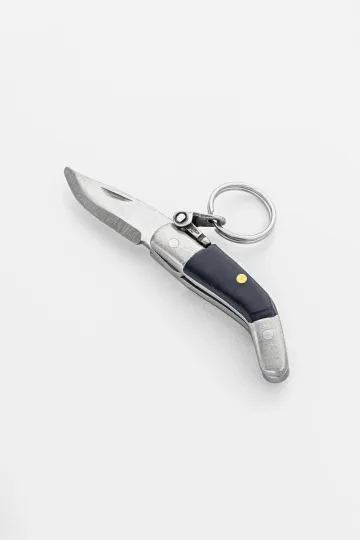
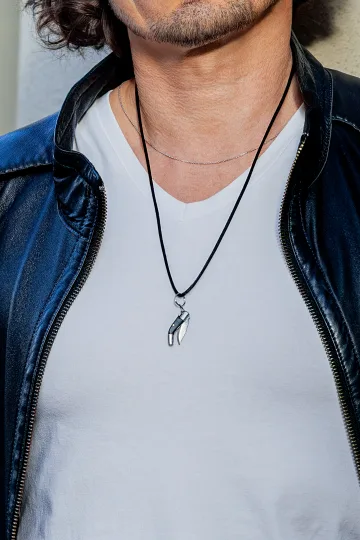
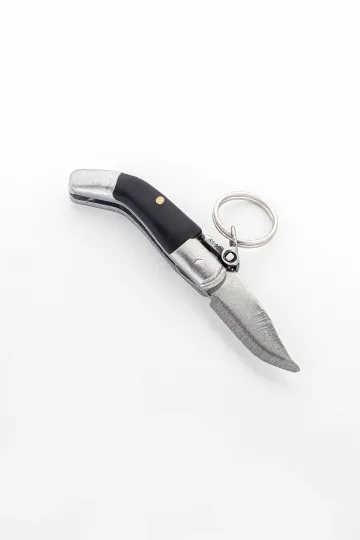
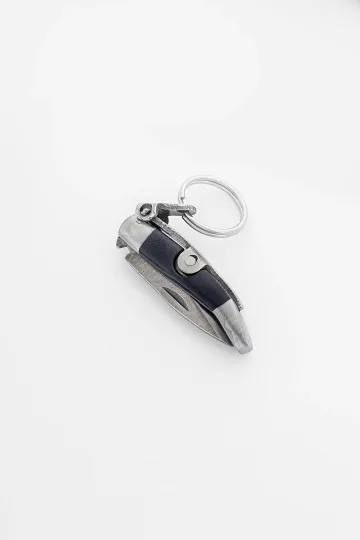


Conclusion
Unakite is rarely at the centre of attention, and there lies its charm. It is a stone that does not sparkle, does not shout and does not cost like a car.
It simply lies in the hand, warm and calm, with its green-and-pink pattern that nature gathered from altered granite over millions of years. In the hundred-odd years since its description in the Unaka Mountains it has travelled from a scientific specimen to a jewellery stone and a piece of folk symbolism of balance, growth and recovery.
Strip away all the promises of miracles and an honest, attractive thing remains. A durable ornamental stone with a unique pattern, within almost anyone's reach, pleasant to wear, fitting as a gift for a new beginning and as a quiet companion in a hard time.
Expectant mothers are given it as a warm sign of care, and that is a kind tradition, so long as we remember that the stone is a symbol and a support for feelings, not a medicine.
When choosing unakite, trust your eyes. Take a stone with a clear contrast of green and pink, a smooth polish and no fresh chips.
Protect the polish, take rings off for chores, do not keep the stone for hours in scorching sun. And then the green-and-pink stone from the American mountains will serve you long and calmly, exactly as its reputation as a stone of balance promises.
Jewellery with unakite and other natural stones at Zevira
At Zevira we love stones with character and a story. Unakite, for us, is an example of how a modest natural rock can become a warm and meaningful piece of jewellery. In the brand's collections you will find pieces made of natural stones in sterling silver, put together with attention to the pattern of each stone and to the comfort of everyday wear. We tell the truth about stones without promises of miracles, because we believe the beauty of a natural stone speaks for itself.
About Zevira
Zevira is a jewellery brand that makes pieces from natural stones and sterling silver with an honest attitude to the material. We do not credit stones with superpowers and do not frighten with mysticism. Instead we tell what a stone really is, where it comes from, how to wear it and look after it, and what symbolism people have linked with it over the centuries. Unakite, in this sense, is very close to the spirit of the brand: natural, calm, affordable and with a quiet story of its own. If this approach appeals to you, look into our catalogue and choose a stone that speaks to you.