Boho jewellery for women: the complete guide
Boho began in Bohemia in the 1830s. Nomadic Roma travellers wore strings of silver coins as a way to carry everything they owned on their bodies, coin by coin, cord by cord. By 1968 that look had become the visual language of Woodstock, and by 2025 it had grown into an entire industry of pared-back bohemia with rules of its own. This guide is about how a boho piece keeps its link to two centuries of nomadic history, and why women who feel boxed in by the standard jewellery drawer keep choosing it today.
The history of boho: four phases and one unbroken line
To understand why boho jewellery looks the way it does, you have to travel two hundred years back. The style was not born at Coachella, and no fashion magazine invented it in 2005. It has a long biography, one that weaves together Roma coin necklaces, Parisian garrets, Californian deserts and Indian bazaars. Each era added its own words to the vocabulary, and almost none of them ever disappeared.
Etymology: why Bohemia comes into it
The word "bohemian" goes back to Bohemia, the historic region of the present-day Czech Republic whose capital is Prague. From the fifteenth century onward, groups of Roma travellers moved across Europe and reached France through the lands of the Bohemian crown. The French called them bohémiens, "people from Bohemia", never realising the Roma themselves had arrived far earlier from northern India. The name stuck: it came to describe anyone who lived a wandering life, without settled property, with a craft and music as their main capital.
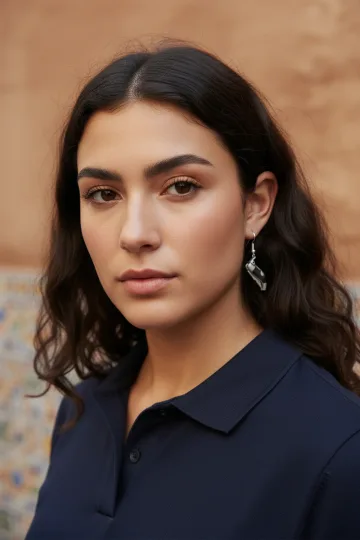
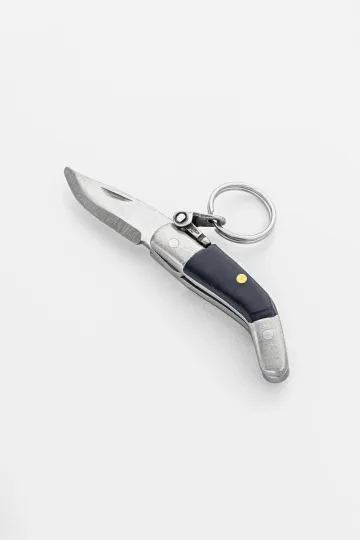
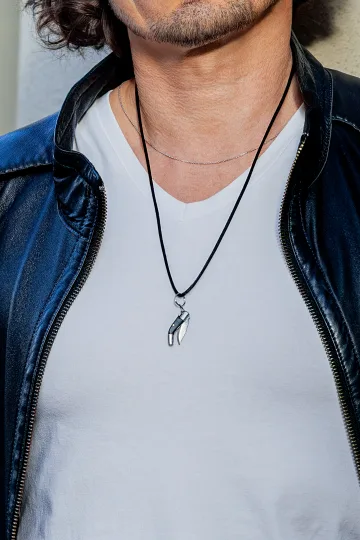
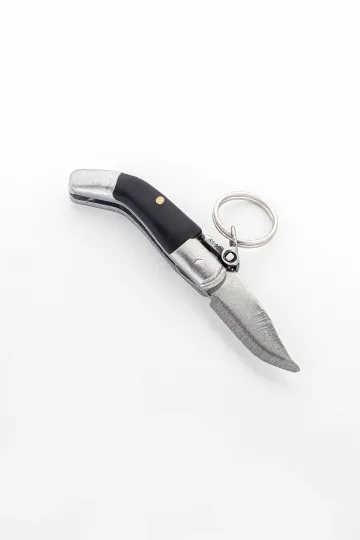
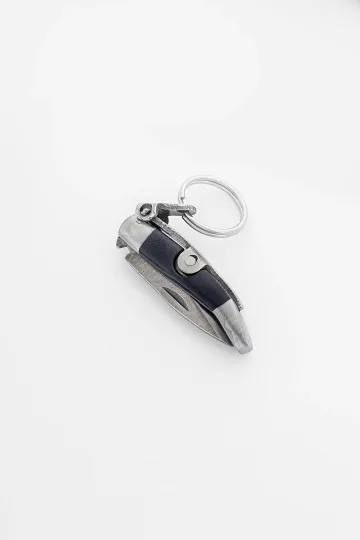
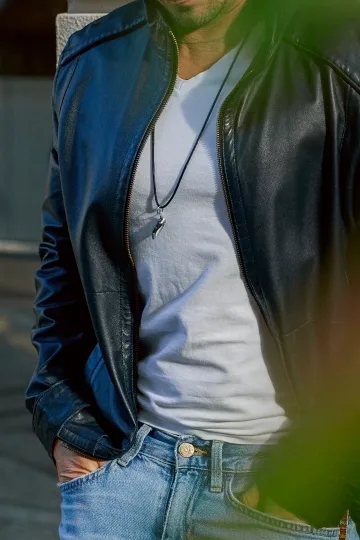
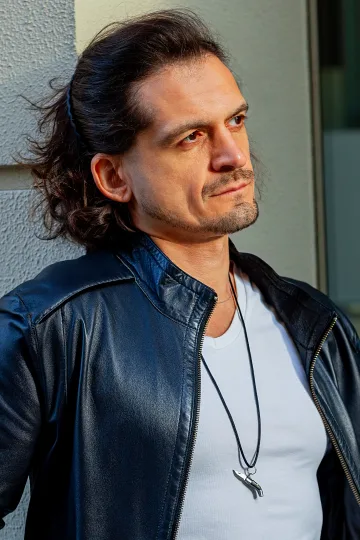
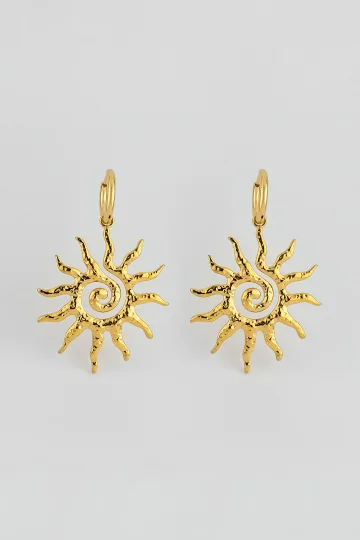
Wear the symbol, don't just read about it. These are in stock:
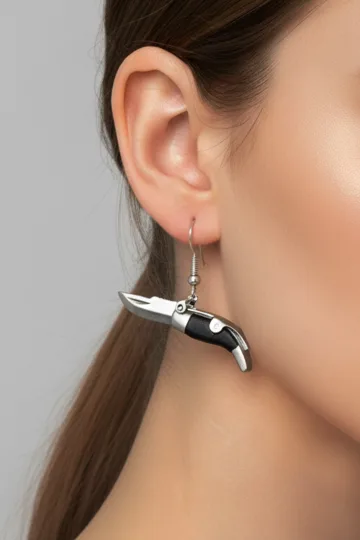
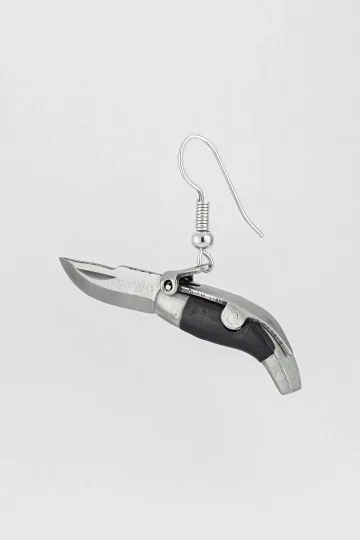


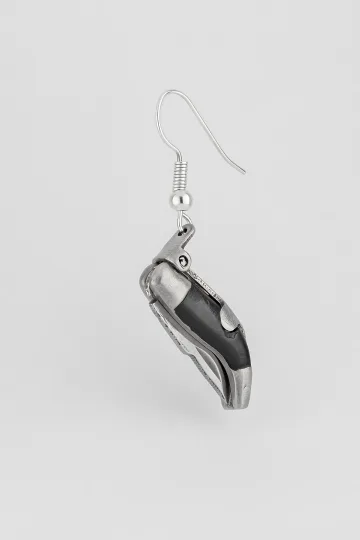

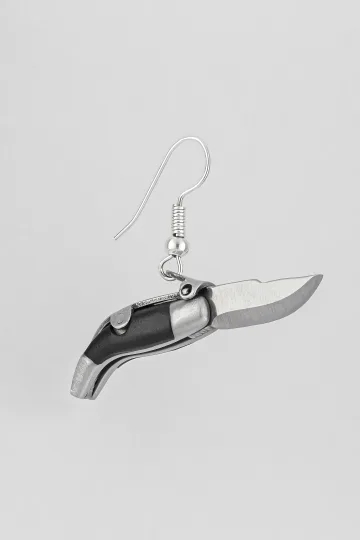


In the 1830s, in Paris, the word picked up a second meaning. Young painters, poets and musicians settling in the cheap studios of the Latin Quarter and Montmartre recognised their own situation in the travelling life. They too had walked away from middle-class rules, they too lived in rented attics, they too wore whatever was to hand, and they too earned a living from a craft. "Bohemia" became a name they gave themselves: joking at first, then serious, then canonical.
That is when jewellery carrying the traveller's code first entered the bohemian wardrobe. Strings of silver coins, large rings, hoop earrings, cords with pendants, everything the Roma wore as portable wealth and as cultural identity, the Parisian bohemians took up as a symbol of freedom from middle-class gold. This was the first major shift: jewellery stopped being a sign of status and became a sign of a stance.
Phase one: the bohemian gold rush, 1830s to 1860s
Between 1830 and 1860 several large Roma families moved to France from the Austro-Hungarian Empire, some of them carrying old jewellery traditions they had brought halfway across Europe. These craftspeople arrived in Paris with concrete techniques: chasing silver with geometric patterns, weaving thread and leather cords with metal beads, low-temperature soldering for fine pendants.
Within ten or fifteen years a distinctive market had grown up in the bohemian quarters of Paris: small workshops, run by people from Bohemia, Hungary and southern Germany, sold jewellery at prices noticeably lower than the official jewellers around Place Vendôme. The buyers were travellers and penniless artists, and gradually the look began to attract young middle-class people who felt cramped by their parents' academic jewellery. Boho pieces became the first mass phenomenon of "alternative luxury" in the modern sense.
By the 1860s a recognisable code had settled over Parisian bohemia. Silver instead of gold. Natural stones, onyx, agate, carnelian, turquoise, instead of diamonds. Long multi-strand necklaces instead of a short string of pearls. Long drop earrings instead of classic studs. Rings on several fingers at once instead of a single engagement band. That code has barely changed across the following one hundred and sixty years: it has been added to, never rejected.
The same era produced the first public figures with a deliberately bohemian image. The writer George Sand wore men's suits, smoked cigars and mixed jewellery brought back from her travels: Spanish silver crosses, Turkish coin necklaces, Italian cameos. The opera singer Pauline Viardot performed in handmade pieces from the workshops of friends. The actress Sarah Bernhardt commissioned eccentric jewellery from the young Alphonse Mucha and René Lalique: formally this was art nouveau, but the logic of the choice, stone for meaning rather than carats, was already bohemian.
A curious detail: the 1850s saw the first Paris boutiques selling "Roma jewellery" as a category of its own. These shops sat on rue Saint-André-des-Arts and around Saint-Germain. They drew buyers and painters alike, the latter coming to sketch the objects for paintings and illustrations as a marker of "the free life". Through printed albums and journals that visual canon spread across Europe faster than the jewellery itself, and it became the blueprint for the future boho vocabulary.
Phase two: the Belle Époque and the jazz-age bohemia, 1890 to 1929
From 1890 to 1914 European bohemia passed through its golden age. The Belle Époque, literally "the beautiful era", was the heyday of art nouveau, symbolism and the decadent movement. Bohemia stopped being a destitute underground and became a recognised subculture with its salons, journals, exhibitions and, importantly, its own market for ornament.
Alphonse Mucha, René Lalique, Georges Fouquet, the three great jewellers of the time, all worked in a style that today reads confidently as bohemian. Natural motifs: dragonflies, butterflies, irises, peacocks. Asymmetric compositions. Stones chosen not for size but for colour and optical play: moonstone, labradorite, opal, malachite, turquoise. Enamel instead of pavé diamonds. Silver and low-karat gold instead of pure metal. Each piece was an art object, not a certificate of wealth.
In parallel, Eastern Europe, in Prague, Budapest, Kraków, Lviv, developed its own branch of bohemian jewellery. Czech masters working with garnet and Moravian opal supplied pieces across the empire. Garnet sets in silver mounts became the region's signature, worn in layers over lace collars and given as one of the most popular christening and wedding gifts.
Then came 1914, and the Belle Époque ended overnight. The war wiped out most of the workshops, severed the links between cities, sent the artists to the front. But the bohemian look did not vanish: it went on pause, to return ten years later in an entirely new form.
The 1920s brought bohemia its most radical transformation. After the upheavals at the end of the previous decade, Paris took in waves of émigré aristocrats, artists, musicians and jewellers. The workshops of Montparnasse and Montmartre became a mixed zone where the Eastern European tradition of cloisonné enamel met French art deco. Long sautoirs, multi-strand pearl and bead ropes reaching the navel, became the symbol of the era, born precisely at the crossroads of an old tradition of long body ornament and a new French freedom in wearing it.
Coco Chanel was working in Paris in the same period, and she was the first to make costume jewellery a respectable category. Before her, wearing anything but real gold and gemstones was thought to be the lot of the poor. After Chanel, mixing the real and the false became normal, and that opened a path for the bohemian look to reach a wide audience. Long strings of faux pearls, large brooches set with coloured glass, stacked bakelite bracelets, all of it entered the wardrobe of the age and became genetic material for future boho waves.
Phase three: the hippies and Woodstock, 1965 to 1973
If Parisian bohemia created the aesthetic vocabulary, the American hippies created the ideology. This is the second great shift in the history of boho jewellery, and in its influence it rivals the first.
By the mid-1960s a counterculture had formed in the United States that joined together anti-war protest over Vietnam, an interest in Eastern spiritual practice, an ecological agenda, psychedelic experiment and an aesthetic revolt against "plastic" mass culture. Jewellery became one of the main visible markers of belonging to the movement, and at the same time a political gesture.
Specific codes appeared. Strings of wooden beads and seeds on thread cords instead of pearls. Copper bracelets engraved with the peace sign. Turquoise rings bought from Navajo makers on the reservations of Arizona and New Mexico. Beaded necklaces, Indian, Mexican, African. Leather straps with silver detailing. Hand-braided thread bracelets. Long cascading feather earrings.
The Woodstock festival in August 1969 was the visual codification of this look. On stage, Jimi Hendrix in chains, rings and belts, Janis Joplin in layered beads and silver bracelets up to the elbow, Joan Baez with a single long pendant over a plain white shirt. In the crowd, four hundred thousand people in the same look, each with their own details. It was the first time in history the bohemian approach to jewellery presented itself to the world as a mass movement.
Joplin, who died in October 1970 at twenty-seven, left behind one of the most carefully documented archives of hippie style. Her jewellery now sits in private collections and museum holdings, and it shows how precisely she worked with the vocabulary: alongside Navajo silver bracelets she wore Indian ones brought back from her travels and, tellingly, plain braided pieces made by her friends. The hierarchy of materials did not concern her. Each piece was chosen for its personal story.
This is the great ideological legacy of the hippies in boho: jewellery as biography. Turquoise from one particular trip to Arizona. A bracelet braided by one particular friend. A pendant given by one particular teacher at an Indian ashram. A ring found at one particular flea market in Istanbul. Each piece carries its own story, and the sum of those stories is the style.
The hippie movement also brought travel and cultural exchange into boho. Goa, Rajasthan, Marrakesh, Istanbul, Tulum, Cusco, not tourist destinations but places you brought jewellery back from as part of a personal spiritual route. Each such piece worked as proof of experience.
Phase four: boho chic, festival culture and digital globalisation, 1995 to 2026
From the 1990s the bohemian look entered its third great wave, this time through fashion, film and magazines, and then through the internet. A few names set the direction of this phase.
Karen Walker, the New Zealand designer, built a jewellery line in the 1990s and 2000s that became the first commercial version of "boho chic" with a clear author's signature. Moonstone, opal, labradorite in plain silver settings, nothing overdone. Her label showed that boho could be urban and grown-up, an everyday wardrobe for an educated woman in her thirties or forties, not a festival costume.
In the 2000s the British fashion press recorded what was beginning to happen at Glastonbury. Young actresses and models, Sienna Miller, Kate Moss, Nicole Richie, appeared on the festival fields in wide-brimmed hats, fringed bags, layered necklaces and a ring on every finger. The press named it "boho chic", and the term stuck. By the end of the decade it was no longer a subculture but a recognised fashion code.
In the 2010s the Coachella festival in the Californian desert turned into an annual visual event broadcast worldwide through social media. The forehead jewel, layered necklaces, thumb rings, feather earrings, all of it got a global feed. Boho became the first jewellery style spread not through magazines but through the audience's own live stream in real time. That was both its blessing and its problem.
On one hand, boho reached a world stage. On the other, it lost some of its depth. Mass production began stamping out "boho jewellery" with no understanding of where the forms came from. The forehead tikka, which carries sacred meaning in the Indian wedding tradition, became a cheap festival accessory. "Navajo-style" turquoise from Chinese factories replaced the real work of tribal makers. It was a crisis of authenticity that had to be overcome.
By the 2020s a response had formed inside the movement: ethical boho. Buyers began deliberately seeking out pieces with a transparent history: certified silver, documented stones, workshops with names and addresses, a guarantee of honest origin, support for traditional craft techniques. This was not a rejection of beauty, it added another dimension to the choice.
In parallel boho split into several distinct branches. A rural bohemia leaning on floral motifs, hand embroidery, copper and brass. A coastal, Mediterranean version with shells, sea glass and white silver. An academic, "dark" urban bohemia leaning on Latin, classical motifs, patinated bronze and antique nineteenth-century pieces. Each branch has its own vocabulary, and the style no longer reduces to a single look.
By 2026 boho is not one style but a family of styles with a common origin. This guide covers all the main dialects so that each reader can find her own.
What makes a piece "boho": seven signs of the style
You can talk about philosophy and history all you like, but at some point you need concrete criteria. What separates a boho piece from a merely pretty one? What do a French silver ring set with labradorite and a copper bracelet from a Moroccan medina have in common? Seven signs that hold regardless of sub-style.
Sign one: layering
Boho almost never stops at a single piece in a single zone. It is an aesthetic of layers, and here layering is no lapse of taste but the foundation of the language. Three chains of different lengths at the neck. Several bracelets on one wrist. Two or three rings on one hand, not necessarily on different fingers.
The principle that holds good layering together is difference. Three identical chains merge into one thick band, and that is not boho, that is a badly assembled look. Three chains of different length, thickness, weave and pendant create a vertical composition in which every element does its work.
The minimum for a neck layer is three levels. The shortest sits at the collarbones (38 to 40 cm). The middle reaches the top of the décolleté (45 to 50 cm). The long one falls below the bust (60 to 70 cm). Sometimes a fourth is added, very long, to the navel (80 to 90 cm), often a mala necklace of 108 beads or a sautoir.
For the wrists: one accent bracelet plus two or three thin ones. For the fingers: one accent ring plus several thin ones on different fingers. The principle is the same everywhere, one anchor element, the rest supporting it.
Sign two: warm materials
Boho does not love cold metals. Platinum, with its grey-white tone, belongs to another style. White gold too. Chrome, rhodium, nickel, all foreign here. Boho lives in a warm metal palette: brass, bronze, copper, sterling silver (especially with a patina), yellow or rose 14-karat gold, gold plate over silver.
Why warm metals? Because boho is bound genetically to nature, earth, firelight, leather. Cold metal reads as industrial, technological, urban. Warm metal reads as handmade, crafted, natural. It even shows in a photograph: oxidised silver with a patina on sun-warmed skin reads as boho. The same piece in polished platinum, not quite.
The favourite metal of boho is oxidised sterling silver. Blackening, a secondary patina, dark recesses, raised relief, all of it creates a sense of time and history that matters deeply here. Polished silver works too, but less often; it sits closer to the minimalist and Mediterranean sub-types.
Brass and copper are second-rank candidates but strong ones. Brass mimics gold for a fraction of the cost while carrying a character of its own. Copper takes on a green patina over time, not a defect but part of its beauty. Bronze, an alloy of copper and tin, is sturdier and holds the form of large pieces well.
Sign three: organic stones instead of jeweller's stones
Diamond, sapphire, ruby, emerald, all of these belong to classic fine jewellery. They are cut to throw light as hard as possible, and they are prized for clarity, transparency, perfect colour. In boho they barely function. Too sparkly, too geometric, too tied to the symbolism of status and the engagement ritual.
Boho stones are different. They are often opaque. They have inclusions, veins, irregularities. They are cut en cabochon, smooth and rounded, without facets. They are prized for optical effects (glow, shimmer, labradorescence) rather than for clarity.
The main stones of the style:
- Turquoise, matte blue or green-blue, often with a dark matrix veining. The central stone of Navajo style and South American boho.
- Moonstone, lit from within by a soft bluish glow (adularescence). A symbol of intuition and femininity.
- Labradorite, dark grey with flashes of blue, green and gold. The central stone of mystical boho.
- Opal, milky white or pale with multicoloured fire. The stone of Belle Époque bohemia.
- Mother-of-pearl, white with a rainbow sheen, drawn from mollusc shells. The stone of Mediterranean boho.
- Amber, a warm sunlit stone of fossilised resin. The central stone of Scandinavian boho.
- Agate, banded, moss, dendritic, fire. The universal boho stone.
- Carnelian, a warm orange-red. The stone of classical and Mediterranean boho.
- Tiger's eye, golden-brown with a cat's-eye chatoyancy. An earthy palette.
- Chrysocolla, blue-green, often mixed with malachite. The Andean tradition.
- Lapis lazuli, deep blue with golden flecks of pyrite. A classical and medieval palette.
What does not work in boho: faceted transparent stones (diamond, sapphire, cubic zirconia), perfectly clean coloured stones (ruby and emerald in a classic cut), cultured pearls of perfect shape. These materials are not bad in themselves; they simply speak another language.
Pearl is a special case. Baroque pearl of irregular shape, with natural variation in colour, works beautifully. The perfect spheres of cultured pearl belong to a wedding parure and do not.
Sign four: mixed materials
Boho happily combines metal with non-metal in a single piece. A leather cord with a silver detail. A cotton or linen thread with metal beads. Wooden beads in one necklace alongside silver elements. A silk ribbon instead of a clasp. Horsehair in braided pieces.
This sets it apart from classic jewellery, which works almost exclusively with metal and precious stones. In fine jewellery even leather is a "low" material, used at most in watch straps. In boho, leather is the equal of silver, and the combination speaks of craft, time and travel.
The quality of the mixed materials matters. Vegetable-tanned natural leather, right. Synthetic "eco-leather", wrong: boho does not love synthetics. Natural cotton, linen, silk, wool, hemp, horsehair, right. Polyester and nylon, wrong. Beads of real wood (rosewood, ebony, black walnut, beech), right. "Wood-effect" plastic, wrong.
This is the criterion that separates real craft from its mass imitation. When factory production copies the boho look, it almost always swaps natural materials for synthetic equivalents. The look is close; the substance is something else entirely.
Sign five: ethnic motifs
Boho is bound genetically to the jewellery traditions of several regions. Not "ethnic in general" but specific, recognisable codes. Berber geometric ornament. Indian filigree. Moroccan cloisonné enamel. Navajo style with turquoise in a bezel setting. Andean braided cords with silver coins. Slavic protective pendants. Scandinavian runes and knots.
Recognisable ethnic motif is what separates a bohemian piece from a merely "designer" one. The style never arises in complete isolation from cultural roots. Even the most conceptual artistic direction usually carries echoes of one concrete tradition, Moroccan, Indian, Scandinavian, Slavic.
This creates a difficulty too: where is the line between respectful reference and exploitation? The answer is in the approach. Buying from genuine makers of a tradition, right. Supporting craft cooperatives, fair-trade initiatives, named workshops, right. Knowing where a symbol came from and wearing it with understanding, right. Buying cheap "Navajo-style" knock-offs from mass production with no idea what they mean, not so right.
Sign six: tactility
A boho piece always invites a touch. It has texture, irregularity, a variety of materials. Smooth polished gold slips between the fingers like glass. Oxidised silver with engraving gives the fingers something to feel.
This matters for two reasons. The first is purely sensory. Boho is often chosen by women for whom the tactile side of jewellery counts as much as the visual. They like to turn a ring on a finger, run beads through their hands, feel the weight of a bracelet. Tactility is part of their relationship with the piece.
The second reason is conceptual. Tactility always points back to handwork and individuality. A machine-stamped piece has a perfectly even surface. Handwork leaves tool marks, uneven finishing, asymmetry. In boho logic these "imperfections" are not defects but proof of the maker's hand.
A good test: take a piece in your hands and close your eyes. If it stays interesting to the touch, it is the right choice. If it turns into just a smooth object without the picture, it is unlikely to be boho.
Sign seven: a story behind the object
Every such piece should have a biography. Either its own (vintage, inheritance, travel), or the maker's (the jeweller's name, the region, the tradition), or the material's (turquoise from a particular mine, amber from a particular region, recast silver).
This is not a marketing add-on but a structural sign of the style. The bohemian aesthetic rejected the logic of anonymous luxury precisely because story matters to it. A ring "with turquoise" from mass production is an anonymous object. A ring with turquoise from the Sleepy Beauty mine in Arizona, made by a craftsperson in Santa Fe in 2024, is an object with a biography.
Vintage is one of the strongest ways to give a piece a history. A Belle Époque brooch from the turn of the century. A silver bracelet from the Californian desert of the 1960s. A garnet set of Czech work from the 1900s. Each such object carries a time that a new piece cannot contain by definition.
When vintage is out of reach, handwork with a transparent history will do. A workshop in Oaxaca. A smith in Fez. A cooperative in Cusco. One maker in Prague working with local garnet. A name, a place, a tradition, all of it builds that biography of the object.
What does not work: jewellery with no maker's name, no listed materials, no region of origin. An anonymous piece is a stranger in this vocabulary, even if it ticks every other box.
Stack the bracelets, tarnish the silver, and never line them up straight. Boho polished to a mirror is just a costume, don't argue.
How to wear boho jewellery
I have styled more than a few bohemian looks on set, and the rule is simple: boho is not a pile of everything at once, it is a precise mess. Here is what actually works, by occasion.
How do you wear boho every day? For daytime I recommend tarnished silver or brass over linen, cotton, soft knit. Two or three pieces on one theme: a thin bracelet with a symbol, a mid-length pendant, one accent ring. A light top lifts the metal, an open collar leaves room for a layer of chains, and a high neck carries a longer pendant better.
How do you put boho together for a creative office? Here I suggest the one-accent principle: a single strong piece instead of a set. A wide cuff with a pattern, or a pendant with a large labradorite, or earrings with a natural stone. Matte silver is quieter than green patina, and under a neutral jacket and blouse an engraved ring or a thin stone chain sits well.
What do you choose for the evening? For evening I choose dark stones: labradorite, garnet, black tourmaline, oxidised silver. An open dress carries one bold move: a body chain, long drop earrings, or a tiered necklace. Leave turquoise and coral to the daytime, the evening likes depth.
How many pieces do you wear at once? With layers, keep a hierarchy: one anchor piece plus quiet company, not five equal accents. I build layers in different lengths so the chains do not lock together, and I mix metals within one tonal key. One precise pendant on a clean field beats ten pieces on every free spot.
Who suits boho, and how do you avoid overdoing it? The style suits anyone who feels boxed in by a smooth minimalist jewellery box and values texture and a piece with a history. To avoid tipping into costume, I recommend one theme per look: stones, or symbols, or leather, but not all at once. A dressy outfit asks for a restrained piece, plain linen carries a large one.

Turn on your camera, pick earrings, a pendant or a ring, and see the piece on yourself in real time.
Switch items in one tap.
Everything runs in your browser: no photo or video is ever uploaded.
Boho across cultures: eight regional dialects
If boho is a family of styles, each member has its own character. French bohemia and Australian boho, Japanese minimalism and the Rajasthani scale of India, all different inflections of one language. Understanding the eight main regional dialects matters if you want to find your own.
French bohemia: silver, opals and restraint
The French version of boho is both the earliest and the most restrained. From nineteenth-century Parisian bohemia it inherited a principle: jewellery should speak quietly. No jingling bracelets, no aggressive symmetry, no bright colour in large quantities.
The main materials: fine sterling silver, opals (fire and white), labradorite, moonstone. The colours: dusty lilac, silver-blue, cream, olive. The forms: thin chains, miniature pendants, rings with a single small stone, drop earrings.
French bohemia does not love ethnic motifs in their literal form. Where the Indian tradition works in rich filigree and large forms, the French version takes the same idea of handwork but at a minimalist scale. One stone. A thin setting. A clean line.
Minimalism here does not mean meanness. French bohemia values detail, but detail you see up close and that does not shout at a distance. Fine-line engraving. Microscopic granulation along the edge of a setting. Barely-there asymmetry. It is an aesthetic that looks like "nothing" from ten metres and opens up at close range.
If French bohemia speaks to you, look to makers and workshops from Paris, Lyon, Bordeaux. French designers are especially strong with fine silver, opals and restrained symbolism.
Californian boho: turquoise, feathers and leather
The most recognisable version in the world. When people in the US or Europe say "boho", eight times out of ten they mean the Californian version. It formed at the crossing of the 1960s hippie movement, the jewellery tradition of the Indigenous peoples of the American Southwest (Navajo, Zuni, Hopi) and the Coachella festival culture from the 2000s.
The main materials: turquoise (the central stone), silver (often patinated), leather (cords, belts, cuffs), feathers (natural or engraved), turquoise matrix, malachite. The colours: turquoise-blue, leather-brown, silver-grey, warm beige, cream.
The forms: wide cuff bracelets with embossed ornament or turquoise inlay, long drop earrings with feathers, crescent-shaped collar necklaces, rings with a large turquoise cabochon in a bezel setting. Cords and braids, in quantity.
This is an aesthetic of the desert and open space. It works with nature as an active backdrop: pieces look right against a terracotta cliff, sand, dry grass. Californian boho is not an urban aesthetic. In a city it reads as a costume; out in nature it reads as organic clothing.
An important side of it is ethics. "Navajo-style" turquoise from Chinese factories and genuine pieces by Navajo makers in New Mexico look alike, but they are different things. The first is the appropriation of someone else's aesthetic without supporting its makers. The second is direct help to a tradition and to specific people. The difference in price is significant, but so is the difference in meaning.
Australian boho: opals and eucalyptus motifs
A lesser-known but self-standing regional branch. Australia is the world's largest supplier of opals, and the local jewellery tradition grew up around the stone. The main mining areas: Coober Pedy in South Australia, Lightning Ridge in New South Wales, Andamooka. Opal from each region has its own character: more fiery, more milky, with a colour centre in blue or in red.
Australian boho is built around opal as the central element. An opal ring in a plain silver setting. Drop earrings with small opal cabochons. A pendant with a large oval opal. A bracelet with two or three opals and silver detailing.
The second side of Australian boho is the flora and fauna of the continent. Eucalyptus is a main motif. Eucalyptus leaves in engraving, in casting, in enamel. The flannel flower (Actinotus helianthi) with its white petals. Native birds: cockatoo, lorikeet, kookaburra. These motifs are rarely seen outside Australia and make Australian boho recognisable.
Aboriginal symbolism is a separate and sensitive subject. Aboriginal peoples of Australia have a rich visual tradition, but its direct use in jewellery without permission and collaboration with the culture's custodians counts as cultural appropriation. Australian designers increasingly work with Aboriginal artists, and this forms a distinct market segment with a transparent ethical origin.
Scandinavian boho: silver, amber and runes
The most restrained and at the same time the most wearable regional version. Scandinavian boho works especially well for everyday life in a northern climate, under wool jumpers, linen, leather.
The main materials: sterling silver (clean or lightly patinated), amber (Baltic, in shades from honey to cognac), onyx, haematite, dark tourmaline. Sometimes wood (birch, oak) combined with silver. The colours: silver, amber, grey, charcoal, mossy green, warm brown.
The forms: thin silver rings with a single stone, pendants with runic symbols, chain bracelets with amber beads, drop earrings with minimal decoration. No excess, the principle of "enough".
Runic symbols are the signature of Scandinavian boho. Algiz (protection and a link to the higher), Othala (heritage and home), Raido (journey), Hagalaz (transformation), Fehu (abundance). Each symbol carries a concrete meaning, and it is worn deliberately. It is not decoration but an amulet with a biography.
Amber is the central stone of Scandinavian boho. Baltic amber holds forty million years of history within it: insects, air bubbles, fragments of plants in every piece. This makes each amber cabochon unique. Amber works as a warm sunlit accent in a cold silver palette, a kind of visual campfire in a winter aesthetic.
Slavic boho: protective pendants and red threads
Less known beyond Eastern Europe but a distinctive regional version. Slavic boho draws on a pre-Christian jewellery tradition, from before the tenth century, when developed jewellery centres existed across the lands of early Rus, Poland, Bohemia and Bulgaria.
The main materials: sterling silver, sometimes gilded silver, garnet (especially Czech), carnelian, amber, agate, black obsidian. The colours: deep red, garnet, silver, black, ochre.
The forms: protective pendants (solar symbols, lunar, horse, bird), kolt breast ornaments (hollow pendants with amulets inside), temple rings, multi-tiered necklaces of beads and metal elements. Open bangles without a clasp, torcs.
A special place belongs to the Alatyr symbol, an eight-pointed star, the old Slavic "stone of creation". Also popular are lunnitsa (crescents), kolovrat (the solar wheel), molvinets (a double square with rays). These symbols carry concrete meaning in Slavic mythology and are worn as amulets.
A red thread at the wrist is the simplest element of Slavic boho. By one Slavic tradition, the red thread protects from the evil eye and envious thoughts. It can be worn alone or as one element of a layered bracelet. Protective pendants in the Slavic tradition were often combined on one cord, giving multi-tiered necklaces very close to modern boho layering.
Indian boho: Rajasthan and kundan
If Californian boho is the most recognisable American dialect, the Indian is the most recognisable Eastern one. The Indian jewellery tradition cultivated craft, technique and symbolism over millennia, and much of the modern boho vocabulary came from here.
The main regions: Rajasthan (especially Jaipur, Udaipur, Jodhpur), Gujarat, Kerala. The main techniques: kundan (setting uncut precious and semi-precious stones into gold foil), meenakari (cloisonné enamel on metal), jadau (a combination of kundan and meenakari), lac bangles (lacquered metal), filigree (fine wirework).
The main materials: sterling silver and gilded silver (for everyday pieces), 22-karat gold (for wedding and ceremonial pieces), semi-precious stones in quantity (turquoise, lapis, garnet, amethyst, carnelian, citrine).
The forms: jhumka earrings with a domed top and dangling drops, choker necklaces with multi-tiered pendants, chura bangles (several flat rings), a ring on every finger (one large central plus several supporting), the forehead tikka, payal ankle bracelets with bells.
The ornament: paisley, peacock, lotus, mango, grapevine, geometric patterns of small triangles and diamonds. Each of these motifs carries a concrete meaning, the peacock is royalty and beauty, the lotus is purity and spiritual awakening, the paisley is fertility and life force.
Indian pieces live naturally in a boho look precisely because they carry a concrete story and a recognisable tradition. The forehead tikka, which holds sacred meaning in the Indian wedding tradition, became one of the symbols of festival boho worldwide, and this is exactly where it matters to approach the source with respect.
Moroccan boho: silver with blue enamel and turquoise
The Berber jewellery tradition of Morocco is one of the most distinctive in the world. The Berber peoples, who have inhabited North Africa since prehistoric times, developed their own jewellery aesthetic long before the Arab conquest and kept it through a millennium of Islamic rule.
The main regions: the High Atlas, the Anti-Atlas, the Sous, the Middle Plateau. The main centres of work: Fez, Marrakesh, Tiznit (a Berber town with the largest concentration of silver workshops in the world), Essaouira.
The main materials: silver (often with alloys that give a warm greyish tone), enamel (especially turquoise-blue and green), red glass and ceramic imitations of coral, lapis lazuli, agate. Sometimes amber, especially in southern regions. Natural coral is a regulated material, and Zevira does not use it.
The forms: large flat fibula pins (tizerzai) with geometric ornament, triangular amulet pendants (the Berber version of the hamsa), massive crescent earrings, multi-tiered breast ornaments, the Agadez cross ring (Tuareg work), cuff bracelets with embossed pattern.
The ornament: geometry, crosses, triangles, diamonds, spirals, many-rayed stars. Berber ornament is usually strictly symmetrical and flat, without raised detail, without rounded forms. It is an aesthetic of pure geometry, polished over millennia.
Berber pieces are one of the strongest sources for the modern boho look. They can be worn as "vintage" (brought back from a trip to Morocco, bought at a flea market in Paris or Barcelona) or as new pieces from the workshops of Tiznit, which keep the tradition by the same rules.
Japanese boho: one stone and empty space
The least known dialect of boho but one of the most interesting. The Japanese version grew from a synthesis of the western boho aesthetic of the 1990s and 2000s with the traditional Japanese principles of wabi-sabi: the beauty of imperfection, of emptiness, of time.
The main materials: sterling silver (often with a matte finish), one stone per piece (moonstone, labradorite, amethyst, black tourmaline), sometimes wood (cherry, cedar), rarely mother-of-pearl or an irregular pearl. The colours: silver-white, grey-blue, blackened, cream, pale pink.
The forms: a single pendant on a thin chain, a ring with one small stone, drop earrings of minimal shape, thin wire bracelets. No layering, one accent piece per body zone.
This is boho without layers. It is boho in which the handmade nature of the piece is underlined by the empty space around it. A ring with a single moonstone reads as an object on a white field, and that emptiness makes it more expressive than five rings around it ever could.
Japanese boho works especially well in urban daily life with minimalist clothing in neutral colours. It is an aesthetic for those who want a particular character without festival noise. One piece with a story and a character, instead of a set of ten.
30 boho jewellery ideas: a catalogue for different sub-types
The theory is done. Now the concrete part: which pieces work in each sub-type of boho and how to choose them.
For the neck: 10 ideas
A layered composition of three chains of different length (38, 50, 65 cm) with symbol pendants, the universal bohemian classic. Pendants: moon, tree of life, feather. Metal, oxidised silver.
A pendant with an oval moonstone in a plain silver setting, on a thin cord or a chain of medium length. The moonstone glows from within, creating a magical impression with no excess. The ideal choice for French and Japanese boho.
A sautoir, a long pearl necklace or a string of beads to the waist, a revival of the 1920s aesthetic. Baroque pearl of irregular shape or handmade ceramic beads.
A choker with a central symbol pendant (hamsa, nazar, tree of life), a short chain close to the neck plus one pronounced pendant. It works with an open neckline and a wide cut.
A body chain for the back or chest, an ornament that wraps the torso. For a summer festival look or a special evening. Silver with minimal detail or with one central pendant.
A long chain with a large agate cabochon, moss agate or fire agate in a plain silver setting. A chain of 70 to 80 cm, the pendant resting on the chest.
A collar necklace in Moroccan style, a wide band of silver with geometric ornament, sometimes with enamel. Worn against a clean background (a shirt, linen, plain cashmere).
A tikka, a forehead jewel, a thin chain with a pendant resting on the forehead. For a festival look or a special summer evening. The pendant small, without excess.
A lariat, a long necklace without a clasp, tied in a knot, a modern reading of layering. A silver chain of 90 to 100 cm with pendants at the ends.
A churinga-style pendant from the Slavic tradition, an oval or round plate with a protective symbol (sun wheel, crescent, Alatyr). On a thick cord or a leather strap.
For the wrists: 7 ideas
A bracelet stack: one wide cuff plus two or three thin ones, an anchor bracelet with engraving or ornament, beside thin thread bracelets with silver details.
A leather bracelet with a central silver detail, vegetable-tanned leather, a silver plate with engraving or an inset stone. Ideal for everyday wear.
An open bangle of bronze or silver with a light patina, a simple form, no clasp, slipped on by opening. Berber or Tuareg style.
A fan bracelet with an organic pattern, a thin metal band with opening "rays". An Eastern motif, good on a slender wrist.
A multi-tiered bracelet of beads in different materials, silver elements plus wooden beads, amber, agate. An elastic or thread base.
A friendship bracelet with a central silver detail, the legacy of 1960s hippie style. Coloured threads with a silver centrepiece (a bead, an engraved disc).
A paired bracelet: a silver bangle plus a leather cord with one pendant, two bracelets of completely different character on one wrist, united by a single metal tone.
For the fingers: 5 ideas
An ethnic ring with Moroccan filigree, fine wirework forming the ornament. Often without a stone, the aesthetic of pure metal.
A ring with labradorite in oxidised silver, a large cabochon, a plain setting, the accent on the stone's optical effect.
A stack of three thin rings on one finger, different textures: one smooth, one engraved, one with a small stone. All in one metal.
A ring with a moon symbol, a crescent, a full moon or the phases of the moon in a circle. A universal symbol, working in any sub-type.
A ring with a raw crystal, rough quartz, amethyst, citrine in a silver setting with minimal working. Conceptual artistic boho.
For the ears: 5 ideas
Plume earrings with long drops of beads and feather, the festival option in pure form. Length to the shoulders, movement as you walk.
Large hoop earrings, 30 to 40 mm, silver or oxidised silver. Universal, working in most sub-types.
Jhumka earrings with drops, the Indian dome shape with pendants along the lower edge. The Rajasthani tradition.
Earrings with a large flat drop in an African pattern, geometric ornament, flat silver, medium size. Berber or Tuareg style.
Asymmetric earrings: one long drop, the other short, a conceptual artistic note. One side of the ear draws more attention, the other supports.
Other: 3 ideas
A butterfly brooch in the Belle Époque style, vintage or new in the manner of the turn of the century. Enamel, silver, multicoloured stones.
A nose ring or nose stud (nath), the Indian tradition. Not for everyone, but it works organically in the festival and Indian dialect.
An anklet (payal), a thin silver chain with pendants or small bells. A summer ornament for the beach and the festival.
Five detailed cases: how a boho look comes together
Theory and a catalogue are useful. But a real bohemian look is always personal. To show how a living set comes together for a specific person, let us look at five portraits.
Case one: a young writer, 28
Context. Hannah, a journalist and a first-time novelist. She lives in Bristol, works remotely, wears loose shirts, linen trousers, leather boots. She loves long scarves and large bags. Her clothing colours: dusty pink, mossy green, ochre, navy. No bright prints.
Sub-type. The artistic branch plus a light French accent. Restraint, conceptuality, a minimum of layers, but each piece with character.
A set of three pieces.
A layered chain with two pendants. The base, oxidised silver. The first chain short (40 cm), with a crescent pendant. The second longer (55 cm), with a finely engraved feather pendant. The chains in different weaves: one anchor, one rolo. The effect is intimate but recognisably bohemian.
A ring with an oval moonstone. A silver setting with minimal granulation at the edge. The stone is not large, around 8 mm, but with a deep blue glow (the adularescence of a good specimen). The ring sits on the ring finger of the left hand, with no other rings on that hand.
A thin bracelet with a small key pendant. Silver, around 17 cm long. The pendant is symbolic: "the key to the words", as Hannah jokingly calls it herself. Worn on the right hand, silent, not in the way of writing.
The logic of the set. Three pieces, each in its own zone (neck, ring hand, bracelet hand). All in oxidised silver, one tonal language. Each carries its own symbol (moon, feather, key), which together read as a biography: intuition, lightness and writing. The look reads at close range and stays minimalist from a distance.
What would ruin it. Adding a large gold bracelet (it would break the metal code). Plume feather earrings (they would overwhelm the delicacy of the rest). A ring on every finger (it would turn artistic restraint into festival noise).
Case two: a psychologist, 45, fond of Moroccan style
Context. Anna, a private psychotherapist. She works in Berlin, holding sessions online and in her practice. She wears silk blouses, wool jackets, straight trousers in neutral colours. She loves to travel: every year she visits Morocco, Turkey, Tunisia, and brings jewellery back.
Sub-type. The Moroccan direction in an urban reading. Silver with enamel, geometric forms, restraint in quantity, but each piece with a pronounced ethnic character.
A set of four pieces.
Hoop earrings with silver filigree. Diameter 35 mm, flat silver with carved geometric ornament around the rim. Bought in Tiznit, from a maker whose name is engraved in small letters on the back. Worn to work.
A bracelet with blue and turquoise enamel. A silver cuff around 25 mm wide with embossed geometric ornament, and in the recesses, cloisonné enamel of blue and turquoise. Berber technique, brought from Marrakesh. Not worn to work (too eye-catching), kept for weekends and meetings with friends.
A thin silver ring with a single blue agate. A plain setting, a spare form. Bought in Istanbul from a family workshop near the Grand Bazaar. Worn constantly, including to work.
A long chain with a hamsa pendant. Silver with a blue eye enamelled at the centre of the palm. To work, rarely; on weekends, often.
The logic of the set. Four pieces, each from a concrete geographic source (Tiznit, Marrakesh, Istanbul, Tunisia). All united by silver as the metal, a blue-turquoise colour theme, protective symbolism (hamsa, eye). The look is layered but not chaotic, each piece with its own geographic biography.
The point of difference. Anna does not buy jewellery in shops. All her boho pieces come from particular trips. She knows the name of each maker, and for her that is part of a personal story.
Case three: an artist, 32, who moved to Bali
Context. Lisa, a watercolourist and illustrator. She moved from Manchester to Bali two years ago. She lives in Ubud, drawing botanical illustrations for books and magazines. She wears light cotton dresses, linen shorts, kimonos. She often goes barefoot and rides a scooter.
Sub-type. The tropical direction with artistic accents. Brass and silver (Bali is one of the world's silverwork centres), organic stones, natural motifs.
A set of five pieces.
A boho set in brass with opal inlay. A flat-disc pendant with three small opals at the centre, plus drop earrings with one opal each. Bought from a Balinese maker in the village of Celuk, a region of hereditary jewellers. Worn constantly, the base of the wardrobe.
A multi-tiered bracelet of braided leather cords with silver detailing. Three rows: one leather with a small silver bead, one with a moonstone, one with an engraved plate (a sun with rays). Worn on the left wrist.
A ring with a Balinese opal. An oval cabochon around 10 mm in a plain brass setting with a botanical ornament around the rim. Worn on the right hand.
An anklet (payal) of fine silver chain with two tiny bells. Worn constantly, barefoot, in sandals, on the beach.
A long feather pendant of sheet brass with engraved botanical ornament. On a long chain (70 cm). The feather has two layers: one brass, the second a thin layer of patinated silver over the top.
The logic of the set. The tropical look is built on mixing brass and silver (a breach of the rules in most styles, but allowed in boho with the right tonal balance). All the forms are organic: opals as "drops of light", the feather, leaves in the engraving. The colour palette of the jewellery rhymes with the colours of Lisa's clothes (cream, white, pale-green dresses and blouses).
The point of difference. All the pieces come from local Balinese workshops, which matters to Lisa for the ethics and for supporting local craft. Each piece has a specific maker, and Lisa can tell the story of every one.
Case four: a yoga teacher, 40-plus
Context. Marina, a yoga teacher. She works at a studio in Barcelona and runs retreats on Mallorca. She wears loose cotton trousers, linen tunics, cashmere shawls. Her colours: milk, cream, indigo, saffron. No bright contrasts.
Sub-type. The spiritual direction with Indian accents. Minimalism in quantity, but each piece carrying symbolic meaning.
A set of three pieces.
A miniature chakra pendant. A silver plate around 15 mm engraved with one chakra (anahata, the heart chakra, the fourth of seven). No stones, clean silver. Worn on a thin chain 45 cm long. It is the only chain, no layering.
A bracelet of 108 rudraksha beads with a silver clasp. Rudraksha, the seeds of the Elaeocarpus ganitrus tree, the traditional material of Hindu and Buddhist prayer beads. 108 beads, a sacred number in Hinduism (the twelve zodiac signs multiplied by the nine planets). A silver clasp engraved with "Om". Worn constantly as a mala.
A ring engraved with a mantra in Sanskrit. A thin silver ring, on the outside a short mantra, "So Ham" (literally "I am That"). Worn on the ring finger of the right hand.
The logic of the set. Each piece is not decoration but a tool of spiritual practice. The mala for pranayama and mantra meditation. The pendant a point of focus for the heart chakra. The ring a reminder of the mantra in daily life. Aesthetically, warm minimalism with Indian roots.
The point of difference. Marina does not buy jewellery as jewellery. Each piece is part of her practice, and she chooses them through a spiritual teacher or in particular places of pilgrimage. This makes every piece part of her inner biography.
Case five: the academic bohemian, a university lecturer
Context. Elena, a professor of art history. She works at a university in Prague, specialising in the Czech avant-garde of the early twentieth century. She wears tweed jackets, wool skirts, silk blouses, glasses in metal frames. She loves vintage things and flea markets.
Sub-type. The academic direction, with an accent on nineteenth- and twentieth-century vintage. Silver, garnet (the Czech tradition), restrained forms.
A set of four pieces.
A silver ring with labradorite. An antique, bought on the Old Town Square in Prague. By expert assessment, around 1900 to 1910, Czech work in the modern style. The labradorite is large (around 15 mm), the setting finely engraved with a botanical ornament. Worn on the right hand as the main ring.
A long chain with a nineteenth-century pendant. The chain itself is modern, silver, 75 cm long. The pendant is a vintage locket of the 1870s to 1880s with the engraved monogram of an unknown owner. Found at a flea market. Inside the locket, emptiness: Elena deliberately left it without a new photograph, as an "open plot".
A garnet set of Czech work from the 1910s. A brooch and a pair of earrings with garnets in silver mounts. Inherited from her husband's grandmother. Worn rarely, for specific events: an exhibition opening, a thesis defence, a conference lecture.
A handmade silver wedding ring. Made by a Prague maker to Elena's design, engraved with one line from a poem by Nezval: "To become a cat, one must simply become a cat." It is her academic gesture towards her own field. Worn constantly.
The logic of the set. Vintage and modern are interwoven to create the impression of an accumulated biography. Each piece has a history: an antique find, a grandmother's inheritance, a commissioned design. The colours, silver and deep-red garnet, echo the dark green and ochre in her clothing.
The point of difference. Elena does not wear jewellery "as a set" in the traditional sense. Each day she has her own selection from her collection, assembling a look for a particular occasion. This is the highest form of the style: not a set, but an archive from which a unique look is assembled each time.
Customer reviews
Zevira is a real jewellery shop. Genuine payments, deliveries and customer thank-yous.
🥰🥰🥰 gracias

Ok, ¡gracias! 🙂

Ethical boho: honest origin and craft workshops
One of the most important segments of the modern bohemian audience is the women for whom a piece's origin matters in principle. This is not an aesthetic choice but a question of values. They want to know who made the piece and under what conditions.
The fair-trade movement in jewellery grew exactly from this soil. The idea is simple: a piece should be made with respect for the maker, fair pay, safe working conditions, the preservation of traditional techniques. No child labour, no toxic dyes, no destruction of traditional craft for the sake of scale.
What to choose from an ethical point of view
Sterling silver from certified sources. This metal is the foundation of the style for many reasons: it is more democratic than gold, it oxidises into a living patina, it pairs with any natural stone. A certificate of origin means the mine meets environmental and labour standards. There is an international Fairmined standard guaranteeing that the metal was extracted by small, responsible mines with fair pay, without mercury or cyanide.
Stones with a documented origin. Turquoise from Arizona or Iran with a traceable supply chain differs fundamentally from a nameless "turquoise stone from China". Agate, labradorite, tiger's eye, all of them can have a transparent origin. This is an added cost, but for part of the audience it matters.
Craft workshops with a local anchor. A piece from a workshop in Oaxaca carries a concrete history: a particular maker, a particular tradition, a particular technique. A piece from Tiznit in Morocco carries the history of Berber silver. A piece from Cusco carries the history of the Andean tradition. This differs fundamentally from mass production under an "ethnic" label.
For this audience, engraving and named pieces matter, everything that makes each piece truly one of a kind. Serial production cannot offer this by definition.
Recast old metal and stones with a history
One direction in ethical boho is jewellery from recycled metal. Recasting old silver: family pieces no longer worn, coins, ingots from surrendered metal. Jewellers who work with recasting often document the source: what exactly this piece was melted from.
This is a separate category of value. A bracelet that melts down the silver of a great-grandmother's ring and a few old coins physically joins several histories together. For a bohemian audience that prizes narrative, this approach answers several values at once: ecology, personal history, craft.
Stones with a documented history are rarer but a growing direction. Agate from a particular deposit in Montana, with coordinates given. Turquoise from the Sleepy Beauty mine in Arizona, whose extraction has ceased: each stone with a certificate takes on the status of an artefact with a history. Amber from the Baltic region with the place of finding noted. All of it an extra layer of meaning for an audience that wants more than a beautiful stone.
Why this matters now
Through the 2020s, ethical consumption stopped being a niche subject and became routine for part of the market. Age 25 to 40, above-average education, a deliberate attitude to spending, all of it the core of the audience that chooses jewellery with character. For them the question "where was it made" carries no less weight than "what does it look like".
Craft pieces with a history of origin gain an extra emotional value: there is no shame in wearing them, and there is a story to tell. This works as an amplifier of the pleasure the piece gives.
Upload a photo of your pet, someone you love, or an object. We'll build a 3D model and hand-cast it in pewter.




Materials and symbols of the boho aesthetic: a detailed breakdown
Bohemian jewellery is recognised by its form and by its materials. Each one carries a definite visual and meaning code, and often it is the material that places a piece in a boho sub-type.
Turquoise: the central stone
The central stone of the whole direction. Its history in jewellery runs more than five thousand years: Egyptian pharaohs, Persian kings, the Indigenous peoples of the American Southwest, all used turquoise as a stone of protection and power. In Egypt it was placed in tombs as a charm for the passage to the afterlife (turquoise was one of the four "obligatory" stones of funerary goods). In Persia it was mined in the mountains of Nishapur and called the "stone of victory"; Persian warriors wore it, believing it protected from wounds. Among the Navajo and Hopi, turquoise is a sacred stone tied to sky and water; tribal makers still work with local turquoise by techniques passed down through generations.
In this aesthetic, turquoise works as an anchor accent: a large cabochon in a setting of oxidised silver, a considered inlay in a bracelet or ring. Its matte blue-green surface pairs well with skin, wood, copper and silver. No other stone gives the same combination of antiquity, brightness and natural character at once.
Note: turquoise is porous and temperamental. The real stone changes colour over time, not a defect but a living reaction to skin oils, cosmetics, light. "Stabilised" turquoise is impregnated with resins for colour stability. "Synthetic turquoise" is not turquoise but a dyed material. The difference in price and in feel is significant. More on the symbolism of stones in our piece on nazar jewellery.
The types of turquoise by region:
- Arizonan (Sleepy Beauty, Kingman, Bisbee), clear sky-blue, without matrix or with a fine golden matrix.
- Iranian (Nishapur), a saturated blue without matrix, considered one of the world's finest.
- Tibetan, green-blue with a dark matrix.
- Chinese (Hubei), variable, from blue to green, often with a coarse matrix.
- Mexican (Sonora), often reconstituted, requires checking.
Agate: the universal stone
A more affordable alternative to turquoise. Agate is varied: banded, dendritic, fire, moss, "eye". Moss agate with green veining is especially loved in the bohemian aesthetic for its organic, almost plant-like texture, each stone looking like a small landscape.
Agate holds a polish well, needs no special care, pairs with silver as much as with brass and copper. Fire agate gives a warm orange-red range, good in a festival look. Blue agate, a transition to the Mediterranean theme. Banded white and black, an artistic note. Dendritic agate with "trees" inside, the conceptual option.
Agate is one of the few semi-precious stones with no "elite" context. No one gives agate for an engagement or an anniversary. So it is free of "official jewellery" associations and lives naturally in bohemian space.
Labradorite and moonstone: stones of the mystical
Two stones that carry the theme of mystery and light. Labradorite flashes blue, green and gold: an optical effect called labradorescence. Moonstone glows from within with adularescence, a soft bluish shimmer.
Both stones work in the bohemian aesthetic as "stones with a secret": their beauty is not static, it shifts with angle, light, movement. This answers a bohemian principle: a piece should live and change along with its wearer.
Labradorite is especially good in oxidised silver, where the dark metal heightens the mystical flashes. Moonstone is better in clean silver; it is dark and deep enough on its own and does not need the extra darkening.
In symbolism, labradorite is a stone of transformation and intuition. In Hinduism it is linked to the throat chakra and the ability to speak truth. In northern European folk belief it is the "stone of the northern lights". Moonstone is a stone of femininity, of cycles, of motherhood, of intuition. One of the main "feminine" stones in the magical tradition.
Opal: the stone of the Belle Époque
Opal is one of the most demanding stones in character and care. It contains up to 20 per cent water, which makes it sensitive to drying out (cracks can appear), to sharp temperature changes, to chemistry. But no other stone gives such a play of colour: within one cabochon a rainbow can run from red to violet.
The main kinds:
- White opal, a milky ground with coloured fire.
- Black opal, a dark ground on which the coloured fire reads brighter. The most valuable.
- Fire opal, orange-red, transparent or translucent.
- Boulder opal, a piece of rock with opal veins. An Australian speciality.
- Hydrophane, changes transparency on contact with water. An exotic choice for collectors.
Opal was the central stone of the Belle Époque, adored by Lalique, Mucha, Fouquet. In the modern aesthetic it lives in three contexts: vintage (pieces of the 1890s to 1920s), Australian (new pieces from Australian opal), mystical (opal combined with moonstone and labradorite).
Mother-of-pearl and irregular pearl
Mother-of-pearl, the inner layer of a mollusc shell, white or coloured (pink, grey, black) with a rainbow sheen. Pearl, concentrated nacre in a rounded form inside the shell.
In this aesthetic only baroque pearl of irregular shape works, the kind unsuited to classic pearl strings. Free organic forms, uneven colour, asymmetric spheres. Ideal for Mediterranean boho and for the revival of the 1920s aesthetic.
Mother-of-pearl as cabochons, flat plates, inlay, is boho too. Especially combined with silver, light wood, linen threads.
Amber: the fire of Scandinavian boho
Baltic amber, the fossilised resin of ancient conifers, 40 to 50 million years old. Each piece is unique: inside there can be air bubbles, plant fragments, more rarely insects ("amber with an inclusion", a rare and valuable find).
The colour range of amber is very wide: from lemon-yellow to dark brown, from "honey-clear" to milky-opaque. One of the lightest jewellery materials (a density below silver), which allows large pieces that are not heavy to wear.
Amber is the central stone of the Scandinavian branch, but it is also used actively in the Eastern European tradition (Poland, the world's largest amber-working centre) and in the Mediterranean direction (Greek and Turkish makers work with it too).
Carnelian and jasper: warm earthy stones
Carnelian, a warm orange-red stone, a variety of chalcedony. One of the oldest jewellery materials: used in ancient Egypt, Mesopotamia, ancient Rome. Signet rings with carnelian intaglios were one of the main accessories of the classical world.
Here carnelian works as a warm accent, especially in autumn-winter looks. It pairs well with brass, bronze, oxidised silver. It is especially beautiful in smooth cabochons without faceting.
Jasper, a more earthy, opaque stone with a rich texture. The kinds: red jasper, green, ocean (with circular patterns), landscape (with a natural picture recalling mountains and clouds). Jasper is always opaque, always matte in polish, always with visible texture. The ideal material for tactile jewellery.
Oxidised silver: the central metal
Silver with a patina, the number-one metal in this aesthetic. Unlike polished silver, which looks formal and neutral, oxidised silver carries a sense of time, history, a journey.
The patina is created by a special chemical treatment, blackening. Ammonium sulphide or liver of sulphur reacts with the silver surface and creates a dark layer. The result: silver that looks as if it has been on an expedition. Oxidised silver works especially well with ornament and engraving: the darkness settles in the recesses, the relief stands out light. This effect cannot be achieved with polished metal.
An important nuance: the patina is unstable. Over time it can partly wear away at points of friction. This is not a defect but the character of a living piece. If a stable patina is wanted, it is fixed with a special coating. If "living" behaviour is wanted, it is left uncoated.
Sterling silver, the optimal alloy: 92.5 per cent silver plus 7.5 per cent other metals (usually copper). Pure silver (999) is too soft for most pieces. An 875 alloy (a low grade) already darkens strongly and provokes allergy in sensitive skin.
Leather and metal: the tactile pair
The combination of a leather cord or strap with metal details is a visual code that says: made by hand, worn for years. Leather bracelets with silver or brass details, pendants on leather cords, necklaces with leather inserts.
Quality leather matters: vegetable-tanned, without synthetic treatments. Vegetable-tanned leather "lives", changing colour and texture with wear, darkening at points of contact with skin, becoming softer and acquiring a personal patina. This is exactly what the bohemian audience looks for.
Chrome-tanned leather is the cheaper option. It is soft from the start but does not react as vividly to time and wear. Synthetic "leather" in a bohemian context is a contradiction in terms.
Feathers and organic elements
The feather as a symbol of freedom and a link to nature is one of the main visual signs of the style. Feather earrings, feather pendants, engraved feathers on silver plates.
Natural feathers are rarely used: difficulties with customs transport and ethical questions (which birds, by what means). More often the work is in silver feathers: a volumetric cast form or a flat engraving. A silver feather is at once a natural motif and a piece of jewellery, with no compromise.
Other organic elements: wooden beads (rosewood, ebony, juniper), raw crystals (rough quartz, amethyst, citrine), coral imitations (glass, ceramic, synthetic), sea glass, bone (an ethically difficult material, used less and less). All of them carry the theme of natural origin and opposition to the synthetic. More on the symbolism of the feather in our piece on feather-symbol jewellery.
Copper and brass: warm metals
Copper, a warm pink-red metal that takes on a greenish patina over time. Patinated copper is one of the most bohemian of materials. It is often used in the ethnic jewellery of Morocco, India, Mexico.
Brass, an alloy of copper and zinc, a warm golden tone. In a bohemian context it stands in for gold: a similar colour, a fundamentally different history. Brass pieces do not claim to be expensive; they claim character.
An important point: both copper and brass can provoke a skin reaction in some people (green skin, contact dermatitis). This is solved with a lacquer coating or a protective film on the inner side of the piece. Modern quality brass pieces are often coated with a thin layer of rhodium or silver on the inside, so the piece keeps its golden look but does not react with skin.
Bronze: the classical note
Bronze, an alloy of copper and tin, a harder and more durable material than pure copper. One of the oldest jewellery materials in history: bronze pieces are known from the third millennium BC.
In the modern bohemian aesthetic, bronze is a material for large pieces with a historical character. Rings with classical symbolism, brooches with mythological motifs, medallions engraved in Latin. Bronze patinates with age, and the patina gives it a deeper and warmer tone than brass.
Layering as a principle: layers the bohemian way
One of the central principles of the whole aesthetic is layers. Not one piece but a system of several that work together. This is no pile-up; the system has rules.
The principle of the anchor piece
It all starts with the anchor piece, one accent element around which the layer is built. It can be a large turquoise pendant, a wide engraved bracelet or a ring with a raw stone. The anchor sets the tone: material, colour range, degree of formality.
Everything else is supporting, completing the anchor rather than competing with it. A thin moon ring beside an agate ring does not fight it, it creates a dialogue. A wide bracelet with a silver anchor and three thin thread bracelets beside it, the anchor is the lead, the thread bracelets the background.
Layers at the neck: three to four levels
The classic bohemian composition at the neck: three to four chains of different length. The shortest, a choker or a chain at 38 to 40 cm, sits at the collarbones. The middle, 45 to 50 cm with a small pendant. The long, 60 to 70 cm, can carry a large pendant or simply be a chain. Sometimes a fourth layer is added: a mala necklace or a beaded lasso at 80 to 90 cm.
The rules for layers: different chain textures (woven, anchor, rolo, leather cord), different thicknesses, always different lengths. The metal can be one, in which case the accent is on form and texture. Or two or three metals, in which case colour harmony matters.
What does not work: three chains of the same length. They tangle and merge into one dense bundle. Two chains of similar thickness and the same metal without a pendant, indistinguishable, losing the point of layers. Too many large pendants, each shouting on its own, together creating chaos.
More on the principles of combining chains of different length, in our piece on how to choose chain length.
Layers at the wrists
A stack on the wrist works by the same principles: an anchor bracelet (wide, with a detail) plus several thin supporting bracelets. Add leather cords, beads, thin metal bangles.
Here it is important not to overdo it: more than three or four bracelets on one wrist start to sound like a masquerade. For an everyday look, two or three. For a festival, more is possible, but still within one theme of colour or material.
A good rule for the wrists: the volume of bracelets on one wrist should be visible but not get in the way of movement. If the bracelets slide and rattle with every move of the arm, there are too many.
Rings in a stack
The bohemian approach to rings: several thin rings on one finger plus an accent ring with a stone. They can be spread across different fingers. Rings with symbolism are especially suitable: moon, sun, feather, rune.
The principle of distribution across fingers: not every finger but two or three of five. The middle and ring fingers, the classic. The thumb with a ring, a bolder option, working in a festival look. The little finger with a thin ring, an elegant addition. On how to wear rings in a stack, more in our piece on ring stacks.
Mixing metals in layers
The bohemian aesthetic is one of the few styles where mixing metals counts as a rule, not an exception. Oxidised silver plus brass plus copper, the classic trio of the style. All warm or all "aged" metals. Do not mix shiny silver with aged copper; it creates a visual conflict without meaning.
On the principles of mixing metals, more in our piece on combining silver and gold in jewellery.
The binding element: colour or texture
With five to seven pieces you need one recurring element that ties everything together. It can be:
Colour: blue agate in a ring plus blue beads in a bracelet plus a bluish moonstone in a pendant. Three different shades of blue-green, but they rhyme.
Metal: all oxidised silver, and even if the forms are very different, they hold together through one metal tone.
Motif: a moon in the earrings plus a crescent in the pendant plus a thin ring with moon phases. One symbol in three readings is a conversation, not a repetition.
Texture: everything with visible handwork, engraving, chasing, weaving. One textural logic holds disparate pieces together.
What to remove if the look will not come together
If seven pieces do not work together, do not look for an eighth. Take off one or two. Most often the surplus is the piece brought into the look by chance ("and this one is pretty too") rather than organically. That "just because" element, take it off.
A good test: photograph the look and look at the photo an hour later. If the eye is drawn to one piece on its own, it is either the anchor or too loud. If the eye finds no focus anywhere, there are too many layers without a hierarchy.





How to combine boho with other styles
Bohemian jewellery rarely exists in isolation from other clothing styles. Most women today do not wear it "as a full set"; they mix elements with other style codes. This is normal and often works better than the pure version of the style.
Boho plus minimalism
The most popular and the most effective combination. A bohemian piece in a minimalist look works as the main accent: everything else in the clothing is even, clean, neutral in colour, and one bohemian piece makes the whole look.
The principle: one accent piece, not a set. A long labradorite pendant on a plain white shirt. A large turquoise ring on a hand with no other rings. Long plume earrings with minimal clothing. It works because the piece gets maximum attention against a clean ground.
Minimalist clothing in neutral colours (white, cream, grey, black, navy) serves as a "canvas" for one accent. If the clothing is already visually active, prints, bright colours, complex textures, the piece can be lost or, the other way, make the look overloaded.
This combination works especially well in an office context: a minimalist suit or dress plus one strong piece reads as a grown-up, considered, individual look, without festival noise.
Boho plus office style
Boho and the office are no contradiction, once you grasp which office is meant. An editorial desk, a design studio, an advertising agency, an architecture practice, a publishing house, a photography studio, in these settings the bohemian aesthetic is allowed and sometimes expected.
The principle of one accent. Office boho works on one strong piece rather than several. A wide cuff bracelet with ornament and nothing else on the wrists. Or one pendant with a large labradorite and no second necklace. Or accent earrings with a natural stone and no chains at the neck.
Of the four main sub-types, Scandinavian and artistic boho adapt best to the office format. The reason is simple: both are built on restraint and conceptuality rather than maximalism.
What does not work in the office of a bank, a law firm, a traditional corporation: the festival option in full form (feathers, multi-tiered bracelets, a tikka on the forehead, a headband). It reads as a breach of the dress code and inappropriate self-expression. In such settings the style should either be left fully at the door or reduced to one discreet element, a thin ring with a symbol, a minimalist pendant under the clothing.
Boho plus wedding style
The bohemian wedding is a genre of its own that has grown over the past ten to fifteen years. A bride in a plain white dress with one strong accent. It can be a forehead tikka, long plume earrings, a multi-tiered necklace of pearl and silver, a floral crown with bead pendants.
The principle of "one accent": the jewellery should not outshout the dress. If the dress is classic, the accessory can be pronounced. If the dress is already in a free cut (lace, floral elements), the jewellery should be restrained.
Guests at a bohemian wedding can wear jewellery of this aesthetic too, but in a more restrained version than the bride. Long earrings instead of a tikka, a moonstone ring instead of a multi-tiered bracelet. The principle of respect for the central figure of the event.
More on wedding jewellery in the bohemian aesthetic, in our piece on wedding jewellery.
Boho plus evening style
The evening version is one of the most interesting and underrated formats. This is not a festival and not a wedding but an evening at a restaurant, a private party, a cultural event. Here the style works as an alternative to the classic cocktail look with one diamond piece.
The principle of "theatricality within limits": an evening look can allow itself more layers than a daytime one, but it must still be assembled. A body chain over an open dress. Long drop earrings. A multi-tiered necklace. You can wear one, you can wear two of these elements at once, but not all three.
The colour range for evening: dark stones (labradorite, black tourmaline, garnet), oxidised silver, yellow 14-karat gold. No turquoise or coral for the evening: that is a summer daytime palette. But amber, carnelian, garnet, labradorite work perfectly.
Boho in everyday life
The most frequent scenario. Here the style lives in its natural setting: with light everyday clothing, in a café, at a meeting with friends, in a bookshop, at an art exhibition.
The everyday version is two or three pieces on one theme. For example: oxidised silver plus lunar symbolism. Or: turquoise plus a neutral metal. Or: amber plus matte silver. The main thing is a point of visual unity that makes the set of pieces read as a look rather than a random collection.
Good options for every day: a thin bracelet with a symbol, a pendant on a chain of medium length, one accent ring. Nothing that needs a special occasion, but everything that carries character.
Anti-patterns: what definitely does not work
What counts as a bohemian look is a matter of taste and context. But there are a few persistent anti-patterns that work against the style regardless of sub-type.
Factory "boho": the plastic imitation
The most common mistake. Mass production takes the visual signs of the style (the turquoise colour, the feather form, the tree-of-life symbol) and reproduces them in cheap materials. Plastic "wooden" beads, painted "silver-effect" metal, synthetic "turquoise" of dyed howlite.
The result is a piece that looks like the original at a glance but gives itself away on closer inspection. Light (real handwork usually has weight). Perfectly even (the real thing has irregularities). Too shiny with fresh metal (the real thing has a patina). Smells of plastic or paint (the real thing smells of metal or of nothing).
An audience that understands the style feels this difference at first sight. The factory version reads as dressing up, as a fancy-dress costume, this is no criticism of any particular person who wears such pieces, but a statement: those who know will see the imitation and will not read the look as organic.
The solution: better one genuine craft piece than ten factory imitations. If the budget is limited, choose one quality piece of sterling silver with a real stone and leave the rest for later. The style is not built on "more", it is built on "more right".
Too many layers: a masquerade instead of a style
The second anti-pattern is overdoing the layering. The style loves layers but not chaos. Seven chains, five bracelets, a ring on every finger, plume earrings, a tikka on the forehead, all at once, this is no longer a look but an inventory of symbols.
Each separate element is organic. Together they work as a label, "I am playing the role of a free person", rather than as an expression of one's own personality. A real bohemian look usually carries two or three strong elements against simplicity, it does not fill every available point of the body.
A check: remove half the jewellery from the look. If the look got better, that is a signal the original number was a "costume". If it got worse, the original set was justified.
A physical criterion: if the pieces stop you moving normally (bracelets slide, chains tangle, rings knock), there are too many. The style should be wearable, not theatrical. A theatrical look is for a photoshoot or a particular performance, not for daily life.
Yellow 14-karat gold: a breach of the code
A debatable rule but a persistent one. The aesthetic is bound genetically to silver and warm metals (copper, brass, bronze). Pure yellow 14-karat gold creates a visual conflict: it shines too much, it is too tied to traditional jewellery, it is too "official".
This does not mean gold is impossible here. It is possible, but in specific forms:
- Rose gold, warmer than yellow, closer to copper, works better in boho.
- Low-karat yellow gold (9 carat), a more matte, less "rich" shine, closer to brass.
- Gilded silver, silver metal with a thin layer of gold. Cheaper than pure gold but giving a golden tone.
- Aged gold (with an artificial patina), possible but rarely seen.
What does not work: new shiny 14-karat yellow gold in an expensive jeweller's setting with a faceted sapphire or diamond. That is classic fine jewellery. It can be worn, but not passed off as a bohemian look.
Loud logos: a breach of the vintage code
The style values the anonymity of the workshop or, at most, the name of the craftsperson, but never a loud brand name with a logo. If a large name of a known brand catches the eye on a piece, the bohemian code collapses: the aesthetic rests on personal history, not on belonging to a brand.
This does not mean there can be no quality brands here. There can, but without a flashy logo on view. A small maker's hallmark on the back, fine. A large logo on the front, not boho.
Antique pieces from author's workshops of the early twentieth century are a separate case. An art-nouveau brooch of the 1910s, a 1970s silver parure from a small workshop, fit organically into an academic and vintage look, because they carry history and are worn "through time". Modern pieces with the same loud name, not so much.
Sacred symbols as decoration: the problem of appropriation
The most sensitive anti-pattern. When the sacred symbols of specific living traditions are used as "just pretty elements" with no understanding of their meaning.
The forehead tikka, in the Indian wedding tradition, is part of the bride's parure, with ritual meaning. At a festival as a "summer accessory", not so much.
The Tuareg Agadez cross, in Tuareg culture, is a specific clan sign passed down by inheritance. As just a pretty pendant with no understanding of the context, not so much.
Runic symbols of Scandinavian origin, in traditional northern mysticism, are magical signs with concrete meaning. As "just a cool letter on a piece", not so much.
The solution: either understand the meaning of the symbol and wear it with understanding, or choose a symbol that has already become part of the global vocabulary with the consent of the tradition's bearers (moon, tree of life, feather). The difference is not in what you wear but in how you think about it.
Jewellery bought "in a hurry" with no personal history
The last anti-pattern, a set of jewellery bought in a single trip to the shop on the principle of "looks like the style". Ten pieces of one day's purchase, all from one place, not one with a personal history.
Technically such a set can look "right". But it will feel empty, and that emptiness is felt. An audience that understands reads it instantly: a set with no biography.
Better one piece with a history and a long road to the second than ten pieces of one day. This style is not bought as a set; it accumulates over years.
CAPAORA mini knife pendant
The 18th-century Spanish navaja in miniature: 40 mm of stainless steel, a real folding mechanism and a Palanquilla lock that clicks. An affordable gift to remember.
Authentic · Ships from Spain · 14-day returns
Where to look: real places and formats
If the style is built on the personal history of pieces, an important question arises: where to find them? A few proven directions for those who want to gather a real wardrobe with a biography rather than a purchase receipt.
The antiques of Paris: Marché aux Puces de Saint-Ouen
The largest flea market in Europe, working since 1885. Set on the northern edge of Paris, in the commune of Saint-Ouen. An area of around 7 hectares, more than 2,000 sellers of different kinds: antique furniture, vintage clothing, books, paintings, jewellery.
For the bohemian buyer the most interesting sections are:
- Marché Vernaison, the oldest part of the market, small vintage pieces of the 1900s to 1970s.
- Marché Biron, a more expensive segment, Belle Époque and art-deco jewellery.
- Marché Dauphine, a mixed zone, from antique to 1980s pieces.
- Marché Paul-Bert Serpette, fashionable vintage finds, jewellery among them.
It works at weekends (Saturday, Sunday) and on Mondays. The best time for the hunt is Saturday from 10 in the morning to one in the afternoon. Bargaining is expected and welcome. Many sellers speak English.
What to look for: vintage silver of the 1920s to 1970s with engravings, bakelite Belle Époque brooches, Czech garnet sets, amber necklaces of the 1930s to 1950s, silver rings with moonstone and opal.
"Grandmother's" boxes and inheritance
One of the strongest sources is what is already in the family. Every family has a "grandmother's box", a set of pieces worn by a mother, grandmother, aunts. Most of these pieces do not perfectly suit their modern owners in form or size, but they work organically as boho precisely through their biography.
What to look for in grandmother's boxes:
- Vintage earrings of the 1950s to 1970s, often with natural stones in a plain silver setting.
- Brooches, almost always rejected by the younger generation but working beautifully in the bohemian aesthetic as an accent on a coat or bag.
- Old chains, even if the pendant is lost, the chain itself can be the base of a new set.
- Rings with memory, often the most valuable part of an inheritance, especially with an engraved date or initials.
More on this, in our piece on the grandmother's box.
What to do with pieces that do not suit in form: remake them. An old brooch can become a pendant. An old ring, a pendant. An old chain with a new pendant, a ready piece with a biography. More on remaking, in our piece on the restoration of old jewellery.
The craft fairs of Barcelona: Las Ramblas at the weekend
At weekends on the Las Ramblas boulevard in Barcelona (and on several neighbouring squares, Plaça Reial, Plaça del Pi) craft fairs are held. This is not a flea market but a place where modern makers work: jewellers, leatherworkers, ceramists, artists.
For the bohemian audience the most interesting here are:
- Catalan silversmiths, often working with local stones (agates, opals) and Mediterranean motifs.
- Leather makers, leather bracelets with silver details, belts with handmade buckles.
- Conceptual jewellers, young designers from Barcelona's applied-arts school often sell their work here before it reaches the galleries.
Each piece can be bought directly from the maker, with the chance to learn their name and, if you wish, agree on a personal commission, a remake or an adaptation of an existing design to your own wishes.
The markets of India: Jodhpur, Udaipur
Rajasthan is one of the main jewellery regions of the world, and every major city of the state has markets and bazaars with handmade silver and copper pieces.
Jodhpur, the "blue city" of Rajasthan. The main jewellery points: Sardar Market in the centre, the bazaar around the Mehrangarh fort. Features: silver rings with semi-precious stones, chura bangles, jhumka earrings. Prices well below Europe, but attention to material quality is needed.
Udaipur, the "city of lakes". The main jewellery points: the markets around the City Palace, the Hathi Pol district. Features: meenakari enamel pieces, kundan work with semi-precious stones, traditional jadau sets.
What matters when buying: ask about the silver grade (good if the piece is marked 925). Check that the stone is real (you can ask the maker to show a certificate). Bargaining, in Indian culture, is the norm and no insult.
The ethical point: better to buy from makers with a name and address than from anonymous resellers. Many Indian makers today have cards and correspond with European buyers in messengers, which makes it possible to order even after returning from a trip.
The medinas of Morocco: Fez and Marrakesh
Fez, the oldest imperial city of Morocco, a craft centre with a thousand-year history. In the Fez medina there is the Souk el-Henna, an old jewellery market, and the Sefarine quarter of makers with silver workshops. Features: Berber silver with enamel, triangular amulet pendants, fibula pins.
Marrakesh, a tourist and at the same time a real craft centre. Souk Cherratine and Souk Smarine, the main jewellery markets. Features: pieces with blue and turquoise enamel, braided silver bracelets, large crescent earrings.
Tiznit, a small town in southern Morocco specialising in silver. Here live hereditary Berber jewellers, and almost the whole town is one large workshop. A trip to Tiznit is a route of its own for those seriously taken with the Moroccan tradition.
What matters: real Moroccan silver may have a lower grade than European (often 800 to 900), but this is offset by expressive handwork. The best makers stamp their work, so ask about the hallmark when buying.
Online sources: Etsy and specialist platforms
For those who cannot travel or want to add to a collection between trips, online sources exist.
Etsy, the world's largest platform for craft goods. Thousands of jewellery sellers from across the world: from Santa Fe makers to Indian jewellers and Moroccan silversmiths. When choosing, look to the number and quality of reviews, photographs of the workshop, a description of materials with the metal grade and the stone's origin.
1stDibs, a platform for expensive vintage, jewellery included. Here you can find serious Belle Époque, art-deco and mid-century vintage, but prices are higher than at the flea markets.
The sites of specific workshops, many craft workshops today have their own sites and shops with direct sale. This is the most expensive but the most ethically clean option, the money going straight to the maker, without middlemen.
Engraving: what and how
Engraving is one of the ways to turn a piece into a personal object. For the bohemian audience this matters especially: a piece should carry the story of a particular person rather than be an anonymous pretty thing.
Engraving in this style works differently from classic jewellery. There, the engraving goes inside the ring (a hidden inscription, a date, initials). Here the engraving is often on the surface and becomes part of the design itself. It is a different logic: an open symbol worn on show rather than hidden.
The principles of engraving
Brevity. No more than five or six characters per point of engraving. Long phrases, usual in wedding engraving ("To the love of my life" or "Together forever"), do not suit here. The style loves brevity: one word, one symbol, one date, one coordinate.
Authenticity of language. Better to engrave in a language that has meaning in the biography of the receiver or the giver. Latin works almost always (it is the "common language" of European culture). Sanskrit, for those tied to the Indian tradition. Old languages, for an audience with an interest in tradition. Hebrew, Greek, Arabic, for specific cultural links.
Visibility on the piece. The engraving should be seen without special effort but should not dominate the piece. On a ring, along the outer rim. On a bracelet, along the central part of the cuff. On a pendant, on the reverse (this keeps the front for the main design and creates a hidden meaning for the owner).
What to engrave: a vocabulary
In Latin:
- Vagabundus, wanderer, rover
- Soli, alone (for those who prize solitude as a way of life)
- Libera, free
- Per aspera, through hardship (part of the phrase "per aspera ad astra")
- Inveni, I have found (a symbol of gaining something important)
- Memento vivere, remember to live (an anti-memento-mori, the boho version)
- Sub luna, under the moon
- Solvitur ambulando, it is solved by walking
In Sanskrit:
- So Ham, I am That (a mantra of identification with the cosmos)
- Om, the primal sound of the universe
- Ahimsa, non-violence
- Shanti, peace, calm
- Atman, the true self, the soul
- Ananda, bliss
A short meaningful word in the wearer's own language:
- Free, freedom in its plainest reading
- Wanderer, a woman walking her own path
- Light, a universal mark of an inner compass
- Way, a double meaning: both the road and the destiny
In Hebrew:
- Shalom, peace, wholeness
- Chai, life
- Emet, truth
- Ayin hara, literally "evil eye", part of a charm
The coordinates of a meaningful place: For example: 48.8566° N, 2.3522° E (Paris). Or: 31.6295° N, 7.9811° W (Marrakesh). Or the coordinates of a first meeting, a child's birth, a beloved home. Coordinates, a universal code understood only by the one who knows the story.
Dates in formats:
- The year of a significant event (for example, 2018)
- A date in DD.MM format (without a year, for intimate memory)
- An era or century in Roman numerals (for example, XXI)
Symbols instead of text:
- A crescent (one line)
- A star (two crossed lines)
- A dot with rays (the sun)
- A spiral (cycles, infinity)
- A tree of life in simplified form
Formats of engraving
Laser engraving: precise, even, reproducing any font and drawing. Suited to fine lines and small details. It costs less than handwork and is done quickly (from 30 minutes to a few hours). The downside: it looks "modern", without the trace of a maker's hand.
Hand engraving with a graver: uneven, alive, each stroke the trace of a particular maker. More expensive and a rare skill. The result, a piece with an obvious handmade character. It takes from a few hours to a few days.
Relief in casting: the drawing is formed at the casting stage rather than added afterwards. The most durable method, but it needs a mould made, suited to serial pieces with a pre-set pattern.
Oxidised etching: chemical etching of the metal followed by blackening. It gives a soft natural effect, especially beautiful on silver. It mimics well the "found" old pieces.
Leave your email, we'll send your discount code. No spam, unsubscribe anytime.
The code arrives by email, valid on your first order.
Seasonal approaches: different accents in summer and winter
The bohemian aesthetic is one of the few styles that stays current all year round but changes register with the seasons. This is not a change of the jewellery wardrobe but a change of accents.
Summer: lightness, colour, nature
The summer look is built on light materials and bright natural colours. Shells, sea glass, turquoise, blue agate, coral red. The metal preferably silver without heavy oxidation, clean or with a light patina.
Formats that work especially well in summer: thin thread bracelets, forehead jewels, rings with large bright cabochons, drop earrings with marine motifs. Layers of necklaces from natural beads, fine silver and shell elements, that is the summer mood in its pure form.
The Mediterranean and festival branches are the main summer sub-types. Lightness, movement, a sense of air and water in materials and form.
Summer jewellery for the beach and the sea is a separate category. It must withstand salt water, sand, sunscreen. Sterling silver withstands it (but will darken, which in boho logic is rather a plus). Brass and copper can tarnish. Natural stones (turquoise especially) are sensitive to water and chemistry, better removed before swimming. More on wearing jewellery at the beach, in our piece on beach jewellery.
Autumn and winter: warmth, history, symbol
With the cold the look changes register. Amber instead of sea glass, a warm sunlit tone against a grey sky. Oxidised silver instead of clean, history and depth instead of lightness. Tiger's eye, carnelian, garnet, warm earthy stones instead of marine blues.
The formats change to suit the clothing: under knitwear and wool, pendants on long chains work well (visible in the neckline), wide cuff bracelets over a sleeve (if the sleeve is not too bulky), rings with symbolism (visible regardless of clothing).
The Scandinavian branch is the main winter sub-type. Runes, amber, matte silver under a wool jumper: a look that keeps its character in the cold season.
Winter jewellery should take account of the wardrobe: high collars (short necklaces are lost), bulky sleeves (heavy bracelets are awkward), gloves (rings under gloves are only seen indoors). Accordingly: long chains with pendants, medium bracelets, rings with an accent, three formats that work especially well in winter.
Transitional seasons: a mixing of registers
Spring and early autumn are the most interesting time, because you can mix the summer and winter registers. A shell beside amber on one strand is April or September, the transition zone. A moonstone with a warm brass detail, not quite summer and not quite winter, but something in between.
Transitional looks often turn out the most interesting, because they are not bound by a single seasonal code.
Symbols that speak the bohemian language
The bohemian aesthetic rests on materials and on a system of symbols. Each one carries a history that existed before this style and will exist after it. This is what separates a bohemian piece from a mere "ethnic-style ornament".
Around bohemian stones and symbols much folklore has gathered: turquoise supposedly dulls when its owner falls ill, moonstone "must not be given to the unmarried", a red thread loses its power if you tie it on yourself. Part of these ideas have roots in real folk tradition, part are later invention. It helps to separate living symbolism from superstitions pushed by sellers.
The tree of life
One of the universal symbols of humanity, found in every civilisation. Roots in the earth, branches in the sky, an image of the link between worlds, between generations, between past and future. Found in Celtic, Scandinavian, Mesopotamian, Indian, Jewish mysticism, in Aztec mythology. No single culture has "claimed" it; it belongs to all.
In jewellery the tree of life is most often a round medallion with branching limbs and roots, an image of completeness, of cyclicity. It looks good in polished and in oxidised silver, with stones in the branches or without. More on the meaning and variants in our piece on tree-of-life jewellery.
The feather
The feather is both a visual element and a symbol with a history of many thousands of years. In the cultures of the Indigenous peoples of North America the feather is the attribute of a warrior, a chief, a person who has received special knowledge or right. In Egyptian mythology the feather of Maat was weighed against the heart of the dead: if the heart was lighter than the feather, the soul was pure. In the Celtic tradition the feather is linked to the druids and the art of speech.
In jewellery the feather works as a symbol of freedom, lightness and spiritual growth. More on the variants of feather jewellery, in our piece on feather-symbol jewellery.
The moon and the moon phases
The moon, the central cyclical symbol. New moon (beginning, potential, intention), waxing moon (growth, moving forward), full moon (fullness, manifestation), waning moon (release, completion), each phase carries its own meaning. In astrology the moon rules emotion and intuition. In pagan traditions it is linked to the feminine and to natural cycles.
Jewellery with lunar symbolism, crescent pendants, rings with phases, moon earrings, full-moon bracelets, is among the most popular in this aesthetic. More in our piece on the phases of the moon in jewellery.
The sun and moon together
The pairing of sun and moon is one of the oldest symbolic languages. Day and night, masculine and feminine, action and contemplation, light and shade. A piece with both symbols speaks of balance, of accepting opposites as two sides of one whole. More on this pairing in our piece on sun and moon jewellery.
The nazar (the eye)
An amulet with a history of more than three thousand years. The blue glass "evil-eye glass" is one of the most recognisable symbols of the Mediterranean, the Middle East, Central Asia. In Turkey, Greece, Israel, Iran it is hung over the door of a house, in a car, placed in a child's cot. In the bohemian aesthetic the nazar arrived through the Mediterranean and Eastern waves of influence.
Jewellery with the nazar works well as a protective amulet and at the same time as a visual accent, the blue colour, the eye form. It pairs well with silver, with white and blue. More on the history and variants in our piece on nazar jewellery.
The hamsa
A hand with five fingers and an eye at the centre, another universal protective symbol. It came from the Jewish tradition (the hand of Miriam), the Islamic (the hand of Fatima) and the Berber culture of North Africa. The hamsa protects from the evil eye and carries a blessing. In jewellery it appears as a pendant, earrings, a charm on a bracelet. More on the hamsa in our piece on hamsa jewellery.
The labyrinth
An atypical but very characteristic symbol. The labyrinth appears in the megaliths of Britain (Newgrange, 3200 BC), in Greek myth (Knossos, the story of Theseus), in Hindu and Buddhist mandalas, in the cathedrals of Chartres and Reims (floor inlay). It is about a path that is not linear: it seems you are going the wrong way, and then it turns out this was the right way after all. More on the symbolism of the labyrinth in our piece on labyrinth jewellery.
Winged creatures
Butterflies, birds, owls, the phoenix, the firebird, winged symbols here carry the theme of transformation, freedom, a link to the higher. Owls are especially popular as symbols of wisdom and night knowledge. On the meaning of winged symbols in jewellery, in our piece on winged-creature jewellery.
Infinity
The infinity sign (∞) or its symbolic equivalents in different cultures, one of the universal codes of eternity. Here it appears as fine engraving on rings and bracelets, as the form of the piece itself (a looped chain), as part of a multi-layered symbol. More in our piece on the infinity symbol in jewellery.
The chakras
The seven chakras of the Indian tradition (muladhara, svadhisthana, manipura, anahata, vishuddha, ajna, sahasrara) are often used as symbols in this style. One pendant with one chakra, a frequent form. Seven chakras on one chain, rarer, a more conceptual option. On the third eye (the ajna chakra), in our piece on the third eye in jewellery.
The witch aesthetic and the bohemian: where they meet
The bohemian aesthetic and the so-called "witch" aesthetic overlap more than they seem to at first. Both prize a link to nature, symbolism, handwork, unusual stones. Both choose oxidised silver and dark metals. Both appeal to pre-industrial culture and to what came before mass production.
The difference is in tone and mood. The bohemian aesthetic is lighter, more festival, more extroverted. The witch aesthetic is darker, more introverted, more personal. The first wants to be noticed; the second wants to carry a secret.
But there is a space of overlap. Pieces with the moon, the labyrinth, botanical symbols (a sprig of wormwood, an elder branch, rosehip thorns), dark stones (obsidian, tourmaline, haematite) live equally naturally in both contexts. Such a piece works as bohemian in a summer look and as witch in an autumn one.
If the bohemian aesthetic speaks to you but you want more of a mystical dimension, look into our piece on the witch jewellery collection.
A bohemian piece as a gift
Jewellery in this style is one of the safest bets as a gift for a woman who values individuality and steers clear of mass fashion. A few principles will get you to the right choice.
Work out the sub-type
The festival and the Scandinavian branches speak different languages. The first loves bright agate and turquoise, copper and brass, maximalism. The second prefers amber and matte silver, runic symbols, restraint. The Mediterranean branch goes for white silver, shells and blue. The artistic branch runs on oxidised silver in a conceptual shape.
If you have the chance to look at what the person already wears, take it. A jewellery box says a great deal about its owner, and ten minutes of quiet observation beats any amount of guessing. Pay attention to length as much as to style: someone who only ever wears short chains will not suddenly take to a waist-length sautoir.
Choose a symbol that resonates
The moon, for an introvert with a strong intuitive streak. The tree of life, for a mother, a grandmother, anyone with strong family ties. The nazar or the hamsa, for someone who believes in protection and amulets. The feather, for those who value freedom and lightness. The labyrinth, for anyone going through a difficult stretch or drawn to unconventional paths.
A piece with a symbol says you thought about this particular person rather than picking something pretty at random. That is what separates a good present from an accidental one, and it is why symbolic jewellery survives the January clear-out when generic pieces do not.
Engraving as the closing argument
A piece with a name, a date, a set of coordinates or a phrase cannot be returned and cannot be mixed up with anyone else's. It is the surest way to make a gift completely personal and impossible to replace. For this audience engraving is not an add-on, it is part of the logic of the object. Coordinates of a place that matters work particularly well here: a house, a coastline, the spot where something began.
Material as an argument
For an ecologically minded recipient, 925 silver with natural stones carries weight in its own right. That argument works quite as well as the beauty of the piece. "Sterling silver with natural turquoise" is a concrete story that can be repeated to anyone who asks, and people do ask.
What does not work as a gift in this style: gold with diamonds (too formal), pearl-heavy bridal pieces (too ceremonial), jewellery with no history or symbolism at all (too anonymous).
Bohemian style at work: versions for a creative-industry office
The aesthetic and the office are not a contradiction, provided you know which office is meant. A magazine desk, a design studio, an advertising agency, an architectural practice, a publishing house, a photography studio: in these environments the bohemian register is allowed and sometimes expected. What matters is adapting the style to a working context without losing its character.
The one-accent principle
The office version runs on one strong piece instead of several. A wide patterned cuff and nothing else on the wrists. Or a single pendant with a large labradorite and no second necklace. Or accent earrings with a natural stone and a bare neck.
One accent, and the look reads clearly. Three or four accents, and it reads as trying too hard. The difference is small on paper and very noticeable across a meeting table.
The Scandinavian and artistic branches as a base
Of the four main sub-types, the Scandinavian and the artistic adapt to an office format best. The reason is simple: both are built on restraint and concept rather than on abundance.
A ring with runic engraving in 925 silver is a professional, grown-up accessory that carries bohemian character without any jangling. A labradorite pendant on a fine chain does the same job. A thin bracelet with a botanical symbol is quiet, and still means something.
The festival version with feathers and tiered bangles is not office wear. That does not mean the style refuses to adapt. Pull one element out of a festival look, set it against a clean background, and it stops being festival.
Metal and format in a business context
For the office, matte or lightly oxidised silver works better than heavily oxidised metal with green patina. The principle: the cleaner the metal, the closer to the formal register; the more aged it looks, the more artistic it reads.
Scale matters. In a business context, go medium rather than large. A ring with an 8 to 10 mm stone, fine. A ring with a 20 mm stone, that now needs a context to justify it. Hoops up to about 30 mm across, normal. Shoulder-length feather earrings, no.
Then there is sound. Jewellery for a working day should not chime with every movement. Five stacked bangles in a meeting are a physical presence in someone else's space, which is rarely welcome. If you can hear your own bracelets while typing, so can the person opposite.
The "quiet boho" line
Some pieces carry bohemian character with no outward signal at all. A slim ring with the moon phases running around the band looks at first glance like a plain silver ring, but it means something. A leather cord bracelet with a small silver symbol reads as a minimalist accessory. Engraved hoops are a clean shape with a temperament.
This is not a compromise, it is a separate register of the style: an aesthetic visible to those who know what to look for and invisible to those who do not. In British creative offices, where dress codes are often unwritten and all the sharper for it, this register is the one that travels furthest. More on how jewellery sits against a working environment in our piece on jewellery and dress code.
Send a friend a discount code, they save on their first order.
Different face and neck types
Bohemian jewellery is varied enough to work with any type. There are still a few things worth taking into account.
A long neck carries chokers and short necklaces well. A pendant on a 60 to 70 cm chain adds still more length, and that can be too much of a good thing. Middle lengths plus a short chain at the collarbones suit it better.
A short neck gains from long pendants of 60 cm and up, which lengthen the line visually. A choker and short necklaces draw attention to the shortness instead. Layered necklaces in different lengths work well here, since they build a vertical.
A round face is flattered by pieces with vertical lines: long earrings, V-shaped necklaces, pendants on long chains. Wide collar necklaces and horizontal sautoirs add width you do not need.
A long face works with horizontal accents: sautoirs, wide collar pieces, cluster earrings rather than long drops.
A last practical note: check any new length in a mirror while sitting down, not only standing. Necklaces behave differently once you are at a desk or a table, which is where most of them spend their day.
Care
Jewellery in this aesthetic needs a different approach from ordinary fine jewellery: it lives on patina and history, and it cannot be cleaned the way a polished gold chain is cleaned.
Oxidised silver
Patinated silver must never be rubbed with polishing pastes. They strip the oxide layer and turn the piece into ordinary shiny silver. The patina is part of its character and part of its design.
Clean with a soft cloth and nothing abrasive. Store it apart from other metals, since silver in contact with them can either tarnish its neighbours or pick up an unwanted patina itself. In small bags with anti-tarnish tabs, silver darkens more slowly. If the patina wears away at points of friction, that is normal, that is what a living metal does.
British tap water is worth a thought here as well. In the hard-water belt across the south and east, dried droplets leave a chalky film on textured silver that dulls the surface, so drying a piece properly after any contact with water matters more than in soft-water regions. More on why silver pieces darken in our piece on jewellery that has tarnished.
Natural stones
Turquoise, agate, moonstone, labradorite and amber all dislike the same things: moisture (take them off before swimming or showering), chemistry (perfume, creams, chlorinated water), direct sun (fading over time) and knocks (they crack).
Wipe them with a soft cloth after wear to take off skin oils. Store them in a soft pouch, not in a heap with everything else.
Turquoise is the fussiest stone of the lot. It is porous and absorbs whatever touches it. Perfume sprayed on the neck just before a pendant goes on is a direct route to a darkened stone. Perfume first, jewellery a few minutes later.
Leather details
Vegetable-tanned leather should not get wet. Do not leave it coiled tightly for long stretches. Once a year, treat it with a neutral leather cream without dyes, which stops it drying out and cracking. In a damp British winter the opposite problem also appears: leather left in a coat pocket for weeks can pick up mildew, so a dry drawer beats a hallway hook.
Leather cords with knots need checking twice a year. Over time the leather loses strength where it bends, and knots can give way. If a cord looks tired, replace it rather than lose the pendant.
Copper and brass
Copper builds a green oxide patina. That is normal and, by bohemian logic, rather beautiful, but not everyone expects it. If you want copper without the green, seal it with a clear lacquer.
Brass darkens with time. To bring the golden tone back, rub it with a cloth and a little toothpaste, then rinse and dry thoroughly. Only for brass with no stones and no leather attached.
If your skin turns green under a brass or copper bangle, that is the metal reacting with perspiration. More in our piece on why jewellery turns skin green.
Buying it as a gift? Each one arrives ready to give.
 A branded Zevira box and a little card come with every order.













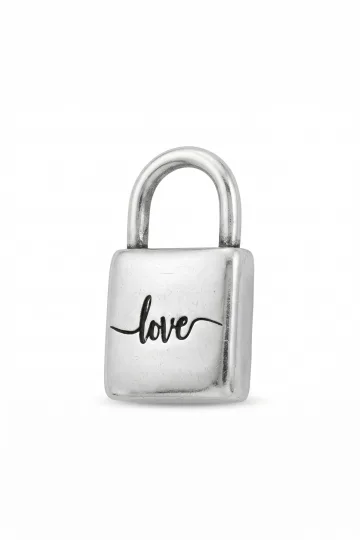
FAQ
What does "boho style" mean? Boho is short for bohemian. The style grew out of the Parisian artistic bohemia of the 1830s to 1850s (painters, poets and musicians who walked away from bourgeois rules), the American hippie movement of the 1960s (counterculture, anti-war protest, a link with nature), the festival culture of the 2000s and 2010s, and the ethical turn of the 2020s (fair trade, craft workshops, transparent origin). The main traits of bohemian jewellery: natural stones, oxidised or aged silver, symbolism (the moon, the tree of life, the feather, protective amulets), handwork or the look of handwork, and layering in the way it is worn.
How do you tell boho from hippie? Hippie was a counterculture of the late 1960s with a specific ideology: anti-war protest, an ecological agenda, Eastern spirituality, psychedelia, nonconformism. Boho is wider and older: an aesthetic that absorbed the hippie era as one of its phases without being reducible to it. Boho takes in the Parisian bohemia of the nineteenth century, the Belle Époque, the emigrant bohemia of the 1920s, the hippies of the 1960s, the festival culture of the 2000s and the ethical boho of the 2020s. Hippie is part of boho, not the other way round.
Can you wear boho in the office? It depends on the office. In the creative industries (editorial, design, advertising, architecture, photography) yes, and it is often expected. In traditional corporate environments (a bank, a law firm, the civil service) only in a very restrained form, ideally one discreet piece with bohemian character. Scandinavian and artistic boho adapt to a business context best. Festival boho with feathers and tiered bangles is not office wear.
How many layered chains count as boho? The minimum for a layer is three chains of different lengths (short at 38 to 40 cm, medium at 45 to 50 cm, long at 60 to 70 cm). That is the basic bohemian composition. The everyday maximum is four. For a festival look you can go to five or six, provided everything stays on one theme (one metal, one colour range). More than six at once stops being boho and becomes fancy dress. The governing principle is difference: in length, texture and chain weave. Three identical chains merge into one and lose the point of layering entirely.
Boho in silver or gold? Silver is the right answer for the overwhelming majority of boho sub-types. Silver, especially oxidised, is the central metal of the style. Gold is possible but in specific forms: rose gold (warmer than yellow, closer to copper), gilded silver (a golden tone without the outlay of solid gold), a low-carat gold such as 9 carat (more matte in appearance). Plain yellow 14-carat gold in modern formal jewellery is not boho, it is classic fine jewellery. You can wear it, just do not label it boho.
Boho at a wedding? The bohemian wedding is a recognised genre in its own right. The bride in a simple white dress plus one strong boho accent: a forehead piece, long plume earrings, a tiered necklace of pearl and silver, a flower crown with beaded drops. Guests at a bohemian wedding can wear boho jewellery too, in a more restrained version than the bride's. The principle: the jewellery should not compete with the dress, it should extend the mood of the day.
Does boho work in Britain? It does, and it has a long domestic pedigree. The Arts and Crafts jewellers of the late nineteenth century, working in silver with moonstone, enamel and hand-hammered surfaces, laid down almost every value modern boho claims: honest materials, visible making, symbolism drawn from nature. British festival culture then gave the style its twenty-first-century form, and the country's strong second-hand and antiques trade keeps supplying it. Scandinavian and artistic boho travel particularly well in a British wardrobe, since both survive a grey sky and a wool coat better than the brighter Mediterranean branch.
Which stones count as boho? The main ones: turquoise, moonstone, labradorite, opal, amber, agate (moss, fire, dendritic), carnelian, tiger's eye, lapis lazuli, chrysocolla, mother-of-pearl and irregular baroque pearl. The principle: rough or matte cabochons look more bohemian than faceted stones. Transparent faceted gems (diamond, sapphire, emerald, ruby) speak a different language, closer to classic fine jewellery.
Are feathers and leather compulsory for boho? No. They are attributes of festival boho, one sub-type among several. Scandinavian boho manages perfectly without either, running on silver, amber and natural symbols. Mediterranean boho uses shells, sea glass and white silver. Artistic boho works with rough stones and oxidised metal, no leather and no feathers anywhere. They are an option, not a requirement of the style.
Can a man wear boho jewellery? Yes. Leather bracelets with metal details, a ring with agate or tiger's eye, cord bracelets with symbols, none of that is gendered. In the bohemian tradition, from its Montmartre beginnings onwards, jewellery was worn by anyone who wanted to express something. The hippies of the 1960s, men and women alike, wore the same beads and leather bands. The bohemian aesthetic is about freedom rather than rules about who may wear what.
How do you tell real turquoise from synthetic? Real turquoise is matte, uneven in colour, with veining and inclusions. Synthetic material is a perfectly even blue, no veining, far too uniform. Real turquoise shifts colour over the years through contact with skin; synthetic stays exactly as it was. The natural stone is the one that holds value. "Stabilised turquoise" is a natural stone impregnated with resin to strengthen it and fix the colour, and it sits somewhere between the two.
How do you avoid crossing from boho into appropriation? The key is awareness rather than prohibition. Wearing Navajo motifs, Andean patterns, Indian forehead pieces or Berber silver respectfully means knowing where the thing came from, buying from makers who belong to that tradition where you can, and not mixing sacred symbols in as "nice details". If a piece carries a specific ritual meaning in a living culture, either learn what that meaning is or choose something else. Pieces that have entered the global boho vocabulary with the consent and participation of the people whose tradition they come from are fine to wear.
How do you do boho without looking too festival? Pick one of the more restrained sub-types: Scandinavian or artistic. Artistic means conceptual shapes, oxidised silver, rough stones, minimal layering. Scandinavian means runic symbols, amber, matte silver. Both read as bohemian to anyone who knows the language and as simply interesting jewellery to anyone who does not. The one-accent-per-look rule strips out the festival residue automatically.
Can you wear boho jewellery in winter? Certainly, and for some sub-types winter is the ideal season. Scandinavian boho with amber and runic symbols under a wool jumper is a purely winter look. Oxidised silver with tiger's eye and carnelian works beautifully against a neutral coat. A long labradorite pendant shows in the neckline of a winter dress. Winter boho simply changes materials and key: from light and marine to warm and earthy.
Is boho expensive or cheap? It depends on the source. Mass production offers cheap imitations with plastic "wooden" beads and dyed "turquoise" material. Genuine craft pieces in 925 silver with natural stones sit in the middle and upper range. The cost of a good bohemian piece is comparable to a decent dinner for two or a weekend away. It is not a necessity, nor is it bourgeois luxury, it is a considered outlay on something worn for years.
Where do you find good boho? Several reliable directions: the flea markets of Paris (Marché aux Puces de Saint-Ouen) for vintage; the craft fairs of Barcelona (Las Ramblas at the weekend) for contemporary makers; the markets of Rajasthan (Jodhpur, Udaipur) for traditional Indian pieces; the Moroccan medinas (Fez, Marrakesh, Tiznit) for Berber silver; online platforms such as Etsy and the specialist antiques sites for regular buying; and, closer to home, the antiques centres and vintage fairs that run in most British cities, along with your own family box of pieces from the 1950s to the 1970s.
What do you engrave on a bohemian piece? Short and meaningful beats long and explanatory. In Latin: Vagabundus (wanderer), Libera (free), Sub luna (under the moon). In Sanskrit: So Ham (I am That), Om, Shanti. In English: "Wild", "Way", "Light". The coordinates of a place that matters (48.8566 N, 2.3522 E for Paris, for instance). A date without the year for a private memory (DD.MM). Or a single symbol instead of text: a crescent, a spiral, a simplified tree of life. The rule of thumb: no more than five or six characters, so that the engraving never dominates the piece.
How many pieces at once is normal for boho? In the restrained urban version, three or four items (one chain, one ring, one bracelet, earrings). In a more pronounced version, five to seven (two or three chains of different lengths, one or two bracelets, two or three rings, earrings). For festival boho you can go to ten, provided everything is bound by one theme. More than ten at once is no longer boho, it is a costume. The principle: the quantity has to gather around a single logical centre, a metal, a colour or a motif, rather than accumulate at random.
In closing
The bohemian style in jewellery has been going for nearly two hundred years, from the Parisian attics of the 1830s to the festival fields of the 2020s. It has changed shape without changing substance. Nonconformism. A link with nature. Individuality. Respect for craft. Layers of necklaces, oxidised silver, turquoise, a tree of life, a moon at the wrist.
Boho is not one style but a family of styles with a shared origin. French bohemia, Californian with turquoise, Australian with opals, Scandinavian with amber, Slavic with protective pendants, Indian Rajasthani, Moroccan with enamel, Japanese and minimal: eight regional dialects of one language. Plus four functional sub-types: festival, artistic, Mediterranean and Scandinavian. And in every case, the chance to assemble your own version out of the elements that actually mean something to you.
What matters in boho is not correctness of execution but authenticity of intention. A piece chosen for a specific reason, with an understanding of its history and origin, worn with respect for the tradition it came from. That is the style at its strongest.
Every time someone picks a piece with character and a history behind it, that is a small gesture towards the same freedom the Parisian bohemians defended in the 1850s and the hippies claimed in the 1960s. Nothing grand. Just an object that says honestly who you are.
Wear the symbol, don't just read about it. These are in stock:
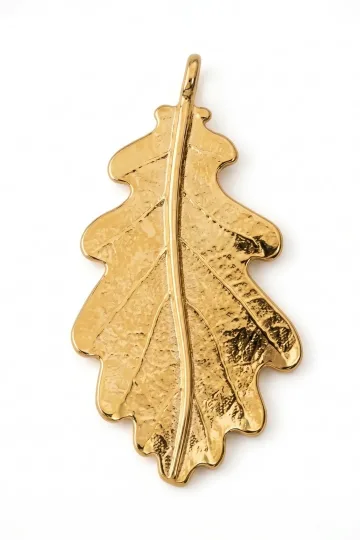
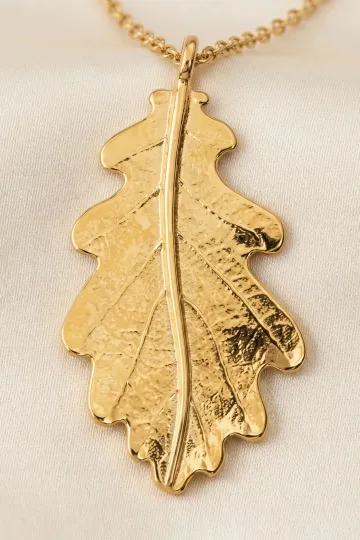
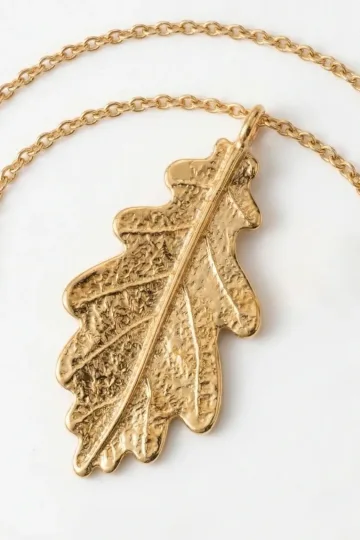
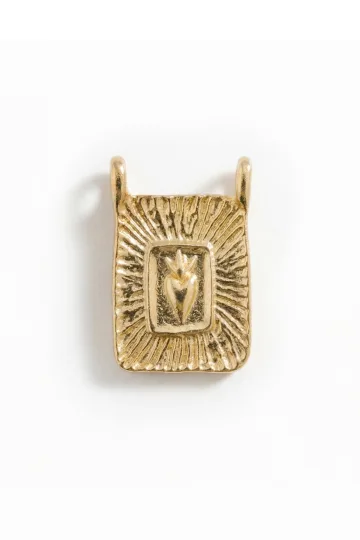
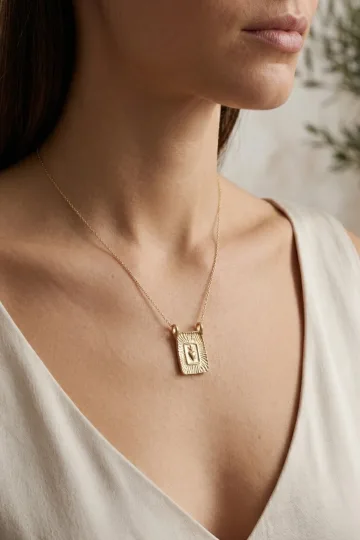
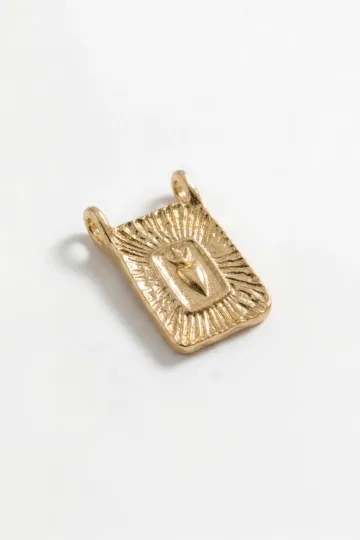
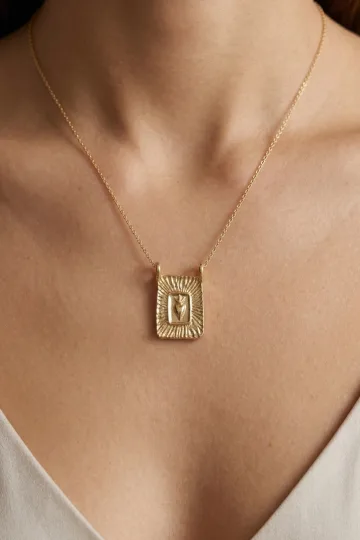
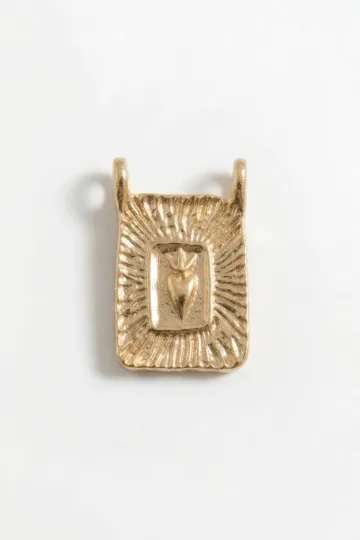


Find your boho piece at Zevira
Jewellery for the bohemian look: 925 silver, natural stones, the symbolism of the moon, the sun, the feather and the tree of life. Every piece can be engraved. We work toward a transparent origin for our materials. Made by hand.
About Zevira
Zevira is a jewellery brand focused on symbolic pieces in 925 silver and natural stones. Moon symbolism, the tree of life, the hamsa, the nazar, the feather, collections for people who choose a piece for its character rather than its logo. Engraving to order, with a brand that works toward ethical sourcing and a transparent chain of origin for its silver and stones.