Cornicello Meaning: The Italian Horn Amulet Explained
Cornicello (literally "little horn" in Italian) is a protective amulet shaped like a curved horn, worn for over 6,000 years to ward off the evil eye and attract good luck. The name comes from "corno" (horn) with the diminutive suffix "-cello." Also called the Italian horn, corno, or cornetto, this charm is one of the oldest continuously used protective symbols in Europe.
If you have ever been to southern Italy, you have seen it. A small, curved horn hanging above doorways, dangling from rearview mirrors, and around the necks of pretty much everyone in Naples. This is the cornicello, and despite being thousands of years old, the charm is more popular than ever. It has spread far beyond Italy to Spain, Portugal, Latin America, and the rest of the world. Some wear it for protection. Others just like how it looks. Either way, there is something about this little horn that keeps people coming back.
Here is what cornicello actually means, where it came from, and why millions of people still trust it.
What Is a Cornicello
Definition and Names
A cornicello is an amulet shaped like a slightly curved horn. The name comes from Italian: "corno" means horn, "cornicello" means little horn. You might also hear it called "corno," "cornetto," or simply "Italian horn."
The diminutive matters. Italian builds affection into grammar, and the shift from "corno" to "cornicello" moves the object from a thing on an animal's head to a small thing you keep close. In Neapolitan the word is often "curniciello," which is what you will actually hear on a market stall in the city, and the spelling on a handwritten price card will vary accordingly. Plural forms trip people up in English writing: one cornicello, two cornicelli, with the "c" before "i" pronounced like the "ch" in "chin."
Wear the symbol, don't just read about it. These are in stock:
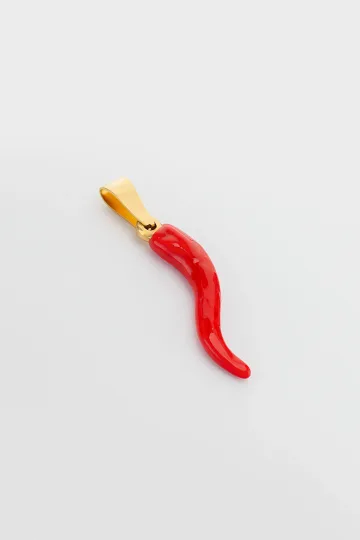
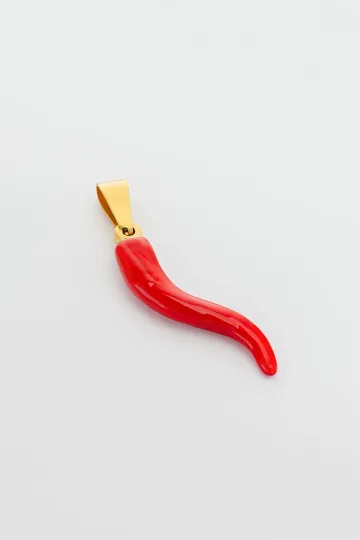


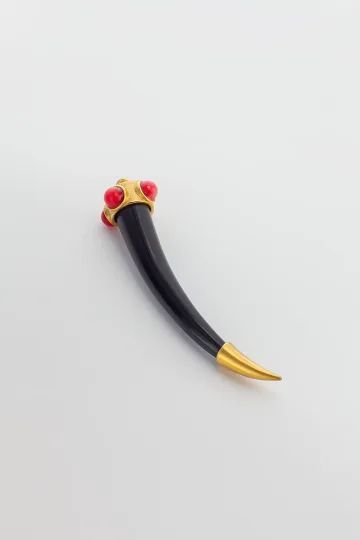

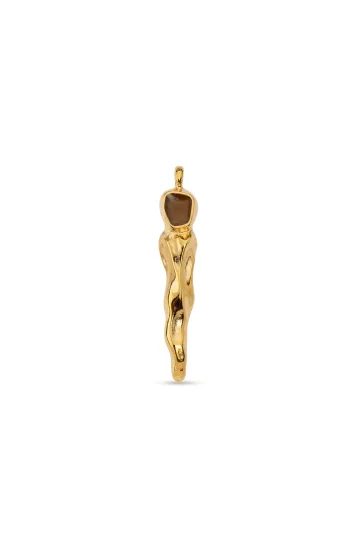
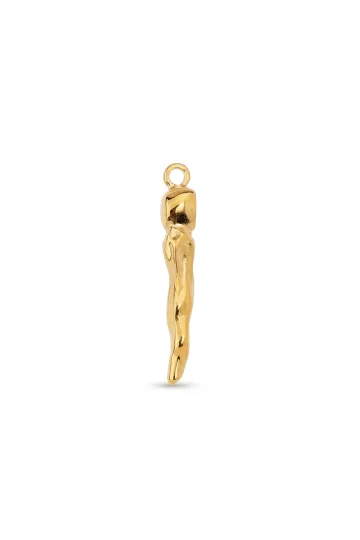
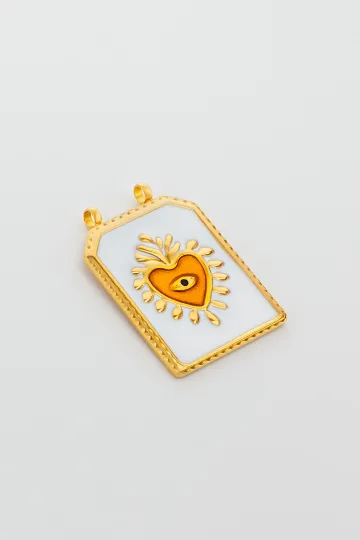
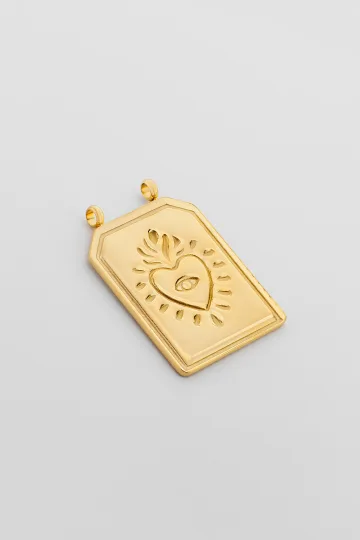
There is also a family of related terms. "Cornetto" usually means the same amulet, though in a bakery it means a pastry, and Neapolitans enjoy the ambiguity. "Corno portafortuna" is the full descriptive phrase, literally "luck-carrying horn." "Mano cornuta" is the hand gesture that mimics the same shape, which gets its own section further down.
It looks a bit like a chilli pepper, and that is not a coincidence. In Naples, both the horn and the hot pepper are considered protective. But historically, the horn came first. It is a symbol rooted in pre-Christian times, long before anyone thought about peppers.
What a Real Italian Horn Looks Like
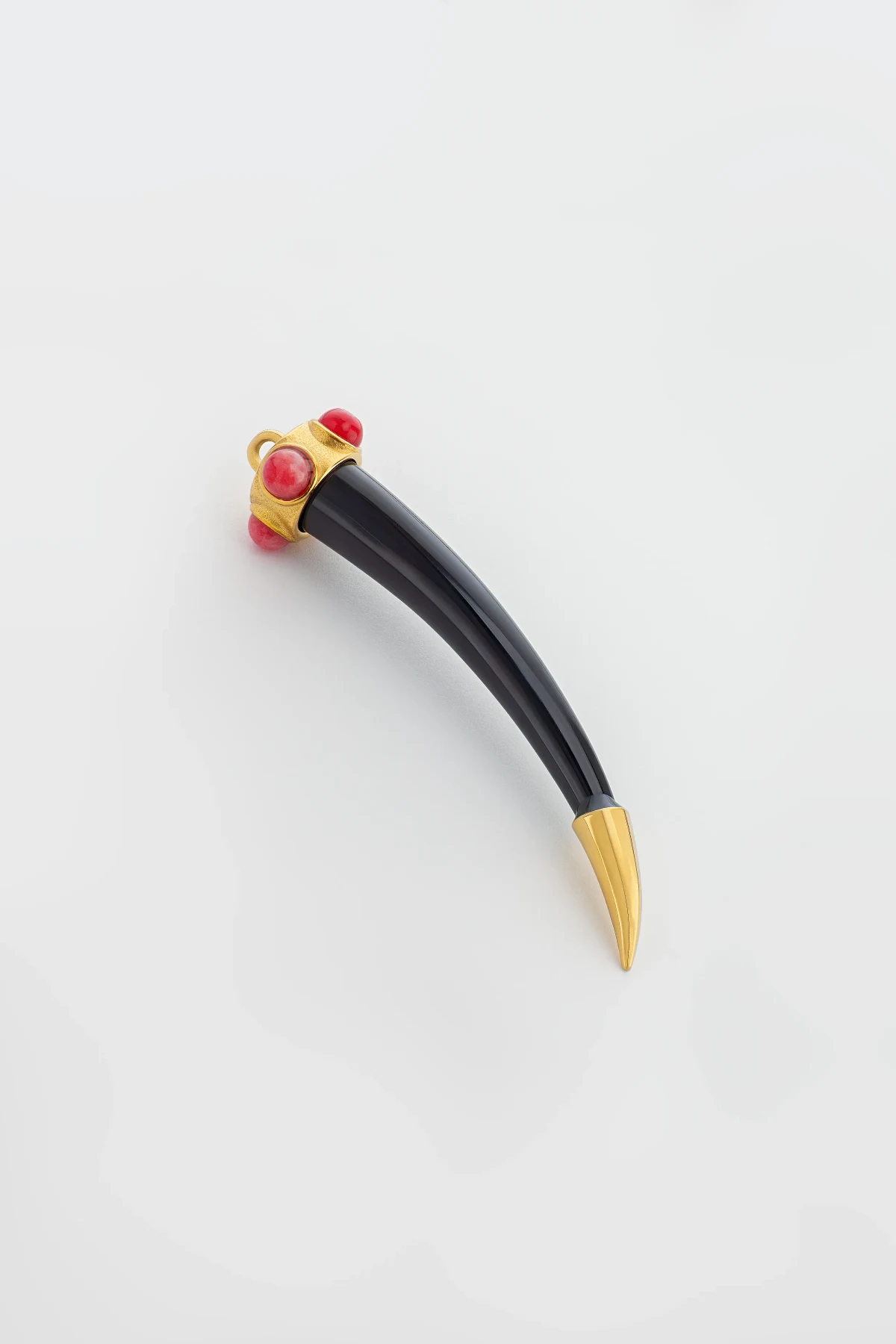
A traditional Italian horn is usually:
- Long and gently curved, like a crescent
- Pointed at the tip
- Red, gold, or black in colour
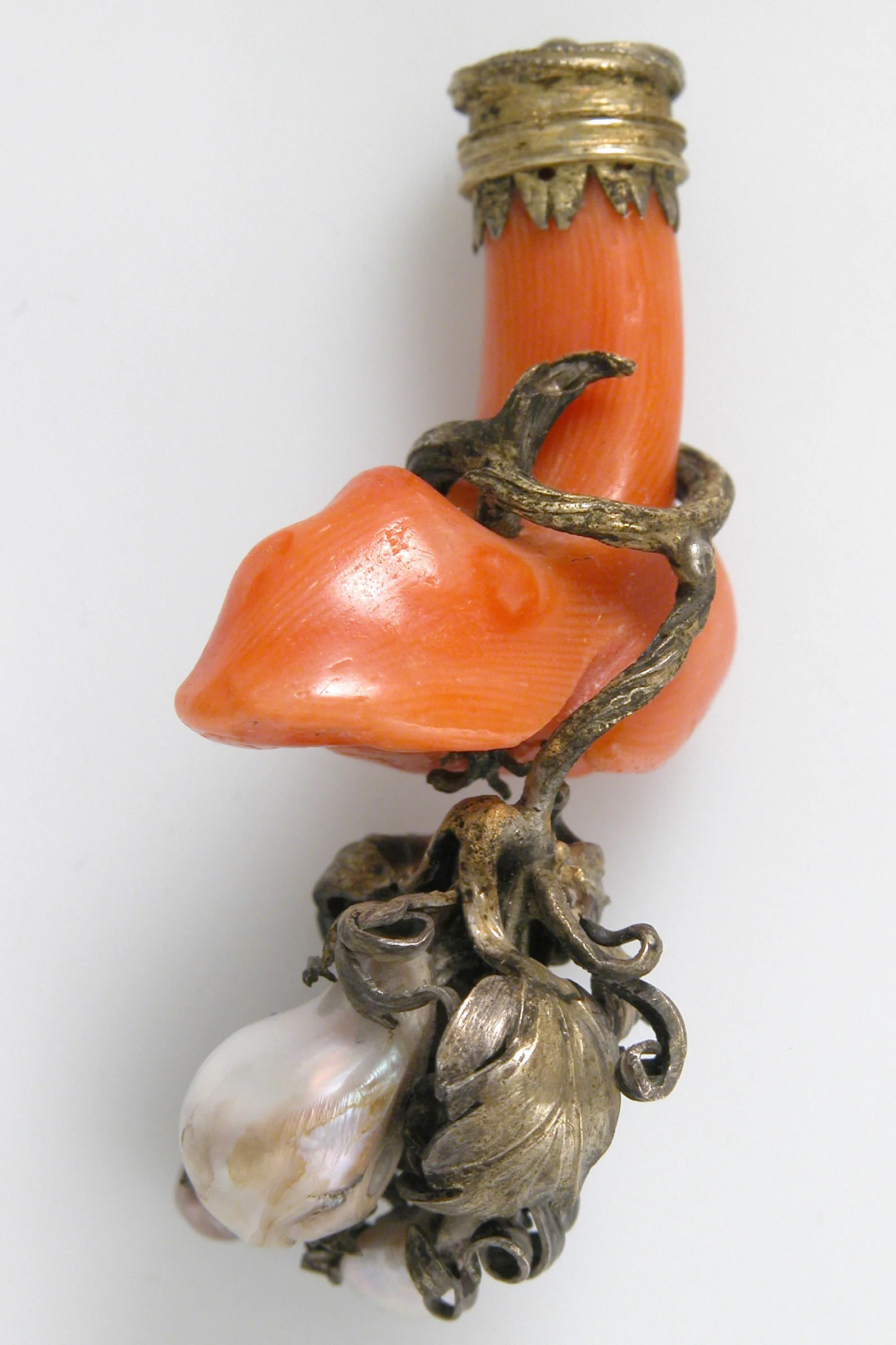
- Made from coral, gold, silver, or actual animal horn
One important detail: a proper Italian horn should be hollow or at least thin. Chunky, heavy versions are considered less effective according to tradition. The reasoning is practical in its own way: the horn is meant to "pierce" negative energy, and a sharp, tapered form does that better than a blunt mass.
The size varies. Neapolitan door hangings can be 30 cm long. A jewellery pendant is typically 2 to 4 cm. The shape stays the same regardless of scale. That consistency across thousands of years and millions of examples tells you something: the form is the message.
The Italian Horn: Another Name for the Cornicello
Outside Italy, most people call it the "Italian horn," and the label does two jobs at once: it names the shape and flags the origin. Inside Italy nobody says "Italian" horn, since "corno" or "cornetto" already implies it. The name shifts with the region a piece comes from. You will see "Naples horn" or "Neapolitan horn" for the classic coral version, "Sicilian horn" for the darker island pieces, and plain "lucky horn" for the good-luck angle. An Italian horn necklace, an Italian horn pendant, an Italian horn charm: all describe the same curved, pointed amulet worn against the evil eye. If you searched "Italian horn meaning," the cornicello is what you were looking for, name or no name.
A red horn wants an open collar and a tan. Never under a tie.
How to wear a cornicello
Over years on shoots and runways the horn has passed through dozens of looks with me. Here is what actually works, sorted by occasion.
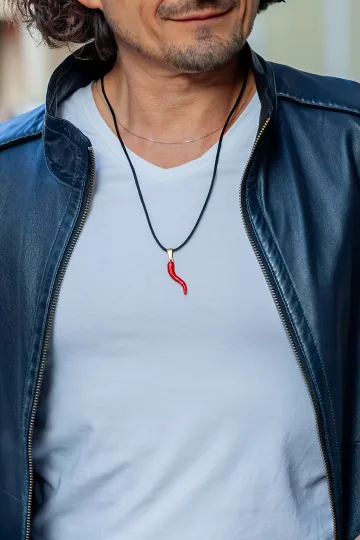
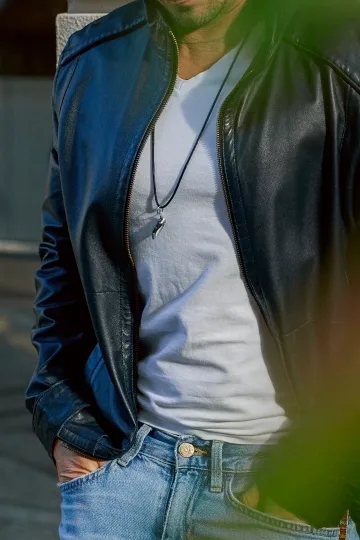
What do I wear the horn with every day? For daily wear I recommend a silver or steel horn on a thin chain over a plain tee, a linen shirt or a cotton dress. A light top (white, beige, sand) lifts the metal, a dark one (graphite, khaki, navy) turns the horn into the accent. Under a V-neck it lands right in the centre, its strongest position. Under a round neck I suggest a shorter chain so the horn rests on the fabric instead of hiding. If you are unsure about length, the chain length guide settles it fast.
Is it right for the office? Yes, as long as you keep it restrained. I recommend silver or matte gold, 45 to 50 cm, so the horn sits just under the top button of a shirt. Under a jacket it reads as a quiet detail, not a loud accent. A strict dress code is no verdict: the horn lives happily under clothing.
How do I build an evening look? For evening I suggest an open neckline and a smooth fabric in a deep colour: wine, emerald, black. A gold or red coral horn belongs here, it catches warm light. Against bare skin at the collarbone it reads best, and I recommend a shorter length, 40 to 45 cm.
And for the camera or a special entrance? For a shoot or a big entrance I choose the most traditional option: red coral or gold. That way the horn echoes both the symbolism and the formality of the look, and it holds up clearly on camera.
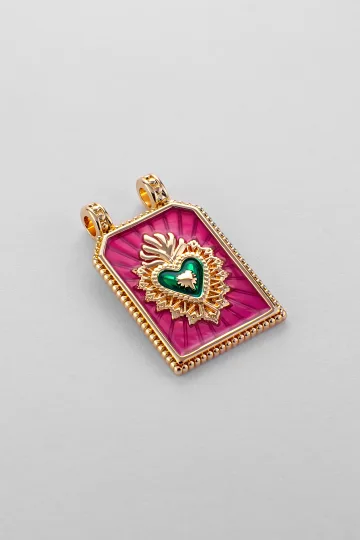
Who does it actually suit? Anyone who likes spare pieces with a story rather than a shiny pile. It sits equally well on a minimal look and in layers, and pairs cleanly with a nazar or a sacred heart when you want a small stack, or with a mano fica for a full Italian set. Two rules that never fail. First: choose the length for the neckline, not the other way round, the horn should land in the open zone. Second: one horn on a clean chain always beats one squeezed between five pendants. If you want layers, give it its own line of length.

Turn on your camera, pick earrings, a pendant or a ring, and see the piece on yourself in real time.
Switch items in one tap.
Everything runs in your browser: no photo or video is ever uploaded.
History: From Neolithic Caves to Neapolitan Streets
The earliest horns
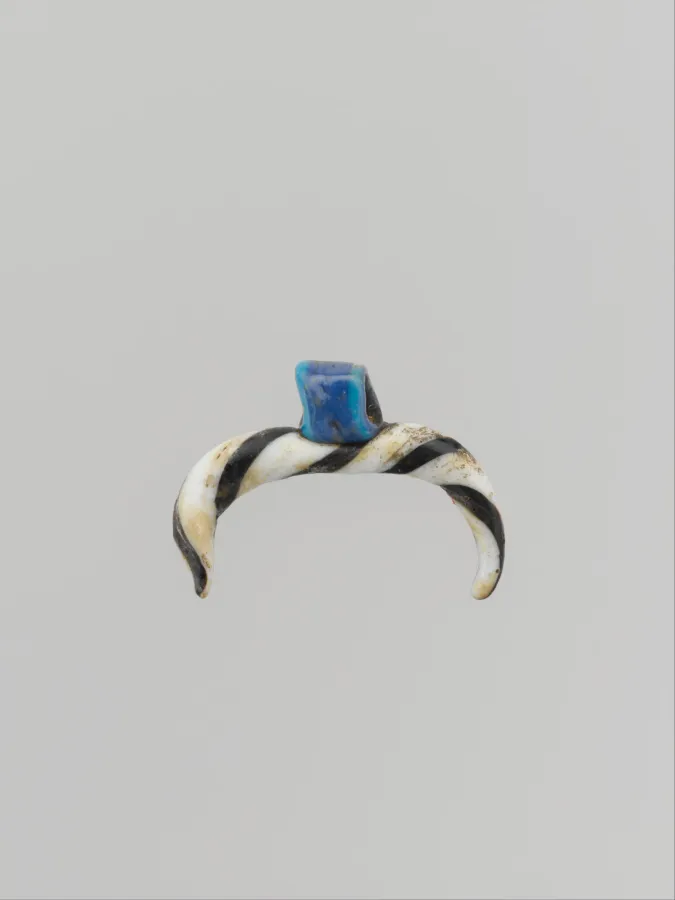
The horn as a protective symbol goes back way before Rome. In the Neolithic period, roughly 6,000 to 8,000 years ago, people hung animal horns above the entrance to their homes. Bull skulls with horns intact have been found in settlements across the Mediterranean. The horns of a bull represented raw strength, virility, and the ability to gore anything that threatened the herd.
This was not abstract symbolism. For pastoral cultures, a bull was the most dangerous and most valuable animal they knew. Its horns were the ultimate weapon. Wearing or displaying a horn was a way of borrowing that power.
Ancient Rome and the goddess Luna
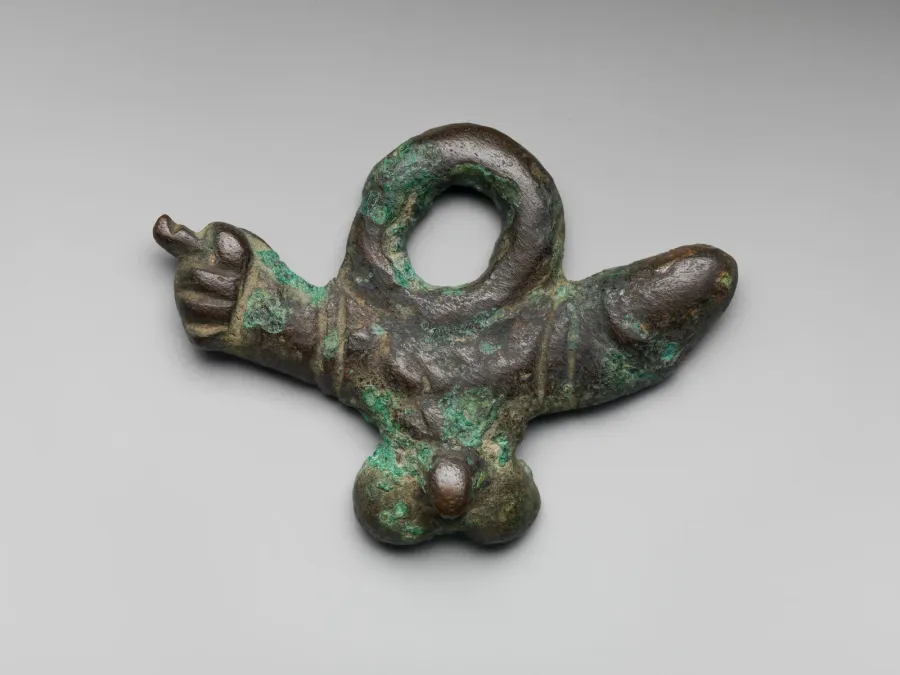
In Roman culture, horns were associated with multiple deities. The goddess Luna (Moon) was depicted with a crescent that echoed the curve of a horn. The fertility god Faunus, protector of shepherds and flocks, was shown with small horns. Roman soldiers carried horn-shaped amulets, particularly during campaigns in unfamiliar territory where they believed they were more vulnerable to curses.
Roman generals returning from conquest would sometimes display massive bull horns as trophies. The horns said: we overcame force with greater force. That symbolism, the horn as conquest and protection combined, carried forward into the medieval period.
Medieval Naples: where the cornicello became what it is today
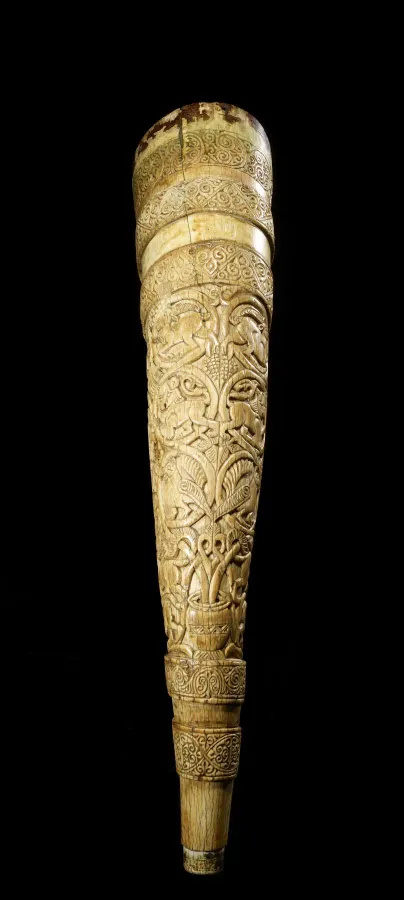
The cornicello as we recognise it took shape in medieval Naples. The city was one of the largest and most chaotic ports in the Mediterranean. Traders from North Africa, the Levant, Spain, France, and beyond passed through daily. Strangers were everywhere. And with strangers came fear.
The concept of malocchio (evil eye) was not unique to Naples, but no city took it more seriously. Neapolitans believed that a stranger's envious glance, a compliment delivered with hidden resentment, or even excessive praise could cause illness, bad luck, financial ruin, or harm to children. The cornicello became the default defence.
By the 14th and 15th centuries, the production of cornicelli (plural) was a cottage industry. Coral workshops in Torre del Greco, south of Naples, carved red coral horns by the thousands. Goldsmiths on Via San Gregorio Armeno (now famous for nativity scenes) sold gold cornicelli alongside saints and crosses. There was no contradiction. Protection from the evil eye and Christian devotion existed side by side.
The 18th and 19th centuries: codification of the tradition
During the Bourbon period in Naples, the cornicello traditions became more formalised. Specific rules emerged: the horn must be given as a gift (buying one for yourself was considered less effective). It must be red (for blood and vital force). It must be made of coral (the material of the sea, connected to Venus). A broken horn meant it had absorbed a curse and done its job.
These "rules" were folk traditions, not written law, and they varied from family to family and neighbourhood to neighbourhood. But the broad strokes were consistent: red, gifted, pointed, curved.
This is also when the cornicello became firmly associated with Naples rather than Italy broadly. Romans, Florentines, and Milanese considered it a Neapolitan superstition. Neapolitans considered it common sense.
The diaspora: from Naples to the world
Between 1880 and 1920, roughly four million southern Italians emigrated, mostly to the United States, Argentina, and Brazil. They brought the cornicello with them.
New York. Little Italy in Manhattan and later Bensonhurst, Brooklyn became hubs of cornicello culture. Italian-American jewellers on Mulberry Street sold gold horns alongside chains and crucifixes. To this day, a gold Italian horn on a chain is practically a uniform in Italian-American communities in the Northeast. The Soprano's Tony Soprano wore one. Fictional, but culturally accurate.
Buenos Aires. The Italian community in La Boca and Palermo kept the tradition alive with a distinctly Argentine flavour. Cornos (as they are called in Argentine Spanish) are sold in "santerias" alongside other charms. In Buenos Aires, the horn is more colourful, often bright red enamel or painted ceramic, reflecting the local aesthetic.
Sao Paulo. Brazil's enormous Italian-descended population (roughly 30 million people claim Italian ancestry) has maintained the corno tradition, especially in Sao Paulo's Bela Vista neighbourhood, historically known as "Little Italy."
In all three diaspora communities, the cornicello serves a dual function. It is protective (against malocchio), and it is identity (I am Italian, even if I have never been to Italy).
Cornicello Meaning: Protection From the Evil Eye
Protection against the evil eye (malocchio)
The main purpose of the charm is protection against malocchio, the evil eye. In Italian tradition, envy or a hostile glance can cause real harm: illness, bad luck, relationship problems, even infertility.
The amulet works as a shield. Its pointed tip "pierces" negative energy, and its curved shape deflects it away from the wearer. The horn is both sword and shield, a dual-purpose protective instrument.
What is interesting is that Italians still take malocchio seriously. Not just grandmothers in Campania villages. Young professionals in Milan, academics in Bologna, financiers in London with Neapolitan roots. Superstitions remain widely held across Italy, and the cornicello is among the most familiar of them.
This is not ignorance. It is cultural continuity. People who can explain quantum mechanics still knock on wood. People who manage hedge funds still wear a cornicello "just in case." Psychologists call this the "better safe than sorry" heuristic. Three thousand years of tradition have refined the heuristic into a jewellery piece.
A symbol of luck and fertility
Beyond protection, the Italian horn represents good luck, strength, and fertility. The connection to the bull and its horns is a connection to masculine energy, vitality, and the ability to overcome obstacles.
In southern Italy, the amulet is often given to newlyweds or newborns. For newlyweds, it is a wish for fertility and prosperity. For newborns, it is protection during the most vulnerable period of life. A baby with a coral cornicello pinned to its blanket is a common sight in Campania even today.
The luck aspect is broader. Students wear them during exams. Business owners hang them behind the cash register. Drivers mount them on the rearview mirror. The logic is consistent: the horn wards off the negative and attracts the positive. A two-for-one deal.
Connection to lunar energy
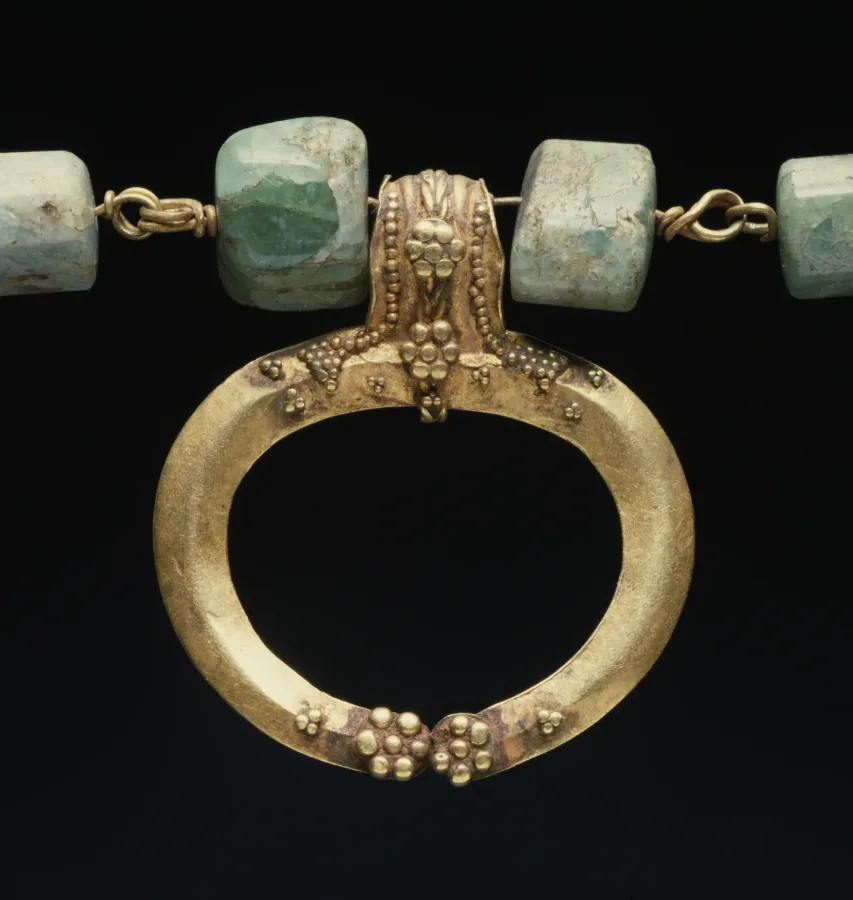
The curved shape of the horn resembles a crescent moon. In Roman and later Italian tradition, this links the amulet to the Moon and feminine energy. Luna, goddess of the night, protector of travellers in darkness.
This duality, the masculine power of the bull's horn and the feminine energy of the crescent Moon, makes the cornicello a universal symbol. It suits both men and women, balancing both energies. In Jungian terms, it unites animus and anima. In practical terms, it means anyone can wear one without it feeling gendered.
Cornicello Symbolism in Italian Culture: More Than an Amulet
The cornicello carries a layered meaning in Italy that goes beyond protection. To Italians, especially southern Italians, the horn is a compressed encyclopedia of cultural values.
Family and lineage. A cornicello is rarely a random purchase. It is given by a grandmother, a parent, a partner, or an old friend. When you see an Italian touching their horn, they are not just performing a superstitious gesture. They are touching the person who gave it to them. The amulet is a portable family memory.
Resistance to bureaucracy and abstraction. In a country with one of the most opaque administrative systems in Europe, the horn represents direct, unmediated protection. You do not need a permit, a religious authority, or an explanation. The cornicello works because you wear it. Italians, especially Neapolitans, have an instinctive distrust of institutions and a fondness for personal, tactile solutions. The horn fits that worldview perfectly.
Connection to the land. Coral, the traditional material, comes from the sea. Real horn comes from the herd. Gold comes from the earth. Wearing a cornicello means carrying a piece of the Italian landscape with you, no matter where you are.
Masculine identity, especially in the South. In the Italian-American Northeast, the gold cornicello on a thick chain became a marker of masculinity, particularly working-class masculinity. The horn says: I am physically present, I take care of my own, I am protected and protecting. In Italy itself, the gendered association is weaker: women wear cornicelli just as often, but in the diaspora, it became a male signature.
Resistance to envy. Italian culture has a complex relationship with success. Boasting attracts the evil eye. Modesty is protective. The cornicello allows the wearer to acknowledge that envy exists, that success makes you vulnerable, that life can turn on a sentence. It is a small piece of armour against the social cost of doing well.
This is why Italians, even highly educated ones who would never call themselves superstitious, keep a cornicello somewhere. In a wallet, on a keychain, in a desk drawer at work. Not because they expect it to do anything supernatural. Because it represents a deeply held cultural attitude that cannot be expressed in words.
What a Cornicello Is Made Of
Material matters in tradition, and here is why:
Red Coral
Red coral is considered the most powerful version. Red symbolises blood and vital force. Neapolitan tradition says that a coral horn offers maximum protection. Coral from the Mediterranean, especially from Torre del Greco near Naples, is the gold standard. But natural red coral is increasingly rare and expensive, and harvesting it is environmentally problematic. Today, most "coral" horns are dyed or synthetic.
There is a practical reason coral held the top spot for so long, beyond colour symbolism. Coral is organic, warm to the touch, and it takes a soft satin polish rather than a hard glassy one, so it never looks industrial. It also ages: a coral horn worn against skin for decades develops a slightly deeper, waxier surface. Families in Naples read that patina as proof the amulet has been doing its job.
Gold
Gold is the classic choice for jewellery. A gold cornicello pendant combines the protective shape with the "solar" energy of gold. In traditional Neapolitan practice, 18-karat (750 fineness) is preferred. But gold-toned alternatives, brass with quality coating, deliver the same visual impact and symbolic weight at a fraction of the cost.
Silver
Silver is a more accessible option, linked to lunar energy. Sterling silver 925 is considered ideal: strong enough for daily wear and hypoallergenic. Silver horns are especially popular outside Italy, where the "must be red" rule is less strictly observed.
For a British buyer silver has an extra advantage: a sterling piece over 7.78 grams must be hallmarked by an Assay Office, so London, Birmingham, Sheffield or Edinburgh has already verified the fineness before it reaches you. Most cornicello pendants sit under that weight and so carry no legal requirement, which is worth knowing before you go looking for a mark that was never obliged to be there.
Real Horn
Actual horn is the literal embodiment of the symbol. Less common due to fragility, but valued for authenticity. An ethnic horn pendant in natural brown keeps that raw, organic feel even in a modern piece. In some Neapolitan families, an actual horn has been passed down for generations.
The Black Version
Black versions, whether in black Italian horn pendant form or with black coating, are considered especially strong for absorbing negativity. The logic: black draws in negative energy before it reaches the wearer. Like a sponge for bad intentions.
Black is also the version that travels best into a modern wardrobe. Red coral announces itself and demands a considered outfit around it. A black horn reads as a neutral graphic shape on the chest and sits comfortably with tailoring, denim, and everything in between, which is why it outsells the traditional colours almost everywhere outside southern Italy.
Stainless Steel
Stainless steel is the modern pragmatist's choice. No copper means no green marks on skin. No reaction with water. No maintenance. The symbolism is in the shape, not the material.
Steel handles a life that silver merely tolerates: sea swimming, showering, the gym, a job that involves hands and grit. For an amulet meant to be worn constantly rather than kept for occasions, that durability is not a compromise on tradition. Naples has always chosen materials that survive the street, and steel is simply the current answer to that old question.
Upload a photo of your pet, someone you love, or an object. We'll build a 3D model and hand-cast it in pewter.



How a Cornicello Is Made: From Raw Material to Finished Charm
A traditional cornicello is not stamped out of a machine. Even today, the most respected versions are hand-finished, and understanding the craft helps you appreciate what you are wearing.
Coral cornicelli
The classic Neapolitan method uses red coral from the Mediterranean. Torre del Greco, a town on the Bay of Naples, has been the centre of coral working in Italy since the 17th century. The process:
- Harvesting. Coral is gathered from the seabed at depths of 30 to 200 metres. Mediterranean red coral (Corallium rubrum) is the prized species. Increasingly, harvest is regulated due to overfishing, so much modern "coral" jewellery uses material from older stockpiles or sustainably farmed sources.
- Cleaning and sorting. Raw coral branches are sorted by colour intensity and density. Deep red, evenly coloured pieces are reserved for premium work.
- Cutting. Master cutters select pieces with natural curves that suggest the horn shape. The grain of the coral is studied carefully, because coral has a structural pattern that influences how it can be carved.
- Carving. Using small files, abrasive wheels, and hand tools, the carver shapes the horn. A skilled craftsman in Torre del Greco can finish a small pendant in a few hours. Traditional shapes have stylised ridges along the curve, suggesting bone or shell.
- Polishing. Successive grades of polishing compound bring out the natural sheen. Real coral has a satiny gloss, not a glassy shine. If it looks like plastic, it probably is.
- Mounting. The polished horn is fitted with a metal cap (usually gold or silver) and a small loop for the chain.
The whole process can take a day or several days depending on size and complexity. A handmade Torre del Greco coral cornicello commands a high price for good reason.
Gold and silver cornicelli
Metal versions follow different paths depending on quality tier:
- Lost-wax casting. A wax model is carved, encased in plaster, then melted out and replaced with molten gold or silver. This produces fine detail and is the traditional method for premium pieces.
- Die-stamping. Two metal dies press the shape from a sheet of gold or silver. Faster and cheaper, used for mid-market and mass production.
- CNC cutting. A computer-controlled cutting machine shapes the piece from solid metal. Modern, precise, and increasingly common.
- Hand finishing. Even mass-produced pieces are usually hand-polished and inspected before mounting.
For silver 925 versions, the metal is alloyed with 7.5% copper for strength, then hallmarked. Quality producers in Italy mark their pieces with a national identifier and the workshop number.
Modern materials
Stainless steel cornicelli are typically die-stamped or CNC-cut from 316L surgical-grade steel. PVD coating (a vacuum deposition process) can give steel a gold or rose-gold appearance that lasts for years without fading. Ceramic and resin versions are moulded; these are cheaper and lighter, common in souvenir markets in Naples and Sorrento.
The form is what matters. A cheap ceramic cornicello from a stall on Spaccanapoli and a fine coral one from Torre del Greco carry the same symbolic weight. The price reflects materials and craftsmanship, not protective power.
Who Can Wear a Cornicello
Short answer: anyone.
Unlike some symbols tied to a specific religion or culture, the Italian horn has no gatekeeping. It is not a closed cultural symbol. No Italian will consider it appropriation. Most will consider it a compliment, especially if you know the backstory.
It is worn by:
- Men and women of any age
- People of any faith (it is not a religious symbol, though it coexists with Catholicism in Italy)
- Believers and sceptics alike (some trust the protection, others just appreciate the design)
- As a first piece of meaningful jewellery
- As a gift for someone you care about
In Italy, the amulet is traditionally more powerful when given as a gift rather than bought for yourself. A gifted talisman carries the giver's good intentions, which adds to the protection. So if you want to do something nice for a friend, Italian or otherwise, a cornicello is a thoughtful and historically grounded choice. More gift ideas in the jewellery gift guide.
One honest caveat is worth stating plainly. The cornicello is not a free-floating good luck sign. It belongs to a living culture with a specific home city, a specific dialect word for it, and a set of habits attached to it that are still practised daily in Naples. Wearing one is welcome. Explaining it as a generic "Italian charm" while flattening the Neapolitan part is where it goes thin. The gesture and the object travel well precisely because their owners are relaxed about lending them out, and the least you can do in return is know whose they are.
Where and How the Cornicello Is Worn
The amulet has three traditional homes: the neck, the wrist or keyring, and the wall by a front door. The first two concern jewellery, and they behave differently.
On a Chain at the Neck
The pendant is the standard form and the one with the most rules attached. The horn hangs point down, always. This is not decorative preference. The tip is understood to be doing work, and it works aimed away from the body, towards the ground and towards whatever is in front of you. A horn hanging point up looks wrong to anyone raised with the tradition, the way an upside-down flag does.
Length changes the character of the piece. Between 40 and 45 cm the horn sits at the collarbone, visible in almost every neckline, which reads as a declared amulet. Between 50 and 55 cm it drops onto the sternum and disappears under most shirts, which reads as a private one. Neapolitan practice does not favour either. Plenty of people keep the horn under a shirt for exactly the reason you would expect: an amulet nobody sees cannot attract the envy it exists to deflect.
Chain choice is mostly practical. A fine cable or box chain lets a small horn keep its shape as the focal point. A heavier curb chain turns the whole thing into a statement and suits a larger steel or black horn better than a delicate coral one. Coral in particular needs a chain that does not swing hard, because the material chips.
On a Bracelet or Keyring
Away from the neck the horn becomes a smaller, blunter object. On a bracelet it usually appears as a charm alongside others, and the point-down rule loosens because the wrist moves constantly and no orientation holds. Practically, a bracelet horn takes far more abuse than a pendant does. Steel and gold survive it. Coral chips against desks and door handles within a year.
The keyring version is the most Neapolitan of all, and the most unpretentious. It rides in a pocket or a bag, protects the car and the house by association, and gets replaced without ceremony when it snaps. Taxi drivers in Naples hang one from the rear-view mirror on the same logic. This is where you see the tradition at its most matter of fact: the horn is not treasure, it is equipment.
A third variant deserves a mention because visitors always ask about it. The large hanging horns sold outside shops, sometimes 30 cm of glossy red ceramic, are not jewellery and are not meant to be worn. They go by a door or above a till, and they belong to the shop rather than to a person.
What It Pairs With
Colour first. A red coral horn is a saturated warm accent and it fights anything else warm and loud on the same chest. Give it a plain background: white linen, navy, black, grey knitwear. A gold horn behaves the same way but reads dressier. A black or steel horn is effectively a neutral and pairs with anything.
Other pendants are fine on a second chain at a different length, provided the horn keeps its own space. What does not work is a horn crowded against a second charm on the same chain, because the shape needs a clear outline to read as a horn at all. Stack lengths, not pendants.
Mixing metals across pieces is no longer an issue in practice, though a gold horn next to a silver watch on the same arm still needs a third gold element somewhere to look intentional rather than accidental. And if you are already wearing a nazar or a hamsa, separate them onto different chains or different sides. Each of the three protective charms carries a distinct outline, and outlines are what make them legible.
Customer reviews
Zevira is a real jewellery shop. Genuine payments, deliveries and customer thank-yous.
🥰🥰🥰 gracias

Ok, ¡gracias! 🙂

The Psychology of Wearing a Cornicello
You do not have to believe in the evil eye for the cornicello to "work." Modern psychology has interesting things to say about why protective amulets continue to be effective long after the cultures that produced them have moved on.
The placebo effect of belief. Research in sports psychology has suggested that athletes who carry a "lucky" object can perform better at certain tasks. In some experiments, participants who believed they were using a "lucky" item showed improved results on a simple skill test. The mechanism is not magic. It is reduced anxiety, increased focus, and a sense of agency. A cornicello can do something similar for daily life.
Anchoring positive memory. When someone you love gives you an amulet, the object becomes a physical anchor for that relationship. Each time you touch the horn or notice it in the mirror, you trigger a brief positive memory cascade. Over time, this becomes an automatic mood regulator. The mechanism is well-documented in cognitive behavioural therapy under the name "anchoring techniques."
Reduced rumination. People who wear protective amulets tend to ruminate less about misfortunes that might happen. Knowing that something has "covered" the risk allows the mind to release the worry. This is similar to how making a backup of your files reduces stress about losing them: the actual probability of data loss does not change, but your anxiety about it drops to near zero.
Identity reinforcement. Wearing a cornicello sends a signal about who you are and where you come from: to yourself first, others second. For Italians and the Italian diaspora, the horn is a daily identity statement. Identity-anchoring objects increase psychological resilience during stress. This is one reason military units have unit insignia, athletes have team gear, and Neapolitans have cornicelli.
The gift effect. Research on gift psychology suggests that gifts carrying emotional intention can have a stronger positive effect on the recipient than buying the equivalent item for oneself. The Neapolitan tradition that "a gifted cornicello is stronger" lines up neatly with that idea.
None of this is mystical. It is how human cognition works. The cornicello does not bend reality. It bends your relationship to reality, in measurable and beneficial ways.
Cornicello in Pop Culture
The cornicello is everywhere once you start looking.
Film. In "The Godfather" and its sequels, Italian-American characters wear gold chains with religious and protective pendants, including horns. The connection between Italian identity and protective jewellery is a visual shorthand that Coppola understood.
Television. Tony Soprano's gold chain and Italian horn in "The Sopranos" became iconic. It was such a specific cultural marker that wearing a gold Italian horn in the 2000s was essentially declaring "I watch The Sopranos" or "I am Italian-American" or both.
Music. Performers of Italian-American heritage have been seen wearing the cornicello. Italian rappers and trap artists from Naples (the so-called "Neapolitan wave") wear cornicelli as both cultural identity and aesthetic choice.
Social media. On TikTok, the hashtag #cornicello has millions of views. Videos range from "what is this thing my nonna gave me" to styling guides to "I wore a cornicello for 30 days and here is what happened." The algorithm loves amulets.
Football. Italian footballers, particularly those from the south, are known for wearing cornicelli. In a sport where superstition is rampant (same socks, same routine, same pre-match meal), a protective amulet fits right in.





Cornicello in Italian Cinema and TV: A Visual Language
Italian filmmakers have used the cornicello as visual shorthand for character identity, regional belonging, and sometimes as a plot device. Knowing which film or show features the horn helps decode an entire layer of Italian visual storytelling.
Gomorrah (TV series, 2014-2021). The Sky Italia crime drama is set in Naples and features cornicelli throughout. Characters touch their horns at moments of tension or threat. The amulet appears in close-ups as a marker of working-class Neapolitan identity, and the costume design uses jewellery to signal each character's place in the story.
The Sopranos (HBO, 1999-2007). Tony Soprano's gold chain and cornicello became one of the most recognisable jewellery combinations in television history. James Gandolfini's costume choices were deliberate: he and the show's stylists wanted to depict a specific kind of Italian-American masculinity, and the horn was non-negotiable. Twenty-five years later, the "Tony Soprano starter pack" still includes a thick gold chain with an Italian horn.
The Godfather trilogy (1972-1990). Coppola, whose grandparents emigrated from Bernalda in Basilicata, peppered the films with Italian-American visual culture. Italian horns appear on the chains of multiple characters, particularly in the New York scenes of the first film. The amulet signals heritage without dialogue.
My Big Fat Italian Wedding and related rom-coms. The cornicello often appears as a comedic prop: the grandmother forcing the reluctant grandchild to wear one for protection. The trope is so common it has become shorthand for "this is an Italian family." Often inaccurate to actual Italian custom, but reliable Hollywood signalling.
Stanley Tucci's Searching for Italy (CNN, 2021-2022). In his travel documentary series, Tucci frequently shows close-ups of cornicelli sold in markets in Naples, Calabria, and Sicily. His genuine enthusiasm for Italian folk culture brought the horn back into mainstream English-language attention in the early 2020s.
Italian neorealism. In the postwar films of Rossellini, De Sica, and Visconti, the cornicello is one of many small props that anchor characters in real, lived southern Italian culture. Watch Bicycle Thieves (1948) or Rome, Open City (1945) carefully and you will see horns on babies, on car mirrors, and on neighbourhood walls.
The Cornicello and Public Figures
Beyond the sports world, the cornicello turns up again and again among people of Italian heritage in entertainment and the arts. It is a familiar sight on red carpets, in music videos, and in everyday street style, particularly among performers and actors with southern Italian roots who treat the horn as a quiet nod to where their family came from.
The pattern holds across the Italian diaspora. Musicians, actors, and other public figures with Italian ancestry have been associated with the charm over the years, sometimes as a deliberate cultural statement, sometimes simply as a piece of family jewellery they grew up with. Naples football clubs, too, have a long tradition of players adopting the local horn, including those who came to the city from abroad and picked up the custom during their time there.
Among Italian and Italian-descended public figures, the horn is closer to a default than an exception.
Cornicello vs Nazar vs Hamsa: How They Compare
All three protect against the evil eye, but they come from different traditions and work differently, at least in theory.
| Charm | Origin | Shape | How it works | Material tradition |
|---|---|---|---|---|
| Cornicello | Italy, Ancient Rome | Curved horn | The point "pierces" negativity | Red coral, gold, silver |
| Hamsa | Middle East, North Africa | Open hand with eye | The palm "pushes away" evil | Silver, blue enamel |
| Nazar | Turkey, Greece | Blue concentric circles (eye) | "Reflects" the evil gaze back | Glass, blue and white |
The Italian Horn: The Strategy of Attack
The cornicello is the only one of the three that goes on the offensive. Its logic is geometric: a point aimed outward, meant to puncture whatever is aimed at you before it lands. That is why tradition insists on a slim, tapered, hollow form and treats a thick blunt horn as a lesser object. The amulet is not a shield, it is a spike, and the whole Neapolitan grammar around it follows from that. You point the horn downward when you wear it so the tip stays aimed away from the body, and the matching hand gesture points its two fingers at the source of the trouble rather than at yourself.
The Nazar: The Strategy of Reflection
The nazar works by mirroring. It is an eye that stares back, and the belief is that a malicious glance returns to whoever sent it. This is why the object is glass rather than metal: the material itself reflects, and the concentric blue rings read as a pupil at any distance. It also explains the one rule that surprises newcomers, which is that a cracked nazar is considered a success rather than a loss. It absorbed a hit and broke doing so. You thank it and replace it.
The Hamsa: The Strategy of Repulsion
The hamsa is a barrier. An open palm held up is the universal gesture for stop, and the amulet freezes that gesture in silver. Where the horn attacks and the nazar reflects, the hand simply refuses entry. Many hamsas carry an eye in the palm, which combines the two ideas: a barrier that also watches. Orientation carries meaning here as well, with fingers up read as protection and fingers down read as an invitation to blessing and abundance.
Can you wear them together? Absolutely. Many people combine different protective charms. There is no tradition against it, and each one addresses the evil eye through a different mechanism: piercing, blocking, and reflecting. Some people wear all three as a "full coverage" approach.
The difference is cultural identity as much as function. A cornicello says "Mediterranean, Italian." A nazar says "Turkish, Greek, Levantine." A hamsa says "North African, Middle Eastern." Wearing one (or all) is a way of connecting with a cultural thread.
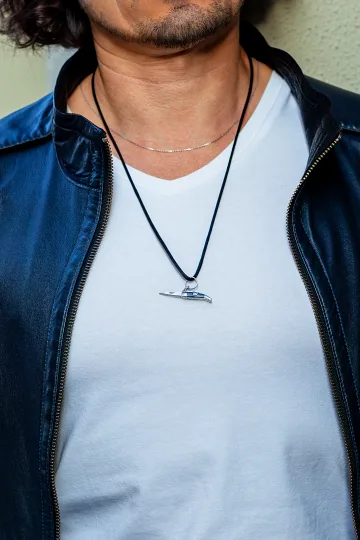
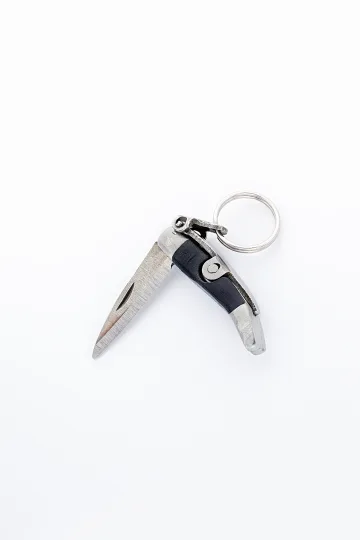
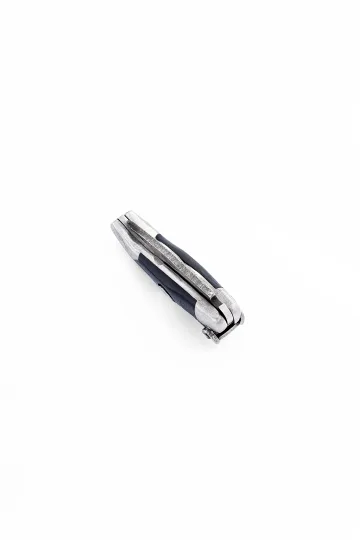
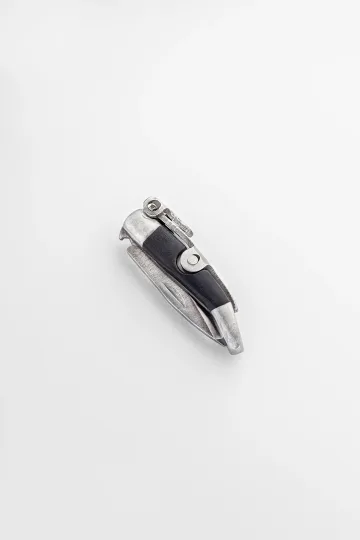
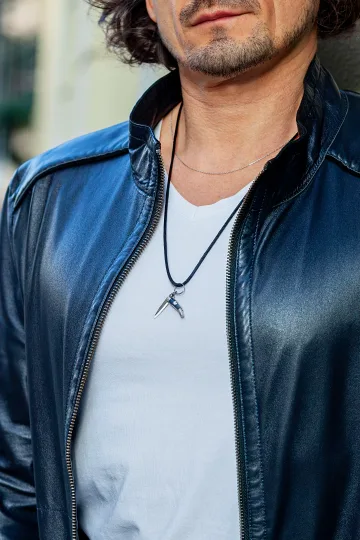
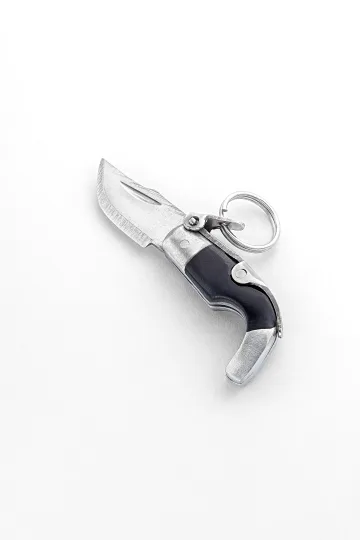
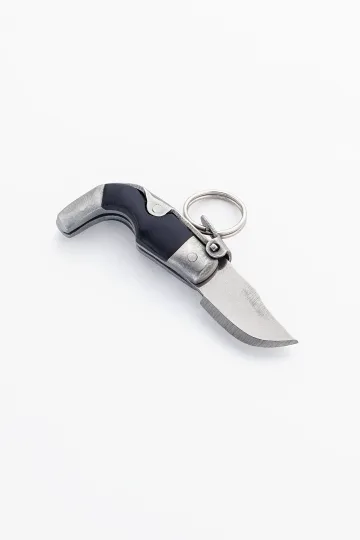
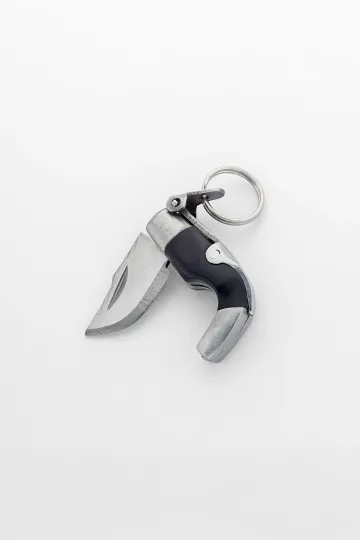
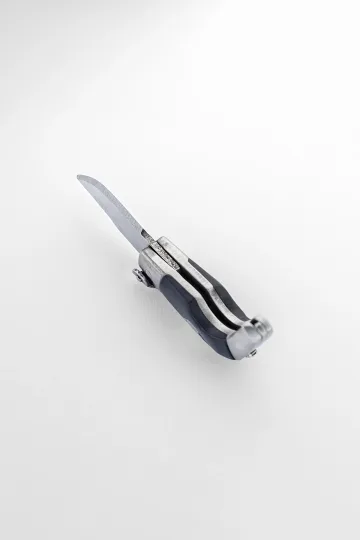
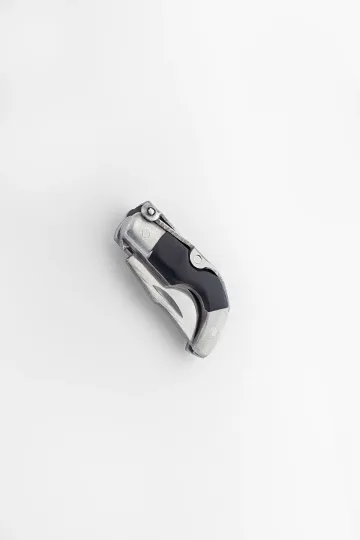
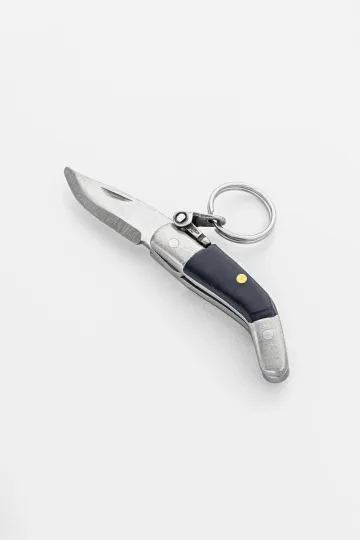
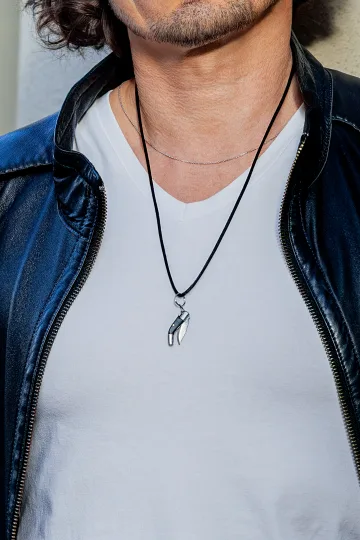
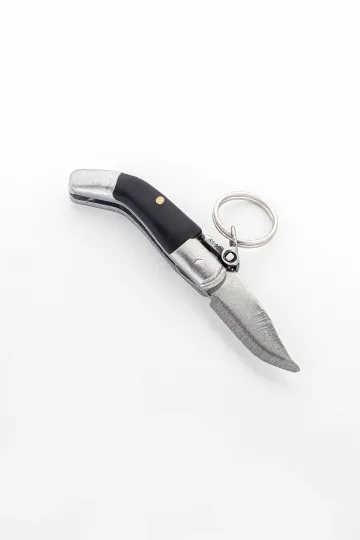
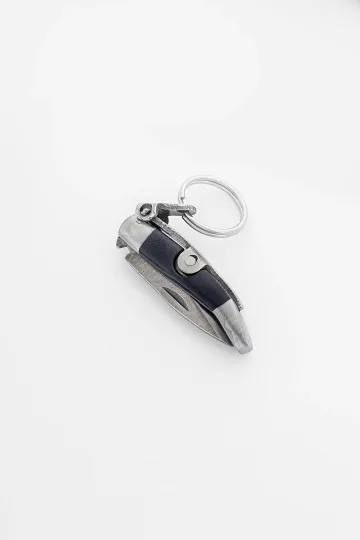
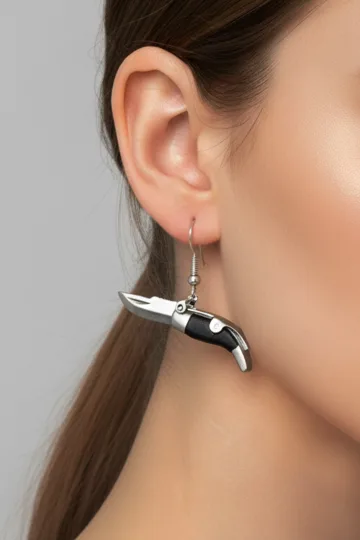
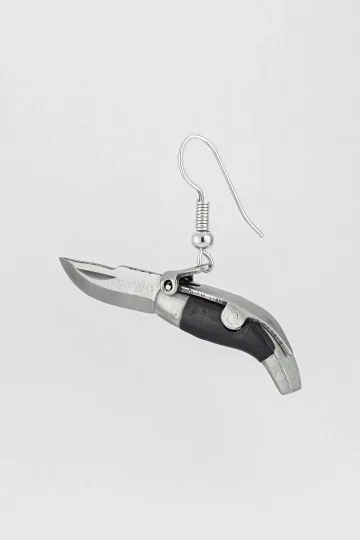
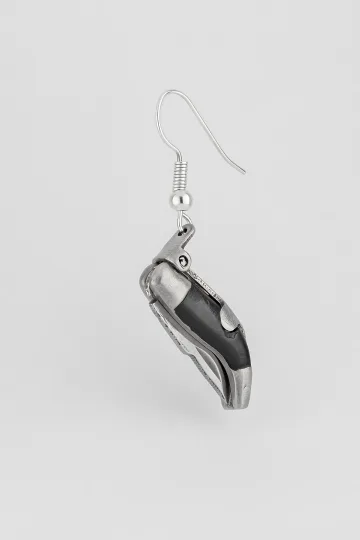
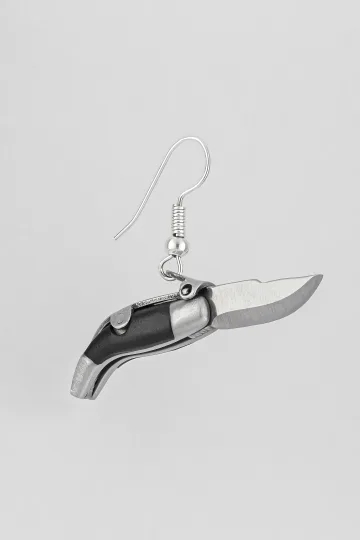
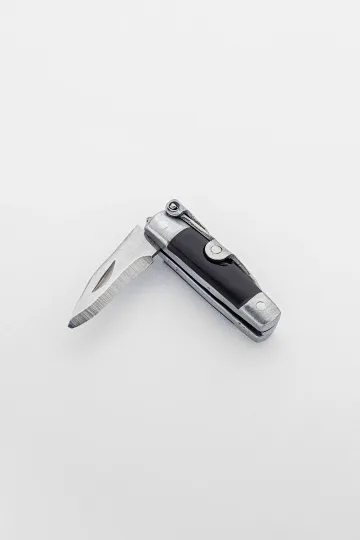
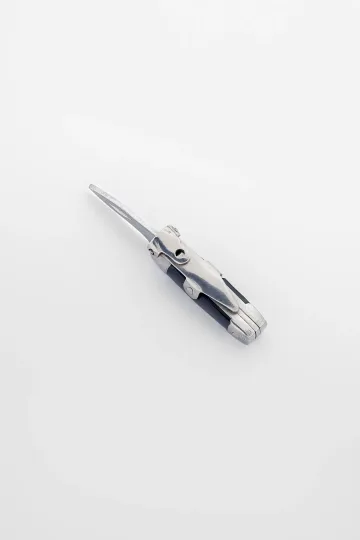
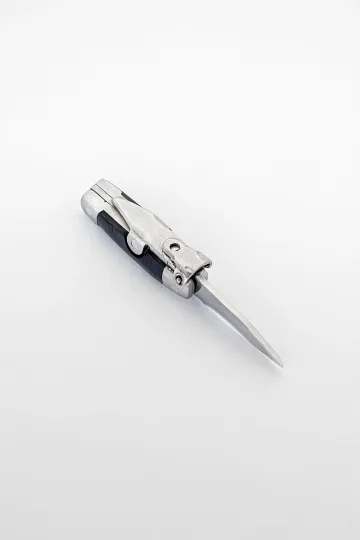
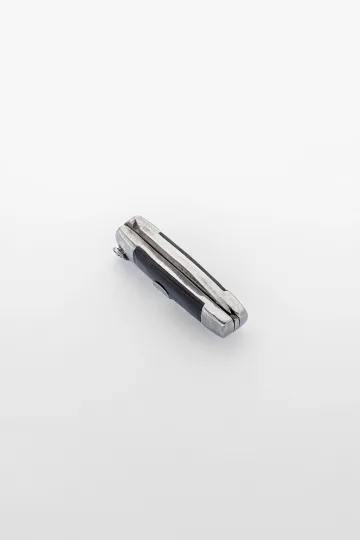
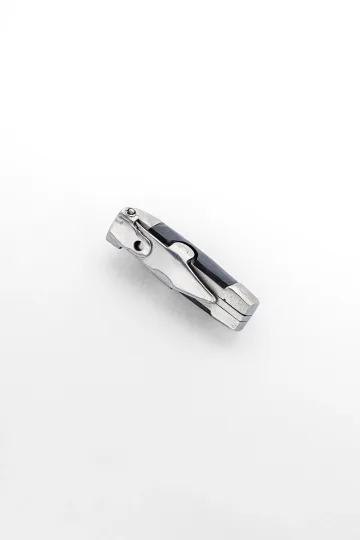
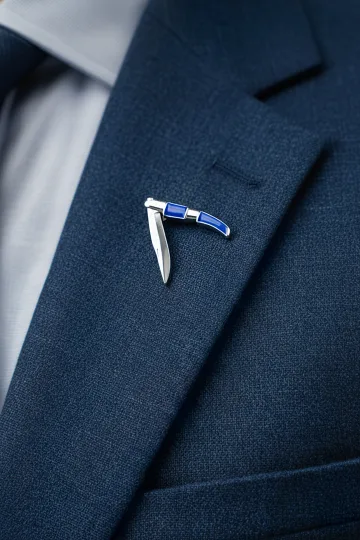
CAPAORA mini knife pendant
The 18th-century Spanish navaja in miniature: 40 mm of stainless steel, a real folding mechanism and a Palanquilla lock that clicks. An affordable gift to remember.
Authentic · Ships from Spain · 14-day returns
Other Italian Lucky Charms Besides the Cornicello
The horn does not travel alone. Italy keeps a small roster of folk charms that sit beside it, and knowing them shows where the cornicello fits. The gobbo, a little hunchback figure holding a horseshoe and a horn, brings luck when you rub his hump. The horseshoe (ferro di cavallo) hangs points-up so the good fortune cannot spill out. The cimaruta, a silver sprig of rue loaded with tiny symbols, once guarded newborns across the south. The mano cornuta, the fingers-as-horns gesture, is the cornicello without the jewellery. The four-leaf clover (quadrifoglio) rounds out the set with luck borrowed from the north. Among all of them, the horn is the most worn and the most instantly Italian.
The Gift Guide: Giving a Cornicello
The cornicello is one of the best jewellery gifts you can give, and tradition backs this up. A gifted horn is considered stronger than one bought for yourself. Here is how to choose.
For a partner. A gold-toned cornicello on a quality chain. Not too large (2 to 3 cm). The message: I care about you, I want good things for you, and I know a bit about Italian culture. It is personal without being presumptuous.
For a new parent. A small cornicello for the baby, traditionally red or coral-coloured. In Italian culture, this is standard. Even non-Italian parents appreciate the thought and the symbolism: protection for the new arrival.
For a friend who travels a lot. A cornicello on a sturdy chain or a rubber cord. Travellers are, in the traditional worldview, more exposed to unfamiliar energies. The horn goes with them.
For someone who already wears protective symbols. A cornicello pairs well with a nazar or a hamsa. Different traditions, same goal. Stack them.
For someone who says "I don't believe in that stuff." Perfect. The cornicello does not require belief to be a beautiful, meaningful piece of jewellery. The history alone, 6,000 years of continuous use, makes it interesting. Belief is optional. Beauty is not.
Budget. A cornicello in stainless steel costs about the same as a nice dinner out. The symbolic value far outweighs the price. It is one of those gifts where the story matters more than the receipt.
Leave your email, we'll send your discount code. No spam, unsubscribe anytime.
The code arrives by email, valid on your first order.
An Owner's Story
The most common way people describe their cornicello sounds something like this. A grandmother in the south gives one to a grandchild moving abroad for work. The grandchild is not superstitious and finds it a bit much, but puts it on anyway because she was crying at the airport. Years later it is still around their neck, not because they believe it protects them, but because every glance at it brings back her kitchen, her cooking, and Sunday lunch with the whole family. The charm is not magic. The memory is.
The Cornicello Outside Italy: Regional Variations
The Italian horn did not just travel. It adapted. In every place where Italian emigrants settled, the cornicello took on local characteristics while keeping its essential shape and meaning.
United States, Northeast. In Italian-American communities from Boston to Philadelphia, the gold cornicello on a chain became part of male identity in a way that does not quite have a parallel in Italy itself. In Italy, the horn is one amulet among many. In Italian-American culture, it became THE amulet, the single most recognisable marker of Italian heritage. The tendency was toward larger, heavier gold versions, reflecting the American appetite for visible symbols. A thick gold chain with a substantial horn pendant remains the archetypal look in Italian-American neighbourhoods.
Argentina. The Italian community in Buenos Aires kept the tradition with distinctly Argentine flair. In Argentina, the horn is called "corno" and is sold in "santerias" alongside other protective charms from various traditions. Argentine cornos tend to be more colourful than their Italian originals, often bright red enamel or painted ceramic, reflecting the local aesthetic. In Buenos Aires, you find cornos alongside horseshoes, saints' medals, and indigenous protective symbols, all jumbled together in shop windows with no concern for doctrinal purity.
Brazil. With roughly 30 million people claiming Italian ancestry, Brazil has one of the largest Italian diaspora populations in the world. In Sao Paulo's Bela Vista neighbourhood (historically called "Little Italy"), the corno tradition remains strong. Brazilian versions tend toward the decorative, sometimes incorporating semi-precious stones or coloured glass.
Spain and Portugal. The horn tradition has deep roots on the Iberian Peninsula that predate Italian influence. Iberian horn amulets share DNA with the Italian version but evolved independently. In rural Spain, small horn charms in red or black are still common, often displayed alongside other protective objects in homes and shops.
Modern global spread. Thanks to social media, the cornicello has broken free from its Italian and diaspora roots entirely. On TikTok and Instagram, people with no Italian connection wear Italian horns as part of a broader trend toward protective symbols, alongside the nazar, the hamsa, and other amulets. This globalisation of the symbol might bother purists, but it is exactly how symbols have always worked: they start local, travel, adapt, and eventually belong to everyone.
Cornicello Tattoos: A Permanent Form of the Charm
Some people choose to wear their cornicello as a tattoo rather than (or in addition to) a piece of jewellery. Cornicello tattoos have become particularly popular in Italian-American communities and among Italians abroad who want a permanent connection to home.
Placement. Common spots include the inside of the wrist (where you can see it during the day), the back of the neck (subtle, easy to hide), the chest near the heart (private, intimate), or behind the ear (very discreet). Some people get a horn that runs along the side of a finger like a ring tattoo.
Style. Traditional Neapolitan tattoo style favours bold red and black ink, simple lines, no shading. The horn is shown as the classic curve, often with the suggestion of ridges along the length. Modern interpretations use fine-line work, watercolour effects, or geometric stylisation.
Pairing tattoos. Some people tattoo a cornicello alongside other Italian symbols: a small Vesuvius, the word "famiglia," a date, a star. The cluster becomes a personal cultural statement.
Tradition's view. Older Neapolitans are sometimes ambivalent about cornicello tattoos. The traditional charm is meant to be removable, transferable, replaceable. A tattoo is permanent and personal: it cannot be gifted, broken, or buried. Some traditionalists feel this loses the point. Others welcome it as evolution. There is no consensus.
Combining tattoo and jewellery. Plenty of people have both: a tattoo for permanent identity, a pendant for active protection. The two coexist without conflict in modern Italian-American culture.
The Mano Cornuta: The Hand Version
Closely related to the cornicello is the mano cornuta, or "horned hand." This is a hand gesture where the index finger and little finger are extended while the middle and ring finger are folded down, creating a shape that resembles horns.
In Italy, the mano cornuta is used to ward off the evil eye in real time. If someone says something that might attract envy or bad luck, you make the horned hand gesture, pointing it downward. The downward direction is important: pointing the horns up means something different entirely (and is not polite).
The gesture has a long history. It appears in Etruscan art. The Romans used it. Medieval Europeans used it. And today, it is probably the most commonly used protective gesture in southern Europe.
In jewellery, the mano cornuta appears as a pendant, usually in silver or gold. It is less common than the cornicello but carries similar protective meaning. Some people wear both: the horn pendant for passive, continuous protection, and a mano cornuta ring or bracelet for when they want to make the gesture permanently visible.
Rock and metal music fans will recognise the gesture as the "devil horns" or "metal sign," widely popularised in heavy metal culture in the 1980s. According to the account most often repeated, the singer who brought it to the stage had Italian-American roots and learned the gesture from his grandmother, who used it to ward off the evil eye. The gesture's journey from Neapolitan grandmothers to heavy metal concerts is one of the more entertaining paths a protective symbol has ever taken.
Cornicello in Italian Festivals and Rituals
The horn works as an everyday charm, and it also appears in Italian religious and folk celebrations, especially in the south.
San Gennaro feast (Naples). Held every September 19th, the feast of Saint Januarius is Naples's most important religious-folkloric event. Vendors sell cornicelli alongside saint medallions, rosaries, and religious cards. Many Neapolitans buy a new horn during the feast to "refresh" their protection for the year ahead.
Capodanno (New Year). In Neapolitan tradition, wearing red on New Year's Eve attracts luck for the year. A red coral cornicello is the ideal pendant for the night. Some families have a "New Year's horn" passed around the table during dinner: everyone touches it before eating.
Madonna del Carmine (July 16th). In the Spanish Quarters of Naples, this feast features processions where carmine-coloured devotional items (including cornicelli) are blessed.
San Gennaro Feast in Manhattan (Little Italy, September). The American counterpart to the Naples feast, held since 1926 on Mulberry Street, is one of the biggest cornicello-purchasing occasions in the United States. The stalls sell Italian horns by the thousands during the eleven-day event.
Baptism rituals. Catholic baptism in southern Italy is often paired with the gift of a coral cornicello pinned to the baby's blanket. The Church does not endorse it, but does not forbid it either. The two systems, Catholic sacrament and folk amulet, operate side by side.
Wedding ceremonies. It is traditional in some southern Italian regions to gift a cornicello to the bride and groom either as a wedding present or pinned discreetly to the couple's clothes during the ceremony. The horn is meant to protect the new union from envy and bring fertility.
Funerals. When an Italian who wore a cornicello dies, family tradition can vary. Some bury the horn with the deceased so the protection continues into the afterlife. Others keep the horn and pass it to the next generation. There is no fixed rule: the family decides based on what the wearer expressed in life.
Cornicello Meaning in Different Italian Regions
The cornicello belongs to all of Italy now, but its meaning shifts subtly across regions. Knowing the regional flavour helps you choose a piece that feels authentic.
Naples and Campania. This is ground zero. The horn here is taken seriously as a protective amulet rather than a fashion choice. Red coral is the traditional preference. The horn is touched constantly throughout the day: a habit so embedded that most Neapolitans do not realise they are doing it. In Campania, you find the most superstitious use of the cornicello, with elaborate folk rules and rituals.
Sicily. The horn exists here but coexists with a wider folk-magic tradition. Sicilian protective amulets also include the trinacria (the three-legged symbol on the regional flag) and various saint medallions. The cornicello in Sicily is often combined with other charms in stacked necklaces. Black coral and obsidian versions are more common in Sicily than in Naples.
Calabria. In Calabria, the horn is taken almost as seriously as in Naples. Local production includes ceramic versions in bright red and ornate gold pieces. Calabrian families often pass down a single cornicello through multiple generations as a family heirloom.
Puglia and Basilicata. The horn here often overlaps with the rural folk tradition of using actual animal horn. The amulets tend to be larger and less polished than in coastal cities. Some Puglian villages still produce hand-carved bone or horn pendants from local animal husbandry.
Rome and Central Italy. Romans wear cornicelli but with less intensity. The horn is fashionable rather than essential. A gold horn on a chain is part of standard Roman jewellery options, but Romans rarely touch it superstitiously the way Neapolitans do.
Northern Italy. Milan, Turin, Genoa, Venice: northern Italians often look at the cornicello as a southern Italian quirk. Some wear it ironically, some seriously, some not at all. In the north, the horn is more commonly seen on people with southern Italian heritage rather than on northerners by birth.
Tuscany. Florence has a complex relationship with the horn. The city's Renaissance jewellers produced beautiful gold cornicelli for centuries, and the horn appears in Medici-era inventories. Modern Tuscans wear it less than southerners but acknowledge it as part of Italian heritage.
This regional variation is important if you are buying an authentic piece. A Torre del Greco coral cornicello carries Neapolitan tradition. A Sicilian artisan piece carries different DNA. Both are valid; they just speak different dialects of the same symbolic language.
Superstitions Around the Cornicello
Italian superstition around the horn goes deeper than just "wear it for protection." There is an entire informal rule book, and while none of it is formally codified, the consistency across generations is remarkable.
A broken horn did its job. If your cornicello cracks or breaks, that is not bad luck. According to Neapolitan belief, the amulet absorbed negativity that was headed for you and sacrificed itself. The response is to thank it mentally and replace it with a new one. This is psychologically elegant: it reframes a loss as a gain and provides closure rather than anxiety.
A gifted horn is stronger than a purchased one. Buying your own cornicello is fine, but tradition says a gifted one carries the giver's good intentions, which adds to its protective power. This is why the horn is such a popular gift choice: you are not just giving jewellery. You are giving protection.
The horn should never be thrown away. If you no longer want or need a cornicello, pass it to someone else or bury it. Throwing it in the rubbish is considered disrespectful, like discarding a gift. Whether you believe in the protection or not, this practice reflects a general principle: objects with meaning deserve respectful handling.
Touching your horn when you feel threatened. Italians instinctively touch their cornicello when they hear bad news, pass a cemetery, or encounter someone they believe might cast the evil eye. The gesture is so automatic that many people do not realise they are doing it. It is the tactile equivalent of knocking on wood.
The colour change. Some people believe that a coral cornicello changes colour over time in response to the wearer's health or emotional state. Coral is porous and does change with exposure to body heat, oils, and chemicals, so there is a grain of physical truth here, though attributing it to spiritual causes is, of course, a matter of belief.
Buying it as a gift? Each one arrives ready to give.
 A branded Zevira box and a little card come with every order.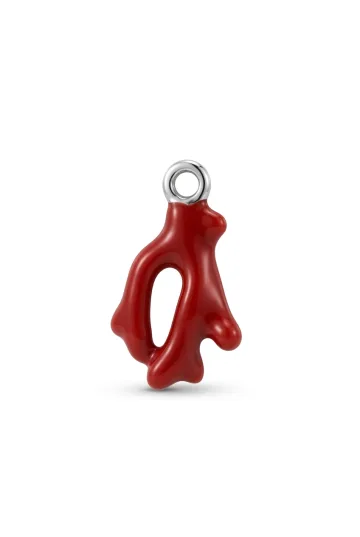




Care
Wipe with a soft cloth after wearing. Store separately from other pieces to avoid scratches. Avoid contact with perfume, chlorine, and prolonged water exposure. If the coating on a brass or gold-toned cornicello wears over time, that is normal. A jeweller can recoat it. Coral pieces should be kept away from chemicals entirely, as coral is porous and absorbs substances.
If your cornicello develops patina (darkening on brass), that is not damage. Some people consider an aged horn more characterful, like an old coin or a worn leather jacket. Keep it or clean it, your choice.
Choosing the Right Cornicello: A Buyer's Guide
If you are buying your first cornicello, whether for yourself or as a gift, these are the questions worth thinking about before clicking add to cart.
What size should I get?
For a pendant worn daily, 2 to 4 cm is the sweet spot. Smaller than 2 cm risks being lost on a chest, larger than 4 cm starts to look costume. For a keychain or wallet charm, 1 to 2 cm is appropriate. For door hangings or car interior charms, 8 to 15 cm is typical.
If you are buying for a man with a thick neck or broad chest, lean toward the upper end (4 cm). For a woman or someone with a smaller frame, 2 to 3 cm sits better proportionally.
What material?
The hierarchy by tradition (most traditional → most modern):
- Mediterranean red coral
- Real animal horn (rare, niche)
- 18-karat gold
- Sterling silver 925
- Gold-plated brass
- Stainless steel (PVD-coated for colour options)
- Resin, ceramic, glass
The hierarchy by practicality (most practical → least practical):
- Stainless steel (no patina, no green skin, no fragility)
- Sterling silver (durable, only needs occasional polishing)
- 18-karat gold (premium, durable)
- Coral (beautiful but porous, sensitive to chemicals)
- Real horn (fragile, varies by climate)
Most people are best served by stainless steel or silver for daily wear and coral or gold for special-occasion pieces.
What colour?
If you want maximum tradition, go red or gold. Red coral, red enamel, or red glass connect to the Neapolitan deep tradition. Gold is the classic Italian-American choice. Silver and steel are modern, more versatile with other jewellery. Black is for those who want the "absorbs negativity" symbolism and a darker aesthetic.
Chain or cord?
A delicate chain (40 to 50 cm) is the standard look. A thicker chain (3 to 5 mm) works for larger horns or chunkier styles. Leather or rubber cord works for casual Mediterranean looks. Whatever you choose, make sure the chain can support the weight of the horn. Coral and gold horns can be surprisingly heavy.
Where should I buy?
- From a Torre del Greco workshop if you want a real coral piece with full provenance.
- From a Neapolitan or Italian-American jeweller if you want classic gold work.
- From a designer brand if you want a modern interpretation that fits contemporary styling.
- From a tourist stall in Naples if you want a souvenir cornicello with character and a low price point: these are mass-produced but often charming.
Avoid: anything labelled "coral" but priced below what coral actually costs. Real Mediterranean red coral is regulated and expensive. If the price is too good to be true, it is dyed bone, plastic, or pressed coral powder.
Should it match my other jewellery?
Yes, broadly. Mixing metals (gold horn on a silver chain) used to be a faux pas, but contemporary styling allows it. If you want zero risk, match your chain metal to the horn. If you want a layered look, let the horn be one of several pendants on chains of different lengths.
When NOT to buy a cornicello
A cornicello is not the right gift for everyone. Skip it if:
- The recipient has explicitly told you they find folk traditions offensive
- The recipient practises a religion that forbids amulets (some strict Protestant denominations, some Islamic schools)
- You are unsure about cultural fit and have not researched
For everyone else, the horn is a low-risk, high-meaning gift. The history alone justifies it. Belief is optional.
Cornicello vs the Red Chili Pepper
The most common mix-up online is calling the cornicello a chili pepper. It is a horn, a corno, not a peperoncino. The confusion is easy to understand: a red coral horn and a dried red chili share a curved, tapered, glossy silhouette, and in Naples both hang in kitchens and both are painted red. But the horn came first by thousands of years, rooted in bull worship and Neolithic amulets, while the chili only reached Italy after Columbus brought it back from the Americas in the late 1400s. The pepper picked up a protective role by resemblance, borrowing the horn's job rather than the reverse. So when a coral cornicello looks knobbly and organic, that texture is the coral branch itself, not a vegetable skin. Read the shape as a horn and the meaning falls into place. The pepper is a charm in its own right, with a separate history and a wider meaning that adds abundance and vitality to the horn's protective job; the full breakdown of the red pepper good luck charm lives in its own article.
Send a friend a discount code, they save on their first order.
Italian Horn vs the Cornucopia: Clearing Up the Confusion
One more mix-up worth settling: the Italian horn versus the cornucopia. Both have "horn" in them, but they pull in opposite directions. The cornucopia (the "horn of plenty") is a large, hollow horn overflowing with fruit and grain, a Greek and Roman emblem of abundance and harvest. The cornicello is a solid, tapered horn aimed at protection, not plenty; its point pierces bad luck rather than pouring out riches. In Italian the two even have separate words, "cornucopia" for the horn of plenty and "cornicello" for the little charm. So if you want a symbol of overflowing good fortune, that is the cornucopia; if you want a small pendant that guards against the evil eye, that is the Italian horn.
Why the Cornicello Is Red
Red is the default because the classic material was red coral, gathered off Torre del Greco near Naples and prized since Roman times. Coral was tied to blood, vital force, and Venus, the goddess born from the sea, so a red horn carried a double charge: the piercing shape of the corno and the living colour of the material. Folk belief added another layer, since red was thought to catch a hostile glance before it landed, a notion shared with red threads and ribbons across the Mediterranean. Natural red coral is now rare and tightly regulated, so most red horns today use dyed coral, red enamel, painted ceramic, or coloured glass, all of which carry the same traditional meaning.
Red is a strong preference, not a hard rule. Gold became the signature outside Naples, especially in Italian-American jewellery shops, where a warm yellow horn on a thick chain read as both protection and heritage; gold also carries an old solar association that pairs neatly with the horn's power. Silver leans the other way, toward lunar and feminine energy, echoing the crescent moon that the curve already suggests, and it is the common choice in places where the red custom never took hold. Black and steel versions arrived later still. The takeaway is simple: colour shapes the style and the story, while the curved, pointed form does the symbolic work.
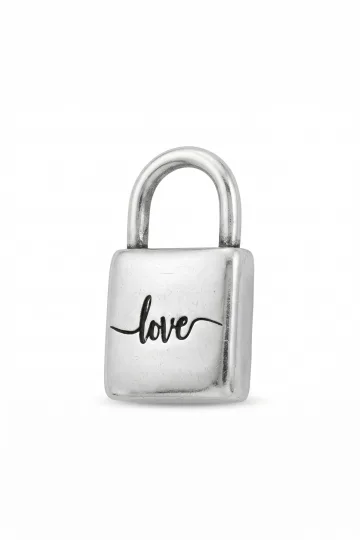
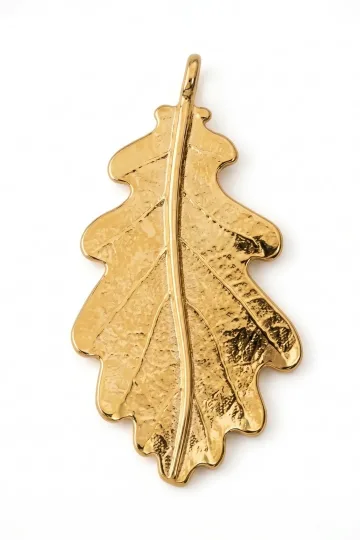
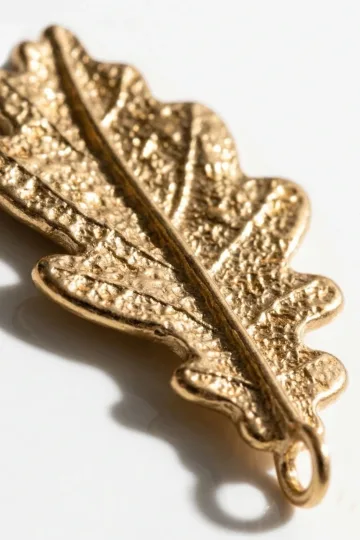
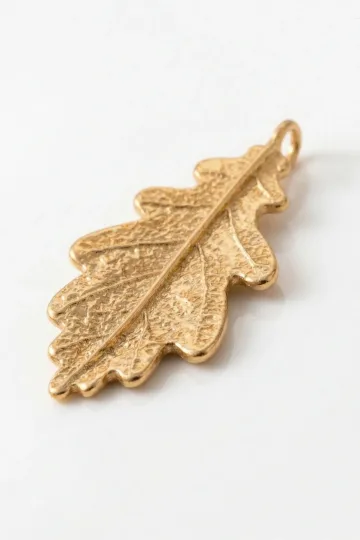
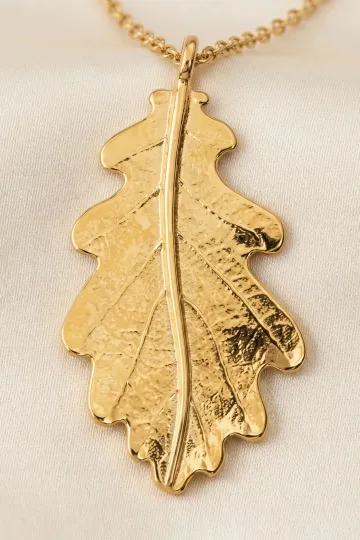
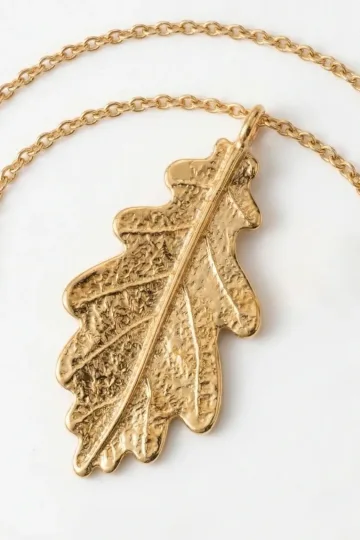
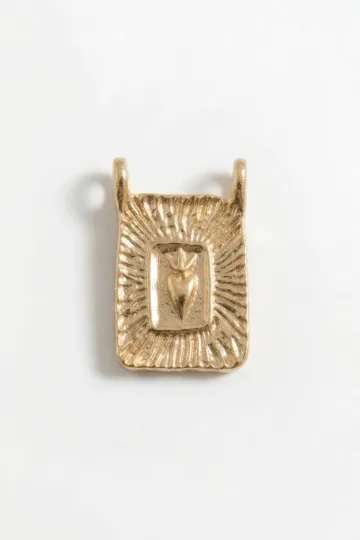
Wear the symbol, don't just read about it. These are in stock:
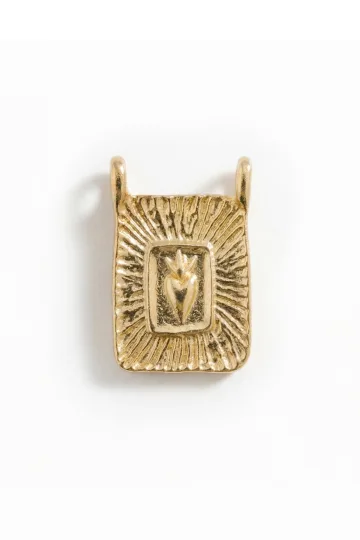
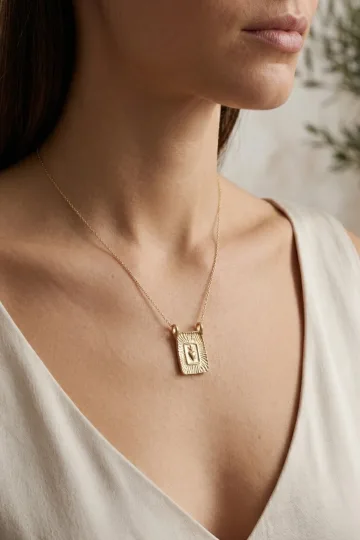
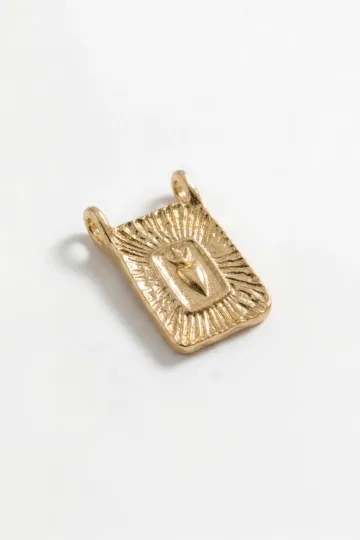
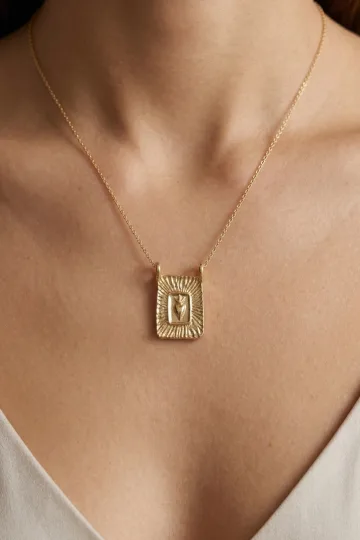
How to "Activate" a Cornicello
The oldest rule people ask about is that a cornicello has to be given, not bought. Tradition holds that a horn handed to you by a grandmother, partner, or friend carries the giver's good intentions, and that intention is what "charges" it; a self-bought horn is considered weaker, though millions of Italians quietly buy their own anyway. Beyond the gift there is no formal ritual. Some hold a new horn in sunlight or moonlight for a moment, some touch it when bad news arrives or when passing a cemetery, the tactile version of knocking on wood. A sober read: none of this bends physics. What it changes is your relationship to the object, turning coral or metal into a small anchor for memory and calm. For how charms are meant to be handled, see the guide to protective amulets and talismans; the same deflecting logic runs through the nazar.
Why the Cornicello Belongs to Naples
The horn is Italian, but its beating heart is Naples. The city was one of the busiest and most crowded ports in the Mediterranean, packed with strangers, sailors, and traders, and in that churn the fear of malocchio, the envious glance, ran hot. The cornicello became the everyday answer, cheap enough for a dockworker and elegant enough for a goldsmith on Via San Gregorio Armeno. Coral workshops in nearby Torre del Greco turned out red horns by the thousand, and the charm wove itself into the fabric of street life. It also fits the Neapolitan character: a distrust of official channels and a taste for direct, personal, tactile solutions. You do not file a form to feel protected; you touch the horn in your pocket.
Pulcinella and the street
Naples wraps the horn in a wider folk world, and Pulcinella sits at its centre. The hook-nosed masked figure from commedia dell'arte, born in the Neapolitan theatre of the 1600s, is the trickster who survives by wit rather than force, and his image hangs in shops beside cornicelli and mano cornuta charms as a symbol of local resilience and cheeky luck. Street vendors still sell horns of every size along Spaccanapoli, from tourist keychains to serious coral pieces. Football feeds the same current: the city treats its team almost as a shared amulet, and horns appear in the crowd on match day. The horn here is not a quaint relic. It is a living part of how Naples talks about luck, envy, and belonging, passed hand to hand rather than preached from any authority.
Cornicello as a gift
A horn is given for protection and for luck, and that is what makes it a strong gift: a piece with personal meaning rather than a default souvenir. Neapolitan lore holds that a gifted charm works better than one bought for yourself, because the giver's good intention travels with it. That opens up a short list of occasions the cornicello fits almost perfectly. A housewarming: a horn near the door wishes the home calm. A new business: a small corno on a keyring or under a shirt as a quiet vote of confidence at the start. A christening or a new baby: a coral horn for the little one, an old Italian custom, just choose a safe fastening with no sharp edges. And it is an easy piece to give a man who is hard to buy jewellery for, since it reads as masculine, wears out of sight, and asks for no belief to be liked. To match the piece to the occasion and the budget, there is a full jewelry gift guide by occasion, and for men there is a dedicated round-up of jewelry gifts for men. You can browse finished horns and related charms for any of these moments in the amulet catalogue.
Wear the symbol, don't just read about it. These are in stock:









Frequently Asked Questions
What does cornicello mean? Cornicello means "little horn" in Italian. It refers to a curved horn-shaped amulet worn for protection against the evil eye (malocchio) and as a charm for good luck. The name combines the Italian word "corno" (horn) with the diminutive suffix "-cello." The symbol has been in continuous use for over 6,000 years, making it one of the oldest protective amulets still worn today.
What is a cornicello pendant used for? A cornicello pendant is worn to protect the wearer against the evil eye, attract good fortune, and connect with Italian cultural heritage. Traditionally, the pointed tip "pierces" negative energy directed at the wearer. Some people wear it purely as decorative jewellery with a meaningful backstory, with no spiritual belief required.
Why is a cornicello red? Red is the traditional colour because it symbolises blood, vital force, and life. Red coral from the Mediterranean (especially from Torre del Greco near Naples) was the classic material for centuries. Today, red enamel, painted ceramic, and red glass versions all carry the same symbolic meaning. Other colours are also valid: gold, silver, black, and steel cornicelli are all traditional and widely worn.
Does a cornicello have to be red? No. Red coral is the Neapolitan classic, but gold, silver, black, and steel versions are all traditional and widely worn. Colour affects the style more than the symbolic "effectiveness."
Can I wear a cornicello if I am not Italian? Of course. The Italian horn is not a closed cultural symbol. It is worn all over the world, and no Italian will consider it cultural appropriation. If anything, they will take it as a compliment.
Do I need to charge or activate a cornicello? In the traditional sense, no. The shape of the amulet itself is the "working element." Some people like to hold a new one in sunlight or moonlight. That is more of a personal ritual than a requirement.
What if my cornicello breaks? According to Neapolitan belief, a broken charm means it did its job. It absorbed the negativity and protected you. Thank it mentally and replace it with a new one. This is not just superstition, it is a psychologically elegant way of dealing with loss: the object broke so you did not have to.
Is "Italian horn" the same as cornicello? Yes. "Italian horn" is the English name for cornicello (also called corno or cornetto). Same thing, different language.
Can I buy one for myself, or must it be a gift? Tradition says a gifted cornicello is more powerful. But millions of Italians buy their own, so the "rule" is flexible. If you are buying for yourself, go ahead. If someone gives you one, even better.
Is a cornicello the same as a pepper? Visually similar, symbolically related but distinct. The peperoncino (hot pepper) is also protective in Italian culture, but the horn predates the pepper by thousands of years. Pepper-shaped amulets are a variation, not the original.
How do I know if my cornicello is authentic? "Authentic" is relative. If it is made of Mediterranean red coral by a Neapolitan workshop, that is the gold standard. But the form has been copied and adapted for millennia. A stainless steel horn from a modern workshop in Albacete carries the same shape and the same intention. Authenticity is in the symbol, not the supply chain.
Which way should a cornicello point? Traditionally, the pointed tip should face downward when worn as a pendant. The downward orientation is meant to direct negative energy down and away from the body. The same logic applies to the mano cornuta hand gesture: pointed up means something rude, pointed down means protection.
Can a cornicello be too small to work? No. Tradition holds that the form, not the size, is what matters. A miniature horn on a wallet keychain is considered just as effective as a 30 cm door hanging. Both have the same essential shape: curved, pointed, slightly tapered. Size affects how visible the charm is, not how it works symbolically.
Are there cornicelli for babies? Yes, and they are part of southern Italian tradition. A small coral cornicello pinned to a baby's clothing or blanket is considered protective during the most vulnerable period of life. Modern versions use safety pins with secured backing to prevent choking hazards. If giving as a baby gift, choose a piece designed for infants, with secure attachment, no small parts, and no sharp edges.
Do cornicelli need to be blessed? Traditionally, no. The horn's protective property is in its form, not in any ritual blessing. Some Catholic Italians do bring their cornicelli to be blessed alongside religious medals at feast days, but this is personal devotion rather than required practice. A horn from a shop drawer works just as well in folk tradition as one blessed by a priest.
What is the difference between corno, cornicello, and cornetto? All three refer to the same charm. "Corno" is simply "horn" in Italian. "Cornicello" is the diminutive, "little horn." "Cornetto" is also a diminutive, used interchangeably, though it can also mean a croissant or a small wafer. Context makes the meaning clear. In jewellery contexts, all three mean the same Italian horn amulet.
Can I wear a cornicello with religious jewellery like a cross? Yes. In Italian tradition, the cornicello coexists with Catholic devotional jewellery. Many Italians wear a horn alongside a cross, a saint medallion, or a Madonna pendant. The Catholic Church does not endorse the cornicello as a religious item, but it does not condemn it either. The two systems run in parallel.
Is the cornicello related to the unicorn? Not directly, but there is an interesting parallel. Both symbols use the horn as a sign of purity, power, and protection. The unicorn is a medieval European motif drawn partly from ancient horn symbolism. They share roots in the same Mediterranean and Eurasian belief that a horn channels strong protective energy.
Silver and gold jewellery, wedding bands, symbolic pendants, paired sets.
Conclusion
The Italian horn has come a long way from animal horns hung over cave entrances to a polished pendant on a steel chain. Over thousands of years, the form has changed, but the idea behind it remains the same: protection, good fortune, and a connection to something bigger than the everyday.
Whether you believe in its power or simply appreciate a beautiful design with deep roots, this talisman remains one of the most recognisable and versatile symbols in the world of jewellery. And in Naples, it is not a talisman. It is a neighbour.
About Zevira
Zevira makes jewellery in the artisan tradition of Albacete, Spain. The cornicello is one of those symbols we love: an ancient shape that needs no explanation, and one that sits just as well on a fine chain as on a leather cord. We keep the traditional curve and the sharp tip, but work them in modern materials and proportions.
What you will find with us around protective charms:
- Cornicello pendants in several finishes: classic gold tone, bold black, natural brown
- An ethnic horn with real texture, for anyone who wants the feel of a genuine material
- Nazars and hamsas, so you can build a layered set drawing on different protective traditions
- Sacred Heart pendants and other Mediterranean symbols
- Chains in a range of lengths and weaves to suit a horn of any size
- Leather and rubber cords for an everyday Mediterranean look
Every piece can be personalised with engraving, with personal engraving available. Sterling silver 925 and 14 to 18K gold.