Cross Necklace Meaning: History, Styles and Symbolism Beyond Religion
The one piece everyone notices
My friend Alex doesn't go to church. Never has. He grew up in a household where religion was a non-topic, somewhere between the weather forecast and what to have for dinner. Nobody prayed. Nobody didn't pray. It just wasn't a thing.
But Alex has worn a cross pendant every single day since he was nineteen. A small, slightly beaten-up gold-plated cross on a thin chain. He got it from his grandfather's belongings after the funeral. The old man had worn it through two wars, a failed business, a successful one, three countries, and fifty-seven years of marriage.
I asked Alex once if it was a faith thing. He thought about it for a second and said, "No. It's a grandfather thing."
Wear the symbol, don't just read about it. These are in stock:
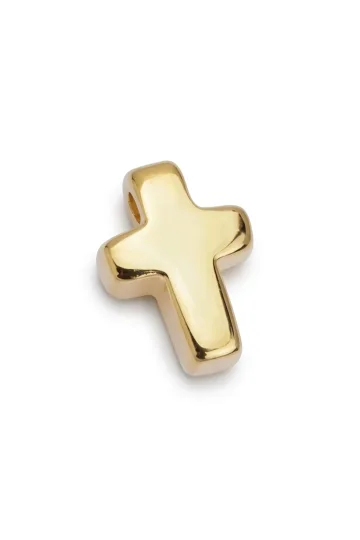
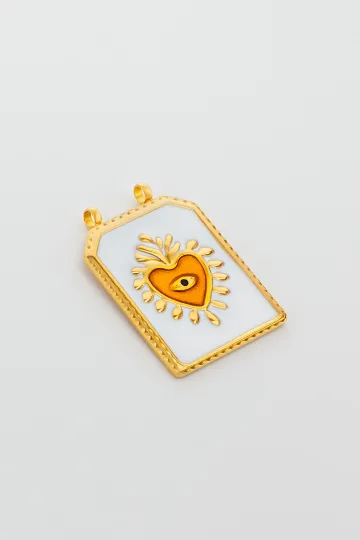
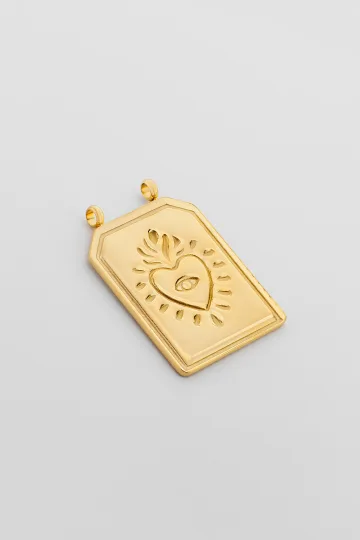
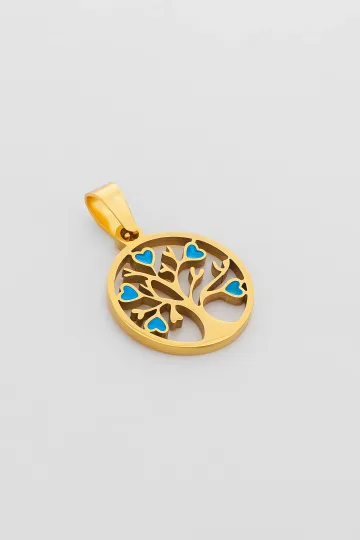



That answer stuck with me because it explains something most articles about cross jewellery completely miss. The cross is the most recognised symbol on the planet, and for millions of people who wear it daily, the reason has nothing to do with what happens on Sundays. It's about identity. Memory. Protection. Aesthetics. Heritage. Or just the fact that it looks good against a black t-shirt and carries a weight that no other pendant shape can match.
This article is about all of those reasons. Where the cross came from (spoiler: it predates Christianity by thousands of years), the different styles and what each one communicates, and why this particular shape keeps showing up around the necks of everyone from monks to rockstars to your cousin who runs a coffee shop.
Upload a photo of your pet, someone you love, or an object. We'll build a 3D model and hand-cast it in pewter.



What a cross necklace really means
A cross is two lines intersecting. Vertical and horizontal. That's it. And yet that simple geometry has carried more meaning, across more cultures and centuries, than arguably any other shape in human history.
At the most basic level, the cross represents a meeting point. The vertical line connects earth to sky, the physical to the spiritual, the human to whatever lies above. The horizontal line is the earthly plane: community, connection, the world we move through. Where they meet is where the magic happens. That intersection is you. Standing between the ground and the sky, between your daily life and something bigger.
In Christian tradition, of course, the cross carries a very specific meaning: the crucifixion of Jesus Christ, sacrifice, redemption, and eternal life. For billions of people, it is the central symbol of their faith. That meaning is powerful and real, and nothing in this article diminishes it.
But the cross also means:
- Protection: across dozens of cultures, the cross shape has been used to ward off evil, illness, and bad fortune
- Balance: the intersection of opposing forces, finding equilibrium
- The four directions: north, south, east, west; a map of the world itself
- The four elements: earth, water, fire, air; the building blocks of existence
- Transition: crossroads, the place where paths meet and decisions are made
- Memory: a connection to someone lost, a family lineage, a cultural root
- Identity: a statement about who you are and where you come from
When someone puts a cross pendant around their neck, they might mean any of these things. Or several at once. Or something entirely personal that doesn't fit any list. That's the power of the symbol. It's simple enough to carry any meaning you give it, and ancient enough that every meaning feels legitimate.
The visual language is also remarkably flexible. A plain Latin cross says something different from a Celtic cross with intricate knotwork. A Gothic cross dripping with dark details tells a different story from a minimalist geometric cross on a thin chain. An Orthodox three-bar cross speaks to a specific tradition. An Egyptian ankh reaches back thousands of years before any of them.
Same basic shape. Completely different conversations.
A cross has gravity. Do not hang a cartoon charm beside it: that is a clown nose on a tuxedo. Don't you dare.
How to wear a cross necklace
Over years on set I have styled a cross under a buttoned-up collar and over an open neckline both. Here is what actually works, occasion by occasion.
How do I wear a cross every day? For daily wear I recommend a small Latin cross on a fine chain. It settles into a basic wardrobe as if it had always been there: a white tee, a grey turtleneck, a denim shirt, a loose linen top. The calmer the clothes and the closer the neckline sits to the body, the better a thin chain reads. A deep V or an open collar is its best position, so give the cross a place to land.
Is a cross right for the office? Yes, if you keep it understated. I choose a quiet gold or silver cross that just peeks out from under a shirt collar or lies over a plain blouse. One accent beats a pile-up: the cross and simple studs, nothing more. Dark, neutral fabrics (charcoal, graphite, navy) flatter both gold and silver.
How do I build an evening look with a cross? For evening I suggest a gemstone cross over a dark dress or a silk blouse; it reads rich and composed. Bare shoulders and a low neckline call for a longer chain (50-55cm) so the pendant lands at the centre and works with the neckline. Gold warms up under soft light, silver and stones give a cool glint under bright light.
What should I wear for a christening, wedding or anniversary? For an occasion a cross is about meaning more than fashion. I recommend a weightier piece, an heirloom or one gifted for the date, in gold, engraved. I wear it solo so nothing competes for attention.
Who does a cross suit, and which metal do I pick? It suits almost everyone; it is a question of delivery. If you love minimalism and a clean neckline, go for a fine chain and a delicate cross. If you lean bold, take a substantial textured cross on a heavier chain. For metal I go by skin undertone: warm suits gold and rose gold, cool and neutral sit evenly with silver. I choose length by the neckline, not at random: 45cm under a closed top, 50-55cm for a deep neckline and layers.
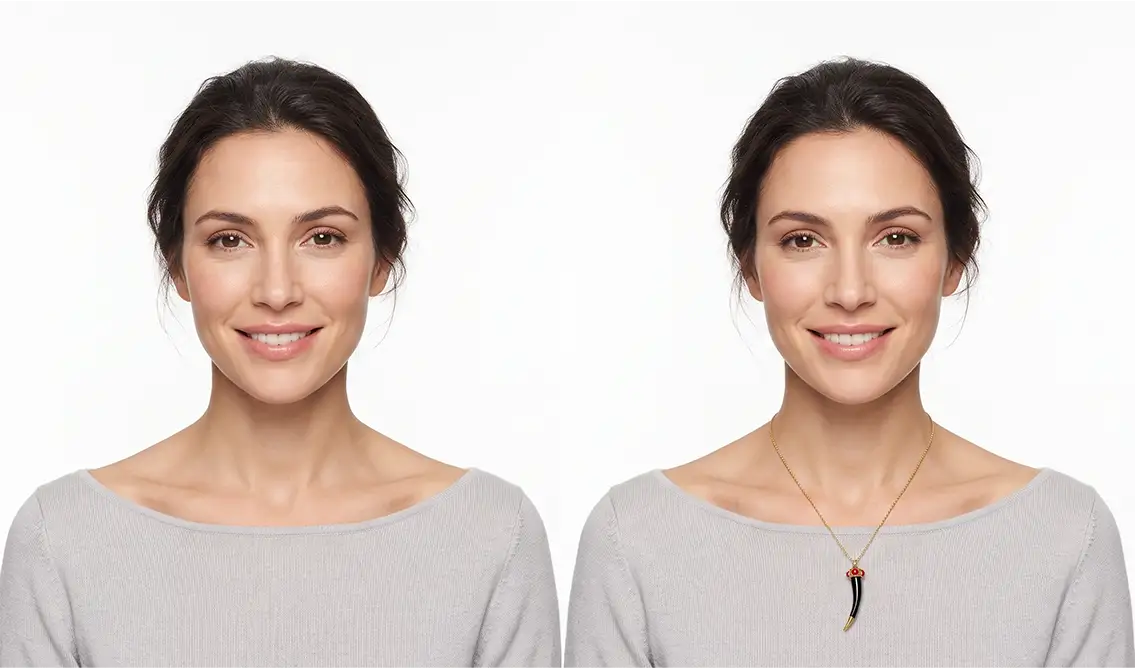
Turn on your camera, pick earrings, a pendant or a ring, and see the piece on yourself in real time.
Switch items in one tap.
Everything runs in your browser: no photo or video is ever uploaded.
Customer reviews
Zevira is a real jewellery shop. Genuine payments, deliveries and customer thank-yous.
🥰🥰🥰 gracias
Ok, ¡gracias! 🙂
History: from the ankh to your neck
Before Christianity: the ankh and sun crosses
Here's something that surprises most people: the cross as a symbol is at least 5,000 years older than Christianity.
The Egyptian ankh, sometimes called the "key of life," is a cross with a loop at the top. It appears in tomb paintings, temple carvings, and on jewellery dating back to around 3000 BCE, and possibly earlier. The ankh represented eternal life, the union of masculine and feminine principles, and the key to the afterlife. Egyptian gods are frequently depicted holding the ankh, offering it to pharaohs and mortals as a gift of life.
The ankh wasn't just decorative. Egyptians wore it as an amulet, believing it carried genuine protective power. It was placed in tombs so the dead could use it to unlock the gates of the underworld. Cleopatra reportedly wore ankh pendants, and the symbol was so ubiquitous in Egyptian culture that it essentially functioned as what we'd now call a brand identity.
Meanwhile, in Northern Europe, sun crosses were appearing independently. The sun cross, a circle with a cross inside it, has been found carved into Scandinavian rocks dating to the Bronze Age (around 1500 BCE). It represented the sun, the cycle of seasons, and the wheel of existence. Similar symbols appeared in pre-Columbian Americas, in ancient China, and across the Mediterranean.
The pre-Christian Celtic cross likely evolved from these sun crosses. The circle around the intersection of the arms connects the cross to solar worship, seasonal cycles, and the eternal nature of life. When Christianity arrived in Ireland and Scotland, missionaries didn't replace the sun cross. They absorbed it. The Celtic cross you see today is a hybrid: Christian theology layered onto a much older pagan framework.
In the ancient Near East, the cross appeared as a symbol of the god Tammuz in Mesopotamia. The Phoenicians used it. The Greeks used the chi (X) shape as a sacred marker. The cross was everywhere, long before anyone associated it with Calvary.
What this tells us is something important for anyone wearing a cross pendant today: you're not just wearing a Christian symbol. You're wearing a shape that humans have instinctively been drawn to for at least 5,000 years. There's something about two lines crossing that resonates at a level deeper than any single religion or culture.
Early Christianity and the Latin cross
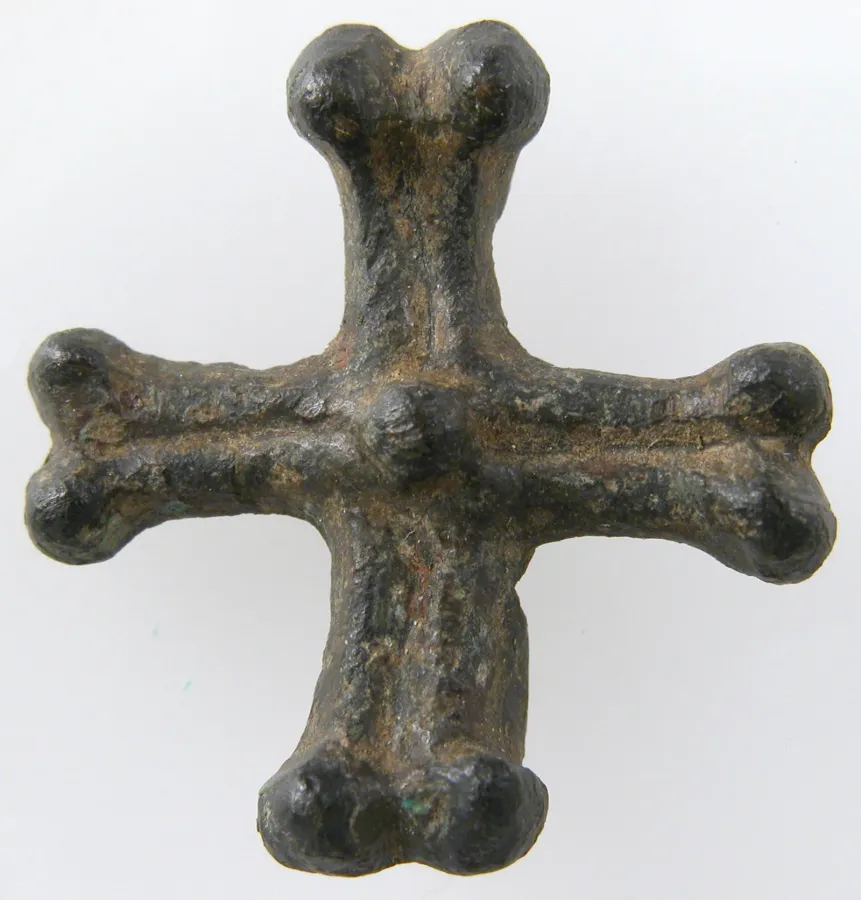
For the first few centuries of Christianity, the cross was actually not the primary symbol of the faith. Early Christians used the fish (ichthys), the chi-rho monogram, and the anchor. The reason was practical: the cross was an instrument of execution. Imagine wearing a tiny electric chair around your neck. That's how the cross would have felt to first-century Romans.
It took until the 4th century, after Emperor Constantine's conversion and the Edict of Milan (313 CE), for the cross to become a symbol of triumph rather than torture. Legend says Constantine saw a cross of light in the sky before the Battle of Milvian Bridge in 312 CE, with the words "In this sign, conquer." Whether or not that happened, the result was real: Christianity became the empire's favoured religion, and the cross became its banner.
Constantine's mother, Helena, travelled to the Holy Land around 326-328 CE and reportedly discovered relics of the "True Cross," the actual cross of the crucifixion. Whether authentic or not, these relics became the most prized objects in Christendom. Fragments were distributed across Europe, and the cult of the cross exploded.
By the 5th and 6th centuries, crosses were appearing everywhere. On church facades, on coins, on rings and brooches, on military standards. The simple Latin cross, one vertical line crossed by a shorter horizontal line in the upper third, became the standard form. But regional variations were already developing. The Greek cross (equal arms) was preferred in the Eastern Empire. The Coptic cross had its own distinctive style. The Ethiopian cross became elaborately decorated with geometric patterns.
The transition from "instrument of death" to "most popular jewellery motif in history" is one of the most remarkable transformations any symbol has ever undergone.
The medieval explosion
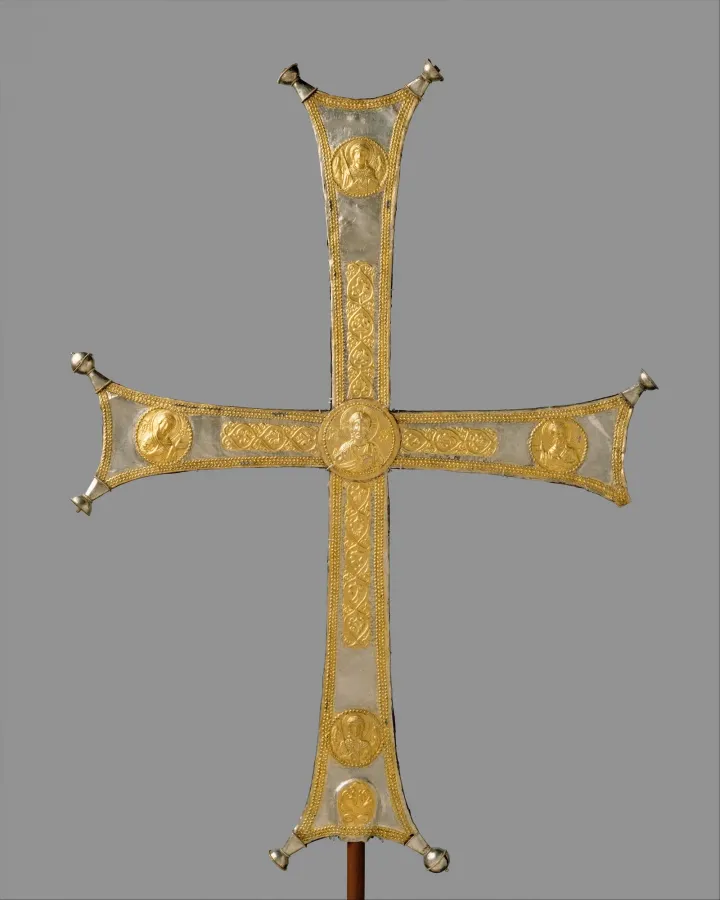
The Middle Ages turned the cross into a design language with dozens of dialects.
The Crusades (1096-1291) generated an entire vocabulary of cross styles. The Knights Templar wore the red cross pattee. The Knights Hospitaller (later the Knights of Malta) developed the distinctive eight-pointed Maltese cross. The Teutonic Knights used the black cross that would later become the Iron Cross. Each order's cross wasn't just a badge. It was a brand, a vow, and a battle standard all in one.
This period is when crosses became truly personal jewellery in the modern sense. Crusaders wore cross pendants as both spiritual protection and a visible declaration of their vow. Their families wore crosses to signal their connection to a crusading husband, father, or son. When the crusaders came home (those who did), they brought back new cross designs influenced by Byzantine and Islamic art. These filtered into European jewellery traditions and created the rich visual vocabulary we still draw from today.
Gothic cathedral architecture pushed cross design to extraordinary heights. Literally: the floor plans of cathedrals were themselves cross-shaped. The ornate, elongated, pointed-arch aesthetic of Gothic architecture influenced the cross designs of the period. Crosses became more elaborate, more detailed, more theatrical. Gemstones, filigree, enamel work: the medieval goldsmith's full repertoire was applied to the cross.
The Orthodox traditions of Eastern Europe developed their own distinctive crosses. The Russian Orthodox cross, with its three bars (the top bar for the inscription, the main crossbar, and the angled footrest), became a powerful cultural symbol that went far beyond church walls. It was a marker of Russian identity, resistance, and cultural pride.
Renaissance to modern era
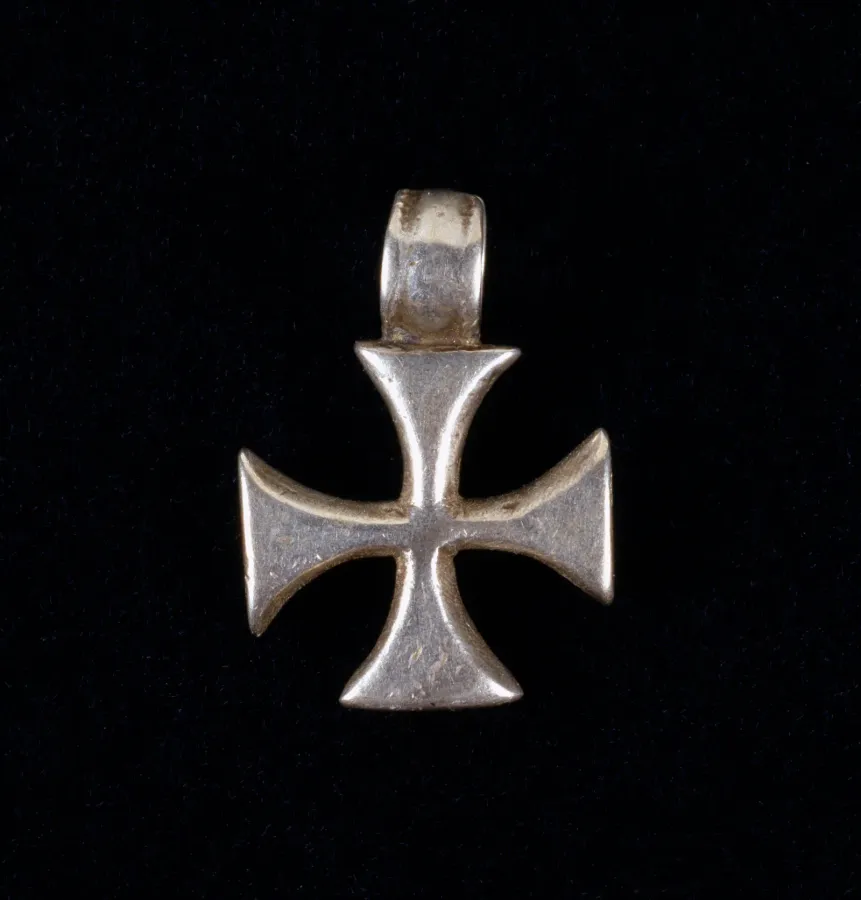
The Renaissance brought the cross into the realm of fine art and high jewellery. Gold crosses set with rubies, emeralds, and pearls became status symbols for European aristocracy. The Medici family commissioned elaborate cross pendants. Tudor England produced intricate enamel crosses. The cross was no longer just a devotional object. It was a fashion statement, a display of wealth, and a marker of social position.
The Protestant Reformation complicated things. Many Protestant traditions rejected elaborate crosses as "popish" excess. The plain, unadorned cross became a specifically Protestant aesthetic: simple, direct, without the corpus (body of Christ) that characterised Catholic crucifixes. This distinction persists today. A cross is the empty form. A crucifix includes the figure of Christ. The choice between them is itself a statement.
The Victorian era saw crosses become mainstream jewellery for the first time. Queen Victoria's love of mourning jewellery made black jet crosses enormously popular. Memorial crosses, worn in remembrance of the dead, became a standard part of Victorian sentimental jewellery. This is the era that cemented the cross as something that could be both deeply meaningful and purely decorative.
The 20th century blew the doors open. Art Deco crosses in geometric platinum settings. Mid-century modern crosses reduced to their simplest form. The punk movement's provocative use of crucifixes and inverted crosses. Hip-hop's oversized diamond crosses. The goth scene's ornate silver crosses dripping with skulls and serpents. The cross became a canvas for every aesthetic movement, every subculture, every personal statement.
Today, the cross pendant is the single most purchased jewellery motif worldwide. Not hearts, not stars, not animals. The cross. That 5,000-year run shows no sign of slowing down.



Cross styles: a visual guide
Latin cross
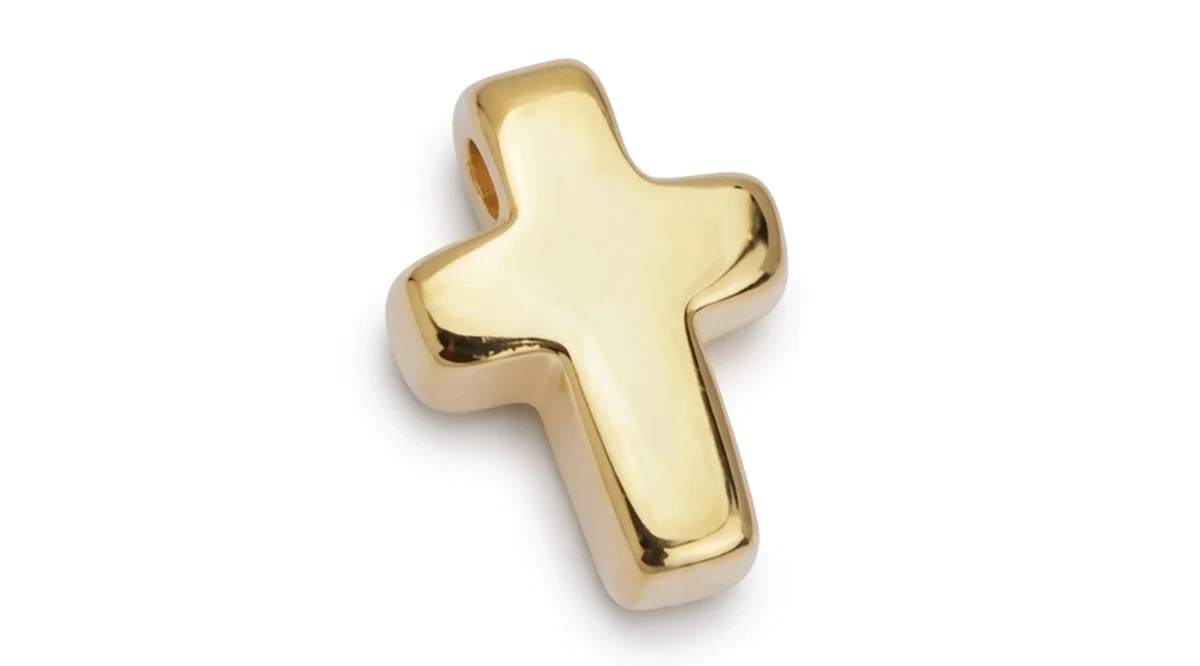
The standard. One vertical line, one horizontal line crossing it in the upper third. The bottom arm is longer than the other three. This is the cross most people picture when they hear the word, and it's the most common style in jewellery worldwide.
The Latin cross communicates: tradition, clarity, and a direct connection to Western Christian heritage. It's the "no elaboration needed" version. A small gold Latin cross on a chain is one of the most timeless pieces of jewellery that exists. Your grandmother could have worn it. Your granddaughter will be able to wear it. Nothing about it dates.
Style-wise, it ranges from paper-thin and minimalist to chunky and statement-making. Polished, matte, hammered, textured, set with stones, wrapped in wire: the Latin cross absorbs any treatment you give it and still reads as itself.
Celtic cross
A Latin cross with a circle connecting the four arms at the intersection. The circle is the defining feature, and in most designs, the arms extend beyond the circle. Celtic crosses are frequently decorated with intricate knotwork, interlacing patterns, and sometimes zoomorphic (animal) designs.
The Celtic cross communicates: heritage, depth, connection to Irish and Scottish culture, and a spirituality that's rooted in nature and ancient tradition. The knotwork adds another layer: Celtic knots have no beginning and no end, symbolising eternity.
This style is particularly popular among people of Irish, Scottish, Welsh, or Breton descent. But it's also widely loved by people with no Celtic connection who are simply drawn to the richness of the design. The interplay of the circle and the cross, the endless knots, the sense of something old and deep: it has a visual gravity that transcends any single cultural claim.
In jewellery, Celtic crosses tend to be more substantial than simple Latin crosses. The knotwork demands space and detail. They work beautifully in silver, where the contrast between raised and recessed surfaces makes the patterns pop.
Orthodox cross
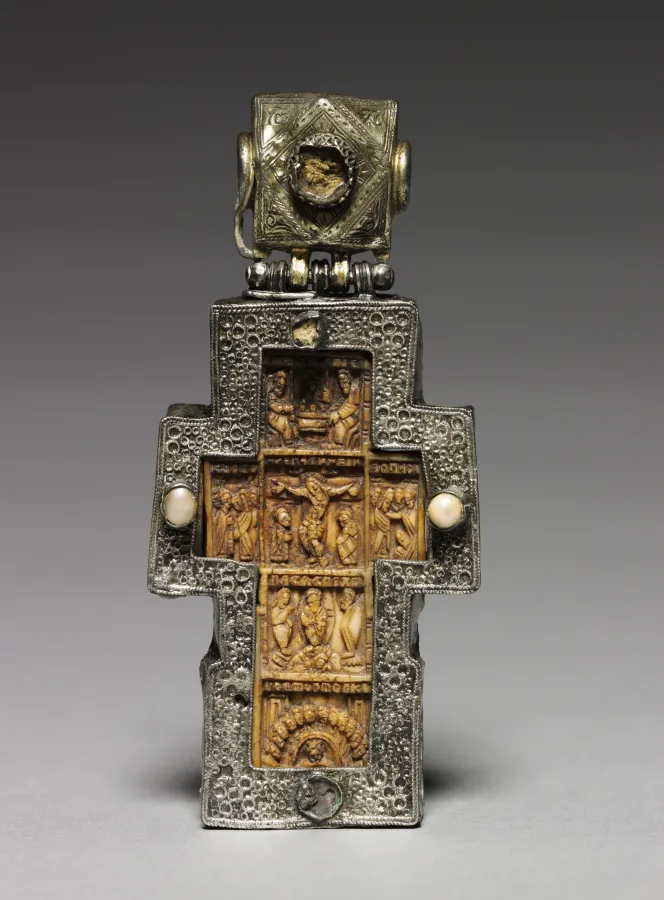
The Eastern Orthodox cross has three horizontal bars instead of one. The top bar is shorter (representing the inscription "King of the Jews" placed above Christ's head). The main crossbar is where the arms would be. The bottom bar is angled. Traditionally, one end points up and the other down, representing the two thieves crucified alongside Christ: one who repented (pointing to heaven) and one who didn't (pointing below).
The Orthodox cross communicates: a specific and proud connection to Eastern Christianity, whether Russian, Greek, Serbian, Romanian, Georgian, Ukrainian, or other Orthodox traditions. It's a cultural marker as much as a religious one. Many people of Orthodox heritage wear it the same way Alex wears his grandfather's cross: as an identity anchor, not necessarily a faith declaration.
The three-bar design makes the Orthodox cross instantly recognisable and distinctly different from Western crosses. In jewellery, it's often rendered in gold with a slightly antique or "icon-like" finish.
Gothic cross
Gothic crosses borrow from medieval Gothic architecture: pointed arches, elaborate tracery, dramatic proportions, and often a dark, moody aesthetic. They may incorporate additional elements like skulls, serpents, thorns, wings, daggers, or fleur-de-lis details. The finish is often oxidised silver or blackened metal.
The Gothic cross communicates: darkness and beauty, rebellion with depth, an appreciation for the dramatic and the ornate. It's the cross of choice for goth, metal, and alternative subcultures, but it's also found its way into high fashion. Several high fashion houses have built entire aesthetics around the Gothic cross.
This style is for people who want their cross to have an edge. It says: I connect with this symbol, but not in the way you'd expect. The darkness isn't anti-spiritual. It's an acknowledgment that spirituality includes shadow, doubt, and the full range of human experience.
Ankh
The original cross. The Egyptian ankh is a cross with a loop at the top instead of an upper arm. It's the oldest cross form still worn as jewellery, with an unbroken design lineage of about 5,000 years.
The ankh communicates: ancient wisdom, eternal life, and a spirituality that predates organised religion. It's enormously popular in Afrocentric jewellery, where it connects to Egyptian heritage and the reclaiming of African spiritual traditions. It's also widely worn by people interested in esoteric, occult, or "spiritual but not religious" paths.
In jewellery design, the ankh allows for beautiful proportions. The loop at the top can be plain, decorated, or set with a stone. The overall shape is elegant and distinctive. There's no mistaking an ankh for anything else.
Maltese and Iron cross
The Maltese cross has eight points, formed by four arrowhead-shaped arms meeting at the centre. It originated with the Knights of Malta (originally the Knights Hospitaller) during the Crusades. The eight points traditionally represent the eight obligations of the knights: truth, faith, repentance, humility, justice, mercy, sincerity, and endurance.
The Iron Cross is a variation with concave sides on each arm, creating a distinctive angular shape. Originally a Prussian military decoration, it became controversial due to its association with German military history. However, in motorcycle culture and certain subcultures, it's been reclaimed as a symbol of rebellion and toughness.
These crosses communicate: military tradition, courage, and a certain hard-edged aesthetic. The Maltese cross is particularly popular among firefighters worldwide (it's the standard emblem of fire departments in many countries) and among people who appreciate its historical weight and geometric precision.
Saint Benedict cross
The Saint Benedict cross (also called the Benedict medal cross) features the cross of Saint Benedict with specific Latin inscriptions and initials. The letters stand for prayers of protection and exorcism. On the front, the letters C S S M L, N D S M D stand for "Crux Sacra Sit Mihi Lux, Nunquam Draco Sit Mihi Dux" (May the holy cross be my light; may the dragon never be my guide). The reverse carries additional protective inscriptions.
The Saint Benedict cross communicates: protection, spiritual defence, and a connection to one of the oldest monastic traditions in Western Christianity. Saint Benedict of Nursia (480-547 CE) is the patron saint of Europe and the founder of Western monasticism. The medal associated with him has been used as a protective amulet since at least the 17th century.
This cross is interesting because it sits right at the intersection of devotion and talismanic protection. Even people who aren't Catholic sometimes wear it because the protective reputation is so strong. It's one of the few cross styles that is explicitly about shielding the wearer from harm.
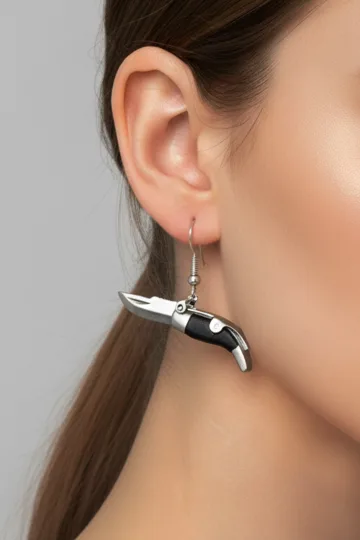
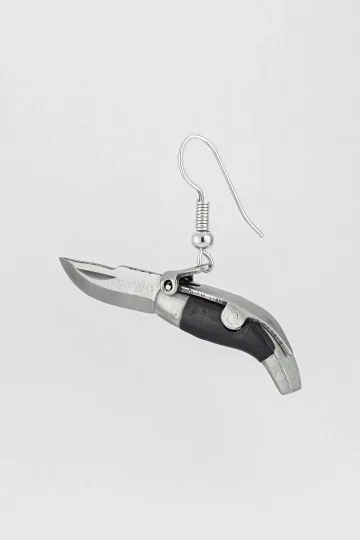
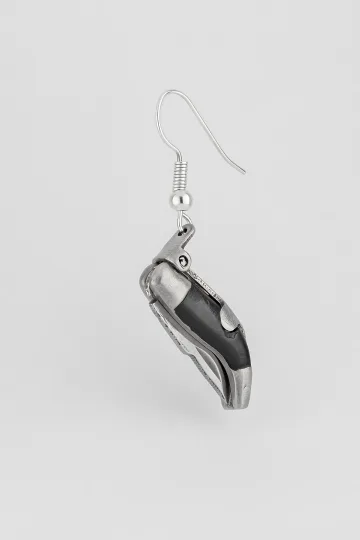
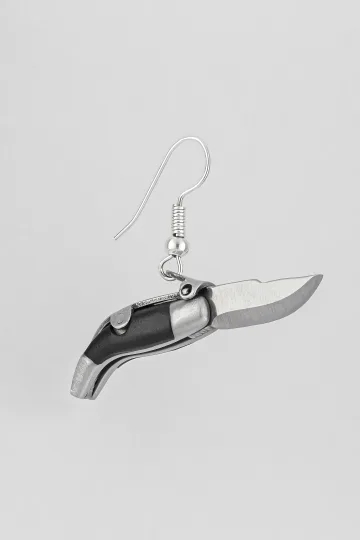
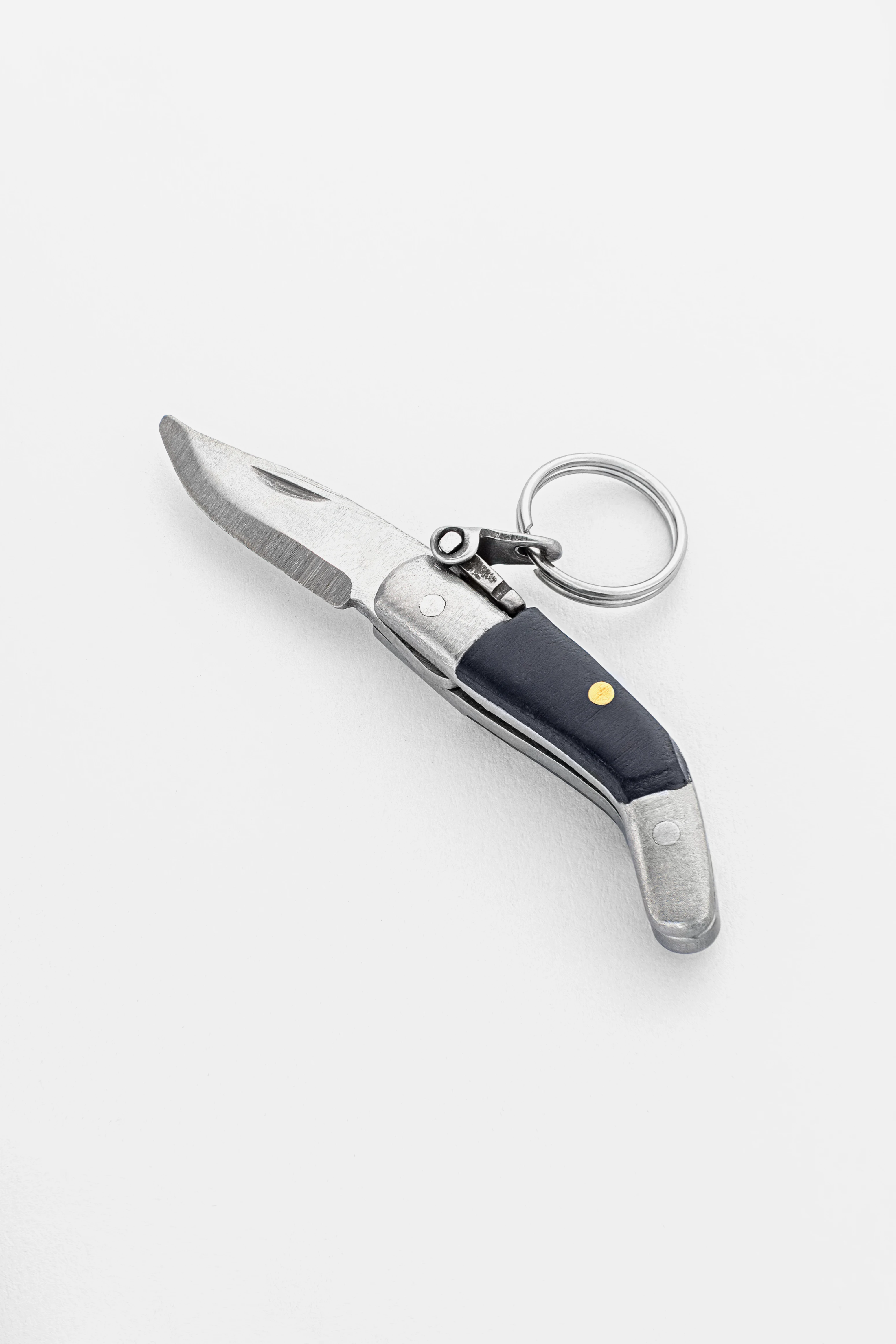
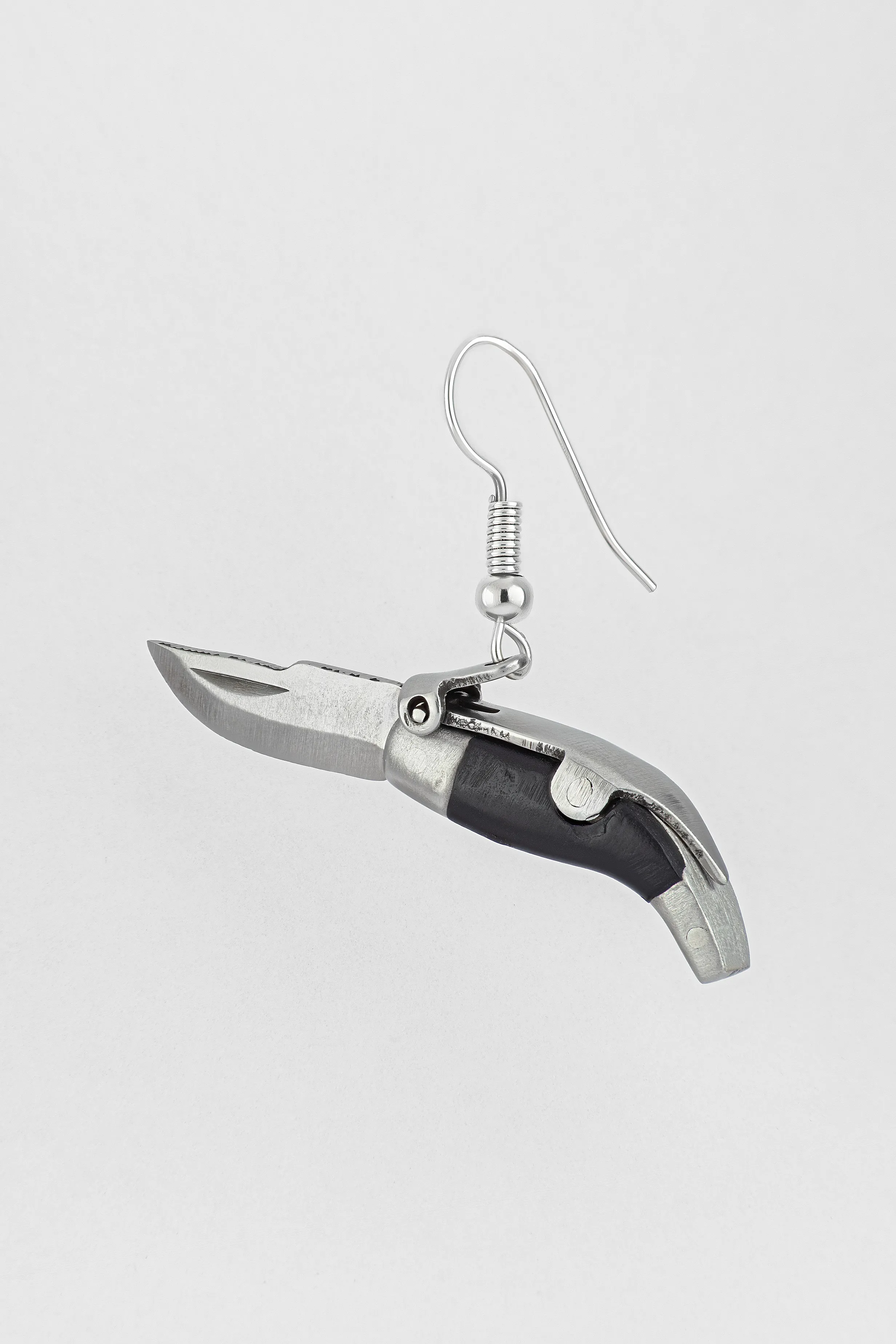
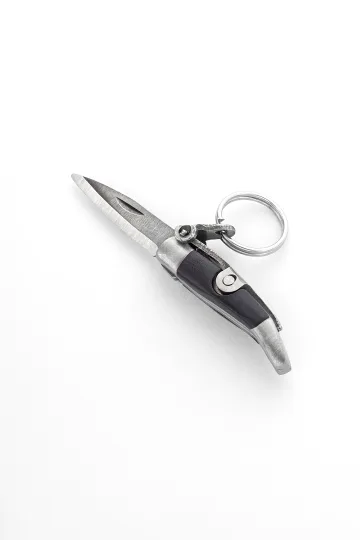
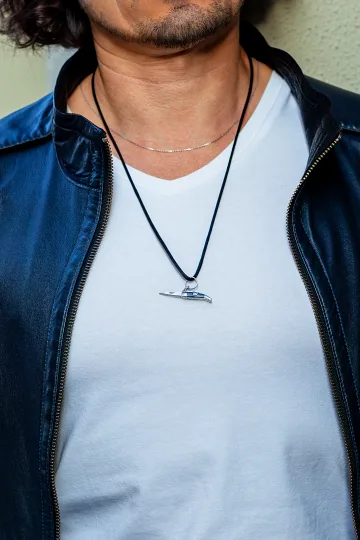
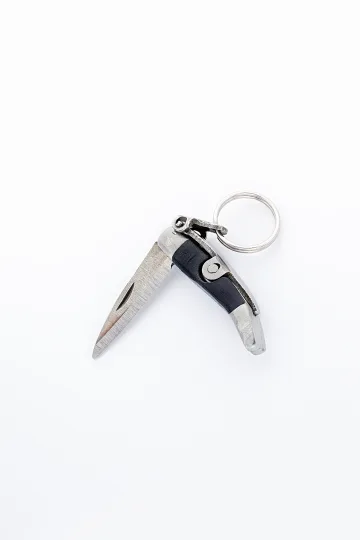
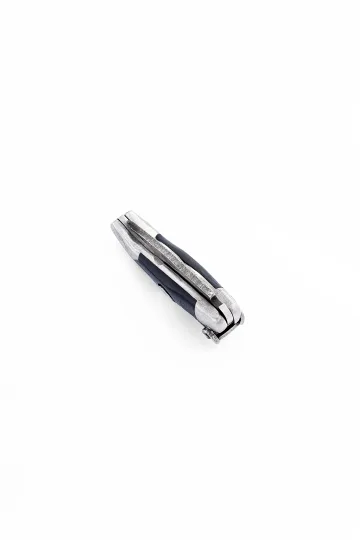
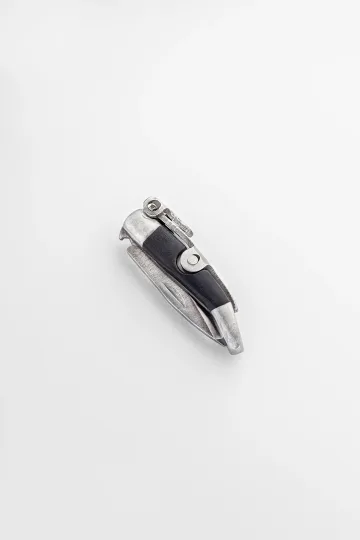
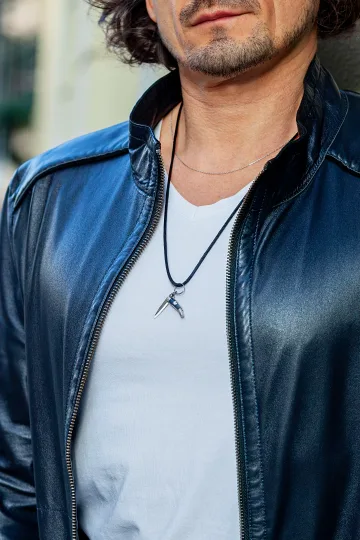
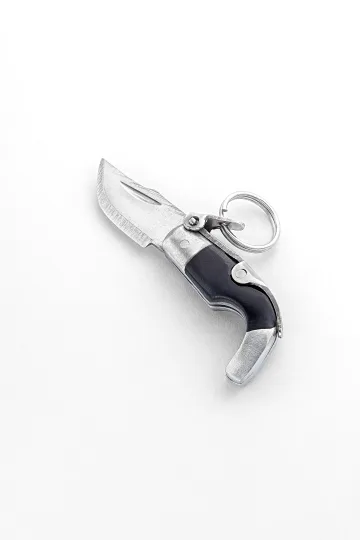
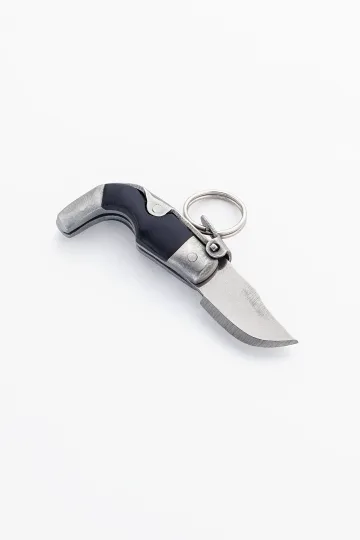
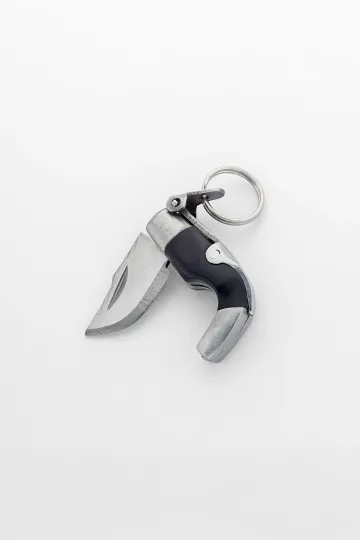
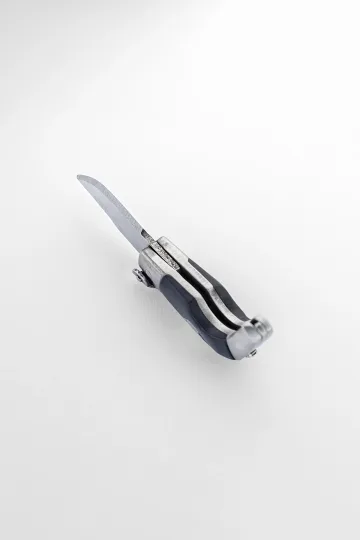
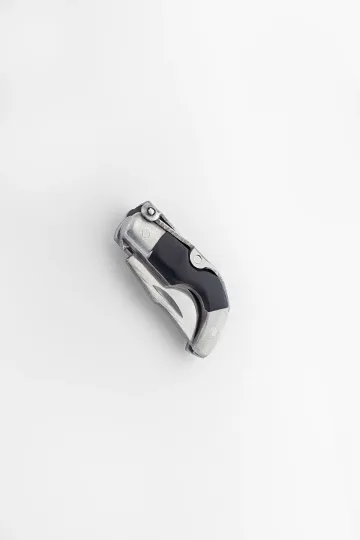
CAPAORA mini knife pendant
The 18th-century Spanish navaja in miniature: 40 mm of stainless steel, a real folding mechanism and a Palanquilla lock that clicks. An affordable gift to remember.
Authentic · Ships from Spain · 14-day returns
The cross beyond religion
Fashion and self-expression
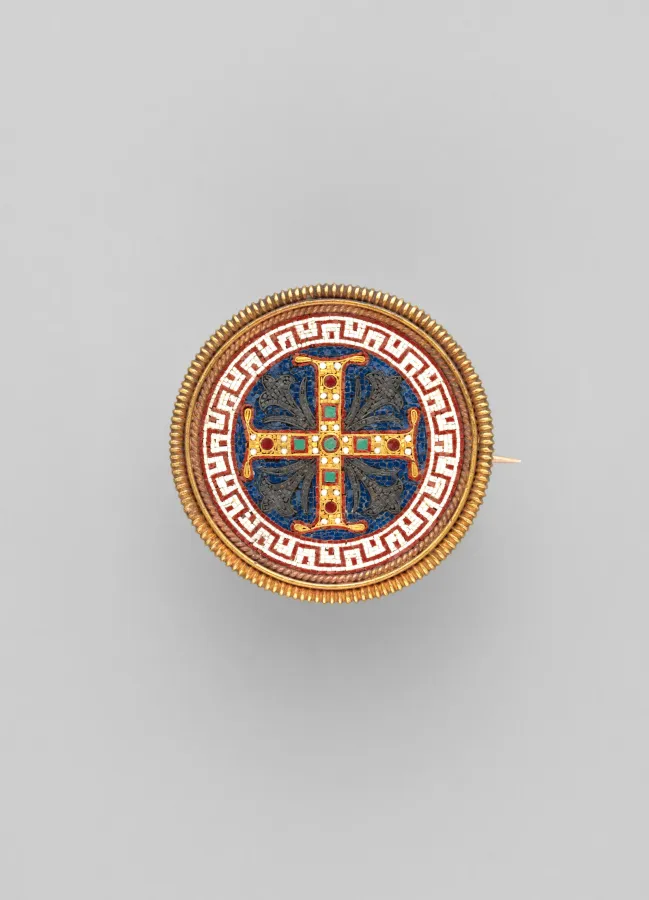
Walk through any major city and count the cross necklaces you see. Most of them are fashion choices, not faith declarations. The cross has become one of the fundamental building blocks of jewellery design, as standard as a chain, as versatile as a hoop earring.
This didn't happen overnight. The fashion world's love affair with the cross has been building for decades. Baroque gold crosses in the 1990s. Provocative crucifixes layered into pop performance. The entire luxury-streetwear aesthetic built around ornate silver crosses. Punk-influenced cross jewellery. Mediterranean-inspired crosses dripping with gemstones.
What makes the cross so endlessly appealing from a pure design perspective? Symmetry. The cross is inherently balanced, which means it hangs well on a chain, looks good from every angle, and works at any size. It's also instantly legible, since even a tiny cross reads clearly. And it carries enough cultural weight that it never looks trivial or purely decorative, even when the wearer's intent is entirely aesthetic.
The fashion cross has its own vocabulary. A chunky cross on a thick chain says bold, confident, streetwear-influenced. A delicate cross on a thin chain says understated elegance. A vintage-looking cross with patina says depth and history. A geometric, modern cross says design-forward. The shape provides the foundation; the execution provides the personality.
For many people, wearing a cross is simply about wearing something beautiful that also feels meaningful. Not religious-meaningful, but weight-meaningful. Substance. A sense that the thing around your neck connects to something larger than this morning's outfit choice.
Protection and talismanic wear
Across cultures and centuries, the cross has been worn as a protective talisman. This goes back to pre-Christian times. The ankh was protective, the sun cross was protective, and various cross forms in different cultures were used to ward off evil spirits, illness, and bad luck.
Christianity amplified this protective aspect enormously. The sign of the cross became a gesture of warding off evil. Holy water was applied in the shape of a cross. Doors and windows were marked with crosses to keep out malevolent forces. And wearing a cross pendant became one of the most common forms of personal spiritual protection in the world.
This protective function hasn't gone away. Millions of people worldwide wear crosses specifically because they believe the symbol protects them. Not necessarily in a theological, doctrine-of-salvation way, but in a practical, everyday, "this keeps bad things at bay" way. The same instinct that drives someone to wear a nazar eye or carry a lucky coin also drives many people to wear a cross.
Travellers, soldiers, first responders, people in dangerous jobs: these groups have historically been heavy cross-wearers, and the reason is primarily protective rather than devotional. The cross is armour for the spirit.
The Saint Benedict cross specifically is marketed and understood primarily as a protection piece. Its Latin inscriptions are literal prayers against evil. People wear it not because they want to make a fashion statement, but because they want to feel safer.
Heritage and family
Alex's grandfather's cross. That story is not unusual. For millions of families, a cross pendant is one of the most common heirloom items that gets passed between generations. Baptismal crosses, communion crosses, confirmation crosses: these are given at key life moments and then kept for decades, often outlasting the people who first wore them.
In many cultures, the specific type of cross tells you where a family comes from. An Orthodox cross suggests Eastern European or Greek heritage. A Celtic cross suggests Irish or Scottish roots. An elaborate baroque cross might point to Southern European, particularly Italian or Spanish, origins. A simple Protestant cross indicates Northern European or American Protestant tradition.
The cross-as-heritage is particularly strong in immigrant communities. A cross brought from the old country carries the weight of the entire journey: everything left behind, everything hoped for, everything survived. When the grandchildren wear it, they're not just wearing jewellery. They're wearing a family story.
This is why crosses are among the most emotionally charged gifts you can give. A cross pendant for a christening, a birthday, a graduation, a wedding carries an implicit message: you are part of this family, this lineage, this story. Here is a physical object that connects you to everyone who wore it before you.
Rebellion and subculture
In the 1970s and 80s, punk and goth subcultures grabbed the cross and turned it into something their parents' church wouldn't have recognised. Sid Vicious wore an inverted cross. Siouxsie Sioux layered crucifixes with chains and dark makeup. The cross became a tool of provocation, taking a sacred symbol and wearing it in a way that challenged the establishment.
But something interesting happened. The provocative use didn't diminish the cross. It actually expanded its meaning. The cross became available to people who didn't fit into traditional religious categories but still felt connected to the symbol's deeper energy. Goths weren't mocking the cross. Most of them were genuinely fascinated by its power. They were just approaching it from the shadow side.
Heavy metal took the cross even further. Black Sabbath, Judas Priest, and later bands like Ghost adopted elaborate cross imagery that mixed devotion with darkness. The metal cross isn't anti-religious. It's para-religious. It takes the symbol's intensity and turns it up to eleven.
Hip-hop brought yet another interpretation. The oversized diamond cross became a staple of hip-hop jewellery in the 1990s and 2000s. For many rappers, the cross represented faith (genuine, deeply felt faith), but also success, resilience, and having survived circumstances that should have been fatal. The bigger the cross, the bigger the testimony.
Today, wearing a cross in a subcultural context is no longer provocative. It's normal. The cross has absorbed every interpretation thrown at it and emerged stronger. It belongs to church and to the streets. To prayers and to mosh pits. To grandmother's dresser and to the tattoo parlour.
Leave your email, we'll send your discount code. No spam, unsubscribe anytime.
The code arrives by email, valid on your first order.
Materials and what they change
The material of a cross pendant isn't just a practical choice. It shifts the entire mood and message of the piece.
Gold and gold-plated metals
Gold is the classic material for cross jewellery, and there's a historical reason. In Christian art, gold represents the divine, the eternal, the incorruptible. A golden cross glows. It catches light. It radiates warmth. There's a reason cathedral altars are gilded: gold feels sacred.
A solid gold cross is a significant piece. It has material value beyond its symbolism, it won't tarnish, and it develops a beautiful warm patina over years of wear. Gold-plated options on stainless steel bring the golden look at a more accessible price point. Modern PVD coating technology creates durable, beautiful gold finishes that hold up well to daily wear.
Rose gold adds a softer, more contemporary warmth. It's become particularly popular for cross pendants that lean more toward fashion than tradition.
Silver
Silver gives a cross a completely different character. Where gold is warm and devotional, silver is cool, clean, and versatile. Silver crosses pair naturally with casual wear, dark clothing, and contemporary aesthetics. They also suit the Gothic and alternative interpretations of the cross better than gold does.
Silver ages beautifully. Some people prefer their cross pendant slightly oxidised, which darkens the recesses and gives the piece an antique quality. Others keep it bright. Both work.
Stainless steel
The practical, no-fuss option. Stainless steel crosses are tough, hypoallergenic, and essentially indestructible through normal wear. For people who never take their cross off (shower, gym, ocean, sleep), stainless steel can handle all of it without complaint. It also allows for extremely precise casting, which matters for detailed designs like the Saint Benedict cross or Gothic crosses with fine tracery.
Enamel and mixed materials
Enamel opens up colour possibilities that metal alone can't achieve. Red enamel on a gold cross creates a powerful, almost heraldic look. Black enamel on silver leans Gothic. Blue and white enamel can reference specific cultural traditions (like Greek or Russian Orthodox aesthetics). Enamel also allows for detailed illustrations: patron saints, protective symbols, decorative patterns.
Modern enamel techniques are durable enough for daily wear. Fired enamel on stainless steel, in particular, resists chipping and fading impressively well.
Gemstones
Gemstones and crystals transform a cross from a symbol into a piece of fine jewellery. The traditional choice is a single stone at the intersection of the arms, the centre point, the heart of the cross. Rubies and garnets add a visceral, blood-red intensity. Sapphires add depth and serenity. Diamonds and cubic zirconia add sparkle and light.
Even small stone accents change the character of a cross pendant dramatically. A tiny stone at each tip of the arms creates a completely different look from a single centre stone. Pave-set stones covering the entire surface make the cross into a statement piece.
Who wears a cross and why
Believers
The most straightforward reason. Billions of Christians wear the cross as a visible expression of their faith. For these wearers, the cross is a symbol and a constant reminder: of Christ's sacrifice, of their own commitment, of the presence of something greater than themselves. The cross pendant sits close to the heart, and that placement is intentional and intimate.
Cultural inheritors
People who may or may not practice a religion but who wear the cross because it connects them to family, heritage, and cultural identity. The Italian grandmother's cross. The Greek Orthodox heirloom. The Irish Celtic cross that's been in the family for generations. For these wearers, the cross is about roots rather than doctrine.
Fashion-forward wearers
People who choose a cross pendant because it's a beautiful, well-designed piece that adds meaning and weight to their look. They might pair it with other pendants, layer it with chains, or wear it as a statement piece. The cross's visual versatility makes it work with almost any personal style, and its cultural weight ensures it never feels like a throwaway accessory.
Seekers of protection
People who wear the cross because they believe it protects them, whether through faith, tradition, superstition, or a combination. This group often overlaps with people who wear other protective symbols such as the evil eye, hamsa, Saint Benedict medals, and similar talismans. Protection isn't just about religion. It's about feeling safer in a world that doesn't always feel safe.
The tattoo crossover
People who have cross tattoos and also wear cross jewellery. The tattoo and the pendant reinforce each other. They're different expressions of the same personal connection. This is a large group. Cross tattoos are consistently among the top five most requested designs at tattoo shops worldwide.
Men, specifically
It's worth mentioning that the cross pendant is one of the most popular men's jewellery items in the world. In many cultures, it's one of the few pieces of jewellery a man can wear without any social friction. A gold chain with a cross is essentially universal in men's fashion, crossing every demographic and style boundary. The men's jewellery conversation often starts with a cross.
Gift occasions
Baptisms, confirmations, communions, graduations, birthdays, Christmas, and moments of personal significance. A cross pendant remains one of the most meaningful gifts available. It says: I'm marking this moment for you, and I'm giving you something that connects you to something bigger than the day itself.
How to style a cross necklace
The solo statement
One cross pendant, one chain, nothing else. This is the purest way to wear it. The cross gets all the attention, and the message is clear and undiluted. For a classic look, choose a chain length that places the pendant just below the collarbone (45-50cm). For a bolder look, go longer (55-60cm) so the cross sits mid-chest.
The chain matters more than most people think. A thin, delicate chain makes even a substantial cross feel elegant. A thicker chain (rope, curb, or figaro) adds weight and presence. The chain is the frame. Choose it with as much care as the pendant.
Layered with other pieces
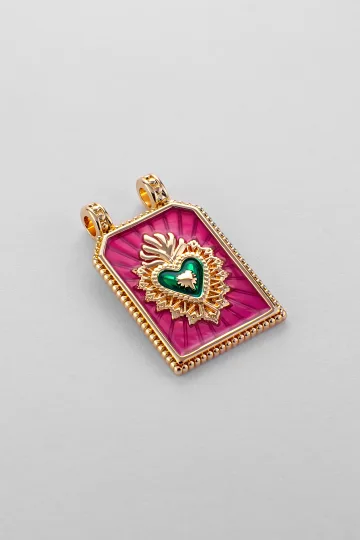
Cross pendants layer beautifully. The key rules: vary your chain lengths so nothing tangles, and give the cross its own "lane." A common layering approach: a short choker or collar chain, the cross pendant at medium length, and a longer chain with a different pendant (a coin, a sacred heart, an initial) as the longest layer.
Mixing metals in a layered setup is absolutely fine and increasingly the norm. A gold cross with a silver chain at another length creates visual interest without clashing.
With specific style aesthetics
- Classic/minimal: small Latin cross on a fine chain. Gold or silver. No other jewellery or just simple studs. Clean neckline. This works for literally any occasion.
- Streetwear: larger cross on a thicker chain. Can be layered with other chains. Works over hoodies, t-shirts, open collars. The cross as a centerpiece of casual style.
- Gothic/alternative: ornate silver or blackened cross. Pair with rings, leather, dark clothing. The cross should have texture and detail; smooth and minimal doesn't work here.
- Bohemian: Celtic cross, ankh, or ethnically inspired cross. Mixed metals, natural materials, layered with beads or natural stones.
- Formal: subtle gold or silver cross tucked slightly under a shirt collar, just visible. Or a fine gemstone-set cross worn over a dark blouse or dress. Understated power.
- Men's everyday: gold-plated or stainless steel cross on a chain that hits mid-chest. Simple, solid, no fuss. The most universal men's jewellery look there is.
What to pair it with
Cross pendants combine well with:
- Other religious/spiritual symbols: saints, sacred hearts, hamsa hands, evil eyes. Mixing spiritual symbols is a personal statement, not a contradiction.
- Initial or name pendants: the cross provides depth, the initial provides personality.
- Coin pendants: both carry historical weight and complement each other naturally.
- Simple chains: the cross doesn't need company to look complete.
What to avoid: pairing a cross with anything too whimsical or juvenile. The cross has gravity. A cartoon character pendant next to it creates a weird tonal mismatch. But beyond that rule, almost anything works.
Buying it as a gift? Each one arrives ready to give.
 A branded Zevira box and a little card come with every order.



Frequently asked questions
Is it OK to wear a cross if I'm not Christian?
Yes. The cross as a shape predates Christianity by thousands of years, and its use in jewellery today extends far beyond any single religion. Millions of people wear crosses for cultural, aesthetic, protective, or personal reasons with no religious intent. What matters is wearing it with respect and sincerity, not with mockery. If the cross means something to you, whatever that something is, you have every right to wear it.
What's the difference between a cross and a crucifix?
A cross is the shape alone: two intersecting bars, no figure. A crucifix includes a representation of Christ's body on the cross. The distinction is often associated with denomination: Catholic and Orthodox traditions typically use crucifixes, while Protestant traditions tend to prefer the empty cross (symbolising the resurrection rather than the crucifixion). In jewellery, crosses are far more common than crucifixes because they're less explicitly devotional and more universally wearable.
Can I wear a cross with other spiritual symbols?
Absolutely. Many people layer a cross with a sacred heart, an evil eye, a hamsa, or other protective and spiritual symbols. This isn't contradictory or disrespectful. It's personal. Your jewellery tells your story, and if your story includes multiple spiritual influences, your jewellery can reflect that. There are no rules about mixing symbols except the ones you set for yourself.
Do different cross sizes mean different things?
Size doesn't carry specific symbolic meaning, but it does affect how the cross reads visually. A small, delicate cross is subtle and intimate; it's for you more than for the world. A large, bold cross is a statement; it says "look at this" and invites conversation. Neither is more "correct." Choose the size that matches your personality and how loudly you want the symbol to speak.
Is the inverted cross really a Satanic symbol?
This is one of the most persistent misconceptions. The inverted (upside-down) cross is actually called the Cross of Saint Peter. According to tradition, the apostle Peter was crucified upside-down because he felt unworthy to die in the same manner as Christ. The inverted cross is therefore a symbol of humility in Catholic tradition. It appears on the Pope's throne. The association with Satanism is a modern pop-culture invention, largely from horror films. Some people wear it ironically or provocatively, but its origin is genuinely Christian and humble.
What chain length works best for a cross pendant?
For most people and most cross sizes, 45-55cm is the sweet spot. At 45cm, the cross sits just below the collarbone, classic and elegant. At 50-55cm, it sits mid-chest, more visible and casual. For layering, you might go shorter (40cm for a choker-length cross) or longer (60cm+ to create space between layers). The pendant should sit where it feels comfortable and where you want it to be visible.
How do I care for my cross pendant?
Basic rules that apply to most materials: remove it before swimming in chlorinated pools, before applying perfume or lotion (chemicals can damage finishes), and store it separately from other jewellery to prevent scratching. Gold and stainless steel: mild soap and water, dry with a soft cloth. Silver: occasional polish if needed, or let the patina develop naturally. Enamel: avoid sharp impacts. Gemstone pieces: clean gently and store carefully.
Why do so many non-religious people wear crosses?
Because the cross is more than a religious symbol. It's a cultural symbol, a design element, a protective talisman, a family heirloom, a fashion statement, and a personal emblem. People wear it for identity, for aesthetics, for connection to heritage, for a sense of protection, or simply because it's a beautiful shape with thousands of years of meaning behind it. Religion is one reason to wear a cross, but it's not the only reason, and it doesn't have to be yours.
Silver and gold jewellery, wedding bands, symbolic pendants, paired sets.
Send a friend a discount code, they save on their first order.
Conclusion
The cross is a five-thousand-year-old conversation that's still going. It started on the walls of Egyptian tombs, crossed into Greek, Roman, Celtic, and Byzantine cultures, became the most recognised symbol on the planet through Christianity, and then kept evolving through Gothic cathedrals, punk concerts, hip-hop videos, and fashion runways.
What makes the cross so enduring isn't any single meaning. It's the fact that two simple lines crossing each other can carry whatever meaning you bring to them. Faith. Protection. Heritage. Memory. Style. Rebellion. Love for a grandfather you lost too soon.
That's why, of all the shapes you could wear around your neck, this is the one that billions of people keep choosing. Not because they're told to. Because it feels right.
And if someone asks you what your cross means, you don't need to explain theology or history or cultural analysis. You can just tell them the truth. Whatever that truth is, for you, is the right answer.
Wear the symbol, don't just read about it. These are in stock:


About Zevira
Zevira makes jewellery in the artisan tradition of Albacete, Spain. The cross isn't a stock motif for us. It's a shape with five thousand years behind it, and we treat it that way: clean geometry, honest metal, and a weight you can feel in your hand.
Here's what you'll find with us around crosses and neck pendants:
- Latin crosses in a range of sizes, from delicate to large statement pieces
- the Saint Benedict cross with its protective inscriptions, for anyone who wears the symbol as a talisman
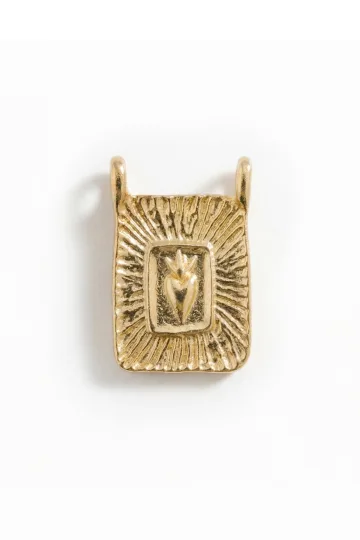
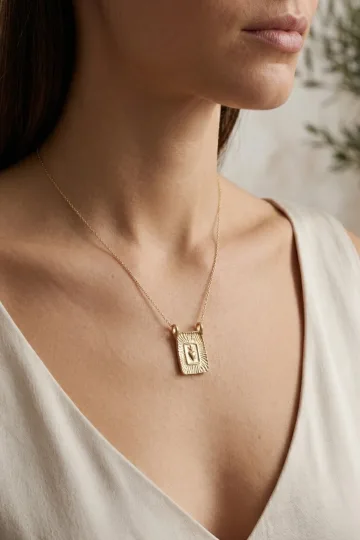
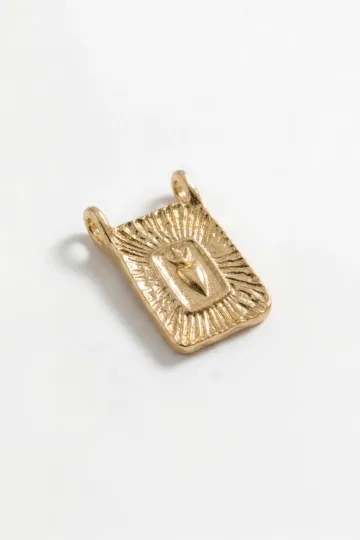
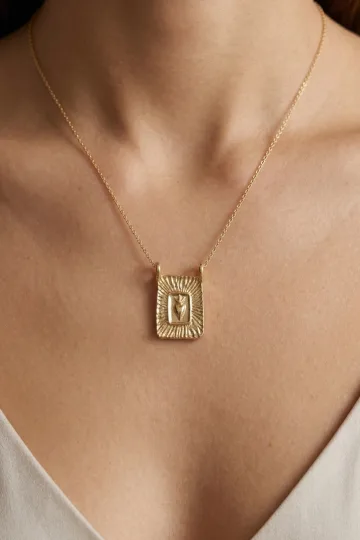
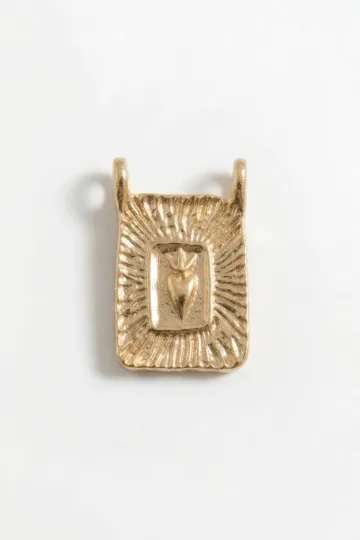
- sacred heart pendants and other sacred motifs that layer beautifully alongside a cross
- 925 silver pieces for a cool, everyday, or Gothic look
- gold and gold-plated models for a warmer, more ceremonial feel
- chains in different lengths and weaves, so you can pick the right frame for a specific cross
Every piece is made by a craftsman by hand, with the option of personal engraving. 925 silver and 14-18K gold.
Wear the symbol, don't just read about it. These are in stock: