Jewellery resin explained: why it yellows, what gets cast inside it, and how to tell a good pour from a backyard one
Every owner of a resin pendant has the same fear: that it will yellow within a year and turn into a cloudy amber lozenge. The fear is only half right. Cheap resin with no UV protection does yellow, while a quality jewellery pour with a UV stabiliser holds its clarity for years. The difference in cost is pennies, the difference in result is enormous. Below we break down what actually drives longevity, what looks beautiful cast inside, whether resin fears water and perfume, and how to spot a maker from an amateur at a glance.
Epoxy resin in jewellery is not a fake stone or cheap plastic. It is a material in its own right, with its own physics, its own history and its own wearing rules. You can freeze a living flower in it forever, catch a fleck of foil, hide a lock of hair or a pinch of memory of someone you love. It comes crystal clear, milky opal, stained-glass colourful and sea-glass matte. And it behaves nothing like metal or mineral, so you cannot mix up the care rules.
This piece is about how resin reached the jewellery bench, how epoxy differs from UV resin, what people cast inside and why, whether it yellows and from what, whether it fears water, perfume and heat, whether it scratches, whether it is safe on skin, and how to care for it so a piece lasts decades rather than a single season.
What jewellery resin is and the forms it takes
What epoxy resin actually is
Epoxy resin is a synthetic material made of two liquid components: the resin itself and a hardener. Kept apart they last for years, but the moment you mix them in an exact ratio a chemical reaction kicks off, and within a few hours the liquid turns into a hard, clear polymer. The ratio is not a rough guess but a pharmacist's measure: getting it wrong by eye leaves you with either permanent tackiness or brittle, cloudy stock, so makers weigh the components on precise scales. This transition is called curing, and it is irreversible: you cannot melt set epoxy back into liquid the way you can plastic. The reaction also gives off heat, and in a large volume the resin noticeably warms itself, which is why thick pours are built up in layers, letting each one cool. That is exactly why you can entomb an object inside it forever: the resin flows around the piece, fills every gap and sets into a monolith in which a flower or a fleck of foil hangs as if weightless.
How epoxy resin differs from UV resin
Jewellery uses two different materials, and people constantly confuse them. Epoxy resin is two-part, sets on its own through the reaction of resin with hardener, needs anything from a few hours to a day, but pours in a thick layer and suits large, three-dimensional pieces. UV resin is single-part, hardens in a minute or two under an ultraviolet lamp, is handy for small work and quick jobs, but cannot manage a thick layer: the lamp does not reach the depth, and a tacky uncured core stays inside. Put plainly, epoxy is about volume and patience, UV resin is about speed and fine detail. Quality epoxy usually resists yellowing better, but here too it is the brand that decides, not the type.
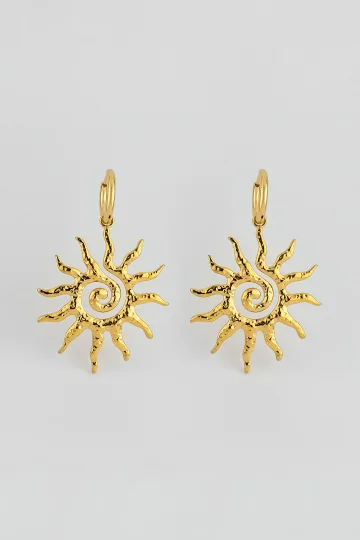
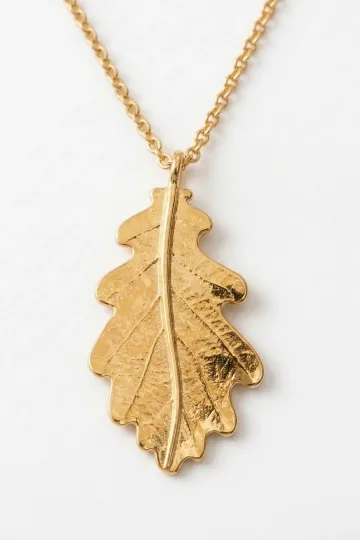
Wear the symbol, don't just read about it. These are in stock:

What counts as jewellery resin
Not every clear epoxy is fit for jewellery. Building or tabletop casting resin clouds, yellows and is not made for skin contact. Jewellery resin is the name for resin with high optical clarity, low viscosity so bubbles can rise out, and a mandatory UV filter in the formula. Good jewellery resin, once fully polymerised, is chemically inert, meaning it releases nothing into the skin. It is the combination of clarity, UV protection and inertness that separates the material for earrings from the material for a garage floor.
Clear, coloured and opal: types of pour
Resin is tinted with special pigments and inks, and that decides the whole character of a piece. A clear pour works like a lens: it shows what is inside and catches the light. A coloured one turns a pendant into something like stained glass or a boiled sweet, from sheer tint to dense opacity. Opal and pearlescent pigments are their own story: they give a milky glow and a shimmer like moonstone or opal. There are matte finishes too, where the surface is roughened on purpose to mimic sea glass. The same material plays at being glass, then stone, then a puddle of ink.
History: from natural resin to synthetic
Amber as the first jewellery resin
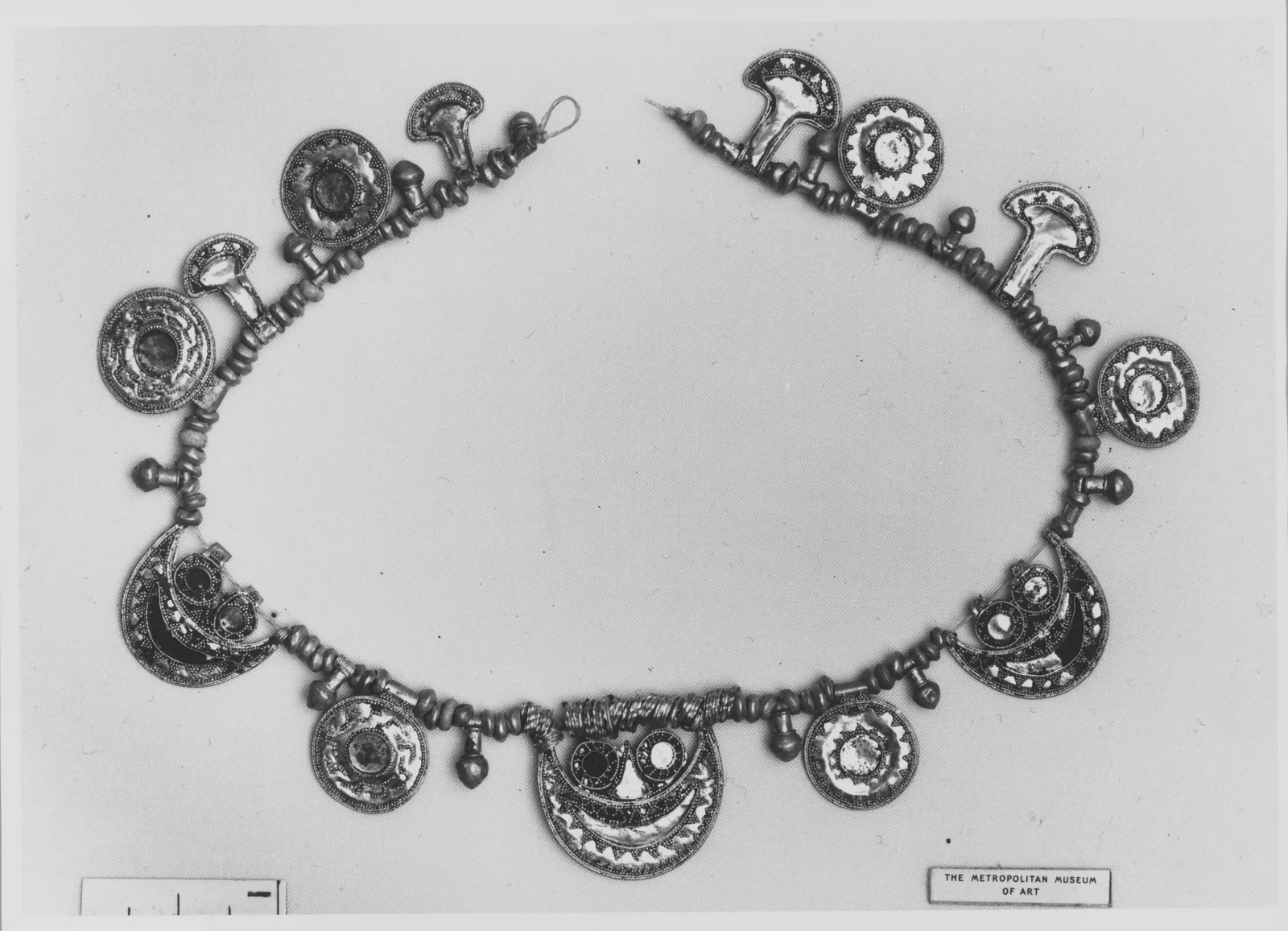
Long before chemists, people wore set resin, only the natural kind. Amber is the fossilised resin of ancient conifers, buried in the earth for millions of years, and in it, exactly as in a modern pour, insects, air bubbles and bits of plant were trapped forever. The logic is identical: liquid resin flowed around a bug, hardened and preserved it for millions of years. In essence jewellery epoxy is an attempt to recreate amber artificially and in a single day, instead of over a geological age. Anyone who wants to understand the roots of the material should read the guide to amber and fossilised resin: half the properties of a modern pour come from there.
Shellac and copal: resins between nature and chemistry
Between amber and synthetics there was a long in-between stage. Shellac, a resinous secretion of insects, was used for centuries as varnish, casting medium and glue. Copal, young semi-fossilised tree resin, went into jewellery and incense and looked like amber, though it was softer and younger. These materials could set into a hard, clear mass, but they yellowed, cracked and softened in heat. People already knew what they wanted from resin, but the natural options gave neither strength nor stability.
The birth of synthetic resin in the twentieth century
True epoxy resin appeared in the first half of the twentieth century as a product of the chemical industry. At first it was prized as glue and protective coating for its incredible grip and durability. Very quickly the makers of decorative crafts saw in it what no natural resin offered: perfect clarity, the ability to set in a thick layer and take any colour. From a technical material resin stepped onto the benches of artists and jewellers, and what got entombed was no longer the odd accidental fly but deliberately chosen flowers, glitter and paint.
The Florentine casting tradition and the rise of resin jewellery
In jewellery clear resin came into its own in the second half of the twentieth century, and one of its centres was Florence, with its centuries-old tradition of working in colour and stone. Florentine masters, used to laying pictures from gemstones in mosaic, saw in resin a way to pour pigment and dried flowers the way they once laid stone. A clear pour made it possible to build brooches, pendants and earrings in which a posy of wild flowers or a scatter of gold foil hung in pure volume. From then on resin entered art jewellery as a material in full standing, not an imitation.
Clear resin wants bare skin and an open collar. Pinned to a blazer it screams craft fair. Don't.
How to wear resin jewellery
Over years on shoots I have worn resin in every form: clear with a dried flower, colourful like stained glass, milky opal. Here is what actually works, sorted by occasion.
What do I wear a resin pendant with every day? For daily wear I recommend a clear pour with a single dried flower on a thin steel or silver chain over a linen shirt or plain knitwear. A light top lights the inclusion from within, a dark one turns the pendant into a clean accent. A large pour I suggest wearing on its own, no neighbours: resin wants its own volume, not a scramble with five other pendants.
Clear pour or coloured, for the look? Here I read the clothing. Over calm monochrome (white, beige, grey, navy) I choose a coloured pour: it works as the one spot of colour and carries the whole look. Over a busy or patterned outfit I suggest clear or milky opal instead, so it does not fight the fabric. Simple rule: the louder the clothes, the quieter the resin.
How do I wear resin with a flower inside so it does not look homemade? The key is a clean pour and the setting. I recommend a pendant in a neat metal frame of silver or a warm alloy: the setting pulls the piece together and removes the craft-table effect. The flower has to read, so I suggest an open neckline and a plain top behind the pendant, no print to drown a delicate inclusion.
Does resin work at the office and in the evening? Yes, if you match the character. For the office I choose a restrained clear or smoky pour of medium size at 45 to 50 cm, so the pendant sits under the top button. For evening I take a saturated colour or an opal with a pearly glow on an open neckline: against smooth fabric in wine, emerald or black it catches light like a stone.
Who does resin jewellery actually suit? Anyone who likes a piece with a story and character rather than a shiny pile. Resin sits equally well on minimalism and in layers. Two rules that never fail. First: choose the chain length for the neckline, so the pendant lands in the open zone. Second: one expressive pour on a clean chain always beats one squeezed between other pendants.

Turn on your camera, pick earrings, a pendant or a ring, and see the piece on yourself in real time.
Switch items in one tap.
Everything runs in your browser: no photo or video is ever uploaded.
What gets cast inside resin and why
Dried flowers and pressed plants
The most common and most reliable inclusion is dried plants. Dried flowers, petals, twigs, moss, ears of grass: anything with the moisture driven out of it pours cleanly and keeps for decades. The point is to dry rather than to cast it fresh, because water is the chief enemy of a pour. A flower is dried in a book, in silica gel or special powder until it turns brittle and dry, and only then cast. Thin flat plants, like pansies or fern, sit in resin most beautifully of all: they barely distort and look like a pressed herbarium frozen in glass. This trick links resin jewellery to the old art of flower pressing and the herbarium.
Fresh flowers: why this is almost never done
Casting a fresh, just-picked flower is tempting but almost always ends badly. Moisture stays inside the petals, and under a layer of resin it has nowhere to go: the flower browns, darkens and sometimes throws bubbles and clouding right into the body of the pour. What looked like a white rose turns into a brown stain within a month. So makers almost never pour onto the living, but first carefully dry the plant, keeping its shape and, where possible, its colour. There are several drying methods: between the pages of a book under a press, in silica gel, in a special floral powder, or by warming in a dehydrator. Silica gel and powder hold volume and colour better, a book press makes the flower flat and graphic, handy for a thin pour. Every plant has its own character: white petals often darken more than coloured ones, and juicy buds like roses dry slowly and with difficulty. When someone promises an eternal fresh flower in resin, they almost always mean a properly dried specimen, not one picked yesterday.
Glitter, foil, leaf and paint
Shiny inclusions are a world of their own in resin casting. Thin metal foil and leaf give the effect of gold and silver veins, as if metal were floating in the clear body. Glitter and fine sparkle turn a pendant into a starry sky or sea foam. Mica pigments create pearlescent swirls and a petri effect, where the colour spreads in rings and cells. These inclusions fear neither moisture nor time, which makes such pieces the most carefree to wear: there is nothing inside that could spoil.
Photographs and paper
Flat objects get cast in resin too: small photographs, scraps of letters, tickets, sheet music, maps. Paper needs preparation, or the resin will soak into it and make it translucent and patchy, so the image is sealed beforehand with a thin layer of varnish or glue. A well-prepared photo survives in a pendant for years and turns the piece into a small wearable album. It is a popular form of keepsake: a snapshot of a child, of parents, of a pet that has gone, hidden in a clear locket.
Memory: ashes, a lock of hair, a particle of an event
The most personal kind of inclusion is memory. People entomb a lock of hair, a pinch of ashes, sand from a meaningful beach, petals from a wedding or funeral bouquet, a crumb of earth from a grave. The material lets you join a person forever to a physical particle of an event or a loved one. It is delicate work: the maker isolates the particle and chooses the clarity and form so the piece stays a piece of jewellery rather than a souvenir. There is a detailed piece on memorial jewellery where resin sits alongside other ways to keep a memory.
Insects and natural finds
Since amber could catch flies, modern resin repeats the trick on purpose. Butterflies, beetles, feathers, small shells, bits of bark and crystals go into the pour. The insect has to be fully dried, or it will darken and break apart like a living flower. There is an ethical question here too: responsible makers use only insects that died of natural causes, not ones killed for an ornament. Done carefully, such a piece looks like a chip of real amber, only younger by millions of years.
Customer reviews
Zevira is a real jewellery shop. Genuine payments, deliveries and customer thank-yous.
🥰🥰🥰 gracias
Ok, ¡gracias! 🙂
Does resin yellow and what it depends on
Why cheap resin yellows
Yellowing is the main complaint against resin jewellery, and the cause is chemical. Under ultraviolet light and oxygen the polymer slowly oxidises, and the clear body takes on a warm amber, then a brownish tone. Cheap technical resin with no protection can yellow noticeably within a year or eighteen months, especially if the piece is often in the sun. This is not dirt you can wash off but an irreversible change in the material itself, deep within. That is where the owners' fear comes from, and that is exactly why the resin brand matters more than it seems.
What a UV stabiliser is and why it decides everything
Quality jewellery resin has UV stabilisers and ultraviolet absorbers added. These substances take the hit: they soak up the harmful part of the light and slow the polymer's oxidation. Resin with a good UV package keeps its clarity for many years and yellows several times slower. The difference in cost between ordinary and stabilised resin is small, but the difference in result is colossal, so a serious maker never skimps on it. When a seller is upfront about which resin they use and whether it has UV protection, that is a good sign.
How sun, light and storage affect clarity
Even the best resin lasts longer if you keep it out of direct sun. Ultraviolet is the chief accelerator of yellowing, so a piece should not be dried on a windowsill, left on a car dashboard or kept under a display lamp. The best place for a resin piece is a box or pouch in the dark. This does not mean a pendant cannot be taken out into the daylight: occasional sun does it no harm, what is dangerous is constant exposure. Simple rule: wear it in the light, store it in the shade.
Can yellowing be stopped or slowed
You cannot fully reverse yellowing, because the polymer itself has changed, but you can realistically slow it. It helps to choose stabilised resin at the start, store the piece in the dark, avoid overheating and protect the surface. Some makers apply a finishing varnish with an extra UV filter on top. If a piece has already yellowed heavily and evenly, it can sometimes be re-polished by taking off the dulled top layer, but deep yellowing cannot be removed. So the battle for clarity is won at the choosing stage, not in repair.
Does resin fear water, perfume and heat
Water and humidity
Set jewellery resin does not fear water: it does not dissolve, cloud or swell from a shower, rain or hand washing. The problem is not the resin itself but what is inside. If it holds organic matter, a poorly dried flower or unsealed paper, moisture can slowly seep through the micropores and spoil the inclusion. So resin jewellery weathers splashes calmly, but bathing in it regularly, especially in a hot bath or a chlorinated pool, is not a good idea. The question of how jewellery stands up to water is broader, and there is a separate look at showering and swimming in jewellery.
Perfume, creams and cosmetics
The chief hidden enemy of resin is not water but the chemistry of cosmetics. Alcohol-based perfume, acetone, harsh creams and hairsprays over time leave matte marks on the surface, eat into the finishing varnish and dull the gloss. The rule is simple: put the piece on last, after perfume and cream, once everything has soaked in. A stray drop of perfume is best blotted away at once. The body of the resin will not break down from this, but the glossy surface it is loved for can cloud where it is in constant contact.
Heat, frost and temperature swings
Resin is more sensitive to heat than to cold. Under strong heating, say in a baking car in summer or by a stove, the surface can go tacky and thin details can warp. Direct heat is off limits: a hairdryer, a sauna, a hot radiator are no friends of it. Resin barely fears frost, but sharp temperature swings are undesirable for any monolith: internal stresses can form. In ordinary wear, winter and summer, nothing dramatic happens, what is dangerous is the extremes and sudden jumps.
Upload a photo of your pet, someone you love, or an object. We'll build a 3D model and hand-cast it in pewter.



Strength, scratches and repair
How strong resin is
In strength resin sits somewhere between glass and hard plastic. It is not as brittle as glass and rarely chips from a light drop, but it is not iron either: a hard knock against tile can leave a chip or crack, especially on a thin edge. A thick monolithic pour survives falls better than a thin filigree earring. In surface hardness resin is noticeably softer than quartz, agate and most jewellery stones, so in a single box a stone will easily scratch it, not the other way round. In toughness, though, it wins: resin will sooner dent or crack than shatter into shards like glass. On the whole a resin piece is stronger than it looks, but it should be handled like a decent watch, not like a bolt.
Does the surface scratch
Yes, the surface of resin is softer than minerals and metal, so over time it picks up a web of fine scratches from dust, fabric and rubbing in a box. This is normal behaviour for the material, and here lies its chief advantage over glass: scratches come off resin. Keeping each piece separately, in a soft pouch, noticeably prolongs the gloss. Do not toss a resin pendant into one box with metal chains and rings that will scratch it within a week.
Polishing and refreshing the shine
Worn resin can be polished and have its clarity restored, and this is a huge plus of the material. A maker sands the surface with ever finer abrasive, then polishes with paste to a mirror shine or applies a thin layer of fresh resin as a finish. After such treatment a clouded, scratched piece looks new again. At home you can lightly refresh the shine with a special plastic polish, but a deep re-polish is best left to someone with the tools and experience.
Can a cracked pour be repaired
Resin can be repaired, and in this it is kinder than stone. A chip or crack is filled with fresh resin, cleaned up and polished after it sets, and the seam almost vanishes, especially on a clear pour. If a piece has broken off, it can sometimes be glued back with the same resin. A fully ruined piece with a precious inclusion, say with a lock of hair or ashes, a maker will often re-cast from scratch, keeping the contents. So a resin piece is rarely hopeless: almost everything mends, unlike a stone shattered to pieces.



Is resin safe on skin
What happens during curing
The key phrase here is full curing. Liquid resin and hardener fumes really can irritate skin and breathing, which is why makers work in gloves and with ventilation. But fully polymerised, set resin is an inert solid material that releases nothing and sits calmly against skin. A finished piece of correctly mixed and fully set resin is safe. What is dangerous is an undercured pour, tacky to the touch: that is a sign of a broken ratio or incomplete curing, and such a piece is not worth wearing.
Does resin cause allergy
Allergy to epoxy resin exists, but mainly affects those who work with the liquid material constantly: makers, not wearers. A reaction to a fully cured piece is rare. If skin does react, the culprit is more often not the resin but metal findings: posts, ear wires, a chain from a nickel alloy. It is the same story as with ordinary costume jewellery, and there is a detailed look at nickel allergy. Before blaming the resin, check the metal it is mounted to.
How to tell a piece is safe
The signs of a safe resin piece are simple. The surface is hard and dry, not tacky or oily to the touch. There is no sharp chemical smell. The piece is made on jewellery, not building, resin. The findings are decent metal: silver, steel, a hypoallergenic alloy. If a pendant is sticky, smells of chemistry or leaves a mark on the skin, that is a curing fault, not normal resin. A good pour feels like smooth, cool glass.
Resin paired with other materials
Resin and metal
Most often resin is joined with metal: it is poured into a metal setting, frame or open form, like stained glass in a lead frame. Silver and steel give a cold contrast to a clear pour, brass and warm alloys chime with amber and golden pigments. The metal here both adorns and works: it holds the resin, protects the fragile edge and gives a fixing point for the chain. The pairing of a clear body and a setting is a classic of resin jewellery.
Resin and wood
The union of resin and wood has become a genre of its own. A slice of wood is poured with clear or coloured resin, and the cut of the timber with its growth rings ends up under a glass lens, while chips and cracks are filled with coloured pour, sometimes with a glowing-river effect. The warm texture of wood and the smooth clarity of resin complement each other, and each piece is unique thanks to the singular pattern of the grain. Anyone drawn to this natural material will find the marriage of resin and wood worth a look.
Resin and dried flowers, stones, sand
Inside a single pour you can assemble a whole scene: a dried flower, sand, a chip of stone, a shell, a drop of paint. Sand is laid in layers, mimicking a beach or a desert, small quartz crystals give sparkle, dry petals add colour. The resin works as a clear volume in which these materials hang and can be seen from every side. This makes it possible to build landscape pendants where a few centimetres hold a sea shore or a flowering meadow.
Leave your email, we'll send your discount code. No spam, unsubscribe anytime.
The code arrives by email, valid on your first order.
Memorial jewellery in resin
Flowers from a wedding or a bouquet
One of the most touching forms is to save a bouquet. Wedding flowers, flowers from an anniversary or a special date are dried and cast into a pendant, a ring or a bracelet bead, and the dried bouquet becomes a wearable thing instead of being thrown out within a week. Often one bouquet is turned into a set of pieces for the bride, the mother and the bridesmaids, so each keeps a particle of that day. This gives resin a meaning that no ready-made stone has.
A lock of hair, ashes and memory of those gone
Resin has long been the material of mourning and keepsake jewellery, carrying on the old tradition of hair lockets. A lock of a child's hair or a departed loved one's, a pinch of ashes, petals from a funeral bouquet are cast into a pendant that can be worn close to the heart. Ashes are usually introduced in a small share, mixed with clear or pearlescent resin, so the piece stays jewellery rather than an urn. For many this is a way to keep a memory near without turning it into something grim.
Flowers and memory of pets
The same principle works for the memory of animals. Fur, a piece of a lead, the ashes of a beloved pet are cast into a pendant or a keyring. For many owners this is the only way to keep something tangible nearby. A resin pour makes the particle durable and neat, turning what would otherwise lie in a box into a thing worn and treasured every day.
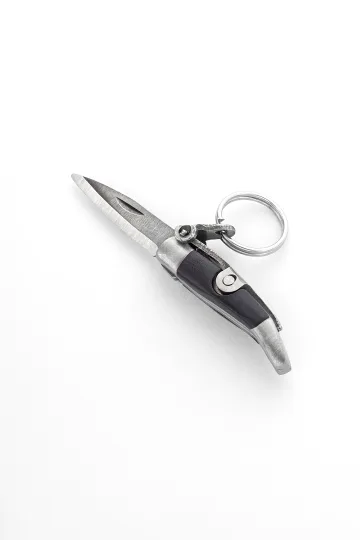
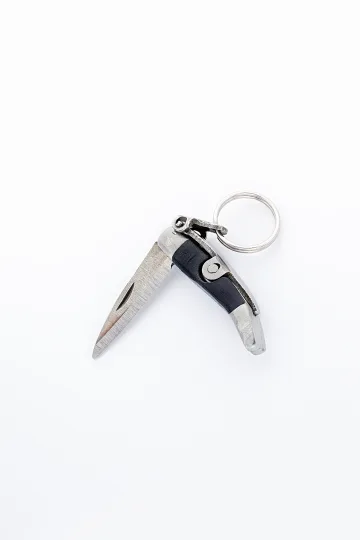
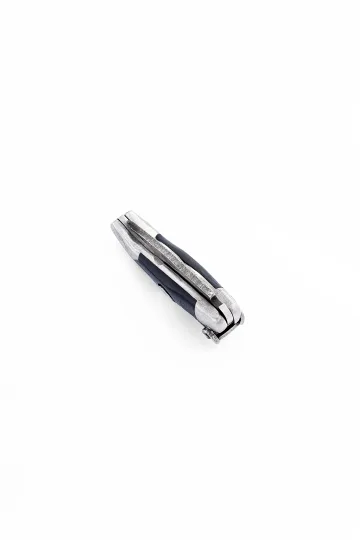
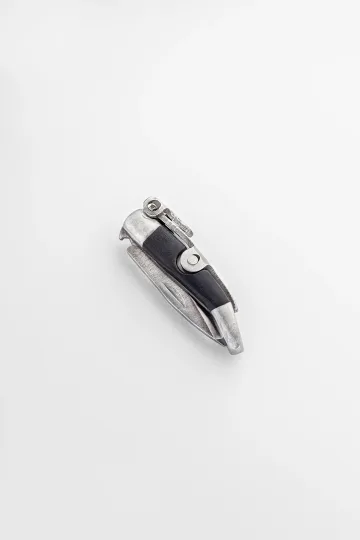
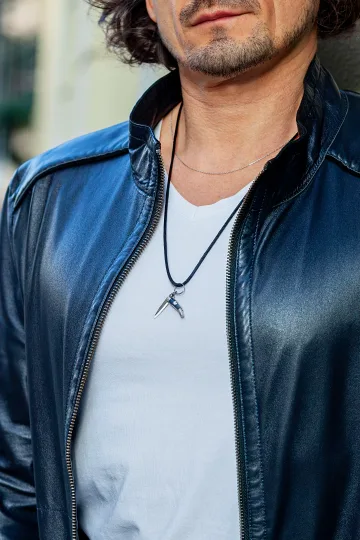
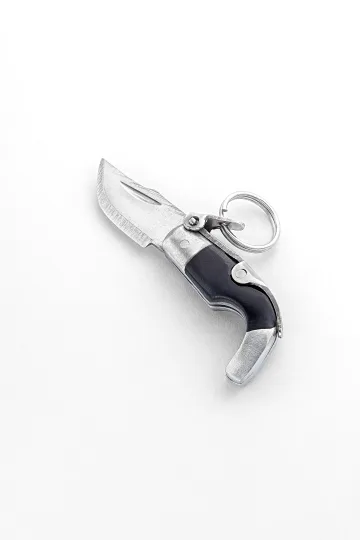
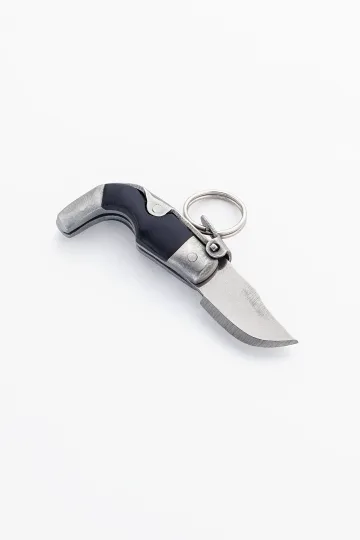
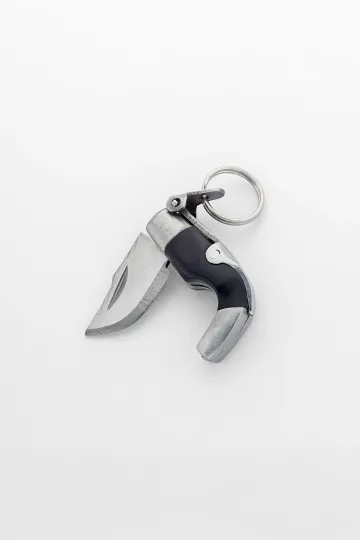
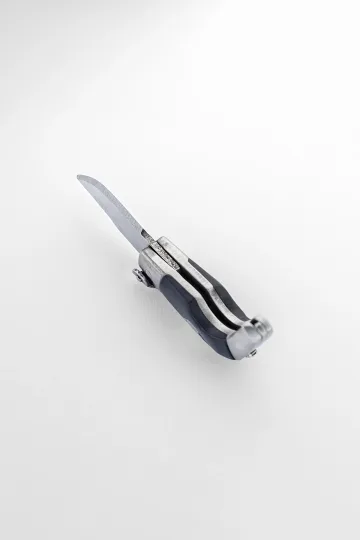
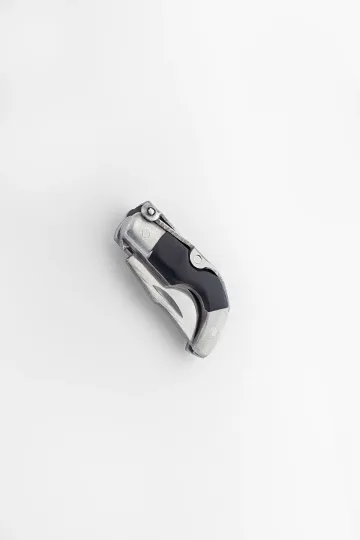
CAPAORA mini knife pendant
The 18th-century Spanish navaja in miniature: 40 mm of stainless steel, a real folding mechanism and a Palanquilla lock that clicks. An affordable gift to remember.
Authentic · Ships from Spain · 14-day returns
How to tell a quality pour from a backyard one
Bubbles in the body
The first and most common sign of backyard work is air bubbles in the body of the pour. With a maker the resin is poured cleanly, without a scatter of fine bubbles, because they degas the material, warm the surface and pour slowly. A single bubble happens even in a good piece, especially around a complex inclusion, but a cloud of fine bubbles throughout the volume is a defect. Before buying it is worth holding a pendant up to the light: a clean, clear body is a sign of experience.
Cloudiness and opacity
Good clear resin is clear as glass. A cloudy pour, as if fogged from inside, points either to cheap material, or to a broken ratio, or to moisture that got into the resin during work. Sometimes cloudiness appears from a poorly dried inclusion that released moisture into the body. If a piece is meant to be clear but looks milky with no pigment at all, that is reason to be wary. Deliberate opal cloudiness from pigment is a different thing: it is even and clearly decorative.
Tackiness and an uneven surface
A quality pour is hard, smooth and dry to the touch. A tacky, greasy or soft surface means the resin was mixed wrong or not allowed to mature, and such a piece is unpleasant to the touch and not entirely safe. Waves, overflows, sharp uncleaned edges, dust prints also give away haste and a lack of finishing. With a maker the surface is either polished to a mirror or evenly matted, with no tack and no debris.
Crooked inclusions and yellowing in a new piece
It is worth looking at the inclusion itself. In a tidy piece the flower or foil is placed thoughtfully, not knocked into a corner or squashed against the wall. If a brand-new piece already gives off a yellow tinge, then non-stabilised resin was used, and it will only get worse from here. A competent maker will happily tell you which resin they use, whether it has UV protection and how to care for it. Evasive answers about the formula are a signal.
Safety and common worries
Allergy, skin and children
Fully cured resin is chemically inert and safe on skin: that is exactly why it is worn as earrings, rings and pendants. Only undercured resin, with unbonded components left in it, can cause a reaction, and that is again an argument for workshop craft over a backyard pour thrown together in a hurry. Allergy more often arises not to the resin itself but to the metal findings it is set into, a cheap post or ear wire from a nickel alloy. For a child it is better to choose a resin bead or pendant on a textile cord with trusted findings, without small parts that can come off. If the skin reacts to the metal of the setting, it is worth sorting out nickel allergy in jewellery.
Resin or natural amber: how not to mix them up
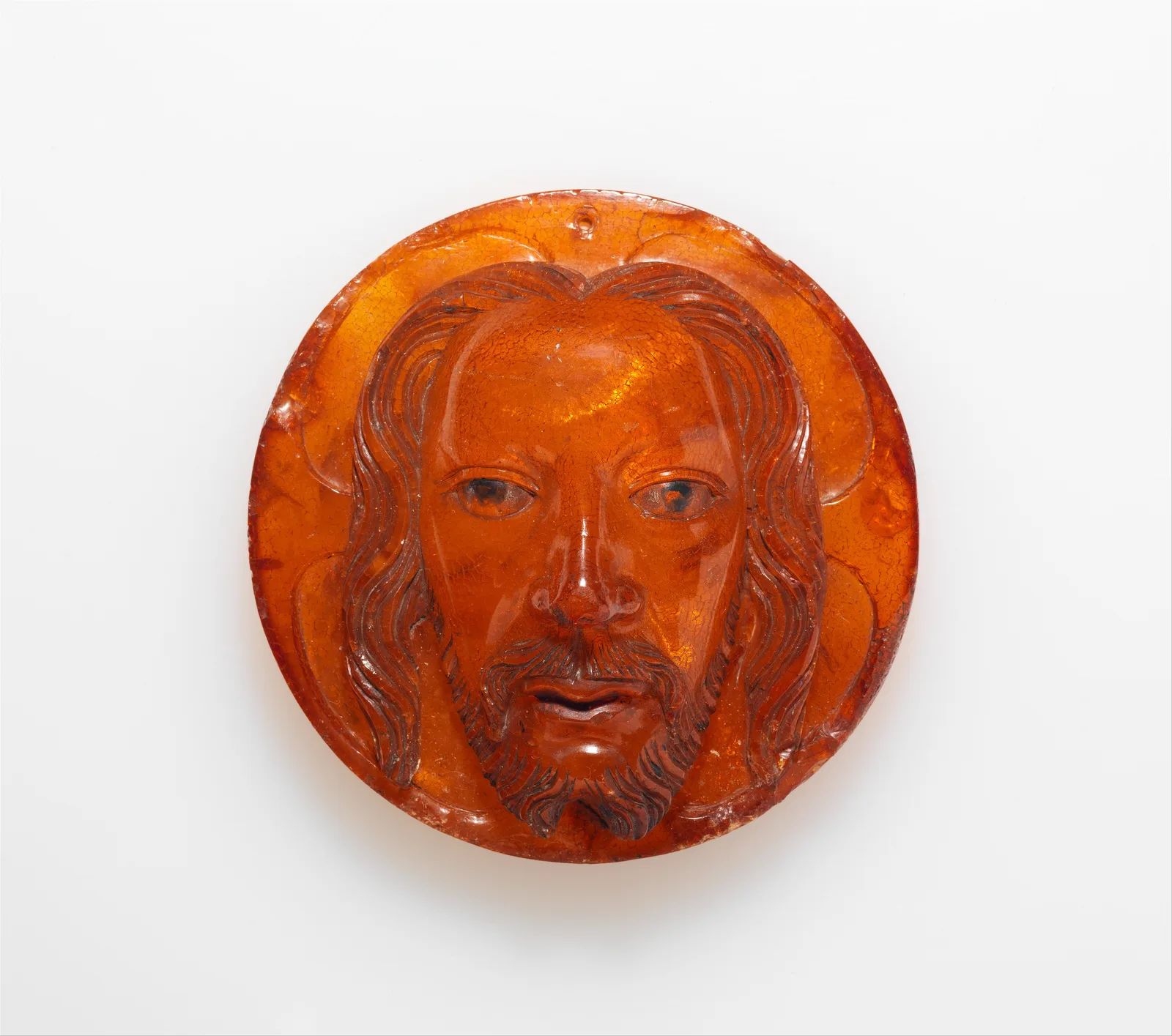
Resin is often passed off as amber, since amber is itself fossilised ancient resin. A few signs help tell them apart. Amber is warm to the touch and very light, it builds static when rubbed and gives off a faint pine smell when warmed, and inside it has the characteristic disc-shaped spangles and natural debris rather than a neatly laid dried flower. A modern pour gives itself away with perfectly even inclusions, saturated neon pigments that natural amber never has, and often a seam from the mould. This is no flaw in itself: a resin piece is honestly beautiful and worth its money, the only problem is when a pour is sold at the price of amber.
How to care for resin jewellery
What to clean it with and what not to
Care for resin is simple if you know the bans. Clean it with a soft cloth, slightly damp if needed, and dry it at once. Ultrasonic cleaning is absolutely off limits: the vibration shatters resin and can knock out cracks around inclusions. No alcohol, acetone, harsh household chemistry or abrasive pastes: they cloud and eat into the surface. No soaking and no hot water. In essence there is one rule: a soft dry cloth solves ninety per cent of tasks, and everything else only does harm. The general principles of gentle cleaning for different materials are gathered in the guide to cleaning jewellery at home.
How to store it so it does not cloud or yellow
Storage decides the fate of a resin piece. Best of all is a separate soft pouch or a box compartment, away from metal objects that scratch and from direct sun that yellows. Darkness and room temperature prolong both clarity and shine. Do not keep resin in the bathroom, where it is hot and humid, or in a car, which is an oven in summer. A properly put-away pendant will live for years with no visible change.
What to do if the surface clouds
A surface clouded by fine scratches can be brought back to life. Light clouding comes off with a plastic polish and a soft cloth. More serious wear needs a re-polish by a maker: they will sand off the top layer and bring it to a shine. If the cloudiness is inside, in the body, home means will not remove it, because that is already the structure of the material. So surface gloss is almost always restorable, while inner clarity is best protected from the very start.
Send a friend a discount code, they save on their first order.
Facts that surprise
Whole ecosystems have been found in resin
Although we are talking about modern pour, its natural ancestor holds records epoxy cannot reach. In amber, that same ancient resin, people have found flies, and with them whole scenes: a spider that caught its prey, lizards, feathers from the dinosaur age, bubbles of ancient air. Modern resin repeats the same trick on purpose, but nature did it blind and over tens of millions of years, while people learned it in a single evening.
Epoxy was not invented for beauty
The material from which tender violet pendants are poured today was originally an industrial glue and protective coating. It was prized for bonding metal dead fast and shrugging off aggressive environments. Resin's decorative career began by chance, when someone saw in the clear glue a way to freeze beauty forever. So a stern technical polymer found its way onto the jewellery bench.
The colour of resin can be changed by light
There are pigments that change how resin behaves in light: photoluminescent additives make a pour glow in the dark, while thermo- and photochromic ones change colour with the warmth of a hand or the sun. A pendant can be clear in a room and flood with colour outdoors, or glow softly at night. This turns a piece into a small optical trick that no natural stone will repeat.
Every resin piece is truly one of a kind
Unlike stamped metal, two identical resin pours are practically impossible to make. The bubbles, the swirls of colour, the turn of a petal, the pattern of foil come together anew every time. Even one maker, from one batch of flowers, will get different pendants. So a resin piece is almost always unique not in words but literally: there is no second one like it.
Frequently asked questions
Does jewellery resin yellow over time? Cheap non-stabilised resin yellows, sometimes noticeably within a year. Quality jewellery resin with a UV filter keeps its clarity for years and yellows several times slower. The main thing is to protect the piece from constant direct sun and store it in the dark.
Can a resin piece get wet? The set resin itself does not fear water: splashes, rain and hand washing do it no harm. The danger is for what is cast inside: a poorly dried flower or paper can suffer from moisture through the micropores. Bathing regularly and taking a hot shower in such a piece is not a good idea.
Is resin safe on skin? Fully cured jewellery resin is inert and safe. Only the liquid material and fumes irritate during making, which is why people work in gloves. If a finished piece is tacky or smells of chemistry, that is a defect and must not be worn. More often allergy comes from the metal findings, not the resin.
Can you cast living flowers? A fresh flower almost always browns and darkens inside resin because of leftover moisture. Makers first dry the plant carefully, keeping shape and colour, and only then cast it. An eternal fresh flower in resin is always a properly dried specimen.
Does resin scratch and can scratches be removed? The surface is softer than stone and picks up fine scratches over time. That is its plus: scratches come off with polishing. Light ones go with a plastic polish at home, serious ones are sanded by a maker and brought to a shine. Storing it apart from metal prolongs the gloss.
Can a cracked resin piece be repaired? Yes. A chip or crack is filled with fresh resin, cleaned up and polished, and the seam almost vanishes. A piece with a precious inclusion, say a lock of hair, a maker will re-cast if needed, keeping the contents. A resin piece is rarely hopeless.
What must you not clean resin jewellery with? No ultrasonic, no alcohol, acetone, harsh chemistry, abrasives or hot water. All of it clouds the surface or shatters the body around inclusions. Clean it only with a soft, slightly damp cloth and dry it afterwards.
How does epoxy resin differ from UV resin? Epoxy is two-part, sets on its own over hours, pours in a thick layer, suits bulky pieces. UV resin hardens in minutes under a lamp, handy for small work, but does not cure a thick layer. For large pendants and pours with inclusions epoxy is usually the choice.
In short
Jewellery resin is a man-made amber in which you can freeze a flower, foil, a photograph or a particle of memory forever. It is not resin in general that yellows but cheap resin with no ultraviolet protection, and that trouble is solved by choosing a quality material and storing it in the shade. Set pour does not fear water, but it avoids perfume, acetone and heat. It scratches, but scratches come off with polishing, and almost any crack can be mended. Fully cured, it is safe on skin. Telling a maker from an amateur is simple: a clean, clear body with no cloud of bubbles, a hard non-tacky surface, an honest account of the formula. Keep it away from sun and from metal in the box, and a resin piece will live for decades.
Silver, steel, warm metals, coloured stones, natural materials and symbolism with a history.
Buying it as a gift? Each one arrives ready to give.
 A branded Zevira box and a little card come with every order.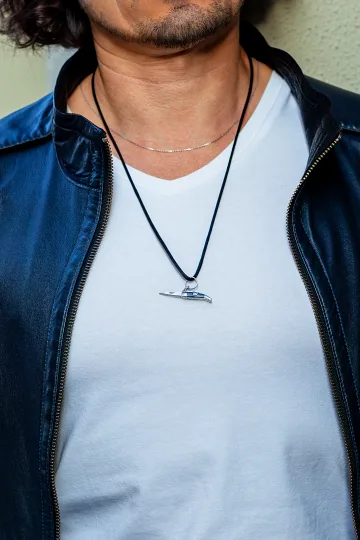




About Zevira
Zevira is a Spanish brand from Albacete, a city of metalworkers. We love things with character and history: warm metals, coloured stones, natural materials and pours that hold something living frozen inside. If you want to understand the roots of resin jewellery, start with the guide to amber, and the marriage of a clear pour and natural texture comes through in pieces made with wood.