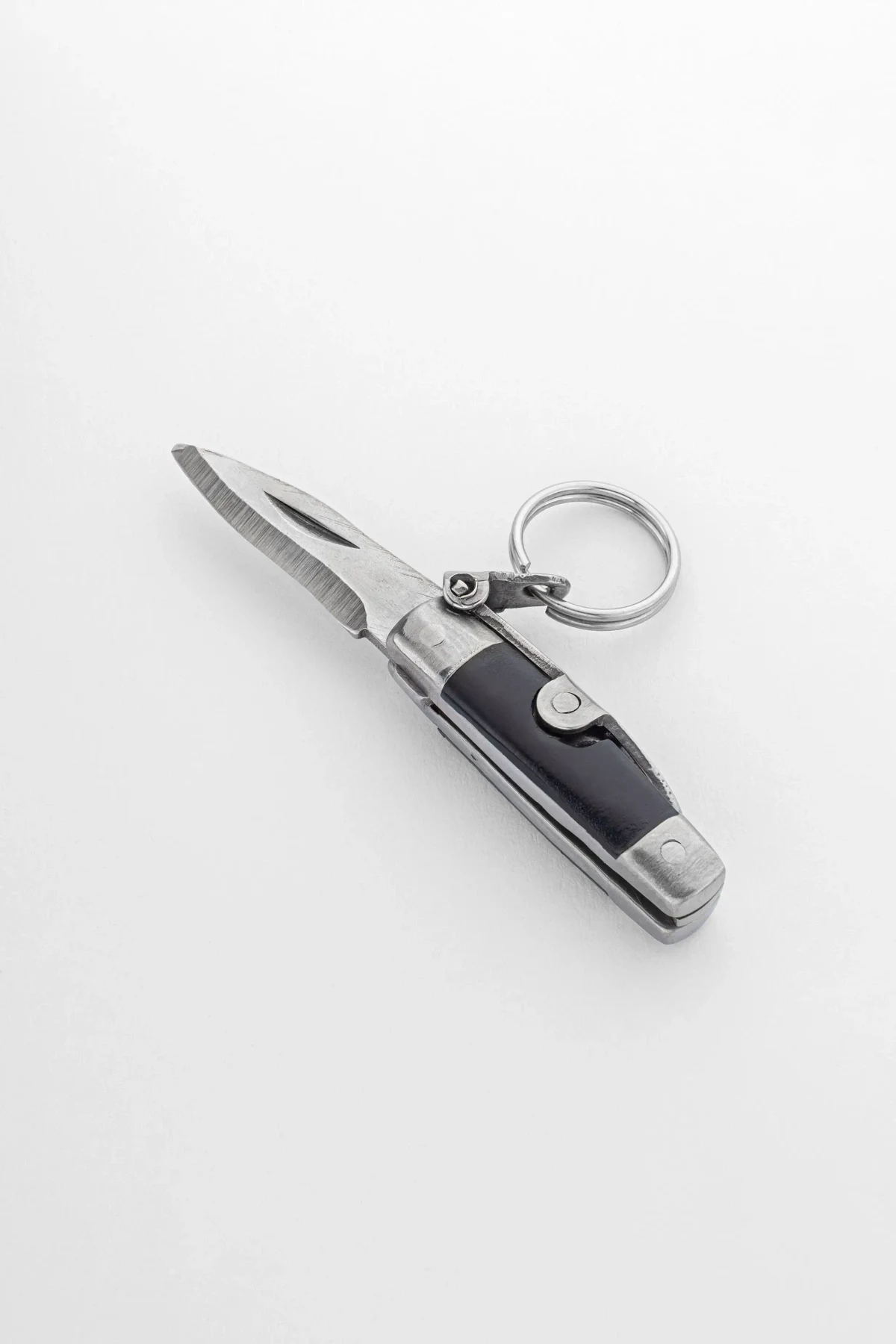
Machete: From Sugarcane Fields to Street Style
A knife that cut its way across two continents
The machete does not pretend to be what it is not. It is not a thin stiletto for duels, not a decorated navaja for holidays, not a dagger with a romantic story. The machete is a cleaver. Big, heavy, designed for one thing: chopping what stands in the way.
And that directness is exactly what made the machete a symbol that survived centuries. When a tool is this honest about its function, it becomes a metaphor. The machete says: I cut my own path. I do not ask permission. I do not wait for someone else to clear the way. I chop through.
As a pendant, the mini-machete carries that energy. Not the elegance of a navaja, not the mystique of a lunar knife. Strength. Direct, raw, working strength.
Wear the symbol, don't just read about it. These are in stock:


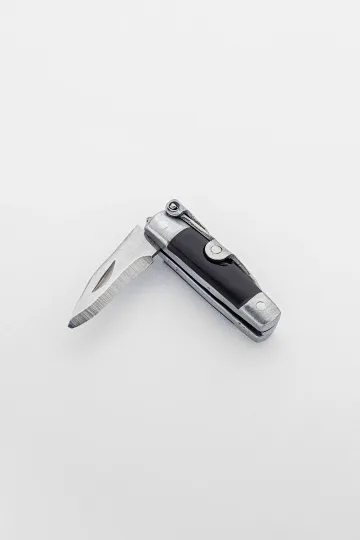







What a machete is
The machete is a large knife with a wide blade roughly the length of a forearm to a full arm span. Unlike a navaja, the machete does not fold. It is a solid tool: blade, tang, handle. No mechanisms, no carraca, no folding parts. The machete is an argument that needs no eloquence.
The form varies by region:
- Spanish machete: relatively short and wide, closer to a cleaver. Used in vineyards, olive groves, for clearing scrub. Spanish farmers called these knives "machete" long before the word became associated with the tropics. The blade is thicker than the Caribbean version: Mediterranean scrub is tougher than tropical growth, and the knife had to withstand contact with dry wood.
- Caribbean machete: long and thin, sharpened for sugarcane. Hence the English name "cane knife." The blade is lighter than the Spanish type because you need to cut cane all day, and a heavy knife kills your arm by lunch. The balance shifts forward, towards the tip, so momentum helps the swing.
- Latin American machete: varies from country to country. Colombian machetes differ from Guatemalan, which differ from Brazilian. Each region adapted the form to local vegetation: dense undergrowth needs one blade, bamboo needs another, palm fronds need a third. Venezuelan machetes have a curved tip for cutting roots. Dominican ones are straight and light for cane. The diversity of forms is impressive, but they all trace back to one ancestor.
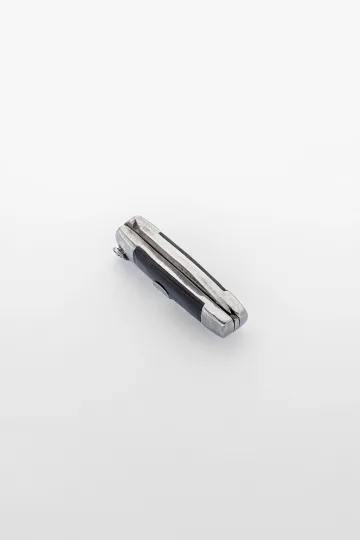
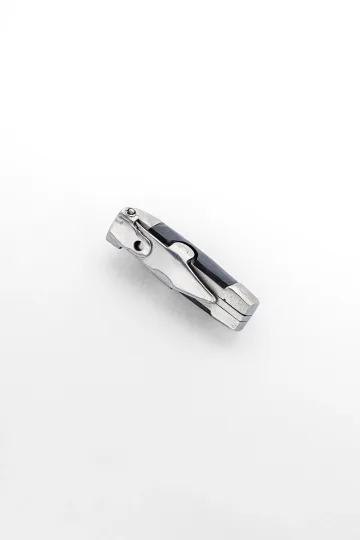
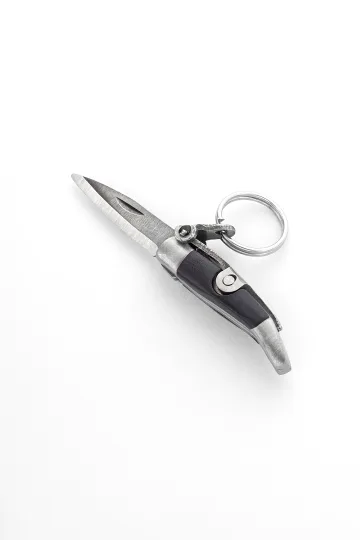
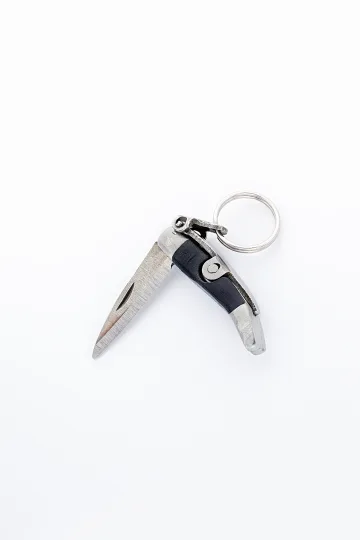
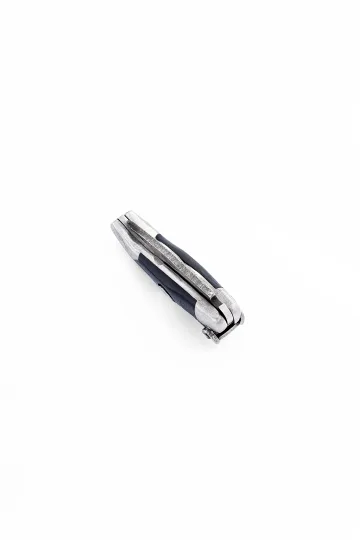
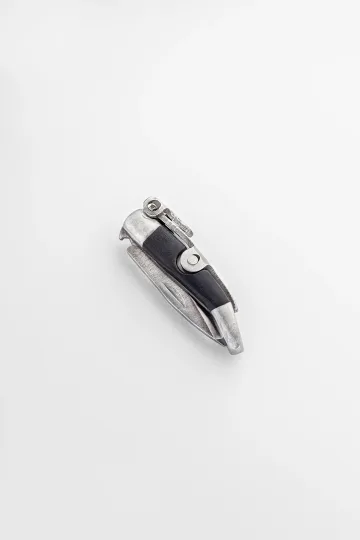
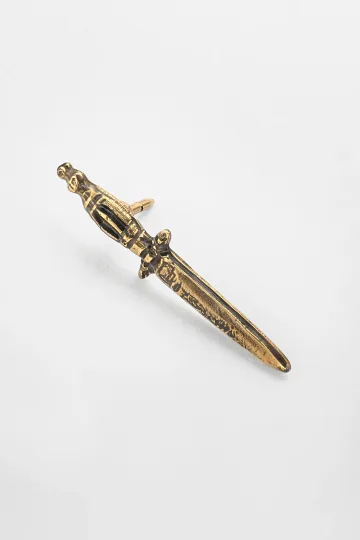
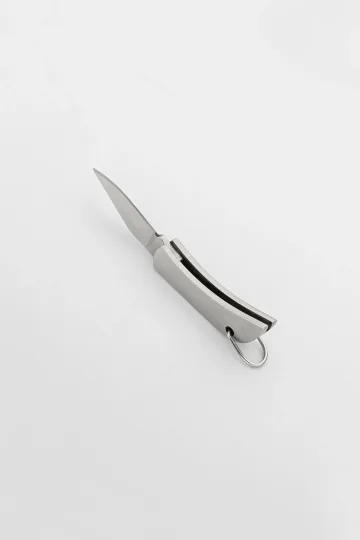
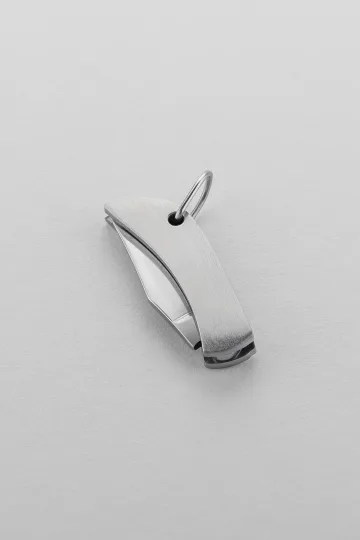
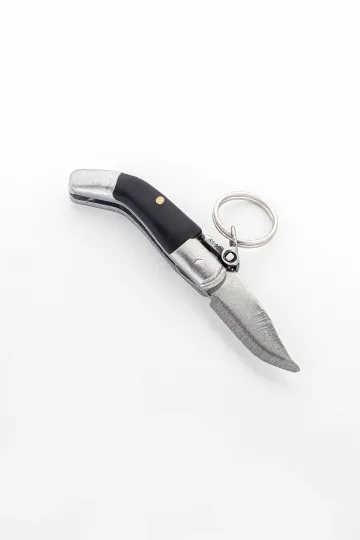
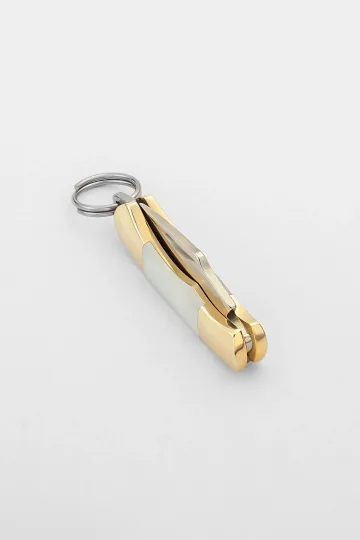
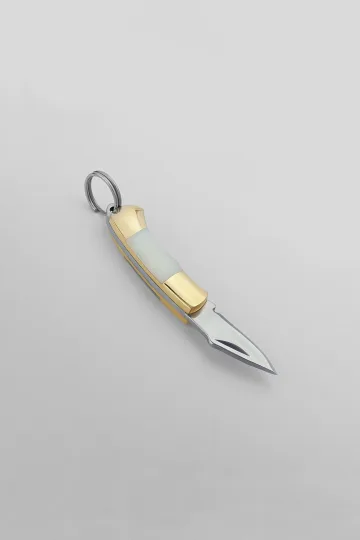
The mini-machete pendant in the Zevira collection takes after the Spanish type: compact, wide, with a shape impossible to confuse with anything else. This makes sense: the machete started in Spain, and the Spanish form is the original.
A machete rides a thick chain over an open collar, never under a tie. Solo, always solo, it suffers no neighbours on the chain, and don't argue.
How to wear a machete
On set I treat the machete as its own lead, never a bead lost in a stack of five chains. It takes up the chest, and my job is to give it that room. Here is what actually works, by occasion.
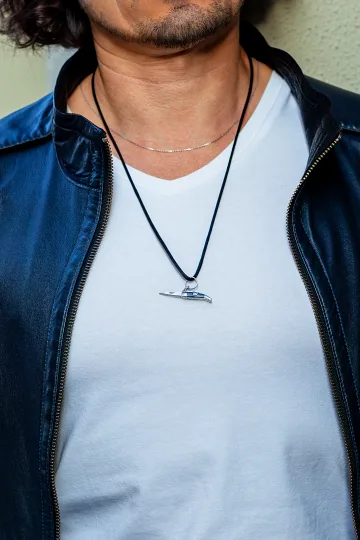
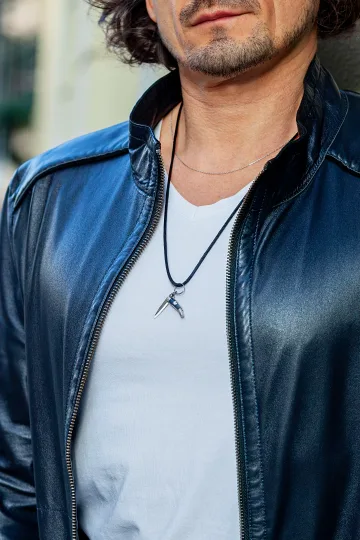
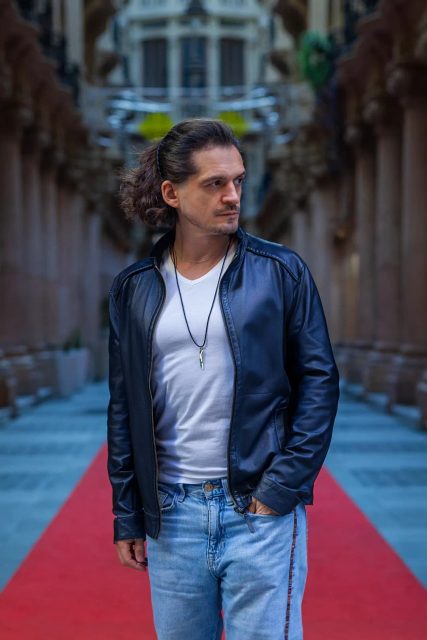
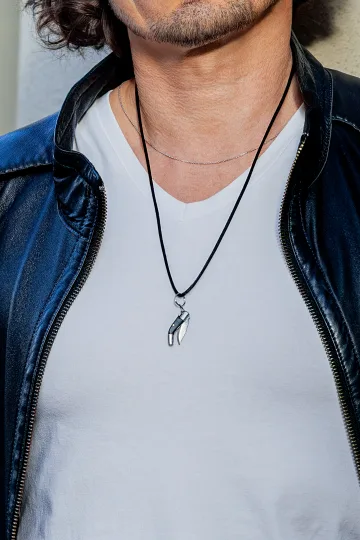
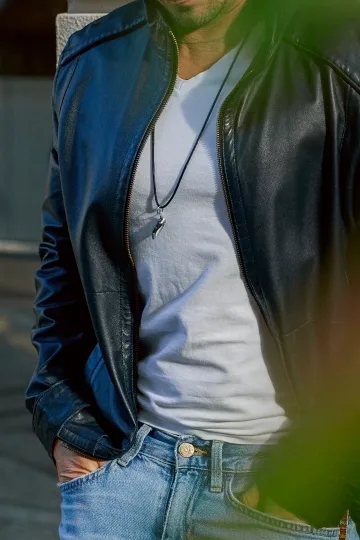
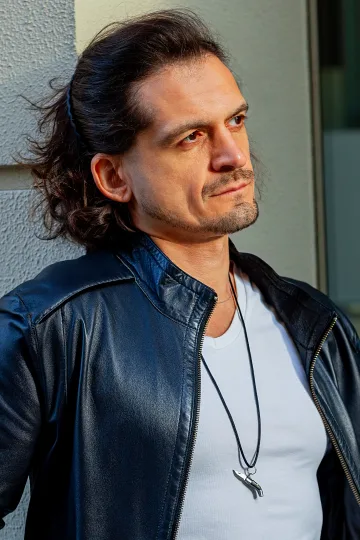
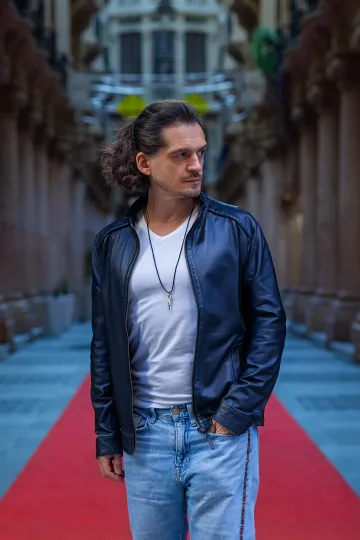
How do I wear a machete every day? I recommend a heavy-cotton white or grey tee, a medium chain, and the machete dead-centre on the chest. The plainer the fabric, the louder the blade, so I drop busy prints and acid colours. Throw a denim or leather jacket over it and the look is done.
Which metal for my skin? I suggest warm brass for a warm undertone and sandy, earthy clothes, as it echoes the skin and darkens handsomely over time. I choose cool steel for strict monochrome and a cool undertone, since it reads industrial and never argues with black. Do not mix both metals in one look, pick one family.
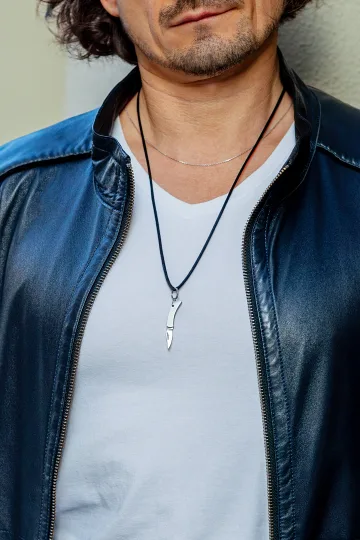
Chain or leather cord? I reach for a thick chain when I want a statement, and the machete is visible from across the street. A leather cord turns the volume down, closer to a personal talisman, and that is my pick for the office and for anyone who dislikes shine. Leave the fine jewellery chain for a daintier navaja, it makes the machete look small.
Can it work at the office? It can, if you know the rule. By day the machete lives under a shirt at 55-60 cm; in the evening the collar opens and it comes out. In creative rooms I happily set it over a plain shirt or thin knit as a conscious style note. A strict dress code is not a verdict, only a question of length.
What do I pair it with if I want company? If you truly need a partner, I recommend working symbols only, anchor, compass, capaora, strength to strength. For a cheeky contrast, stand the machete next to something graceful like a lunar knife or Curva Helada. But honestly, the machete is strongest solo. It will not tolerate a stack of five, and do not argue.

Turn on your camera, pick earrings, a pendant or a ring, and see the piece on yourself in real time.
Switch items in one tap.
Everything runs in your browser: no photo or video is ever uploaded.
Who it is for
Latin Americans. The machete is part of Latin American identity. The pendant says: I know where I come from, I remember the cane fields, I carry my ancestors' story. And the fact that this pendant is made in Spain, the country the machete came from before it reached Latin America, adds a layer of meaning: roots and branches of the same tree.
Workwear lovers. Industrial, raw, honest. If your style is about function and no pretence, the mini-machete fits better than an elegant navaja. Paired with capaora, you get two working tools, two direct characters. Paired with jerezana, you get the contrast of roughness and refinement.
Danny Trejo fans. No further comment needed.
People who cut their own path. The machete as metaphor: I do not go around obstacles, I chop through them. Entrepreneurs, founders, anyone building something from nothing. The machete on your neck is not just jewellery. It is a reminder of method.
Streetwear people. Oversized tee, chain, mini-machete. An image that works without explanation. For someone who builds a wardrobe from the streets, not from magazines.
History
Spanish roots
Before the machete became a symbol of the tropics, it was simply a Spanish village knife. A wide blade for clearing scrub, pruning branches, chopping kindling. Nothing heroic. A peasant's tool, as ordinary as a hoe or a rake.
Spanish machetes were forged in the same workshops as navajas. In Albacete, in Toledo, in dozens of small forges across Castile and Extremadura. The difference was the customer: a navaja was ordered by a city dweller, a machete by a farmer. The navaja folded and hid in a belt. The machete hung at the hip openly because there was no reason and no way to hide it.
At the Museo de la Cuchilleria in Albacete, you can see navajas, cleavers and machetes side by side. They stand in the same halls because they came from the same workshops. The master who forged an elegant jerezana for a gentleman from Seville might forge a machete for a La Mancha farmer the same day. Different knives, same hands, same coal, same anvil.
The machete is technically simpler than a navaja: no folding mechanism, no carraca, no pivot. But "simpler" does not mean "lesser." A good machete requires the right steel, the right tempering, the right balance. The centre of gravity must sit towards the tip of the blade, that gives chopping power. Too far out and the knife pulls your hand down. Too close to the handle and the strike loses force. Finding the right point is craftsmanship just as subtle as tuning the carraca on a navaja.
The colonies
The machete as a tool existed in Spain long before Columbus. But it gained its worldwide fame in the colonies. When the Spanish brought machetes to the Caribbean, Central and South America, it became the primary tool for taming the tropics.
Cane plantations, coffee farms, rubber groves: everywhere, the machete worked. It cleared jungle for roads, cut cane for sugar, pruned trees for fruit. Without the machete, the colonial economy did not function.
The form changed. The Spanish machete was heavy and short, built for Mediterranean scrub. Tropical growth demanded a different blade: longer, lighter, with different weight distribution. Local smiths adapted the form to their needs, and over two centuries the machete branched into dozens of regional variants. But the root is Spanish. And the craftsmen in Albacete remember.
There is an irony in the machete's journey. A Spanish cleaver sailed to the New World on conquistadors' caravels. There it mutated into dozens of local forms, each becoming a symbol of its region. And then, centuries later, the machete returned to Spain as a Latin American image, through films, music, fashion. Danny Trejo's machete is, in essence, a Spanish cleaver that emigrated to Mexico, became famous, and came home.
Weapon of revolutions
But the same machete that cut cane for the masters turned against them. In Latin American wars of independence, the machete became the weapon of rebels. They had no muskets or cannons. But every peasant had a machete.
In Cuba, the machete became the symbol of the independence war. The "mambises," Cuban rebels, attacked Spanish garrisons with machetes in hand. Antonio Maceo, one of the leaders of Cuban resistance, earned the nickname "Bronze Titan" for his cavalry charges with machetes. The irony is worthy of a novel: a Spanish tool brought by colonisers became the weapon against colonisers. The machete remains a symbol of freedom in Cuba to this day. On dozens of monuments, murals and frescoes. For a Cuban, the machete is what the bayonet is for the French or the sword for the Japanese: a weapon that became a national symbol.
In Mexico, Nicaragua, Guatemala, Colombia: the same story. The machete passed from the worker's hand to the freedom fighter's hand. A tool became a weapon. A weapon became a symbol. Emiliano Zapata and his peasant army with machetes raised high, one of the defining images of the Mexican Revolution. The murals of Diego Rivera and David Alfaro Siqueiros are full of machetes: they symbolise labour, struggle and the dignity of the working person.
Machete and navajas: relatives, not rivals
The machete and navajas are not different traditions. They are branches of the same tree. Spanish knife-making produced both. In the workshops of Albacete, smiths made folding navajas for city folk and machete-cleavers for farmers. Forging techniques overlapped: good steel, proper tempering, precise balance, these principles work for both navaja and machete.
Navaja and machete are like sister and brother. Same mother (Spanish forge), same roots (medieval craft), but different fates. The navaja stayed in Spain and became a collector's item. The machete sailed across the ocean and became a symbol of revolutions. Meeting on the same chain is a family reunion after five hundred years.
The difference is in philosophy. The navaja hides. It folds, slips into a pocket, comes out quietly. The navaja is a weapon of concealment, of social resistance. The machete does not hide. It hangs at the belt, visible from a distance. The machete is a weapon of openness. "Here I am, here is my knife, here is what I do."
When both forms became jewellery, they kept these characters. A navaja pendant (jerezana, punta de espada) is thinner, more elegant, with hidden meaning. A machete pendant is simpler, rougher, more direct. Both from the same workshop, both from the same tradition, but saying different things.
Upload a photo of your pet, someone you love, or an object. We'll build a 3D model and hand-cast it in pewter.
In film, music and the zombie apocalypse
"Machete" by Robert Rodriguez (2010) and "Machete Kills" (2013) are THE machete movies. Danny Trejo with a machete in each hand, a face that looks like a map of everything survived, and zero irony about what he is doing. Rodriguez made grindhouse cinema where the machete is the main character as much as any weapon. Trejo turned the working cleaver into a pop culture icon, and there is no going back.
"Friday the 13th": Jason Voorhees and his machete. Horror made the machete a symbol of unstoppable threat: big, blunt, effective. The mask and the machete, two objects anyone recognises who has ever seen a film poster. "The Walking Dead" continued this line: in the zombie apocalypse, the machete turned out to be weapon number one. Michonne's katana works on similar aesthetics, long blade, nothing extra, but the machete is more democratic: you do not need an antique shop to find one, any shed will do.
Zombie culture and the machete are inseparable. Ask any zombie apocalypse fan which weapon to take along, and half will say "machete." It does not break like a bat, does not need ammunition like a rifle, does not require skill like a sword. Just chop. Reddit, YouTube, TikTok are full of discussions on the subject, and the machete sits consistently at the top.
Che Guevara and Cuban rebels with machetes: an image that travelled from history to T-shirts and graffiti. The machete for Latin America is what the Kalashnikov is for African revolutions: a symbol of struggle, accessible to everyone.
"Narcos" (Netflix) showed Colombia where the machete is part of the cultural landscape. Not as a weapon (though as a weapon too), but as a thing that simply exists in every house, on every farm, in every frame.
Reggaeton and Latin trap artists carry Latin street aesthetics into the mainstream. The machete in this context is not a specific object but an energy: direct, raw, from the earth. A mini-machete pendant on a chain over an oversized tee is an image that works without explanation.
On Instagram and TikTok, the mini-machete as a pendant is part of streetwear and Latino street style. Hashtags #machetependant and #knifenecklace collect thousands of posts, from tattoo-styled shots to minimalist photos on white backgrounds. The format "rough tool on a delicate chain" turns out to be visually irresistible: contrast that works in any frame.
Urban culture
In the twentieth century, the machete entered urban culture wider than cinema alone. Street fashion, music, graffiti: the machete as an image of strength and independence. Danny Trejo with a machete in hand became an icon working at the intersection of Mexican identity, grindhouse aesthetics and pure character.
In the jewellery world, the mini-machete appeared as part of streetwear aesthetics. This is not a traditional jewellery symbol like a heart or a cross. It is an object from another world, working, harsh, real, transferred to a chain. And this transition works because the machete already made the journey from tool to symbol. The pendant is simply the next step.
Machete in art
The machete penetrated not only film. In Latin American visual art, the machete is a permanent character. Mexican muralists, Diego Rivera, David Alfaro Siqueiros, Jose Clemente Orozco, depicted the machete as a symbol of the working class. On the frescoes of the Palace of Cortes in Cuernavaca, Rivera painted peasants with machetes cutting cane. The fresco speaks of labour, but the machete in it speaks of the strength of that labour.
In literature, the machete appears in Gabriel Garcia Marquez, Miguel Angel Asturias, dozens of Latin American authors. It is not simply a detail of daily life. It is a symbol, as recognisable in Latin American culture as the navaja in Spanish culture. And when both these forms end up on the same chain as pendants, they carry with them centuries of literature, painting and cinema.
Customer reviews
Zevira is a real jewellery shop. Genuine payments, deliveries and customer thank-yous.
🥰🥰🥰 gracias
Ok, ¡gracias! 🙂
The Solingen Parallel: Knife Traditions Across Cultures
German knife lovers understand the machete's story instinctively, because Germany has its own centuries-old blade-making tradition centred in Solingen.
Solingen, a city in North Rhine-Westphalia, has been producing blades since the Middle Ages. The city's name is synonymous with quality cutting instruments the way Albacete's is in Spain. Both cities built their reputations on the same foundation: good steel, skilled hands, and generations of accumulated knowledge about how metal behaves under heat and hammer.
The parallel between Solingen and Albacete goes deeper than geography. Both cities produced luxury blades and working tools in the same workshops. A Solingen master who made a surgeon's scalpel in the morning might forge a butcher's cleaver in the afternoon. Same steel, same heat treatment, same precision, different purpose. This mirrors exactly what happened in Albacete, where the smith making an elegant jerezana for a gentleman might forge a machete for a farmer from the same coal, on the same anvil.
The philosophical similarity is interesting too. German knife culture values function and quality above all. A Solingen blade does not pretend to be something it is not. A kitchen knife is a kitchen knife. A pocket knife is a pocket knife. There is no romantic mythology attached to the object itself. The romance is in the craft: the perfect temper, the ideal edge geometry, the balance that makes the tool feel like an extension of the hand.
The machete shares this functional honesty. It does not have the romantic backstory of a navaja. It does not carry the mystique of a Japanese katana. It is a chopping tool. Its virtue is its directness. And that directness, paradoxically, is what gives it symbolic power. In a world full of objects pretending to be more than they are, the machete is refreshingly blunt (metaphorically, not literally, as the edge is quite sharp).
The Machete in the Caribbean: From Cane to Culture
To understand the machete's cultural weight, you need to understand sugarcane. For three centuries, the Caribbean economy ran on sugar, and sugar ran on machetes.
A cane cutter's day started before dawn. By first light, the workers were already in the field, machetes in hand. The work was backbreaking. Each stalk had to be cut at the base, the top lopped off, the leaves stripped. A skilled cutter could process a tonne of cane per day. That is thousands of individual cuts, hour after hour, in equatorial heat.
The machete used for this work was specifically designed for the task. Light enough to swing all day. Forward-balanced so the blade's momentum did most of the work. Thin enough to slice cleanly through the stalk without crushing it (crushed cane loses juice, which means less sugar, which means less money). The blade was typically 50 to 60 centimetres long, slightly curved, and sharpened on one side only.
Cane cutting was brutal work, and it was overwhelmingly done by enslaved Africans and later by poorly paid labourers. The machete in this context is not a romantic object. It is a tool of extraction, tied to colonialism, slavery, and the systematic exploitation of labour. Understanding this history is important because it makes the machete's later transformation into a symbol of liberation all the more powerful. The tool that cut cane for the masters became the weapon that cut the masters down.
In Cuba, the Dominican Republic, Haiti, Jamaica, and across the Caribbean, the machete remains part of daily life. It is used for agriculture, for clearing land, for opening coconuts, and for a hundred other practical tasks. In rural areas, carrying a machete is as unremarkable as carrying a mobile phone.
The cultural significance goes beyond function. In Dominican merengue and Cuban son, the machete appears in lyrics as a symbol of work, strength, and resilience. In Haitian Vodou, the machete has ceremonial significance: the lwa (spirit) Ogou, associated with iron, warfare, and justice, is represented by a machete. Offerings to Ogou include rum poured over a machete blade. The tool, the weapon, and the sacred object are all the same thing.



The Machete in Africa and Southeast Asia
The machete is not only a Latin American and Caribbean tool. Variants exist across Africa and Southeast Asia, reflecting parallel evolution rather than Spanish influence.
In West Africa, the "cutlass" (as the machete is known in English-speaking Africa) is the universal agricultural tool. It predates European contact and has its own manufacturing tradition, particularly in the Yoruba blacksmithing cultures of Nigeria and Benin. African machetes tend to be broader and heavier than Caribbean versions, designed for clearing dense bush rather than cutting cane.
In Central Africa, the machete appears in cultural rituals and as a status symbol. A well-made machete with a decorated handle can be a ceremonial object, passed from father to son. The Fang people of Gabon and Cameroon have a tradition of elaborately decorated machetes that blur the line between tool and art.
In the Philippines, the "bolo" is the local machete variant. It is indispensable in agriculture and has a long history as a weapon, notably during the Philippine Revolution against Spain (1896-1898) and the guerrilla resistance against Japanese occupation in World War II. The parallel with Cuba is striking: in both cases, a colonial-era agricultural tool became the weapon of national liberation.
In Indonesia, the "golok" serves a similar function. In Malaysia, the "parang." Each region has adapted the basic concept (long blade, single edge, chopping function) to local needs, local vegetation, and local materials. The result is dozens of distinct machete forms across the tropics, each one a reflection of its landscape and the people who shaped it.
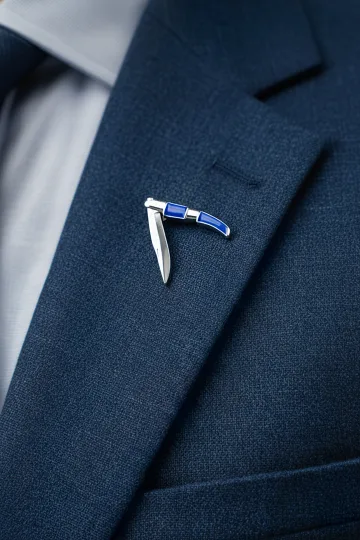
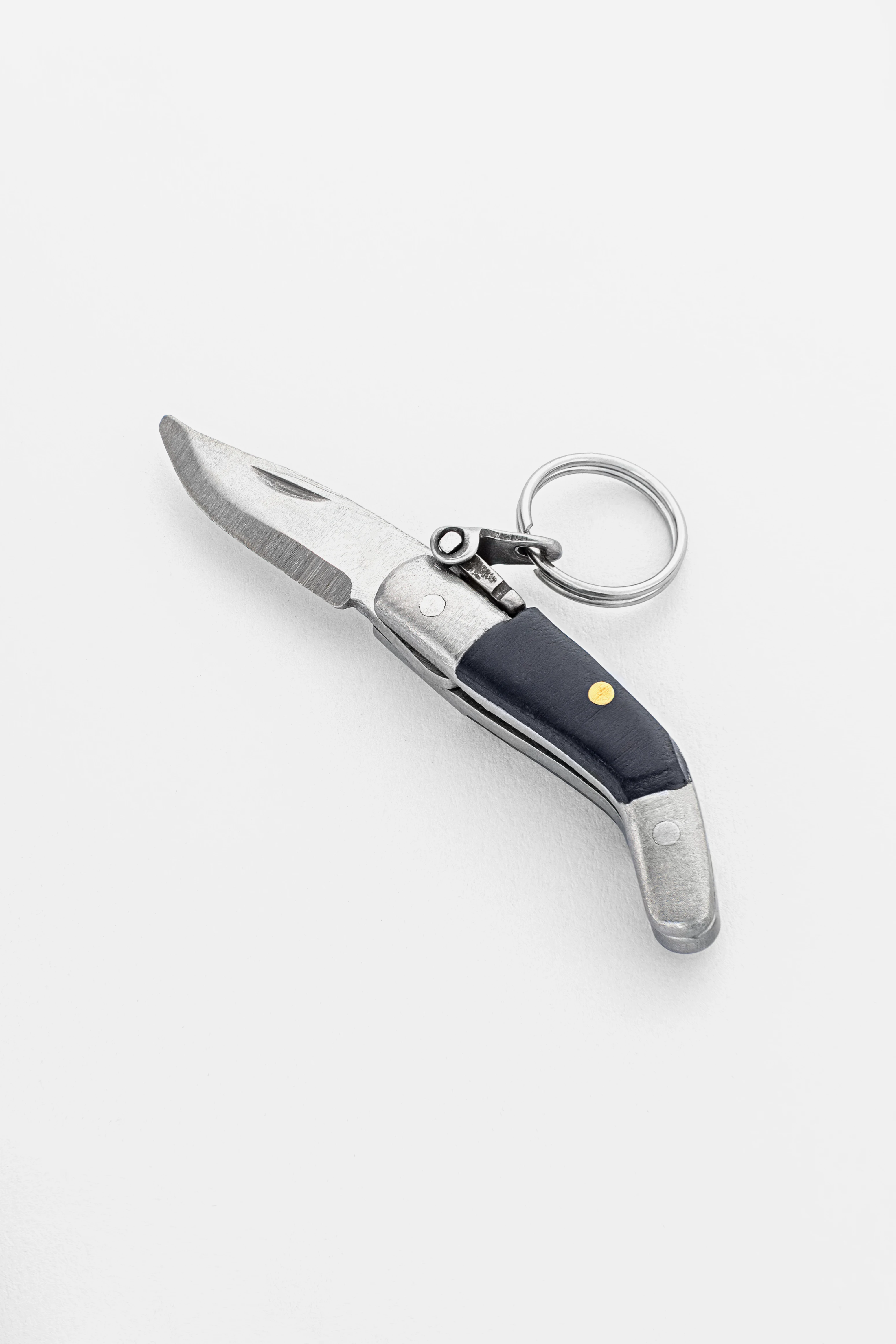
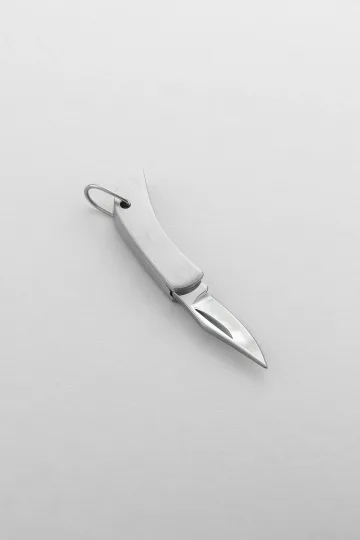
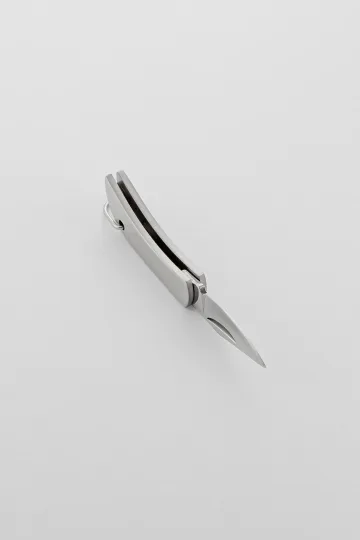
CAPAORA mini knife pendant
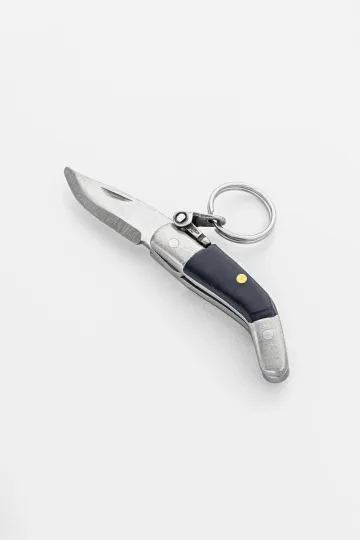
The 18th-century Spanish navaja in miniature: 40 mm of stainless steel, a real folding mechanism and a Palanquilla lock that clicks. An affordable gift to remember.
Authentic · Ships from Spain · 14-day returns
Steel, tempering and the craft of balance
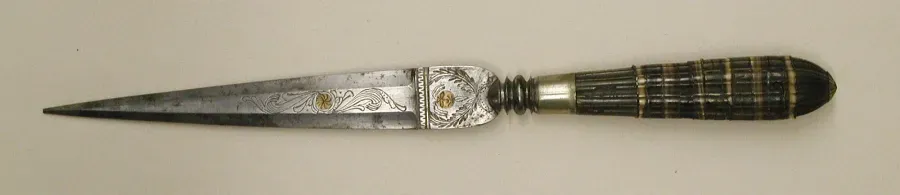
A machete looks like the simplest blade to make. Wide, single-edged, no folding parts. In reality, producing a good machete requires the same fundamental decisions any bladesmith must make, and getting those decisions wrong produces a tool that either snaps under load or fails to hold an edge.
The steel matters first. A machete blade needs to be tough rather than purely hard. Toughness means the blade flexes slightly under impact rather than cracking. Cane fields are full of buried rocks, and a chopper that cannot take the occasional stone strike without fracturing is useless. Carbon steel alloys with manganese were the traditional choice in Spanish and Latin American workshops. They rust without care, but they take a fine edge and hold up under hard use.
Tempering, the controlled heating and cooling of the steel after forging, determines the final balance of hardness and toughness. The spine of the blade is typically left slightly softer than the cutting edge. This differential hardness is the same principle used in Japanese katana making, though arrived at through entirely different traditions. A soft spine absorbs shock. A hard edge cuts and stays sharp. Getting both on the same piece of metal is the skill.
Then comes the balance point, the specific location along the blade where the knife would rest horizontal if balanced on a single finger. On a functional machete, this point sits in the forward third of the blade. That geometry means the blade has momentum when you swing. The weight does the work. A blade with its balance point at the centre or near the handle requires more muscular force for every stroke, exhausting the user faster.
None of this is visible in the finished piece. You feel it. Pick up a well-made machete and swing it once. The blade seems to pull itself forward. The cut follows almost without effort. That sensation is five hundred years of accumulated knowledge about what makes a chopper work.
From cleaver to pendant
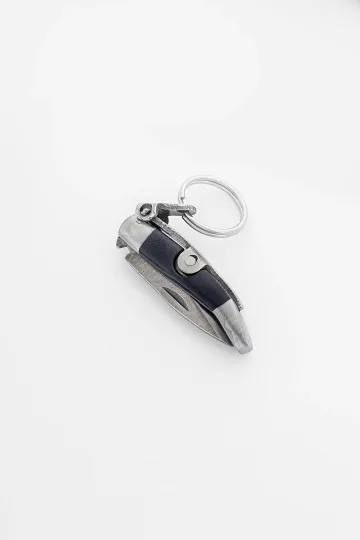
The mini-machete is the simplest pendant by form in the navaja collection. No folding mechanism, no carraca, no complex proportions between blade and handle. Just a wide blade with a handle. You might think: what is there to miniaturise?
But simplicity of form is deceptive ease. In a full-size machete, character comes from mass: a heavy blade that chops by its own weight. In a pendant, there is no mass. Character must be conveyed through other means: surface relief, blade thickness, handle proportions, overall silhouette. A flat pendant without relief looks like a metal strip. A pendant with the right depth and texture looks like a small machete, and the difference hits you instantly.
There are specific details that make the miniature recognisable. The transition from handle to blade: on a full-size machete, the tang enters the handle, and at the boundary you see a thickening, sometimes a metal ring (ferrule). In miniature, this transition needs to be marked, even by a line, so the pendant does not look like a single flat shape. The spine line, the blade ridge, the handle texture, each element adds dimension and separates the pendant from a flat plate.
Try it on mentally
Imagine: a medium-weight chain, and at sternum level where a shirt collar opens, a miniature cleaver silhouette, about the size of a lighter but wider and flatter. From conversation distance, people see the shape, the wide blade angled slightly forward. Up close, they notice the transition from handle to blade, the ridge line, the texture. And they ask. That is the mini-machete pendant.
Leave your email, we'll send your discount code. No spam, unsubscribe anytime.
The code arrives by email, valid on your first order.
Materials and finish
The mini-machete pendant exists in different materials, and the choice changes the statement it makes.
Brass with coating develops character over time. Warmth and weight in the hand, a faint golden quality that reads as aged and earned. Brass develops patina with wear: the piece darkens slightly, especially in the recessed areas. This ageing is not damage. It is record. A pendant worn daily for a year looks different from one worn occasionally, and the difference is visible. For someone who sees objects as accumulating meaning, not losing it, brass is the right choice.
Stainless steel is the opposite proposition. Cool, industrial, maintenance-free. It does not tarnish, does not react to sweat, does not care whether you wear it every day or once a month. For someone who wants the form without the care, steel delivers. The energy is harder and more modern, less vintage workshop, more precision manufacture. The machete shape remains the same, but the material shifts the reading.
Both are legitimate. The choice depends on what kind of story you want the pendant to accumulate.
As a gift
A mini-machete in a gift box is not a hint. It is a direct statement. You give a cleaver on a chain to people who will understand.
For someone starting from scratch. A startup, a relocation, a new business, a new life. The machete is a metaphor that needs no decoding: cut your own path. Do not go around. Do not wait. Chop. For someone currently in the jungle (figuratively speaking), the mini-machete on the neck is a reminder of method.
For a Latin culture lover. Someone who follows reggaeton and knows it was born in Puerto Rico. Who watched "Narcos" twice and dreams of Colombia. The machete comes from the same world: Latin energy, Spanish roots, street directness.
For a Danny Trejo fan. Or Rodriguez. Or both. Someone who watched "Machete" in the cinema and walked out grinning. The mini-machete on a chain is a film quote you wear, not speak.
For a streetwear person. Oversized tee, chain, mini-machete. An image that works without instructions. For someone who assembles a wardrobe from streets, not lookbooks.
For the fearless friend. The one who takes on things others refuse. Who does not consider obstacles a reason to stop. The machete on that person's neck is not decoration. It is a portrait.
For a cinephile. "Friday the 13th," "Walking Dead," "Machete," "Apocalypse Now." The machete has passed through so many genres and films that someone who knows cinema will see ten references at once.
What to write on the card? Nothing. The machete does not ask permission. And it does not need a card.
Albacete: where the path began
The machete took a long road: from a Spanish village to the colonies, from the colonies to revolutions, from revolutions to cinema, from cinema to a chain. But the road started in the workshops of Castile. And one of the main centres where Spanish cleavers were forged was Albacete.
Today in Albacete, jewellery miniatures continue this line. The Zevira workshop stands in a city where machetes were forged long before they became famous. The Museo de la Cuchilleria preserves the memory of full-size ancestors. The Feria de Albacete, held every September since 1375, remains the place where master cuchilleros show their work: navajas, cleavers, decorative blades.
The mini-machete pendant is not a copy from a photograph. It is a thing made in the city that forged the original. Same hands, same principles, different scale.
Behind the scenes
In the Zevira workshop in Albacete, the mini-machete goes through the same production cycle as the other navaja miniatures. Full cycle within the workshop: sketch, prototype, final form, polishing. The same hands that work on navaja miniatures work on the mini-machete, because it is one world. A city where navajas and cleavers were forged in the same workshops five hundred years ago continues making their descendants, just at a different scale.
This is not factory stamping from Shenzhen. This is a craft piece from a city whose knife-making tradition holds the status of national cultural heritage (BIC) since 2017. The mini-machete pendant is made two hundred metres from the museum where behind glass stands a full-size Spanish cleaver from which the machete descended.
How to spot quality
What to look for when choosing a miniature. Proportions: the machete is a wide blade with a handle, and that width must be legible. If the pendant looks like a narrow strip, the maker did not understand the form. Weight: a quality miniature has presence, not a weightless stamping. Details: the transition from handle to blade (ferrule or thickening), spine line, blade ridge, handle texture, all of it adds volume and distinguishes the pendant from a flat plate. Finish: even coating, no burrs, smooth edges. The loop for the chain should be neat and proportional, not an enormous ring that steals attention from the silhouette.
Buying it as a gift? Each one arrives ready to give.
 A branded Zevira box and a little card come with every order.



Care
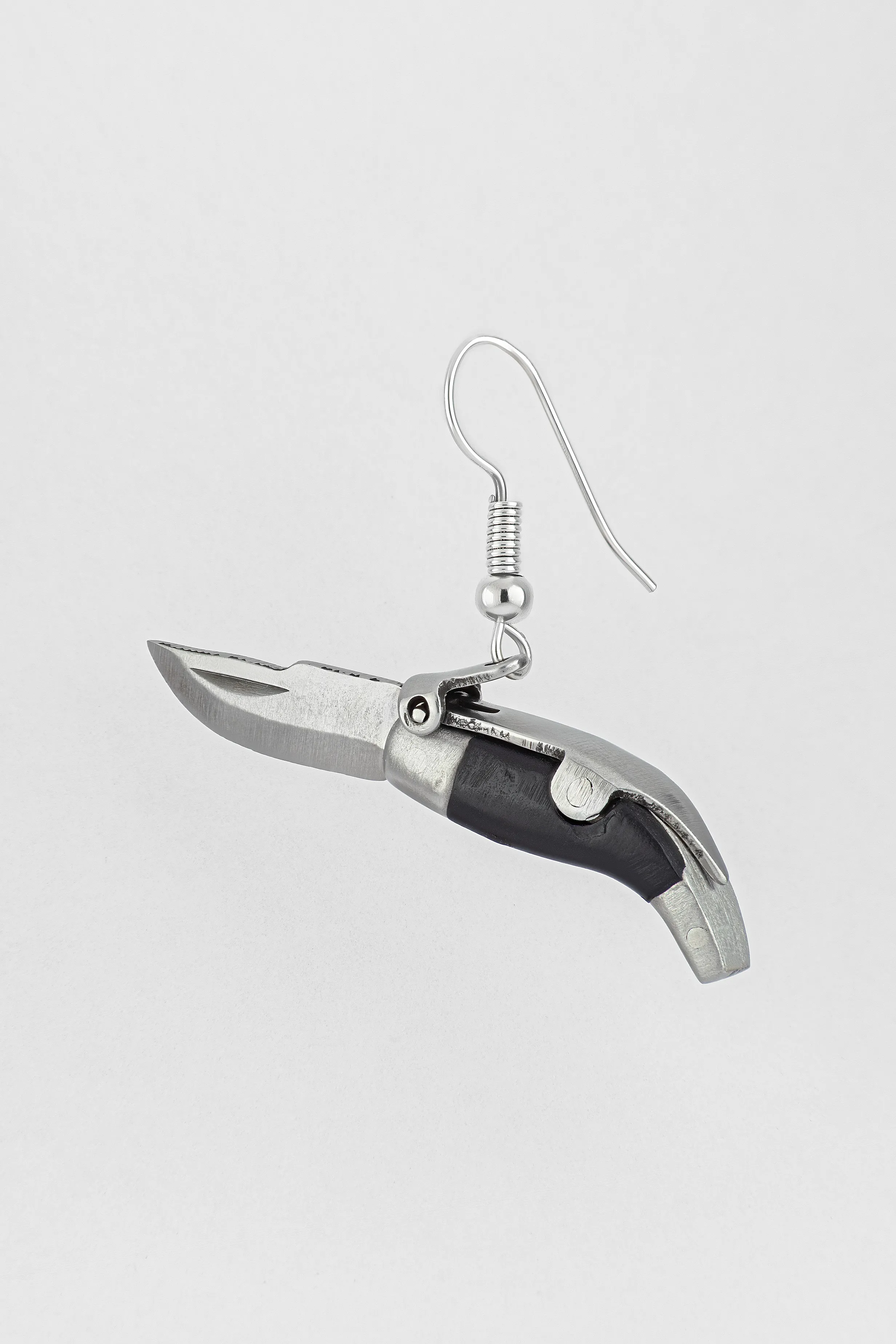
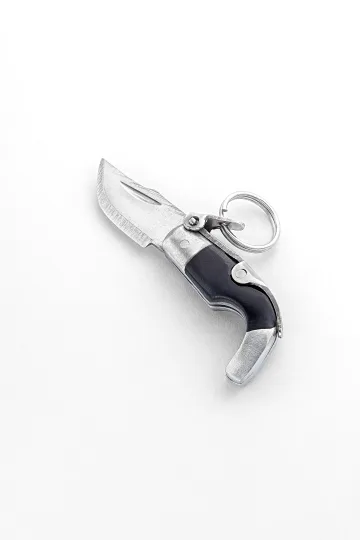
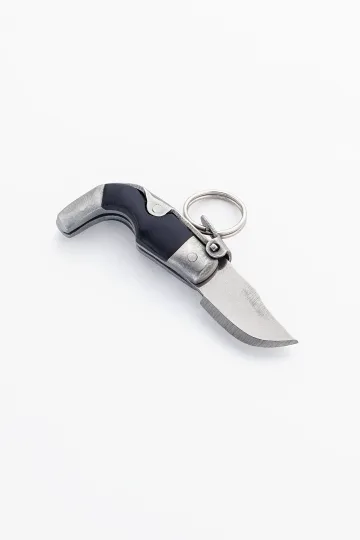
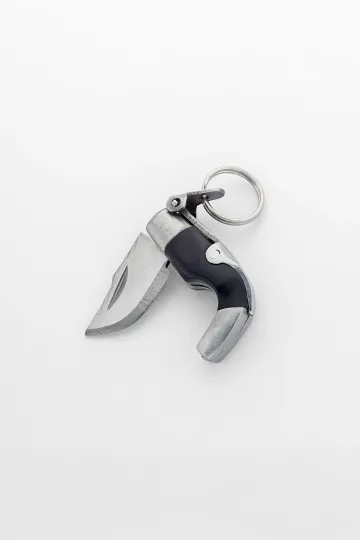
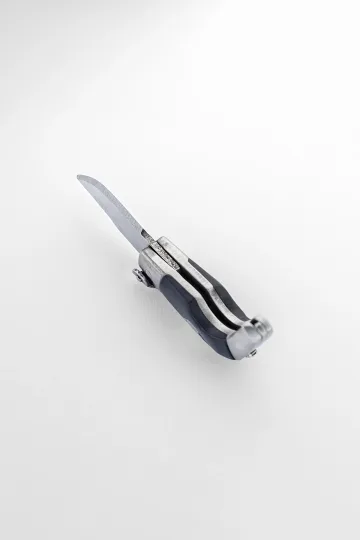
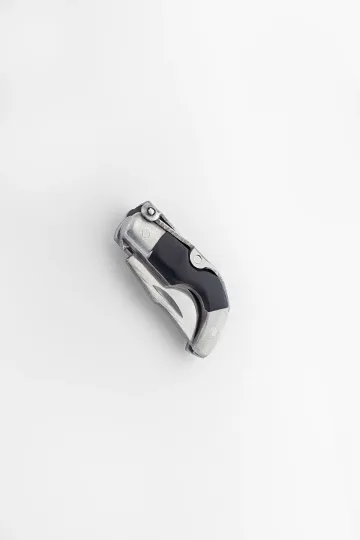
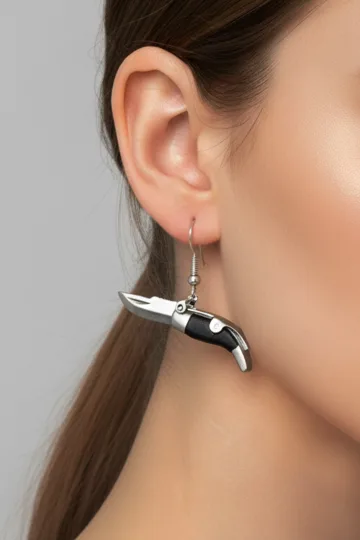
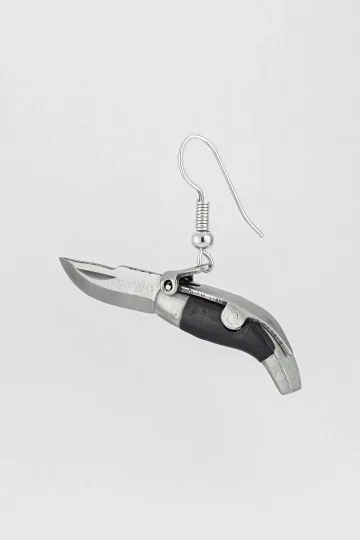
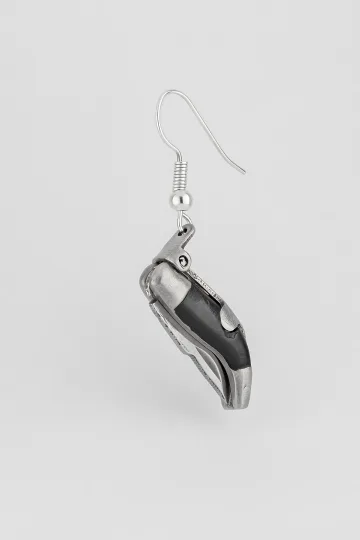
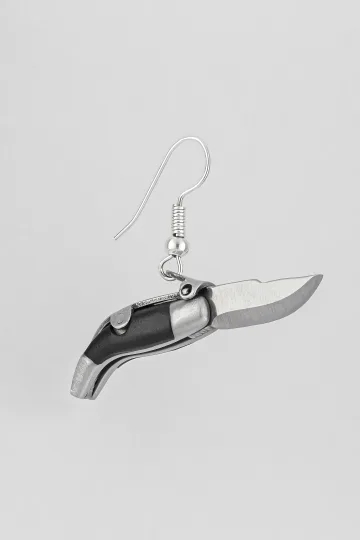
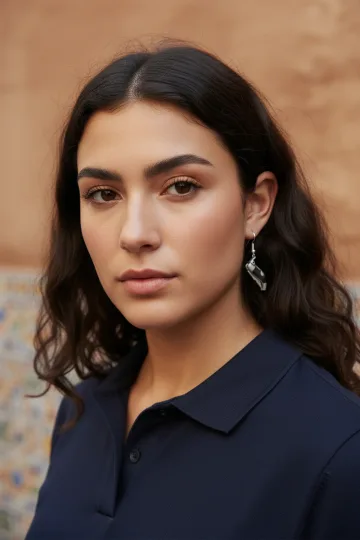
Wipe with a soft cloth after wearing. Store separately from other jewellery so they do not scratch each other. Avoid contact with perfume, creams, chlorine. Brass may darken over time, that is normal patina. Want the shine back? Rub with baking soda. If you have a navaja earring, fold and unfold it periodically so the mechanism does not stiffen. That is it. These are miniature knives, not glass figurines.
Owner's story
A guy from Mexico City, living in Madrid. "The machete on my neck is my bridge. Between where I come from and where I am now. A Spanish tool that became a Mexican symbol, and now returned to Spain as a pendant. Like me."
Send a friend a discount code, they save on their first order.
Navaja collection guide
| Type | Character | Read more |
|---|---|---|
| Albacete navaja | The archetype, the click, flamenco | Read |
| Jerezana | Andalusia, sherry, elegance | Read |
| Punta de Espada | Sword in a pocket, severity | Read |
| Capaora | Working strength, workwear | Read |
| Curva Helada | Moorish curve, beauty | Read |
| Lunar knife | Night, crescent, Lorca | Read |
| Machete | Latin force, streetwear | You are here |
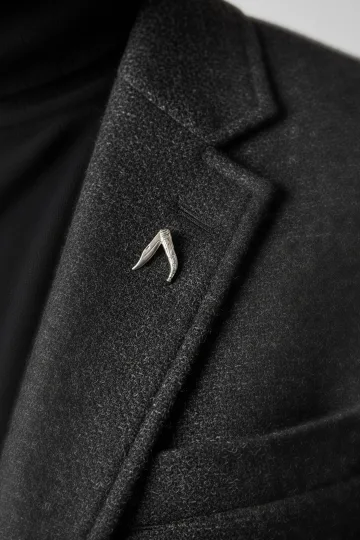
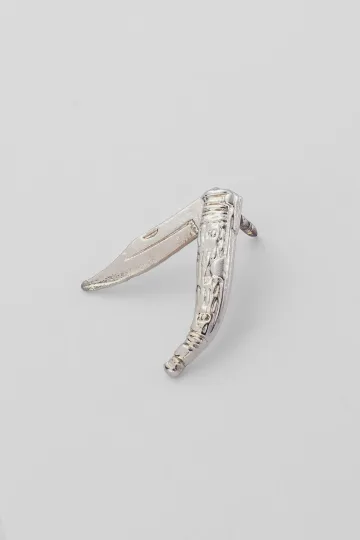
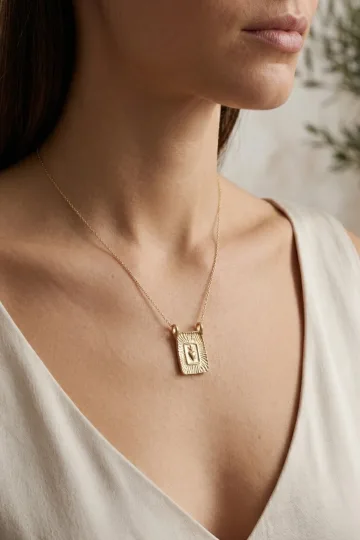
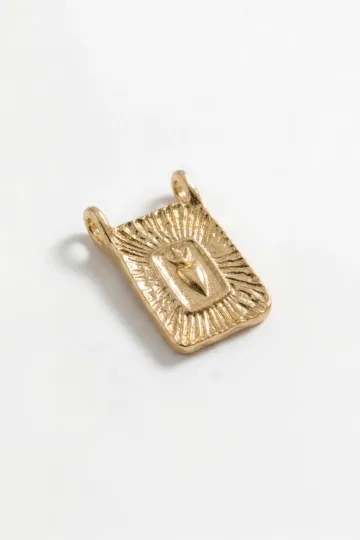
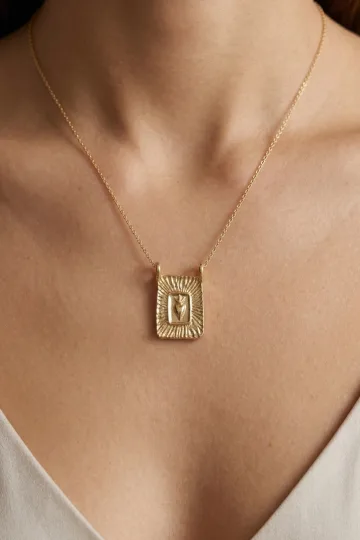
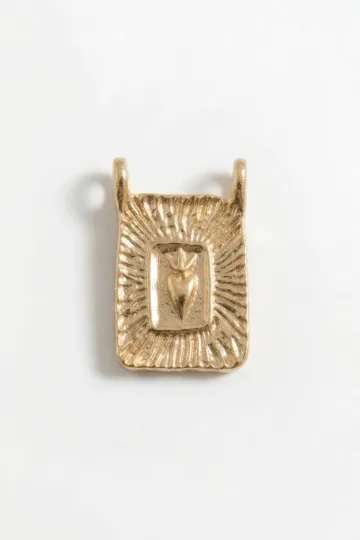
Wear the symbol, don't just read about it. These are in stock:

Not for everyone
If you want something refined and understated, the machete is not your blade. It is the labourer of the collection, the one that does not apologise for its roughness. For something elegant, look at the jerezana. For something with moonlit mystery, the lunar knife. The machete is for people who see directness as a virtue, not a shortcoming. If you need a shortcoming, there are navajas for that too.
Silver and gold jewellery, wedding bands, symbolic pendants, paired sets.
Frequently asked questions
Is the machete a Spanish tool? By origin, yes. But it gained its worldwide fame in Latin America, where it was brought by colonisers. Today it is a symbol belonging to both continents.
How does the mini-machete differ from other knife pendants? The machete does not fold (unlike navajas). Its form is a solid wide blade without a folding mechanism. That gives a different silhouette: simpler, rougher, more direct. In energy, it is closest to capaora, but without a folding mechanism.
Is the machete a weapon? Historically, an agricultural tool that was also used as a weapon. The mini-machete pendant is a decorative miniature, not a functional object.
Does the mini-machete suit women? Yes, if the style allows. On a thin chain, the mini-machete reads as a bold accent, not an attempt at roughness. In streetwear and workwear contexts, it works for any gender. For something more fluid and graceful, look at Curva Helada or the lunar knife.
Where is the pendant made? In Albacete, Spain, a city with a five-hundred-year knife-making tradition holding national cultural heritage status (BIC since 2017). The entire production cycle takes place in the workshop.
How does the Spanish machete differ from the Latin American one? The Spanish machete is shorter, wider and heavier, built for Mediterranean scrub. Latin American variants are longer and lighter, adapted to tropical vegetation. The mini-machete pendant reproduces the Spanish form as the original.
Which knife pendant is the roughest? The mini-machete and capaora are the two "rawest" options in the collection. The machete is simpler in form (no folding mechanism), the capaora is more compact and wider. For something more refined, look at the jerezana or Curva Helada.
Can I wear the mini-machete on a plane? It is a decorative miniature, not a functional knife. The pendant is not sharp and is not a weapon, but whether any item clears a security checkpoint is always at the discretion of the security officer, and rules differ by country and airline. Check the relevant airline and local regulations before you travel.
What chain length works best? 50 to 55 cm works for most people, placing the pendant at mid-chest where an open collar releases it into view. A shorter chain (40 to 45 cm) makes the pendant more prominent and visible at the throat. A longer chain (60 cm or more) lets it drop lower, which some prefer for a more relaxed look or to tuck under a shirt. The machete's wide silhouette reads clearly at any of these lengths.
Does the pendant need special care? No more than any metal jewellery. Wipe dry after contact with water or sweat. Keep away from perfume and chlorine. Brass pieces develop patina gradually, which adds character rather than detracting from it. If you want the original brightness back, a light polish with baking soda restores it in seconds.
What does wearing a machete pendant say about you? That depends entirely on who is reading it. To someone who knows the cultural history, it speaks of Latin roots, working strength, and a refusal to apologise for directness. To someone who knows the films, it is a reference to a specific kind of cinema. To someone who simply responds to the form, it is a bold, unusual piece of jewellery that starts conversations. The machete has always meant different things to different people. The pendant works the same way.
Wear the symbol, don't just read about it. These are in stock:




About Zevira
Zevira makes jewellery in the artisan tradition of Albacete, Spain, the same city where navajas and cleavers were forged in shared workshops five hundred years ago, a couple of hundred metres from the knife museum where a full-size Spanish machete sits behind glass. Our mini-machete is not a replica copied from a photo. It is a miniature built by a maker who knows the original in the museum case.
What you can find with us around the machete and working symbolism:
- The mini-machete pendant in the Spanish silhouette: coated brass or stainless steel
- Navaja pendants alongside it for contrast: capaora, jerezana, punta de espada, curva helada
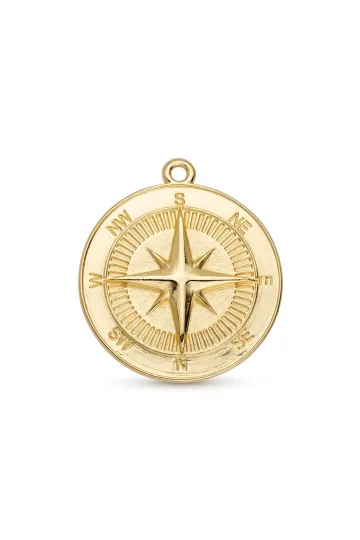
- Maritime symbols for working sets: anchors, compasses, the compass rose
- Paired sets: the rough machete next to an elegant navaja
- Anchor and rolo chains, leather cords and steel cable to carry the weight of the pendant
- Options with personal engraving on the blade or handle
Every piece can be personalised with engraving, with the option of personal engraving. Sterling 925 silver and 14 to 18K gold.


